Categories
Kitchen Garden

Fall Cookery – Preserving Local Food

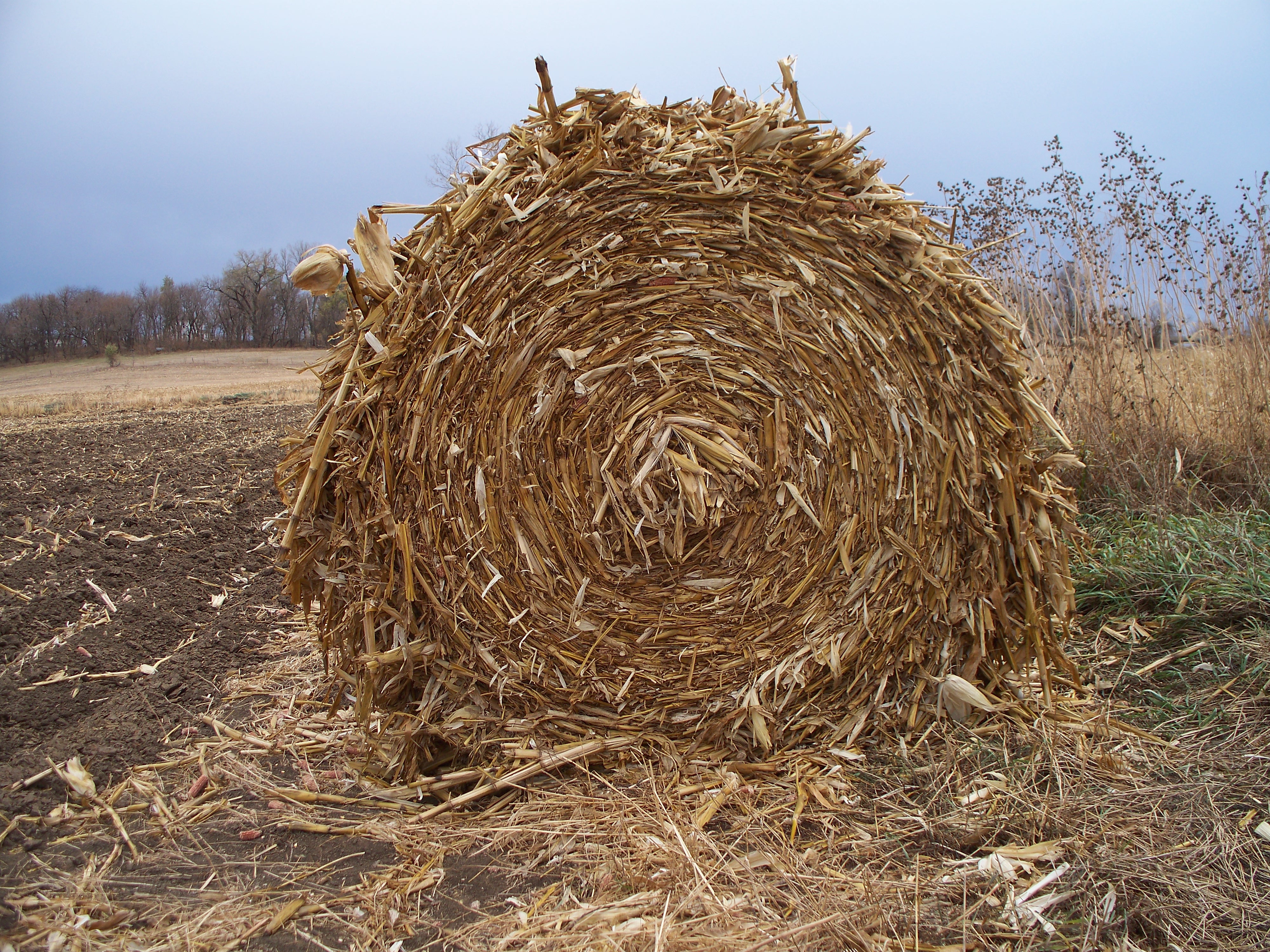
Hay Bale
Hay Bale

I connected with Local Harvest CSA last week. The farm looked great.

Iowa Secretary of Agriculture Bill Northey stopped there with my state representative, Bobby Kaufmann. I spent a couple of hours chatting and collecting information for an article that appeared Saturday in the Iowa City Press Citizen.

The next day Susan provided three crates of bell pepper seconds to eat and preserve. The freezer and vegetable drawer are now full. The good news is there weren’t many clinkers among them.

Our garden kept me busy this summer, producing more than enough for our kitchen and some to give some away. Tomatoes, kale and hot peppers are in abundance. The rest of the Red Delicious apples will soon be harvested. I spent most of Monday in the kitchen preserving food.

The kitchen day began with picking a bucket of tomatoes and jalapeno peppers in the garden.

Cutting the bad spots from the tomatoes, I cooked them and made sauce using an old timey tomato juicer with a wooden cone. The byproduct was 1-1/2 quarts of juice which is chilling in the ice box, ready for soup.

Coring and cutting bell peppers into slabs for the freezer is straightforward. I freeze them on a cookie sheet, then bag them for storage. That way they don’t freeze together. Two bags left from last year were in good shape so I added six more — a full year’s supply.

A bag of roasted red peppers and one of jalapenos was left in the freezer from last year. After thawing, I cut the jalapenos in half and put both into the Dutch oven. Adding bits and pieces of pepper leftover from the freezing operation, once tender, the lot went into the food processor until the mixture reached the consistency of relish. I put the result into half-pint jars and processed in a water bath.

I make some applesauce each year even though there is plenty in the pantry. The labor produced two quarts which wait in the ice box until more jars are ready to process in the water bath.

The remainder of the first crate of Red Delicious apples was juiced. I spent half an hour managing vinegar, bottling what was finished from the two-quart jar started in the spring and adding new juice to the mother. There are three finished quarts in the pantry. I may never buy apple cider vinegar again.

When the sun set, the implements of preservation were scattered on the counter — clean and drying. Yesterday I used my hand tomato juicer, a sieve, an apple peeler, an electric juicer, the food processor, a turkey baster, the granite ware water-bath canner, and the usual lot of bowls, jars, lids and rings. Knowing what to do makes it easier with each passing year.

There is a sense that these days of harvest cookery can’t go on forever. Suffice it I’ll keep living them for as long as possible, trying to learn from every season.

Categories
Home Life

Late Fall Reflections

Sliced Tomato, Salt, Pepper and Feta Cheese

Leaves are beginning to fall from the Green Ash trees. Those on the two early apple trees have been down more than a week. The garden is producing and likely will until the hard frost comes in mid-October.

This time, more than any in the year, is for work at home.

Today’s to-do list includes harvesting tomatoes and peppers, canning, and cooking gumbo. I prepared a lunch of sliced tomato, salt, pepper and feta cheese using blemished fruit. It’s a simple and satisfying repast.

For so many years, work was elsewhere. While downsizing I found a three-ring binder with papers from expense reports dated 1992. I was managing trucking terminals in Schererville and Richmond, Indiana, and starting recruiting operations in West Virginia, Georgia, Pennsylvania and Missouri. I would wake up on an airplane unsure of where I was, or where I was going. It was a busy time and there was little left for family. They were days of intangible hope for a future that included success. I don’t know what that means any more.

President Obama stopped at the Iowa State Library in Des Moines yesterday. The stop wasn’t on his formal agenda, but while there he submitted to an interview by Marilynne Robinson, the Pulitzer prize-winning author who lives in Johnson County. Obama reads Robinson and listed Gilead as one of his favorite books. It is pretty neat that one of our own has this kind of relationship with the president. Obama quoted from the book in his eulogy for the Rev. Clementa C. Pinckney in Charleston last July.

I’ve been trying to read Gilead without success. Starting it three times over the last three weeks, I don’t get it. Maybe eventually I will. It’s one of the must read books produced by an author affiliated with the Iowa Writer’s Workshop, where many less acclaimed books than Robinson’s have been produced. Maybe the time is not right. Maybe the president’s visit will encourage me to give it another try.

It’s two months to the 21st Conference of the Parties, or COP 21, in a suburb of Paris. Iowa environmental groups are wrangling for a unifying Iowa event just prior to the first day of the conference, Nov. 30. It seems a bit late to be planning as leaves fall, the harvest comes in, and we turn our attention to the work necessary to sustain ourselves. It’s important the parties reach an enforceable agreement. It won’t be the end of the world if they don’t. Or maybe it will.

Categories
Home Life

Opening Pandora’s Boxes

Pandora (1879) - Dante Gabriel Rossetti
Pandora (1879) – Dante Gabriel Rossetti

The greatest evil for a sixty something is theft of time. There is only so much of it — all here and now. There is also a sense we must create value with this limited resource.

How shall time be spent downsizing?

There are boxes to open — lots of them — each containing artifacts of this life, and potential villainy.

Pandora was the first woman in classical Greek Mythology.

“When Prometheus stole fire from heaven, Zeus took vengeance by presenting Pandora to Prometheus’ brother Epimetheus,” according to Wikipedia. “Pandora opens a jar containing death and many other evils which were released into the world. She hastened to close the container, but the whole contents had escaped except for one thing that lay at the bottom – Elpis — or hope. That’s what I’m seeking as the downsizing of personal artifacts begins.

Sorting Station
Sorting Station

There are two temptations leading to perdition.

The first is spending time with things that should be discarded. There was a reason to keep each one — such reasons eclipsed by the urgency of now.

The other is to discard something of value, an artifact worth keeping a while longer, with monetary value, or to pass along.

Some small percentage of the artifacts will go to our daughter, but we don’t want to load up her space with our junk. Too, some of the pieces will inspire new writing for this blog or other publication. There are books to read, artwork to contemplate, and relics of past lives wanting to be relived. I’d better make quick work of it or I’ll never finish.

It’s already going poorly as I was up in the middle of the night reading a history of World War I. I should know all of that by now.

Categories
Home Life

Creating a Life

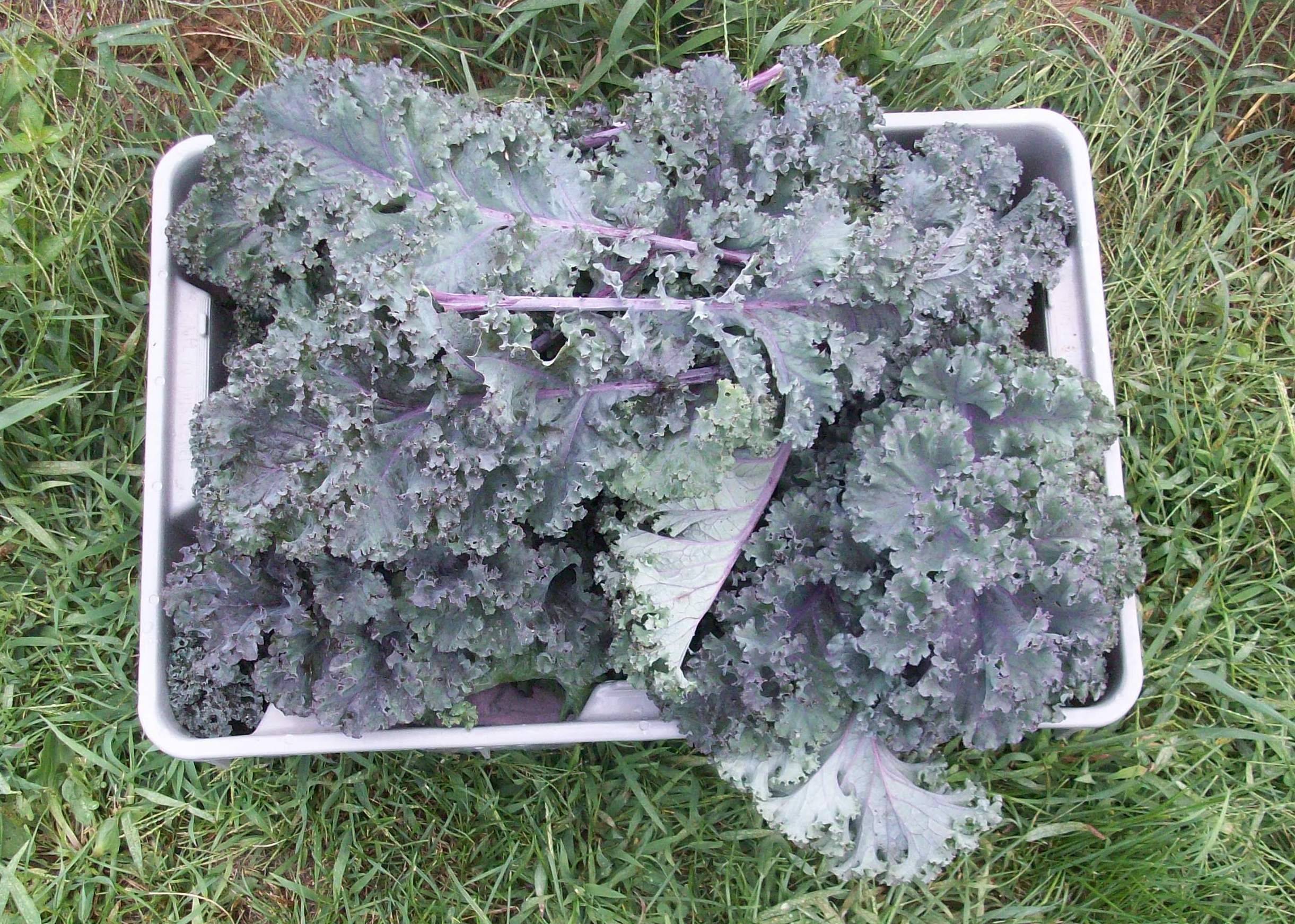
Picked Scarlet Kale
Picked Scarlet Kale

We live in the only home we planned and built. When I arrived in 1993, ahead of the rest of the family in Indiana, the lot was a vacant remainder of the Kasparek farm with two volunteer trees and tall grass.

A deal on another lot had fallen through, and there was an urgency to find a place to settle. This lot, with its proximity to Lake Macbride was to be it.

I remember sitting on the high wall after the contractor dug the lower level from the hillside, before the footings were in. A cool breeze blew in from the lake — the kind that still comes up from time to time.

Like our home, the lives we built here are a construct — decisions made, things accumulated and behaviors played out. As we live each day we make it anew from materials with which we’ve grown familiar. Over the next month, the construct will be under review, with new energy once things are shored up against what is expected to be a tumultuous future.

Some parts of life here were well-decided. The large 0.62 acre lot allowed our garden to grow and flourish, producing more food than we can eat and preserve given a busy life.

Others just happened.

So this week’s pledge is to get started on more conscious creative endeavor in this place we built 22 years ago.

Categories
Writing

Apple Tree Takes a Hit

Vroken Branch
Broken Branch

The Golden Delicious apple tree had been having trouble for a long time. Last night it took a hit as the combination of a fruit-laden branch attached to a disease weakened trunk broke off.

It was one of the last crop bearing limbs, so this winter the tree will have to come down.

It’s not a crisis. More a sign of what’s to come.

I planted six apple trees, including this one, after my mother-in-law’s funeral. The rest of the family drove to her home near Ames where I would join them once the bare root stock from Stark Brothers was in the ground. That was more than 20 years ago.

Since then, two more trees have been lost—this one makes three. The remaining trees produce enough fruit for our household which is loaded with cider vinegar, applesauce, apple butter and dried apples. We pick the best and leave or give away the rest. We’ll be fine.

Fallen Branch
Fallen Branch

After taking the photos, an hour in the kitchen produced juice for cider vinegar. I filled the two-quart jar that holds the mother for another season of fermentation.

We recently turned up a few old items of food. We have some vintage 2008 Duncan Hines cake mix, which I decided would be a reasonable vehicle to eat more apple butter. I made the lemon flavored one first. Squares of cake topped with vintage apple butter makes a delicious dessert. When I say “vintage apple butter” I mean the jars are labeled so the variety and circumstances from which the apples originated is known.

This morning I made a batch of tapioca. It’s not like pudding, but it is close enough that I plan to make more at least until the three boxes are used up. Not sure what prompted that purchase circa 2007, but the result, prepared according to instructions on the box was decent. If I can figure out the layers, it would be great to make a parfait. Perhaps to be served like ice cream.

The garden yielded a dozen cucumbers, the same number of Brandywine tomatoes, celery, green peppers and a few cherry and grape tomatoes. There is plenty of kale, but I’m letting the plants rest for a while before resuming regular harvest. No noticeable bugs have invaded… yet.

This report and its observations aside, it is a peculiar time.

The fallen apple tree branch is a reminder of the life’s brief span. Accepting the tree’s demise has long been avoided. Until this morning.

I accept it. Despite the downward curve of the arc, there is time to plant another tree. If not for me, then for whoever inhabits this plot of ground after we are gone. Looking forward to putting new stock in the ground.

Categories
Writing

Taking Local Out Of Local Food

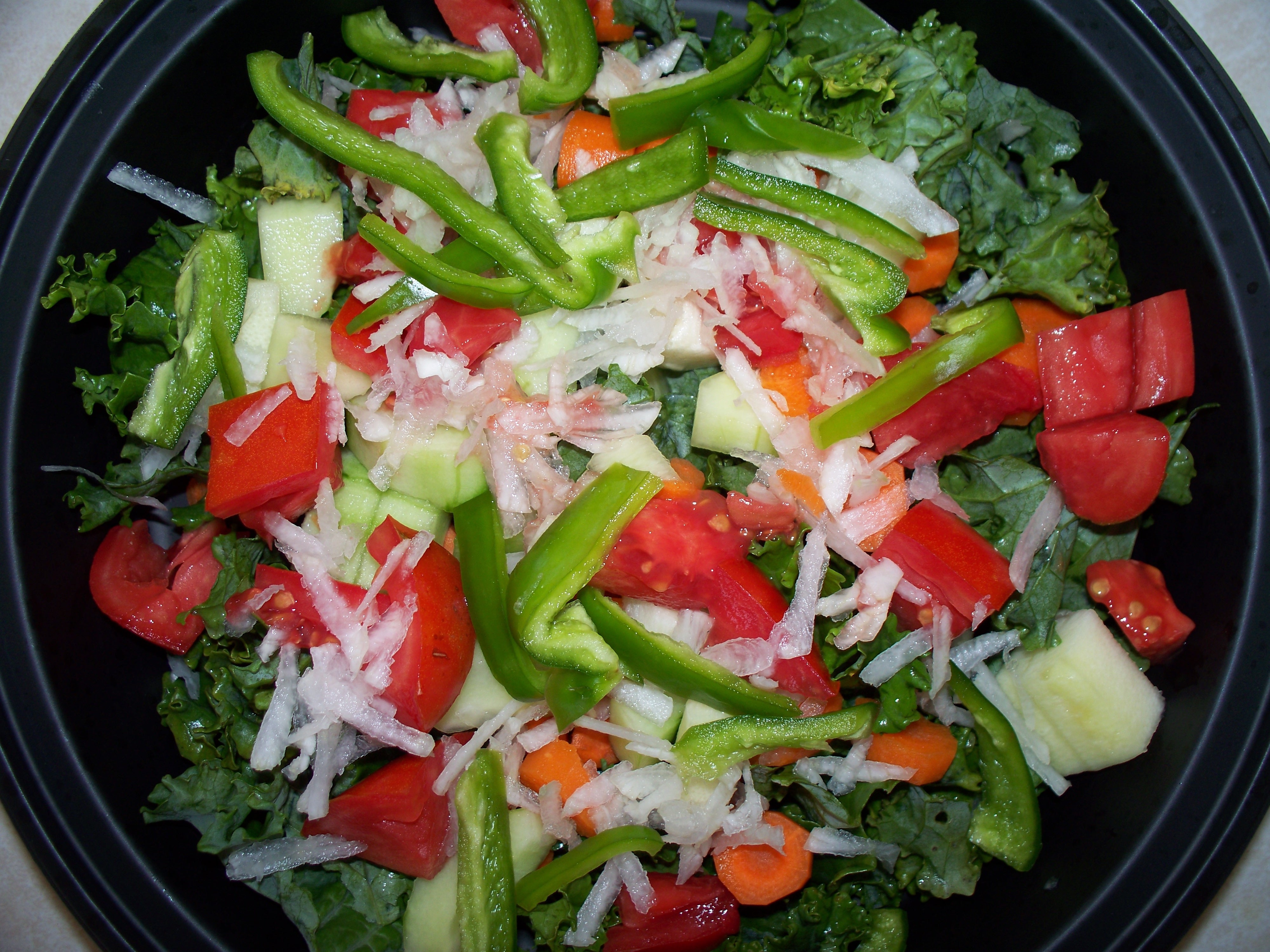
Kale Salad
Kale Salad

Ingredients for this kale salad were grown within 100 feet of our kitchen. It is as local as food gets.

We enjoy garden produce in high summer — when nature’s bounty yields so much food we either preserve or give it away. Any more our household gives away more than it preserves because the pantry is well stocked with previous years’ harvests.

Friends and family talk about the “local food movement.” In Iowa it is being assimilated into lifestyles that gladly incorporate ingredients from all over the globe. This assimilation has taken the local out of local food.

From an intellectual standpoint, it wouldn’t be hard to replace food grown in China, Mexico, California and Florida with crops grown here in Iowa. The number of acres required is surprisingly small. For example, local farmer Paul Rasch once estimated it would take about 110 acres to keep a county of 160,000 people in apples all year. The political will to encourage home-grown solutions in the food supply chain doesn’t currently exist. Until it does, rational, local solutions to food supply remain in the ether of unrealized ideas.

A vendor at the Iowa City Farmers Market was recently suspended for violating a rule that produce sold there must be grown by the vendor. Just walk the market and ask booth workers from where they hail. Often he/she is an employee or contractor working for a farm seeking coverage around many Eastern Iowa farmers markets. Too often they are anything but local growers. What’s been lost in this commercialization of local food is the face of the farmer.

Knowing where one’s food comes from is a basic tenant of the local foods movement. I enjoy working with local growers on a small acreage to produce food for families. At the same time, I seldom purchase a box of cereal from the supermarket even though I’ve seen the grain trucks queue up to unload at the cereal mills in Cedar Rapids.

For example, my garden doesn’t produce enough garlic for the year. I’d rather buy a supplemental bag of peeled garlic cloves produced at Christopher Ranch in Gilroy, Calif. than cloves lacking discernible origin at a farmers market. I know how Christopher Ranch produces their garlic. Absent the face of the farmer, there is value in understanding food origins, and that means some percentage of a household’s food supply will not be local.

There is a lot of marketing hype around “organic,” “GMO-free,” and “gluten free” foods, and this has to be impacting the customer base of local food producers. If consumers feel they can get a reasonably priced, “healthy option” at the supermarket, why make an extra trip to the farmers market, except for the occasional special experience? Why wouldn’t one pick up a bag of Earthbound Farms organic carrots when local growers can never produce enough to meet demand? At the same time, marketing hype is just what the name suggests.

Food security and sustainability are complicated. Before the local foods movement came into its own, it already is being assimilated faster than one can say snap peas. From a consumer standpoint the local came out of local foods some time ago, and it may not be back.

Categories
Writing

Clearing Space

Notebook and Passport

The lower level of our home is not finished.

In August 1993, as we trucked our belongings inside, I set up a wooden desk bought for a buck after returning to Iowa from Germany. It’s in about the same place today, with an accumulation of junk piled on it.

It is time to clear the old desk and get to work making something from the artifacts of a life.

I have been a reluctant downsizer, but it’s time. The process will involve writing — autobiographical writing. It will also involve shedding the detritus of hopeful projects that lost their luster.

Few people care about a single, ordinary life unless some broader lesson can be learned from it. Even I don’t care about much of what happened in my life. The main focus is always on what’s here and now, and to some extent, what’s next.

A few projects seem particularly important.

In 2013 I wrote “Autobiography in 1,000 Words.” I’ll expand that post to 10,000 or maybe 25,000 words. Brief enough to read in a single sitting, but more details.

Prioritizing my reading list will be part of the process. Last year I read a short list of books. If that is the future, choosing carefully from many options ranks high on the to-do list.

Since re-purposing in July 2009, my writing has been short form. Letters to the editor gave way to blog posts, and freelance work for the Iowa City Press Citizen provides an outlet. My topics have been catholic and need focus. I expect to continue freelancing as I have been, but funnel down blog writing as I go through the accumulation of artifacts. At my age some things are more important than others and there is not time for them all.

Since the digital photography era began—roughly in 2007 for me—thousands of images have been stored on computers and external drives in our house. I worry about the future of such images, so some photo printing is in the works.

The project end-game is a productive studio space. A place to go for creative endeavor that would include music, writing, reading and other outputs. If the space produces an income, that would be great, but I don’t have high hopes for that.

It’s time to be hopeful again, beginning not far from where I’m writing this post. I cleared a space on the oak desk last night, so the work has begun.

Categories
Home Life

Weekend Miscellany

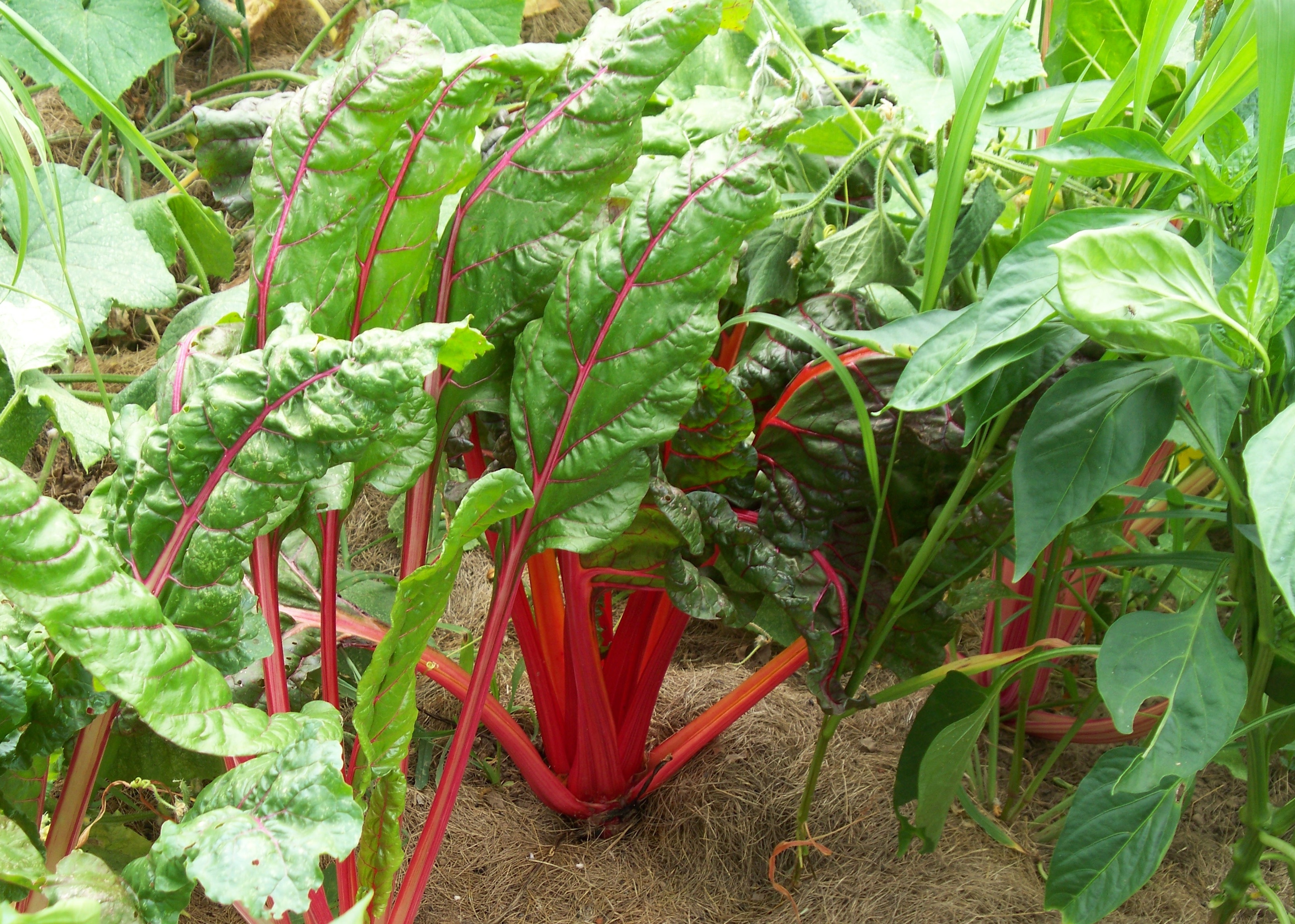
Swiss Chard
Swiss Chard

Bits and pieces of a life surface in the early morning of high summer.

A plastic bag holding brown rice disintegrated in the cupboard, leading to discussions with my spouse about what to do with old food.

The plastic bag was biodegradable, although the expectation was it would last a while longer. Removing the cupboard contents to clean up and reorganize turned up food with expiration dates going back to 2003. The hoarder in me wanted to keep or cook some of it, but best to compost and recycle as we can.

What project did I have with tapioca? Why weren’t there more celebrations for which to bake a box cake, and inadequate festivities to use up two bottles of grenadine syrup? What the hell with the marshmallow fluff? There are answers, but the memories conjured by this project we not so memorable.

Today begins my weekend, which of course, is not free of work. My editor sent me three story ideas and the three-day hiatus from the warehouse is filled with activities already. Not the least of these activities is picking apples, which are getting ripe fast. The first wave will be a big one, with lots of juice and maybe some sauce and apple butter in the works.

Categories
Kitchen Garden

Middle of the Gardening Year

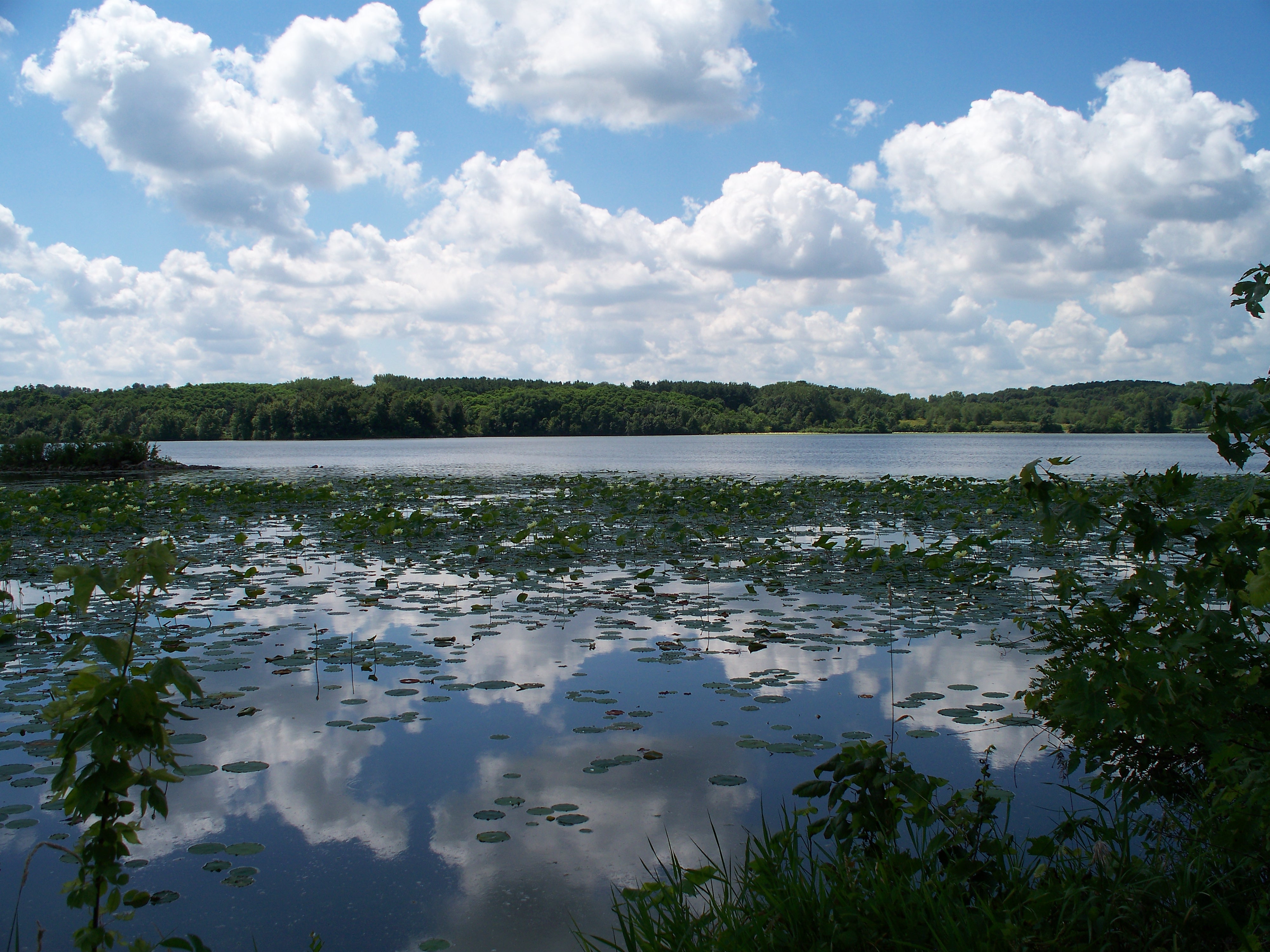
Lake Macbride
Lake Macbride

July 25 has been the traditional day to plant second crops in the garden. Turnips, radishes, green beans, broccoli and more stand at the ready. If I can break away from paid work for a while they’ll go in Tuesday or Wednesday.

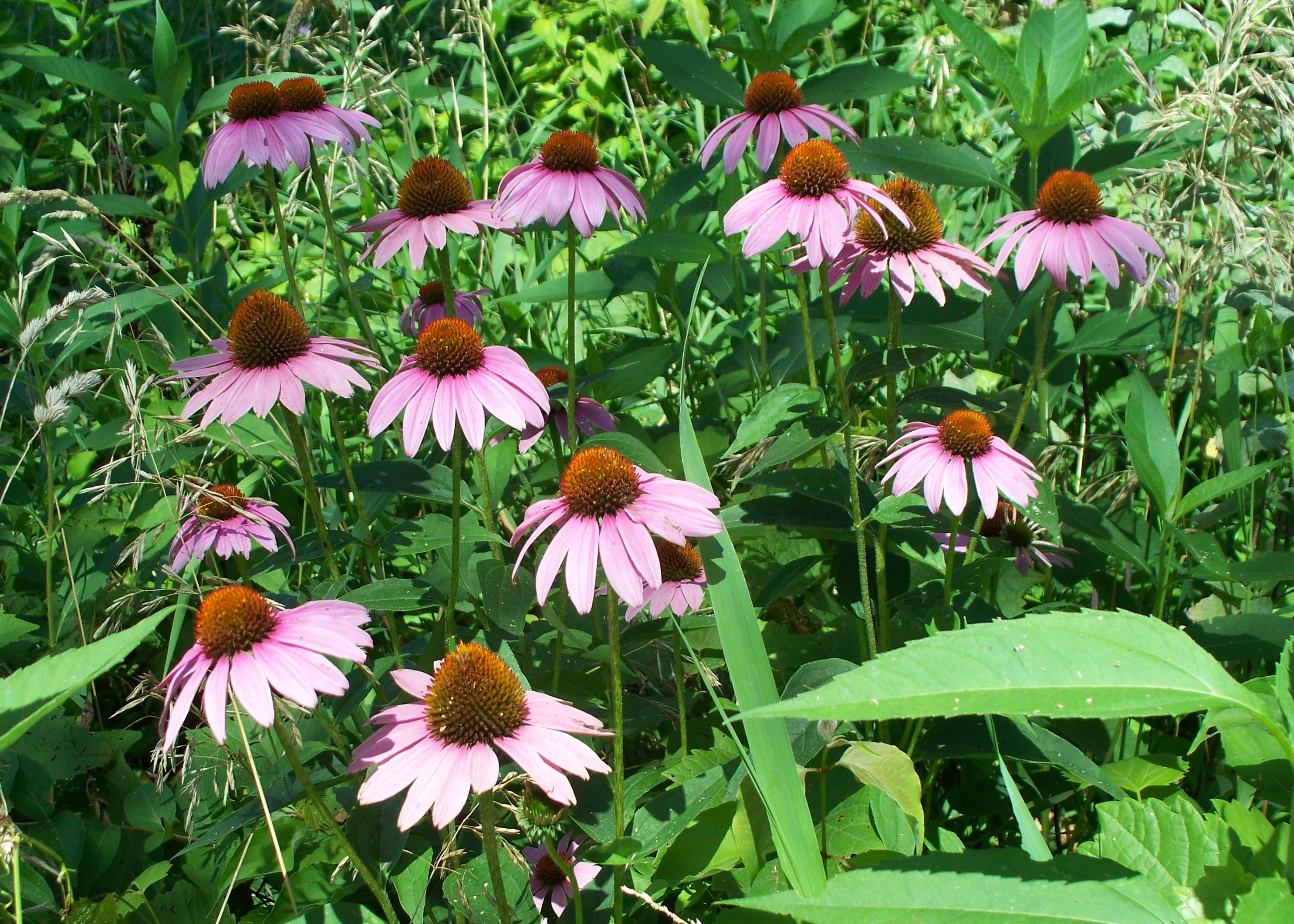
Wildflowers
Wildflowers

I planted lettuce in pots, but it germinated poorly—likely due to too hot temperatures. The broccoli seedlings are ready to be planted, but there is a fatalistic cloud hanging over them as some critter got under the fence and ate up the cruciferous vegetable in the spring. My tolerance policy may enable it to return and bring its friends once the tender crops are in the ground again.

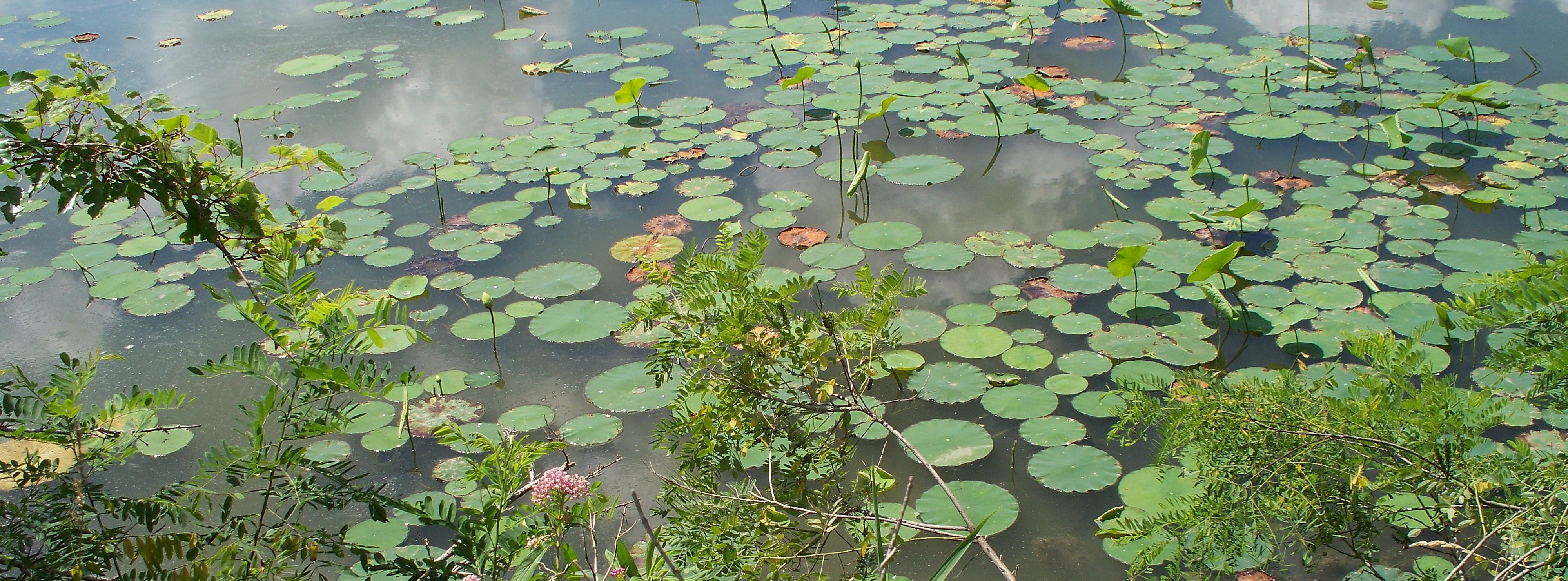
Reflections of Clouds

A neighbor has been out of town for a couple of weeks and offered their garden produce while gone. Their squash, tomatoes and cucumbers filled a gap in our garden, and I made notes for next season. Two zucchini plants is more than enough for a family, plant cucumbers earlier, grow a couple of early yielding tomato plants to supplement the later big crop.

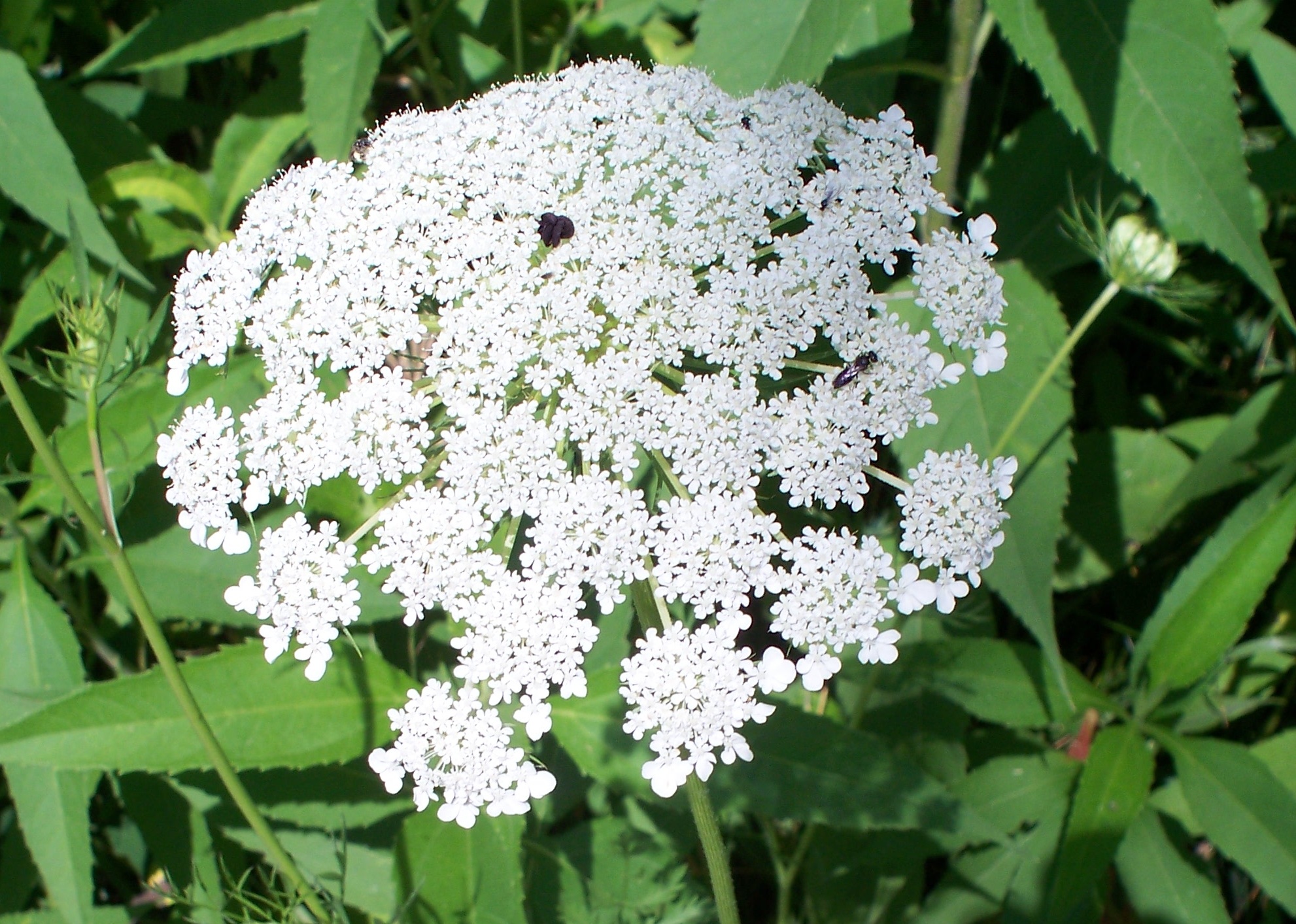
Queen Anne's Lace
Queen Anne’s Lace

Mostly though this time of year is about wild flowers. The Iowa Department of Natural Resources has some prairie restoration projects going and each patch is redolent with the scent of summer.

It’s time to stop and take it in before midsummer turns to fall and winter.

Categories
Home Life

The Meaning of Crickets

Lake Macbride
Lake Macbride

Is the sound of a cricket in the house good luck or bad?

Early morning found me interrupted by chirping—loud and pronounced. I turned on the light of my mobile phone and shined it behind a bookcase, trying to locate the insect. He’s here for the second day.

It’s a long cricket walk from any point of entry to the lower level of the house and my writing desk. It seems doubtful the distinct rhythmic sound will attract a mate. It is distracting to me, but the range is very short.

“It is a sign of extreme good luck,” according to the Internet. “All the things that you have been working toward and dreaming about are now possible. Stay open to guidance and cosmic messages and you will know exactly what you have to do.”

Whatever Internet. If I catch the bug, he’ll be transported outside—unharmed if possible.

Yesterday my editor wrote that my last filing would finish the week. There has been a lot of news lately, so my features get pushed back. New assignments won’t happen until next week, and that’s okay with me.

At the warehouse the other shift supervisor turned in her notice, so it means more work for me in coming weeks until the corporate staff figures out what to do about leadership. Our regional manager seems in no hurry.

After an analysis of the retained value of our net worth during the six years since my “retirement,” it turns out we reached a floor in 2013 and have begun to grow net worth again. I don’t know how that happened since we seldom have extra money. It reinforces a couple of things about low income families. We make do with what we have. We have more than enough to occupy our time. Every income source, no matter how small, is important.

For the moment, I’m going to try to locate the cricket and move him outside. I hope it’s not bad luck.