In our house, it is Christmas Eve, although there is a string of notable days running from mid-December through January. I enjoy those Christmas seasons when I can stay home without pressure from work or other social obligations. During the coronavirus pandemic, it makes sense to avoid exposure to others, although the isolation is only partly mitigated by modern communications technology.
Leaving home can be a traumatic experience. When I left home in 1970 to attend university I didn’t understand there would be no permanent return to my home town. When our child left Iowa in 2007 there was also a lack of understanding of how the change would affect us. We do the best we can during holidays, whether child or parent. The veil of our illusions wears thin at the end of the year.
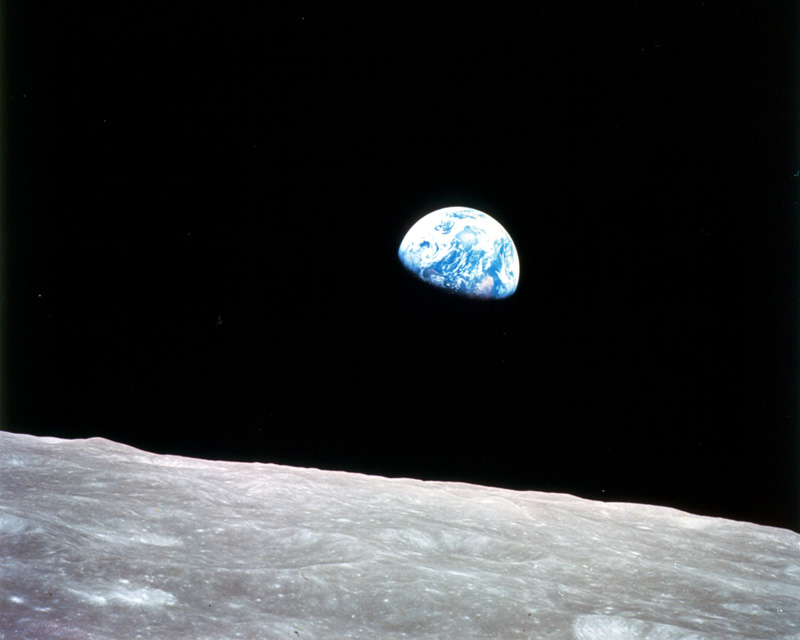
On Christmas Eve my tradition is to review this photo taken by Bill Anders during Apollo 8. It changed my life, and those of many others, to see Earth suspended in space, alone and vulnerable. Some say it sparked the environmental movement. The problem is the environmental movement and society more generally have been doing a poor job of mitigating the worse effects of the climate crisis. The coming week before New Year’s Day is projected to be the warmest December week in recorded history for North America. It is a cause for concern for us all.
For Christmas Eve dinner there will be cornbread and chili, followed by settling in to a long night. We did not decorate the house for the holiday and haven’t the last few years. If we have guests during a future holiday season I expect we will get the boxes out from under the stairway, reminisce about the decorations and how we came to have them, and put them up. Not this year, though.
It is a time for letting go the frustrations and tensions 2021 created within and among us. The year began with an attempt to overturn the results of the November 2020 U.S. presidential election. It is ending with a robust economic recovery that could only have happened with the leadership of President Biden and his administration. It was a year of the yinyang of being American.
As we prepare for a winter, delayed by a warming planet, it’s time to consider the future and actually do things to bring peace on Earth. That we will is my Christmas Eve wish.
However you celebrate year’s end, I wish you health and happiness as we prepare to enter the new year.
The coronavirus pandemic continues during a second holiday season. I had hoped to be done writing about that by now. The omicron variant of the virus informed me, “No, you are not done.”
Dr. Anthony Fauci, the nation’s leading infectious-disease specialist, said yesterday on CNN, “Unfortunately, I think that (record numbers of coronavirus cases and hospitalizations are) going to happen. We are going to see a significant stress in some regions of the country on the hospital system, particularly in those areas where you have a low level of vaccination.”
We had already cancelled a Christmas trip to be with our child and their close friends, because of increased incidence of COVID-19. Today I’m making a list for a trip to the grocery store to provision up with fresh vegetables so I don’t have to leave the property until the new year. I seek to minimize our exposure to the new, highly contagious variant of the coronavirus.
“It is going to be a tough few weeks, months, as we get deeper into the winter,” Fauci said.
Merry f*cking Christmas, y’all.
The Christmas Holidays in my childhood home were mostly a product of my maternal grandmother’s imagination. She was born and grew up on a remote farm in rural Minnesota. At a young age, she moved to Minneapolis where she worked as a servant. She and a man got together (and presumably married) and had two children. Her plain, difficult life was punctuated by the special occasions of weddings, baptisms, first communions, and religious holidays, especially Easter, yet Christmas too.
Part of her Christmas holiday culture was creating a tableau of the nativity, with a manger and ceramic figurines she molded, glazed and fired herself. My inheritance from her includes this sort of creating something from the dross of daily life, something in which we could participate and enjoy. She recognized the fleeting moments of those special days and the work that went into making them. Without her, the Christmas holiday would have been much different.
End of year holidays have been secularized. Instead of making tableaux from home made things as a celebration of religious culture, we insert figurines that came down from grandmother in what has become a hollowed out, personalized family tradition. These are essentially habits repeated for lack of something better to be doing. Am I cynical? No, not really. When we put out decorations, we enjoy the time remembering where special artifacts originated. With the decline in participation in formal religion, people now craft their own end of year holiday occasions which may or may not include such traditions.
Americans’ membership in houses of worship continues to decline, dropping below 50 percent for the first time in 2020, according to the Gallup organization’s eight-decade polling trend. That year, 47 percent of Americans said they belonged to a church, synagogue or mosque, down from 50 percent in 2018 and 70 percent in 1999.
In our household a number of special occasions mark the end of the calendar year. First is our wedding anniversary on Dec. 18, followed by the winter solstice, this year on Dec. 21. Christmas Eve is a time to make chili and cornbread, and on Christmas Day we make a special meal. If others are in the house, we may exchange gifts. My birthday follows on Dec. 28 which leads into New Year’s Eve. Dec. 31 involves a weak effort to stay up until midnight to ring it in. I usually have a drink. New Year’s Day is another special meal and by then all the leftovers from Christmas have been eaten. This year I plan to start a new tradition of starting onion seeds indoors on New Year’s Day.
As I age, there is a sense of loneliness and sadness as I survive more people I knew with each passing year. Coping with aging is increasingly present during the holidays. There are holiday phone calls, video chats, texts and emails. If we weren’t in the worst of the pandemic, I could engage with a local organization to help others. Such communication helps us cope.
Staying busy also helps. Garden planning is a natural undertaking for the holidays. I placed my first three seed orders and will work on another. In addition, I began a project in the garage to organize everything. Yesterday I discovered a drawer that was crammed full of telephone wire and connectors brought back from my father-in-law’s home in the late 1990s. He owned and operated a rural telephone company and I don’t recognize half of the tools and supplies. Land line telephones are in decline, so a lot of it will be sold at a yard sale or pitched. There is also plenty of reading and writing to be done to cope with loneliness.
The end of year holidays are much different from what I recall from childhood. I no longer believe there is a Santa Claus, even though I remember seeing him and the reindeer flying in the sky when I was in first grade. As we discover the new, electronic globe in which we find ourselves, there will be other changes. I predict end of year celebrations will continue. I expect to note the annual rites for many years to come.
On walkabout I saw the damage to the Mulberry tree. From the stain emitting from the cracked trunk, we can tell it was trauma. I suspect it was damaged during the Aug. 10, 2020 derecho. Because the damage faces Northeast, away from the house, it wasn’t noticed until now.
I’ll observe the progress of the wound to see how it goes. I believe the tree is a goner, yet will let nature take it’s course. I’m in no hurry to take it down with a chainsaw.
While the mulberry was a junk tree presumably from a seed dropped by a bird sitting on a length of rebar left by a surveyor as a property marker, it has been with us for our whole time here.
It produced berries, mostly for birds, and there may be more crops ahead. It is the last of two volunteer trees growing here when we bought the lot.
If it dies or falls apart I won’t replace it with another. It’s trunk grew to straddle my lot and two adjacent ones. It’s better to keep trees on my side of the line. One should not rush into tree management. Decisions made today are consequential for years to come. Sometimes we make the wrong decisions as I have.
After a quarter century, I’m getting to know the lot we developed. It is time to get outdoors and spend more time in the environment in which we live. Even if that means little more than walking in the yard.
I added a walkabout to my daily routine. Once the sun rises, and after I finish daily writing, I leave by the garage door and walk the property line of our 0.62 acre. Each day I saw something unanticipated.
The condition of trees, activities of squirrels and birds, and windblown trash deposited on our lawn. The walkabout provides an opportunity to take stock of our land and consider what needs doing, what should be left alone. I’m discovering a lot of neglected work.
There are at least three bird nests I’ve found. I’m amazed at how they take found objects and craft them. Anything pliable seems a likely building material, including plastic wrap and bits of fiber. I don’t remove the nests unless they fall from the tree or bush. For the most part they are woven into live branches with a sense of permanency.
I’d forgotten how large our yard is and how many distinct landscapes are in it. As we head into winter the walkabouts will be a time for observing, thinking, and planning our landscape. I don’t know how I went so long without this as part of each day.
2021 has been a great year of progress in the kitchen garden. As the seed orders find their way to us via U.S. Postal Service, some reflection on the positives seems in order.
Apples
This has been one of the best years for apples. In our yard the three legacy trees bore abundantly and we used them for everything we needed. At the orchard (by this I mean Wilson’s Orchard and Farm, where I worked from 2013 until 2019) there was an abundant crop to supplement the two varieties that yielded here. The pantry is loaded with everything we need in terms of processed apples. We should have enough apple butter, applesauce, dried apples and cider vinegar to last two years until the next big crop. If our trees bear next year, that will be a bonus.
We had enough to take what we needed, let our neighbors pick some, and plenty for the deer once we harvested the best ones. The combination between our trees and a nearby commercial orchard meant we didn’t have to buy a single apple from the grocery store.
Vegetable broth
Each garden year begins with a couple dozen quart jars of vegetable broth. As I grow a diverse number of greens, I switch which ones dominate. Turnip greens have produced a consistently tasty broth, yet they all are good. We use this broth to cook rice, in soups, and as an alternative to using oil when frying vegetables for some dishes.
Guajillo Chilies
It took a few years but the integration of Guajillo Chilies into our cooking is complete. The main product is a cooked and preserved pepper combined with garlic, salt and apple cider vinegar in a food processor. Once the fresh chilies are gone, this becomes the main way I use chilies in cooking. I tried the technique with jalapeno peppers and while a little hotter, it also serves for our culinary needs.
Polish-style Soup
When growing up, Mom’s cooking was pretty “American.” That is, outside the occasional Polish-style ravioli brought home from visits to LaSalle, Illinois, Polish heritage cooking was absent. That was also true of memories of my maternal Grandmother who often found paid work as a cook in settings where American cooking prevailed. It was discovery of the cook book Treasured Polish Recipes for Americans by the Polanie Club that enabled me to come to terms with my heritage.
Based on studies of the soup chapter, I developed a consistent soup recipe that uses vegetables grown in our garden. The ingredients in the book were the same as what I have been growing for years. The main characteristics of the soups are they are thickened with barley, I add lentils as a source of protein, and use onions, celery, broccoli stem, parsley, grated zucchini and other frozen vegetables from the growing season. I use whatever greens are in season, and frozen kale if they are not. I also add potatoes, turnips, and whatever root vegetables are on hand. Settling on a soup recipe has been a long time coming.
Sweet Bell Peppers
After years of experimentation I finally produced enough bell peppers to eat raw, use in cooking, and preserve in the freezer. This was a watershed year.
Tomatoes
I grew the largest number of tomato plants ever and had plenty to eat fresh, can, freeze, and give away. The main successes were:
Developing a method to extract moisture and freeze the pulp into small servings using a cupcake pan was a breakthrough. The idea is to use a couple of tomato “buttons” to make pizza sauce for our weekly, home made pizza. I use them in everything to add a small amount of tomato sauce when needed.
I learned to grow enough Roma tomatoes so I can use them to can whole. I’m still working off a backlog of preserved tomatoes, but the system is in place for growing to match canning needs. Romas are the best to can whole.
Our local food bank welcomed my extra tomatoes. My weekly seasonal donations took the pressure off of using tomatoes in a timely manner.
I grew a wider variety of tomatoes this season, maybe 25-30 varieties. The benefit was I discovered some new favorites and we had tomatoes for every dish throughout the season.
I can extra liquid from tomatoes if I don’t use it fresh. I try to use everything and the canned liquid goes into soups.
I planted earlier than my peers in the local food movement and because of that, I had tomatoes earlier than they did. I risked frost only once or twice and using old bed sheets to cover the plants, was able to make it through without damage.
Squash, eggplant and cucumbers
I’m pleased with the way the squash came out. There was plenty of zucchini, and pumpkins and acorn squash produced beautiful fruit that tasted good. A little goes a long way with zucchini and I grew and preserved enough for soup all winter. I also froze cooked pumpkin flesh in one cup sized buttons to use in pumpkin bread.
A little eggplant goes a long way for us. I had six or seven varieties of seeds and planted some of each. I’m looking for enough to make one or two eggplant Parmesans and roasted rounds for the freezer. I had plenty this year.
The cucumber crop wasn’t as big as we’d like although it produced enough for plenty of canned sweet pickles to last us until next year. I’m on the way to striking a balance of varieties to meet our needs and this will be an ongoing experiment.
Garlic
The garlic crop was the biggest yet with large heads, about 75 of them. The disease that was prevalent last year was absent this year. That’s because I was particularly diligent to pick clean cloves for seed. The main uses are fresh in cooking and in the prepared chili sauces mentioned above. I still harvest enough green garlic from the volunteer patch I planted decades ago.
Celery
There was a new celery seed this year and it produced a better crop. We eat celery fresh in season and use it in cooking. The extra gets sliced in soup style and stir fry style and we produced a lot of it this year. We’ll be eating it all winter.
Greens Patch
I set aside a plot for cooking greens and the concept proved to be useful. We had greens for the entire season. The main change was cutting back the number of kale plants and planting chard , collards and mustard as alternatives. I also grew several kinds of cruciferous vegetables like kohlrabi and bok choy. I plan to further develop this concept.
Onions
I grew seven varieties of onions and shallots and would term it a success. It is the second year of having a big crop and the quality was quite good. I used a mixture of plants I started from seed and starts from the seed store. The starts from the seed store, along with the shallots, did the best. The challenge is picking storage varieties and then using the shorter storing onions first. This all worked out in 2021.
Herbs
I successfully grew parsley for the first time. There was plenty of it to use fresh and I used the cupcake pan method to freeze some in water to add to soups during winter. I also had plenty of chives, savory, rosemary and basil. I froze many parsley stems for use in winter cooking. I feel more confident after this season and will likely expand my herb growing next season.
Row Cover
I bartered for some row cover and used it to grow an eight foot row of lettuce and herbs. It made a huge difference. It enabled succession planting in a way I hadn’t had before. More planning is in order for 2022 to make row covered vegetables a bigger part of the garden.
Reverse side: Stella Marrs, P.O. Box 2273, Olympia, WA 98507.
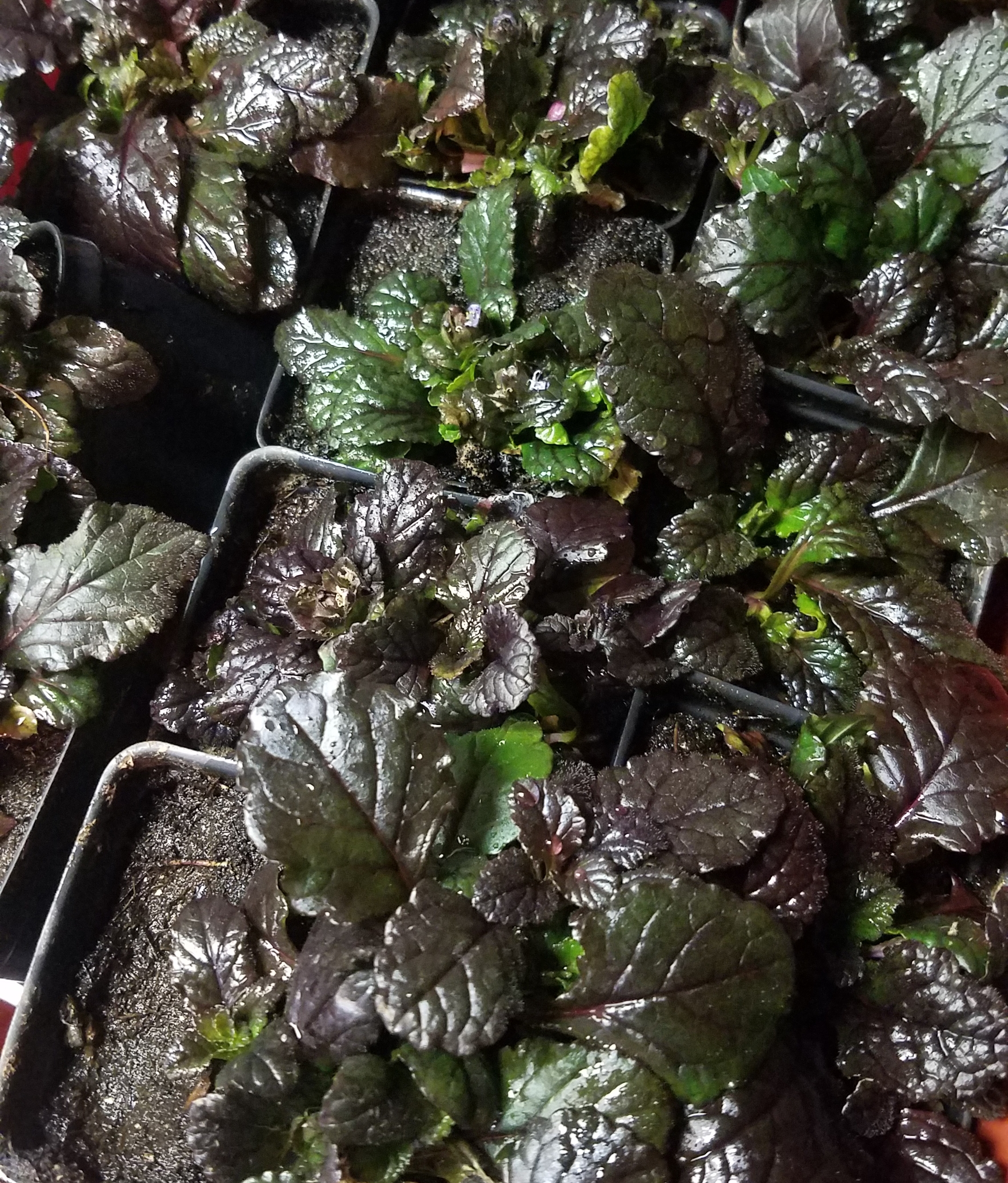
I plugged in the grow light for the first time since summer to move a flat of Ajuga plants indoors. We reclaimed them from the yard, where they spread and spread, all the way down to the drainage ditch. We transferred them from my father-in-law’s home before he died in the 1990s. At the nursery Ajuga plants are quite expensive, maybe $6 per pot. We’ll have plenty at no cost but our labor if we take care of them. They grow like weeds.
On Thanksgiving I plan to lay out the 2022 garden and prepare the first seed order. Second seed order, actually, as I already have the onions and shallots to start in late December. I hope to clear the dining room table and sit down to consider what seeds we have and what we want to grow in consultation with my spouse. It could be a family tradition, one that means something special. We’ll see how it goes as I don’t want to get ahead of myself.
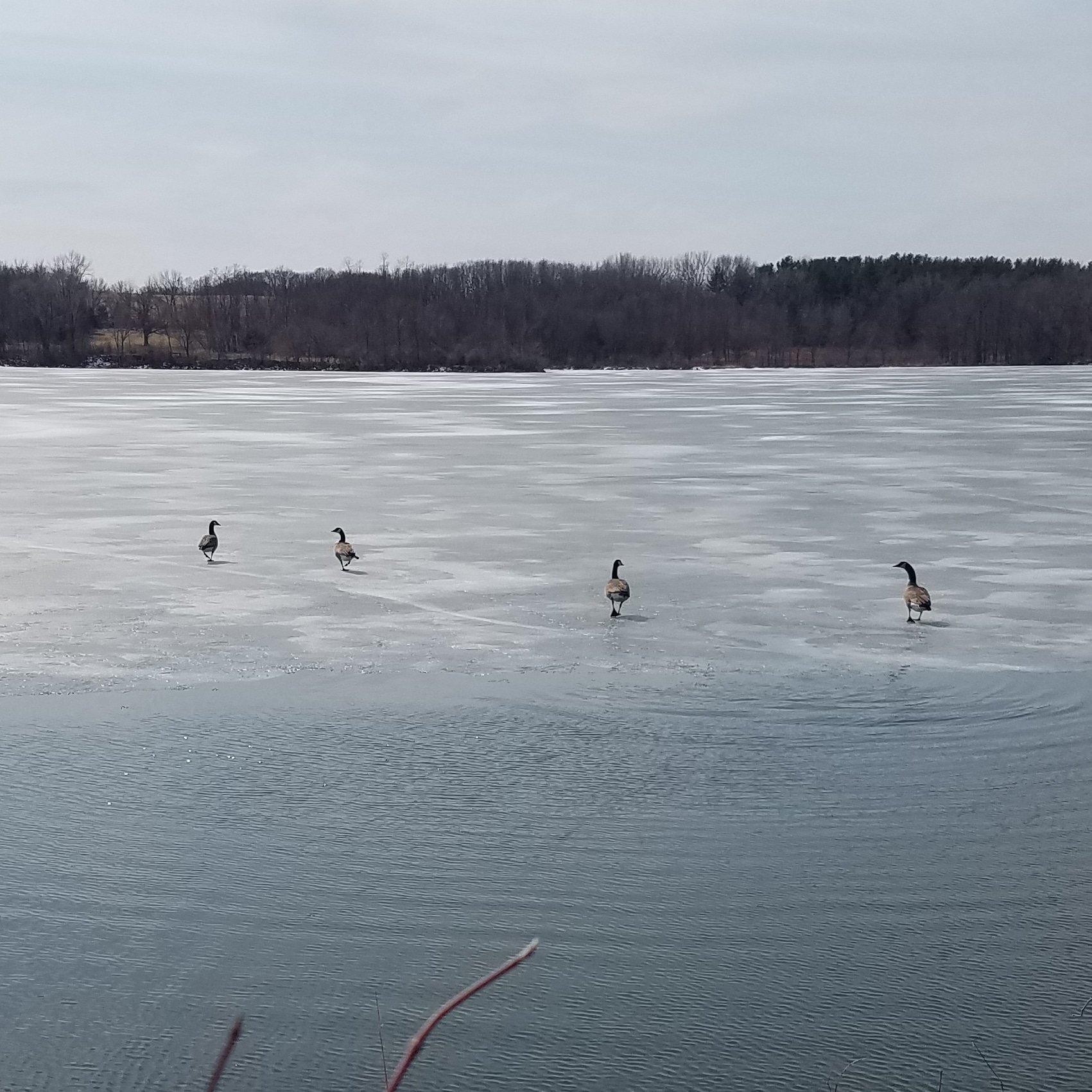
We are not big on year-end holidays and usually spend them by ourselves. Once we make that decision each year, everything hinges on how we feel. There is a slate of phone calls, emails and the like. Being a vegetarian household, the deer, geese and wild turkeys are safe from us as the meat culture is absent. Most people would call what we eat “side dishes.” At a point long ago we reviewed the nutritional values and found we had a well-balanced, if nontraditional Thanksgiving meal.
I don’t know where I got this postcard yet I like it. I do garden organically, although I gave in and started using composted chicken manure as fertilizer. It improved the yield. I don’t use manufactured herbicides or insecticides, organic ones work fine. I get organic seeds when I can find them. To see the face of the farmer, I look in a mirror.
Friday morning there was a partial eclipse of the full moon. It looked awesome set in a bed of bright stars. I couldn’t get a decently framed photo so I didn’t take any. Memory will have to serve.
We have provisioned up for Thanksgiving and have everything we need. If the orchard releases Gold Rush apples today, I’ll go get some along with a half gallon of cider. If the Gold Rush are not available, I’ll stay home and make my own cider for Thanksgiving. I saved enough garden apples in case I needed them.
With the holiday season upon us, the rush to year’s end has begun. 2021 is almost over and we are ready to begin again. I’m here for that. I’m looking forward to another gardening year.
Like most people, I want a decent meal when it is time to eat. In 2012, I launched a major study of the local food scene and was not disappointed in the results coming into and out of our kitchen. By working at a number of farms, growing and expanding our home garden, and participating in legislative advocacy, I learned so much about where food originates and conditions which engender growth of a variety of fruit and vegetables.
The impact of local food systems on our home life reached its peak in development of the kitchen garden idea. Now that the work is finished, I have less interest in writing regularly about food. It is an assumed part of a background against which I pursue other interests. I’ve learned what it means to know the face of the farmer. I maintain an interest in doing so. I just won’t write about it as often. Mainly, others are doing a better job of writing about our food system.
Food is basic to a life. It is not the most important thing. I am glad for the work I did, yet I feel it is finished. It is time to concentrate on more important aspects of life. It is time to keep a focus on life closer to home.
On a Clear Day You Can See Forever
Retro Post from Jan. 11, 2012
It was another clear, warm day yesterday. When I ran the trash cart and recycling bin to the street this morning, the sky was clear, stars bright. The waning gibbous moon illuminated the house, driveway and yard with its silvery light, reminding me of how minuscule earthly troubles are in the scope of life in the universe.
Inside the trash cart were remnants of chicken wire from Monday’s garden work and a number of old pillows, one of which I brought back from Germany with me in 1979. No real trash as we did not generate enough this week to make a full bag.
The Iowa House of Representatives implemented new video webcast functionality at the beginning of the legislative session. I viewed Governor Branstad give his 17th condition of the state address to a joint session of the legislature. He focused on two things: economic growth and education reform. President of the Iowa Senate, Jack Kibbie, could be seen behind the governor applauding politely from time to time. Hopefully, the governor will find common ground with the legislature this year. As House Speaker Pro Tempore Jeff Kaufmann pointed out with regard to property tax reform, there are three versions, the governor’s, the House version and the Senate Democratic version. This three part division seems likely to follow everything the legislature does this year.
I drove to Runge Funeral Home in Davenport for visitation, memorial service, and interment of the mother of a long time friend. My mother came for the visitation and we sat in the parlor, waiting to speak to Dennis, whom we have both known for a long time. Mom drove separately and when she left the visitation, we went to nearby Mount Calvary Cemetery to visit the graves of family members. Many people from my childhood are buried there.
As one enters the cemetery, the road passes Antoine LeClaire’s grave. He was one of the founders of Davenport who interpreted the autobiography of Black Hawk. Our family is buried further back. This visit I noticed one of my grade school classmates is buried next to my father’s plot. My classmate died in 2010. We visited my father, my grandmother and my great grandparents. At least three of my grandmother’s sisters are buried in the cemetery. We visited Pauline and Margaret’s graves, which are near their parents.
Mom brought a holiday fruitcake for me which I transported in the passenger seat, a simple pleasure.
When Mom went home, I returned for the memorial service which was conducted by a Lutheran minister. The music was Anne Murray, “Can I have this Dance?” Willie Nelson and a Polka with bird chirps superimposed on it. We said the Protestant version of the Lord’s Prayer.
At the interment, Dennis invited me to his sister’s home for sandwiches and we sat at the dining room table talking about diverse issues. In our younger days, we discussed Bellow, Hegel, Nietzsche and Sartre. Now, we discuss oncology, magnetic resonance imagery, physicians, and a too long list of human diseases and ailments. We did manage to work Joan Didion, Richard Ford and Philip Roth into the conversation.
The drive west went quickly. I was too late for the veterans meeting in Coralville, so I went directly home, tired from the day and ready for a long sleep. In this morning’s silvery, predawn light, Orion sat on top of our house as I walked back to the garage. I stopped and pondered, knowing that my recognition of the constellation was transient, and that I was ready for another day.
It’s the end of apple season and with a vegan in the house, using butter in a dessert is out the window. I took the apple crisp recipe from my hand written cookbook and modified it after reading a couple of vegan recipes. The first test batch didn’t meet standards so I tweaked it and came up with this keeper.
Vegan Apple Crisp
Preheat the oven to 350 degrees. Shelf positioned so the baking dish is in the middle of the oven.
Filling:
8 good sized apples
2 tbs wheat flour
2 tbs lemon juice
1/4 cup apple cider or juice
3 tbs arrowroot (mix together with lemon juice and apple cider)
dash salt
1-1/2 tsp cinnamon
1/2 tsp ground ginger (fresh if you have it)
a few grates of nutmeg
Grease the baking dish. Reserve the arrowroot mixture and mix everything else in a mixing bowl. Don’t beat it to death! Add the liquid and incorporate. Pour into the baking dish.
Topping:
1 cup rolled oats
1/2 cup each of wheat and almond flour
1/2 cup brown sugar
dash of salt
1 tsp cinnamon
1/2 cup extra virgin olive oil
Using a pastry blender mix everything together and make sure it is well incorporated. Don’t beat it to death! Sprinkle on top of the filling and bake for 30-35 minutes, making sure the topping starts to brown.
Philosophy of cookery. Peel and slice enough apples to fill whatever baking dish you want to use. Mine is 9 x 13 x 2 inches. Adjust the amount of topping to match the amount of apples. The batch can be doubled or halved. It would likely freeze well in an airtight container.
You must be logged in to post a comment.