Some 2010 images from my photo archive project.

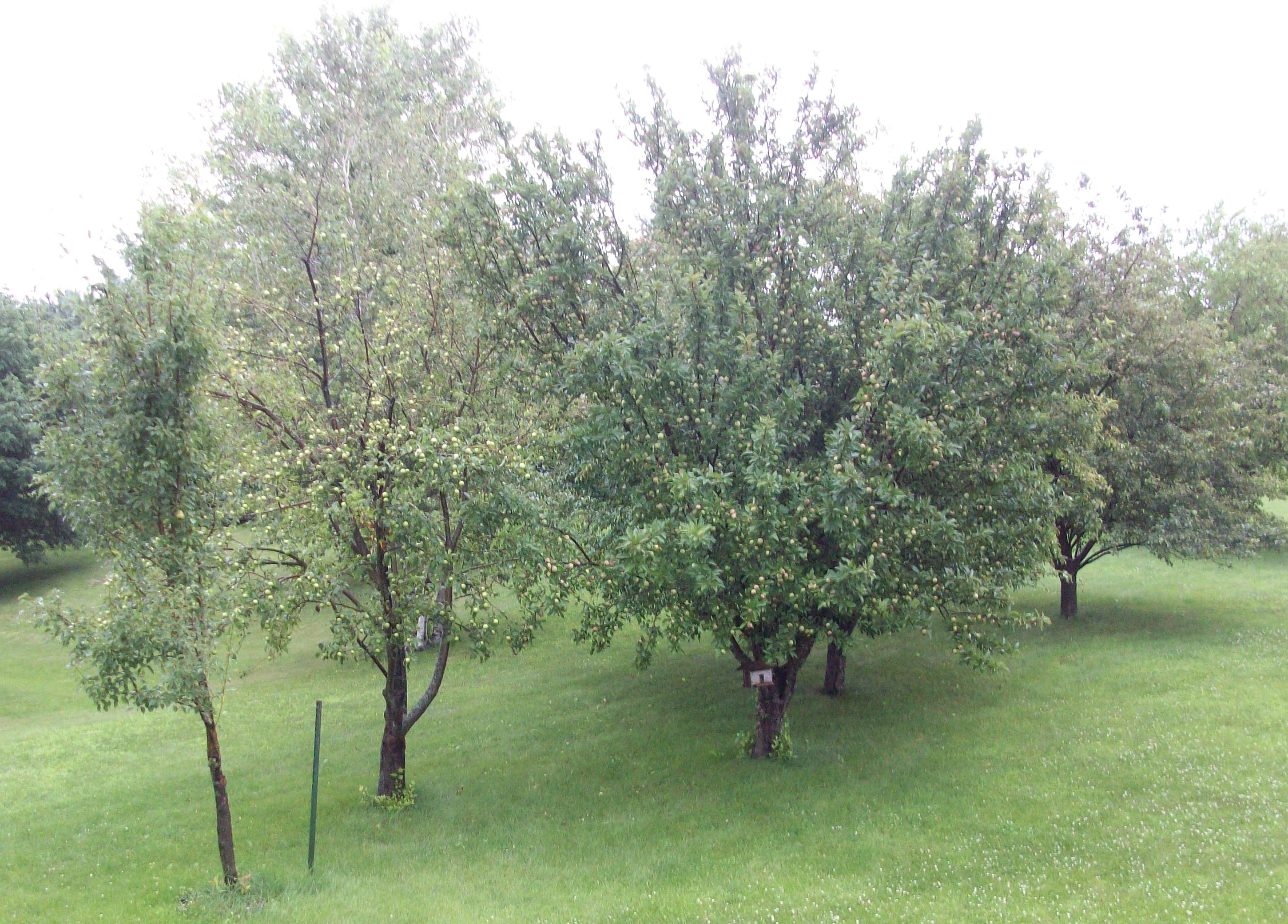
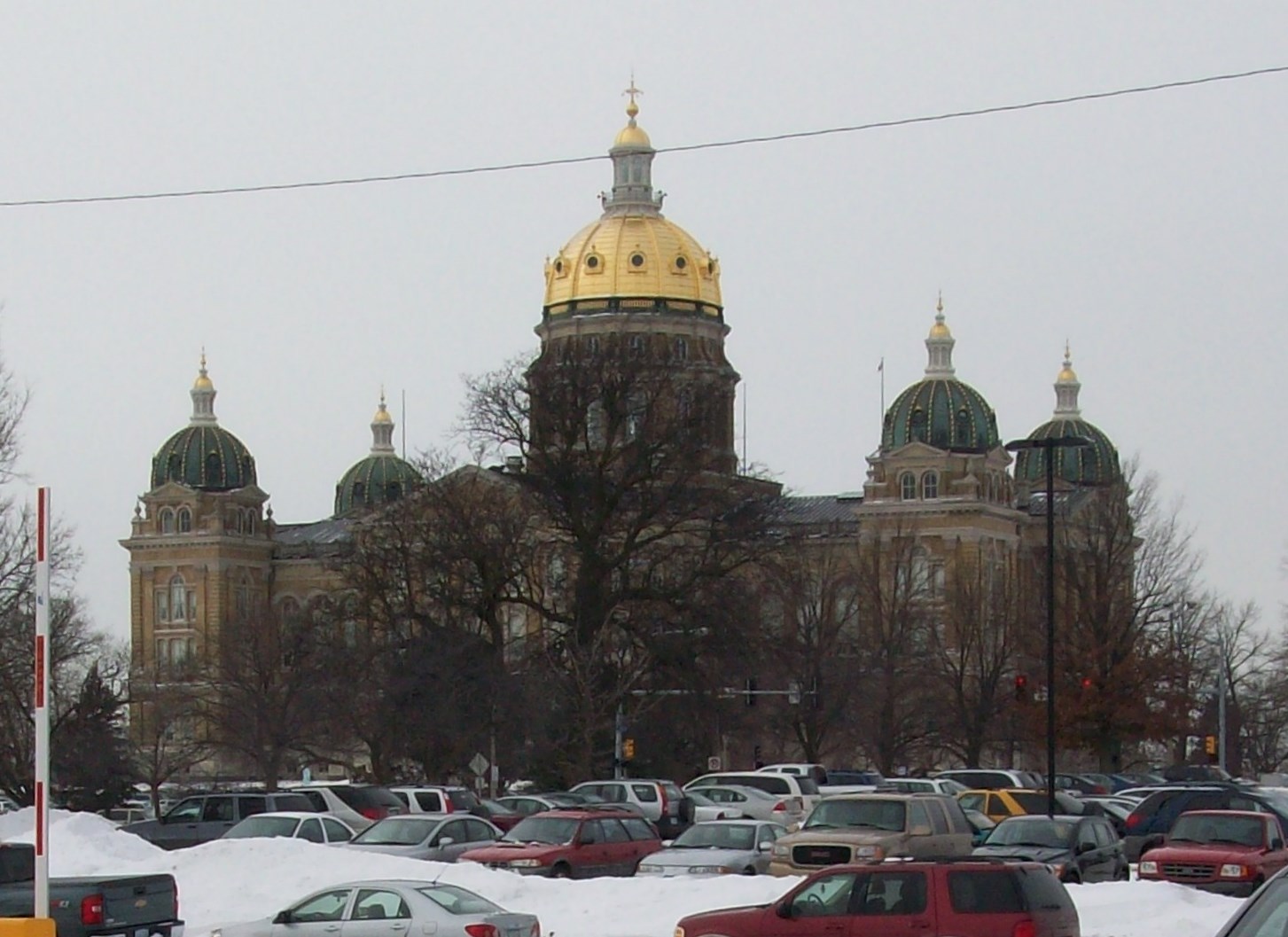

Some 2010 images from my photo archive project.
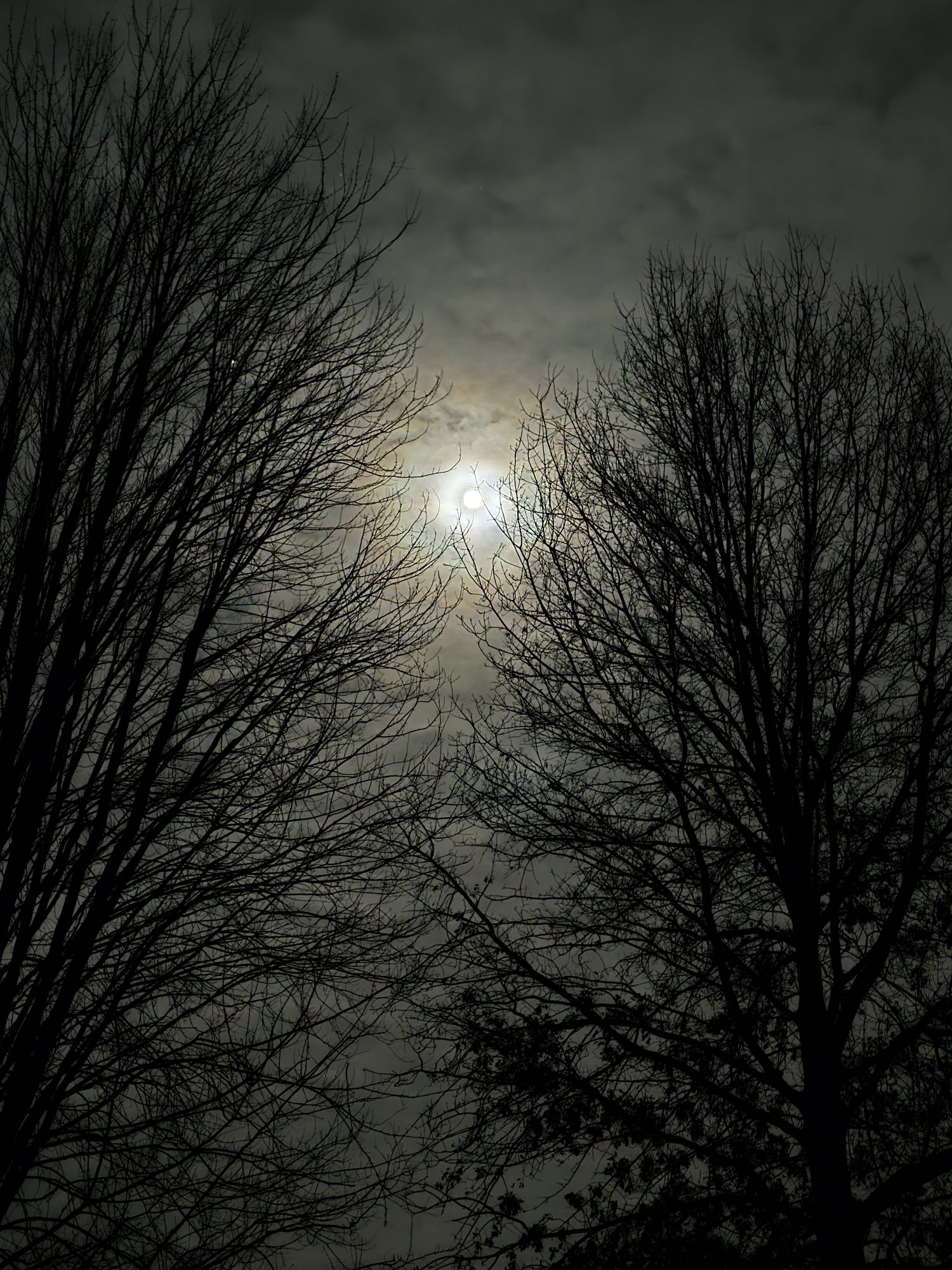
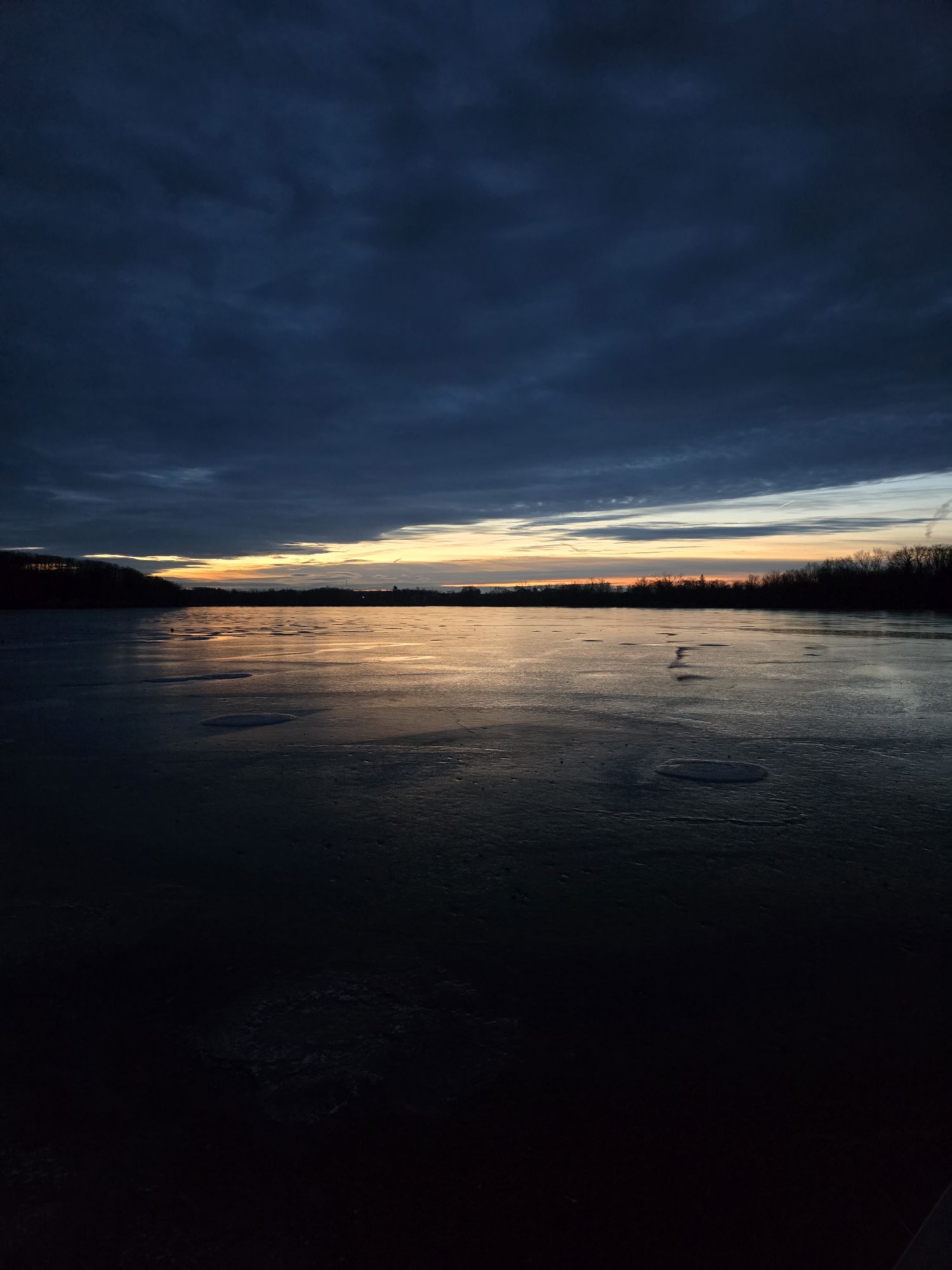
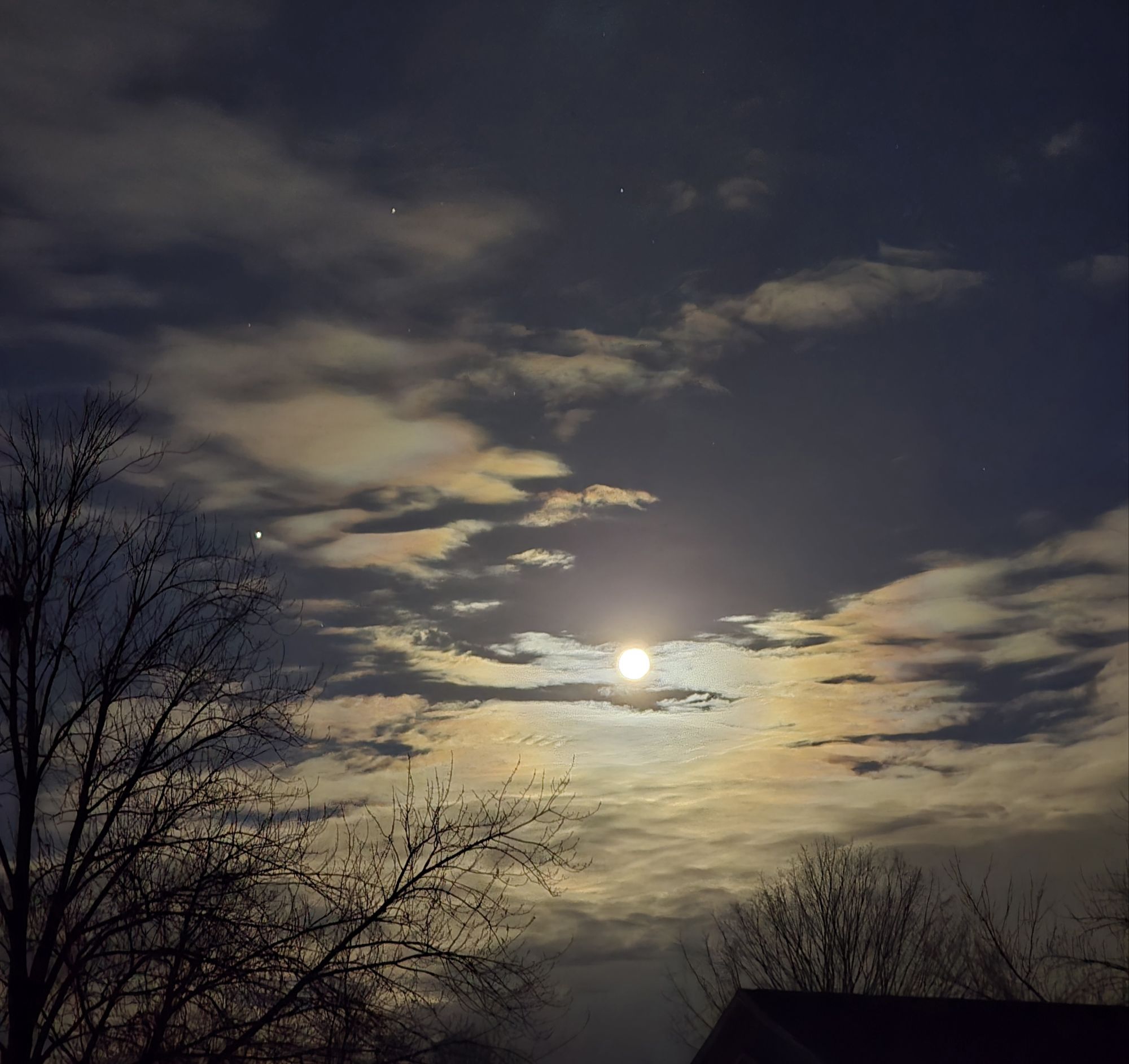
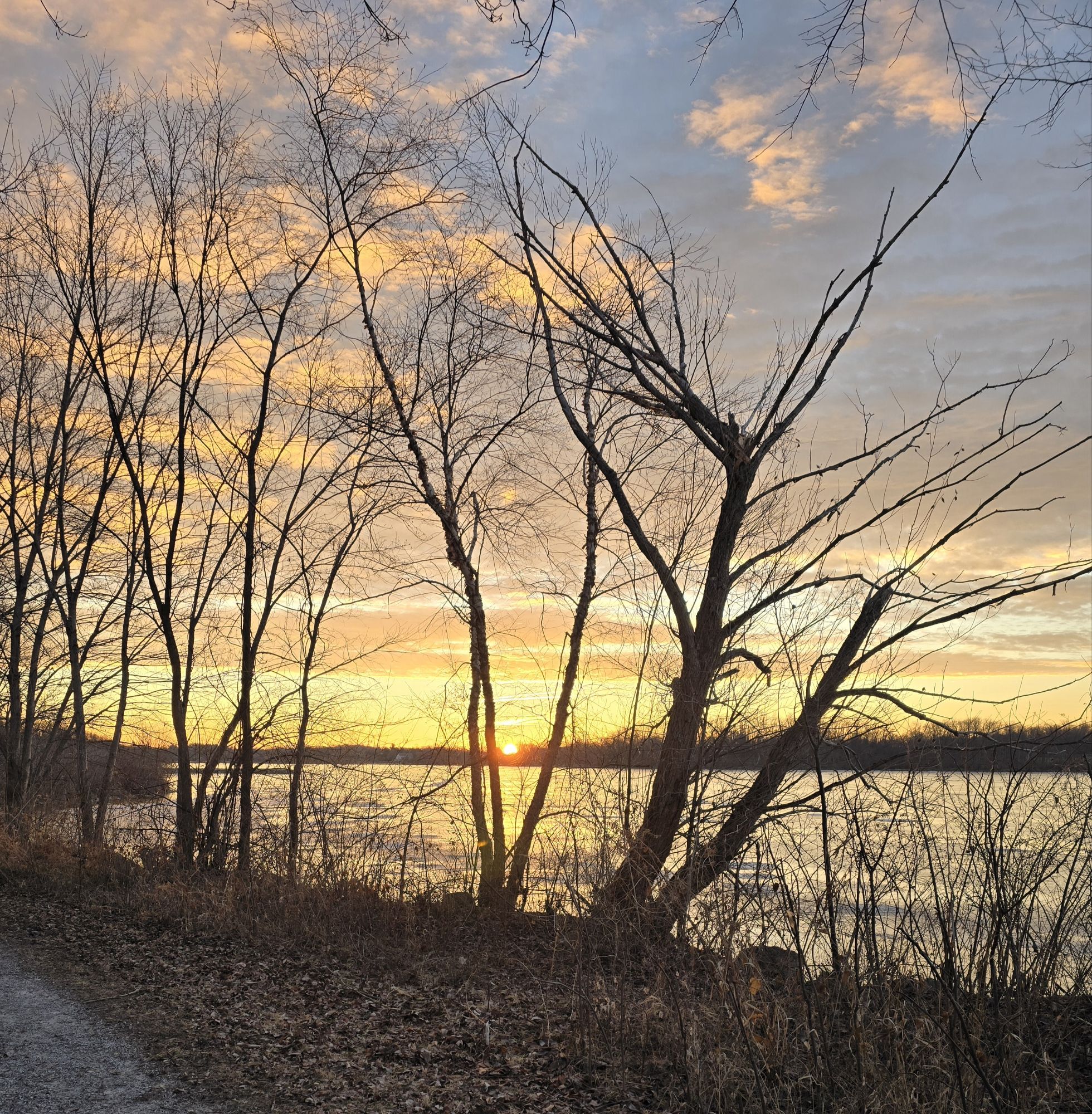
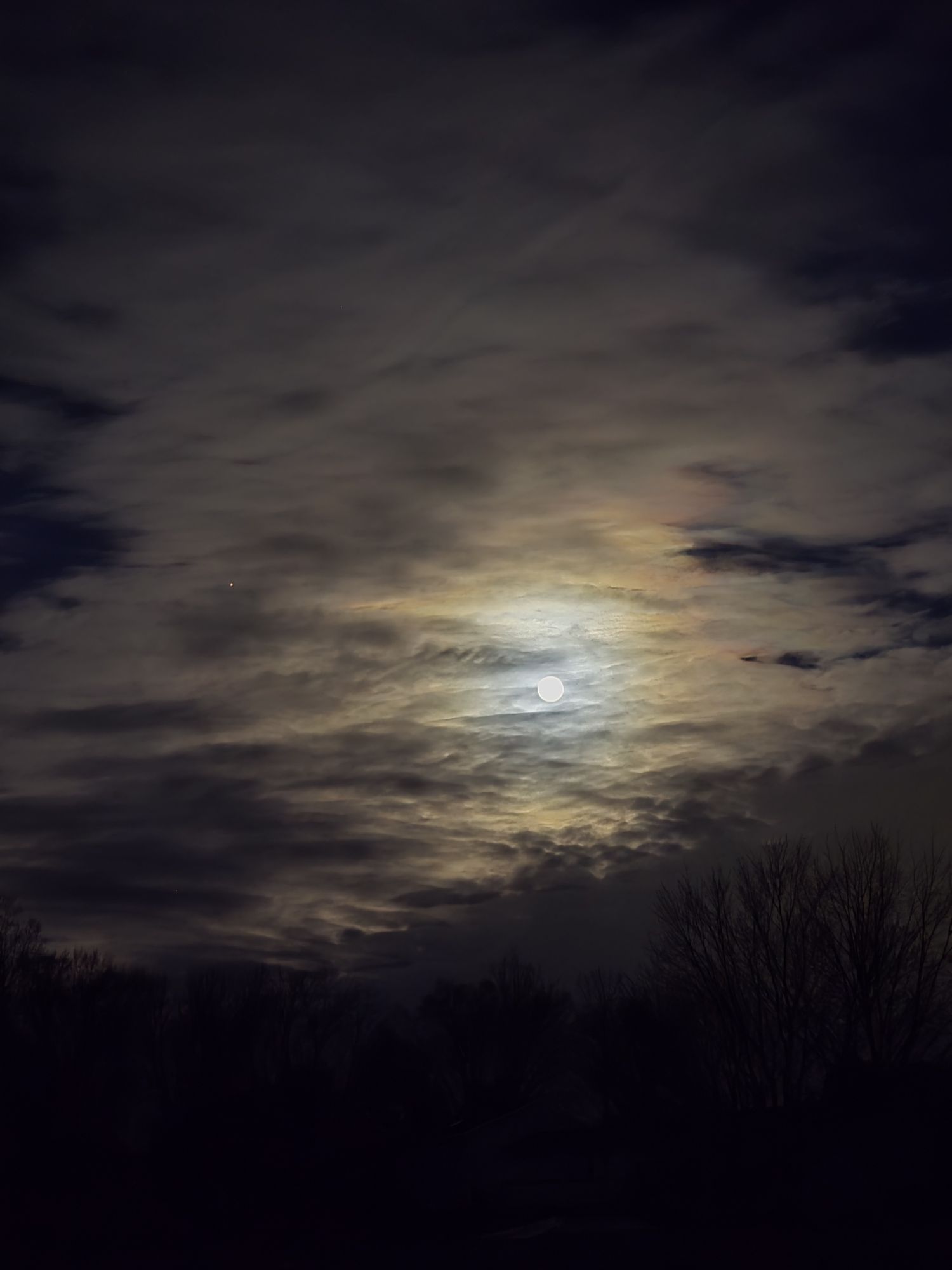
A few photos from the first days of the year. The moon shots were one night when I couldn’t sleep so I went on a very early trail walk before sunrise.

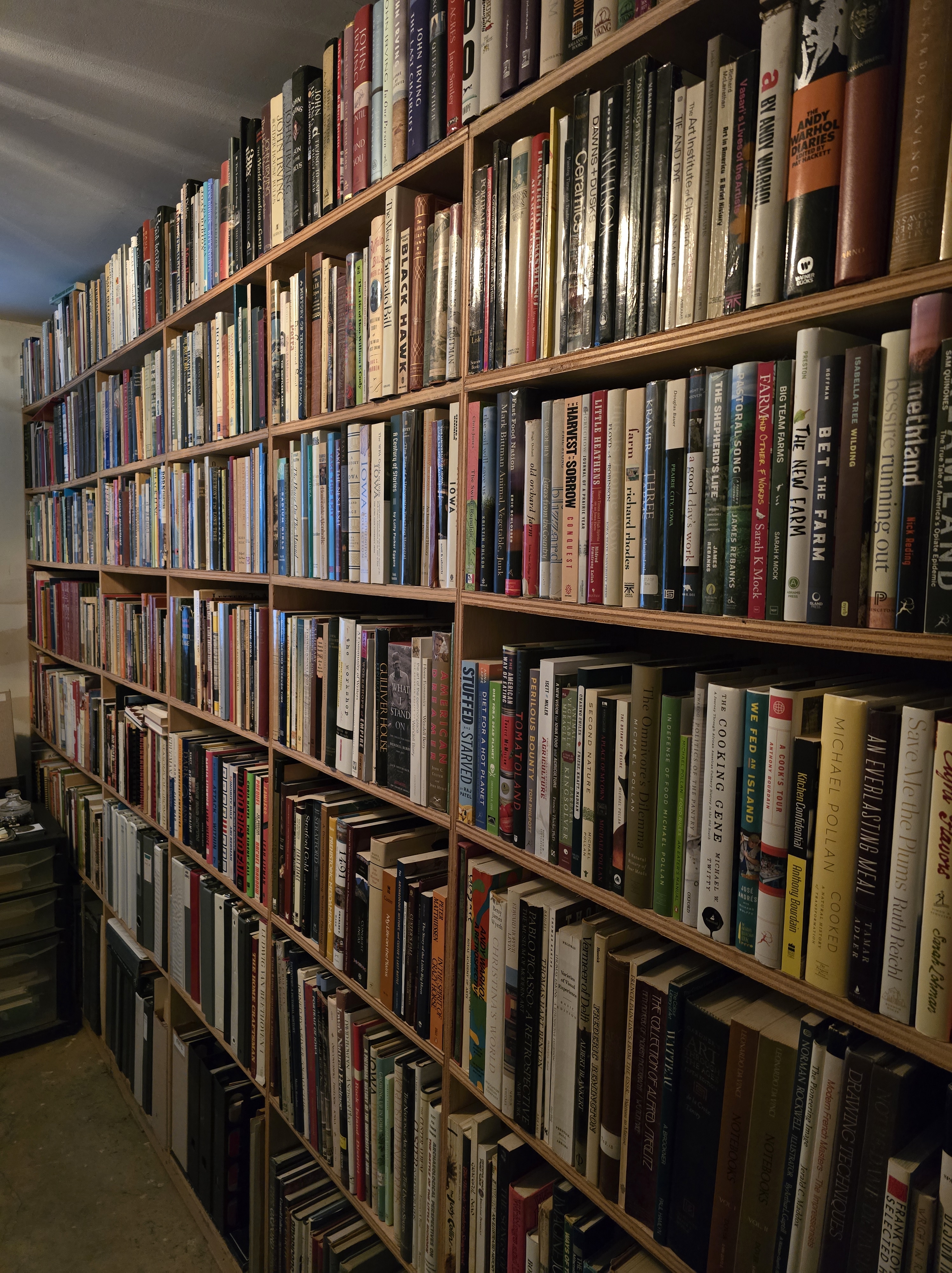
Calling this project done for now. I went through all remaining boxes in the two stacks and prepped two more boxes for the library used book sale. There are five empty boxes and a good amount of new stuff placed in old boxes. This was the first major sort of my books since they arrived in 1993 and I built the shelves. I’m satisfied I have a better idea of what is available, which was the point.
Notes:
I found the rest of my books related to slavery and African-American studies. The Autobiography of W.E.B. DuBois is important to the literary discussion of the United States. If a 21st Century canon was relevant or possible, he would be in it. I don’t expect to reread the book, yet it earned a place on the shelf. I studied Stanley Elkins’ book Slavery in graduate school. I would be curious to reread it, and also read the criticisms of it. Up from Slavery by Booker T. Washington moves from box to shelf as well. On my to-do list is rearranging my African-American studies books.
I had more than a hundred business books. It was a really complete set as my work at the transportation and logistics company ended in 2009. The only ones I am keeping are Dale Carnegie’s books, which include one owned by my father, and an autographed copy of Out of the Crisis by W. Edwards Deming. I picked Deming up for a buck at a used bookstore in Sweetwater, Texas during the rattlesnake roundup.
I intentionally left political books alone. I have all the presidential memoirs I know about, beginning with Truman. The next reading here is if Barack Obama ever finishes the second volume of his presidential memoir. I’m not a fan of Trump and to my knowledge, he hasn’t written a memoir from his first term. Like with Nixon, I’ll likely wait until he is dead before considering purchasing any memoir. I bought a copy of Mike Pence’s 2022 vice presidential memoir So Help Me God for a buck at the library used book sale. It is occupying the spot where Obama’s book will go when published. Pence seems to have tried to tell a normal story of that period. Will know more if I get around to reading it. Life is short. So many books with limited time.
As I approach a new year of writing, I feel refreshed by The Great Sort. I feel better aware of my stuff and know where to find things again. Highly recommend it if you have a wall of boxes hanging about your home.

For years, my books about North American indigenous culture were tucked away in a box. I decided I was wrong about them and with newly opened space because of The Great Sort, I put them on a shelf. These are in addition to the works by and about Black Hawk which I always kept out, and those of Hyemeyohsts Storm which I kept out, yet now boxed away. I wrote about Chuck Storm as we called him here. The next step is to incorporate this literature into a reading plan.
Of these books, the author that might best fit into a canon of American Literature (if such a thing existed or was possible) is N. Scott Momaday, whose House Made of Dawn won the Pulitzer Prize in 1969. There are others here that remain quite good. I read what I read of these beginning in 1970 while at university. I don’t know where this is going, yet they are out and available in a prominent space. I won’t miss seeing them daily and expect to read some of them.
I mentioned the Time magazine purge. I came across a dozen copies of Harpers Magazine dated 1938 and 1942. I bought them at either an auction or a yard sale for a buck. They used to be property of the Mount Carroll, Illinois public library, yet now find themselves in The Big Sort. There are familiar authors inside: John Dos Passos, E.B. White, Peter Drucker, Margaret Bourke-White, Glenway Wescott, Eudora Welty, T.S. Eliot, Franz Werfel, and probably others I should recognize. At the stop on my desk, enroute to the recycling bin, I notice how many pages of book advertisements there are. The December 1938 issue has 44 pages by most of the major publishers. That says something about the role Harpers played in popular culture. If that didn’t give it away, the advertisement for New York department store Hammacher Schlemmer did.
There are four mover’s boxes of vinyl records which I will attempt to sell locally. I asked our child about them and there was only a single record of interest: Beethoven’s Fidelio. The ones I will keep are a small, undetermined number. I will keep the Red Gallagher album because he autographed it for me and grew up a block away from our home. I spent a good part of my life listening to these hundreds of records. While I still have a turntable, I need a new amplifier and don’t want to spend the money. Probably should sell the turntable as well.
I’m writing on Christmas Day and noticed how many empty boxes there are. The purge of books and magazines is having the desired effect. There are more boxes than things on the sorting tables. At this point, I will find something to fill most of the boxes, although I am weeding out different styles of boxes because I need them for book shipments to the public library. While I just began The Big Sort, it feels like it has been going on for a much longer time. In a way, it has.
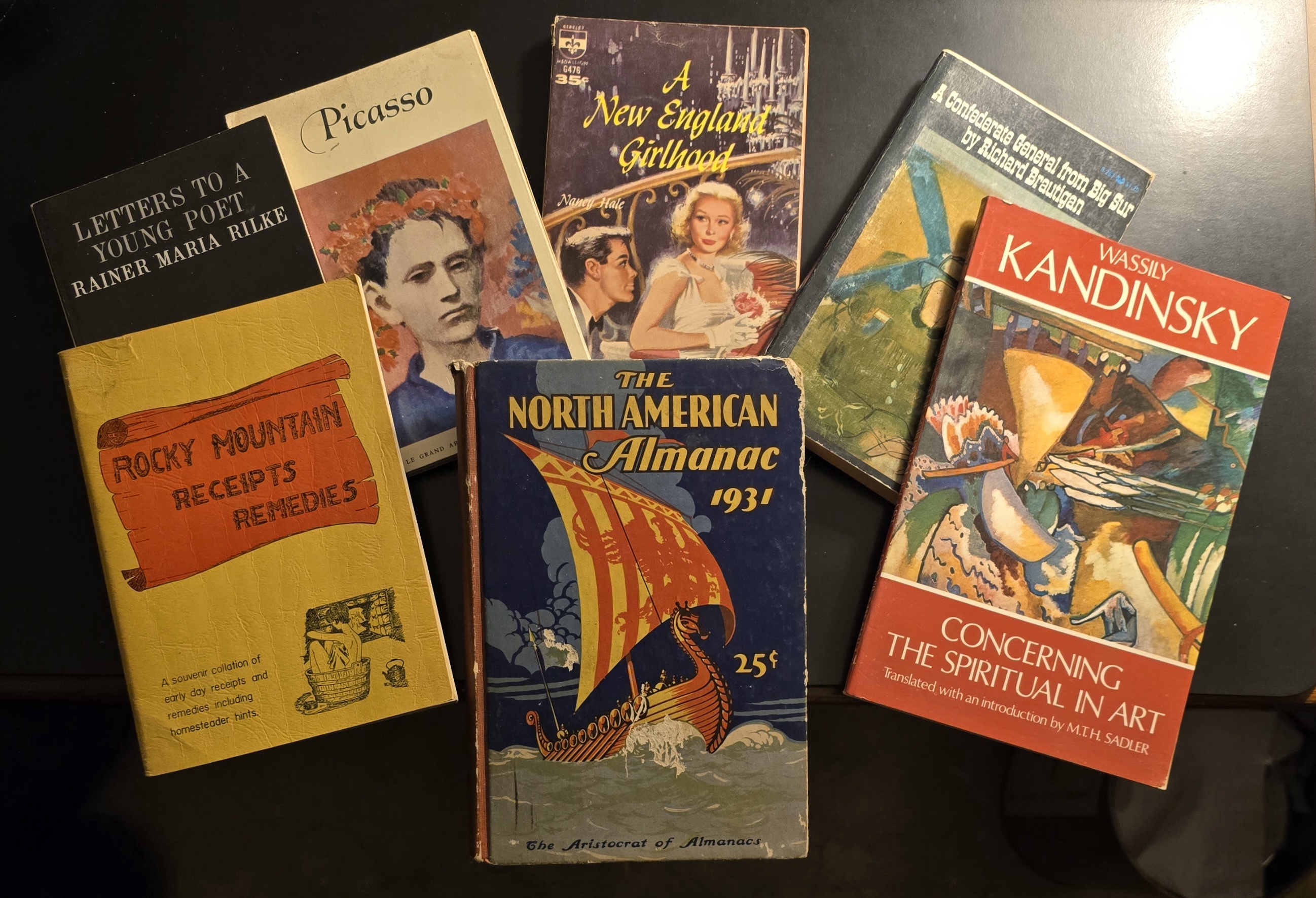
When handling hundreds of books long packed away, a few will stand out. Not only do I want to keep those in this photo, I want to read or re-read them next year. It’s part of the process of the Great Sort.
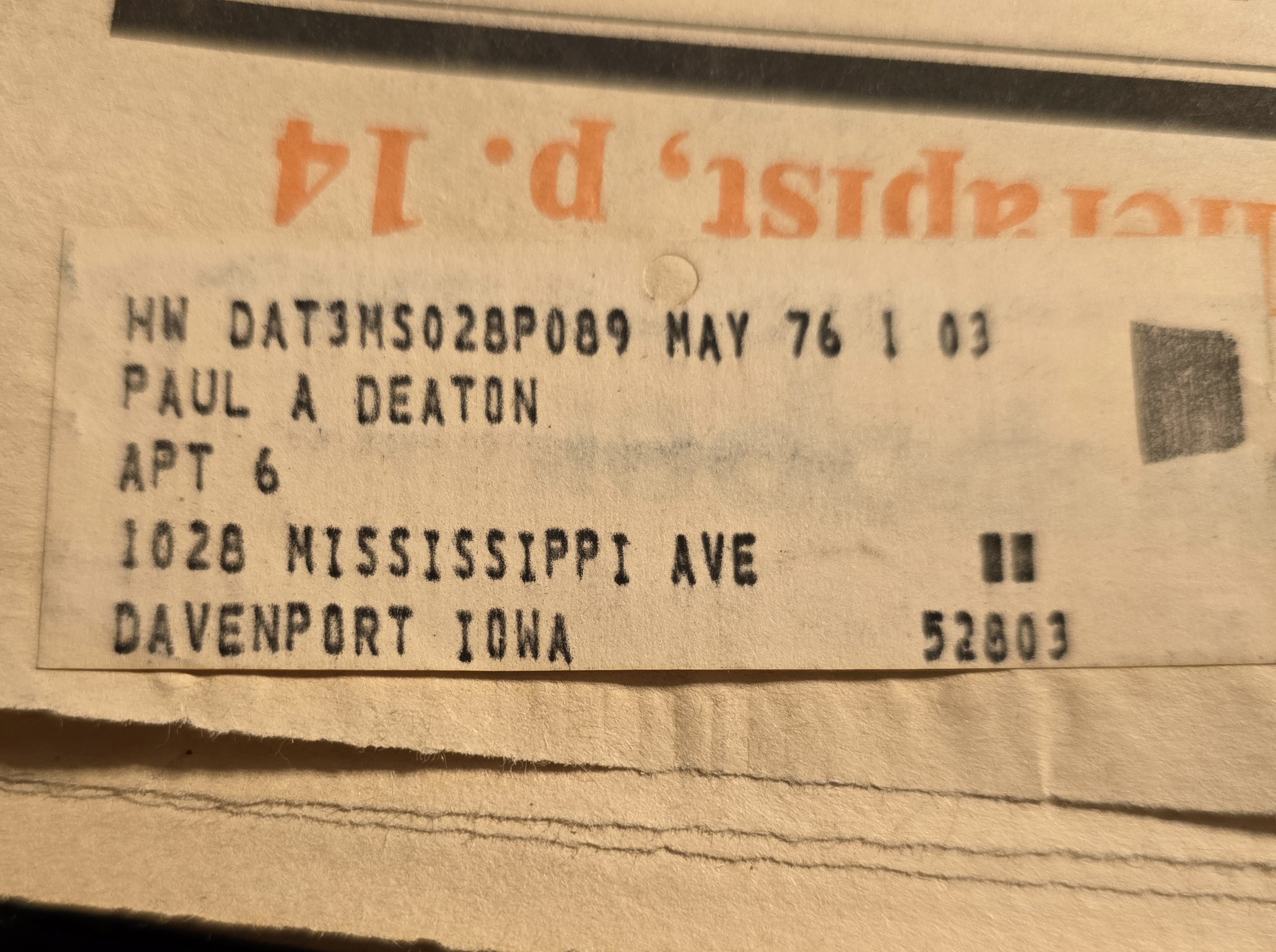
While living in Mainz, Germany, I had a stamp made with my military address and Social Security number on it. Back then, we viewed the Social Security number as unique to us and if we got separated from any possession, the rightful owner could be found. It was embossed into our dog tags. We put it on clothing, imprinted it inside field boots, in books, on everything that would take ink. That was short-term thinking from a perspective of how many people today would like to get hold of that number and use it for theft and other evil purposes. Wasn’t the best idea.
A substantial part of the Great Sort has been spent searching for these stamped locators and either blacking them out or cutting them off.
It has been hard to persist more than a few hours without getting impatient and stuffing books back into another box and into the new stacks I am building. At that point I must resist the urge, turn off the lights, and find something else to do. I want this to be a final sort. I’m labeling and dating the outside of the boxes so I know what’s in them and when I last touched the books. I doubt I will return to many of the boxes.
In the display area of my writing space I have about 3,000 books. I pulled out and boxed all the books of music. The vinyl long playing records will get boxed, reunited with the others I have, and then finally disposed of. This creates more space for active books and some of it will fill with the three-ring binders I am making as I write my autobiography. It should be a more useful (to a writer) library.
I want the Great Sort to be finished by Spring. I think that is doable even as I enter seedling planting time next month, especially if I stick with it a couple hours per day. The purpose of the work is to improve how I store research materials and become a better writer. I’m hopeful at this point. all of that will be the Great Sort’s outcome.
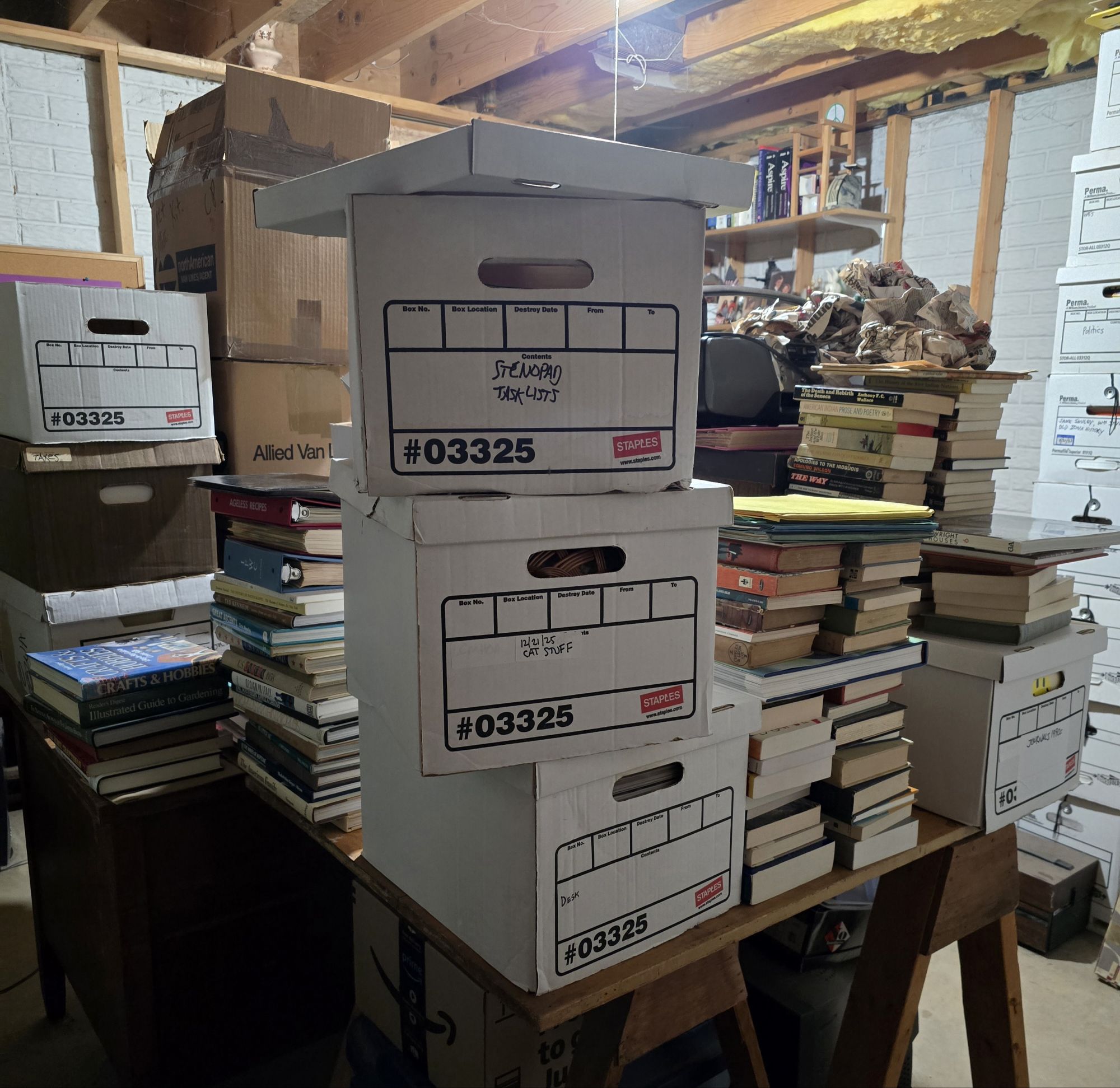
I spent two hours rearranging poetry books in my stacks. I decided eight 23-inch shelves was enough poetry and some had to go. Now there is an eight-inch stack of poetry books awaiting disposition. Poetry measured in inches.
I rearranged the poetry so more in which I have interest rest at eye level. On top are the smaller-sized books and below that is the canon. You know, Chaucer, Shakespeare, Dante, Donne, Milton, Dryden, Pope, Wordsworth, Coleridge, Byron, Shelley, Keats, Swift, Browning, and Blake. The exception is Chaucer and Shakespeare’s plays are across the room because the poetry shelves weren’t tall enough.
The other exception, or rather objection to the canon, is where are the women? You know, Charlotte Smith, Felicia Hemens, Mary Robinson, Anna Laeticia Barbauld, and maybe others. They were largely erased by the male authors of the canon. I don’t own any of them or I’d fit them in.
Don’t get me started on an American canon. Somewhere in the 20th Century that broke down and can never be repaired.
This is my current life when I am not writing. Opening about 100 boxes of books and deciding which to keep and which to donate. Already I’ve taken a dozen boxes to the library’s used book sale. There will be more.
I used to stamp my name and address in every book I bought. My hands have been on books from every place I lived this month. Some of the fifty year old paper has changed. Books from the 19th century crumble in my hands. I took one old book to a used bookshop to consult about the damage. This is a practical task that should involve logic. It’s more emotional than expected.
There is material for multiple posts in this project. I have to wait and see what I get into before knowing what their subject will be. I hope you are along for the ride.

This post is about social media and blogging. My perspective on these two technology tools is they both require a creative process of putting together meaningful words and photographs in a way that provides insight to readers. When I use them, I am a content creator, although those two words don’t really capture my vision for what I’m doing. I seek to bring understanding to the complex and ever changing world in which we live.
I joined Facebook March 20, 2008 to follow our child. They had graduated college and moved to Colorado in 2007. While I could easily drive in a single day to visit, it was a long trip to spend much time together. My reaction to Facebook? Yikes! Here is my blog post about joining:
Tonight I joined Facebook. Yikes! Facebook connects us to people we have not thought of in years. In some cases we haven’t made contact in over a quarter of a century. All within a couple of hours. From moment to moment, the number of “friends” builds. What to say on the site? What elements to show? What pictures to place? How much time to spend? When a friend accepts the invitation, it feels good. The wave has broken, now I’ll ride it in. (On Facebook, Big Grove News, March 20, 2008)
In the end, our child quit posting on Facebook and while I developed a Facebook life, it was not good for me. Social media introduced loneliness in my days, something with which I had little experience. It reinforced loneliness. As I mentioned in yesterday’s post, I am aware of being alone yet don’t experience much loneliness. I feel connected to the whole of society. If I continued with Facebook, even with all of the familiar faces and common experiences, I would feel how much apart we are. I deactivated my account in February this year.
After much experimentation, I ended up with an account on BlueSky, which is a text-based social media platform where it is easy to connect with like-minded people. My posts there have been hit or miss, yet I need the creative outlet. BlueSky is my only social media account.
My first blog post was on Nov. 10, 2007. I first titled the blog Big Grove News, then Big Grove Garden, Walking There, On Our Own, and now Journey Home. The purpose was always the same: provide an outlet for creative expression and pull in pieces I wrote for other purposes to make a record of them.
When I began blogging I had no idea where it would go. I wrote at least 5,600 posts since beginning. For a long time, it was the only writing I did each day. It has become a writer’s workshop to test ideas and how to express them. Some days the posts are cringe worthy. Some days I touch the sky. Part of me would return to handwriting paper journals the way I did before 2007. I may yet do that, but not in 2026.
In writing my autobiography I find I repeat topics often. For example, the story of the apartment in yesterday’s post has been written and re-written with different details and posted on my blog at least a dozen times. An early reader of my autobiography commented about my propensity to repeat myself. All I can say is I’m working on that.
I used to write blog posts in the early morning. Lately, especially since I began learning about circadian rhythms and tuning my physiological life to them, my best creative time is in the afternoon work blocks. I still work on creative writing in the morning but it is more the next chapter of my autobiography until that work is finished. I am more alert when I write blog posts. The quality of writing seems better. Like everything, it is a work in progress.
People do read my blogs. It is hard to believe the number of people in real life who identify me as a writer. A lot of this is due to letters to the editor and posts on Blog for Iowa. That type of feedback is rare and precious to me. It helps me feel like part of a community.
Is there a limit to the creative expression I put into my writing? If I have to get a job to make up for the percent of Social Security that will be absent after the trust fund runs out, there will be a loss of time for writing. For now, though, I’ll continue on.
2025 has been a decent year for my writing. I added 26,000 words to my autobiography, posted 20 times on Blog for Iowa, and produced more than 300 posts here, including cross posting my letters to the editor. It’s hard to digest everything, especially when I’m in the middle of writing more. This post is some links to posts I believe are significant.
On January 5, I wrote Right to Repair. This post starts with a high school friend and hot rodder who was building his own car to ride the ones in Davenport. It includes my maternal grandmother repairing her stove, and ends with her parents and grand parents settling land bought from the railroad in the late 1800s. Can we get back to a situation where people know how everything in their home works and repair it themselves? This post explores that idea.
If It’s About Workforce was posted on January 7. It’s about the Iowa Legislature restructuring the regents universities to purge diversity, equity and inclusion programs in education. Among the things they did was eliminate the American Studies Program from which I have a degree. There was talk about improving the workforce, yet I don’t believe higher education is about placing people in work. I also have a modest proposal.
2025 is a year I gave increased attention to photography. On July 24, I posted A Life of Photos, which serves as my introductory process. There was a time when popular photography was used primarily in two ways: it recorded memorable “moments,” and it provided a method and technology for creative expression. A third purpose has come into being and the series that began with this post explores what that is.
My 55th high school class reunion took place in September. Afterward, I posted In the Shadow of Hotel Black Hawk on September 28. This year’s reunion was better than others I attended in that by eliminating any formal program, the planning committee furnished a venue for classmates to socialize. I found the format refreshing and actually had a number of memorable conversations. This post remembers some of them.
Are people mixers or layerers? Eating Alone — Mac and Cheese, posted on November. 10, explores the difference and in doing so created a repeatable main course dish head and shoulders above the dozens of available boxed mac and cheese meals. I have become a layerer.
When I worked at the oil company I had no idea what was behind their big move to consolidate records in Oklahoma. Time to Change Hats, posted November 12, is about that and more. I wrote, “With increased visibility of my history, I should be a better family member, citizen, and writer. It should be easier to navigate through the stuff of memories.” I’m not yet on a single platform with visibility, yet that’s where I am heading. That’s what makes this post significant.
These posts only scratch the surface of my writing. I appreciate everyone who follows along here.

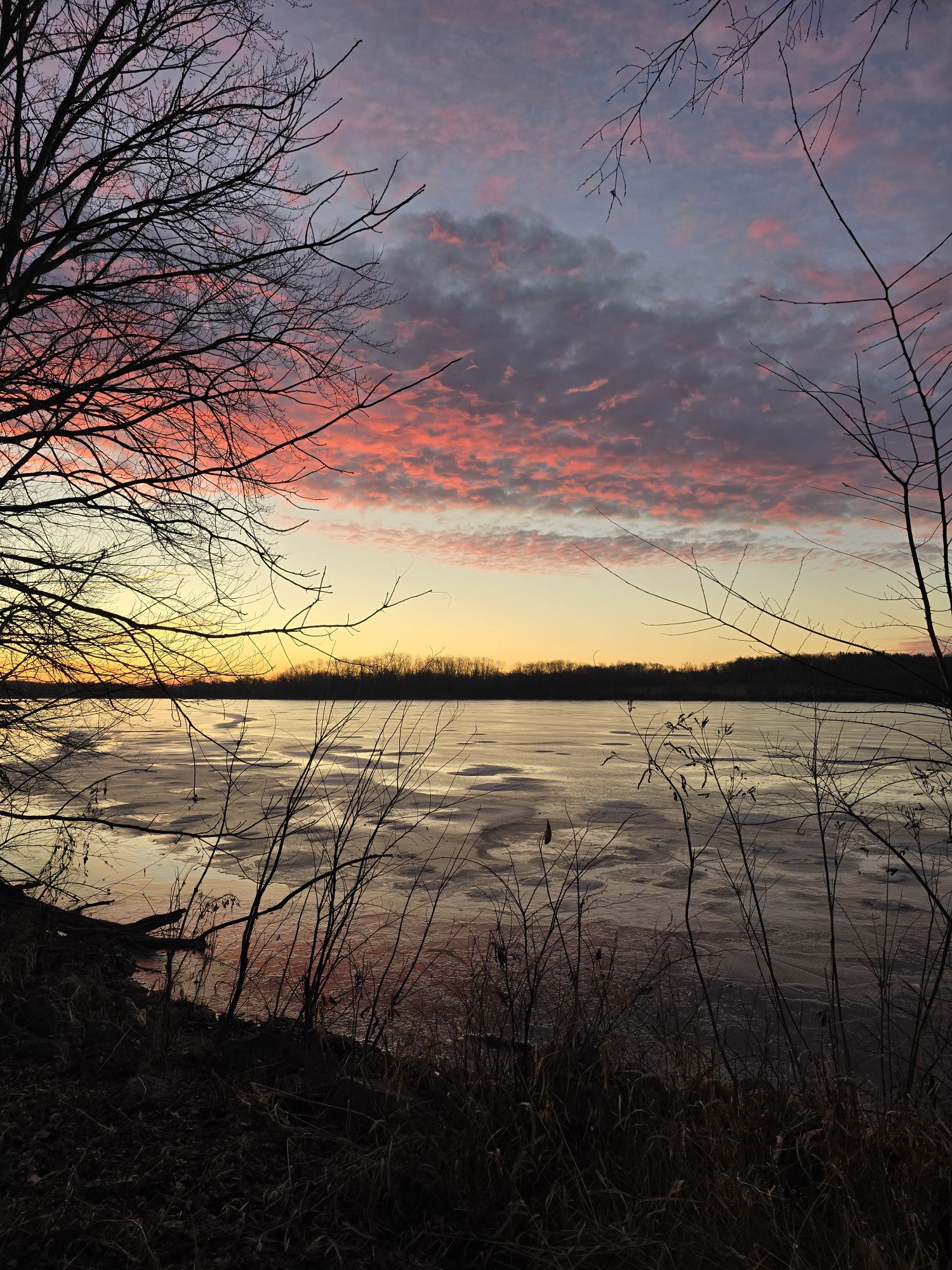
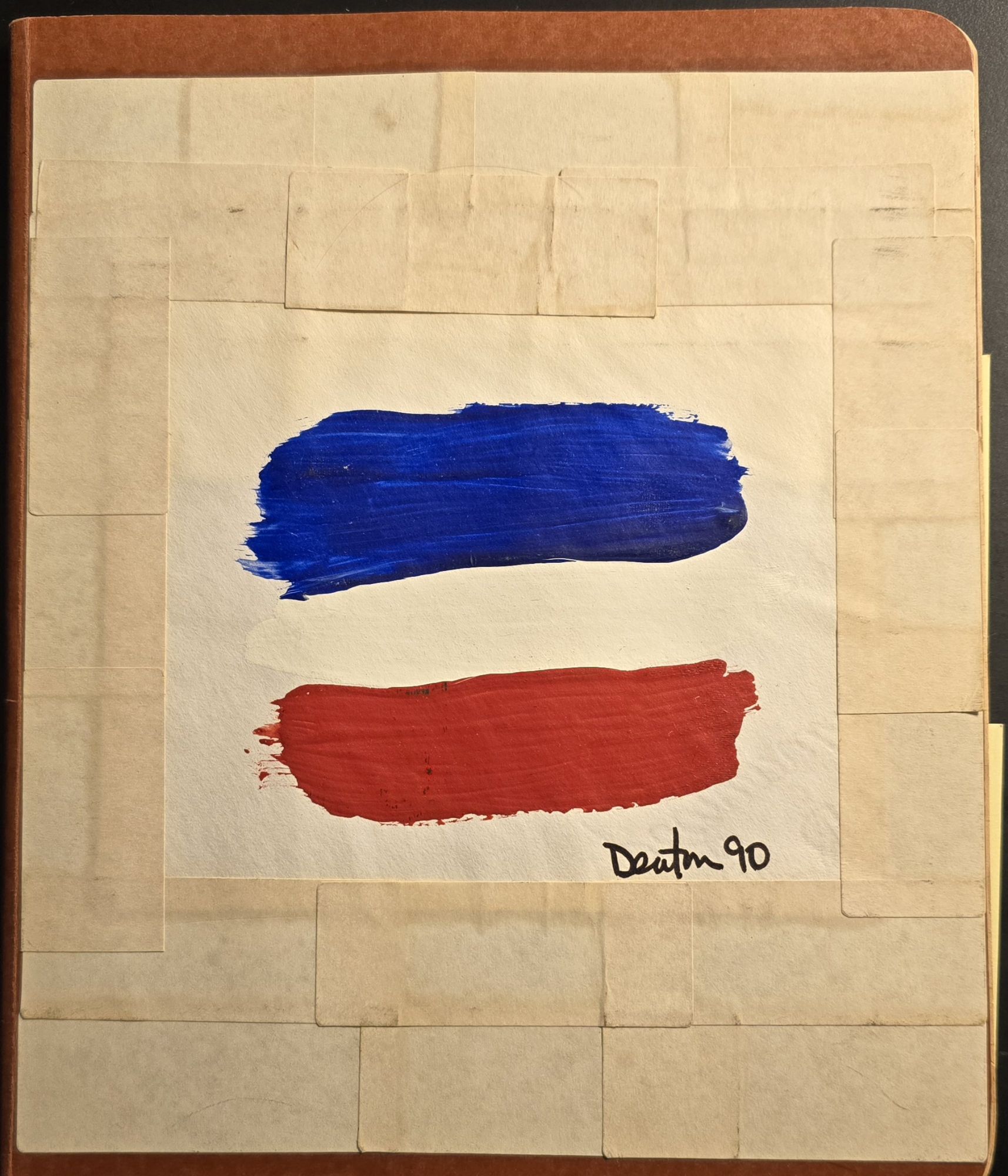
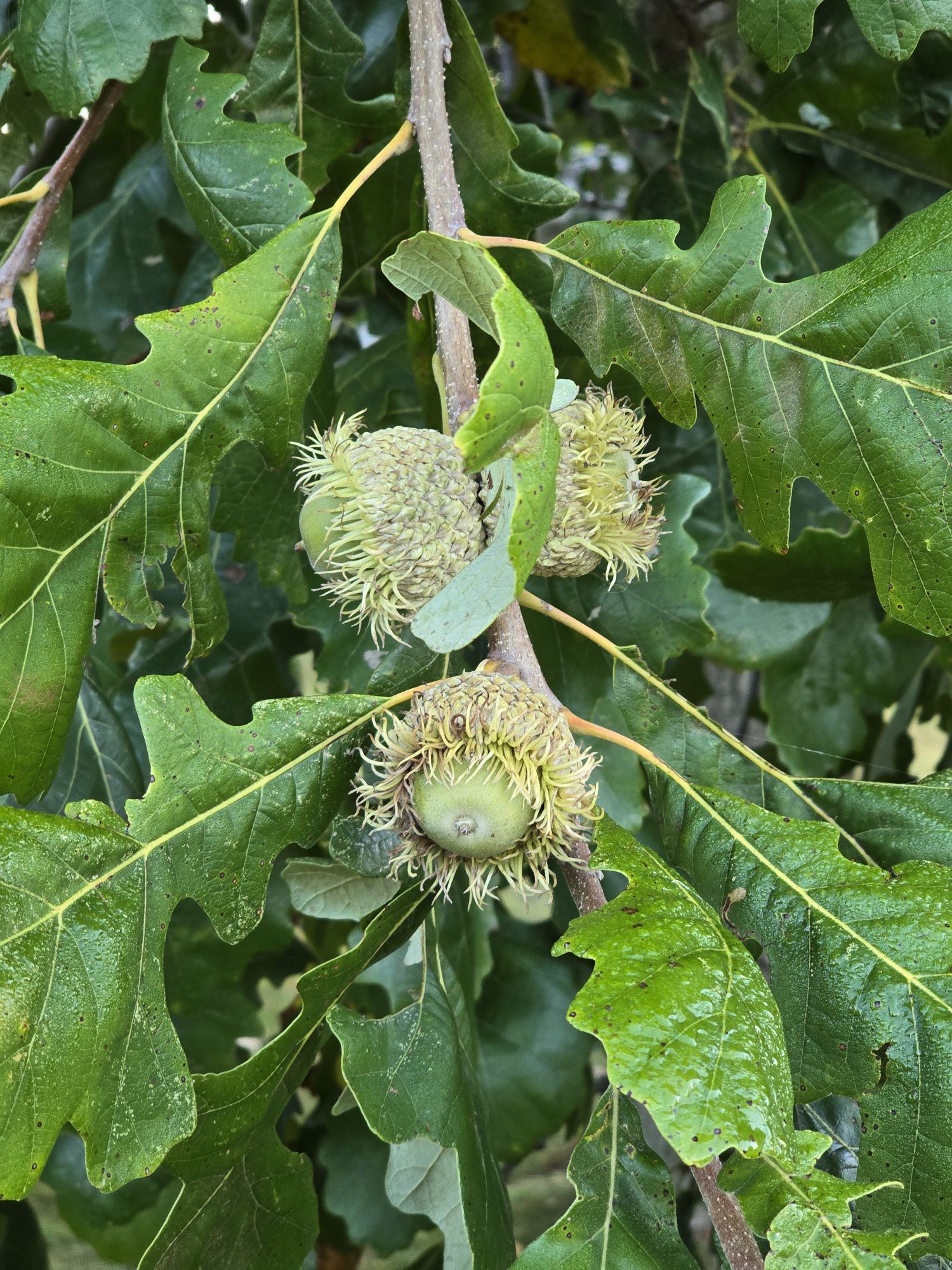
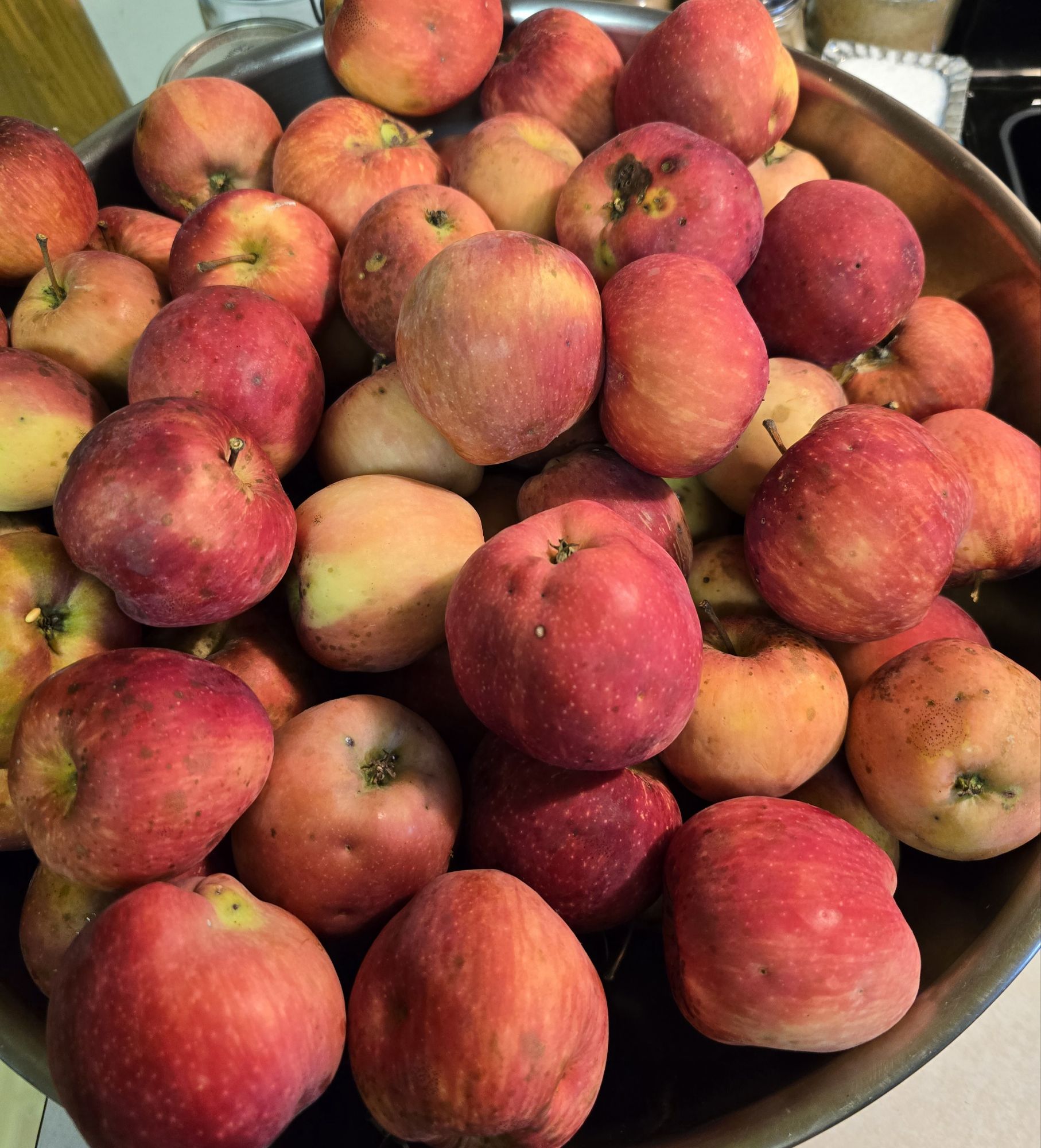
Here are my current favorite photos from the thousands taken in 2025.
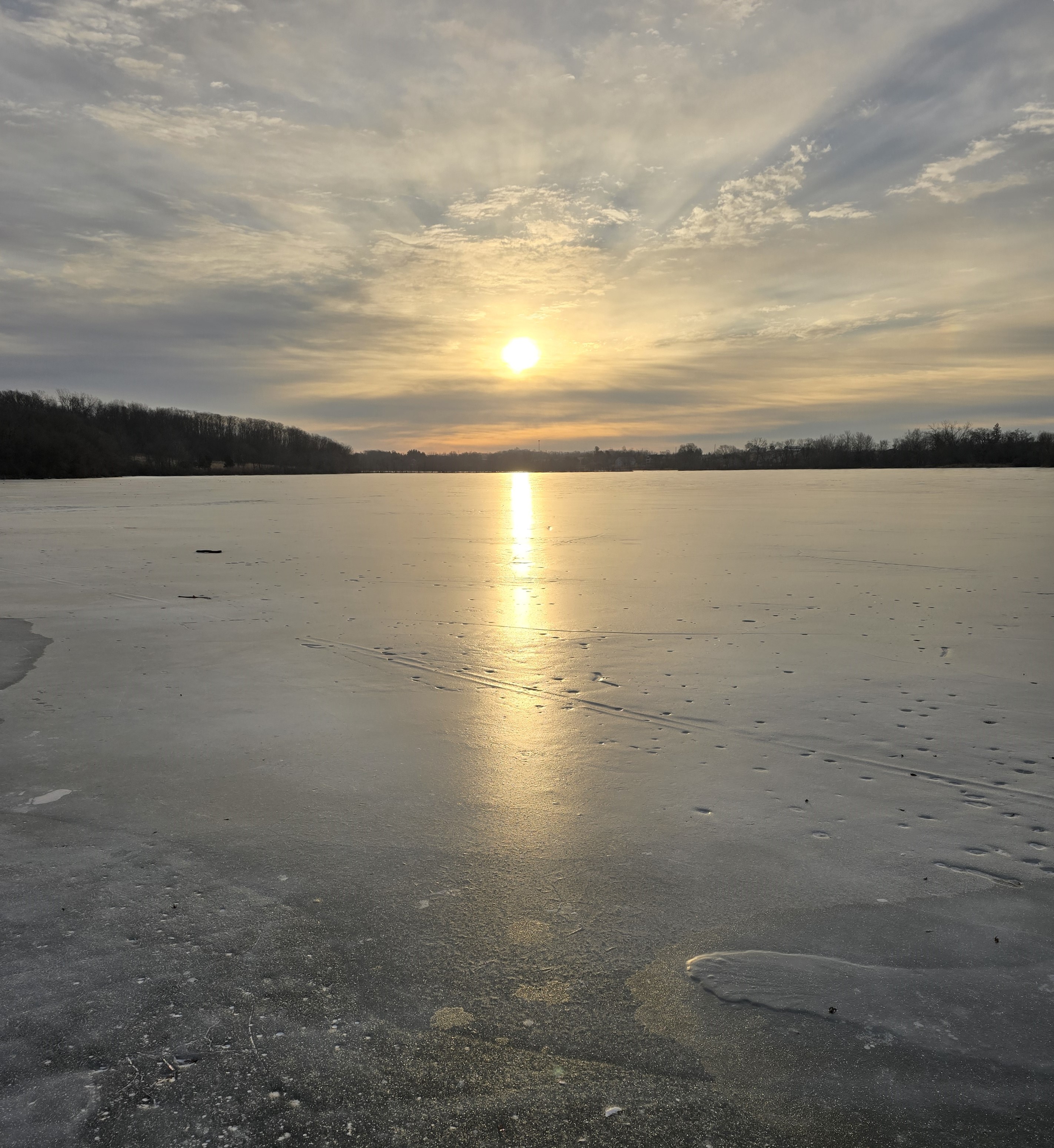

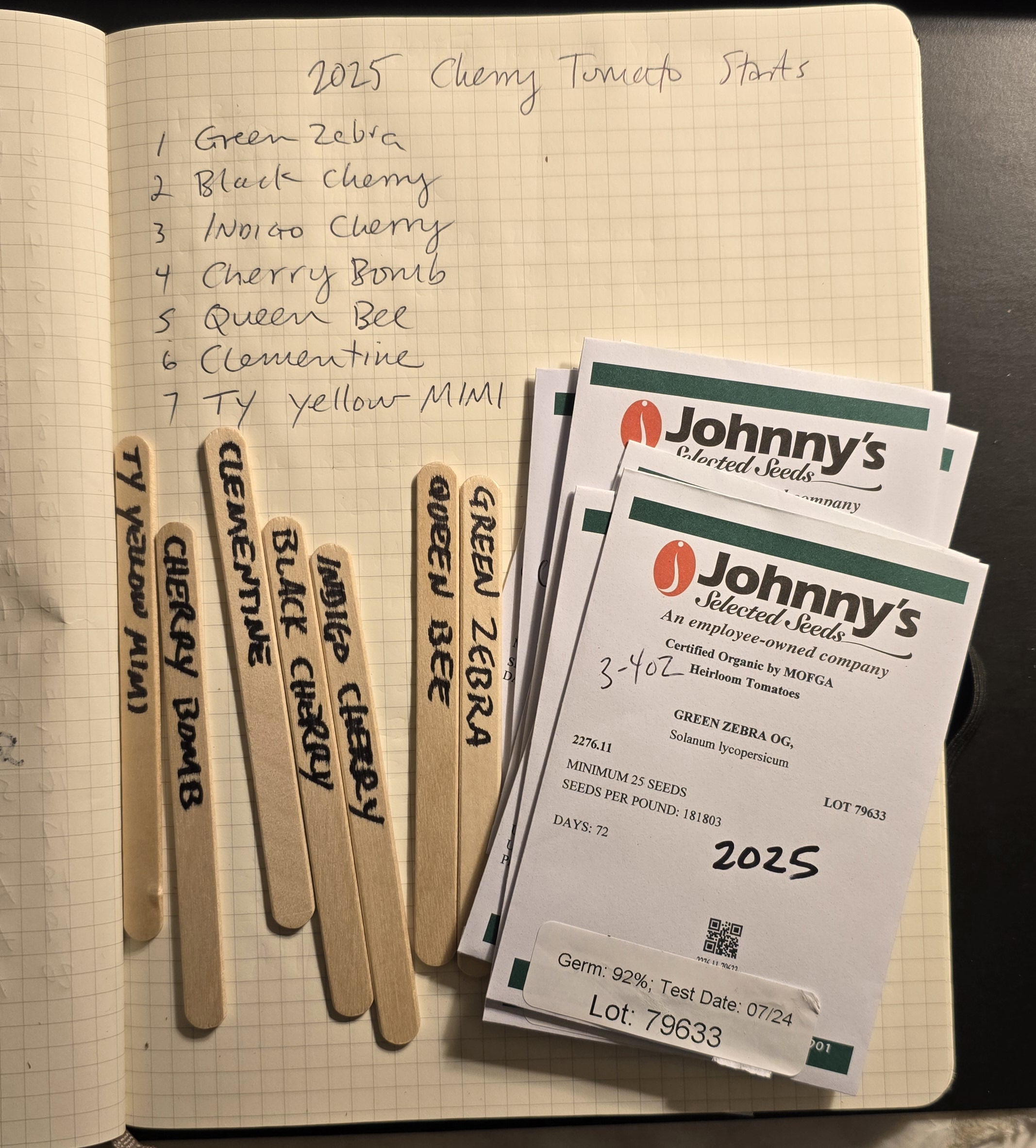

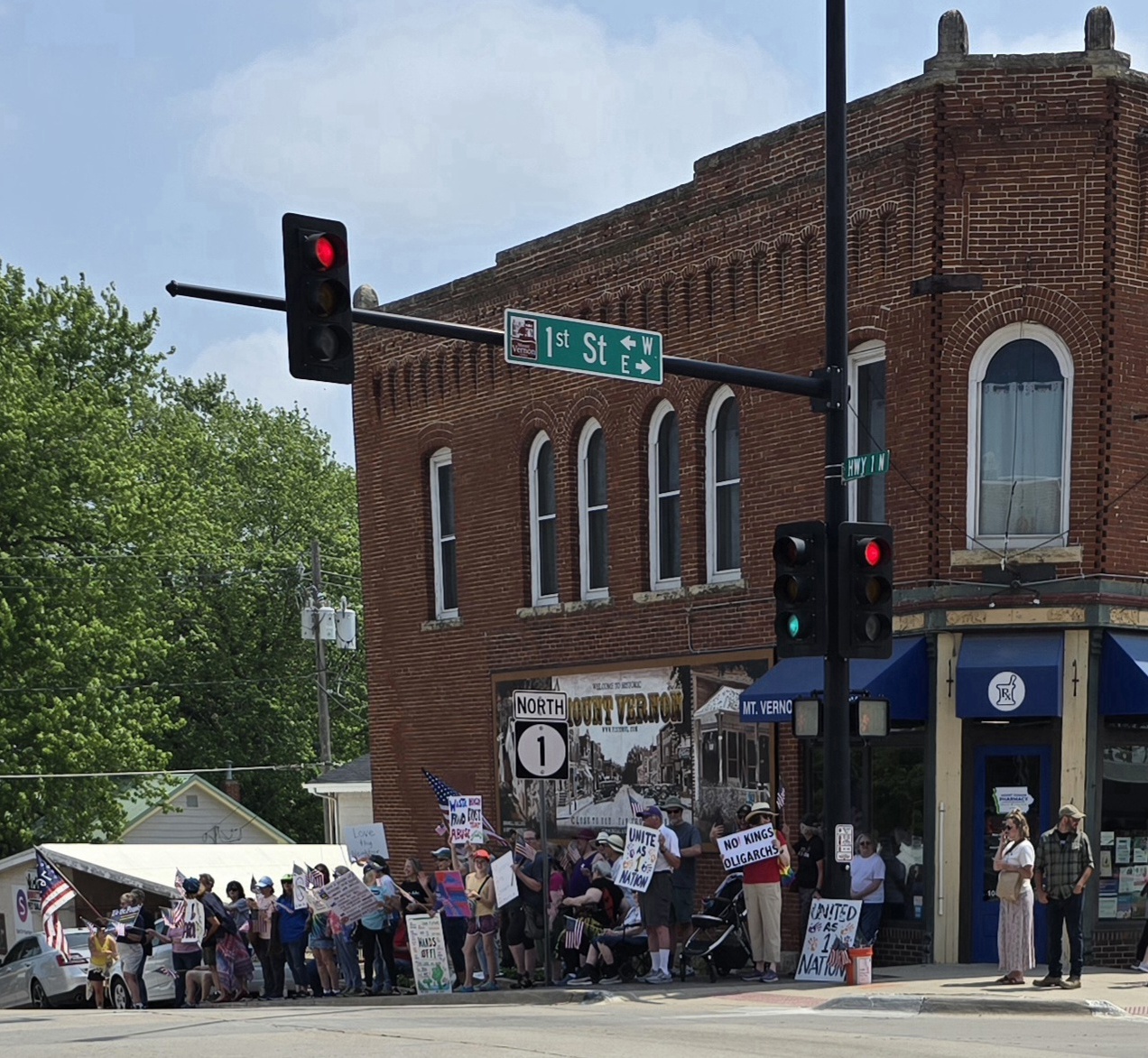


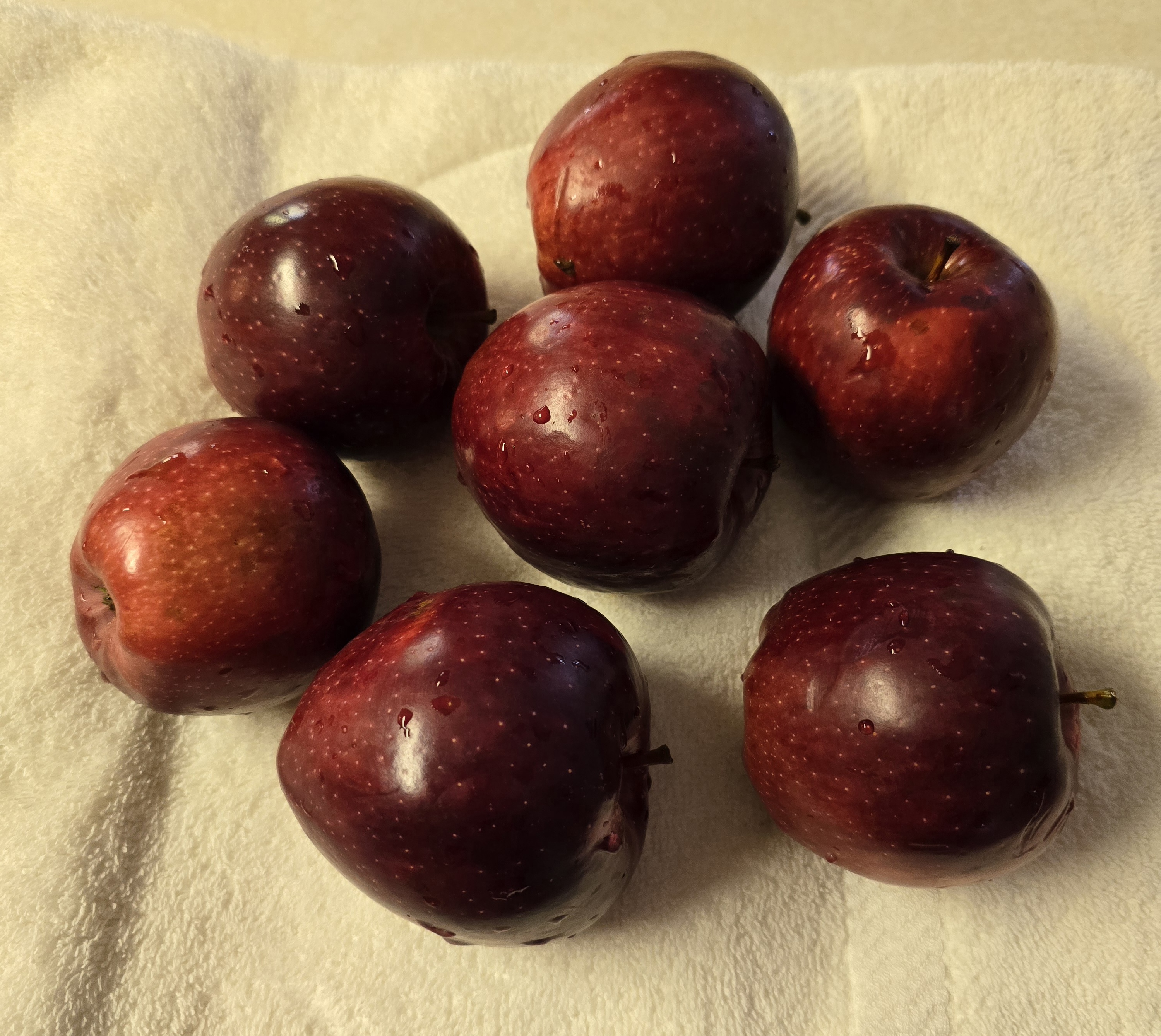
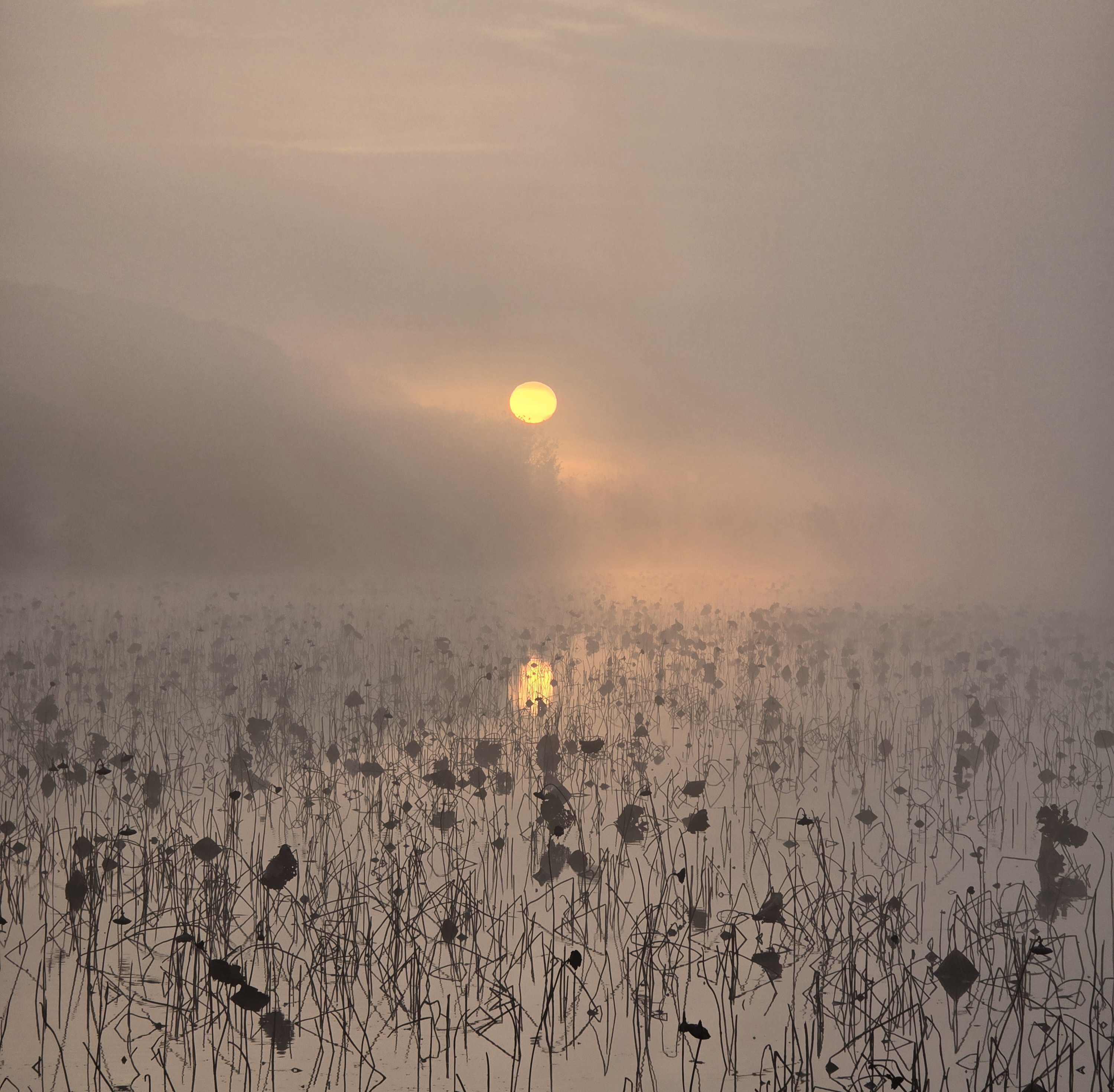
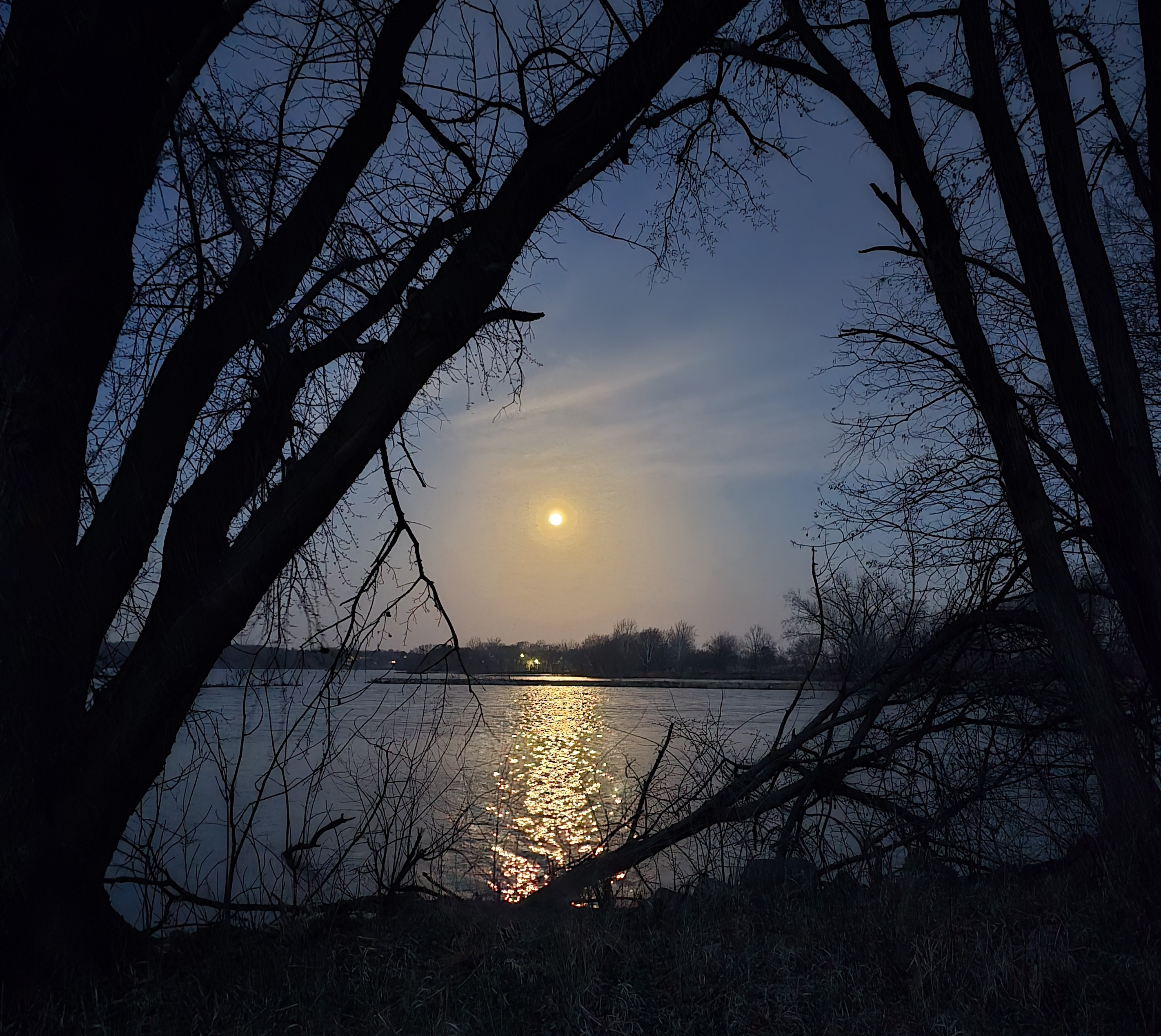
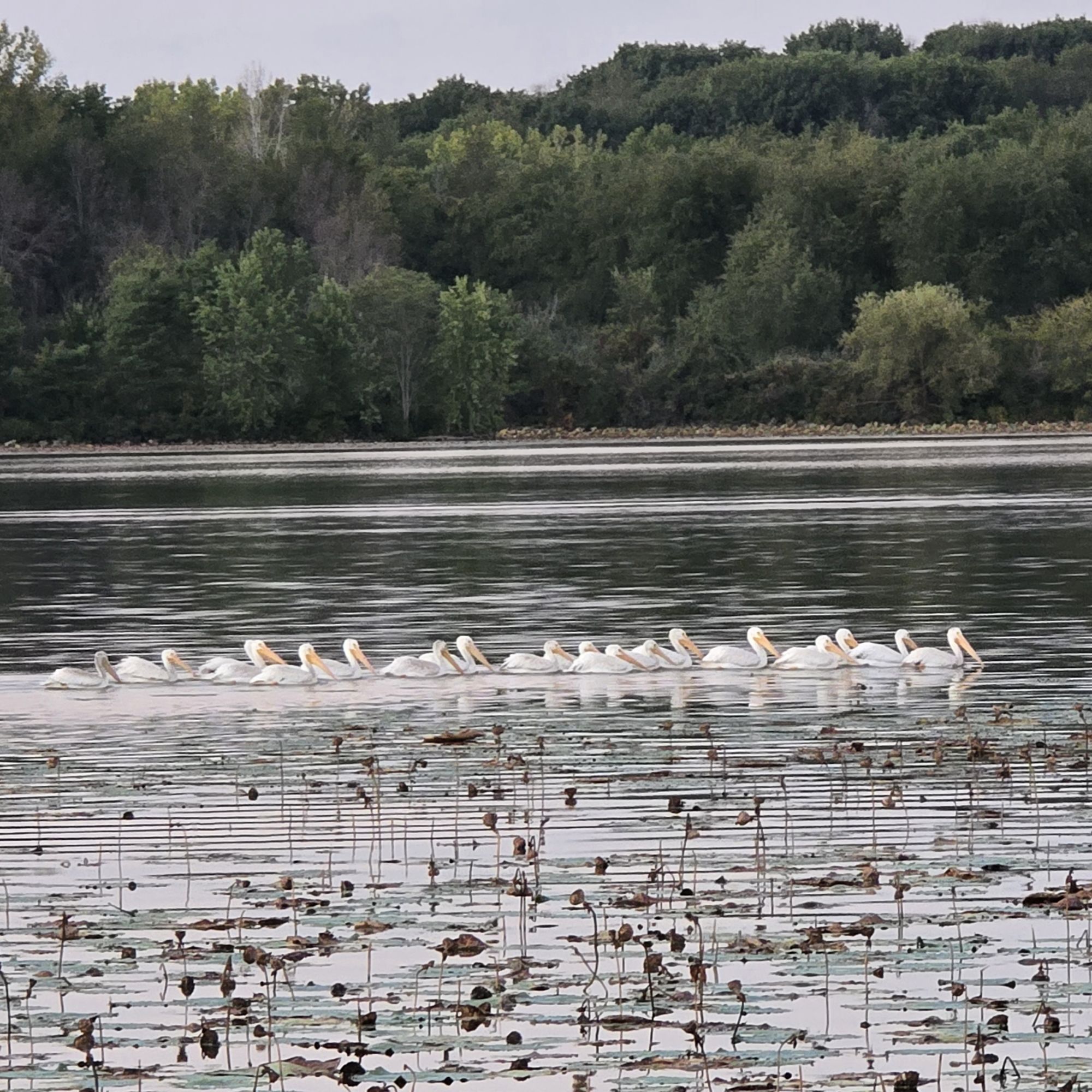
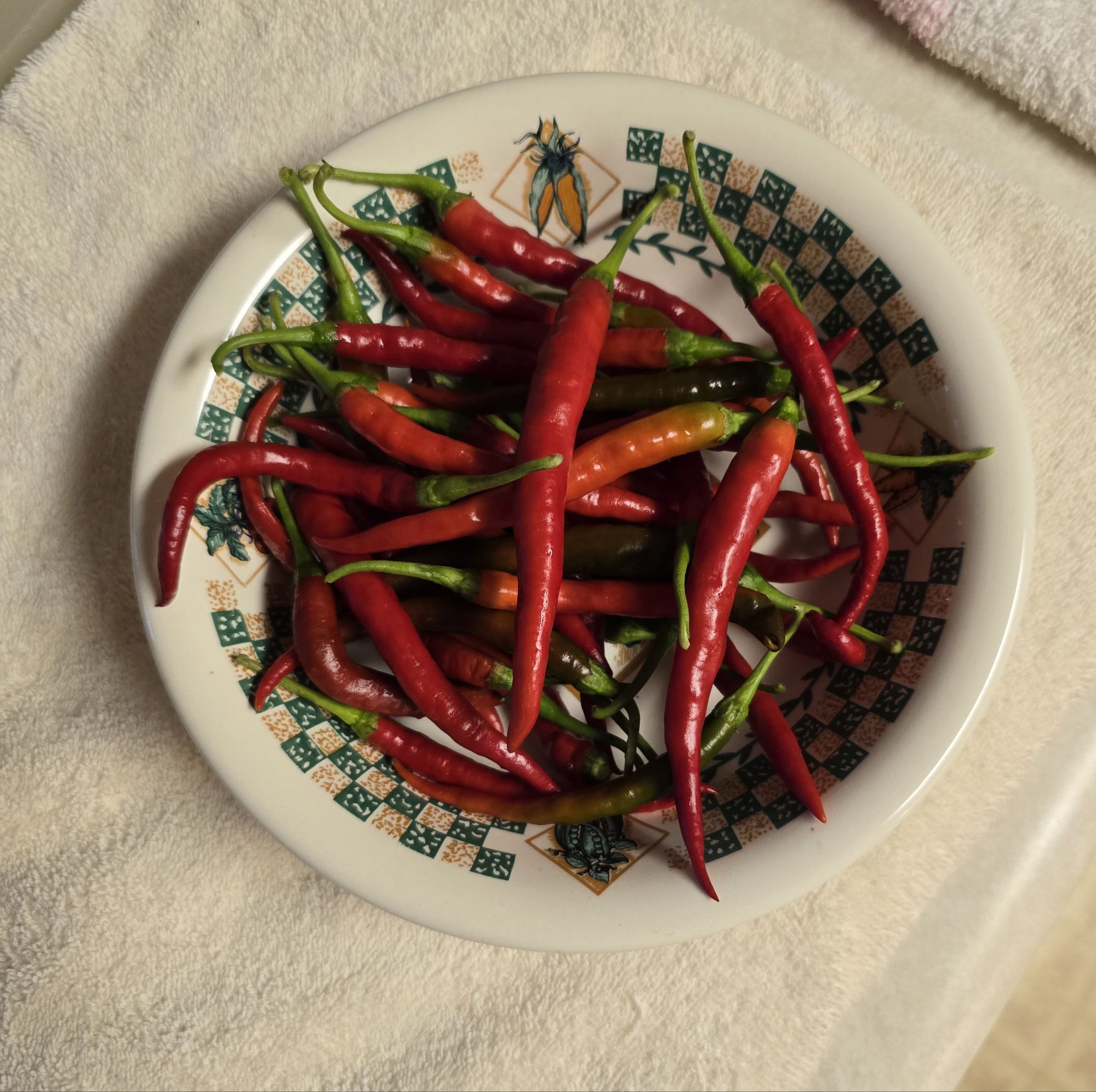
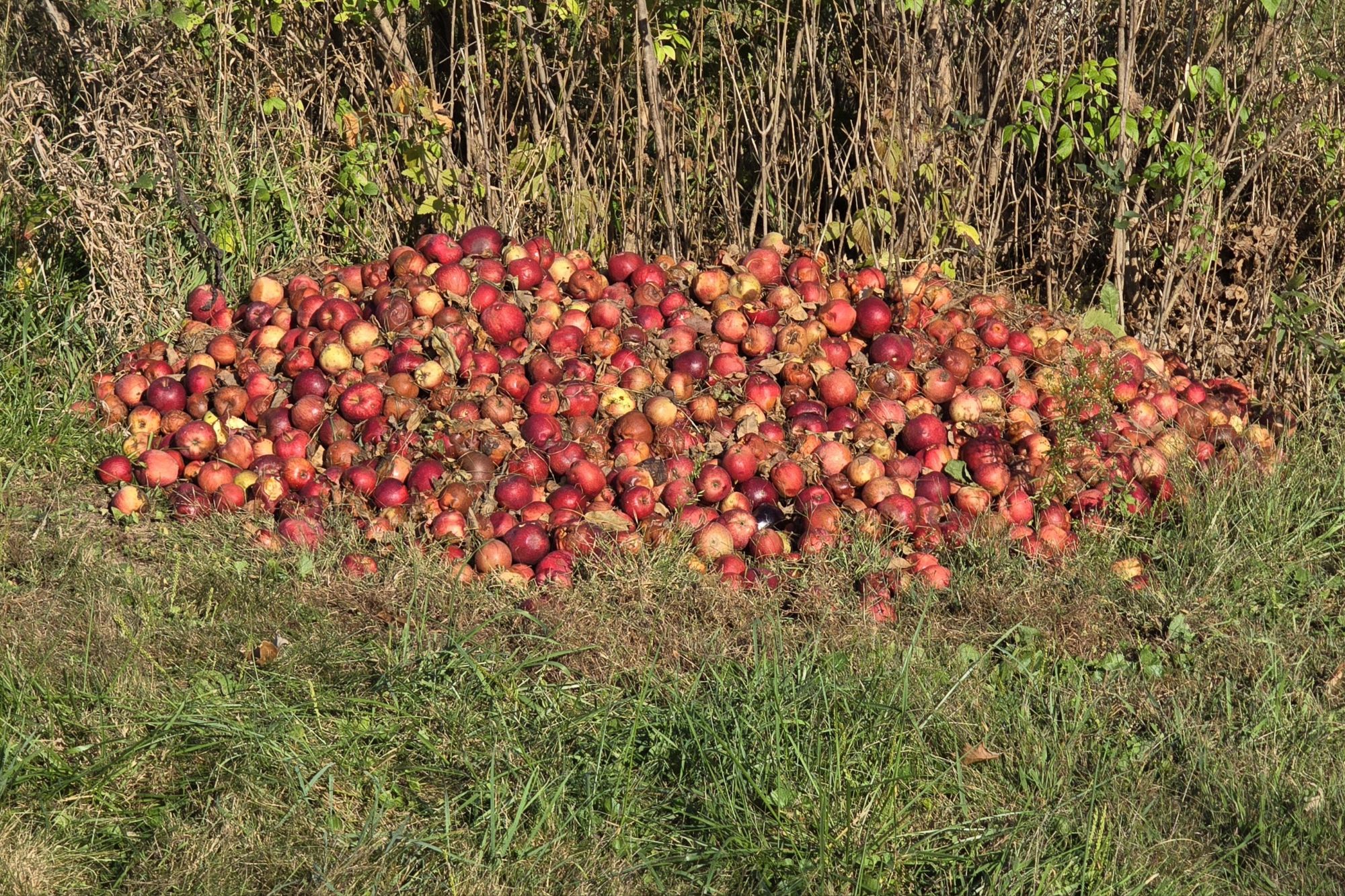
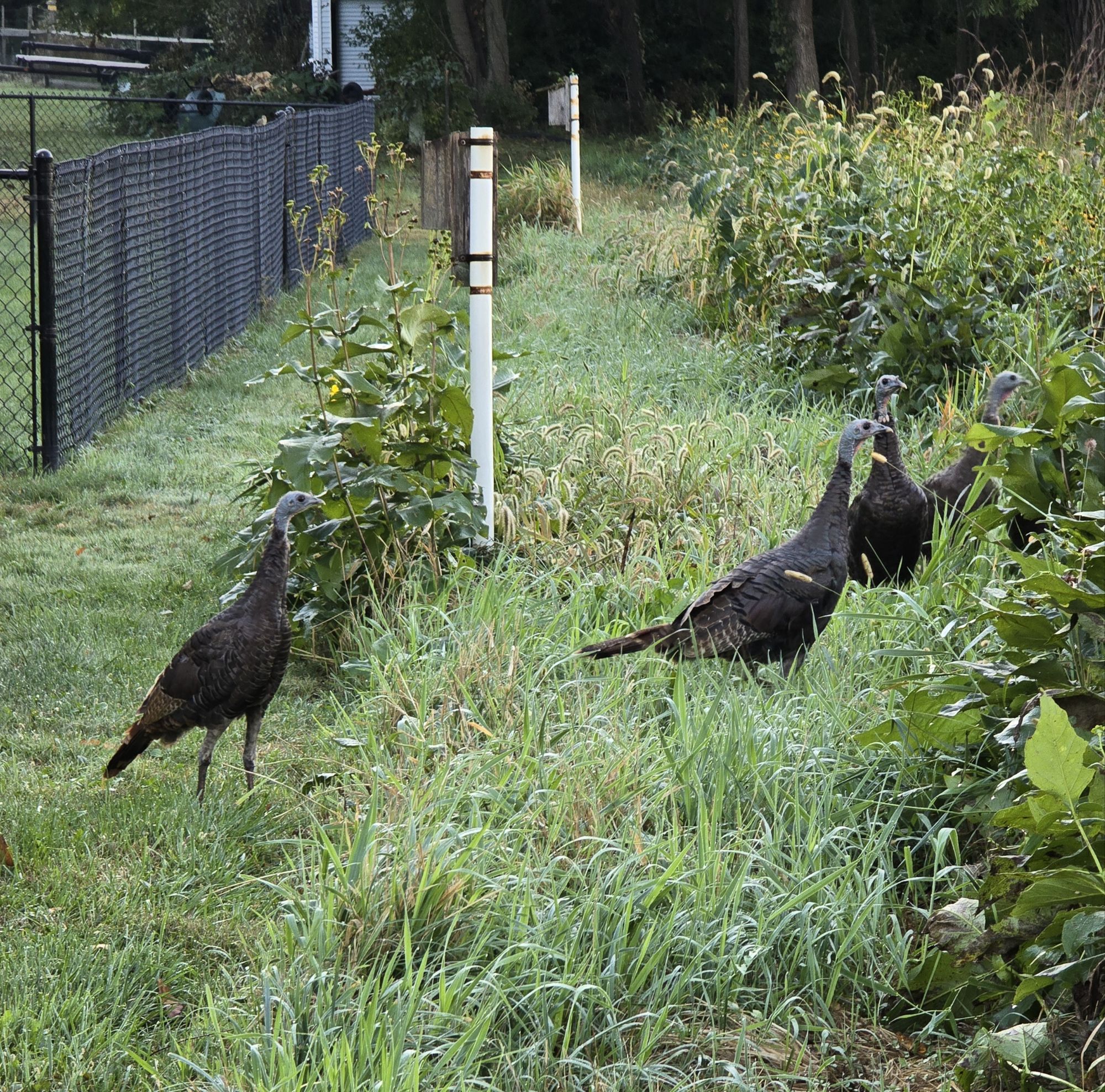
This week was all about the shift to autumn—putting up hot peppers, processing apples, and getting ready for winter. Add a high school class reunion on Sept. 25, and it’s already been a busy season. Here are some of the best recent shots.






 Journey Home
You must be logged in to post a comment.