Categories
Kitchen Garden

Good, Getting Better in the Garden

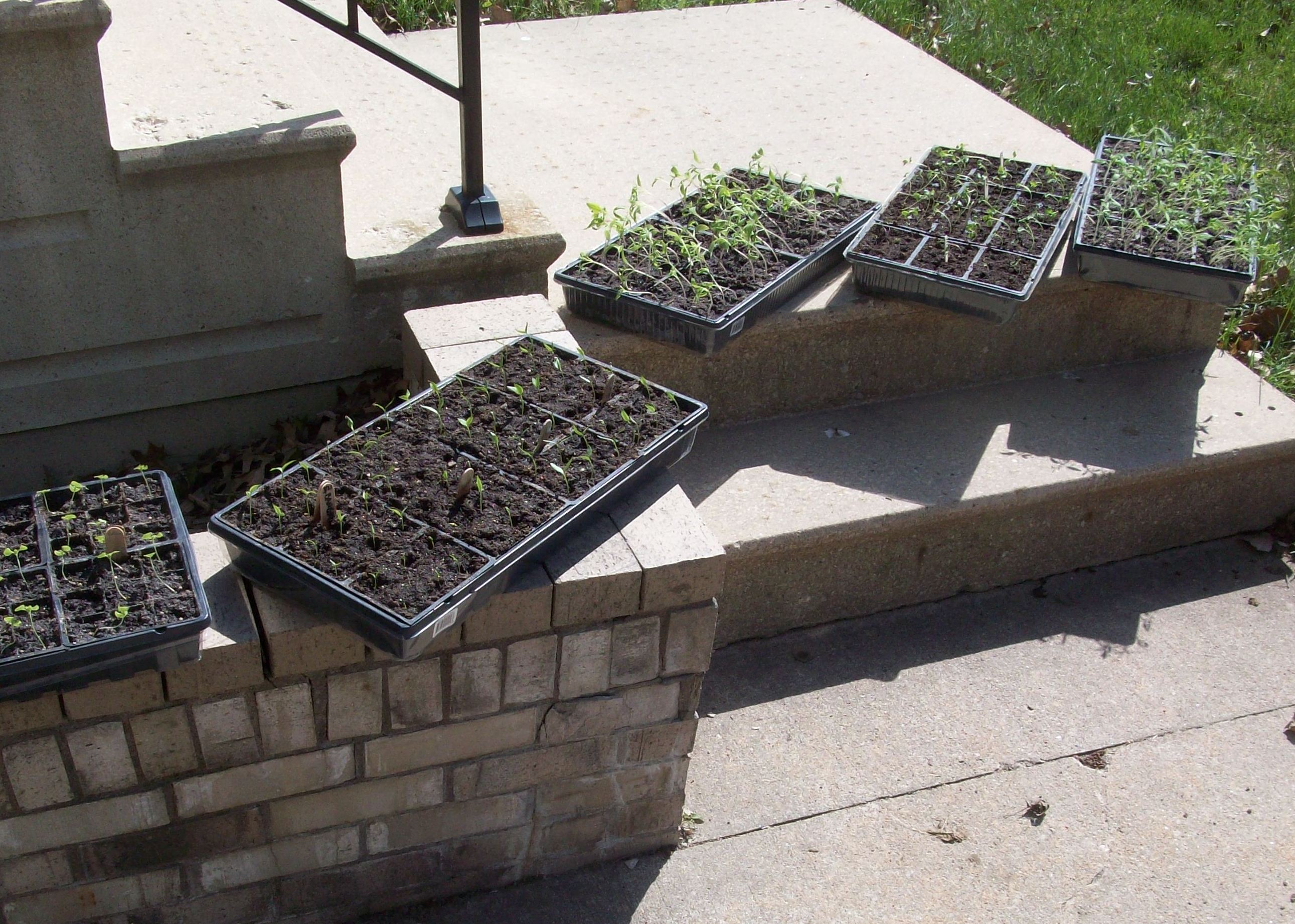
Sunning Seedlings
Seedlings after Watering

In 1983 I became a gardener. At our rented duplex in Iowa City I planted tomato seedlings which yielded some fruit. Every year since, and with every one of our four subsequent moves, we have improved our gardening capacity and techniques.

Our garden in Big Grove is likely as good as it gets. Each growing season has been full of observations, experiments and efforts to improve. I’ve learned a lot about soil, compost, mulch, seed propagation, weed control, pest control and disease. There is a lot more to learn. Hopefully I’ll be blessed with a normal lifespan to pursue improved gardening.
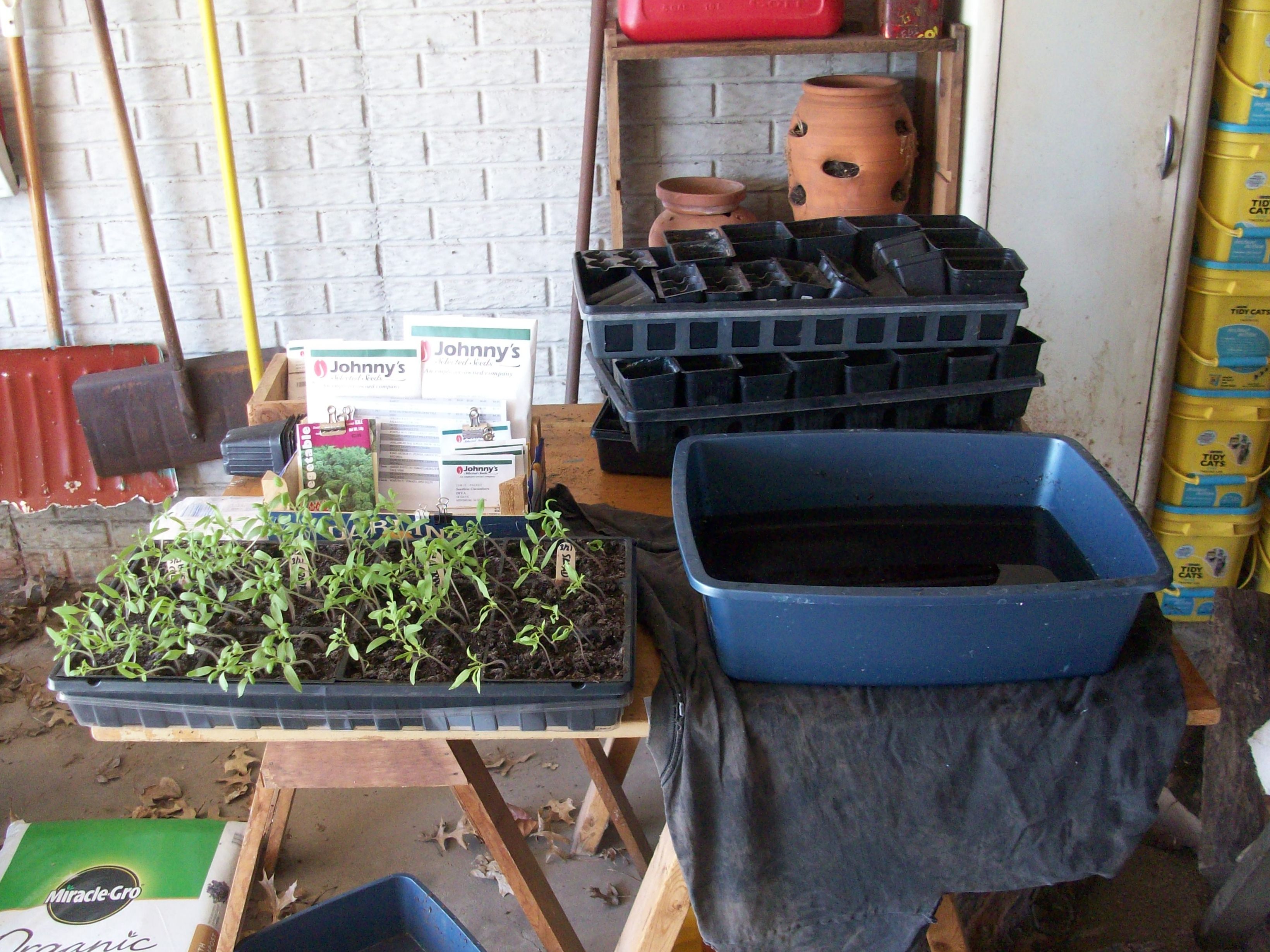
Seedling Watering Station

Work in the local food community helped me gain clarity on gardening. Perhaps the biggest change has been growing my own seedlings for transplanting. It opened the door to plant diversity, better germination, better garden plantings and better crops.

This year’s garden may be the most diverse yet. I’m experimenting with multiple crops in the same space, beginning with early lettuce, spinach and peas.

Pea Planting Space
Pea Planting Space

This year’s planting includes two varieties of peas: snow peas and snap peas. Using the SE plot, where I grew tomatoes last year, I removed remains of last year’s plants, turned and tilled the soil around the stakes, and broadcast peas. I replaced the cages to protect the peas from predators. The hope is after the 60 day growth cycle, soil nitrogen will be improved and I can get another crop of tomatoes before the first hard frost. This technique came after research and some creative thinking, although I suspect I am not the first gardener to use it.

Watering Seedlings
Watering Seedlings

I inspected the garden for the first time in several days. Radishes and lettuce in the compost heap are progressing nicely. The broadcast early lettuce and turnips look to yield a crop. The carrots and spinach have not germinated yet. There will be spring garlic in abundance, although the Golden Delicious apple tree looks to be a goner, despite my efforts to save it from disease. The rest of the fruit trees are have leaf buds on them, but I can’t see flower buds yet. I have to remind myself, it is still early—a month before last frost.

We don’t use many potatoes, so I no longer plant them. I grow a patch of spring onions, but buy mature onions on the market. Eggplants are always in abundance, as are zucchini and cucumbers. I plan a row of zucchini and three types of cucumbers, but no eggplant.

The garden is in reasonably good shape for April 12. The next big project is harvesting mulch from the lawn.

Farm work made up 20 hours of my week: planting seeds and seedlings. The high tunnel was half planted as of yesterday. It will be the source of lettuce and greens for the spring shares. Word is onions arrive next week and it will be all hands on deck to get them planted in the field.

When I get my schedule at the warehouse this afternoon, every time slot will have something next week. With local food production in the mix, life is good, getting better.

Categories
Living in Society

Webb, O’Malley Speeches Kick Off Iowa Caucus Season

Polk County Awards April 10Former U.S. Senator from Virginia Jim Webb and former Maryland Governor Martin O’Malley kicked off the run up to the Iowa Caucuses on Friday at the Polk County Democrats Spring Awards Dinner in Des Moines. Polk is a Democratic county where Bruce Braley won the 2014 U.S. Senate race with 50 percent of the vote. Democrats presented former Congressman Neil Smith with a lifetime achievement award at the pork chop dinner.

My press credentials were not approved, so I live-streamed the speeches of Webb and O’Malley on C-Span. The view was actually better than what I may have had in person. Someone in the room direct messaged me on twitter to ask where I was sitting, which was funny.

We all get to describe the event using the same English language, including depiction of “hoots and hollers,” usage of which I did not swipe from this CNN person I never heard of until last night.

My takeaway from the speeches was that O’Malley told a better story, but Webb had the better story, one worth paying attention to as the run up to the caucuses unfolds.

This Democratic event felt less like a scene from Alice in Wonderland as the mad tea party of Republicans often does.

According to multiple anonymous sources, Hillary Clinton will announce her second bid to become president in a twitter message on Sunday. Because of Hillary’s prominence in American society, there will be a media frenzy which may eclipse whatever good Webb and O’Malley did yesterday.

Here are some of my tweets from last night:

https://twitter.com/PaulDeaton_IA/status/586688334182752257

https://twitter.com/PaulDeaton_IA/status/586689432113168384

https://twitter.com/PaulDeaton_IA/status/586690687984275456

https://twitter.com/PaulDeaton_IA/status/586692492327682048

https://twitter.com/PaulDeaton_IA/status/586692733978288128

https://twitter.com/PaulDeaton_IA/status/586695358077472768

https://twitter.com/PaulDeaton_IA/status/586697523592429568

https://twitter.com/PaulDeaton_IA/status/586697879428796416

https://twitter.com/PaulDeaton_IA/status/586700092830191617

https://twitter.com/PaulDeaton_IA/status/586702269405474816

Categories
Kitchen Garden

Back at the Farm

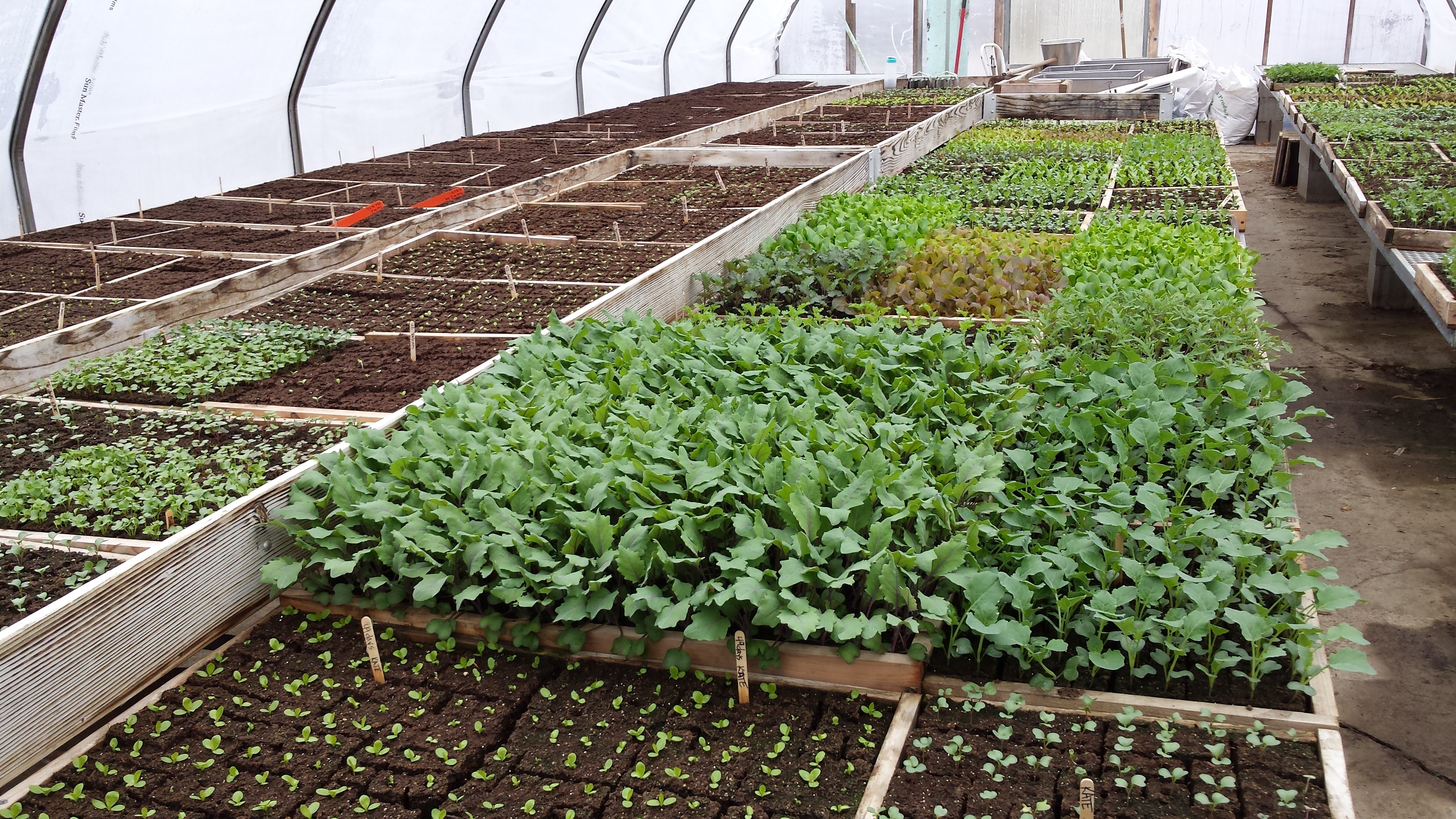
Inside the Greenhouse

This week began another stint working at Local Harvest CSA. I’m back to soil blocking, planting seeds in trays and seedlings in the high tunnel in preparation for another season of vegetables. This year the plan is to work until the regular crew arrives in May—a month of physical labor to reinvigorate after winter’s inactivity. I’ll help with the first deliveries to members in two weeks.

The fields we burned earlier in the week look great, and the green up should be spectacular.

The work has been going a lot faster this year. With experience I’ve become better able to move from one task to the next. By the time I get fully proficient, my one-month stint on the farm will be about over.

That said, the rain has kept me out of the home garden where most of this year’s produce will originate. The green up in our yard has begun.

Categories
Kitchen Garden

Burning the CRP

Photo Credit: Kate Edwards

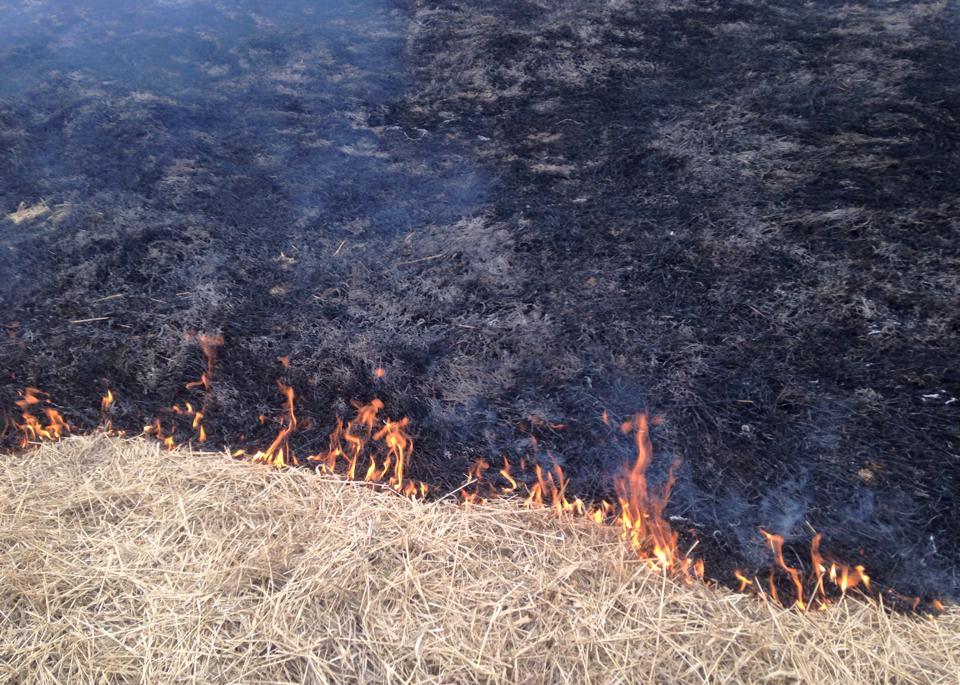
Prescribed burning is a requirement of some USDA/Farm Service Agency Conservation Reserve Program (CRP) contracts. Burning is an economical way to reduce lower thatch in a field and encourage growth of desired grasses.

It took four of us about four hours to complete a prescribed burn at the farm where I began work yesterday.

Another day in the life of rural Iowa.

Categories
Kitchen Garden

Easter Sunday Work Day

Burn and Compost Piles
Plot NM Compost and Brush Pile

It’s important to schedule work days at home. Our lives are busy enough, so retreat by setting aside concerns and being at home interacting with neighbors, doing chores and working the soil can’t happen often enough.

That was my Easter Sunday—the second work day this month.

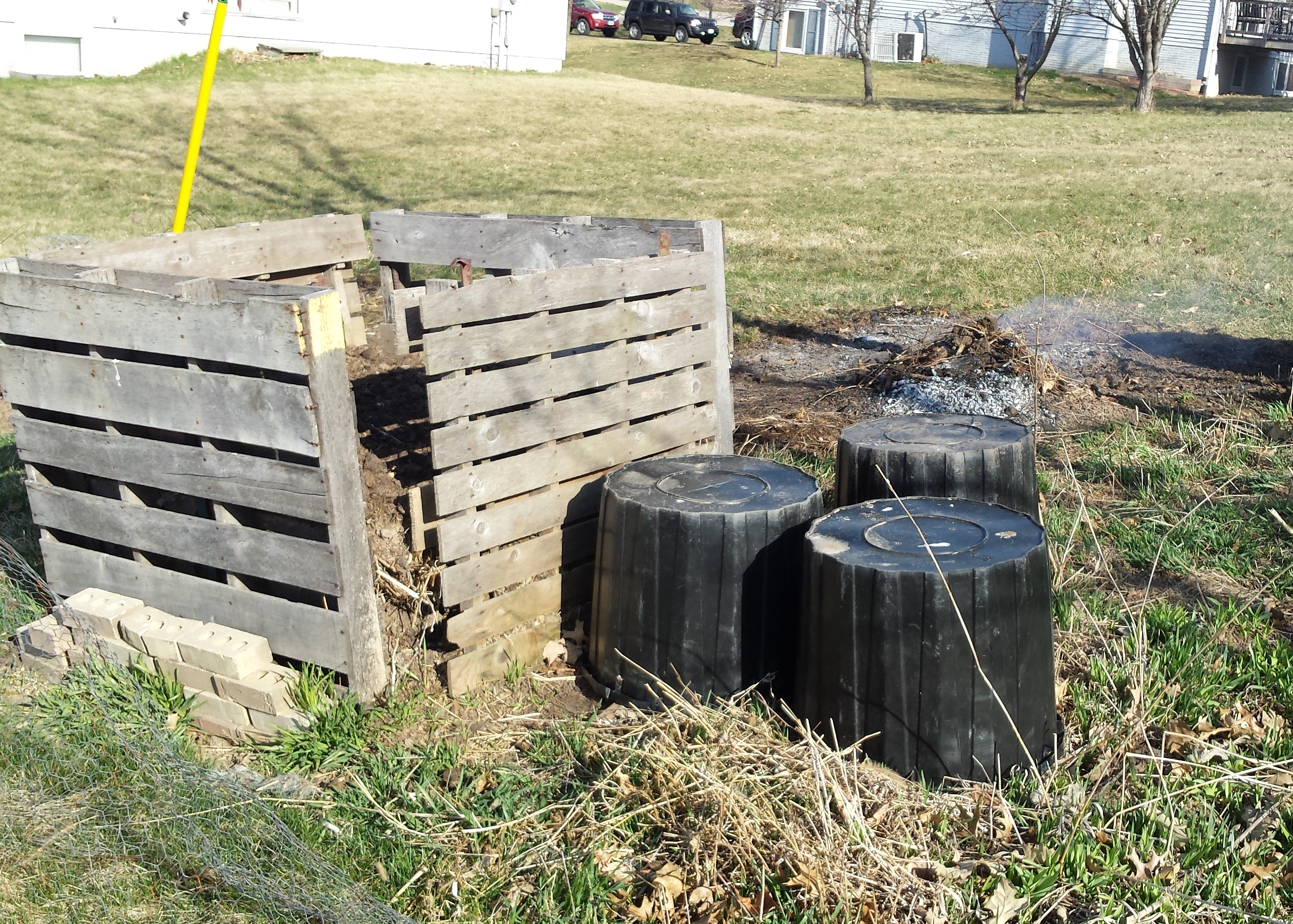
It was a perfect day to burn the brush pile. At one point, I had three fires going. My neighbors to the south were also burning theirs. Once the fire got going, I cleared a space to pile mulch until the garden is planted.

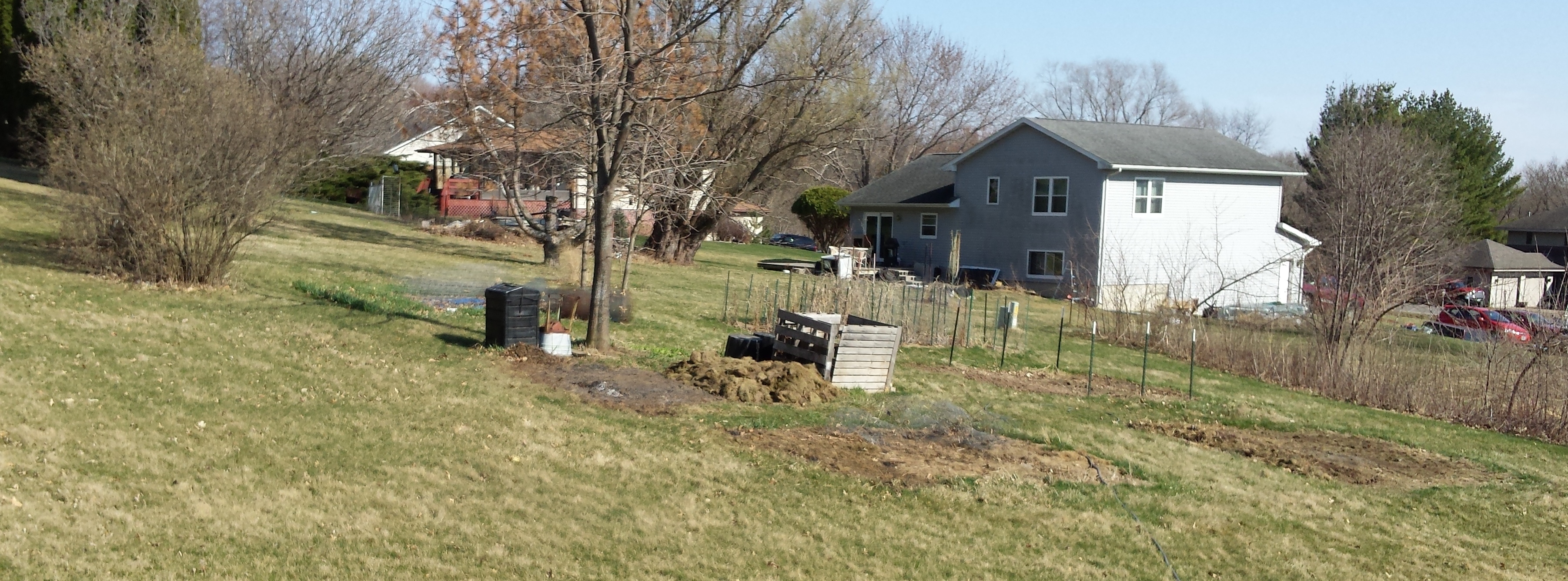
I have six garden plots and label them as north or south and then E (East), W (West) or M (Middle). Plot NM is the composting center. There are four peach tree stumps there, and a locust tree—mistakes all. There is also a patch of daylilies. I set the brush pile on top of one peach stump so the coals would burn the remainder away. Mission accomplished. One is below the boxed in compost pile and the other two will be a project for once the mulch is moved to the garden.

Plot SW was covered with grass clippings last year. Having been fallow, I plan to put some of my favorites here. I removed all of the clippings with a fork and moved them to Plot NM for storage. Then I raked the surface, and worked enough soil to put in two rows of Napoli F1 Early Carrots. I haven’t finalized the plan for this plot, but it should be fertile soil.

Plot SM has the early lettuce and turnips I planted on March 20. I removed the fencing and put in a row of last year’s Emperor F1 savoyed spinach seeds. The space where the lettuce, turnips and spinach are will be second planted, and I considered putting in peas next to expand the second planting area. I need to get the peas in the ground before it gets too warm.

I ended the gardening by getting the hose out of storage and watering the seeded areas.

There are always household chores and I cleaned the outside glass on the French door so we could see something through it besides spider webs. We hang a bird feeder there and I filled it with seed.

I swept up the remaining sand from the street in front of our house filling a bucket kept in the garage for next winter. It’s free and it looks nice once it’s removed. There is plenty around the subdivision, but I only take what I need. I used two buckets last winter and the inventory is five.

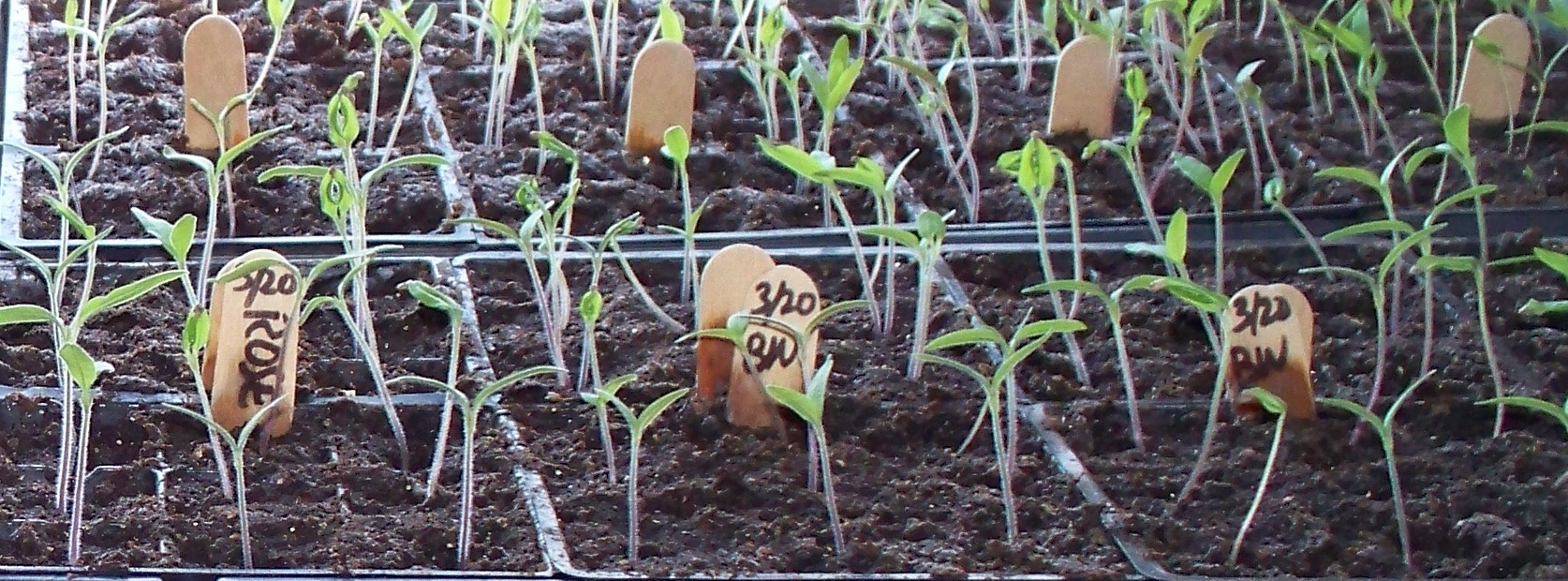
The kale seeds planted April 2 have germinated and soon I’ll remove the clear plastic cover from the tray. The pepper seeds planted March 21 are beginning to germinate and they will stay under a cover until all of them do. All of the indoor seedlings are growing nicely.

After finishing up chores, I prepared a pasta dinner and read a book. The next work session is scheduled on Tuesday.

Garden Plots
Garden Plots

Categories
Living in Society Social Commentary

Another March Madness

Wild Planet Foods Logo
Photo Credit Wild Planet Foods

While Iowans engaged in the NCAA Basketball Tournament another story was being written by Associated Press reporters Robin McDowell, Margie Mason and Martha Mendoza about food not far from televisions tuned into the games.

Following a year-long investigation, AP broke the story of slave labor being used to fish, sometimes illegally, in Indonesian waters for catch that finds its way to U.S. markets in stores like Walmart, Kroger, Albertsons and Safeway. You’ll find slave-caught seafood at the food service company SYSCO, and in restaurants. It is also used in popular pet foods such as Fancy Feast, Meow Mix and Iams according to AP.

During its investigation, AP interviewed 40 slaves on the Indonesian island of Benjina.

“The men the Associated Press spoke to on Benjina were mostly from Myanmar, also known as Burma, one of the poorest countries in the world,” the March 24 article said. “They were brought to Indonesia through Thailand and forced to fish. Their catch was shipped back to Thailand, and then entered the global commerce stream.”

The slaves interviewed by the AP described 20- to 22-hour shifts and unclean drinking water. Almost all said they were kicked, beaten or whipped with toxic stingray tails if they complained or tried to rest. They were paid little or nothing.

Runaway Hlaing Min said many died at sea, according to the AP.

“If Americans and Europeans are eating this fish, they should remember us. There must be a mountain of bones under the sea,” he said. “The bones of the people could be an island, it’s that many.”

There is plenty to provoke outrage among American consumers. Reactions to this story may include a boycott, begging the question who do we boycott? Better yet would be pressuring companies with our pocketbook by making better choices if we consume seafood. The Environmental Defense Fund provides a seafood selector site here; Greenpeace provides a shopping guide for tuna and there are other rating sites on the web. Slave labor is not the only issue with eating seafood.

It is important to note this story about slave labor buried in the U.S. food supply chain would have remained hidden if not for the resources of Associated Press and the work of McDowell, Mason and Mendoza.

Sometimes corporate media does their job, and Associated Press deserves a hat tip on this one.

Read the article “Are Slaves Catching the Fish you Buy” here.

Below is a link to a video version of the same story.

~ Written for Blog for Iowa, titled “Slaves Produce Seafood for U.S. Market”

Categories
Home Life

Redemption Under an Eclipsing Moon

2015 Tomato Seedlings

The full moon eclipsed before disappearing behind clouds in a predawn sky. It reminded me of the vast and quiet universe and how small our lives are in comparison.

I like to think we are somewhat important. Not so important that people would start saying how much we suck. But more than a piece of animate dust in the universe. Somewhere in between.

Looking for a while, I went inside and got about the day.

It’s been a dry March and El Niño has begun.

“A drier March and a drier first one-quarter year was last recorded in 1994,” said Harry Hillaker, state climatologist. “Much of Iowa, the upper Midwest, and the central and northern plains states have been very dry over the past five or six months.”

The good news this year is above average precipitation is expected during the first year of El Niño. We’ll see what happens. The second year is expected to be drier.

My work at the warehouse included a shift near the floral display. I could have spent the whole day watching women choose cut flowers. Tulips were popular. Young girls favored inexpensive, colorful bouquets. One can’t but wonder what lived behind the looks, gestures and touches as bouquets left with them. I noticed many adult women wore a pair of sunglasses on top of their head. They say it was sunny outside.

Tomorrow is Easter.

The sign at the Catholic Church proclaimed, “He is Risen!” When it comes to the risen Lord, I don’t believe that any more.

I believe in redemption.

It is hard to believe we can be redeemed from the sins and errors of our lives. There is a god and we fall short of his standards. We are sinners and it would be surprising for a deity to redeem our transgressions. It would deprive us of our humanity. Redemption must come in another form.

Each of us wants to go on living. Some may despair, but if I believe anything, it is in the persistent desire to go on living on Earth. To go on living, something is required of us.

Wanting, we reach for tomorrow, never to touch it. If that’s all we do with our lives, we are lost to a fate worse than eternal damnation. Deliverance will come by releasing tomorrow in favor of today.

Relief to isolation caused by an eclipsing moon; hope like cut flowers blooming briefly before the compost.

We shall be released of our mortal debt too soon. If we are lucky, not before we go on living—here and now.

Categories
Kitchen Garden

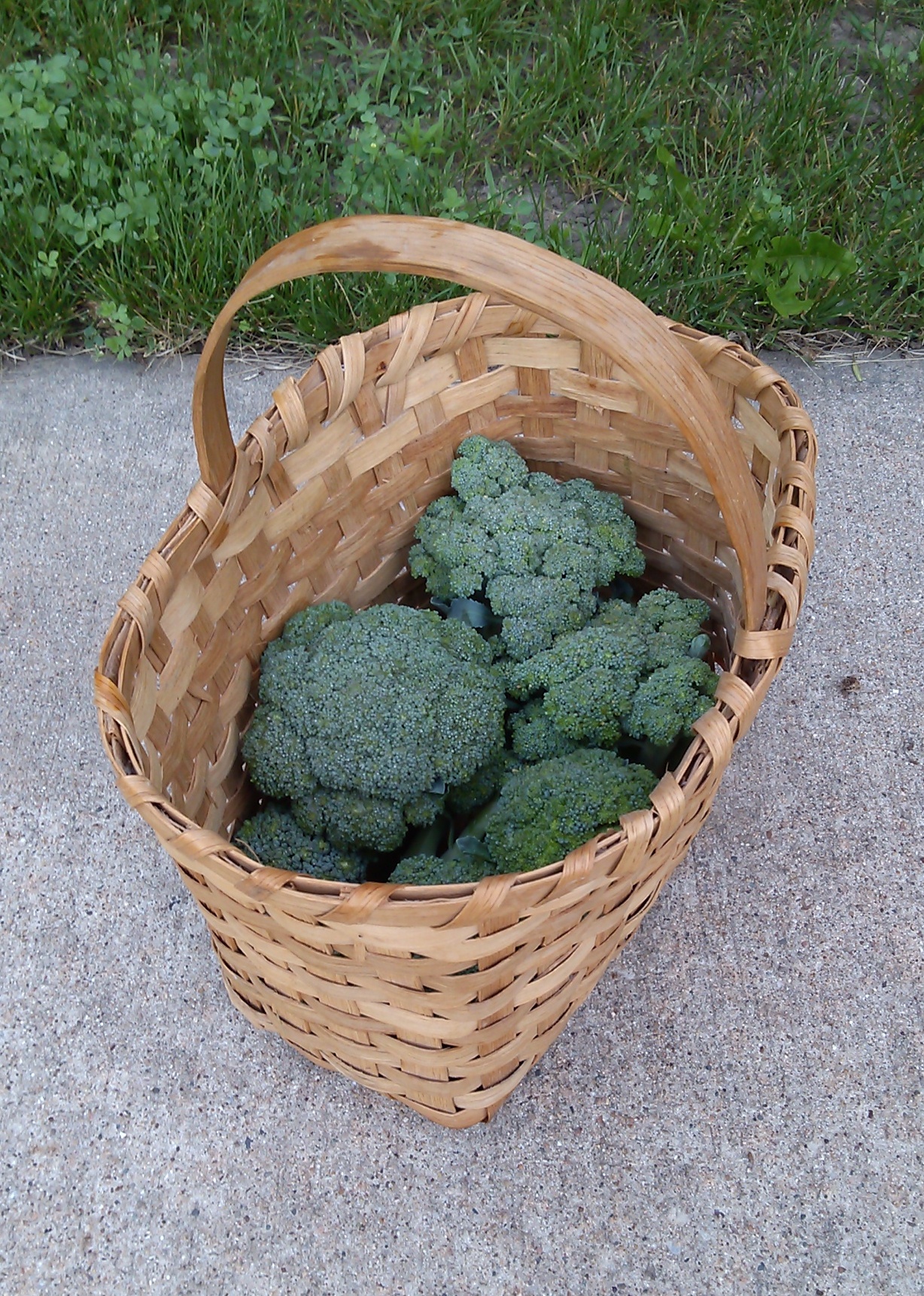
Battling Brassica – Broccoli

Broccoli
Broccoli

We love broccoli—who doesn’t?

It is part of the brassica family of plants. A cruciferous vegetable, broccoli is often an acquired taste, but once developed, one can’t get enough. The plan is to grow lots of broccoli in this year’s garden.

I don’t know how to do it. Most seeds I plant are straight-forward. Put them in starter soil, or in the ground, and watch them grow. Broccoli presents challenges, and in most previous years our supply grew from store-bought seedlings I transplanted, or excess from nearby farms. This year I am determined to grow them from seeds. There is a lot to learn.

Spindly Broccoli
Spindly Broccoli Planted March 14

My germination shed is a table set on a south-facing window. It’s not the best. Tomatoes, celery, peppers and basil have sprouted and grow toward the light. They look normal. The broccoli got immediately tall and spindly, and that is never a good sign.

Rather than compost the lot, I decided to transplant some of them into deeper cells. The leaves looked healthy—it was worth a try. Left as is, there would be no crop. I set up a work station in the garage with a goal of producing 24 suitable seedlings for the first batch.

Moving the Seedlings

Because the plants were so spindly, it was also easy to bend them over and crease the stalk. That couldn’t be good. The starter tray had 72 cells so there was room to experiment and still get 24.

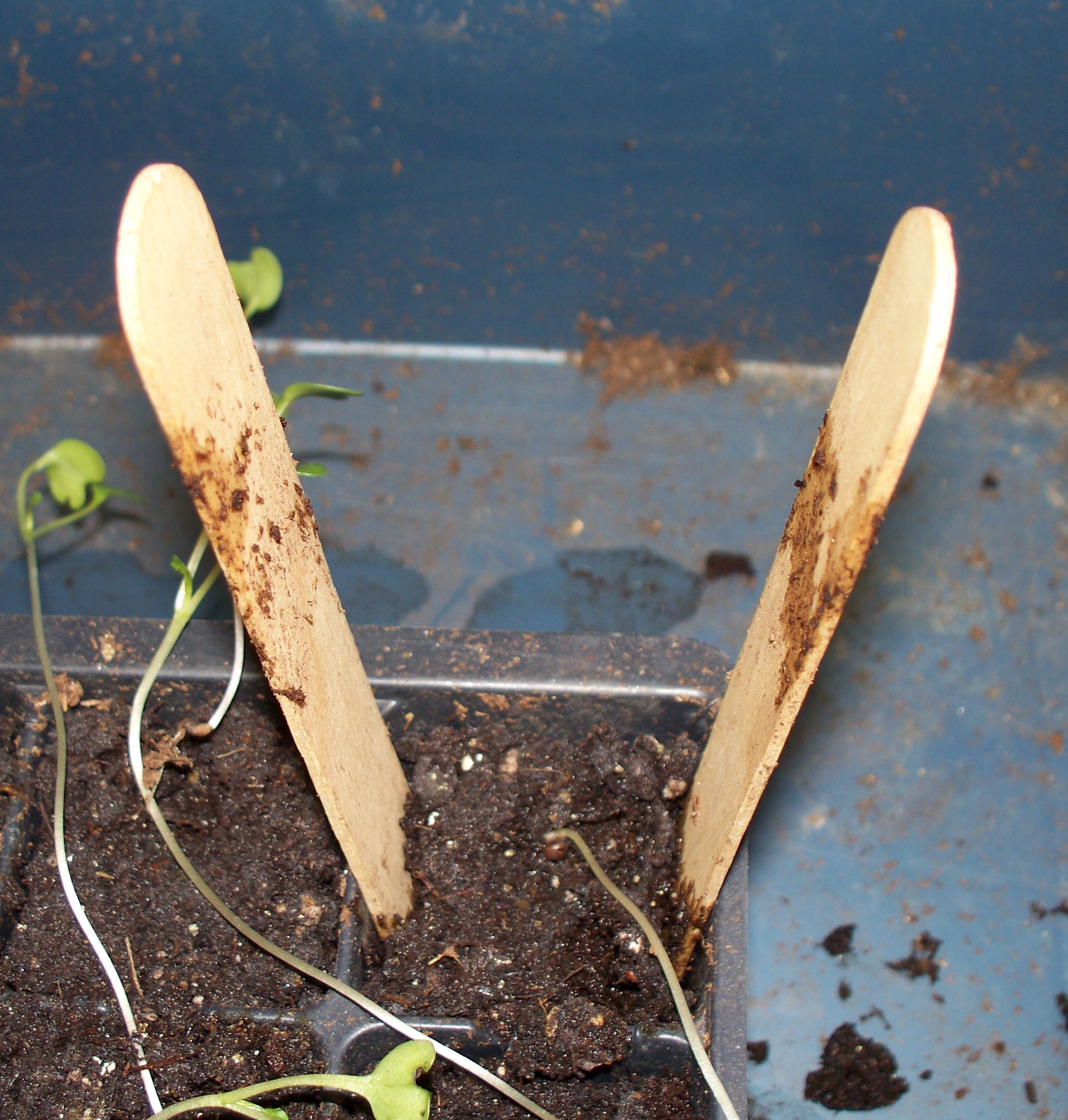
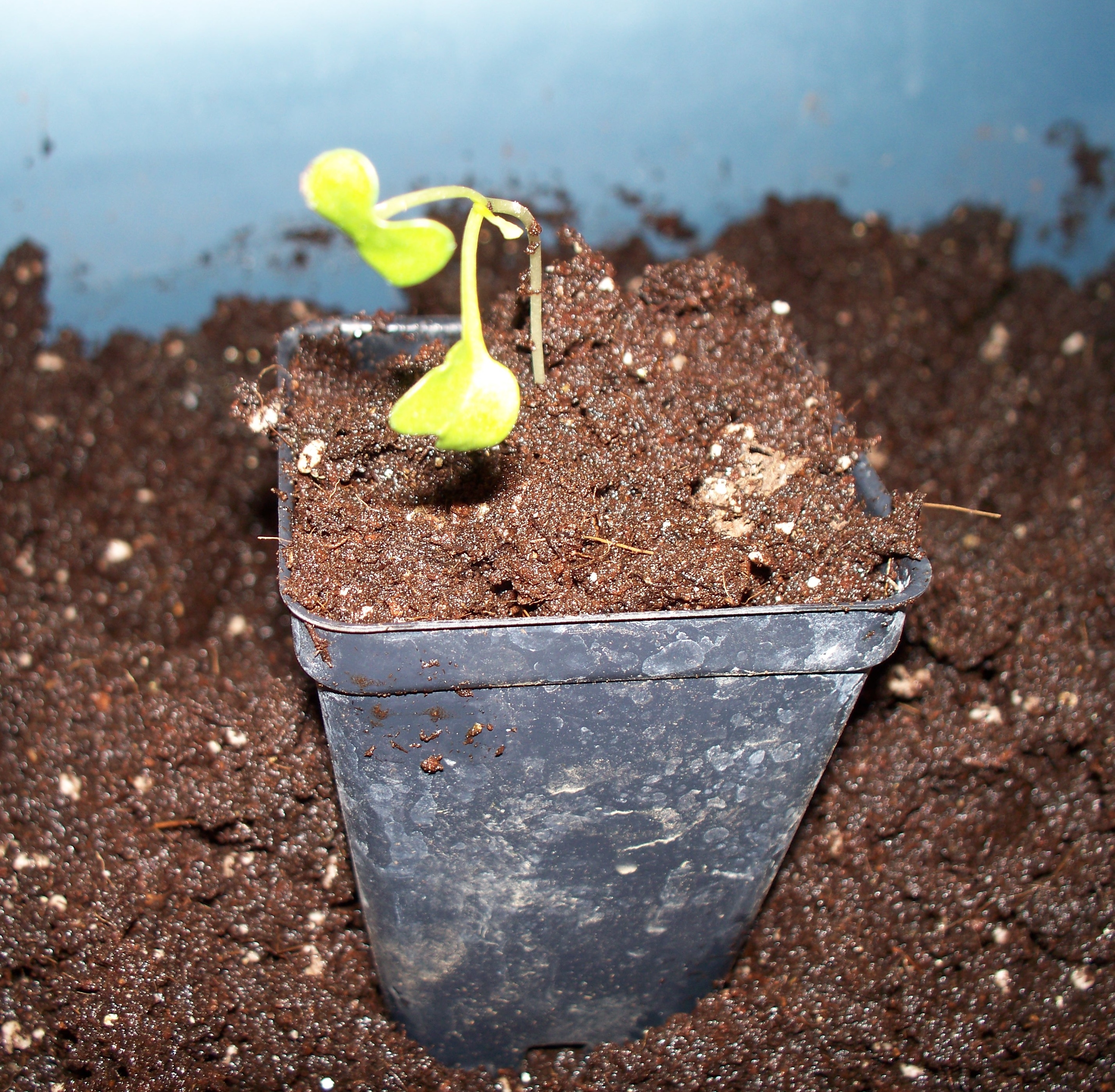
I inserted two craft sticks, one into each side of the starter cell, and carefully lifted the clump of soil into a new cell lined with half an inch of starter soil. In many cases, the long taproot would hang down from the clump along the way. Protecting the stalk, I pressed gently and filled the new cell with starter soil. Success! Slowly the new tray began to fill.

Transplanted
Transplanted

This is basic gardening. Absent guidance or written rules, participating in the trial and error of producing a crop is fundamental to how and why we live. Yes, we look forward to broccoli itself, which is not assured without intervention like this.

It is not about the broccoli. It is more curiosity about other life forms and engendering survival and growth. It’s so basic to our lives on Earth, but often forgotten in a world where we can purchase broccoli year-around at the local mega-mart.

Good news is all the transplanted broccoli was still standing this morning.

Categories
Writing

Daily Writing

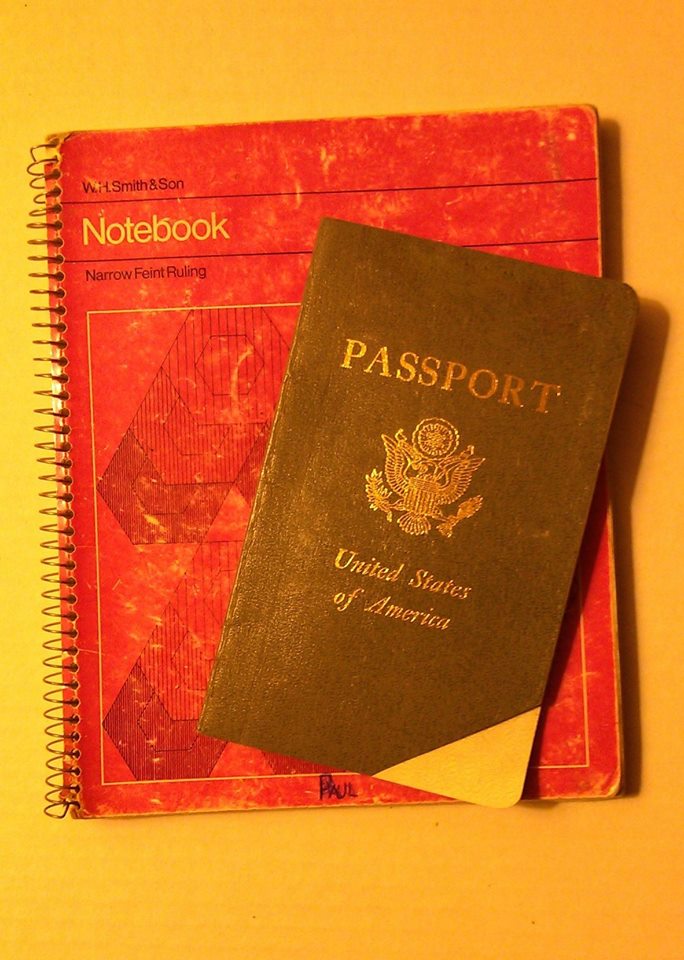
Notebook and Passport

The habit of daily writing is important, but not for reasons one might think. Writing is part inspiration and part craftsmanship. Daily writing helps with the latter more than then former and comes a time when new inspiration is needed. It’s not a commodity to be picked up at the local gas station like an Arizona Iced Tea, cigarettes, or unleaded gasoline.

To date I’ve filed 82 stories for newspapers since my first on Jan. 31, 2014. That’s 44 for West Branch Communication and another 38 for the Iowa City Press Citizen. 70,842 words total, with all but three articles printed—my writing in public.

It’s not a lot, but it’s something, and I am happy to be a small part of newspaper writing—a long tradition, but something that will remain regardless of its many changes and new economic model. If anything, freelancers will become more important to corporate media as time goes on, especially if we are willing to work for cheap to get our stories published.

I write some in private, but not much. Journal entries are sporadic these days, and there are some regular reports and emails in the mix. I used to write more in private, but conversations with people during my time in public have eclipsed much of it.

The result of such talk is a sanding away of controversy and new ideas. Polite conversations are a way of getting along in society—something we need and want—but if we engage sincerely with others, we feel good, but little inspiration is usually forthcoming.

But by putting pen to paper, fingertips to keyboard, we write. Working to craft short articles, experimenting with ideas and content, we write. I am writing.

If inspiration is lacking today, it may be found tomorrow in the garden, the garage, the kitchen, or in my book-lined workspace. There is hope for that—a writer’s hope.

We go on writing. I sharpen my skills, seeking inspiration I’m confident will be found. Daily writing sustains hope for inspiration. If we are lucky, it prepares us to write great stories once it emerges.

It would be easier if inspiration could be bought at the gas station. Easier, not necessarily better, and that’s the issue.

Daily writing will have to sustain us for now.

Categories
Writing

Writing and King Richard III

410px-Royal_Arms_of_England_(1399-1603).svgAs an English major the re-interment of King Richard III last Thursday seems more than a British peccadillo.

The estimated £2.5 million spent on the re-interment could well have fed the poor, sheltered the homeless, or otherwise been spent on something beneficial to people who need help. Apologists say the value of publicity gained by the re-interment far exceeded the actual dollars spent. Maybe so, but these March rituals portend something else.

Unfolding events since Richard’s remains were discovered in 2012, while important, play second fiddle in the orchestra of history. I’m referring to the historical events which frame English literature in the period between the Norman Conquest, more specifically, the Battle of Hastings on Oct. 14, 1066, and the end of the Middle Ages which Richard’s death on Aug. 22, 1485 in the Battle of Bosworth Field bookends.

The New York Times reminds us Richard was slain seven years before Christopher Columbus sailed for the Indies and “discovered” a New World. While Americans today don’t readily acknowledge it, our invasion of a continent with a civilization arguably more advanced than that of Europe, and our systematic genocide of the population, is far bloodier than Richard III’s two year reign could ever have been. In many ways, European descendents have made the Americas a much less civilized place than the pre-Columbian societies it removed through disease, war and dispossession. While society has addressed some of the challenges of the Middle Ages, there is a lingering savagery that persists beneath the veneer of our cosmopolitan apartments, condominiums and McMansions.

We distance ourselves from the larger world, and in so doing, consent to the continued plunder of natural resources and spoiling the commons. Passive aggressive behavior yields a lifestyle, and for many, that is enough. If one listens to what people say in public, all controversy is brushed aside under a guise of getting along. We know not what people say in private.

It is accepted, beyond a reasonable doubt, the bones re-interred at Leicester Cathedral were those of King Richard III. People from multiple disciplines worked together to frame a convincing story of how Richard lived and died. To date, no one has disputed it. It seems unlikely anyone will.

In this process we were reminded that the biased history of Richard, written by scribes with a vested interest in preserving themselves, and apologists for the Tudors that replaced the Plantagenet line of monarchs, clouded much. With Richard’s bones an old saw re-emerged.

As writers, there must be a reality behind the stories we tell. From time to time, we set stories aside and confront it—whether in the bones of a long dead warrior, or something else. We make a commitment to those truths by our vocation.

While stories may be well crafted, if we stray far from what is real, the tale will never become us. Perhaps that’s why recent events surrounding that long ago death still matter in a society the king could not have envisioned.