This year’s garden work reached its summer pivot point neatly on the solstice. Main crops of tomatoes, peppers, beans, kale, carrots and cucumbers have been planted. There are some kitchen herbs, garlic, celery and a bumper crop of apples and pears. More planting will be done soon, as a couple of plots have space for a second crop. Of course July 25 is by tradition planting day for second crop turnips.
Good news is my car was parked inside the garage last night after being outside for two months. It is a sign summer is really here. I am halfway through my ritual read of The Great Gatsby by F. Scott Fitzgerald, arguably the best novel of summer. Before I get too deep in iced tea, new summer projects, and leisure, let me record some tomato experiences.
I planted tomato seeds the third week in March and it was too early for the garden. It would be better to time them as I expect to plant them, with one batch ready to go into the ground mid-May, and a second mid-June.
I also planted too many tomatoes indoors. I could reduce the quantity by two thirds. After consulting with a local farmer, I restricted myself to one plant per cage. Too, I double cropped with the early peas, so the seedlings got very big in too small a container before planting the last ones yesterday. For future reference, if I plant 1.5 times the number of seeds I expect to plant as seedlings, that should be more than enough for the season.
The Brandywine tomatoes have a distinctive leaf shape and texture, so I am looking forward to seeing how those turn out. Now comes the growing and I am off to the warehouse for a shift.
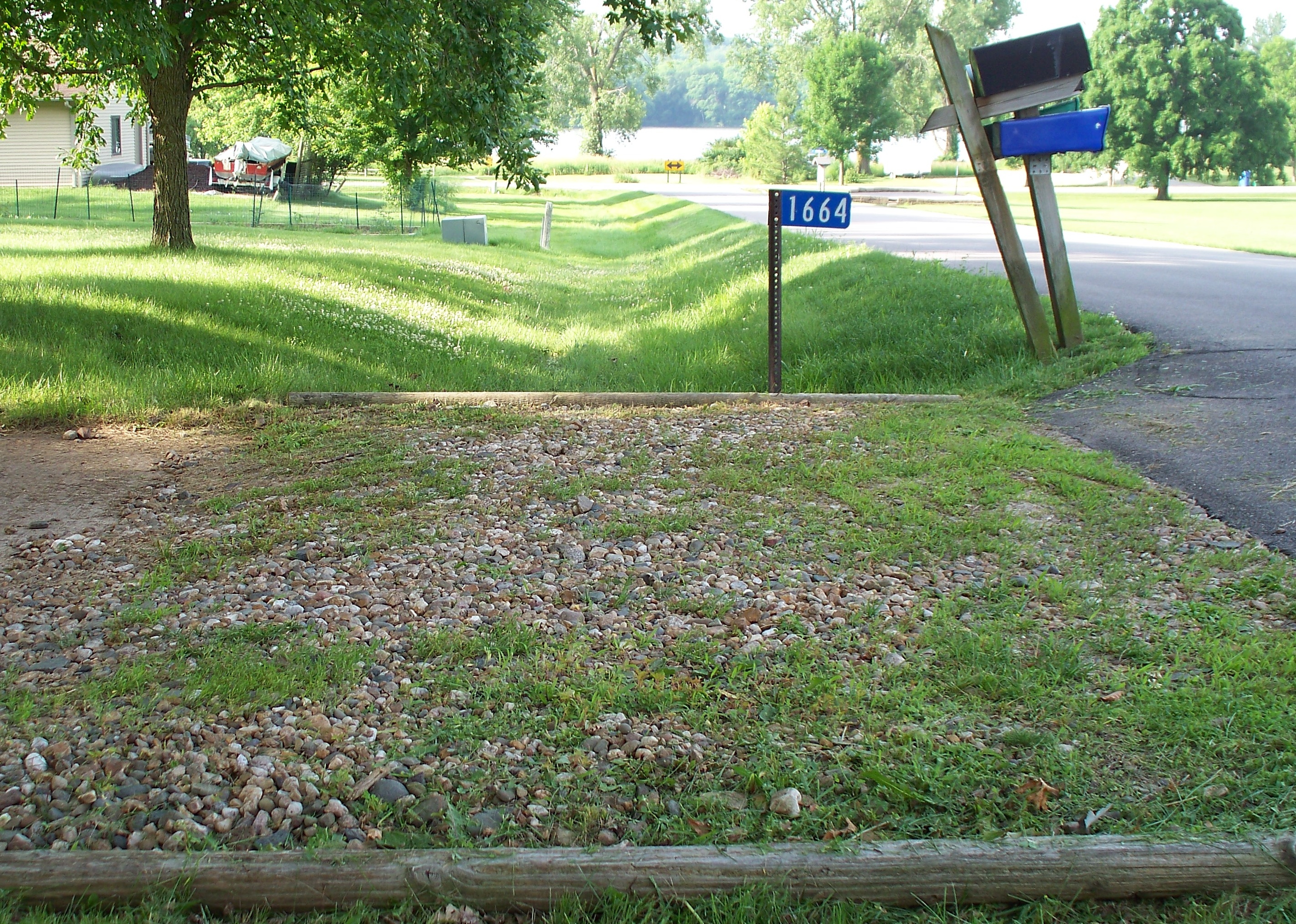
There’s a reason we don’t use fertilizer, weed killer and other chemicals on our lawn and garden. This picture of the ditch in front of our house tells the story. Whatever runoff we may generate will go directly into the lake.
Over the years, I’ve applied strategies to keep the rainwater on-site to keep things green and prevent soil runoff. It took a while, and the effort produced results. Ours isn’t the most beautiful yard, but the ditches on either side of the house don’t fill with runoff very often, and haven’t for years. Because of my approach, the garden requires minimal watering, and the lawn is left to live or die on its own.
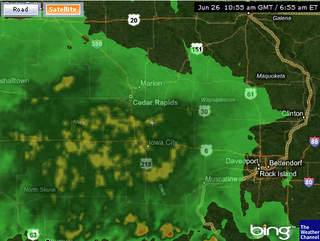
It’s raining now with a 75 percent chance of rain in a couple of hours. It’s going to be a day of waiting. Waiting to work my to-do list, which was mostly planned for outside. Waiting for my interview subjects to get back to me for a story. Waiting to get to work inside.
Extra Garden Seedlings
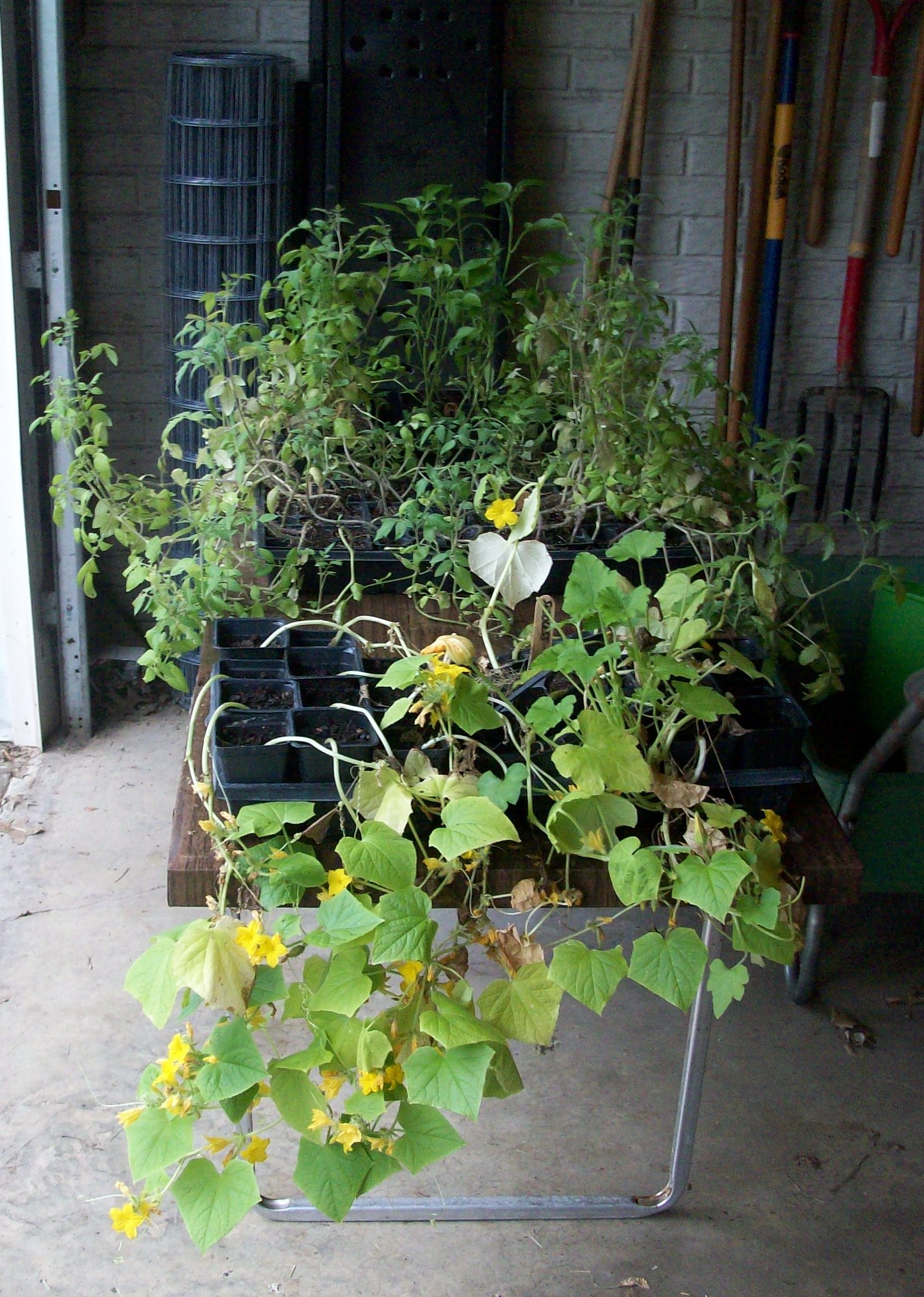
One thing to do is get the garage ready to return my car inside. When the gardening season begins, I use the space to work on seedlings. The only thing remaining to plant inside is another round of broccoli. All of the tomato, pepper and cucumber seedlings will be composted now that those transplanted into the plots have taken.
I’ll also spend a few hours in the kitchen—organizing, cooking and making sure perishables are moving along the right path. Did I mention we have a lot of kale?
Blog for Iowa Story Budget
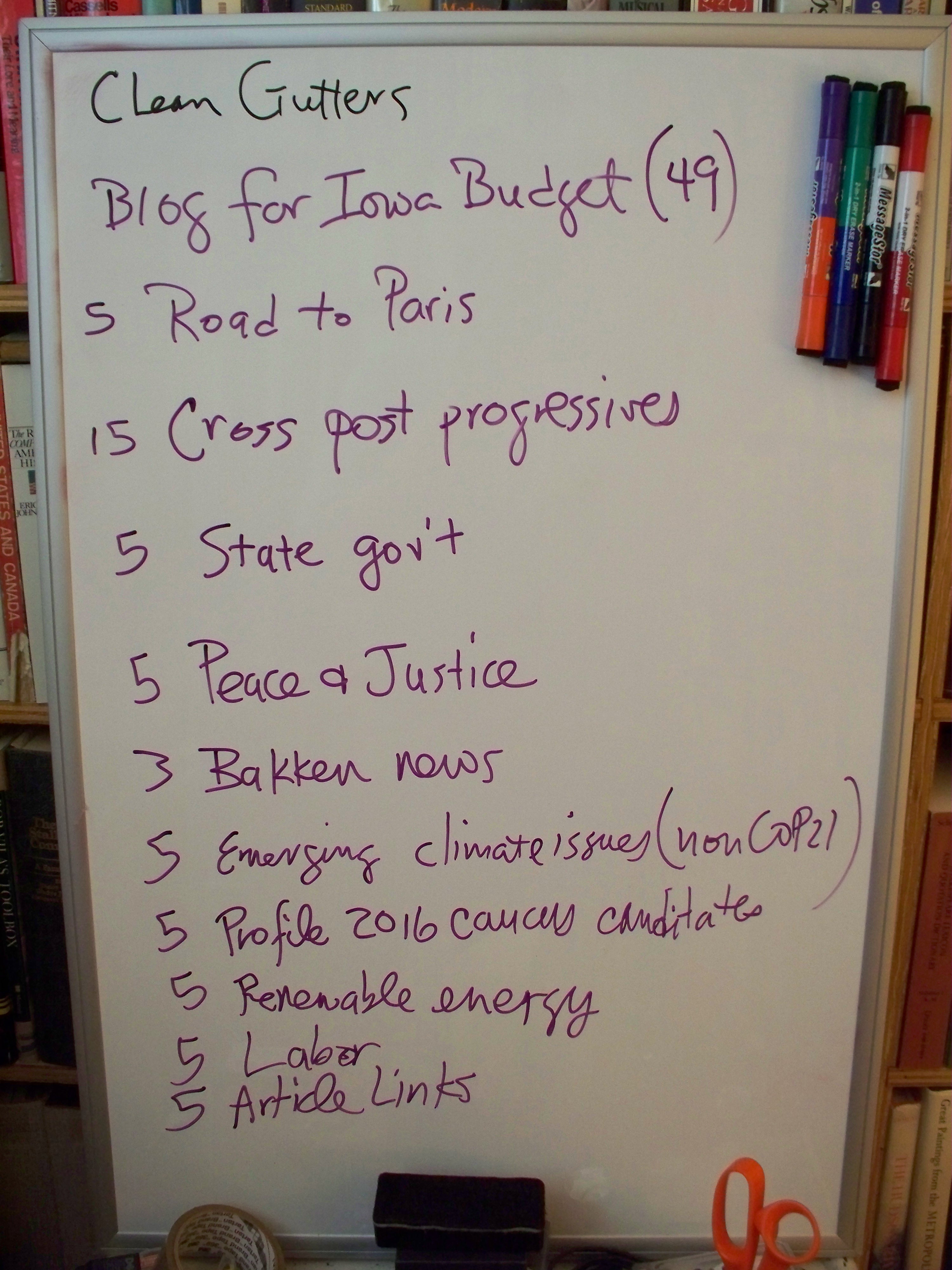
Then there is ramping up for my stint as editor of Blog for Iowa beginning July 1 through Sept. 7. The 49 days of coverage amounts to at least 25,000 words and planning makes the work easier. The first three story lines are identified, and I could begin outlining their content. Or maybe I’ll wait, depending on how the day goes.
In any case, this is a rare day off all the jobs I hold, so I plan to make the most of it. No plans to leave the property today. I’ll be keeping my activity close to home—and liking it.
The story we would like to be able to tell is of a world that “works for 100 percent of humanity.”
We’re not there. In fact, L. Hunter Lovins points out, “Humanity stands at the edge of a crumbling cliff.”
Whether one believes in climate change or not, it is time to walk back from the precipice and focus on what will sustain us. The doctrine of austerity, as reflected in today’s Iowa legislature, in Washington, and around the world is bankrupt. Lovins points out such policies were not an accident.
“Abraham Lincoln once said that the best way to predict your future is to invent it,” she wrote. “Indeed, 36 men created the economic mental model that has delivered the mess we’re in. Meeting in 1947 at the Mont Pelerin hotel outside Montreux, Switzerland they built the intellectual architecture of an economy of small government and individual decision-making in an unfettered free market.”
Sometimes we just want a livable world: clean air, a safe place, a sustained life. Thing is, walking back from the cliff we’ve made for ourselves will take economic engagement and Hunter Lovins tells a new story of what is possible. Here’s the article she posted Saturday on Unreasonable.
Economy at the Edge by L. Hunter Lovins
Humanity stands at the edge of a crumbling cliff. Half of the world’s wealth is owned by one percent of the population—the 80 richest individuals having as much wealth as the poorest 3.5 billion people.
At the same time, we are losing the biological integrity of the planet. Global Biodiversity Outlook Three states that we are losing life at a rate never before seen in history, and that the earth’s ecosystems are tipping into collapse. Three of them, are at particular risk: Business as usual, there may be no living coral reefs on planet earth, perhaps as early as 2035. The Amazon, the earth’s lungs, is drying up and burning. And the oceans are acidifying. This puts the whole of the oceanic food-chain at risk.
Scientists at the Stockholm Resilience Centre demonstrate that humanity has moved beyond the planetary boundaries in at least four of the nine critical categories: Loss of biodiversity, disruption of the nitrogen cycle, climate change, and forest loss. Despite this overuse of the world’s resources, we are still failing to supply all people with the basic necessities for life and human dignity. Dr. Kate Raworth of Oxford describes the doughnut: the safe and desirable operating space below the boundaries of the planet’s carrying capacity but above a minimum standard that fairly allocates resources to meet basic human needs for food, water, energy, equity and health care.
The great cultural historian Thomas Berry observed, “We are in trouble just now because we do not have a good story. We are in between stories. The Old Story–the account of how the world came to be and how we fit into it… sustained us for a long period of time. It shaped our emotional attitudes, provided us with a life purpose, energized action, It consecrated suffering, integrated knowledge, guided education… We need a [new] story that will educate man, heal him, guide him.”
The new story must, in the words of Buckminster Fuller, be about, “a world that works for 100 percent of humanity.”
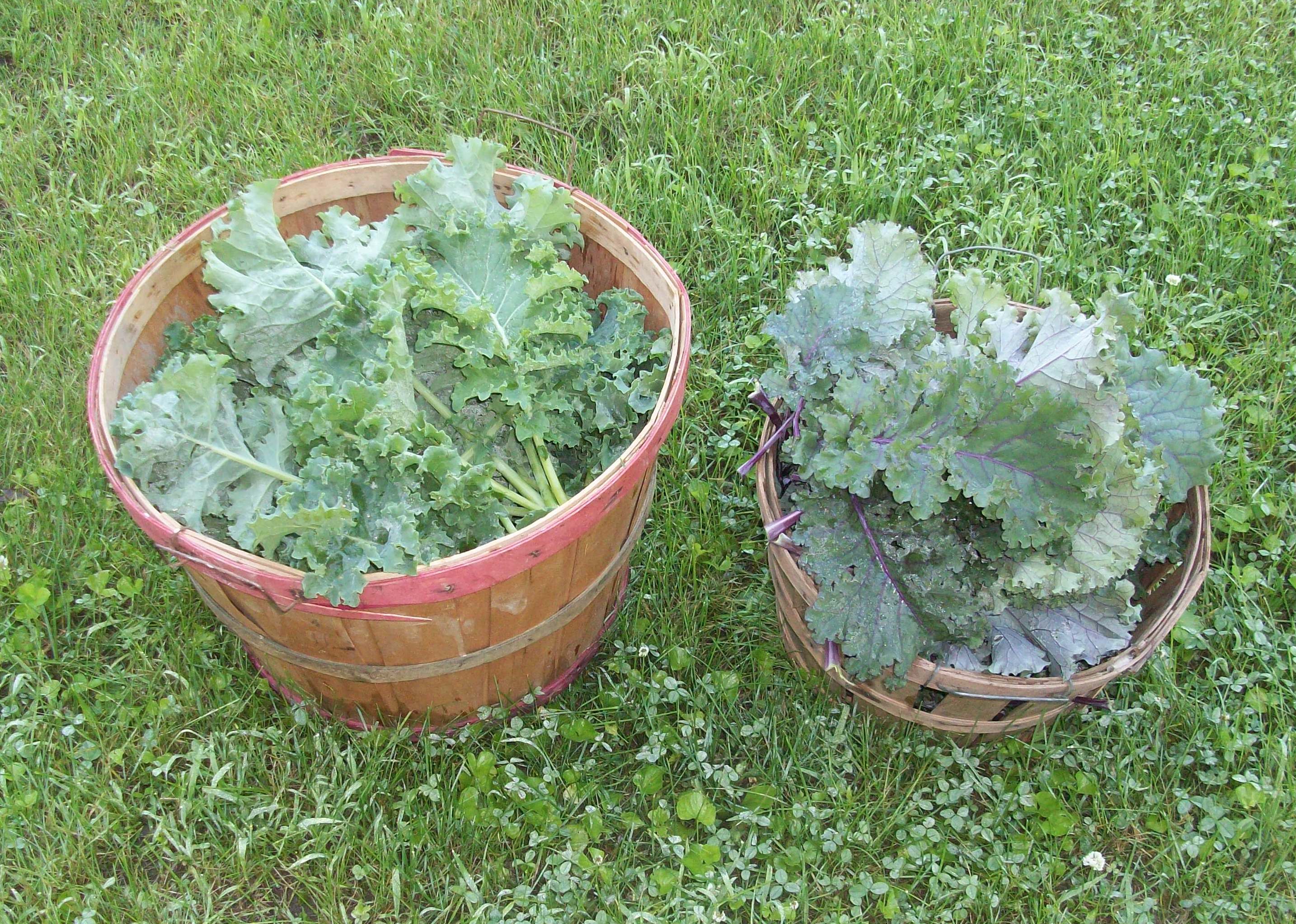
Folks who live near me need not worry about kale this year. Already, our icebox is full of leaves, and as they are picked, such picking spurs growth. It is expected to be a long, abundant kale season with a massive giveaway.
There’s a lot of work in the hopper this morning, but I couldn’t resist posting this photo of the morning kale harvest.
Buying and selling things is the heart of economic systems. Most people I know would rather be on the production side of the equation, yet someone has to do the selling, and there is a living to be made as a salesperson.
When we lived in Indiana, one of my employees’ spouse worked in sales for a precious metals company. His job was to convince large companies to sell them spent catalysts containing platinum. In a year he had to make only a couple of sales to support his lifestyle of constant engagement with purchasing managers and key executives of Fortune 500 companies. He played a lot of golf with customers.
In another corner of the economy, there are those who work retail sales in low wage jobs. Many retailers pay more than minimum wage—they have to to attract workers. Instead of wages, they offer positions such as “team leader,” “shift supervisor,” “crew chief,” and the like. None of them pay a living wage, far from it. It is all hourly work designed to stock shelves, staff cash registers and generate sales from a corporate-designed supply chain that pays the lowest wages the market can bear. Retail workers don’t play a lot of golf.
Retail workers have more than their share of problems. Health, access to health care, relationships, transportation, housing, security, disability, abuse—you name it, problems come in almost every area of life. Financial problems are rife, and the reason many take a job in retail, but low wage workers don’t always make good decisions about jobs. The financial equation is stacked against them before they even leave the house.
This is where I part ways with people who promote increasing the minimum wage as a solution to working poor.
Discussion among low wage workers is seldom about wages, but how to sustain a life. While “extra” money would be nice, and well spent, nice doesn’t make it very far in the tough lives of retail workers. Those who advocate for an increase in the minimum wage do so from a position of privilege most retail workers don’t share. Increasing wages doesn’t get to an essential problem.
With the drive to employ part time workers with less than 30 hours per week and no benefits, a retail worker’s earnings potential caps out around $15,000 per year. In today’s environment, that’s barely enough to buy health insurance, let alone pay bills. Add a 25-mile commute, an older car with high maintenance expense, expensive banking services, physically demanding work, and other complications of working poor, and retail workers enter a trap from which there is no escape. As others have written, it is expensive to be poor.
There will always be a need for workers at the low-wage end of the scale. A system that recognizes all kinds of work and rewards it with the ability to sustainably live an honorable life is lacking. Money can’t solve that problem, even if it makes some feel better about themselves.
Social justice will take more than giving alms to the working poor, including the denizens of retail.
I planted tomatoes where the peas grew, tilled the soil where the rabbits had dined on my broccoli to put in hot peppers, and spent time mulching, weeding and watering. I made a dent in the work.
Without the bartering agreement at the CSA this year, the garden must produce and so far, it has.
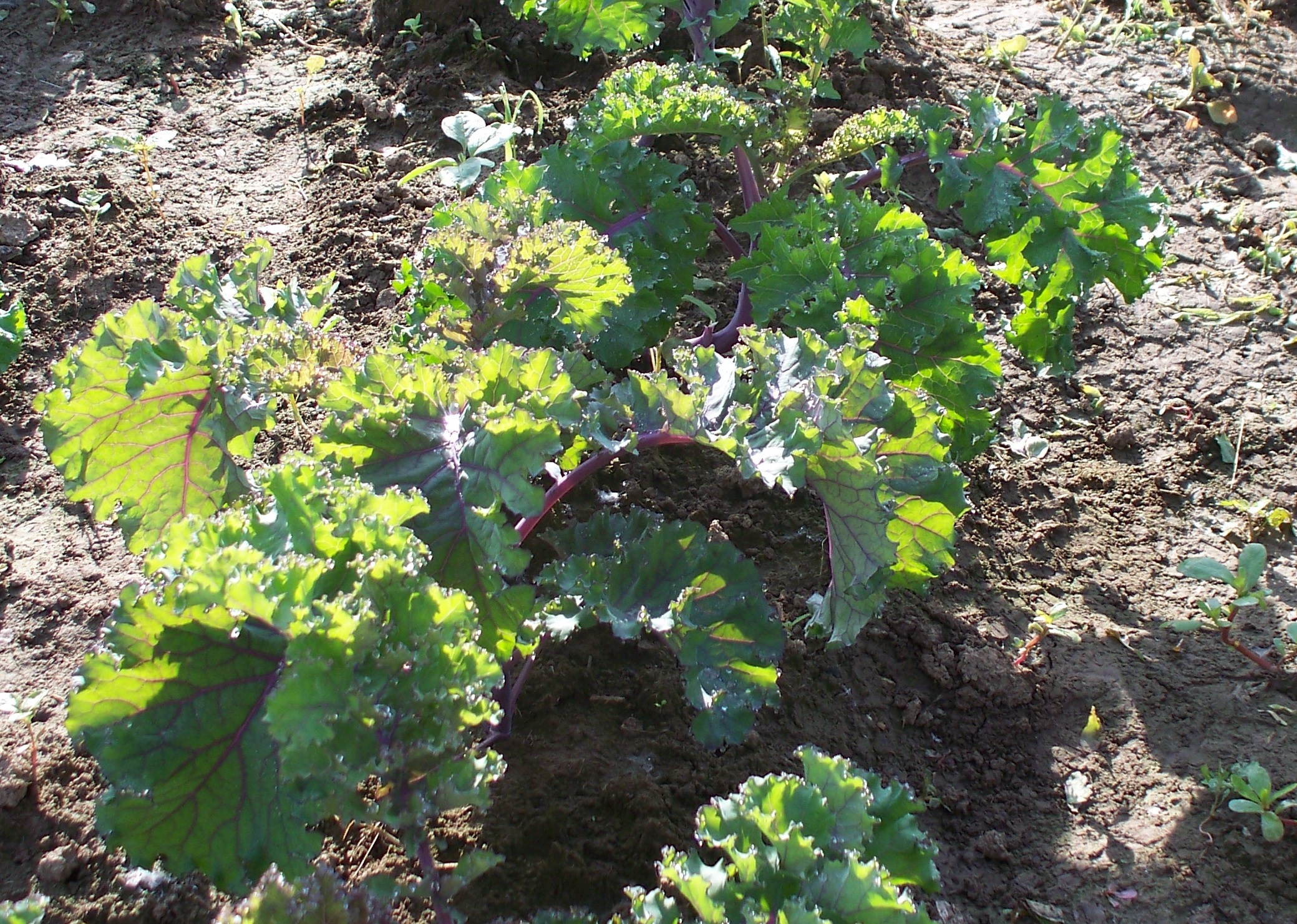
What’s currently growing best is green beans, kale, carrots, garlic, herbs, tomatoes, herbs and daikon radishes. A lot of crops have a way to go before producing.
Morning Harvest
The relationship between food, retailers, diet, health, wellness, exercise and tradition is complicated. Almost too complicated. Understanding it is embedded in our culture and often we trade off one value for another. There are no absolutes.
Kale
A vivid narrative about food’s role in society was written by William Kamkwambe in The Boy Who Harnessed the Wind. He described the relationship of his family to food in Malawi, recounting the seasonality of the maize harvest, the relationship between the weather and land, and the role governmental organizations play in the food economy. The picture Kamkwambe paints is simplistic, and that’s why it is so vivid. It is the definition of subsistence living.
In the West we have a different approach. Everywhere around us there is an abundance of food. Grocery stores are filled with tens of thousands of items. A host of local farmers crowd each local market making diverse, seasonal produce available for reasonable prices. While there are people who are food insecure—who don’t know where their next meal is coming from—the food is available in the retail supply chain. The problem is often inadequate funds to buy it.
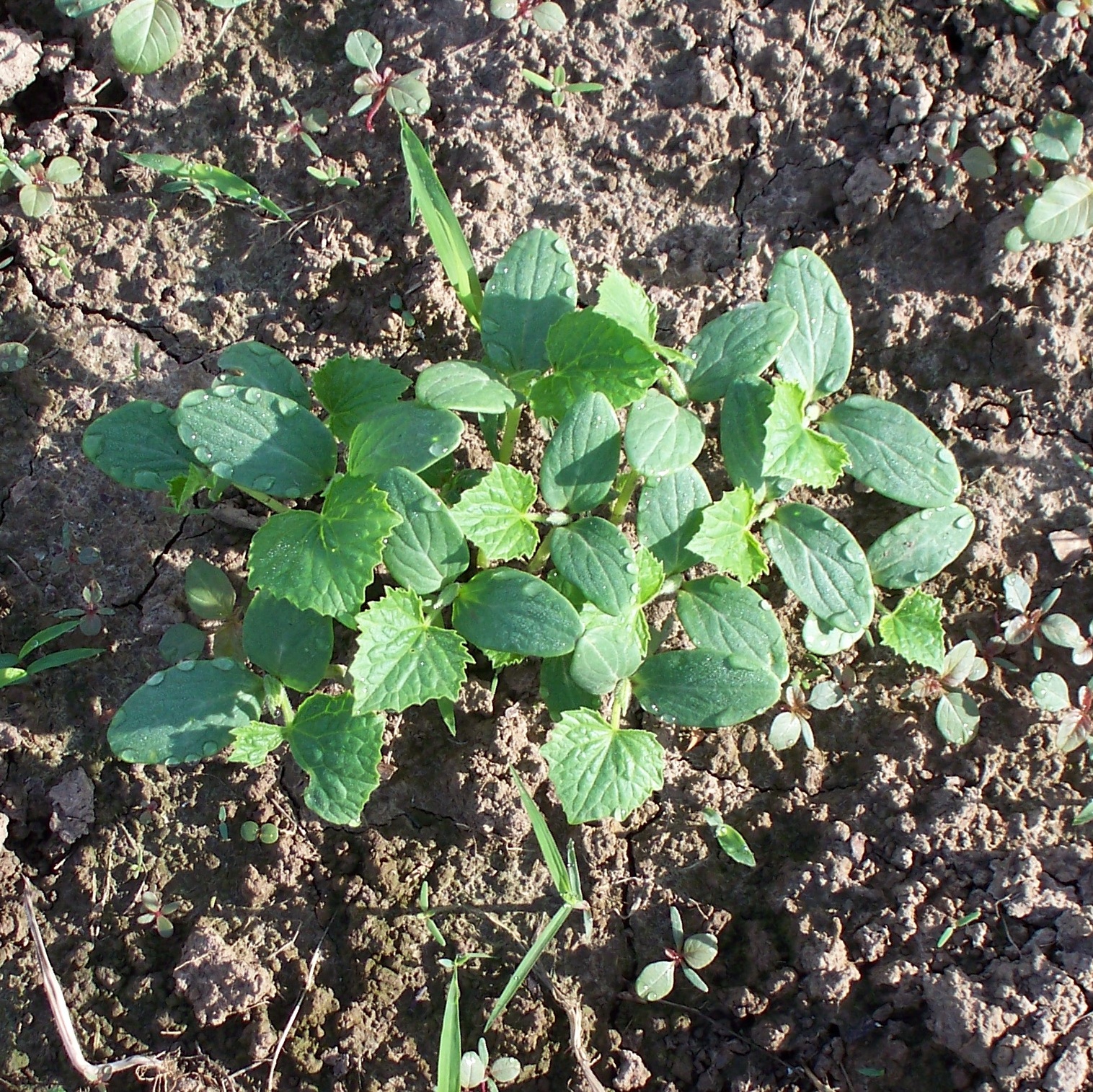
Marketmore Cucumbers
Adding value to raw materials is what business and industry does and this applies to food. Taking scraggly-looking produce from the garden, an experienced cook can make something from it to feed both the body and soul. If retailers derive a margin from processing raw ingredients into meals and other food items, there is still an inexpensive opportunity for people to cook themselves, even if busy schedules are an excuse to buy prepackaged, precooked meals or dine out.
In the six years since leaving my transportation career, food has been about developing a sustainable culture. It involved producing and preparing local food, but also commerce. It’s about getting along in society–and garden work days.
On April 21, 1996 our family gathered in the kitchen around a brand new Acer computer and logged in to the Internet for the first time. We didn’t understand what that meant, then or now.
It was important to our daughter’s education to have home access to information via the World Wide Web. Important enough to spend about three week’s take-home pay on a computer, and pay $25 per month for dial-up service. I had used email at the oil company in 1990, and understood the web’s ability to connect people in far away places. I wanted our daughter to have that.
I had no idea how much Internet access would change our lives, and 20 years later still don’t.
There are obvious effects: communicating with people from past lives; reducing television viewing to almost zero; providing the ability to work from home; and importantly, creating a venue for self expression and creative work.
On most days, I don’t like a lot of what I see and hear when logging in. However, I now rely on the Internet in ways I didn’t before. Particularly important is the ability to connect with different groups of people on multiple platforms like Facebook and Twitter, but also WordPress, Blogger, Feedly, Flipboard, YouTube, Skype and mail groups. I got started on email, and it has been the bread and butter of my Internet presence.
Here are some ways logging in changed my life.
Access to certain kinds of news and information is more immediate. By following corporate media, governmental bodies and key public figures, access to their formal news is available as soon as we log in. There is an inherent bias, but I can’t imagine waiting until radio, television or newspapers report the news any more now that it is on line.
I’ve become more open to sharing things about myself. Albeit I don’t tell secrets and personal stuff, I haven’t minded posting my ideas in a multitude of places on the Internet. By doing so, my personality has changed for the better, at least I think so.
Working with people on a project is easier. While longing for in-person relationships, the Internet has enabled keeping many conversation threads going at the same time. My life has been richer for that, and more productive.
It became possible to earn income using the Internet. Consulting and writing have both been facilitated. I’ve also made a bit of money by selling on eBay.
Family relationships took on a new dimension. While the touch and presence of family members can’t be replaced, the Internet bridges the distance when we are apart. Simple things like sharing calendars and social media have helped me get by when visiting in person is not possible.
Shopping changed forever. Amazon.com changed how I shop for books in a way that still has a wake. The selection grew exponentially and the price doesn’t seem too high. The same holds true with retailers like J.C. Penney where I buy the same types of socks, shirts and slacks over and over. No need to be subject to local store manager peccadilloes.
No idle time, less isolation. Access to the Internet can engage us in positive ways, especially if we keep a constructive attitude. As long as there is an Internet connection, there is little reason to feel isolated, even if one lives in the rural part of the state as we do.
Access to Weather Information. This almost goes without saying, but access to current weather conditions has made life better. The quality of hourly forecasts has improved, and one can plan the day around them.
Weeding kale produced a peck of leaves for the kitchen. The garden plants are healthy enough I sent 12 kale seedlings reserved as replacements into town for re-distribution. They found a suitable home as I spent a couple of hours in the kitchen preparing dinner.
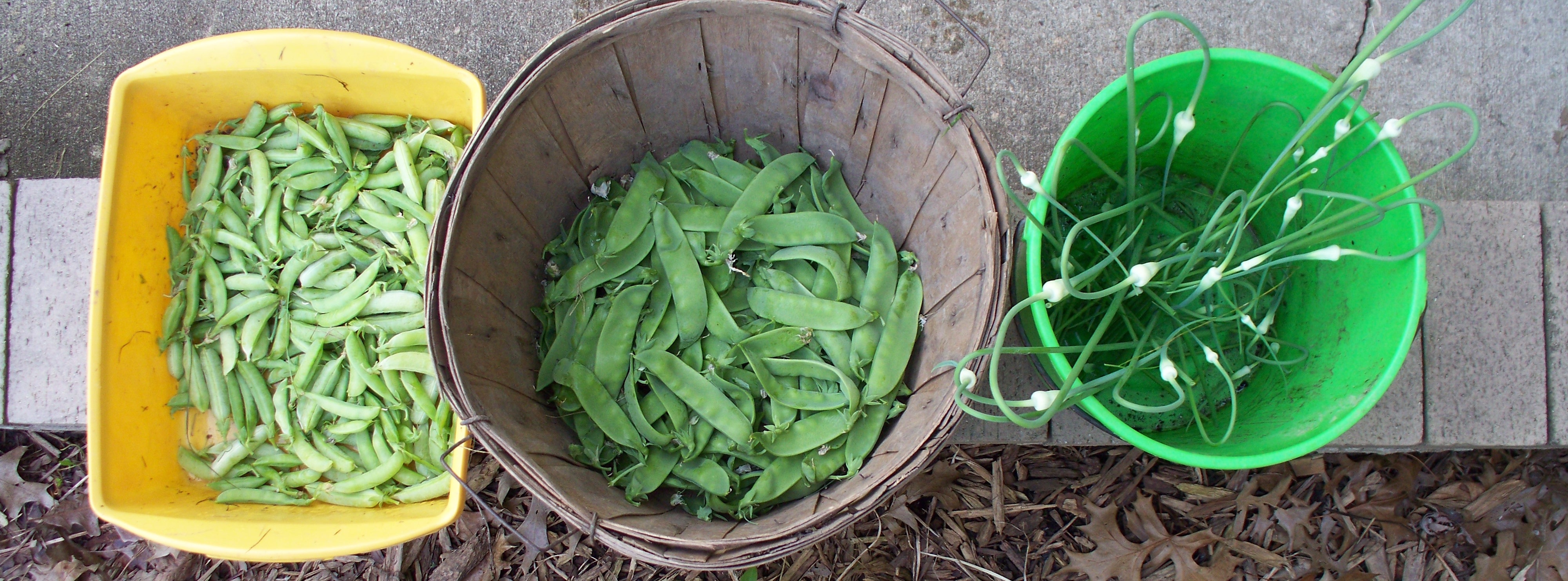
Yesterday was the first day in a while where life produced time to work in the garden when weather was sunny and without rain. The ground was soaked, making weeding easier. I hardly made a dent in the work, however, a garden waits for no one and there was plenty to harvest. In addition to kale, there were carrots, sweet peas and turnips.
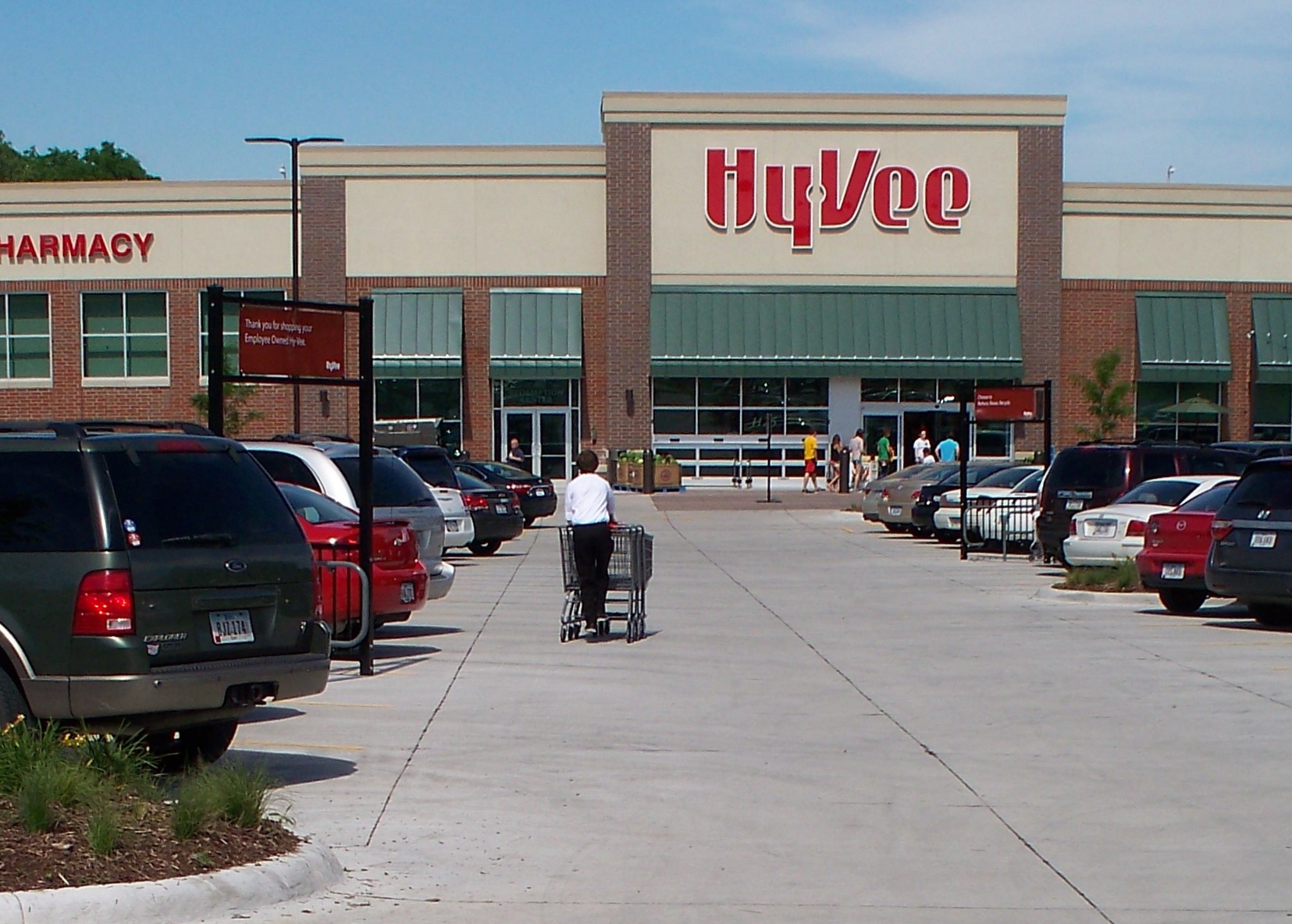
My editor assigned a new story in the morning, so I went to Iowa City to interview the subject. On the way home, I stopped at the grand opening of the new Hy-Vee on North Dodge Street.
It was different from the store where we had shopped for more than 20 years. Expecting the latest in supermarket merchandising I was prepared—for the most part.
My shopping list included one item: a six-pack of beer for a beverage with dinner. Using the latest tactics to resist over spending, I grabbed a hand-held basket instead of a cart. I picked up one extra item, some Iowa-grown Jolly Time popcorn, which is a pantry staple and was on sale.
The produce section and bakery were just inside the front door. I stopped and took it in. The space was crammed full of people and products. About eight people were serving food samples on toothpicks. Management staff was present in abundance. It took me a while to find the regular produce section, which had a misting tube above, giving the broccoli, peppers and other items a shiny appearance, but condemning them to a shorter shelf life. I thought about the scruffy look of the produce I had just picked, and longed for another carrot just pulled from the ground.
It took me a while to find the dairy aisle, which was, of course, furthest from the front door. In all, I spent less than 15 minutes inside, and look forward to returning to evaluate the tens of thousands of items inside when there aren’t so many people.
Preliminary Plating
At home, I put the six-pack of LaBatt Blue in the ice box and brought the garden produce upstairs. I opened a beer.
The concept was a dinner made from locally produced kale, peas, carrots and eggs. I put rice on to cook and got to work cleaning the harvest. By the time I finished, almost three hours had elapsed.
Dinner was the process of preparation—including the trip to Iowa City—and a vision of the final plating.
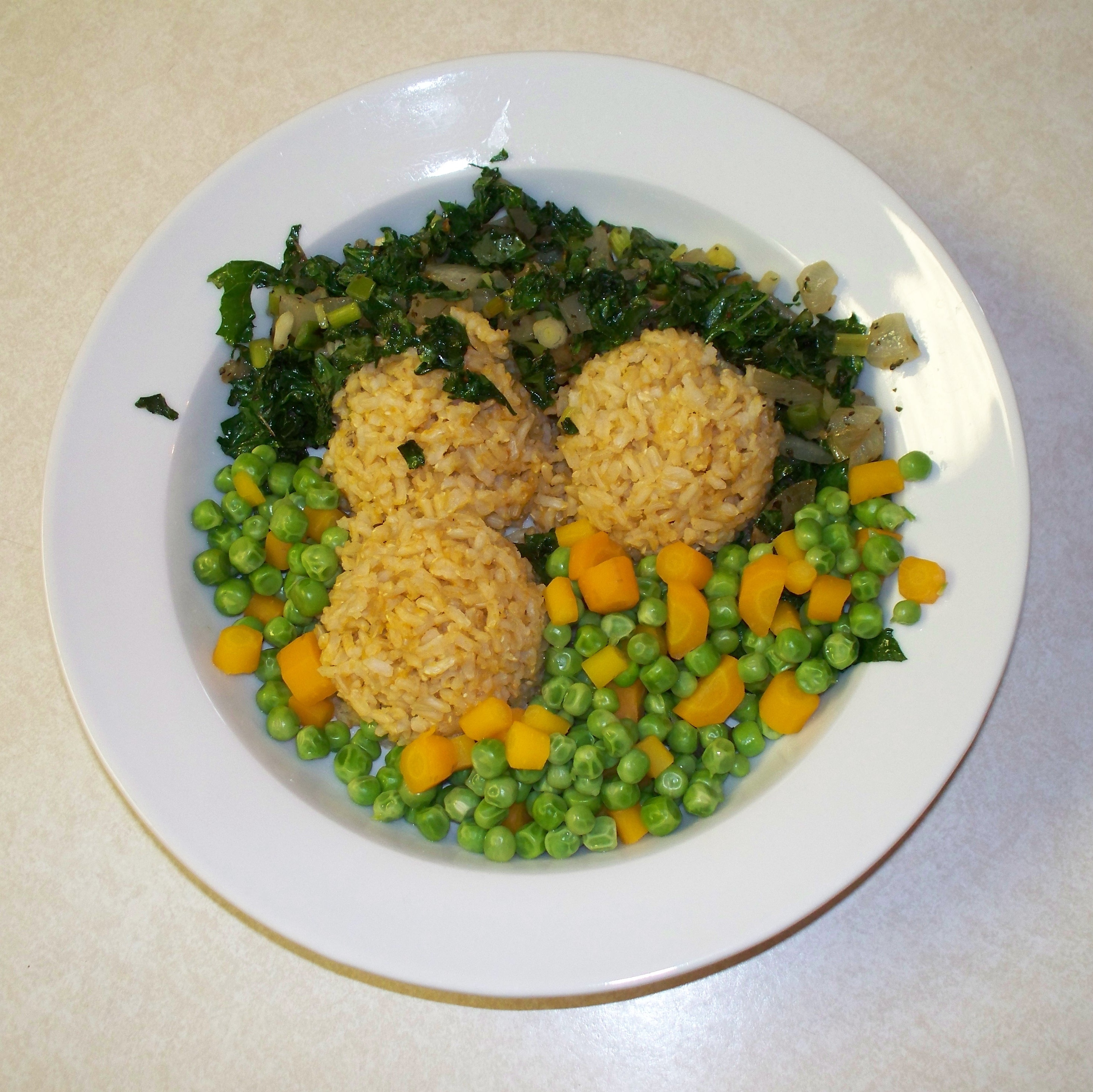
Final Plating
There were four distinct dishes: peas and carrots; kale sauteed with onions and spring garlic; brown rice cooked in vegetable broth; and eggs over easy. I plated the kale, rice and peas and carrots as above, then topped it with two eggs, sprinkled with feta cheese and a tablespoon of home made bell pepper sauce.
I covered one plate without the eggs and left it on the counter for Jacque’s dinner after work. Mine was too much to eat, so there were leftovers to be made into a breakfast burrito later in the week.
This was slow cooking. More than that, it was a life. A day of retreat from low wage work, doing things that matter. We need a slow food day in the context of busy lives—more than we understand.
Conventional wisdom is there are two tickets out of Iowa after the Democratic caucuses scheduled Feb. 1, 2016—the front-runner and one other.
2008 caucus results might be used to argue there could be three, but 2016 is no 2008: two tickets is the number.
If New Hampshire ratifies the Iowa results, we will have our nominee. If the Granite State doesn’t ratify, the nominee will be decided by South Carolina. Given the current political climate, I feel very confident about this.
Democrats have five candidates who expressed interest in running for the nomination as president. Of these only three are viable—Hillary Clinton, Martin O’Malley and Bernie Sanders.
Lincoln Chafee of Rhode Island announced for president, and Jim Webb of Virginia established an exploratory committee, but they fall victims to the honored tradition, “snooze, you lose.” Neither of them capitalized on the pent up demand for Democratic political action to fill the void created by the vast and well publicized Republican field in early 2015.
Hillary leads in the early polling. While she is neither inevitable, nor seeking a crown, she has been a part of the public discussion for so long—arguably since her 1996 book, It Takes a Village—she has name recognition and a presence in American society that creates a substantial obstacle for Democratic presidential challengers to overcome. O’Malley and Sanders are doing “the Iowa work,” garnering substantial attendance at their events. Nonetheless, it seems clear they are vying for the second ticket out of Iowa.
The question is not as much whether Clinton will win the Iowa caucuses. It is whether having three contenders will generate enough interest in partisan politics to build a coalition that can win Iowa—perhaps a swing state in the general election—and win the 2016 general election. That is the uncertainty going into caucus season. I, for one, am trying to be part how that plays out.
Both the administration of elections and the electorate have changed since Bill Clinton’s first election as president in 1992. What matters more than the outcome of the caucuses (Tom Harkin and Uncommitted got the two tickets out of Iowa that year) is the redistricting processes of 2000 and 2010 that created electoral maps which relegated decisions on national elections to a comparatively small number of swing states. There is also a flight from partisan politics, as reflected in the Iowa voter registration numbers, where no preference is a larger group than either political party.
We can support or detract from the Iowa caucuses as much as we want, but campaigns have to be more about the general election than collecting caucus cards from Democratic activists. This is an advantage to Hillary Clinton’s campaign.
The Iowa Democratic Party has become reliant on national interest in the Iowa Caucuses to generate financial resources which pay for campaign offices and staff to do the party work. Prominent figures in the party have publicly said so. That’s the reason we have an interest in remaining first in the nation, and having a “competitive” caucus.
To put this into perspective, it is important to engage in politics. The most productive work we can do is talk to people we know about issues that matter. We could also debunk the myth that we are polarized, except in the non-functional congress which we have the power to change.
My take away is worry less about the outcome of the Iowa caucuses and turn our attention to winning the general election. They are related, but not the same, and that is an important distinction.
The premeditated killing of an Iowa Children’s Museum employee by a mall security guard in Coralville on Friday will have ripples in the community beyond the current news cycle. It was murder, the very definition of the word.
“In cases like this, where the shooter confesses to premeditated murder, there is a case to be made for capital punishment,” I said.
“Oh?”
“I understand you came up as a Quaker, but still,” I replied.
“I can think for myself.”
So too can we all.
Of the people I spoke to about the shooting, only one had been at the mall when shots were fired and was visibly shaken. When there is a murder in an innocuous place—to which most locals have been at one time or another—something changes. Murder becomes personal.
The movie theater gave rain checks to ticket buyers as the mall closed after the shooting—a sign of hope life could return to normal.
There will be a memorial for the victim later this morning at the mall, said the county attorney at a Saturday press conference.






 Journey Home
You must be logged in to post a comment.