After seven straight days of using the chainsaw my forearms are sore. I am taking a couple of days off to rest them before tackling the Locust Tree that fell across the garden.
The sound of chainsaws in the neighborhood is ever present since the derecho hit on Aug. 10. Piles of brush are stacked everywhere as smoke from burn piles snakes into the atmosphere.
If we don’t get some rain soon the state and county will declare a burn ban as we enter drought conditions.
These days of August are normally about tomato processing and garden prep for next year. The derecho wiped out my seedlings for a fall planting. It also changed work schedules moving chainsaw work to the top of the to-do list. Add in the coronavirus pandemic restrictions and it’s a very different summer.
The county auditor received our requests for an absentee ballot according to the Secretary of State website. The ballots are mailed in October so now we wait.
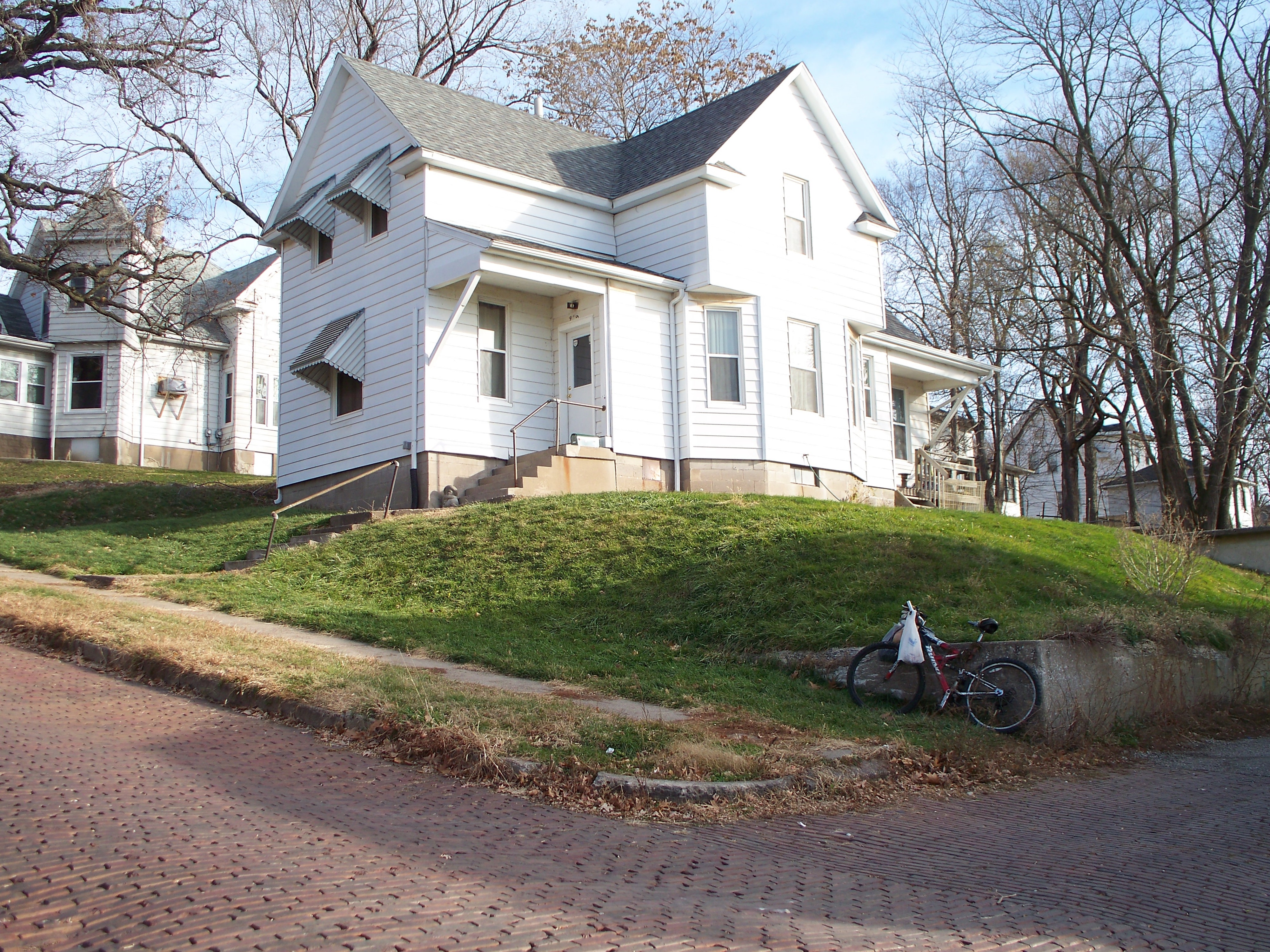
This house is the second place I remember living. When I talk about the 1950s this place was seminal. It was recently on the real estate market with a gallery of photos. It remains inside and out much like it was when we lived there.
My sister and brother were born at local hospitals while we lived here. I started kindergarten from here in 1957. When Father went hunting or fishing with his buddies he brought back game to process it on the back porch. I learned about television, family traditions, and had my first and only pet dog named Lassie. I kissed a girl for the first time in the backyard. It was her idea. Memories return, of doing things in every part of the yard and indoors. A few photographs of the time survived.
Our maternal grandmother lived with us for a while and her ex-husband, our grandfather, visited from time to time. He was a demonstrator at the coal mining exhibit at the Chicago Museum of Science and Industry. He had coal worker’s pneumoconiosis from working mines in Cherry, Illinois. When he visited he would spend long periods in the bathroom coughing up phlegm. When he died of black lung disease I recall being in LaSalle, Illinois for the funeral but staying at my aunt and uncle’s home while adults attended services. Much later, during the Carter administration, Grandmother received black lung benefits from the federal government.
Father set up a swing set for me in the basement. It collapsed, resulting in my being rushed to the hospital for 50 stitches to sew my forehead back together. There are vivid memories about being injured and the time spent in the hospital. People don’t notice the scar any more yet it seemed prominent for many years.
I remember being with neighbors, sometimes inside their homes. We developed a sense of neighborhood. Not far away there were two parks: Fejervary Park to the west and Lookout Park to the east. We sledded on snow in the former and rode inside cardboard boxes down the steep hill of the latter. Occasionally I went wandering down Madison toward downtown and my parents had to come find me and bring me home.
As I revisit these years there are more memories than expected. How to approach them for an autobiography is an open question, one I need to answer. Part of me doesn’t want to organize these memories.
There is something to learn about how this pre-consumer society impacted who I am today. In the iconography of my life, this place remains important and merits consideration.
The first thing I did upon waking was view Michelle Obama’s speech at the on line Democratic National Convention. She did her job.
Obama said just what we needed to hear: there is a different vision of the United States from that of the incumbent president.
This morning I viewed Senator Bernie Sanders’s speech. He did his job too. “Nero fiddled while Rome burned. Trump golfs,” he said.
I was too tired to stay up for the convention broadcast. A day of derecho cleanup, chores and kitchen work had me tired by 8 p.m. Because of the on line format convention content was posted soon after it occurred. That’s how our politics is becoming: an on-demand, personalized experience shared with friends and neighbors. I don’t like it as well as past campaigns yet with the coronavirus pandemic what other good choices are there?
When an issue is clear, it can be resolved. It was a mistake to elect Donald Trump president because he is not prepared to do the work. People are suffering because of his incompetence. Because there is agreement about this among a significant part of the electorate, voters of all stripes can come together to elect Joe Biden the 46th president. With the problems created or exacerbated by Trump since he’s been in office it’s not that easy.
There is no consensus around our most pressing issues. We lack a plan to resolve the global pandemic and the United States is trailing the rest of the world in addressing it. Last week’s derecho is only the latest example of extreme weather events caused by climate change. Racism and social injustice revealed themselves as issues that were never resolved. Income inequality increased during the pandemic with the richest Americans doing well while the rest of us wonder how we will survive. Why is it anyone in the United States has to worry about going broke if they get sick? These issues smolder like the burn pile I made after the derecho to return minerals from fallen branches to our garden soil.
No political party is perfect and a case can be made that the success of our country relies on two-party politics. The national conventions kick off the fall campaign and it seems more people will be a part of it. I hope so. No speech is going to resolve our biggest issues. Only political action in the form of voting can do that.
Social fallout continues with a disruption of fall work.
Sunday I told the chief apple officer I would not be back to work at the orchard this year because of the coronavirus pandemic. Our county has been doing a poor job of preventing spread of the virus. The orchard is near the University of Iowa where students return this week. I’m hearing concern from local epidemiologists about the behavior of returning students: they ignore basic guidelines for preventing spread of the virus.
University students find the orchard a cool place to hang out and it is. This year I don’t want the virus to spread to me so I won’t be working. Maybe next year.
This week is the virtual Democratic National Convention. It has been structured for public consumption from 8 until 10 p.m. local time, although I’m not that interested in hearing most of it. Political conventions are not what they used to be and as such pretty dull. I plan to listen to speeches by Joe Biden and Kamala Harris.
I made progress with cleanup from the derecho yesterday. I am getting to know my chainsaw well. The locust tree rests across a garden plot making it impossible to harvest some of the vegetables. There are a lot of other branches to process first. I’ll lose part of the crop.
I don’t relish writing about the coronavirus pandemic and the derecho recovery but they are here and part of every day. Yesterday afternoon Chef José Andrés World Central Kitchen arrived in Cedar Rapids and by evening had served more than 6,000 meals: a sign that today Iowa is a disaster.
The derecho got me out of our bubble. There were more interactions with people as I made provisioning trips and discussed recovery with neighbors. Now that power is restored it’s time to launder masks of the coronavirus pandemic.
It hackles me that we have a daily U.S. death count from the coronavirus pandemic. That it is higher than any other country, by far, is also upsetting. We got too confident (or too stupid) after successful mitigation of the Ebola virus and did away with the defense infrastructure designed to mitigate a future pandemic. Those actions combined with lack of adequate reaction once the coronavirus was identified led to the pandemic that continues to press closer to our household. Monday’s derecho complicated everything. We should likely be making more masks.
The two of us are fine after the derecho. We know how to survive a short interruption in electricity, internet service, natural gas or water. That knowledge comes from years of living in the rural county where things happen. We have a lot of clean up to do to saw up the fallen tree and process many piles of branches. That work is not urgent. I’ll find a local home for the firewood and consume everything else on our property, burning the brush and returning the minerals to the garden soil.
My calendar reminded me dill pickle fermentation was to be finished today. I took the crock to the kitchen sink and sampled one. They were just right. Next I put them in jars and into the crowded ice box. It’s on to what’s next.
Without an anemometer it was difficult to know wind speed during Monday’s derecho. In Cedar Rapids wind speeds approached 100 miles per hour.
The last major storm of straight-line winds in 2013 caused more damage to our property than the derecho. Both were bad.
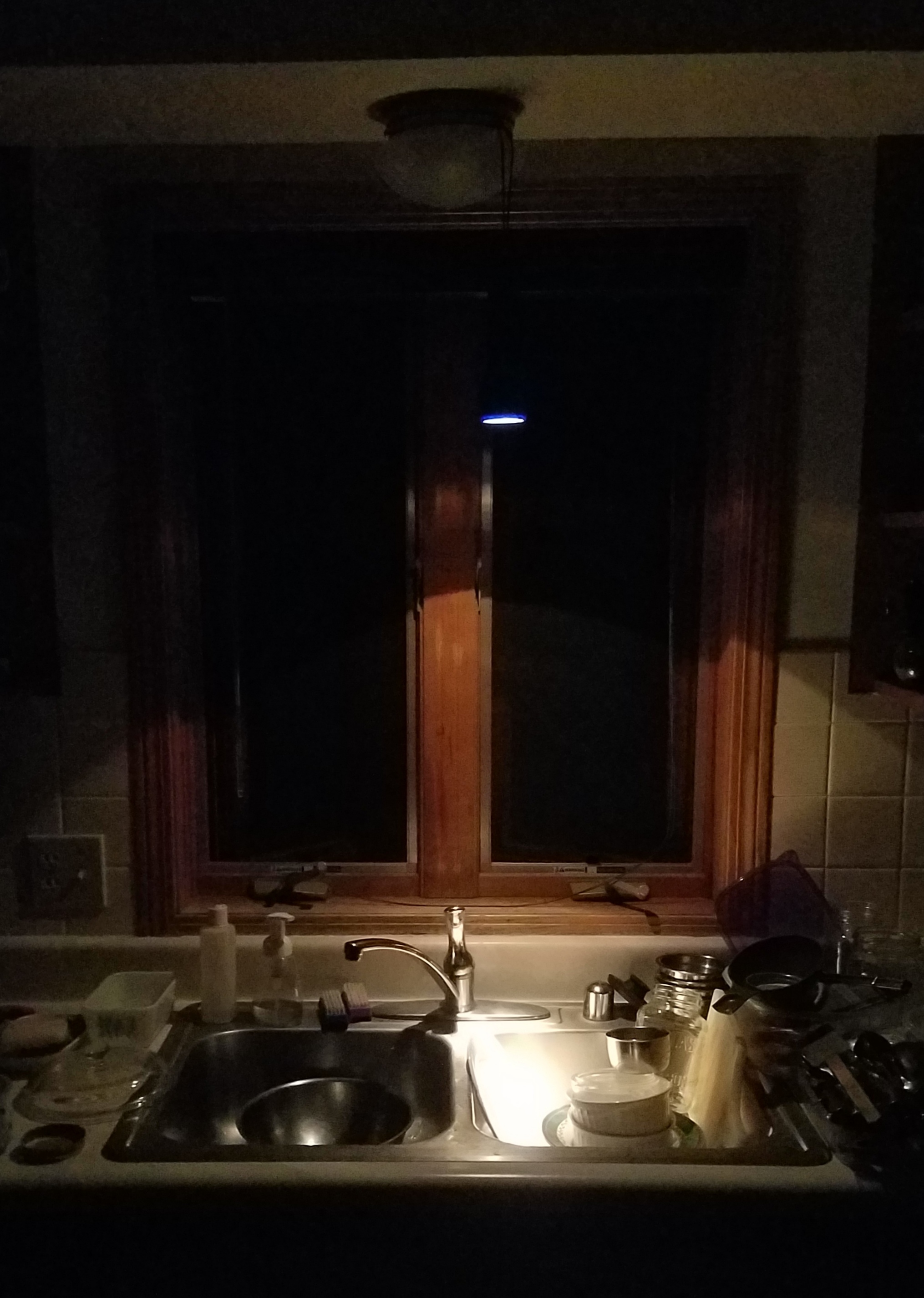
I watched the storm come in until it got so virulent we headed to our safe place on the lower level. The kitchen clock stopped at 12:34 p.m., Monday, Aug. 10. Electricity was restored at 10:14 a.m., Friday, Aug. 14, the longest outage since we moved here.
Derechos may not be as well known as hurricanes or tornadoes, but these rare storms can be just as powerful and destructive. Primarily seen in late spring and summer in the central and eastern United States, derechos produce walls of strong wind that streak across the landscape, leaving hundreds of miles of damage in their wake. On August 10, 2020, a derecho swept across the Midwest from South Dakota to Ohio, traveling 770 miles in 14 hours and knocking out power for more than a million people.
The term derecho—which means “straight ahead” in Spanish—was coined in 1888 by Gustavus Hinrichs, a physics professor at the University of Iowa who sought to distinguish these straight-moving winds from the swirling gusts of a tornado. Though the term disappeared from use shortly afterward, meteorologists at the National Oceanic and Atmospheric Administration (NOAA) resurrected it a hundred years later. It entered the public lexicon in 2012, when one of the most destructive derechos in history swept across roughly 700 miles from Ohio to the mid-Atlantic coast, killing 22 people and causing serious damage in metropolitan areas, including Chicago and Washington, D.C.
NOAA officially defines a derecho as “a widespread, long-lived windstorm that is associated with a band of rapidly moving showers or thunderstorms.” For a swath of storms to be classified as a derecho, it must travel at least 240 miles and move at speeds of at least 58 miles an hour, though the winds are often more powerful. The August 2020 Midwest derecho had winds up to 112 miles an hour.
I have more to say about this storm and the damage it did. Suffice it for now the storm hit hard the trees I’ve grown from saplings. The Pin Oak took the brunt of the wind damage, the windward side losing several of its main branches. The Red Delicious apple tree lost a major limb, the Locust tree blew completely over demolishing the most productive part of the summer garden. Half of the pear crop shook loose from the tree dropping unusable green fruit. Among the wreckage on the ground I found a single Earliblaze apple. I hadn’t noticed we had any apples this year. I ate the apple on the spot. It was delicious (apple joke).
We survived the storm with no damage to our house. I watched the portable greenhouse shake loose four 50-pound buckets of sand, lift into the air, and tumble off into a neighbor’s yard, destroyed. Without electricity I couldn’t can the tomato harvest so I donated 25 pounds to the local food rescue operation.
We are now veterans of two major wind events and developed a process to cope with the aftermath.
Because of the long electricity outage, we became owners of a Craftsman generator which we used to keep the freezer and refrigerator running, as well as to charge devices, run computers, operate a floor fan, and heat water. We plan to keep it.
We had the septic tank pumped for additional capacity in case of an extended electrical outage. The septic service showed up just as electricity was restored.
We hired a U.S. military veteran from Alabama to help cut damaged branches from the Pin Oak. The yard is filled with fallen branches waiting for me to cut them up for firewood or for burning. A big portion of the fallen Locust tree remains on the garden. I’m not sure when I’ll get to that.
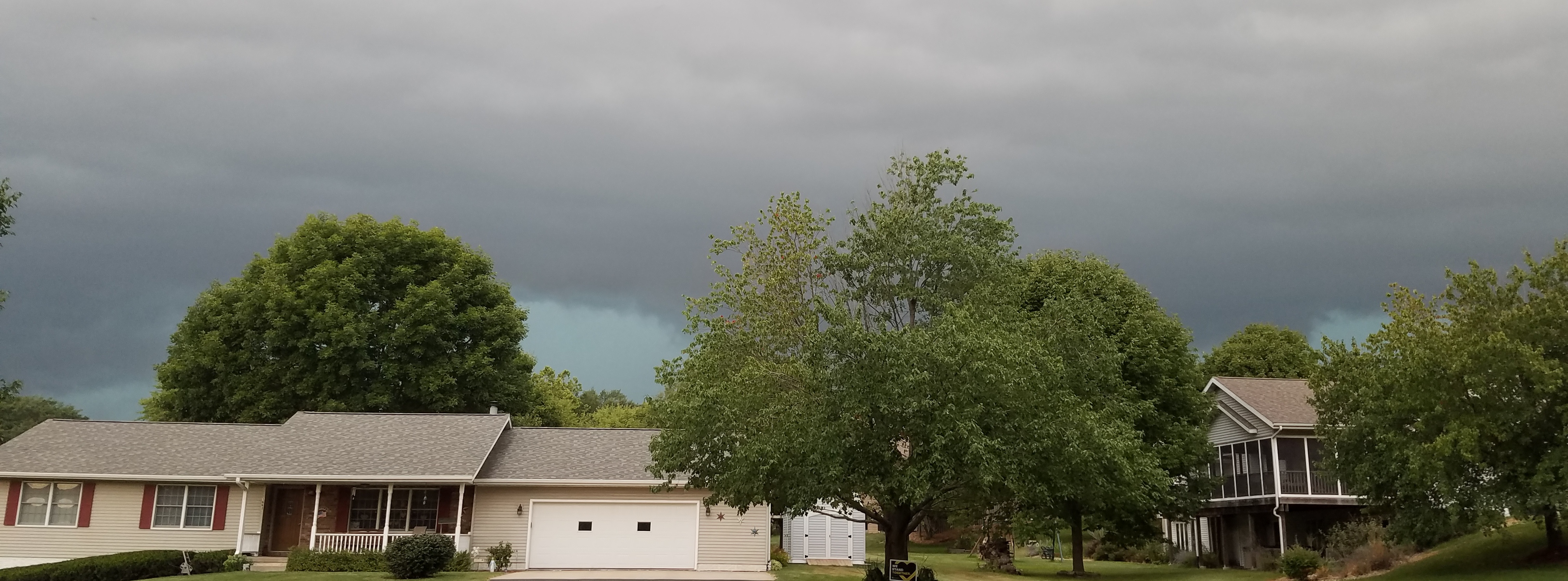
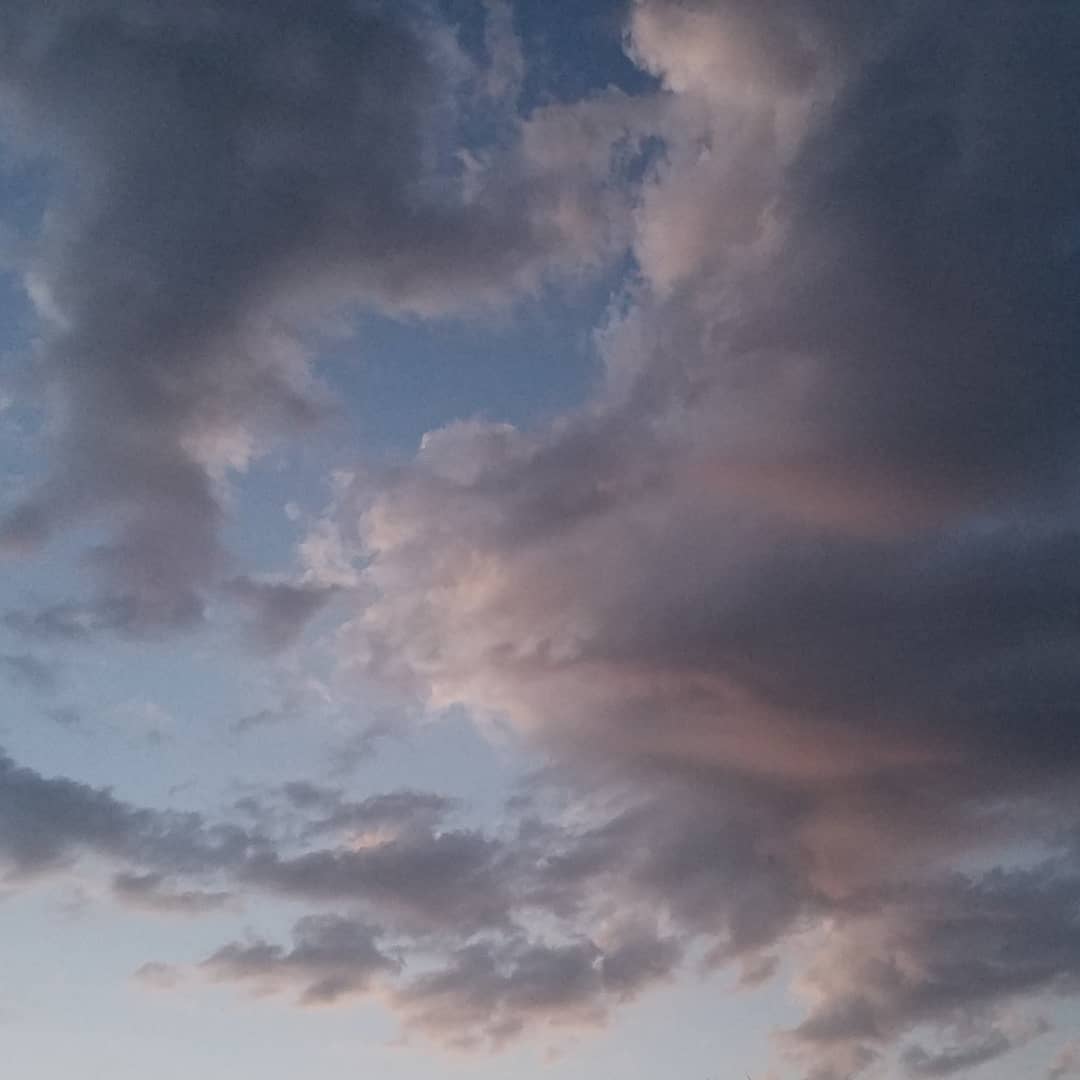
I didn’t realize it at the time but the clouds in this photo are the front edge of the derecho blowing in. It will be a while before we recover. We will recover.
Tomatoes placed at the end of the driveway for neighbors.
The great tomato give-away begins!
Despite best intentions the garden produced an over-abundance of tomatoes. I posted this image on our neighborhood Facebook page with a description of where to find them. Within a couple of hours most of them were picked up by neighbors.
The food rescue non-profit in the county seat has been invited to pick up more this week. We’re not yet to the point of throwing them at passing vehicles, although check back in a couple of weeks for an update.
This year I will can whole Roma tomatoes because they have more flesh and less moisture. Matching processing to kitchen use has become increasingly important. A quart of drained, canned tomatoes is a good base for pasta sauce, a typical use. Knowing what I need and want in the pantry also contributes to the excess production.
Tomatoes are a money crop for a home gardener. When they begin to ripen it feels like the work that went into the garden is paying off. The first garden I planted in 1983 had a single variety of tomato plants. This year I planted about 20 varieties. The flavor of a fresh, home-grown tomato is something that truly defines a Midwestern summer. We have fresh tomatoes and use them in cooking for every August meal.
It is important to share the bounty. In previous years I canned or froze everything I produced. No longer. Part of the pandemic personality I’m working to develop is that of gardener. By sharing the bounty broadly, it reinforces who I am.
That’s all for this brief post. I’m getting hungry after a 10-hour fast and tomatoes await on the counter.
We’re well into tomato season in the garden. Not to the point of hurling them at passersby, yet close.
Amish Paste, German Pink, Mortgage Lifter, Black Krim, Speckled Roman, Granadero, Boxcar Willie, Abe Lincoln, Martha Washington and other tomato varieties sound exotic. Each is vying for best of crop and a repeat planting next year.
The hard work of the garden is finished. With temperatures in the 90s, we stay indoors and dream most of each day.
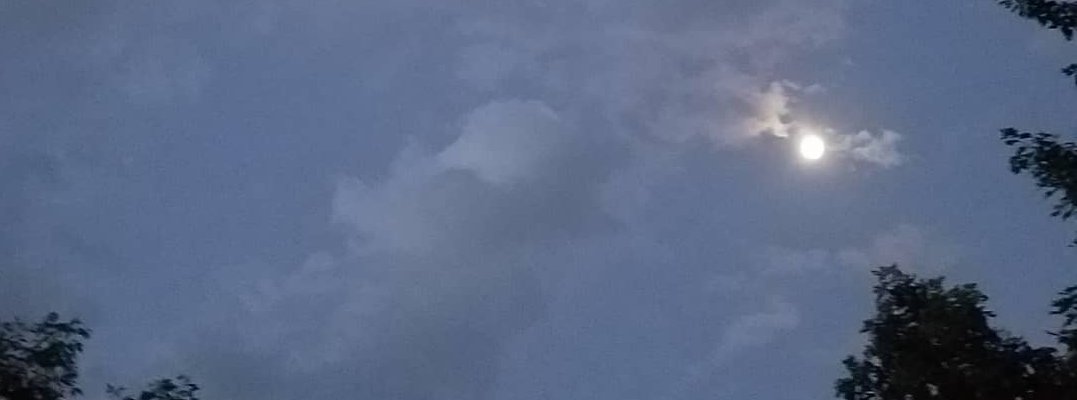
I’ve taken to looking at the sky. It is a reminder of how small humans are, how Earth is a single ecosystem. I could look at clouds all day, at least until a nagging human condition urges me to do something else.
Most of us will get through the coronavirus pandemic. What then? We’ll need August dreams to find out.
Iowa has been slow in containing the coronavirus pandemic.
Last night the president said during a press conference the virus will just go away. The Iowa Governor released an “Open Letter to Iowans on COVID-19” earlier in the afternoon, in which she said, “But normal during a pandemic isn’t the same normal as before. COVID-19 is still a reality, and circumstances still demand we do everything within our control to contain and manage it.”
While Kim Reynolds’ response to the pandemic fell short of expectations she’s at least pretending to be a leader. There is plenty about which to criticize her, yet her response is better than that COVID-19 is going to magically disappear.
After declaration of an emergency on March 9, an unwanted retirement on April 28, and Thursday’s approval of a face covering regulation by the county board of supervisors, it seems like the pandemic is only just beginning.
We Americans have been bad at preventing mass infections and deaths related to the coronavirus. This trait of our national character ranks right up there with yeoman farmer, chattel slavery, indentured servitude, genocide of the natives, and exploitation of the environment. It weighs heavy on the scale of justice when we consider the many good things our country does.
Like many, after an initial reaction to the coronavirus I’m reinventing myself for the future and that includes how I write in this space.
Old categories no longer seem relevant. I use the word “category” both as an organizer on this blog, but more generally in life. The top ten categories with the number of posts in parentheses tells a story:
Politics (435) Local Food (311) Garden (299) Home Life (277) Writing (276) Environment (247) Worklife (166) Social Commentary (149) Cooking (129) Farming (83)
Even these ten seem like too many as I pivot through the pandemic.
I created the current blog in December 2008. With tens of millions of bloggers, I felt support for the WordPress platform would be better than Blogger which I began using in November 2007. I didn’t think much about how to organize the writing.
After my July 2009 retirement from transportation and logistics I settled into the pattern that resulted in this categorical breakdown. The adjustment now is to distill these categories. Here is my thinking: I find four categories of life worth living.
I define myself as a writer so the first category is Writing. That includes posts about writing like this one, but also excerpts from other writing I’m working on, including autobiographical work.
My posts about cooking, gardening, farming and local food have been popular. Using an integrated approach, I created a new category to be used going forward: Kitchen Garden. This category is designed to discuss every aspect of putting meals on our home table.
When I post about a political event few others are, it gets a lot of views. Politics is much broader than election and government, and includes most aspects of our lives. For the time being I will use the broader category Life in Society. Some of the previous categories will continue to exist but won’t be used.
Finally, my work with others includes mitigating the existential threats posed by nuclear weapons, climate change and conflicts in the form of war and social injustice. This specialized work merits its own category: Sustainability.
Who knew the pivot point of the coronavirus pandemic would be toward fewer categories? I’m sure it is the first of many adjustments we’ll make going forward.




 Journey Home
You must be logged in to post a comment.