Categories
Living in Society

Reading 2022

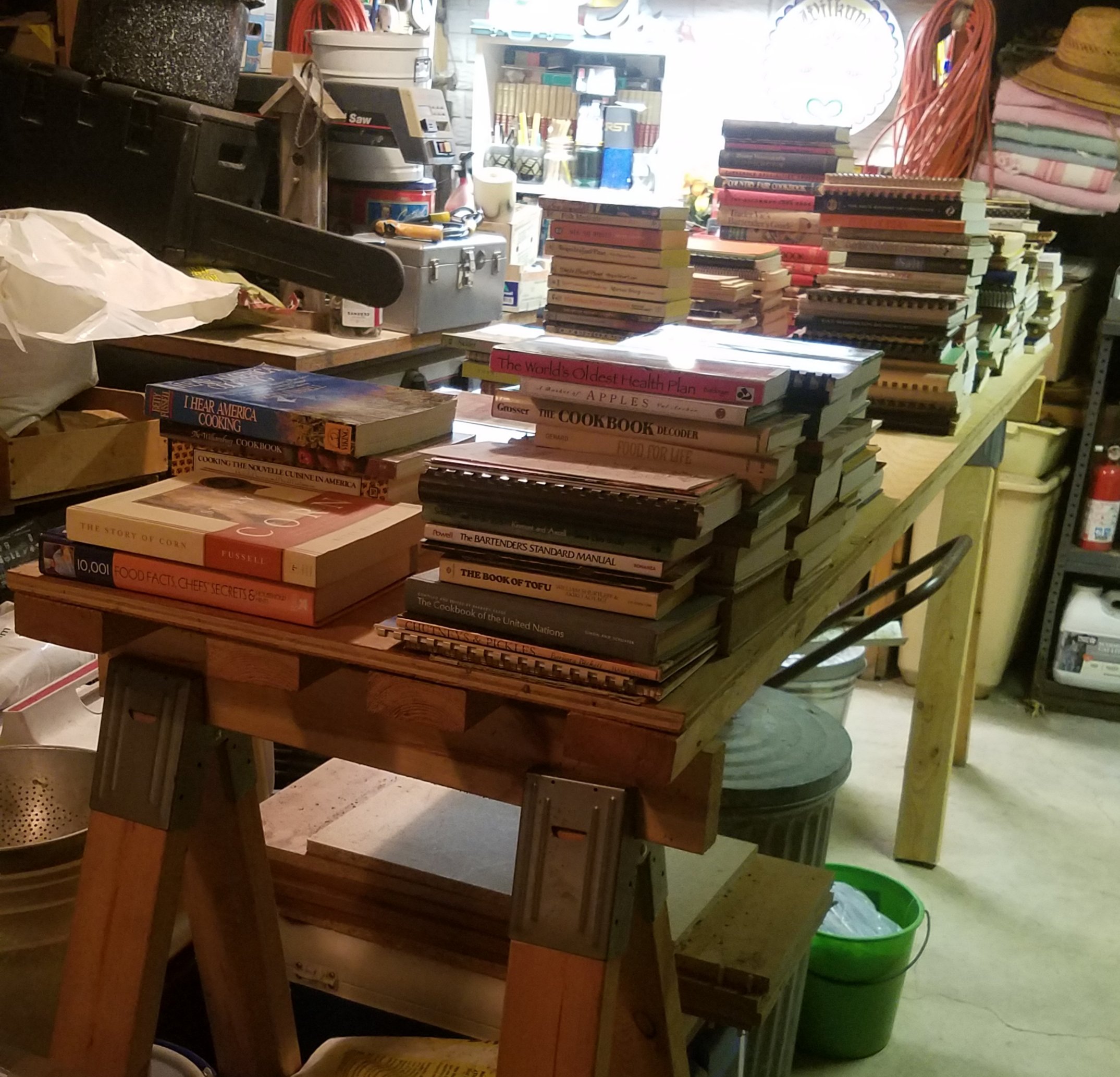
Sorting books for library downsizing.

The garlic rack converts to a table by using a remnant of a 4 x 8 sheet of 3/4-inch plywood used to build our child a loft bed for college. I laid it down on top of the two by fours used to hold garlic as it dries. The rack is tall enough so garlic leaves don’t touch the floor. As a table I can work without bending over. It is a useful space to sort things out.

I read 50 books thus far this year. They are listed on the Read Recently page which is updated after I finish each one. Here are the highlights of this daily activity.

By far, the most interesting book was Year of the Tiger: An Activist’s Life by Alice Wong. She was born with spinal muscular dystrophy and her book stands out as a tale of living an active life with a disease that confines her to a wheelchair. In her discussion of Twitter, she describes how the social media platform is used by disabled persons who may have no other public voice. As Elon Musk acquired and is changing the platform, I hope he improves the disability community’s ability to participate in this aspect of society.

Memoirs and biography were too small a portion of the books I read. As someone writing their own autobiography, I should be reading more in this category. Each of the four I read was important. I enjoyed Loretta Lynn: Coal Miner’s Daughter more than Ted Kennedy: A Life by John A. Farrell and Like a Rolling Stone by Jann S. Wenner. Lynn’s book was relatable in a way Kennedy and Wenner are not. A person can take only so much of the life story of rich people. I associated Joan Liffrig-Zug Bourret, who died in the care center in town this year, with the many cookbooks she published at her Penfield Press. Her memoir, Pictures and People: A Search for Visual Truth and Social Justice tells a story that goes well beyond her chronicling of the Amana Colonies in Iowa.

When We Cease to Understand the World by Benjamín Labatut seemed unique and necessary. The Chilean author presents, as The Guardian put it, “an extraordinary ‘nonfiction novel’ that weaves a web of associations between the founders of quantum mechanics and the evils of two world wars.” It was unlike anything else I recently read.

I read fiction for diversion and to see how other writers do their work. Amor Towles’ The Lincoln Highway was the best of the lot this year.

In poetry, how did I miss Mary Oliver in my life? I don’t know but Devotions: The Selected Poems of Mary Oliver was well-written and engaging. I’ll be returning to this excellent volume.

Rising Tide: The Great Mississippi Flood of 1927 and How it Changed America by John M. Barry tells a story essential to anyone who is from or is writing about life in the Mississippi basin.

Related to my autobiography was The Trader at Rock Island: George Davenport and the Founding of the Quad-Cities by Regena Trant Schantz. This is an essential book about the settling of the Midwest. What was most surprising is it was just published in 2020. I would like to have read this when I was a teenager in Davenport.

There were no real clinkers in this year’s books. What made a difference in reading more was setting a daily goal of reading 25 pages in a book. I hope readers find my review of 2022 reading to be useful. I’d love to hear what you are reading in the comments.

Categories
Writing

Thanksgiving 2022

Peak migration. The noise of hundreds of waterfowl could be heard throughout the neighborhood. The big flock can be seen in the distance.

The lake is crowded with waterfowl stopping to rest during migration. We often take it for granted this exists, even if the noise of their gaggles can be heard inside our house. I saw them swimming during yesterday’s walk along the state park trail.

Today is Thanksgiving Day, a national holiday created by President Abraham Lincoln on Oct. 3, 1863 during the Civil War. He proclaimed,

I do therefore invite my fellow citizens in every part of the United States, …to set apart and observe the last Thursday of November next, as a day of Thanksgiving… And I recommend to them that while offering up the ascriptions justly due to Him …, they do also, with humble penitence for our national perverseness and disobedience, commend to his tender care all those who have become widows, orphans, mourners or sufferers in the lamentable civil strife in which we are unavoidably engaged, and fervently implore the interposition of the Almighty Hand to heal the wounds of the nation and to restore it as soon as may be consistent with Divine purposes to the full enjoyment of peace, harmony, tranquility and Union.

National Park Service website. Written by Secretary of State William Seward. Proclaimed by President Abraham Lincoln.

We Americans seem to be condemned to live in the shadow of the Civil War in perpetuity.

Today I am thankful for readership gained for my public writing. It is difficult to determine precise numbers because my main publication places here, on Blog for Iowa, and in a number of Iowa newspapers for whom I write letters to the editor and opinion pieces, each have quirks of reporting that obscure how many people saw my work. I do know 2022 was a good year for viewership.

Blog for Iowa

My most read post was a letter of support for Iowa gubernatorial candidate Deidre DeJear. It was the fourth most viewed post on the site this year. It was my effort to call attention to the race when most news outlets minimized her candidacy. A shorter version was published in the Des Moines Register.

Also popular was a post with Democrat Elle Wyant’s press release announcing her candidacy to represent House District 91 in the Iowa legislature. Her campaign benefited from the mention because there was so little information available from formal news outlets early in the campaign.

I published a series of posts about Carbon Capture and Sequestration in Iowa in 2021 and a couple of those posts did well again this year. It is a popular topic for our readers. New posts, cross-posting Sheri Deal-Tyne’s Physicians for Social Responsibility article on the subject, and my recent update were well-received.

Continuing my work with Thom Hartmann’s publisher, I reviewed two of his books this year, The Hidden History of Big Brother in America and The Hidden History of Neoliberalism. I also interviewed Hartmann and posted the audio recording.

In 2022, I posted 34 times at Blog for Iowa.

Newspapers

I lost count of how many times my letters and opinion pieces were published in Iowa newspapers this year. The Quad City Times has daily circulation averaging 54,000 so when I published there, the reach was the greatest. The next most significant places were in the Cedar Rapids Gazette (my local daily newspaper) and Des Moines Register which each have average daily circulation of about 33,000. The other newspapers are important to my work, yet less in reach.

Publishing a letter in the newspaper is a tribal affair. From time to time people reached out via email to complain to or compliment me. When we write in public, we take what we get. Most telling is when I am with people in real life. I get comments, mostly positive, about them seeing my letters. I usually thank them and suggest they could also write a letter. I make it a practice of posting a version of my letters on this blog as a way to be sure I save a copy.

The most important letter I wrote may be to the Des Moines Register, titled, “The Second Amendment is not Good Enough for Republicans.” It was about the public measure to enshrine strict scrutiny into the Iowa Constitution and have an impact on law-making about gun control. I opposed it, yet it passed.

Journey Home

Journey Home is my home base where I post daily when I have a topic. My most popular posts this year, in descending order by number of views, were,

With Thanksgiving comes awareness that winter is approaching. This winter will be the second where the majority of my writing goes off line and into my autobiography. I am thankful to have had a life worth living and to be passing my stories along to our child. I’m almost ready to go.

Reflection about what we are doing comes naturally at Thanksgiving. It is something I’ve done since before leaving home in 1970. I don’t know what the new year will bring except for hope. We should hold hope close and go on living.

Categories
Writing

Toward a Productive Winter

Migratory birds on Lake Macbride.

On Monday I created a Mastodon account on the epicure.social server. It is a small space on the internet and one never knows if “small” will survive. I don’t plan to leave Twitter until the bitter end or when I croak, whichever comes first. Mastodon is my insurance policy, a place to go if I need one. If the server fails, I can move to another Mastodon server. Having networked multiple servers is a feature of Mastodon.

Christopher Bouzy, creator of BotSentinal.com posted, “Twitter will not be relevant two years from now. No platform can survive catering to one group of people, and once journalists migrate to another platform, Twitter is done. And if you think it won’t happen, ask MySpace how things are going.” Bouzy is not wrong, although he has an interest in starting a Twitter substitute platform and therefore is biased.

In any case, there seems to be significantly less Twitter traffic in my timeline. The same is true for other social media platforms I follow. People just are not feeling it right now. This is good for productivity as I move indoors. Fewer distractions facilitate a more rapid growth toward a solid 4-5 hour daily shift of writing.

Ambient temperatures are forecast to reach the low 50s this afternoon. I scheduled a walk along the lake trail. Getting enough exercise is a winter issue, especially once snow flies. I take advantage of every opportunity to exercise that presents itself.

As time moves toward winter, how we spend it changes. With thoughtful planning we can be productive and perhaps useful to others. Productivity is what I most hope for between now and the end of the year. With hope comes value in society. That’s something we need now more than ever.

Categories
Writing

Cookbookery

Sorting Cookbooks

This photo represents about half my cookbook collection. None of these made the first cut represented by what is visible on bookshelves in my writing room. What the heck am I doing?

Going through them is not the same as sorting them. As I make and look through each pile, I have thoughts about how to use them. The categories are beginning to appear.

Mostly vegetarian

There about three dozen books devoted to vegetarianism or with mostly vegetarian recipes. I categorize myself as mostly ovo-lacto vegetarian and my spouse is vegan, so these are of particular interest. There are also books with instructions for how to prepare almost any vegetable imaginable. The best of these will be keepers and the others will be sold, donated or given away.

Culinary reference books

By this I mean books related to cooking yet are not comprised mostly of recipes. For example, Anthony Bourdain’s Kitchen Confidential is in this stack. So is Molecular Gastronomy: Exploring the Science of Flavor by Hervé This. Some of these will go into my main library as reading material. A few may go on the cookbook shelf to be built for the dining room.

Souvenirs and memorabilia

When I was in Texas, I bought a souvenir cookbook with recipes from Texans. When I was in Georgia, I got a similar volume written by Georgians. There is a book about cooking potatoes presented as a gift. I’m not sure how many of these memories remain important. Once I have a pile, I’ll have to go through them and decide.

Books of yearning

Some books, by their title or cover or introduction beg to be examined more closely. Eating Cuban by Beverly Cox and Martin Jacobs is one of them. The Greens Cook Book by Deborah Madison is another. I yearn to spend an afternoon with books like these to dream about culinary invention.

Community cookbooks by geography

The City of Solon near where I live makes a cottage industry of community cookbooks. There is one for the one-room school house and one for the PTA, along with several others. A new one gets published regularly. Our home cuisine is so different from these recipes, I’m not sure of their relevance to our kitchen garden. The most interesting cookbook is titled The Solon PTA Cook Book with “Favorite Bohemian and American recipes.” The advertisements all have two and three digit telephone numbers which were phased out by 1920. No one currently living would have submitted a recipe, so that opens it up for use in my writing. On the back page of the cookbook, readers are admonished, “Aw shucks Mom. Put that cook book away and bring the family up to Lowell’s Cafe for a delicious steak, chicken or fish dinner.” Lowell’s Cafe is now part of history.

Community cookbooks by broader geography

Community cookbooks that were published outside Iowa can be first to go. It seems unlikely I will write about Mont Clair, New Jersey, for example. The question is where do I draw the line? A community cookbook from Ely or Mechanicsville might be keep-able. Most of the ones I have from Cedar Rapids and Iowa City are likely not. If I was a part of a community that wrote a cookbook, like the American Trucking Association maintenance council, I may look through it before disposition.

Appliance cookbooks

When we buy major appliances like refrigerators, ranges, and countertop appliances there is often a cookbook inside it. I have a stack of these. I don’t plan to keep any of them. Too much to read in too little time.

We have company coming over the weekend, so whatever I get done needs finishing by tomorrow. As I go through them all, the last thing I feel like is cooking something. Good thing there are leftovers in the refrigerator.

Categories
Kitchen Garden

Do We Need Cookbooks?

Not for recipes on how to prepare your pet dog or cat. It comes from the PET milk company.

Clearing space to put large format signs and maps piled on top of boxes of cookbooks was a start. I had the project of reducing the number of my cookbooks in mind for a while. It began with a question. How many cookbooks does a home cook need? Not as many as I currently have.

The end result will be a shelving unit in the dining area with the consolidated collection nearer to the kitchen. The goal is to review hundreds of cookbooks one last time, reduce them to as few as 20, and sell the rest at a garage sale, donate them to the library, or give them away. The project forces me to think about what cookbooks mean in my kitchen garden.

According to author Nichole Burke, “The kitchen garden is a small-scale version of the vegetable garden that enables you to experience the magic of growing and enjoying some of your own homegrown herbs, greens, and vegetables, but that gives you the convenience of requiring just a few minutes or hours of your time each week.”

My idea of a kitchen garden is different. I seek to incorporate what goes on in the kitchen more closely with the garden so they become one coherent whole. I began a couple of years ago and each season the two entities are closer to integration. As a result, more of what our household eats comes from the garden.

My garden is larger than what Burke suggests. In addition to patches gleaned for daily meals as she suggests, there are rows designed to grow and preserve vegetables for winter. Examples are peppers, tomatoes, garlic, onions and broccoli. Cookbooks are useful as a way to help determine which vegetables should be grown in larger quantities for preservation and storage.

The Inspired Vegetarian by Louise Pickford is a themed cookbook. The theme is eating vegetarian meals and it is designed to provide examples of a variety of vegetarian dishes for adoption in a home kitchen. It seems unlikely I would follow her recipes exactly, yet when she presents the idea of a vegetable cassoulet, for example, I know what that is and can take it as a starting point to create a version that fits into the world view and produce of my kitchen garden. The recipes may encourage me to grow different vegetables so I can prepare dishes we like.

Big decisions are easy. I’ll keep Joy of Cooking, Julia Child and company’s The Art of French Cooking, and Larousse Traditional French Cooking. There will be one or two “American” cookbooks even if there is not really an American cuisine outside fast food. The King Arthur Flour Baker’s Companion is essential, along with one or two other baking references. These alone would be enough for endless meals.

When on long-term work assignments in South Georgia, Pennsylvania, and Texas I spend idle hours watching Food Network. I expect to keep volumes by Anthony Bourdain, Mario Batali, Rick Bayless and Giada Di Laurentiis. Also in the mix will be Jeff Smith (The Frugal Gourmet), Ming Tsai, Martin Yan and José Andrés. Celebrity chef cookbooks have accessible recipes. I expect them to be a third of the final collection.

Another section of retained cookbooks will be those created by a community of which I was a part. My collection includes cookbooks from the hospital where I was born, the church where I was baptized, and other coherent groups to which I belonged as I proceeded through life. I read The Iowa Writers’ Workshop Cookbook edited by Connie Brothers over the weekend. It is an example of why certain communities shouldn’t produce a cookbook. I mean, some of the recipes seemed like outrageous inside jokes. I did enjoy seeking out authors with whom I interacted or saw at events in Iowa City in the cookbook. Most of the workshop mainstays provided recipes a person could actually use.

Another main use of cookbooks is in my writing. I intend to write about a trip I took to New Orleans. I read Lucy Hanley’s book New Orleans: Cookin’ in the Big Easy, which provides simple recipes of classic New Orleans dishes along with a list of local restaurants. The recipes and images evoked memories in a way that will be useful to my writing. While I spent only a few days there in 1981, the cookbook helps me remember. The same holds true for other regional or city-specific cookbooks.

With the rise of internet search engines, one questions whether cookbooks are needed at all. When I’m looking for ways to use radicchio, for example, it is easier to do an internet search than pore through a number of general purpose cookbooks searching for recipes. At the same time, there is something about having a book.

For now, I’ll be keeping some cookbooks.

Categories
Writing

Cold Weather is Here

Cold weather set in.

Since ambient temperatures dropped below freezing, I haven’t left the house very much. I’ve been reading, writing, cooking, and working on a few small projects. I wasn’t ready to bunker in.

I gave up on picking up more garden mulch with the mower. I disassembled the grass catcher and put it in place on the shelf. I also moved the electric snow blower closer to the garage door. With the subcompact Chevy Spark there is a lot more room in the garage. Step by step, I’m getting organized.

The small ceramic heater running next to my chair is doing the job of keeping my writing room warm. I hung a blanket on the door to retain heat, and that is doing its job as well. Now it’s time for me to do my job of writing.

Where does my writing get noticed? When I post on Twitter, the response can be huge. Yesterday I posted,

Thus far there have been 3,872 impressions and 154 engagements. That is a lot.

When I post on Blog for Iowa, it garners many more views than here. Before the midterms I posted about Iowa Democratic gubernatorial candidate Deidre DeJear and the post got 507 views. That, too, is a lot.

Year to date this site got about 8,000 views, with the leading sources being search engines and the WordPress Reader. Thanks so much WordPress community for following me.

Now that cold weather is here, my in-person contact with humans reduced noticeably. I don’t like it, yet here we are. Hopefully my writing will improve and bring with it better cooking, reading, and a cleaner, more organized home. Despite the calendar suggestion we have another month of Autumn, it feels like winter is here.

Categories
Living in Society

Twitter Take Three

Despite yesterday’s mass resignation at Twitter, things seem back to normal. When an authoritarian boss gives employees an ultimatum to work harder or leave, for most people the only choice is to leave, thus depriving the authoritarian of their leverage. This is America. That is, unless your visa is based on such work and employees have morphed into slaves.

My freakout regarding Elon Musk buying Twitter is over. The big picture, obvious to any sentient being, is the transition is not going well. I don’t like the many little changes I’m seeing in the platform, yet I’m still there and will be for the short-term. Also, I can enter my birthday and get balloons on my account that day. That might be nice. Give me an edit button and it would be the cat’s meow.

Most of the rest of this post was written before Musk’s arbitrary deadline for employees last night. I plan to continue unless there is a subscription fee or the platform goes dark.

After the election I purged accounts. During a political campaign, the reasons for following had a shelf life until the general election. I got down to 160 or so. Now I’m thoughtfully curating a timeline that provides me the best of what is available and relevant. As of this writing, there are 173.

The core of people I follow are those with whom I have some personal connection or long term interaction on Twitter. I’ve been to their house, went to school with them, worked on a project together, or otherwise know them in real life. There is also a small cadre where I don’t recall how we got started in social media yet the thought of dropping them was too much to bear. This is to be expected.

I distilled the many possible local news reporters to a group of about a dozen that I either know or interact with frequently. I follow a few reporters who work for major news outlets, like the awesome investigative reporters Robin McDowell and Margie Mason with Associated Press, Emily Rauhala with the Washington Post, Jane Mayer and Elizabeth Kolbert with The New Yorker, and a few others. Wednesday I added Trip Gabriel with the New York Times and Vaughn Hillyard with NBC News. Both of them have been a frequent presence in Iowa doing political reporting and highlight important national stories without their tweets being too many.

After Michael Franken lost the Iowa U.S. Senate race, I had to find some Democratic senators to keep tabs on what the upper chamber was doing. Amy Klobuchar started following my account during the 2020 Iowa caucus cycle after I followed her, so there is one. I also decided to add back Brian Schatz of Hawaii, Tammy Duckworth of Illinois, Sherrod Brown of Ohio, and Tammy Baldwin of Wisconsin. Chuck Grassley follows me, yet I don’t follow him any longer. I get plenty of information about Grassley from other sources, including occasional in-person encounters, and his weekly legislative newsletter. My other U.S. Senator is Joni Ernst. Because she is a rising Republican star, there is plenty of information available about her activities. I follow my congresswoman Mariannette Miller-Meeks and she follows back.

Lastly, I revisited some of my connections with Friends Committee on National Legislation. I follow Joe Volk who is now retired and was general secretary when I visited in Washington, D.C. We did some events together in Iowa. I follow the current general secretary, Bridget Moix. I also follow Jim Cason whom I met in D.C. and Arnie Albert who was my D.C. roommate and is retired from American Friends Service Committee in New Hampshire. Friends Committee on National Legislation provides direct, accessible information about what’s going on in the capitol.

Like most users, I have no idea what Musk is doing. Perhaps he does, although Twitter users are doubtful and last night’s events were unexpected. He is apparently living at his office until whatever plans he has are realized. If he were to fail, which I doubt, I would shut it down and not seek another platform to replicate it. Twitter is useful for what it is –a valued news source. If it went away, I’d just have to adjust.

Categories
Writing

Update on Iowa CO2 Pipelines

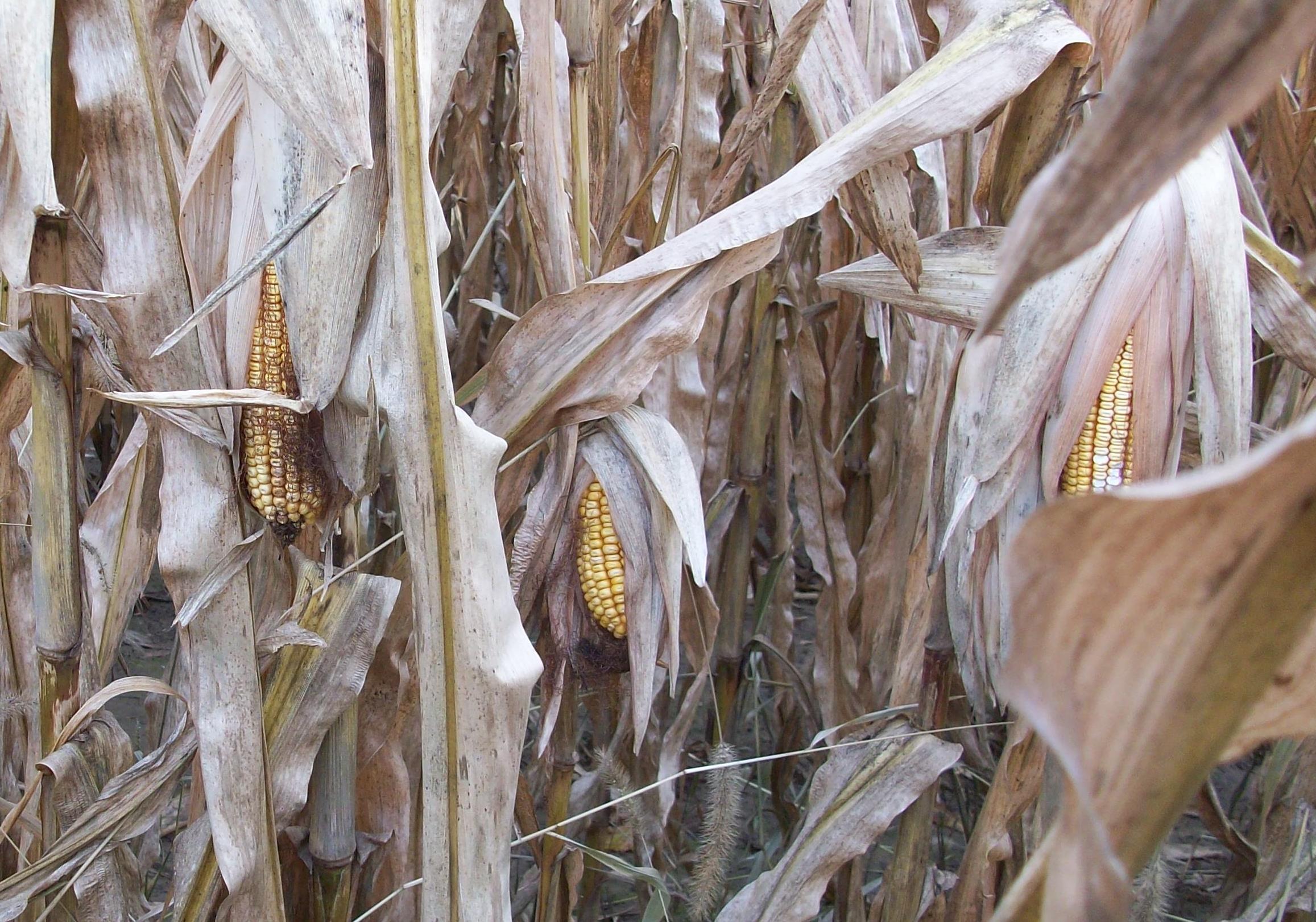
Field Corn

While driving to the Democratic office in North Liberty after a shift of door knocking, I passed a seemingly endless line of black tank cars waiting to be loaded with ethanol or corn syrup in Cedar Rapids. That Iowa’s vast agricultural promise, countless thousands of acres of fertile soil, would come to this is saddening and frustrating. As a state we’ve become entrenched with what we know (i.e. corn growing) and don’t want to consider alternatives. Such entrenchment is why Carbon Capture and Sequestration (CCS) is being proposed in Iowa to support the ethanol business.

Art Cullen cut to the chase in a July 15 Storm Lake Times editorial, titled “Pipelines Will Happen,” saying, “The pipelines will get buried. The Iowa rainmakers will get theirs as we pretend that we are addressing the planet being on fire.”

While Cullen may be right, the corn ethanol business and CCS make no sense in 2022.

Johnson County Supervisor Jon Green expressed his skepticism in an email:

My introduction to CCS was in Wyoming with the Two Elk project.

The first thing I learned was this has been tried many, many times, with millions of dollars of public money chasing these technologies. I have yet to learn of a single project that worked at a scale sufficient to make the technology feasible. So I begin from a position of deep mistrust when someone comes along and says they can magically make it work.

But let us set those concerns and experience aside: even if these projects do exactly what they promise, the effects will be small (in terms of carbon reduction, although the tax incentives are staggering) and only provide incentives to continue producing ethanol, a carbon loser.

I realize we can’t just flip a switch and electrify the entire country tomorrow, but every dollar we invest into pipelines is a buck that could’ve been used for solar panels or wind turbines.

Nov. 14, 2022 email from Johnson County Supervisor Jon Green.

When I wrote a series of posts about CCS a year ago, it was a process of personal learning. Since then, it became increasingly clear that the technology doesn’t work well enough to meet its promise, as Green said. It is a big money game in which the rich get richer and the opinions of Iowans may be faithfully recorded on the Iowa Utilities Board website, yet in the end will be ignored without considerably more uproar than we are seeing now.

Des Moines activist Ed Fallon has been following resistance to CO2 pipelines and is more optimistic.

When the first of these pipelines was proposed by Summit, proponents were sure it would be a slam dunk because Iowa corn farmers love ethanol. What Summit underestimated was the depth of resistance among farmers to having their land forcibly taken through eminent domain. In fact, farmers’ opposition has proven so strong it’s quite possible these pipelines will be defeated. That’s especially true if landowners, farmers, and other opponents continue to stand together.

Nov. 13, 2022 email from Ed Fallon.

From my experience with S.A.F.E. (Saving America’s Farmland and Environment) in 2013 I understand how business proposals centered around land use can be defeated. In that campaign MidAmerican Energy proposed to build a nuclear power plant near Wilton on prime farm land. When farmers organized around stopping the plan and formed a coalition, even Republicans like Jeff Kaufmann came on board and the plan was stopped. Fallon’s comments are consistent with my experience in Wilton. The difference is the CO2 pipelines will run for hundreds of miles instead of on a specific, limited parcel.

Use of eminent domain to construct CO2 pipelines is to some extent, an Iowa issue. Sheri Deal-Tyne, who has been researching CCS for the last year explains:

Eminent domain is certainly at the forefront in Iowa and other Midwest states. We in the Midwest are being targeted for these projects because of the relatively “pure” stream of CO2 that comes off of ethanol production. This pure stream means it is cheaper to capture carbon at an ethanol plant than it is at a coal plant. Eminent domain is going to have less meaning in places like Texas and Louisiana.

Nov. 14, 2022 email from Sheri Deal-Tyne.

On Tuesday, Dec. 13, 2022, the Iowa Utilities Board will hold a meeting to discuss federal preemption pertaining to CO2 pipelines. This is an important meeting as Deal-Tyne explains:

The December meeting on preemption is important because currently there are no federal regulations regarding the siting of the pipelines. This is handled at the state level, and varies by state. The Pipeline Safety Act is relatively new, and CO2 pipelines were added as an afterthought. Following the Satartia, Mississippi accident, the Pipeline and Hazardous Materials Safety Administration issued for new rule making around CO2 pipelines, as well as scientific research in to what the safety protocols should be. But at the project level, the companies are claiming that there are regulations and that they are following them. Currently Summit has argued that the IUB does not have authority to consider safety issues because it falls under Federal jurisdiction. (this is where the preemption comes in).

Nov. 14, 2022 email from Sheri Deal-Tyne.

A year after first writing about CCS, the core issue remains: getting to a decarbonized environment means ceasing the production of CO2 and other greenhouse gases. The persistence of desire to perpetuate ethanol production in a decarbonized environment by collecting and burying CO2 would be a possible solution if the technology worked. It doesn’t. It hasn’t yet worked despite millions of dollars spent to make it work. There is no prospect that it will. That’s why I say CCS and corn ethanol make no sense.

Categories
Living in Society

Calendars in Place

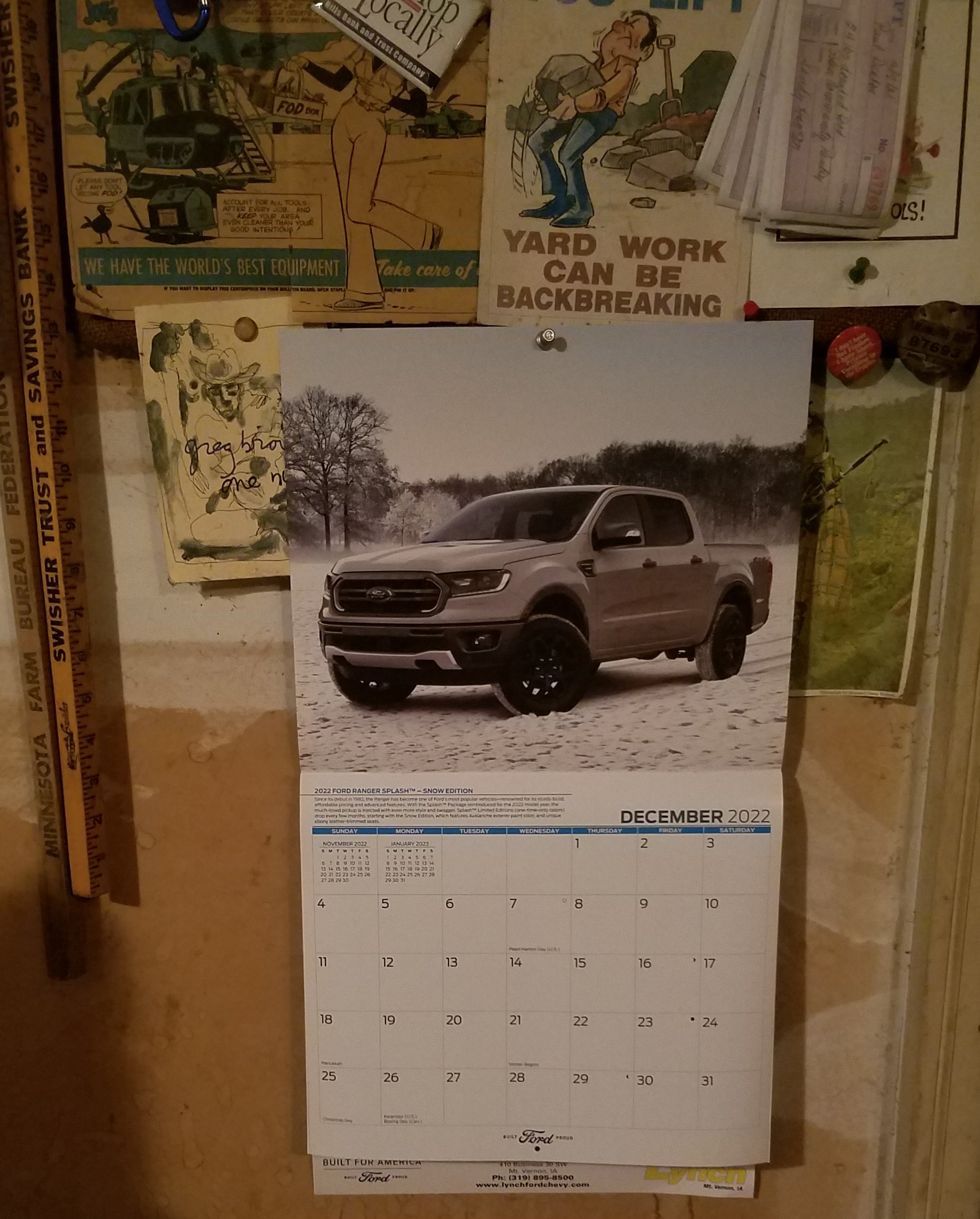
Garage calendar in place.

Each year I get two advertising calendars: one for the garage, and one for my writing desk. This year the garage calendar is from the car dealership where we bought and service our Chevy Spark. The other is from the grocery store in town. They each serve a useful purpose while I work. Putting them in place represents the beginning of another new year.

The political climate in Iowa had me delaying plans until after the election. It is time to begin filling those calendars with hope.

Among activities planned is writing, reading, exercise and generally supporting our personal and financial well-being. There is a budget to be managed, work to maintain the physical structure of our home, and another year of yard work and gardening. The garage calendar will prove to be handy in this.

My recent posts here indicate my intellectual interests. I feel lucky to have avoided any illness which might impair intellectual capacity. I hope to keep it that way.

Now commences a review of 2022 and a course correction for the time ahead. In coming weeks, I’ll review my reading, my autobiographical and other writing, social activity, and my health. Indoors time is best for this. I’m not quite ready to begin, yet soon will be.

Repair, maintenance and improvement of the house will be a function of available resources and prioritized needs. Over the coming years we need to make sure our home is suitable for aging and the physical plant is maintained at the ready.

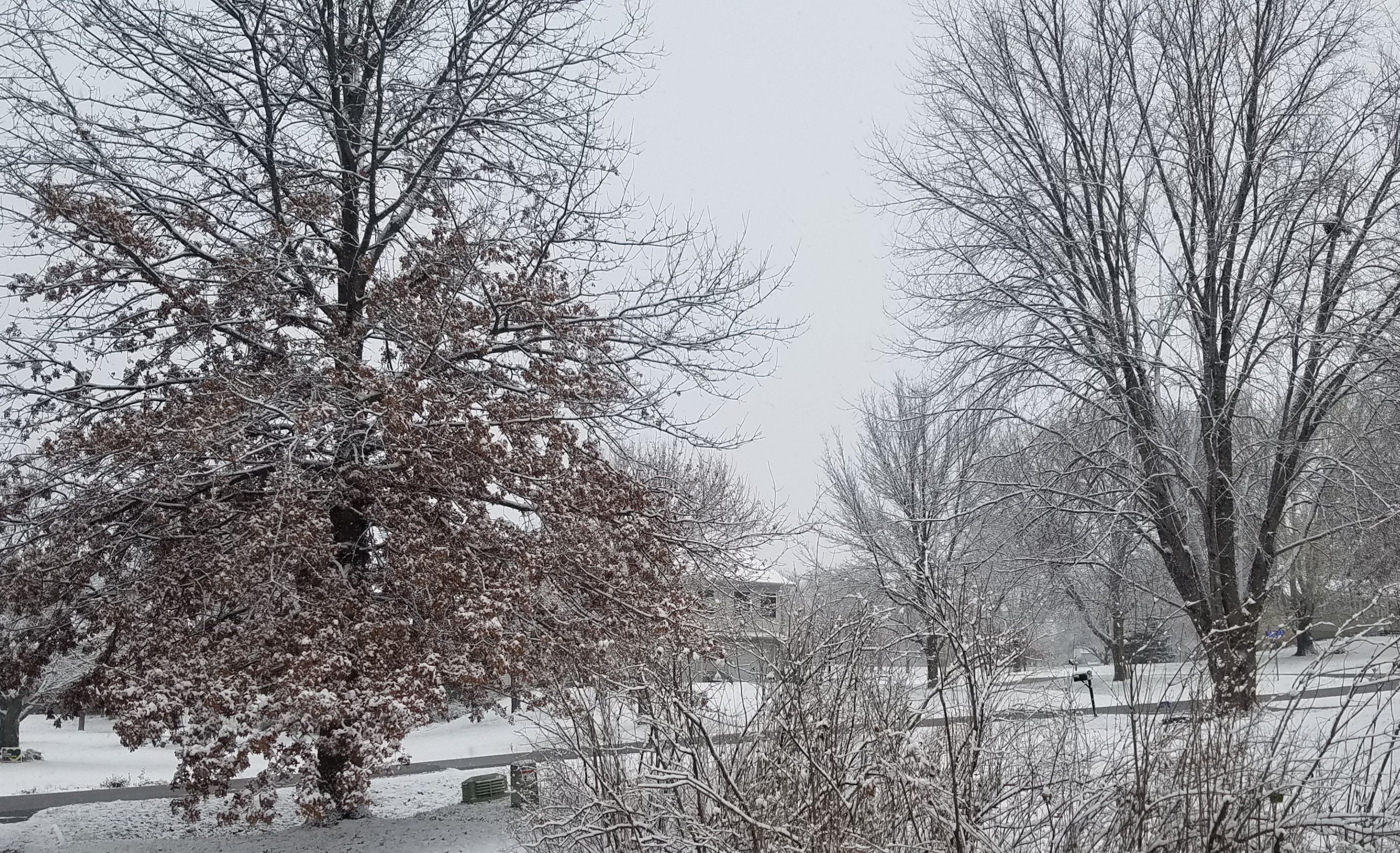
Today meteorologists expect snow to stick. Ambient temperatures are forecast around freezing with continuous snowfall until 6 p.m. We’ll get an inch or two. I would like a couple dry, warm days to run the mower again and make more garden mulch. With the crazy weather we have been having, that’s not out of the question in mid-November. I’ll be okay if I have to wait until spring. Blank calendars are in place.

Categories
Home Life

Clean Pair of Jeans

Garden Jeans

This morning I got out a clean pair of blue jeans and put them on. I’d been wearing the last pair since election day and it was time to get them laundered.

I keep a few pair of “nice” jeans, which means they have no known defects, fit well, and are suitable for outings into society. Currently, these are Levi’s brand, although it varied through the years. To avoid constantly laundering them, I wear nice jeans a few days around the house after an excursion. There are three pair of nice jeans in the closet.

Jeans that fit loosely and have been damaged or have holes worn in them are used when I’m working outdoors or in the garage. These are “garden” jeans. They get pretty dirty from kneeling on the ground and are usually good to wear for several days before laundering. Mostly these came from my time before the pandemic when I wore them to work at the home, farm and auto supply store. I don’t mind if these jeans wear out or get damaged on a tool or fence post. When they get unwearable, I launder them and recycle the denim.

Jeans between nice and garden are those deteriorated enough from being nice and are suitable to wear around the house. This everyday use doesn’t have a special name, yet most of my jeans fall in this category. They take the workload off the nice jeans and eventually will be converted to garden use. I purchased a pair or two of these when we lived in Indiana in the early 1990s. Good jeans last a long time.

One conversation I had with Father was about “work” clothes compared to clothes worn around the house. He felt his best clothing should be worn to drive forklift in the meat packing plant, with inferior or damaged garments used at home. He was trying to get out of the packing plant to become a chiropractor and believed his appearance in public mattered. He died wearing his work clothes while driving a forklift into an elevator. Having driven a forklift in the same packing plant after he died, the work didn’t seem too public, warranting the best clothing. His discussions about it likely led me to my present organization of blue jeans.

Now that the midterms are over it is time to get to work. I spent the days after the election hanging around the house, reading, writing and cooking. I want to say I was thinking about the election yet that’s not accurate. It was more like recovering from the losses. On Sunday I didn’t leave the house at all.

It’s time to turn the page and get to work. For that, a clean pair of jeans is just what we need to get started.