Categories
Writing

Allure on the Prairie

Canned Goods
Canned Goods

LAKE MACBRIDE— The allure of imagination is a writer’s arena. It can be a saving grace, enabling us to survive in a world gone mad. It can be a distraction from existential realities that beckon for attention. It is a blessing and a curse, perhaps the result of our too large brain combined with the relative security of life on the American plains. Perhaps it is simply a way to live.

Writers seek allure more than imagination, at least this one does. That moment when an idea rises on the horizon. A shiny object, not unlike a fashion photograph— each element prepared meticulously for our viewing, the scent of perfume imagined despite the reality of a two dimensional image on a screen. Allure is the well from which a writer dips a ladle and drinks.

Norman Mailer described the writer’s process:

You go in each morning, and there’s a blank page. Maybe it takes five minutes, maybe it takes an hour. Sooner or later you start writing, and then the words begin to flow. Where does that come from? You can’t pinpoint it. You always wonder, “Will it all stop tomorrow?” In that sense it’s spooky. In other words, you’re relying on a phenomenon that’s not necessarily dependable.

There is no shortage of things to occupy our attention. A recent story on the cable television business reported there are 10 million households in the U.S. that have an Internet connection, but no cable television. It’s enough people for Home Box Office to perceive a market and develop a direct sales, Internet delivered, bundle of subscription programs. Radio, then television, and now the Internet, have served to suppress imagination’s allure. Programming fills our attention capacity as we plug in to our favorite diversion. For a writer, this is a low level poison trickling into our veins, suppressing creativity. Allure vanishes leaving us feeling empty and used, yet craving more.

“No ideas but in things,” wrote William Carlos Williams. Would that it were so. His 20th Century produced a consumer culture in which people collected things without ideas. Certain die cast toys, boxes of pasta, tools, and my addiction— books and reading material. The result of someone’s ideas tangible and in our hands. Maybe Williams was warning us.

As we age, we become aware of our physical limitations and imagine more. Aging bodies become temples of memory to be filled by righteous and earthy memories. As our bones stiffen writers strive to avoid calcification of ideas. It takes work. We are not always successful.

“Memory believes before knowing remembers,” wrote William Faulkner. As we age, the hard drive of memory falls into disuse. We repeat old jeremiads in society, trying to get along. We can forget the allure of the imagination.

When a writer loses the ability to be drawn to the allure, one is no longer a writer. A scribbler maybe, a blogger definitely, a writer only in external artifacts and behavior.

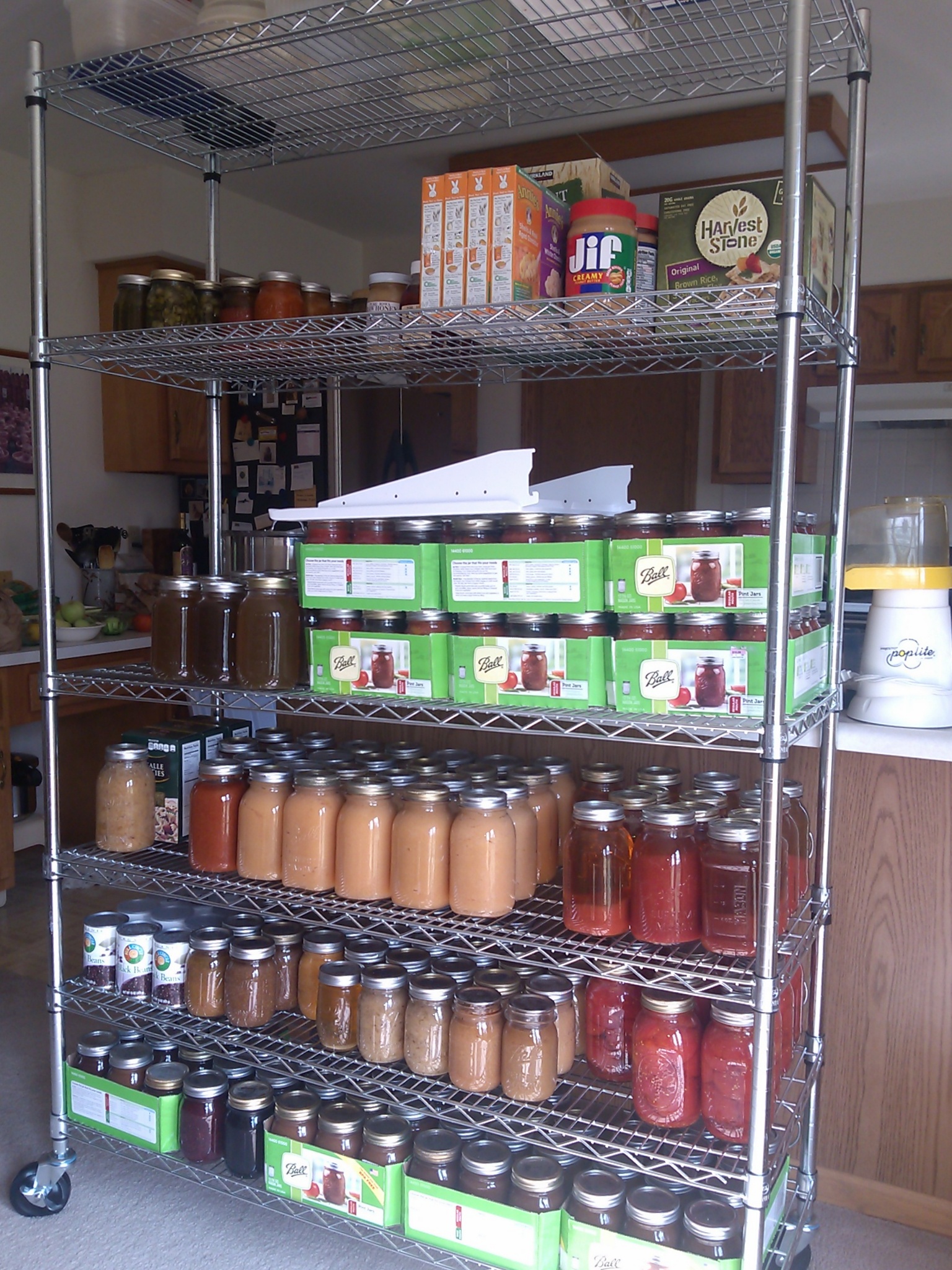
We may be driven to package our awareness, like a gardener spending weeks in the kitchen canning and freezing produce for a winter of use. The jars on a shelf serve a purpose, the least of which is nourishment. They become another distraction from the allure of a life of imagination.

Categories
Kitchen Garden Writing

Summer Thunderstorm

Red Crust Pizza
Red Crust Pizza

LAKE MACBRIDE— Rain was brewing when I went outside early this morning. One could sense it in the warm, electrified air. It came and poured two inches in the garden cart left outside to get washed out. The storm winked the power a couple of times, although not long enough to stop my work on a newspaper article. In all, it was a decent, if unneeded rain.

Temperatures in June averaged 70.3° or 0.6°above normal, while precipitation totaled 9.94 inches or 4.92 inches above normal, according to state climatologist Harry Hillaker. This ranks as the 55th warmest and third wettest June among 141 years of records. The only calendar months with greater statewide precipitation averages were July 1993 (10.50”), June 2010 (10.39) and June 1947 (10.33). The rainfall isn’t done for today.

I’m taking a break between two news articles due this weekend. Cleansing the writer’s palate with new words in a different frame. The first story is filed, and the second will be before going to the orchard to confirm my work during the apple season that starts today.

It is an unusual Saturday off from the warehouse. I cancelled outdoor work because of the forecast for more rain, so besides at-home work on the newspaper and two other gigs, the day is mine. My spouse is working this afternoon, so I’ll have the house to myself much of the day.

Yesterday I was invited to luncheon at the CSA. As a part time worker, I get included in special events and attend when my schedule permits. Eleven farm workers dined on pizza, coleslaw, steamed broccoli, zucchini cake and watermelon. Only a few ingredients came from off the farm. I opined that the watermelon was from Florida, but was guessing.

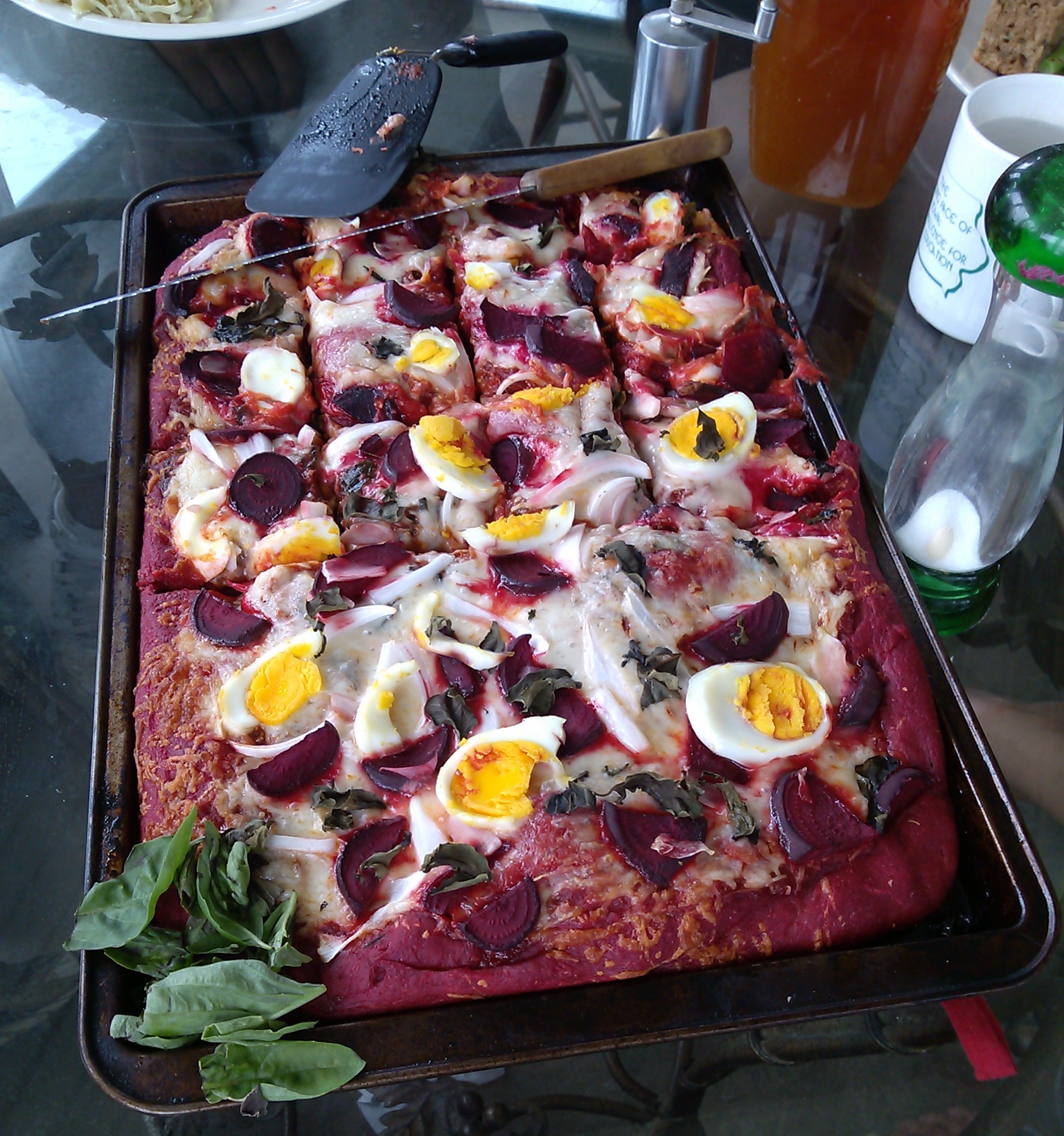
The pizza dough was turned red by adding beet puree. Topped with a tomato sauce, mozzarella cheese, sliced beets, onions, sliced hard-cooked eggs and basil, not only was it delicious, it was beautiful. The rest of the meal was standard, in-season local food fare, simply prepared.

I am working on a piece about Alice Waters and asked each farm worker individually if they knew who she was. Six of eleven (55 percent) did not recognize the name. On a farm where the major effort is organic, locally grown ingredients, and using them to create a specific type of cuisine, I was surprised more people had not heard of her. Waters is not as well known as some foodies might think.

A discussion of breaking vegetarianism led us down a weird conversational path. Someone said so many vegans and vegetarians break their eating habits with bacon. Most everyone at the table had some type of hog slaughtering experience, so for about 20 minutes that became our conversation.

When people live close to the means of production, the conversation seems reasonable. We covered home slaughtering of a market animal that died unexpectedly the day before shipping, working in a slaughter house, visits to confinement hog operations, a story about consumption of male hog gonads, chitterlings, lard rendering, using bacon grease in cooking, and many more topics. A porcine version of Moby Dick, if you will, told by people who know their subject.

I’m willing to bet fewer people would eat bacon if they knew where it came from.

Yesterday I transplanted celery and snipped off the leaves from the extra seedlings. It was the best tasting celery ever. We’ll see how much it produces. This morning’s rain should help.

Categories
Writing

A Second Mexican Restaurant

El Sol de Solon
El Sol de Solon

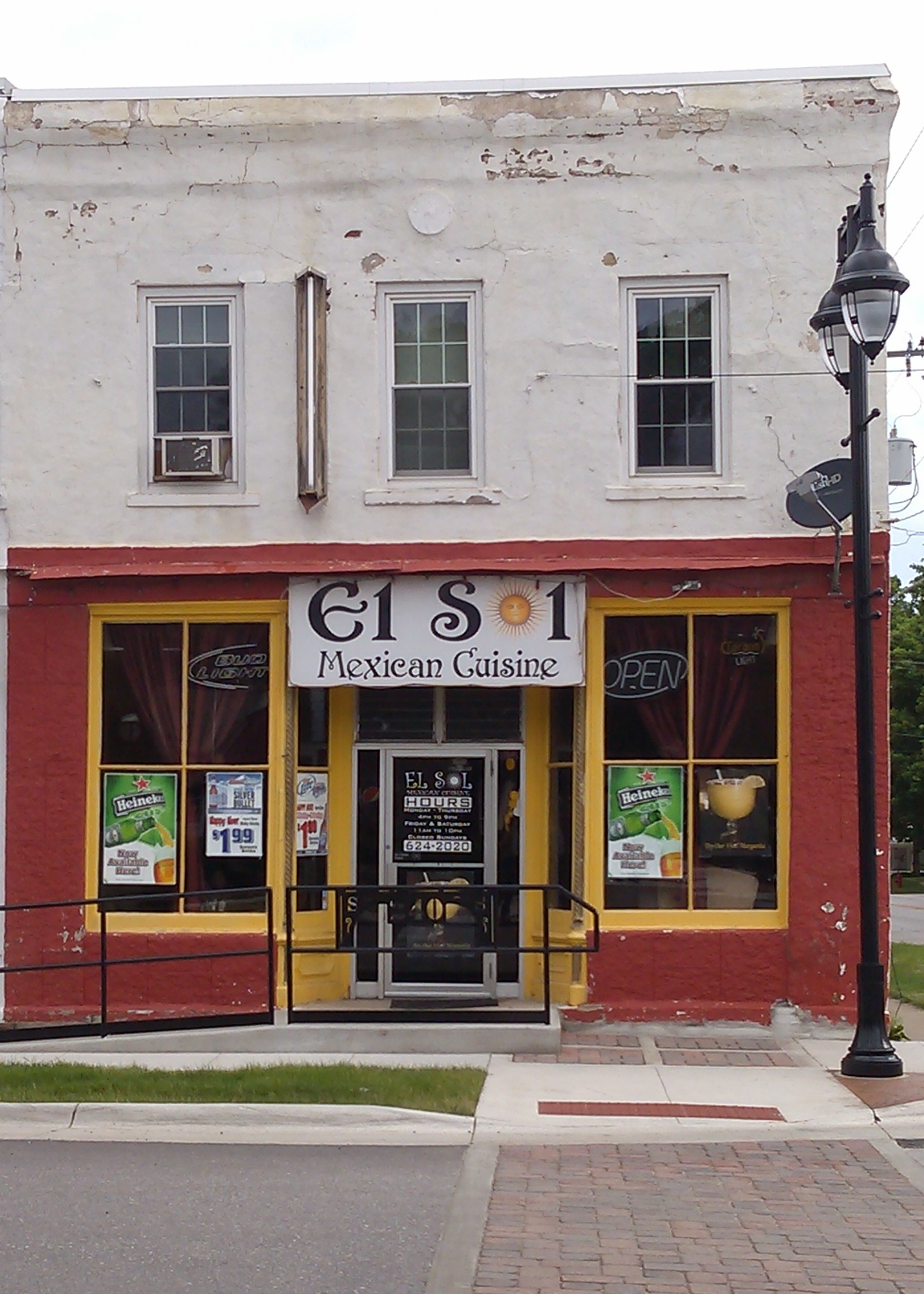
SOLON— Can a community of about 2,000 people support two Mexican Restaurants? The founders of El Sol Mexican Cuisine believe it can.

Diego Rivera (no kin to the artist) is the former owner of El Sol and a related restaurant in Mount Vernon. With his former manager, Joel Vazquez, they hope to succeed with a new venture, Frida Kahlo Mexican Restaurant and Lucy’s Bakery, in a strip mall at the edge of town.

Corner of El Sol Mexican Cuisine
Corner of El Sol

Frida Kahlo de Rivera, namesake of the new restaurant, was a Mexican painter, perhaps best known for her self-portraits.

“Her work has been celebrated in Mexico as emblematic of national and indigenous tradition, and by feminists for its uncompromising depiction of the female experience and form,” according to her website.

Kahlo has been described as “one of history’s grand divas… a tequila-slamming, dirty joke-telling smoker, bi-sexual that hobbled about her bohemian barrio in lavish indigenous dress and threw festive dinner parties for the likes of Leon Trotsky, poet Pablo Neruda, Nelson Rockefeller, and her on-again, off-again husband, muralist Diego Rivera.”

Too controversial a symbol for a small town? Time will tell, but most local people don’t dig that deeply.

The issue may be that the space for the new restaurant is a graveyard to a succession of culinary failures, most recently The Dock Fine Dining. The new venture will test the viability of the strip mall space, however, Nomi’s Asian Restaurant and Subway have been successful a few doors down, and this pair of entrepreneurs has been successful in town with their first Mexican restaurant.

Rivera recently returned from a trip to a culinary school in Mexico where he learned about pre-Hispanic cuisine.

“When the Spanish arrived in Mexico, the Aztecs had sophisticated agricultural techniques and an abundance of food, which was the base of their economy. It allowed them to expand an empire, bringing in tribute which consisted mostly of foods the Aztecs could not grow themselves. According to Bernardino de Sahagún, the Nahua peoples of central Mexico ate corn, beans, turkey, fish, small game, insects and a wide variety of fruits, vegetables, pulses, seeds, tubers, wild mushrooms, plants and herbs that they collected or cultivated,” according to Wikipedia.

One hopes for authentic dishes that are reflective of more than standard Mexican restaurant fare. Having witnessed the development of this pair of restauranteurs, Frida Kahlo Mexican Restaurant and Lucy’s Bakery looks promising.

Categories
Writing

Saturday In Photos

Main Street in Solon
Deteriorating Building Front
Southeast Corner of Main at Market
Southwest Corner of Main at Market
Michigan Cherries
Michigan Cherries
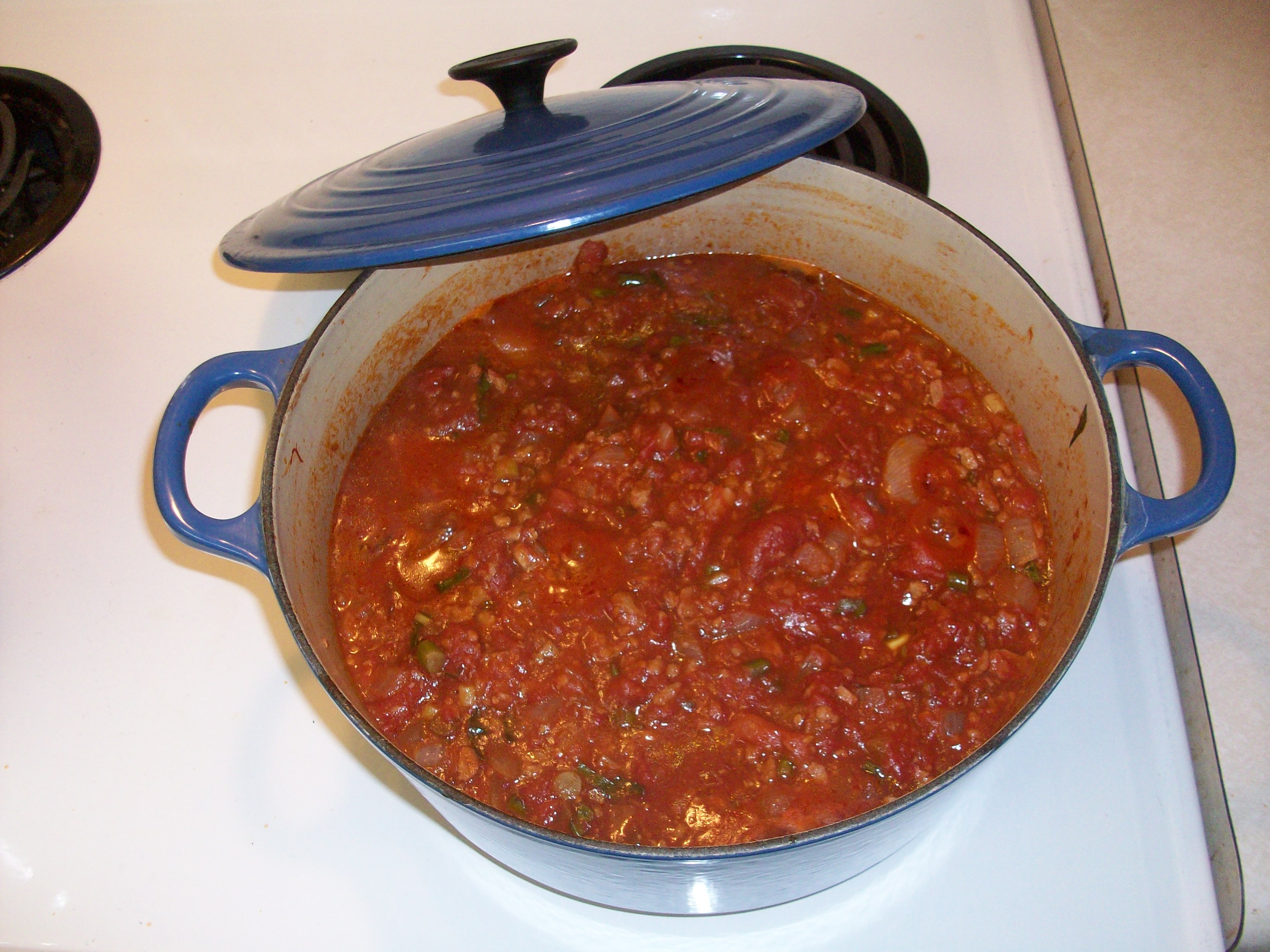
Pasta Sauce
Pasta Sauce
Pasta and Cherries
Pasta and Cherries
Categories
Writing

Michigan Cherries

Tart Cherry Coffee Cake

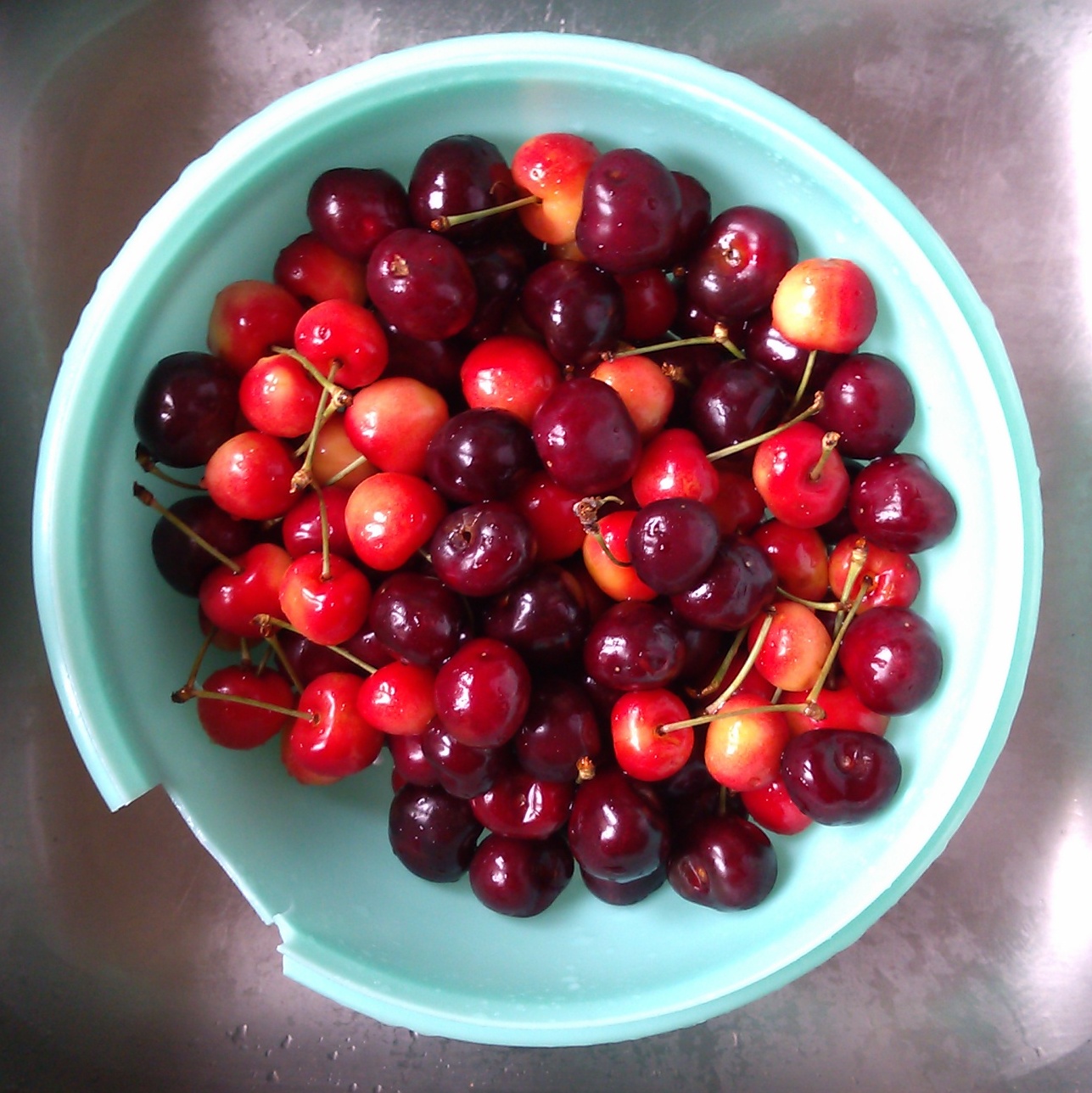
One of my part time jobs is working at an orchard for a family with kin in Michigan. Hence, cherries, blueberries and the like find their way to our table. The arrival in Iowa of cherries this weekend marks the beginning of the fresh fruit season and a chance to upgrade from rhubarb. In another week or so there will be early apples and Missouri peaches shouldn’t be far behind. In the cycle of local food seasons it is a welcome turning point.

Categories
Environment Writing

Dreaming of Zakuski

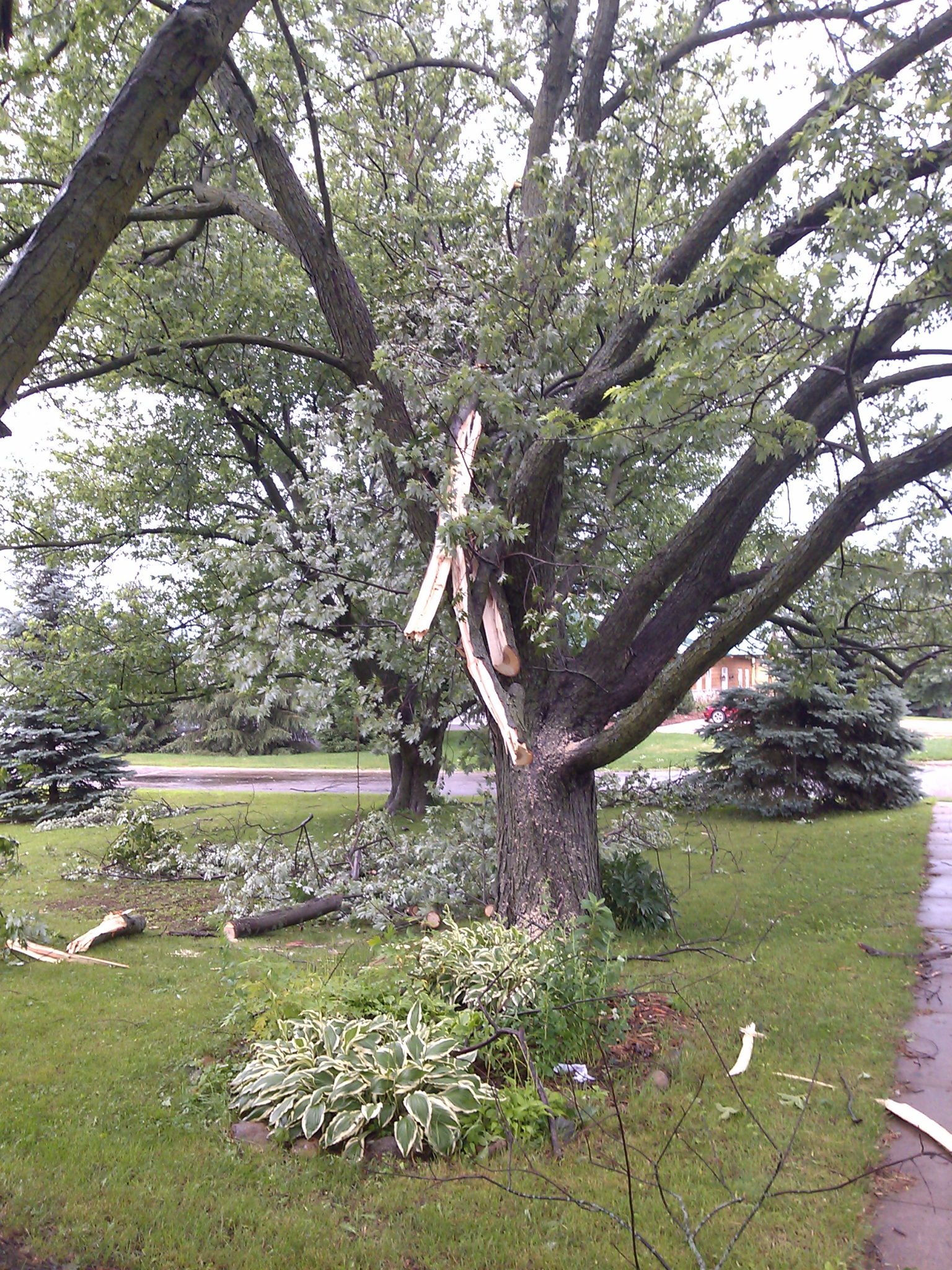
Storm Damaged Tree
Storm Damaged Tree

LAKE MACBRIDE— In a perfect world, friends would come over and we’d share vodka, zakuski and conversation for an evening.

Even though we have a bottle of Stolichnaya Vodka purchased in the 1980s in the basement (an inch or so has evaporated), and the fixings for a dozen or more little plates in the refrigerator and pantry, getting intoxicated by sweet, sour and savory hors d’oeuvres following shots of vodka is not going to happen.

Yet I imagine—damn you frontal lobe, your machinations and your dreams.

But there it is. In chilled small shot glasses, a dose of vodka followed by a homemade multigrain cracker spread with pesto.

An interlude of conversation while the next course is prepared.

A shot of vodka, and a small plate of beets and daikon radishes pickled with jalapeno peppers. More conversation.

A shot of vodka, and a tiny ceramic cup with rhubarb crisp. More conversation and a slight buzzing sensation.

A shot of vodka. A mixture of Kalamata olives, pickled chard stems and capers, served on small plates from the thrift store. And so it would go.

Except it’s not going to happen. The toll of vodka would be too much, though the conversation and releasing of inhibitions tempting. Who in today’s consumer society pays a visit to chat with zakuski? If our doorbell rings at all, it is a canvasser, not friends seeking to share tales of our lives on the Iowa prairie.

The world outside is of fallen trees and washed out ditches from last night’s extreme weather, part of a bleak day with multi-colored sky.

At a political event in town last night, about a fourth of the attendees cancelled due to the weather.

Trees were down all around the lake. Mill Creek rose up out of its banks.

“Our giant old walnut tree came down in the storm taking my farm’s main power line with it as well as my yard light pole,” came the report from our CSA. “The amazing thing is we still have power but until REC gets out here to shut off the power we have live wires on our driveway and the tree is blocking our road. Given the size of the tree I suspect it will take us several days to get the driveway cleared.”

Two trays of seedlings for the garden blew over, leaving work to salvage them this morning—the least of problems in a storm-wrecked world.

One dreams of zakuski, and lives in the material world with its fallen trees, blocked roads and disruptions, seldom stopping for the human possibilities dreams create.

It’s time to spread the pesto on plain toast and get on with the day.

Categories
Writing

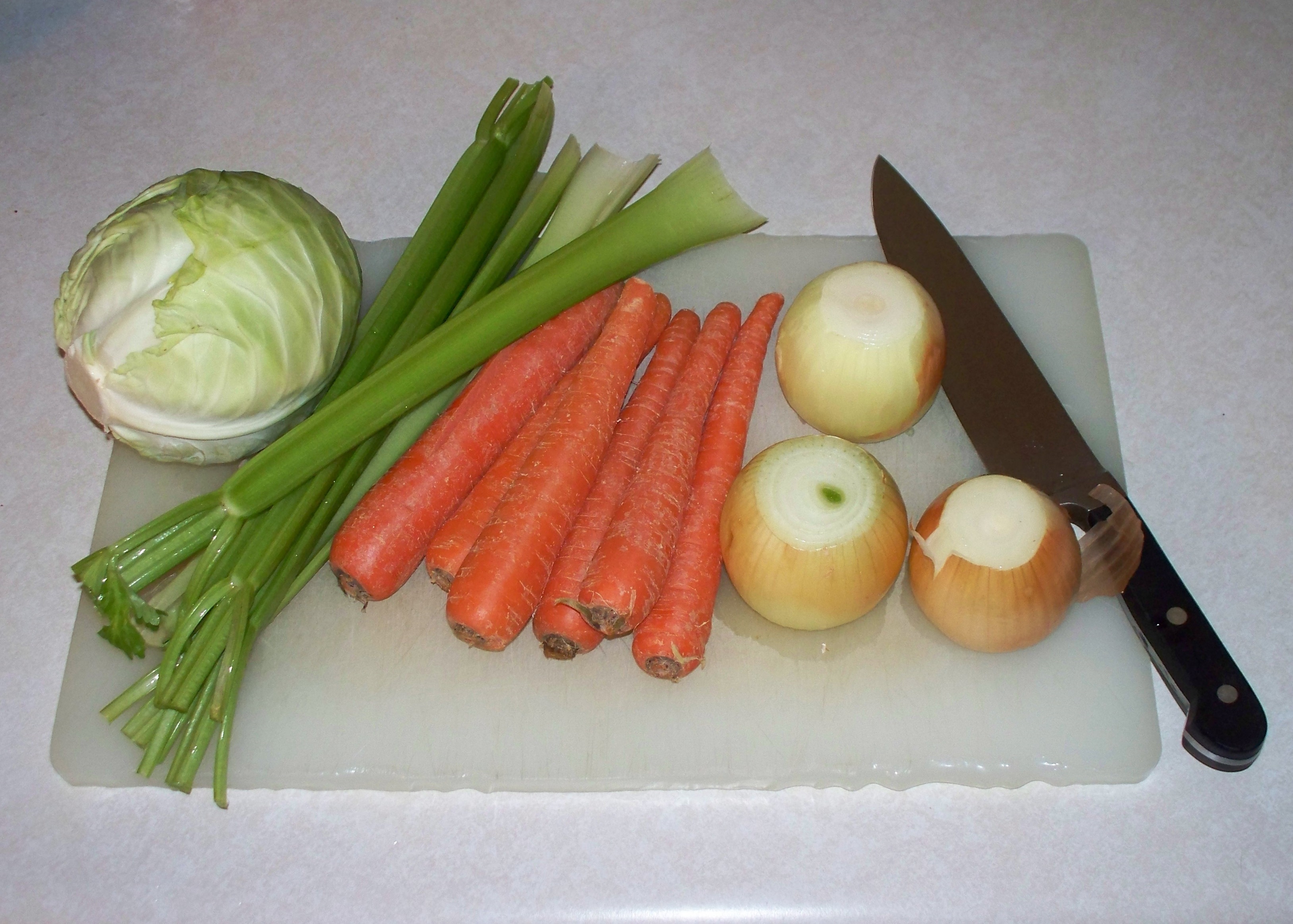
Mise en Place

Making Soup Stock
Making Soup Stock

LAKE MACBRIDE— The Harvard Business Review wrote about the application of mise en place to daily planning. While most of us are not professional chefs, laying out the ingredients of a day and conceptualizing the execution can make us more effective in the way it aides the best chefs.

“What’s the first thing you do when you arrive at your desk?”asked author Rod Friedman. “For many of us, checking email or listening to voice mail is practically automatic. In many ways, these are among the worst ways to start a day. Both activities hijack our focus and put us in a reactive mode, where other people’s priorities take center stage. They are the equivalent of entering a kitchen and looking for a spill to clean or a pot to scrub.”

Like many people, I check my email, the Washington Post, BBC, Guardian and my twitter news feed before turning on the light in the bedroom. The problem is obvious. A friend wrote a note about a meeting next week, which I read around 3 a.m., and have been thinking about since. While interested in the content and potential outcome from the note, it was a disruption that could have been handled differently. The first thing I did after turning on my computer was to write a response.

I’ll try mise en place as a planning tool a few times and see if it helps make my days more productive. Today is soup stock day— a perfect place to start.

As a writer, mise en scène is more engaging than mise en place. Borrowed from film theorists, mise en scène is a step ahead of mise en place in that it considers what goes into the camera frame and sound track, which when combined with cinematography and editing tells a specific narrative. Mise en scène sets the time and space of a creative narrative whereas mise en place is prep work to create a specific result. Both have measures of effectiveness, but mise en scène enables better creative possibilities.

It wouldn’t hurt to assemble and think about the elements of a narrative before writing, and to an extent we do that. Yet the process of writing is such that once we go down the rabbit hole of a particular topic, the outcomes have more diverse potential. We often don’t know where we will arrive, or how, at the beginning.

A case could be made that we should begin with the end in mind— not making that case here. Writing is a métier that includes processing diverse experiences and making some sense of them. It is impossible to know the end unless the piece is utilitarian the way a letter to the editor or newspaper article is.

Since writing is a lowly paid occupation— its meager income supplemented by farm and warehouse work— managing time is a must. Some may labor for days over a 500-word essay, but it is more important to crank it out, take the learning and improve during the next piece. Mise en place may help us do that more effectively with better results.

Categories
Home Life Writing

Rain Came

Garden When Rain Came

LAKE MACBRIDE— It rained on plans to work in the garden and yard. So now, the long lawn will wait until the next dry, sunny day; weeds are getting respite from being chopped; and the garage is clean enough for one auto. After the last, I went upstairs to the kitchen and processed vegetables for a meal— dinner of fresh asparagus, rice, salad greens with chopped vegetables and a veggie burger. And radishes. And spring onions. And soup stock with vegetables past their prime— mixed greens, asparagus stems, onion, celery, carrot and bay leaves. Simple fare for a simple life.

I have written about 2,000 words in two articles today, making this my third. Writing brings a sense of calm and I need that now. Better medicine than the antibiotics for my frying pan burn or the iced tea with blended whiskey. Writing works through our tension and helps release one’s cares, at least for a brief time. We write to clarify things. To straighten out a turbulent life, and by creating a narrative, yield understanding. That’s what we hope.

It doesn’t always work that way. But for now… rain came, dinner’s ready to cook, and what else is there to do on the Iowa prairie?

Categories
Writing

Friday in Iowa: Newspapers

Barn
Barn

When I agreed to fill in as the summer, weekday editor of Blog for Iowa, the decline of newspapers, and substantial changes in corporate media was on my short list of topics to cover.

As I drove to town yesterday, people were collecting their copies of the Cedar Rapids Gazette from the roadside drop boxes. How long they will continue to do so is an open question. Newspaper publishing is a dying industry with 28.6 percent of newspapers closing since 2000. (See Harry Bradford’s article on Huffington Post here).

The Internet is becoming the pipeline for news, information and other content in a way none of us recognized as we first logged in on home computers back in the 1990s. These days, many people I know don’t even own a television set, much less subscribe to a newspaper or to cable TV.

A lot has been written about the decline of newspapers and most readers have probably seen this chart:

Newspaper Sales

“The dramatic decline in newspaper ad revenues since 2000 has to be one of the most significant and profound Schumpeterian gales of creative destruction in the last decade, maybe in a generation,” wrote Mark J. Perry in the Carpe Diem Blog. “And it’s not even close to being over.”

Things have gotten so bad that newspapers have stopped publishing the quarterly results used to make this chart, favoring annual reports. What does that mean? More newspapers will consolidate or go out of business, leaving less writing jobs for those who need it as paid work.

How does Blog for Iowa fit in? As you can see at the bottom of the front page of the blog, we have a benefactor. “Blog for Iowa is paid for privately to the tune of $15 a month by Dr. Alta Price of Bettendorf, Iowa,” it says. As long as people want to work for beer money or less, there will be plenty of opportunities to write. Not that we want to encourage readers to go elsewhere, but just look at the WordPress Freshly Pressed site. There are tens of thousands of well written blogs and those blogs exist and need writers, even if most of them are not for profit.

The point is the world has changed and is changing, and one of my topics this summer will be occasional posts about the changing media and our role in the new world it is creating. Watch for my summer “Friday in Iowa” series to be posted irregularly on Fridays until Labor Day.

Special thanks to my colleagues at Blog for Iowa, Trish Nelson, Dave Bradley, and especially to Dr. Alta Price for making it possible for me to write for Blog for Iowa this summer.

~ Written for Blog for Iowa

Categories
Writing

Summer Jobs

Blog for Iowa
Blog for Iowa

LAKE MACBRIDE— Trish Nelson will be taking the summer off from editing Blog for Iowa, and I’ll be filling in. There is a small stipend, and the work will give me a chance to develop ideas around the 2014 midterm elections, and on other topics.

With the retreat of so many people to no preference voter registration, to say that party affiliation matters a lot misses the point. In my statehouse district, the Iowa Secretary of State May report showed 19,802 active voters, of which 6,275 are registered Democratic, 5,666 Republican, and 7,576 No Party. The Democratic edge is largely irrelevant with so many no party registrants.

Don’t get me wrong, there is a devoted corps of died in the wool Democrats and Republicans. They just make up a minority of the electorate. In my experience, the further down the ticket, the less party affiliation matters, and the more the personality and policies of candidates come into the foreground. This summer will be a time to explore the meaning of this in light of the Nov. 4 general election campaign. It should be fun and interesting. My posts can be seen at this link.

The other new summer job is a woodcutting project in nearby Cedar County. The work has flexible hours, and will add some needed income to the household budget.

Meanwhile, the farm, newspaper and warehouse work will form a base of income upon which I can build. One thing seems certain, with all of the gardening and my share from the CSA, there will be no shortage of good quality food for our pantry and table.

It is shaping up to be a productive summer.