Categories
Kitchen Garden Writing

Food In Situ

Backyard garlic.

I recently read The Cooking of Provincial France by M.F.K. Fisher, et. al. It raised awareness of how cuisine can be rooted in specific locales, based not only on locally-grown food products, but on the soil, air, and water specific to a place. Local residents literally spring from the landscape and food grown there, according to the authors. Regretfully, French cooking is immersed in animal products. Separate the dairy, beef, pork, lamb, fowl, and fish and it would not be French cooking. It cannot exist except in situ.

What does in situ mean?

In the United States, we have a long tradition of destroying places and then building settlements as if on a blank slate. Natural vegetation, evolved over hundreds of years, was razed, and replaced with farms. Then, when the farm couldn’t make it — even with government subsidies — it was parceled off and sold for residential properties.

We built our home in such a farm conversion and prepare varied meals in the space we built. None of it is native except for the harvest from our backyard garden. Those seeds and seedlings come from elsewhere and not here. The phrase in situ, in this context, includes some aspect of food grown locally.

It seems ironic that as much “food” as is grown in Iowa and in the fields surrounding our residence, most of the corn, soybeans, wheat, hay, and other commodities are not grown for direct human consumption. Much of these foodstuffs are used either in animal feed or as an ingredient in industrial processes like distilling ethanol, or making biofuels or corn syrup. In Big Grove Township, there is no in situ.

That’s not to say our household lacks a cuisine. Clearly it has a distinctive one. Perhaps the most characteristic food we prepare is tacos. That they are made from raw tortillas from the wholesale club, greens and tomatoes grown at home, and produce we sometimes grow ourselves and sometimes don’t, makes them ours. The Mexican oregano we use also lends distinctness to the dish.

The important thing is when I make tacos, I’m not trying to copy a dish I saw elsewhere. I’m creating something unique, from scratch, with ingredients we grew or have locally available. I use tomato sauce that varies a lot (just as each tomato picking is different). How I use each jar makes a difference in the outcome of the tacos.

Rather than produce a certain kind of soufflé according to the science and rules of French high cuisine, I’m more likely to scramble an egg or make an omelet. Sometimes I’ll make another serving of tacos, perhaps with scrambled eggs in it.

While a few people I know grow shallots, chervil, and tarragon at home, the seeds to grow them did not come from here. They may be typical of French cuisine, yet are not of here. It is important not to get too precious about certain ingredients and where they come from. If I grow these, I use them until they are gone.

Over the years I posted many opinions about local food. Today I’m not sure that matters as much as I thought. What I learned was the idea of local food is constantly evolving. I continue to purchase groceries from a large, retail establishment on a weekly basis. That doesn’t make me any less interested in available local foods. Am I a purist? No, I am not. Being a purist about food does not make sense. It is challenging enough to keep track of what local food is available and where.

I leverage locally grown food when it makes sense. The dishes I prepare are not any less good. So, I’m here, I grow food, and I’m cooking. I am still a latecomer to the upper Midwest, one who is trying to get by. What else can I do besides enjoy what I make here?
Categories
Writing

Political Rush

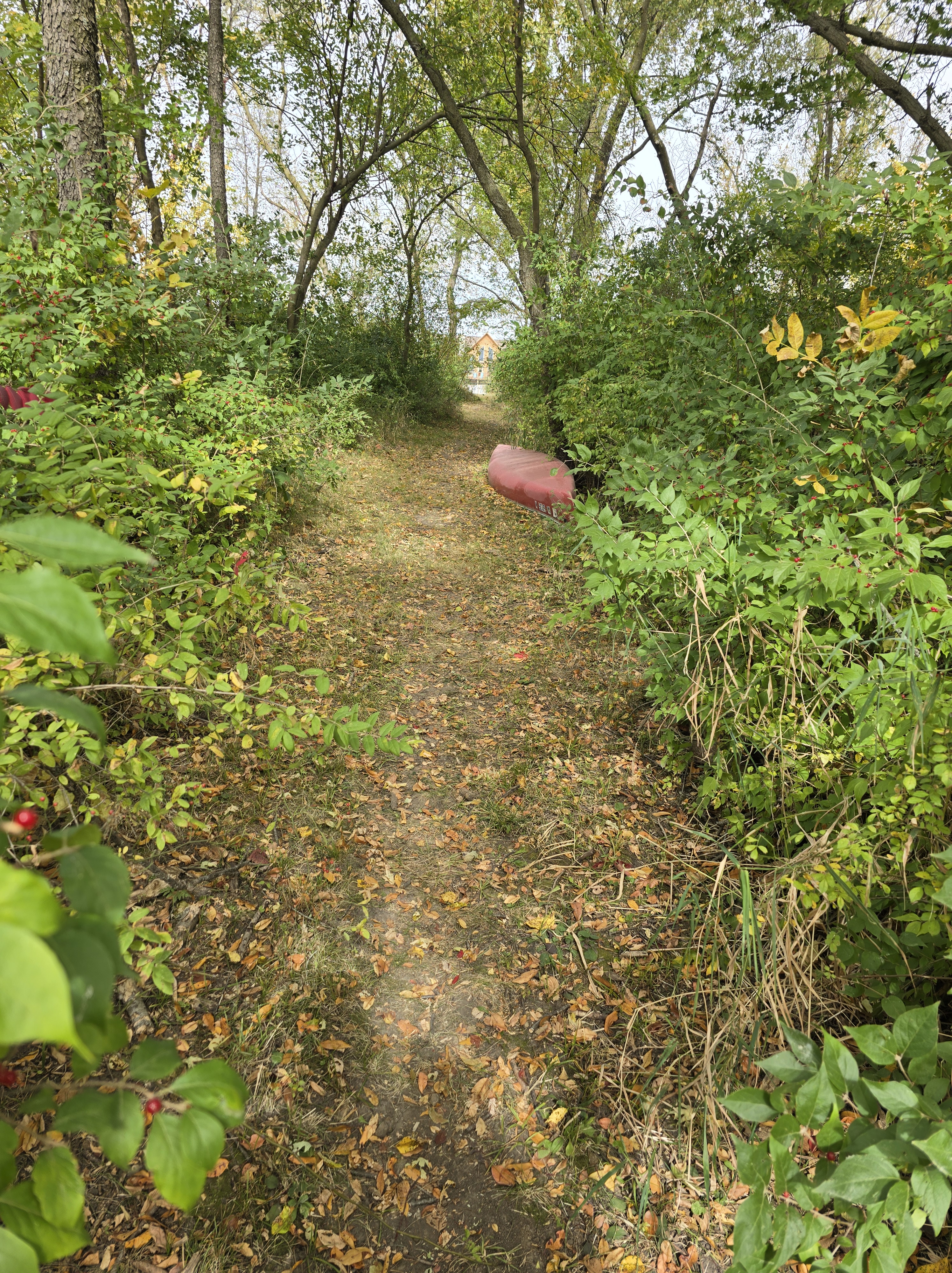
Canoe stored near the state park trail.

I continue to do two or three things daily to contribute to Democratic wins on November 5. I don’t know how successful I will be, but every step forward is of value.

After my bout with COVID-19, I gained a different attitude about writing. I don’t believe that will resolve at least until after the election. I’ve been thinking of the second part of my memoir, yet I’m not quite ready to begin revising and writing. Outside the election, I don’t have much else to say.

In the works are pieces about Cook County, Illinois, a garden report, and then, beginning on election day, I will cover our local elections. After that, who knows about this blog. COVID and related illnesses remind me that life is short. I want to finish my memoir as a first priority.

Speaking of my memoir, I have a dozen copies out among friends and family. I’m waiting for feedback before deciding whether to make the book more available. Lots of folks I know are working on the election, so that may not be resolved until the end of the year.

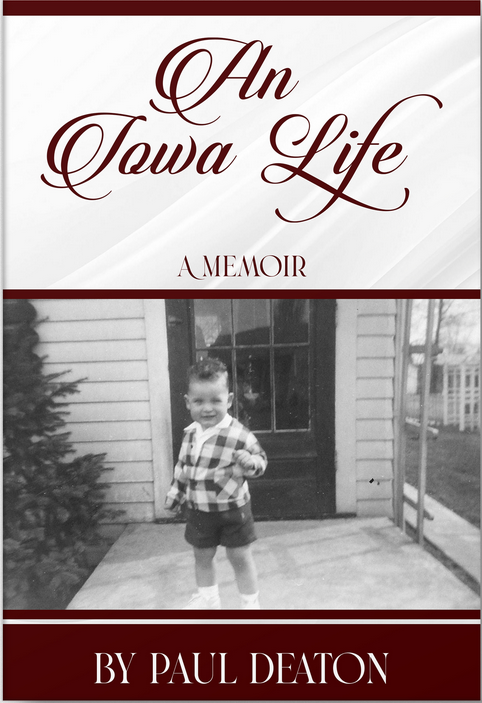
Thanks to all my daily readers of this blog. There will be more posts, although I can’t say when. Here is what the book cover looks like.

Categories
Writing

Starting Over

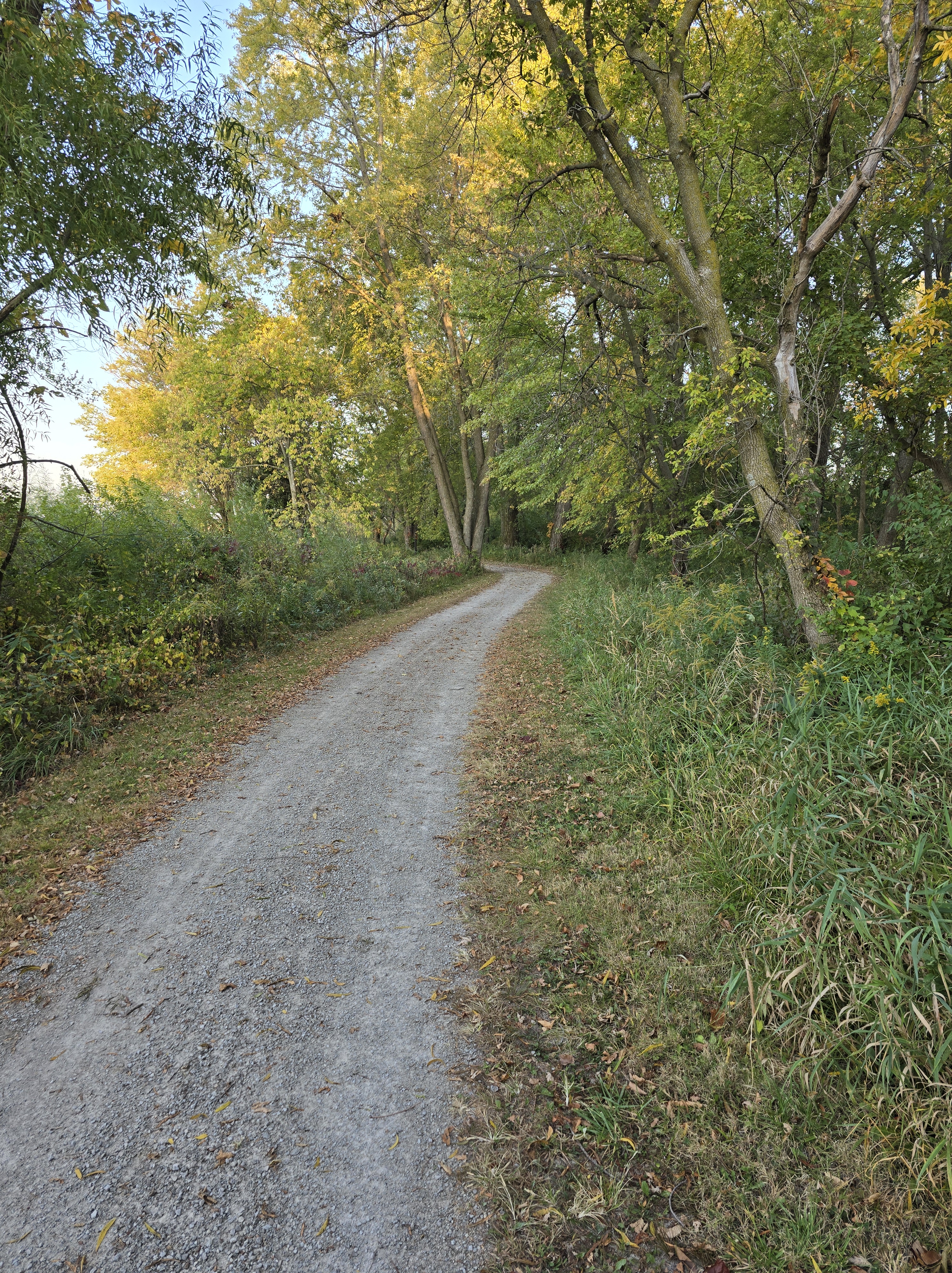
Autumn on the state park trail.

Just as a concertina began the musical Carnival! — slow, isolated, and alone — the path to writing again is picking up the rusty squeezebox and getting started. As I renew effort on this important project, I will be joined by a full orchestra with instruments, players, and settings while engaged in a jamboree of my life in the post-Reagan era. Everything that will fit in 250 pages, I will.

I learned a lot finishing the first part. Blending the past with the future, in terms of the time line was important to style. My omniscient narrator’s voice has the ability to span my entire life at once and I did. Anything else would be fakery. In the chapter on Joan Didion, I began with my discovery of her writing in while I lived at Five Points after military service, and blended my experiences with her writing through her death in 2021. By weaving the whole story into a single chapter, I both told the history and previewed what her writing meant to me. I can’t imaging splitting this story up. So it was with other topics.

The length of part one was about right at just less than 250 pages in the final book. I should keep part two a similar length despite the fact there is more to tell. Exercising disciple in sticking to a narrative is important for the research, and for the writing. I decided to hang the narrative on a timeline based on where we lived, beginning in Cedar Rapids, then Merrillville, Indiana (the Calumet), and returning to live in Big Grove Township in Johnson County, Iowa. Because the Big Grove section is so much longer, more than 30 years at present, I subdivide that with three breaks: my retirement from transportation in 2009, taking work at the home, farm and auto supply store in 2015, and the onset of the coronavirus pandemic in 2020.

The second layer is tracing the history of trucking industry deregulation. This includes the Motor Carrier Act of 1980, signed into law by President Jimmy Carter, Ronald Reagan’s reaction to the PATCO strike, and Bill Clinton’s NAFTA. The impact on American society of these things was broad and deep. My career in transportation positioned me to be in the middle of it as it unfolded. Plenty of books have been written about this. I want to write my story. I have been driving Interstate 80 to Des Moines the last few months. It is remarkable how truck traffic has changed. There is a story behind that.

The third layer is a broad brush approach to our family life in Iowa and Indiana. Ours was not a typical family life, beginning with our vegetarian food culture. We also thought differently about everything from politics to education to banking and finance to transportation to recreation. I hope this layer will be particularly meaningful to our child.

The fourth layer will be the impact of climate change on our lives and on our life in society. A changing environment, warmer temperatures, extreme weather, and public service, including my six years on the county board of health, all play a role.

The fifth layer is how my writing and intellect progressed. If I planned to focus on writing when we married, such focus diffused in the existential struggle to provide for a family. We divided labor in a somewhat traditional way, with me being the primary wage earner, and Jacque working at home during the early years. This had consequences for my writing and for our living. We had a good life, yet there were challenges.

Woven into these layers is my history of working on political campaigns, travel for business, gardening, and learning to live in the post-Reagan society leading up to the 2016 election.

Nothing is cast in concrete. This post is a start. Off we go! Now where did I put my concertina?

Categories
Writing

Recovering From September

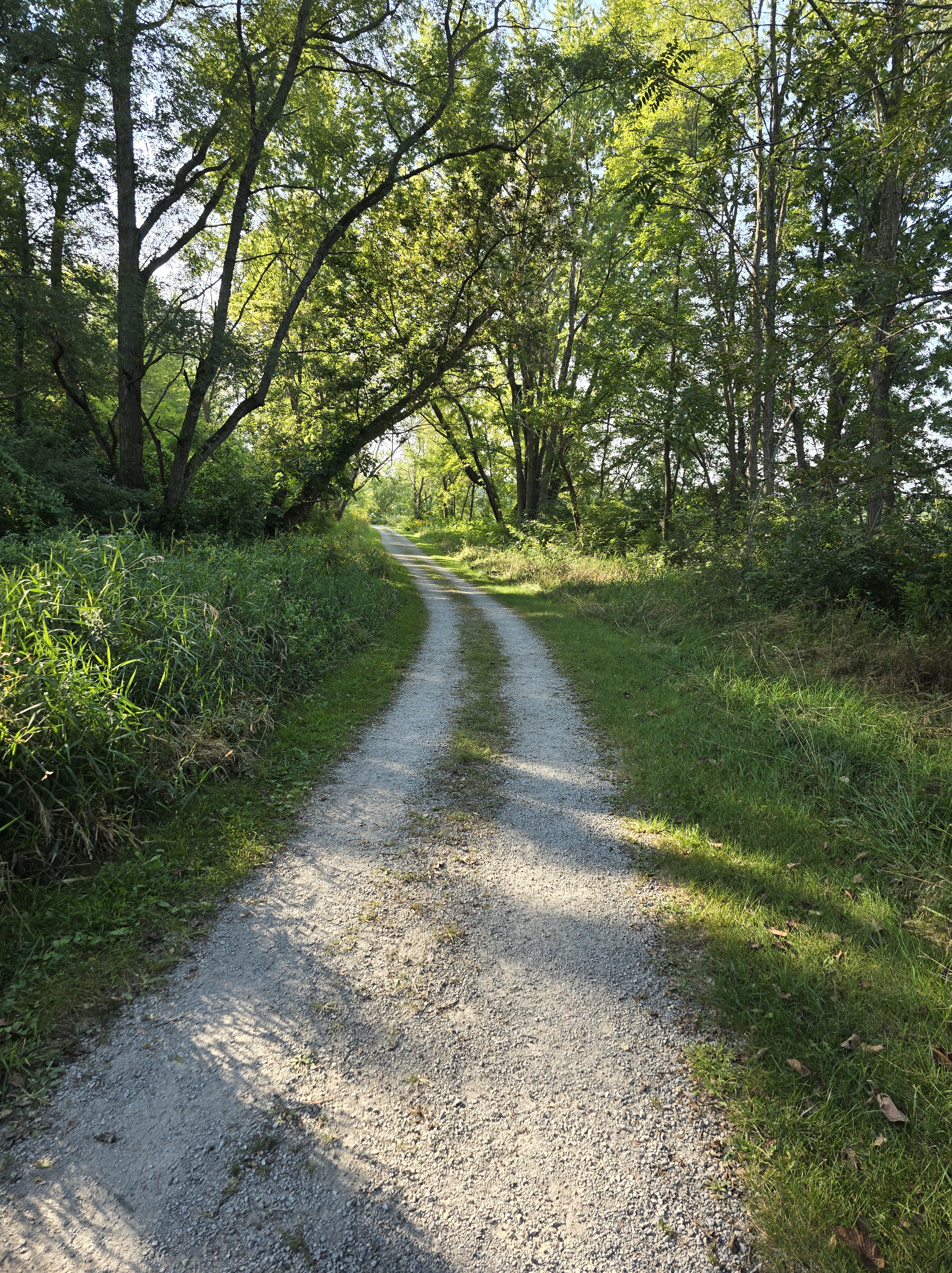
On the state park trail.

My writing process was decimated during September. It will take time to get back in the swing of things. With four weeks left until the election, I probably won’t get in the saddle until mid-November. I just don’t feel like engaging in writing for the moment.

I doubt many of my candidates will beat the Republicans in this precinct. Politics won’t take a holiday until after the election. If it is like in 2020, the malarkey from Trump won’t end until January 2025 if he loses. I expect him to win Iowa yet lose in the electoral college.

Just a brief post today… to let readers know I’m alive. My interview with Thom Hartmann posts Monday. It may be the best one I’ve done with him. I hope you’ll return and listen to it.

So for now, it’s back to the kitchen and meal prep. When I’m cooking for one, one dish can make multiple meals.

Categories
Living in Society Writing

Diplomacy Winds Down

U.S. State Department. Photo Credit – Wikimedia Commons

Efforts to advance diplomatic goals are grinding to a halt with the U.S. election seven weeks away. Among the key initiatives that slowed are negotiating an end to Russia’s invasion of Ukraine, and updating a deal to curtail Iran’s nuclear program, according to Laura Rozen.

As the United Nations General Assembly opens next week, President Joe Biden is expected to give his last speech before the body. He is perceived by other members to be not that interested in the U.N. as he closes his storied career in politics. A lot in diplomacy world depends on the results of the Nov. 5 election and everyone knows it.

Our choices for president couldn’t be more stark when it comes to diplomacy and foreign affairs. With Kamala Harris, we expect a continuation of Joe Biden’s rebuilding of international relations made worse by the 45th president. With election of Donald Trump, we expect another disaster with open grifting on the part of the billionaire convicted criminal.

Diplomacy and America’s stature in the world matter to most of us. There really is no choice but to elect Harris if we want to continue to address world problems in which the United States is deeply engaged. I know that’s what I will do.

Categories
Writing

Post Scrambled Life

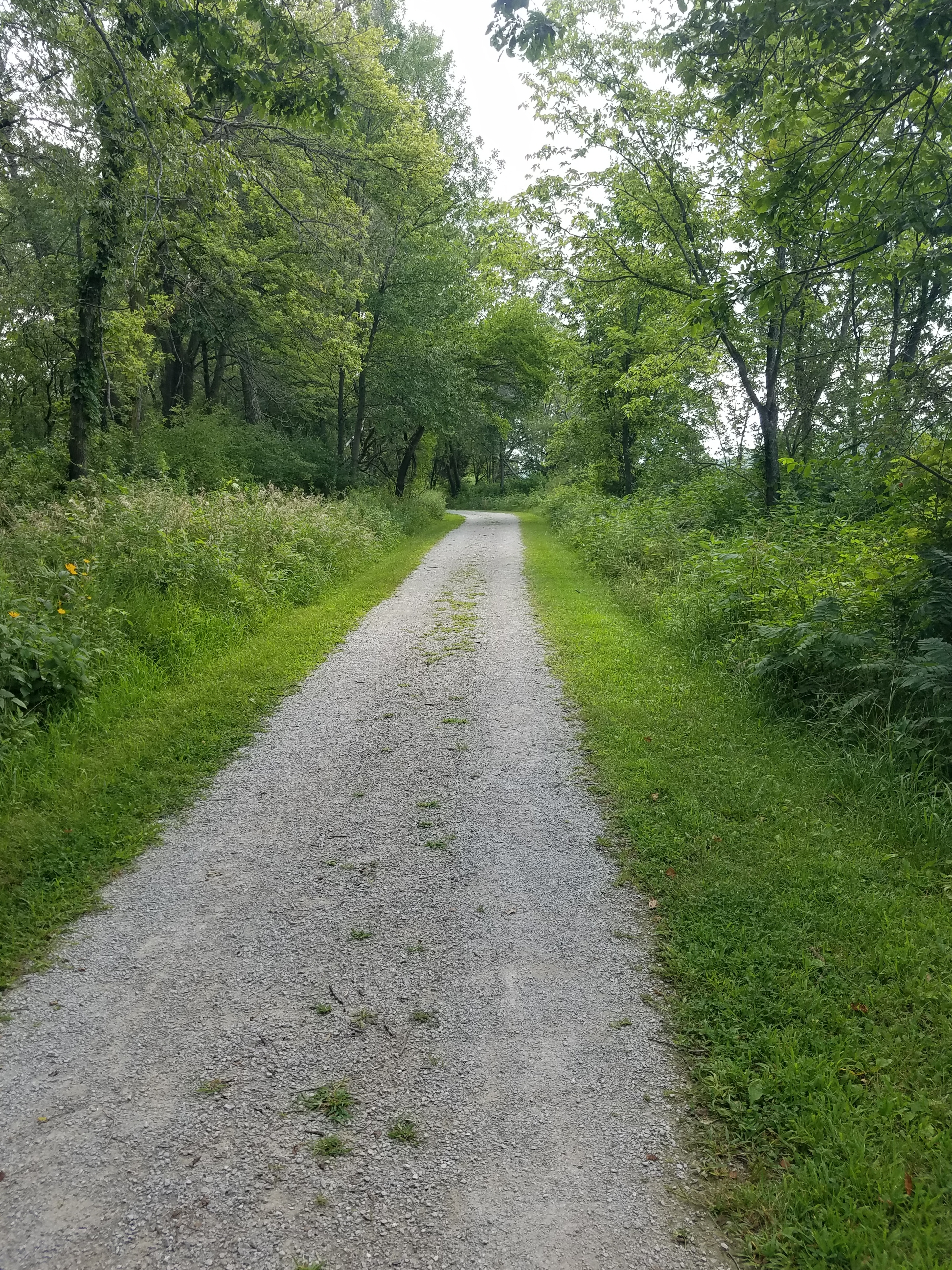
Trail walking.

My life was scrambled in August and early September. Now begins the task of putting it back together into something more coherent. My COVID-19 symptoms departed. The rest of my turbulent life settled into stability. Perhaps I have a platform to go through a neglected inbox, and my multiple to-do lists, to put a plan together. It seems clear I will need a nap or two as I go through my days. That is likely related to getting older and not a long-term effect of having had COVID-19.

My maternal grandmother had a heck of a time when she was my age, plagued by heart disease and adult onset diabetes. We are lucky she lived, mostly on her own, until age 92. Compared to her, my early seventies have been a cake walk. My health status begs the question, what shall be done with this gift of time? I will continue to write.

Hopefully regular visitors to this site will find something worth reading.

Categories
Writing

Closing the Door

Working the Garden

On Friday I put the cost of printing 25 copies of my memoir on my credit card and uploaded my manuscript and photo. My team contact said it will take about eight days to get the copyright and printing will follow soon thereafter. The cost included copyright, International Standard Book Number and Library of Congress registration. Things moved very quickly from the time I contacted Prime Publishing online. I was ready.

I know one other author who used Prime to make his books and he was very satisfied. In my case, I am publishing privately with no plan for commercial sales. The cost is much less than taking it to a local print shop.

So that’s that.

I need to organize my files for storage. After Labor Day, I pick up work on the second volume. I had 65,000 words written when I left part two to finish part one. It needs a better outline and eventually a re-write. Publishing the first volume is a turning point. I’m closing the door on that part of my life. It already feels different.

Categories
Writing

Back to Writing

Cooking journal

On Wednesday I finished formatting part one of my autobiography for printing. The story ends with finishing my education as I turned 30 years old. Not all of my education was formal schooling by design. I accumulated many experiences in diverse social settings, including work, military service, and travel. With formatting done, I must go through the entire document one last time for content, spelling and language. Whatever deficiencies in the story must be addressed, although I think I’m there before I begin. The process of printing the book is a matter of a couple weeks, so meeting my end of year deadline should be doable.

On Thursday my hand held device died. While reading an email it went into a continuous loop of reboot, failing to restart each time. I figured out how to turn it off manually. I set the device aside for 30 minutes and tried again. I got a message there was a problem with the software. Because of the way it failed, I lost all my saved text messages, most of my files stored on the device, and most of my contacts. Like it or not, I’m getting a fresh start. As I told the technician at the phone store, “I’m ready to walk away from it.”

August 9 is a day for personal remembrance. It is the 79th anniversary of the atomic bombing of Nagasaki, Japan. That bombing was not necessary to end World War II, and arguably, neither was the Hiroshima bombing. There were needless lives lost in Nagasaki.

Today is also the day Richard Nixon resigned from the presidency, having announced it on national television the previous evening.

Richard Nixon announced his resignation from the presidency on Aug. 8, 1974. I had no idea who Gerald Ford was, or what kind of leader he would be. The next day he said, “My fellow Americans, our long national nightmare is over.”

I felt a strong sense of social responsibility and the moral outrage of youth in what I believed were the deception and lies of a man in whom the country had put its trust. Hearing Nixon’s address that night, in our small apartment, was catharsis. I remember this feeling as I typed here in Big Grove Township tonight. I was relieved that Nixon was leaving. More importantly, I felt that the many protests and demonstrations during the Vietnam war had finally borne fruit. Direct action to support a just cause could accomplish things, even force out a sitting president. It was a heady feeling.

Even with many experiences by the time I reached age 22, it was that moment of seeing Nixon resign on television that opened the possibilities of the world. I became aware that direct action, in concert with others I did not know, could engender change in society. I also learned that the people, places, and things we read about can be grounded in a reality that is not that distant from where we live. We are connected to each other in unlikely ways.

I refused to purchase a copy of Nixon’s memoirs until after his death. I did not want him to benefit from my interest in his presidency. In a way, Richard Nixon, with his deceit, arrogance, and imperial presidency, contributed to my political awakening. This led me to understand what I had studied in school was grounded. It was an unlikely connection for which, in retrospect, I am thankful. I wasn’t sure what would be next yet felt that I could take a couple of months and find out what else was in the world. (An Iowa Life, The Memoir of Paul Deaton, unpublished).

Now that part one of the memoir is finished, I look forward to finishing the rest. It is work to be taken up once harvest is finished.

Categories
Writing

After a Stormy July

The trail goes on forever.

July was a tough month in so many ways. Yes, I’m still on that. What was supposed to be an escape from the digital world turned into a constant search to understand what was happening and then write about it for the blogs. I’m taking a couple days off after this one. If that’s possible.

Couple of thoughts:

If you can’t feel the excitement behind the Kamala Harris campaign for president, you may be an igneous rock. A constant meme in the Obama campaign was “Fired up. Ready to go!” The Harris crowd won’t need, doesn’t have time for memes. The energy is infectious. It is less that 100 days until the election, so let’s stick to fundamentals and go elect her!

The vice presidential pick is imminent since the campaign announced they would make a joint appearance in Pennsylvania on Tuesday, August 6. Whoever she picks is fine with me. I have my faves yet they don’t matter in this calculation.

Did not know Trump would do us a solid by selecting J.D. Vance as his vice presidential pick. Based on his book, I’m not even sure Vance’s mother liked him. He is the product of an ivy league education and campaign contributions from the likes of Peter Thiel, David Sacks, and the crypto currency crowd. It seems like there is nothing behind the mask, and that should benefit Harris. Factoid: Vance is Pence with the first two letters changed.

The rain in Big Grove has been abundant. I watered the garden one time since July 1. Even though two plots lay fallow, the rain is boosting yield in an amazing way.

Importantly, my spouse has returned to the Grove from helping her sister all of July. It is good to be reunited.

With constant rain, it’s been difficult to mow the yard. In the tall grass there are depressions that appear to be nesting or sleeping spots for deer. Providing habitat is more important that manicuring a lawn. That’s who I’ve become and I’m good with it.

Time to do some self care and get ready for the sprint to finish. Will need all the energy and creativeness I can muster. So, shall we all.

Categories
Writing

SOB William Calley Is Dead

Lieutenant William Calley mugshot at his arrest for charges involving the My Lai Massacre. Photo Credit – Wikimedia Commons.

The Washington Post reported Monday that William Calley died at age 80 on April 28 in a Florida hospice. It is fitting he died in obscurity. He will not be missed.

More than anything else about the Vietnam War, the My Lai Massacre, for which he was found personally guilty of murdering 20 people, epitomized my view of what was wrong with the war. In all, U.S. estimates place the number of dead in the operation between 347 and 504 unarmed civilians, most of whom were women, children, or elderly men. My Lai had a profound influence on me, leading me to protest the war in the streets as information about it slowly became public.

I wrote about Calley in my memoir of entering the military:

The combination of willingness to serve and the end of the Vietnam war led me to seek out the Army recruiter and set aside concerns about risking my life by saying it was better for peace lovers to join the military and lead, rather than leave it to the likes of Lieutenant William Calley, the convicted war criminal who was responsible for the 1968 My Lai Massacre.

Calley was an example of what was worst about the military during the Vietnam era. The March 16, 1968, My Lai Massacre of more than 500 people, including young girls and women who were raped and mutilated before being killed, was particularly on my mind. We could do better than that. I believed the only way to address problems like My Lai was for people like me, who valued non-violent means of conflict resolution and common decency, to enter the military and do a better job of leading it. Later, in 1976, while I was stationed at Fort Benning, William Calley was locked up in the stockade.

Father’s military service played a role in my decision, as did the opportunity of youth and being single. I have no regrets in following Father’s footsteps and joining the Army. Why did I enlist? I felt the U.S. Army at the end of the Vietnam War was a despicable mess. (An Iowa Life, Unpublished Memoir of Paul Deaton)

The Washington Post story is a reasonable history of that time and Calley’s role in Vietnam. I recommend reading it here. This passage from the article rings true.

Almost from the very beginning, Mr. Calley polarized Americans who variously deemed him a war criminal or a scapegoat, a mass murderer or an inexperienced officer made to take the fall for the actions of his superiors. Defenders argued that he had been forced into a brutal conflict with an often invisible enemy, then blamed for the horrors of the war. (William Calley, Army officer and face of My Lai Massacre, is dead at 80, by Harrison Smith, Emily Langer, Brian Murphy, and Adam Bernstein. Washington Post, July 29, 2024).

While I was attending Officer Candidate School at Fort Benning in 1976, Calley was across base in the stockade. I had conversations in my quarters with other officer candidates who felt Calley was a scapegoat. I maintained he was an incompetent murderer. May he burn in hell for all eternity.