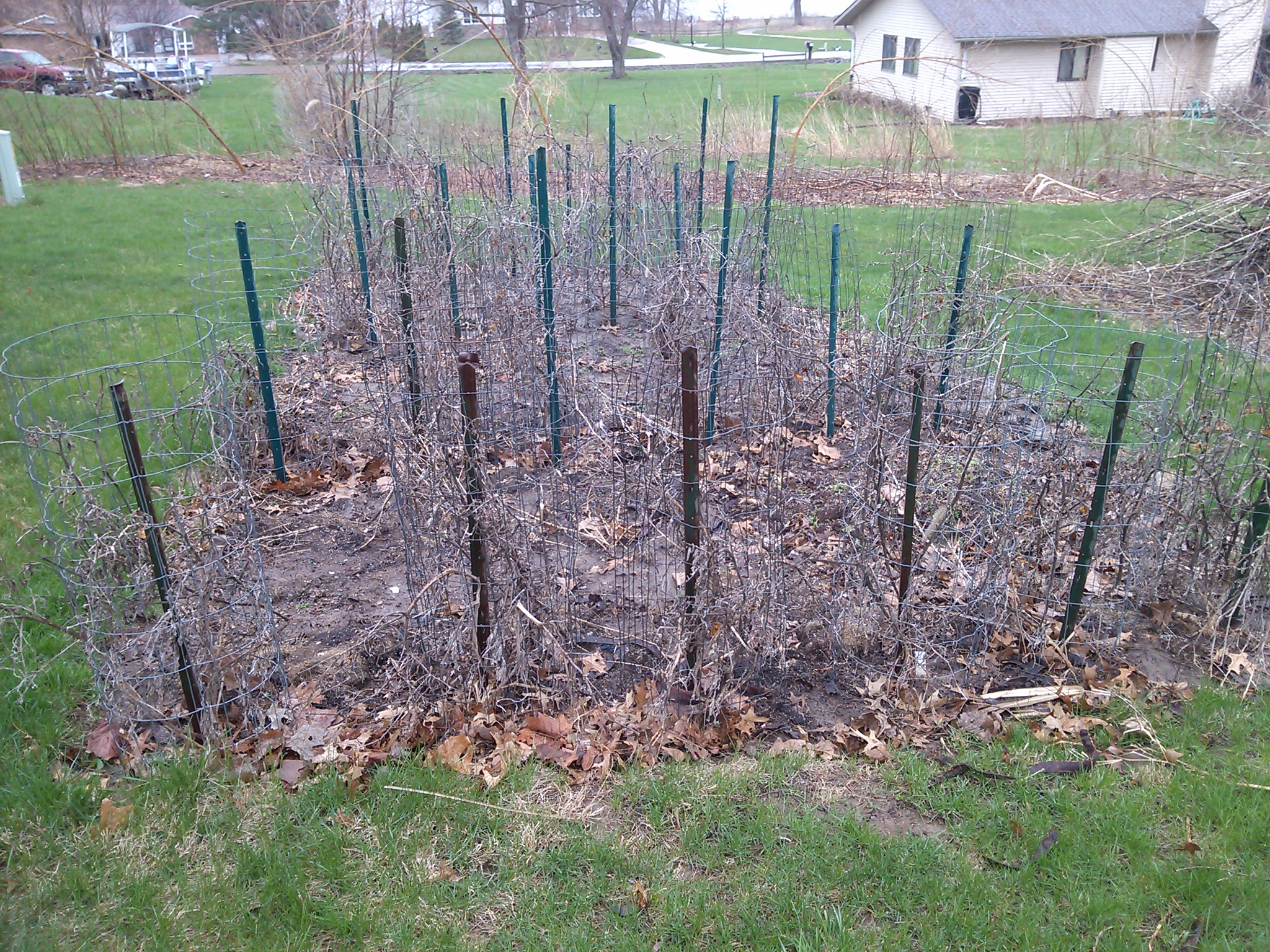
LAKE MACBRIDE— The forecast was rain and raining it is. The debate was whether to don my wax jacket and rubberized boots and venture out to clear last year’s tomato plot in the garden. It was not really a debate, but an internal dialogue balancing the need to get the garden ready for planting and the common sense notion that we should be in out of the rain. Not sure which side will dominate, but I’m leaning toward going outside. Actually I did go outside and explored the garden. It was showering small pellets of ice, not big enough to be hail, but not snow either. After checking yesterday’s work and the tomato patch, I headed back to the house.
Watering Station
I’m hauling the trays of seedlings to the garage, one at a time to water them. We use our bedroom window for exposure to sunlight, and am watering the trays from the bottom. The soil has been continually moist, and the seedlings are growing. The idea seems to be working.
There is always work to support the garden, rain or no, although the continued cold and rainy weather feels like another setback. One feels this year’s garden is either going to be the greatest one ever, or a complete disaster, as long as the weather continues the way it has been.
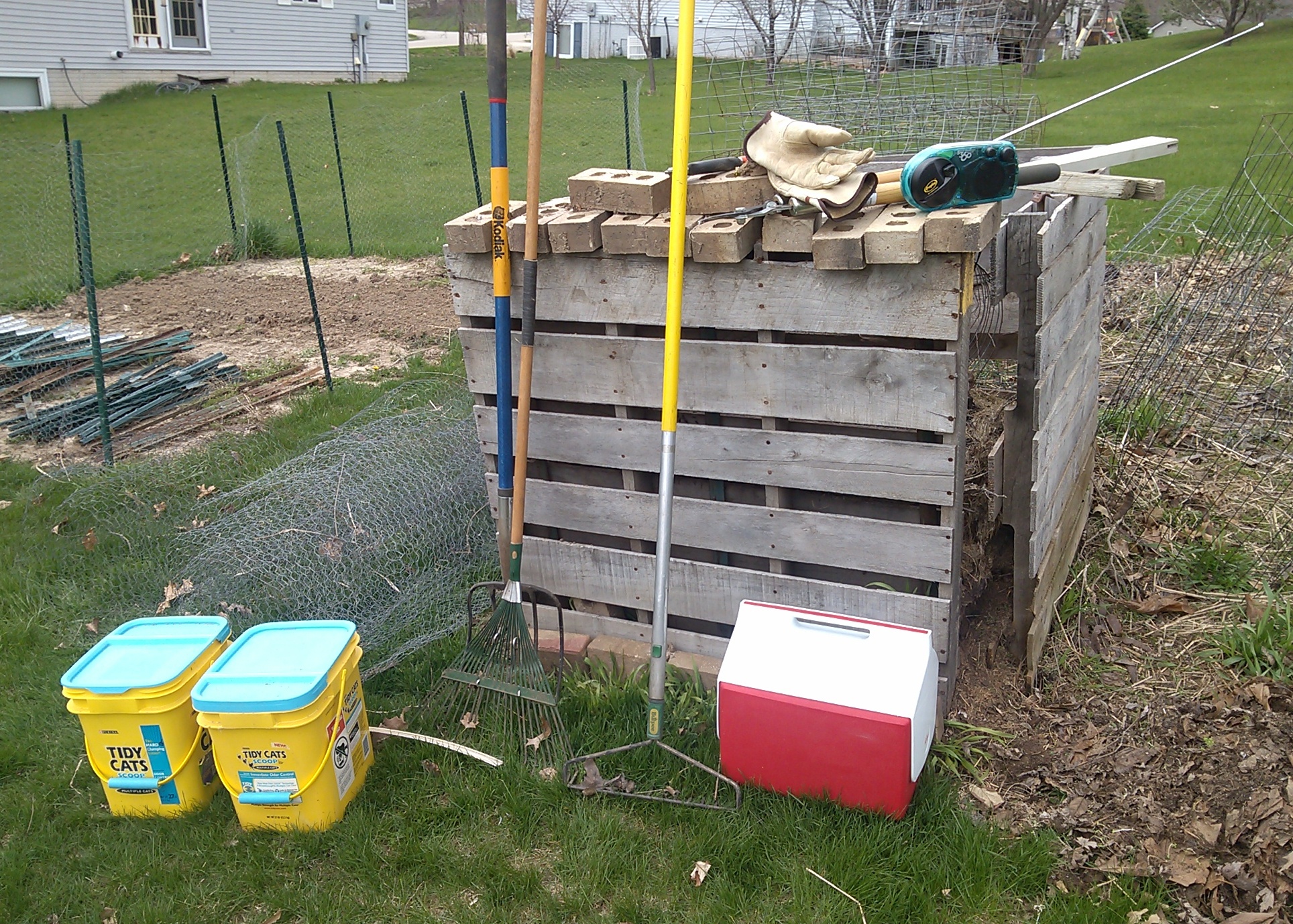
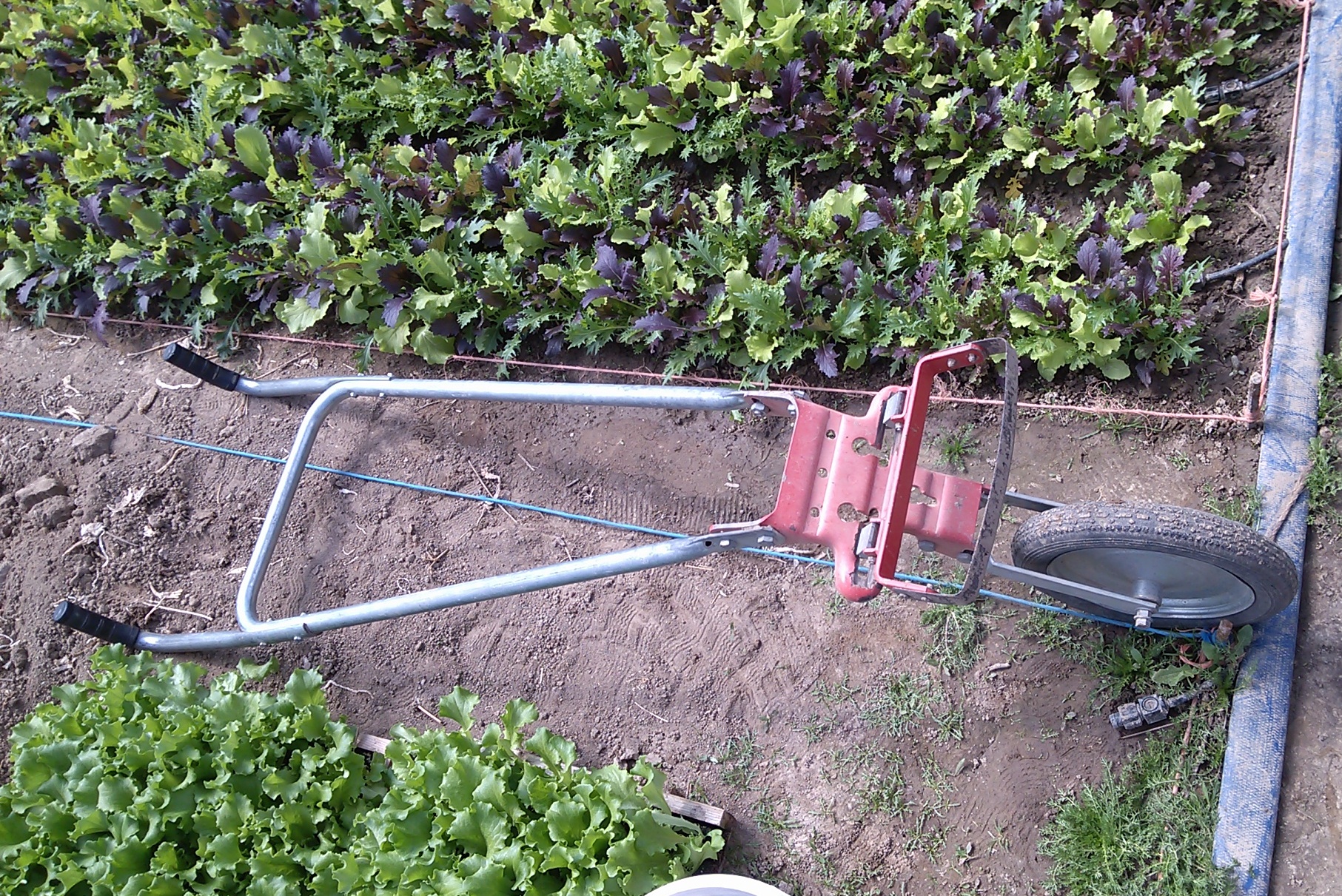
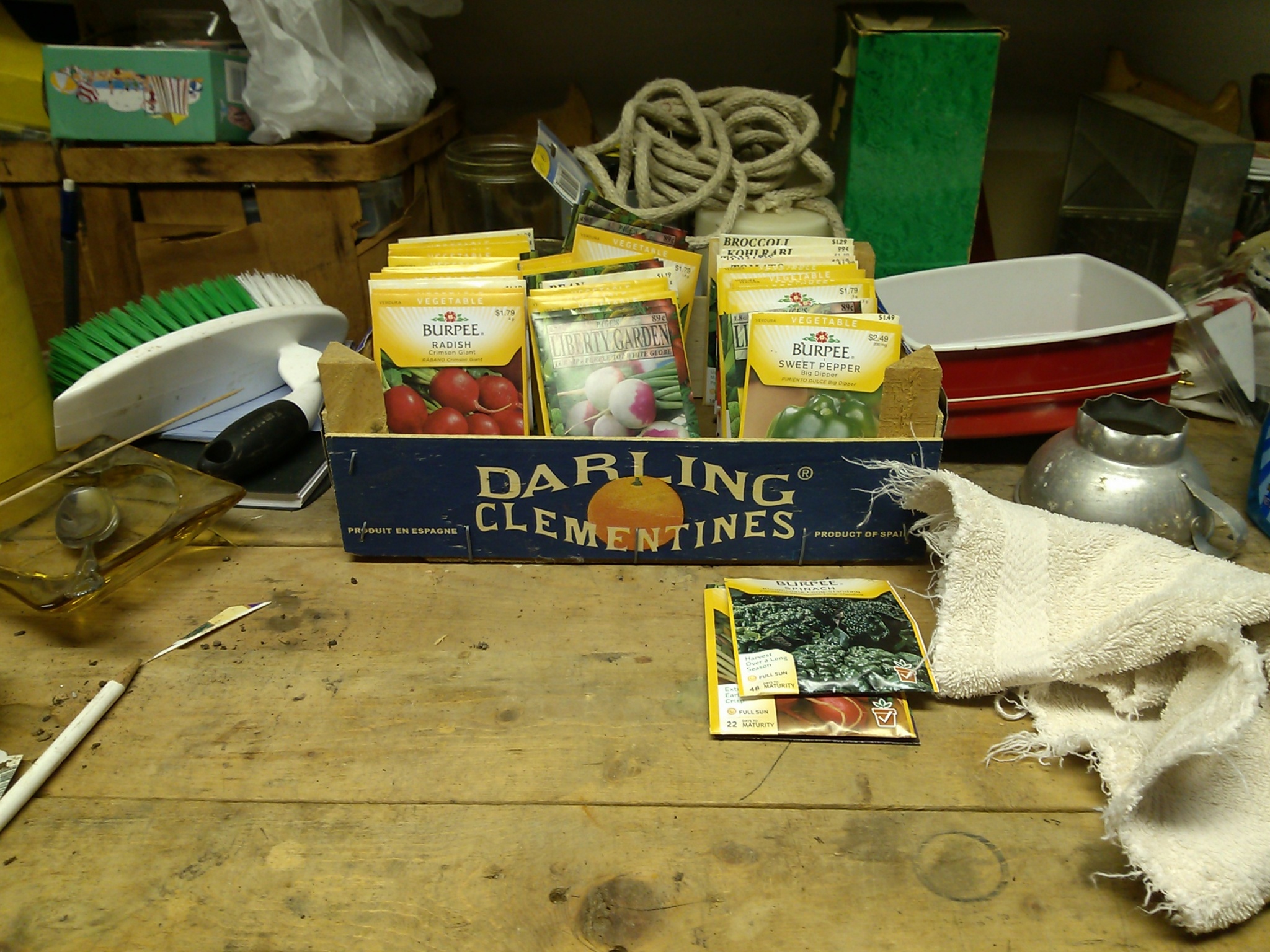
LAKE MACBRIDE— Today was the first real work session in the garden and I cleaned up two of the plots, built my burn pile, evened out the ground near where the backhoe dug to fix the waterline leak last fall, and planted Cherry Belle Radishes, Bloomsdale Long Standing Spinach and Purple Top White Globe turnips. The arugula and lettuce seeds have sprouted and survived the gully washer of a rain a few days ago. There are chives ready to cut, and the garlic patch is growing well. Three types of bulb flowers are growing, and after they flower, will be transplanted somewhere else. That is, except for the daylilies, which will be dug and transplanted as soon as I get around to it: nothing can kill those things.
A neighbor messaged me on Facebook, and a group of us is planning to go in on a rototiller rental. I usually dig by hand, but am okay with community projects like this. Partly, it means three plots have to be turned by spade to get ready for the rototiller in two weeks.
Last week, an experienced gardener said we had missed the opportunity for spring turnips, but I don’t know. I planted a row today, and will likely do another in a week or so. She said if one misses spring turnips, the date is July 25 for turnip planting. I’ll reserve some seeds for then and attempt a double crop.
It feels good to work in the sun and soil in the morning.
LAKE MACBRIDE— Welcome new readers of On Our Own: Sustainability in a Turbulent World. Since I opened the site up to search engines, people from all around the U.S. have been taking a look and liking and following my posts. I sincerely appreciate the interest, as it inspires me to do a better job when I post here. Believe it or not, I spend time crafting the prose to develop my own voice from a perspective grounded in rural Iowa. One would think there would be fewer typos with all of that so-called writing.
By far, the most immediately positive post was my recipe for Buttermilk Biscuits. Recipes are a solution to problems in life, in this case, how to make a buttermilk biscuit that was light, crunchy and split into layers, and didn’t require the purchase of a quart of buttermilk at a time. If I knew recipes would be so popular, I would have posted more of them. Knowing how to do something, cooking included, is a step along a path of sustainability, so going forward, I’ll post recipes that solve problems in the kitchen from time to time.
Sometimes recipes are a conundrum. Red beans and rice is one of those. The dish is different things to different people, and mine is partly a remembrance of many Saturdays in a motel in Thomasville, Georgia, where I discovered the food network, and Emeril Lagasse’s version of Louisiana cooking. He taught me about the trinity— onion, bell pepper and celery— and my version showcases this basic ingredient. My red beans and rice is also about Midwest semi-vegetarian cooking, and it has become a way of weekend cooking to make extra portions for weekday luncheons. It goes like this:
Heat a dutch oven over medium high heat for a couple of minutes.
Add two to three tablespoons extra virgin olive oil, enough to generously coat the bottom of the pan.
Add crushed red pepper flakes to taste, about a teaspoon for starters, and cook them a minute or so.
Add one yellow onion, one bell pepper and two stalks of celery, medium dice, and sauté for a minute or so.
Season with salt, garlic powder, a prepared dry seasoning with hot peppers in it, and add three bay leaves. Add a few splashes of Louisiana-style hot sauce if available.
Continue cooking until the vegetables are soft.
Squeeze in the juice of a lime and stir.
Add one pint canned, diced tomatoes (fresh if you have them), one cup brown rice, one 15 ounce can prepared red beans (drained and washed), and a pint of home made soup stock. Add several sprigs of fresh thyme.
Stir, bring to a boil, and turn the heat down to just above a simmer. Cook until the moisture is absorbed and the rice is done.
In a separate frying pan, brown eight ounces of seitan in a couple of teaspoons of extra virgin olive oil and cook with thinly sliced spring onions. Set aside.
When the Dutch oven mixture is finished, and all the moisture is gone, re-season as appropriate. Add the seitan mixture and stir gently.
Serves five or six as a main course, more as a side dish.
Thanks again for reading my posts. I hope you will check back often.
Here is a new recipe for buttermilk biscuits. It produces a light biscuit with a crunchy exterior, and uses one-half pint of buttermilk, which is the smallest size sold in grocery stores.
Ingredients:
2 cups flour
4 tsp baking powder
1/4 tsp baking soda
Scant teaspoon salt
4 tbs cold butter, grated
1 cup cold buttermilk
Preheat the oven to 450 degrees.
Combine the dry ingredients in a mixing bowl, grating the butter directly into the dry ingredients using a box grater or equivalent. Using your fingertips, mix the butter into the flour. Don’t over-do it. Add buttermilk and make a dough, which will be sticky.
Turn the dough onto a floured surface and fold in half 8-10 times. This action causes the biscuits to be flaky and separate along the ghost of the fold after baking. Press the dough into a one inch thick slab. Cut with a 2-1/2 inch biscuit cutter and place on a baking sheet.
Bake until the biscuits rise and are lightly browned on top, about 14-15 minutes.
LAKE MACBRIDE— For the first time in a few days, the concrete driveway was dry when the sun came up this morning. Temperatures are in the mid-30s presently, with a forecast of snow and/or rain, and a high of 43 degrees today. No planting in the garden for now.
I failed to notice the dandelion greens while shooting the photo of the culvert at the end of our driveway. They are at a stage ready for salads and cooking. The wreck that was the contractor ditch work last fall yielded something positive, at least in a culinary way. When the rain abates, I’ll repair the ditch damage, but today will be harvesting the greens. There is a yellow squash from the grocery store in the kitchen, so maybe a side dish of squash sauteed in olive oil, with onions and dandelion greens. Mmm.
My work at the CSA earns me a share of the vegetable harvest, so we should have enough vegetables to use fresh once the shares start coming in. Likewise, my relationships with other growers, combined with our home garden should yield enough to put up some items for winter. I have been avoiding this planning of the garden for too long.
Garden Seedlings
Immersion in the local food producing culture means my focus in the home garden can be on a smaller number of vegetables. Items like kohlrabi, cabbage, potatoes, sweet corn and fresh tomatoes can be outsourced to others who will provide them in abundance as part of the normal process. My space can be used for items that more closely integrate into our garden kitchen, which serves two purposes, cooking fresh and local ingredients, and putting up vegetables as specialty items for off-season.
In practical terms, this means an expanded herb garden, more leafy greens, different kinds of tomatoes (the CSA will provide heirloom and Roma), and more onions, turnips, broccoli, bell peppers, cucumbers and squash. I will also plant some different kinds of hot peppers. The intention is to use all of this fresh, with some of the spinach leaves frozen whole, and any excess either given away or sold at a farmers market.
On my canning repertory is: vegetarian soup stock (using turnip greens, and the green parts of leeks if I have them), various tomato products (diced, juice, sauce), an annual garden ends salsa (sweet and savory types), sauerkraut, pickled hot peppers, apples (sauce, butter, juice), and some other items. Notably absent is pickles, and I have not found a recipe we like. Whatever I grow in my garden plots will also support the canning effort.
Under overcast skies, there are greens to harvest, and much more planning to get done before spring bursts on the scene— which should be soon (we hope).
LAKE MACBRIDE— After the gully-washer yesterday, one noticed the buds of trees and bushes coming out. Lilacs, maple, oak, apple, pear— all of them. Spring has been here by the calendar, but these buds are a better sign of the season’s actuality.
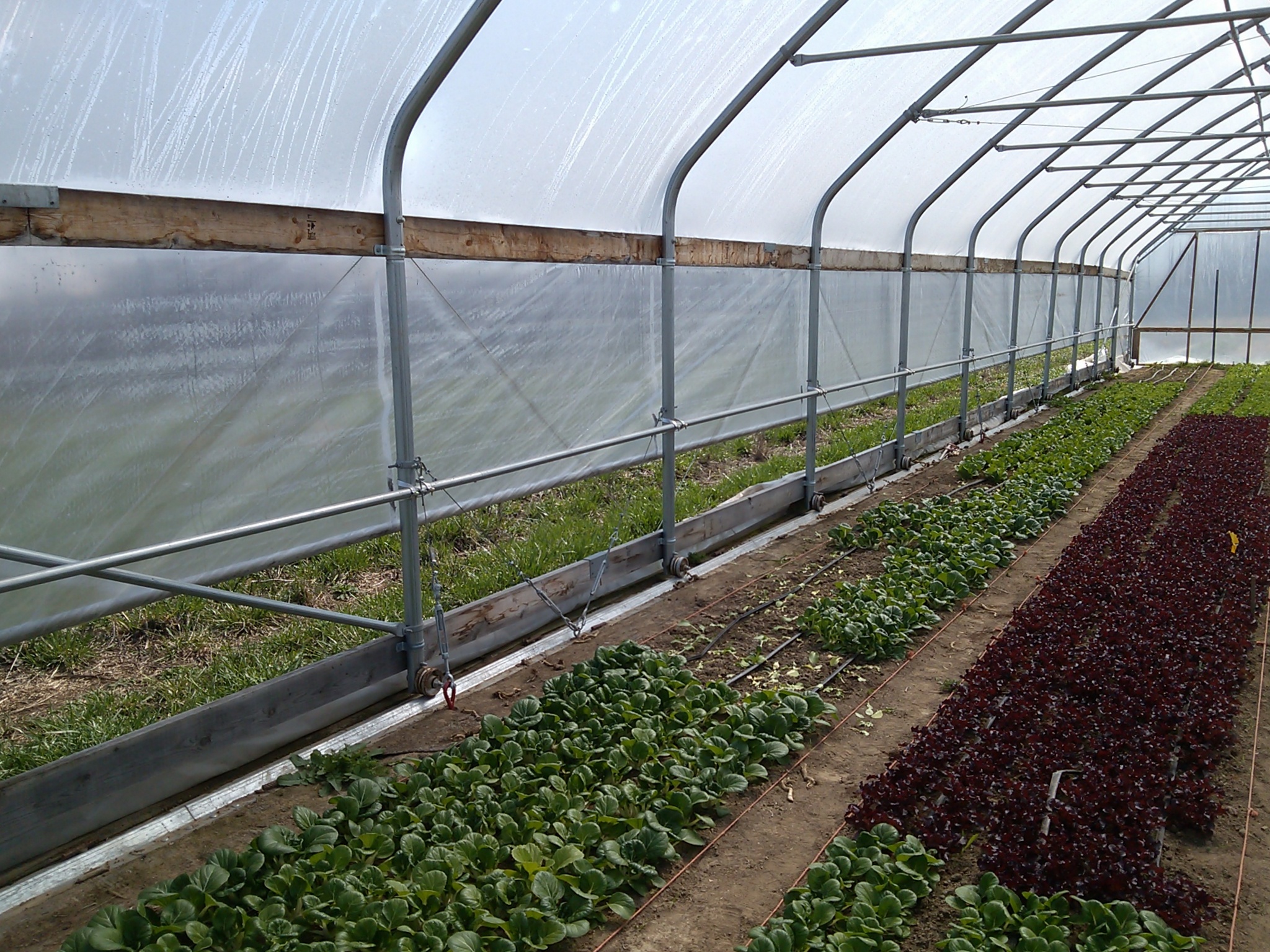
At the same time, gardeners and vegetable farmers are itching to get into the ground, but debating whether it is warm enough to transfer from the greenhouse to the hoop house. It’s still too cold and wet to put much in the ground.
A few earlies are in, spinach, and broadcast lettuce and arugula, and there are considerations. Should we skip spring turnips and peas, and get into the soil with transplants from the greenhouse trays instead. That is, when the danger of frost is past.
Someone received a shipment of chicks and is working to keep them warm in the garage. Hundreds of pounds of seed potatoes await planting, something that is traditionally done much earlier in the spring. It’s warm in the greenhouse, but seeds planted six weeks ago are past time for planting in the ground. There is a backlog of field work that will burst upon us, just as the buds on the trees and bushes are doing now.
There is a pent up energy soon to be unleashed in gardens and fields everywhere. If only we could get going. The time is not yet right.
RURAL CEDAR TOWNSHIP— It was raining on me while I was unloading large bags of soil mix near the greenhouse when the phone in my back pocket rang. They were calling from the house to tell me that with all of the thunder and lightning, it wasn’t safe for me to be working outside. I should come to the house.
The severe weather warning on the country music radio station reported hail and rain to be worst in Kalona, Frytown, Washington and the southwest corner of Johnson County. It was heading our way. I figured we would be safe in the greenhouse, but unloaded the rest of the bags, parked my car and headed inside with to wait out the storm with the rest of the crew.
In the country, a thunderstorm can be perceived as a massive formation of clouds stretching from horizon to horizon, covering us like a large bowl. It is a perspective one can’t get within in a large cluster of homes, or in town. A sense that the storm has its own integrity, producing rain, lightning and thunder— a dominant force of nature— a commanding presence that covers us. One shouldn’t argue with that, however much confidence we have in our own endurance. There was fresh coffee and apple pie inside— and conversation. We re-scheduled the crew for tomorrow.
It was a gully washer. When we built our home, the construction project leader, who was a retired farmer, cut a number of swales in the slope around our house with a 1949 Ford tractor. When it really rains, we can see Lyle’s handiwork all around us, as the swales fill with water and our basement stays dry. The rain flows around us to the ditch and lake below us.
The rain continued into the early afternoon. The ground needs the moisture, and we need protection from the lightning. It would be better if the planting was done, but that is not how this growing season is unfolding.
LAKE MACBRIDE— A gardener cultivates and on most days that is enough. Whatever to-do lists he or she creates are eminently do-able, and require little more than human energy leveraging nature and selected tools on a plot of ground that is hopefully in close proximity to a kitchen.
Recently, there has been talk of bucket lists— a list of things to do before one kicks the bucket. The phrase has become part of the vernacular. “It’s on my bucket list,” said a person making a trip to China to give a lecture. Since we don’t know when we will die, such lists seem an odd endeavor.
As if a consumer, unsatisfied by an urban lifestyle, must escape— to backpack in Patagonia, view a pod of whales in the Pacific Ocean, or walk on a remnant of the Appian Way— only to return and report on the progress to friends and family. Checking things off the bucket list seems key to the enterprise.
Gardeners get along without this. There is always something to do in a garden, a weed to be pulled, a pest to be removed, ripe fruit and vegetables to be picked, a new plot to be spaded and planted. A constant renewal of life in many forms. A gardener turns nature to useful advantage and produces crops over a long season, such work being its own reward. During good seasons, the work absorbs a gardener’s attention and energy completely, producing abundance.
Bucket lists are bothersome. It has to do with cognition and how we define what might go on the list. The world and society become a big shopping mall where we select our items and venture out. Sometimes finding what we want, sometimes finding something different and better, and always, crossing what we find off the list. Compared to gardening, the process lacks imagination.
The gardener must see the potential for life in each tiny seed. She sees the delicate balance of growing seeds to seedlings to mature plants. He must determine what combination of morning dew, rainfall and irrigation will encourage the plants to grow. Answer the question, how shall the garden be protected from deer, raccoons, rodents and insects? It seems more complicated than writing “experience Maris Gras” on a list, then traveling to New Orleans for the event. Gardening also seems more enriching.
The idea of kicking the bucket doesn’t cross my mind while working in the garden. The time is too full of life’s potential, new growth, new hope, and a diversity of nature that I don’t claim to understand, as much as I try. We will all die, but why focus on that? Instead, let’s focus on living this season as best we can, finding awe and wonder in every plant in creation, and take the harvest given. There is no good reason to stop living to work on a bucket list, when gardening can be a better reward.
LAKE MACBRIDE— Wisps of clouds in the western sky are colored gray and pink, touched by white, against a blue sky. The leaves on the pin oak tree are falling, making way for this year’s growth. The lilac bushes, apple trees and every other plant in the yard are coming alive after winter dormancy. The driveway is damp with last night’s rain, and there is hope the garden will dry out enough to dig today. Not much hope, but some.
The temperature is forecast to peak at 55 degrees when I have to depart to cross the lakes to North Liberty around 3 p.m. In these windows of time— between now, and the next thing— we might make a life if we apply ourselves.
The cucumber, zucchini and yellow squash seeds I planted April 7 have germinated and are forming their initial two leaves. The tray of lettuce has grown, and the tomato seeds are still a bit spindly, but for the most part have four leaves, and should be ready to plant when the last frost is past. The experiment with seedlings is progressing acceptably.
After consulting with a farmer friend, I decided to wait to plant the turnip seeds in the ground, rather than start them in a tray. This year, I hope for a lot of turnip greens to make soup stock for summer and beyond.
I can make a brush pile from the twigs and branches collected since last fall. That is, if the ground is too wet to dig. Take down the short chicken-wire fences where I started peas last year, and clear a spot for the burn. It is an hour’s work to be done mid-morning.
Under a clearing sky I’ll make a day of it— gardening and yard work— before crossing the lakes. This shore preferable to that, but both important to sustaining our life on the Iowa prairie.
RURAL CEDAR TOWNSHIP— Three of us were working in the greenhouse this week, and the weather forecast was for more cold weather. The season is running late, late enough that when compared to recent years, it is difficult to distinguish it as a season rather than another series of random freaky weather days. Said one grower, “we can deal with drought with irrigation, but cold weather is something else.” There is always a different worry for a farmer.
A few early items, spinach and lettuce, are in the ground, but most of the action continues to be growth in the greenhouse, and hoop house. It is early in the season, getting on later.
The ground thawed in our garden, but because of the rain, it is too wet to plant. When conditions ease, there will be a lot of work to get the soil prepared and planted. For now, we work inside and wait.
One can’t help but be excited about the abundance of new growth, even if we had a hand in planting the seeds and nurturing them in the artificial world of the greenhouse.
You must be logged in to post a comment.