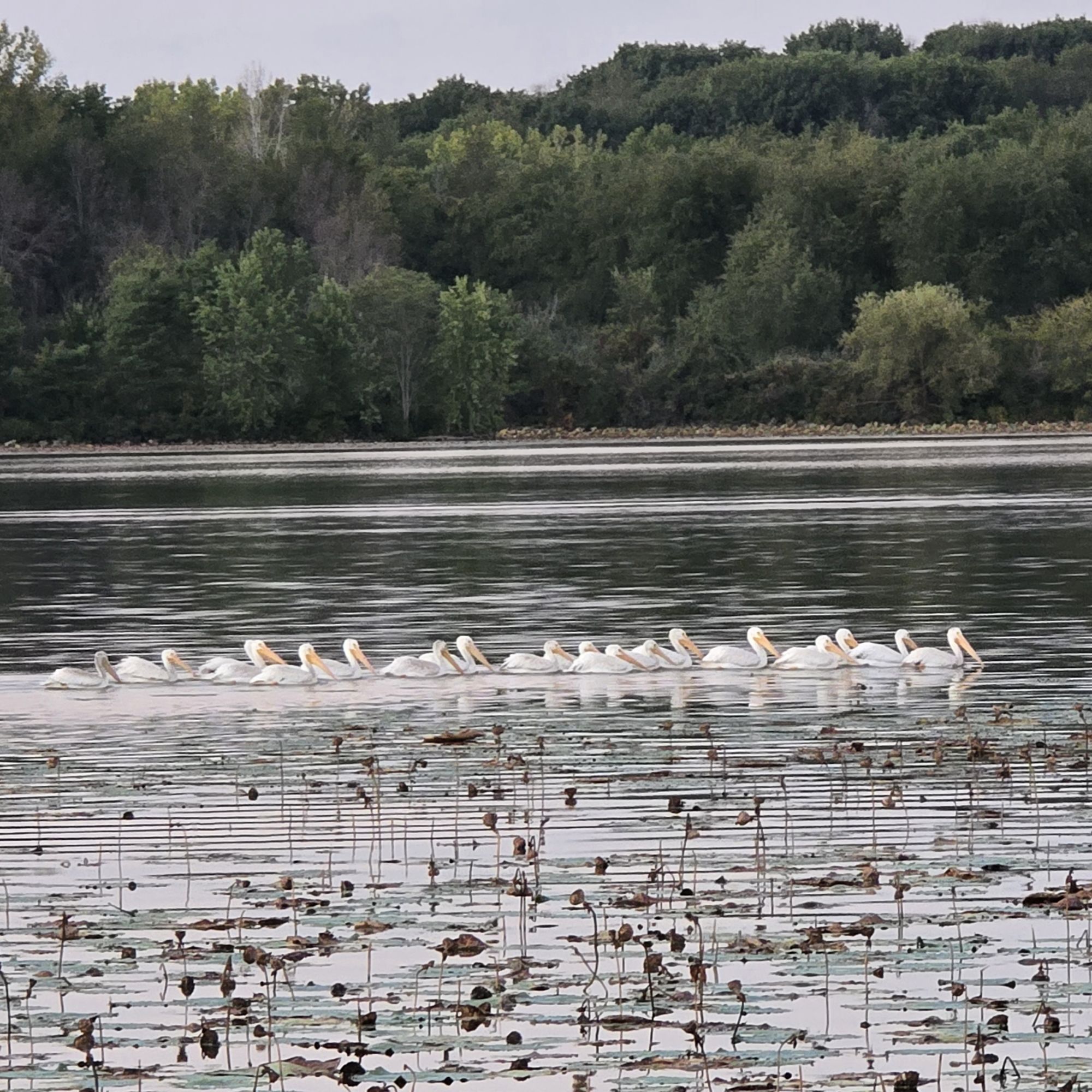
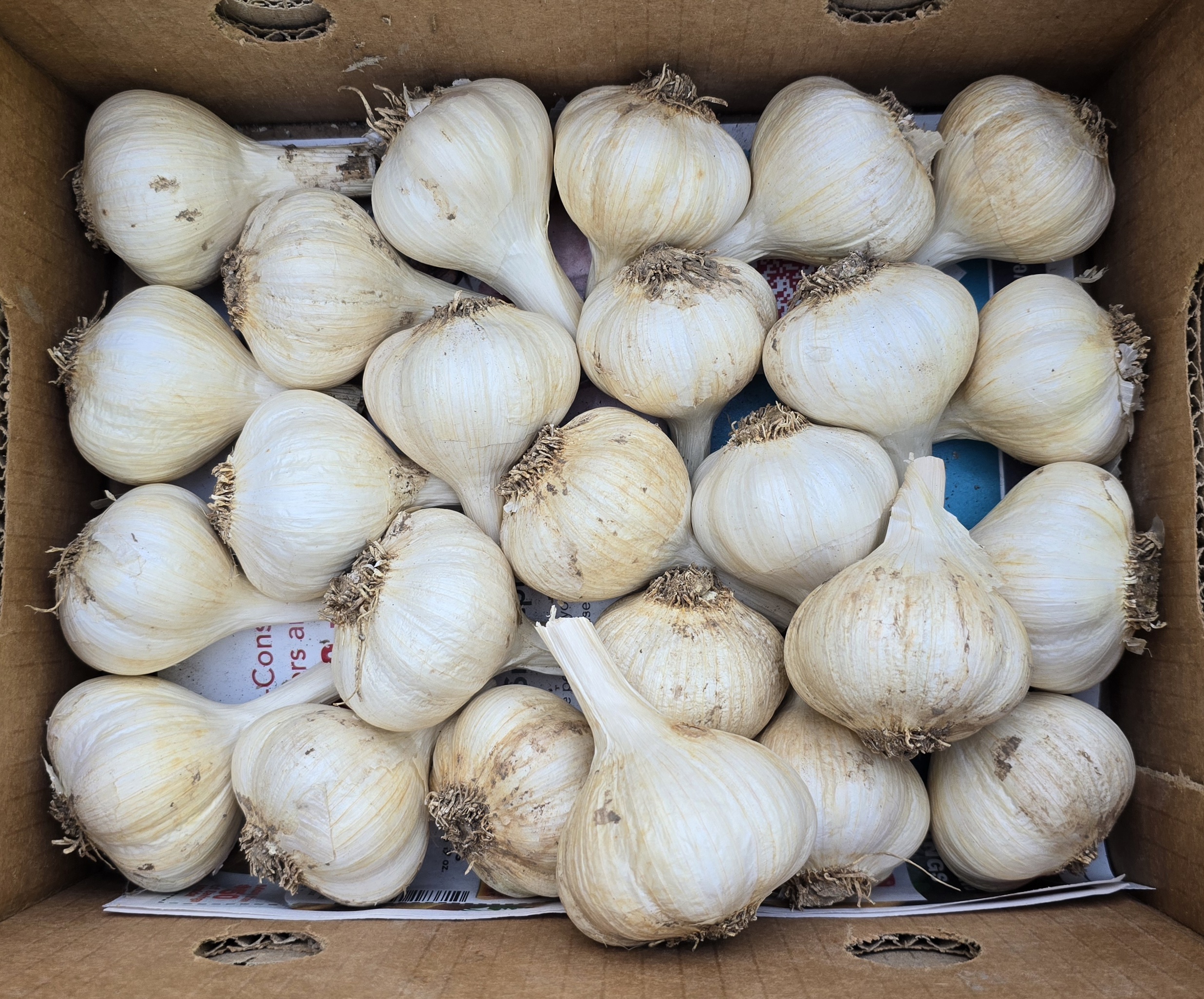
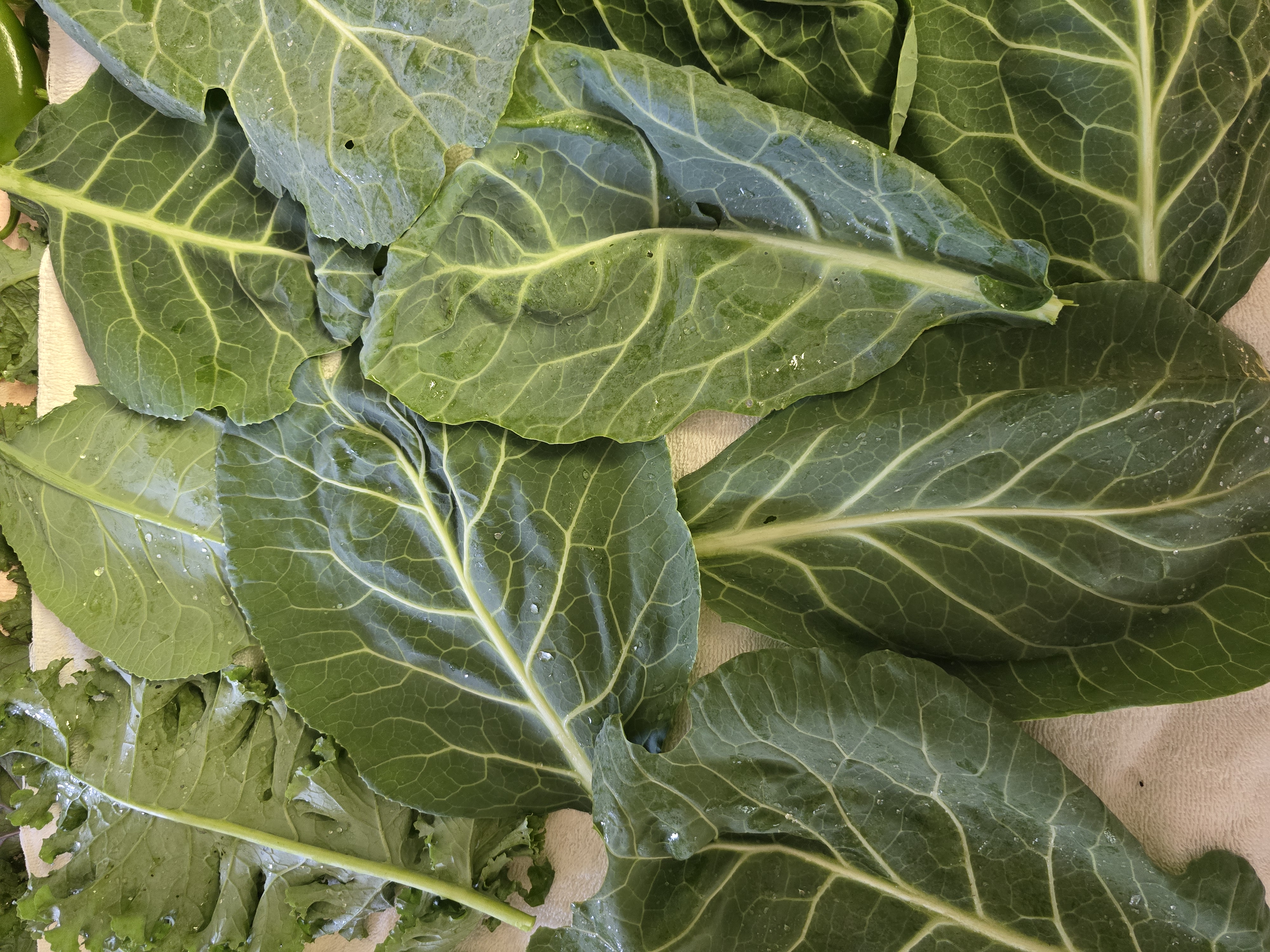
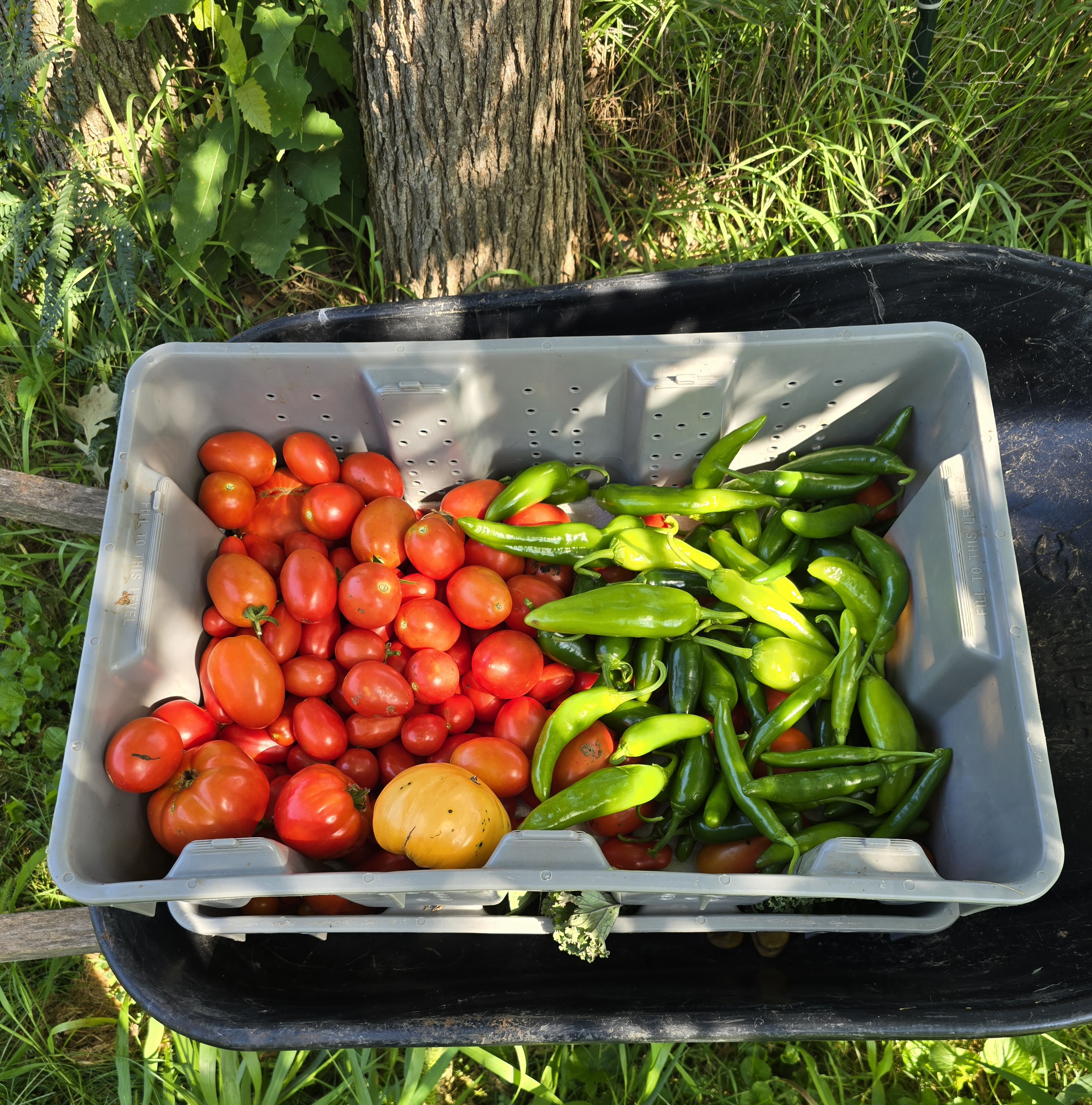
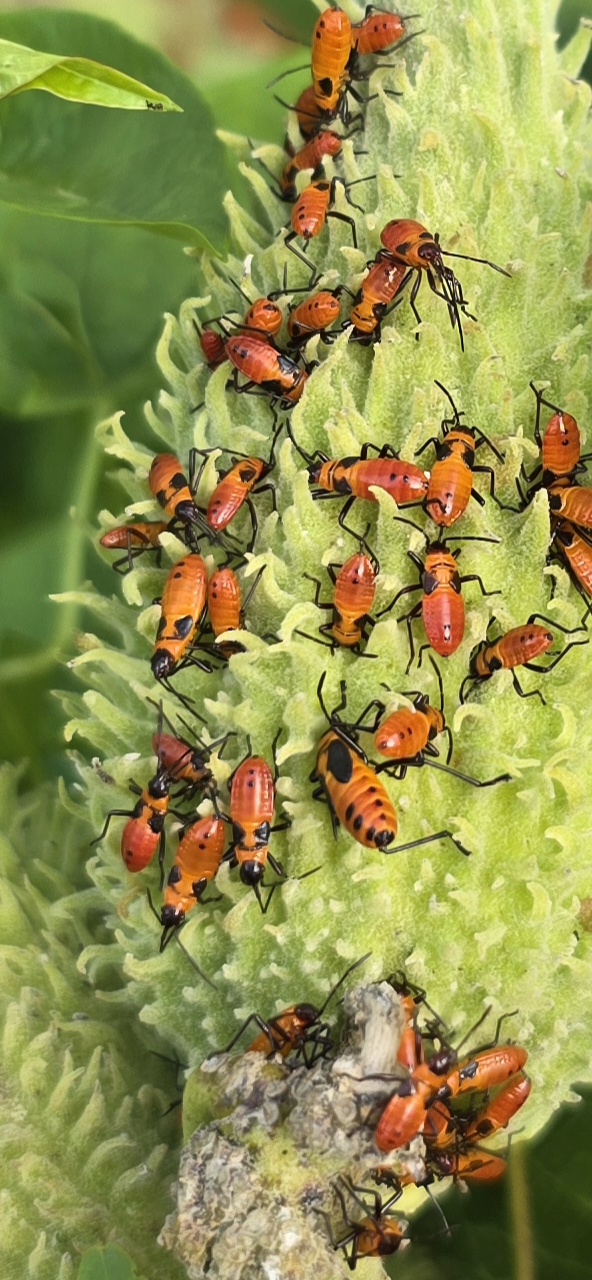
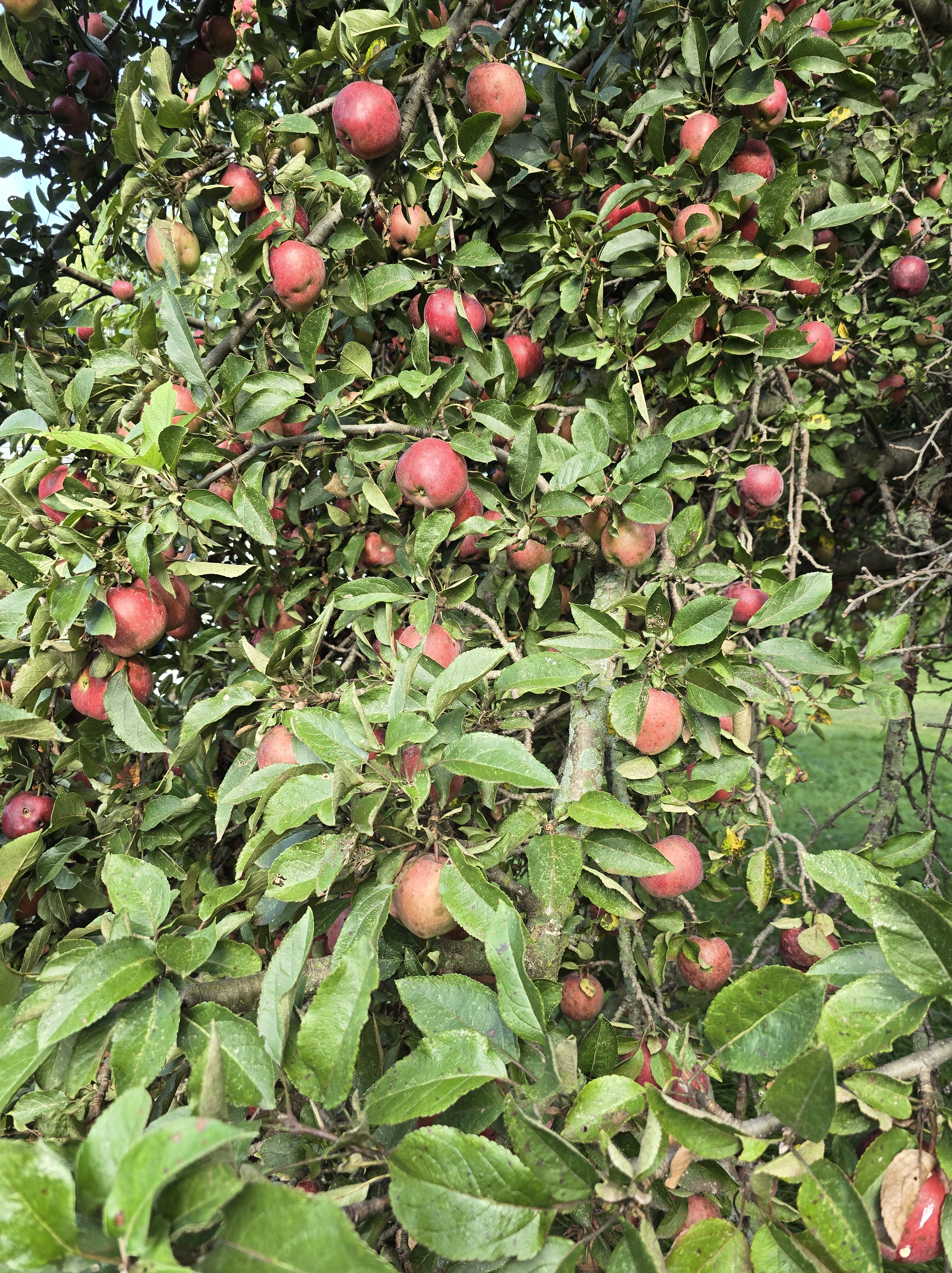
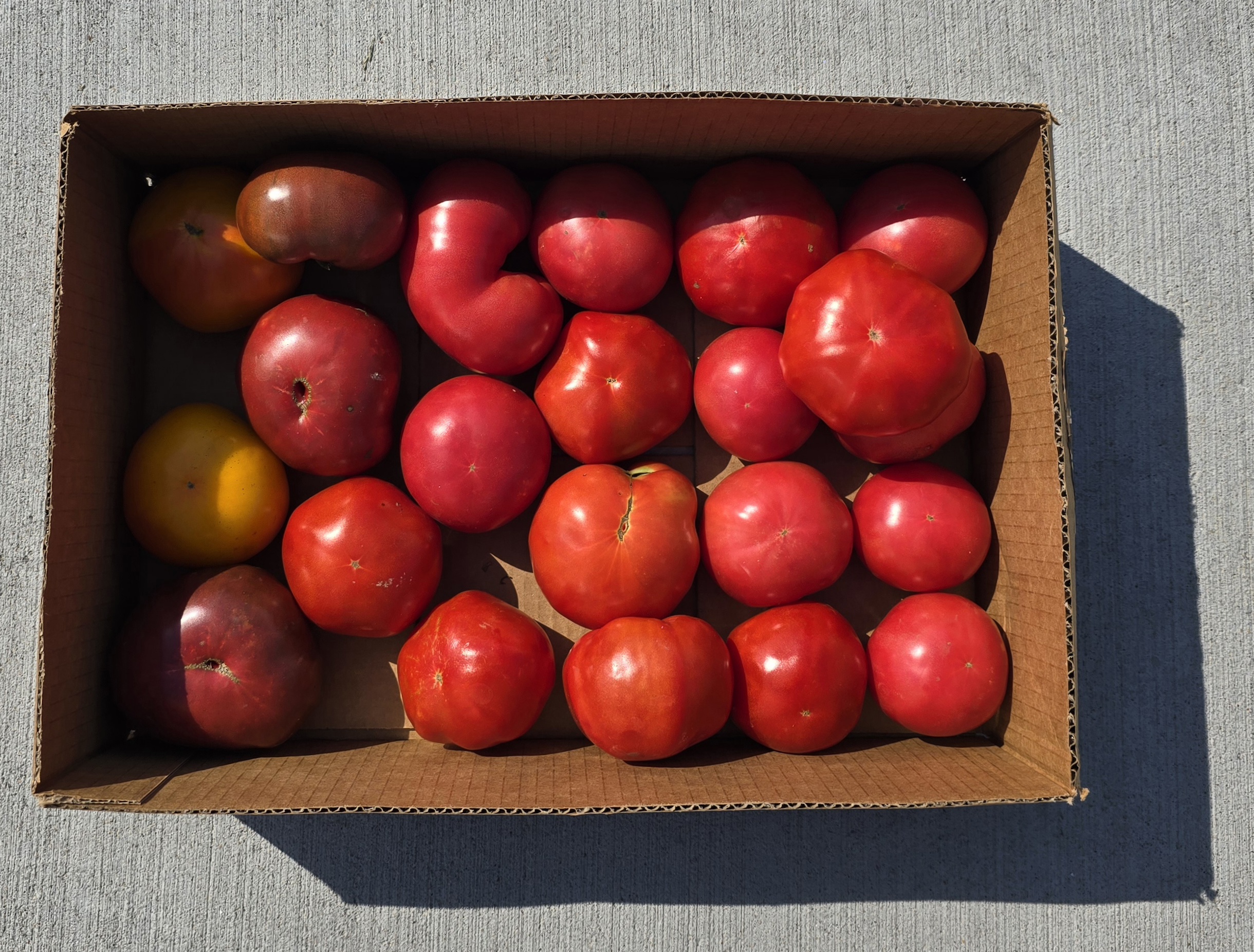
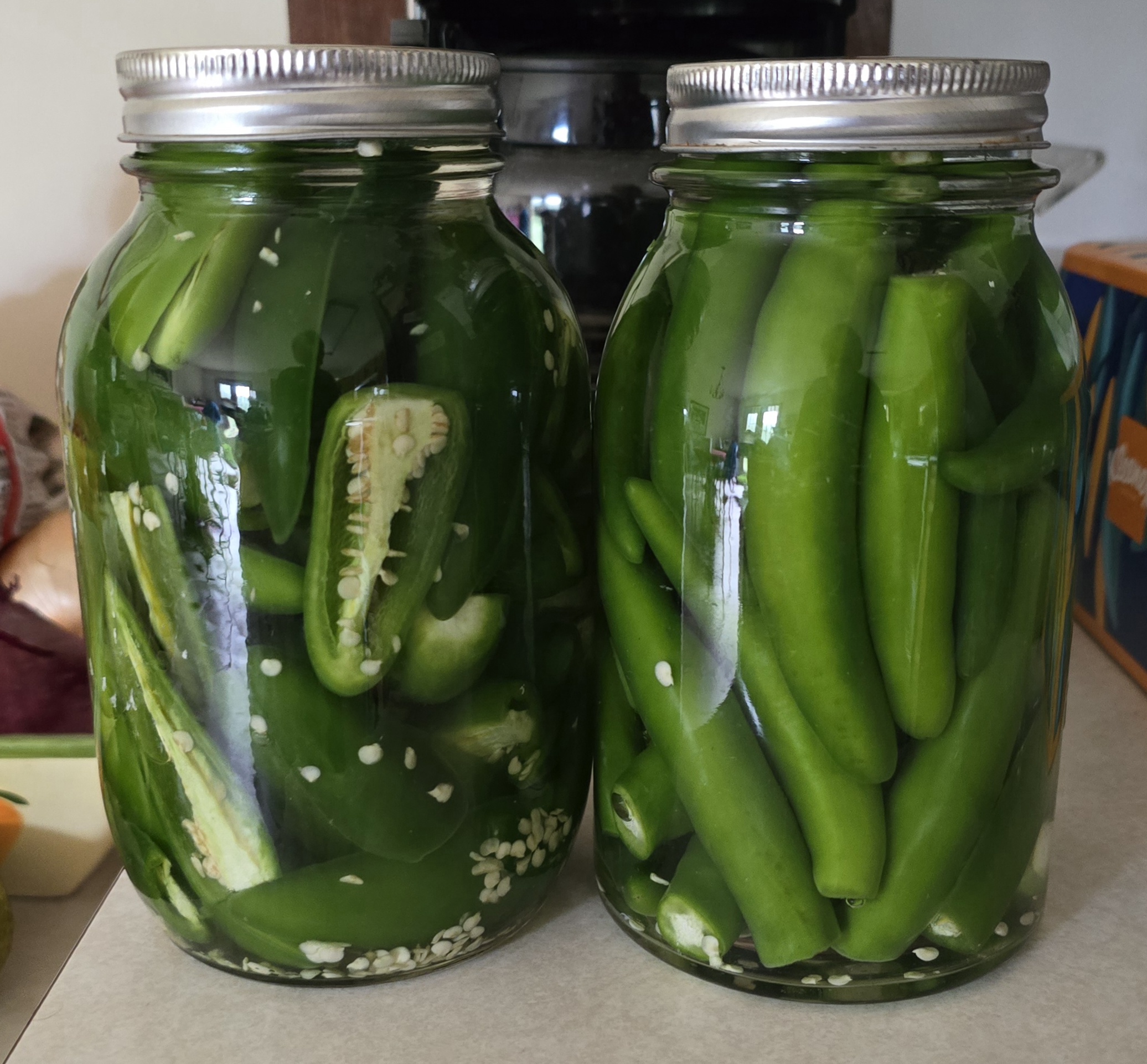
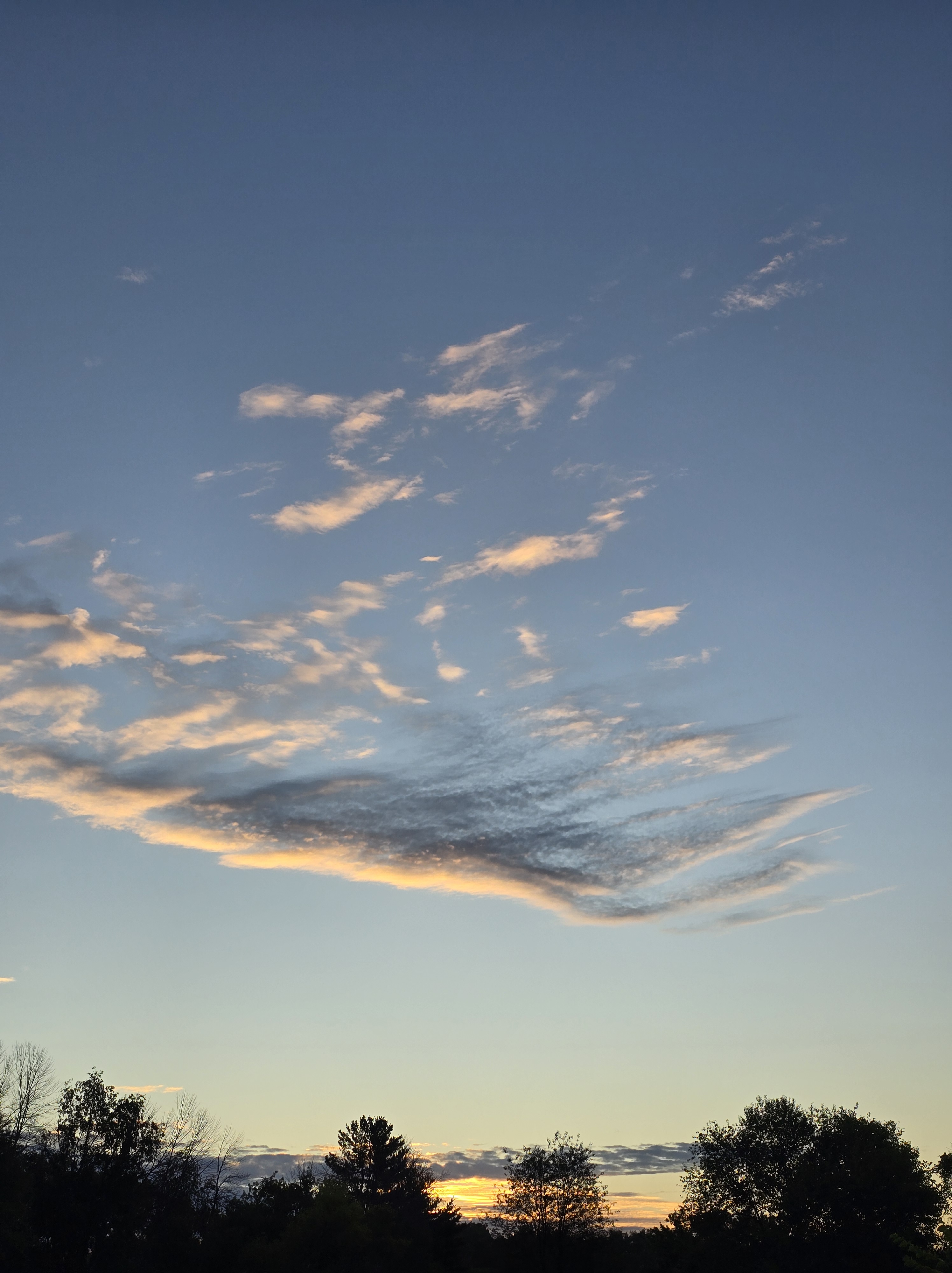
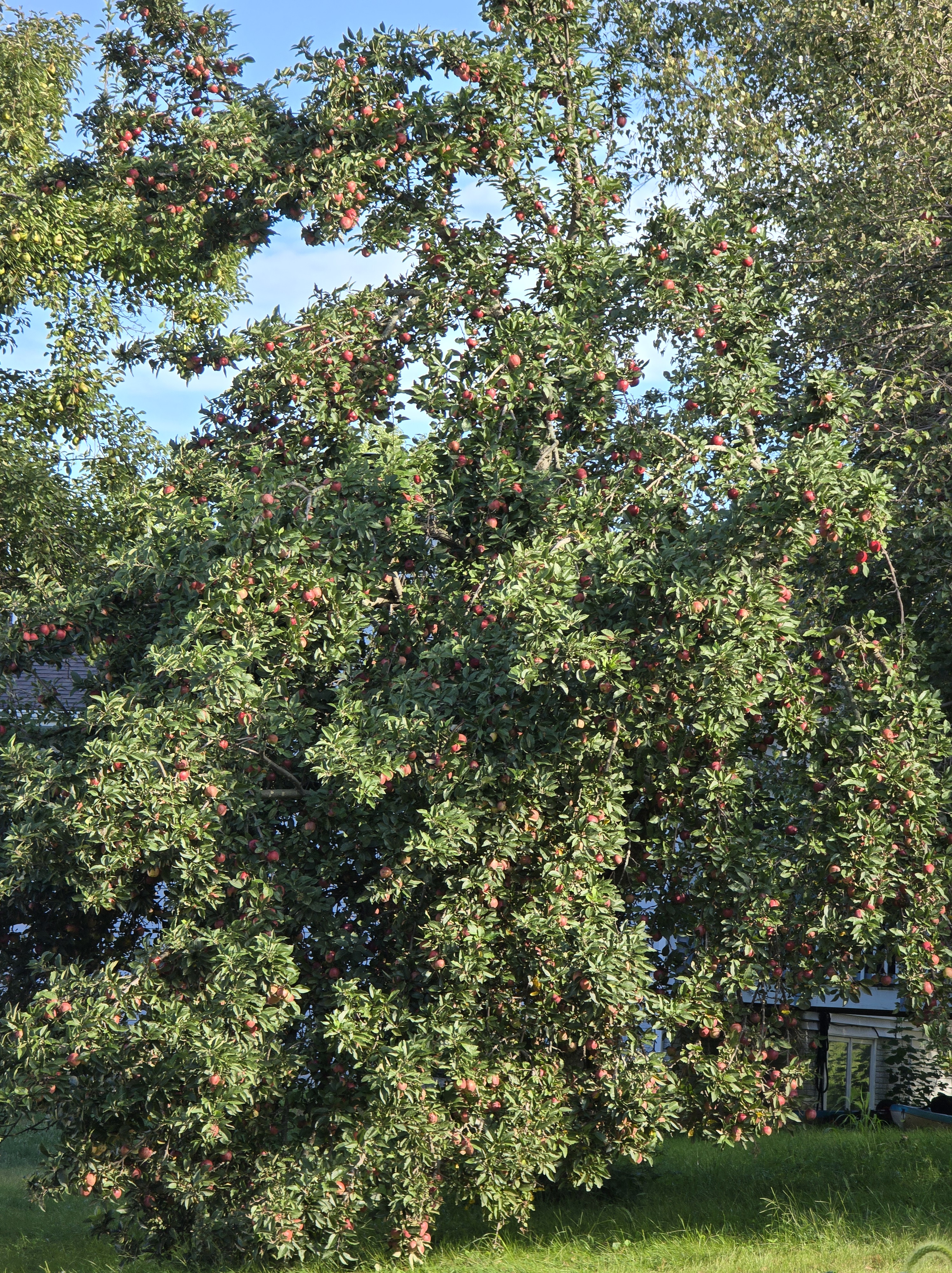
This week was all about the shift to autumn—putting up hot peppers, processing apples, and getting ready for winter. Add a high school class reunion on Sept. 25, and it’s already been a busy season. Here are some of the best recent shots.
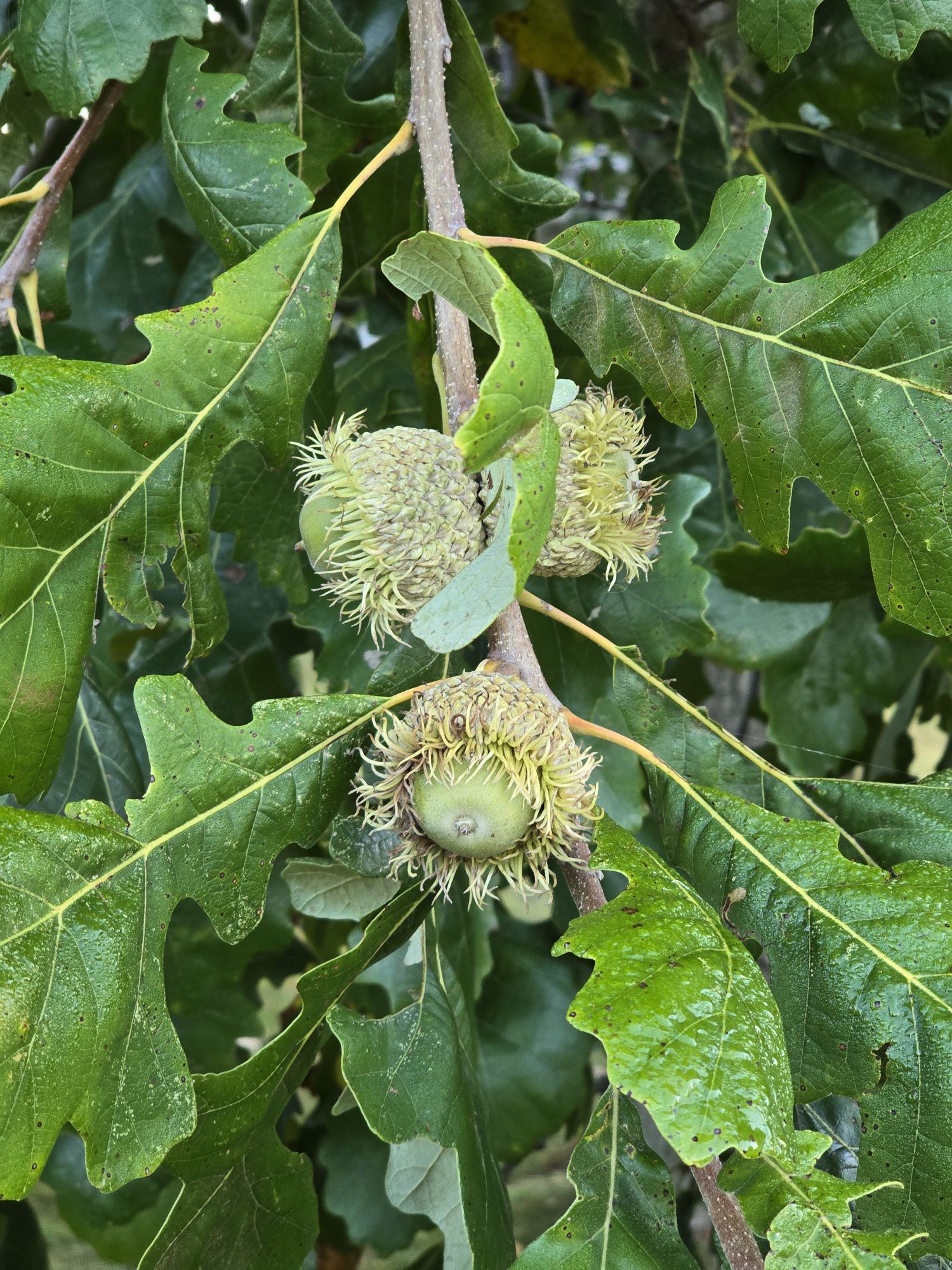
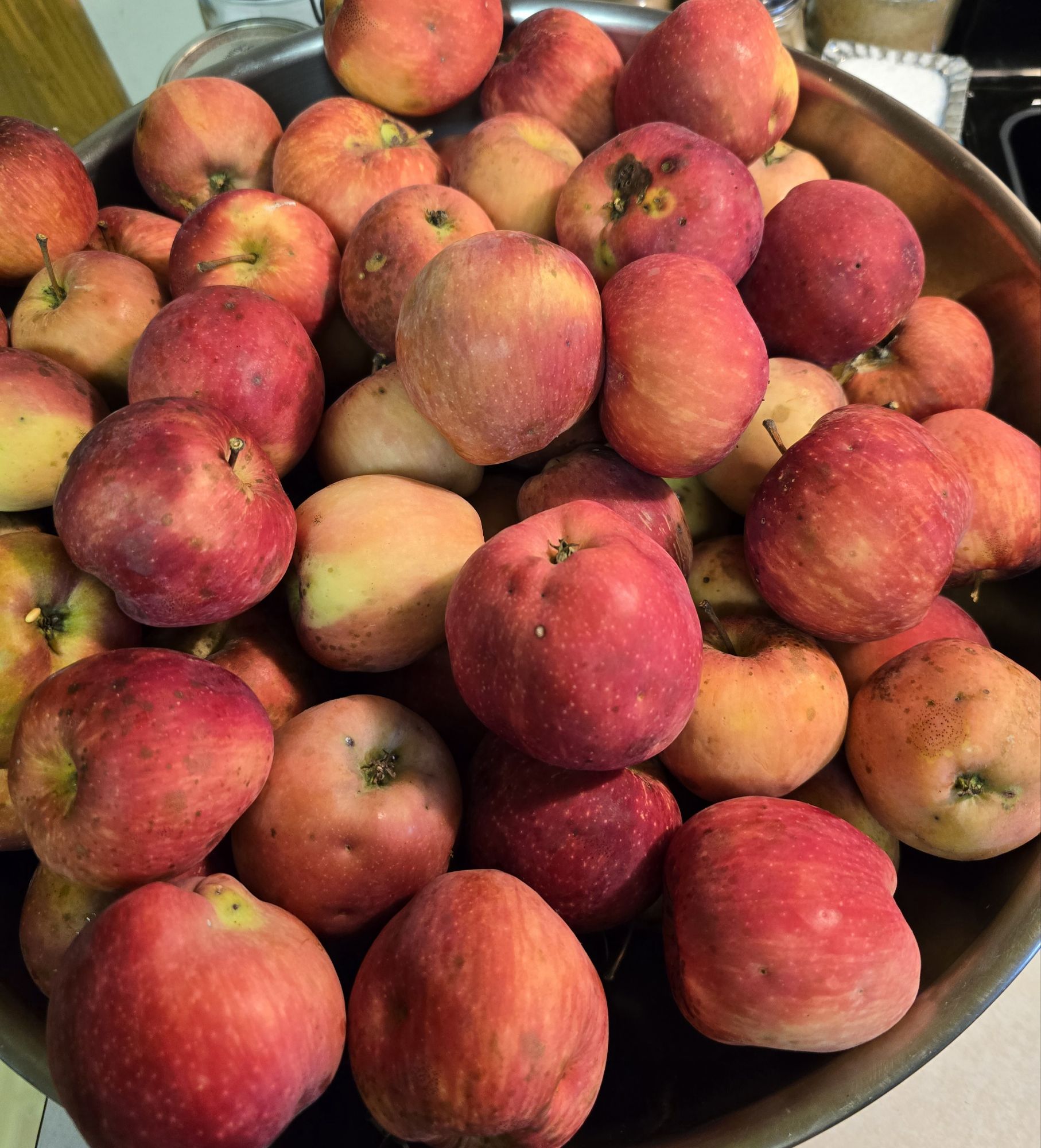

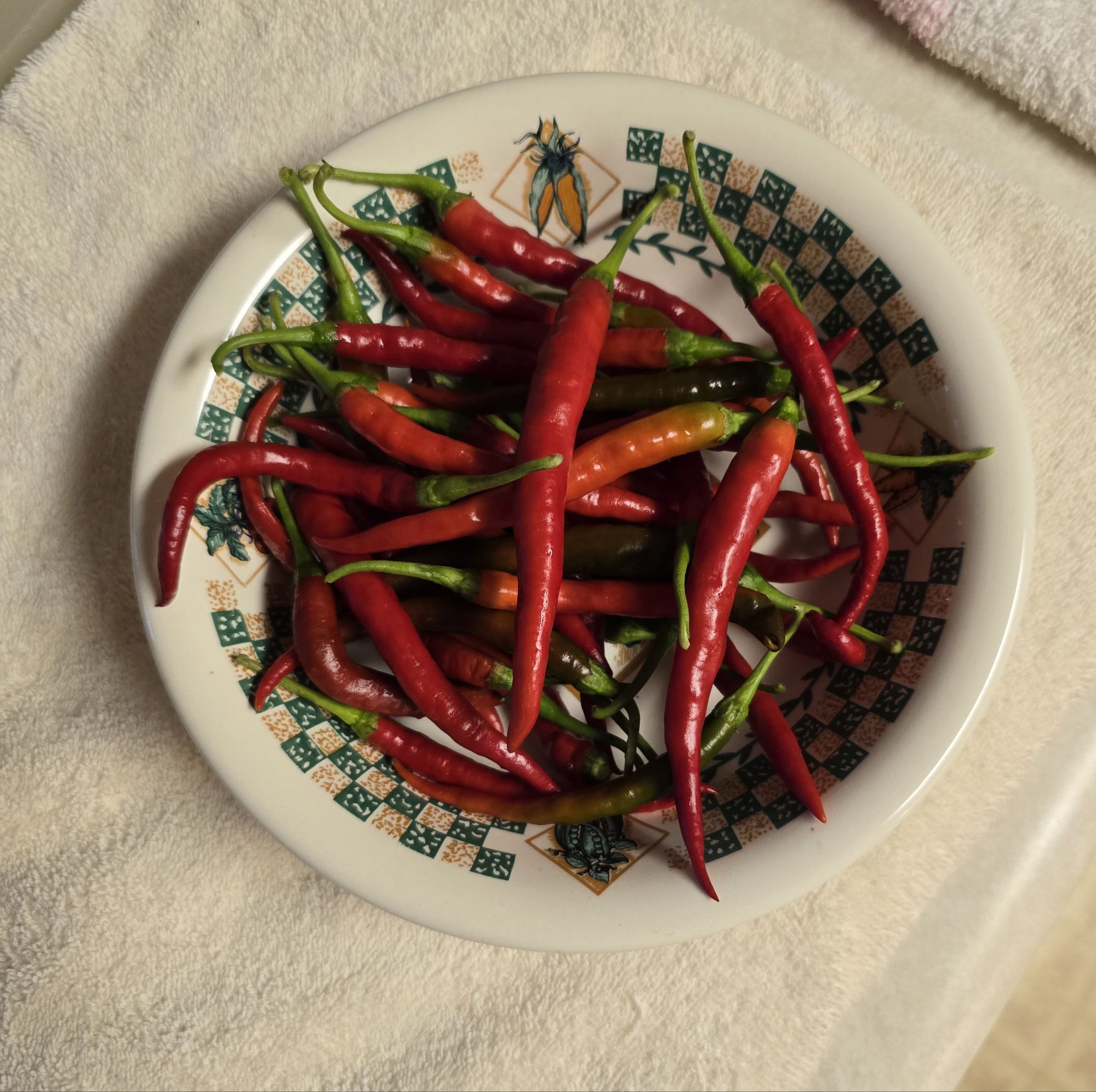

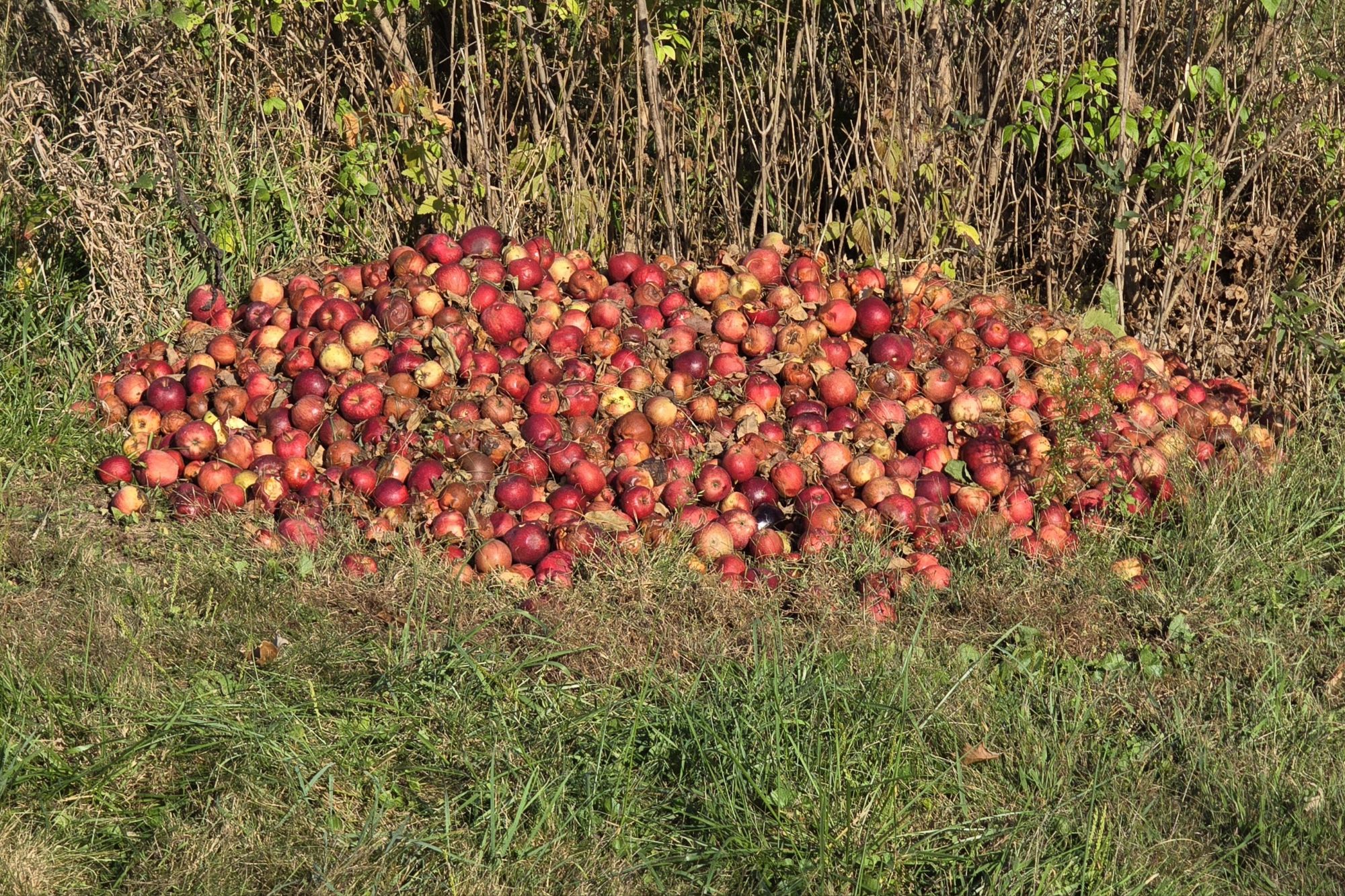


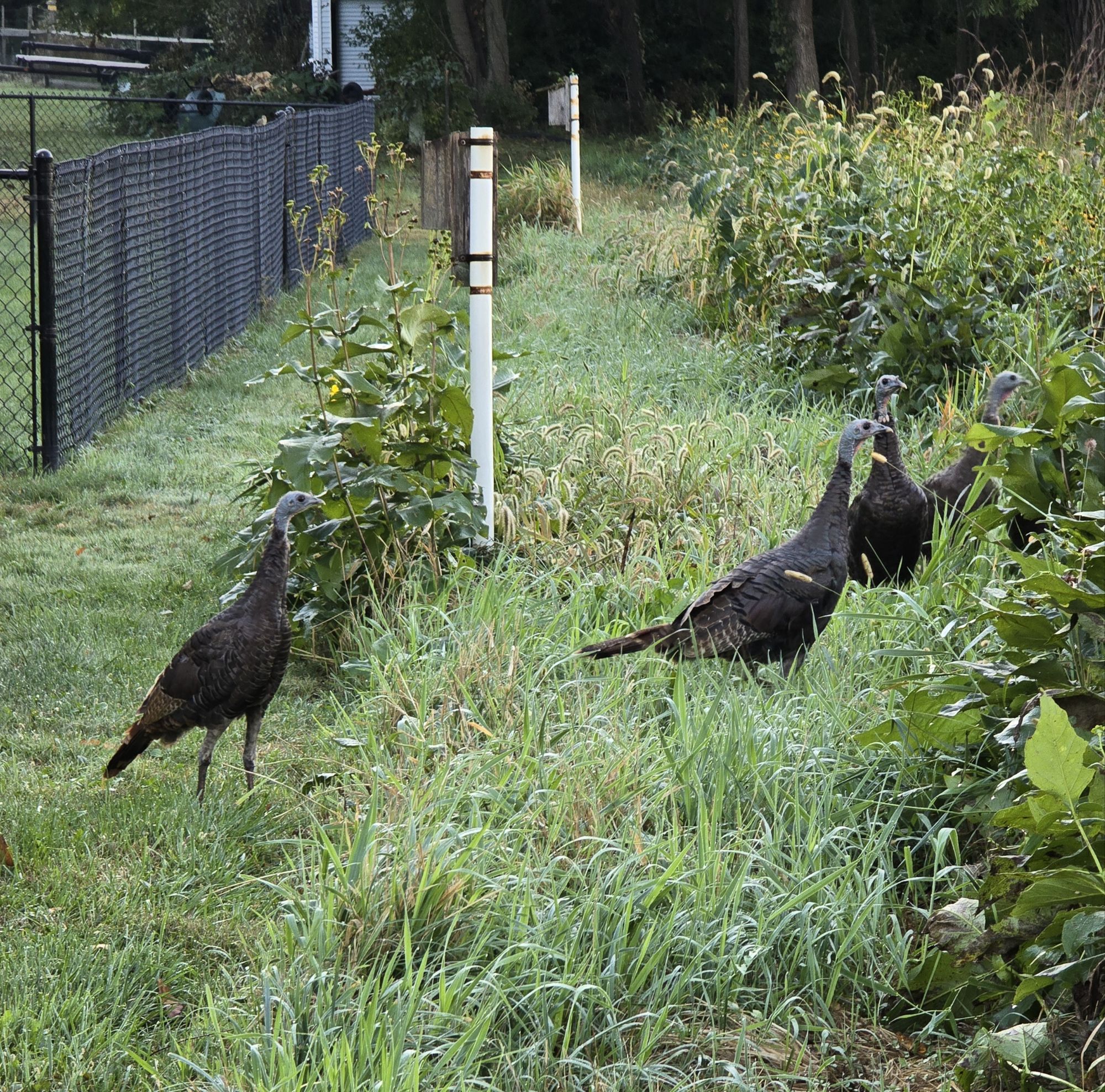


This week was all about the shift to autumn—putting up hot peppers, processing apples, and getting ready for winter. Add a high school class reunion on Sept. 25, and it’s already been a busy season. Here are some of the best recent shots.
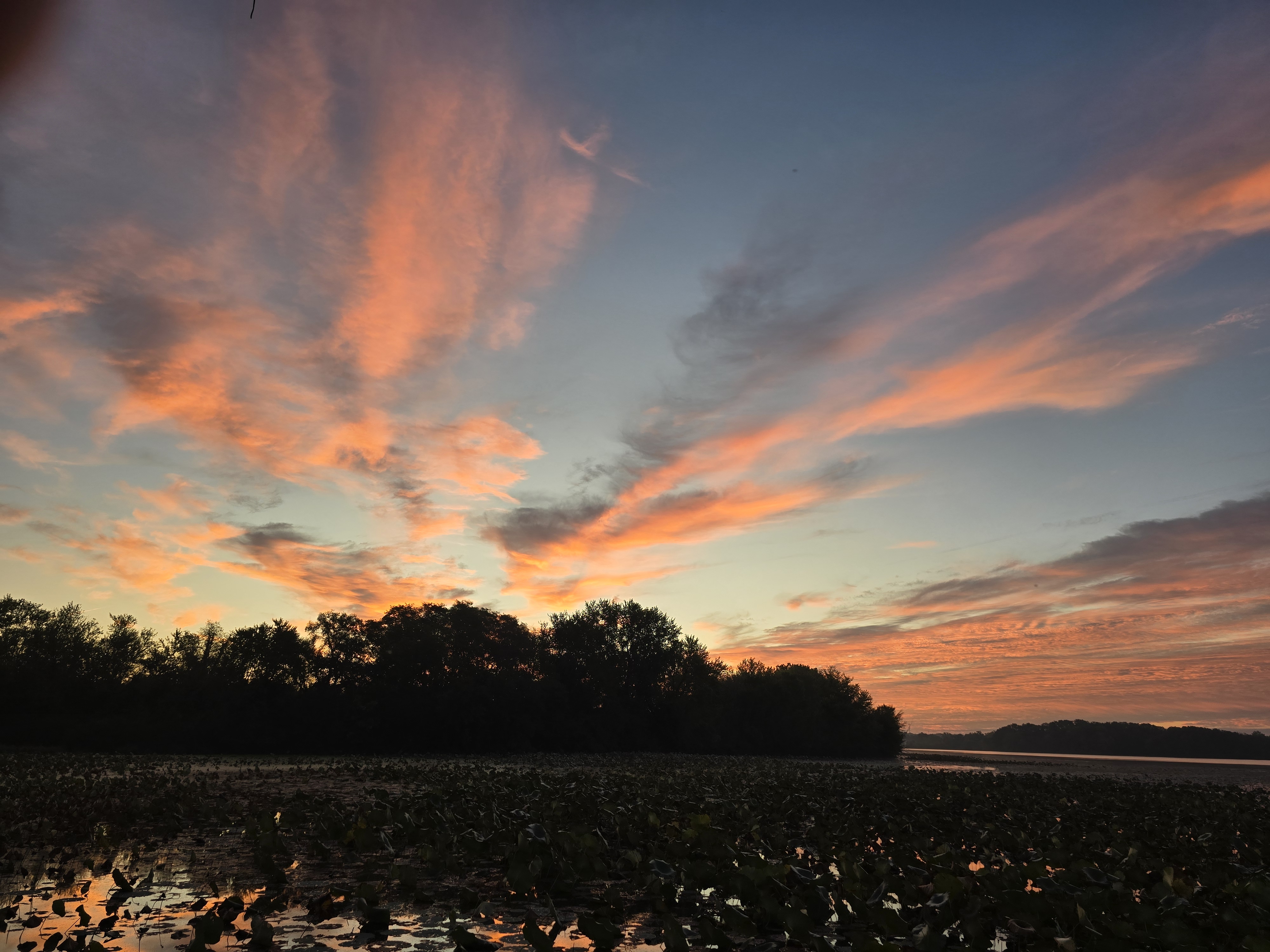
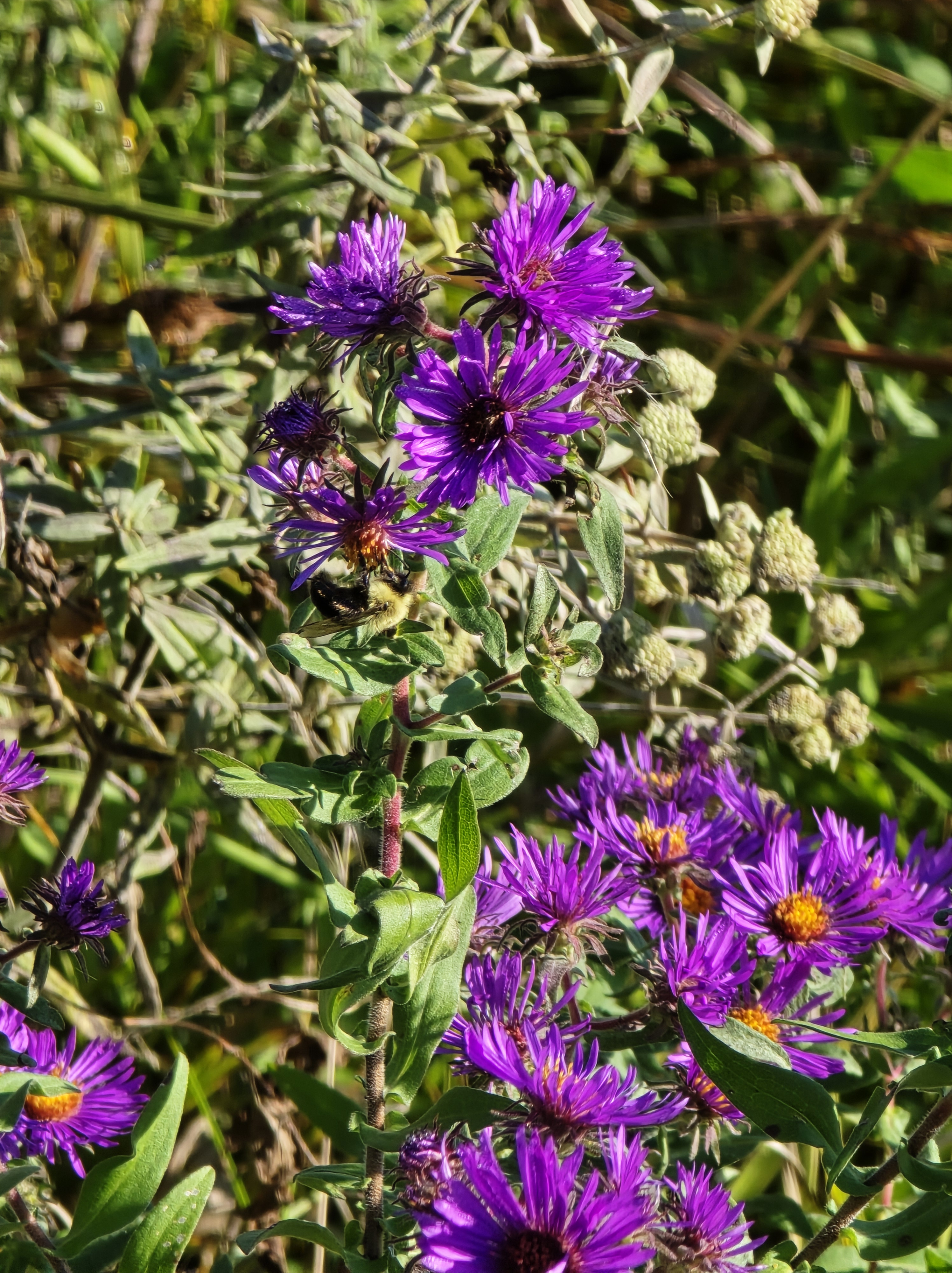
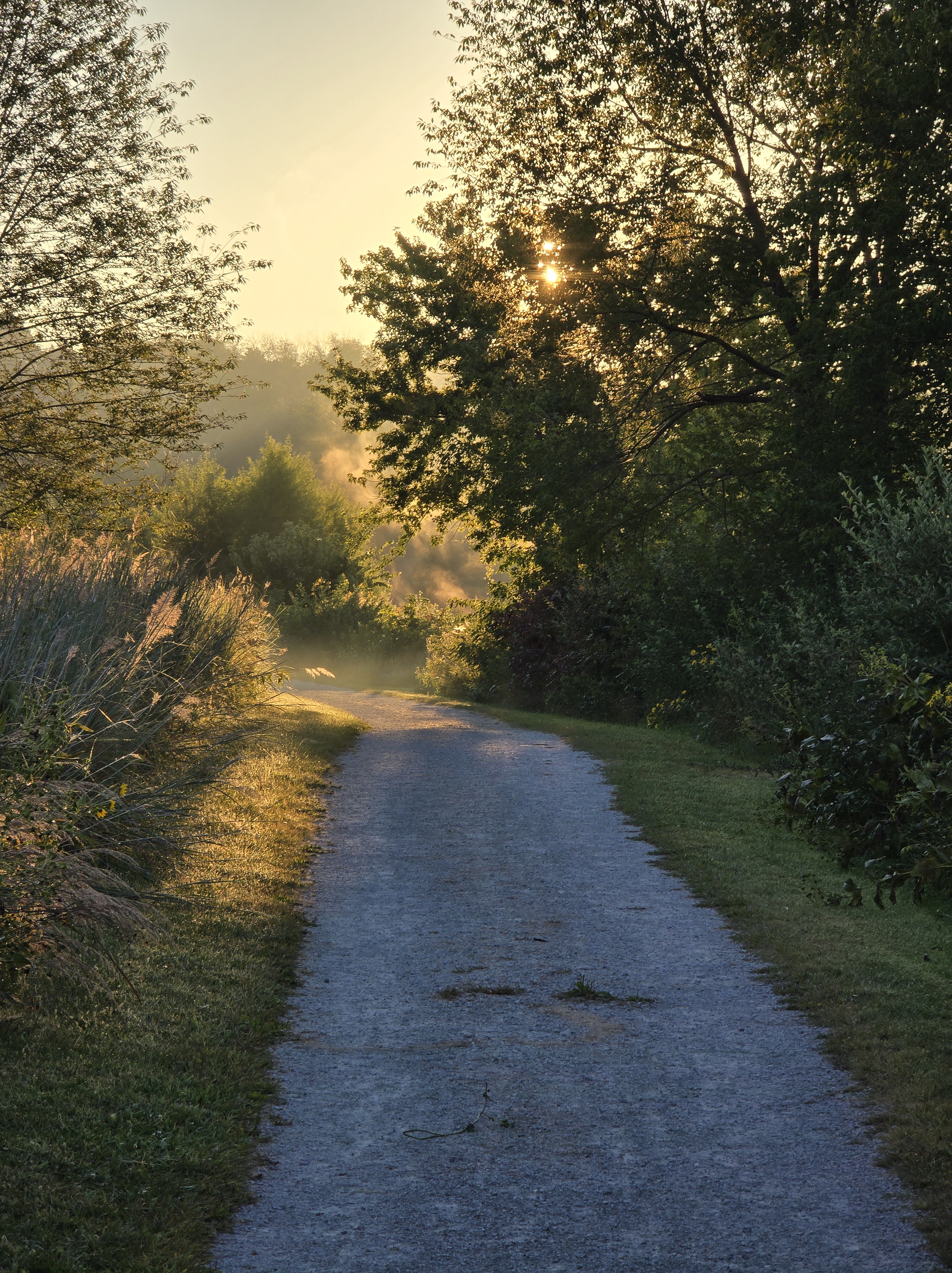
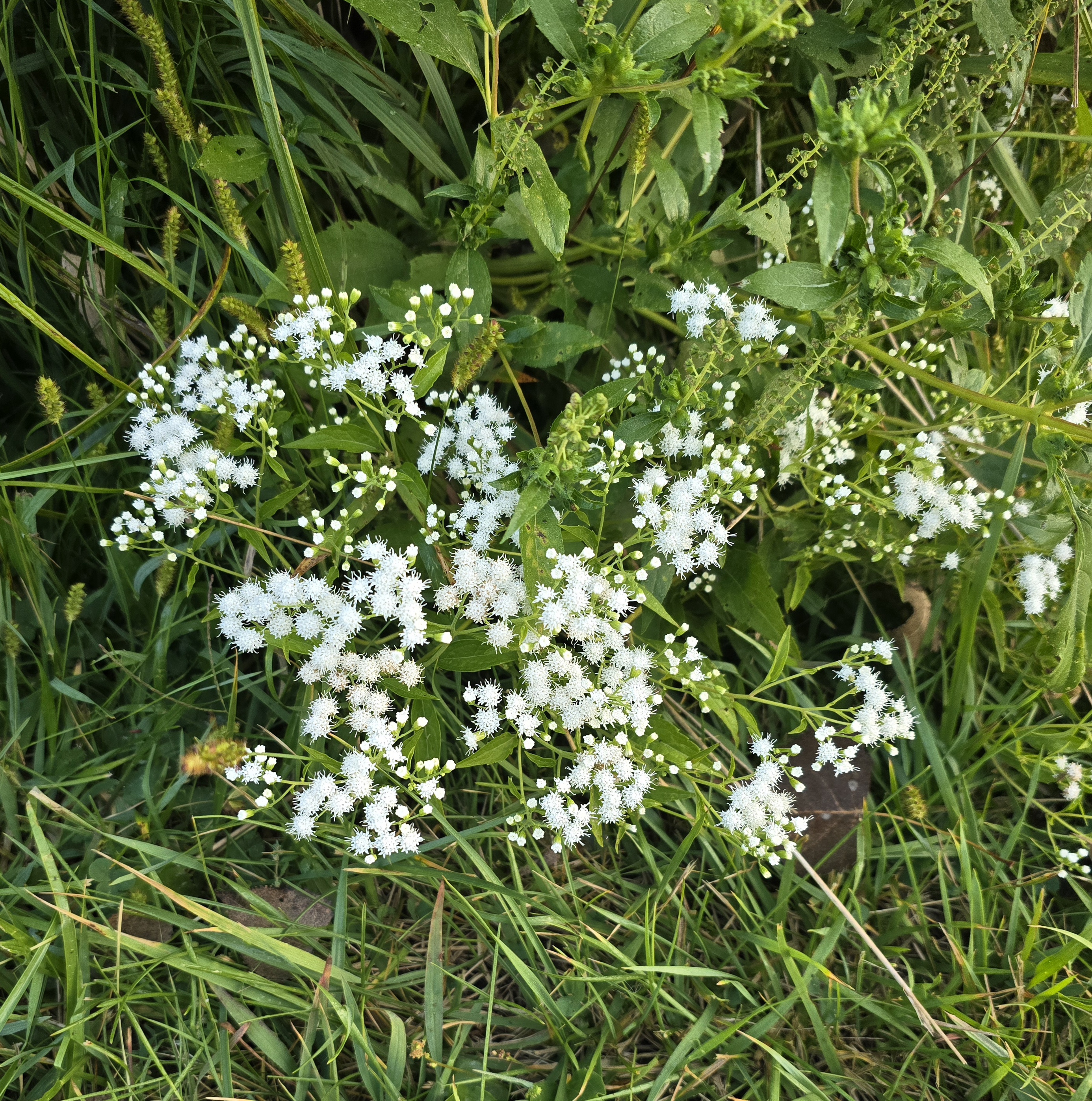
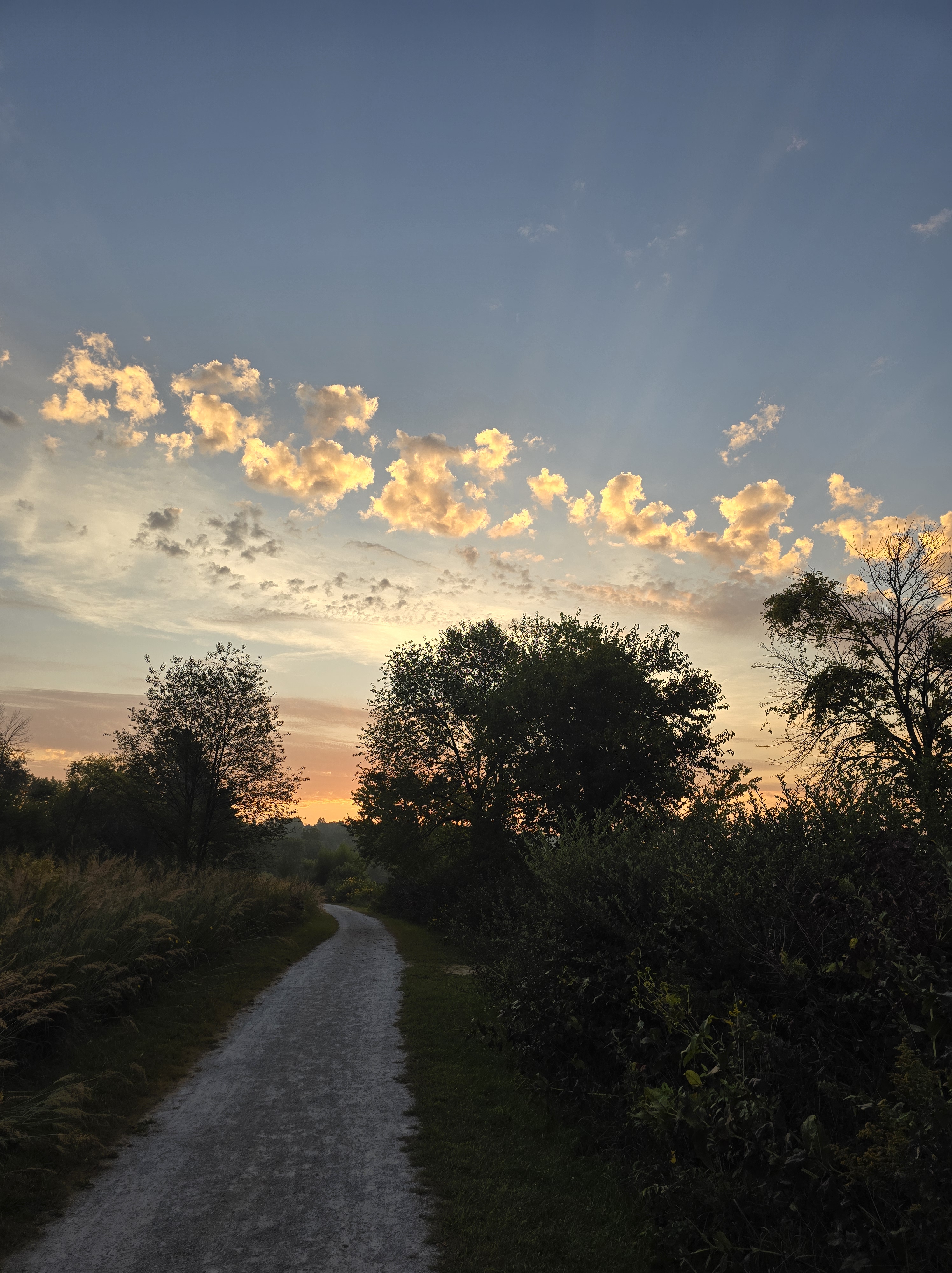
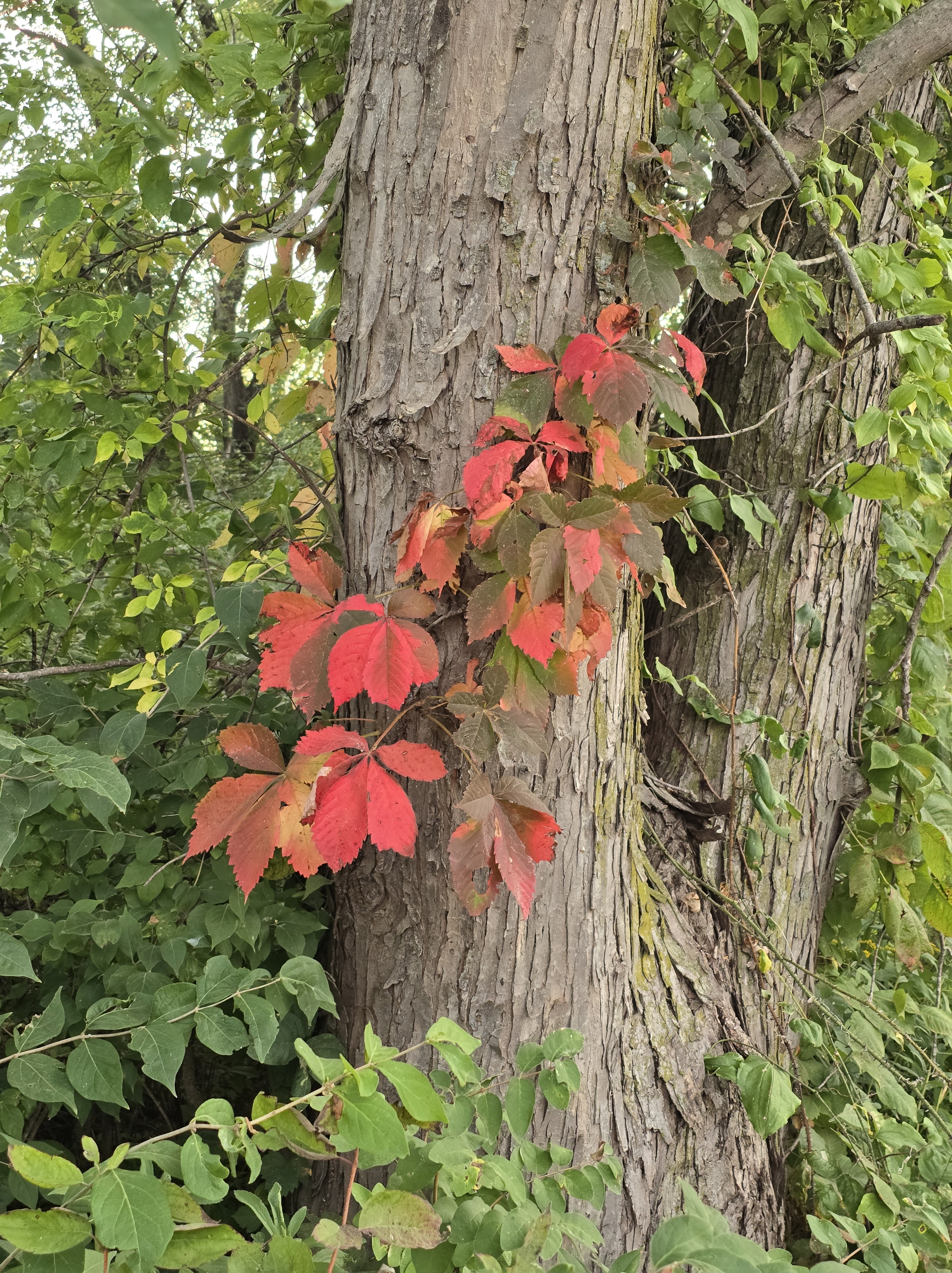
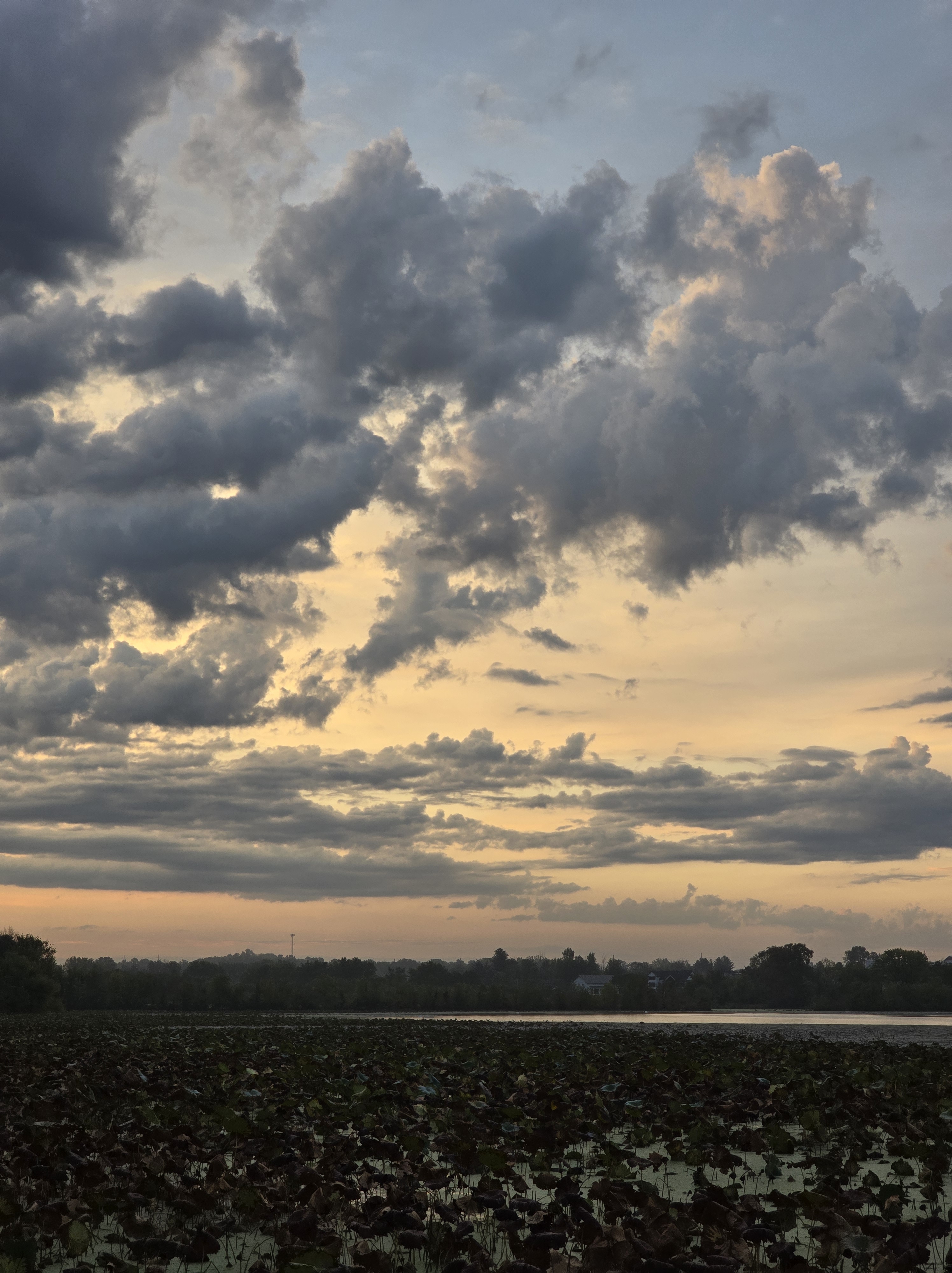
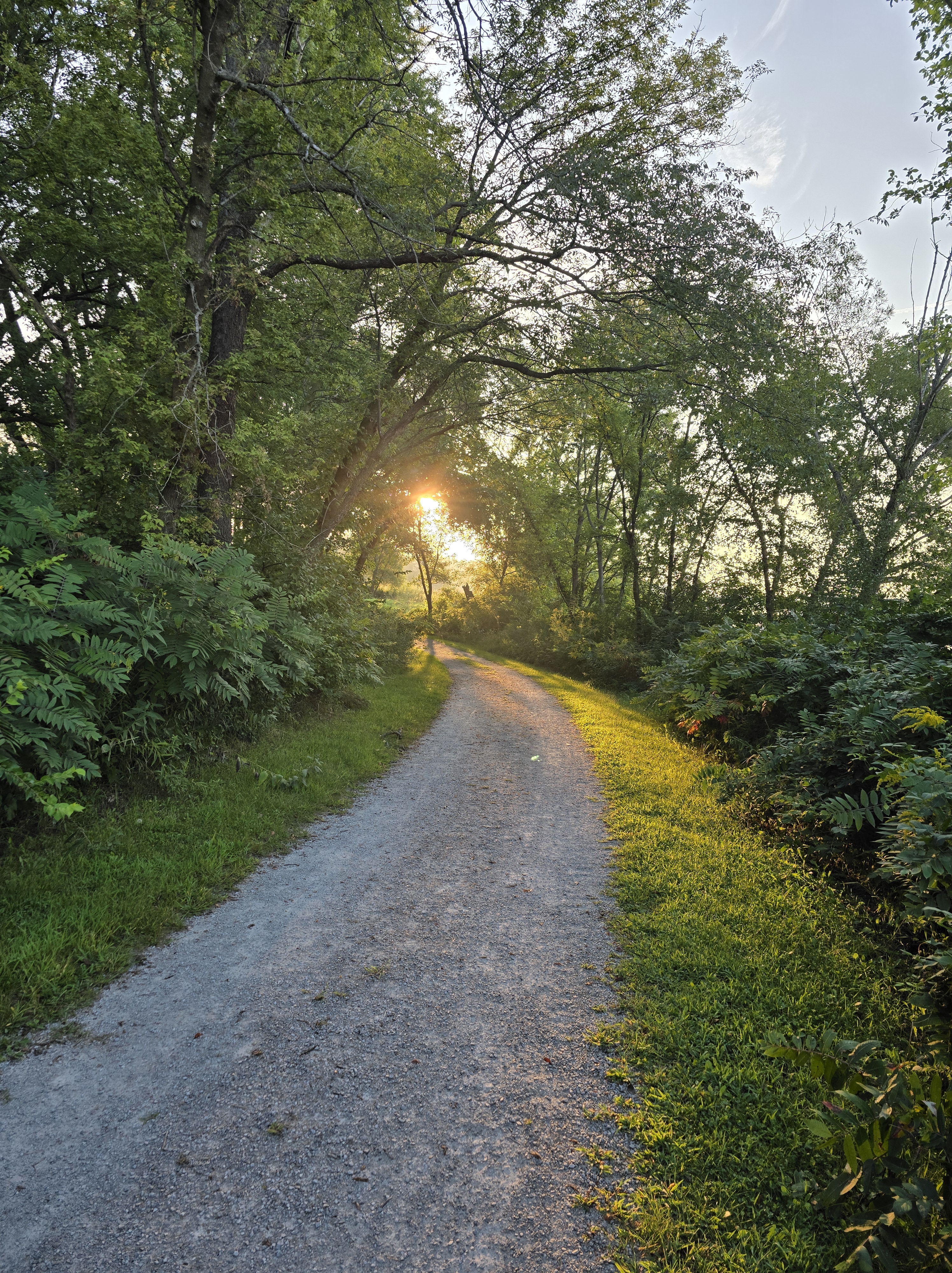
How I view my daily walk is changing, and with it the images captured on my mobile device. Here are ten from the second half of September.
The jump I made in 1989, from working for a top truckload common carrier to working for the ninth largest corporation in the world, freed me to be more creative. I read my journals from that time in the Calumet region near Lake Michigan and find in them the kernel of all that I would become as a creative person.
I am thankful my creative self came up through a grueling career as a transportation and logistics manager. It grounded me in the unpleasant reality that is society in the post-Reagan era. In particular, the more than 10,000 interviews I had with job applicants in transition changed me in a way that would not have been possible without them. For creativity to have been forged in this kind of life gives it an edge.
This passage came from my life experiences in the Calumet.
The book written by Jack Kerouac has the same validity as his presence here. What do the creators of these texts have to say to me? What shall I say from this outpost of civilization?
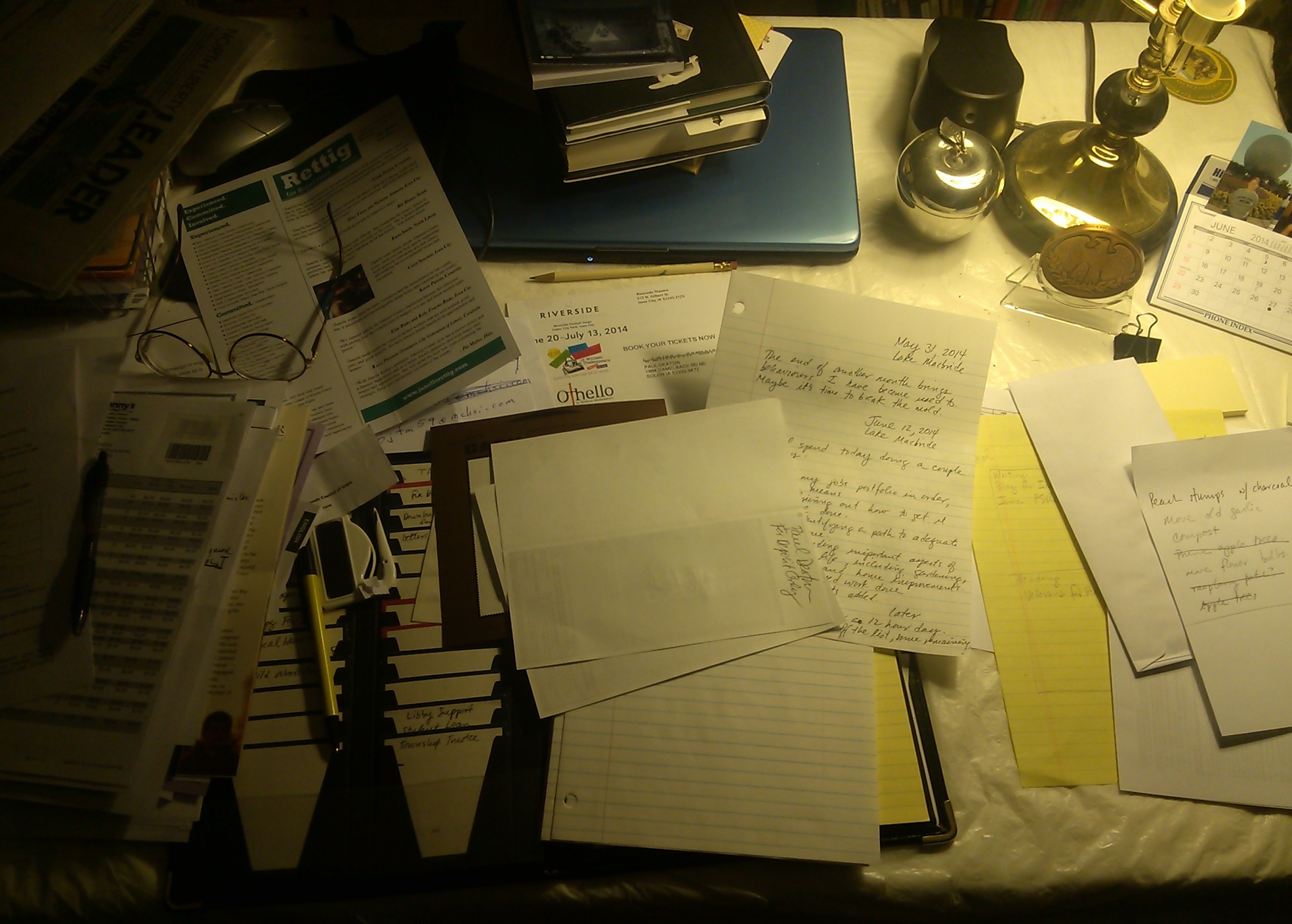
What becomes significant in this studio is not the clutter in it, but the words and texts produced here and sent into the rest of society. Things take on significance to me, but it is more important that I begin sending things out. Messages in a bottle if you will. (Personal Journal, Merrillville, Indiana, Sept. 15, 1990).
Because of my high level of engagement at work, it was exceedingly difficult to “send things out.” Likewise, there were not many platforms for doing so. I survived on letters to a few friends, trips to visit them, and time in my writing space contemplating life in society. When I could, I spent time in the garage or at the word processor in the dining area being creative. I never gave up being creative and that led me to today.
When I read a book, I image the author as if they were sitting across the room. Sometimes that works and indeed what Jack Kerouac wrote in any of his books is not far removed from his life. When I read one of Robert Caro’s books I imagine him in his workspace in New York, turning every page. When I read John Irving’s writing about Iowa City, I remember the occasional times I saw him near the English-Philosophy Building or visited one of the places mentioned in his books. When I read William Carlos Williams today, I can’t help but be influenced by the time I spent in Iowa City with his publisher James Laughlin. Laughlin got teary-eyed when he spoke of his last meeting with Flossie Williams. I want my writing to be like that: one step or less removed from the reader.
I mentioned clutter and sometimes such clutter gathered from projects of mine, auctions, and the detritus of living a life found its way into what I produced. I’m not sure it was particularly good, yet it reflects my urge to create something new and original. A collage of photographs, old calendar pages, and magazine advertising was something I found visually appealing at the time. That I still have this piece is remarkable.
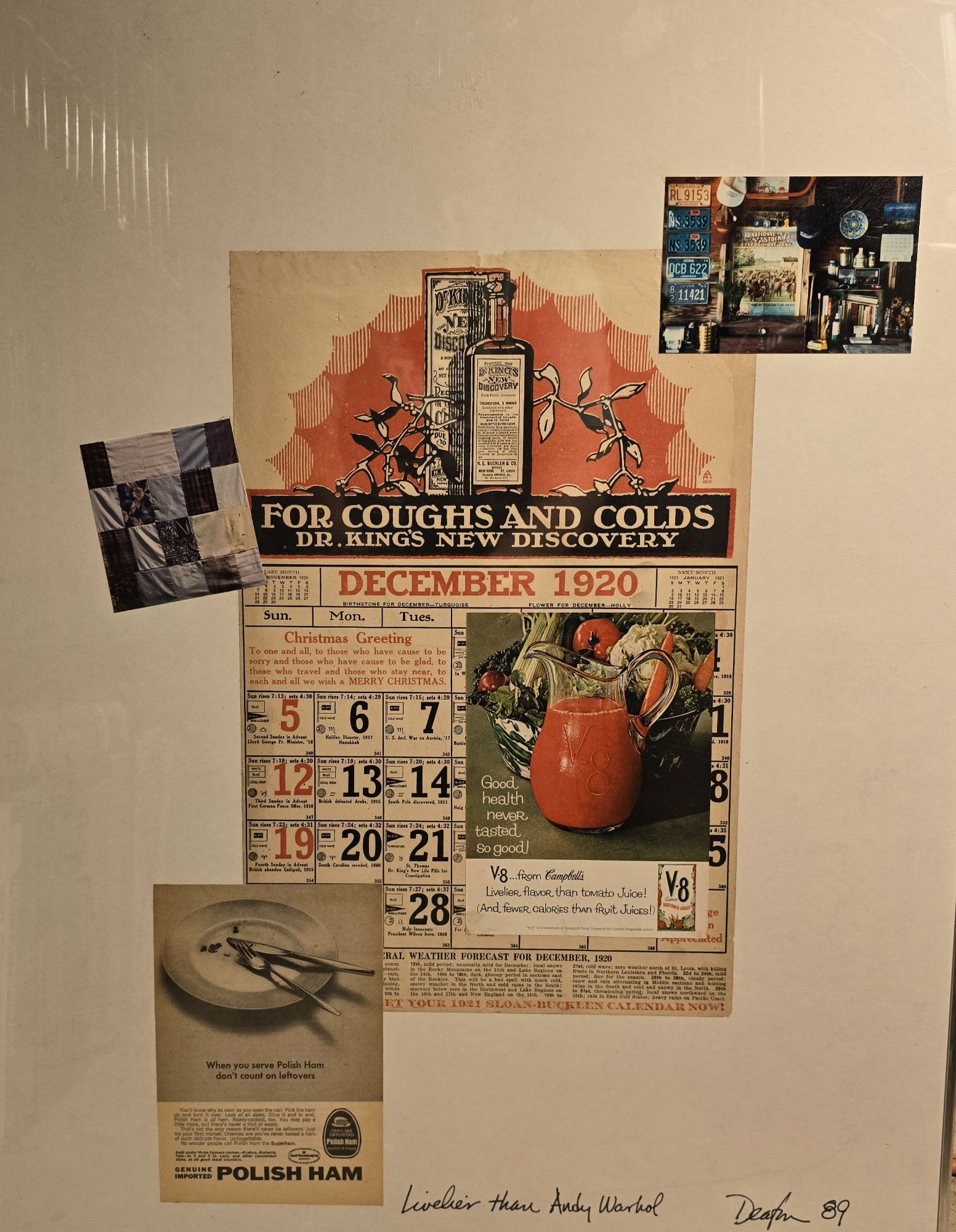
Leaving the trucking firm freed me from my Iowa connections and enabled new ones in the Calumet. I became more of a creative being. When things didn’t work out at my new job I returned to the trucking firm. Yet I did something after leaving that stays with me. I was able to better balance work, creative endeavor and family after the experience. There is a straight line from that realization to today.
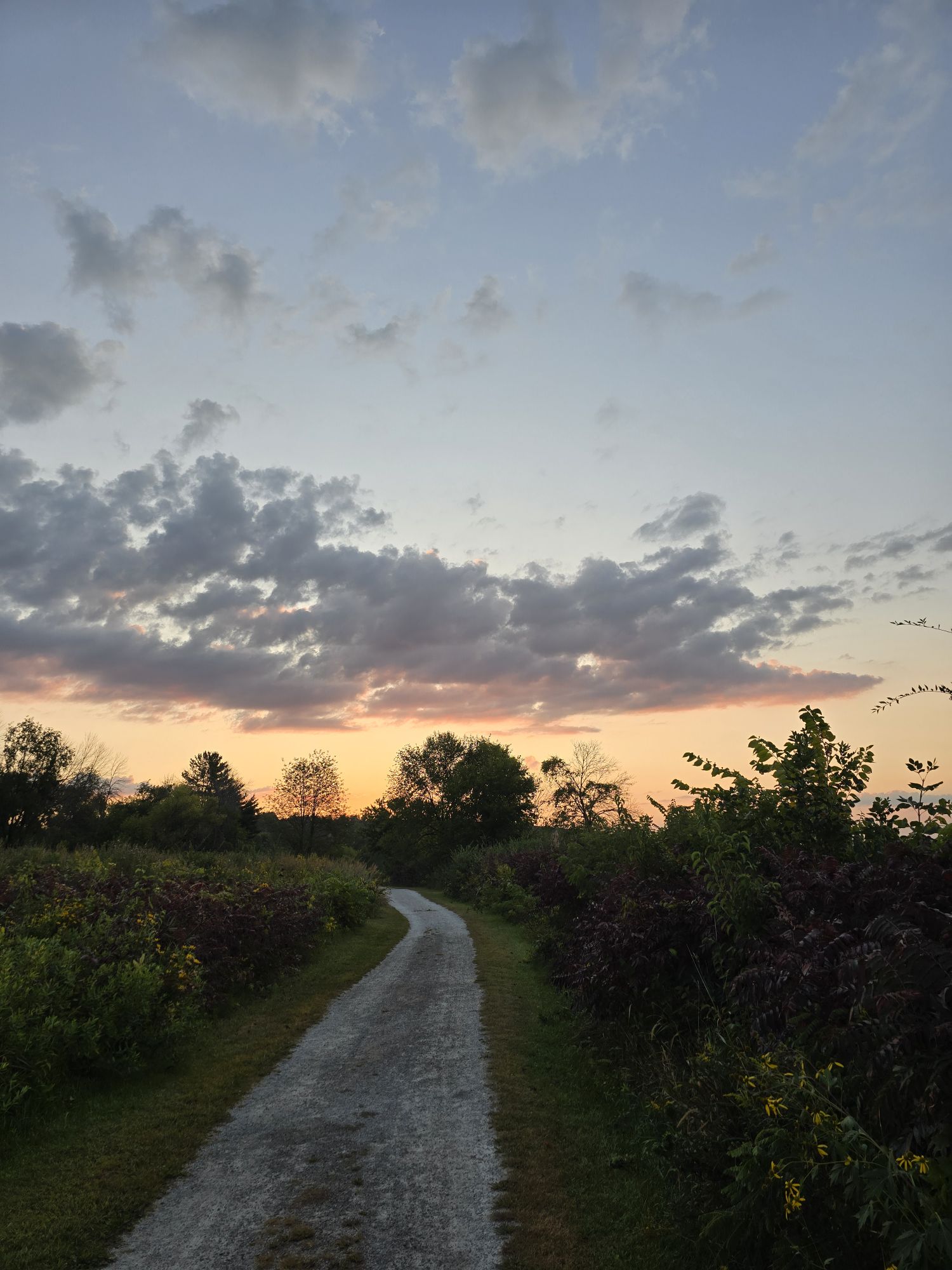
Just over a week until autumn begins so I am taking a break from bloggery to enjoy these last days. Thanks for following my posts.

How does a photographer capture well-known sites? I would argue professional photographers whose work appears on post cards serve a useful function in capturing a personal experience.
This photograph of Mount Rushmore was created in part by my being there. Composition of the resulting image is due largely to the design of the visitors center which presented a platform from which I took it. The light is good and the talus provides context. However, picking up a postcard at the gift shop eliminates variations inherent in converting a digital image to a print. If you stick to selecting familiar images, postcards can be interchangeable with printed photos in terms of remembering the experience. I submit having both types of image upgrades the experience.
The advent of the “bucket list” likely ended a lot of meaningful photography. If Mount Rushmore were on my bucket list, I might have stepped in front of the camera to record myself with the famous sculpture. Maybe at home I would have a bulletin board where I pinned all my bucket list photographs. People are free to do what they want, but for me, the memory of that moment’s experience is what stands out more than a trophy photograph hanging on a wall or uploaded to a website.
Defining who we are in the context of our lives, and who we want to be matters more than an arbitrary list of places we seek to visit. Above all, it is about the experience. A personal photograph or postcard is a subset of what that experience is. Photos are not necessarily the most important part of it.
What was this experience about? My friend since seventh grade and I left our spouses behind and made a long road trip out west. The furthest point was Missoula, Montana where we visited another high school friend and their spouse. Mount Rushmore was one of the less interesting stops we made. We were so close to it we felt obliged to stop, so we did. It was tacked on to an experience about something else.
I am a bit old school in that I don’t see much purpose to video recording a well-know site. My aunt, uncle, and their family lived in Europe for a number of years. They took home movies on 8 millimeter film when they traveled. I recall one where they visited the leaning tower of Pisa and recorded the kids trying to push it the rest of the way over. It was a family joke, and that’s fine. I hope they bought a postcard to remember the architecture while they were at it, even if that wasn’t their interest. Life is not always a joke.
I had only one photograph in my memoir, An Iowa Life. However, I looked at a lot of them while writing it. A photograph invokes living memories and it was those memories that drove my writing. I expect to return to this image of Mount Rushmore when I get into the post-analog part of my life. For that purpose, it won’t matter if an image was one I took or a postcard. That’s as it should be.
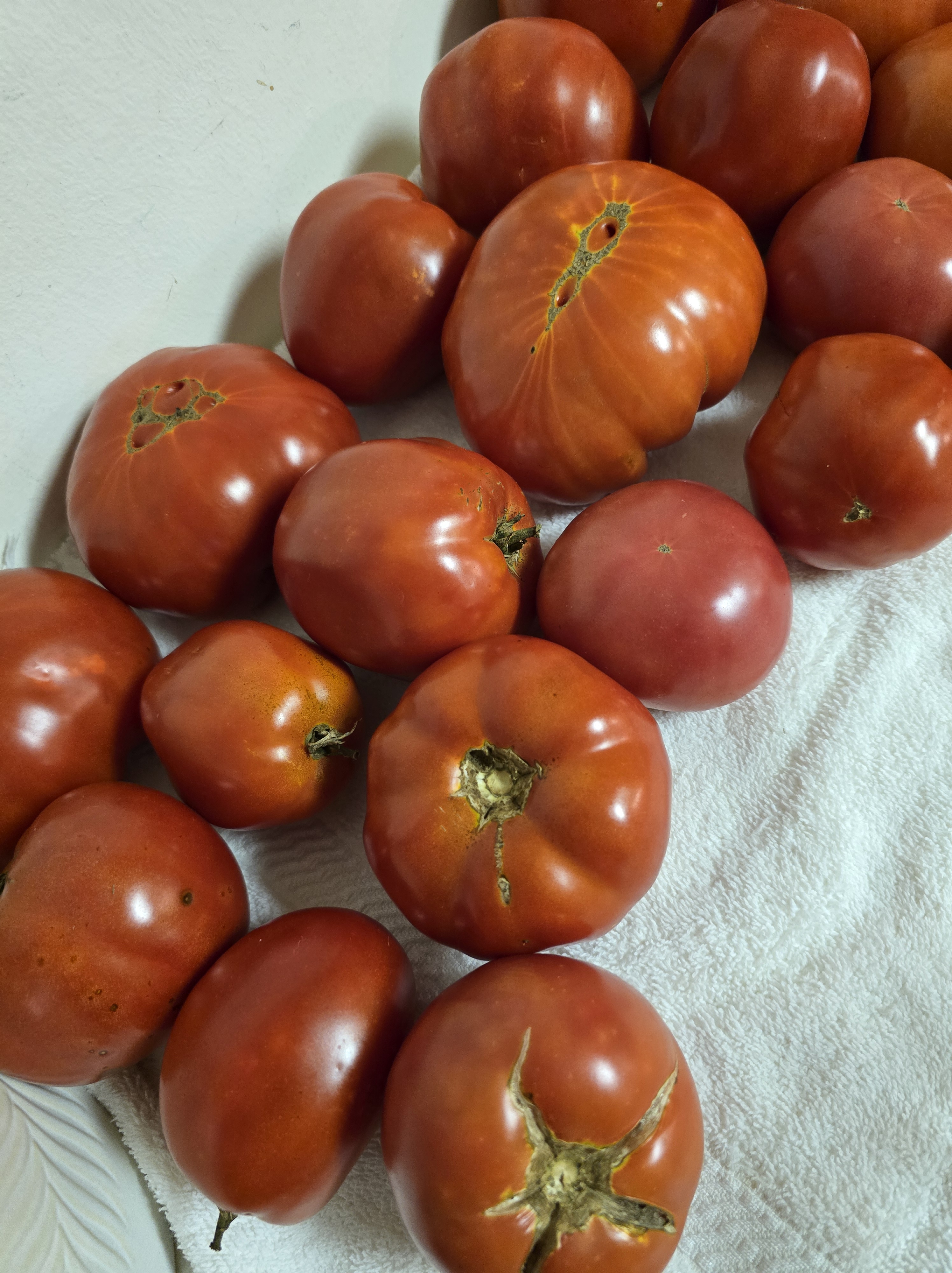
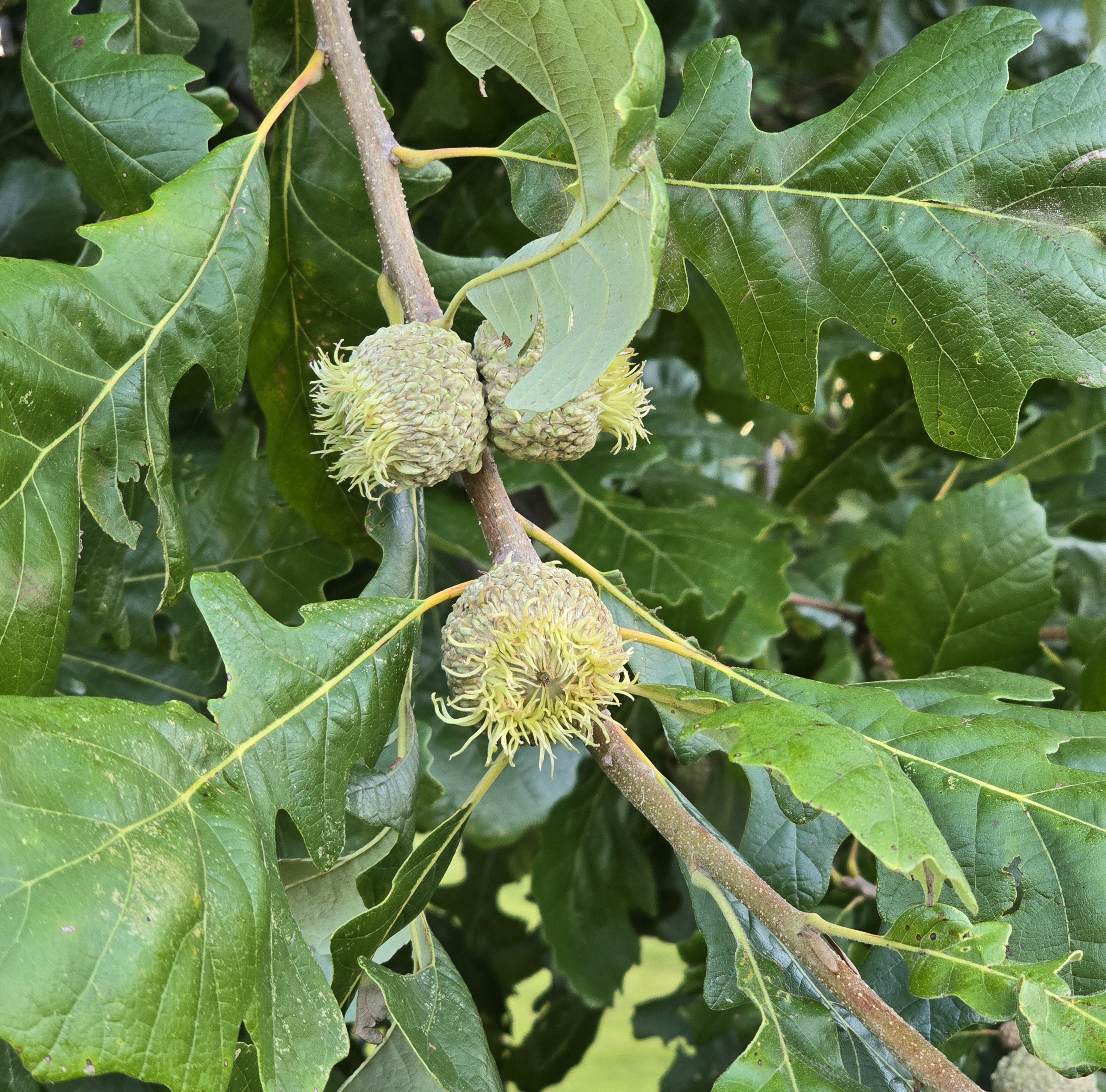
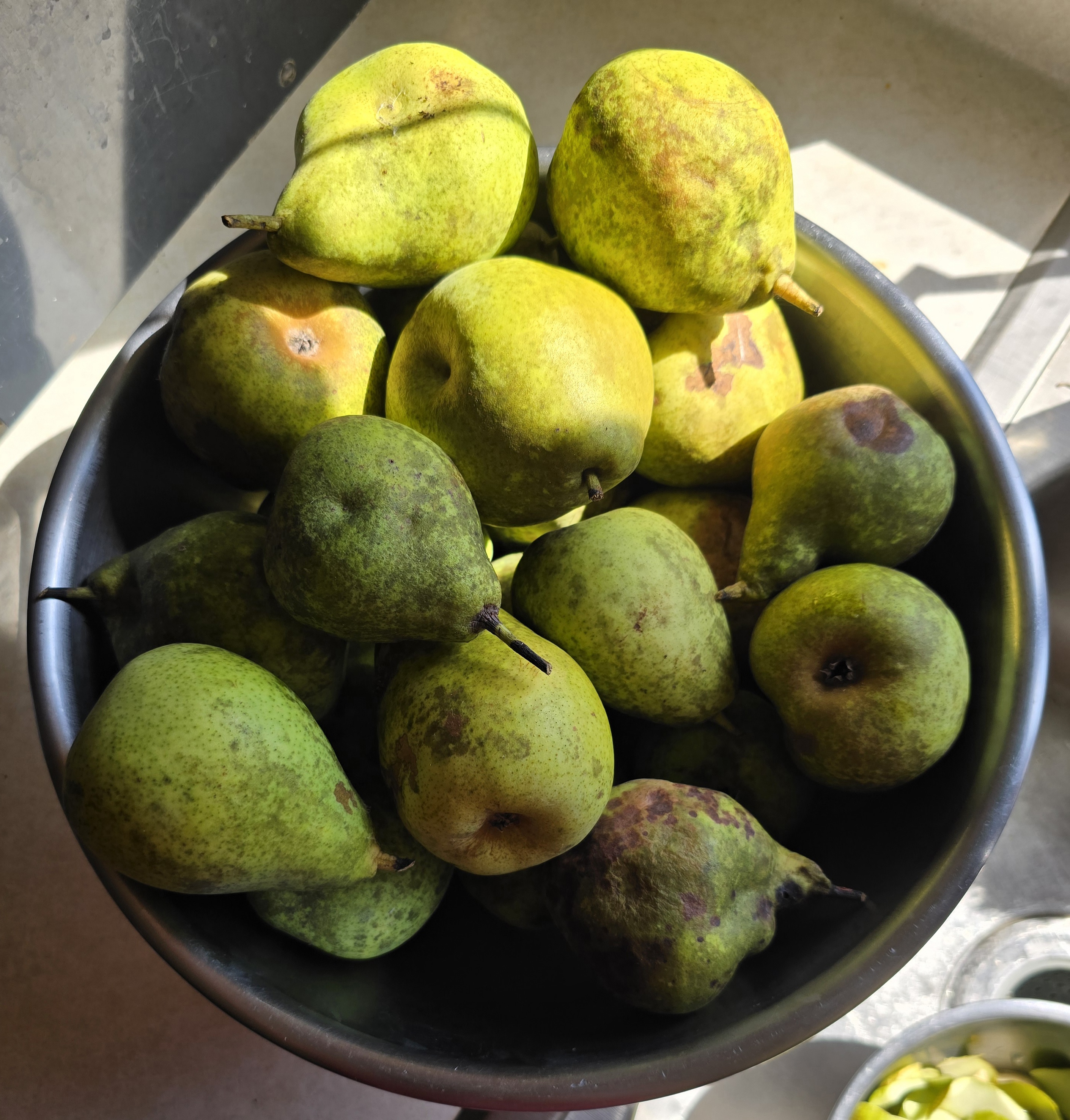
As the garden turned from tomatoes to apples, I captured plenty of images. Here are some of them.


It felt like progress as I went through the prints laid out on a table from one shoe box of photographs. I bought some 4.25 x 6.25-inch brown envelopes into which I duly sorted the prints and labeled with the contents. Since prints are scattered all over the house, this should make it a). easier to find a home for loose ones, and b). enable whoever inherits the collection to move quickly through them with a clue as to what they are about. I even managed to pick a few to shred because the images were repetitive or hard for me to know what they were. There were six of those. That’s not many given the scope of the project yet it was a big, personal step. I ran right over to the shredder so there would be no going back.
The photo above was taken when in 1979, friends with whom I worked at a department store in high school visited me in Mainz, Germany. They had married while I was overseas. We drove a rental car around France, stopping whenever and wherever it suited us. We visited a number of cathedrals, including Reims and Amiens, as well as Normandy, Mont-Saint-Michel, Belle-Île-en-Mer, Bordeaux, San Sebastián, Lourdes, Carcassone, and then traveled along the Mediterranean coast to Italy. We crossed the Swiss Alps from Italy and headed back home to Mainz. The two weeks were filled completely and passed quickly.
Hard to say where this sign was located. Somewhere on the Mediterranean Coast. The places we went on the coast were not very touristy. That was one of the ideas that energized the trip. We found our own path and the trip was better for it. We went places where an American Visa card was a novelty and the clerk had to contact someone to make sure it was legit.
I shot two or three rolls of film on my Minolta SRT-101 camera. The highlight of the trip was in Saint-Paul-de-Vence where we overnighted in a small hotel. The artist Joan Miró was in residence at the nearby Fondation Maeght where he was making a film for French television. It was interesting to see the director coaching the artist about how to move for the camera. We toured the gallery and bought posters of the show to remember it by. I framed and still have mine. Alas, no photos of the artist as it wasn’t allowed.
As an organizing principle, putting photos taken on a specific trip together is conventional. None of them found their way into an album, although the makings of one was there. In retrospect, It is hard to believe I could get two weeks away from work as a military officer. Images like this one help me remember how close I was to my small group of high school friends. Isn’t that one of the purposes of photography?
~ Read all the posts in this series by clicking here.
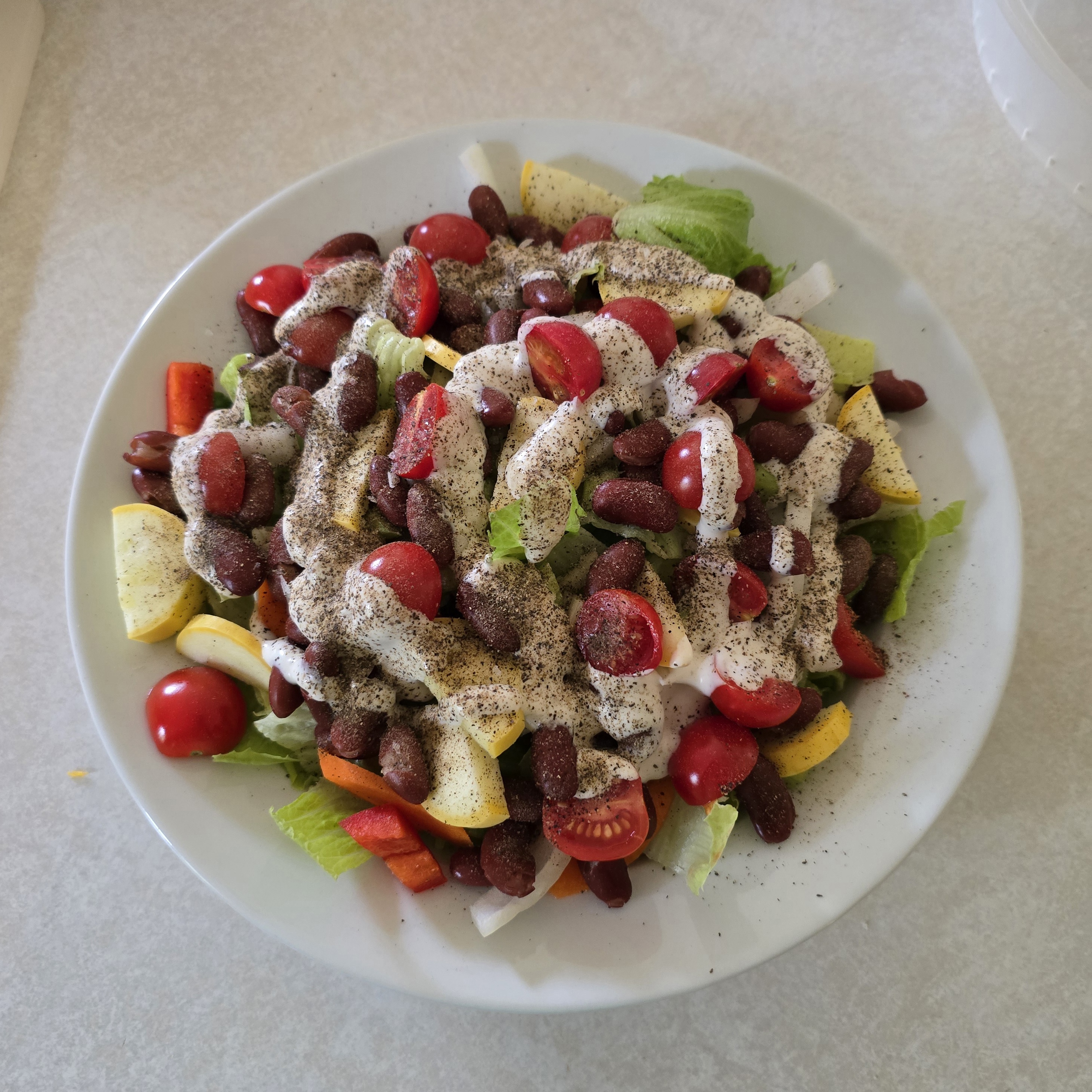
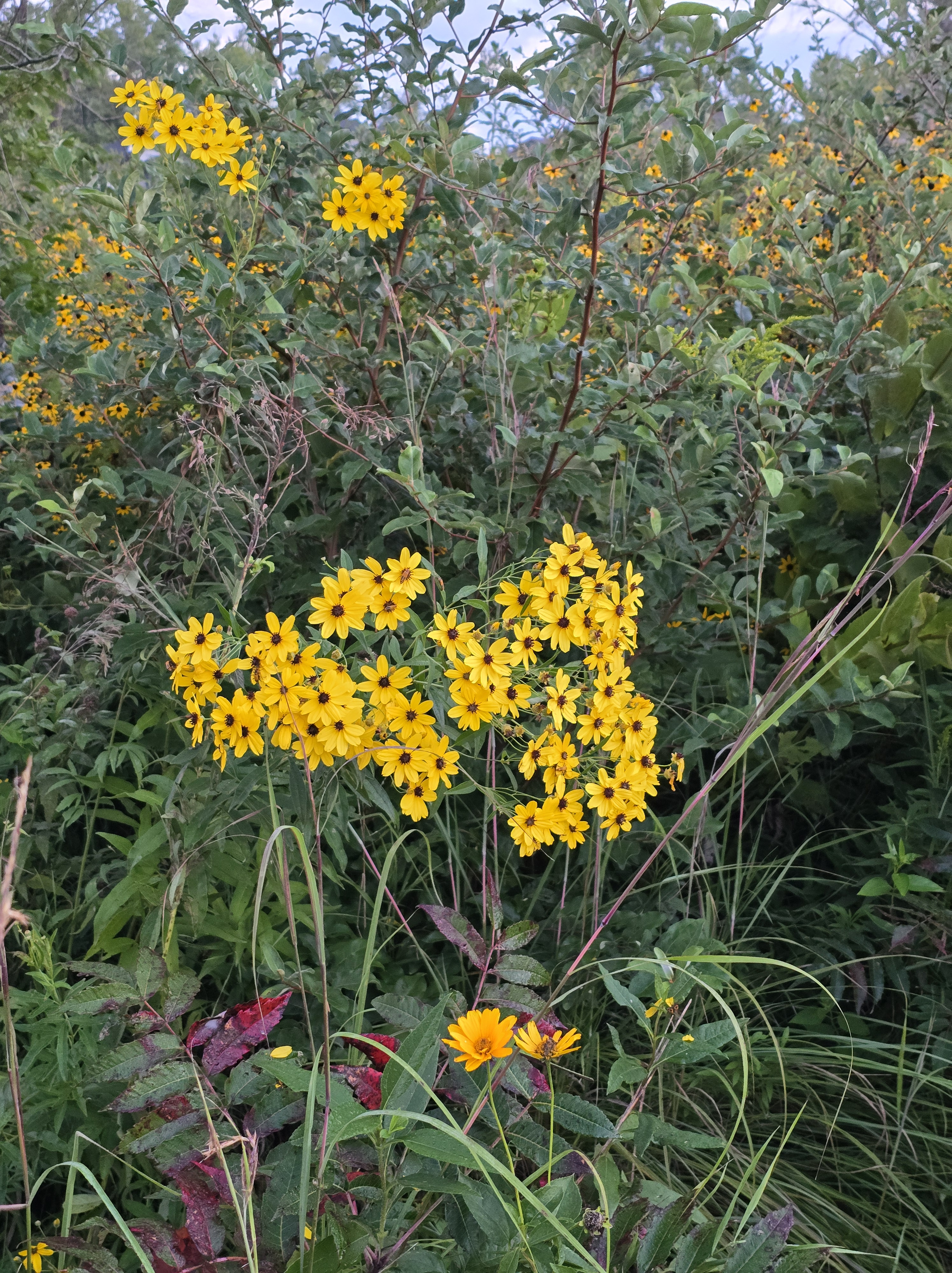
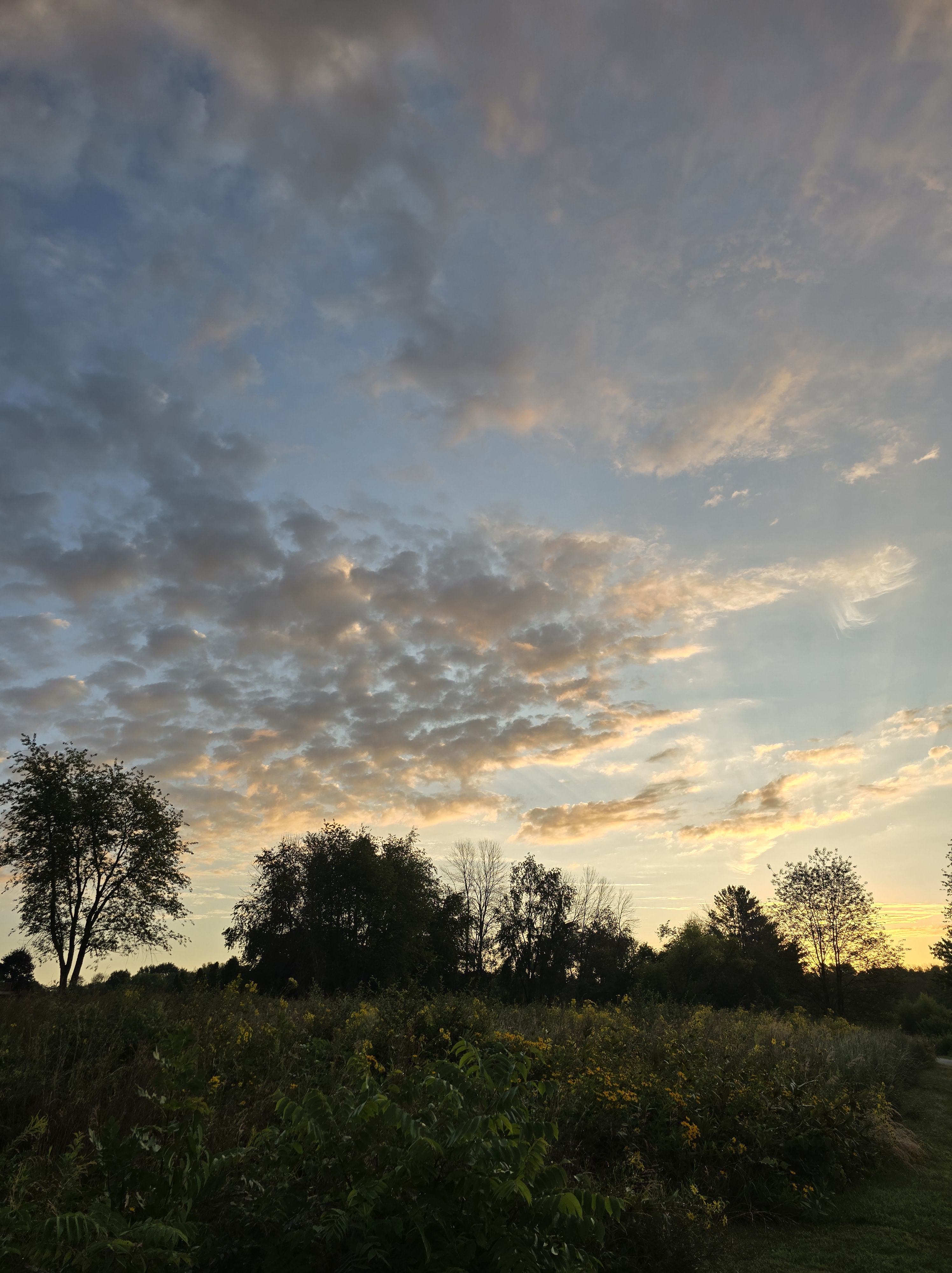
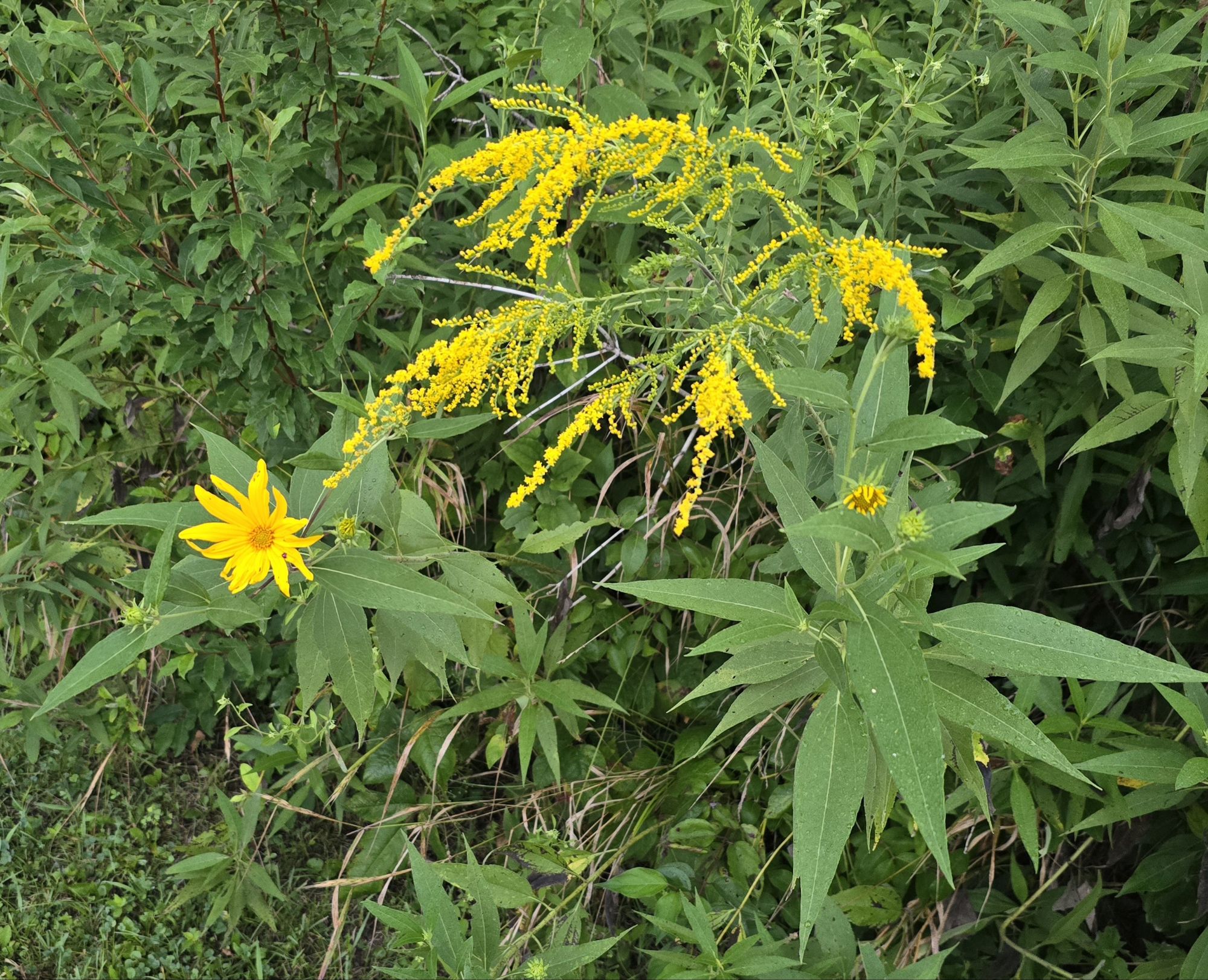
It has been a week of great weather. Temperatures were in the seventies, scant rain, and plenty of sunshine. I tried to capture a bit of it for this post.




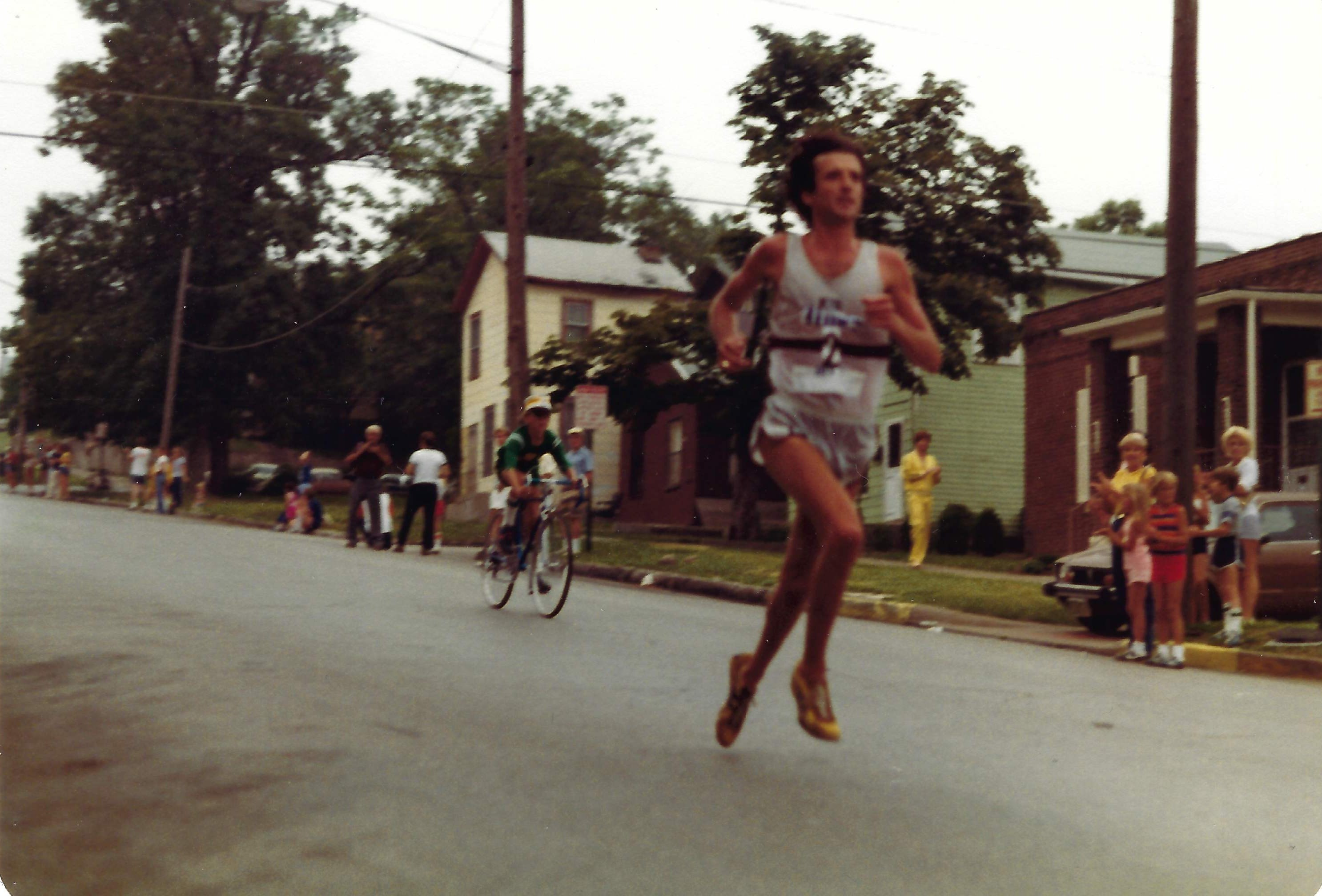
When in November 1979 I returned from Germany to Iowa after serving in the U.S. Army, I was driven to continue running. The first road race I ran was seven weeks later on Jan. 2, 1980. As I finished graduate school at warp speed in May 1981 (17 months), I didn’t know what to do with myself. To use the pent up energy, I went on long distance runs and very long bicycle trips around Johnson County, sometimes both in a single day, and typically alone. In retrospect, it was a compulsion.
I hung out with some artist friends who encouraged me to be physically active. One August Saturday, we drove together to the Bix 7 road race in Davenport: I went to run the race and they accompanied me as friends sometimes do. Before I headed to the starting line, I gave them my camera to take some shots, including the one above.
In addition to Frank Shorter, they photographed the race winner, Bill Rodgers. Rodgers was just a speck on the print, hardly recognizable unless someone explained it. I favored this image where I could tell who it was. In an album somewhere I have images of myself in the crowd of runners, yet those are not kept with the ones in a box where I found this one and half a dozen others from that day.
In Part IV I wrote about orphaned photographs. What does a person do with leftover prints once the album is made? For me, I sometimes put them in an envelope with the negatives and tucked them in back of the album. Mostly, though, they get separated from the rest and placed in a box. Orphans in practice, I guess. The only thing to do with them in 2025 is label and place them in an envelope to go back in the box.
At that Bix 7 it had been a while since Frank Shorter won the 1972 Olympic gold medal in the marathon. This photograph means something in that it captured a famous person doing what he’s famous for. In 1981 it was not clear what career path might exist for a former Olympic champion. It was said at the time he entered every kind of road race he could find to further his career. I was literally there, with him.
A thing about photography is that while it can prove physical proximity, it does not demonstrate a relationship. I had no relationship with him or with most of the runners in that race. I am fine with that. My main concern was to finish the race without a mishap and then enjoy the company of friends on our way back to Iowa City.
I can see from this single print how difficult it would be to devote the same attention to the thousands of orphaned photographs in our house. I want to get through all of them for maybe the last time. Yet there is only enough time to live life once. It is a fine thing, though, to remember that specific August day in my home town.
~ Read all the posts in this series by clicking here.

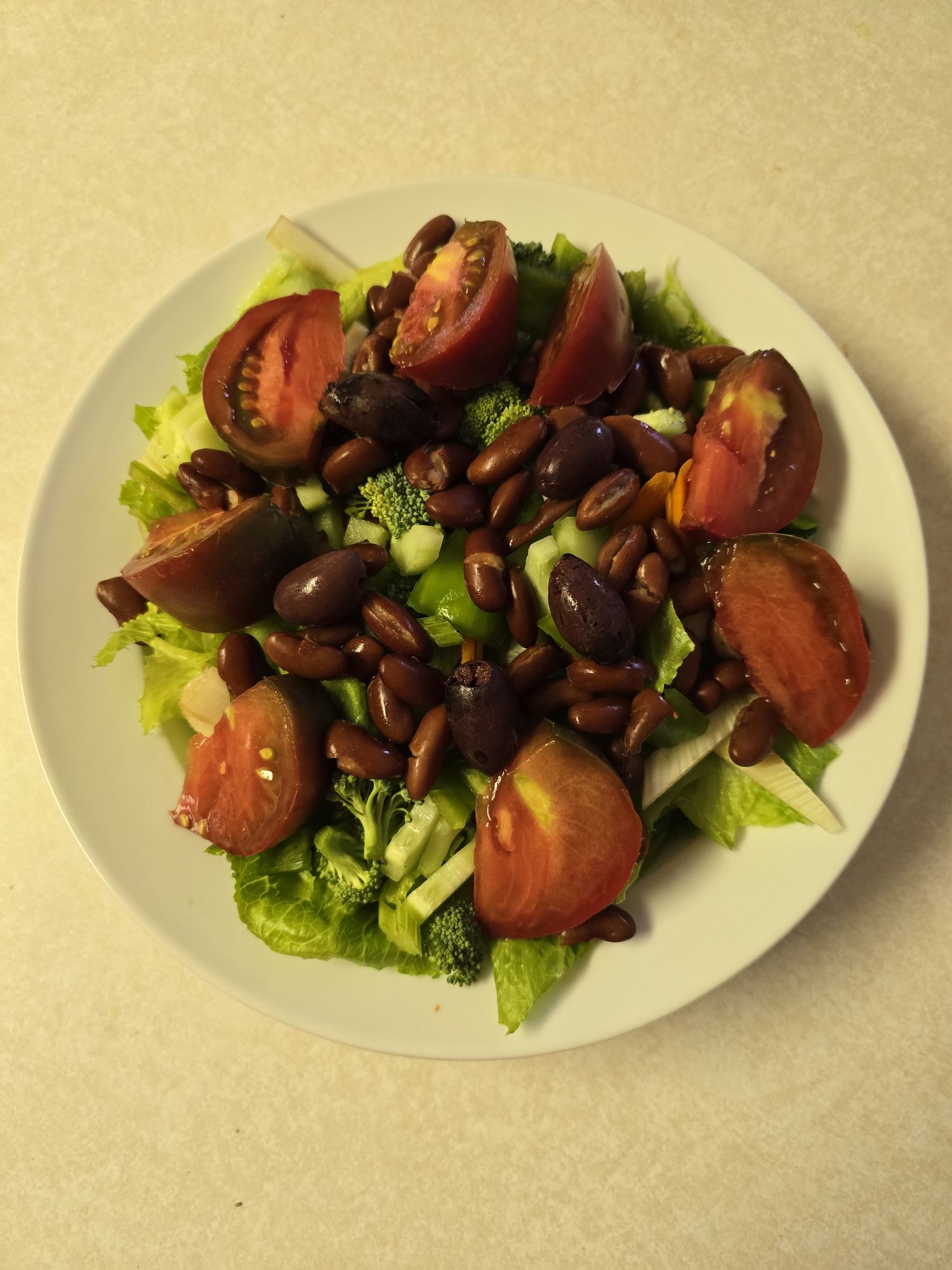
The hardest part of being an amateur photographer is making the images look different. For the most part, I prefer outdoors photography. Here a gallery of some of this week’s images.




 Journey Home
You must be logged in to post a comment.