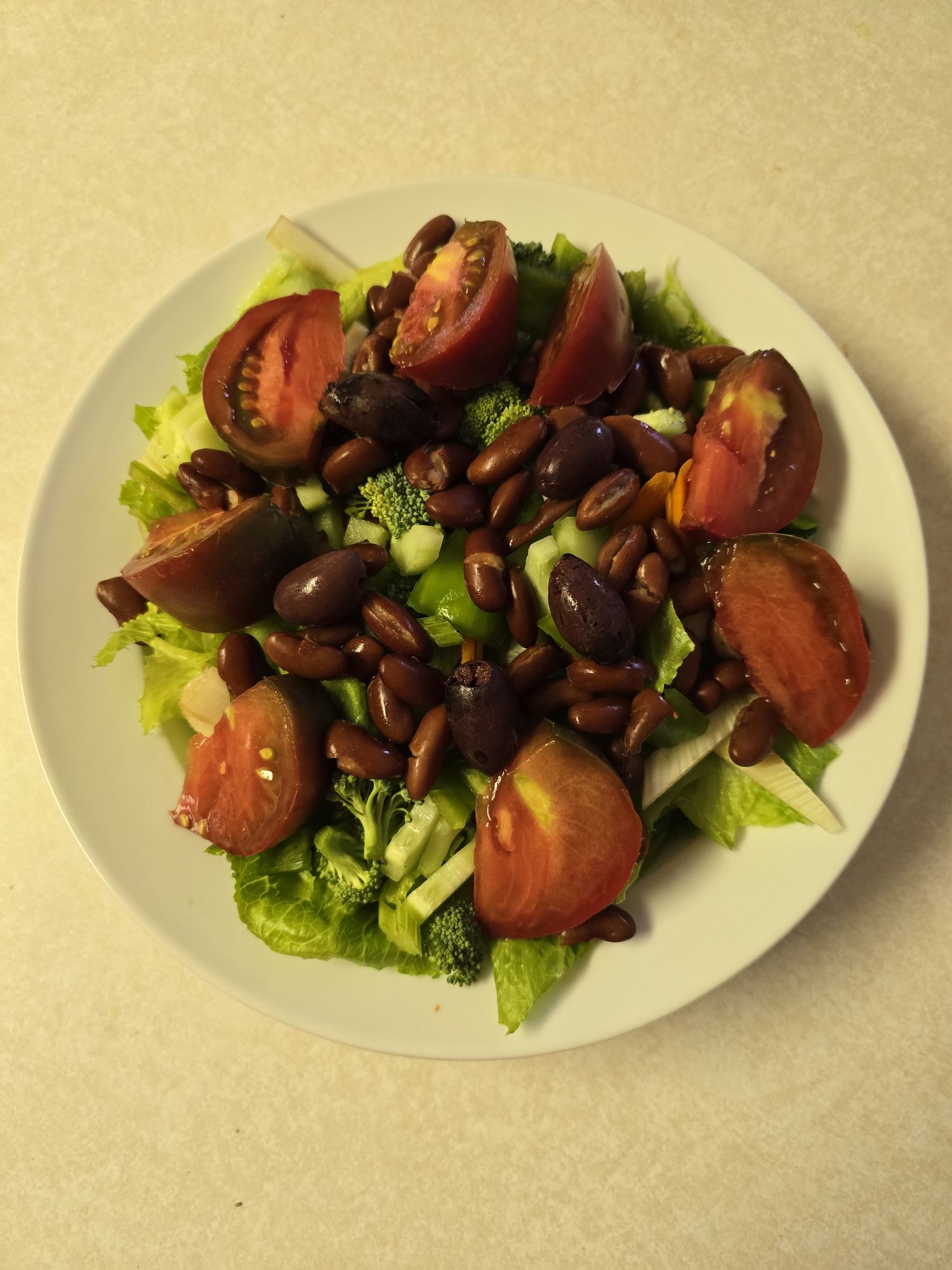
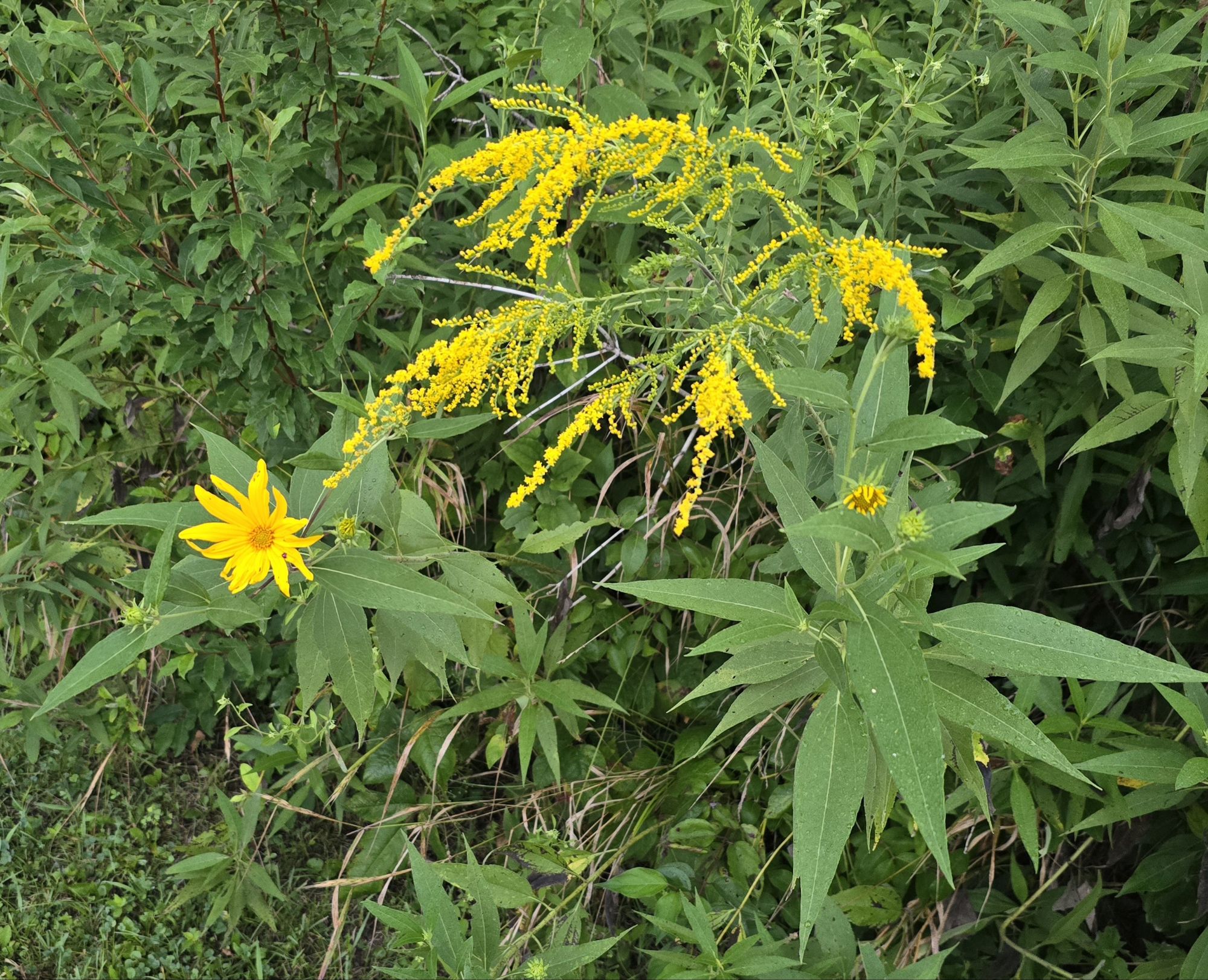
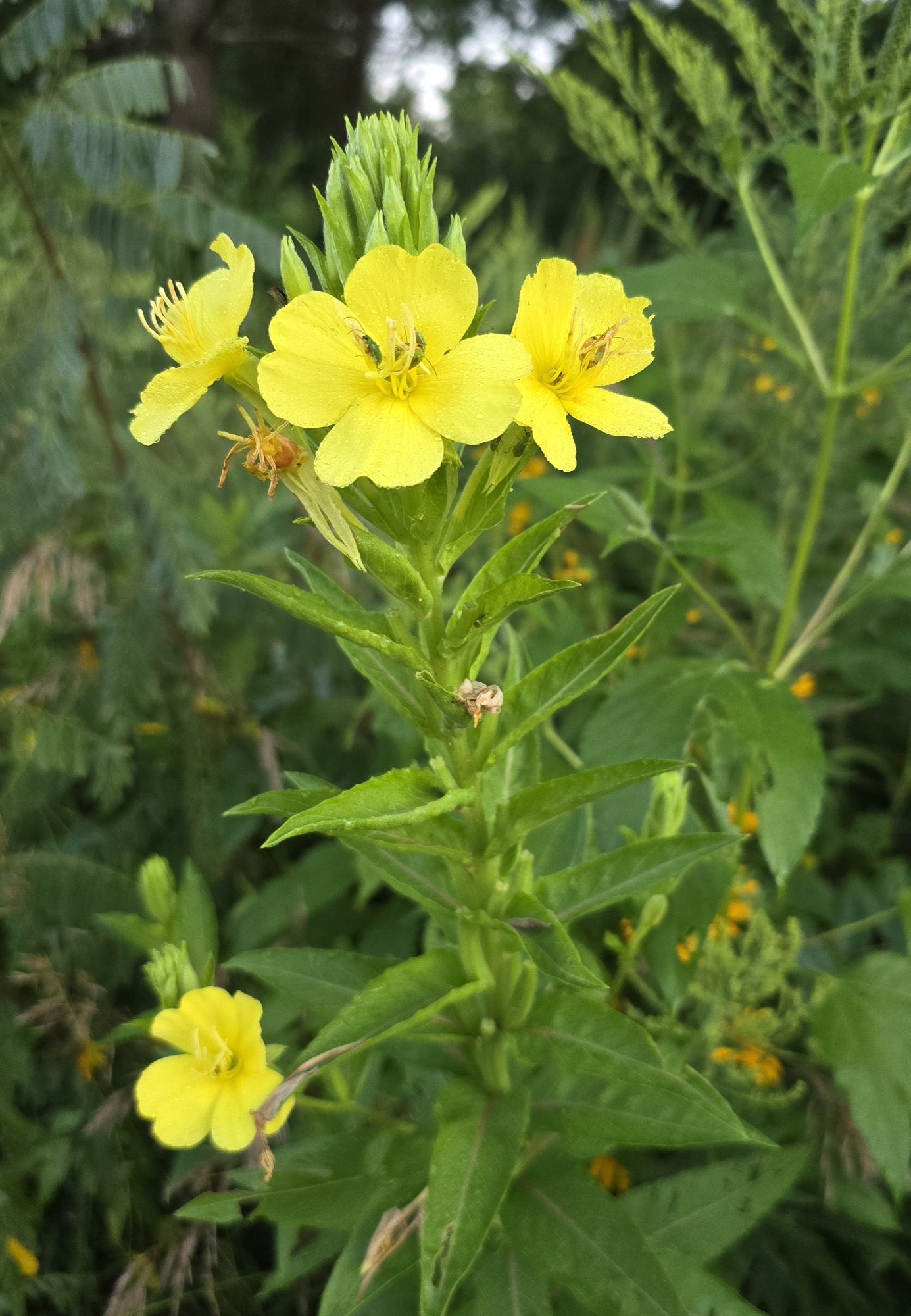
It has been a week of great weather. Temperatures were in the seventies, scant rain, and plenty of sunshine. I tried to capture a bit of it for this post.


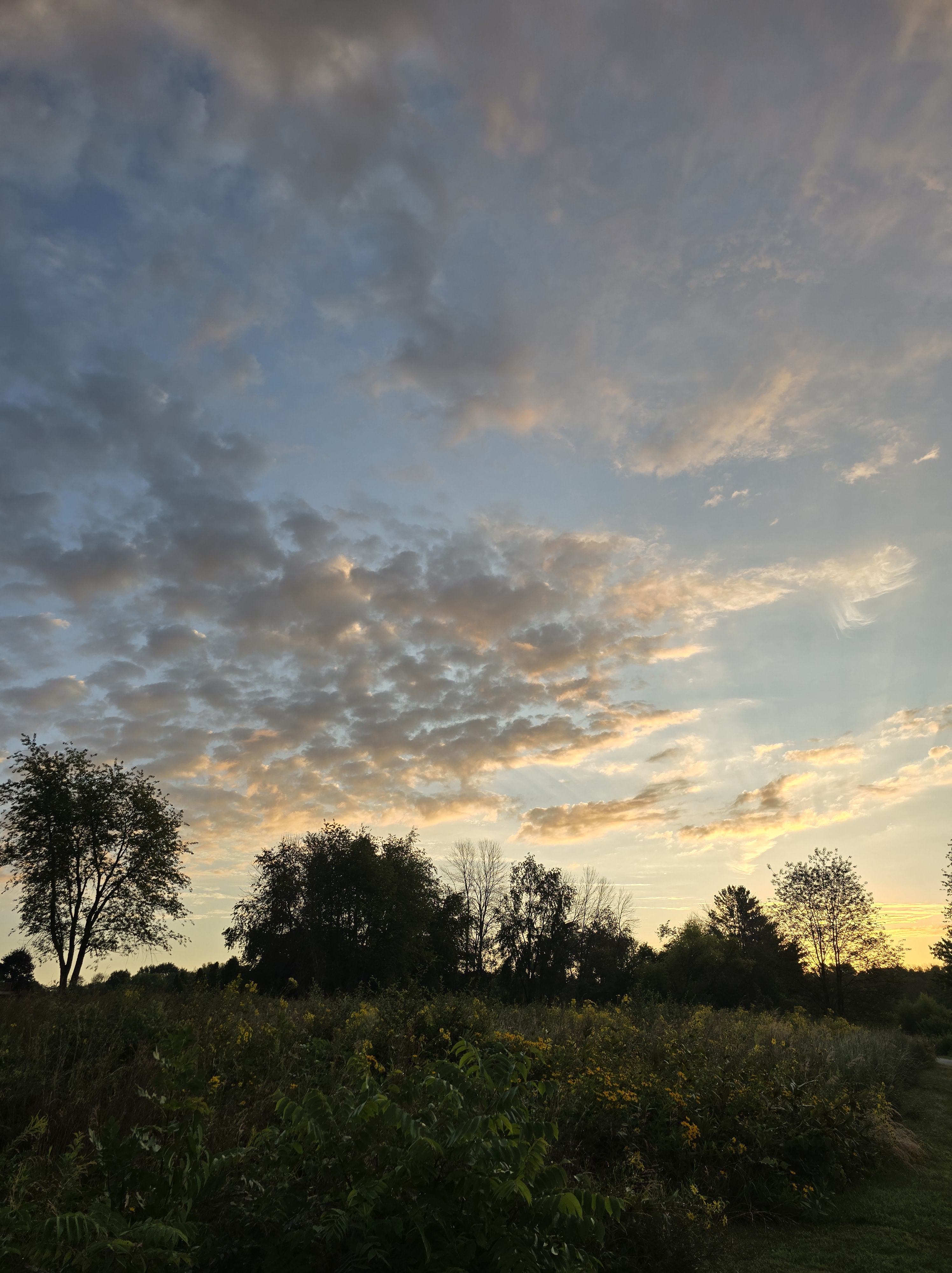

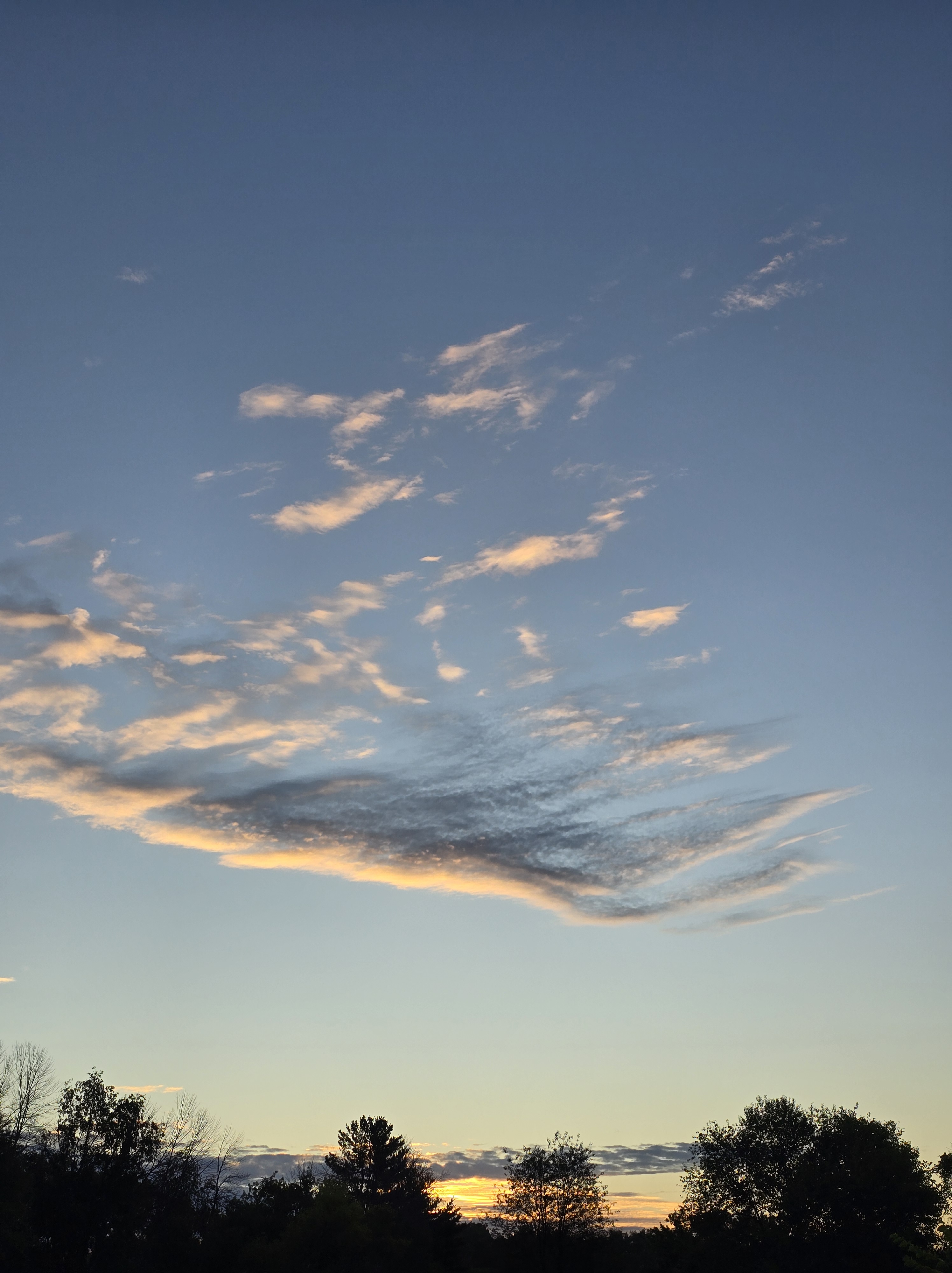
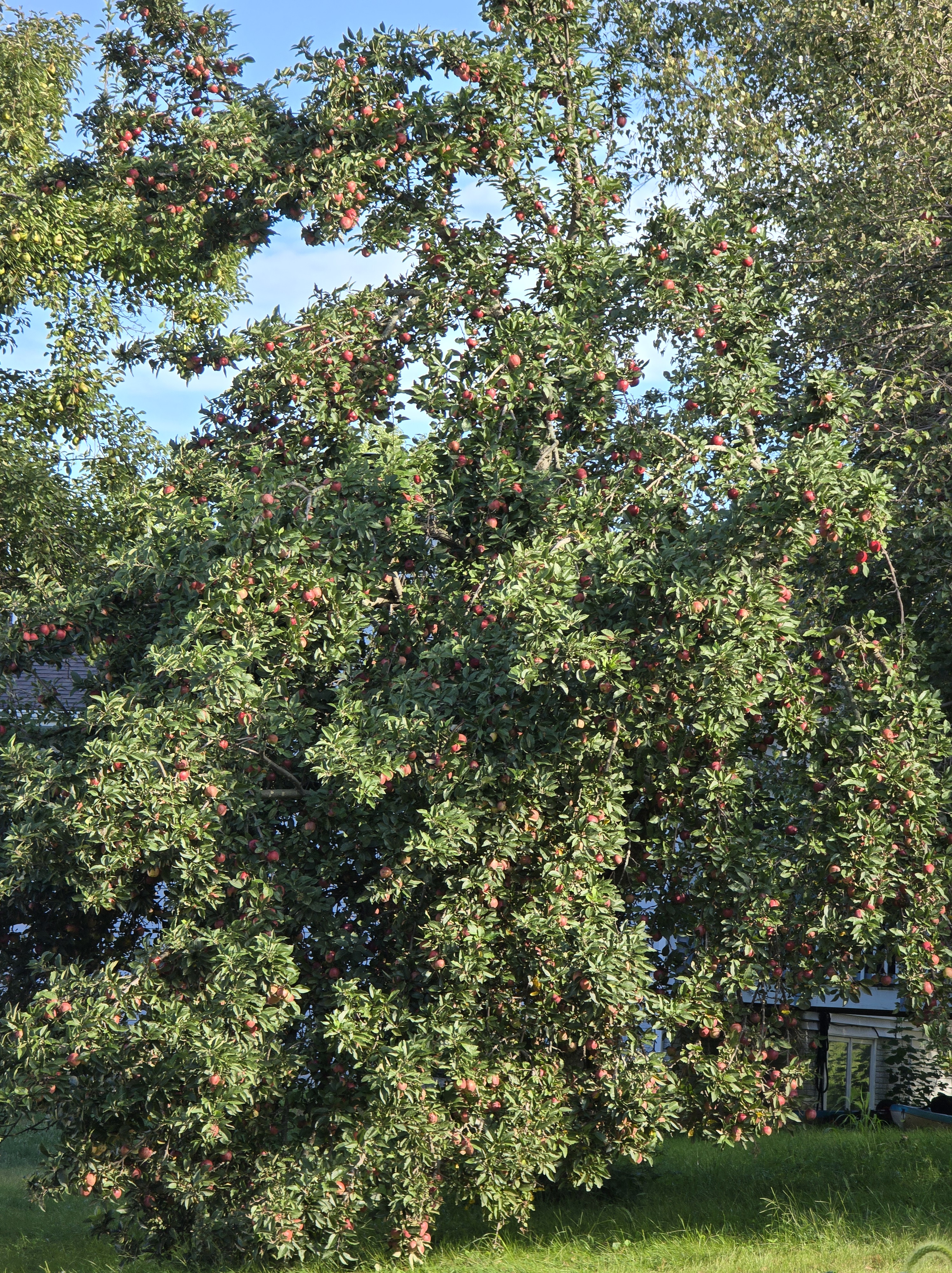

It has been a week of great weather. Temperatures were in the seventies, scant rain, and plenty of sunshine. I tried to capture a bit of it for this post.
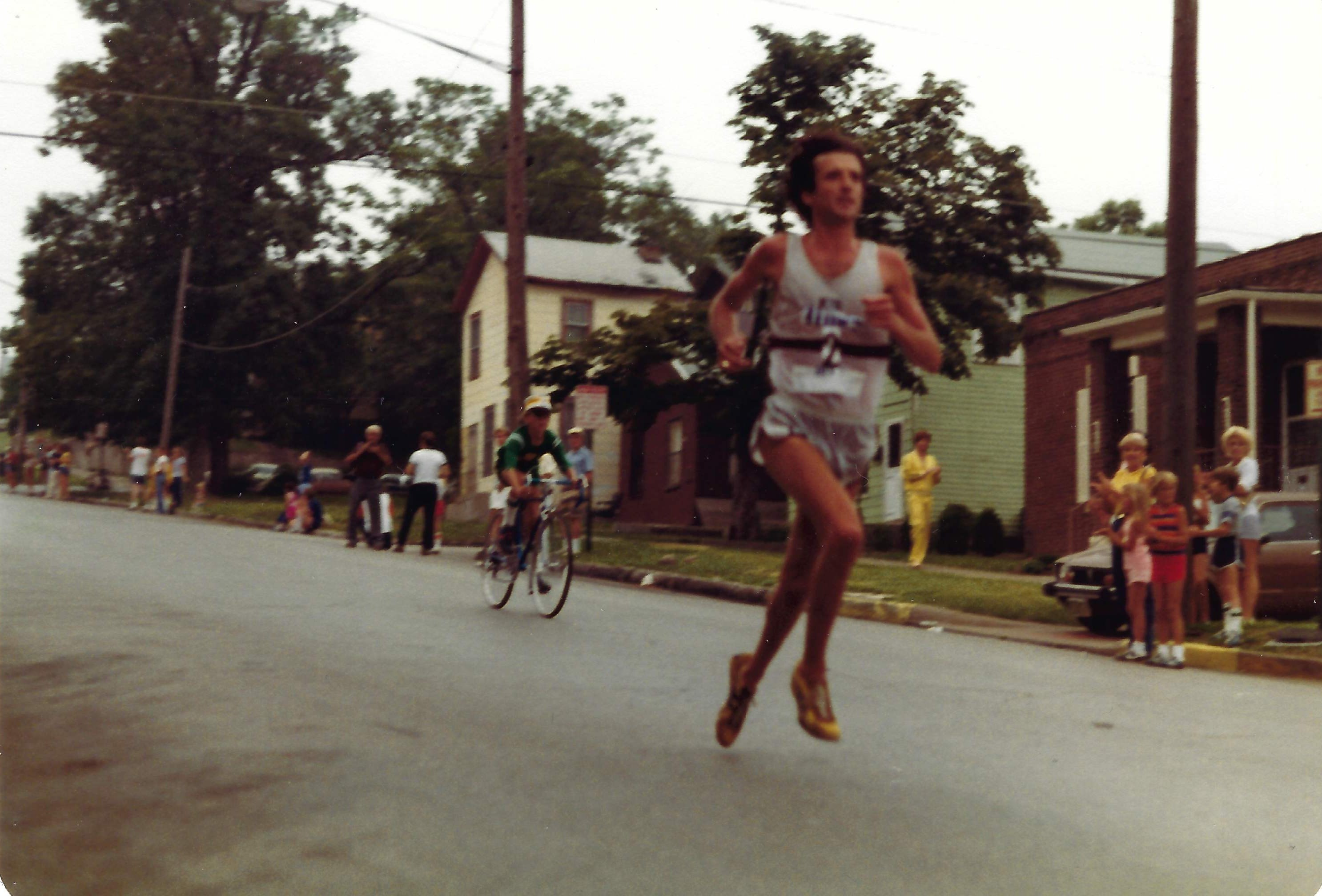
When in November 1979 I returned from Germany to Iowa after serving in the U.S. Army, I was driven to continue running. The first road race I ran was seven weeks later on Jan. 2, 1980. As I finished graduate school at warp speed in May 1981 (17 months), I didn’t know what to do with myself. To use the pent up energy, I went on long distance runs and very long bicycle trips around Johnson County, sometimes both in a single day, and typically alone. In retrospect, it was a compulsion.
I hung out with some artist friends who encouraged me to be physically active. One August Saturday, we drove together to the Bix 7 road race in Davenport: I went to run the race and they accompanied me as friends sometimes do. Before I headed to the starting line, I gave them my camera to take some shots, including the one above.
In addition to Frank Shorter, they photographed the race winner, Bill Rodgers. Rodgers was just a speck on the print, hardly recognizable unless someone explained it. I favored this image where I could tell who it was. In an album somewhere I have images of myself in the crowd of runners, yet those are not kept with the ones in a box where I found this one and half a dozen others from that day.
In Part IV I wrote about orphaned photographs. What does a person do with leftover prints once the album is made? For me, I sometimes put them in an envelope with the negatives and tucked them in back of the album. Mostly, though, they get separated from the rest and placed in a box. Orphans in practice, I guess. The only thing to do with them in 2025 is label and place them in an envelope to go back in the box.
At that Bix 7 it had been a while since Frank Shorter won the 1972 Olympic gold medal in the marathon. This photograph means something in that it captured a famous person doing what he’s famous for. In 1981 it was not clear what career path might exist for a former Olympic champion. It was said at the time he entered every kind of road race he could find to further his career. I was literally there, with him.
A thing about photography is that while it can prove physical proximity, it does not demonstrate a relationship. I had no relationship with him or with most of the runners in that race. I am fine with that. My main concern was to finish the race without a mishap and then enjoy the company of friends on our way back to Iowa City.
I can see from this single print how difficult it would be to devote the same attention to the thousands of orphaned photographs in our house. I want to get through all of them for maybe the last time. Yet there is only enough time to live life once. It is a fine thing, though, to remember that specific August day in my home town.
~ Read all the posts in this series by clicking here.

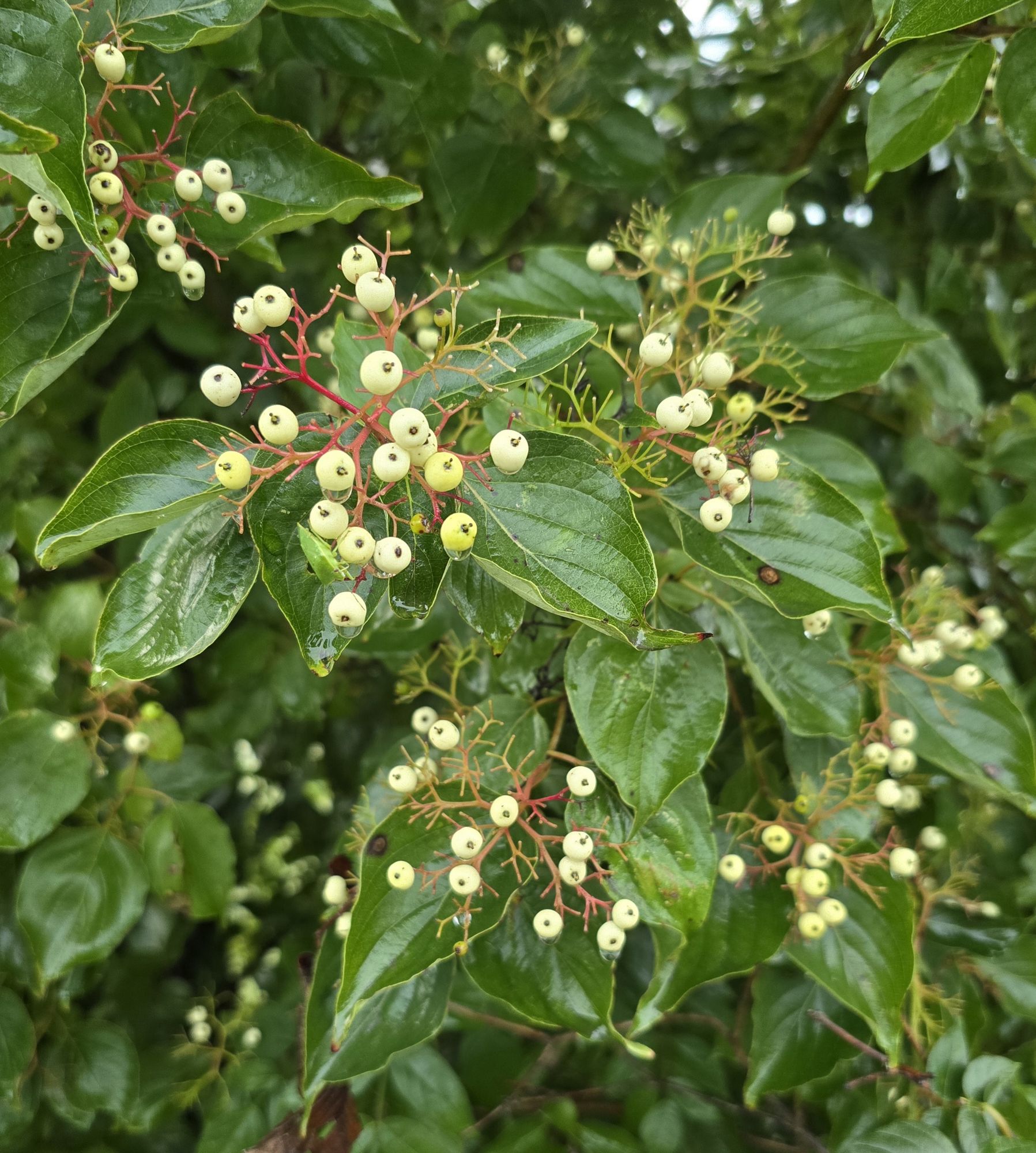
The hardest part of being an amateur photographer is making the images look different. For the most part, I prefer outdoors photography. Here a gallery of some of this week’s images.




Sometimes we would go on a trip and take photographs. In fact, in my time, a trip and a film camera seemed to go together. Because I was able to purchase a camera with money from my newspaper route, I took photos when on family trips. When Mother and Father went on a trip they would take my camera. You go on a trip, you take some photographs to develop and show the folks back home. When trip photos got processed, we would sort and edit them. Sometimes we made them into an album. Simply put, trip photography was a cultural behavior with a beginning and endpoint and fixed technology for a trip’s duration.
I’m speaking of the pre-internet days. We got our first home computer on April 21, 1996. We didn’t do much with online photography until May 3, 2008 when I bought my first digital camera to make it easier to post on social media platforms. Back then, the process to put print photographs online had some obstacles, importantly, the lack of a scanner, which was expensive equipment. In 2025, with mobile device technology, that is all pretty seamless. It was not so in the 1980s and ’90s.
This photograph of Grandma Miller’s rocking chair was from a trip my spouse and I made to Virginia in 1983. The image records the artifact. There is a backstory. We both sat and rocked in the chair. We had a discussion about it with my great aunt Carrie who had possession of the rocker when we visited. We discussed it being made from local willow trees. I’m not sure, but believe I have a photograph of Grandma Miller’s daughter, Tryphena Ethel Miller sitting in it. (Spelling is “Tryphenia” on the 1940 U.S. Census). The chair is both an Appalachian artifact and a family heirloom. Forty years later, I don’t know what happened to it, although it may still be sitting on that front porch in Cox Hollow where we first saw it and took this photograph.
On that trip, my great aunt said she did not want her photograph taken. So many years later it is hard to remember the conversation. I believe it had to do with the Appalachian belief or superstition that there was a connection between a photograph and one’s soul or spirit. I was not trying to steal a part of Aunt Carrie’s soul. I respected her wishes and did not take a photo.
Also on that trip, my uncle, spouse and I visited Grandmother Ina Elizabeth Addington’s grave. She died in 1947 of food poisoning. She was also the granddaughter of Grandma Miller. My uncle got teary eyed while we were there visiting his mother, so I did not take a photograph of the grave marker just then. We returned the next day for that. Discretion is an important part of trip photography.
While trip photographs serve as a form of aide-memoire that conjures our living memory of what happened, so often they get separated from memory and stand as orphans. Their dependence on the photographer and the specific trip is a consideration in curating any photographic collection. In this case, I will likely put all the 1983 trip photographs that are not in an album in an envelope together and label it. Likewise, when considering which images to keep and which to label by writing a short note on the back, we can make a big difference when the photographer dies or leaves images behind. Deciding what to do in cases like this is a main task of this project.
This photograph has a date of July 1983 printed in red ink on the back. I added the following text: “Grandma Miller’s rocker. Made of willow. Grandma Miller was Tryphena’s mother.” A person needs to know more than a little context for that to make sense. Compared to most prints I have, those are a lot of words. Working through how and what to write on the back of prints is another main task of this project.
I could say a lot more about trip photography. As an organizing principle, it just makes sense to put all the images captured on a specific trip together. That doesn’t answer the question of passing along one’s heritage. I need to flesh this out in a future post.
~ Read all the posts in this series by clicking here.
Some of this week’s photographs.



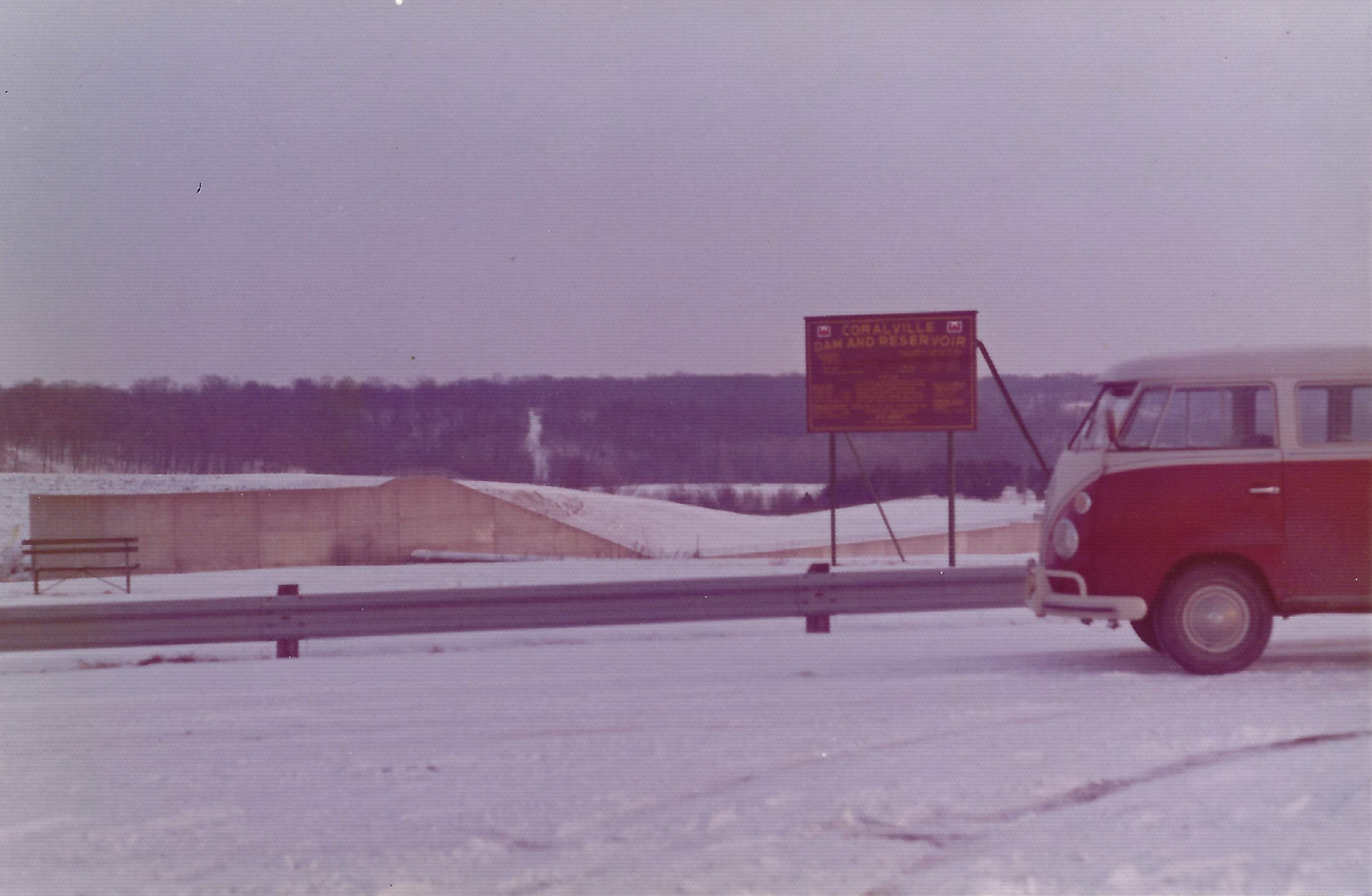
When in the 1970s I bought a Minolta SRT-101 35 mm film camera I took it on short trips to take pictures and see the results. Film and film processing were inexpensive. I felt I was a step above people who bought their Brownie camera at the drug store to capture moments of family events. I felt like a creative person with everything to gain by capturing images that weren’t necessarily of people, or remembrances of where I had been. So it is with this image which even 50 years later attracts my eye.
I don’t know why I drove by myself to the Coralville Dam and Reservoir that winter day. I have living memory of the experience. From looking at the dozen or so prints I took that day, I was trying something creative, the way an artist fills a sketchbook with drawings. I hadn’t given much thought to framing the image, or anything else a photographer might consider. I’m thankful I included the signage in the frame to help remember where the film was exposed.
The artist’s sketchbook is a good metaphor for these kinds of prints. While there is a result of the effort, namely the print, what is more important is the learning process I went through that day: the practice at capturing images. 50 years ago, I did a lot of practicing. When digital photography came along and became ubiquitous, we still practice, yet if we don’t like the frame we can immediately take another shot. With decades of experience, all of that practice comes into play with every shot we take.
These were days when we didn’t see the image until receiving the prints from the processor, maybe a week or more later. The disconnectedness of the print from the creative act added something. While there was living memory of the photo shoot, the printed result was divorced from that. The image stands on its own. That is one point of being creative.
When I received my share of the settlement with the elevator company related to Father’s death, I equipped our band with an electric guitar, amplifiers, a public address system and the Volkswagen microbus in this photograph. The photograph is proof the vehicle existed. The band equipment has long been sold, yet this photo remains as a reminder of what once was. It is also proof that I was learning a craft.

When the email from Macmillan Publishers arrived I knew I would purchase The Devil Reached Toward the Sky: An Oral History of the Making and Unleashing of the Atomic Bomb, by Garrett M. Graff. I immediately logged in to Amazon and found I could order it to be delivered the next day, on publication day (Aug. 5, 2025), for full price. I hit the pause button. Didn’t I tell myself I was going to slow down my ordering from the behemoth book seller?
Next I found the website for a local bookseller who was offering pre-order for delivery to the store also on Aug. 5. It was also full price, so I said what the hell. No time like the present and ordered it on their website. It was an experience compared to Amazon.
First, when I received my automated order confirmation, it was detailed, giving me everything I needed regarding the order: tracing, question outreach, price, and so on. One curious bit was the order showed being from an outfit called BookPeople, which is a large independent bookseller located in Austin, Texas. Austin is less like the rest of Texas, so I am okay with that. Besides, I assume my local bookshop does what it must to reduce acquisition cost and build margin on sale. Both of those are necessary to stay in business. So far, so good.
Next came the email from the local bookstore. It was sent by an individual at the store to advise me they would notify me when the book arrived. Nice personal touch.
All was going well when my contact reached out with this message: “The Devil Reached Toward the Sky has arrived and I have set aside a copy for you at the back information counter. All of the copies which we received were damaged so I picked out the least damaged one to set aside for you. Have a look at it and we will order another copy for you if you don’t like this one.” Seriously? Well, it is not my bookseller’s fault the book was damaged in shipment, so I started a string of emails, which turned into text messages. The text exchange took 30 minutes and included photos of the damage and discussion of price for damaged goods. We were able to work it out and I drove the 25 minutes to the county seat to pick up the book, paying cash.
If a book got damaged with Amazon, I know the drill. I contact them and would get disposition instructions while they credited my account and shipped another book. Most likely, if I had to return it, I would have had to drive to their return consolidation point at a local big box store. Goods damaged in shipping is always a hassle and the blame always lies with the party that packaged and did the shipping. It is a rare occurrence to receive damaged goods from Amazon.
I will just assume this situation is a one-off and will order new books I want to add to my library locally, especially when there is no price difference. I don’t like taking so much time dealing with a local store, yet hopefully we will get to know each other better and develop a relationship. When my annual book-related budget is about $1,000, it’s not like I am the biggest fish in the sea. It is one more way I can spend more of my life relating to people, even if it’s because of a glitch in the process.
I’m confident I can break my Amazon habit.
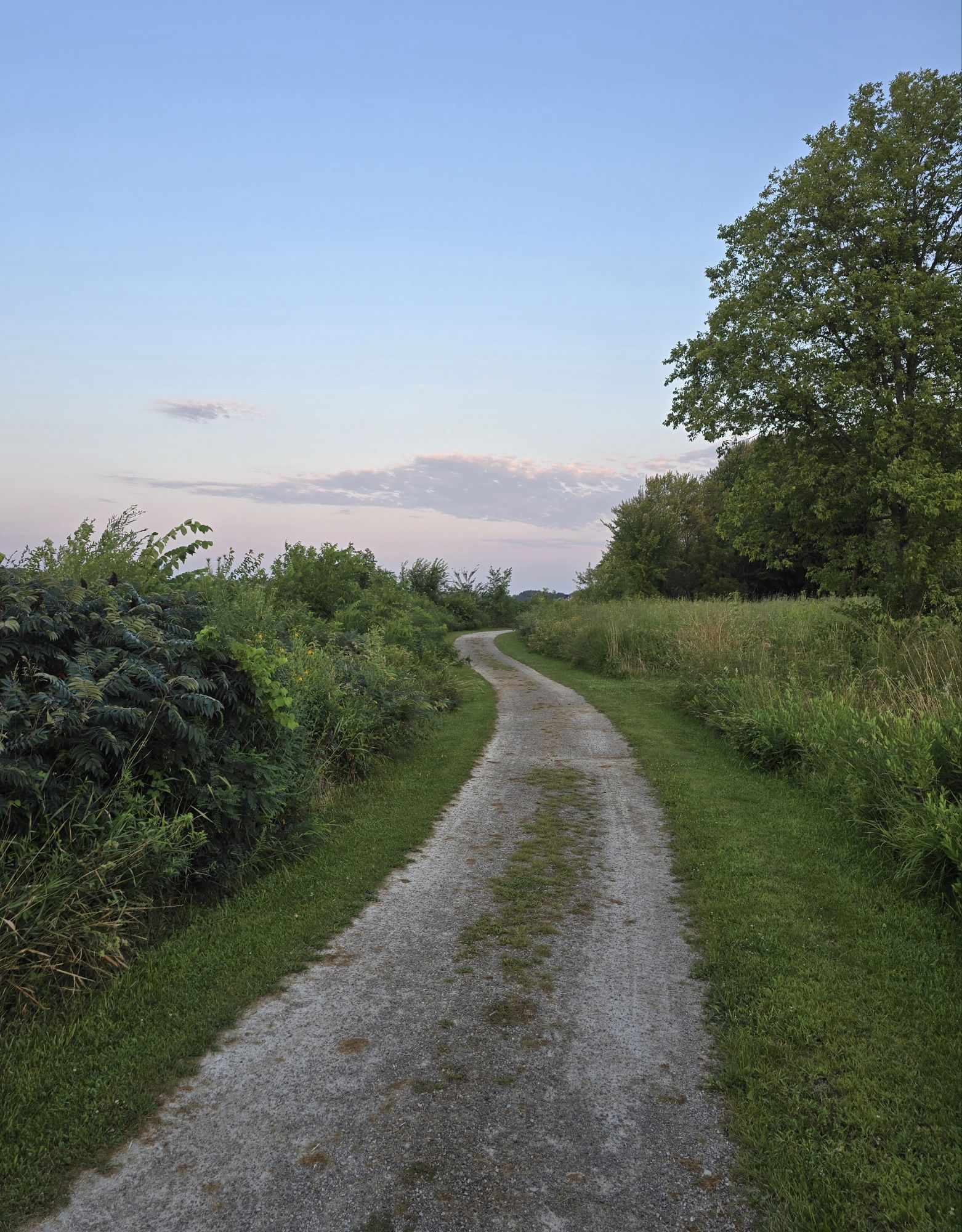
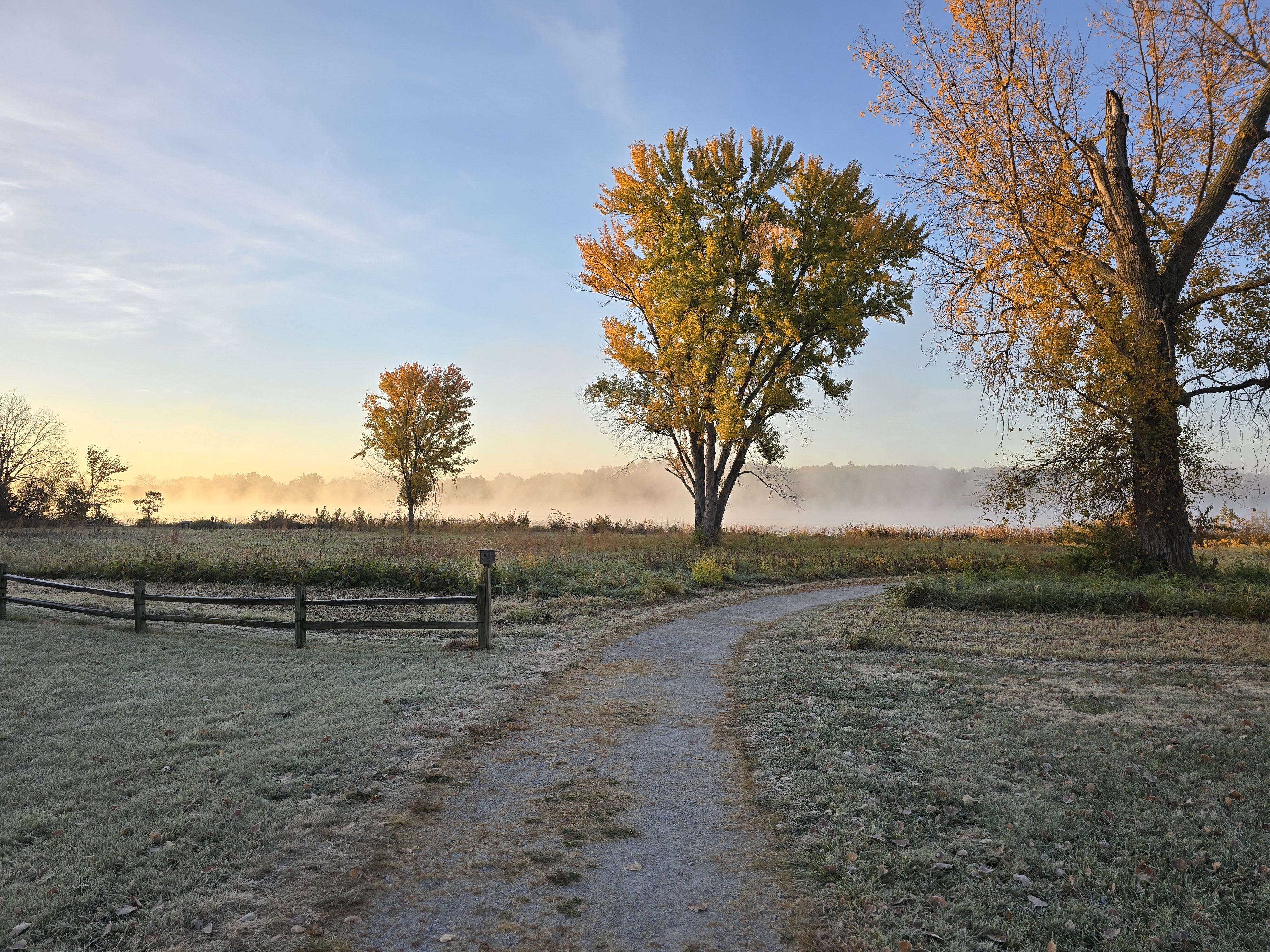
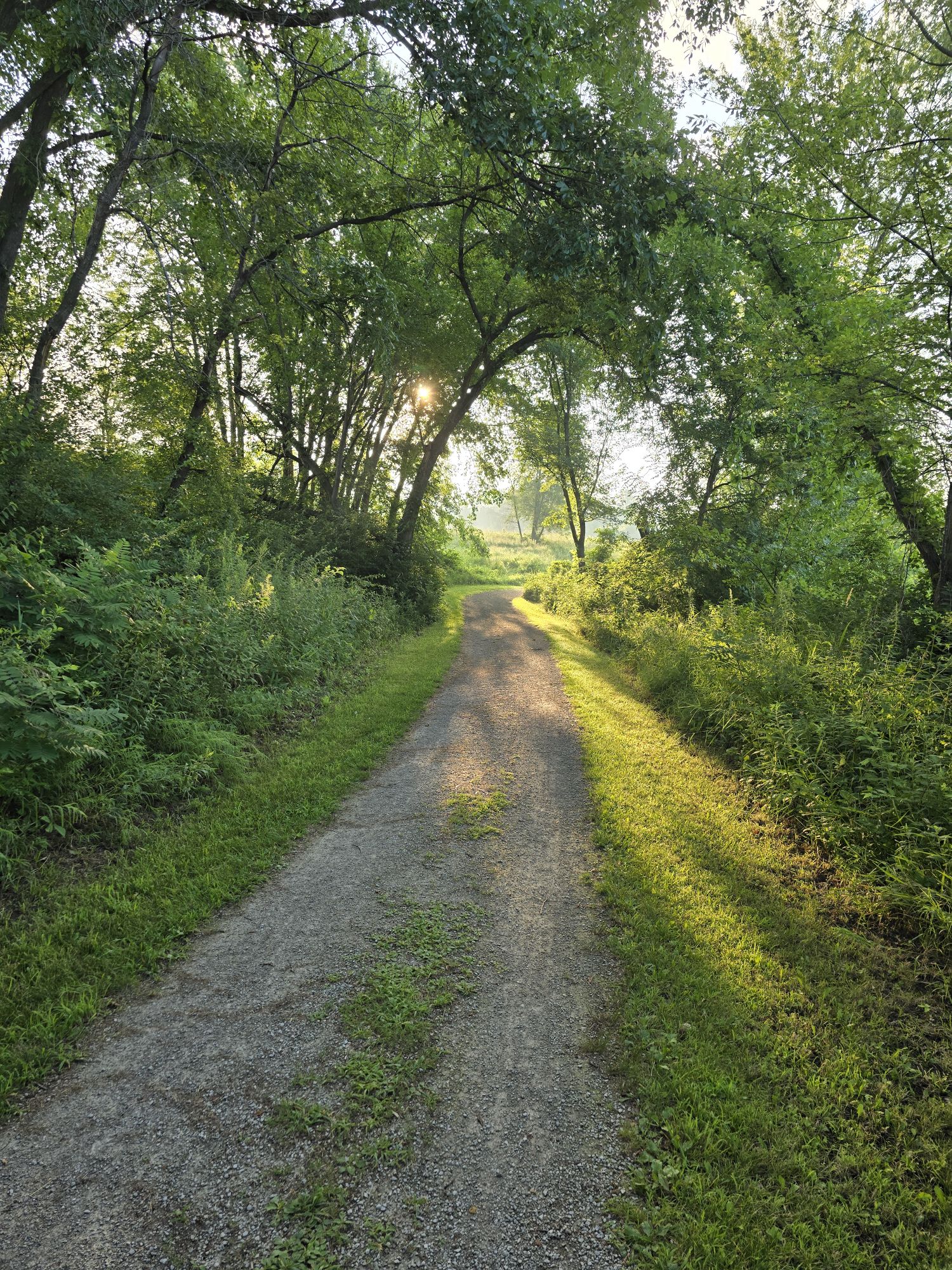
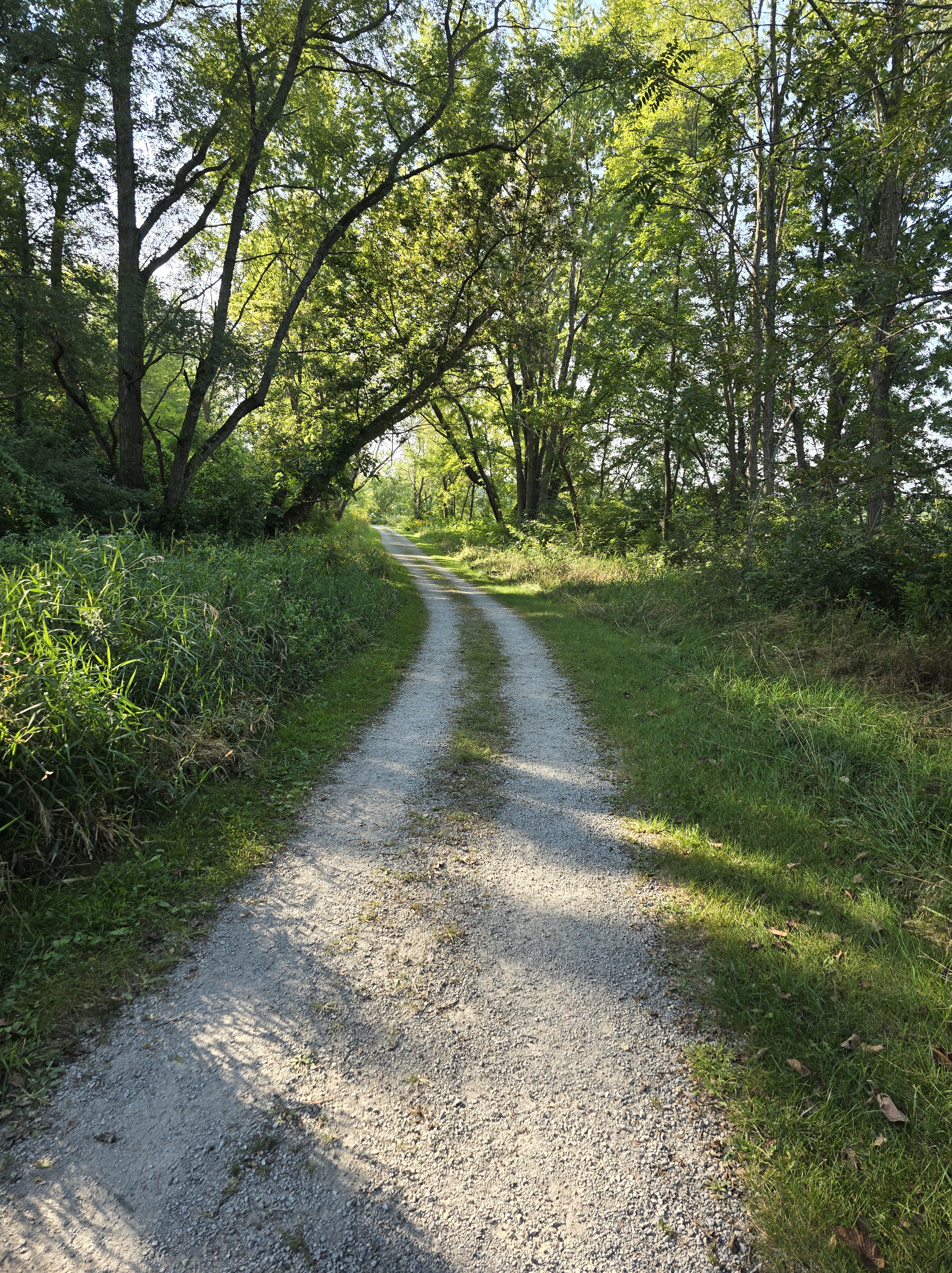
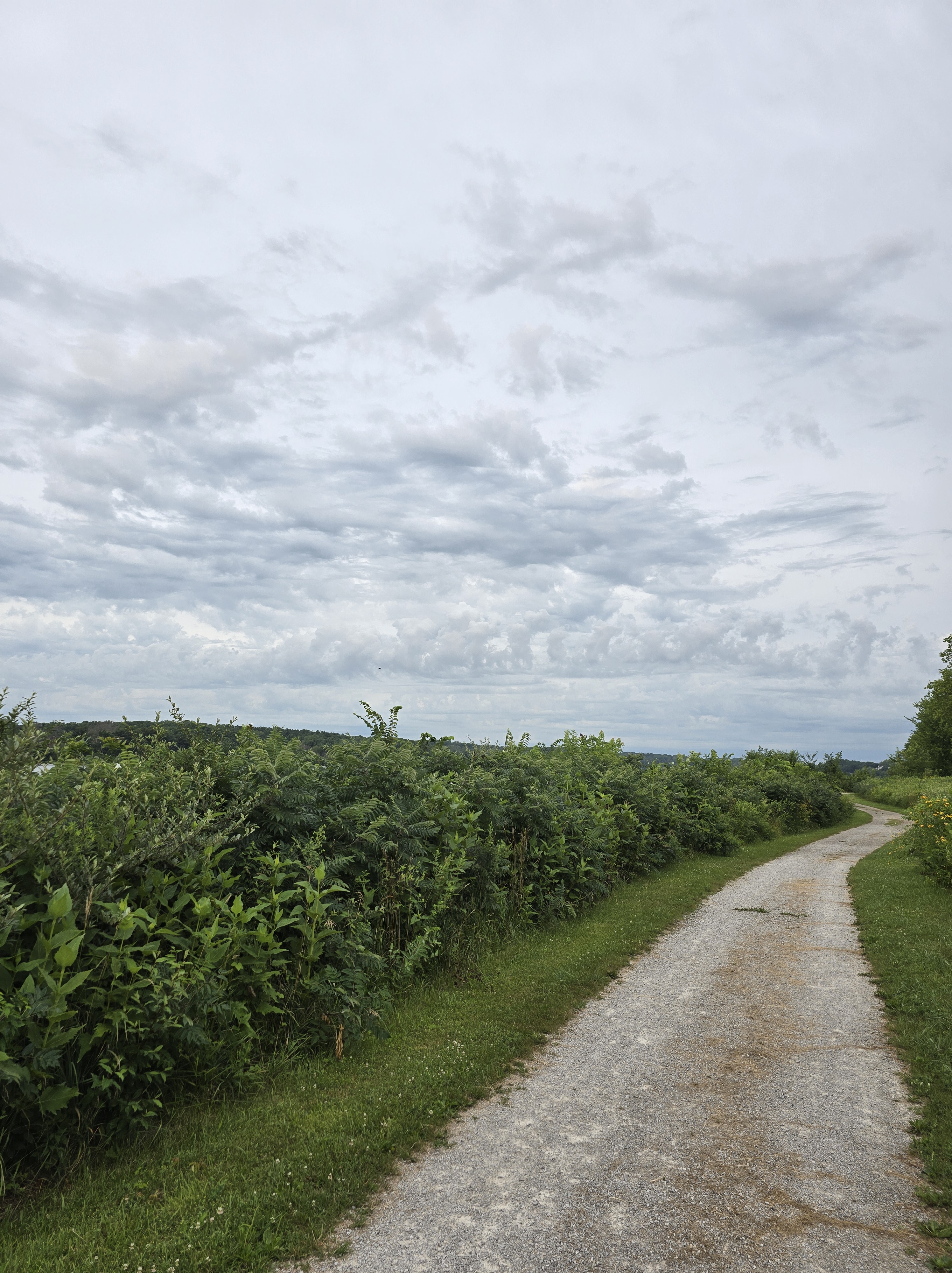
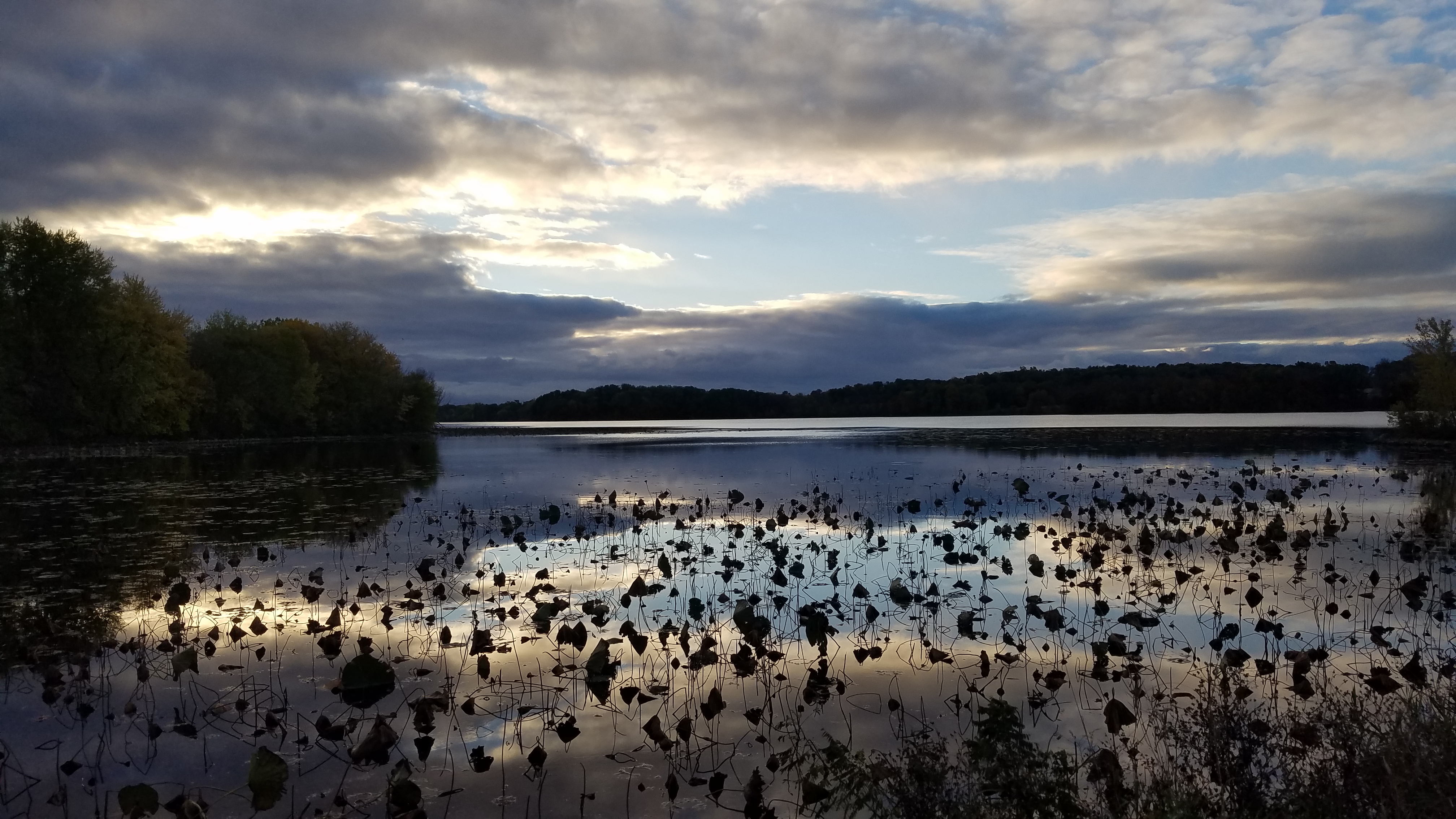
The more I walk on the state park trail, I notice the way light filters through the foliage. The familiar reveals itself as varied in presentation. It takes an active mind to notice.
Here is a series of photos about light on the state park trail. Some are subtle. Some, less so. They are all valuable as part of my journey with photography.





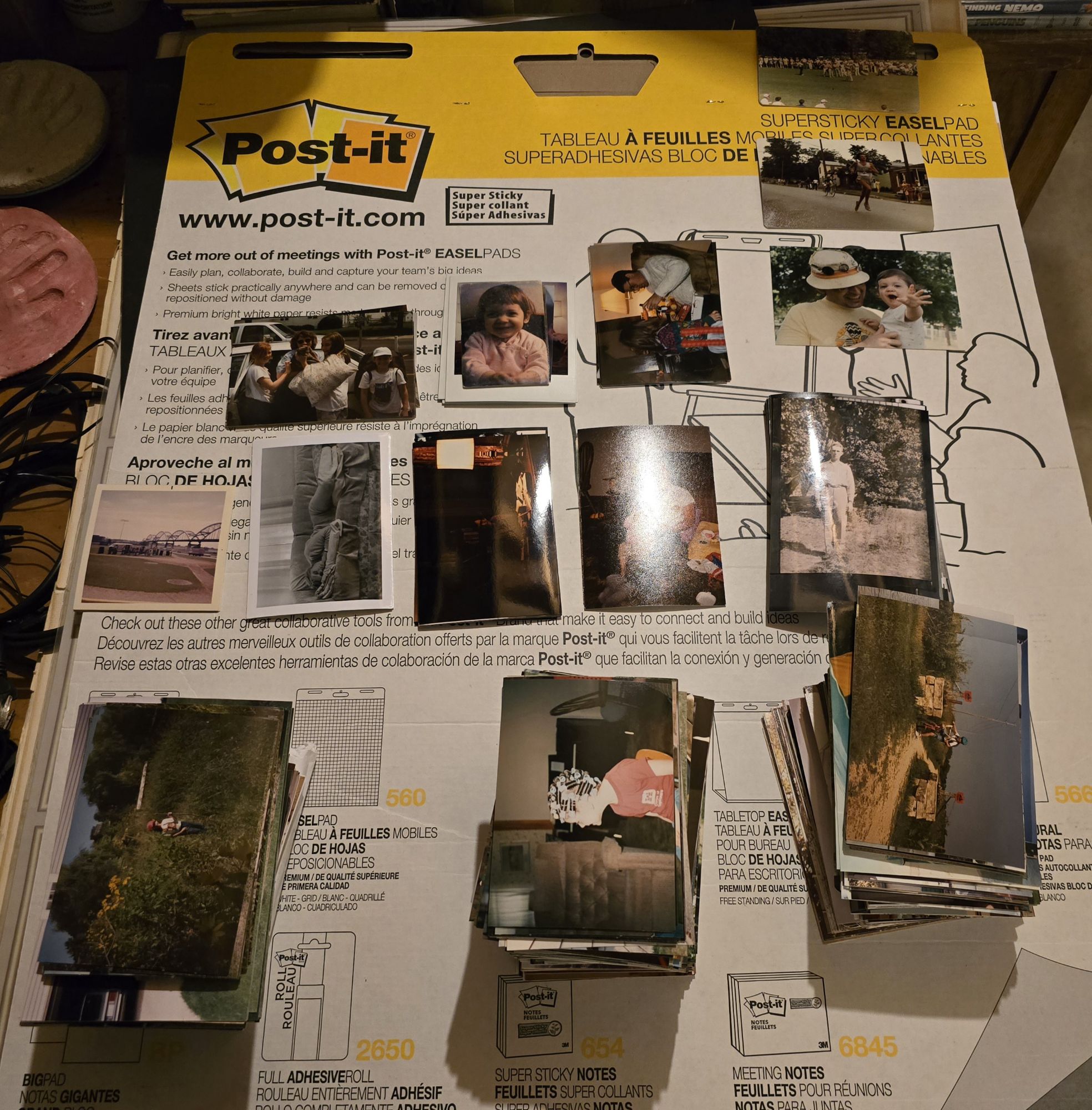
In the end, photographs are objects. They have qualities — paper, coloration, moisture, processing technique, subject matter, and many others. In the beginning, one has to take a pile of them and just start organizing. This is especially true if during the collection process, there was no organizing principle, other than all photos go into a certain box labeled “photos.” It’s a process, or may be one once I have gone through everything on an initial pass. Here I’m talking about paper photographs.
Somehow I ended up with large quantities of photos, stacked one-on-one, placed together only by happenstance. Now I review them, one-by-one, to see where the journey leads. The immediate task is separating them into groups according to when they were taken. For example, there is a set of our young child getting a home permanent. They obviously go together in their own stack. Another stack is photographs I took when I lived in Mainz and from the travels around the area. It is a tall stack because I avoided thinking too much about them. They are easily grouped for later analysis. Going through them quickly is a necessary first step.
The hardest part of a review and sorting is to turn off memory while doing it. That was a stumbling block because I easily got distracted by memories evoked by the prints. I also felt I had to turn immediately to my autobiography and write about a set of photos. Now, one pile, one box, is sorted at a time. I group the objects together as they appear before me and as I recall how they went together.
Each pile could be a story in itself. To get through them, the stories need to be set on the sidetrack to be hooked up to the train later. Maybe it’s not optimal, yet it is a way to get from randomness to a better understanding of what I have available… and how each image might be used. This process will be about my personal cultural attributes, some of which I know, and some lie unawares in the conglomeration of personal cultural artifacts.
For now, I decided to make a weekly post about how my photography process evolves. The first one is here. Going forward, I will use the tag A Life of Photos. I hope readers will follow along.

It was hot and humid outdoors all day Tuesday. I managed a hike on the state park trail between thunderstorms. A little after 10 a.m. I drove across the lakes to the wholesale club to secure provisions. My usual three-pound can of generic Colombian coffee had increased to $20.99 from $13.99 the last time I stocked up, a 50 percent price increase. The tariff on Brazilian coffee goes into effect on August 1, after which it will cost even more. I did not replenish inventory at $20.99.
At the end of June, I replaced the whole house water filter. Yesterday I sat down to order a replacement and the new price was $20.19. In February I bought the exact same part for $13.40, a 51% increase in 5 months. I only get two of these per year but this increase and others like it will make household financial management more difficult. It is a preview of what life under the oligarchs will be like.
The garden has me distracted from work on my autobiography. There is so much produce to process, there seems little time for anything else. To preserve the harvest, immediate action is required, so writing is pushed back. In the annual cycle of my life, this is a feature, not a bug. Our lives would be the worse without the garden.
Hours in the kitchen enable my thinking about life and writing about it. I am certain I have at least one more book in me as the urge to write an autobiography has been with me as long as I can remember. At its core, writing autobiography is part of a life well lived. Once I finish and get a copyright, what then?
I envision creating a new document, using the first two books as a base, to which I add autobiographical information and stories. The published books will stand on their own as moments in time, yet my story will continue to evolve as long as I live. Part of it is finding aspects forgotten during the first telling. Part of it is recording new insights on the same stories already told. It will be a continuous work in progress that may never be published the same way again. It will be a never ending memoir.
There are other books I imagine publishing. The most obvious one is collections of my essays first published on this blog. There is enough here to make a book about local food. There is another about sustainability. While I’ll cover the coronavirus pandemic in part two of my autobiography, there is a much longer story to tell about its impacts on my life and on society more generally. That story is just being revealed. Whether I get to any of this is an open question.
For now, I continue to process fruit and vegetables so we’ll have something for our dinner plate long after the frost comes in October. As the harvest winds down, I’ll work again on my memoir. I still hope to finish the draft by the end of year holidays.

 Journey Home
You must be logged in to post a comment.