Categories
Kitchen Garden

Spring Flowers Are It

Lilacs in Bloom
Lilacs in Bloom

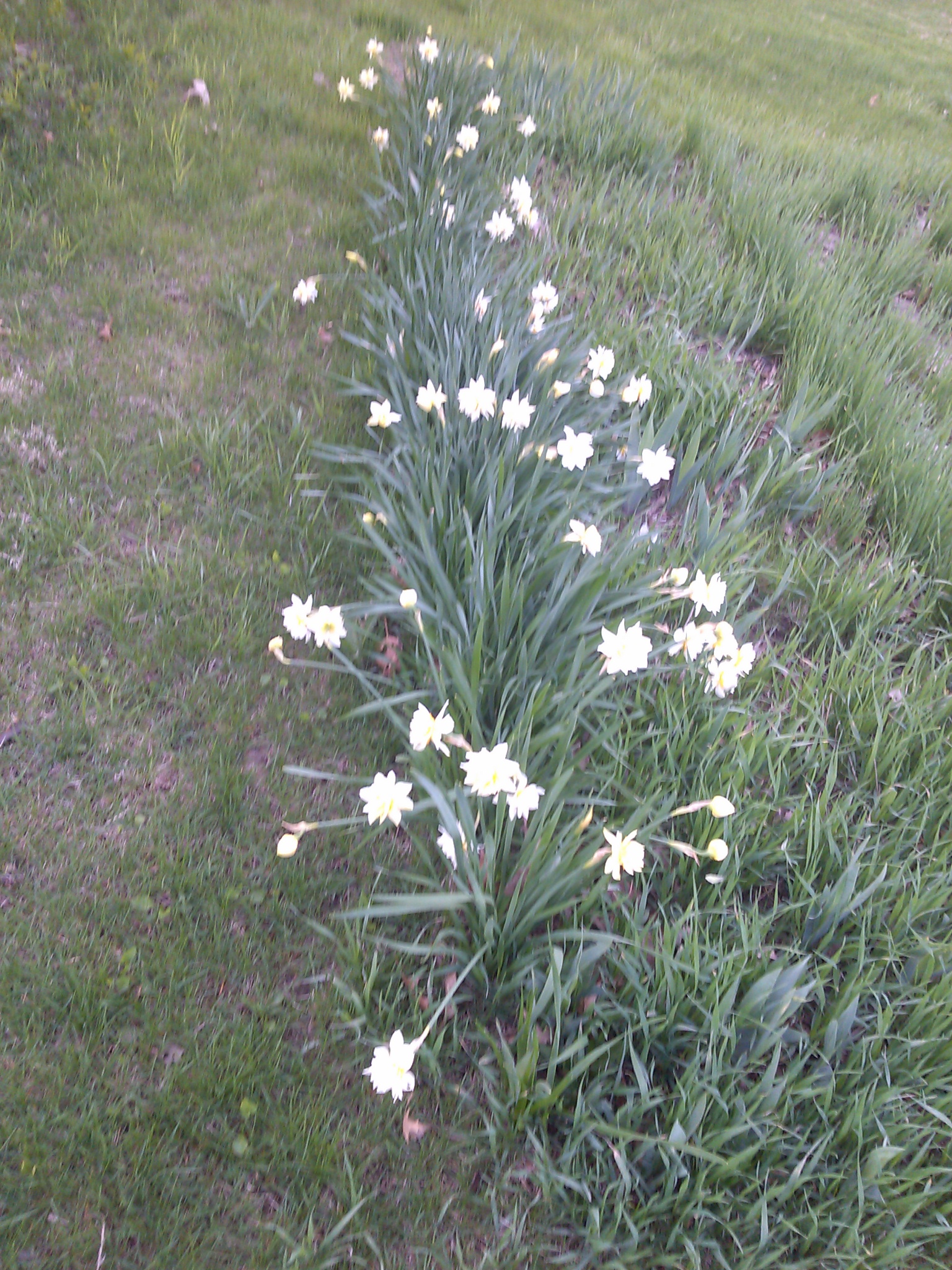
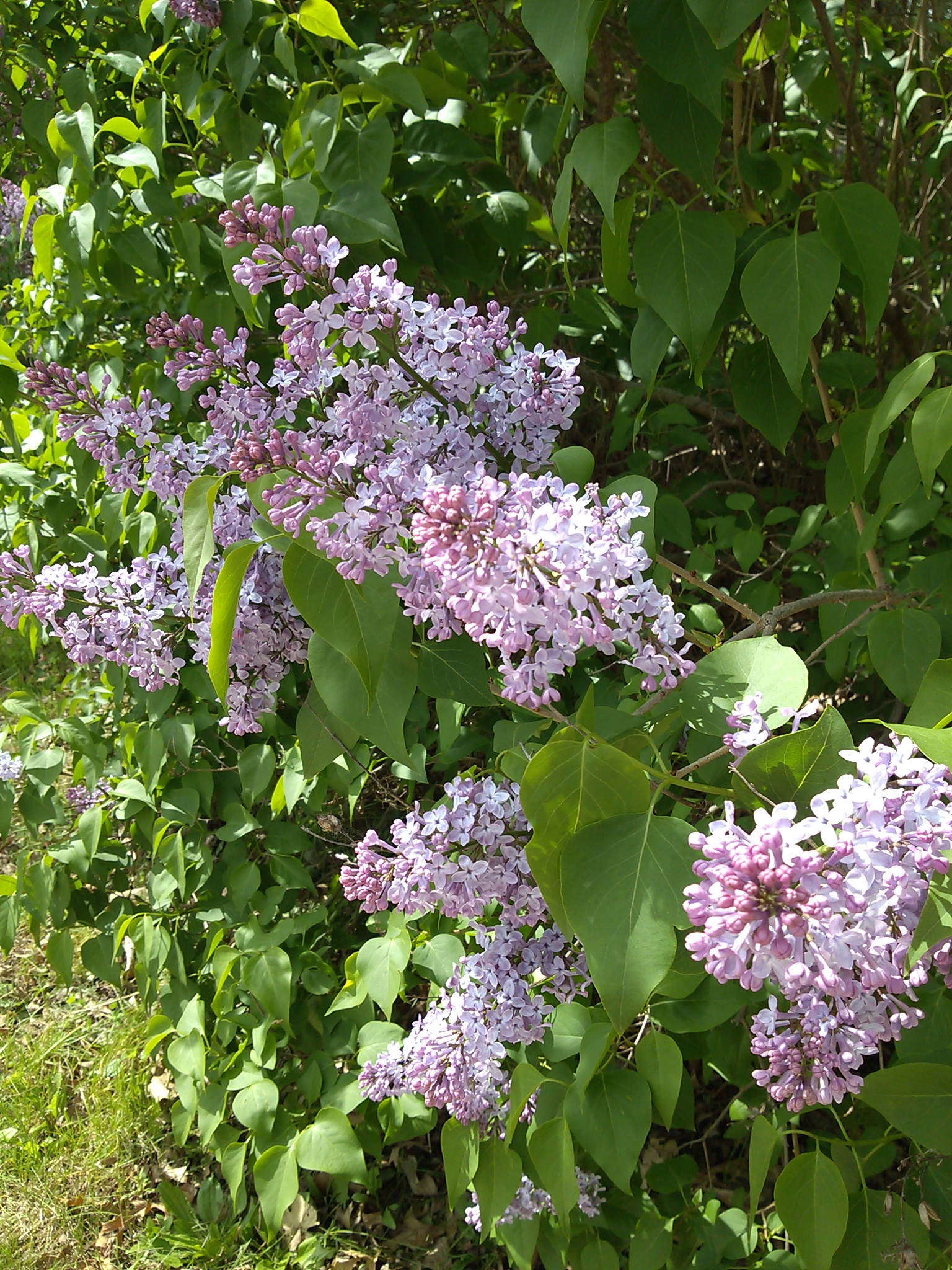
LAKE MACBRIDE— Taking photographs of spring flowers isn’t necessary. Nor does it record the pink, blue, red, white and violet petals in a way that persists like the collective memories of 20 years of spring in this place.

The Red Delicious apple tree has an abundance of blooms, just like last year. I thought 2014 would be apple bust because there were so many last year. It is very exciting to see blooms on two apple trees and on the pear tree.

I am lagging behind the neighborhood on making the first cut of lawn. I saw bumble bees in the dandelions— a hopeful sign. I want to give them as many pollinating opportunities as possible. We have a light carpet of violets among the blades of grass. I don’t want to cut until I need to mulch the tomatoes and peppers. It won’t be long, but not today.

 The scents of the flowers are intoxicating. Anyone who doesn’t know what I mean should get outside more— now. The varied fragrances last so short a while, but we drink in their liquor like hikers after following the trace of Dillon’s Furrow from the city.

Categories
Kitchen Garden

Garden Log 2014-05-10

LAKE MACBRIDE— I planted Market More cucumbers in a seed tray today and transferred some tomatoes and peppers into larger containers.

Categories
Environment

Farming and Climate Change

PSR - IowaPrepared Remarks for the “No Talent, Talent Show” at the National Physicians for Social Responsibility Leaders Meeting in Cedar Rapids, Iowa, May 9, 2014.

Farming and Climate Change

Welcome to Iowa.

In Iowa, where we hold the first in the nation political caucuses, we view political discourse as a talent. I heard Mitt Romney speak down the hall from here in 2010, so this argument remains an open question. Whether political discourse is talent will be for our out-of-state guests to determine tonight. My subject is farming and climate change.

One can’t help but notice the bucolic setting in which we find ourselves tonight at this first ever national meeting of Physicians for Social Responsibility in Iowa. Within walking distance, the spring images of agribusiness play out in real life: plant genetics, row cropping, fertilizers made from natural gas and associated nutrient runoff— a chemically intensive food production system developed in the industrial era. It features enormous single-crop farms and animal production facilities based on a misguided hope of feeding the world from these fields.

Expand the circle several miles, and a few dozen small farms engage in sustainable practices, have crop diversity, use cover crops to enrich the soil, muck out barns for manure to spread on fields, and produce pasture fed meat and dairy products along with vegetables. The contrasts between the two models couldn’t be more different even if they have the same roots in Iowa’s fertile soil.

In Iowa, agriculture connects us to the rest of the world. When Russia, Ukraine and Kazakhstan suffered a drought in 2010 and stopped wheat exports, neighbors of mine planted winter wheat almost immediately on the news. The dead zones in the Gulf of Mexico can be traced directly to our land. When Iowa trade missions visit China, South Korea and Japan, the framing is export of commodities that include pork, beef, corn and soybeans. When our cultural missions visit Africa it is partly to propagate plant genetics and row crop methods, displacing native staple foods with corn and soybeans in the ersatz colonization we call international development.

It’s all good… or is it?

More than most people, Iowa farmers deal with the reality of the effects of climate change and I want to spend the rest of my time on their resistance to mitigating the causes of climate change.

During the drought of 2012, more than 6,500 daily heat records were tied or broken in the United States, including in Iowa. July 2012 was the hottest month on record in the United States. I was engaged as a political consultant that summer, and the work took me out among farm fields on a daily basis. I learned what stressed corn looks like and came to understand what drought means to crop production. That year, U.S. corn production decreased by almost 20 percent.

Conditions were so bad the governor called a meeting in Mount Pleasant to discuss the drought. Invited speakers included farmers from Iowa agricultural groups: the Cattleman’s Association, the Pork Producers, Corn Growers Association and the Iowa Soybean Association. None of my sustainable farmer friends were invited.

Their comments were similar: the way farmers would deal with the effects of the drought would be to plow the crop under, capitalize the loss over five years, and start planting again the next year. Not once during the meeting were the words climate change uttered by anyone. Iowa agriculture doesn’t connect the dots between extreme weather and how it is made more frequent and worse by global warming. They just deal with it as best they can.

Iowa Farm Bureau economist Dave Miller provided some clarity about where farmers are coming from at a recent conference in Des Moines. Miller is a farmer who also ran the now defunct Chicago Climate Exchange, a company that made a market in carbon with companies who voluntarily adopted a cap on CO2 pollution and traded carbon credits toward that end.

“If there is no profit in farming, there is no conservation in farming,” said Miller. “You can’t pay for conservation out of losses,” he added. Farming economics drive farming behavior and what he said to close his remarks has broader significance:

“Capital investment horizons are three to 20 years, but my farming career is 20 to 40 years. The climate conditions and those things are millennial.”

There it is, the Iowa resignation that climate change may be real and happening now, but what’s a person to do about it since it is much bigger than my life?

From the perspective of a single life of economic struggle, it is difficult to raise our heads and connect the dots between an industrial society that includes farming and its production of greenhouse gases that contribute to the droughts and extreme weather that make our lives worse.

This is where Physicians for Social Responsibility must step in and connect the dots. With education, by framing actions, by pointing to the health consequences of global warming and the changes in our climate it is producing.

We must do this with an eye toward the future, and an avoidance of alarmist rhetoric that deniers use against us. We must make it a tangible behavior in our daily lives. The words are familiar. We must use our standing as health professionals and recommit to preventing what we cannot cure in every action we take in constant vigilance of the gravest threats to humanity.

Thank you.
Categories
Work Life

Thursday Miscellany

Spring Flowers
Spring Flowers Near the Garlic Patch

LAKE MACBRIDE— Sound sleep and dreams populated the last two nights as physical labor dominated much of my time this week.

Yesterday was a three job day, which made things easier and harder. Easier because the schedule drove everything, requiring less thinking. Harder because of the long hours and limited flexibility. I crashed into bed before the sun set.

Tuesday was also a full day: farm work, finance, gardening, and a long dinner meeting with the board of directors of a national NGO based in Washington, D.C. I had quinoa stir fry— my first time to eat the high protein vegetable— and decided to continue my moratorium on buying it for the time being. It is not good enough to cause trouble for indigenous people in South America who rely upon it.

I’ve been neighboring. Folks next door asked where they could get some bales of hay to use in landscaping. A friend raises livestock, so I delivered four bales with my Subaru Outback after making seed planting trays in the germination shed. No one was home when I arrived, so I left them under the garage eaves and they left a check wedged in the brick work of our front yard planting area. The transaction was positive all around.

There is a sense that Spring is slipping away before everything can get done: making less time for Internet activities, and a web of opportunities elsewhere.

Categories
Kitchen Garden

Garden Log 2014-05-06

LAKE MACBRIDE— Today I planted seeds outside. Arugula, Savoyed Spinach, Green Romaine Lettuce and Red Summer Crisp Lettuce.

I also drove the stakes for a fence around the first plot.

Categories
Kitchen Garden

Apple Trees in Pink

Pink
Pink

LAKE MACBRIDE— The apple trees are in pink, which means the blooms will soon follow. Because my trees were not properly pruned until last winter, the number of blossoms will be low. Last year was the best ever for fruit, and 2014 tree energy is likely to be devoted to forming next year’s buds. Hopefully pruning cleared enough space for sunlight to encourage the fruit that does form.

Neighbors are out mowing lawns, and I am usually the last to make the first cut. I stopped trying to get an even and lush green lawn, eschewing chemical applications ten or more years ago. I bag my Spring clippings to use as mulch in the garden. A former neighbor once told me I should leave it to mulch the grass, but why waste it?

Two years of drought have thinned the grass, leaving a patchy mess before cutting. Where deer droppings fell are mountains of green. Once I mow, it will all even out… at least enough to stay out of the neighbors’ attention.

After a shift at a farm I hope to spend a few hours in the garden fencing the recently germinated spring vegetables. There is a burn pile on top of a tree stump. If winds are calm, I’ll burn it, hopefully taking the stump with it. I bought a bag of “natural charcoal” to use as a stump remover. If the burn pile doesn’t take this stump out, charcoal will be next.

More than 1,000 seedlings are growing in our bedroom, way more than usual. I am re-thinking how to plant everything. Maybe two full plots of tomatoes if we can afford the new cages. With all the varieties, this may be the year to make the most of it. I also want to plant all the germinated bell pepper seedlings to increase yield. Peppers don’t grow uniformly and the more plants, the more chances for decently formed vegetables. The celery is developing, but at this stage looks very delicate. I’m thinking about cucumbers and squash, but I want to wait a bit before planting them until after the squash beetle eggs.

Here’s hoping for some time in the garden and yard squeezed in between paid job in this complicated schedule of a life on the prairie.

Spring Flowers Brought from Indiana
Spring Flowers Brought to Iowa from Indiana

Categories
Environment

Environment for Change

Corn Field
Corn Field

LAKE MACBRIDE— Green up has come and blossoming trees paint the landscape with their white and red petals. Back in the day, when work took me to Georgia and Tennessee, I managed to see dogwood in bloom most years. It was ersatz when reminders of spring were close by if we could have but recognized them.

Spring weather has been dicey and farmers are adapting. One farmer got sick of the fields coated with a thin layer of mud and headed into the house to stop looking at it. For some, planting began yesterday. With modern technology, the whole state could be planted in under a week— one of the ways farmers have adapted to global warming and climate change, although most wouldn’t talk about this.

The central question regarding global warming and climate change is whether people will join together and do something about it. Some are, and more will, but most don’t connect the dots. A common obstacle to progress has been that some people feel the problem is too big to deal with. There is no denying it is a complex problem that doesn’t lend itself to easy solutions.

What’s a person to do? Go on living.

If we don’t take care of ourselves first— by sustaining our lives together— we have little to offer. Taking care of ourselves is not optional.

At the same time, being self-centered is not good for us, or for society. There is plenty to occupy our bodies and minds on earth, and while some days we just get by, on others we rise to our potential and contribute something to a greater good. If this were a cafeteria, I would have another serving of the latter.

Life in consumer society may resemble a cafeteria, where we get a choice on everything, but it is not that. We have a home place, and somehow it has gotten to be a storage shed rather than a center for production. Once we make our choices, then meaningful articulation of our life becomes more important than accumulating additional things.

In the end, the case for taking action to mitigate the causes of global warming and climate change will be made by the environment itself. The environment doesn’t care much about humans.

It will become abundantly clear, and some say we are already there, that humans control our environment in a way we couldn’t when the population was much smaller. Logic won’t make the case to sustain what we have. It will be made of our existential experience and awareness that our lives have meaning beyond answers to the questions where will I stay tonight, and what will be my next meal. When people go hungry or without a place to sleep, it is difficult to think about much else, making change nearly impossible.

We live in an environment ready for change and there’s more to it than singlular voices on the platted land.

Categories
Environment Sustainability

Changing Sprockets

Sign Post Near the Exit

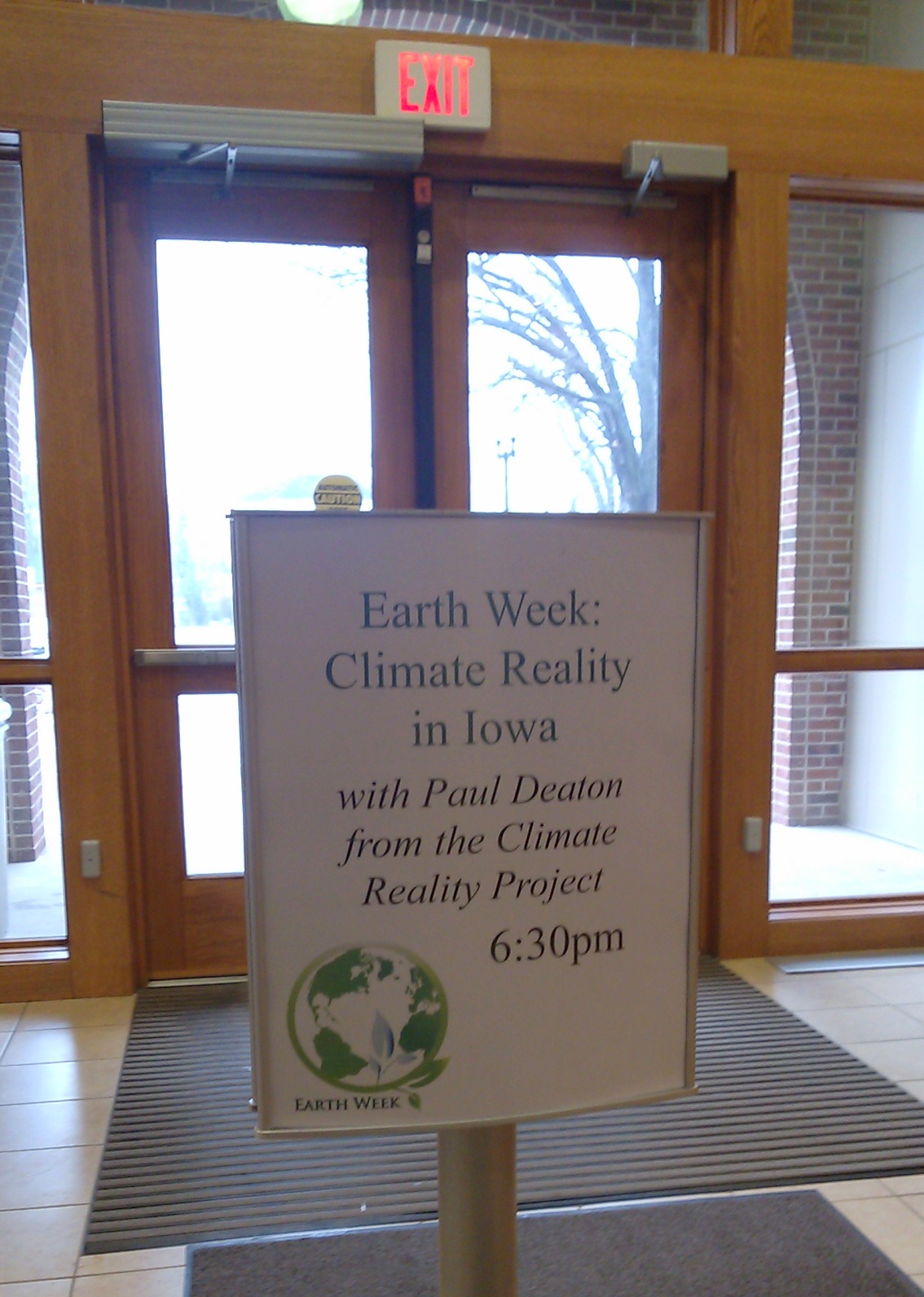
LAKE MACBRIDE— It is time to shift gears from the environment to nuclear abolition— two aspects of the same thing. It’s a false choice to pick one over the other, as mismanaging either could have dire consequences for life as we know it. There are so many causes; and limited time.

What environmental and nuclear abolition advocacy have in common is they are global movements where the U.S. has taken a back seat.

Francesca Giovannini, the program director of the International Security and Energy Program of the American Academy of Arts and Sciences, summarized the as-is situation with nuclear weapons in an article for Rotary International.

Although we live in the Post-Cold War era, we remain trapped in a nuclear weapons-reliant world order in which the maintenance of active nuclear arsenals provides ultimate assurance of both survivability and destruction. Today, we talk much less about nuclear weapons than we did during the bi-polar era and the public globally is generally unaware of the continuous existence of thousands of nuclear warheads targeting cities and populated neighborhoods across the globe.

Rotarian at Work
Rotarian at Work

The Rotary Action Group for Peace announced  a collaboration between International Physicians for the Prevention of Nuclear War and Rotary International:

Nobel Peace Laureates International Physicians for the Prevention of Nuclear War and Physicians for Social Responsibility offer educational resources to Rotarian Action Group for Peace members interested in sharing information about nuclear weapons and peace with their Rotary clubs.

I am pleased to be part of the speaker’s bureau created to support the collaboration and look forward to reporting these new activities  going forward.

Categories
Living in Society

Sine Die? Not So Fast!

State Capitol
State Capitol

DES MOINES— Governor Branstad’s office released an end of session message for the 85th Iowa General Assembly at 8:41 a.m. yesterday, saying, “despite the partisan tone of the session, we are pleased there was agreement on the majority of our legislative plan.” The House had been all high fives and out of there before 6 a.m., busy posting brilliant photos of the east side of the capital on Facebook as the sun rose.

Not so fast! The senate hadn’t adjourned.

House Majority Leader Linda Upmeyer cautioned members that the session was not over until it was over— after the Senate adjourned sine die. Switching my audio feed over to the Senate, instead of calling up HCR 109, the Sine Die Resolution, Majority Leader Mike Gronstal called for a rules committee meeting and recess. When the Senate re-convened at 7:34 a.m., a prayer was said, they pledged allegiance, approved the April 30 journal, and then adjourned at 7:48 a.m. until Friday morning.

What happened has been well reported by corporate media. Rod Boshart of the Cedar Rapids Gazette was one of the first to break the story.

“The shutdown of the split-control legislature’s 2014 session got messy Thursday morning when Senate Democrats attempted to pass a resolution giving a legislative panel broad investigative power to look into alleged mismanagement and secret dealings by Branstad administration officials,” he wrote.

Session may end today, but the politics is far from over.

Republicans provided comic relief in the wee hours of Thursday when it was announced State Senator and Republican U.S. Senate hopeful Joni Ernst called in around 4 a.m., asking the chair to be excused. The Republican level of participation in the Senate has been a joke, and Ernst has been campaigning with a clown car of candidates, running down the presumed Democratic nominee, Bruce Braley, and the president. Occupied by posting on Twitter about her footwear, she is likely to miss Friday as well.

The 2014 general election has begun in earnest. It is framing up nicely for Democrats.

Progressives should love it when the Republican U.S. Senate candidates, like Ernst, tie Bruce Braley to the Affordable Care Act. The law is working and its popularity will increase. If that is their campaign issue, please bring it on, because the law is already saving federal dollars on health care. In case you missed it, the escalating cost of health care was one of the drivers behind the law. It was designed to bring health care costs down and it is.

A reason to feel good about it is in light of 17.8 million sign-ups through Medicaid expansion and the healthcare.gov web site, the Republicans are trying to switch their narrative to Benghazi faster than the sinking of the Titanic.

Another reason Democrats should be hopeful is the mail from the TEA people indicates they don’t realize their group’s influence peaked in the rebellion of 2010. The TEA party is over, and that they don’t get it is good for progressives.

Iowa Democrats are also fielding excellent candidates in all four congressional districts. The tides are shifting. Signs are everywhere that this could be a great year for Democrats, and with all of the women running, Iowa seems more likely than ever to elect its first female U.S. House member.

There is no useful Republican campaign story for the corporate media to cover outside the weirdness of their debates and events. The more weirdness on display, the more swing voters will be alienated. It seems clear that Iowans don’t want a “true conservative” representing them in the U.S. Congress. Pragmatism would serve them better, but who am I to give advice?

Meanwhile, Braley continues to build support, Hatch is catching Branstad in the polls, and with all their Benghazi, Obamacare, gun, abortion, military hagiography, pro-Israel, free market talk, what reasonable person could take Republicans seriously?

I appreciate the work of our legislators this session, and when the Senate adjourns it will be over, but beginning again with the 2014 general election campaign. I’m in. Are you?

~ Written for Blog for Iowa

Categories
Writing

Local Food Delivery

First Share Delivery

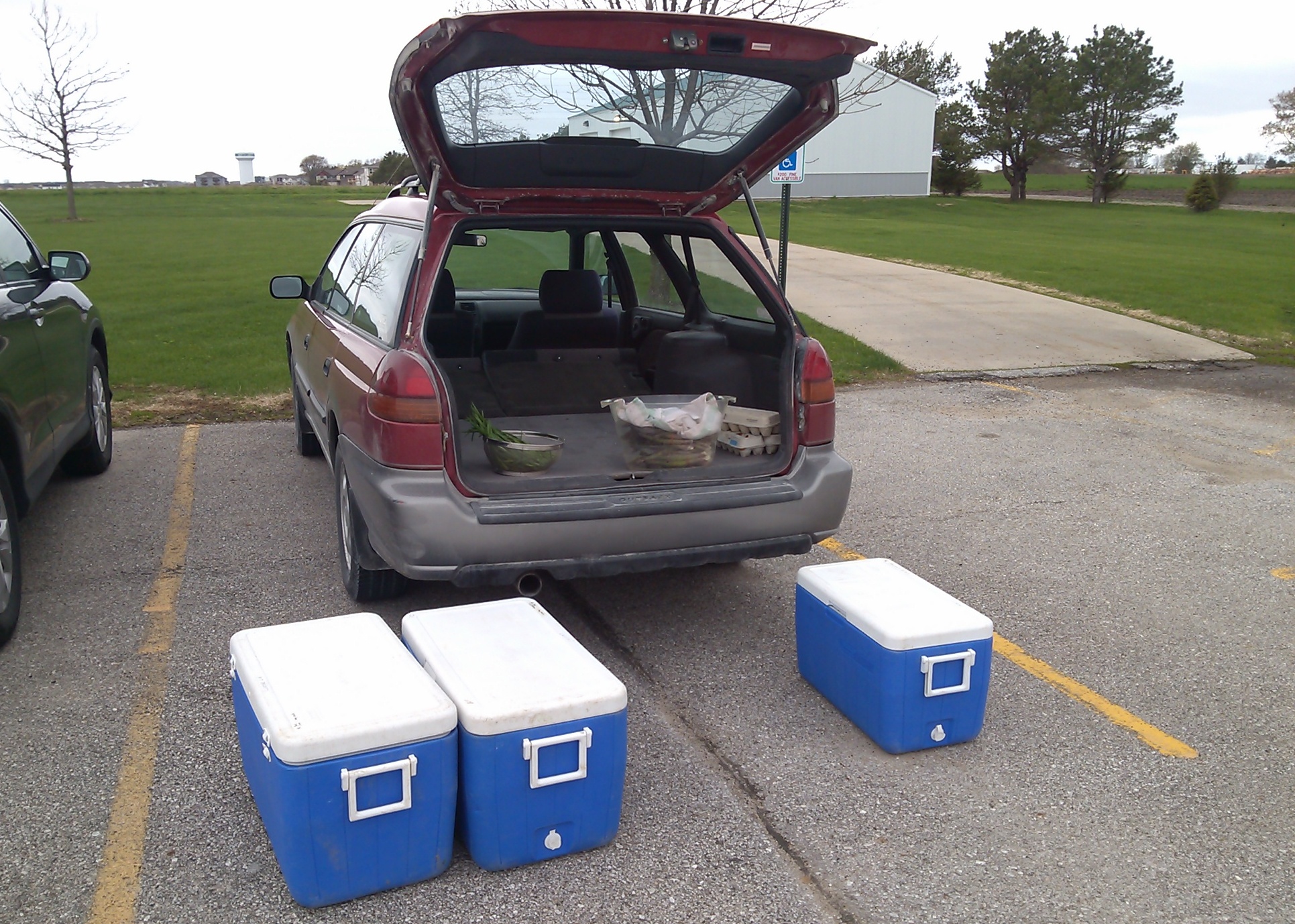
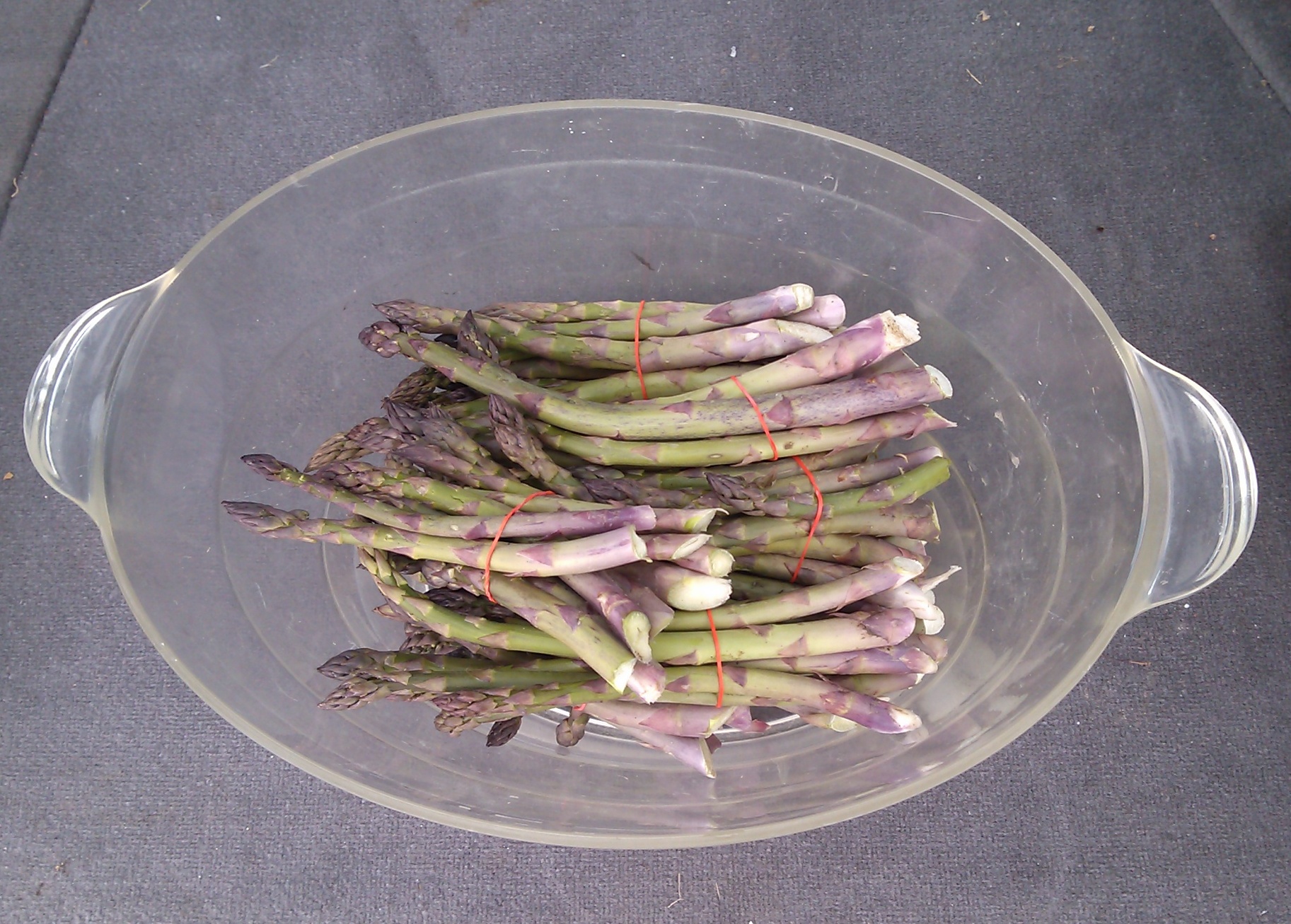
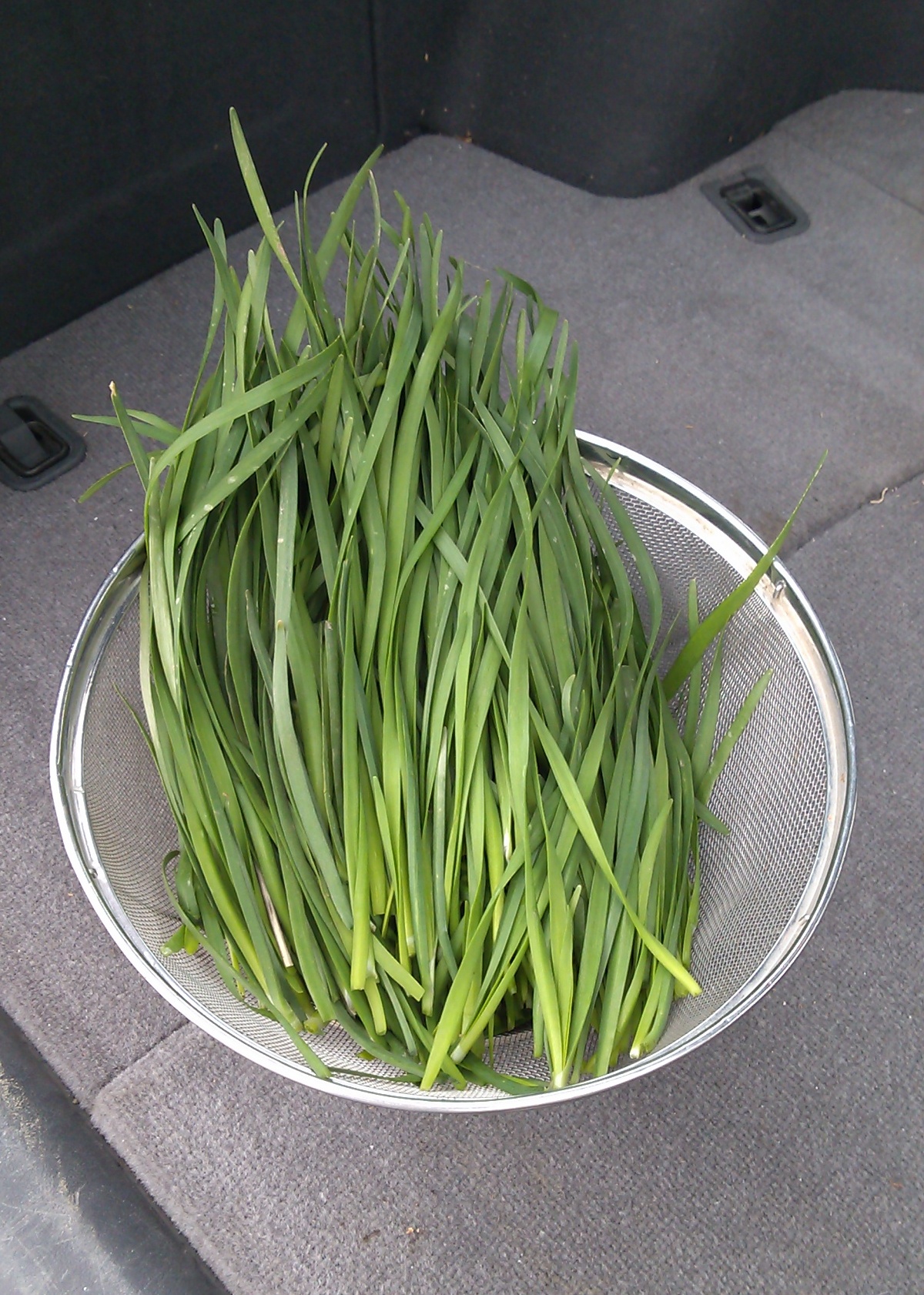
NORTH LIBERTY— One of my part time jobs is working at a Community Supported Agriculture (CSA) farm a few hours each week. The jobs are always interesting. Yesterday I delivered the first shares to customers in the parking lot of the First United Methodist Church. The nearby food pantry receives three shares plus any extra produce or unclaimed shares. This week’s share was baby bok choy, garlic chives, asparagus, lettuce, mixed greens, and for those that ordered them, a dozen eggs. Our customers are always pretty cool, and were talkative last night.

Asparagus
Asparagus

The quality of vegetables is always surprising and consistent. The sorting and packing takes most of a day’s work, and it is remarkable how much of care goes into each weekly share. While field workers in the Central Valley of California, Mexico, Peru or Immokalee, Florida may exercise care in their harvests, it is the personal and special treatment of CSA workers that makes a difference. We know the face of our farmer and that makes it personal.

Garlic Chives
Garlic Chives

I checked the garden and it is sopping wet still. We have had 1.61 inches of rain during the last seven days. The seeds are germinating, and it looks pretty good so far. However, the ground needs digging up, lettuce and kohlrabi transplanted, and fences put up. It will just have to wait until the ground dries out.

In the meanwhile, our kitchen is active this morning, making a breakfast stir fry that includes some bok choy, mixed greens and other delicious vegetables, mostly from local sources.