Categories
Sustainability

No Nukes? Not Now

Nuclear Spring in Sioux City

It is no surprise the 2015 Nuclear Non-proliferation Treaty (NPT) review conference failed to reach consensus about next steps.

On Nov. 7, 2014 the U.S. State Department made a statement about the role of the NPT in a press release, “The United States is committed to seeking the peace and security of a world without nuclear weapons. As we have said previously, the Nuclear Non-Proliferation Treaty (NPT) is the focus of our efforts on disarmament, as well as on nonproliferation and the peaceful uses of nuclear energy.”

The Arms Control Association highlighted the fact that the parties “could not overcome deep differences over the slow pace of action on nuclear disarmament.”

The U.S. and Russia have each embarked on a nuclear complex modernization process—the opposite direction from disarmament. Disarmament was talked about and around, but was never really on the table at the conference.

“The 2015 NPT Review Conference does not signal the end of the NPT, which remains vital to international security, but it reveals a lack of political will and creativity that undermines the treaty’s effectiveness. Without fresh thinking and renewed action on the 70-year old problem of nuclear weapons, the future of the NPT will be at risk and the possibility of nuclear weapons use will grow,” Daryl Kimball, executive director, Arms Control Association warned.

Some found hope in the humanitarian campaign for abolition of nuclear weapons.

“Regardless of what has happened here today, the humanitarian pledge must be the basis for the negotiations of a new treaty to prohibit nuclear weapons”, said Beatrice Fihn, executive director, International Campaign to Abolish Nuclear Weapons in an email. “It has been made clear that the nuclear weapon states are not interested in making any new commitments to disarmament, so now it is up to the rest of the world to start a process to prohibit nuclear weapons by the 70th anniversary of the atomic bombings of Hiroshima and Nagasaki.”

Fihn released a statement titled, “The Real Outcome,” that includes the following.

As the 2015 NPT Review Conference ended, over 100 states had endorsed the humanitarian pledge, committing to work for a new legally binding instrument for the prohibition and elimination of nuclear weapons.

The pledge reflects a fundamental shift in the international discourse on nuclear disarmament over the past five years. It is the latest indication that a majority of governments are preparing for diplomatic action after the Review Conference.

The wide and growing international support for this historic pledge sends a signal that governments are ready to move forward on the prohibition of nuclear weapons, even if the nuclear weapon states are not ready to join.

But for the nuclear-armed states, none of this seemed to matter.

The idea that world opinion could force nuclear states to abolish nuclear weapons is hopeful, but unlikely.

The U.S. made it clear in words and deeds it has no interest in moving forward under a new treaty. Unless the U.S. accelerates its progress toward compliance with Article VI of the NPT, progress in all of the nuclear states is stymied. At present the majority of countries has not been able to press their case for abolition in the U.S., where it is most needed.

While the NPT is legally binding, the lack of political will makes enforcement of its terms unlikely. That may be the most significant outcome of the conference.
Categories
Environment Living in Society

Why Reducing Air Pollution Matters

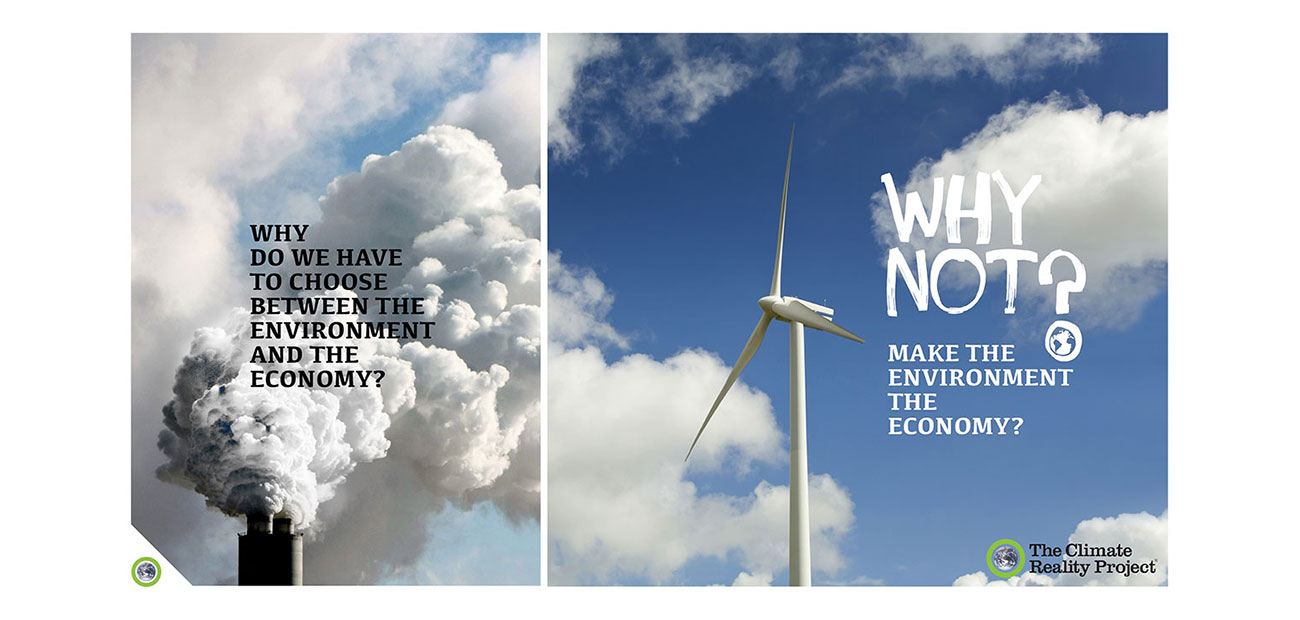
WHY-WHY-NOT-MELBOURNE2-4_0We hear plenty of political chatter including the words “climate change.” This discussion among politicians isn’t about science. It’s about the power of money in politics.

The tactics of the moneyed class have been to attack the messengers who would reduce air pollution, presenting so many falsehoods about climate change it’s hard to keep up. (Here’s a list of 175 global warming and climate change myths and brief responses to them). By the sheer volume and repetition of falsehoods, people are beginning to believe there is doubt about the science of climate change. There isn’t much, if any, cause for doubt.

A lot is at stake. In Iowa more than half of our electricity is generated by burning coal, which creates a sickly brew of substances breathed in by people who live near the plants, and those down wind. These substances have names: oxides of sulfur, arsenic, beryllium, cadmium, chromium, mercury, nickel, dioxins, fine particulate matter, and others.

Air pollution is directly linked to the leading causes of death in the U.S., according to the Centers for Disease Control. A reduction in coal burning would yield an improvement in health outcomes, including a reduction in mortality from heart disease, malignant neoplasms, respiratory disease and stroke.

The latest target is, and has been for a while, the U.S. Environmental Protection Agency Clean Power Plan. First proposed on June 2, 2014, the plan represents a common sense approach to cut carbon emissions from power plants, setting rules for the first time. While the political class pursues an agenda that would weaken the plan, and at worst continue to allow coal burning operations to dump an unlimited amount of carbon pollution into the atmosphere, their actions are based on moneyed interests, not science or the benefits to people living in society.

While eyes focus on the Clean Power Plan, what is missed is it is only the first of multiple actions needed to reduce air pollution in a way to improve human health. In particular, EPA should develop strong standards that would reduce the leakage of methane from oil and gas operations.

Because the discussion is about the power of money in politics, and not about developing rational or logical approaches to solving problems that affect real people, the EPA’s efforts under the Clean Air Act are under constant attack from the supporters of the fossil fuel industry and their ilk. The plain truth is intransigent interests have a lot of money and are willing to spend it on protecting their assets.

“God’s still up there,” said U.S. Senator James Inhofe (R-Oklahoma) on Voice of Christian Youth America’s radio program Crosstalk with Vic Eliason, March 7, 2015. “The arrogance of people to think that we, human beings, would be able to change what He is doing in the climate is to me outrageous.”

Because corporate media is obsessed with conservative politics we hear more about the arrogance of environmentalists than about the influence of money in politics. This summer Pope Francis is expected to release his encyclical about the need for climate action to protect our home planet. We don’t need religious leaders to see the obfuscation of the truth that air pollution is having a deleterious effect on human health. We can and should do something about it, and it begins with developing the political will to take action.

Nov. 30 the United Nations will convene the 21st Conference of the Parties (COP 21) in Paris in hope of reaching an international agreement on climate. Each country is to create its own goals to mitigate the causes of climate change. Whether the U.S. will be able to develop meaningful goals and ratify an agreement made in Paris is an open question. If the current U.S. Senate has their way, little or no action would be approved coming from COP 21, just as the preceding Kyoto Protocol was never ratified.

Robert F. Kennedy famously said, “There are those who look at things the way they are, and ask why… I dream of things that never were, and ask why not?” The scientific knowledge and technology to address the climate crisis has been emerging. Because cost-effective solutions to reduce our reliance on fossil fuels are rapidly becoming reality, it is time to use our power as an electorate to demand our elected officials take action.

It can start with a phone call or email to our U.S. Senators urging climate action. Importantly, we can challenge the myths we hear in our daily lives, and work toward reducing the influence of money in politics. There is plenty we could do, and Earth is hanging in the balance, waiting for us to act.

Categories
Kitchen Garden

Garden Fences

Spring Lettuce
Spring Lettuce

Here’s what is surprising. The vegetables outside the garden fences are mostly untouched by rabbits, deer and other critters. Some behind fences are getting nibbled.

Who knew I could leave lettuce, turnips, carrots, radishes, spinach and other plants unfenced and the animals would stay away. Maybe I’m just lucky… or maybe someone knows an answer.

Next garden workday I’ll harvest and see how it goes the rest of the season.

Categories
Work Life Writing

Next Chapter

Honey Locust Grove
Honey Locust Grove

It seems like a month since I’ve taken a breath.

The Honey Locust trees are in bloom all around Big Grove. Apples and pears are forming in our small stand of fruit trees. Nature’s relentless cycle advances, ready or not.

There is pressure to keep up with a diverse life during spring. It increases these last days before Memorial Day. The main thing is not to freak out.

While we live there is always a next chapter to write. For the moment, it is enough to keep my mind and hands busy—and enjoy the Honey Locust trees while I may.

Categories
Work Life

Time to Find Franklin’s Hand

Tomato Blossoms
Tomato Blossoms

The sinusitis mentioned in recent posts has taken a toll. The yard work is set back, with seedlings standing tall, waiting transplant. I have a full basket of news stories to write and prospects of other work. There is a lot to do.

Yesterday I called off at the warehouse due to incessant coughing. I returned the coolers from Thursday’s CSA delivery and stopped at the pharmacy to find medicine used long ago to relieve sinusitis that proved incurable when we lived in Indiana.

I couldn’t recall how to spell it so I wrote what I knew on a piece of paper: chlor ________ maleate. The pharmacist recognized it, chlorpheniramine maleate, asked me a few questions about my health, and found a box of 24 tablets for $3.99. Within a few hours the medicine began relieving my symptoms, and in another day or so I’ll be as back to normal as it gets.

The morning after I’m sore and tired, but ready to mount the steed of a life built here in Big Grove and ride.

The meaning of songs like Stan Rogers’ “Northwest Passage” has changed with global warming and the ongoing re-discovery of the wreckage of Franklin’s vessels. Nonetheless, Stan Rogers didn’t live long enough to see these things, and occupies a unique place in music history. As I pick up my journey where I left it some three weeks ago, I recall these words from Rogers

For just one time I would take the Northwest passage
To find the hand of Franklin reaching for the Beaufort Sea.
Tracing one warm line through a land so wide and savage
And make a Northwest Passage to the sea.

Categories
Home Life Kitchen Garden

Planting Broccoli

Broccoli Harvest
Past Broccoli Harvest

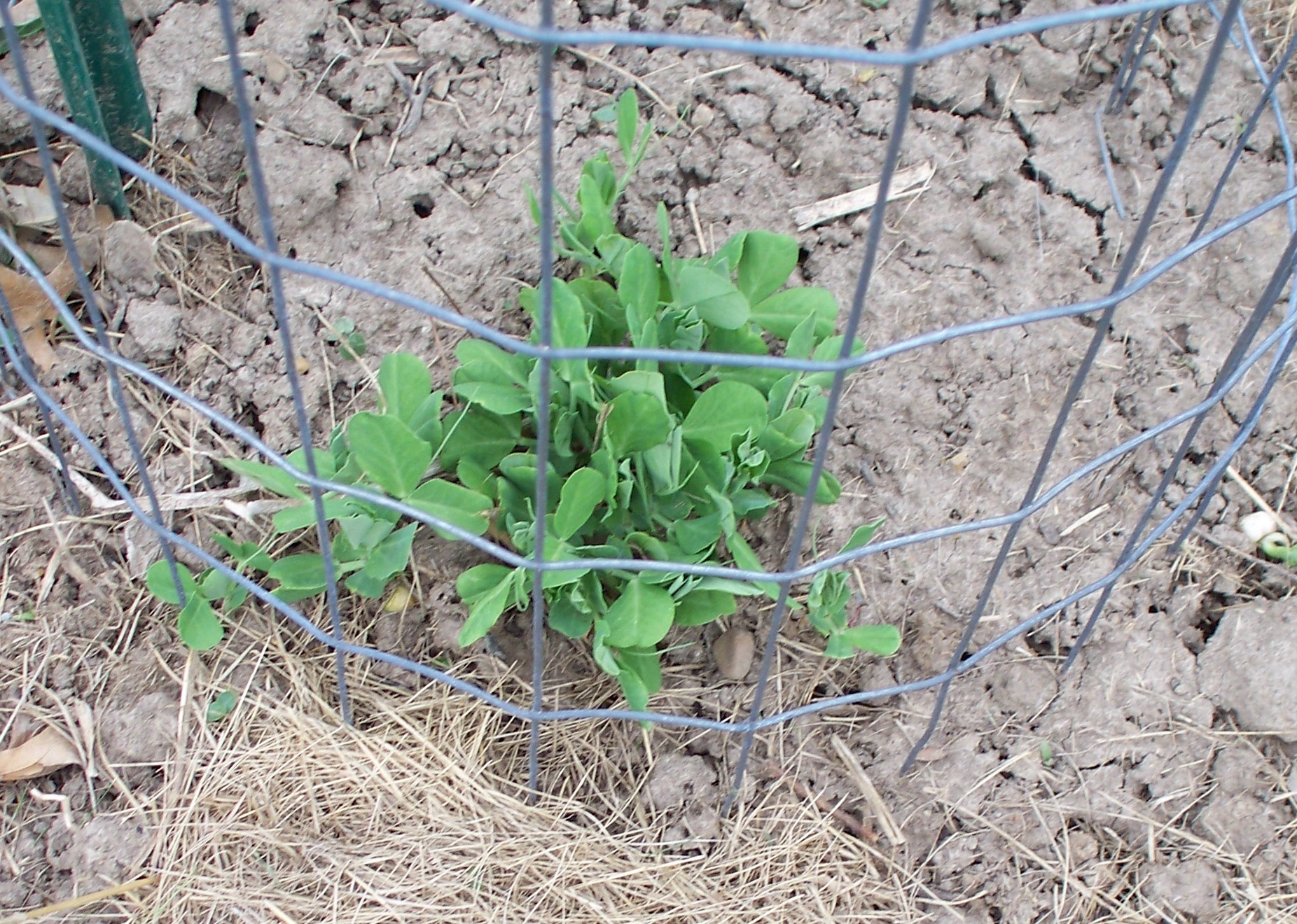
Growing broccoli from seeds is tough without a germination shed and controlled environment. Miraculously, I made it from seeds to plants in the ground, with hope of a crop. I fenced them in before rain came yesterday.

This morning I inspected the plants and all survived. Each has the prospect of a head of broccoli, one of our favorite vegetables. We’ll see how they fare on the next step of the journey, but the hardest part is over.

I also planted several varieties of radishes, arugula and the first eight Amish Paste tomato plants before the rain. It felt as though I got some things done, but not nearly enough. Now the ground will have to dry out before I can get in the garden for the next round of planting.

Someone gave me a treatment to speed removal of mucus from my sinuses, which has been an ongoing problem for the last three weeks. I mixed up a quart of water with two teaspoons of salt and one teaspoon of baking soda and applied the liquid into my nostrils with a turkey baster. I mentioned the treatment to several people, and they all mentioned the neti pot, which was news to me.

I gained a better understanding of what’s going on in my noggin—I never understood it was open space in there. The treatments made me feel better for a while, but the mucus keeps coming. It’s a weird sickness where I feel much like normal, but cough to void the rheum of the mucus presumably gathering in response to an irritation or infection.

So today I am hunkered in with my neti pot substitute, saline solution and lemon water, hoping to get some writing done. Plus there’s the prospect of broccoli.

Life could be a lot worse.

Categories
Living in Society Social Commentary Work Life

Seafood for Thought

Memory of Apple Blossoms

The silence on the story of human trafficking connected with slavery in the seafood industry is deafening.

Margie Mason of the Associated Press reported Tuesday that Indonesian police arrested seven suspects in an ongoing case.

“Five Thai boat captains and two Indonesian employees at Pusaka Benjina Resources, one of the largest fishing firms in eastern Indonesia, were taken into custody,” wrote Mason. “The arrests come after the AP reported on slave-caught seafood shipped from Benjina to Thailand, where it can be exported and enter the supply chains of some of America’s biggest food retailers.”

But for the investigative reporting by the Associated Press, these instances of slavery and human trafficking would have gone unnoticed, especially in the Western Hemisphere at the end of the global food supply chain.

American consumers don’t want to hear what goes on at the far end of the food supply chain. Using slave labor to fish is particularly egregious, and most people I meet don’t want to hear any of it. The focus is on the box, can, bag or piece of fruit or vegetable in front of them. Few want to dig very deep into where it comes from. We are the less as a society because of this prevalent American value.

I’m not a person who sees cause for alarm everywhere I look. I’ve been inside enough manufacturing and production operations during the last 40 years to know it requires oftentimes difficult work to make things we use every day. In most cases, there is a human impact with the means of production.

In the slow walk away from union representation since the Reagan era, much of what we learned about worker treatment has been abandoned by companies whose business model is to outsource or use subcontractors. That’s the immediate defense of Pusaka Benjina Resources: their subcontractors were responsible for any human trafficking and slavery. It is really no defense.

One should appreciate that the Associated Press is still willing to invest substantial resources in breaking stories like the slavery on Indonesian fishing vessels. Few others seem willing to do so as news organizations struggle to carve out a viable business niche, and as news and information gets blended into a vast soup of engaging, but largely irrelevant bits and packets transmitted with the speed of breaking news.

What’s a blogger to do? We begin like a fisher, setting sail on the sea of posts, articles, books, emails and letters that exist on electronic media. Waiting for what is relevant, what is news, and importantly, what matters. Not what matters to me, but what matters to all of us on this blue-green sphere.

What comes next is up to each of us.

Categories
Home Life Kitchen Garden Work Life

Hacking Through

Peas
Peas

It’s been a tough couple of weeks complicated by a lingering and persistent impulse to void the rheum of excess mucus. I don’t feel ill for the most part, but the coughing has been terrible.

Missing work without sick pay means less income and a further exploration of the life of low wage workers. Well into the experiment in alternative lifestyle, I don’t see how people can make ends meet, even working three jobs as I have been doing this spring. That said, I won’t give up and expect to continue hacking through this rough patch—literally.

I picked lettuce, spinach and radishes from the garden the last two nights and made a frittata for dinner with greens from the CSA, spring garlic and onions. It was satisfying served with a salad, and there were leftovers. Already garden production is worth savoring. Between now and Memorial Day, the focus is on getting the spring planting done.

For the moment that’s all there is to say except change is coming. To make this life more sustainable, to improve our economic base. How change will look is an open question. I look forward to seeing how it comes together.

Categories
Environment Living in Society

Al Gore Comes to Iowa

Earthrise 1968
Earthrise 1968

CEDAR RAPIDS, Iowa– Al Gore held up a T-shirt presented by a youth group from Indiana that said, “Ask me about my future.” The context can be political, even if the presenters intended the question be about the environment.

Gore joked about wearing the T-shirt in Iowa and what it might mean during the run up to the 2016 Iowa Caucuses. During the 28th training of climate activists for The Climate Reality Project, he made clear he was a “recovering politician” and had no plans to run for president again.

Why did Gore pick Cedar Rapids for his first North American training since 2013? Five reasons.

It is partly about influencing the presidential selection process related to Iowa’s first in the nation political caucuses. By training Iowa activists, he hopes to make the voice for climate action heard by candidates for president.

It’s about extreme weather events including the 2008 Iowa flooding and recovery. The conference used space that was under water during the flood and heard from Mayor Ron Corbett about what the city did to repair the damage of the flood.

It’s about bringing a focus on the impact of climate change on agricultural issues in the breadbasket of the world.

It’s about Iowa’s success in development of renewable sources of electricity, wind energy in particular, but solar as well.

It’s about advocating for world governments, including the U.S. government, to make meaningful commitments to climate action at the United Nations 21st conference of the parties in Paris, France this December.

There was a lot to discuss and Gore was generous with his time, speaking multiple times each day of the conference. The significance of its 350 attendees from around the world, 75 of whom were from Iowa, is hard to miss. The movement for meaningful governmental action to mitigate the causes of global warming and related climate change is gaining momentum worldwide.

Here are some takeaways from the conference:

The people at my table, and attendees generally, are already doing a lot to raise awareness of the need for climate action. They are possessed of a high level of energy and are really smart people devoted to taking climate action.

The price of solar electricity is plummeting and installation of photovoltaic arrays is growing exponentially. In some parts of the world solar reached grid parity, and this, coupled with other sources of renewable energy, will drive the end of the era of fossil fuels.

The Iowa Soybean Association had a seat at the table, which a few years ago would not have happened. Christopher Jones, an environmental specialist for the group, said they had begun to change their thinking about global warming during the last year. If this is borne out by their actions, it would be a tidal shift for the big agricultural organizations.

Gore added information about Iowa to his already encyclopedic knowledge of global warming and related climate change. He spoke about everything from extreme floods and droughts that have hit Iowa, solutions implemented here—particularly wind and solar electricity generation, and current political issues, including the eminent domain legislation working its way through the last days of this Iowa legislative session.

A member of Citizen’s Climate Lobby asked Gore why he hasn’t endorsed the fee and dividend scheme they propose. Gore responded he favors putting a price on carbon, there are multiple mechanisms to do so, and he hasn’t finished research to determine which one(s) to endorse.

The political will to take climate action is building worldwide. The election this week of Rachel Notley as provincial premier in Alberta, Canada, where the long ruling Progressive Conservative party was oustered by her New Democratic Party is a prime example. “During the campaign, Notley promised to withdraw provincial support for the (Keystone XL pipeline) project, raise corporate taxes and also potentially to raise royalties on a regional oil industry already reeling from the collapse in world prices,” according to the Guardian.

Finally, there is hope. The solutions to the climate crisis are working. Renewable energy is beginning to take off, gain broader acceptance, and reach toward grid parity. Almost no new coal-fired electricity generating stations are planned for North America and old ones are being shuttered. We are not there yet, but Gore’s training and inspiration made the journey easier for us, and encouraged us to tell our own story about why it is important to take climate action before it is too late.

There is no planet B.

“We couldn’t even evacuate New Orleans as hurricane Katrina approached,” Gore said.

Earth is our only home, and is hanging in the balance. It’s up to us to protect it.

Categories
Environment

Climate Reality in Iowa – Go Solar

WHY-WHY-NOT-MELBOURNE2-4_0CEDAR RAPIDS, Iowa– On the first day of the Climate Reality Leadership Corps training founder Al Gore gave his slide show, an updated version of the one used in the film An Inconvenient Truth. It’s the third time I’ve seen him perform in person, and there were differences in emphasis, but the big message of day one came from the panel on renewables and policy.

“Go solar,” said Warren McKenna, president of Farmers Electric Cooperative, Kalona.

In significant ways, these two words sum up what’s needed to meet world energy needs, replace fossil fuels, and move civilization toward sustainability.

In an hour, sun shining on Earth provides enough energy to meet our collective needs for a year. Whether we realize it or not, fossil fuels represent ancient sunlight stored for millennia in the ground. According to multiple speakers yesterday, most of proven reserves of fossil fuels cannot be burned if we seek to retain Earth’s livability.

What makes solar an attractive solution to the climate crisis is the cost of installation is plummeting. At the point solar electricity generation reaches grid parity it will be an easy financial argument to make that fossil fuels should stay in the ground in favor of the less expensive alternative.

Companies such as Berkshire Hathaway Energy (BHE) already like solar, wind and other renewable energy generating capacity.

BHE accounts for six percent of U.S. wind electricity generating capacity and seven percent of solar according to Warren Buffet’s 2014 letter to shareholders.

“When BHE completes certain renewables projects that are underway, the company’s renewables portfolio will have cost $15 billion,” Buffet wrote. “In addition, we have conventional projects in the works that will also cost many billions. We relish making such commitments as long as they promise reasonable returns–and, on that front, we put a large amount of trust in future regulation.”

Solar is not without it’s problems. Natural resources must be exploited to make photo-voltaic panels, and the issue of conflict minerals continuously gets pushed aside. There are manufacturing, labor and transportation issues with solar. Problems notwithstanding, the argument for solar boils down to do we want a future, or not?

What we know is dumping 110 million tons of CO2 pollution into the atmosphere every day is not sustainable, and already we are seeing the impact of global warming and related climate change damage the lives of tens of millions of people.

There are no simple answers to solving the climate crisis. As industry demonstrates the viability of renewable energy, the only thing holding us back is a lack of political will to take unavoidable steps to mitigate the causes of global warming.

The economic argument provided by declining solar electricity generating costs will be a potent weapon in the political fight.