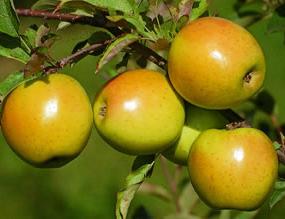
The orchard had two crates of Gold Rush in the cooler. They ripened only in the last week, and are predictably firm and tart. Something to hold in storage until the Red Delicious from our tree are finished. I bought a dozen.
Developed in partnership between Purdue University, Rutgers University and the University of Illinois in the 1970s, Gold Rush is known for its late maturing, fruit quality and long storage ability. When they come in, the season is over. A marker in the circle around the sun.
LAKE MACBRIDE— The thought of mowing is pushed back until the deciduous trees shed their leaves. Pools of yellow, red, brown and variegated leaves rest silently around tree trunks all around the neighborhood as geese fly overhead. The next step toward winter and its bitter cold.
Yesterday’s options were many—events with politicians Dave Loebsack, Monica Vernon, Rand Paul and Joni Ernst—but I remained working at home. The morning after, I felt better for the decision.
In the last two weeks of the political campaigns, Ernst submitted a Freedom of Information request to a couple of Democratic county auditors requesting detailed information about election procedures. Who knows what motivated the request, but it’s a close election, and if it goes to the wire, expect legal action—not unlike what happened in Minnesota when Al Franken was first elected.
I met my editor at the Press Citizen for coffee in Iowa City. The freelance work for the newspaper was an unexpected bonus as the year moves toward the holidays and its hope of spring renewal. They are short three of six reporters and need help covering stories. Once they get staffing filled, the number of articles I write will decrease. As farmers say, it is time to make hay while the sun shines and I expect to ask for two to three articles per week.
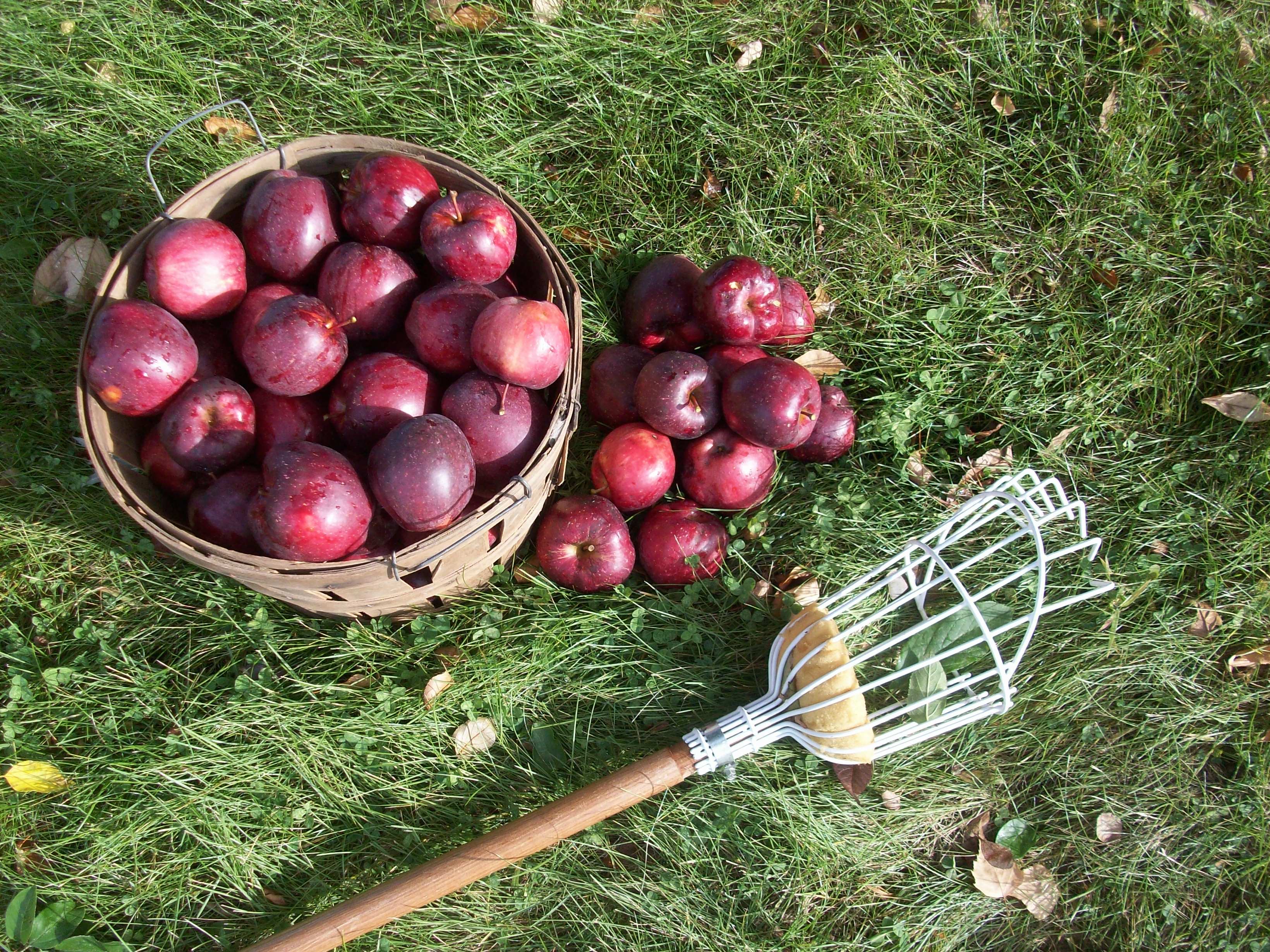
Apple processing began in earnest with filling the dehydrator with slices. The leaves have begun to turn on the Red Delicious apple tree, so it’s time to pick the high apples. Will get the ladder out later this morning. An apple crisp is in the works, as well as fresh juice.
The end of year crunch is here. Fortunately I have learned to come up for air from time to time in the rush of events. Something needed to sustain a life on the Iowa prairie.
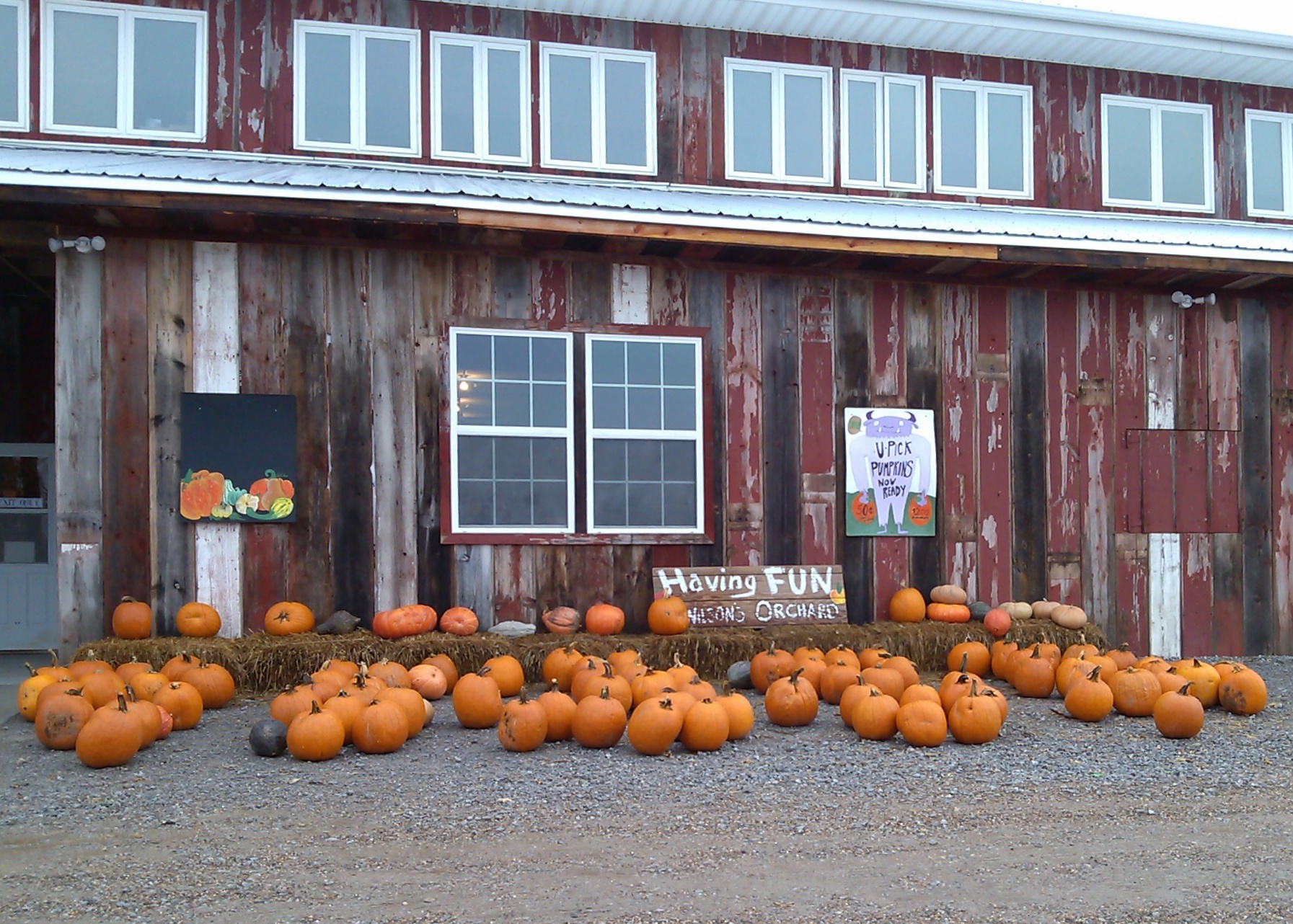
RURAL IOWA CITY— Saturday was my last day working as a mapper at the orchard. I enjoy the work a lot, and hope to get hired again next year, but for now, it’s over. The season continues through the end of the month, as soon, all the apples will have been picked.
As a mapper, I greeted visitors and helped them find apples in the u-pick operation. It was fun, and importantly, it was a chance to weave narratives, scores of times during a shift. I have been able to hone my story-telling skills by repeating and improving on the narrative of how to find the best apples. That part of the experience is best, in addition to working with other great people.
Yesterday was also the end of my farm work for the season. I’m down to three paying part-time jobs, and one of those ends in December. It’s time to look for something else to produce income now and in 2015. I have a sound financial model, now I need to execute it.
The coming weeks are expected to be a time of adventure, and exploration as I contemplate answers to the question, “what’s next?”
LAKE MACBRIDE— Father taught me to eat apples after a trip on River Drive to buy a bushel.
It seemed unusual to secure so many at once, but he knew someone, and with a limited weekly income from the meat packing plant, the family took what help he could find.
Dad used a knife to cut away bad spots and avoid eating worms. I remember him rocking in a chair eating apples with a paring knife after dinner. He didn’t call them “knife apples.” I coined that term when describing the fruit from our trees.
My apple trees don’t get sprayed. Not now, not ever. The fruit is not certifiably organic, but no fertilizers or pesticides have been used, and because of that, the apples are not perfect. To eat one raw, I recommend using a knife to cut them open and see what is inside. Mostly what is found is delicious.
Apples keep only for so long. The crisp, white flesh of the Red Delicious apple is the best eating when freshly picked and still cool from the evening air. Patience taught me to wait to pick them until they are well ripened. The large globes come in all at once with a few picking sessions, and then there is an issue of what to do with them. This year the plan is juice, baked goods, and out of hand eating.
Not many are willing to risk eating an apple worm or use a knife when so many varieties are available for out of hand eating with less imperfections. We found a few takers for mine, but a warm apple crisp is often more welcome than the raw materials to make one. The next couple of weeks will be processing and more processing. Damaged windfalls and cutting remains will all get composted.
My work at the orchard will wrap up this month, and with our harvest, I won’t buy apples again until the Winesap and Gold Rush come in at the end of the season. My developing apple culture is just one more way to cope with a turbulent world and contribute to our household’s food security.
LAKE MACBRIDE— It was a glorious moonrise last night with a spectacular lunar eclipse this morning. Stars could be seen throughout the sky, and neighbors turned on their lights to come outside and look.
The Milky Way was evident, and Orion’s belt was high in the southern sky. Even though I studied astronomy briefly under Dr. James A. Van Allen back in undergraduate school, I know the names of few constellations. Too, I feel no compulsion to name everything I see in the sky, but would rather take in its twinkling light just looking.
Who doesn’t want to live in glory and the spectacular on this blue, green, and increasingly brown sphere?
The day began earlier in the kitchen. I checked the kale in the dehydrator and rotated the trays. Having run out of ideas, and with a full freezer, turning kale into small flakes to be added as a soup ingredient is the last thing to do. A little will go a long way, and plenty of kale remains growing in the garden to be eaten, given away, and processed. Kale has been a success story this year.
I bottled the red pepper flakes made from Bangkok peppers and the dust from the funnel made me sneeze. Last night I processed a jar of whole dried peppers leftover from a previous year—a second vintage of red pepper flakes. My intent is to use the Bangkok first, give some away, and whatever is left next season will be composted. Half a dozen habanero peppers were in the jar. They’ll go into the compost today.
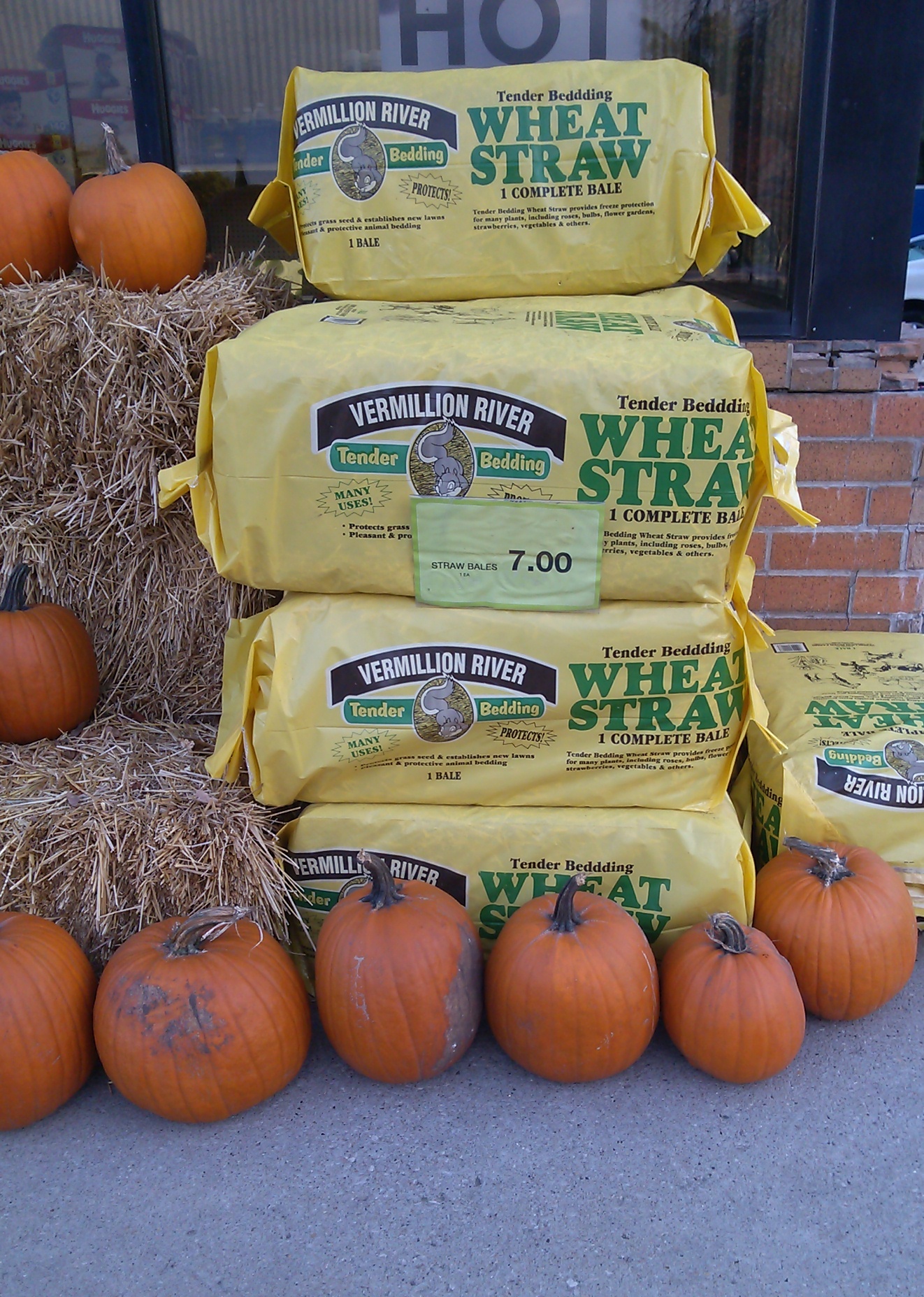
Wheat Straw
Morning coffee yesterday was with a friend at a grocery store in Iowa City. We discussed food security, politics and people we knew in common. The store was selling plastic bags of baled wheat straw. Why on earth anyone would want such a thing when the local hay is in is beyond me. But there it was.
Importantly, I reflected on my post on gatherings. Writing it helped clarify things, and as I picked hot peppers and tasted the Red Delicious apples from the tree, it occurred to me that this life, my life going forward, shall be reduced to a few important things. While working for the logistics company, I learned it is important to take care of ourselves. Without that, it is impossible to get anything else done. Once we are physically, socially and economically secure, the focus turns outward to working in society. To mitigate our changing climate, to abolish nuclear weapons, and to protect others with food security, economic justice and public health. This is a life worth living.
As I enjoyed my celebratory spread on crackers, it seemed much was possible—a sound foundation to sustain a life in a turbulent world.
The fact that Sherrie Taha, candidate for Iowa Secretary of Agriculture, supports reduction of food imports to Iowa only makes sense.
“Rather than import the bulk of the food we eat from outside of our state, we need to reintegrate local food production back into our local economies,” said Taha. “We have great farmers markets. Now it’s time to take local food production to the next level and keep the bulk of our food dollars recirculating in our local communities.”
Set aside the inherent risks of recurring drought on the California Central Valley, and turbulent world-wide food pricing, and there remains the commonplace that Iowans can grow more of their own food. If local food production were diversified and scaled up, Iowa could do what it does best to produce more meat, dairy and vegetables for local consumption, and improve the state’s food security.
It’s a message few have heard, and not enough may have heard to tip the general election in Taha’s favor.
Last Sunday, Taha spoke in Iowa City. Her speaking slot followed a number of high-profile speakers that included Rep. Dave Loebsack, Rep. Bruce Braley, Michigan Senator Debbie Stabenow and Vermont Senator Bernie Sanders. After Sanders, a segment of the crowd dispersed, but most would have liked what Taha had to say if they stayed.
“If you eat, if you drink water, if you breathe the air around us, you have a personal stake in how the Iowa Department of Agriculture and Land Stewardship (IDALS) works,” she said. “What that means to me is that along with the corn growers and the soybean association, I’ll invite groups like the Iowa Environmental Council, the Sierra Club, and consumer groups (to get involved at IDALS). We all have to have our interests addressed. Decisions that are made (at IDALS) need to take into consideration the long-term best interests of every Iowan.”
Taha went on to enumerate reasons to consider voting for her, focusing on her experience as a commissioner for the Polk County Soil and Water Conservation District. She said Iowa needs a better process for reducing soil erosion and improving water quality than the voluntary nutrient reduction strategy instituted during the incumbent’s administration.
While Taha faces an uphill battle against an entrenched incumbent, it is hard to concede that global food security can be left to proponents of the industrial model for agriculture. Because of Iowa’s prominent role in agriculture, the person who leads IDALS matters and it should be Sherrie Taha.
Click here to learn more about Sherrie Taha and to get involved with her campaign.
LAKE MACBRIDE— With approaching cold weather, and the year-end holidays, thoughts turn to entertaining and seasonal, celebratory fare. Spreads and on crackers today.
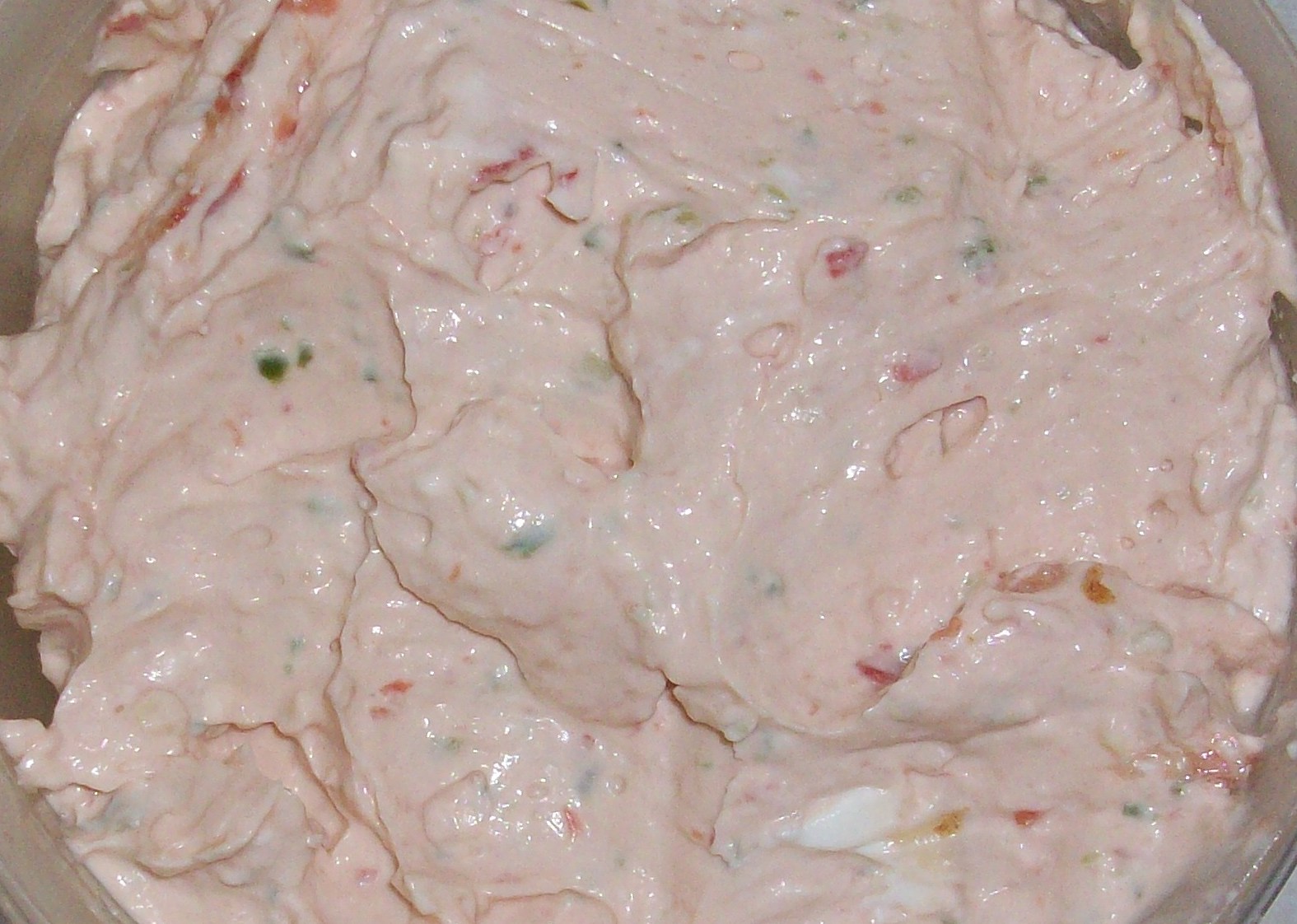
At the end of the garden there are bits and pieces: bell and hot peppers, tomatoes, kale, garlic and herbs. Today I made a spread for store-bought crackers like this.
Serrano Tomato Garlic Spread
8-ounce package of cream cheese at room temperature
One Serrano pepper thinly sliced
Large tomato cored and seeded
Two crushed cloves of garlic
Put the pepper, tomato and garlic in the bowl of a food processor and pulse until the pieces are uniformly sized.
Add the cream cheese and run for 30 seconds. Repeat until the spread is fully incorporated.
Serve on your favorite cracker, instead of mayonnaise on sandwiches, or on toasted bread.
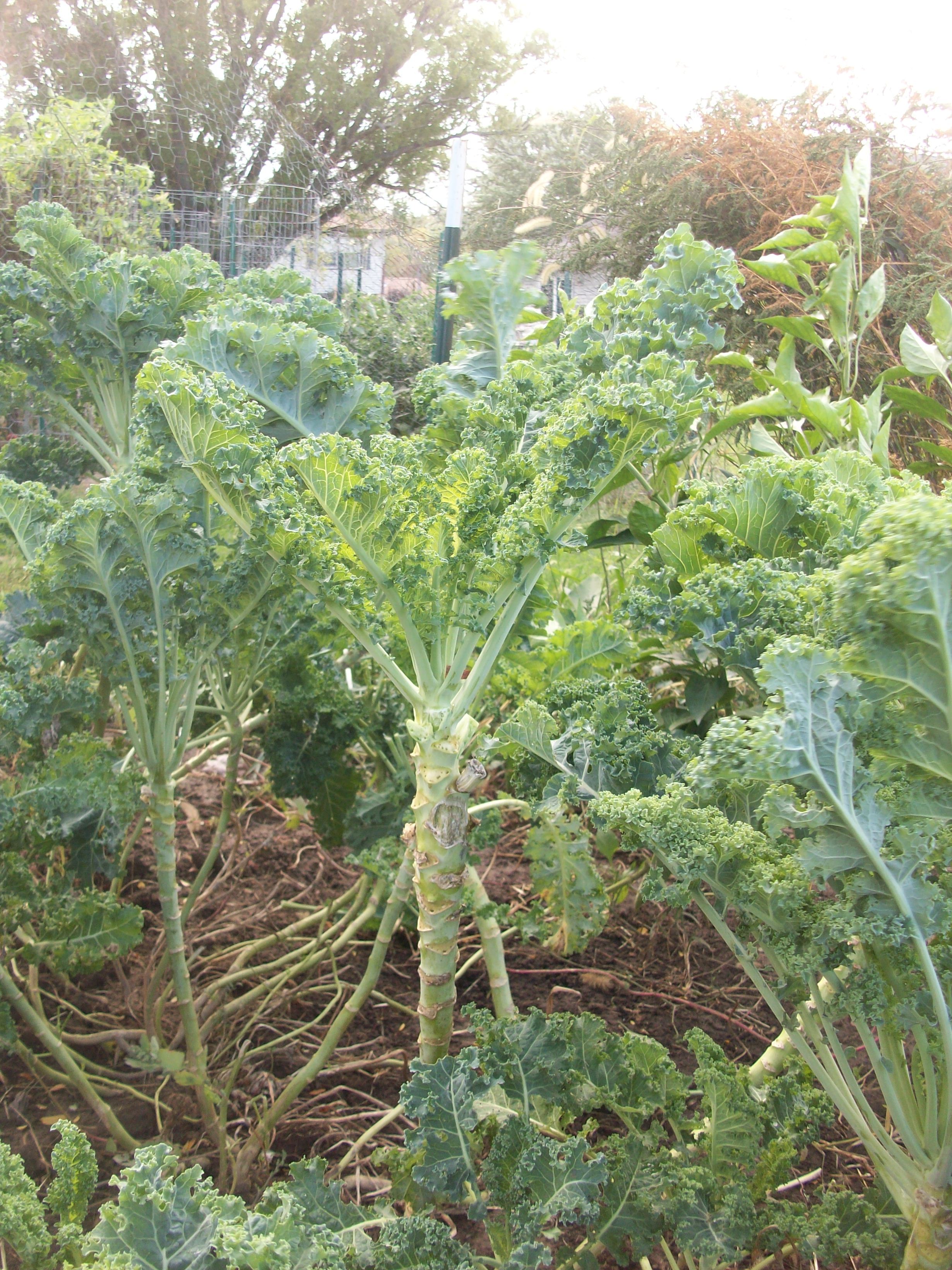
LAKE MACBRIDE— Not knowing what to expect when I broadcast the kale seeds, this year couldn’t have been better.
Over time, the plants were thinned and picked until they look like a grove of palm trees. The leaves are cleaned from the bottom to the umbrella cover on top. The harvest has been exceptional.
There has been plenty to give away, and since the freezer is full, I dried and then flaked leaves to be added to soup during the winter. Since kale is frost resistant, we should have plenty for a few more weeks into November.
On deck is the apple harvest. The Red Delicious are about ready to pick and while we don’t need much apple sauce and apple butter, we’ll need to do something with them. Most likely a big batch of fresh apple juice, and if there are well shaped fruit, some dried apple slices.
I have been waiting for the Bangkok peppers to turn red before picking them. The plan is to dehydrate them and make red pepper flakes for the year’s cooking. It won’t take as many as there are, but when the danger of frost is imminent, there will be a lot of Bangkok, Serrano and jalapenos to pick.
It has been a decent year for the garden. It’s not over yet.
LAKE MACBRIDE— To supply all the tomatoes a household needs, I planted a large tomato patch with eleven or twelve varieties, and two different cages. In all, there were 36 plantings, some with two seedlings in them. I used short cages leftover from previous years, and new ones cut from four-foot wire fencing. The whole plot was mulched deeply with grass clippings.
The endeavor was an unqualified success, and now it’s time to analyze, think and learn.
First Tomato Planting
The seeds came from a couple of sources.
Leftover from last season were Acer and Best Boy. They produced well, however, they matured late. By the time they were ready, the end of the season was upon us, and our tomato needs largely met. Acer is a slicer, the seeds purchased at a grocery store (I think). There are better ones to use going forward.
Best Boy was also leftover from last season, and intended for canning whole. When we organized our canned goods, it became clear we have enough canned tomatoes from last summer to make it another year, so they weren’t needed for the intended purpose. Olivade and Monica are plum tomatoes purchased through Johnny’s Selected Seeds. They will replace the Best Boys going forward.
The organic Beefsteak seeds were purchased at a home center, and they have traditionally been our favorite. They too didn’t ripen until late in the season, and while we used some, a lot went to compost when bugs got into them.
Second Tomato Planting
Having a variety of small tomatoes was a joy this year. I planted Cherry, Gold Nugget, Sweet Olive Grape, and Black Cherry. The seed packets were leftover from last season and from Johnny’s. They came in early and were great for salads, snacking and pasta dishes. We froze some whole as an experiment, and look forward to seeing how they eat once thawed later in the year. One seedling of unknown variety was provided by our CSA. The Black Cherry plants grew very tall. Next season, they should be planted in one of the four-foot cages.
Rose and Italian were our early maturing slicers. They were also purchased through Johnny’s, and the Italian seeds were at a reduced price. If they are offered again, both will be purchased for next season. The Italian did well with short cages, and the Rose would do better in four-foot cages. I bought an extra roll of four-foot wire, so some of the old cages can be retired or used for other crops.
Upon reflection, tomatoes are best used fresh, either in the kitchen, or given away as gifts to those who don’t grow their own. Likewise, they are welcome at the food pantry until there is a glut. Fresh tomatoes are an essential part of why we garden, and most of the focus in using them is fresh.
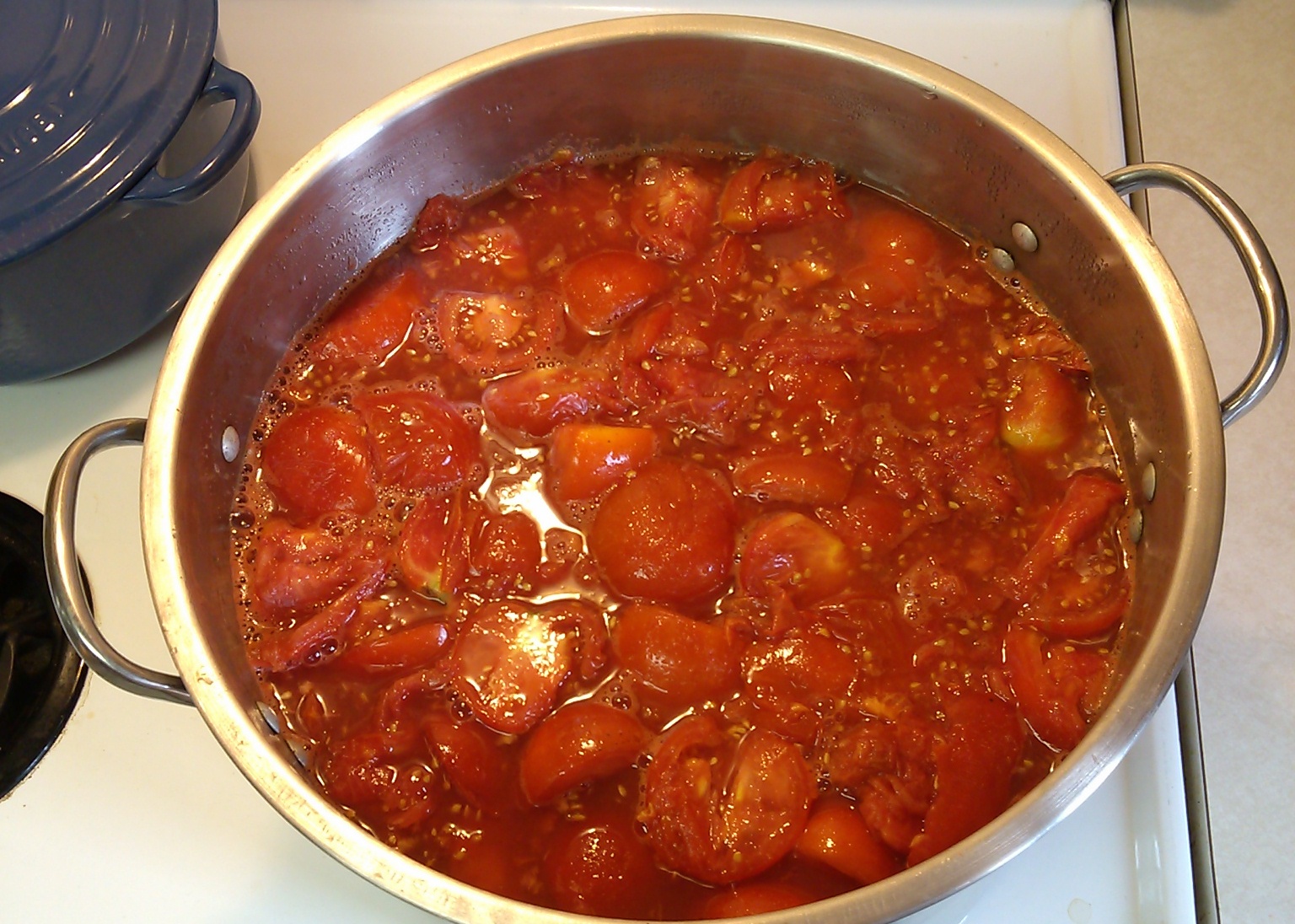
My thinking about canned tomatoes changed. For making pasta sauces, chili and soup, plum tomatoes are the best product to use. Seeded thoroughly, cut in half, and then cold processed, I put up about a dozen quarts which weren’t really needed, although the abundance led me there. They will serve most needs.
I had been canning diced tomatoes, but any application that calls for them could use halved plums, so diced will fall from my repertory. That is, unless there is an abundance of slicers, which is what I used to make canned diced tomatoes. We’ll see how it goes.
A favorite canned product is hot sauce, but like with plain tomatoes, there is an abundance in the pantry ready for use from previous years. I have a gallon fresh in the refrigerator, and there is an abundance of hot peppers for making more, but at some point one has to stop.
There is never a shortage of juice as a byproduct of canning. I’ll continue to can it as it is produced, and any remainders will go to that end as the season finishes.
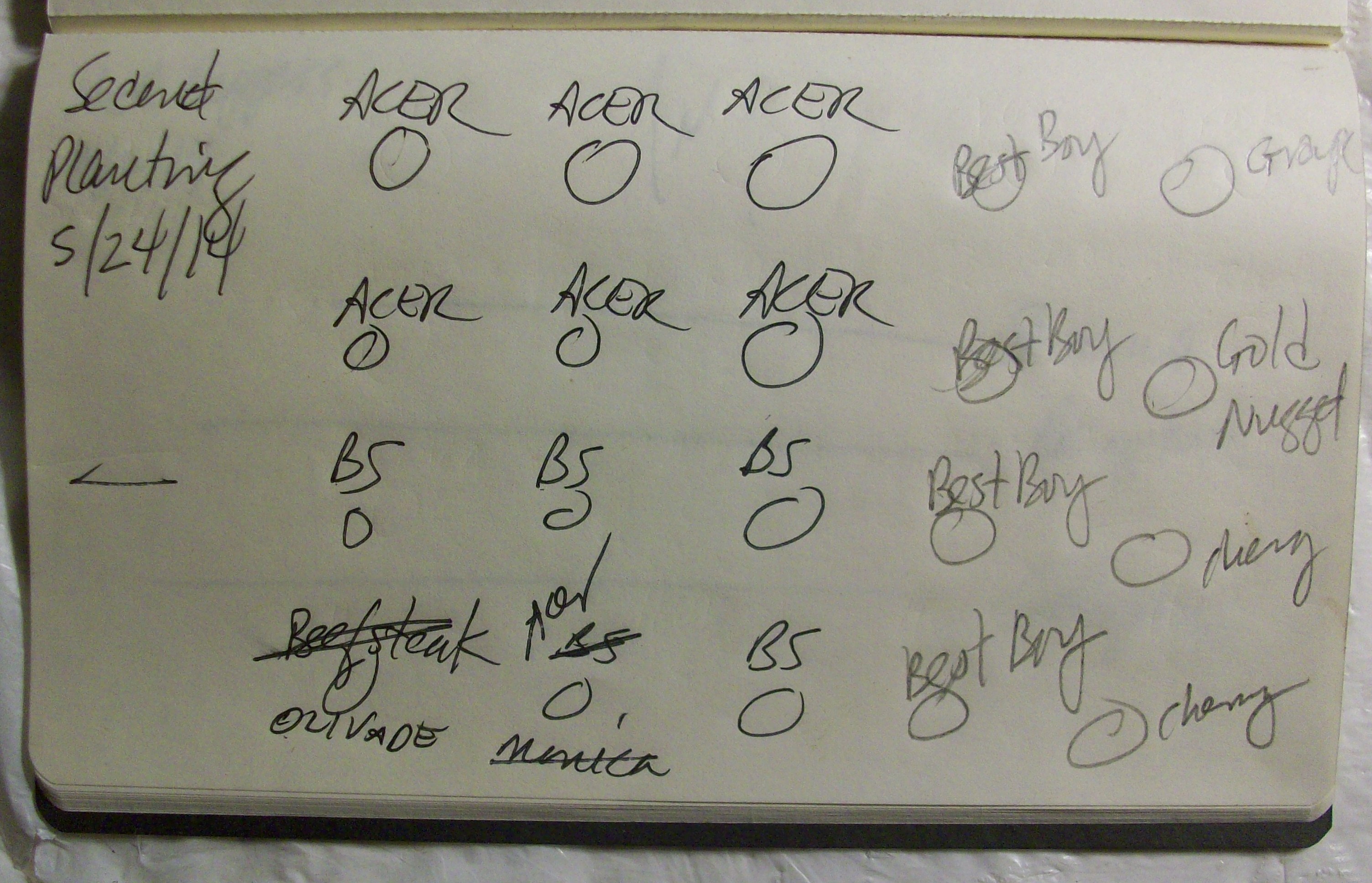
Growing tomatoes is a highlight of garden life. By using my sketch booklet and keeping track, I have been able to learn what works and what doesn’t— part of a gardener’s outlook in daily living, with lessons to our broader sustainability. Despite all the negative press this year, the tomato crop was excellent.
LAKE MACBRIDE— After nine hours, the yard work came to a halt. There was a lot more that could have been done—picking up grass clippings for mulch, trimming trees and bushes, taking down the second tomato patch—but nine was all I could do.
I left the hot and sweet peppers to grow, and the kale, but that was it. It is time to call it a year for the garden. Between the CSA and our garden, there is no shortage of food in our house. Now comes the processing before it goes to compost.
The pears were starting to go bad, so I salvaged what was good and added an equal weight of apples—McIntosh, Song of September, Blondie, Cortland, Haralson and Jonamac. I was a little short, so I picked enough Red Delicious from the tree in the yard to fill out the weight and made a sauce with the whole lot. The pears sweetened it so no sweetener was needed. It made three quarts and tasted great.
Serrano Peppers
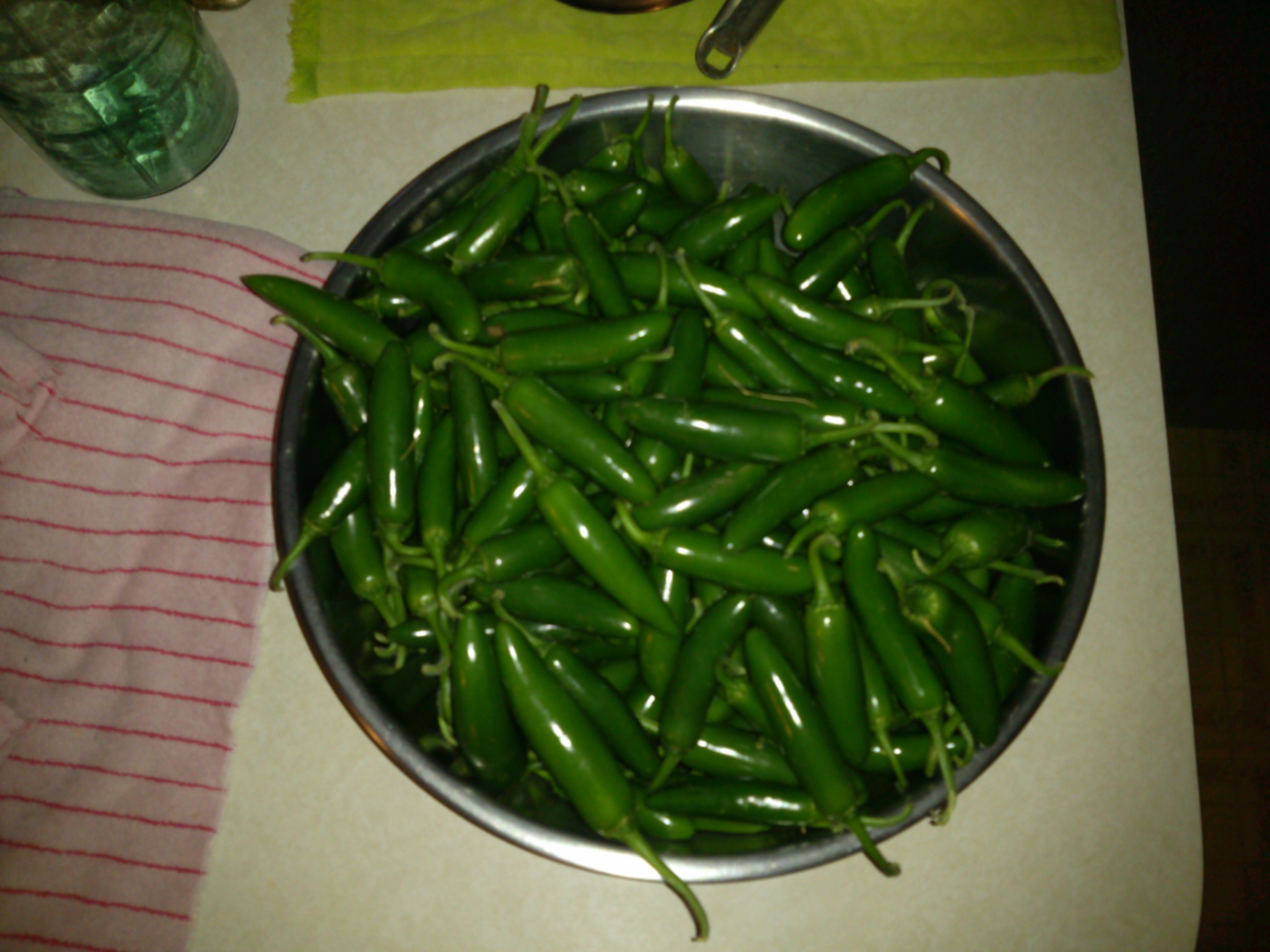
Hot peppers are in abundance this year. Dehydrated halves of jalapenos were ready to bag and eventually be turned into a powder. I replaced them with whole Serranos to see if they would dehydrate to make pepper flakes. The rest of the abundance is in zip top bags in the refrigerator awaiting disposition.
I picked what was good in the tomato patches yielding two full trays. They all produced well, more than we need. With the fresh and canned tomatoes, we will last until next August.
This morning I made soup using kale, celery, carrots, onion, canned diced tomatoes, soup stock, bay leaves and dried chervil. I added a quarter cup of pearled barley. The home grown celery tastes like no store bought celery does, and next year I expect to grow more.
There is so much kale a lot will be composted. Some went to the library friends, and the rest is in large garbage bags in the refrigerator taking up space. Eventually it will all find a home.
This afternoon I put the garage back together and returned the automobiles inside. I need another day in the yard, but am not sure when next that will be possible. It’s back to all of my part time jobs for now, hoping ends will meet at the end of the month. One thing is sure, we’ll have plenty to eat.



 Journey Home
You must be logged in to post a comment.