Categories
Environment

The Cost of Carbon – 24 Hours of Reality

the-climate-reality-project-logoOn Oct. 22 and 23, The Climate Reality Project will connect the dots between carbon pollution and climate change with the global live-streamed broadcast “24 Hours of Reality: The Cost of Carbon.” here’s the link:

http://www.24hoursofreality.org.

In Iowa, men and women in the agricultural community are talking about the likelihood of four or five more years of continued drought. Harry Hillaker, Iowa state climatologist, indicated 2013 was the wettest spring on record. He confirmed this summer’s drought conditions in Iowa. Like this year, the prospect for coming years is wet springs combined with long summer periods of little or no precipitation.  There is no doubt human activity is contributing to this extreme weather, and that carbon pollution is the driving force behind it.

Not only are extreme weather events happening in Iowa, they are happening throughout the world. Extreme weather has a tangible cost in dollars, and in its impact on human society. 24 Hours of Reality will bring a global perspective to the climate crisis.

There are a lot of reasons to participate in 24 Hours of Reality, and here are three topics of interest in the program:

Chances are, you’re exposed to the cost of carbon pollution in ways you may not even realize— and the bill just keeps getting more expensive. 24 Hours of Reality will provide a tool to calculate the cost of carbon to individual communities.

Climate change can lead to rising food prices in wealthy nations, but in some regions, the consequences can be much more severe, threatening basic food security and leading to political instability in Somalia.

One of the greatest costs of climate change is what it means for our health. The broadcast goes to towns across Australia to witness the consequences of carbon pollution in terms of fire and flooding, and address what such changes mean for the health of ordinary people there and the world over.

24 Hours of Reality will address two key issues: protecting what we hold dear from the effects of climate change, and doing something to address the causes of our carbon pollution. Click here for a link to the 30 second trailer about 24 Hours of Reality.

I hope you will consider viewing part of 24 Hours of Reality on Oct. 22 and 23.

Categories
Environment

Climate Reality Presentation Sept. 30

the-climate-reality-project-logoPlease join

Senator Rob Hogg and

Paul Deaton

for a presentation and discussion about climate change and what we can do about it.

Monday, Sept. 30 at 6:30 p.m. at the Solon Public Library, 320 W. Main St., Solon Iowa.

The link between climate change and more frequent and intense weather events is no longer in doubt. Climate Change is real, it’s happening now, and we can and should do something about it. This hour-long event will present the science of climate change, discuss its causes and effects, and lay out ways to address the causes of climate change and prepare for it.

Iowa State Senator Rob Hogg is a fourth generation Iowan who represents the 33rd Senate District in the Iowa legislature. He is the author of the new book, “America’s Climate Century: What Climate Change Means for America in the 21st Century and What Americans Can Do about It.”

Paul Deaton is a native Iowan and Solon area resident since 1993. He is a member of the Climate Reality Leadership Corps, part of a global initiative with more than 5,000 leaders trained personally by former vice-president Al Gore.

Categories
Writing

Big Grove Brewery Debut

Big Grove Brewery
Big Grove Brewery

SOLON— Today at 3 p.m., Big Grove Brewery makes its much anticipated debut on the Solon restaurant scene.

I may stop for a brew after work at the farm.

My regular posting will resume after the Labor Day weekend.

Categories
Sustainability

Iowa’s Campaign to Stop New Nuclear Power

Nuclear NeighborhoodsPrepared remarks delivered by Paul Deaton at the Iowa City Public Library on the 68th Anniversary of Hiroshima, Aug. 6, 2013.

Thank you Maureen McCue for the kind introduction. I want to recognize some of our colleagues in this work who are in the audience tonight.

Well we held back new nuclear power in Iowa. Isn’t that great?

In February 2010, I wrote the first of a long series of posts on Blog for Iowa about what I believed to be the legislature’s infatuation with nuclear power during the last four sessions of the Iowa General Assembly. I wrote, “I heard the words ‘zero sum gain’ applied to MidAmerican Energy’s process toward change for the first time. It seems to fit. A zero sum gain is a situation in which a participant’s gain or loss is exactly balanced by the losses or gains of the other participant(s). If the state wants to move forward with nuclear power, it’s okay with MidAmerican Energy, but they are a business, so the customers will have to pay.”

The customers will have to pay. That pretty much sums it up. What’s missing is no one knew how much a new nuclear power plant would cost, then, or now. For this and other reasons, the people of Iowa decided there were better ways to generate electricity.

During this presentation I want to talk about what the nuclear power discussion was, and what it meant.

At the beginning, the legislation seemed on a stealth track toward passage without opposition. Physicians for Social Responsibility joined with an extensive and diverse coalition who found common ground in opposing nuclear power in Iowa. By the end of our work, according to public polling, a vast majority of Iowans opposed new nuclear power and some legislators who had supported House File 2399, the nuclear power study bill, and House File 561, the nuclear power financial bill, had changed their minds.

What I want to cover in my remaining time is three things: the campaign to stop the nuclear power study, the campaign to stop the nuclear power finance bill, and then some general remarks.

Before beginning, I want to set the framework in which the nuclear power discussions occurred.

The electric utilities in Iowa are looking at a 50-year horizon that compares where we are now with regard to electricity generation, to where we will be. Electricity generation is currently a mix of nuclear, coal, natural gas, wind and hydroelectric. The nuclear and coal plants are making their exit at the end of their life cycle, so the question is what is next?

After defeating two of three proposed coal fired power plants in the state, combined with our recent success in holding back nuclear, we seem bound to keep hydro the same, generate more wind and solar electricity, use no new nuclear or coal plants if we can manage it, with natural gas as the flexibility in the system to meet so-called baseload electricity needs.

Demand growth for electricity is slowing to less than one percent per year, so the primary issue is capital investment to replace depreciated generating capacity. Pretty tedious stuff for the environmentalists among us, but where Warren Buffett and others like him invest their billions is a real issue for us, with real world impacts on the environment.

When we talk about these big picture solutions, however, the missing piece of the puzzle is distributed generation. That is, how individual homes and businesses might produce their own electricity on-site, and sell excess capacity back into the electrical grid.

As prices come down for wind and solar, distributed generation becomes more viable, and could tilt what the regulated utilities do. The thing is, how long can we wait to take CO2 emissions out of the mix? The inconvenient truth is that we can’t wait.

Another thing to note is that while burning natural gas produces about half the CO2 emissions compared to burning coal, the gain for the environment is mitigated by methane leakage along the pathway from extracting the gas to delivery at the power plant where it is burned. Like with any energy source, burning natural gas should be considered in the context of its entire lifecycle. In that context, its greenhouse gas emissions are not much better than coal, if not worse, depending upon the amount of methane leakage.

From the preamble of House File 2399:

“It is the intent of the general assembly to require certain rate regulated public utilities to undertake analyses of and preparations for the possible construction of nuclear generating facilities in this state that would be beneficial in a carbon constrained environment.” There is a lot to unpack there, and the bill had additional aspects I have eliminated to save time. Suffice it to say House File 2399 passed both chambers of the legislature, and on April 28, 2010, Governor Chet Culver held a signing ceremony for what he called the “Nuclear Energy Jobs Creation Bill.” In a letter that is available on Blog for Iowa, Culver wrote, “this bill gives Iowa utilities and consumers more tools to make decisions on our energy future. The study will give us a clear idea of what the future for nuclear and alternative energies may hold in Iowa.” On June 4, 2013, MidAmerican Energy announced the study was complete, and they would be refunding a portion of the $14.2 million dollars collected for the study from rate payers, beginning this month. There was no mention of the words wind, solar or alternative energy in the 50 page final report from MidAmerican Energy to the Iowa Utilities Board. Governor Culver was wrong about the study’s purpose, as he was about many things.

Now let me talk about House File 561, the nuclear power finance bill.

On Monday, March 28, 2011, Wally Taylor, counsel to the Iowa Chapter of the Sierra Club presented an analysis of the Contruction Work in Progress or CWIP bill that eventually became House File 561. Iowa’s version of CWIP was much worse than those passed in other states in that its main purpose was to codify specific costs that rate payers would pay, up front, should the electric utility decide to apply for and construct a nuclear power plant. It included every cost the industry could envision. Among them, it defined “prudent costs” for the Iowa Utilities Board (IUB), when what would have actually been prudent was leaving costs to the board members discretion, rather than being directed by the legislature. It instructed the IUB on calculation of allowed debt and return on equity, something that should also have been left to the discretion of the IUB after performing due diligence on a proposed project. The bill also exempted nuclear power from the requirement, applicable to all other electric generation plants, that the utility has considered other sources for long-term electric supply and that the proposed plant is reasonable when compared to other feasible alternative sources of supply. There were other considerations, and in the end the legislation, if passed, would be biased to favor nuclear power over other methods of electricity generation.

By the close of session, House File 561 failed to gain traction in the Iowa Senate, as most familiar with our campaign are aware.

In closing, let me say something about new nuclear power. In its current state, no privately held company in the United States would take on the risks of nuclear power without significant government and rate payer subsidies. Period. If they would, the Nuclear Regulatory Commission is open for business, and accepting applications.

When we talk about subsidies, first, there is the risk of disasters as happened in Chernobyl and Fukushima. To encourage nuclear power, the U.S. Government created the Price Anderson Act which puts a ceiling on the losses that would be paid by a nuclear power plant owner in the case of a similar disaster. You and I would pick up the excess costs through our taxes.

Second, the Department of Energy owns and is responsible for nuclear fuel throughout its life cycle. While nuclear power utilities charge a small fee per kilowatt hour to help pay for disposal of their nuclear waste, every power plant’s disposal costs are underfunded. This underfunding is complicated by storage that could last for multiple millennia.

Any executive of a public utility, as a matter of personal competence, would want to know how much building a new power plant would cost. In the case of nuclear power, no engineer has a sharp enough pencil today to accurately predict the costs. When MidAmerican Energy CEO Bill Fehrman was asked how much a new nuclear power plant would cost during the last three and a half years, he constantly dodged the question, perhaps because he simply did not know. House File 561 got people like Mr. Fehrman off the hook, by transferring those financial unknowns to rate payers.

When nuclear power came into being in the wake of the Atomic age, whose birth we commemorate today on Hiroshima Day, it was scaled big. In retrospect, if used, nuclear power should have been modeled on the technology of nuclear submarines.

It seems likely the engineering challenges of small modular reactors (SMR) could be met and resolved, as could the issue of nuclear waste disposal. We are not even close to resolving either of those issues.

As MidAmerican Energy wrote in their report, “SMR licensing and SMR pricing could influence the decision to deploy nuclear generation in Iowa,” confirming my point― the technology is not ready for a proposal to the NRC.

We haven’t heard the last about nuclear power. But unlike the time prior to the fight to stop these bills, to stop nuclear power in Iowa, advocates are now ready to take up the fight anew if called upon.

Thank you for your time and attention. We’ll have a question and answer period at the end.

I’ll turn the discussion over to Dr. John Rachow who will speak to the issue of radioactive nuclear fuel. Thanks again.

Categories
Kitchen Garden

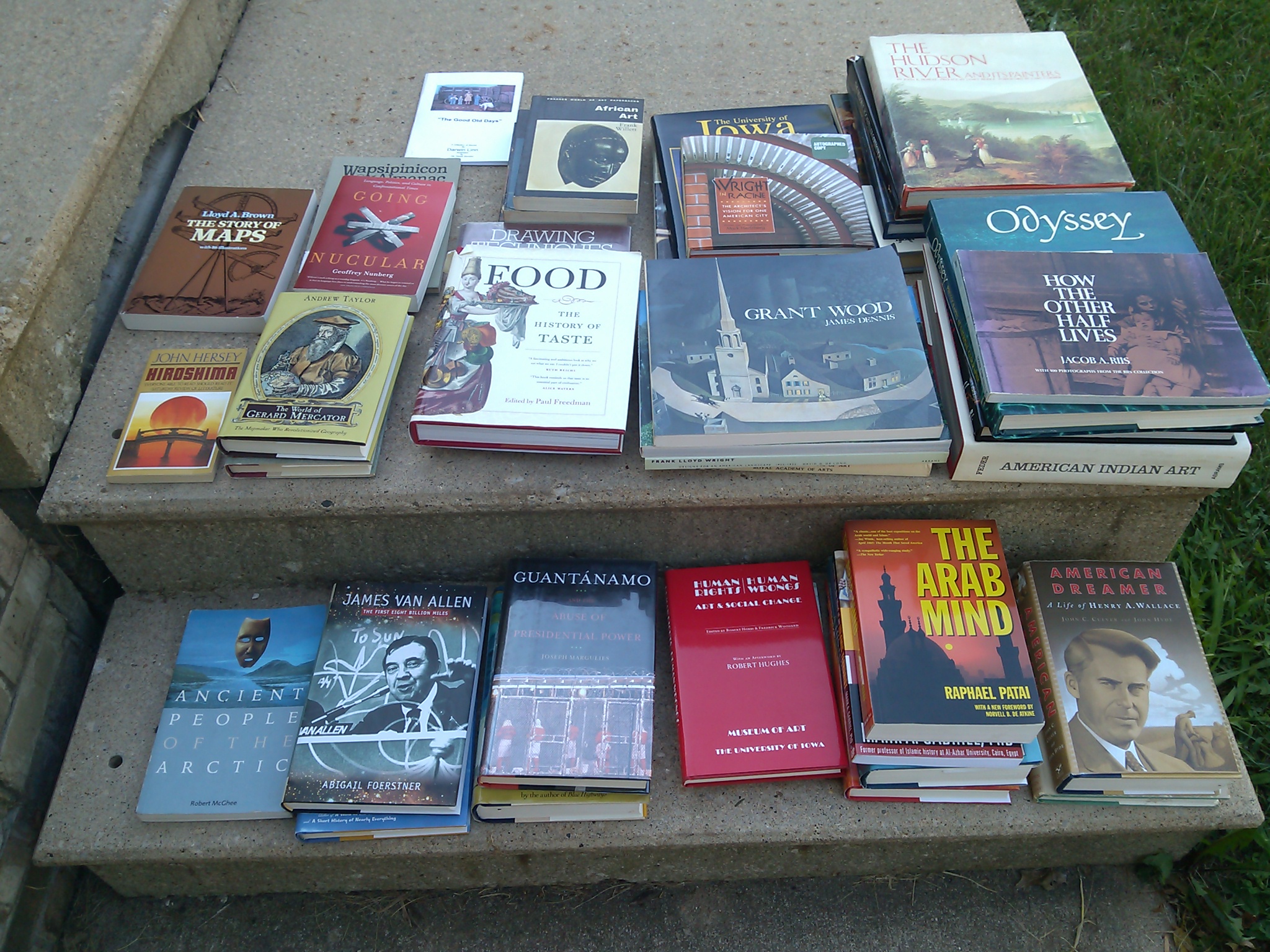
Cookbooks Galore

Books from the Library Sale

Will the Internet make cookbooks obsolete, except for nostalgia and sentimental attachment? I think it already has.

Late Sunday this email came in from Friends of the Solon Library: “There are four boxes of cookbooks leftover from the Friends Used Book Sale!   Stop by this week and bring home some new recipes!  They are located in the hallway on a small cart next to the regular used book cart.”
Comme d’habitude, I was an early bird for the sale, and had browsed through the much larger than usual cookbook selection. Not much of interest for me, as I have been collecting social group fundraising cookbooks for years, and have about all a person could wish for. Cookbooks from my home town, from my new home, from the hospital where I was born, and the one where our daughter was born, from the church where I was baptized, from area businesses, from the Stone Academy (a local one room school house), from the American Trucking Association, from where I worked, and a host of specialty and celebrity chef cookbooks. Adding more of the same seems so 20th century.

The truth is my focus when cooking has turned to what local food is fresh and available, and what techniques will be used to transform raw product into a meal. Occasionally I’ll search for a recipe, but it is usually on the Internet, making my point. The focus is on the food.

The attraction of browsing hundreds of cookbooks may serve some writing project, but it is not how we live now. It’s not how we cook. What matters more is producing local food, with fresh and local ingredients as an expression of character and personality, rather than that of the scion of a family kitchen disconnected from here and now.

Cookbooks will be around, and my collection seems unlikely to decrease in size. Clearly, from the email, if I add cook books to my downsizing, they won’t move at the used book sale. I can’t bear the thought of them languishing in the hallway with the other remainders.

Categories
Social Commentary

Directions in High Summer

Lake Macbride
Lake Macbride

LAKE MACBRIDE— Some days it’s hard to know the path. On Friday, still tired from long days in Chicago and facing a full slate of regular work combined with the search for paying work, it was a bust. Saturday was better, engaging in society— a slow walk with neighbors and friends.

Part of living in Iowa is an endless stream of birthdays, graduations, anniversaries and other celebrations. On Saturday there were two, the one year wedding anniversary reception for a friend in the peace and justice movement, and a 50th wedding anniversary reception for a neighbor I got to know shortly after we moved to Big Grove. Both events served great food and drink, and enabled me to get caught up with friends.

Conversations included a discussion of dating in the 1960s, the recent Green Party national convention in Iowa City, next week’s Veterans for Peace national convention, what to do with zucchini, demonstrations for nuclear abolition, nuclear power, Blackhawk and Poweshiek, pioneer cemeteries, gardening, a YouTube video shot in high summer and more.

I don’t often visit Central City, where one of the events was held, and stopped for directions. Off Highway 13, a local was selling produce. He had a grain wagon decorated with advertising for his farm stand on the highway. When I asked if he was from the area, he said, “of course.”

He sold seasonal produce, the usual fare, including melons, zucchini and tomatoes. He had a flat of Missouri peaches, fresh and made into jam, and when asked about them, showed one he had begun to slice, offering a taste. Sweet and juicy. I bought a pound and a half for two dollars and he gave me directions to the park where the event was being held. Of course, he knew where it was.

Two decades after the rise of the Internet, being with people in social settings remains compelling. We are drawn to events with a craving for company. Bearing cards with handwritten notes, hoping to give greetings and hear stories, little has changed over centuries.  It is an important part of sustaining a life on the Iowa prairie, and help in finding our way in a turbulent world.

Categories
Kitchen Garden Living in Society

Farm Bill Forum in Johnson County

Representatives Peterson and Loebsack

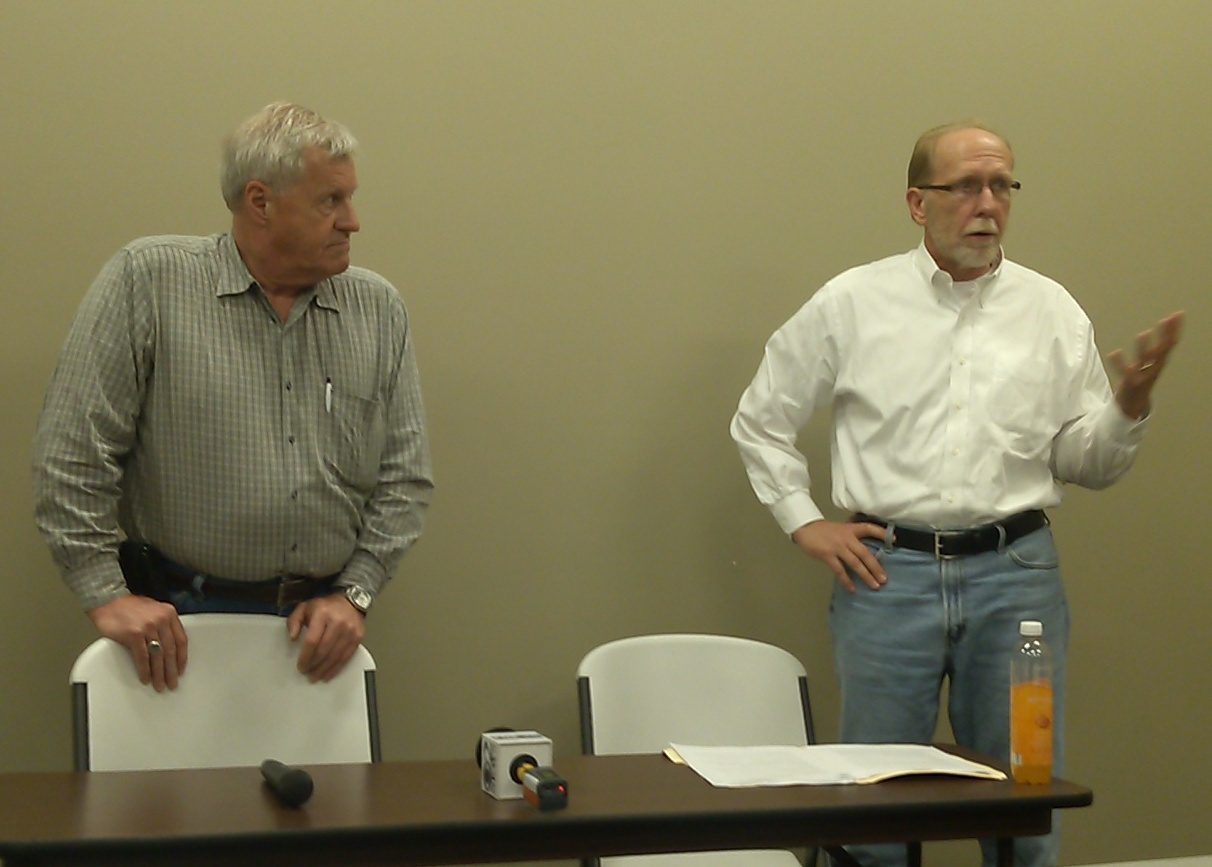
On Saturday, July 27, Rep. Dave Loebsack (IA-02) and Rep. Collin Peterson (MN-07), ranking member of the house agriculture committee, held a farm bill forum at the Johnson County Extension Office. Over 40 people attended, and a lot of ground was covered related to the farm bill, how the U.S. Congress works (or doesn’t), and during an open question and answer period with discussion of the Supplemental Nutrition Assistance Program (SNAP), change in the agriculture committee makeup after the 2010 election, crop insurance, conservation, rural development, LIHEAP (Low Income Home Energy Assistance Program), the renewable fuel standard and target prices for direct payments for wheat, corn, soybeans, cotton and rice. The forum was a primer for anyone who wanted to learn the recent history of the farm bill.

Rep. Loebsack said, “last year was the time to pass the farm bill.” Congress extended the 2007 farm bill for a year, and that extension expires on Sept. 30. Representatives of the Iowa Farm Bureau and the Iowa Corn Growers Association present at the forum indicated they did not want another extension. One audience member pointed to a $50,000 direct payment he would receive this year he didn’t need and didn’t want. Loebsack attributed the situation to the failure of congress to pass a new farm bill last year.

Rep. Peterson said the agriculture committee members had reached a bipartisan agreement last year, but the problem was (and remains) the Republican leadership. He was more specific, saying “it wasn’t Speaker Boehner… he never got in the way.” He added, Eric Cantor is the problem, “he’s the guy who screwed this thing up in the house.”

Mike Owen, executive director of the Iowa Policy Project, entreated the congressmen to take the political spin out of SNAP because it was destructive to families who depend upon the $1.30 per person per meal the program provides. A food pantry volunteer added, “it’s not just SNAP.” The farm bill impacts food pantries, meals on wheels and other nutrition programs people rely upon. Rep. Peterson was direct, “there will be more SNAP cuts (in order to pass a farm bill).”

The clock is ticking on getting a farm bill passed by Oct. 1. After this week, congress begins the August recess, reconvening on Sept. 8 or 9. The U.S. Senate has formally requested a conference committee, but house members have not been appointed. According to Peterson, they may not be until after the recess. There is time, but not any extra.

The framework for the farm bill has been set by the U.S. Senate version, for which the entire Iowa delegation voted. Passing the farm bill comes down to the U.S. Congress doing their work, something at which they have been less than effective. Also something could go wrong between now and Oct. 1 to stop the farm bill from moving, according to Peterson.

After the farm bill failed last year, Peterson said, speaking of the Republican house majority, “you guys have finally made me a partisan.” If SNAP is cut completely by the conference committee and replaced with block grants, as some conservatives want, the Democratic house delegation is expected to walk away, and the farm bill would expire. Well funded groups like the Heritage Foundation, Club for Growth, the Wall Street Journal and others have lobbied hard to cut SNAP, get rid of conservation and rural development programs, and crop insurance.

If readers are interested in more information about any of these topics, please post a comment below, and I’ll reply with any relevant information from the forum.

Categories
Social Commentary

Story of a Small Town Parade

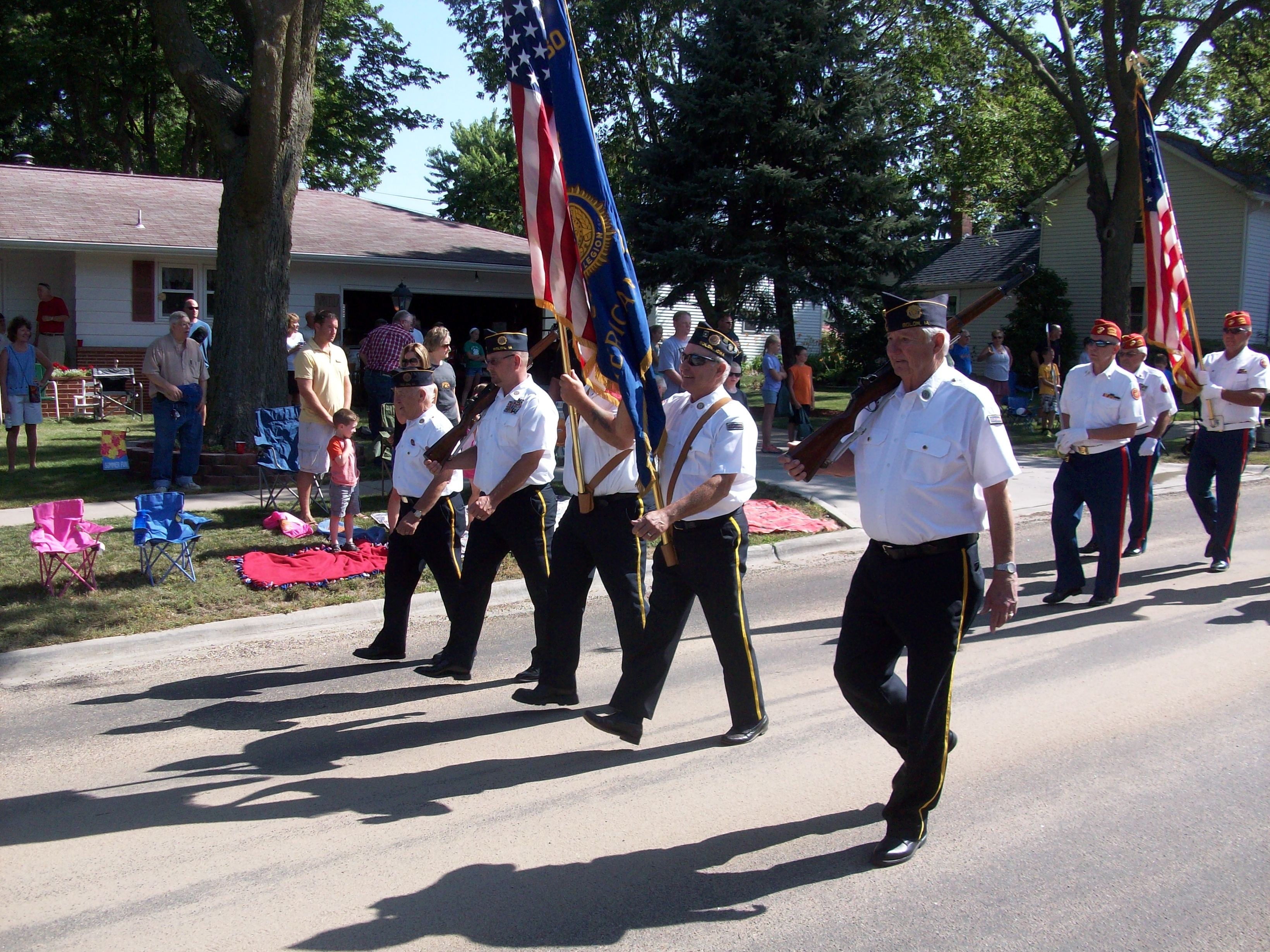
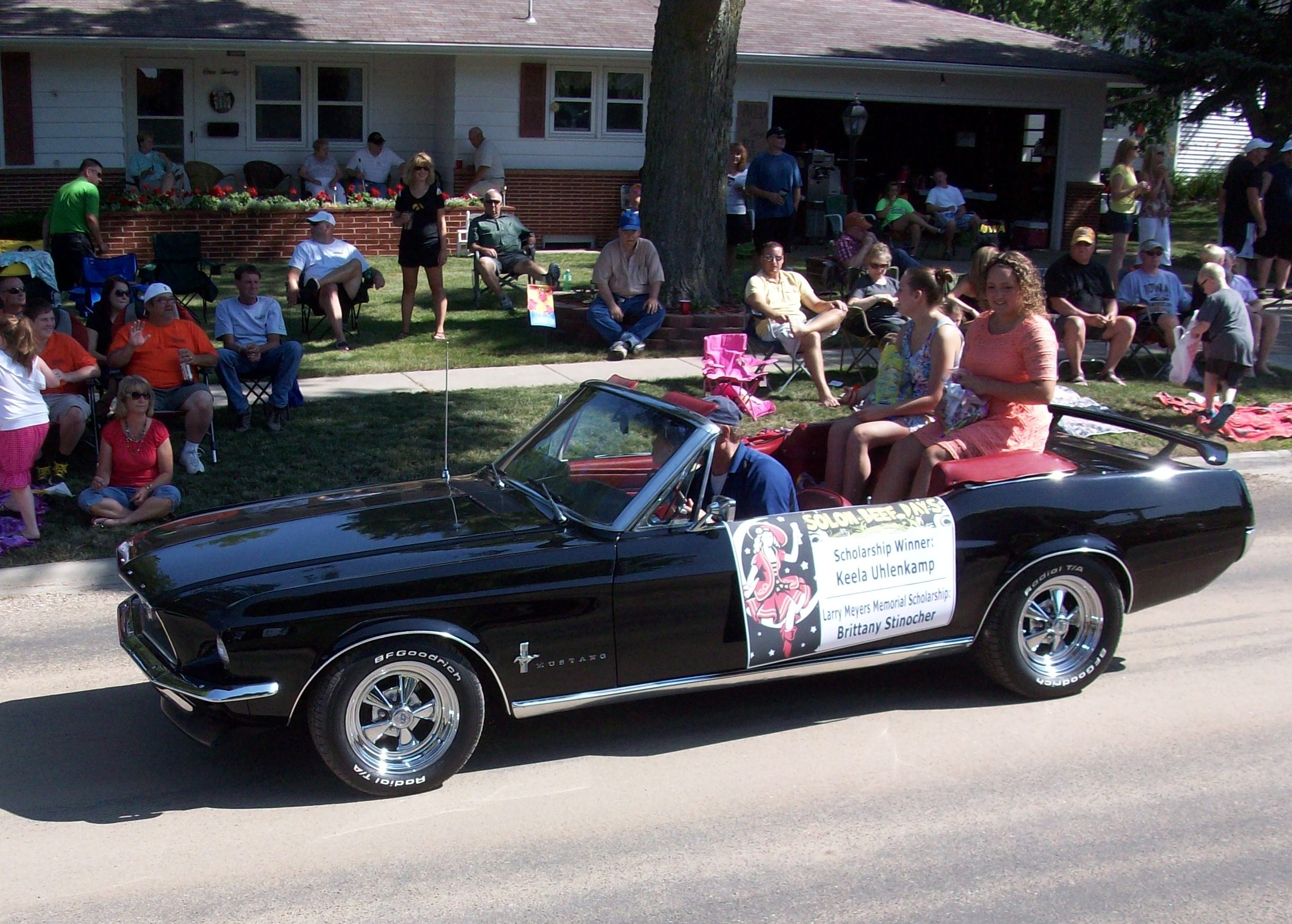
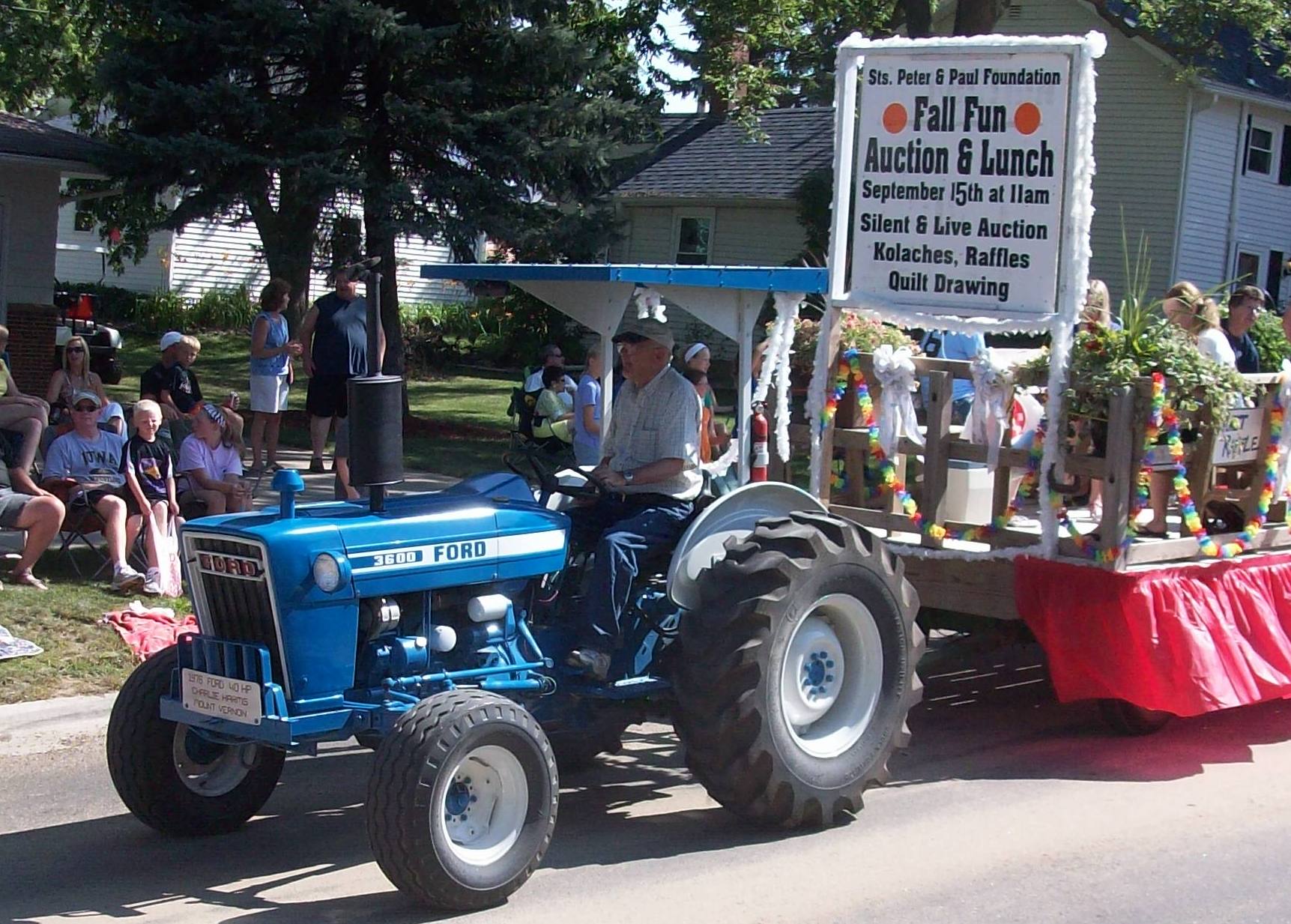
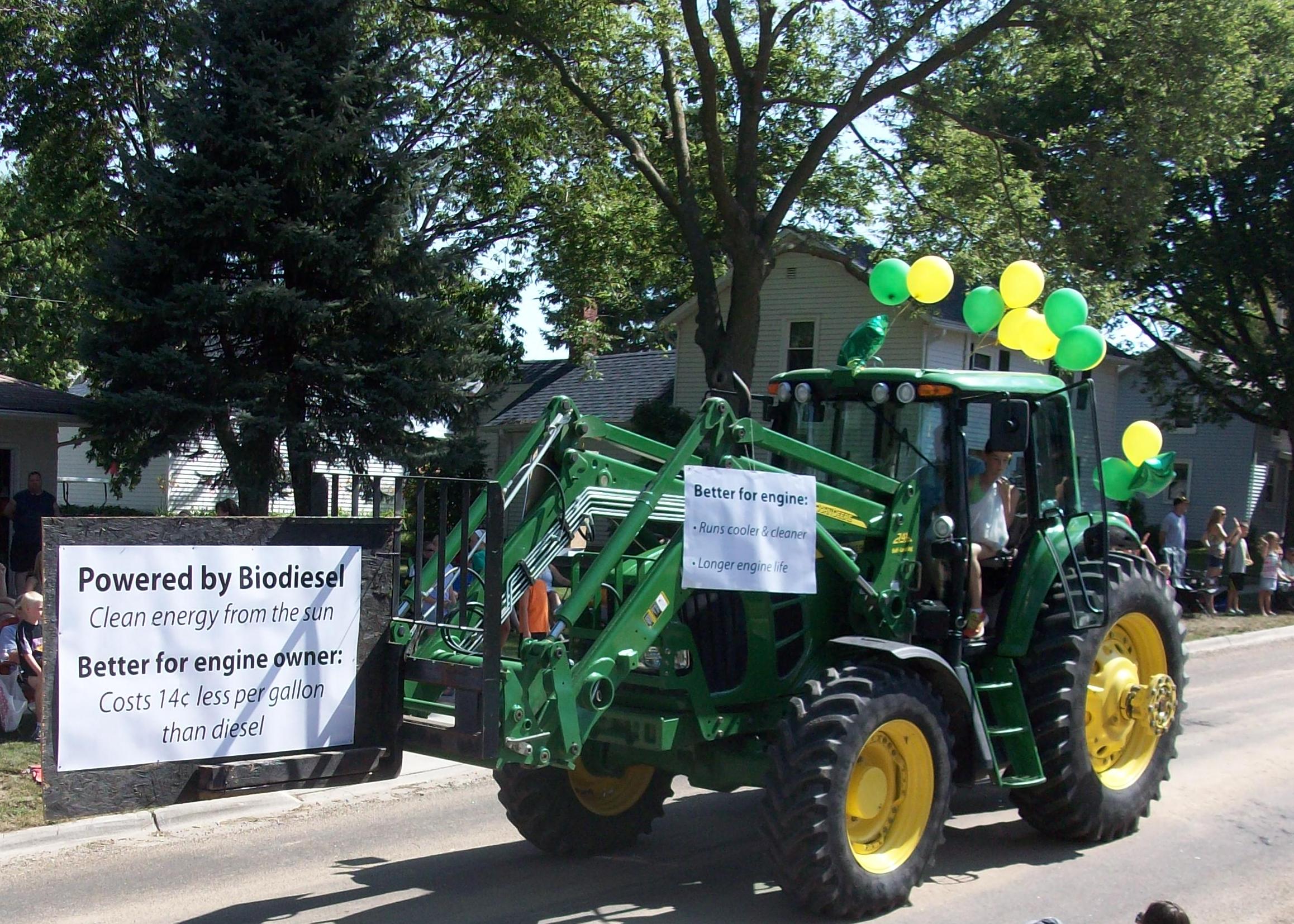
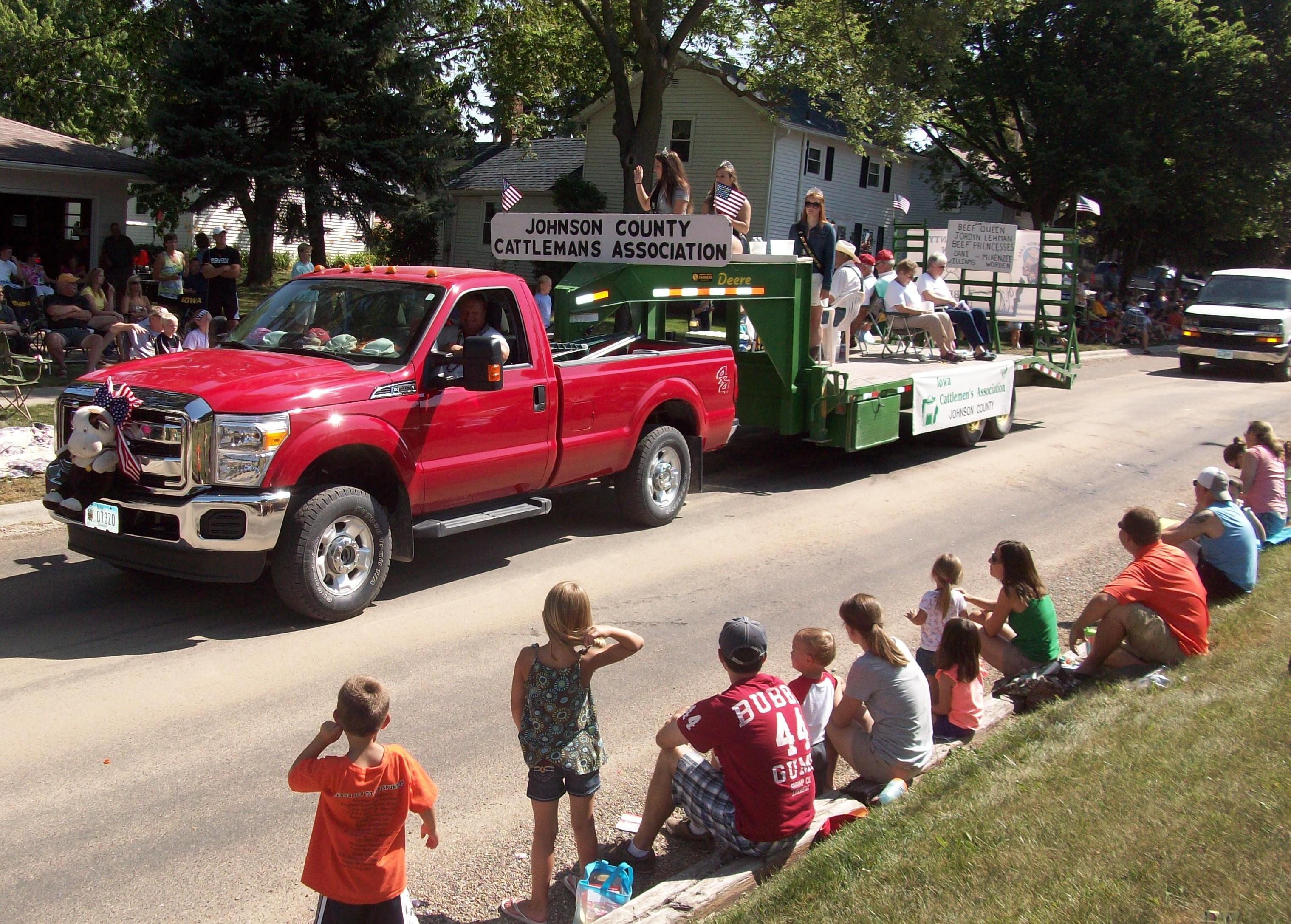
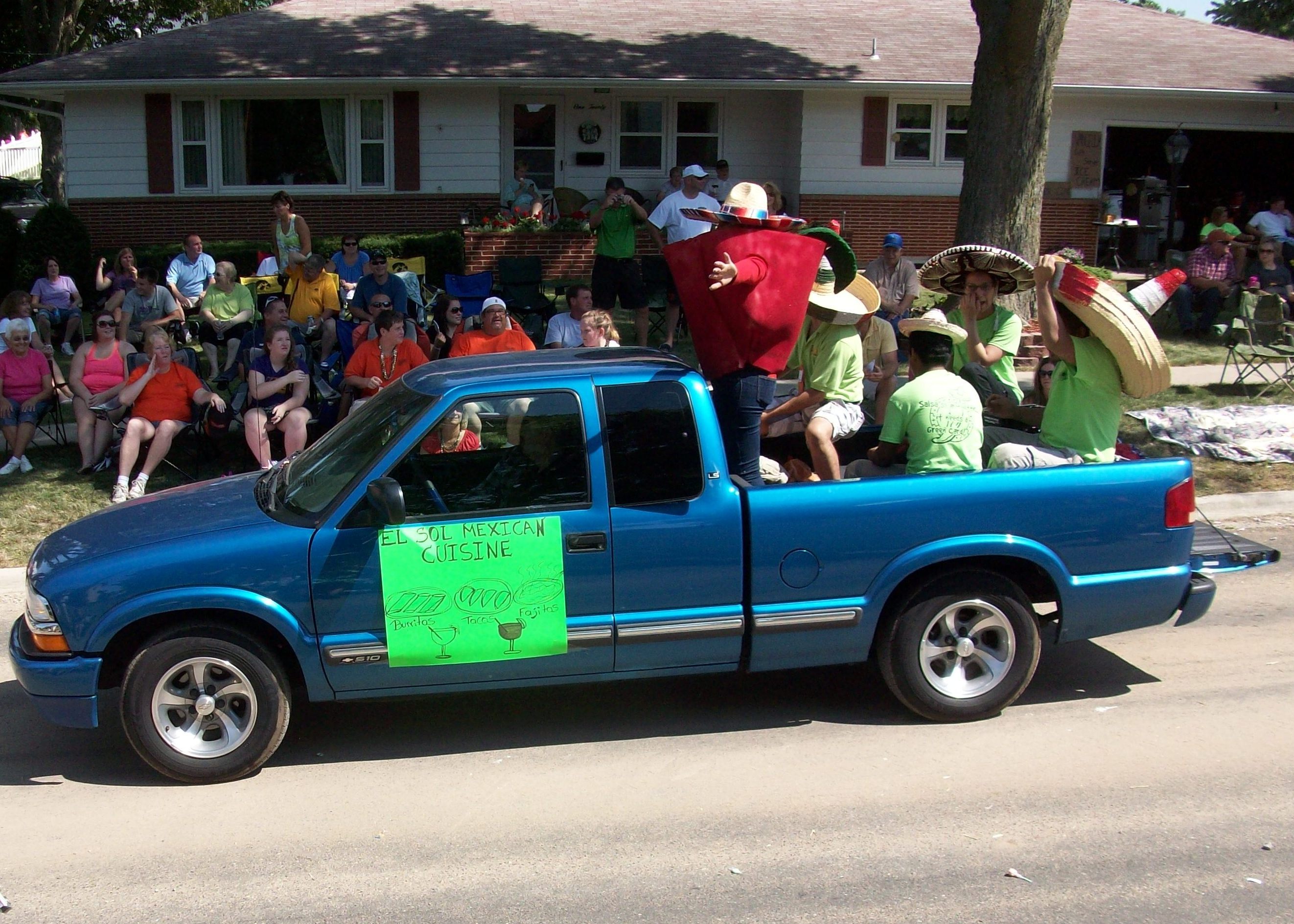
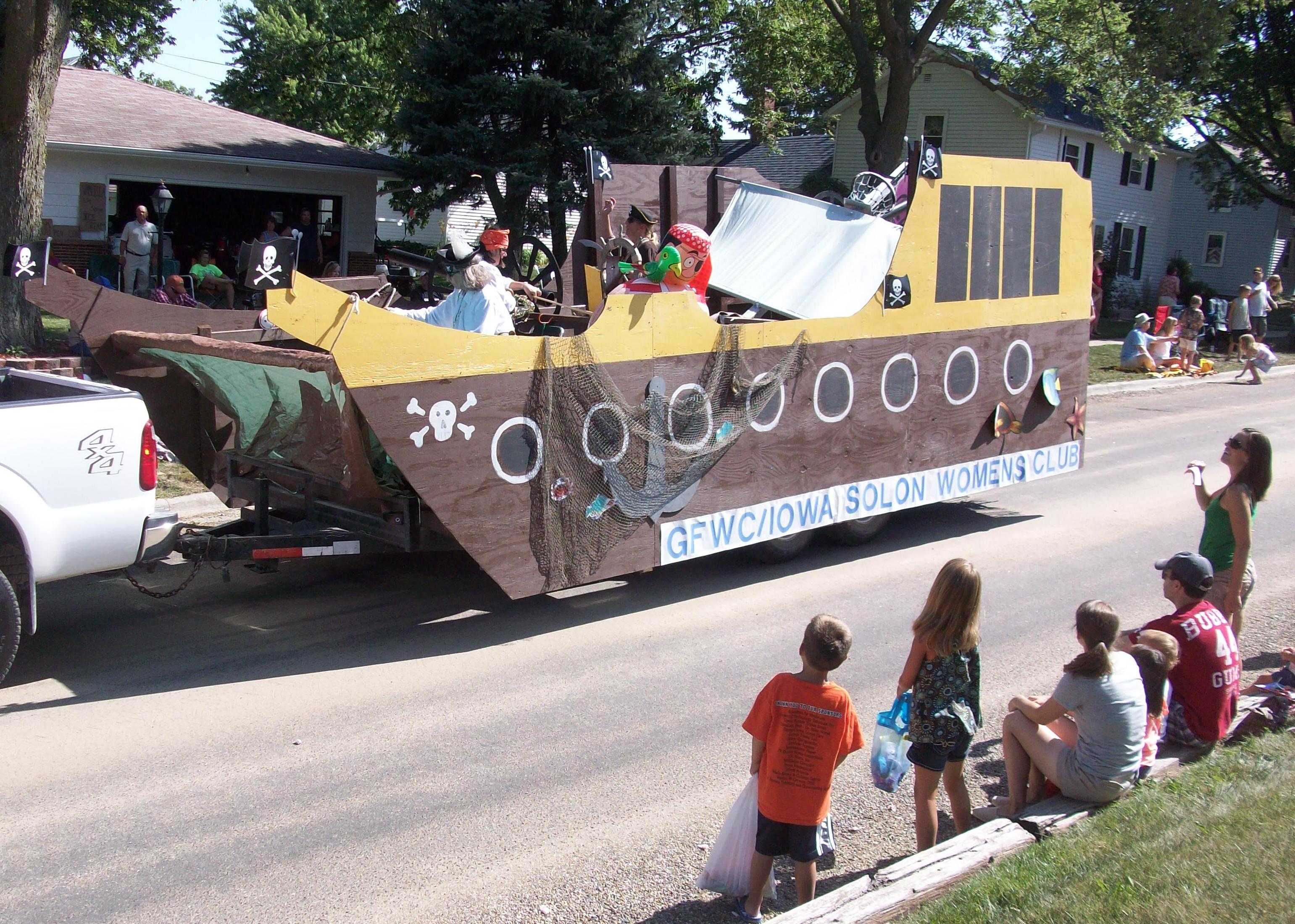
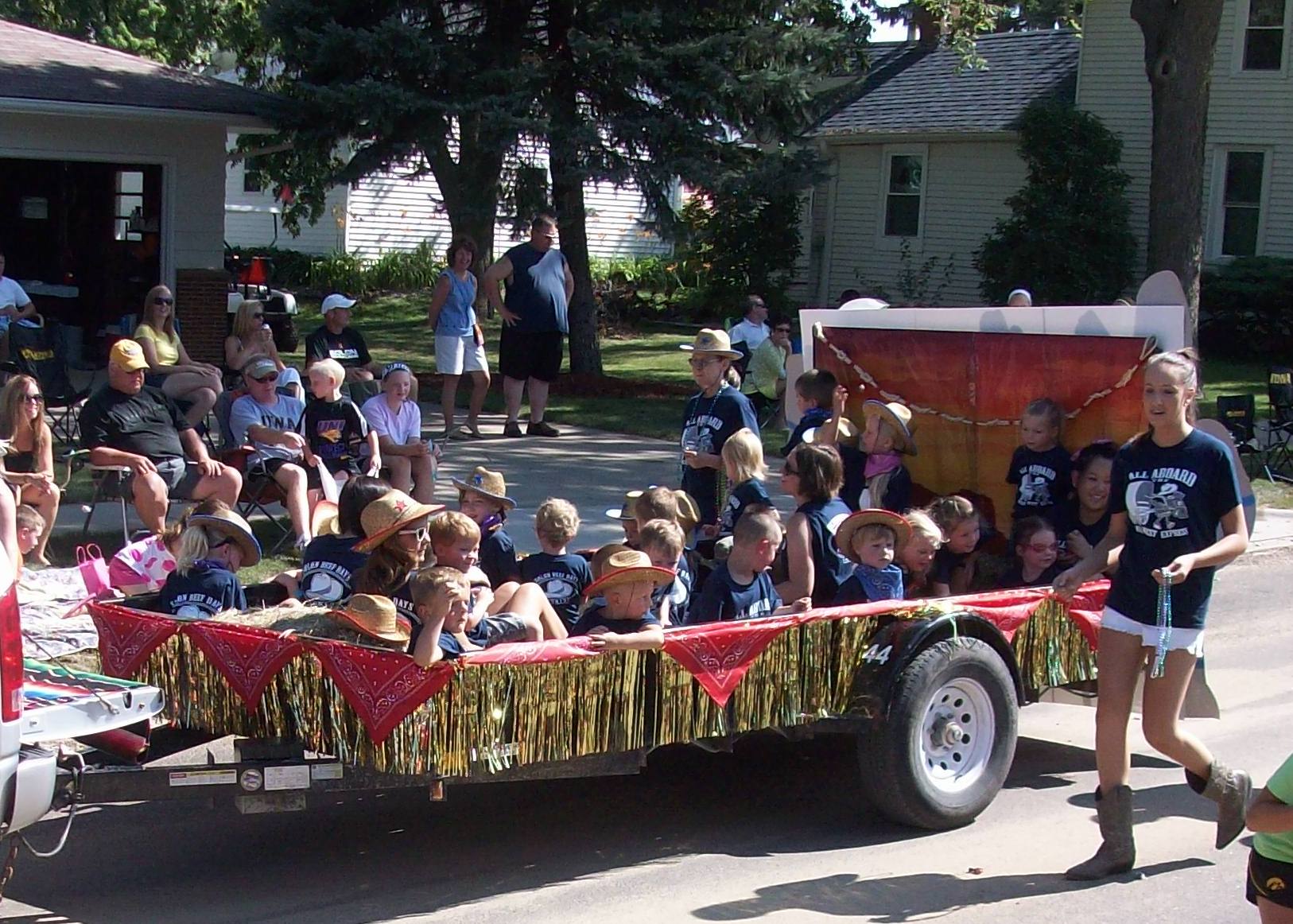
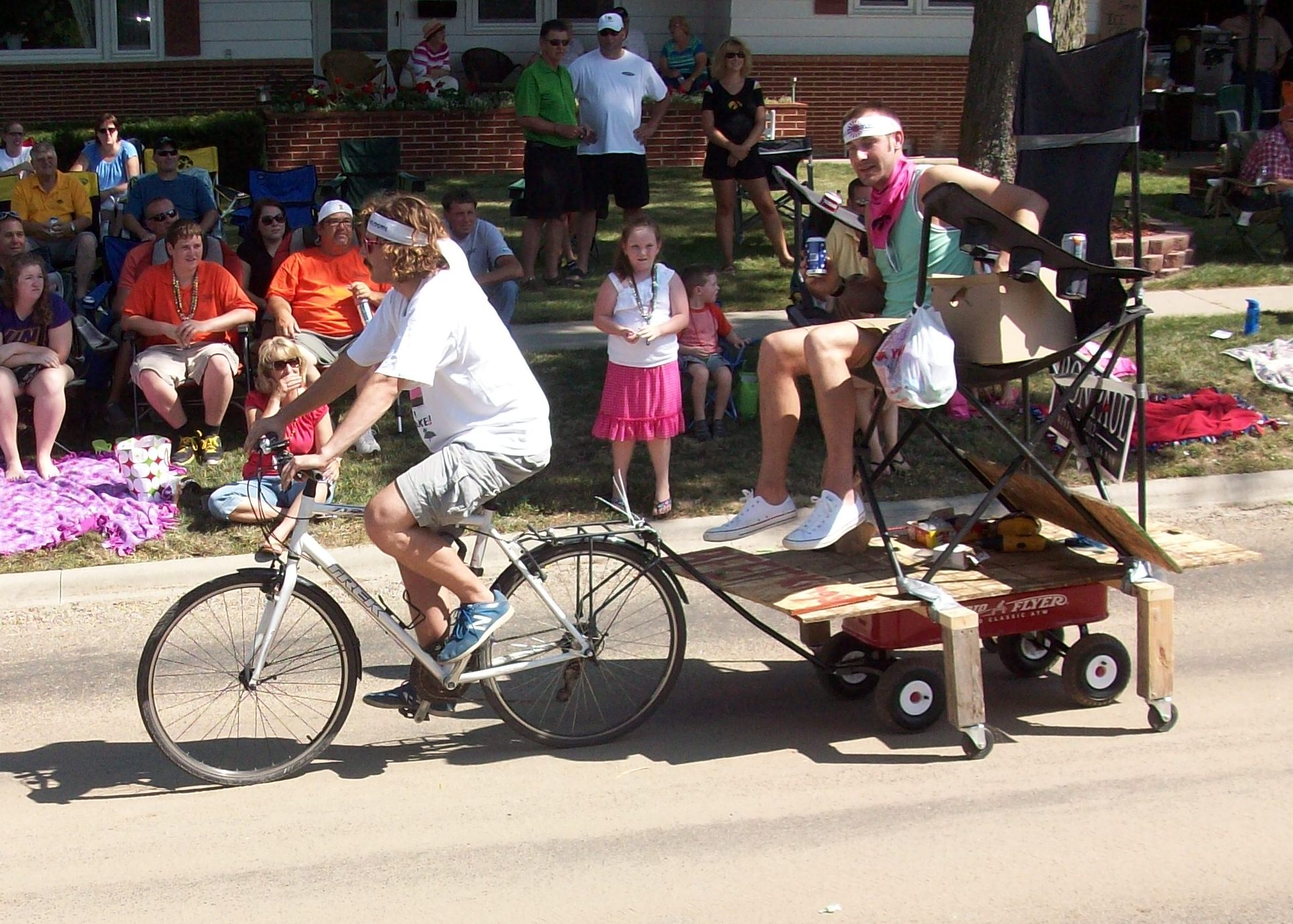
SOLON— For the first time ever, I watched the entire Solon Beef Days Parade as a spectator. What struck me as different was how a parade tells the story of a community. In this brief photo gallery, I attempted to capture that story as I saw it.

The Legion Color Guard always goes first.
There are shriners wearing peculiar hats...
There are shriners wearing peculiar hats…
... and playing patriotic music.
… and playing patriotic music.
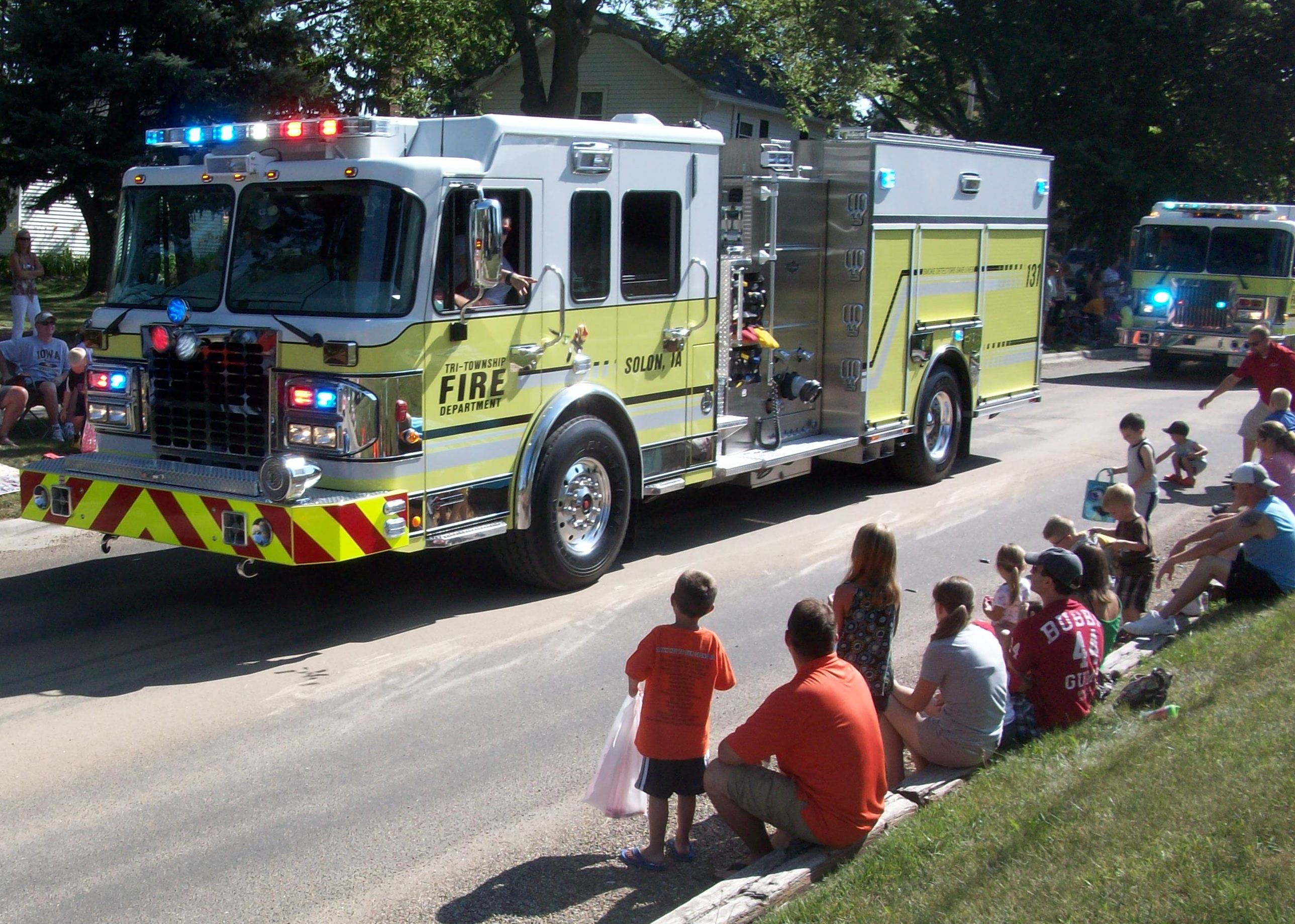
Followed by Our Fire Trucks.
Followed by our fire trucks…
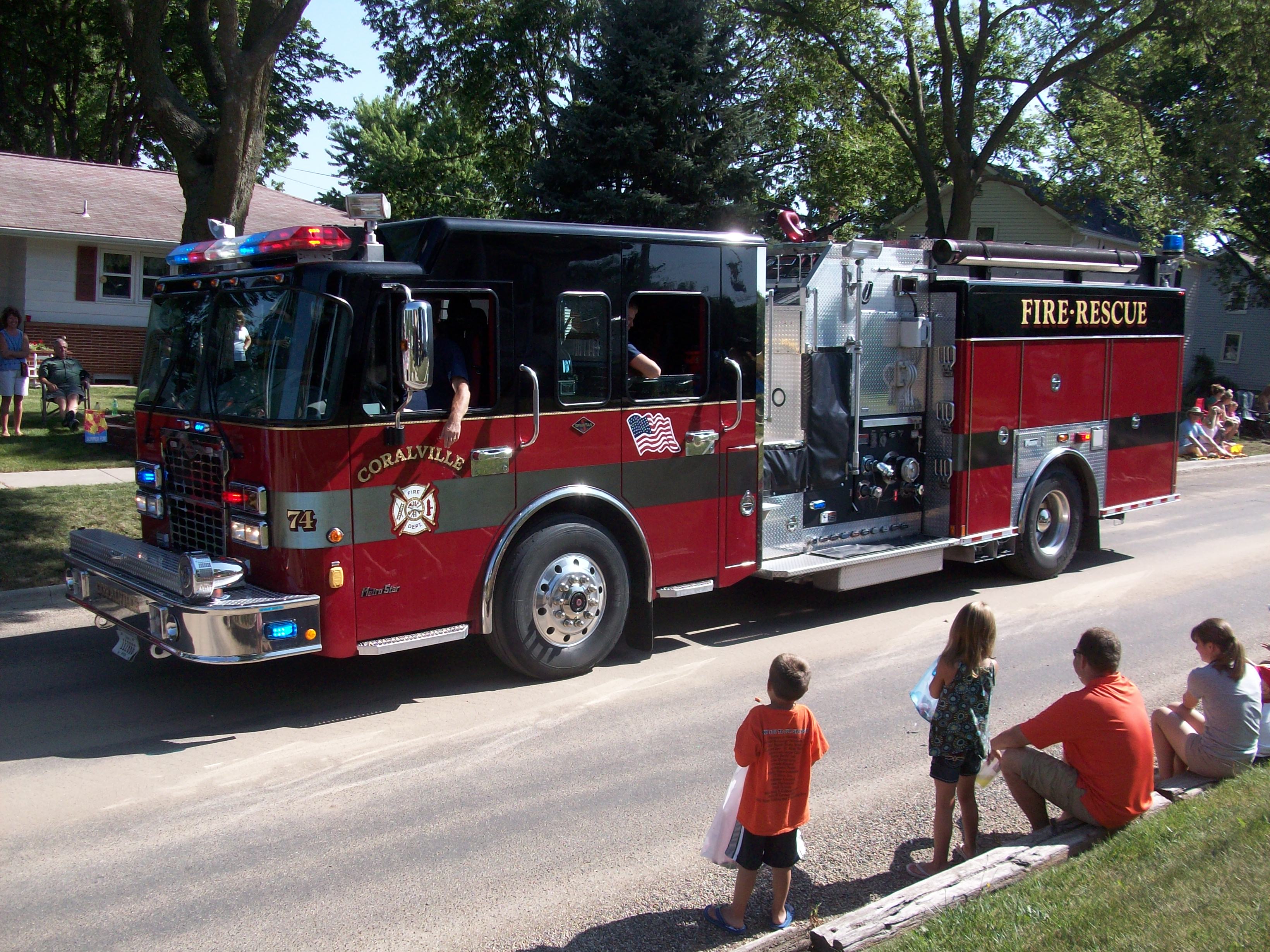
... and those of neighboring towns.
… and those of neighboring towns.
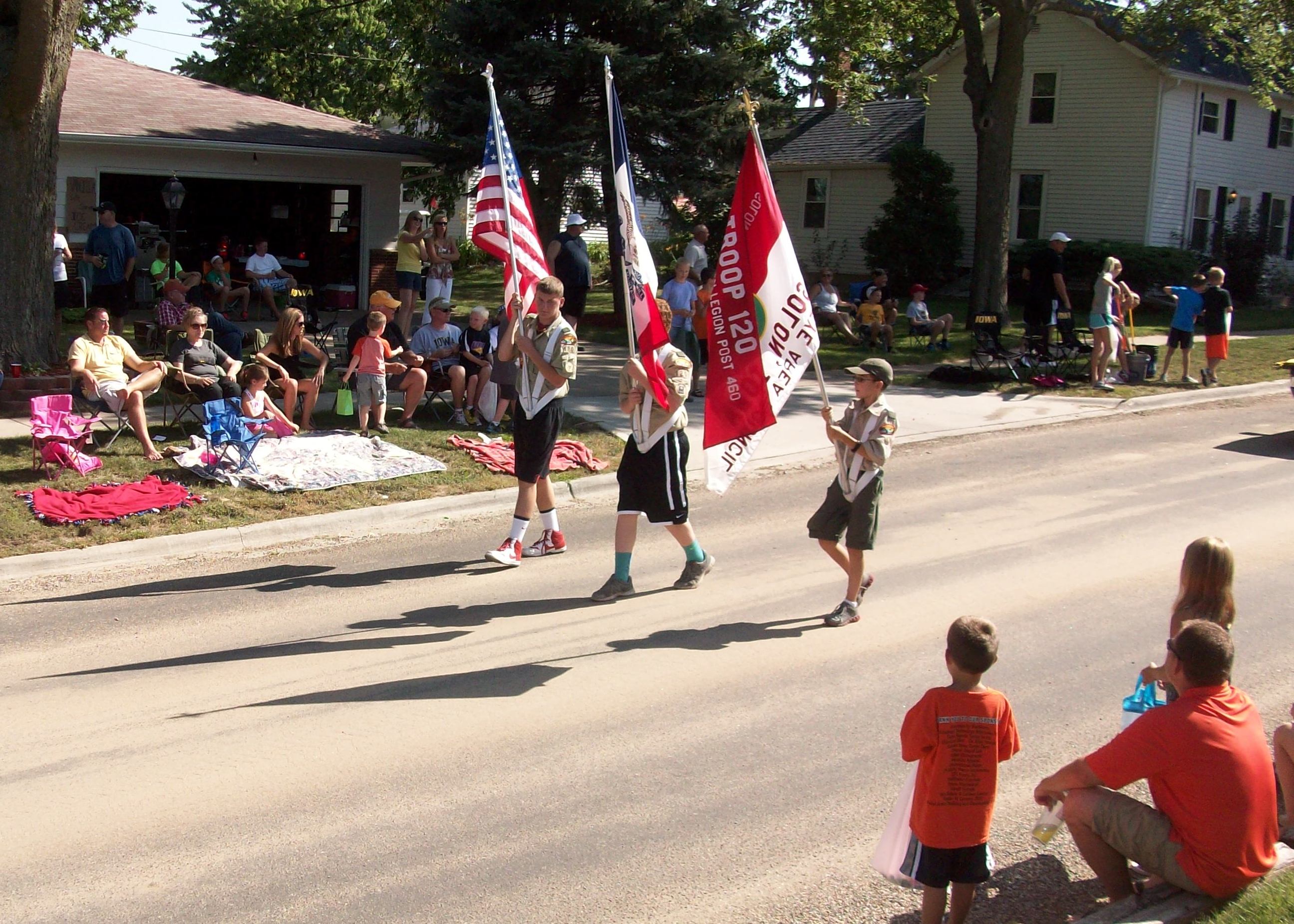
The boy scouts also have a color guard.
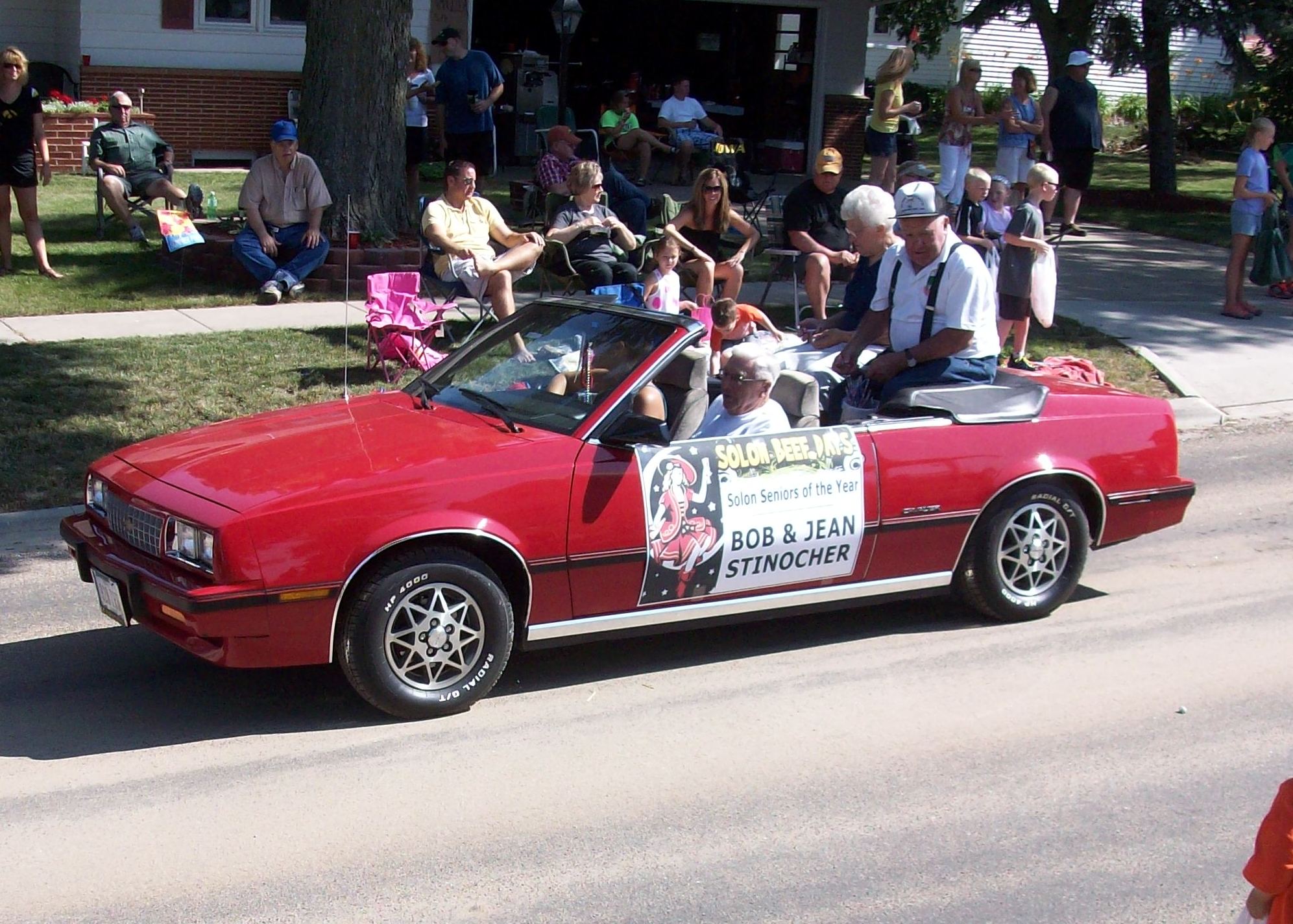
We show off our seniors of the year.
We show off our seniors of the year…
... our scholarship winners...
… our scholarship winners…
... our mayor...
… and our mayor.
There are green tractors,
blue tractors,
blue tractors,
red tractors...
red tractors…
... and don't forget that other green tractor.
… and don’t forget that other green tractor.
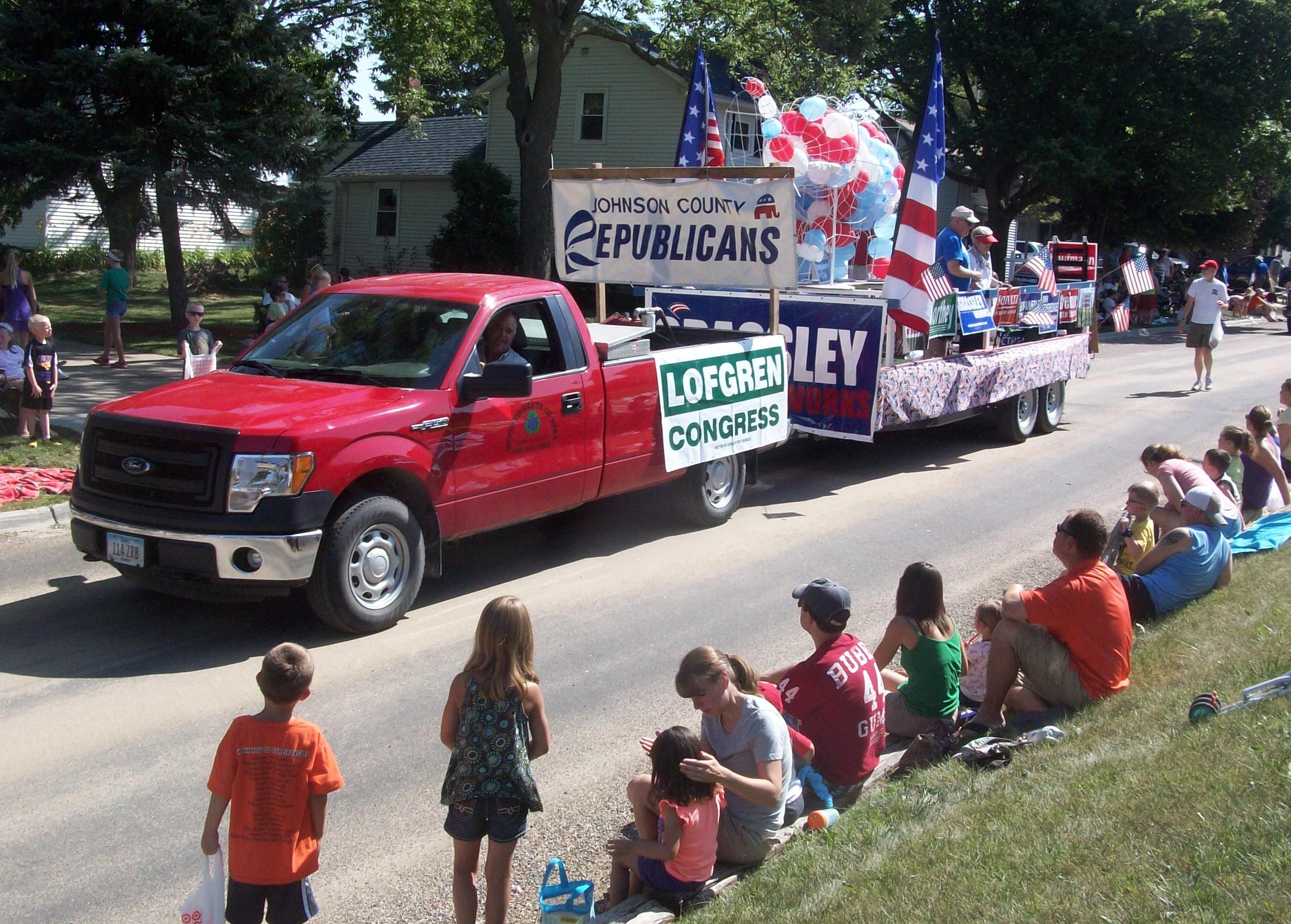
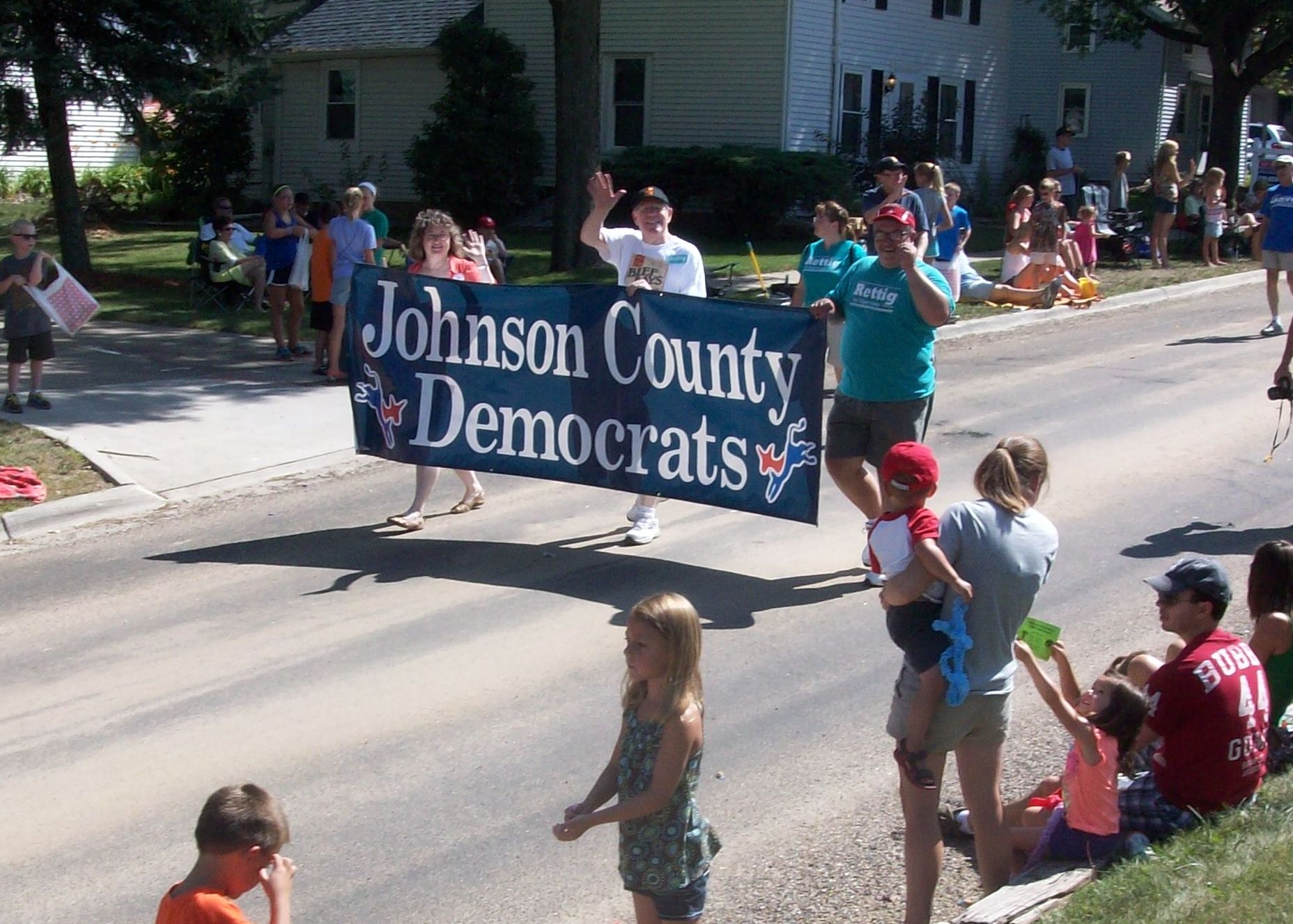
There were political groups, the Republicans came first...
There were political groups, the Republicans came first…
... the Democrats soon after.
… the Democrats soon after.
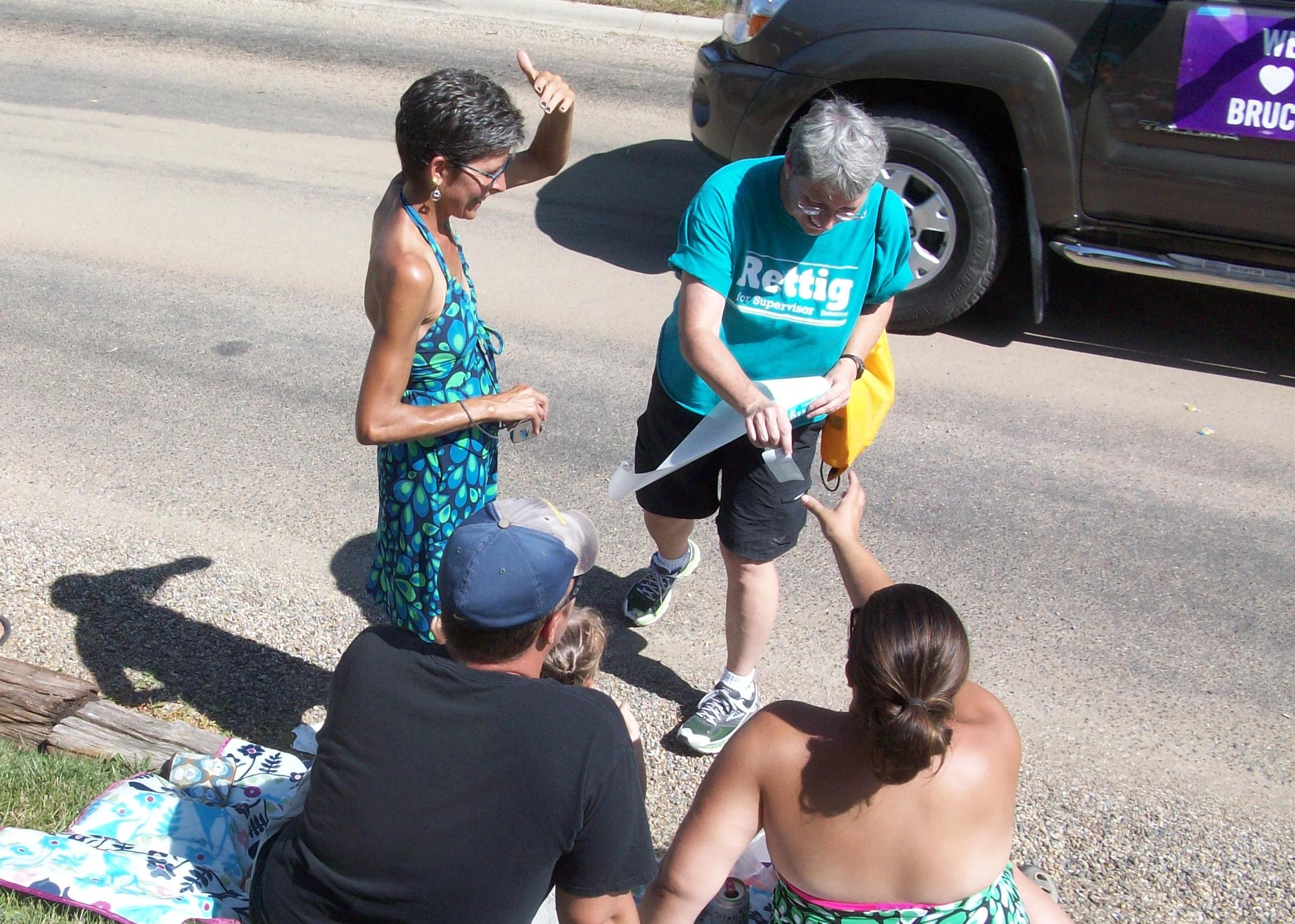
Both were friendly and interacted with the crowd.
Congressman Dave Loebsack was there...
Congressman Dave Loebsack was there…
... as was my state senator,,,
… as was my state senator…
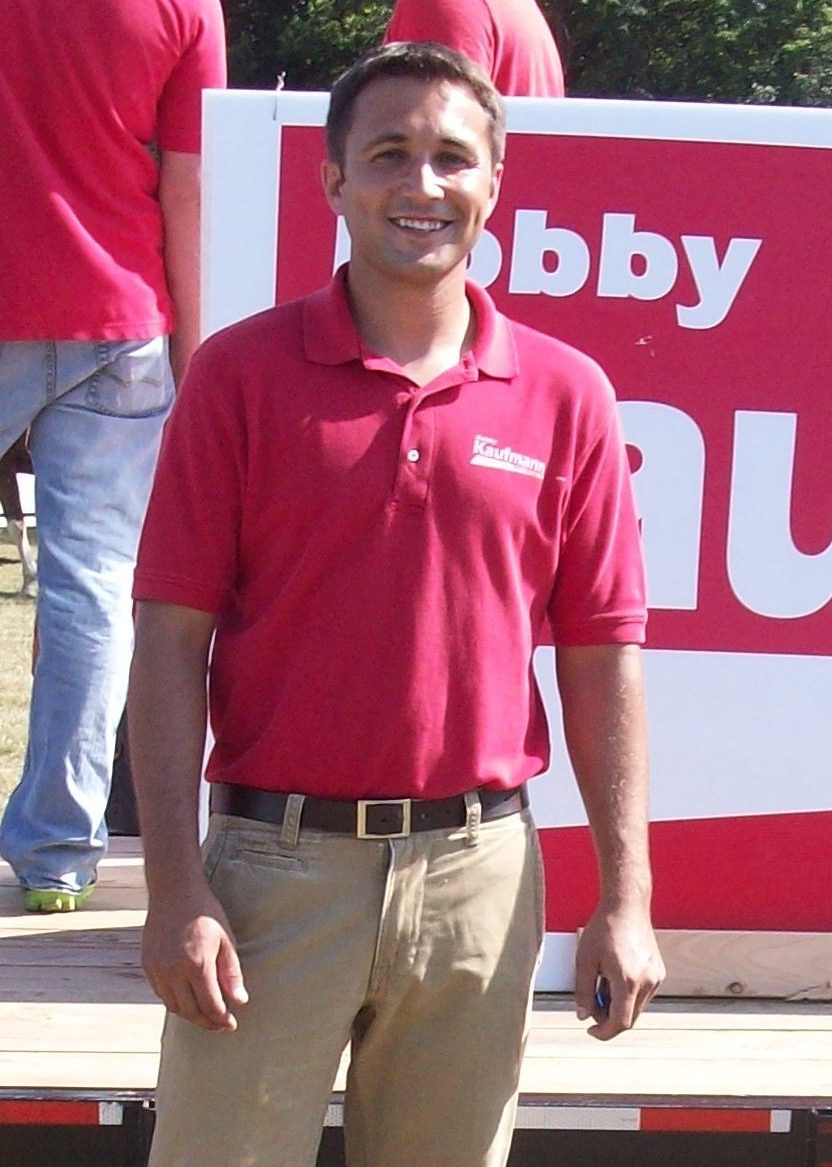
... and my state representative.
… and my state representative.
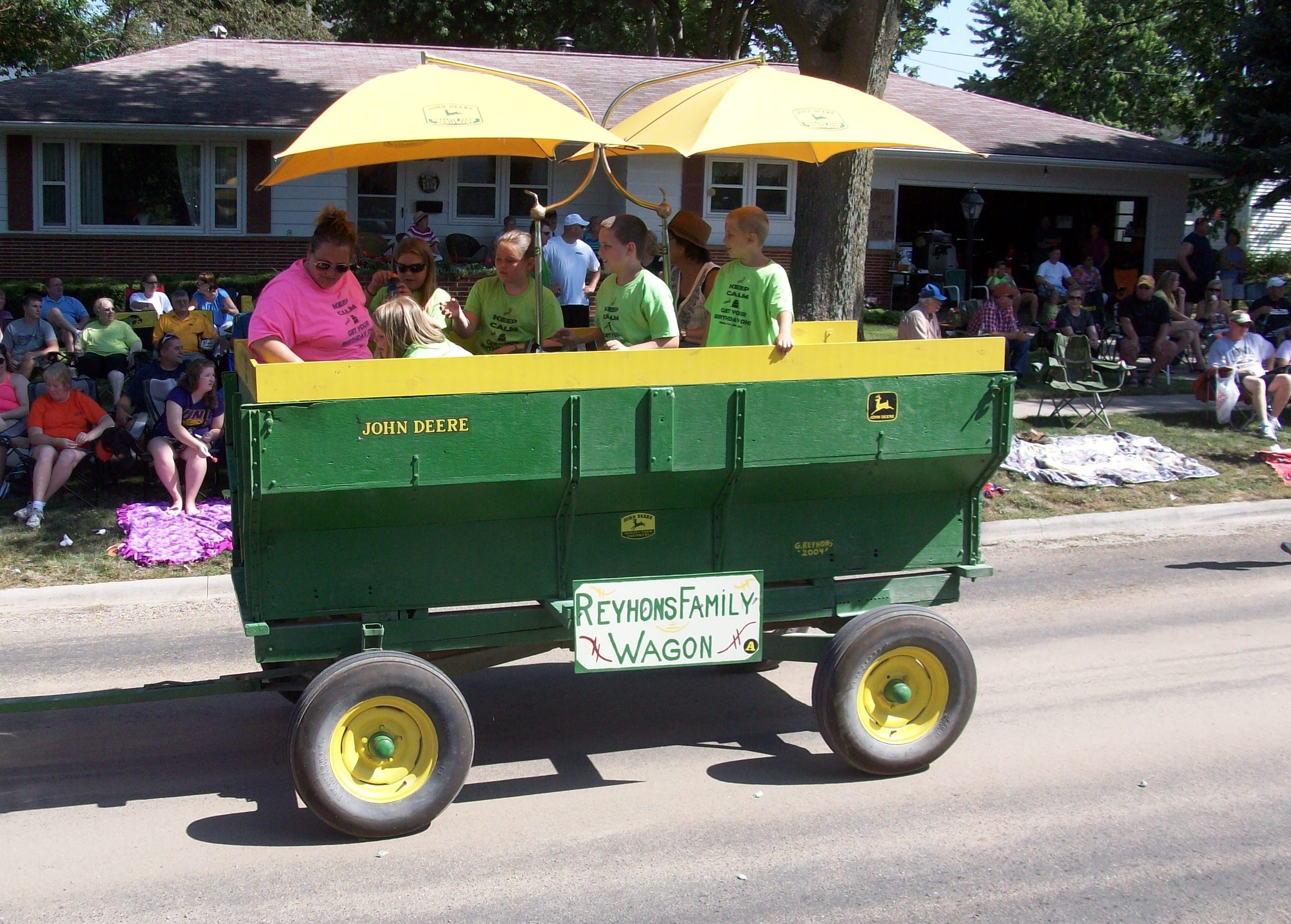
The Reyhons family had an entry...
The Reyhons family had an entry…
... as did Larkey Valley Cattle...
… as did Larkey Valley Cattle…
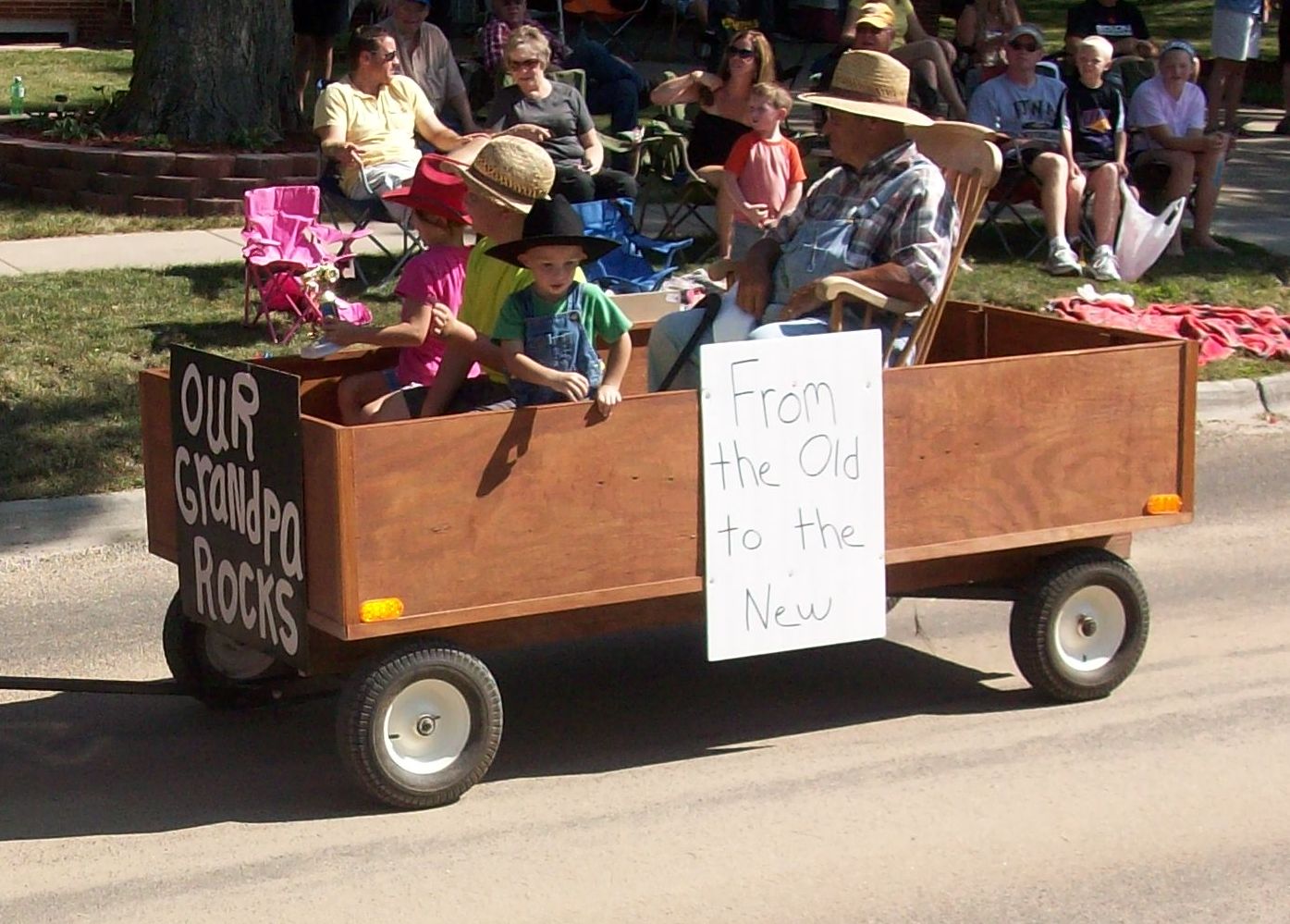
...and this family's grandpa rocks... literally.
…and this family’s grandpa rocks… literally.
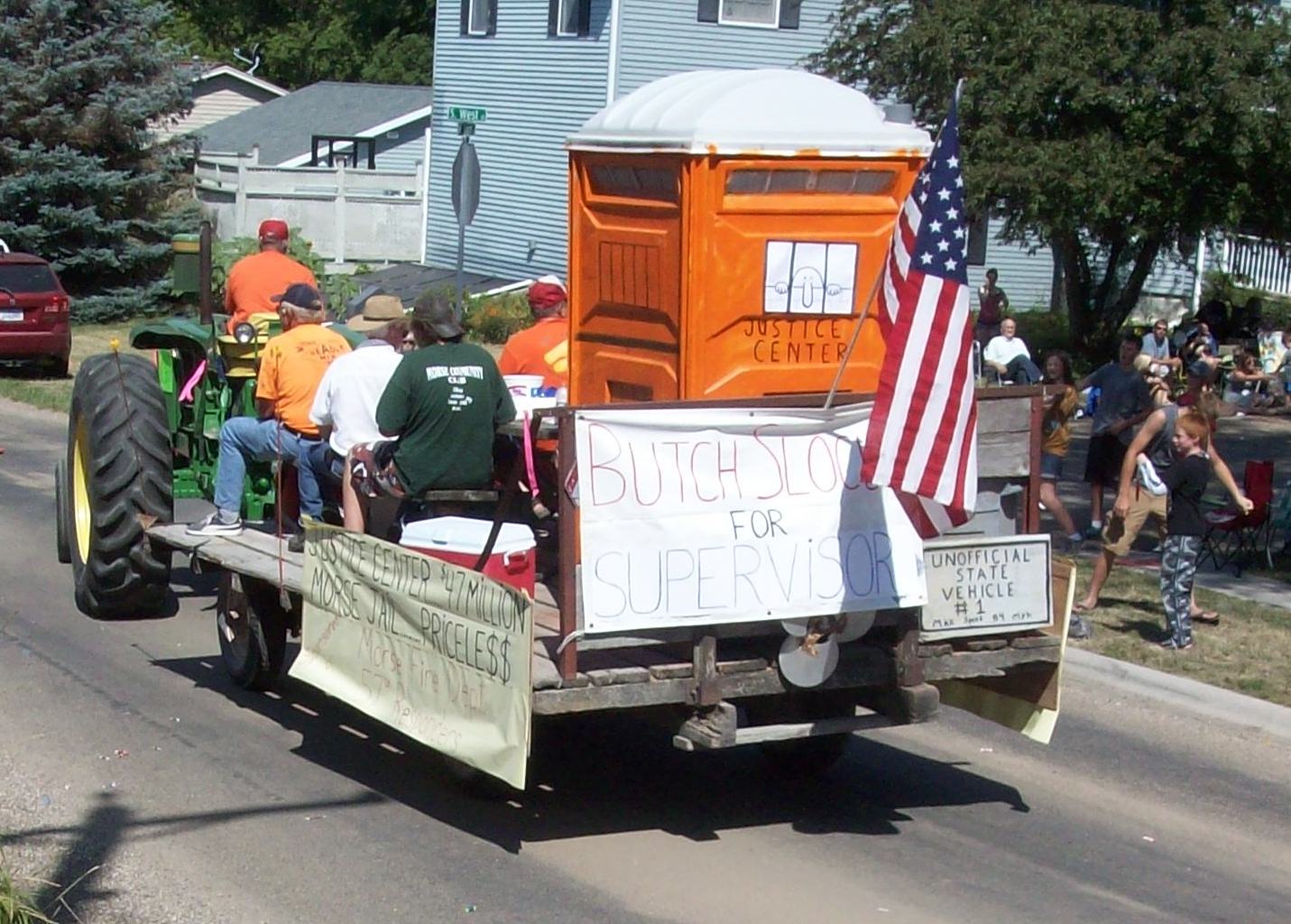
Folks from Morse used sarcasm for their messages...
Folks from Morse used sarcasm for their messages…
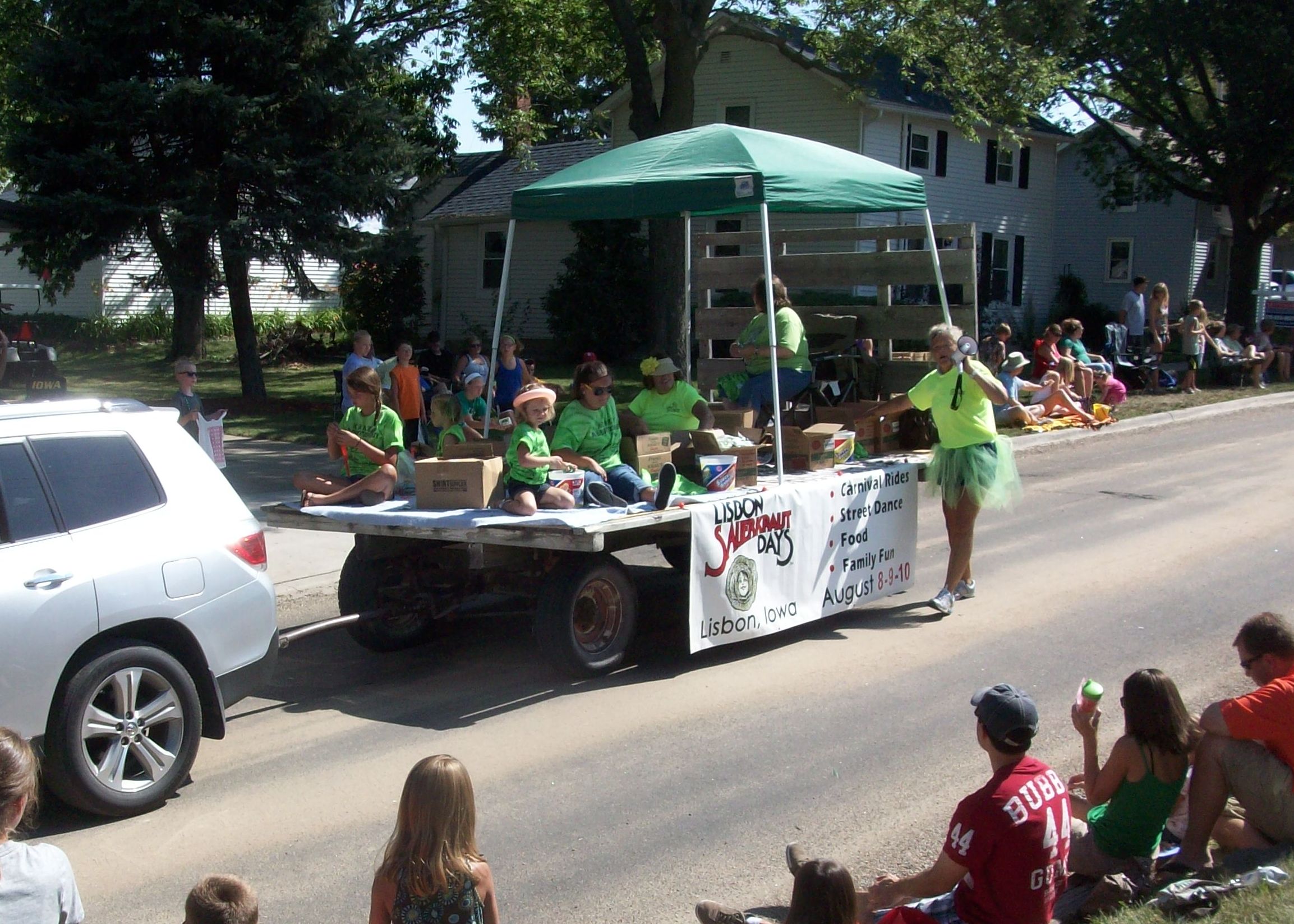
...folks from Lisbon threw bags of sauerkraut at us...
…and tutu wearing women from Lisbon threw bags of sauerkraut at us.
Don't forget it's the Beef Days parade...
Don’t forget it’s the Beef Days parade…
... although Mexican cuisine was promoted as well.
… although Mexican cuisine was promoted as well.
The women's club dressed like pirates...
The women’s club dressed like pirates…
Kids wore the same T-shirt and straw hats...
… kids wore the same T-shirt and straw hats…
...and the snowmobile club wore short shorts.
…and the snowmobile club wore short shorts.
Did I mention the orange tractor?
... or the purple one....
… or the purple one….
... or the pink one?
… or the pink one?
These guys were there...
These guys were there…

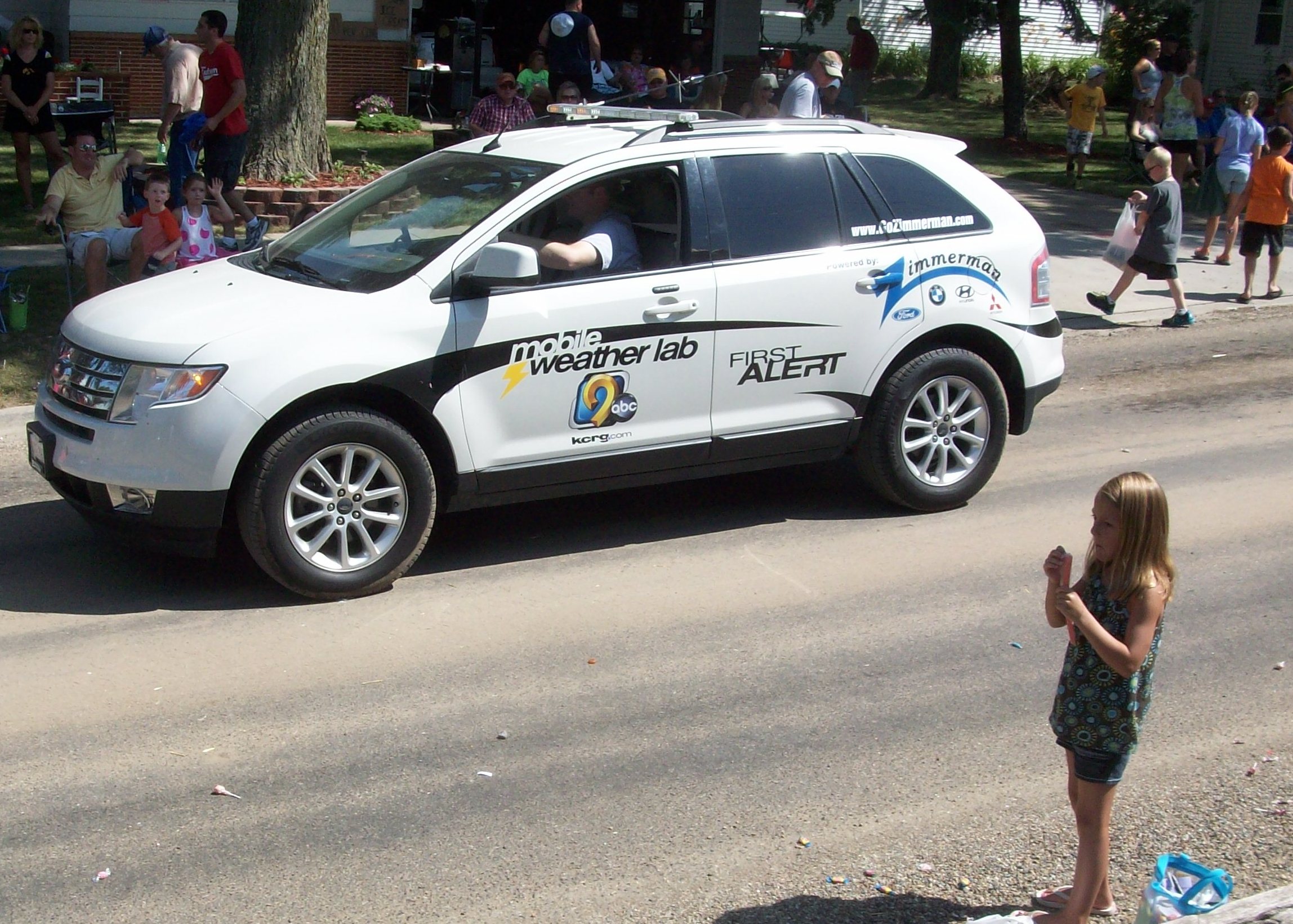
... and so was channel 9.
… and so was channel 9.
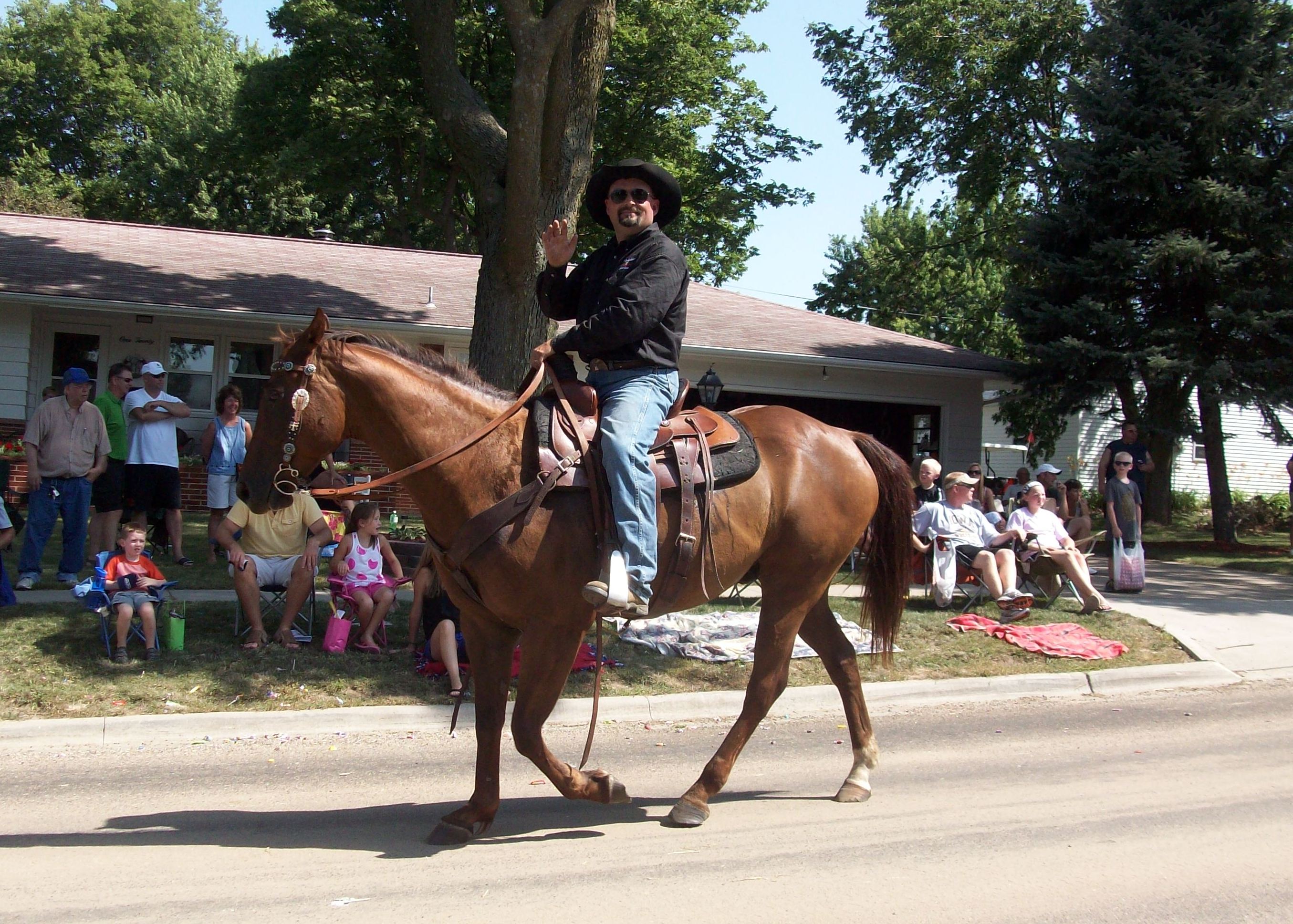
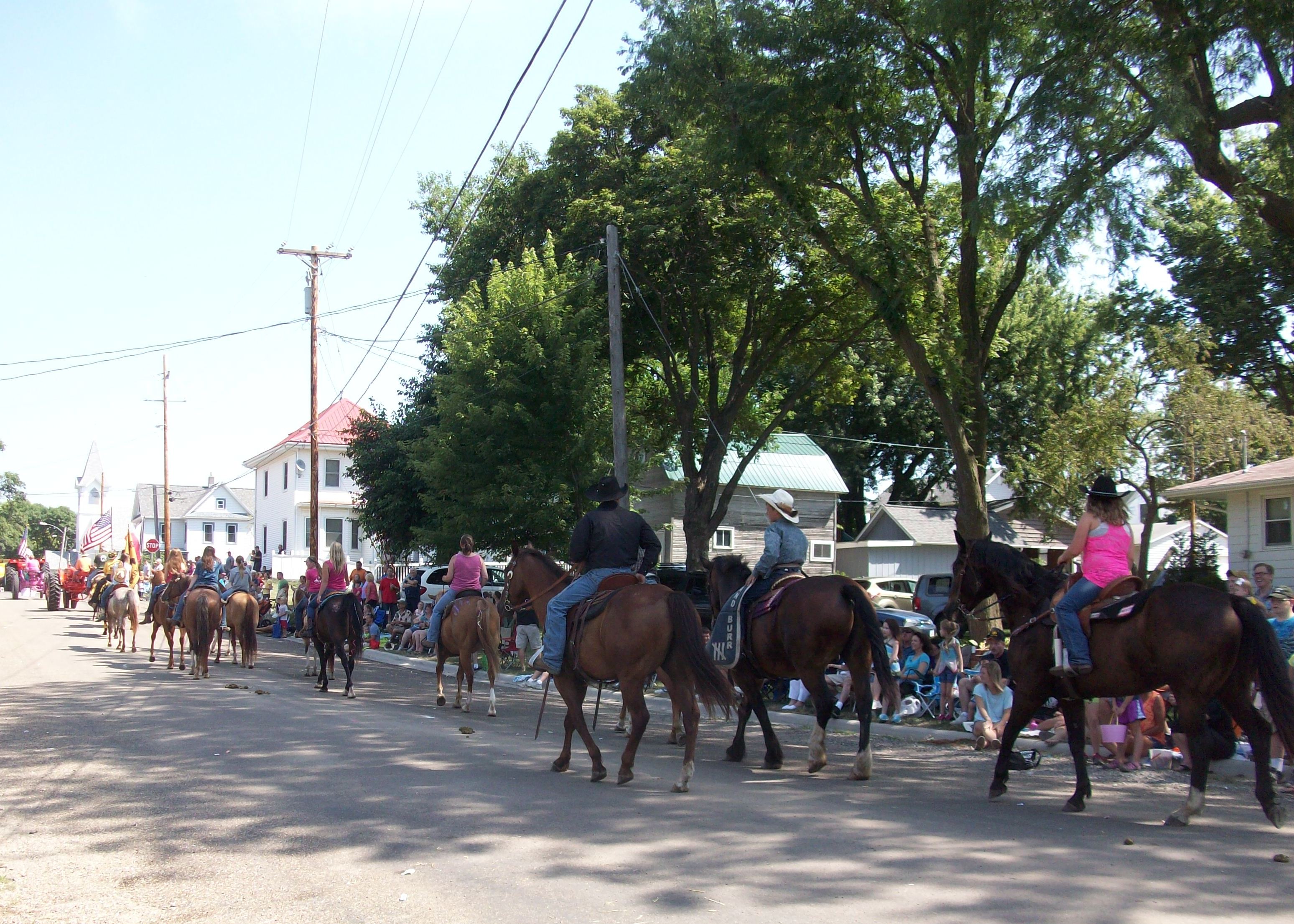
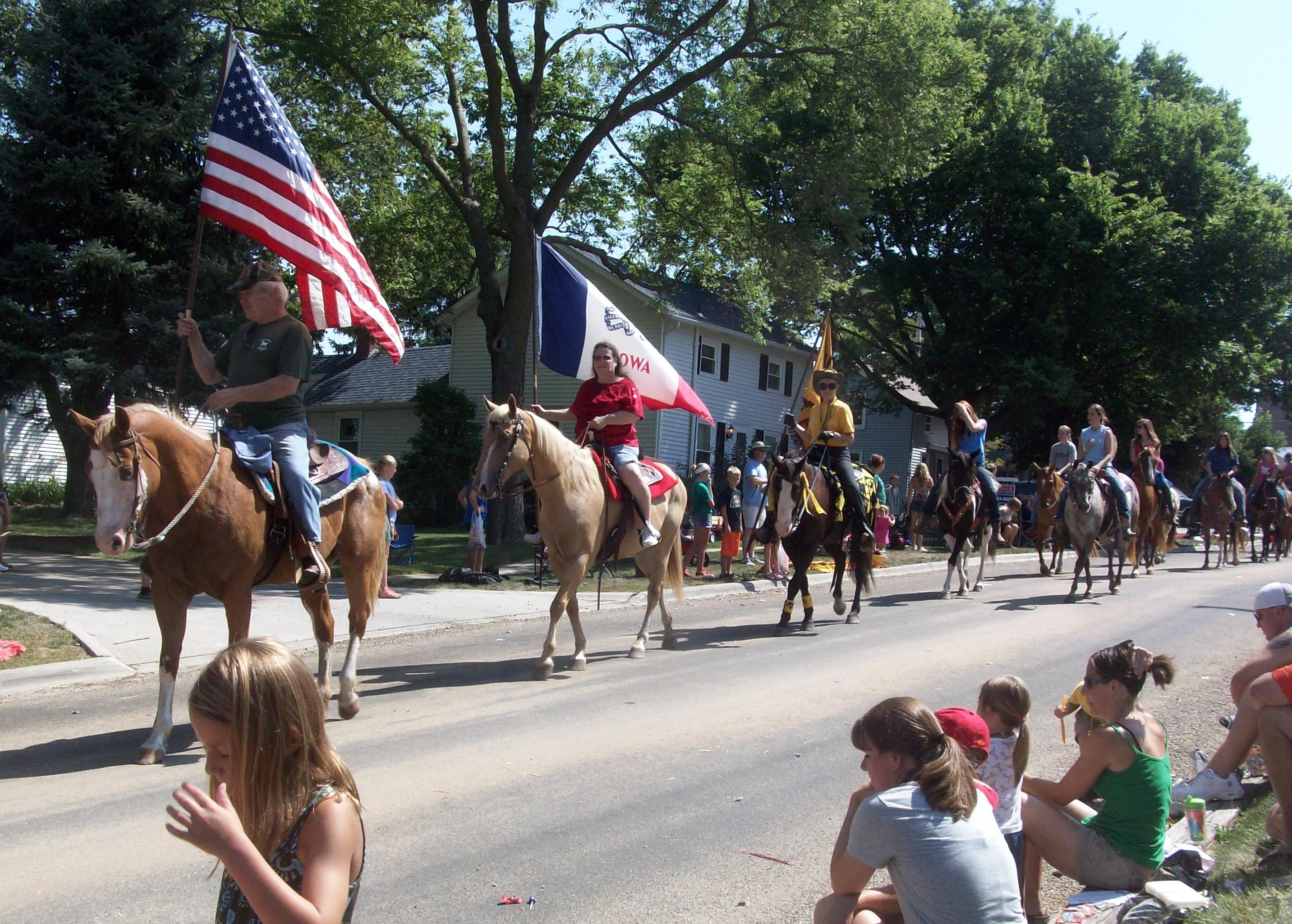
The equestrian entry came last and...
The equestrian entry came last and…
... they were friendly...
… they were friendly…
... and there were a lot of them to end the parade.
… and there were a lot of them to end the parade.

Categories
Social Commentary

Town Festival Weekend

President of Cattlemen's Association
Cattlemen’s Assn.

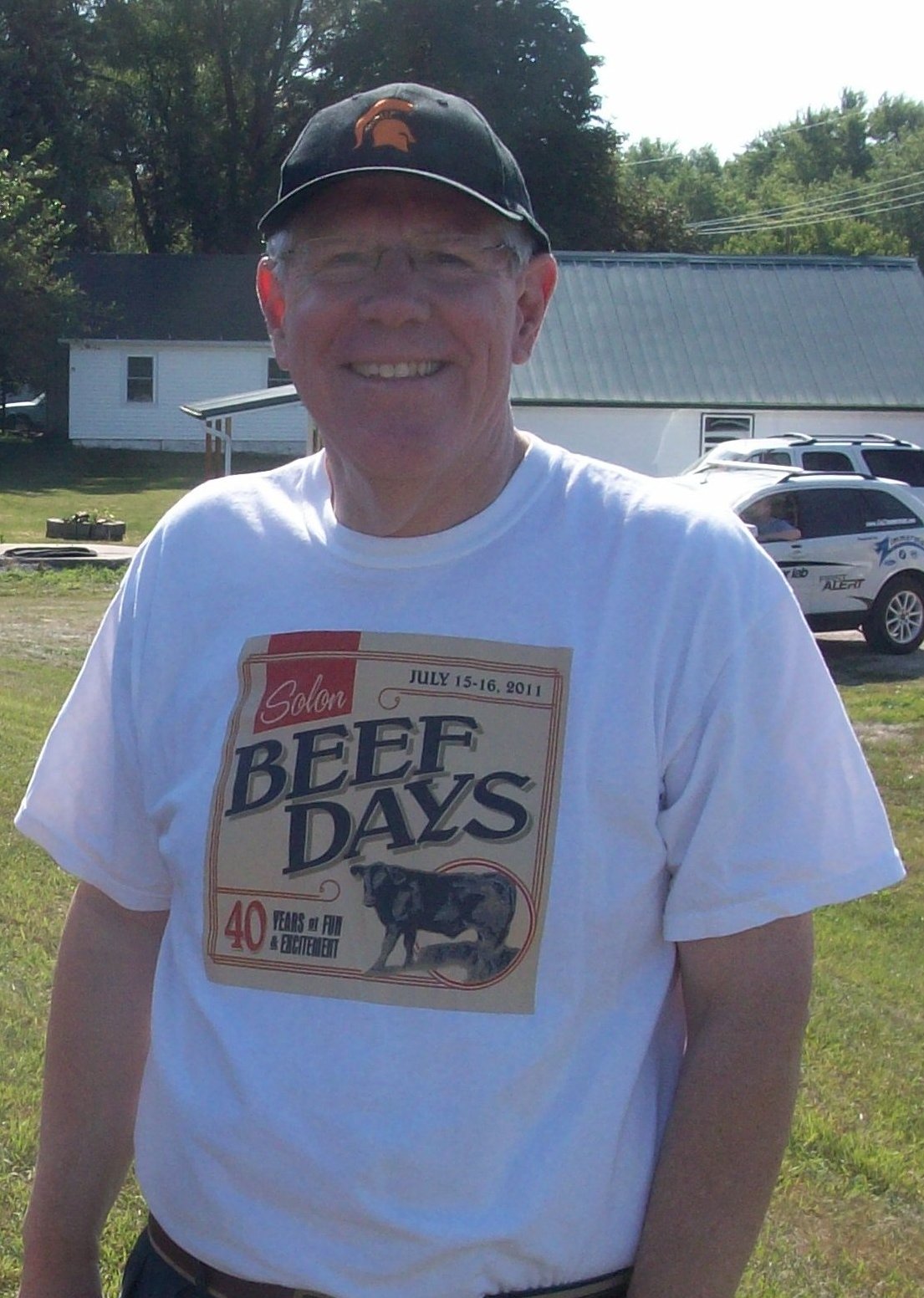
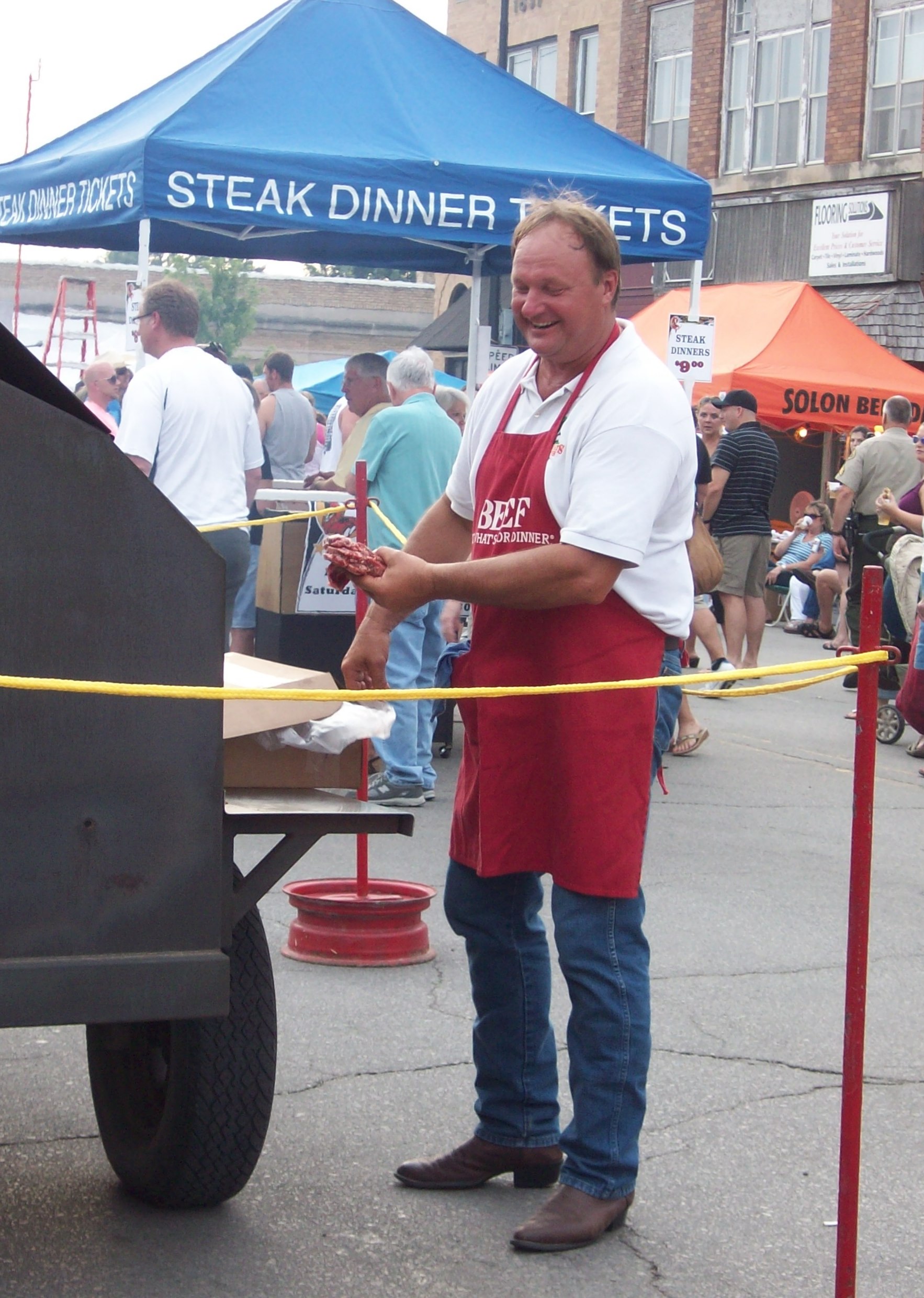
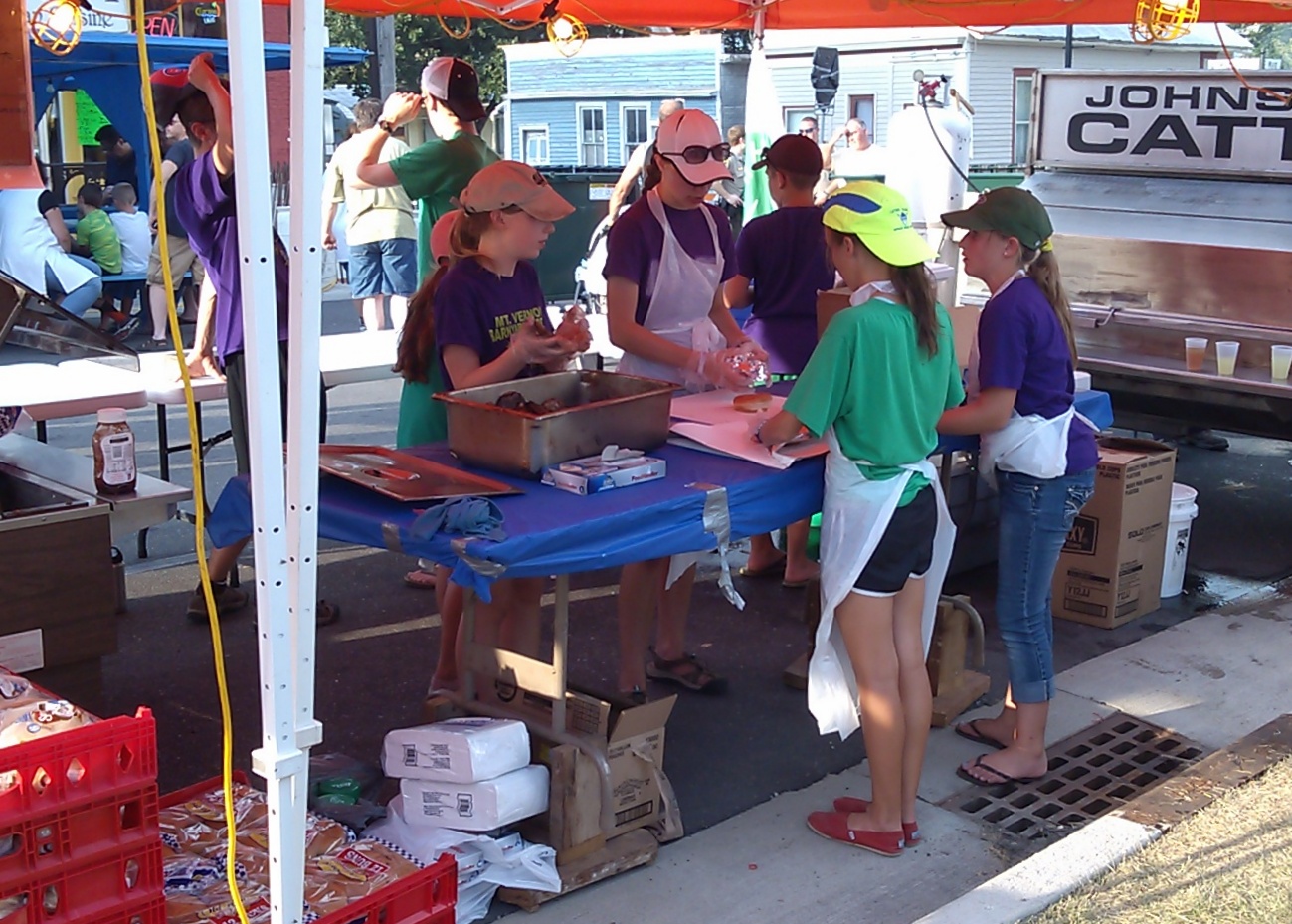
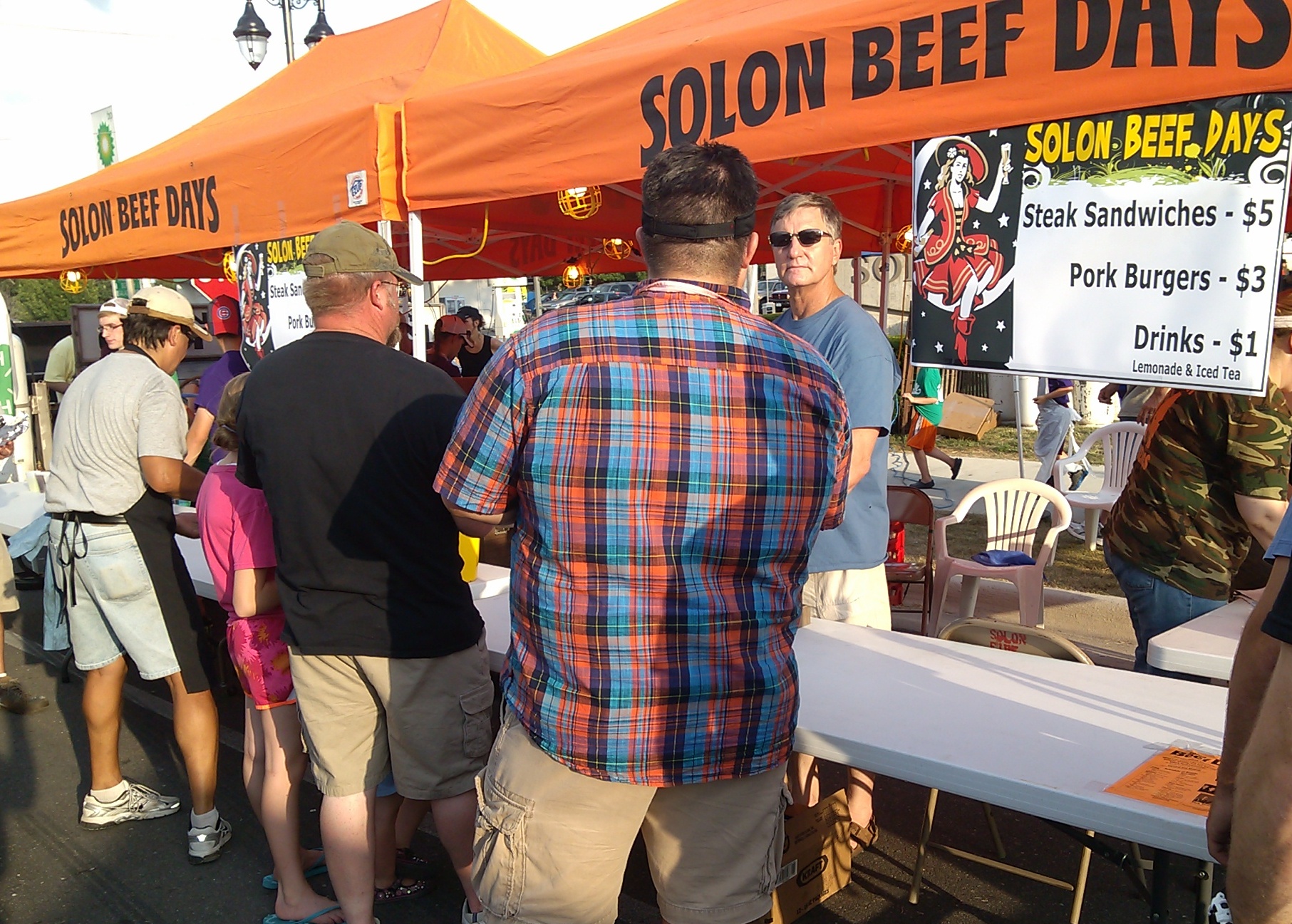
SOLON— Almost every small town or city has an annual festival and ours is going on this weekend. Solon Beef Days began in 1971 when the fire department, Optimists Club, Jaycees and American Legion got together to re-enact what they referred to as an “Old Time Celebration.” The Johnson County Cattlemen’s Association came in to cook steaks and this local meat product provided a name for the event. Later, the Pork Producers Association got involved and pork burgers are now served: steak dinner is $10; steak sandwich is $5, and pork burger is $3. A bargain for carnivores. Octogenarians walk to the festival to purchase the cheap food and carry it home on trays brought from their kitchens.

Pork Burger Assembly

As a vegetarian and flexitarian household, the association with beef was a turn-off for us when we moved to the area. Nonetheless, we participated by taking our daughter to try the carnival rides when she was young. Later, I got involved in helping the public library serve sandwiches to festival goers. As time passed I came to enjoy being a small part of the festival.

For some, Solon Beef Days is the time of year to let loose, have a few beers in the beer tent and designate a driver to get them home. This year there was a booth to arrange for a ride home for the intoxicated. It wasn’t used much.

Sandwich Booth
Sandwich Booth

The town re-built the bandstand in the center of the old part of town, and there is live music both nights. The hay bale toss on Friday is popular, and the parade on Saturday attracts civic groups and winds its way through town. The parade crosses Highway One to go past the care center where wheel chairs with residents are lined up on the south side of the building. This was a later addition to the route to include everyone in town.

The legion has a food tent, bingo is called on Main Street, there is a street dance, and something for everyone. Whatever money is left after paying the bills is donated to community groups by the Beef Days Committee. I’ve never eaten the steak or pork at the festival, but enjoy socializing with friends, neighbors and people I don’t know on a warm summer evening. In the end, who wouldn’t?

Categories
Sustainability

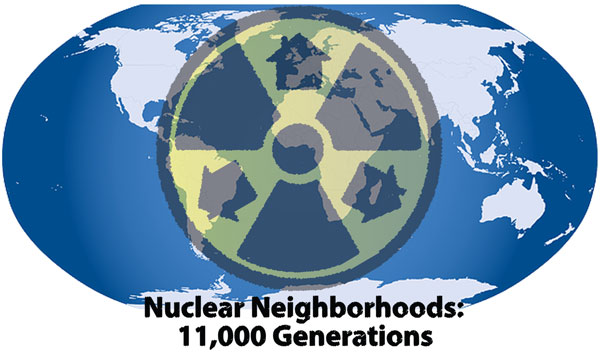
Nuclear Neighborhoods: 11,000 Generations

Bikini Atoll Nuclear Test

SOLON— The Iowa Chapter of Physicians for Social Responsibility will be returning to the Solon Public Library for a display titled, “Nuclear Neighborhoods: 11,000 Generations.” This multimedia exhibit will be available for viewing from Aug. 6, the anniversary of the Hiroshima nuclear bomb explosion, through the Labor Day weekend.

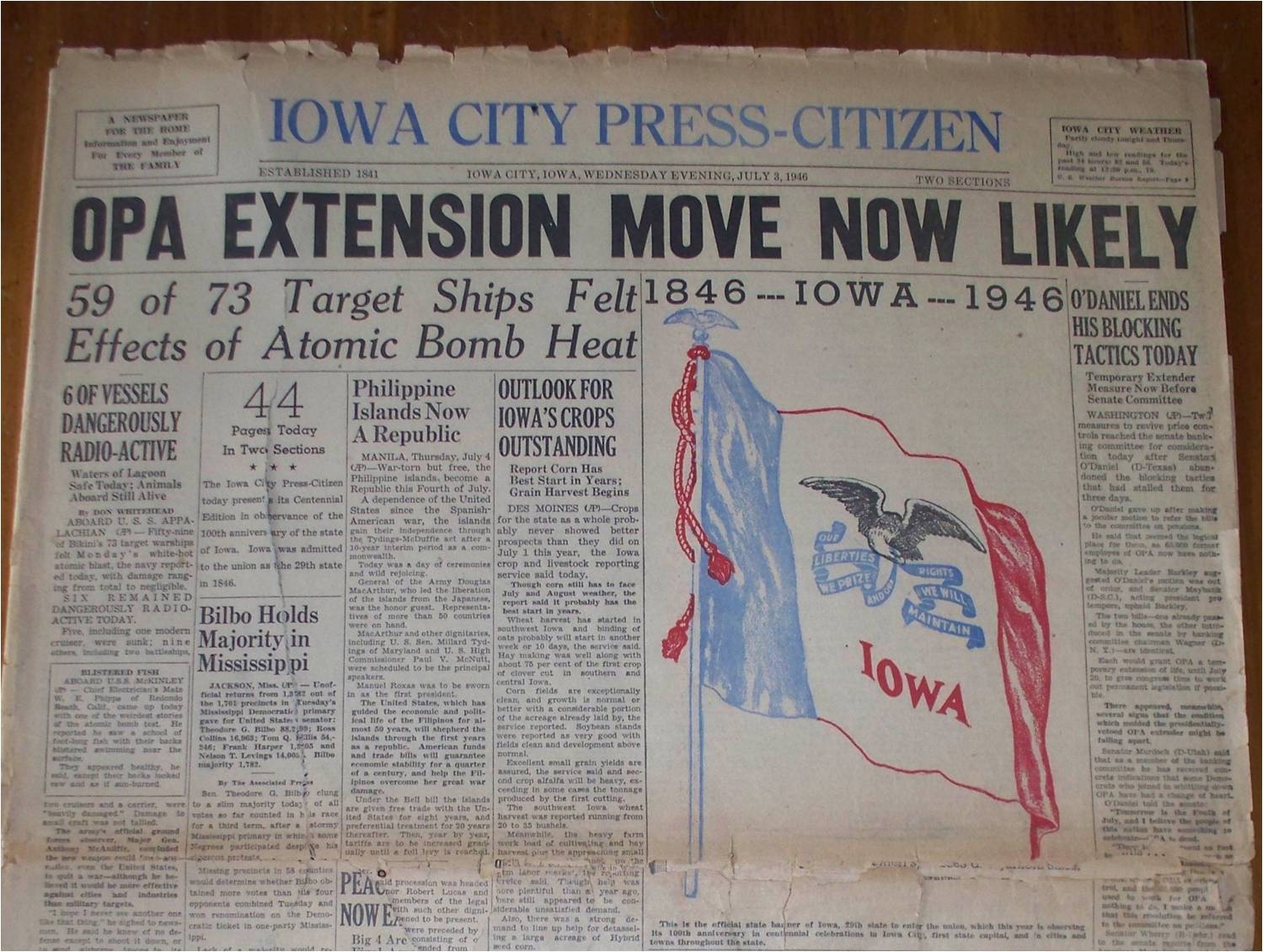
On display will be art and artifacts exploring the major themes of today’s nuclear age. Included in the exhibit will be photographs, period newspapers, personal writing and other items showing how the nuclear age affects us all today. Also included will be items related to nuclear power and nuclear medicine, both of which are in the Solon neighborhood.

The Solon display will be part of a multiple site event, with additional exhibits at the University of Iowa Hardin Medical Library, the Kendall Gallery at the Iowa Memorial Union, the Iowa City Public Library and at area businesses.

The display will be informative for all ages and will be available during normal library hours. Click on this link for more information.

www.psr.org/chapters/iowa/nuclear-neighborhoods-11000-generations.html