Categories
Kitchen Garden

Easter Sunday Work Day

Burn and Compost Piles
Plot NM Compost and Brush Pile

It’s important to schedule work days at home. Our lives are busy enough, so retreat by setting aside concerns and being at home interacting with neighbors, doing chores and working the soil can’t happen often enough.

That was my Easter Sunday—the second work day this month.

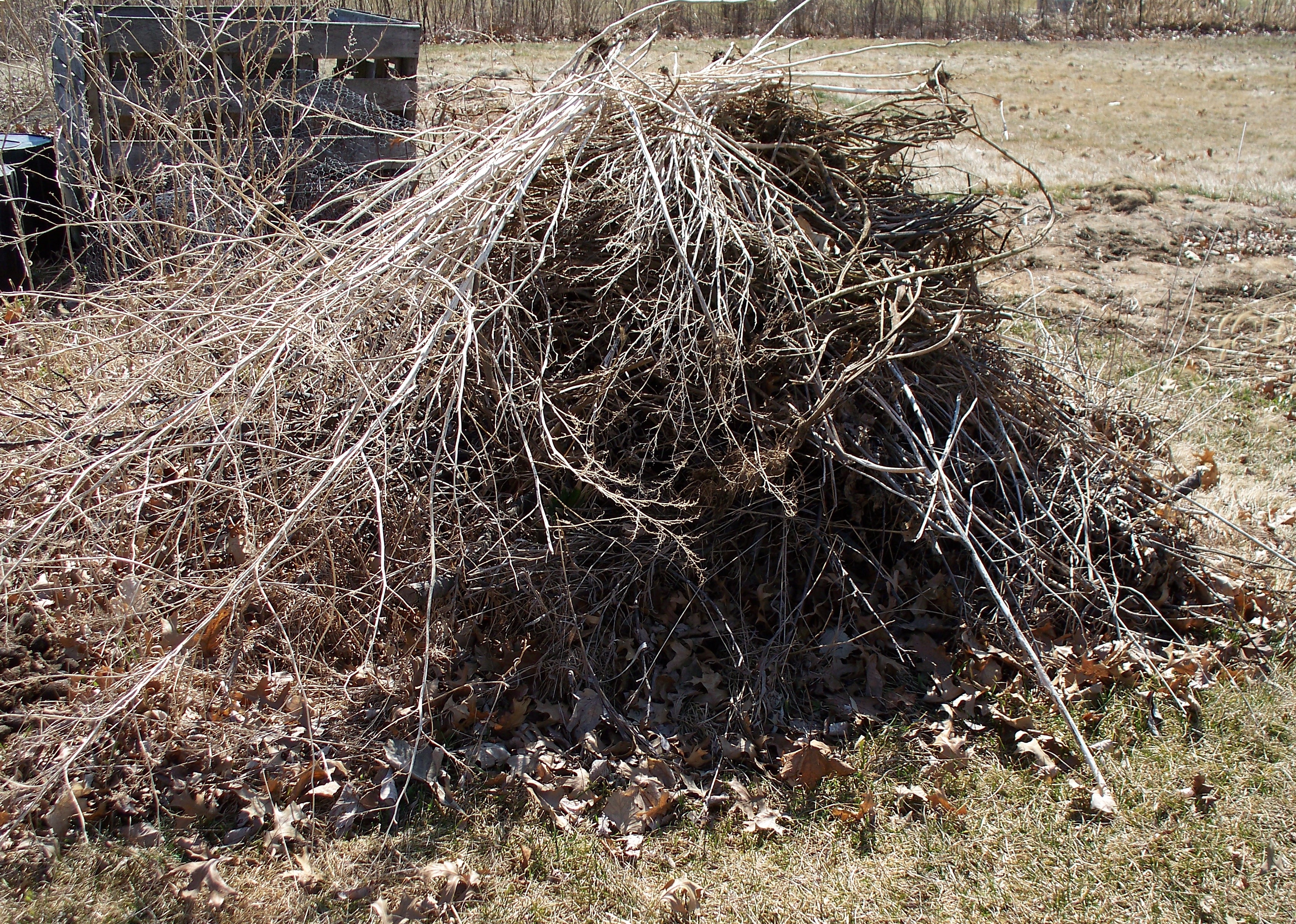
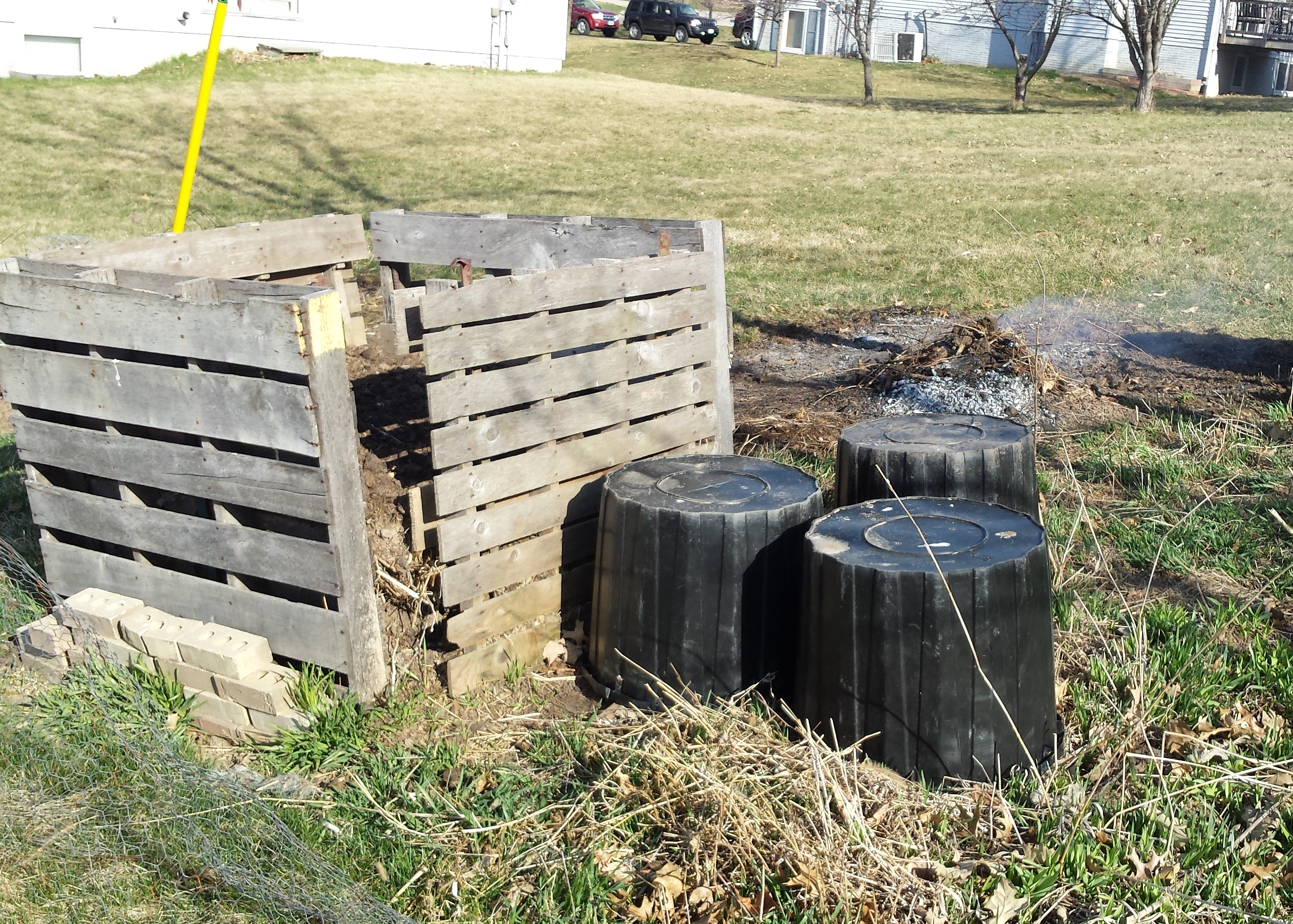
It was a perfect day to burn the brush pile. At one point, I had three fires going. My neighbors to the south were also burning theirs. Once the fire got going, I cleared a space to pile mulch until the garden is planted.

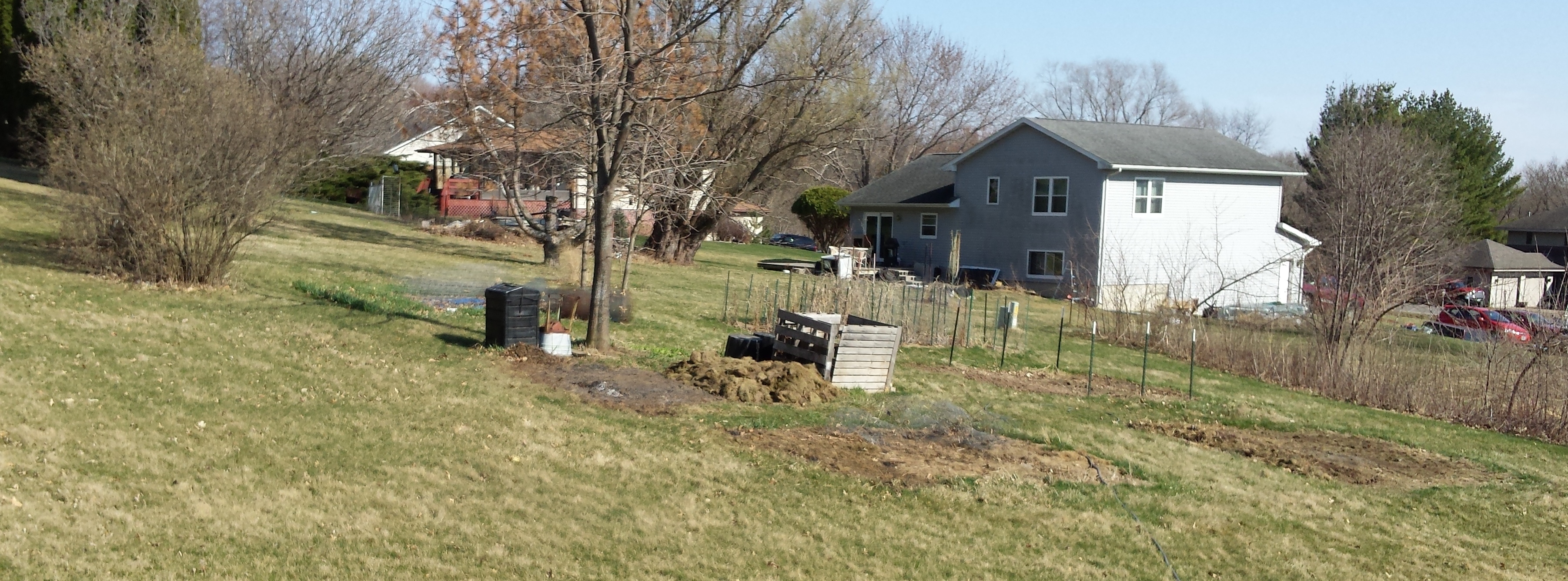
I have six garden plots and label them as north or south and then E (East), W (West) or M (Middle). Plot NM is the composting center. There are four peach tree stumps there, and a locust tree—mistakes all. There is also a patch of daylilies. I set the brush pile on top of one peach stump so the coals would burn the remainder away. Mission accomplished. One is below the boxed in compost pile and the other two will be a project for once the mulch is moved to the garden.

Plot SW was covered with grass clippings last year. Having been fallow, I plan to put some of my favorites here. I removed all of the clippings with a fork and moved them to Plot NM for storage. Then I raked the surface, and worked enough soil to put in two rows of Napoli F1 Early Carrots. I haven’t finalized the plan for this plot, but it should be fertile soil.

Plot SM has the early lettuce and turnips I planted on March 20. I removed the fencing and put in a row of last year’s Emperor F1 savoyed spinach seeds. The space where the lettuce, turnips and spinach are will be second planted, and I considered putting in peas next to expand the second planting area. I need to get the peas in the ground before it gets too warm.

I ended the gardening by getting the hose out of storage and watering the seeded areas.

There are always household chores and I cleaned the outside glass on the French door so we could see something through it besides spider webs. We hang a bird feeder there and I filled it with seed.

I swept up the remaining sand from the street in front of our house filling a bucket kept in the garage for next winter. It’s free and it looks nice once it’s removed. There is plenty around the subdivision, but I only take what I need. I used two buckets last winter and the inventory is five.

The kale seeds planted April 2 have germinated and soon I’ll remove the clear plastic cover from the tray. The pepper seeds planted March 21 are beginning to germinate and they will stay under a cover until all of them do. All of the indoor seedlings are growing nicely.

After finishing up chores, I prepared a pasta dinner and read a book. The next work session is scheduled on Tuesday.
Garden Plots
Garden Plots

Categories
Kitchen Garden

Battling Brassica – Broccoli

Broccoli
Broccoli

We love broccoli—who doesn’t?

It is part of the brassica family of plants. A cruciferous vegetable, broccoli is often an acquired taste, but once developed, one can’t get enough. The plan is to grow lots of broccoli in this year’s garden.

I don’t know how to do it. Most seeds I plant are straight-forward. Put them in starter soil, or in the ground, and watch them grow. Broccoli presents challenges, and in most previous years our supply grew from store-bought seedlings I transplanted, or excess from nearby farms. This year I am determined to grow them from seeds. There is a lot to learn.

Spindly Broccoli
Spindly Broccoli Planted March 14

My germination shed is a table set on a south-facing window. It’s not the best. Tomatoes, celery, peppers and basil have sprouted and grow toward the light. They look normal. The broccoli got immediately tall and spindly, and that is never a good sign.

Rather than compost the lot, I decided to transplant some of them into deeper cells. The leaves looked healthy—it was worth a try. Left as is, there would be no crop. I set up a work station in the garage with a goal of producing 24 suitable seedlings for the first batch.

Moving the Seedlings

Because the plants were so spindly, it was also easy to bend them over and crease the stalk. That couldn’t be good. The starter tray had 72 cells so there was room to experiment and still get 24.

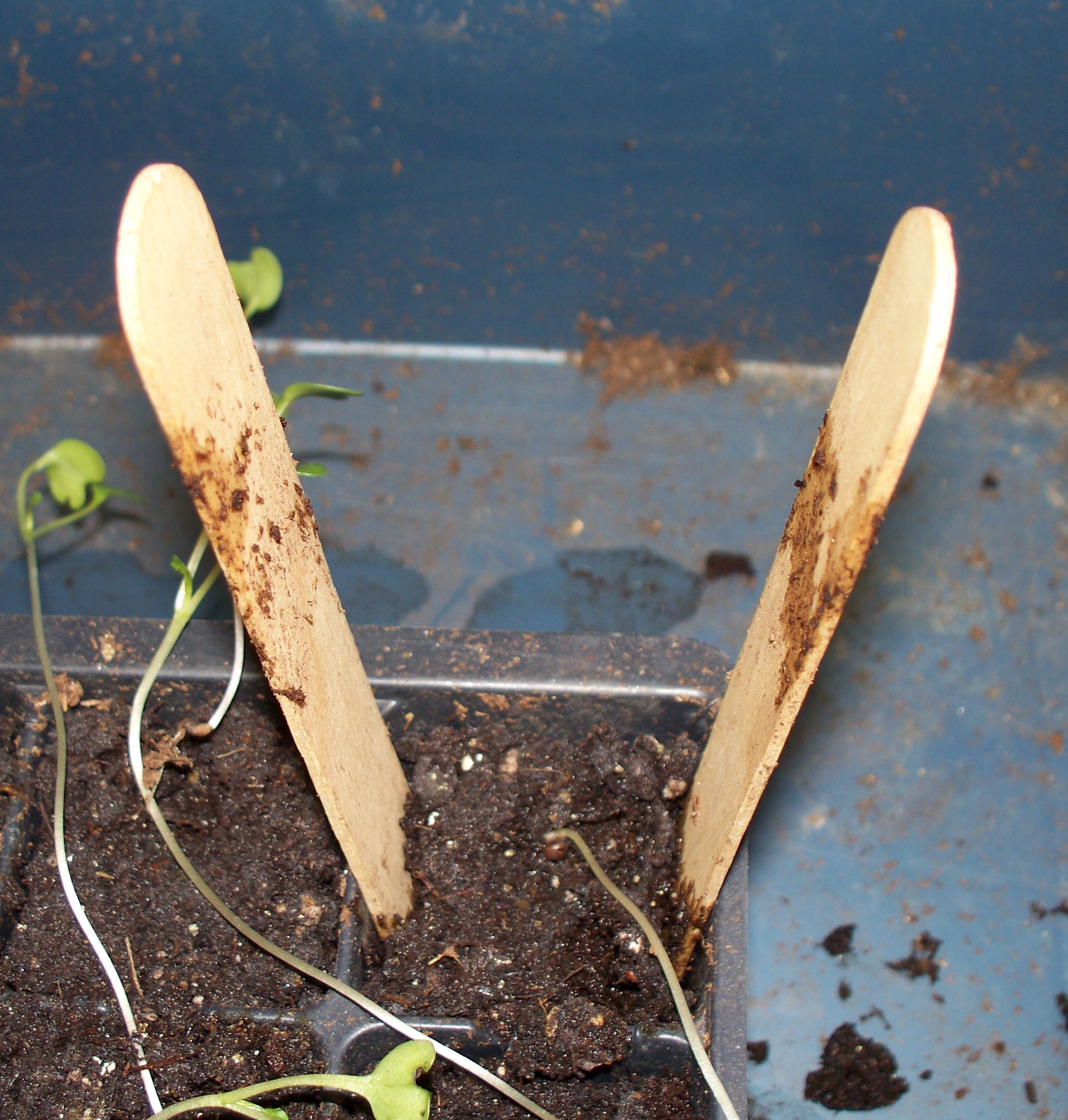
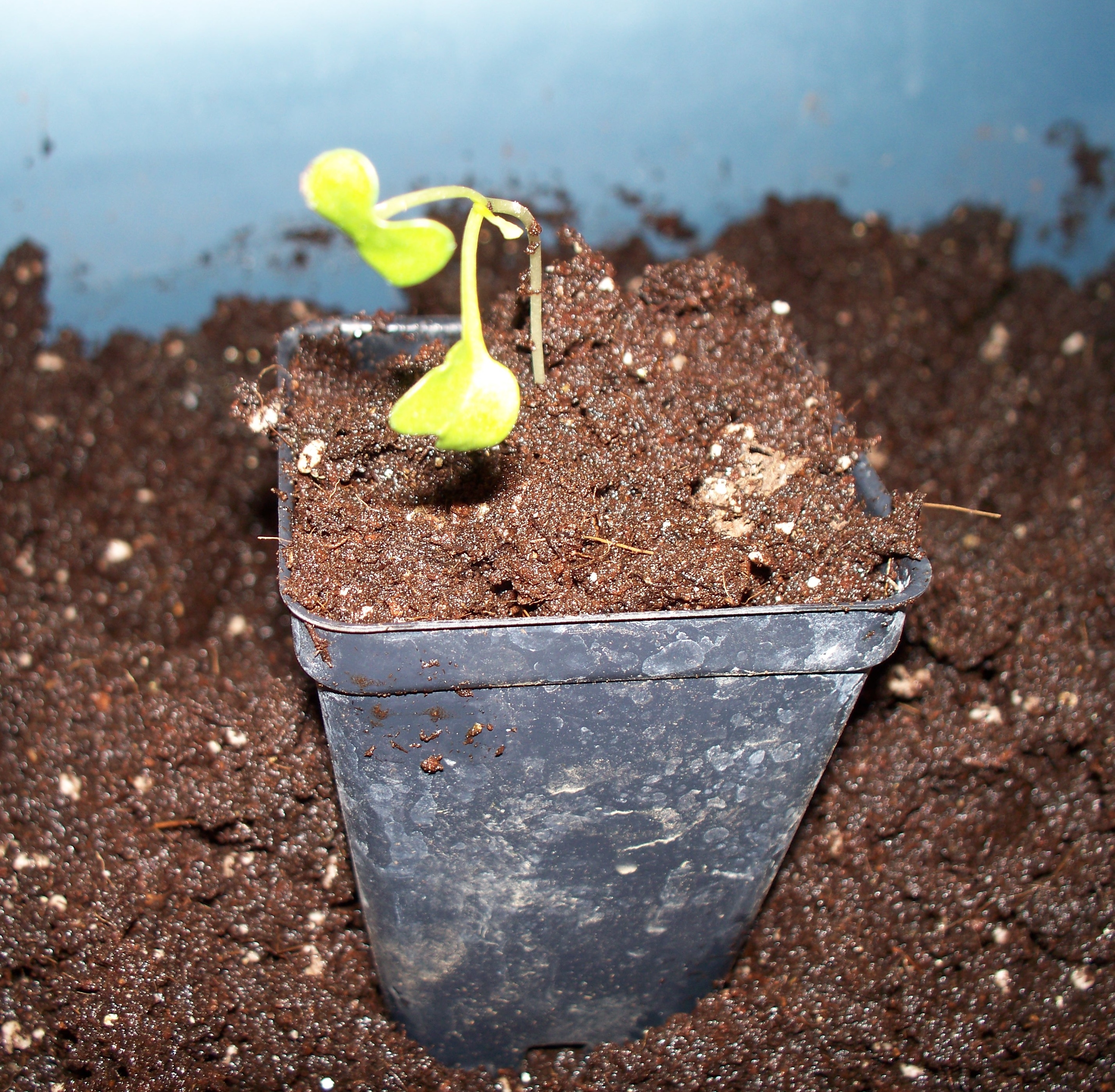
I inserted two craft sticks, one into each side of the starter cell, and carefully lifted the clump of soil into a new cell lined with half an inch of starter soil. In many cases, the long taproot would hang down from the clump along the way. Protecting the stalk, I pressed gently and filled the new cell with starter soil. Success! Slowly the new tray began to fill.

Transplanted
Transplanted

This is basic gardening. Absent guidance or written rules, participating in the trial and error of producing a crop is fundamental to how and why we live. Yes, we look forward to broccoli itself, which is not assured without intervention like this.

It is not about the broccoli. It is more curiosity about other life forms and engendering survival and growth. It’s so basic to our lives on Earth, but often forgotten in a world where we can purchase broccoli year-around at the local mega-mart.

Good news is all the transplanted broccoli was still standing this morning.

Categories
Home Life

On Richard III and a Wintry Mix

410px-Royal_Arms_of_England_(1399-1603).svgIce covers my car— one of the risks of getting spring started in the garage. It looks like it hailed pellets the size of salt crystals, and they froze in place creating a bumpy armor on everything.

I’ll run the car engine for a while to melt enough for the drive to the warehouse.

It’s all good because the lettuce and radishes planted in the garden haven’t had moisture until now.

Richard III Cortege
Richard III Cortege

Yesterday began the procession of the remains of England’s King Richard III to his re-interment on Thursday in Leicester Cathedral. The story holds my attention like few others in the corporate media.

From the time his remains were found under a parking lot in 2012 until Leicester University packed them into a lead ossuary inside an oak coffin built by one of his descendents, the stories released provided one interesting bit after another of a part of history I knew only vaguely, and almost entirely through Shakespeare.

Shakespeare was in part an apologist for the Tudors who succeeded the last Plantagenet king. Leicester University’s DNA analysis and forensic study of the wounds incurred during the Battle of Bosworth Field revealed much about Richard, including identification of the blow that likely killed him—a sword or spike through the base of the skull that penetrated to the other side. While the video and photographs of scientists interacting with the old bones is pretty clinical, it told a new story of Richard unlike what we have come to believe—in my case from seeing performances of one of Shakespeare’s best plays multiple times. There are resonances in Shakespeare, but the emerging new story is more powerful.

There has already been a fight over the final resting place for Richard’s remains. The Plantagenet Alliance, a group formed by distant relatives, pressed to re-inter Richard III in York Minister. Even though a three-judge panel ruled in favor of Leicester Cathedral and said, “it was time for King Richard III to be given a dignified reburial, and finally laid to rest,” it seems unlikely we have hear the last dispute.

On Sunday, more than 35,000 people lined the route of the cortege, many in period clothing. There was a reenactment of the Battle of Bosworth Field. On Thursday, a statement from Queen Elizabeth will be read as part of the order of service, and Richard III will be laid to rest near where he died and, to many historians, brought the Middle Ages to an end.

Richard III Remains
Richard III Remains

There is a reality to history we often forget in our book-lined studies and very busy lives. The scribes, historians and writers who tell stories in our media have mostly good intentions, but are possessed of an inherent bias. They are in the business of writing.

“In a world where children are still not safe from starvation or bombs, should not the historian thrust himself and his writing in history, on behalf of goals in which he deeply believes?” asked Howard Zinn in his book The Politics of History. “Are we historians not humans first, and scholars because of that?”

This episode of discovery of Richard’s remains and their re-interment is very British. There is also a long back story that includes the search for Richard’s remains in Leicester. With their long line of kings and queens, a special interest arose, even if the monarchy becomes less relevant with each passing generation. Nonetheless, some shirttail relative of mine likely attended yesterday’s activities, although one wouldn’t know who it is by our very sketchy family tree going back to the Middle Ages.

We live here and now. Whatever intellectual curiosity was stimulated by these events, it is like the ice covering my car. A thick crust through which we must break and get on with our lives in society much closer than that famous death on Bosworth Field.

Categories
Kitchen Garden

While Hauling Manure

Compost Delivery
Compost Delivery

The weather was perfect on yesterday’s first day of spring/work day. While it was below freezing in the morning, by mid afternoon the ambient temperature had warmed to the 60s.

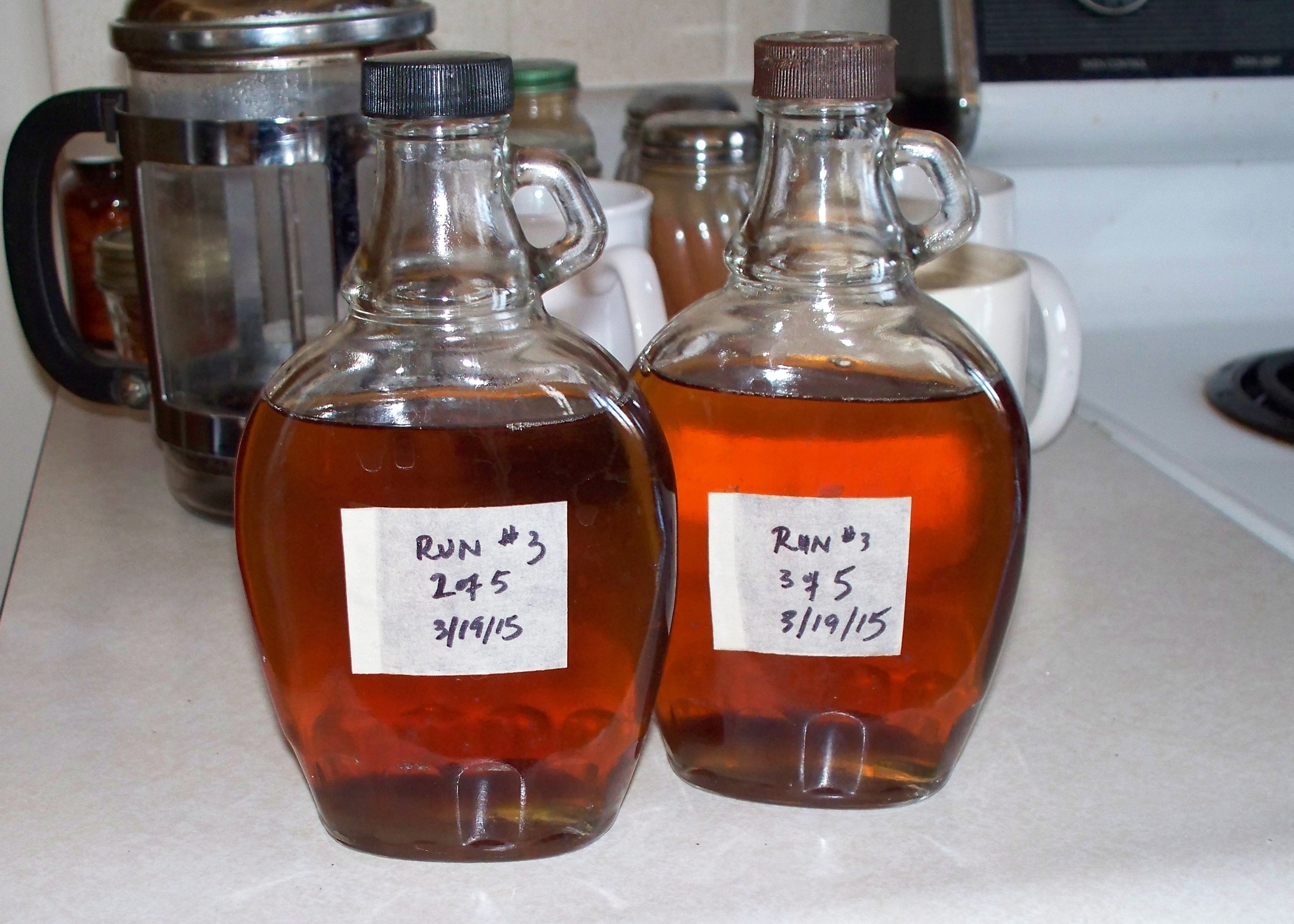
It was a fine day—with a gift of maple syrup.

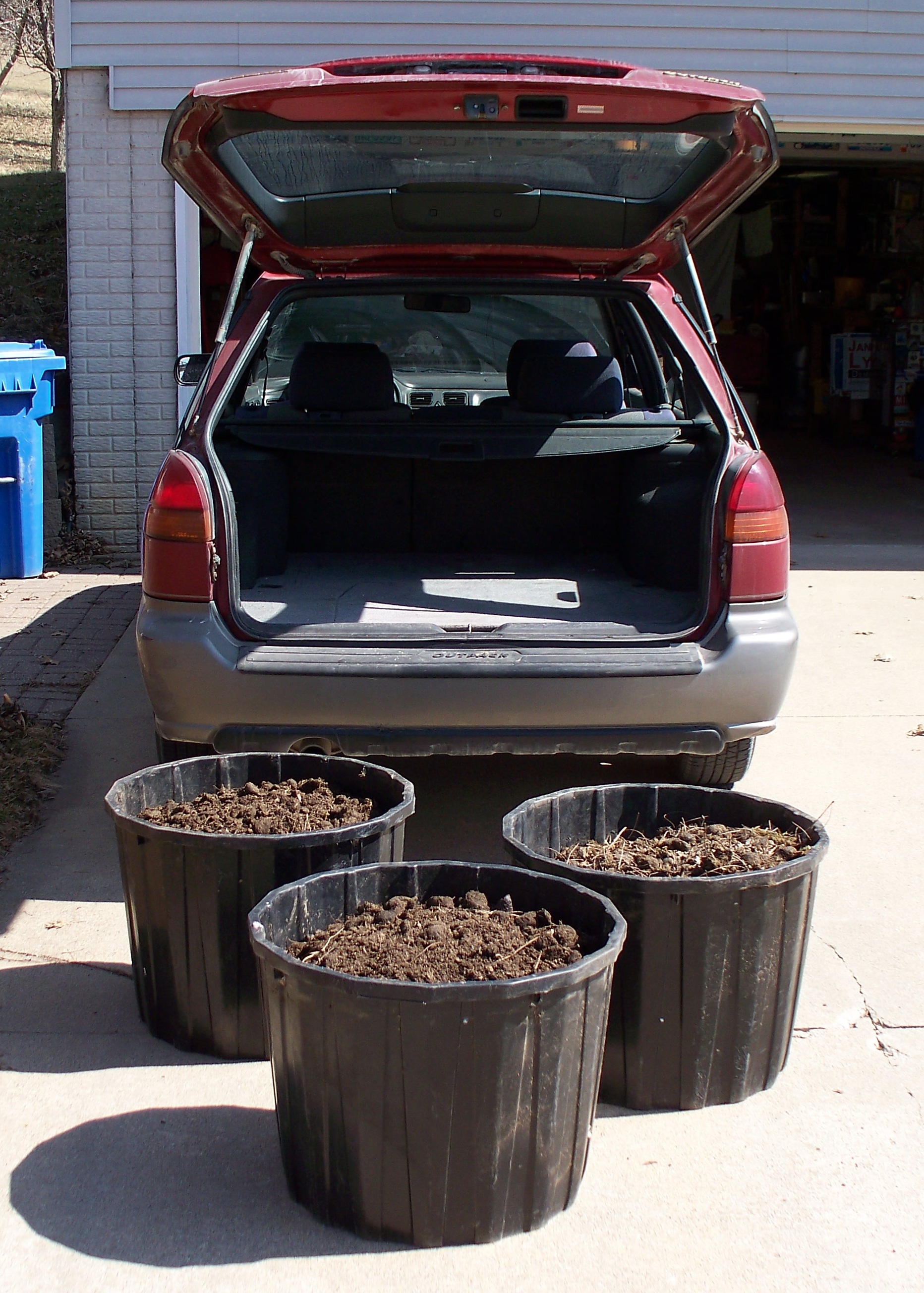
The maples have stopped running sap. Before we know it, what we waited for so long is done. A friend had already pulled his taps. When I picked up three barrels of composted horse manure, he gave me two bottles of the amber liquid which will be doled out for special and when I need a pick-me-up. Considering the work that goes into making maple syrup, it was a generous gift.

Maple Syrup
Maple Syrup

I placed the bottles carefully on the shelf with local honey and hot sauce—to wait for an occasion to crack one open. I expect it will sweeten steel cut oatmeal on a cold morning.

There is a lot to think about while hauling manure. Our family, it hopes and aspirations, figure prominently as the scent filled the car. Having cracked the windows, it wasn’t so bad, and truthfully, most of the odor was out of it. Still, it was present—a reminder of the fate of living things. While hauling manure one values what we have in this life for good or for ill.

Growing Burn Pile
Growing Burn Pile

I saw in social media that the local Community Supported Agriculture project is getting along without me. This will free time for my own garden and yard, which could use the attention. For the moment there is no farm work, and that’s okay.

My work at the warehouse doesn’t start until late morning or afternoon most days. This allows time to write, and a two hour work session in the garage, garden or yard. It is the beginning of a new pattern as I get into the groove of this season’s worklife.

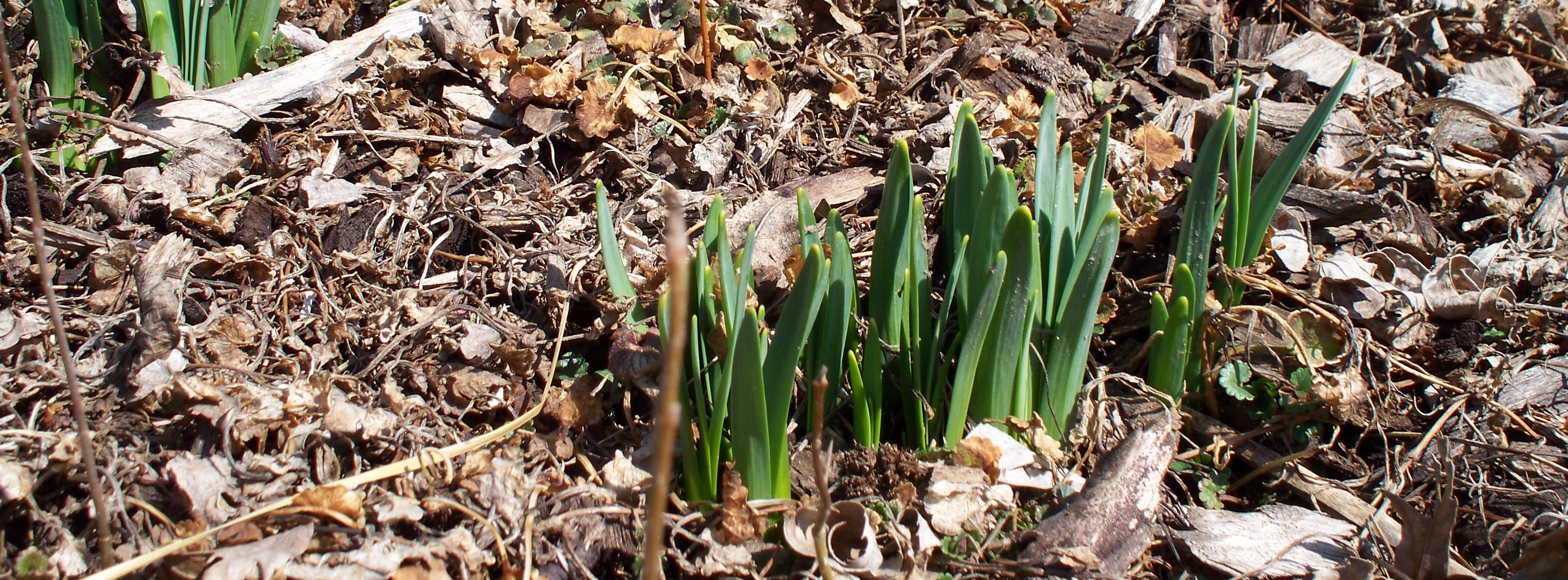
Green grass and flowers poke through the brown leaves and dead cover. Soon it will dominate the landscape. In hours captured from a too-busy day, I’ll make something of the brown spring days before flowers bloom and summer arrives. Bits and pieces of sustaining a life on the Iowa prairie—with essential ingredients of manure and maple syrup.

Spring Flowers
Spring Flowers

Categories
Kitchen Garden

Spring Work Day

Early Lettuce Patch
Early Lettuce Patch

After delays, the early lettuce is planted in two places. I raked a small patch of ground and broadcast four varieties with maturity days of from 45 to 50, and finished it with broadcast turnip seeds. If all goes well there should be lettuce by May and early turnip greens for stock.

I also tried something new.

Open Compost Pile
Open Compost Pile

With three barrels of composted horse manure from a friend, I cleared out the branches and covered the surface of my open air compost heap with the organic matter. Then I broadcast some Nevada 56 days to maturity lettuce on top, along with the remains of 2013 French Breakfast Radish seeds. Assuming this goes as planned, there should be radishes by April 10, and lettuce afterward. I don’t know if this is a good idea, but I’m not ready to turn the compost and spread it on the garden, so let’s see if I can get some production beforehand.

Compost Bin with Manure

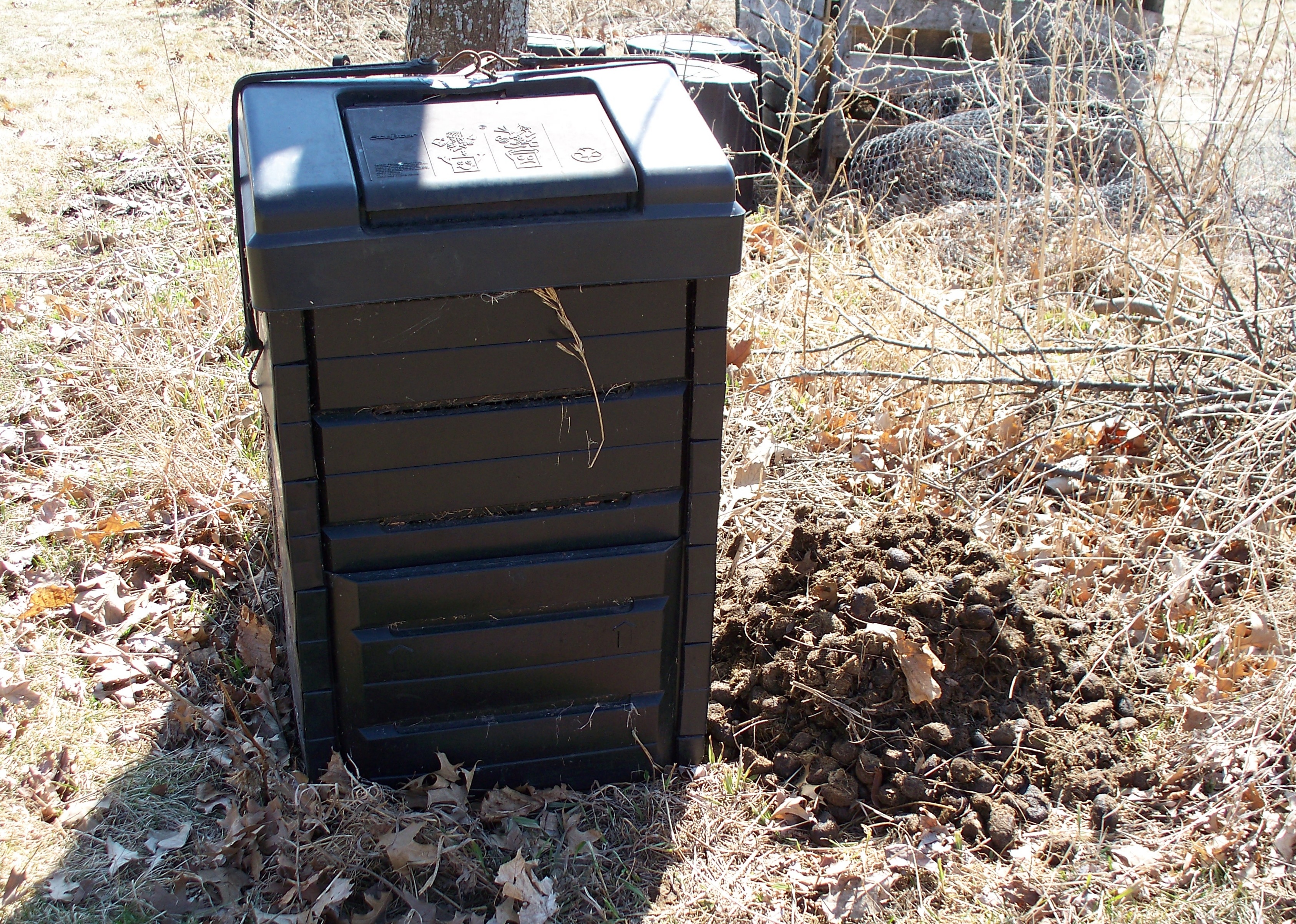
The rest of the compost—mostly dropped by horses the last couple of days—has been placed either inside or beside the kitchen compost bin and is already at work. As more kitchen scraps are added, I’ll use the manure to cover them.

Today was my first work day, and while I got some things done, I’m not in the groove yet. The productivity index is low. But like with everything just beginning, exercising diligence will get me into a groove before long. Maybe by the time the radishes are ready.

Categories
Kitchen Garden

Another Growing Season

Broccoli Harvest
Broccoli Harvest

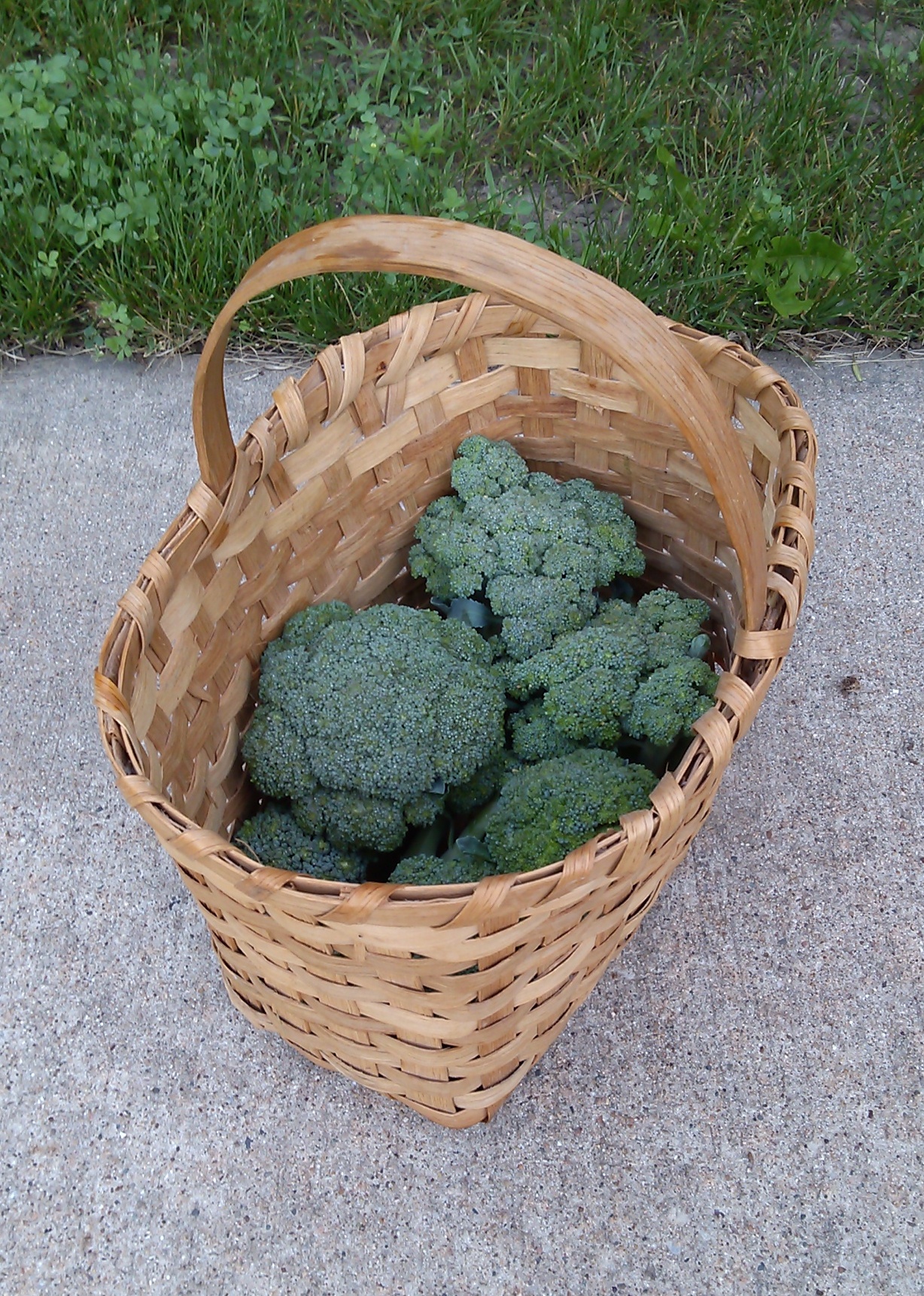
The broccoli seeds I planted three days ago—a full tray of 96 cells—have begun to sprout.

This year we hope to harvest enough broccoli from our home garden to freeze some for next winter. It is a numbers game: starting a large number of seeds and devoting more work and space in the garden to tending them. We’ll see how it goes. With the newly sprouted life, I am hopeful. The down side is we never use chemicals, so there is risk of a poor crop even before we get started. That has never been a deterrence.

The Coralville Lake was mostly open water last night on my way home from the warehouse. The eagles have gone. A wild turkey was browsing near the roadway. That pretty much sums up modern life: we are left with the turkeys.

In the 1930s there was a sense that something substantial had been lost since the land was settled and converted to farms. The name of our township, “Big Grove,” refers to an ancient forest that stretched from the Cedar River to the Iowa River.

“Before the Louisiana Purchase in 1803, the land which is now Iowa was heavily wooded,” wrote Golda Leighton Jenkinson in her 1969 A History of Lake Macbride State Park. “As the time passed, it gradually became depleted until all that was left consisted of second and third growth, and even this was rapidly disappearing because of the owners’ need for cash, excessive pasturing and other forms of destruction.”

We take the current farm landscape and new growth trees for granted but it wasn’t always so. Today, local farmers are still removing buffers, installing tile, and keeping farmland empty of animals except for occasional post-harvest browsing. Most farming is about seed genetics and inputs these days, combined with managing a profit on thin, subsidized margins.

Our garden plot used to be part of the Kasparek farm. When we arrived, the topsoil was mostly gone and rumor was the best of it had been sold. Over 20 years, I’ve built back the soil so our garden is full of worms and other life. It was a long time coming with irregular progress.

Still there is hope. The sprouting seeds create a yearning to plant more, and it won’t be long until we are past the last frost and ready for the growing season.

Today’s sprouted seeds are a sign that hope is not lost. There will be another growing season—at least for another year.

Categories
Kitchen Garden

Belgian Lettuce and Garden Update

Garden
Garden

Today is the day to plant Belgian lettuce according to my late maternal grandmother. Not a specific variety, any lettuce seed will do. March 2 planting makes it “Belgian” in a way someone who grew up in a Minnesota-Polish farming community would understand.

It’s not happening this year, as the ground is frozen and covered with snow like last year. I’m not ready to give up on tradition, but this year’s weather is forcing my hand. As soon as the ground can be worked, lettuce seeds will be broadcast belatedly.

The Old Farmer’s Almanac indicates the average growing season in this area is 163 days, with an average last spring frost date of April 25. I’m calling bullshit on that right now and planning this year’s indoor planting to coincide with a last frost day of May 15. God willing and the creek don’t rise, some seeds will be planted in trays this week, with seedlings ready to go into the ground in May.

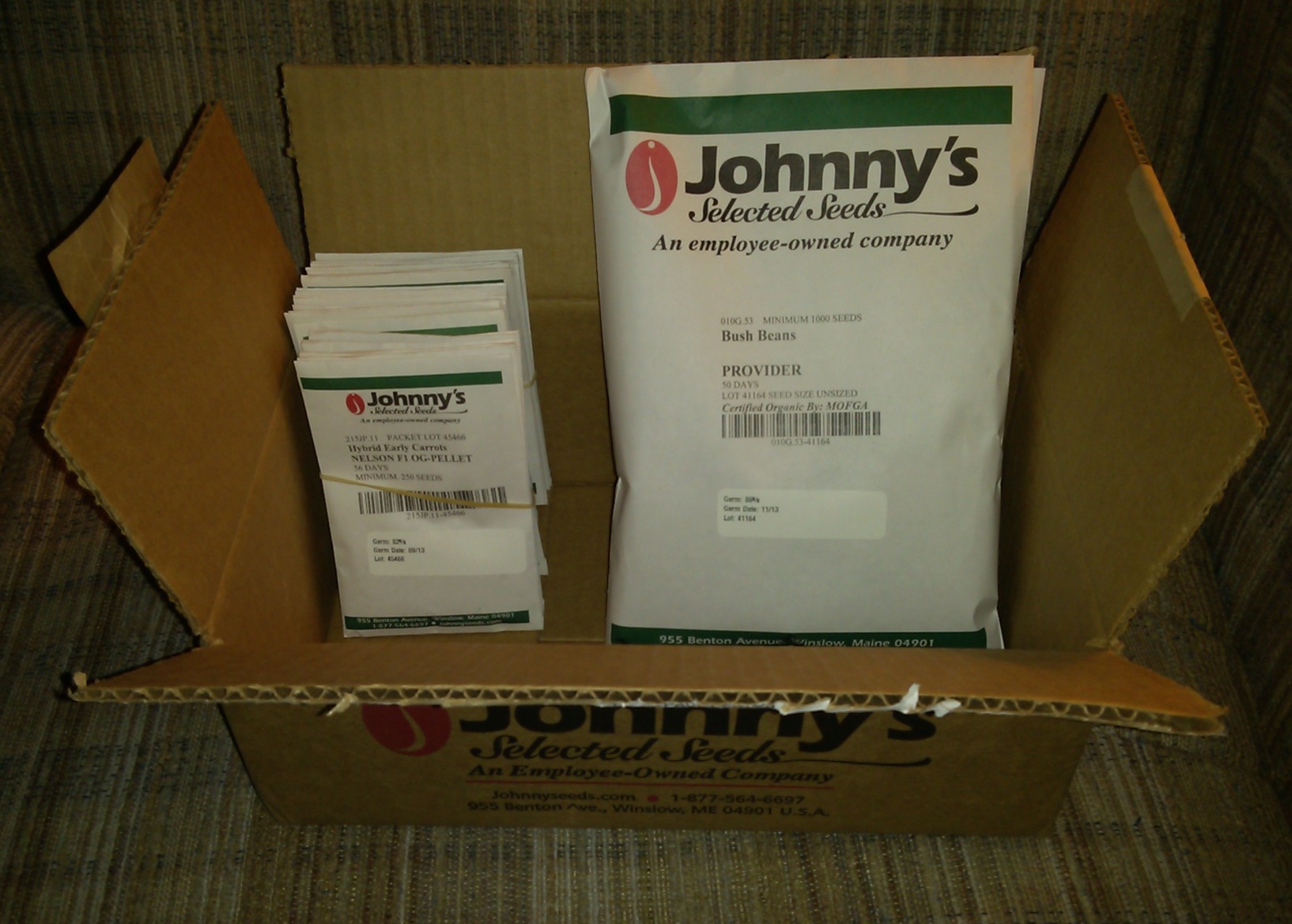
Starbor hybrid kale seeds arrived by U.S. postal service on Friday. The back order was finally filled, so this season there will be three kinds of kale, including the Blue Curled Scotch and Scarlet varieties already on hand. If everything proceeds as expected, there will be plenty of kale.

Seed-wise, I’m ready to plant the garden as soon as conditions permit.

The apple trees produced an abundance of new growth last growing season. While temperatures are below zero is the time to get out and prune new growth and make shaping decisions. That work is planned for this week.

Heavy snows took a toll on our lilac bushes, and I’ve not been to the back of the lot to check that clump. They are maturing, and may be due for a radical cutting back to enable new growth. Some research is needed, but the one next to our front door shaped up nicely when I cut the old branches away. These were planted from rootstock when we arrived in Big Grove, so it’s hard to see them mature, even if it’s a part of nature.

No deal is finalized with the CSA this spring, although the farmer may not know what she wants yet. There is an opportunity for some spring work until her supervisor arrives in May. If that doesn’t materialize, the time will be spent improving our garden—which is definitely needed.

The pantry is being worked down, but plenty of tomatoes, soup stock, apple sauce and apple butter remain on the shelves. Jars of canned dill pickles, hot sauce, salsa and Serrano peppers remain. There are even a few jars of kale soup starter on the shelves. Enough to tide us over until the first harvest.

Absent Belgian lettuce, there is hope for an abundant gardening season.

Categories
Kitchen Garden

Gardening in Time

Seeds Have Arrived 2014
Seeds Arrived Early 2014

LAKE MACBRIDE— The box of seeds from last season sat on the workbench for months. I brought it inside to begin garden planning—something I am loathe to do. In fact, I’m still thinking about mowing the lawn one more time before winter really gets here. After all, it is forecast to be in the forties next week… I can’t give it up.

Like it or not, time passes and the seasons with it. I need to let go of what did and didn’t get done this year and begin planning for 2015. Right after I put up the holiday decorations.

Yesterday, a reminder of life’s fleeting nature arrived as Mother was admitted to the hospital after suffering severe pain in the night. The physicians and specialists are attempting to diagnose what happened and what risk it may pose. Our small family is on watch as they do their work.

That our plans don’t always work out as we thought is a given. That I will continue to plug away at making the garden more diverse and productive represents hope. Hope that life will continue in some semblance of what it has been during my years on the planet.

Quixotic? I don’t think so. Utopian? Maybe a little. Idealistic? Yes, definitely. While the idealism of youth get burnished with experience, there is a basic urge to go on living. Should we lose that, all hope would be gone.

In a turbulent world, with its cacophonous voices, we go on living. Some days are better than others, but there is always hope that this year’s garden will be better than last, and will sustain our lives–at least for a while.

Categories
Kitchen Garden Work Life

End of Season Work

Fall Colors
Fall Colors

SOLON— One was planning to harvest corn until Sunday, when he would turn to beans. Half the beans are already in and the fields have been too wet to get the equipment in the last few days. Talk is about how much propane will be needed to dry the harvest.

“It could easily run up to a thousand gallons,” he said. He plans to take a slower approach to erode less of his margin.

Another is cleaning up the fields and barns after a long season. Picking up and stacking tomato cages is the last big task before turning to livestock and wintering.

While no farmer, I’m still picking kale, peppers, apples and a few tomatoes, delaying the garden clean up for another week. There’s a lot to be done before settling inside for winter. People winter too.

Fall Colors
Fall Colors

Not really ready for winter and don’t want to be. Perhaps that’s why I let the scraggly bits of green shoots grow on top of the tomatoes. That’s why I hope for an ability to use more of the abundant kale. Eventually I’ll get the extension ladder out of the garage and pick the high apples. But I’m not ready for the last lawn mowing, mulching the garden, or inspecting the gutters one last time before the cold. Perhaps it all seems too much like death.

So not ready for that. I left the house.

Fall Colors
Fall Colors

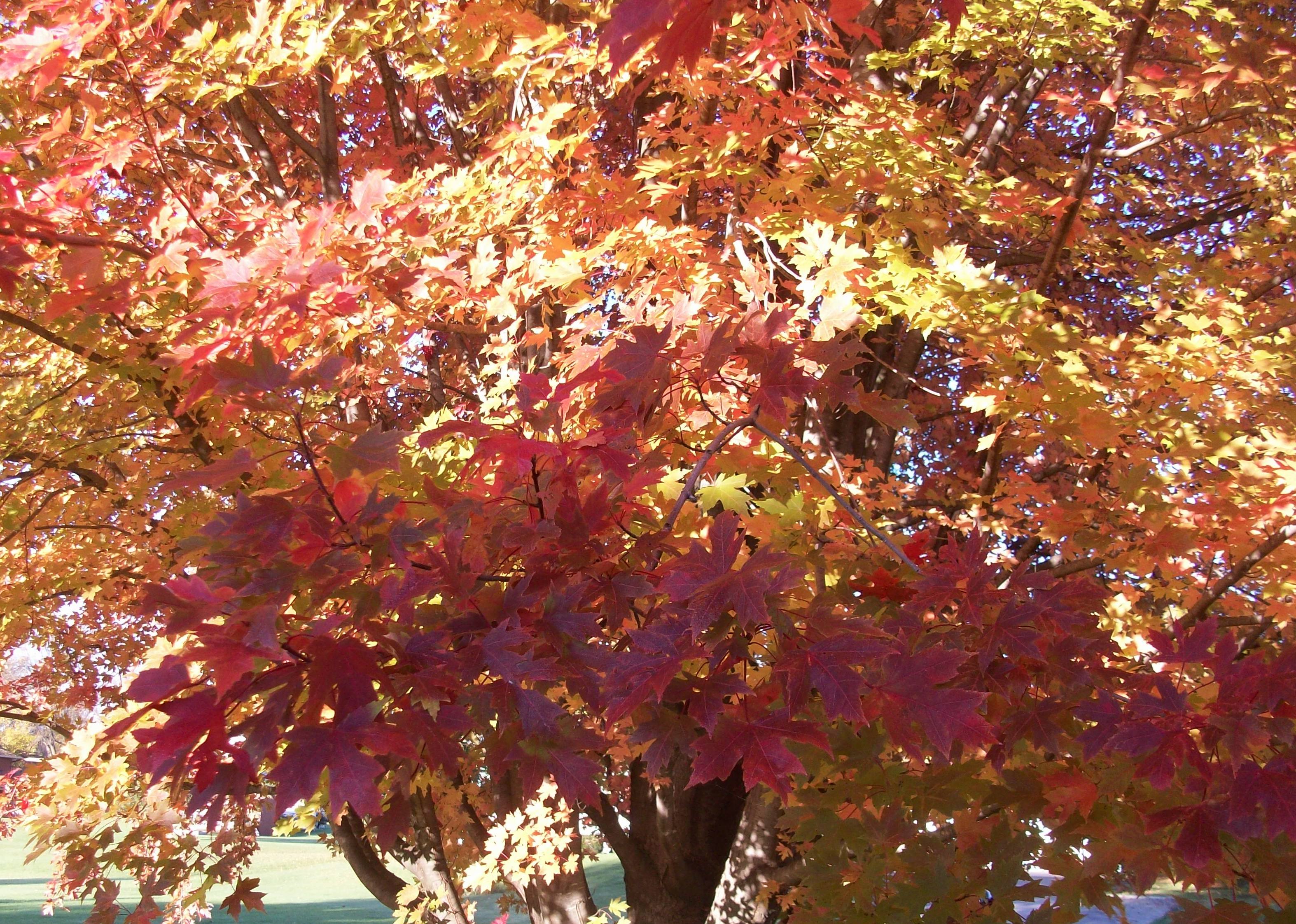
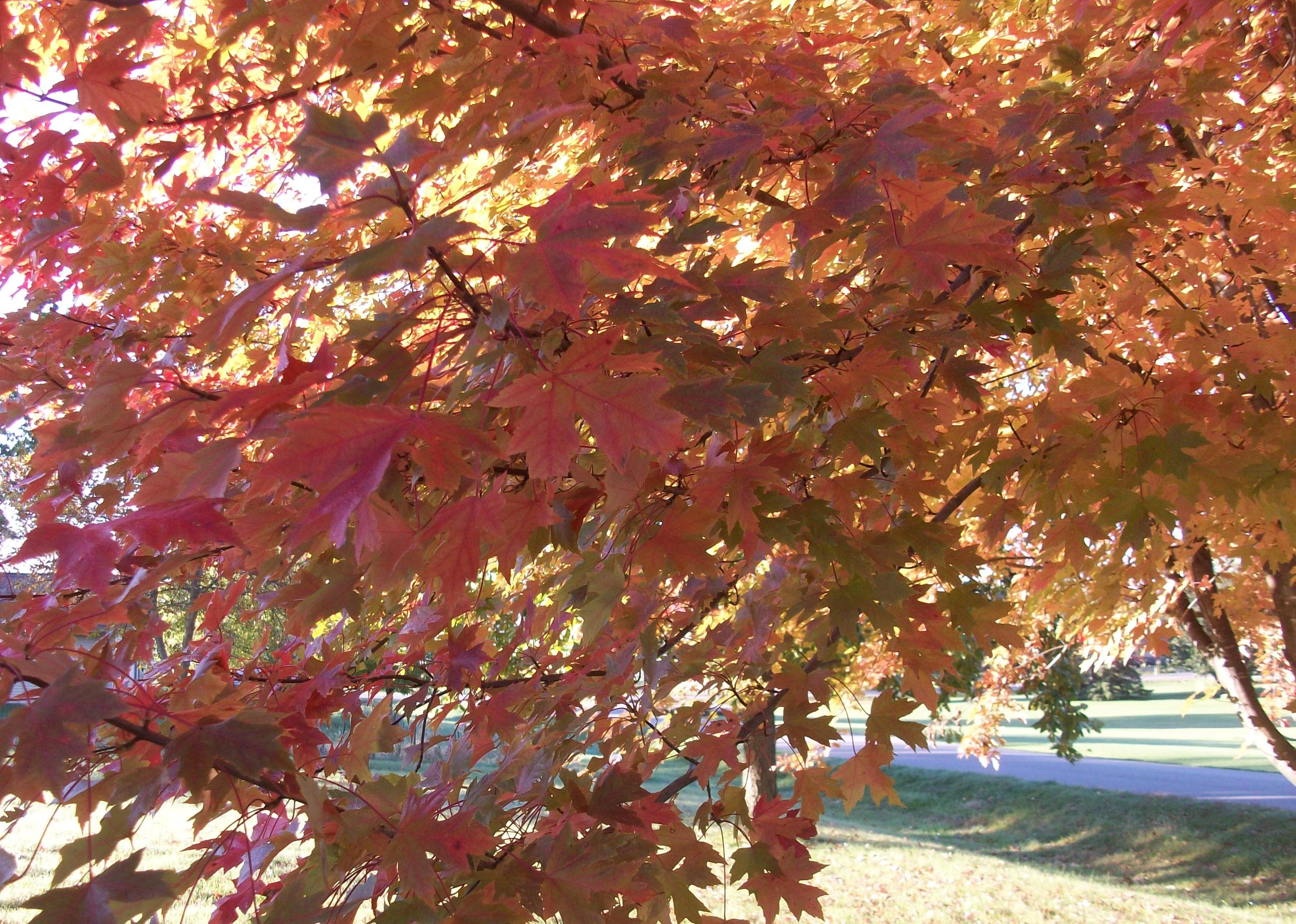
The fall colors are just slightly past their peak, and still beautiful. They are breathtaking really, and hard to capture in digital images.

I drove to town to buy a newspaper because my first article appeared in the Iowa City Press Citizen this morning. While I’m mostly digital, having a print copy of my first still means something. I spent the last 75 cents in my pocket on a second copy.

There is a shift at the warehouse this afternoon. To get ready for a celebration, I pulled a couple of beers out of the box to chill while I’m working. Expiration date July 2014, so I hope they are not skunked. Is that still a thing?

Whatever end there is to this season, and it is palpable all around us, here’s a toast to the idea that it will not be our last trip around the sun. May we sustain our lives on the prairie for yet another year, with an abundant harvest, a great margin on our work, and fresher beer.

Categories
Kitchen Garden

Knife Apples

Apple Harvest
Apple Harvest

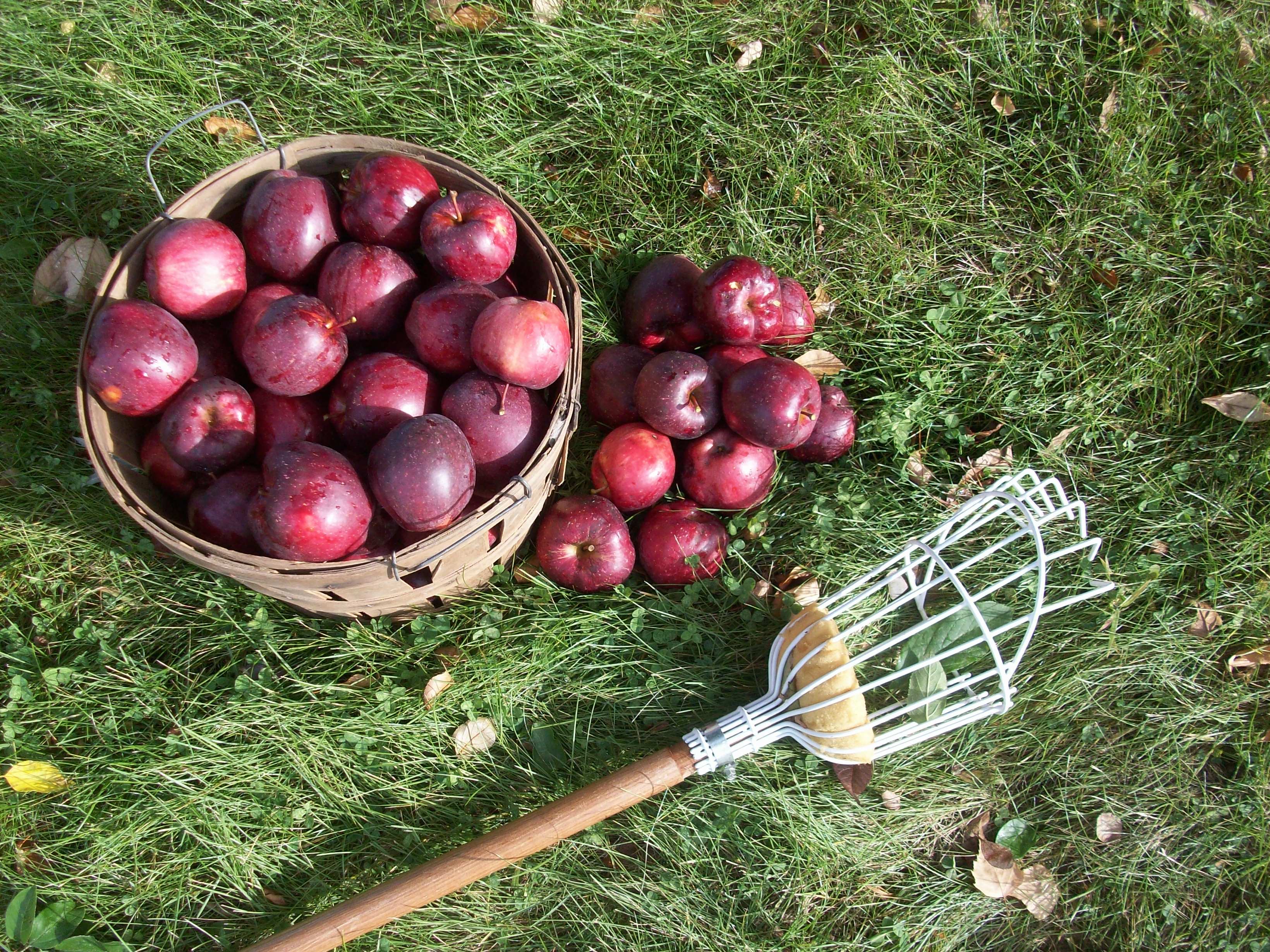
LAKE MACBRIDE— Father taught me to eat apples after a trip on River Drive to buy a bushel.

It seemed unusual to secure so many at once, but he knew someone, and with a limited weekly income from the meat packing plant, the family took what help he could find.

Dad used a knife to cut away bad spots and avoid eating worms. I remember him rocking in a chair eating apples with a paring knife after dinner. He didn’t call them “knife apples.” I coined that term when describing the fruit from our trees.

My apple trees don’t get sprayed. Not now, not ever. The fruit is not certifiably organic, but no fertilizers or pesticides have been used, and because of that, the apples are not perfect. To eat one raw, I recommend using a knife to cut them open and see what is inside. Mostly what is found is delicious.

Apples keep only for so long. The crisp, white flesh of the Red Delicious apple is the best eating when freshly picked and still cool from the evening air. Patience taught me to wait to pick them until they are well ripened. The large globes come in all at once with a few picking sessions, and then there is an issue of what to do with them. This year the plan is juice, baked goods, and out of hand eating.

Not many are willing to risk eating an apple worm or use a knife when so many varieties are available for out of hand eating with less imperfections. We found a few takers for mine, but a warm apple crisp is often more welcome than the raw materials to make one. The next couple of weeks will be processing and more processing. Damaged windfalls and cutting remains will all get composted.

My work at the orchard will wrap up this month, and with our harvest, I won’t buy apples again until the Winesap and Gold Rush come in at the end of the season. My developing apple culture is just one more way to cope with a turbulent world and contribute to our household’s food security.