It’s a day for planting, so today’s post shows the greenhouse is full. Everything in it was grown from seeds. Time to get the cold weather plants into the ground.
Happy Spring!
It’s a day for planting, so today’s post shows the greenhouse is full. Everything in it was grown from seeds. Time to get the cold weather plants into the ground.


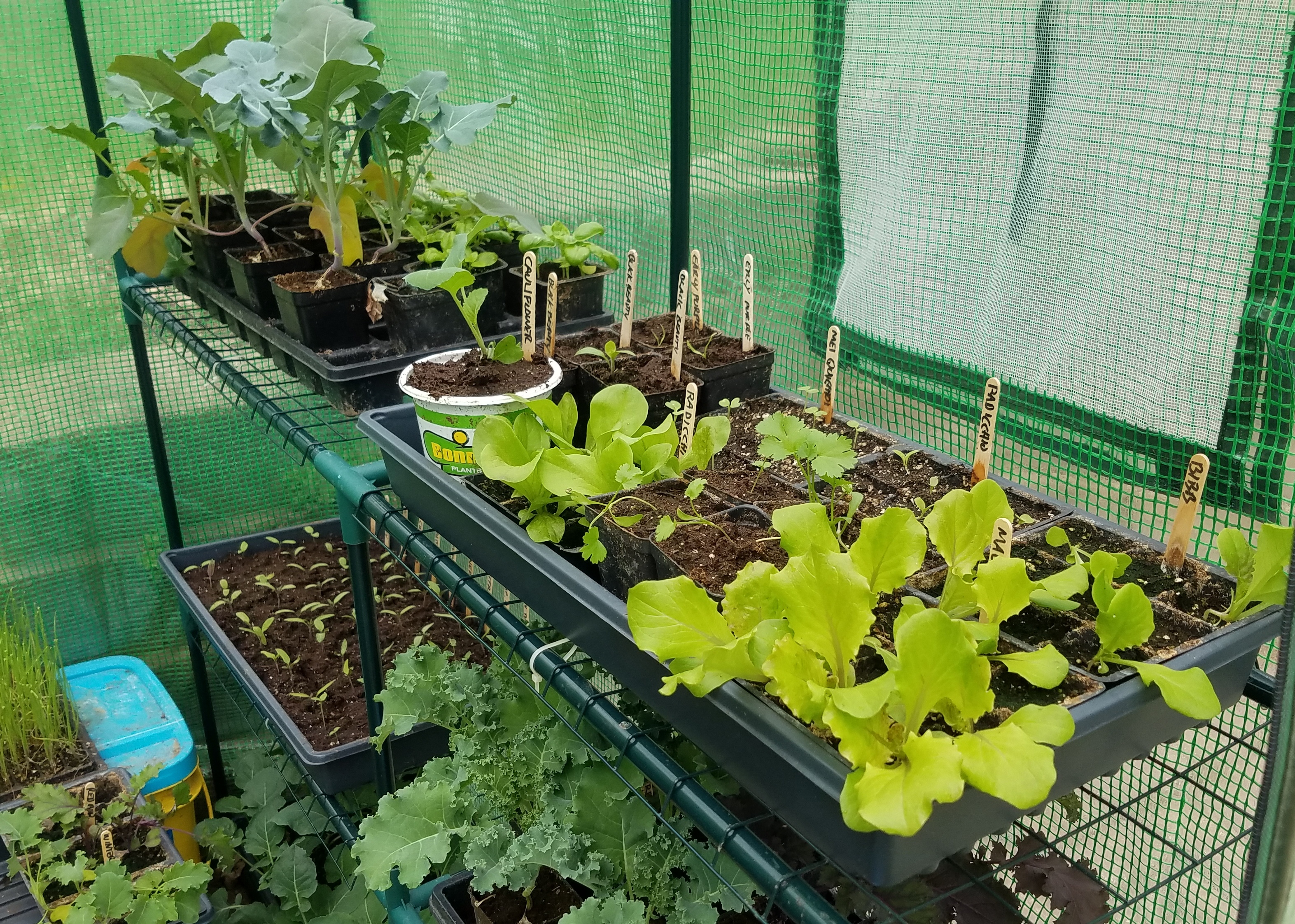
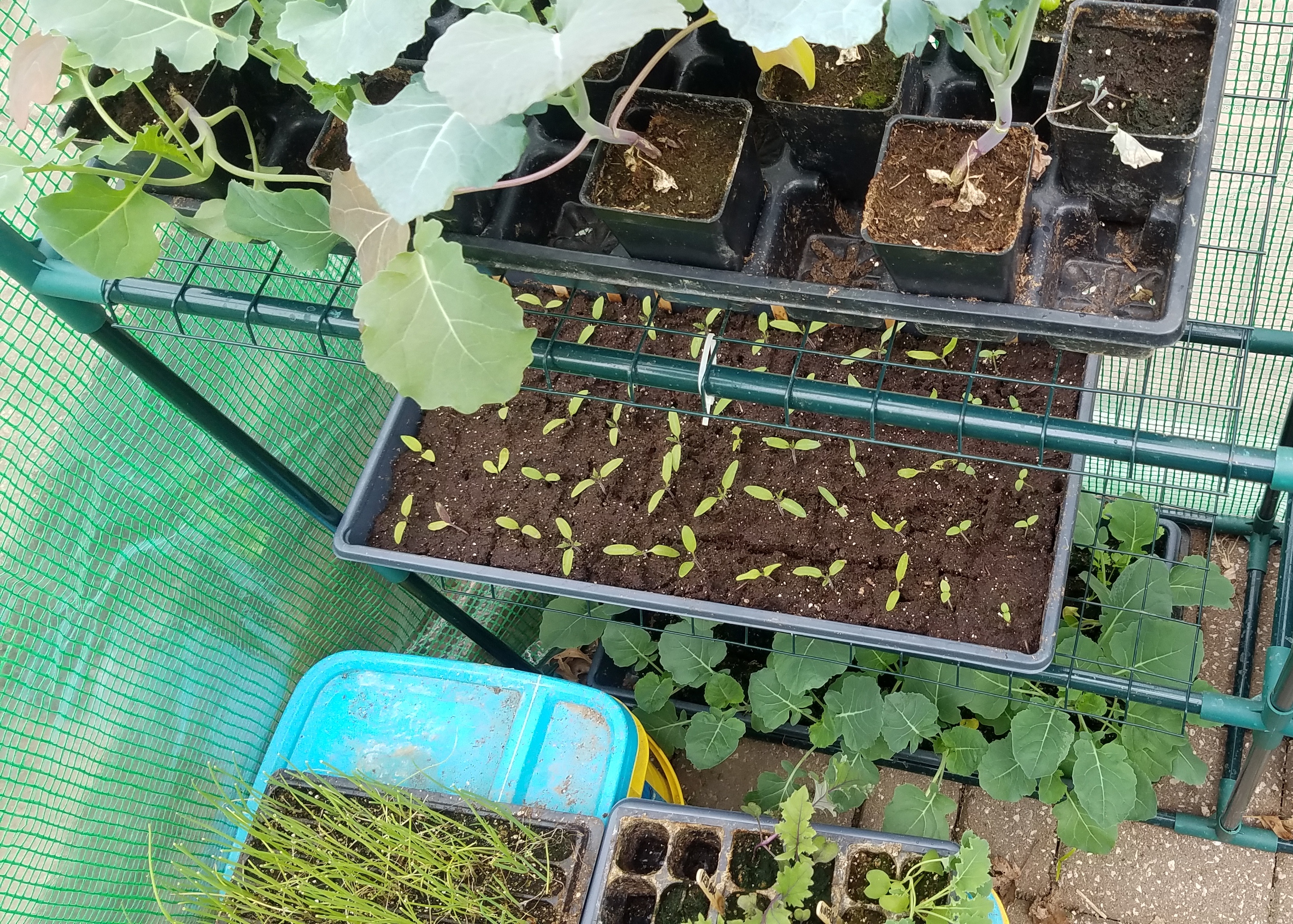
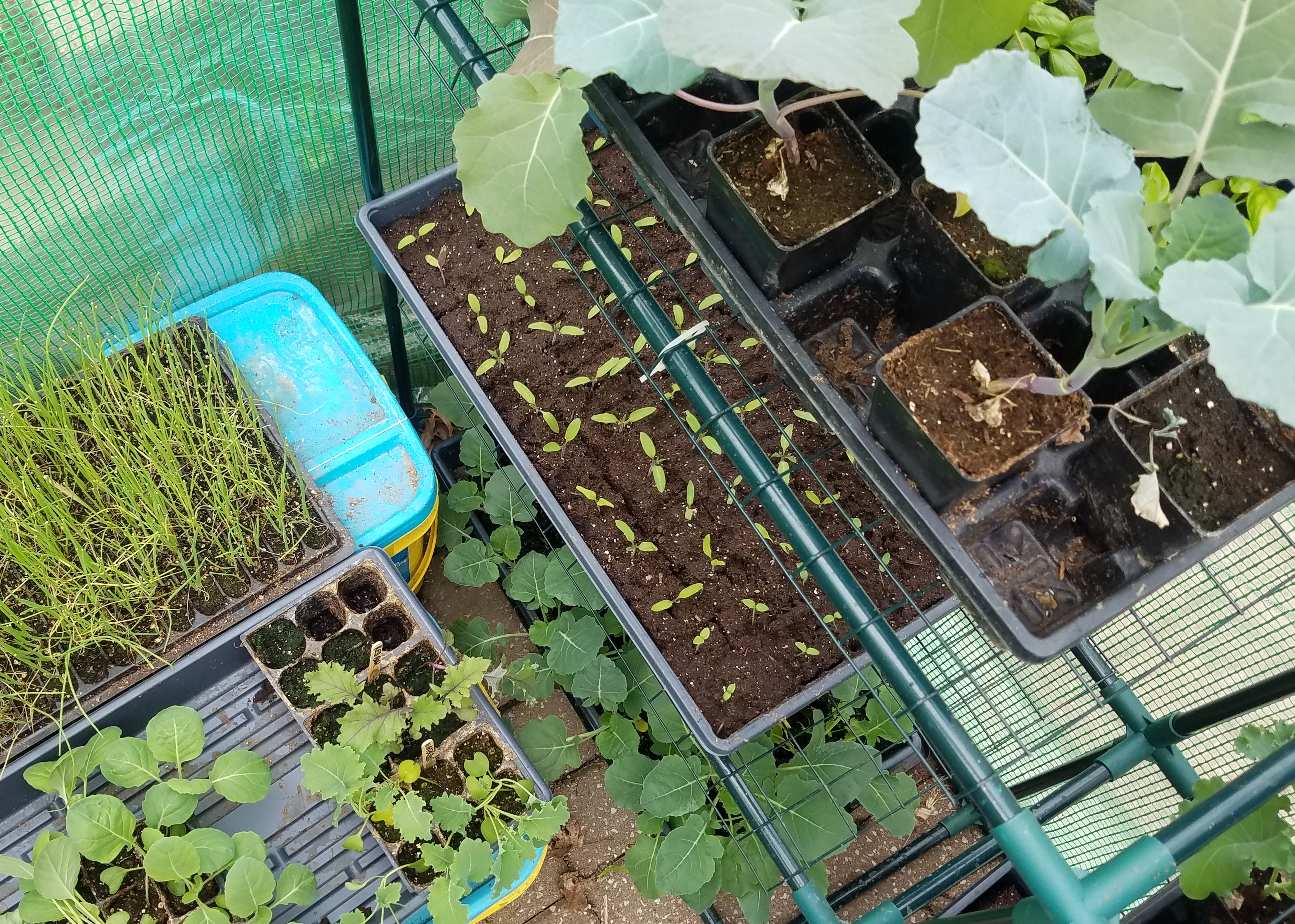
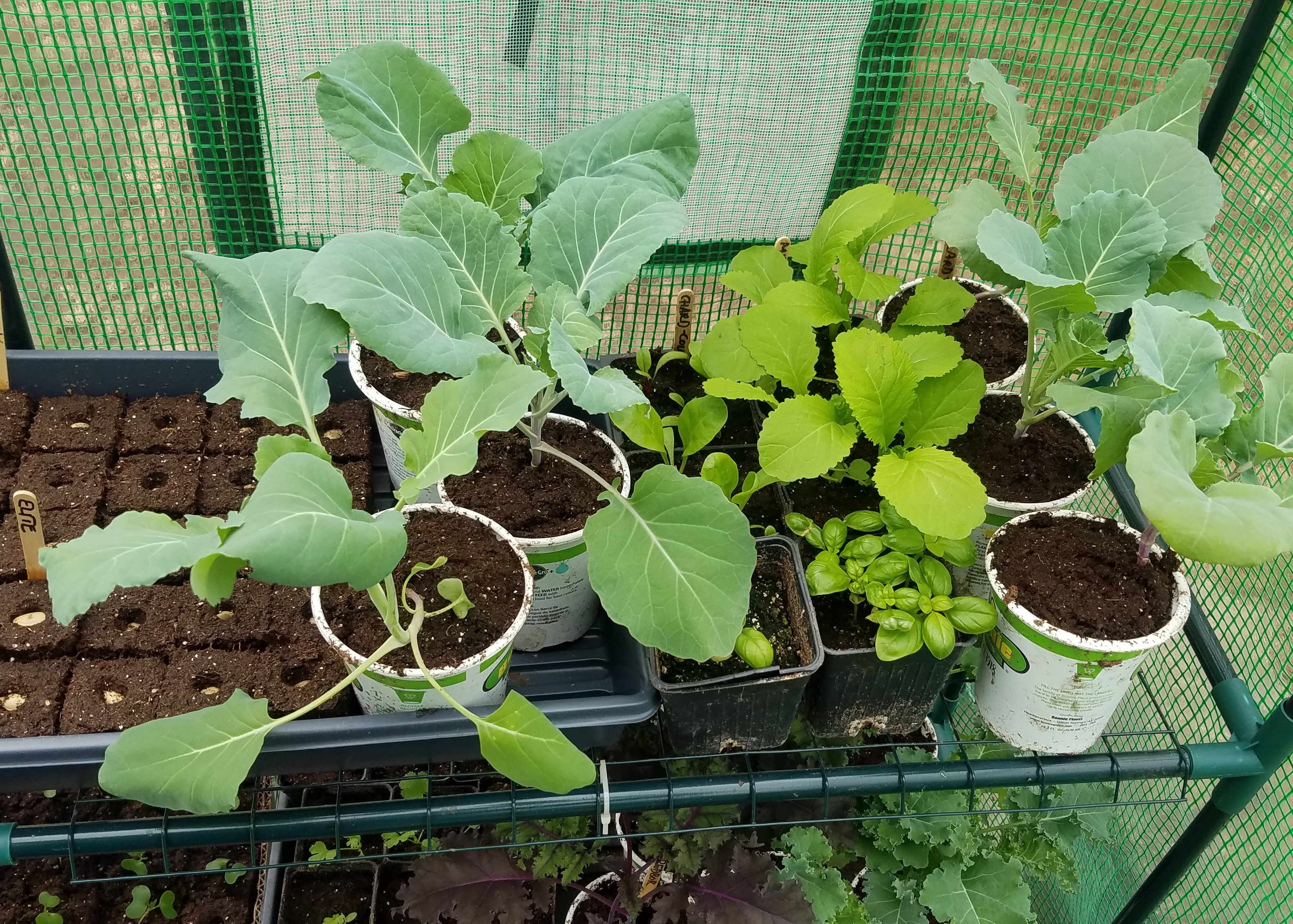
Happy Spring!
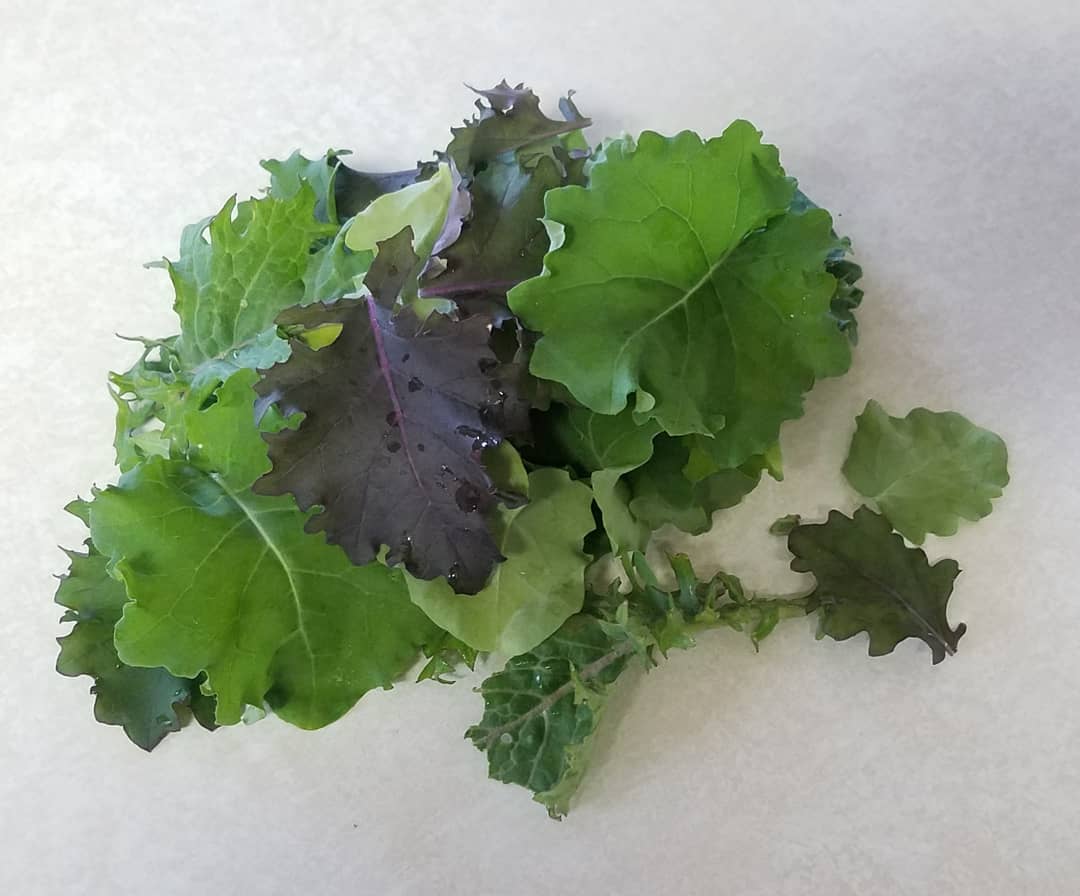
Red Russian kale over-wintered so we had fresh kale for our stir fry dinner Sunday night. I mixed it with some Winterbor and Redbor leaves collected while re-potting plants for final growth in the greenhouse.
This year’s garden work is just beginning.
I’ve been on spring break from writing my autobiography. If asked, I am working on the book. It’s been a long spring break. More accurate is the project is stalled and in need of a completed manuscript. It’s time to set aside new writing, crank up the engine, and edit what I have: some 170,000 unedited words.
Writing the book has been like mining a vein of coal to see where it goes. I often got caught up in its adventure and that part of the process is not finished. Why write an autobiography except to experience and find meaning in memories?
I spent Sunday afternoon considering two photo albums I made years ago. One of photos taken beginning in 1962, and another of images of Father taken over the years he and Mother were married from 1951 to 1969. I didn’t write anything. I simply looked at the images and tried to remember some of the moments. This is part of the autobiographical process, but doesn’t work toward a finished manuscript. More material from the vein to be sent above ground toward the tipple.
To get things on track, I will review the outline, then go through the words written. Last winter I spent time on the first five points of the outline. I previously wrote at length about the 1980s and 1990s. I know the story ends either at the beginning or end of the coronavirus pandemic, yet how it ends is unclear. That meaning must be extracted from the tumult and tension of daily living.
I don’t argue with other writers who say a daily goal with follow-through is needed. As today’s shift begins, gardening and writing are both on the schedule. I’ll add an hour to work on a plan beyond today.

Evening meals are our main ones, especially during the pandemic. I wrote a list of simple meals to get us through this time of contagion. Last night I spent a couple of hours preparing enchiladas for the first time.
Based on the amount of prep work, enchiladas are less than simple. Tortillas need cooking, a sauce must accommodate differing tastes, and issues of fillings and side dishes remain to be resolved. Enchiladas are a from the pantry meal this time of year.
I buy uncooked flour tortillas at the wholesale club. Cook them first and store on the counter in a tortilla warmer.
Next, I opened a 15-ounce can of prepared organic tomato sauce. Emptying the can into a sauce pan, I mixed a couple tablespoons of water with a tablespoon of arrowroot in the can. Once thoroughly mixed, I added it to the tomato sauce and incorporated. Seasoning: chili powder, onion powder, garlic powder and dried cilantro leaves. I brought the mixture to just boiling and turned it down to a slow simmer. There are two glass bread pans in the cupboard to separate plain from spicy. This base sauce will make both.
A filling is easy. We buy prepared vegetarian refried beans in 16-ounce cans at the grocery store. They come with onion powder, chili pepper and garlic powder already mixed in. They can be used as is, or with added seasoning. I added salt, garlic powder, onion powder, and dried cilantro leaves. Once seasoned, mix thoroughly.
Prepare the baking dishes with a light coating of cooking spray or lecithin. I prepared the less spicy batch first. Put a layer of sauce on the bottom of the baking dish. Roll the bean mixture in tortillas and place them in the sauce, seam side down. Our dishes hold three. Cover with additional tomato sauce, then wrap the pan with aluminum foil to retain moisture while cooking.
For my batch, I added prepared hot sauce to the remaining tomato sauce and lined the bottom of the baking dish with it. I used the bean mixture as a base filling and added prepared peppers from the ice box and a Mexican-style cheese. Once three enchiladas were lined up, I covered them with the remaining sauce, sprinkled some cheese on top and wrapped with foil. Both dishes went on a baking sheet and into a 350 degree oven for 30 minutes. At that point, remove the aluminum foil and cook another ten minutes. If you want the cheese to brown, put that one under the broiler.
It is important to pay attention to how much tomato sauce is used. This recipe makes enough for two bread-pan sized baking dishes and no more. Don’t run out!
I made a batch of Spanish rice to go along with the enchiladas. Enchiladas will be a nice addition to our pandemic rotation of evening meals.

Toward sunset I checked the greenhouse. The plants look healthy and unblemished.
There are a couple of empty shelf spaces which will be filled with tomatoes and peppers once the channel trays germinate on the heat pad. The question is when to plant?
My farmer friends posted this note about gardening in Iowa:
It’s really easy on these first nice days to get excited and plant plant plant but we know there’s some frosts still on the horizon! The roller coaster of spring in Iowa keeps us on our toes, but what it delivered today felt pretty dang good.
Local Harvest CSA, Instagram, April 5, 2021.
The ten-day forecast is for overnight lows well above freezing. Despite the risk of frost, I plan to get kale in the ground this week. It will tolerate some frost and I don’t want the seedlings to get root bound. In case the early crop fails, I started back up seedlings.
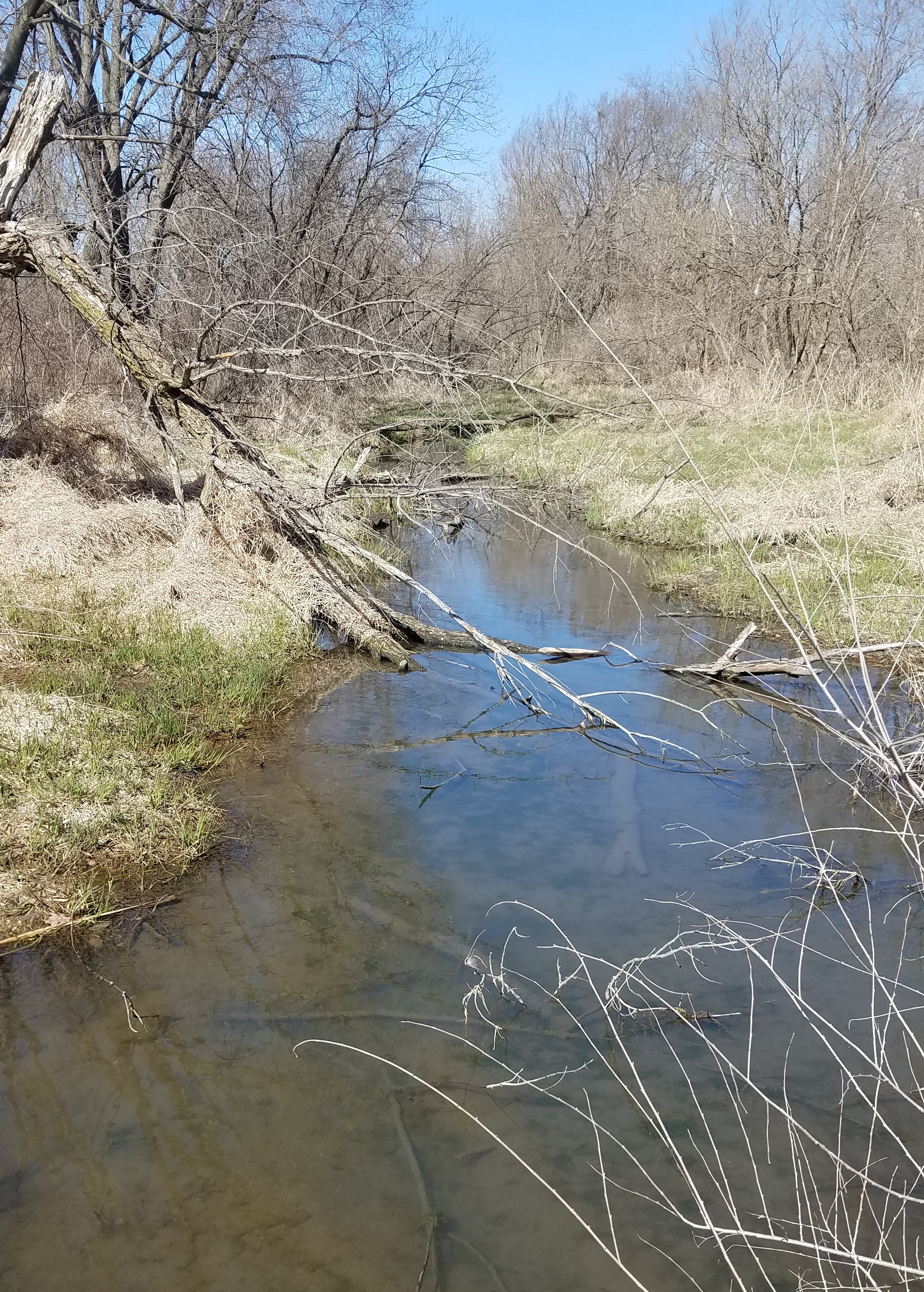
I walked on the state park trail yesterday afternoon and the place looks pretty bleak. The landscape is of browns and greys. Spring does not appear to have arrived and damage from the Aug. 10, 2020 derecho is noticeable everywhere.
There is hope in the greenhouse and untilled garden. Hope sustains us in the time of contagion.

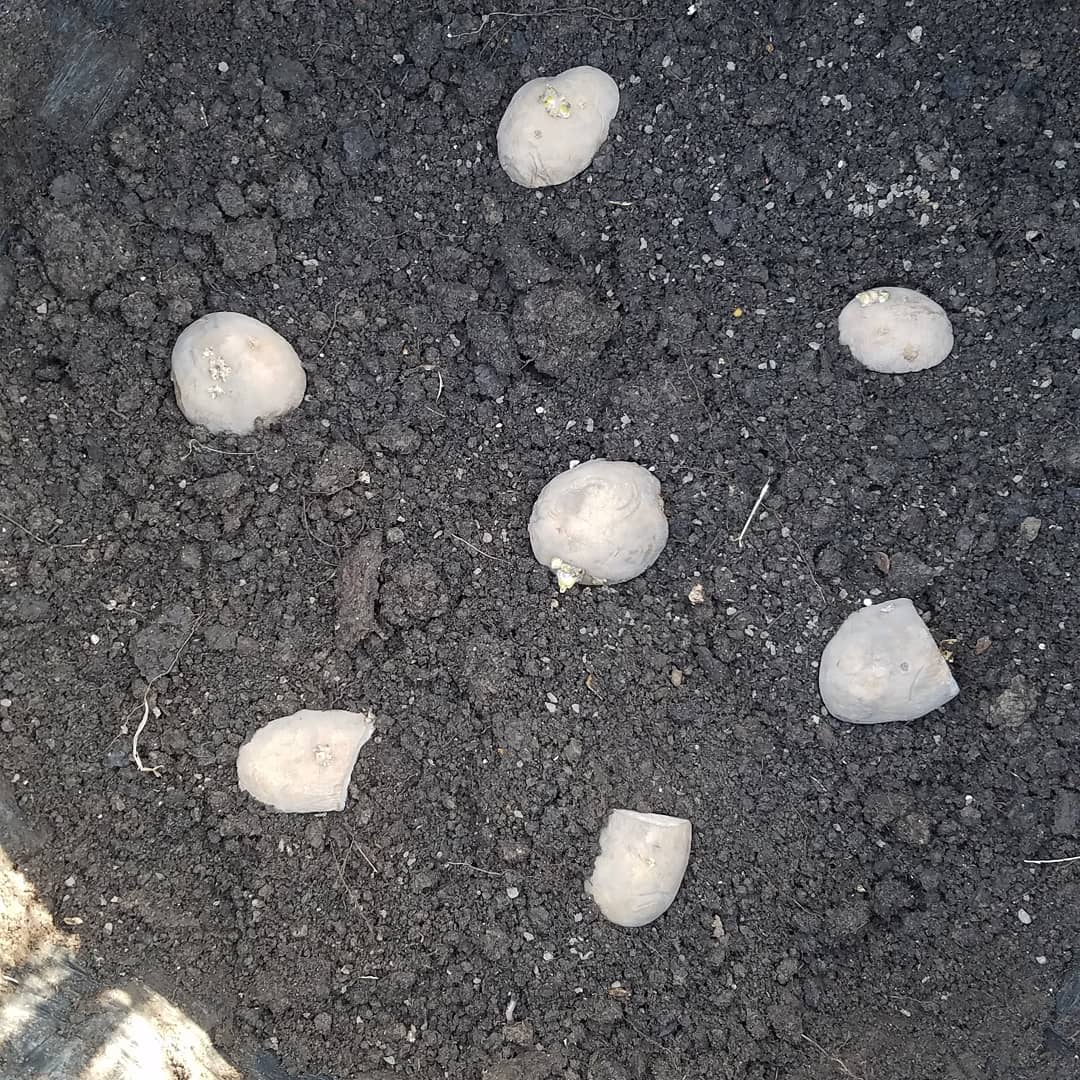


Everything aligned to plant potatoes on Good Friday as is a Midwestern garden tradition. It began with cutting seed potatoes and curing them in the garage for about ten days.
I removed all but the lower four inches of soil in four containers. Adding two scoops of fertilizer to each (composted chicken manure), I stirred it around until the soil was broken up and the fertilizer thoroughly mixed in.
Next I arranged seven or eight seed potatoes in the soil at the bottom of the tubs. I got a yard stick and made marks eight inches above the soil. I filled them in two layers to the marks, putting a scoop of fertilizer in between layers.
After smoothing the surface, I applied ground red pepper flakes to deter digging rodents and defecating cats from getting into the soil. Next step is to get the garden hose from winter storage and give each tub a thorough soaking.
Once the potato vines begin to sprout from the soil, I’ll fill each tub to the top with additional soil. After that, the plants are monitored and watered. If Colorado potato bugs show up, I’ll pick them off and drop them into a bucket of soapy water.
This process doesn’t grow many potatoes, but the harvest is delicious and abundant enough. Importantly, it reenacts a gardening tradition inherited from my maternal grandmother.
With a forecast low temperature of 28 degrees, I put the space heater in the greenhouse overnight. Once the temperature rises in the next couple of hours, the five-day forecast is above 40 degrees continuously. It’s time to start gardening outdoors.
It looks clear for planting potatoes today, in the Good Friday tradition. Seed potatoes are ready, and soil in the six containers needs to be worked and fertilized. Without fanfare, gardening for the 2021 season begins.
I’ll dig in the plots for cruciferous vegetables to see if it’s dry enough. If it is, I’ll seed carrots, peas and lettuce. The coronavirus pandemic had me planting seeds indoors early and I’m itching to get kale, collards, broccoli and others in the ground. One step at a time.
2021 gardening is in process.
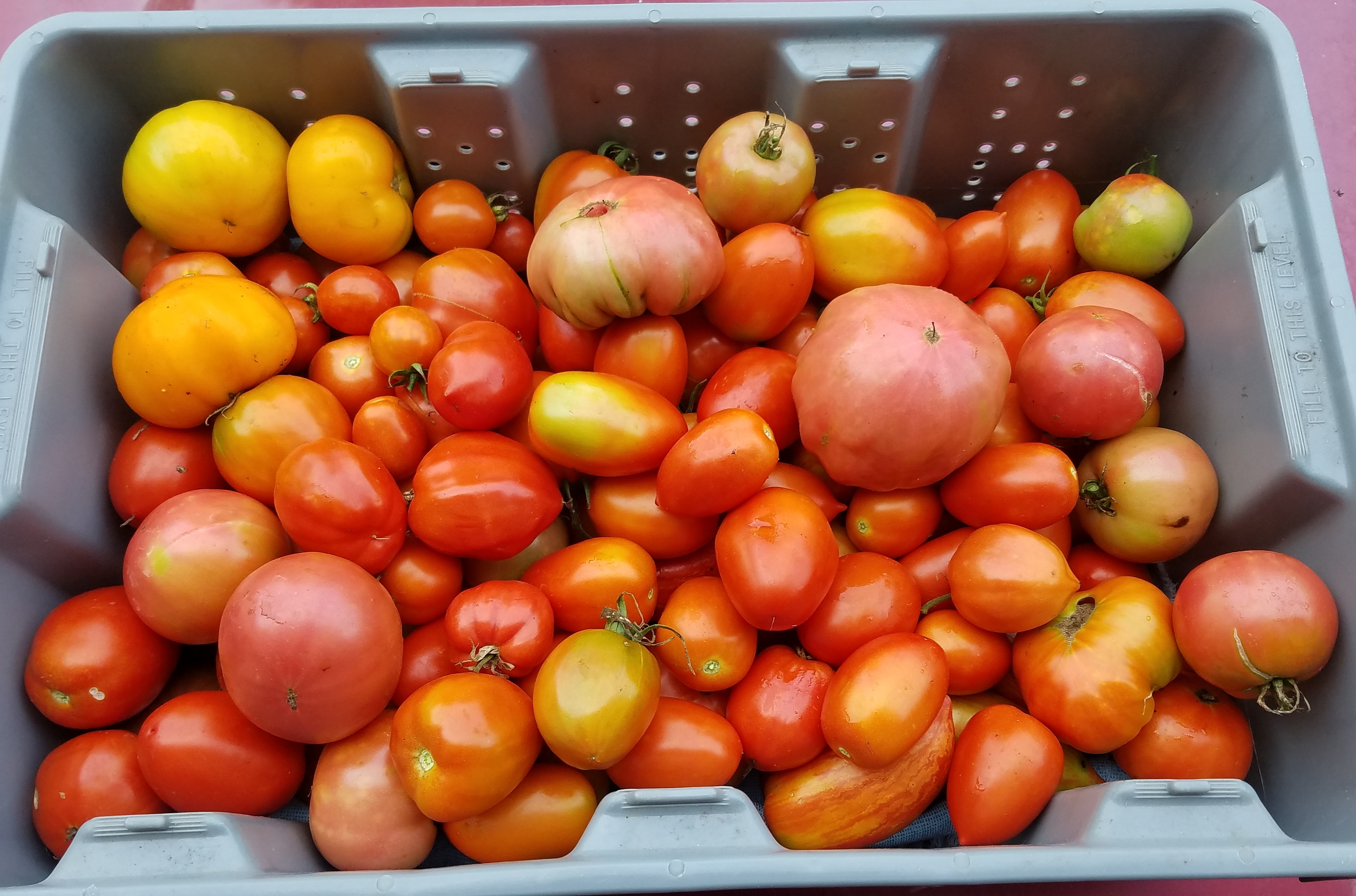
It’s time to plant peppers and tomatoes in channel trays.
Saturday morning I took three drawers from the seed sorter and reviewed what I had. There were 25 packets of tomato seeds long past their sell-by date. They went to compost and the envelopes to the shredder. The end result is 22 varieties to plant plus tomatillos. I forgot to order Roma tomatoes.
I went on the Johnny’s web site and ordered a packet of Granadero. The shipping cost would be more than the seeds so I added a cabbage seed packet. Usually plenty of cabbage is available from the farm, so I don’t grow my own. This year, because of the coronavirus pandemic-shortened work season, I did not take the fall share and a couple of cabbage heads in the ice box serve a useful fall and winter culinary purpose.
Peppers will be two varieties of bell peppers and five hot. I’m getting better at growing peppers and tomatoes.
The ground was too wet to work yesterday so I’m hoping it dries enough today and tomorrow. That means I’d better decide where things go.
Potatoes will be in containers again and we’re six days from Good Friday planting. Main questions are whether to move the containers, and what medium in which to grow them.
Placement of onions, shallots and leeks has not been determined. I grew and ordered enough starts to produce double the crop of the 2020 garden. I need more row space for easier tillage this year.
Large greens — kale, collards, mustard, chard — are planned together this year in a special plot. The seedlings are well along and these will be the first transplants just as soon as the ground is ready.
There will be another plot split between broccoli, Brussels sprouts and cauliflower, and radicchio, lettuce, spinach, pak choi, and other small greens. I’ve been walking the garden daily, although a final plan is not finished.
Another day in the life of a gardener. Here’s hoping the rain relents for a few days.

Weather permitting, I expect to prepare part of the garden today.
While the soil is too wet to work, last year’s fencing and cages can be removed to create a space to fell two oak trees, one of which is leaning as a result of the August 10, 2020 derecho, the other needs removal to make room for the remaining one to grow unencumbered. I’m ready.
The seedling operation is ahead of previous years. The debate is whether to put the brassica seedlings directly into the ground, or re-pot them to give the roots more room to grow before transplant. I’ll likely do a mix of techniques and compare. The sprouts aren’t quite to the point of forming the third leaf yet it won’t be long.
New spinach seeds arrived yesterday. The old ones aren’t germinating properly so I bought a new packet of 1,000 Seaside Hybrid Smooth Leaf Spinach seeds from Johnny’s Selected Seeds. I’ll start a couple dozen on the heating pad, and direct seed some as soon as the ground can be worked. My friends at the farm already direct seeded spinach, beets, peas and carrots.
Garlic is coming up nicely. It’s been in the ground for five months and I doubled the amount planted. I picked the best cloves for seed and hope for the best this year. We use garlic most days in our kitchen, so it is an important crop.
The beets I moved from the greenhouse to the heating pad are germinating. As soon as they appear successful, I’ll move them back to the greenhouse to wait for dry ground. The heating pad space will be to start peppers and tomatoes in channel trays. This year I’m going big with Guajillo chili peppers to make sauce for the coming year. In 2020 I experimented making my own Guajillo chili sauce and if successful this year, I’ll replace the commercial Hatch pepper sauce I’ve been using.
It’s been a challenge to use all the canned tomatoes. This year I expect to plant a lot of Roma-style tomatoes for canning and put up about 24 quarts. I’ve been freezing some tomatoes. While it’s easy, I prefer canned. Canned Roma tomatoes are becoming our mainstay for cooking chili, sauce and soups. It reflects a bit of refinement. In past years I canned any tomato I grew, skin on. Peeled Roma canned tomatoes are a much better option. I’m growing a large variety of tomatoes to eat fresh. My process is to germinate plenty and plant at least two seedlings of each type. We like the variety.
As we come out of the darkness there is hope for the day. That’s emblematic of so much in our lives during the time of contagion.

The manufacturer made some design improvements in the small, portable greenhouse I bought to replace the one destroyed in the Aug. 10, 2020 derecho. Because I did not return to the farm in February, this space is more important to my garden.
Each day I take walkabout on the property, observing the advent of Spring. I watch overnight temperatures in case frost is forecast. If it is, I bring trays of seedlings indoors. Since the greenhouse was assembled, there has not been a hard frost.
Even though the greenhouse is nice, the prime real estate for seedlings is the heating pad bought for germination. As soon as seeds emerge and have an extra leaf, I move them to the greenhouse to make way for the next wave of starts. I’ve become accustomed to leaving seeded trays at the farm and not thinking much about them. I like being closer to germination in the new process.
All of this brings the kitchen garden one step closer to full development. I don’t know how I did without a home greenhouse for so many years.

Ambient temperatures were in the low 60s on Sunday, creating a suitable environment for a yard walkabout. The report is in: Spring is coming.
The flowering bulbs were the first sign of it. Along with apple trees beginning to bud, garlic is up under the layer of straw, and lilac bushes show new growth. Most of the grass is brown and matted from recently melted snow, yet there is a bit of green scattered around the yard. The signs are unmistakable.
I assembled the portable greenhouse and moved four trays of seedlings outside. It was warm enough overnight to leave them there. I planted a flat of spinach, celery, parsley and cilantro, using up last year’s bag of soil mix. This flat went on the heating pad for germination. There remains indoor work, yet our focus can turn outdoors.
As snow continues to melt in the garden I considered where to plant early lettuce. The ground is not workable, yet soon will be. When it is the seeds can go down and there will be a lot to do.
The calendar shows 13 days until Spring. I’m already there.

 Journey Home
You must be logged in to post a comment.