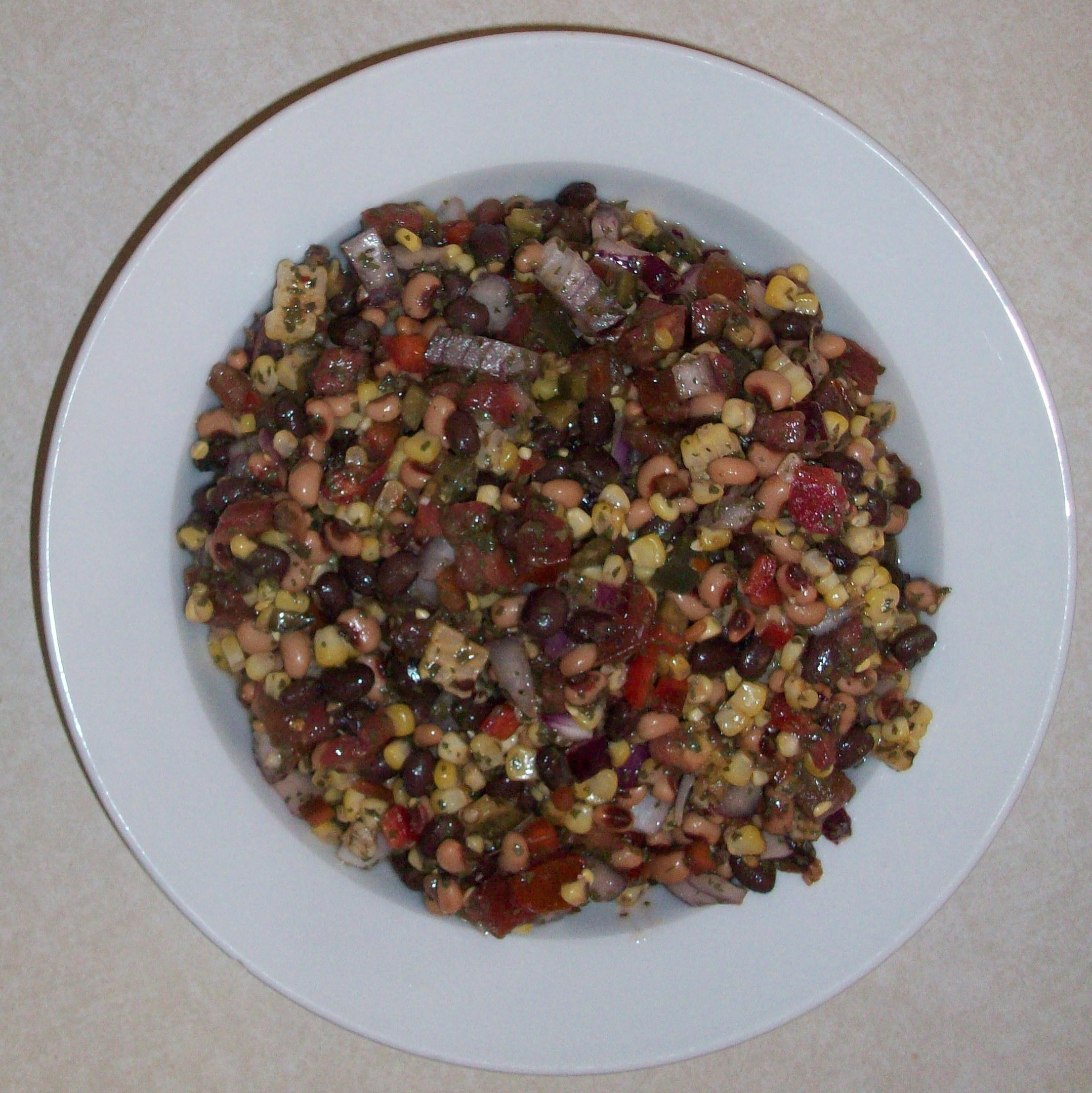
Cowboy caviar is a fancy name for a simple mixed salad of beans, peppers, tomatoes, corn and other summer goodness. There is no good reason to purchase this salad ready-made from a store, as it is easy to make at home.
Ingredients
1 – 15.5 ounce can black beans, drained 1 – 15.5 ounce can black-eyed peas, drained 1 – 15.5 ounce can of diced fresh tomatoes 2 cups cooked sweet corn 1 small red onion, finely diced 1/2 cup pickled jalapeno peppers, finely diced 1 cup home made oil and vinegar dressing (or what you like) 3/8 cup dried cilantro leaves Garlic salt to taste
Add the ingredients to a bowl, toss gently and season with the garlic salt. Refrigerate an hour or more before serving to let the flavors combine.
LAKE MACBRIDE— It is one thing to make a list of books to read during summer—quite another to actually read them. As I enjoy The Great Gatsby, the ultimate novel of summer, for the umpteenth time, the lists made previously seem to slip away, and it is surprisingly easy to let go.
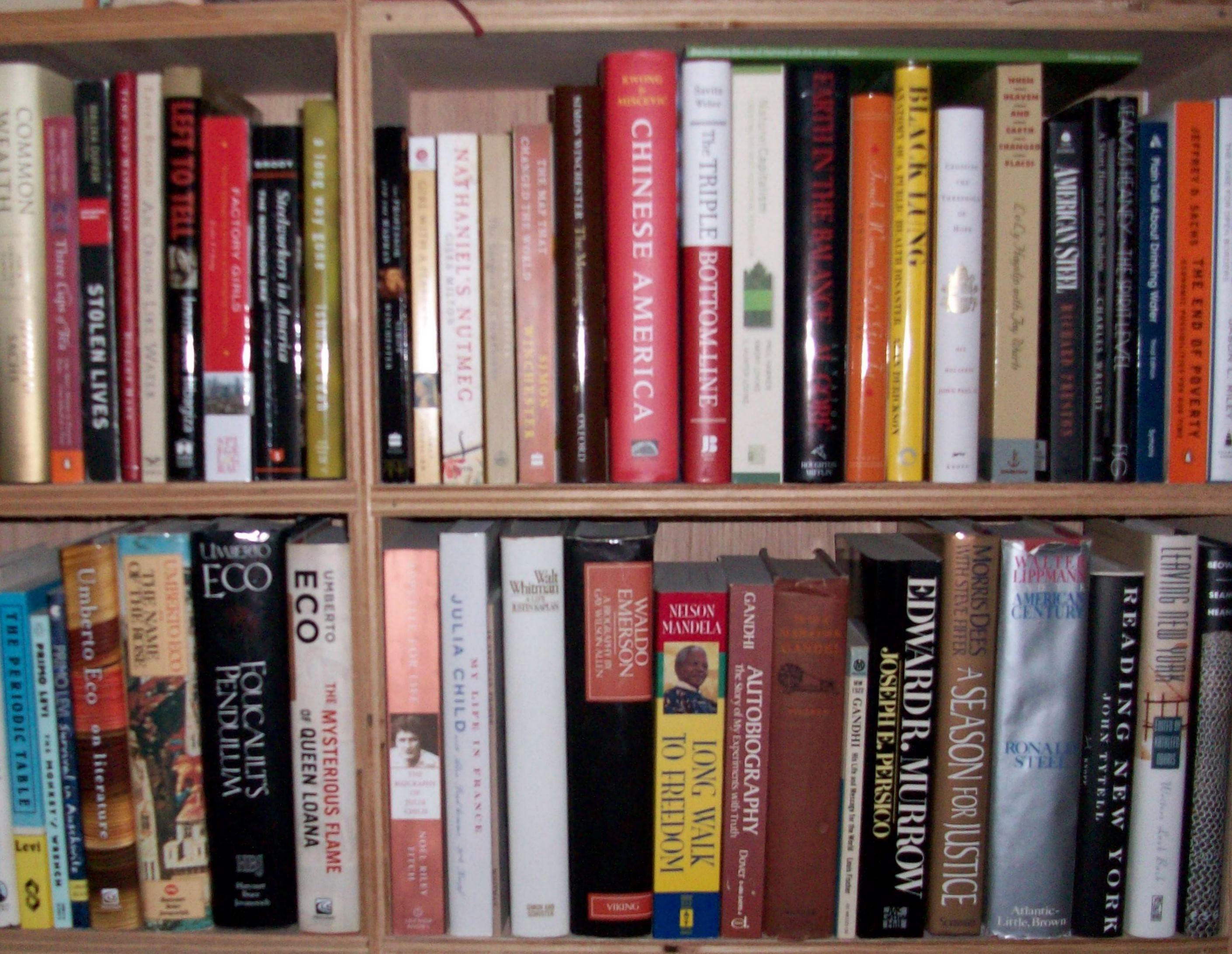
Surrounded by books in my writer’s camp, one would think I’d pick one up now and again. Book reading has mostly been Eric Schlosser’s Command and Control, which was the first book I finished since March. I would like to read Gar Alperovitz’ The Decision to Use the Atomic Bomb, or Richard Rhodes’ The Making of the Atomic Bomb, but fear the rest of my life would elapse before finishing either of them. Both thick volumes stare down at me from the shelf. Finding time to read has proven difficult at best.
That said, there is a lot left to read.
This morning—another glorious summer day—the children walked to the bus stop near our home for the first day of school. It was a reminder of how fleeting life is—how our days on this blue-green-brown sphere are numbered, and too few. That we must seek our own experiences in a complex world not of our own making.
Still, I am thankful for finding books like The Wrong David to get through a night, reminding me of my experiences in France. And no, Carrie La Seur, I haven’t forgotten The Home Place which is on top of the pile ahead of Hillary Clinton and Jewelweed by David Rhodes. But for now, I will linger a bit longer with F. Scott Fitzgerald and seek experiences in this place we call our home.
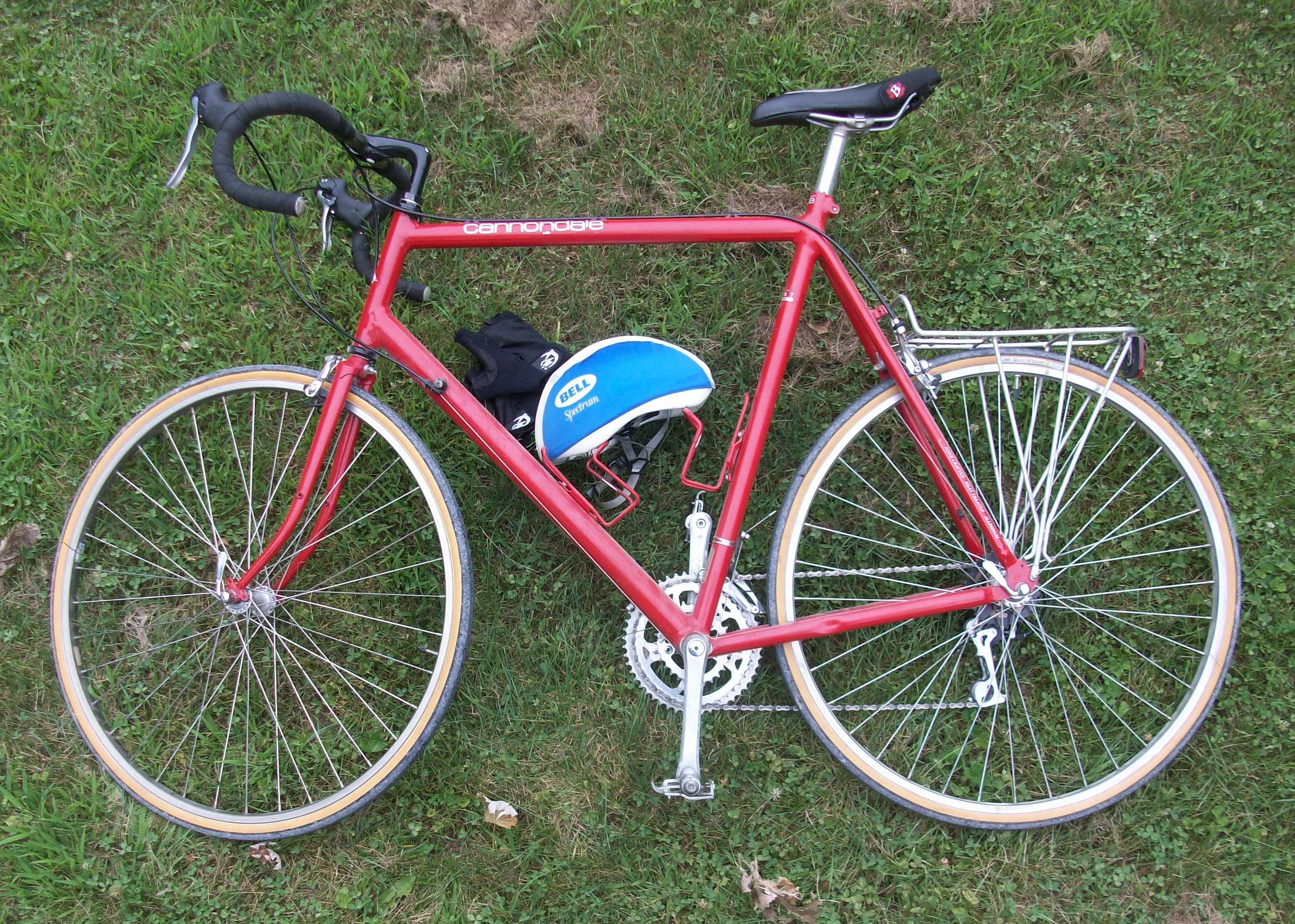
LAKE MACBRIDE— Long term, long distance bicyclists will notice my bike is resting on the derailleur. A big no-no, which has now been corrected. Live and learn and roll on.
Having made three round trips to my favorite spot on the lake trail, it is easy to feel progress. Slowly locating tools of the trade around the house: first, a bicycling helmet older than dirt, used on a century ride in Iowa City back in 1981. Next, a pair of bicycling gloves which came in handy when I fell in the driveway. Water bottles and bags to carry groceries back from town when I start riding in all need to be located and situated. I’ve started biking for real.
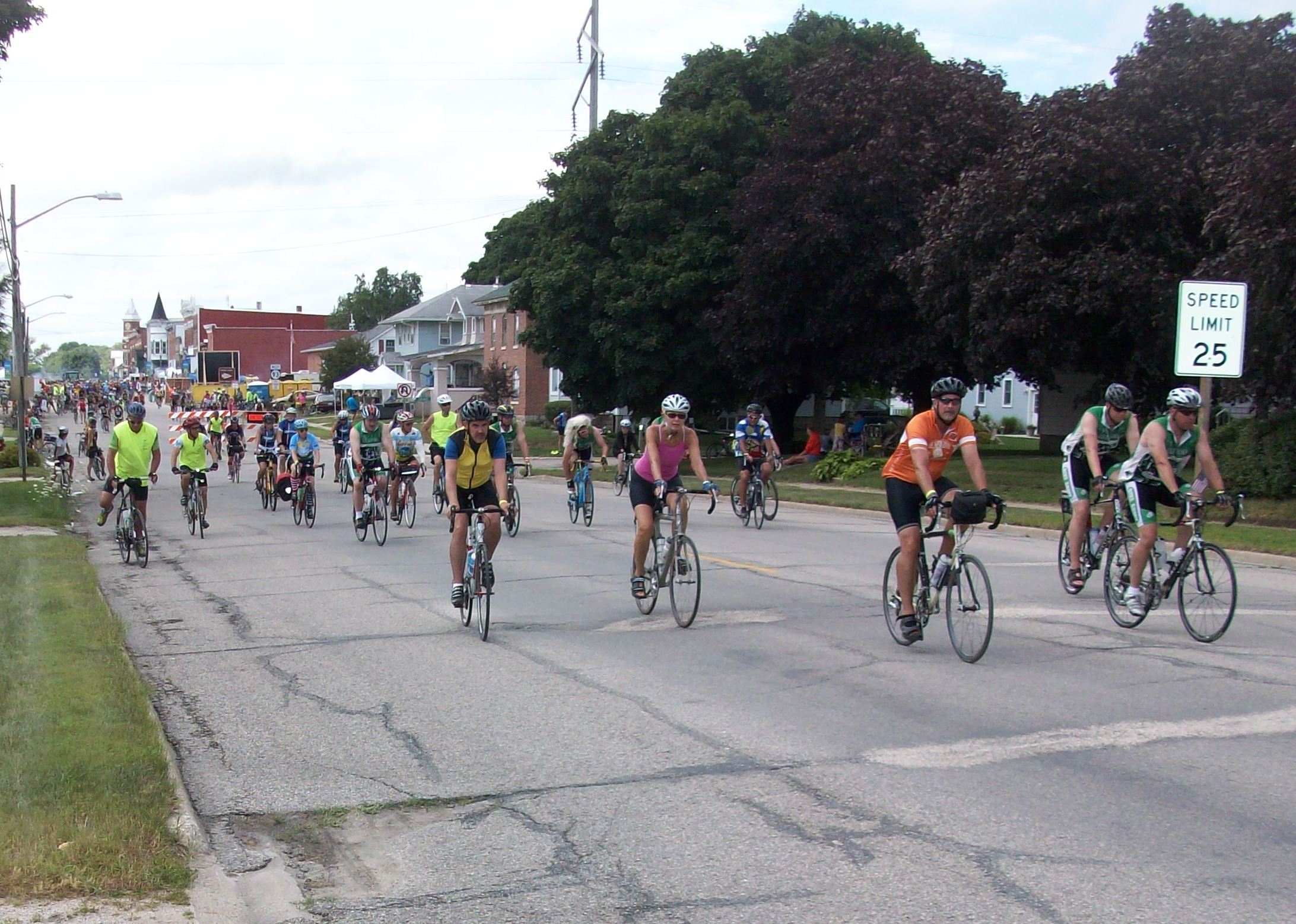
The bicycle is a Cannondale borrowed from a friend until I settle on whether to revitalize my old Puch ten speed, or purchase a new one. The bike in the photo has traveled RAGBRAI a number of times, and I may yet ride in the Register’s Annual Great Bike Ride Across Iowa. Perhaps as soon as next year.
Usually work is away from home, so today is an exception. One thing that will happen is another bike ride to begin to get conditioned for a longer ride soon.
LAKE MACBRIDE— Many school districts have begun classes, the state fair enters its final weekend, and it’s two weeks before the Labor Day weekend. The days of this glorious summer are dwindling and the press of reality extracts a dram of concern. Where has summer gone?
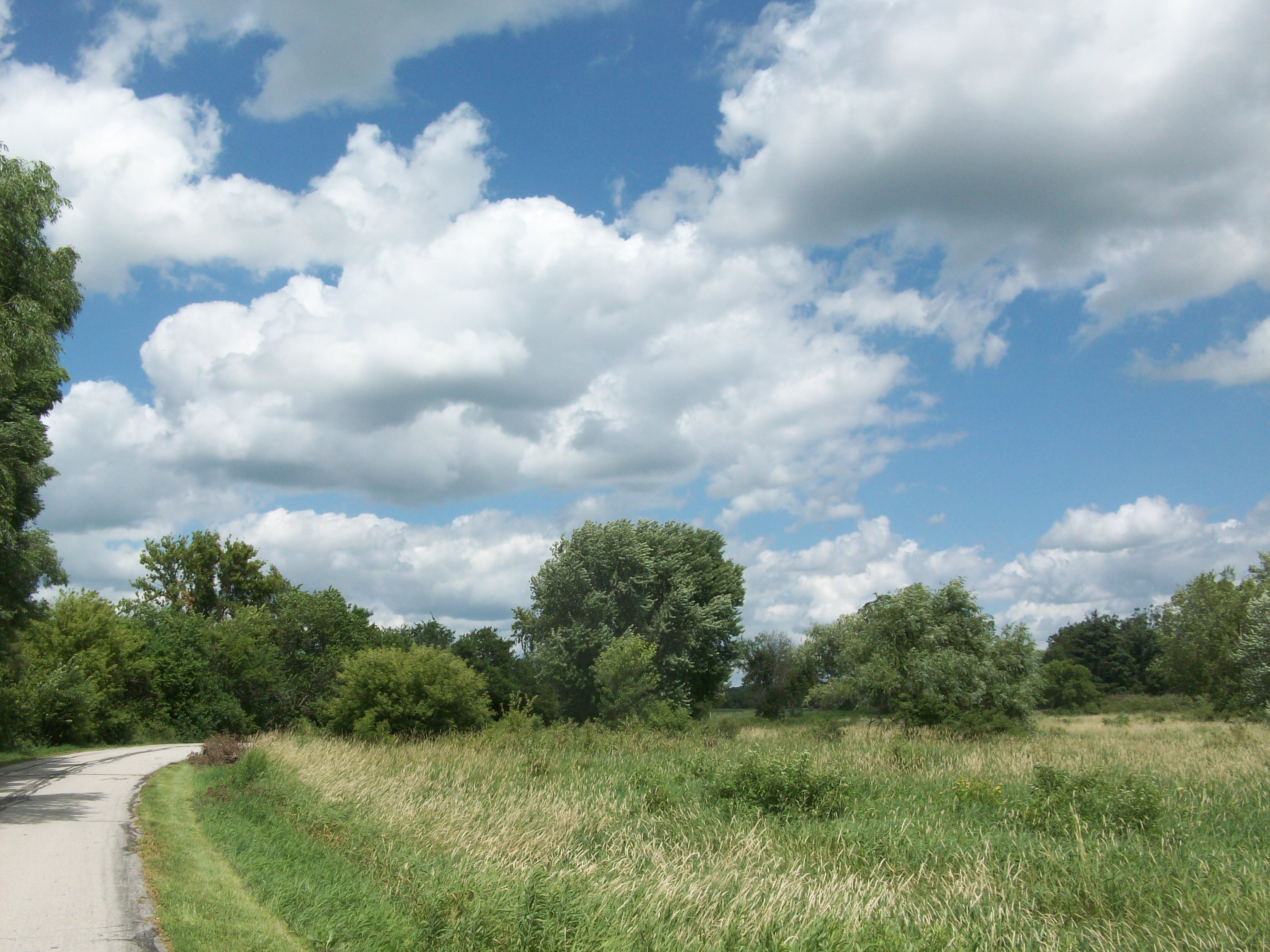
There is no answer. Rather, we know the answer— it’s gone into memories of cumulus clouds, dry landscapes, abundant gardens and mild temperatures. For the first time in a long time, it seemed like a normal summer, especially once we got past the cold, wet spring. A lot of living went on.
I’ve been writing daily over at Blog for Iowa this summer, and posting here suffered a bit because of it. My stint as summer editor ends the Friday going into Labor Day. I expect to import a lot of those posts here that weekend, so look for a one-time surge in posting.
Speaking of cross posting, I’m not sure what to do with my newspaper articles. They are a different kind of writing, and some are more interesting than others. For the time being, I’m leaving them where they lay in print. I may create a clip file to store them.
It’s time to freshen up this blog. Perhaps a changed title and template, but a different focus and writing project. Cooking and gardening are always popular, so only minor changes there. The bigger change is a writing project that will be off-line. More about that as the plot thickens.
As summer wanes, the pieces will fall into place for a productive fall. At least that is the hope.
LAKE MACBRIDE— The good news is there are no morning after effects of my first, five mile bicycle ride in a couple of years. It was immediately energizing, and my butt doesn’t hurt from an unfamiliar seat. My legs and arms are in good shape. Sleep was sound and deep last night. What more could one ask of a sport?
This summer is unlike many recent ones in that the temperatures have been mild, with billowy clouds floating easily through continuous azure skies. Scarred by the 2012 drought, it is hard not to appreciate these beautiful and temperate days in Big Grove. The lake trail was in good shape and ruts had to be dodged only a few times.
Last night, Dr. Christine Grant spoke to the Iowa City Community School District board of directors, thanking them for naming an elementary school in her honor. Her thick Scottish accent hid emotional inflections in her voice. She was confident and direct, as one would expect from a person who worked with some success toward gender equality in athletics.
Grant was part of the revolution in sports at my alma mater beginning in 1970 with the hiring of Chalmers W. “Bump” Elliott as athletic director. Grant became the first women’s athletic director at the University of Iowa in 1973. She joined a pantheon of Iowa sports figures that includes Dan Gable, Hayden Fry, Lute Olson, C. Vivian Stringer and Tom Davis. I’m not a sports fan, but had not heard of Grant until the school was named after her this year. More’s the pity.
A life of learning on the Iowa prairie continues, and today we know one more namesake along the way.
LAKE MACBRIDE— Wisps of mist hover about the landscape as a day begins. It recurs over the farmland just off the highway leading to town. It reminds me of trips into the Rhön Mountains in the late 1970s.
It has been a solid four days of work at the warehouse, and a first chance to come up for air. A lot has happened and there remains a lot to do, but a couple of things stand out.
The death of Robin Williams hits home for a couple of reasons. He was born the same year I was, and our similar age and his death reminds me of the dance of mortality that hangs over each of us.
He had a public presence, and left many impressions, even for someone who eschews television and movies for radio and the Internet. His struggles were well known because of his celebrity. We don’t know what happened to cause his death, and may never. However, when someone, a celebrity like anyone, may have taken their own life intentionally or accidentally, there is sadness.
We may feel loss, even if there is no personal connection. Robin Williams death was a mournful end for someone who made us laugh a lot. He was of our generation, and like my cohort of grade school friends, I don’t like seeing another name stricken from the roster.
The garden and farm are producing vegetables. What to do with them has become an issue. I took my farm share of kale to a meeting last night, and we sat around a table eating the raw leaves. Some cabbage will go to town. Today or tomorrow I’ll make a ratatouille to use some eggplant, tomatoes and zucchini. We resist composting until we must.
Some friends loaned me a Cannondale bicycle to get started cycling again. The bike has been on 14 RAGBRAI trips, and perhaps I will make one as well. We’ll see how this goes, but because of my age and condition of my feet, running and taking long walks requires what I hope will be a brief hiatus.
To encourage me, they gave me a bicycle gift bag with powder, socks, a water bottle, trail maps and other items. It will be difficult to come up with valid excuses for not cycling.
I’ll look forward to my first misty morning ride in the lake country.
LAKE MACBRIDE— Dawn was breaking as I walked the mobile phone bill to the mailbox. Hoping to view the stars on another clear morning, it was too late. Will have to settle for the sun today, which is not settling at all.
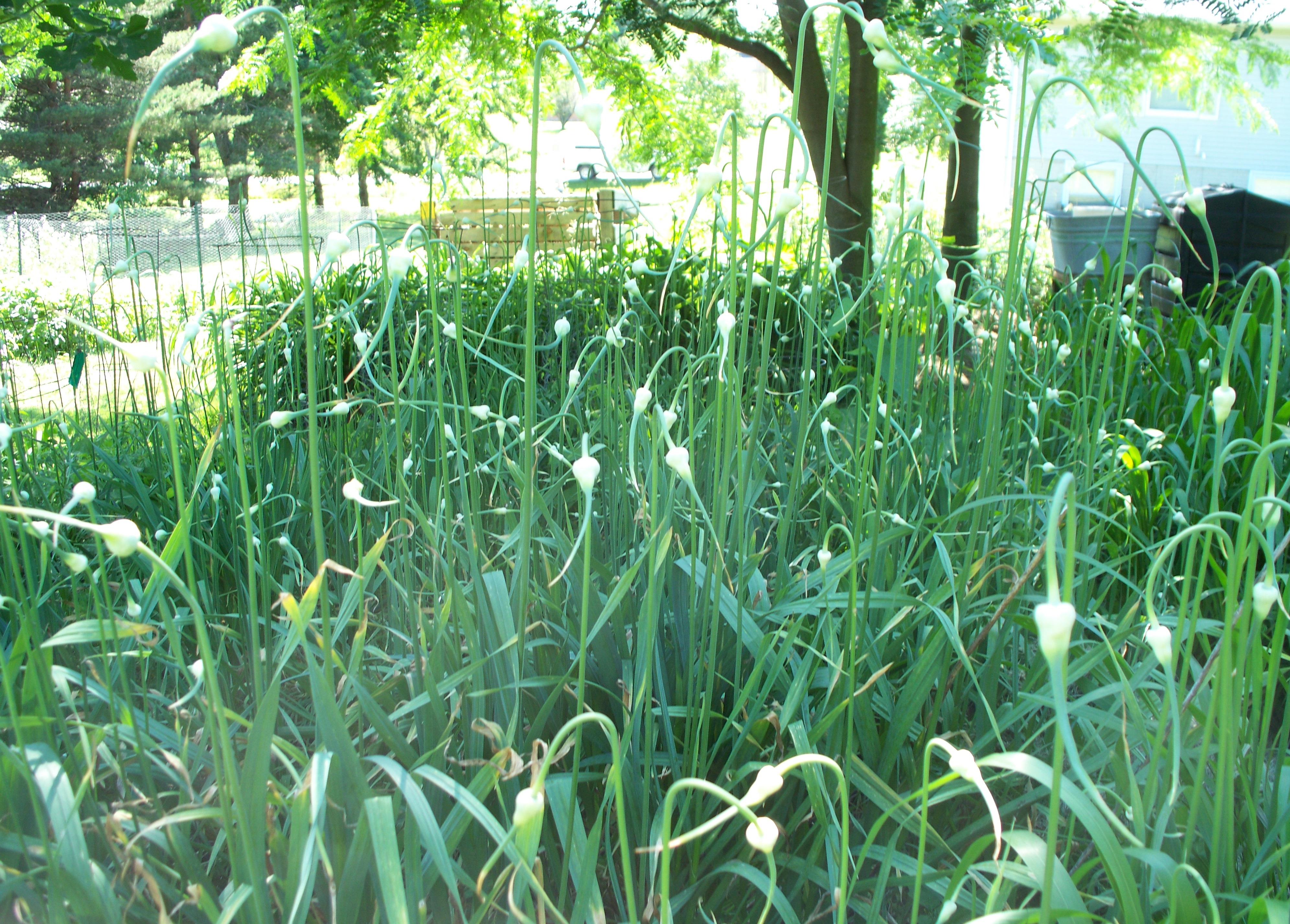
The ground is hard and dry in the garlic patch. I had no idea. My daily vegetable watering in mulched plots kept this knowledge from me. It feels like we are heading into another period of drought, even if the latest drought map shows we aren’t there yet.
To deal with the dry plot, a place I would like to get into production again, I plan to lay down a tarp, or heavy plastic to retain moisture, suppress weeds, and use as a storage area for excess fencing and other garden equipment I store outside. That will enable the mulching of the rest of the plot where they are presently stored. Over the years I imagined building a shed on the garlic plot, with a couple of solar collectors and a battery pack, but for now vegetable production will be the focus, hopefully next year.
The acorns planted in the garlic plot the year our daughter graduated high school have grown to be trees. Three of them. They are symbols of how life gets away from us. The shade has not helped the rest of the garden. One of them has a very straight trunk, and I plan to cut it down and make something from it. The other two should be transplanted to replace the green ash trees in front of the house, but who knows when that might get done.
My attempt at creating habitat in our yard has been successful, but not in a way I anticipated. A gray and white cat has taken up residence, and curls up and sleeps on the grass clippings among the tomato plants. It seemed loathe to move until I began watering.
A rabbit settled between the hot peppers and another tomato patch. It loves to eat clover, and yesterday I spotted it in the neighbor’s yard, since I cut all mine with the mower. This rabbit has survived longer than most do, and has not tried to get under the fencing protecting the vegetables.
There is a rodent living in the ditch in front of the house. It also travels among the lilac bushes and apple trees, leaving paths everywhere. It chewed one of the screens to the lower level of the house and then another. It is the most offensive of the yard residents, and seems to stay away from the cat, regrettably.
There are butterflies and bees; foxes and opossums; and birds of all kinds traveling through our yard. The squirrels come to visit when the acorns fall from the trees, and of course deer walk through almost nightly, chewing on what isn’t fenced away from them.
Our platted lot is teeming with life on any given day. We are happy for that, and try to encourage it as we can. It creates a sense of place in a turbulent world.
LAKE MACBRIDE— When the ditch in front of our house dried enough to run the lawn tractor through, it was a sign that dry conditions were returning to Big Grove. 140th Street remains flooded, but most of the other roads in the county are passable. After an exceptionally wet and pleasant spring and early summer, the hot, humid weather has returned and we need rain.
Forcing myself outside, away from kitchen work, I pulled weeds from very dry soil before the day got too hot. I watered the vegetables, hoping dew and rain later in the week will nourish them— will be watering again before nightfall.
Broccoli Closeup
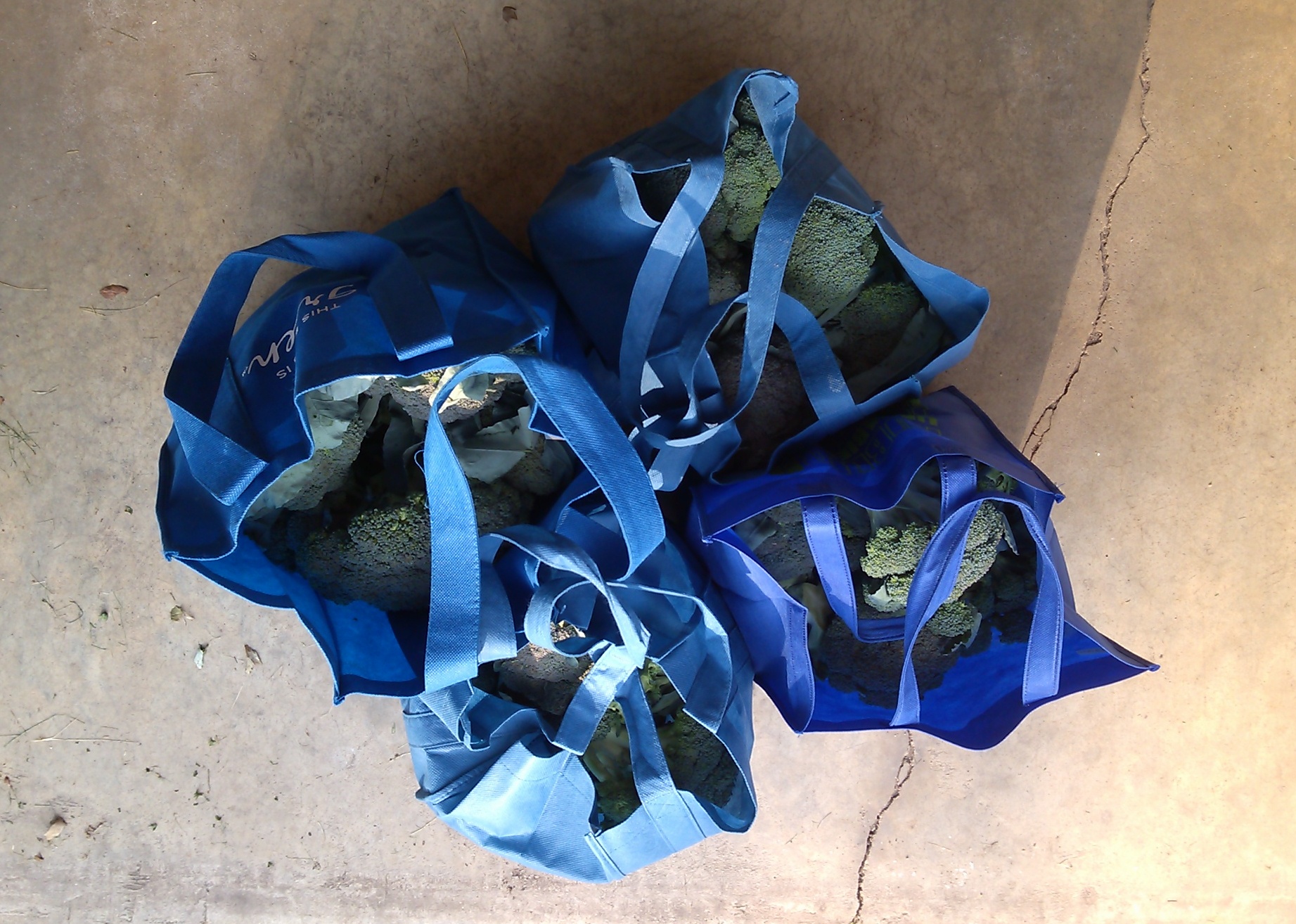
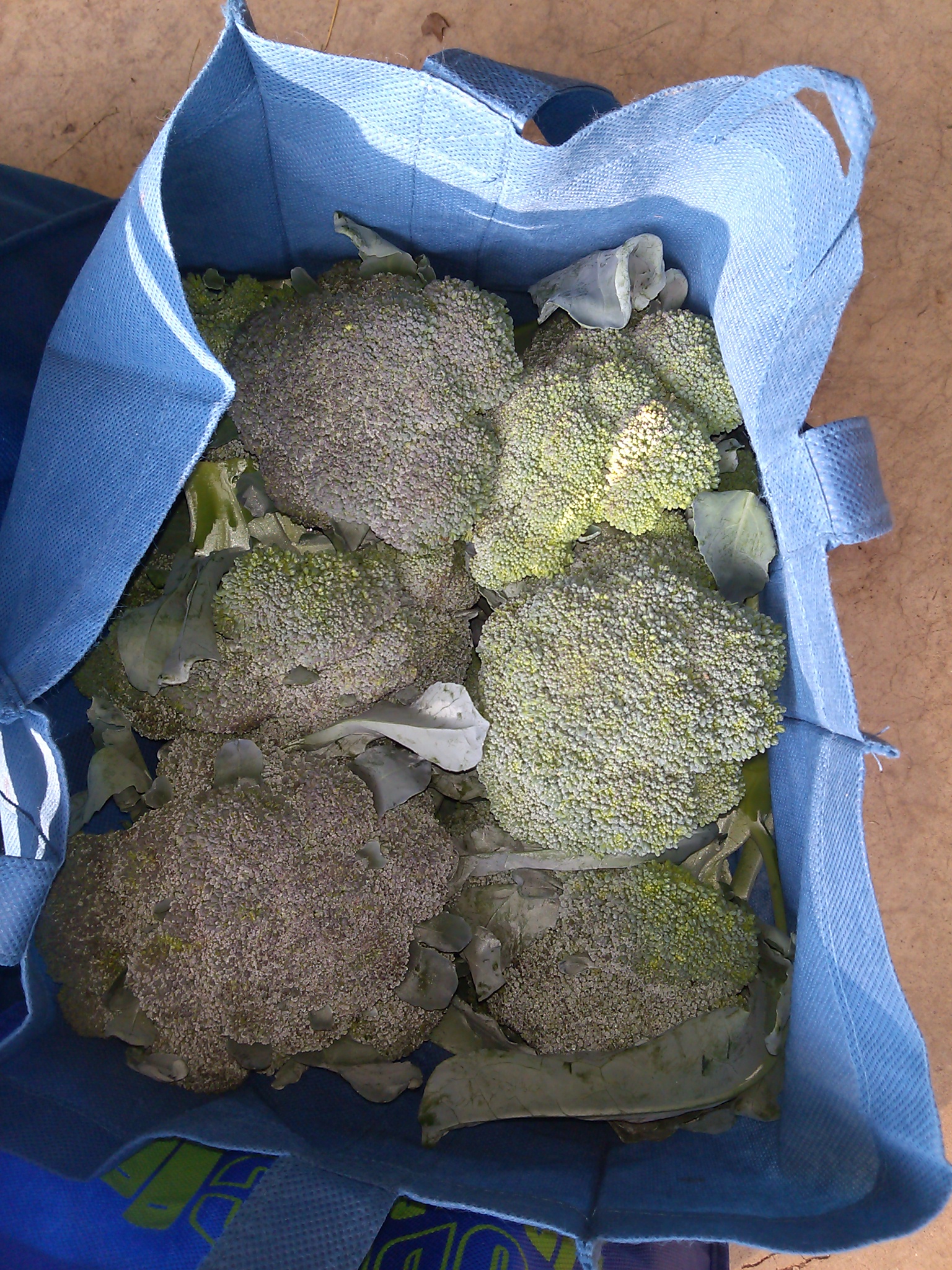
The last 24 hours has been what local food enthusiasts live for— securing broccoli for the winter, blanching and freezing it. It is work, with these outcomes: the best heads were kept fresh to cook later in the week; some of the best looking florets ever are processed and freezing; stems will be converted to soup, which then will be canned for later use; the freezer is getting a thorough cleaning of last year’s produce to make room, some of them going into the aforementioned soup; frozen rhubarb will be converted to sauce and canned; blueberries? Who knew?; and finally, vegetables that were frozen and are now coming in fresh will be composted.
Last night and today’s work is positive in so many ways.
That said, would it be better to buy frozen broccoli from the store during winter? When one lives close to the means of production, the answer is an emphatic no.
The weekly planning session from waking until 6 a.m. is critical for generating enough income to pay bills. At the same time, it enables dispersion of mental troubles— the same way night vapors become dew, and are burned off by sunlight. It would be an insane world without a plan.
That said, even the best planning fails to accommodate everything we need and want to do. Wants give way to needs, and only those needs critical to social and economic survival get a time slot on the Google calendar. While a popular belief is that we have leisure time and hobbies, in the work-a-day world of low wage labor, such things are best left to what Thorstein Veblen called the “leisure class.”
After breakfast of a three-egg omelet of local farm eggs and sharp cheddar cheese imported from England, a glass of Florida orange juice, and black coffee, it’s time to get after the week’s work.
LAKE MACBRIDE– It was so nice yesterday. I went for a walk in the state park and saw a Monarch butterfly on Milkweed.
Actually, the last couple of days have been a walking tour of my busy life, settling down from the caesura that is mid-year. A rest was not in the plans, but that’s what I got after the holiday weekend. Now I am invigorated. There is a lot to do.


 Journey Home
You must be logged in to post a comment.