Categories
Writing

Picking Public Photos

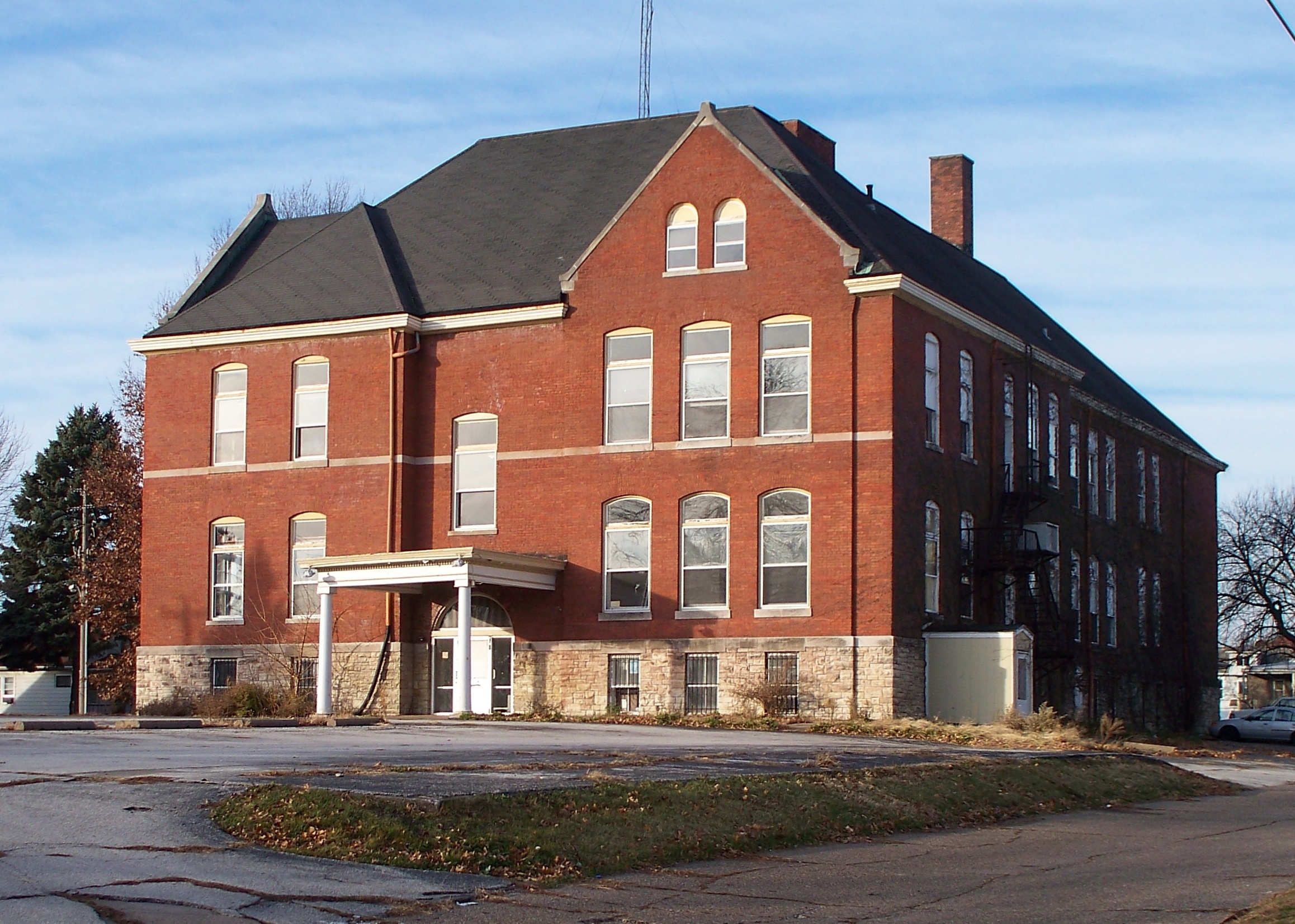
Jackson School building acquired by Holy Family Church for a first through eighth grade school in 1944. Photo by the author.

Yesterday I read a short book of photographs depicting a narrative of important events, people and things in the history of Davenport, Iowa. It covered a broad range of topics under the umbrella of the dominant white culture. It served its purpose, yet it wasn’t the best.

Davenport: Jewel of the Mississippi by David Collins, et. al., was published by Arcadia Publishing in 2000. It is one of a series of similar single-subject books made available at large, chain bookstores like Barnes and Noble, which may be where I bought it. Like many short books (128 pages) more is left out than included about the city.

The story is told in photo captions, so there is little detail. For example, there is a photo of Joe Whitty who founded Happy Joe’s Pizza and Ice Cream Parlor, which had hundreds of franchises in its best days. The caption doesn’t mention the name of his restaurant, relying on the reader’s knowledge to invoke that memory. If that’s all one knew about Joe Whitty, it would be fine. It makes a point in the narrative.

As with anything, personal memories are more important when writing autobiography. I remember when Joe Whitty and his family came to Davenport and rented a home two houses north of our family. He opened a bake shop at Mercy Hospital and became its dietary director, according to his obituary. I used to play with his eldest son, who assumed responsibility as president of the company for 39 years. I also know a franchisee who had multiple restaurants. There is a lot more to the story. Rather than reflect what the picture-book says is history, I should draw on my own experience in telling my story.

How does one use such a picture-book when writing autobiography?

If nothing else, reading the book created epiphanies about my life. The narrative is a certain kind of boosterism, highlighting things that may have been important to the authors. If I made a list of topics to cover from the book, they would be selected based on what memory I have of them. That could be useful.

For example, there are more photos of Bix Beiderbecke in the book than of any other person. He was born in Davenport and lived on Grande Avenue in early life. He became a world renown cornet player and died of pneumonia at age 28. In 1971, the Bix Beiderbecke Memorial Society was organized after a musical group from New Jersey came to see Beiderbecke’s birthplace and play music near his grave. Following that, the Davenport BixFest became an annual event in the band shell on the levee near the Mississippi River.

I have little interest in Bix boosterism. I attended the BixFest once or twice and ran multiple times in the Bix 7, which is a 7-mile foot race through Davenport that attracts some of the best runners in the world. Other connections include that the first thing I saw when emerging from the Paris Metro on the left bank in 1974 was a large poster of Beiderbecke. I also lived with one of my band mates on Walling Court near the Beiderbecke home. These stories, I believe, are more interesting than the broad cultural aspects of Bix commemoration. They are important to my autobiography.

Despite my dislike for the picture-book narrative, I plan to get a pad of Post-It Notes and annotate photos that prompt significant memories. I’ll pick a few people I knew — Rep. James Leach, Father James Conroy, and Mayor Kathryn Kirschbaum — and leave out more famous or special ones who had little connection to my life. There is no need to re-tell the story of Ronald Reagan living at the Vale Apartments and working at WOC Radio.

There are also plenty of important buildings among the photos. Places like the Lend-A-Hand Club, Sacred Heart Cathedral, and the Mississippi Hotel are all meaningful. I envision using them to evoke something in my narrative when needed.

I have two copies of the book, so I can write in the margins of the one used for research. I doubt I will. As curator of a several thousand book library, I resist writing in books. This project is more about me than the history the picture-book posits. I want to preserve the books in good condition as long as I own them.

It was a good day reading this book.

Categories
Writing

Local Institutions in 1951

Holy Family Catholic Church, Davenport, Iowa on July 28, 2013 – Wikimedia Commons.

When Mother brought me home from being born to Fillmore Street, the major institutions in our neighborhood – health care, church, and school – were well established.

On Dec. 7, 1869, the first patient was admitted to Mercy Hospital at Marquette and Lombard Streets, situated on what was then the outskirts of Davenport. The hospital had been home to the Academy of the Immaculate Conception of the Blessed Virgin Mary, established in 1859. Parents were unwilling to send students so far from the city center and the Academy moved. The property was placed on the market for sale, and then given to the Sisters of Mercy to start a hospital. Over the years there had been substantial expansion of the hospital.

Holy Family Catholic Church was established August 18, 1897 when the Diocese of Davenport, the Right Reverend Bishop Henry Cosgrove, appointed Father Loras J. Enright as pastor. Like Mercy Hospital, Holy Family was situated on the outskirts of Davenport, surrounded by farmland. Following is a lightly edited excerpt from the current church website:

In 1898, the first Holy Family Church was built. It almost immediately proved to be too small for the needs of the congregation. That same year, the present church building was begun. Its basement served as the church for almost 10 years. The entire church building was completed in 1909.

Before the turn of the century, the original church building was utilized as a two-room schoolhouse. It remained the education center of the parish until 1944 when the Right Reverend Monsignor T.V. Lawlor, Holy Family’s second pastor from 1943 until 1961, purchased the old Jackson public school for Holy Family students.

History of Holy Family Catholic Church website.

My maternal grandmother was a devout Catholic, despite being excommunicated. Her religion infused our home life before my brother and sister were born. The Sisters of Mercy and the relationship between the Catholic Church and early Davenport settlers provided an ever-present background to life in my hometown. Our family visited the cemetery on River Drive where 1873 cholera victims were buried in a mass grave. Sisters of Mercy tended the sick at the time in a makeshift hospital at a downtown warehouse. Antoine LeClaire’s grave marker is prominent near the entrance to Mount Calvary Cemetery where many of my family members are buried. In the mid-20th Century, there were multiple obvious connections to the city’s 19th Century foundations.

Categories
Living in Society

2022 In Review

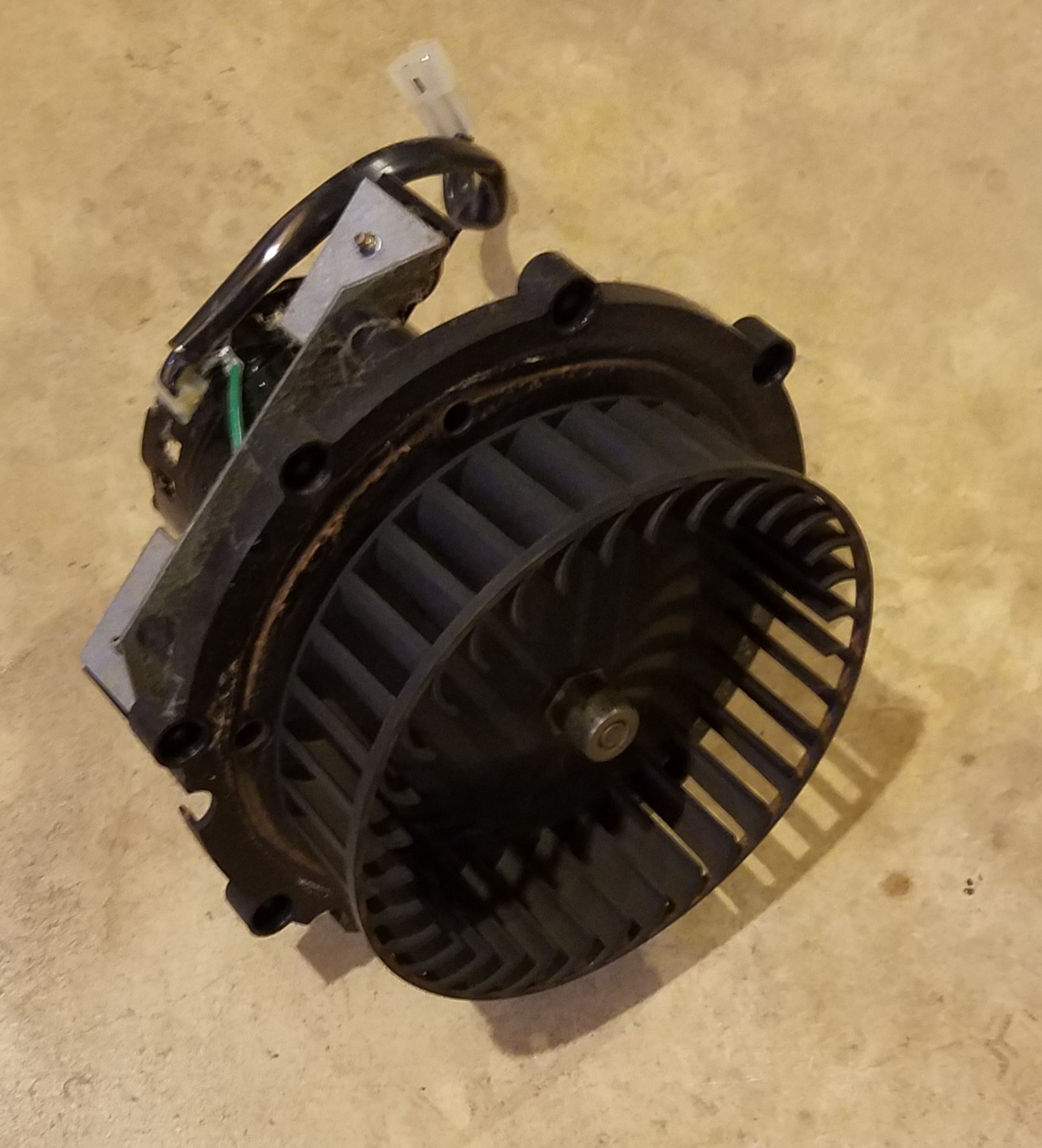
Broken furnace fan.

What did I do all year? I am at the point in retirement I had to look. One day blends into the next and I lose track of the calendar.

There is no ending the coronavirus pandemic. The governor extended the state’s Public Health Disaster Emergency Proclamation on Feb. 3, announcing it will expire at 11:59 p.m. on Tuesday, Feb. 15. After that, the coronavirus becomes normalized in daily, routine public health operations, she said. By declaring the pandemic normalized, the governor washed her hands of it. We are on our own. I still wear a protective KN-95 mask when among large groups of people, mostly when grocery shopping.

I got more involved with politics than I wanted to be. I volunteered to be an alternate member of the county central committee from our precinct. The two people who replaced me did not continue for another term so I’m back to being our single, main representative. I attended the county, district and state conventions, and participated in a number of events, phone calls and meetings for varied candidates. I worked as a poll watcher at the Big Grove Precinct polling place on election day. My main work of postcard-writing, door knocking, and events was for the Kevin Kinney campaign for state senator. I continued the long-standing personal tradition of stuffing envelopes, this time for the Christina Bohannan campaign. Politics beyond county offices was a bust this year.

Our last old automobile wore out. The 2002 Subaru broke some things for which we could not get new repair parts. It was a safety issue, so we donated it to Iowa Public Radio and bought a used 2019 Chevy Spark. I would have driven the old car for a while longer if we could have gotten parts. I like the new car’s fuel economy and tight turning radius.

In March, my sister-in-law moved to Des Moines for a new job. In July, our child moved to a new apartment in the Chicago area. We helped with both moves. That is a big task for septuagenarians yet we did the best we could. They appreciated the help.

We spent about $3,000 on “home operations.” About half of that was hiring a contractor to remove stumps and cut back our overgrown lilac bushes. The other big expense was repairing the yard tractor. All of the equipment I use around the house is getting old and in coming years will need repaired or replaced. Just this week we had to replace a fan in the furnace. After almost 30 years, it was developing the sound of failure.

I continue to serve on our home owners association board and as a sewer district trustee. I wanted to exit this work in June, yet there was no one to step up and do it. There is responsibility in complying with regulations pertaining to public water and sewer systems, so it is a non-trivial job. We do the best we can. I understand this water system management is part of living outside city limits and someone has to do the work.

Most of my time was spent writing, reading, cooking and gardening. I began devoting 30 minutes per day to downsizing some of our possessions. Am hoping slow and steady gets this done. I find going through and getting rid of belongings provides new energy for projects.

I seek opportunities to socialize and would do more if I could figure a way. Plain truth is once a person is “retired” they become less of a public entity and less important as younger folks assume responsibility in society. I’m okay with fading away once the need for my services ends. When it comes to community work, though, there may never be an end.

Coming out of the pandemic has been a long process yet that’s where we are. The last three years have been punk times. I’m ready for some new plans and fresh energy. I’m confident about finding both.

Categories
Writing

Main Pivots

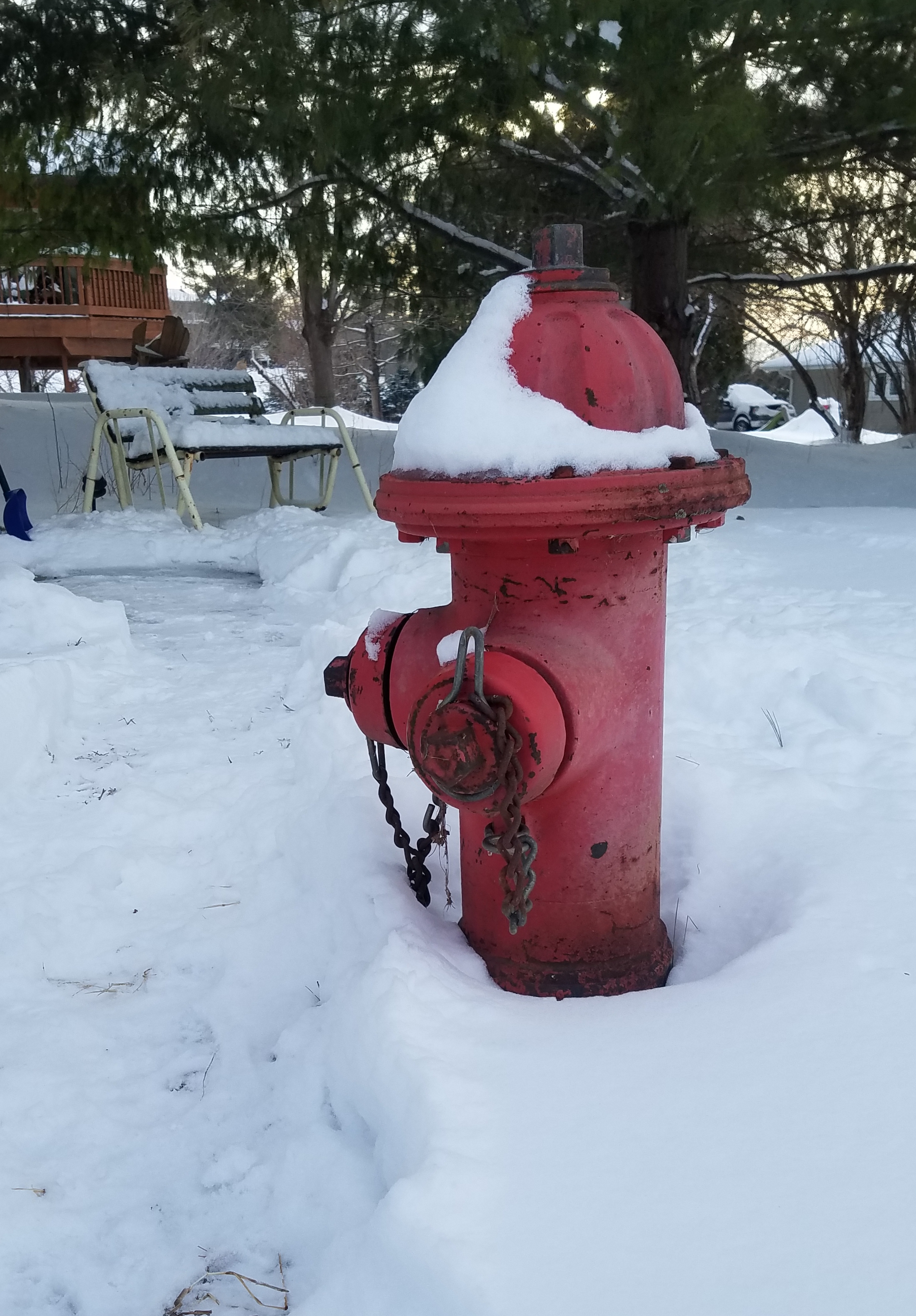
Fire hydrant at the village well.

Today is the third day of renewed effort on my autobiography. Since last winter, I lost my place. Searching for it led me down a different path, one of considering structure different from the chronological timeline I wrote last year. There are considerations.

The first part was written in chronological sequence, which is okay and will likely persist. I tell a story from history, memory, and a few artifacts from the first two decades of my life. This part of the writing was engaging. My parents and maternal grandparents did not tell a single narrative of how they came to be in the Quad Cities by 1950. My grandfather did not live there. I didn’t know my paternal grandparents who both died before I was born. Every tale about the past came in asynchronous short stories. The few times any longer narrative was woven, mostly in writing by Mother, it seemed imbued with interpretation rather than facts. If I pieced the stories together in a new narrative there would be significant gaps and flaws, both mine and theirs. Getting a chance to write my story may have biases, yet by making it mine, the narrative is more complete and satisfying.

As I begin the 2022-2023 winter writing project I need to finish the narrative I started, yet want to break it and present different threads going forward in time. There are natural breaks which I will call “pivot points.” A pivot point was a time when, in a specific place, I considered my options and made a decision about where I would take my life. Here is my current reckoning of these pivot points as I navigate through this winter’s writing.

Leaving Davenport

Most young people make a decision in high school whether to graduate and what to do next. This was complicated for me by the death of Father during my junior year. There was never a question about finishing high school. It was going to university that hung in the balance after he died.

I had begun to look at options my junior year and had discussions about them with Mother and Father. I was on a trajectory to attend University, yet Father’s death brought a pause in moving forward.

I remember the conversation with Mother clearly. It took place during daylight in the living room where she sat on the couch and I sat on the chair next to where we kept the telephone. I explained I was willing to give up university in order to stay in Davenport and help her get through the loss of Father. In no uncertain terms she told me to leave and I did.

Living at Five Points

Before I left for military service I put my belongings into storage. Some were at Mother’s house, some in storage with a moving company before the advent of commercial storage units, and I took a small amount of belongings with me based on a conversation with my Army recruiter. When I returned from Germany I got an apartment near Five Points in Davenport to figure things out. I reunited most of my belongings, including a considerable number of new ones brought back from Germany.

I reconnected with friends who stayed in Davenport. We had one of the few parties of my life at Five Points. I cooked a lasagna dinner on Nov. 25, 1979 and we sampled wine mostly from the Rheingau region of Germany where I lived. I was a terrible cook yet dinner was eaten. At the end of the evening, I cut up my military ID card recognizing it was the official last day of my active service. We toasted the event with shots of Jägermeister.

At Five Points I felt like youthful times were ending and weighed what to do next. I decided life in Davenport was not for me and that was that. I was eligible for the G.I. Bill, applied and was accepted to graduate school, and in Summer 1980, moved to Iowa City and never looked back to my home town.

Marriage

After finishing graduate school in May 1981 I went on a trip down south to visit friends from the military. I evaluated returning to military service and decided visiting those who stayed after their initial enlistment would give me an idea of what it was like. I drove my yellow Chevy pickup to Fort Benning, Georgia, Fort Rucker, Alabama, and then to Houston where I stayed with a buddy who went to work for Exxon Oil Company. After the trip, I decided to stay in Iowa City and find a job.

At 30 years old, I recognized that I hadn’t found a mate, and would be unlikely to do so unless I worked at it more than I did. Iowa City offered the best opportunity in the state for people like me, so I got an apartment on Market Street and found a job. It was a complicated time, yet one of the main decisions was to settle in and see if marriage would be possible. We married on Dec. 18, 1982. I remember being at the church like it was yesterday.

Empty Nest

When our child left home in 2007 for a year-long internship with the Walt Disney Company in Orlando it set things in motion to be who I am today. My interest in the paid work I had been doing since 1984 waned. I wanted more from life. With our child a two-day car trip from home, I began to look at options. On July 3, 2009 I left work for the transportation and logistics company that employed me for almost 25 years.

Transportation and logistics has been part of who I am from the time I got my first newspaper route in grade school until I left paid work at the home, farm and auto supply store permanently during the pandemic. The decision to end it as a career in 2009, while still young, was hard to make. I’m glad I did it. The company bought me one of those big sheet cakes and I brought cupcakes baked by a neighbor working from home the next day. I got a phone call from the owner, and looked around at what I helped build for the last time.

I remember sitting in the car in the parking lot after my shift. I sat for a while in that moment. I turned around and exited the parking lot the back way, an exit I had never before used. That pivot made the difference in who I am.

Hard to say if this is a final list of pivot points. As always, writing a post helps me formalize what had been vague notions floating through my consciousness for a while. Now I better figure out where I left off last winter.

Categories
Writing

Thanksgiving 2022

Peak migration. The noise of hundreds of waterfowl could be heard throughout the neighborhood. The big flock can be seen in the distance.

The lake is crowded with waterfowl stopping to rest during migration. We often take it for granted this exists, even if the noise of their gaggles can be heard inside our house. I saw them swimming during yesterday’s walk along the state park trail.

Today is Thanksgiving Day, a national holiday created by President Abraham Lincoln on Oct. 3, 1863 during the Civil War. He proclaimed,

I do therefore invite my fellow citizens in every part of the United States, …to set apart and observe the last Thursday of November next, as a day of Thanksgiving… And I recommend to them that while offering up the ascriptions justly due to Him …, they do also, with humble penitence for our national perverseness and disobedience, commend to his tender care all those who have become widows, orphans, mourners or sufferers in the lamentable civil strife in which we are unavoidably engaged, and fervently implore the interposition of the Almighty Hand to heal the wounds of the nation and to restore it as soon as may be consistent with Divine purposes to the full enjoyment of peace, harmony, tranquility and Union.

National Park Service website. Written by Secretary of State William Seward. Proclaimed by President Abraham Lincoln.

We Americans seem to be condemned to live in the shadow of the Civil War in perpetuity.

Today I am thankful for readership gained for my public writing. It is difficult to determine precise numbers because my main publication places here, on Blog for Iowa, and in a number of Iowa newspapers for whom I write letters to the editor and opinion pieces, each have quirks of reporting that obscure how many people saw my work. I do know 2022 was a good year for viewership.

Blog for Iowa

My most read post was a letter of support for Iowa gubernatorial candidate Deidre DeJear. It was the fourth most viewed post on the site this year. It was my effort to call attention to the race when most news outlets minimized her candidacy. A shorter version was published in the Des Moines Register.

Also popular was a post with Democrat Elle Wyant’s press release announcing her candidacy to represent House District 91 in the Iowa legislature. Her campaign benefited from the mention because there was so little information available from formal news outlets early in the campaign.

I published a series of posts about Carbon Capture and Sequestration in Iowa in 2021 and a couple of those posts did well again this year. It is a popular topic for our readers. New posts, cross-posting Sheri Deal-Tyne’s Physicians for Social Responsibility article on the subject, and my recent update were well-received.

Continuing my work with Thom Hartmann’s publisher, I reviewed two of his books this year, The Hidden History of Big Brother in America and The Hidden History of Neoliberalism. I also interviewed Hartmann and posted the audio recording.

In 2022, I posted 34 times at Blog for Iowa.

Newspapers

I lost count of how many times my letters and opinion pieces were published in Iowa newspapers this year. The Quad City Times has daily circulation averaging 54,000 so when I published there, the reach was the greatest. The next most significant places were in the Cedar Rapids Gazette (my local daily newspaper) and Des Moines Register which each have average daily circulation of about 33,000. The other newspapers are important to my work, yet less in reach.

Publishing a letter in the newspaper is a tribal affair. From time to time people reached out via email to complain to or compliment me. When we write in public, we take what we get. Most telling is when I am with people in real life. I get comments, mostly positive, about them seeing my letters. I usually thank them and suggest they could also write a letter. I make it a practice of posting a version of my letters on this blog as a way to be sure I save a copy.

The most important letter I wrote may be to the Des Moines Register, titled, “The Second Amendment is not Good Enough for Republicans.” It was about the public measure to enshrine strict scrutiny into the Iowa Constitution and have an impact on law-making about gun control. I opposed it, yet it passed.

Journey Home

Journey Home is my home base where I post daily when I have a topic. My most popular posts this year, in descending order by number of views, were,

With Thanksgiving comes awareness that winter is approaching. This winter will be the second where the majority of my writing goes off line and into my autobiography. I am thankful to have had a life worth living and to be passing my stories along to our child. I’m almost ready to go.

Reflection about what we are doing comes naturally at Thanksgiving. It is something I’ve done since before leaving home in 1970. I don’t know what the new year will bring except for hope. We should hold hope close and go on living.

Categories
Writing

Toward a Productive Winter

Migratory birds on Lake Macbride.

On Monday I created a Mastodon account on the epicure.social server. It is a small space on the internet and one never knows if “small” will survive. I don’t plan to leave Twitter until the bitter end or when I croak, whichever comes first. Mastodon is my insurance policy, a place to go if I need one. If the server fails, I can move to another Mastodon server. Having networked multiple servers is a feature of Mastodon.

Christopher Bouzy, creator of BotSentinal.com posted, “Twitter will not be relevant two years from now. No platform can survive catering to one group of people, and once journalists migrate to another platform, Twitter is done. And if you think it won’t happen, ask MySpace how things are going.” Bouzy is not wrong, although he has an interest in starting a Twitter substitute platform and therefore is biased.

In any case, there seems to be significantly less Twitter traffic in my timeline. The same is true for other social media platforms I follow. People just are not feeling it right now. This is good for productivity as I move indoors. Fewer distractions facilitate a more rapid growth toward a solid 4-5 hour daily shift of writing.

Ambient temperatures are forecast to reach the low 50s this afternoon. I scheduled a walk along the lake trail. Getting enough exercise is a winter issue, especially once snow flies. I take advantage of every opportunity to exercise that presents itself.

As time moves toward winter, how we spend it changes. With thoughtful planning we can be productive and perhaps useful to others. Productivity is what I most hope for between now and the end of the year. With hope comes value in society. That’s something we need now more than ever.

Categories
Writing

Cold Weather is Here

Cold weather set in.

Since ambient temperatures dropped below freezing, I haven’t left the house very much. I’ve been reading, writing, cooking, and working on a few small projects. I wasn’t ready to bunker in.

I gave up on picking up more garden mulch with the mower. I disassembled the grass catcher and put it in place on the shelf. I also moved the electric snow blower closer to the garage door. With the subcompact Chevy Spark there is a lot more room in the garage. Step by step, I’m getting organized.

The small ceramic heater running next to my chair is doing the job of keeping my writing room warm. I hung a blanket on the door to retain heat, and that is doing its job as well. Now it’s time for me to do my job of writing.

Where does my writing get noticed? When I post on Twitter, the response can be huge. Yesterday I posted,

Thus far there have been 3,872 impressions and 154 engagements. That is a lot.

When I post on Blog for Iowa, it garners many more views than here. Before the midterms I posted about Iowa Democratic gubernatorial candidate Deidre DeJear and the post got 507 views. That, too, is a lot.

Year to date this site got about 8,000 views, with the leading sources being search engines and the WordPress Reader. Thanks so much WordPress community for following me.

Now that cold weather is here, my in-person contact with humans reduced noticeably. I don’t like it, yet here we are. Hopefully my writing will improve and bring with it better cooking, reading, and a cleaner, more organized home. Despite the calendar suggestion we have another month of Autumn, it feels like winter is here.

Categories
Writing

Front Moving In

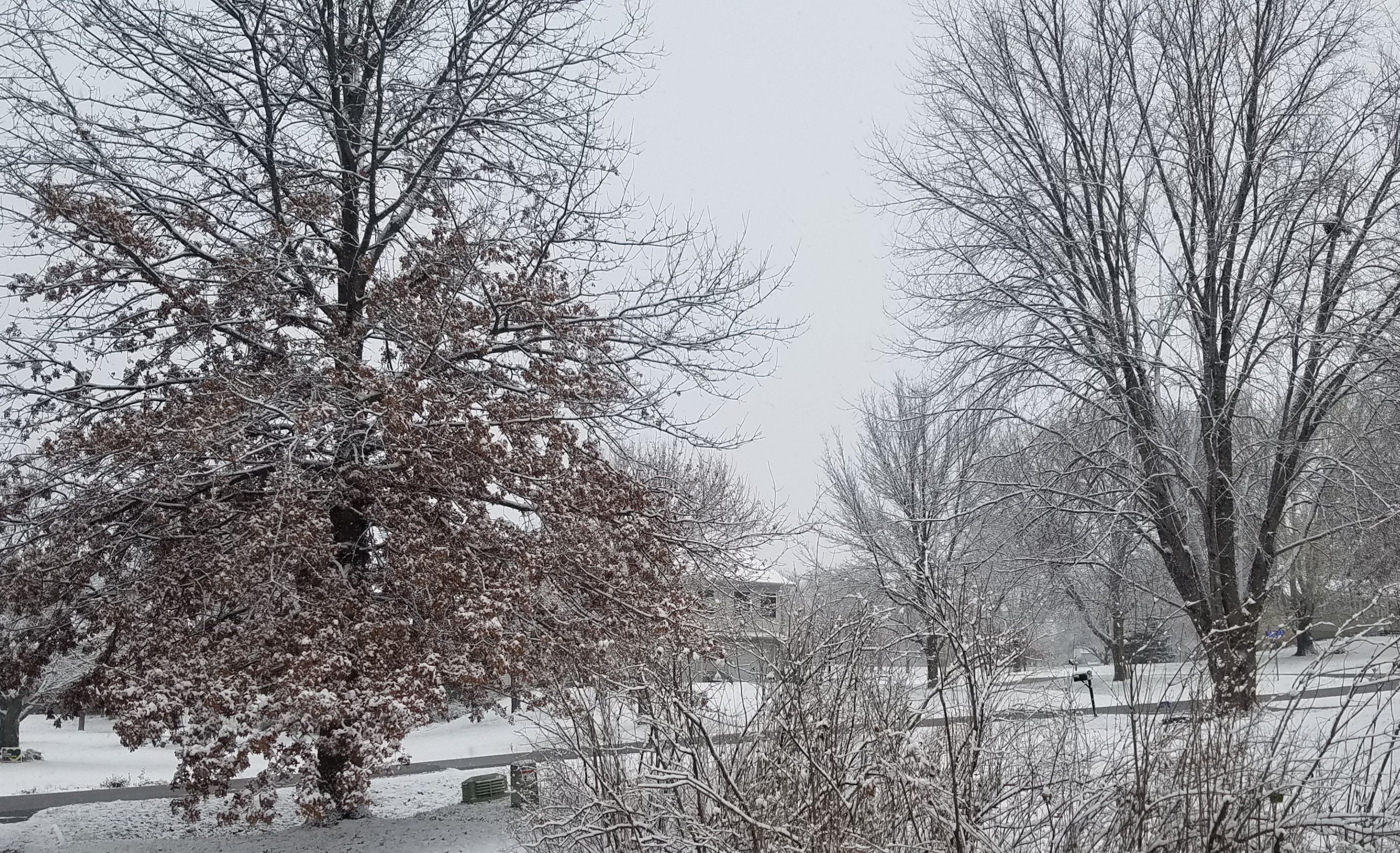
Front moving in on Nov. 4, 2022.

The dry spell broke yesterday with an inch of rain. It’s not enough to slake our thirst, yet was welcome. I got a walk in before it started.

On the final weekend before the midterm election I’m already thinking beyond it. Democrats have a chance in some of the races, so seeing how the statewide effort concludes is paramount. After that, it’s back to writing.

My blog posts are more first draft than polished pieces. I find myself editing them for the 24 hours following when a post goes live. With autobiography there are significantly more edits and rewrites. It takes a different frame of mind and results in a better final product.

Writing a chapter of autobiography begins the same way as short form writing, by getting a story down on a document, usually on the computer. During edits, true idea development occurs. Both my understanding of the subject and the narrative improves as a result of each rewrite.

This winter’s writing session will include reading what I’ve written thus far. I won’t get bogged down in rewrites at this time. I want to tackle the next sections which include time at university, a trip to Europe, military service and graduate school (1970 – 1981). Part of this period is reckoning with my home city and making the decision to leave permanently. It was one of the richest times and is well documented in journals and papers. Because of increased historical record, there is more research and work to do finding everything and pulling it together.

I just finished reading Alice Wong’s memoir Year of the Tiger: An Activist’s Life. It is the sixth memoir or autobiography I read this year and by far the most engaging. The reason is the subject of a disabled person’s life is so different from mine. The use of fragments of edited previous writing and essays is an issue I’ve been dealing with in my autobiography. Should such texts be included unedited, or edited for clarity? It was useful to see how Wong handled it.

It does not seem necessary to present a single narrative in chronological order, hanging details of my life on a timeline like one would decorate a Christmas tree. At the same time, that narrative technique seems important during the period leading up to my leaving home in 1970. It continues to be needed until I finished graduate school, which marked the end of my formal, youthful experience and education. After that there are diverging threads (marriage, fatherhood, work, politics, creativity, and living in society for starters), too many to attempt to tie together in a single chronology. They all proceed from 1981 until the present.

Another thing is I don’t want to write that much about people still living, especially family. Each person’s memories are different with different emphasis. Sorting that out in a memoir doesn’t seem important. While I will write descriptions of specific events, I seek perspective, not truth.

Rain is forecast until I begin my shift of political canvassing this afternoon. I’m not sure how to dress. I know I’ll be thinking about writing while walking from door to door.

Categories
Sustainability

Autumn Days

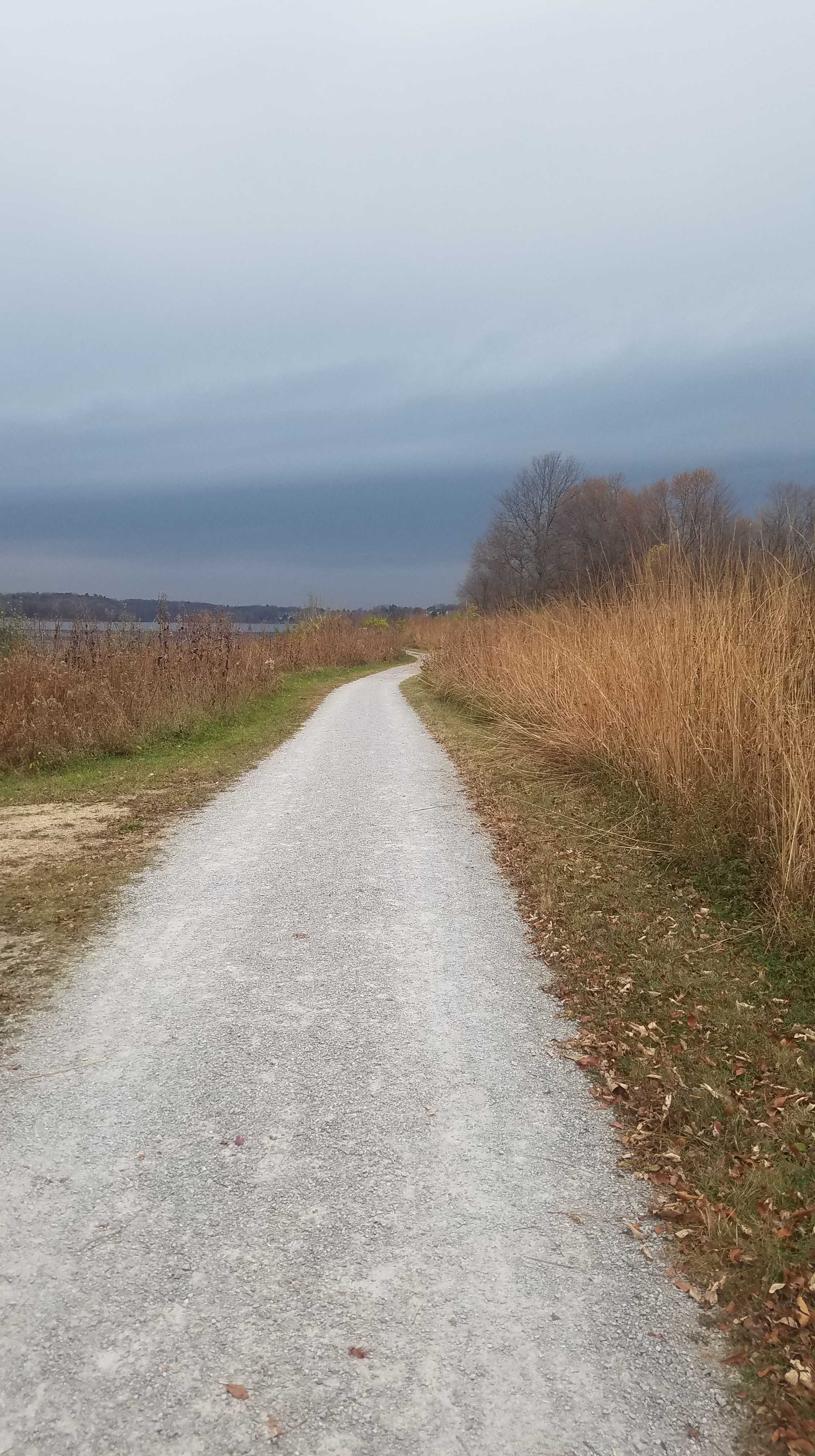
Autumn morning at Lake Macbride.

I drove across the Iowa hinterland on Saturday. Soybeans look to be harvested with corn not far behind. With dry ground, minimal wind, and cool temperatures, it was as good as it gets for a row crop harvest. Dozens of tractors, combines and grain wagons were deployed across the autumn landscape.

The trip took longer than expected because I stopped three times to check in with a political organizer. I had been done with door-to-door canvassing after the Hillary Clinton campaign, yet I’m working a couple of shifts this cycle because I feel it is needed. The organizer said he expected a lot of people to help this weekend. I’m going out this afternoon.

I have a bag full of cowboy cards to take along. Most candidates running in our district are in there. A door-knocker gets only a couple of sentences at each door. One of them is encouragement to vote on or before Nov. 8. This is paramount. Whether they will is uncertain, yet it is the best we can do in a free, midterm election.

Nine days remain before election day. Already I’ve turned to what will be next. On autumn days one thinks about the future. In a fleeting few days we will try to do something about the future by electing candidates who will pursue what is right for our community. Whatever the outcome, there will be life after the election.

The better question is whether it will be a better life. During this autumn day it is an open question.

Categories
Living in Society

Twitter Take Two

One day after Elon Musk acquired Twitter I protected my tweets. For the uninitiated, that means only people who follow me can see them. I cut back on posting as well.

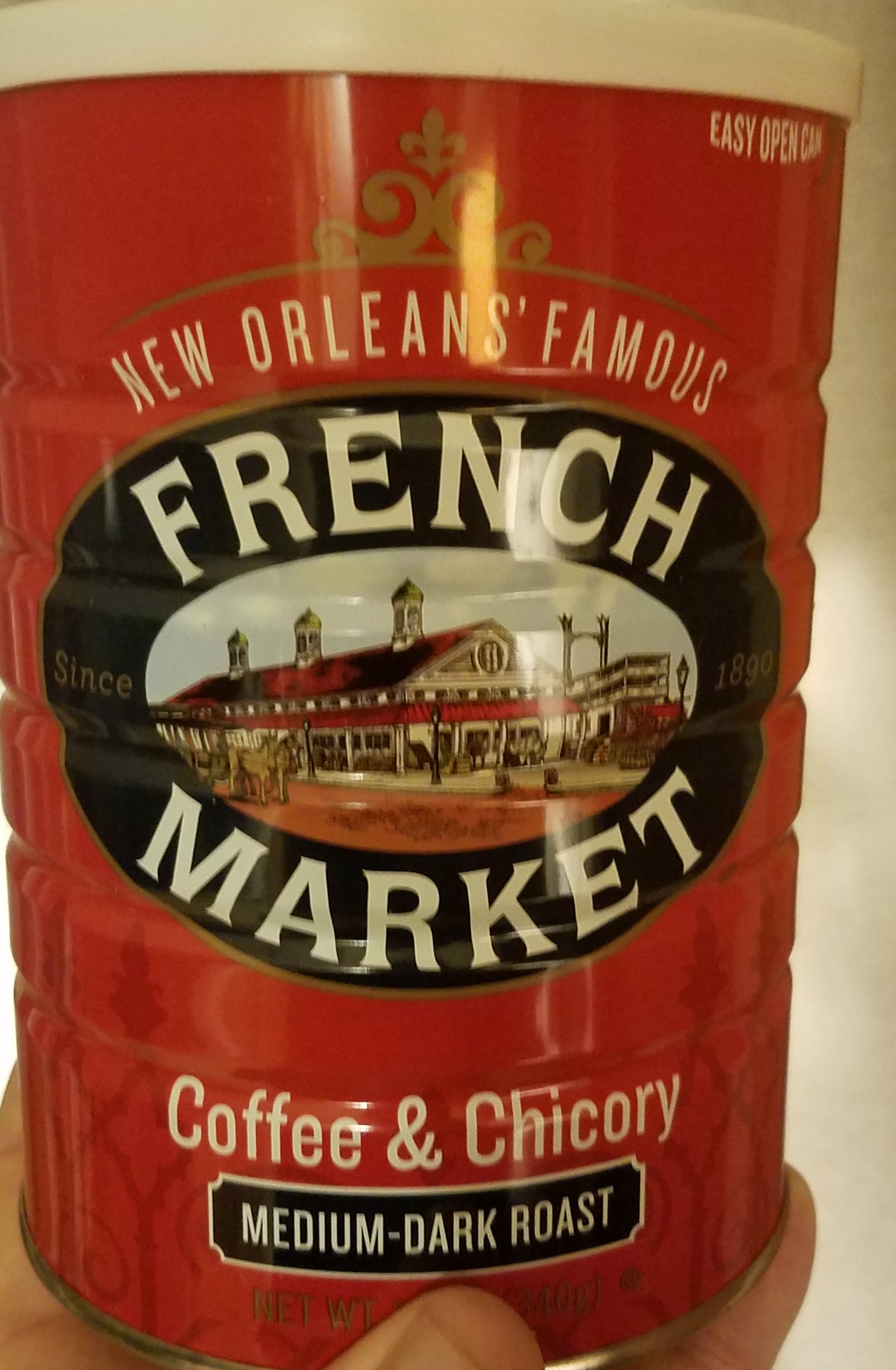
Two days afterward, I opened this can of coffee and chicory to make a pot. The coffee reminds me of a trip to New Orleans where I had some with beignets at the French Market Cafe du Monde. After Katrina, it reminds me of the peril of living close to the mouth of the Mississippi River. Happy times a plenty, yet the brass band is always on standby for a funeral procession. Today is a Saturday tinged with sadness for more important reasons than who owns Twitter.

I began blogging in 2007 and created a writing process that includes blogging and social media. Twitter has become an important medium for my writing as 12 percent of my blog views this year came from their website. The 63,000 tweets I’ve written since joining in 2008 have taken time and thoughtful consideration. The years have been a process of learning how to write in public. I summarized it in a note to Donald Kaul’s last publisher after he had a heart attack.

How oligarchs and big money impact social media was in the background until now. After Musk’s acquisition of Twitter, the process to which I referred in this note needs re-engineering. It needs distancing from social media. My writing needs protection from the vicissitudes of oligarchs. It means breaking the comfort of patterns developed over many years. That period began specifically on Nov. 10, 2007 with my first blog post. The new period has arrived as I take up my autobiography again this fall. Let’s say it began on Oct. 27, 2022.

What about the friendships developed on Twitter? A few in my circle are unique to Twitter. I know and have had social relationships outside the platform with more than half of the 177 people I follow. I would miss those interactions, even if from time to time they make me mad. They are the strongest case for preserving my Twitter account. I may yet do that, but not before the post-acquisition period plays out.

There are complications. I’m reading Alice Wong’s memoir Year of the Tiger: An Activist’s Life. Wong has muscular dystrophy and despite being disabled by it has written an eye-opening book, which I recommend. In it she writes how Twitter enables disabled persons to participate in social activism in a way they couldn’t if it didn’t exist. We should be building people up, not tearing them down. If Musk and his investors are unsuccessful in producing the amount of revenue he wants from the platform through ownership, that could lead to something terrible regarding the disabled community. The complications are complex when we consider how many users exist and the many things it means in their lives.

I’ve been encouraged to wait the transition out. I’m in no hurry to go dark on Twitter yet accept that as a possible outcome. In the meanwhile, I’ll post less and lurk, waiting to see what happens. I have plenty of writing and reading to do offline.