Categories
Home Life Kitchen Garden

Buttermilk Biscuits

Buttermilk Buscuits
Buttermilk Biscuits

Here is a new recipe for buttermilk biscuits. It produces a light biscuit with a crunchy exterior, and uses one-half pint of buttermilk, which is the smallest size sold in grocery stores.

Ingredients:

2 cups flour
4 tsp baking powder
1/4 tsp baking soda
Scant teaspoon salt
4 tbs cold butter, grated
1 cup cold buttermilk

Preheat the oven to 450 degrees.

Combine the dry ingredients in a mixing bowl, grating the butter directly into the dry ingredients using a box grater or equivalent. Using your fingertips, mix the butter into the flour. Don’t over-do it. Add buttermilk and make a dough, which will be sticky.

Turn the dough onto a floured surface and fold in half 8-10 times. This action causes the biscuits to be flaky and separate along the ghost of the fold after baking. Press the dough into a one inch thick slab. Cut with a 2-1/2 inch biscuit cutter and place on a baking sheet.

Bake until the biscuits rise and are lightly browned on top, about 14-15 minutes.

Categories
Kitchen Garden

My Vegetable Life

Dandelion Greens
Dandelion Greens

LAKE MACBRIDE— For the first time in a few days, the concrete driveway was dry when the sun came up this morning. Temperatures are in the mid-30s presently, with a forecast of snow and/or rain, and a high of 43 degrees today. No planting in the garden for now.

I failed to notice the dandelion greens while shooting the photo of the culvert at the end of our driveway. They are at a stage ready for salads and cooking. The wreck that was the contractor ditch work last fall yielded something positive, at least in a culinary way. When the rain abates, I’ll repair the ditch damage, but today will be harvesting the greens. There is a yellow squash from the grocery store in the kitchen, so maybe a side dish of squash sauteed in olive oil, with onions and dandelion greens. Mmm.

My work at the CSA earns me a share of the vegetable harvest, so we should have enough vegetables to use fresh once the shares start coming in. Likewise, my relationships with other growers, combined with our home garden should yield enough to put up some items for winter. I have been avoiding this planning of the garden for too long.

Garden Seedlings
Garden Seedlings

Immersion in the local food producing culture means my focus in the home garden can be on a smaller number of vegetables. Items like kohlrabi, cabbage, potatoes, sweet corn and fresh tomatoes can be outsourced to others who will provide them in abundance as part of the normal process. My space can be used for items that more closely integrate into our garden kitchen, which serves two purposes, cooking fresh and local ingredients, and putting up vegetables as specialty items for off-season.

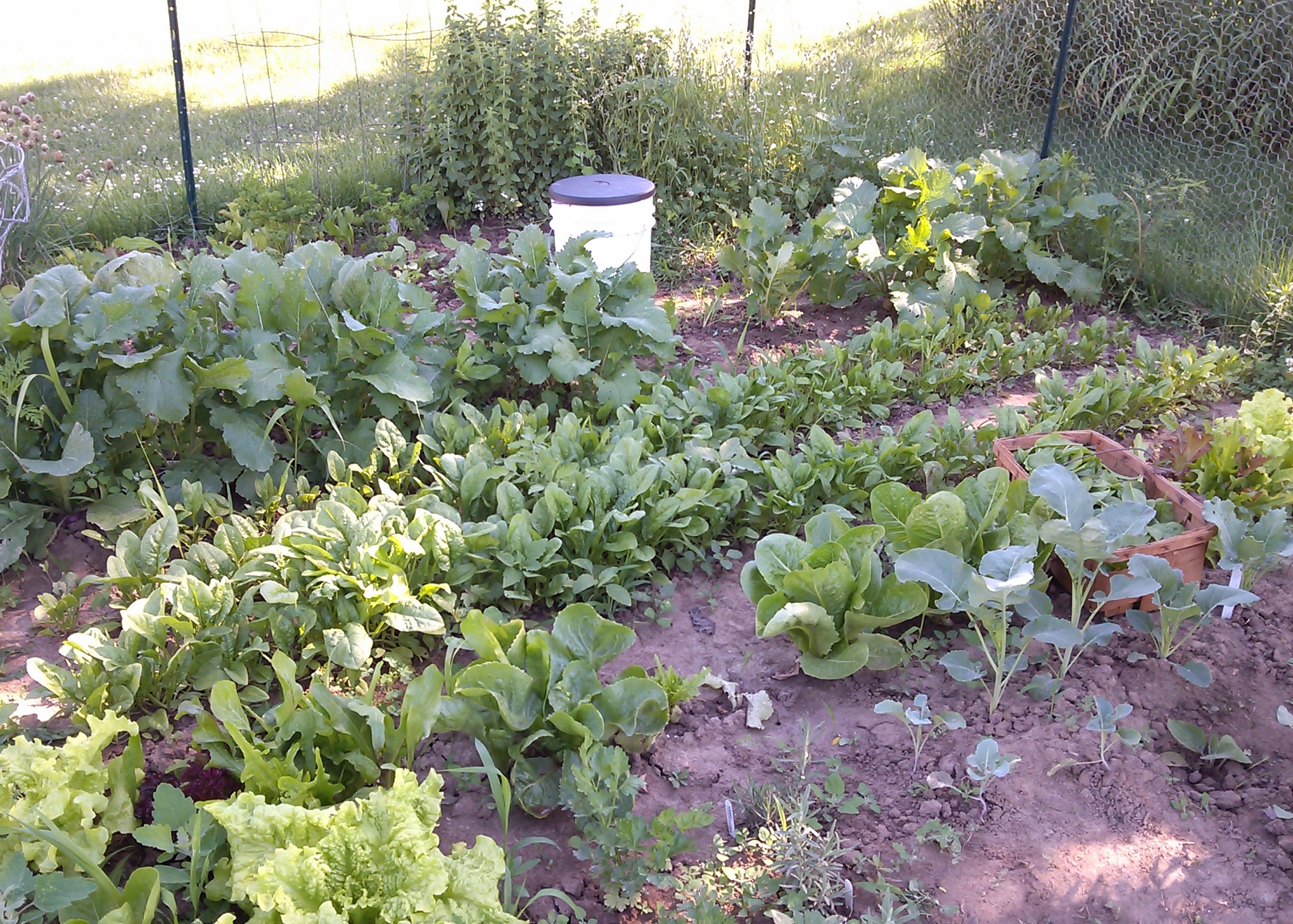
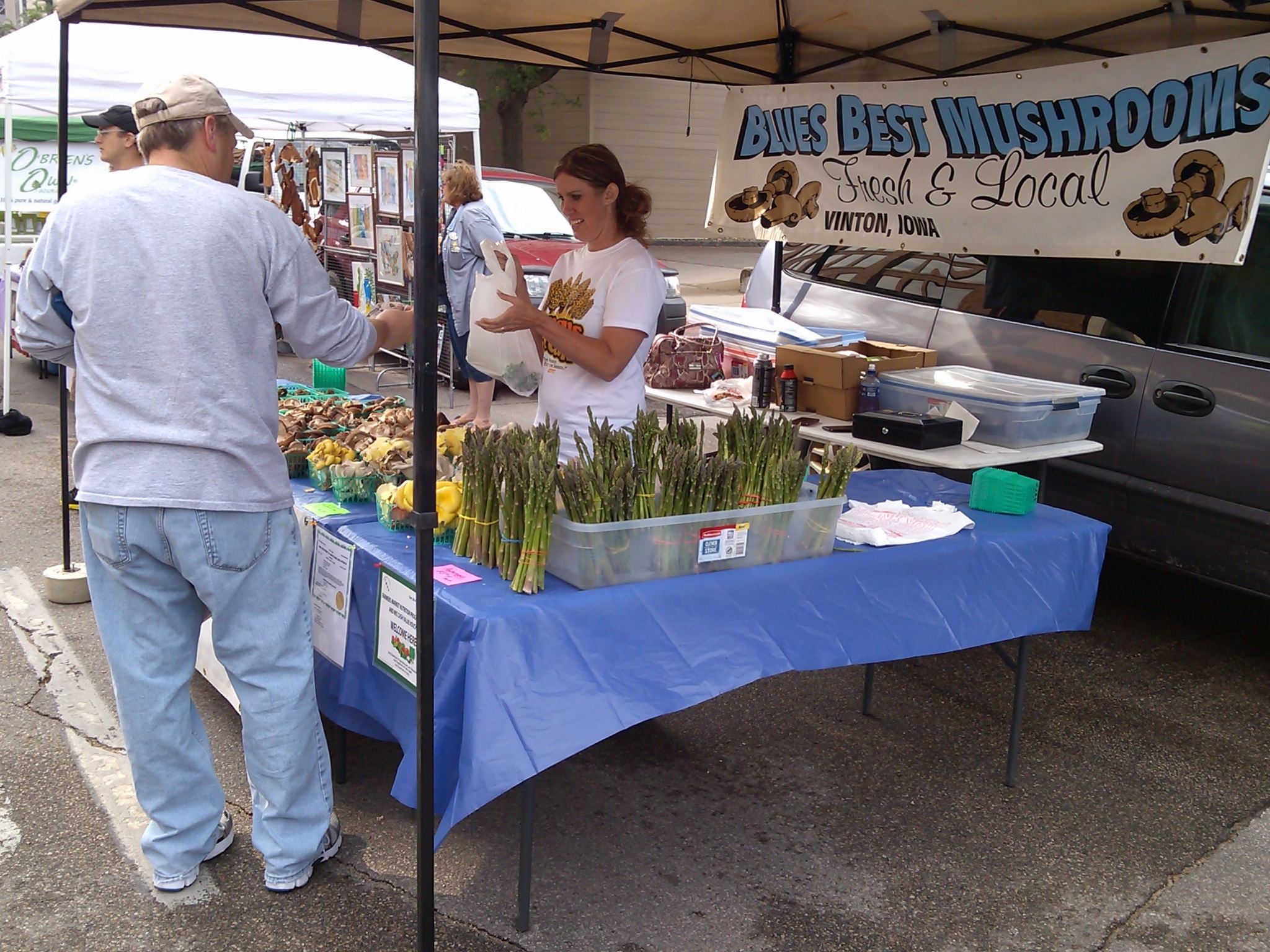
In practical terms, this means an expanded herb garden, more leafy greens, different kinds of tomatoes (the CSA will provide heirloom and Roma), and more onions, turnips, broccoli, bell peppers, cucumbers and squash. I will also plant some different kinds of hot peppers. The intention is to use all of this fresh, with some of the spinach leaves frozen whole, and any excess either given away or sold at a farmers market.

On my canning repertory is: vegetarian soup stock (using turnip greens, and the green parts of leeks if I have them), various tomato products (diced, juice, sauce), an annual garden ends salsa (sweet and savory types), sauerkraut, pickled hot peppers, apples (sauce, butter, juice), and some other items. Notably absent is pickles, and I have not found a recipe we like. Whatever I grow in my garden plots will also support the canning effort.

Under overcast skies, there are greens to harvest, and much more planning to get done before spring bursts on the scene— which should be soon (we hope).

Categories
Kitchen Garden

Buds Everywhere

Fallen Maple Tree Buds

LAKE MACBRIDE— After the gully-washer yesterday, one noticed the buds of trees and bushes coming out. Lilacs, maple, oak, apple, pear— all of them. Spring has been here by the calendar, but these buds are a better sign of the season’s actuality.

At the same time, gardeners and vegetable farmers are itching to get into the ground, but debating whether it is warm enough to transfer from the greenhouse to the hoop house. It’s still too cold and wet to put much in  the ground.

A few earlies are in, spinach, and broadcast lettuce and arugula, and there are considerations. Should we skip spring turnips and peas, and get into the soil with transplants from the greenhouse trays instead. That is, when the danger of frost is past.

Someone received a shipment of chicks and is working to keep them warm in the garage. Hundreds of pounds of seed potatoes await planting, something that is traditionally done much earlier in the spring. It’s warm in the greenhouse, but seeds planted six weeks ago are past time for planting in the ground. There is a backlog of field work that will burst upon us, just as the buds on the trees and bushes are doing now.

There is a pent up energy soon to be unleashed in gardens and fields everywhere. If only we could get going. The time is not yet right.

Categories
Kitchen Garden Writing

Thunderstorm at the Farm

RURAL CEDAR TOWNSHIP— It was raining on me while I was unloading large bags of soil mix near the greenhouse when the phone in my back pocket rang. They were calling from the house to tell me that with all of the thunder and lightning, it wasn’t safe for me to be working outside. I should come to the house.

The severe weather warning on the country music radio station reported hail and rain to be worst in Kalona, Frytown, Washington and the southwest corner of Johnson County. It was heading our way. I figured we would be safe in the greenhouse, but unloaded the rest of the bags, parked my car and headed inside with to wait out the storm with the rest of the crew.

In the country, a thunderstorm can be perceived as a massive formation of clouds stretching from horizon to horizon, covering us like a large bowl. It is a perspective one can’t get within in a large cluster of homes, or in town. A sense that the storm has its own integrity, producing rain, lightning and thunder— a dominant force of nature— a commanding presence that covers us. One shouldn’t argue with that, however much confidence we have in our own endurance. There was fresh coffee and apple pie inside— and conversation. We re-scheduled the crew for tomorrow.

It was a gully washer. When we built our home, the construction project leader, who was a retired farmer, cut a number of swales in the slope around our house with a 1949 Ford tractor. When it really rains, we can see Lyle’s handiwork all around us, as the swales fill with water and our basement stays dry. The rain flows around us to the ditch and lake below us.

The rain continued into the early afternoon. The ground needs the moisture, and we need protection from the lightning. It would be better if the planting was done, but that is not how this growing season is unfolding.

Categories
Kitchen Garden

Gardener’s Bucket List

LAKE MACBRIDE— A gardener cultivates and on most days that is enough. Whatever to-do lists he or she creates are eminently do-able, and require little more than human energy leveraging nature and selected tools on a plot of ground that is hopefully in close proximity to a kitchen.

Recently, there has been talk of bucket lists— a list of things to do before one kicks the bucket. The phrase has become part of the vernacular. “It’s on my bucket list,” said a person making a trip to China to give a lecture. Since we don’t know when we will die, such lists seem an odd endeavor.

As if a consumer, unsatisfied by an urban lifestyle, must escape— to backpack in Patagonia, view a pod of whales in the Pacific Ocean, or walk on a remnant of the Appian Way— only to return and report on the progress to friends and family. Checking things off the bucket list seems key to the enterprise.

Gardeners get along without this. There is always something to do in a garden, a weed to be pulled, a pest to be removed, ripe fruit and vegetables to be picked, a new plot to be spaded and planted. A constant renewal of life in many forms. A gardener turns nature to useful advantage and produces crops over a long season, such work being its own reward. During good seasons, the work absorbs a gardener’s attention and energy completely, producing abundance.

Bucket lists are bothersome. It has to do with cognition and how we define what might go on the list. The world and society become a big shopping mall where we select our items and venture out. Sometimes finding what we want, sometimes finding something different and better, and always, crossing what we find off the list. Compared to gardening, the process lacks imagination.

The gardener must see the potential for life in each tiny seed. She sees the delicate balance of growing seeds to seedlings to mature plants. He must determine what combination of morning dew, rainfall and irrigation will encourage the plants to grow. Answer the question, how shall the garden be protected from deer, raccoons, rodents and insects? It seems more complicated than writing “experience Maris Gras” on a list, then traveling to New Orleans for the event. Gardening also seems more enriching.

The idea of kicking the bucket doesn’t cross my mind while working in the garden. The time is too full of life’s potential, new growth, new hope, and a diversity of nature that I don’t claim to understand, as much as I try. We will all die, but why focus on that? Instead, let’s focus on living this season as best we can, finding awe and wonder in every plant in creation, and take the harvest given. There is no good reason to stop living to work on a bucket list, when gardening can be a better reward.

Categories
Home Life Kitchen Garden

Wisps of Morning Clouds

LAKE MACBRIDE— Wisps of clouds in the western sky are colored gray and pink, touched by white, against a blue sky. The leaves on the pin oak tree are falling, making way for this year’s growth. The lilac bushes, apple trees and every other plant in the yard are coming alive after winter dormancy. The driveway is damp with last night’s rain, and there is hope the garden will dry out enough to dig today. Not much hope, but some.

The temperature is forecast to peak at 55 degrees when I have to depart to cross the lakes to North Liberty around 3 p.m. In these windows of time— between now, and the next thing— we might make a life if we apply ourselves.

The cucumber, zucchini and yellow squash seeds I planted April 7 have germinated and are forming their initial two leaves. The tray of lettuce has grown, and the tomato seeds are still a bit spindly, but for the most part have four leaves, and should be ready to plant when the last frost is past. The experiment with seedlings is progressing acceptably.

After consulting with a farmer friend, I decided to wait to plant the turnip seeds in the ground, rather than start them in a tray. This year, I hope for a lot of turnip greens to make soup stock for summer and beyond.

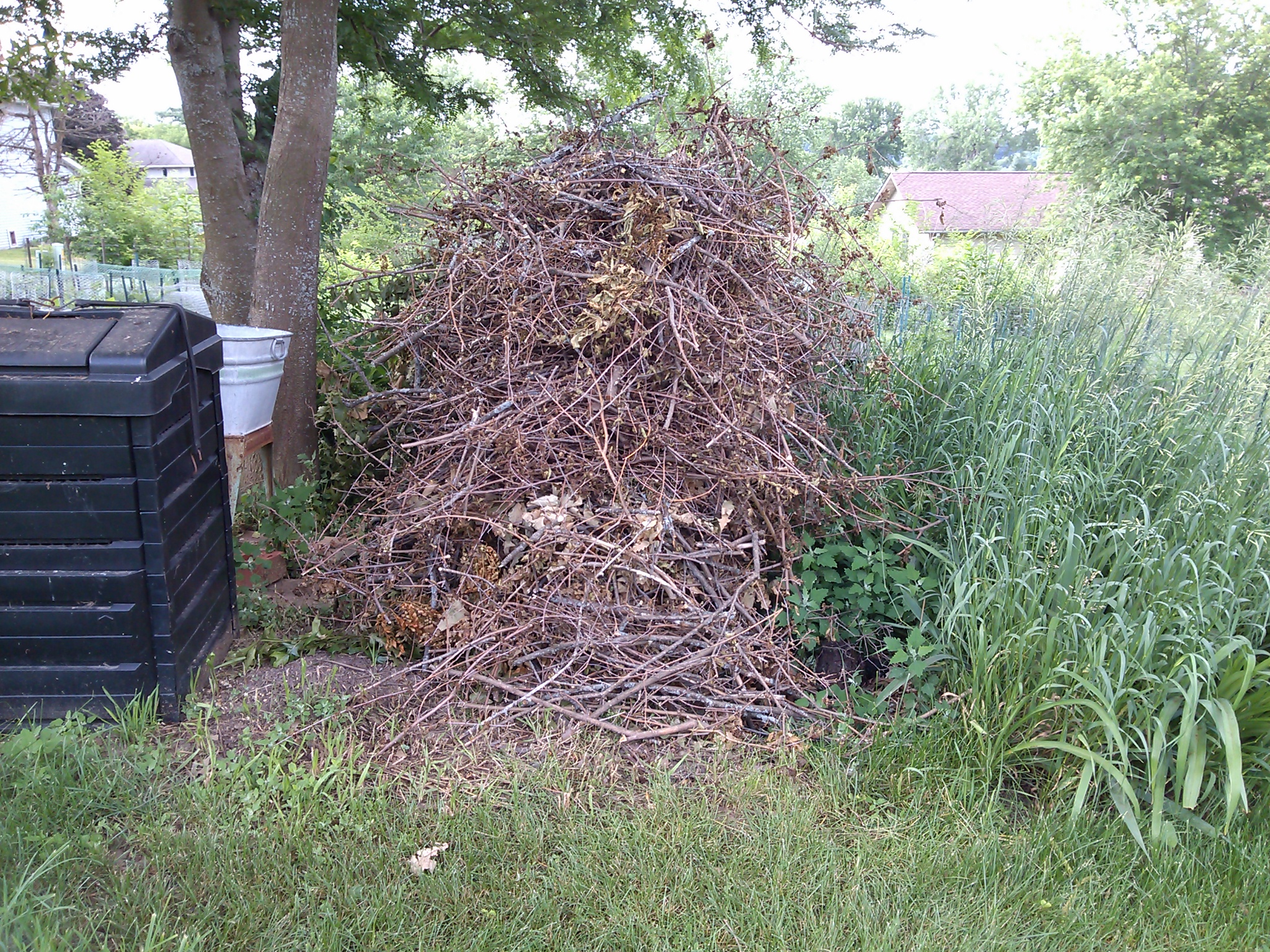
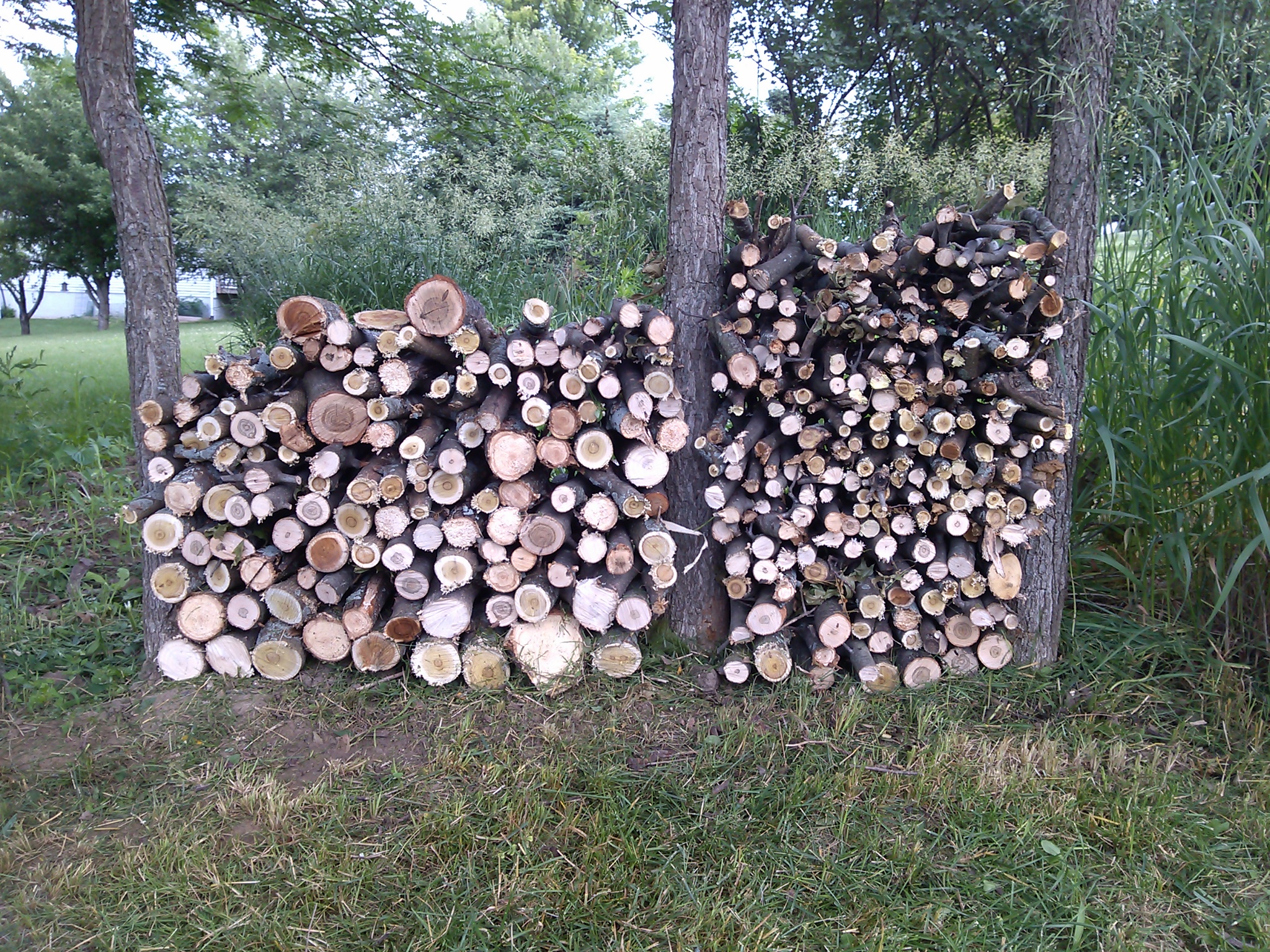
I can  make a brush pile from the twigs and branches collected since last fall. That is, if the ground is too wet to dig. Take down the short chicken-wire fences where I started peas last year, and clear a spot for the burn. It is an hour’s work to be done mid-morning.

Under a clearing sky I’ll make a day of it— gardening and yard work— before crossing the lakes. This shore preferable to that, but both important to sustaining our life on the Iowa prairie.

Categories
Social Commentary

Seven Ages Revisited

LAKE MACBRIDE— One can like Shakespeare and dislike Erving Goffman, the sociologist who used a dramaturgical analysis to demonstrate a relationship between acts in our daily lives and the acting of actors in the theater. Goffman won awards and stuff, but knowing who he is and his seminal work, “The Presentation of Self in Everyday Life,” is like insider baseball in the 21st century.

With the proliferation of television, and its changing content over half a century— its lean toward programs with people acting out a reality— theater is often forgotten, except in schools and among devotees of the trade. Yet, Shakespeare endures, Goffman does not, the latter’s work being eclipsed by the popular notion that we “don’t need the drama.” In contemporary settings, drama is a thing, recognizable, and something eschewed, especially within the working class.

As much as I like it, “As You Like It,” where the seven ages of man speech is found, was not my favorite Shakespearean play. That honor is reserved for “A Midsummer Night’s Dream,” “Richard III,” or “The Merchant of Venice.” In any case, the seven ages may need an American revision to accommodate the post-industrial society. First, the setup,

“All the world’s a stage,
And all the men and women merely players;
They have their exits and their entrances,
And one man in his time plays many parts,
His acts being seven ages…”

Goffman has not ruined this, but close.

“At first the infant,
Mewling and puking in the nurse’s arms;”

No argument here, as being born and infancy represents our first age in society. In some American circles, people prefer a union nurse as a place for mewling and puking, but that number seems an infinitesimal compared to a global population of more than 7 billion people.

“And then the whining schoolboy, with his satchel
And shining morning face, creeping like snail
Unwillingly to school.”

Check with a grade schooler and you will find most like school, like their teachers, and like going to school. I don’t understand why children are so willing to leave home for school, but in the Midwest, they are. Of course the satchel has been replaced by a back pack as the back pack makers association has seen to that via an advertising campaign targeting schoolers.

“And then the lover,
Sighing like furnace, with a woeful ballad
Made to his mistress’ eyebrow.”

Such youthful expiration has become an extension of the age of the schooler. It may be the one place where drama comes into play, as a young lad will say or do almost anything, including being dramatic, to secure the heart (among other things) of his mistress. The male centric outlook of Shakespeare rubs the wrong way here, as acceptance of diverse sexual orientation has been becoming commonplace. Combine that with furnace-like sighing continuing beyond what seems reasonable through the dalliance of people who should know better for their age, and one can posit that the age of the lover is not clearly distinguishable from the age of the schooler, which goes on for much too long.

“Then a soldier,
Full of strange oaths, and bearded like the pard,
Jealous in honor, sudden and quick in quarrel,
Seeking the bubble reputation
Even in the cannon’s mouth.”

Soldier is the wrong metaphor for a 21st century age, as so few people serve as such. We hire our wars done by others, soldiers, mercenaries and contractors. We feed soldiers platitudes like “support the troops” and “honor their service,” as a further means of distancing ourselves from the horrors of war. Such distancing contributes to furtherance of a military complex that is already ubiquitous. There are seekers of “the bubble reputation,” and perhaps that is a better name for an age. The age of bubble seekers, where one spins a cocoon around a life fixed in gratification. A place where one can ask the question, what’s in it for me, with impunity.

“And then the justice,
In fair round belly with good capon lined,
With eyes severe and beard of formal cut,
Full of wise saws and modern instances;
And so he plays his part.”

The age of justice sounds so much like a time when people spend too much time viewing televised sporting events in a society abundant with sugary drinks and salted snacks. There is no justice here, except when people contract Type II diabetes and other diseases associated with the fat, sugar and salt they consume in excess. This age seems an extension of the bubble seeker age, only living life in the bubble we created, with some experience of what “works for me.”

“The sixth age shifts
Into the lean and slippered pantaloon,
With spectacles on nose and pouch on side;
His youthful hose, well saved, a world too wide
For his shrunk shank; and his big manly voice,
Turning again toward childish treble, pipes
And whistles in his sound.”

The age of bubble seeker redux akin to where the baby boom generation is today.

“Last scene of all,
That ends this strange eventful history,
Is second childishness and mere oblivion,
Sans teeth, sans eyes, sans taste, sans everything.”

Better known today as assisted living, followed by hospice. Society seems to be trending to replace the age of bubble seekers with the age of assisted living as early as possible, with 50-plus being the new age for admittance to some assisted living villages.

So there you have it. The seven ages of man reduced to five: infancy, schooler, bubble seeker, bubble seeker redux and assisted living. Ye gods, what have we become?

Categories
Writing

Bottling Apple Cider Vinegar

Apple Cider Vinegar
Apple Cider Vinegar

LAKE MACBRIDE— The aroma of evaporating apple cider filled the pantry for months. Today it was time for the sampling and the apple cider vinegar came out delicious. A renewable ingredient for our kitchen was born today.

Unlike anything I have tasted before, with an initial taste of apple followed by the twang of the vinegar, I’ll look forward to using it in salad dressings— bottle-by-bottle. If there is enough, the golden liquid will also be used to make apple butter during the harvest season.

When we talk about local food, this is it. The mother of vinegar came from a neighbor who said it has been in their family for more than a hundred years. The apples came from the back yard. Renewing the recipe is easy— just add more fresh apple juice to what’s left in the container.

Sometimes things work out better than we had planned.

Categories
Work Life

On Manual Labor

LAKE MACBRIDE— A priest used to joke with me about doing manual labor. It was a pun comparing working with your hands to the common Spanish name Manuel. The context was work we were doing with undocumented immigrants, many of whom were from Mexico and countries further south. When one explains the pun, it loses something, and all that is left is hard work that someone has to do— and the living people make while doing it.

The kind of labor new immigrants perform, farm work, landscaping, roofing, housekeeping, restaurant work and others, is a basic component of society’s economic model, including in Eastern Iowa. From reading Peter Kwong’s book The New Chinatown, the propensity for immigrants, documented and non-documented, is to take any kind of paying work to pay for their passage, which sometimes included coyotes or snakeheads, and secure the possibility of American-style freedom. Some of my more cynical friends might say that America offers the freedom to work for less.

During my career as a manager, I performed little physical labor. Sure, we hauled groceries collected for the local food bank to the trucks, and after the 2008 flood hit Cedar Rapids, we helped employees muck out their homes, but the main work we did was office work. That I would now include manual labor in the mix of a sustainable life on the Iowa prairie is indicative of three things.

Manual labor jobs are available. In my case, from the conception of the job opportunity until hiring was less than a week. Once I began work, conversations with others revealed many job opportunities in a variety of settings. On some days it seems like every one of us is on the move from this job to a better job, and the manual work we perform is a compromise to bring in some cash now.

A certain level of fitness is required. Endurance, use of the extremities and normal musculoskeletal development are all important. My life has been blessed with good health, and relevant to manual labor, has been free of back injury. I can do the work.

When jobs pay below a living wage, the presumption, often unrealized by the worker, is that a broader social support network is needed to take care of the rest of life not covered by wages. Those that have such a social support network are more likely to get what they want out of working with their hands.

The sustainability model I described previously wouldn’t make sense unless there were some activities dotting the matrix. Manual work serves the need to prime the pump, enabling the model and allowing for entry into a progressive path to prosperity.

One comment. The literature on immigration and how people get started on a path toward the American dream is well documented by others with much better credentials than mine. What is different, and why I write about it here, is the transformational effect of having the experience, rather than living it vicariously, filtered by other writers and the media. This may be the only way to fully understand what manual labor means to economic progress. It may be the only way to sustain economic progress.

Categories
Kitchen Garden

Watching and Waiting to Plant

Greenhouse FillingRURAL CEDAR TOWNSHIP— Three of us were working in the greenhouse this week, and the weather forecast was for more cold weather. The season is running late, late enough that when compared to recent years, it is difficult to distinguish it as a season rather than another series of random freaky weather days. Said one grower, “we can deal with drought with irrigation, but cold weather is something else.” There is always a different worry for a farmer.

A few early items, spinach and lettuce, are in the ground, but most of the action continues to be growth in the greenhouse, and hoop house. It is early in the season, getting on later.

029The ground thawed in our garden, but because of the rain, it is too wet to plant. When conditions ease, there will be a lot of work to get the soil prepared and planted. For now, we work inside and wait.

One can’t help but be excited about the abundance of new growth, even if we had a hand in planting the seeds and nurturing them in the artificial world of the greenhouse.