
Mustard greens 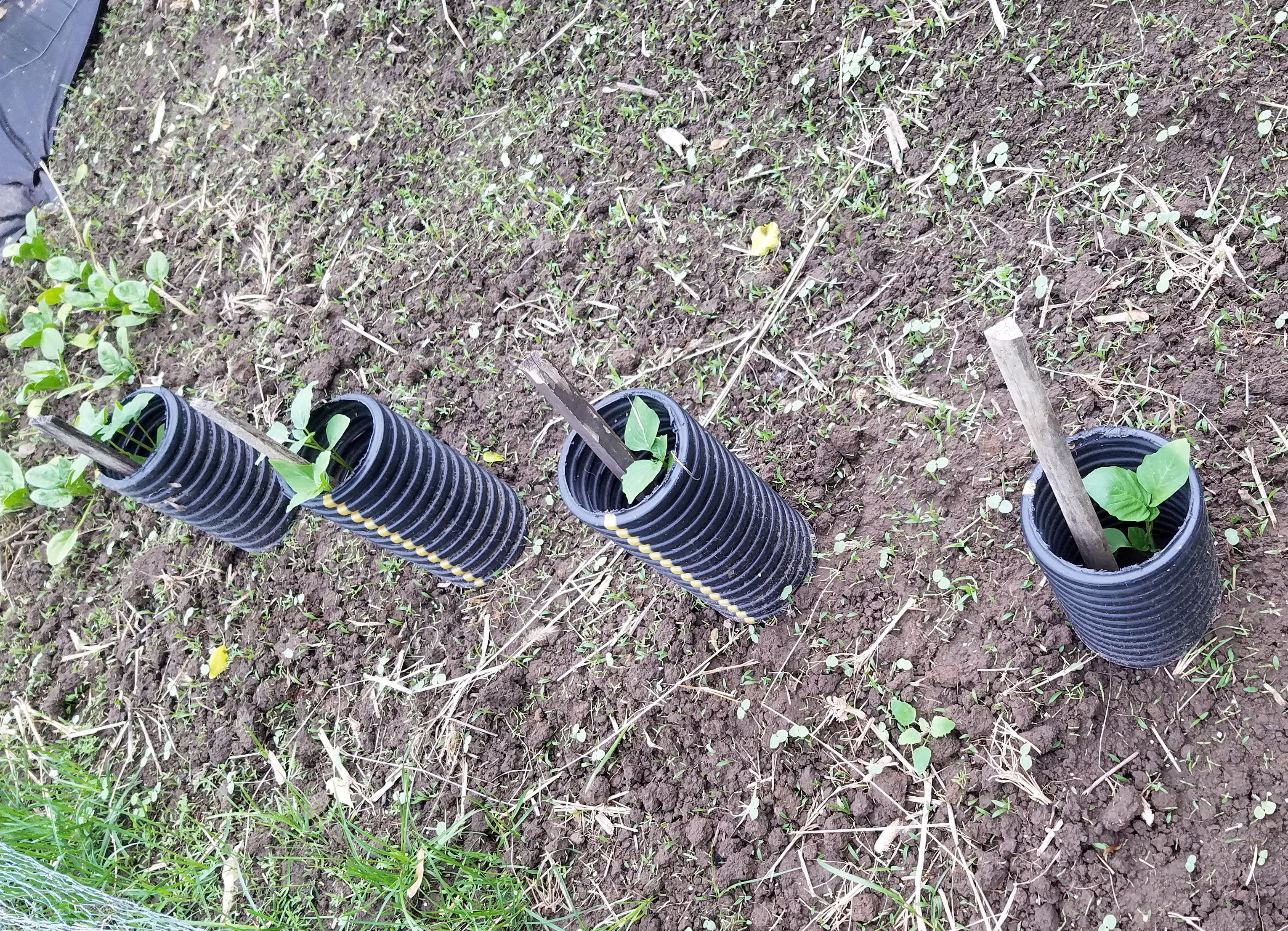
Tomatillos 
Winterbor kale 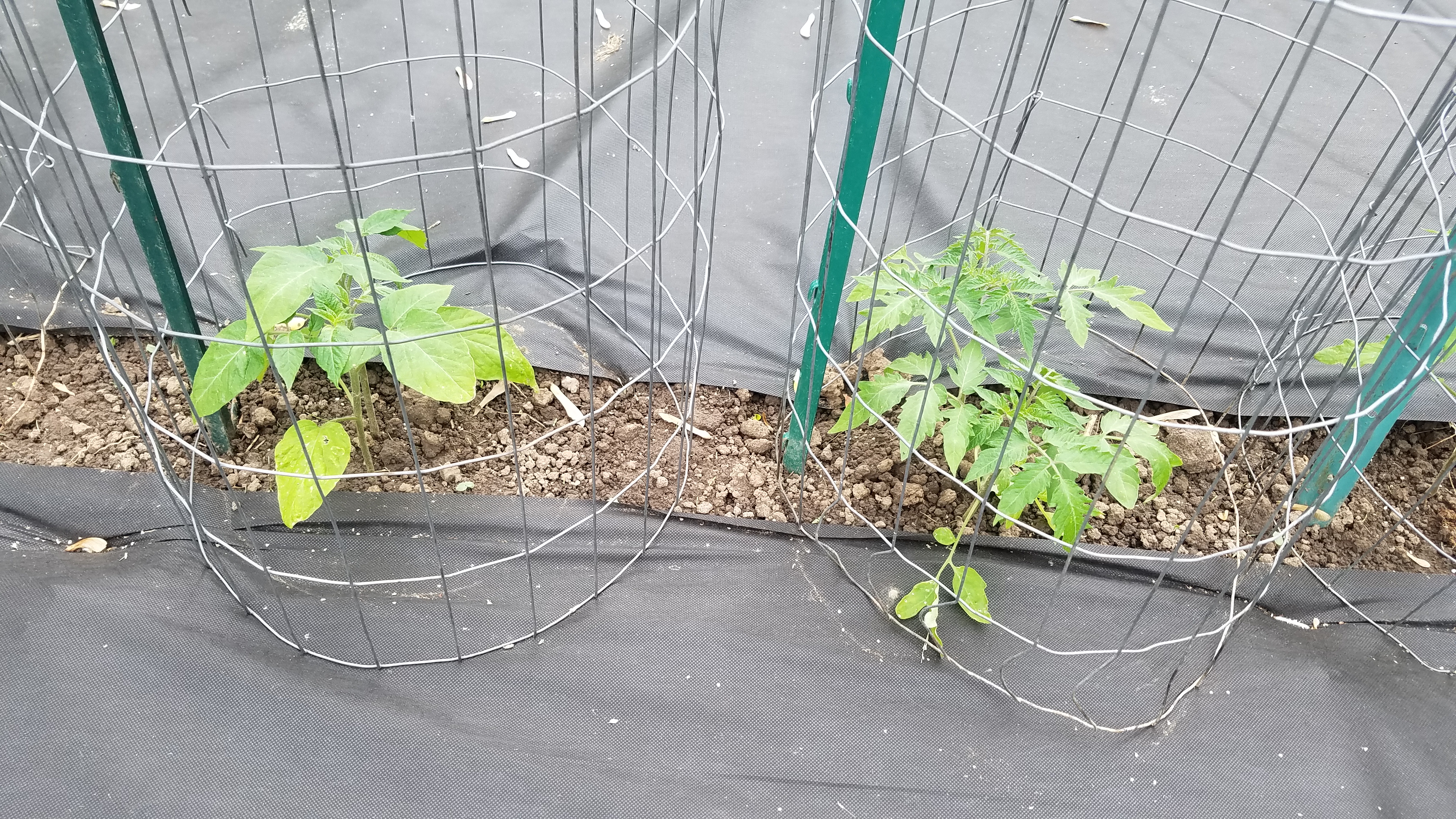
Tomatoes 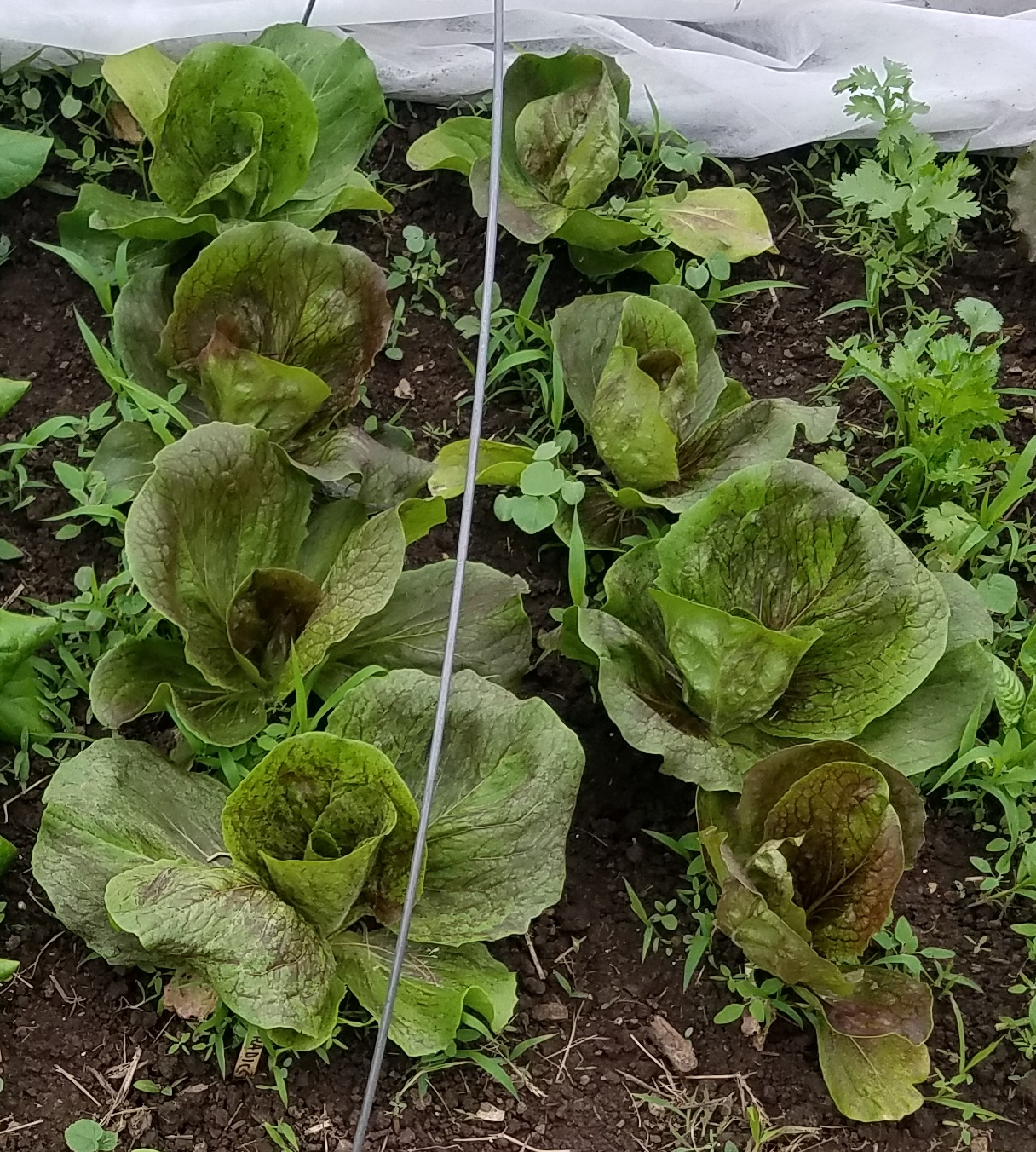
Radicchio 
Chard 
Daikon Radishes 
Green beans 
Okra 
Redbor kale

Thank you Solon Economist for the articles about the June 8 special election to fill the board of supervisors vacancy created when Janelle Rettig resigned.
Turnout in special elections is always light, and that makes your vote count even more.
I listened to the May 19 Johnson County League of Women Voters forum and all three candidates appear to have qualifications to be a supervisor. I favor the Democrat Jon Green who was nominated at the special convention. Who do you favor?
I did my patriotic duty serving in the U.S. Army and plan to vote on or before June 8. Now it’s your turn to do your duty as a U.S. citizen and vote June 8.
~ Published in the Solon Economist on May 27, 2021.

We use a lot of vegetable broth in our household. Making and canning it ourselves is inexpensive and we control what goes into it.
It began years ago, when I planted a big patch of turnips. There were literal bushels of turnip greens too good to compost. I made a simple broth which proved to be tasty. Making and canning vegetable broth has become a spring tradition. We used everything I made last season, so I’m at it again.
Simple is better when making broth for the pantry. A mirepoix, bay leaves, and water form the base of it. I use frozen celery and onions when I have them.
Next I search for leafy green vegetables, usually in the ice box. Today’s batch has turnip greens picked while weeding, collards from trimming seedlings in the greenhouse, Swiss chard that was getting old, and a bag of greens from last week’s share from the farm (Koji and bok choy). I washed, trimmed, and roughly chopped them and soon there were enough to fill the Dutch oven.
That’s it. Put everything in the pot, fill with water, bring to a boil, and then turn it down to simmer all day. After a few hours it will be broth.
I don’t add salt. Broth can be used as an ingredient in many dishes and I do not want an established salinity. It creates flexibility and works out well.
After straining the broth, I fill quart Mason jars in the ice box to be used, or to wait until I have seven jars for water bath canning.
So easy and delicious.
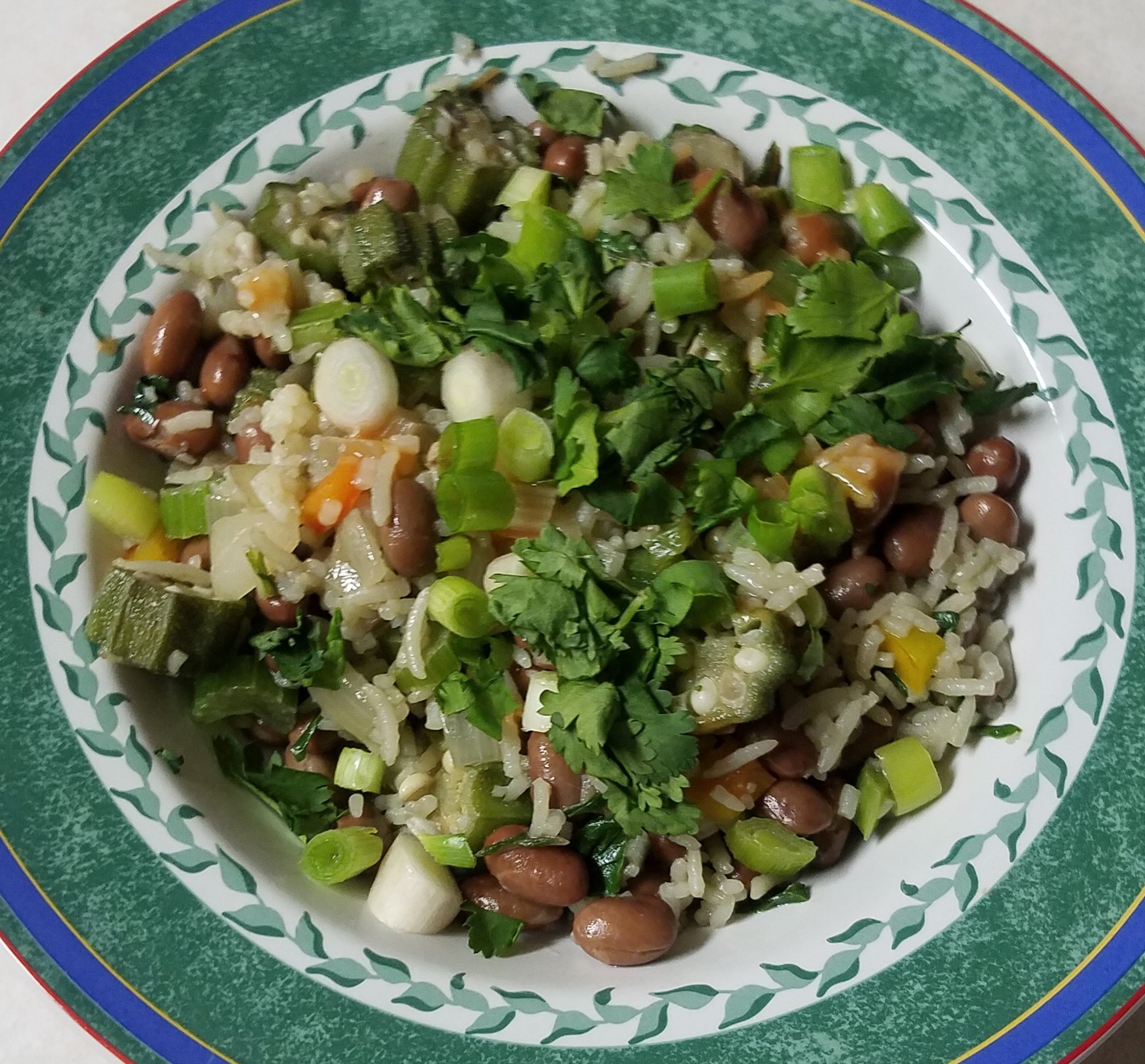
When there is leftover rice I seek a quick meal to use it up. Add some canned red beans and a sofrito and off we go: Quick red beans and rice.
The sofrito begins with the trinity: sautee bell pepper, onion and celery in extra virgin olive oil. Salt to taste and put a pinch of red pepper flakes in the mix. Purists say sautee the red pepper flakes in the oil before adding vegetables to bring out the flavor.
Next add diced spring garlic and the diced stems of whatever leafy green vegetable you have from the garden. Add a medium-sized tomato (canned or fresh) and a cup of frozen okra. If there’s not enough liquid, add a tablespoon or two of water.
Once the vegetables are soft, slice and add the leafy greens from which you took the stems. Mix and sautee until everything is cooked.
Add a can of drained and washed red beans and a cup of leftover rice. Stir constantly until everything is thoroughly heated. Garnish with coarsely chopped cilantro, sliced spring onions, and a dash of Louisiana-style hot sauce.
Makes two servings for diners that enjoy spicy food. If the other diner doesn’t, save the second portion for yourself to reheat later.
Delivery vehicles ply the neighborhood on a daily basis, more than I remember. Increased numbers are partly a function of more online shopping due to restrictions of the coronavirus pandemic.
The U.S. Postal Service has always been here. UPS, FedEx, and Amazon are also here daily, often multiple times a day. The creamery a few miles away makes home deliveries of fresh dairy products ordered online. Will this level of online shopping persist when more people are vaccinated for COVID-19? Yes, it will.
A pandemic lesson learned is the value in quickly finding what one needs, ordering it, and receiving it within a couple of days without starting a vehicle. How does that impact local retailers? If Sears and Roebuck didn’t drive local merchants out of business, neither will the rise of online shopping. Rural retail has its roots in people ordering from catalogues. Here’s a refresher from the Sears Archives website:
The 1943 Sears News Graphic wrote that the Sears catalog, “serves as a mirror of our times, recording for future historians today’s desires, habits, customs, and mode of living.” The roots of the Sears catalog are as old as the company. In 1888, Richard Sears first used a printed mailer to advertise watches and jewelry.
The time was right for mail order merchandise. Fueled by the Homestead Act of 1862, America’s westward expansion followed the growth of the railroads. The postal system aided the mail order business by permitting the classification of mail order publications as aids in the dissemination of knowledge entitling these catalogs the postage rate of one cent per pound. The advent of Rural Free Delivery in 1896 also made distribution of the catalog economical.
History of the Sears Catalogue, Sears Archives.
We piled in our car and went to Sears as a family when I was a child. Frequently it was a special time together. Our lives were more about living than shopping in the 1960s. Automobile trips became family outings and visiting Sears was another trip to make. If father looked over the Craftsman tools while we were there, that was a side benefit. The pandemic taught us automobile culture was not as important as we may have believed.
In a life not far removed from the frontier, shopping wasn’t that important. When my great, great grandparents settled the Minnesota prairie, there were few retail merchants and no internal combustion vehicles. Making do is how they lived. Distribution infrastructure as we know it now did not exist at the time Sears mailed the first catalogues. The pandemic forced many of us to return to making do and online shopping became part of that.
The rise in online retail is significant. I placed my first order with Amazon.com on Dec. 23, 1998. In the early days, Amazon lost money to gain market share. Today they are profitable, more profitable than other large retailers, by a distance. Sears as we knew it is no more. Amazon’s gross revenue is astounding, far surpassing any locally owned store.
There is a nearby ACE Hardware store, about 20 miles away. They suffer from the same lack of inventory as every other local retailer. While helping customers find something, if they don’t have it in stock, they take us over to a computer terminal. They search the store’s inventory and if they find the item, place the order, and notify the customer when it arrives. Why couldn’t I cut out the middleman and find items online myself? I can and during the pandemic, I did.
America is becoming a land of rich people and the most of us who are not. While we don’t want to say it, we have returned to a form of post-serfdom society, similar to Poland during the partition era. Forced off the land and into wage earning, it has become harder to get along on wages. There is no unspoiled prairie to seek and start over. Time, money, and efficiency have become mainstays in our effort to live. If we can get inexpensive, efficient help, and save time by shopping on line, we will.
That is the future of shopping after the pandemic.

Change is on the horizon regarding the coronavirus pandemic. Or maybe not.
On Thursday, May 13, the Centers for Disease Control and Prevention announced a new recommendation for people who are fully vaccinated against COVID-19.
If you are fully vaccinated, you can resume activities that you did prior to the pandemic.
Centers for Disease Control and Prevention website, May 13, 2021.
Fully vaccinated people can resume activities without wearing a mask or physically distancing, except where required by federal, state, local, tribal, or territorial laws, rules, and regulations, including local business and workplace guidance.
Color me skeptical. Physicians have been saying that once one is fully vaccinated the danger of contracting COVID-19 is minimal. That is, the vaccines are effective. At the same time, if vaccinated people discard their masks, what does that mean when a majority of Americans remain unprotected? This one is above my pay grade and I’m not going to attempt to analyze it.
The announcement represents a shift in a pandemic which is far from over. However, a lot of behavior adopted during the last 14 months will persist after the population becomes immune to COVID-19. Some examples:
Likely other behaviors will persist. For now, though, masks off for us, though it depends.

A retro post from April 21, 2012.
We can’t force language to mean what we want. There is a social aspect of words and meaning that is undeniable and inflexible in the day to day parlance of natives. While over time, meanings change, and old words gain new meanings, when we talk about our salad days, it has a certain meaning here in Big Grove.
Shakespeare said it in 1606 in “Anthony and Cleopatra,” “My salad days, / When I was green in judgment, cold in blood…” The idiom came to mean a period of youthful inexperience or indiscretion. Around our house, it means the lettuce planted in early March is mature and over the next six weeks, we will have a lot of days of eating salad, our salad days.
If I were to commercialize our garden, lettuce would be important. At $3 per bag at the farmers market, the price is right to sell a lot of it. Too, there is a local restaurant market for fresh greens. What is not figured into the equation is the labor involved in picking and cleaning the greens, but with proper planting and marketing, a person could take in $60 to $100 per sales day from greens.
For now, we enjoy our salad days, knowing they won’t last long in the span of life. Last night the greens were topped with thinly sliced carrot and golden raisins. I found a bottle of store bought dressing in the refrigerator and used that. There are chives, sage, garlic and oregano in the garden, ready to be picked, chopped and added to the greens. There is almost always cheese to be crumbled on top. There are cans of kidney and garbanzo beans in the pantry. A host of variations on a theme as the salad days commence. My meaning, not Shakespeare’s.

During Wednesday’s walkabout there was frost on the ground. It was clearly the last frost of spring. It’s time to plant warm crops in the ground and get ready for summer. Here we go!
Some parts of our lives stand out more than others. For me, the summer of 1996 was one of them.
At the transportation and logistics company, after taking every assignment offered — some I liked and others I did not — I was transferred back to operations as weekend manager. My schedule was Friday through Monday with three days off. I supervised everything that went on for a growing firm operating across North America.
Our daughter was coming into her own, finishing fifth grade that year. The new job enabled me to spend more time with her and I did.
We didn’t go far from home. Mostly we went to the nearby state park. Sometimes we bicycled to town and had breakfast or lunch at a restaurant. Other times we drove to the beach and went swimming. We picked wild black raspberries along the trail. It was a great summer at the core of my memories from when she lived at home. We get only so many times like that.
As I prepare for a long day in the garden I’m heartened by memories of life with family. I think often about the summer of 1996. The present is much different. The state park trail is ravaged today compared to then. Derecho damage remains, and development continues to encroach on the natural beauty that once was here. Our patch of wild black raspberries is gone in favor of a junction for the natural gas company. Sad, yet changing times, I guess.
There was a time I enjoyed being in the country with its neat, rectangular farm fields, sunshine, and long vistas. No more. Farm operations result in contaminated water, which in turn closed the beach when we swam that summer. The beach has been closed the last few years. Likewise, the scent of livestock wafts over our house from time to time. Not often, but enough to remind us there are 24.8 million hogs in Iowa, or about eight per human. The popular phrase to describe what Iowa has become is “a low education, low wage, extraction economy state.” There is no longer anything bucolic about being in the country.
There is no going back to the summer of 1996, except in memory. Just as the Mill Creek sawmill cut up the original stands of forest to create today’s rural landscape, life has irrevocably changed. We have a choice: linger in memory or continue forward. Both have a role to play. As annual seedlings wait in the greenhouse for sunrise, human nature doesn’t give us much choice. We are compelled to start anew.
May we do so cognizant of what was lost, what we have, and what we may lose through neglect. My wish for today is to make new memories as good as those of the summer of 1996. It may be difficult, yet the possibilities are endless, at least that’s what we are told.
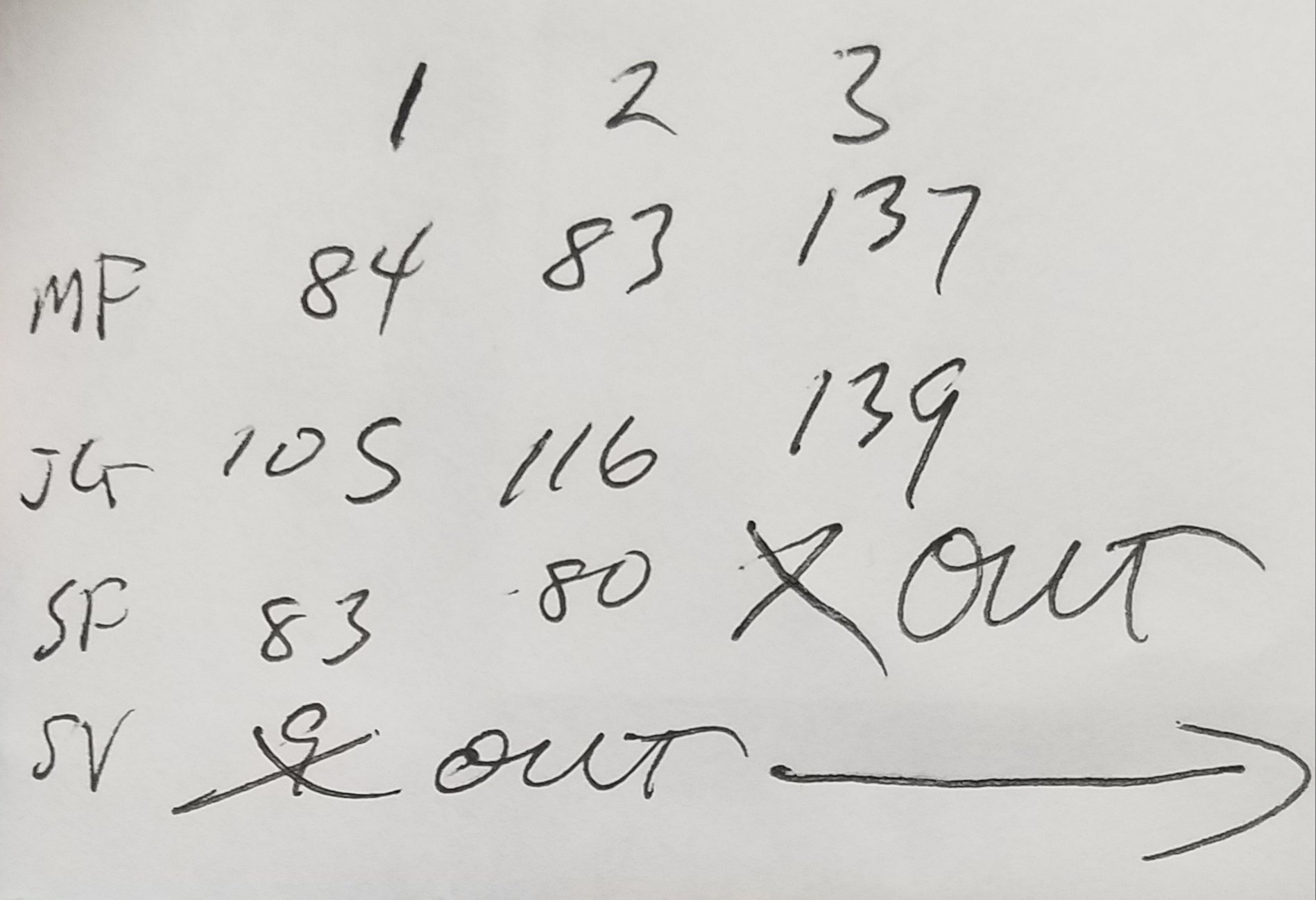
281 masked delegates to the Johnson County Democrats special convention to nominate a candidate for the board of supervisors after the resignation of Supervisor Janelle Rettig had a clear message.
We don’t want the kind of experience that comes from working for the county.
The convention picked Jon Green of Lone Tree over Meghann Foster of Coralville 139 to 137 in the third round of voting.
While Susan Vileta was well qualified to be a supervisor based on her work in the county public health department, her campaign flew under the radar and wasn’t noticed until many delegates had made up their mind. She got nine votes in the first round and was eliminated.
Scott Finlayson was also well qualified to be a supervisor with 14 years working for the county as an attorney and deputy treasurer. He is also a U.S. Navy veteran. In a tight race for second place he couldn’t best Coralville City Councilor Meghann Foster in the first or second round of voting and was eliminated. When he lost, a majority of his voters migrated to the Foster column in round three.
“Jon Green, who was endorsed by Bernie Sanders, ranked first through all three rounds of voting at the special nominating convention, beating Meghann Foster, who was the choice of establishment Democrats,” posted Cedar Rapids Gazette columnist Adam B. Sullivan on Twitter.
Well that’s the easy analysis and I’d argue there are no “establishment Democrats” in Johnson County the way Sullivan’s characterization suggests. It’s more complicated than that, given the precinct caucuses since 2008, and the active division among Democrats they promoted.
I wouldn’t make too much of the vote counts. Last night’s convention took place at the Johnson County fairgrounds. Johnson County Democrats have been divided ever since a prominent slate of speakers, including Hillary Clinton, John Edwards, George McGovern (for Clinton), Bill Richardson, Dennis Kucinich, Chris Dodd and a surrogate for Barack Obama all spoke there on Oct. 6, 2007.
My analysis is Jon Green has become the establishment candidate for supervisor. The cigarette-smoking, whisky-drinking, old-hat-wearing, wood-burning IT guy, former journalist, and former mayor of Lone Tree represents county activists as well as anyone. That makes him the establishment candidate.
The key question in this race is will registered voters cast a ballot? After the disaster that was the March 5, 2013 special election, in which a former Democratic party county chair lost to Republican John Etheredge in a low turnout election, they might. Because of the constant turnover in the county seat, Democrats tend to have a short memory. If Green is smart — and I believe he is — he’ll take nothing for granted in the run up to the June 8 election.
I’ll be working for him in my Republican-dominated corner of the most liberal county in Iowa.

Weather is shifting enough to start planting warm weather crops. This passage from the farm’s weekly newsletter explains:
We were full steam ahead last week trying to get all of our cooler season crops like broccoli, cabbage, kohlrabi, fennel, and herbs planted before the long-awaited rain we got over the weekend. We always wait until at least May 15th to plant warm season crops that can’t handle colder temperatures or frosts, so it’s important to us to stay on top of planting all the cool season crops and field preparation ahead of that date. That way when May 15th rolls around we can really focus on planting the huge number of plants that suddenly need to go in the ground to give them the longest season possible as well as getting them established before it gets too hot.
Carmen Black, Local Harvest CSA, May 10, 2021.
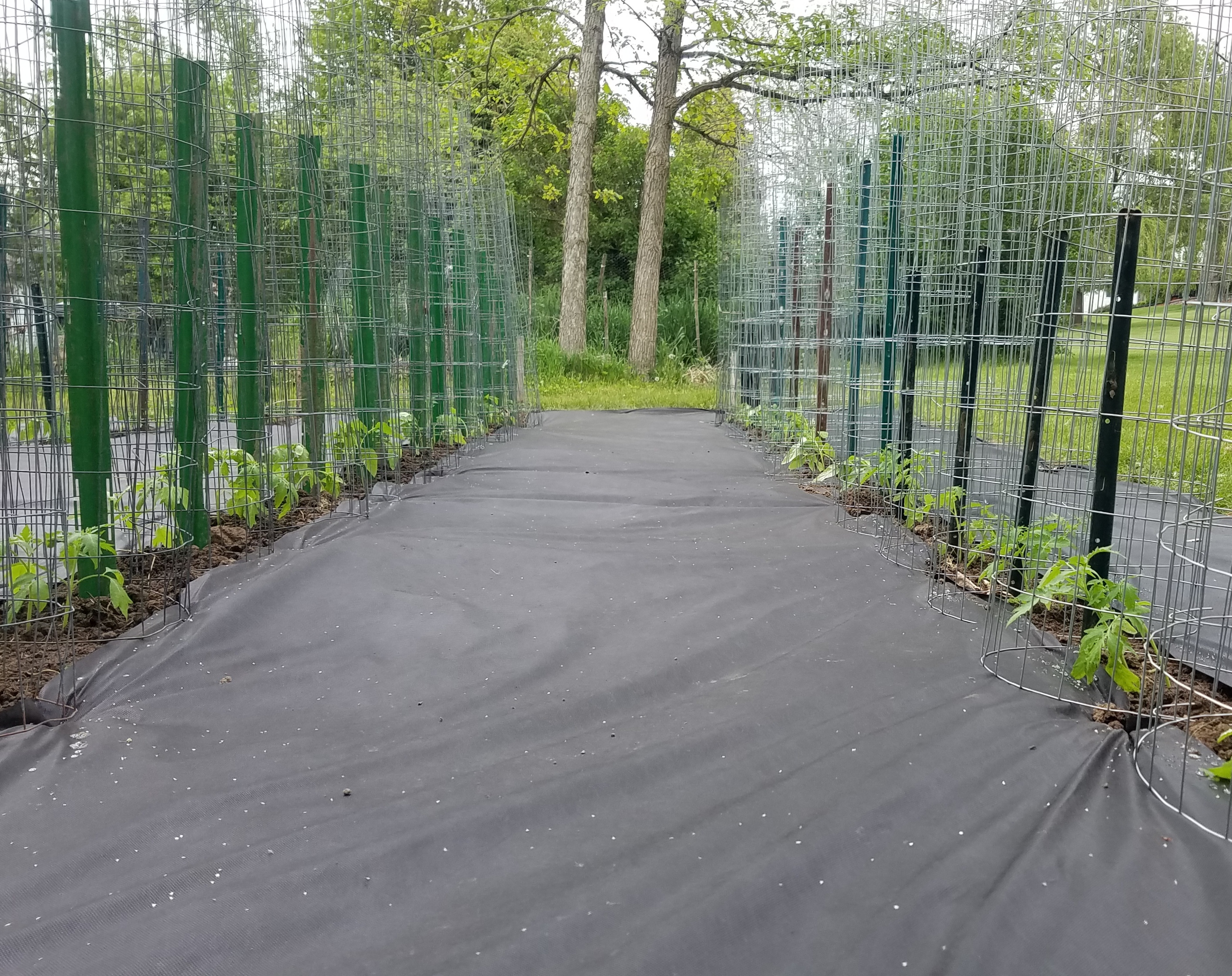
My small greenhouse is packed with plants and the weather forecast looks like Wednesday is the last reasonable chance of frost. I ordered some weed suppression fabric from my Maine-based supplier, spaded plot #6 for tomatoes, and made sure everything in the greenhouse was watered and ready to go into the ground. There is a lot to do and the next three weeks will be pretty intense.
The challenge will be determining where to put everything. I have a general idea, and the plots with single crops (onions, garlic, tomatoes) are easy. Fitting all the squash, cucumbers and zucchini into spots where they can spread is a tough decision. I sat on my stump considering this more than a few time over the last month.
One of three Bur Oak trees I planted as acorns blew askew during the Aug. 10, 2020 derecho. It had to be taken out and I did. Rather than cut the stump to ground level I left it tall so I could sit on it when I need a rest. I use it more than anticipated, although more as a thinking place. It has been a nice addition to the garden.
The garden tasks ahead are clear. In between a debrief from the recent Climate Reality Project virtual training this morning, and the special convention in the county seat to nominate a candidate for supervisor tonight, I hope to accomplish a lot. I wish the rest of my life were that clear.
Now that the weather shifted it’s go time.

 Journey Home
You must be logged in to post a comment.