Categories
Kitchen Garden Work Life

End of Season Work

Fall Colors
Fall Colors

SOLON— One was planning to harvest corn until Sunday, when he would turn to beans. Half the beans are already in and the fields have been too wet to get the equipment in the last few days. Talk is about how much propane will be needed to dry the harvest.

“It could easily run up to a thousand gallons,” he said. He plans to take a slower approach to erode less of his margin.

Another is cleaning up the fields and barns after a long season. Picking up and stacking tomato cages is the last big task before turning to livestock and wintering.

While no farmer, I’m still picking kale, peppers, apples and a few tomatoes, delaying the garden clean up for another week. There’s a lot to be done before settling inside for winter. People winter too.

Fall Colors
Fall Colors

Not really ready for winter and don’t want to be. Perhaps that’s why I let the scraggly bits of green shoots grow on top of the tomatoes. That’s why I hope for an ability to use more of the abundant kale. Eventually I’ll get the extension ladder out of the garage and pick the high apples. But I’m not ready for the last lawn mowing, mulching the garden, or inspecting the gutters one last time before the cold. Perhaps it all seems too much like death.

So not ready for that. I left the house.
Fall Colors
Fall Colors

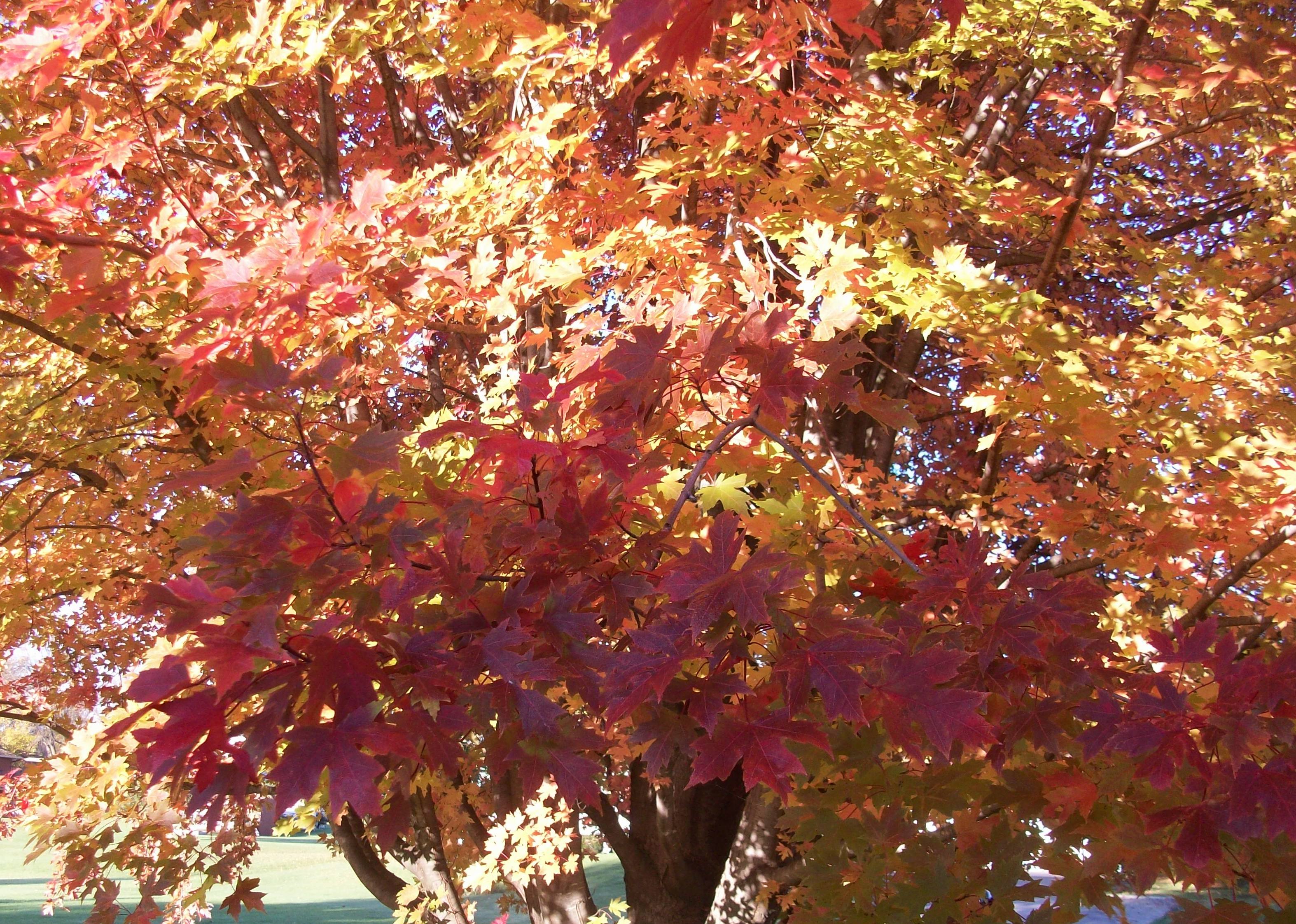
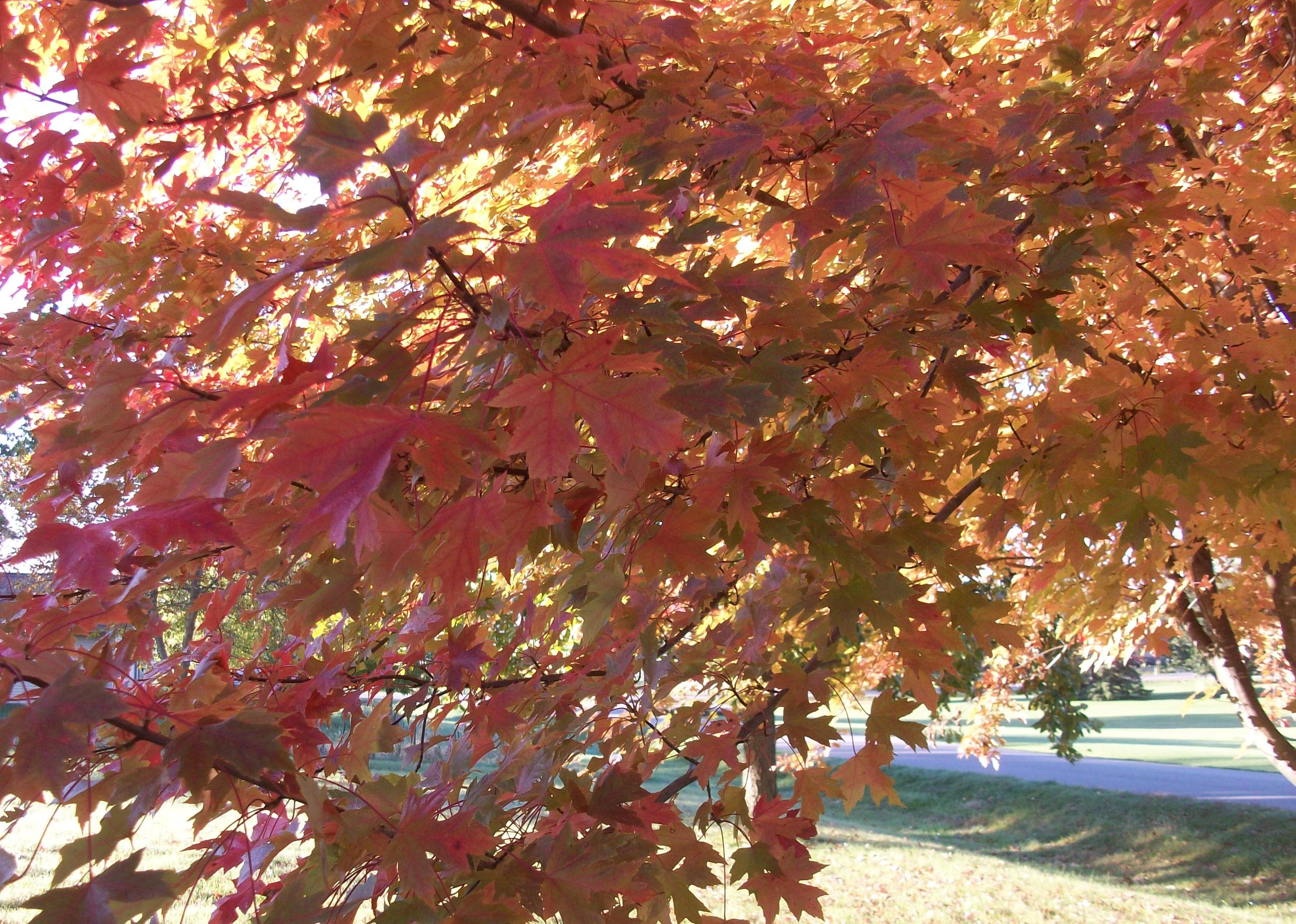
The fall colors are just slightly past their peak, and still beautiful. They are breathtaking really, and hard to capture in digital images.

I drove to town to buy a newspaper because my first article appeared in the Iowa City Press Citizen this morning. While I’m mostly digital, having a print copy of my first still means something. I spent the last 75 cents in my pocket on a second copy.

There is a shift at the warehouse this afternoon. To get ready for a celebration, I pulled a couple of beers out of the box to chill while I’m working. Expiration date July 2014, so I hope they are not skunked. Is that still a thing?

Whatever end there is to this season, and it is palpable all around us, here’s a toast to the idea that it will not be our last trip around the sun. May we sustain our lives on the prairie for yet another year, with an abundant harvest, a great margin on our work, and fresher beer.
Categories
Kitchen Garden

Knife Apples

Apple Harvest
Apple Harvest

LAKE MACBRIDE— Father taught me to eat apples after a trip on River Drive to buy a bushel.

It seemed unusual to secure so many at once, but he knew someone, and with a limited weekly income from the meat packing plant, the family took what help he could find.

Dad used a knife to cut away bad spots and avoid eating worms. I remember him rocking in a chair eating apples with a paring knife after dinner. He didn’t call them “knife apples.” I coined that term when describing the fruit from our trees.

My apple trees don’t get sprayed. Not now, not ever. The fruit is not certifiably organic, but no fertilizers or pesticides have been used, and because of that, the apples are not perfect. To eat one raw, I recommend using a knife to cut them open and see what is inside. Mostly what is found is delicious.

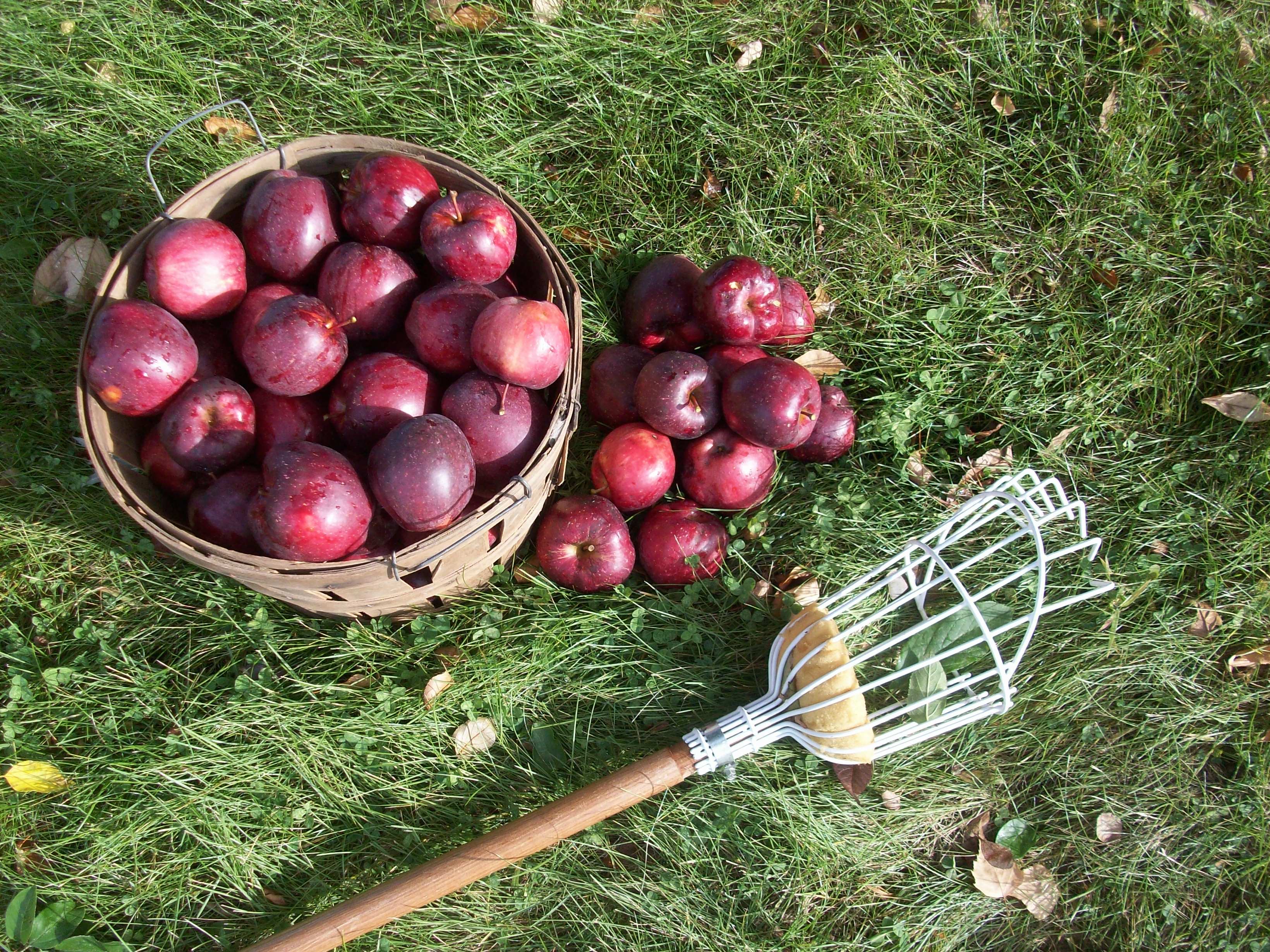
Apples keep only for so long. The crisp, white flesh of the Red Delicious apple is the best eating when freshly picked and still cool from the evening air. Patience taught me to wait to pick them until they are well ripened. The large globes come in all at once with a few picking sessions, and then there is an issue of what to do with them. This year the plan is juice, baked goods, and out of hand eating.

Not many are willing to risk eating an apple worm or use a knife when so many varieties are available for out of hand eating with less imperfections. We found a few takers for mine, but a warm apple crisp is often more welcome than the raw materials to make one. The next couple of weeks will be processing and more processing. Damaged windfalls and cutting remains will all get composted.

My work at the orchard will wrap up this month, and with our harvest, I won’t buy apples again until the Winesap and Gold Rush come in at the end of the season. My developing apple culture is just one more way to cope with a turbulent world and contribute to our household’s food security.

Categories
Kitchen Garden

Winter Spread

Serrano Tomato Garlic Spread

LAKE MACBRIDE— With approaching cold weather, and the year-end holidays, thoughts turn to entertaining and seasonal, celebratory fare. Spreads and on crackers today.

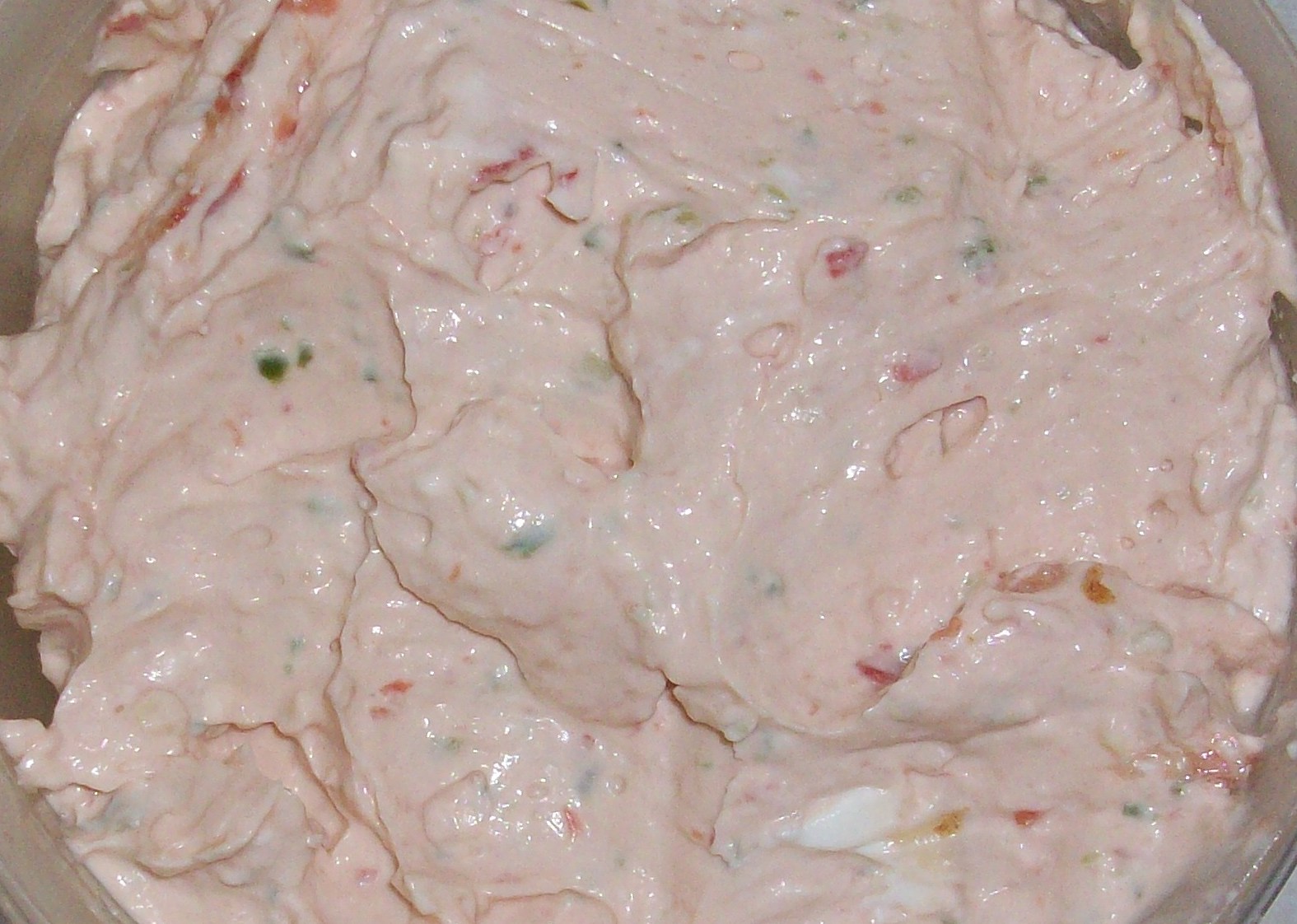
At the end of the garden there are bits and pieces: bell and hot peppers, tomatoes, kale, garlic and herbs. Today I made a spread for store-bought crackers like this.

Serrano Tomato Garlic Spread

8-ounce package of cream cheese at room temperature
One Serrano pepper thinly sliced
Large tomato cored and seeded
Two crushed cloves of garlic

Put the pepper, tomato and garlic in the bowl of a food processor and pulse until the pieces are uniformly sized.
Add the cream cheese and run for 30 seconds. Repeat until the spread is fully incorporated.

Serve on your favorite cracker, instead of mayonnaise on sandwiches, or on toasted bread.

Categories
Kitchen Garden

Growing Kale

Kale Plants
Kale Plants

LAKE MACBRIDE— Not knowing what to expect when I broadcast the kale seeds, this year couldn’t have been better.

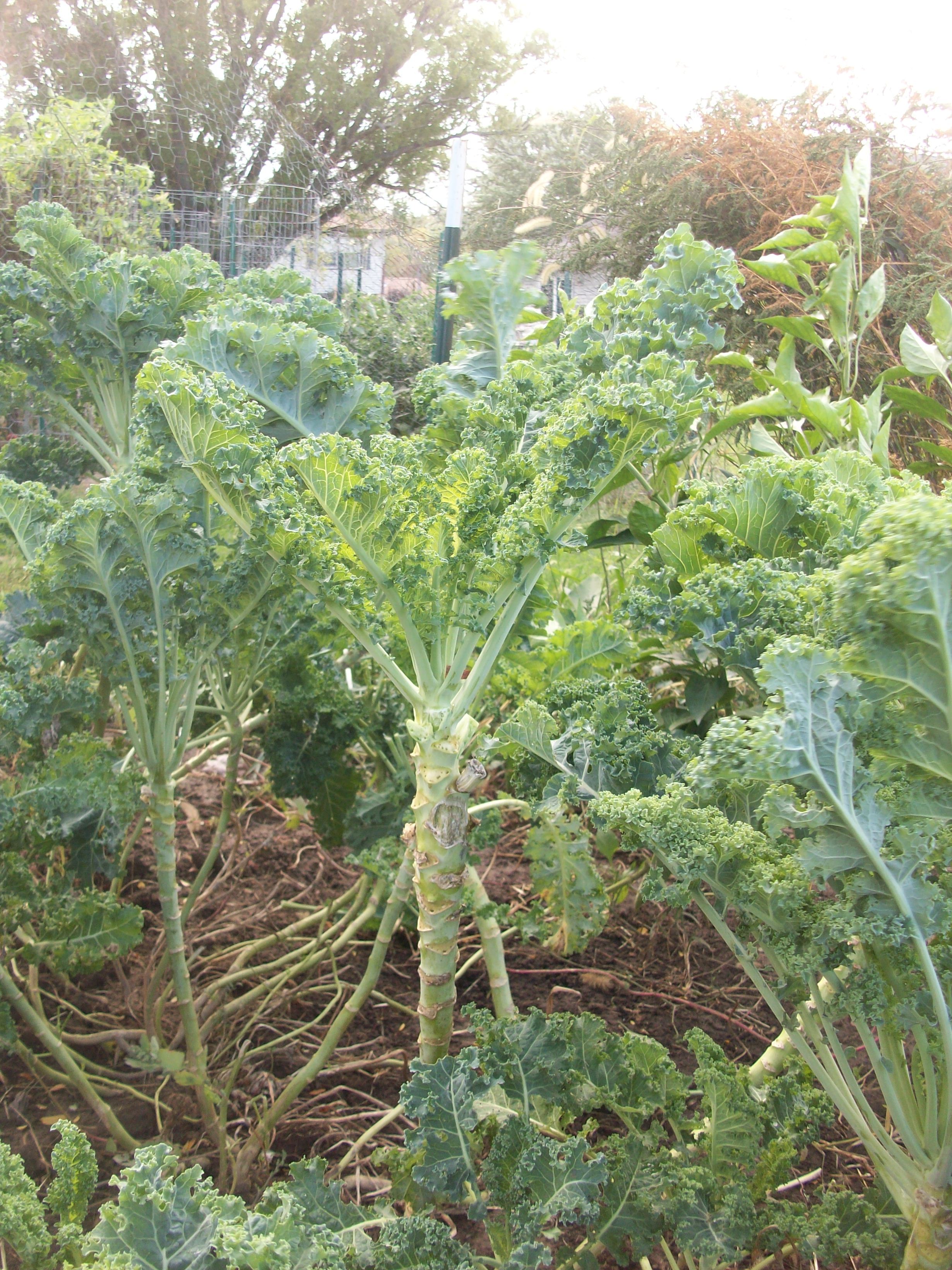
Over time, the plants were thinned and picked until they look like a grove of palm trees. The leaves are cleaned from the bottom to the umbrella cover on top. The harvest has been exceptional.

There has been plenty to give away, and since the freezer is full, I dried and then flaked leaves to be added to soup during the winter. Since kale is frost resistant, we should have plenty for a few more weeks into November.

On deck is the apple harvest. The Red Delicious are about ready to pick and while we don’t need much apple sauce and apple butter, we’ll need to do something with them. Most likely a big batch of fresh apple juice, and if there are well shaped fruit, some dried apple slices.

I have been waiting for the Bangkok peppers to turn red before picking them. The plan is to dehydrate them and make red pepper flakes for the year’s cooking. It won’t take as many as there are, but when the danger of frost is imminent, there will be a lot of Bangkok, Serrano and jalapenos to pick.

It has been a decent year for the garden. It’s not over yet.

Categories
Kitchen Garden

Tomato After Action

Tomatoes
Tomatoes

LAKE MACBRIDE— To supply all the tomatoes a household needs, I planted a large tomato patch with eleven or twelve varieties, and two different cages. In all, there were 36 plantings, some with two seedlings in them. I used short cages leftover from previous years, and new ones cut from four-foot wire fencing. The whole plot was mulched deeply with grass clippings.

The endeavor was an unqualified success, and now it’s time to analyze, think and learn.

First Tomato Planting

The seeds came from a couple of sources.

Leftover from last season were Acer and Best Boy. They produced well, however, they matured late. By the time they were ready, the end of the season was upon us, and our tomato needs largely met. Acer is a slicer, the seeds purchased at a grocery store (I think). There are better ones to use going forward.

Best Boy was also leftover from last season, and intended for canning whole. When we organized our canned goods, it became clear we have enough canned tomatoes from last summer to make it another year, so they weren’t needed for the intended purpose. Olivade and Monica are plum tomatoes purchased through Johnny’s Selected Seeds. They will replace the Best Boys going forward.

The organic Beefsteak seeds were purchased at a home center, and they have traditionally been our favorite. They too didn’t ripen until late in the season, and while we used some, a lot went to compost when bugs got into them.

Second Tomato Planting

Having a variety of small tomatoes was a joy this year. I planted Cherry, Gold Nugget, Sweet Olive Grape, and Black Cherry. The seed packets were leftover from last season and from Johnny’s. They came in early and were great for salads, snacking and pasta dishes. We froze some whole as an experiment, and look forward to seeing how they eat once thawed later in the year. One seedling of unknown variety was provided by our CSA. The Black Cherry plants grew very tall. Next season, they should be planted in one of the four-foot cages.

Rose and Italian were our early maturing slicers. They were also purchased through Johnny’s, and the Italian seeds were at a reduced price. If they are offered again, both will be purchased for next season. The Italian did well with short cages, and the Rose would do better in four-foot cages. I bought an extra roll of four-foot wire, so some of the old cages can be retired or used for other crops.

Upon reflection, tomatoes are best used fresh, either in the kitchen, or given away as gifts to those who don’t grow their own. Likewise, they are welcome at the food pantry until there is a glut. Fresh tomatoes are an essential part of why we garden, and most of the focus in using them is fresh.

My thinking about canned tomatoes changed. For making pasta sauces, chili and soup, plum tomatoes are the best product to use. Seeded thoroughly, cut in half, and then cold processed, I put up about a dozen quarts which weren’t really needed, although the abundance led me there. They will serve most needs.

I had been canning diced tomatoes, but any application that calls for them could use halved plums, so diced will fall from my repertory. That is, unless there is an abundance of slicers, which is what I used to make canned diced tomatoes. We’ll see how it goes.

A favorite canned product is hot sauce, but like with plain tomatoes, there is an abundance in the pantry ready for use from previous years. I have a gallon fresh in the refrigerator, and there is an abundance of hot peppers for making more, but at some point one has to stop.

There is never a shortage of juice as a byproduct of canning. I’ll continue to can it as it is produced, and any remainders will go to that end as the season finishes.

Growing tomatoes is a highlight of garden life. By using my sketch booklet and keeping track, I have been able to learn what works and what doesn’t— part of a gardener’s outlook in daily living, with lessons to our broader sustainability. Despite all the negative press this year, the tomato crop was excellent.

Categories
Kitchen Garden

Braised Eggplant with Potatoes

Eggplant Nutrition Data

LAKE MACBRIDE— What to do with all of the eggplant?

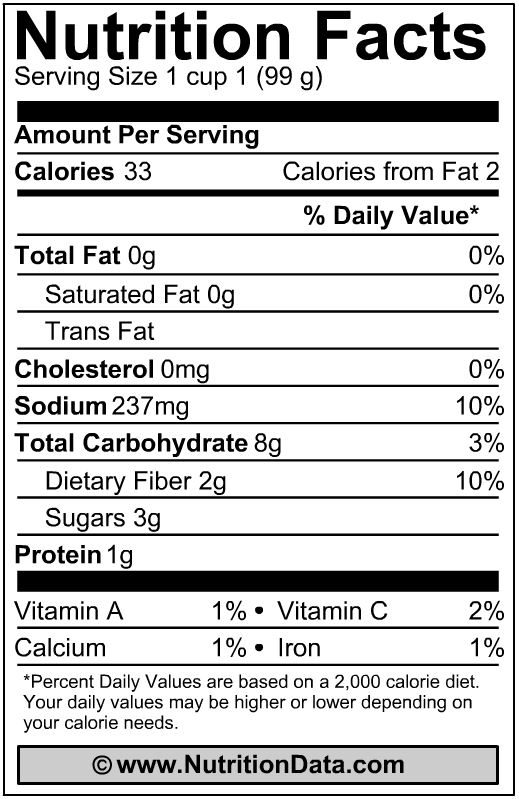
The image in this post is a bit of a protest because despite their colorful variation, eggplant is a vegetable that could be absent from life and few would notice. The fact is they are abundant, easy to grow and cheap at the market. Despite their limited nutritional value, they provide interest when they are in season. A saving grace in the deluge of summer abundance.

My repertory of eggplant dishes includes a recipe for eggplant Parmesan, ratatouille, a layered casserole using tomato sauce, zucchini, onions and other seasonal fare, and now braised eggplant with potatoes. Here’s the recipe that produced savory results.

Braised Eggplant with Potatoes

Ingredients

One pound of eggplant, cut into one inch chunks with the skin on
Two pounds small potatoes, halved
3-4 medium onions, medium dice
Quarter cup dried parsley (fresh if you have it)
One cup fresh basil, chiffonade
1-1/2 pounds seeded and chopped tomatoes (slicers or plum)
1/2 cup extra virgin olive oil
1-1/4 cups water plus 1/4 cup water
Salt to taste
4 tablespoons olive oil
4 tablespoons flour

Preparation

Soak the eggplant in water for 30 minutes

In a Dutch oven, combine the onion, tomatoes, parsley, 1/2 cup of extra virgin olive oil, 1-14 cups water and salt. Bring to a boil and cook over medium heat for 15-20 minutes. Add the potatoes and the rest of the water, and cook until the potatoes are fork tender, or about 20 minutes.

While the sauce is cooking, drain the eggplant and season it with salt to taste. Heat the 4 tablespoons of olive oil in a frying pan over high heat. Dredge the eggplant cubes in flour and fry until golden brown on all sides. When finished, place the cubes in a strainer so excess oil will run off.

Add the eggplant to the potatoes and sauce, stir, cover and cook another ten minutes or so. Turn off the heat and leave the pot on the stove until ready to serve or store.

The dish serves well hot, warm or at room temperature.

Categories
Home Life Kitchen Garden

Onions, Garlic, Basil and Tomatoes

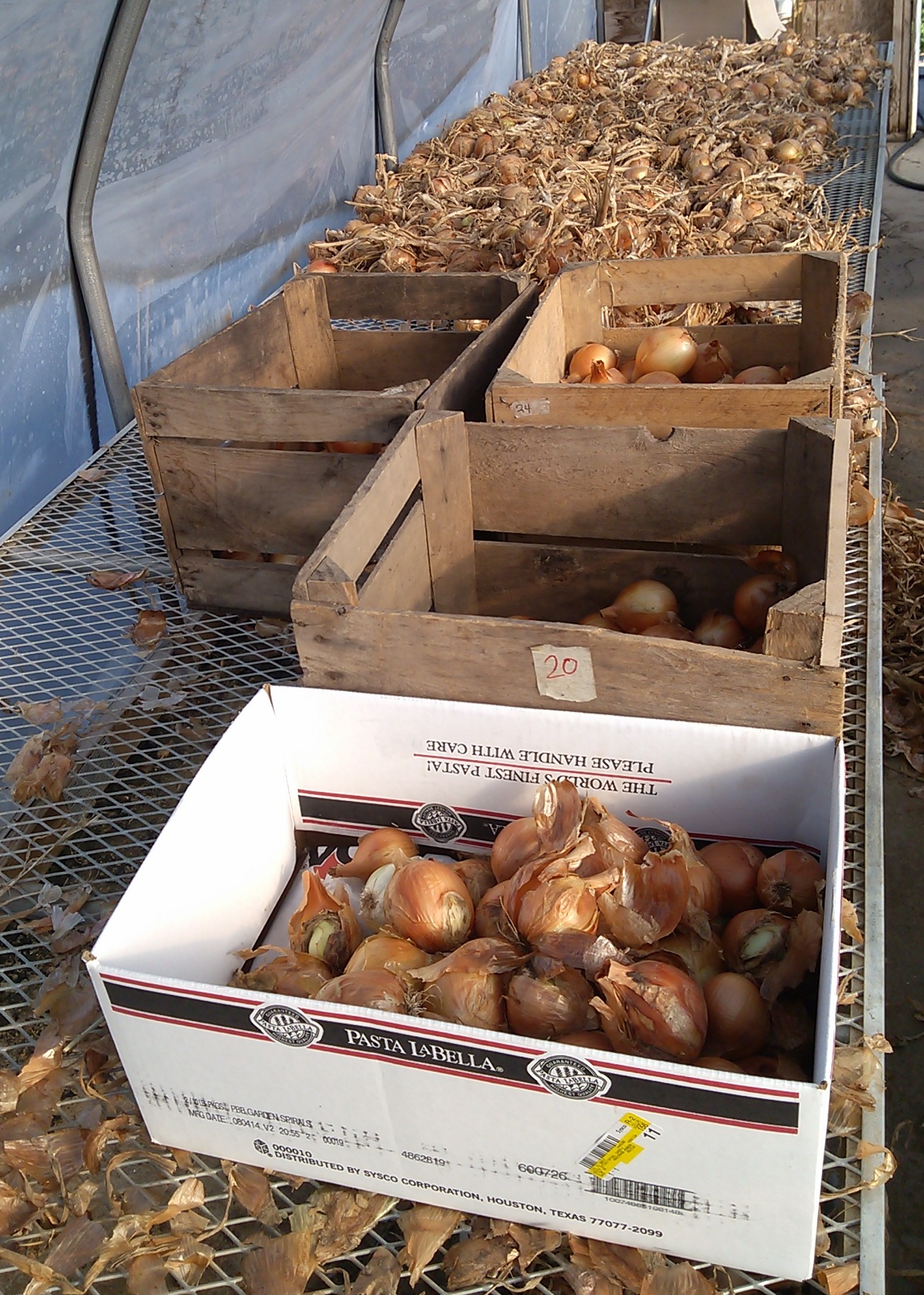
Storage Onions
Storage Onions

LAKE MACBRIDE— Yesterday began with two and a half hours of volunteer work at the CSA. The labor in our barter arrangement has already been provided so I’m free to volunteer for general farm chores like working onions.

Onion Cleaning and Sorting

Once the seedling operation moved outside, the germination house was used to cure onions on the long wire racks. They are ready for the next step, which is cleaning and sorting.

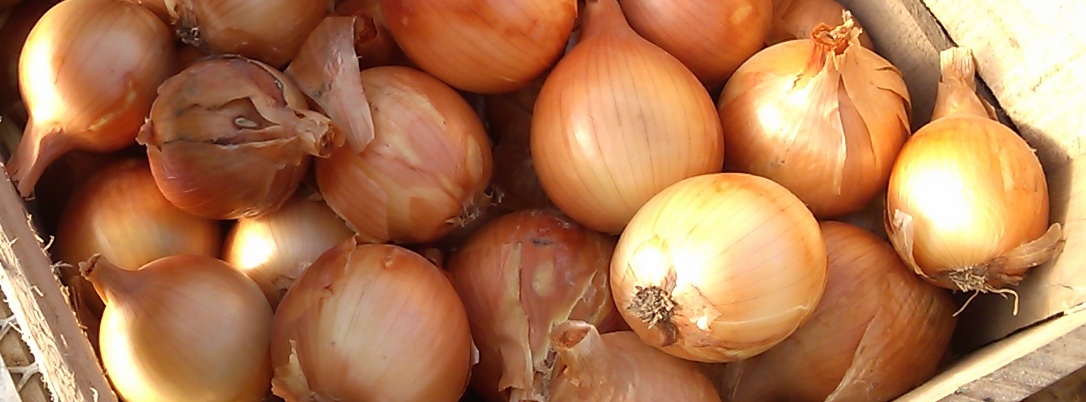
There are five sorting types: big and small storage, ready for distribution, seconds, and those to be composted. I trimmed the tops and roots and sorted. The onion worker got to keep the seconds, so last night was salvaging usable sections of onion. By bedtime, a couple of big bags of peeled onions were in the ice box ready to use.

Basic pasta sauce is of onions, garlic, basil and tomatoes, so as I write, a big batch simmers on the stove. All of the produce is from our garden, or the CSA. Except for the salt, it is 100 percent local. There is always an exception in local food. The tomato sauce will be frozen in quart zip top bags.

Making tomato sauce is elemental. This batch is from the edge between fresh garden produce and compost, where we often live our lives. In cutting away the bad parts of the onions and tomatoes—picking through basil leaves—there was more compost than usable produce.

Between our concept of ourselves and our inevitable transformation to dust is a sliver of life. If we don’t grow food and make tomato sauce, what else would we do? There really is nothing else, except to go on living.

Categories
Kitchen Garden

Pear Harvest

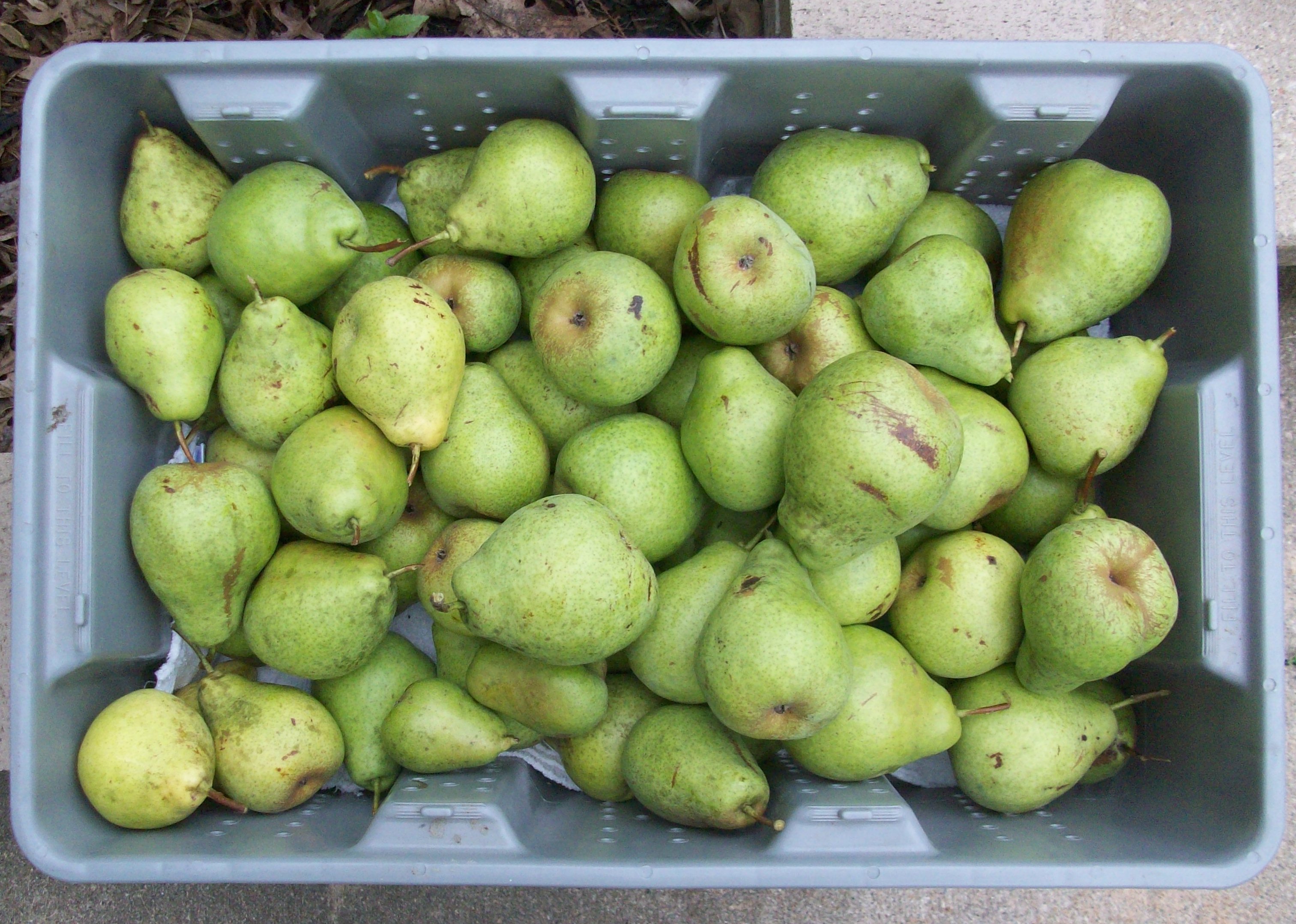
2014 Pear Harvest
2014 Pear Harvest

LAKE MACBRIDE— Our pear tree is very tall. So tall the highest fruit can’t be reached without a ladder and a picker. Even then, some will be left on the tree.

That’s okay because the shelf life or pears is very short, and we have all the pear butter we can use already in the pantry from last year. We’ll bask in the glory of fresh, organically grown pears for a week or so, and give a lot away during that time.

The money spent to purchase this tree was paid back years ago. Just this year, I paid attention to how to harvest them, and found this information from Stark Brothers to be useful. If left on the tree, pears ripen from the inside out and taste mealy. Don’t want that.

This one tree has been the perfect producer for us. Not too many pears, and not too few.

It turns out I’m okay with eating pears for a few short weeks when they come in, and have little craving for them the rest of the year. One more way to sustain ourselves throughout the year with local food without eating the same thing over and over.

Categories
Kitchen Garden

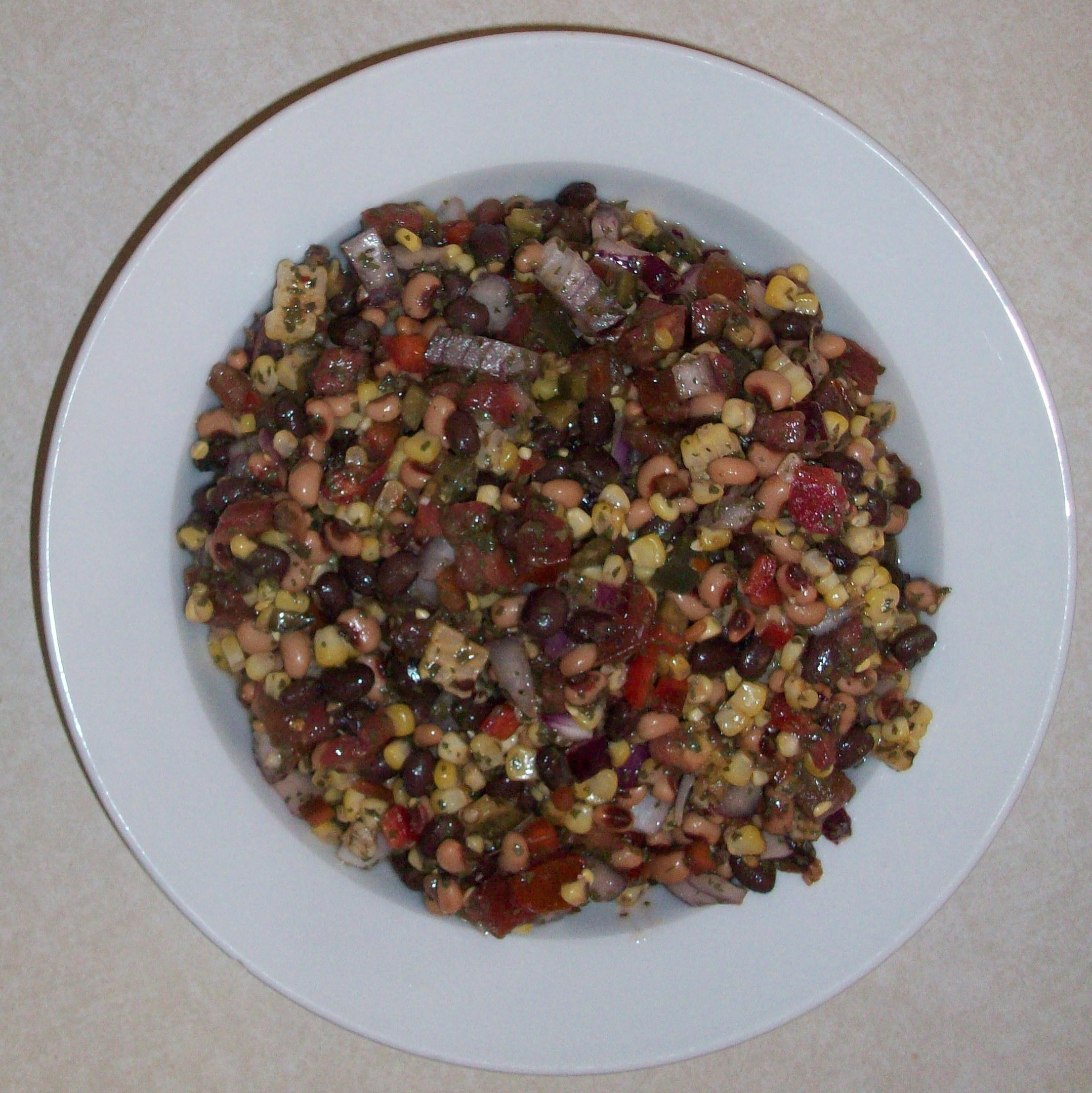
Cowboy Caviar

Cowboy Caviar
Cowboy Caviar

Cowboy caviar is a fancy name for a simple mixed salad of beans, peppers, tomatoes, corn and other summer goodness. There is no good reason to purchase this salad ready-made from a store, as it is easy to make at home.

Ingredients

1 – 15.5 ounce can black beans, drained
1 – 15.5 ounce can black-eyed peas, drained
1 – 15.5 ounce can of diced fresh tomatoes
2 cups cooked sweet corn
1 small red onion, finely diced
1/2 cup pickled jalapeno peppers, finely diced
1 cup home made oil and vinegar dressing (or what you like)
3/8 cup dried cilantro leaves
Garlic salt to taste

Add the ingredients to a bowl, toss gently and season with the garlic salt. Refrigerate an hour or more before serving to let the flavors combine.

Categories
Kitchen Garden

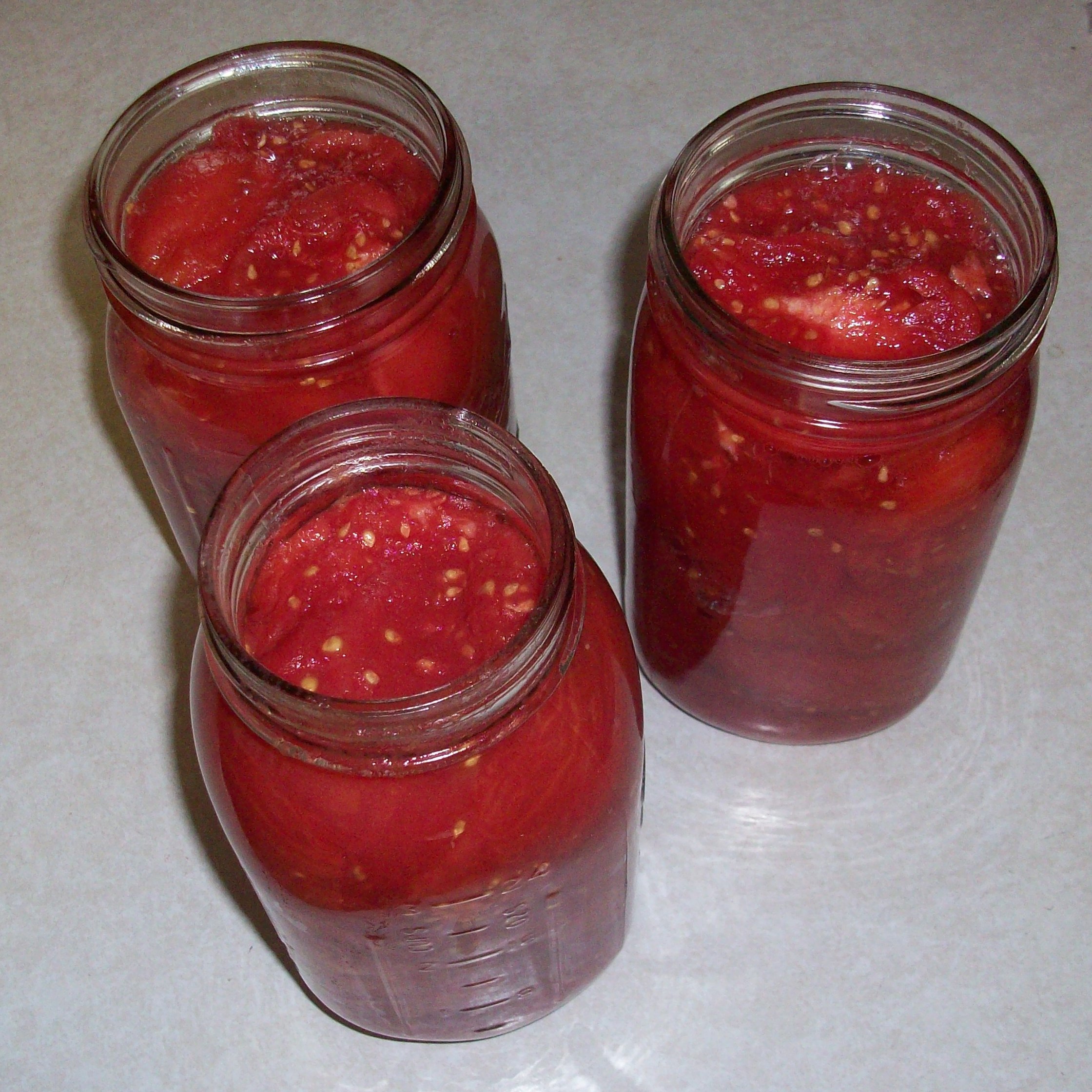
Canning Tomatoes

Canning Tomatoes
Canning Tomatoes

LAKE MACBRIDE— As mentioned previously, there are a lot of tomatoes in the garden and kitchen. So many it is a struggle to preserve, eat and give them away before they turn to compost.

I took a bag of mixed color cherry tomatoes with me on the Great March for Climate Action Wednesday. Interest was mixed— even with exercise and the resulting thirst. Cherry tomatoes are a great snack to eat while walking, but even so, there was resistance.

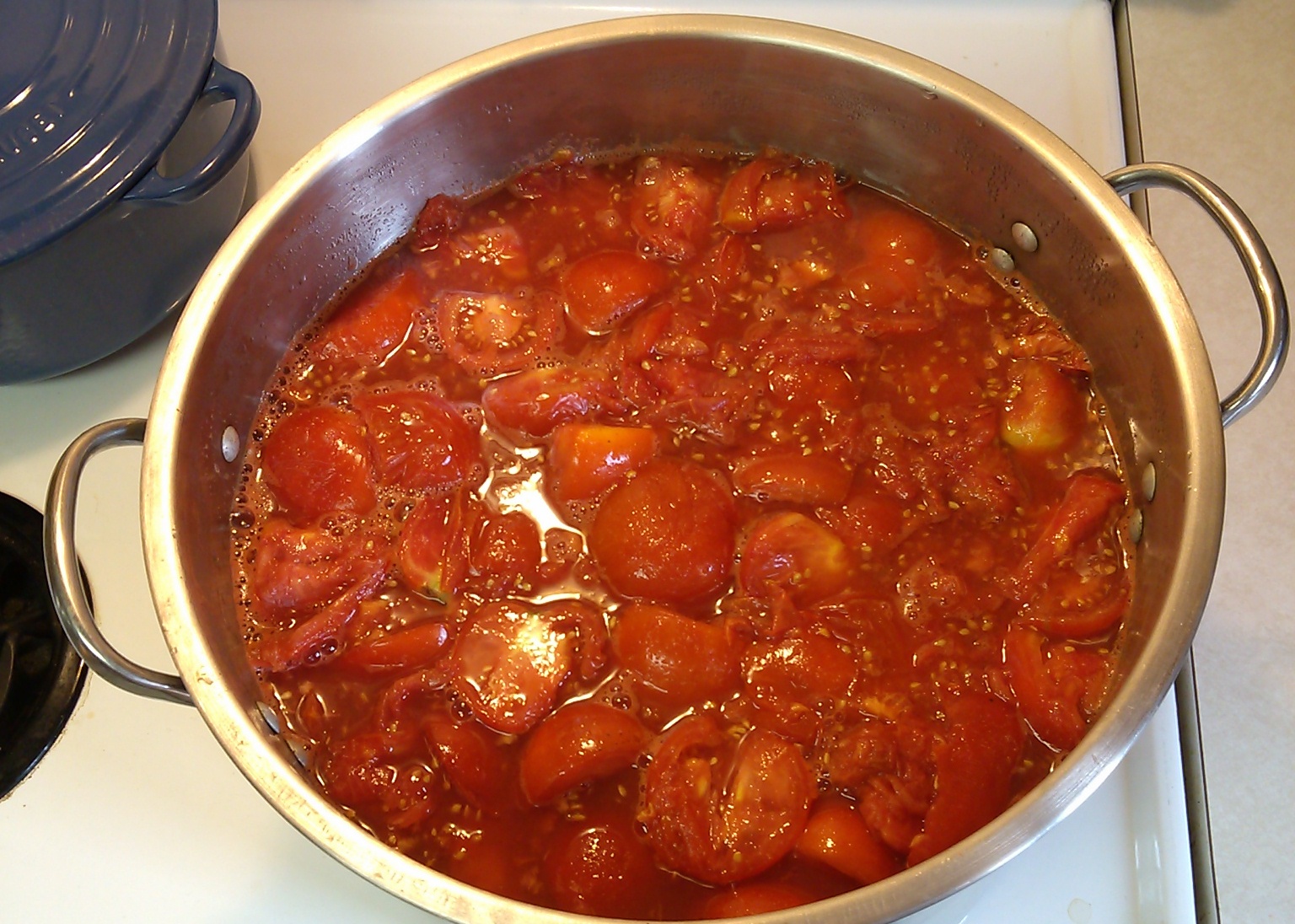
Roma-style tomatoes are great for canning and part of this year’s abundance is being skinned, cut in half, then cored before processing. It’s not that we need more canned tomatoes, but having a crop each year has its own benefits, and there is a certain comfort in having a well-stocked pantry.

Before heading to work in the warehouse, I hope to finish the current batch and get ready for the next wave. Life with tomatoes is pretty good.