The weather was perfect on yesterday’s first day of spring/work day. While it was below freezing in the morning, by mid afternoon the ambient temperature had warmed to the 60s.
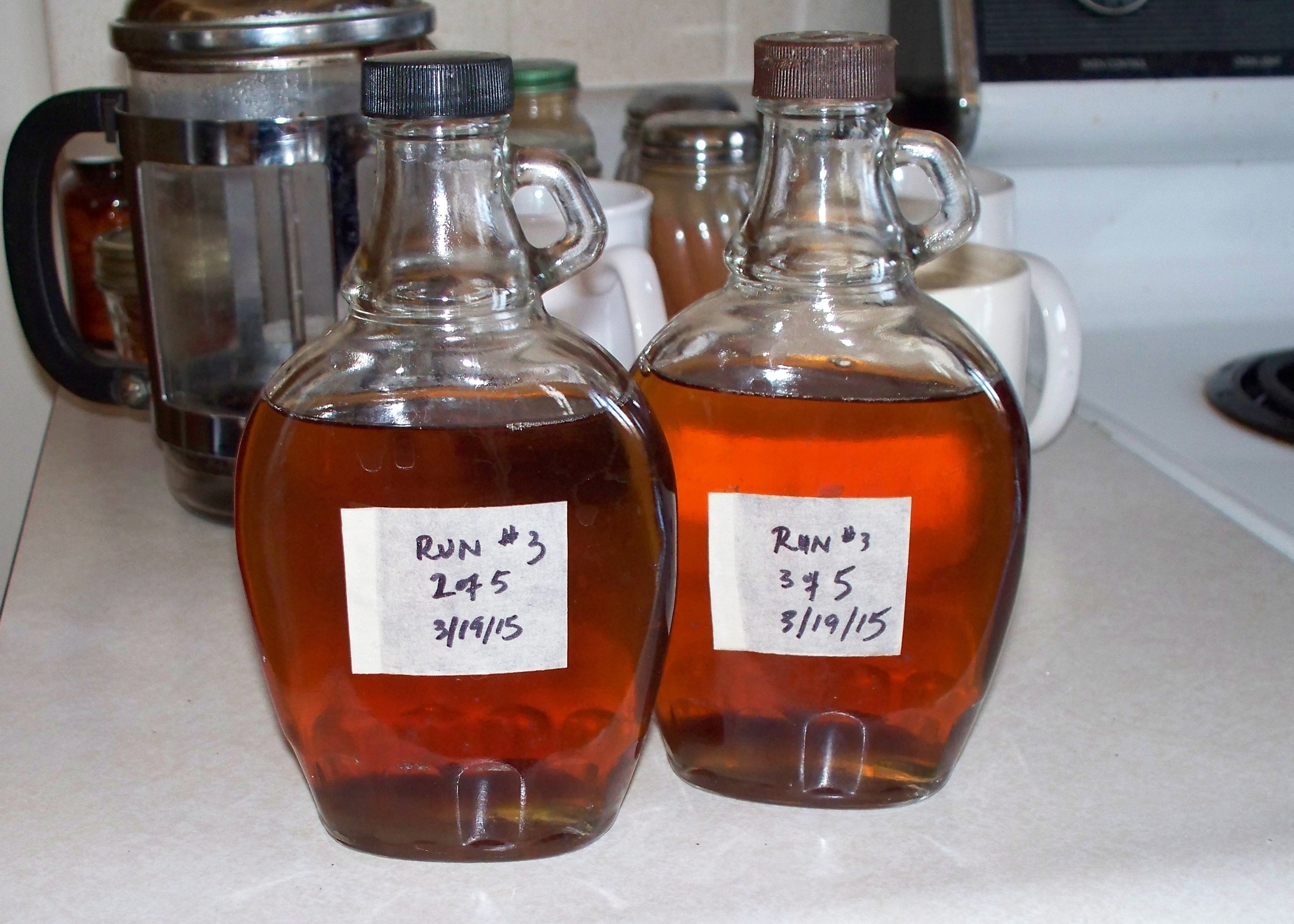
It was a fine day—with a gift of maple syrup.
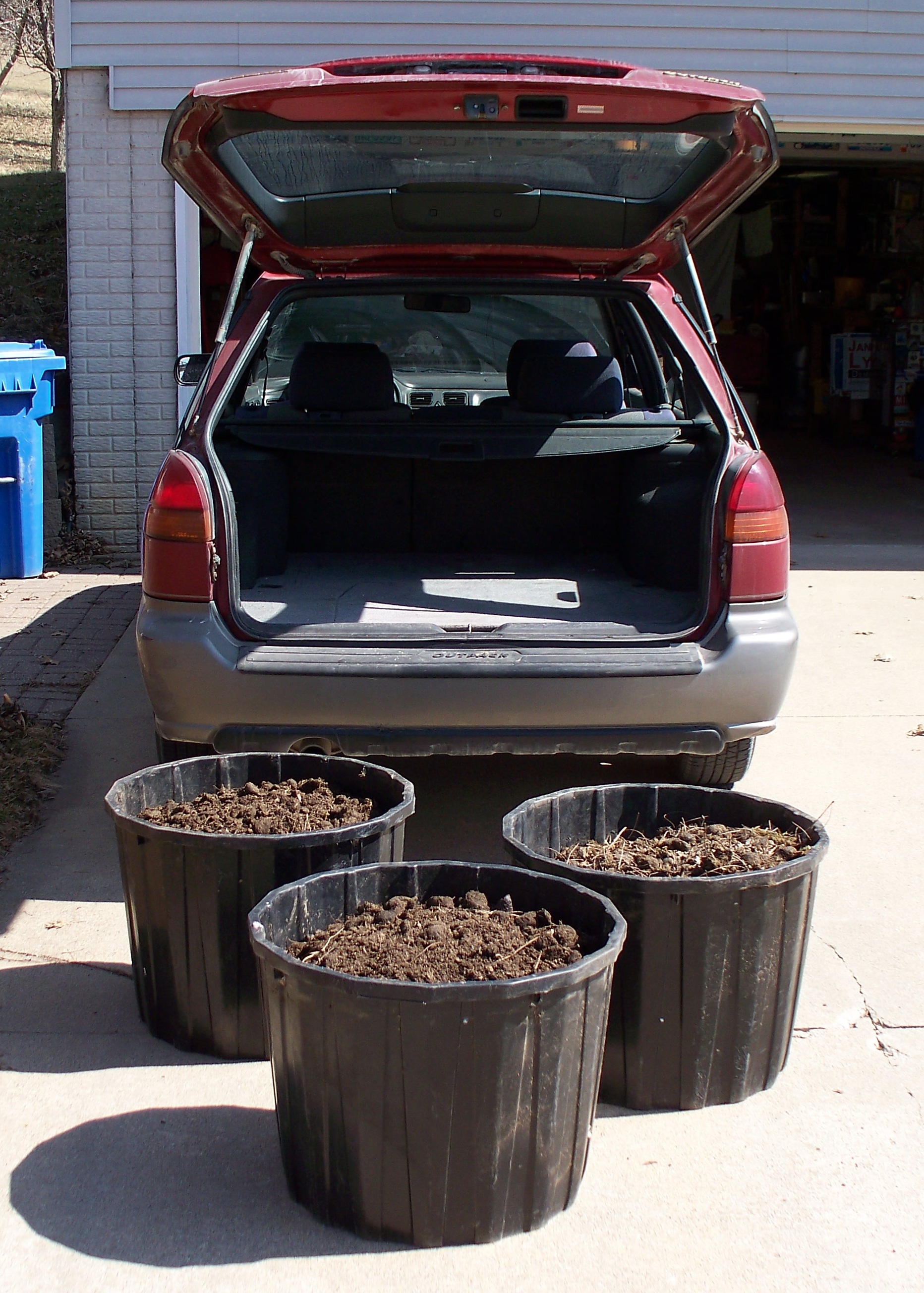
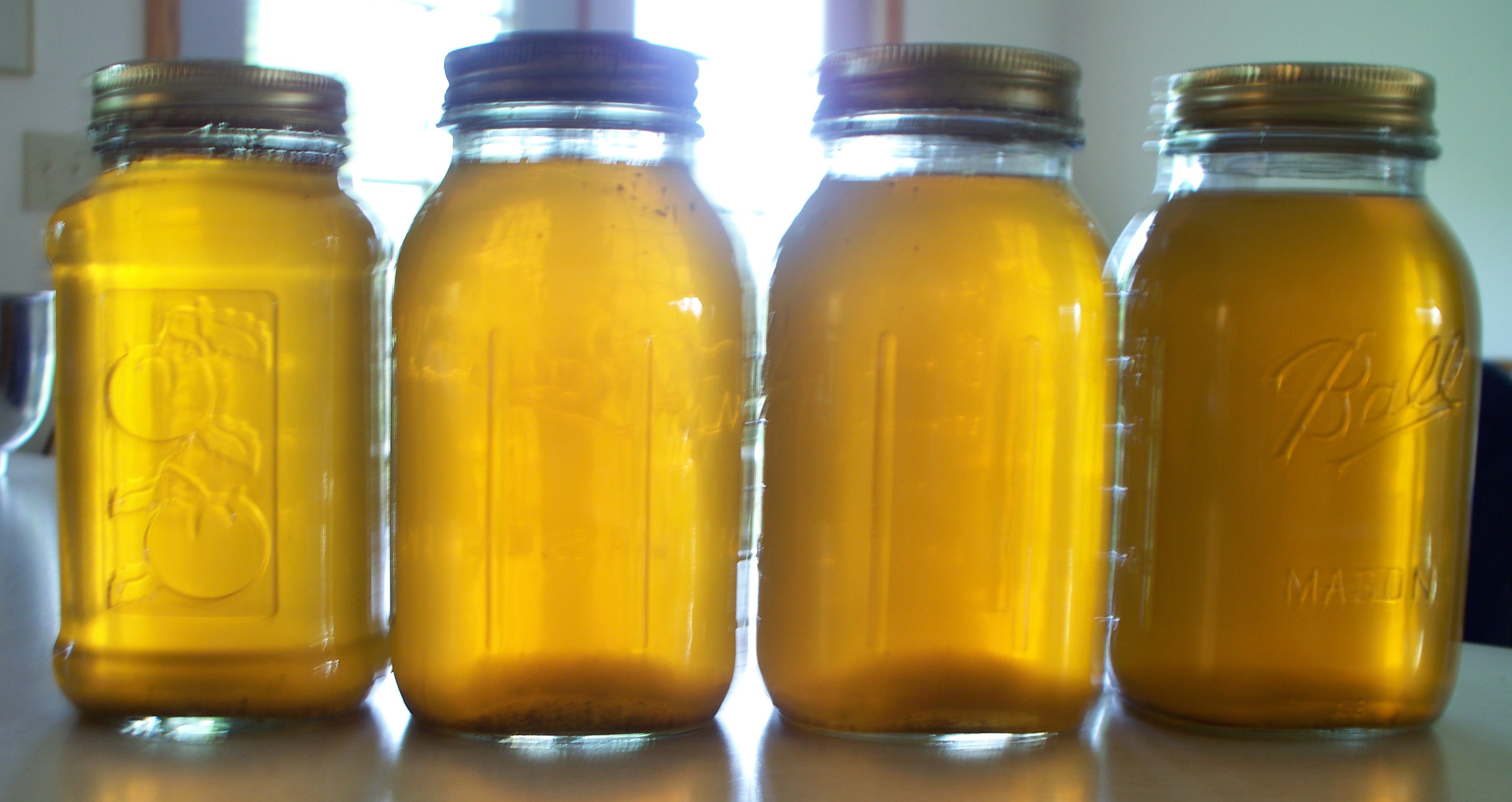
The maples have stopped running sap. Before we know it, what we waited for so long is done. A friend had already pulled his taps. When I picked up three barrels of composted horse manure, he gave me two bottles of the amber liquid which will be doled out for special and when I need a pick-me-up. Considering the work that goes into making maple syrup, it was a generous gift.
Maple Syrup
I placed the bottles carefully on the shelf with local honey and hot sauce—to wait for an occasion to crack one open. I expect it will sweeten steel cut oatmeal on a cold morning.
There is a lot to think about while hauling manure. Our family, it hopes and aspirations, figure prominently as the scent filled the car. Having cracked the windows, it wasn’t so bad, and truthfully, most of the odor was out of it. Still, it was present—a reminder of the fate of living things. While hauling manure one values what we have in this life for good or for ill.
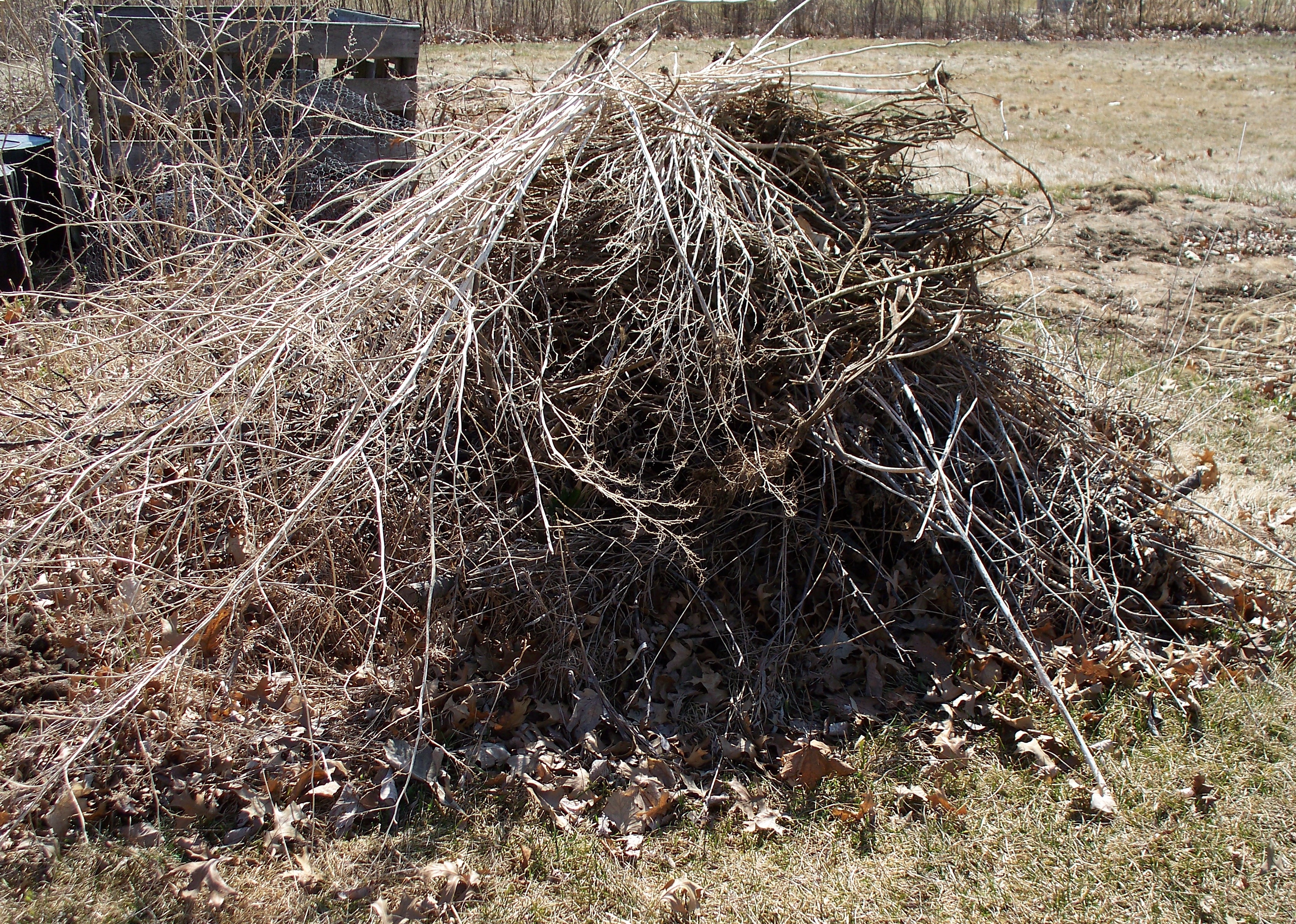
Growing Burn Pile
I saw in social media that the local Community Supported Agriculture project is getting along without me. This will free time for my own garden and yard, which could use the attention. For the moment there is no farm work, and that’s okay.
My work at the warehouse doesn’t start until late morning or afternoon most days. This allows time to write, and a two hour work session in the garage, garden or yard. It is the beginning of a new pattern as I get into the groove of this season’s worklife.
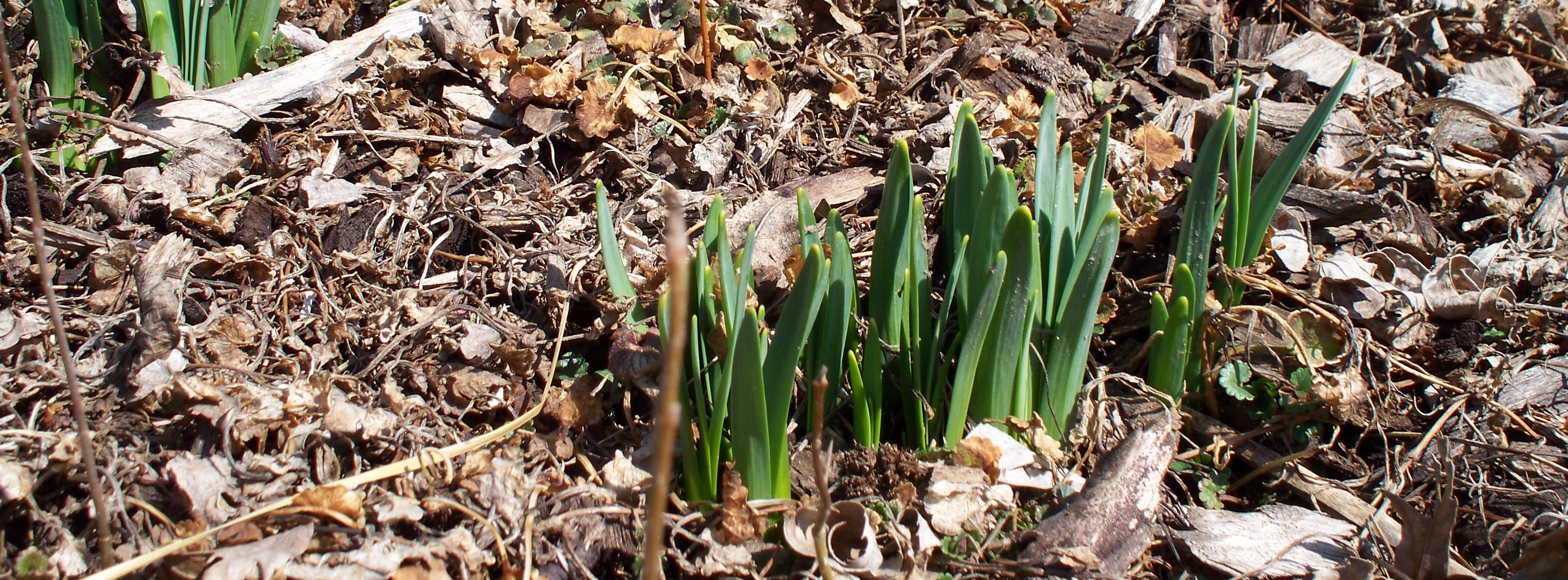
Green grass and flowers poke through the brown leaves and dead cover. Soon it will dominate the landscape. In hours captured from a too-busy day, I’ll make something of the brown spring days before flowers bloom and summer arrives. Bits and pieces of sustaining a life on the Iowa prairie—with essential ingredients of manure and maple syrup.
After delays, the early lettuce is planted in two places. I raked a small patch of ground and broadcast four varieties with maturity days of from 45 to 50, and finished it with broadcast turnip seeds. If all goes well there should be lettuce by May and early turnip greens for stock.
I also tried something new.
Open Compost Pile
With three barrels of composted horse manure from a friend, I cleared out the branches and covered the surface of my open air compost heap with the organic matter. Then I broadcast some Nevada 56 days to maturity lettuce on top, along with the remains of 2013 French Breakfast Radish seeds. Assuming this goes as planned, there should be radishes by April 10, and lettuce afterward. I don’t know if this is a good idea, but I’m not ready to turn the compost and spread it on the garden, so let’s see if I can get some production beforehand.
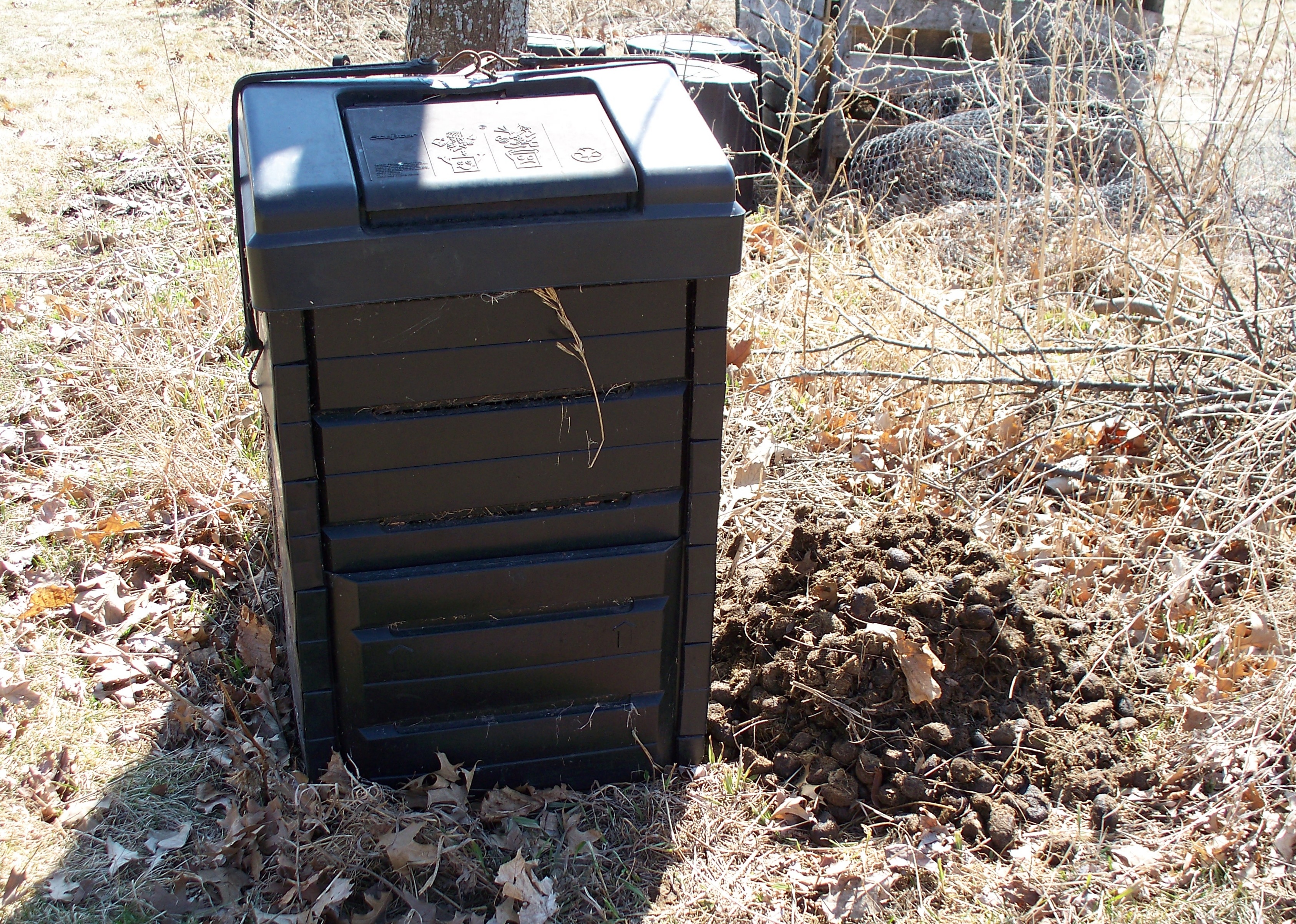
Compost Bin with Manure
The rest of the compost—mostly dropped by horses the last couple of days—has been placed either inside or beside the kitchen compost bin and is already at work. As more kitchen scraps are added, I’ll use the manure to cover them.
Today was my first work day, and while I got some things done, I’m not in the groove yet. The productivity index is low. But like with everything just beginning, exercising diligence will get me into a groove before long. Maybe by the time the radishes are ready.
Our freezer shows a little space, but is still loaded with food.
I grabbed a pint jar of pesto and about three dozen cherry tomatoes from the freezer, some Parmesan cheese from the ice box, and a box of farfalle pasta from the pantry to make dinner.
It’s easy.
Cook the whole box of farfalle al dente. Strain and pour the lot into a big bowl. Spoon about half a pint of pesto on top, add the tomatoes (cut in half or peeled, the latter being easier with thawed, frozen tomatoes), and a cup of Parmesan. Stir gently with a rubber spoon, salt and pepper to taste, and it’s dinner.
Serve with a vegetable, some white wine, or lime sparkling water, and it is dinner, as good as it gets.
The broccoli seeds I planted three days ago—a full tray of 96 cells—have begun to sprout.
This year we hope to harvest enough broccoli from our home garden to freeze some for next winter. It is a numbers game: starting a large number of seeds and devoting more work and space in the garden to tending them. We’ll see how it goes. With the newly sprouted life, I am hopeful. The down side is we never use chemicals, so there is risk of a poor crop even before we get started. That has never been a deterrence.
The Coralville Lake was mostly open water last night on my way home from the warehouse. The eagles have gone. A wild turkey was browsing near the roadway. That pretty much sums up modern life: we are left with the turkeys.
In the 1930s there was a sense that something substantial had been lost since the land was settled and converted to farms. The name of our township, “Big Grove,” refers to an ancient forest that stretched from the Cedar River to the Iowa River.
“Before the Louisiana Purchase in 1803, the land which is now Iowa was heavily wooded,” wrote Golda Leighton Jenkinson in her 1969 A History of Lake Macbride State Park. “As the time passed, it gradually became depleted until all that was left consisted of second and third growth, and even this was rapidly disappearing because of the owners’ need for cash, excessive pasturing and other forms of destruction.”
We take the current farm landscape and new growth trees for granted but it wasn’t always so. Today, local farmers are still removing buffers, installing tile, and keeping farmland empty of animals except for occasional post-harvest browsing. Most farming is about seed genetics and inputs these days, combined with managing a profit on thin, subsidized margins.
Our garden plot used to be part of the Kasparek farm. When we arrived, the topsoil was mostly gone and rumor was the best of it had been sold. Over 20 years, I’ve built back the soil so our garden is full of worms and other life. It was a long time coming with irregular progress.
Still there is hope. The sprouting seeds create a yearning to plant more, and it won’t be long until we are past the last frost and ready for the growing season.
Today’s sprouted seeds are a sign that hope is not lost. There will be another growing season—at least for another year.
Today is the day to plant Belgian lettuce according to my late maternal grandmother. Not a specific variety, any lettuce seed will do. March 2 planting makes it “Belgian” in a way someone who grew up in a Minnesota-Polish farming community would understand.
It’s not happening this year, as the ground is frozen and covered with snow like last year. I’m not ready to give up on tradition, but this year’s weather is forcing my hand. As soon as the ground can be worked, lettuce seeds will be broadcast belatedly.
The Old Farmer’s Almanac indicates the average growing season in this area is 163 days, with an average last spring frost date of April 25. I’m calling bullshit on that right now and planning this year’s indoor planting to coincide with a last frost day of May 15. God willing and the creek don’t rise, some seeds will be planted in trays this week, with seedlings ready to go into the ground in May.
Starbor hybrid kale seeds arrived by U.S. postal service on Friday. The back order was finally filled, so this season there will be three kinds of kale, including the Blue Curled Scotch and Scarlet varieties already on hand. If everything proceeds as expected, there will be plenty of kale.
Seed-wise, I’m ready to plant the garden as soon as conditions permit.
The apple trees produced an abundance of new growth last growing season. While temperatures are below zero is the time to get out and prune new growth and make shaping decisions. That work is planned for this week.
Heavy snows took a toll on our lilac bushes, and I’ve not been to the back of the lot to check that clump. They are maturing, and may be due for a radical cutting back to enable new growth. Some research is needed, but the one next to our front door shaped up nicely when I cut the old branches away. These were planted from rootstock when we arrived in Big Grove, so it’s hard to see them mature, even if it’s a part of nature.
No deal is finalized with the CSA this spring, although the farmer may not know what she wants yet. There is an opportunity for some spring work until her supervisor arrives in May. If that doesn’t materialize, the time will be spent improving our garden—which is definitely needed.
The pantry is being worked down, but plenty of tomatoes, soup stock, apple sauce and apple butter remain on the shelves. Jars of canned dill pickles, hot sauce, salsa and Serrano peppers remain. There are even a few jars of kale soup starter on the shelves. Enough to tide us over until the first harvest.
Absent Belgian lettuce, there is hope for an abundant gardening season.
The intent was to prepare dinner for my spouse who worked later than me on Saturday. The dish would have onions and tomatoes in it. Those things I knew.
From there the culinary session went into chaos as either I couldn’t make a decision, or more likely, refused to cooperate as I struggled to enter the real world of counter top, sink, stove top and oven. There were knives and heat involved, so it is a miracle the preparation left me unscathed.
It began with an onion that was beginning to sprout.
Onions are a staple in our kitchen, and we can’t grow or barter for enough of them. Having used up the local harvest, we were on our second bag from the warehouse club. Unexpectedly, one sprouted.
Not a catastrophe, and my mind turned toward preparing dishes using onions to eat for dinner and store for later. It would be pizza, chili and/or pasta sauce. That “and/or” became problematic, but no problem with the pizza.
A long-time pizza-maker explained that dough makes the pizza. We like it as thin as possible and the recipe is simple: a cup of warm water, a teaspoon of yeast, a scant teaspoon of sugar, pinch of salt and flour enough to bring the dough together in a sticky, but not too sticky ball. Then into a greased bowl in a warm oven, covered by a dish towel for about an hour. It takes practice and over 40 years, I’ve gotten the knack. So far so good.
What did I do for an hour? Partly I prepared the toppings for the pizza, including caramelizing two large onions seasoned with basil, made eight ounces of sauce, drained sliced Manzanilla olives and opened the bag of shredded mozzarella cheese I bought on closeout from the local grocer on the way home from work. Caramelized onions on pizza was something we discussed, and Saturday was the night to try them.
Using ample bench flour, the risen dough was dumped on the counter, kneaded a second time, then rolled with a pin. For the first time I decided to use parchment paper under the pizza dough to make clean up easier. Initially I hoped to put the pizza-laden parchment directly on the oven rack. I rolled up the flattened dough on the pin and transferred it to the parchment paper, which I laid on a large wooden paddle. The paddle was from the part of the plan where I thought the pizza would go directly on the rack. To call it a plan is not accurate. I transferred the works to a baking sheet.
I docked the dough and spread on a thin coating of olive oil. Next the sauce (seasoned with oregano and the remains of a jar of “Italian seasoning” rescued from our daughter’s Colorado apartment), then olives, then onions, then cheese all spread as evenly as possible.
12-15 minutes at 450 degrees and pizza perfection. If I had left it there, everything would have been fine.
I got out my kitchen-weary Dutch oven to make the chili or pasta sauce, having reduced the plan from “and/or” to “or.” In my mind, I was making both. Making a rough dice of another onion, I covered the bottom of the pan with tomato juice drained from two quarts of diced tomatoes. The idea was to steam fry the onions. As the juice evaporated, I added more. This part went well and the onions softened, becoming translucent. I added two small cans of tomato paste. Whoever invented tomato paste was brilliant as it both thickens and adds a pronounced tomato flavor to any dish.
Here is where things went awry. To season the dish, I added a scant tablespoon of chili powder, some cumin and incorporated everything so I could proceed to the next step. Then I added a heaping teaspoon of basil, which violated some unwritten rule, making the dish neither chili nor pasta sauce. When I seasoned the caramelized onions with basil, while the jar was still in my hand, I unwittingly dumped the rest of it into the nascent chili-pasta sauce. It’s not a crime, but it’s not chili.
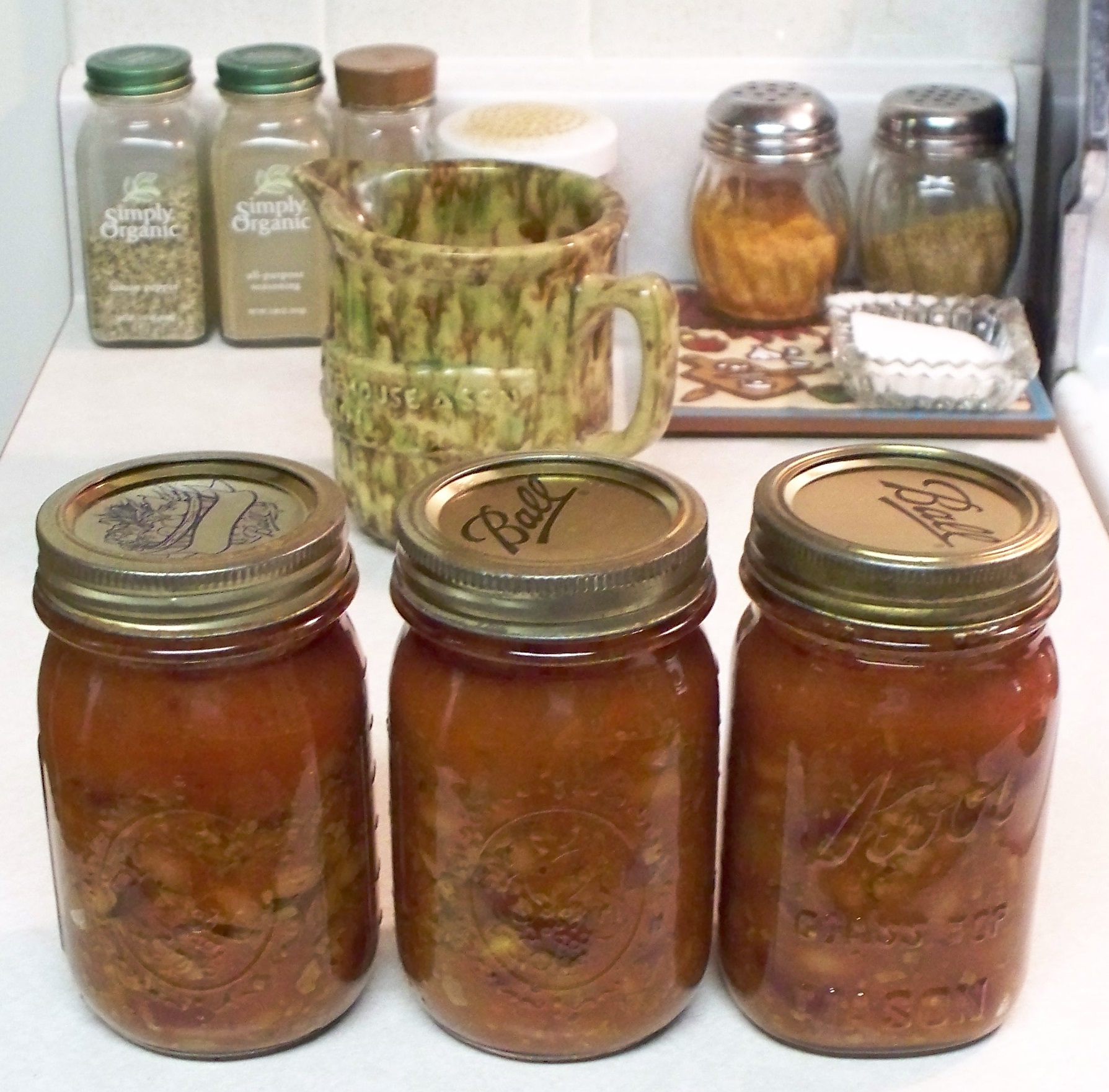
Once the deed was done, I had to recover. With the chili powder, it would never make good pasta sauce, so I fetched some cans of organic kidney beans from downstairs. I drained and washed them and added them in along with a bag of Morningstar® Recipe Crumbles and covered with more tomato juice. It made nine pints of so-called chili.
A fine dinner was and will be had by all as the results of this work are consumed over the next week or so.
What the cookbooks by celebrity chefs don’t explain is the foggy dynamic of what actually goes on in a kitchen. Having cooked many meals with my late maternal grandmother, I understand what happened last night is not unusual. The extemporaneous practice of cooking is more often like that than not.
Through the haze of a long day’s work we look at life’s deteriorating produce, and a spice shelf where seasonings are older than fresh, and say, “something can be made here.” Even when ideas don’t quite come together in the mist of life, we can sustain ourselves. That is a life worth living.
LAKE MACBRIDE— New Year’s Day was for rest and household chores. The bed sheets were laundered, along with work clothes. As the washer and dryer ran, I rearranged the ice box and cooked chili and apple crisp—two dishes that have long been part of our cuisine.
People who complain about Red Delicious apples have likely never tasted one directly from a tree. At the end of the season a bowl remained to make one last apple crisp.
As I cut and peeled, the apples were ambrosial. They yielded sweet, almost divine fragrance with each cut. Not the crisp freshness of new apples, but the mature, aromatic drift of delicious.
There were bad spots, but plenty of good slices for the bowl—just enough.
The issue with local food is a lack of citrus fruit in Iowa, impossible to live without. It may be possible to re-create a greenhouse environment—carefully modulating soil, moisture, temperature and light—to grow citrus in Iowa. Why would we want to?
In winter I use imported lemon juice: Italian Volcano organic lemon juice, and there are few better things in the kitchen. A couple of tablespoons in the apple crisp and the flavor turns from tasty to insanely pleasurable. Combined with the apple aromatics, it makes a dessert fit for kings and queens. Since there are no American royalty, we’ll have to eat it ourselves.
Over many years I have tinkered with the chili recipe and have it about right. At one point I read every chili recipe I could find, especially those produced in the neighborhoods where I grew up, including my mother and grandmother’s recipes. We are solid on this dish.
That said, even if there is a recipe, the cooking of each instance of it is always a little different. The ingredients are simple: onions, kidney beans, Morningstar Farms® Recipe Crumbles, tomatoes, tomato paste, cumin, chili powder and salt are the main ones. There are a couple of key elements to preparation.
Don’t use oil for this vegetarian chili. Instead, drain the tomatoes and use the liquid to cook the onions until translucent. When they are finished, add tomato paste until the liquid is the desired thickness. Pile in the rest of the ingredients and cover with tomato juice. When there is time to simmer the chili for 6-8 hours, use it. Don’t be afraid to add lots of beans.
While these aren’t really recipes, the dishes are common enough for cooks to find and modify their own. To learn how they taste, you’ll have to visit, unless you are royalty. In which case, nuts! Have your staff make your own.
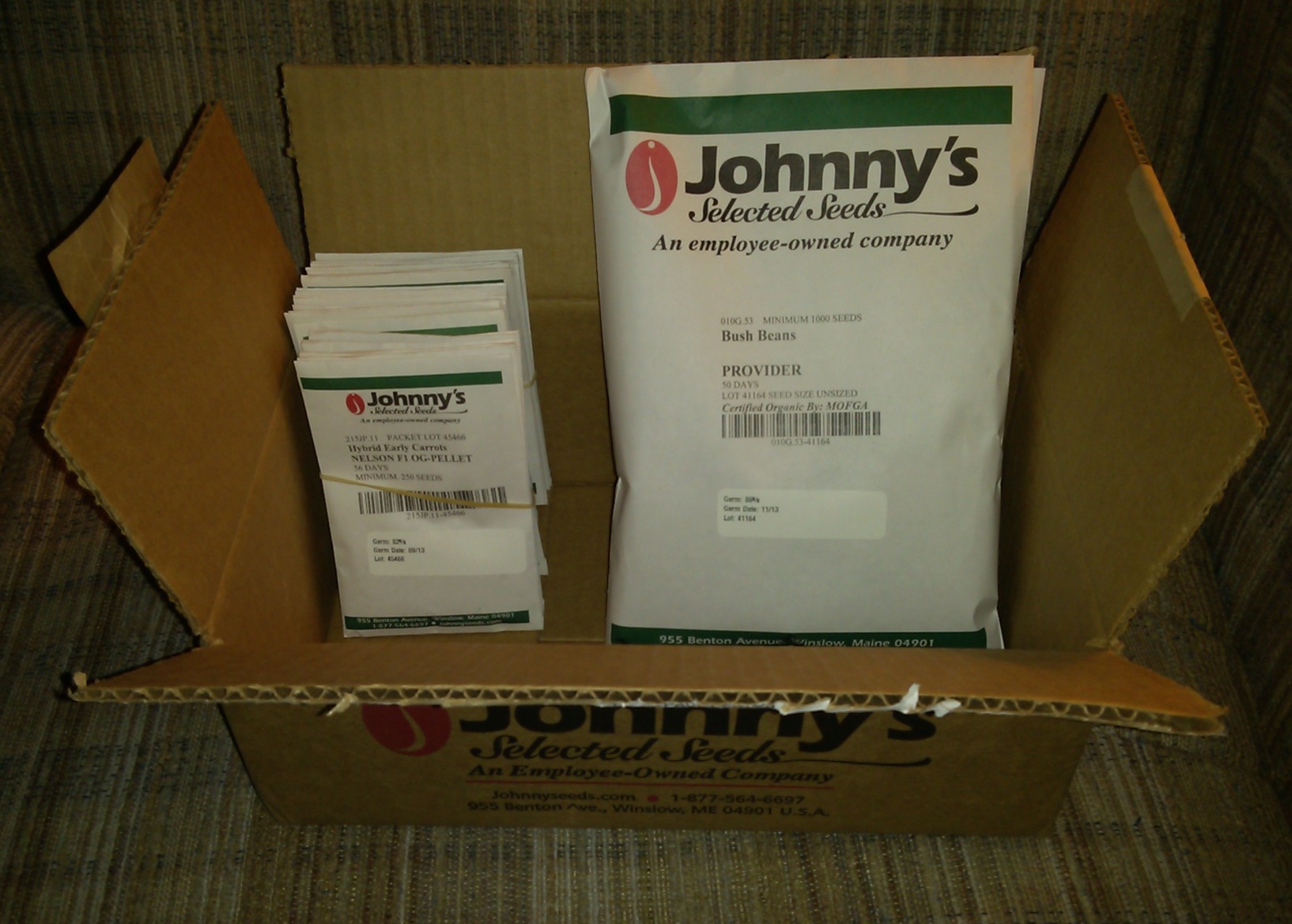
LAKE MACBRIDE— The box of seeds from last season sat on the workbench for months. I brought it inside to begin garden planning—something I am loathe to do. In fact, I’m still thinking about mowing the lawn one more time before winter really gets here. After all, it is forecast to be in the forties next week… I can’t give it up.
Like it or not, time passes and the seasons with it. I need to let go of what did and didn’t get done this year and begin planning for 2015. Right after I put up the holiday decorations.
Yesterday, a reminder of life’s fleeting nature arrived as Mother was admitted to the hospital after suffering severe pain in the night. The physicians and specialists are attempting to diagnose what happened and what risk it may pose. Our small family is on watch as they do their work.
That our plans don’t always work out as we thought is a given. That I will continue to plug away at making the garden more diverse and productive represents hope. Hope that life will continue in some semblance of what it has been during my years on the planet.
Quixotic? I don’t think so. Utopian? Maybe a little. Idealistic? Yes, definitely. While the idealism of youth get burnished with experience, there is a basic urge to go on living. Should we lose that, all hope would be gone.
In a turbulent world, with its cacophonous voices, we go on living. Some days are better than others, but there is always hope that this year’s garden will be better than last, and will sustain our lives–at least for a while.
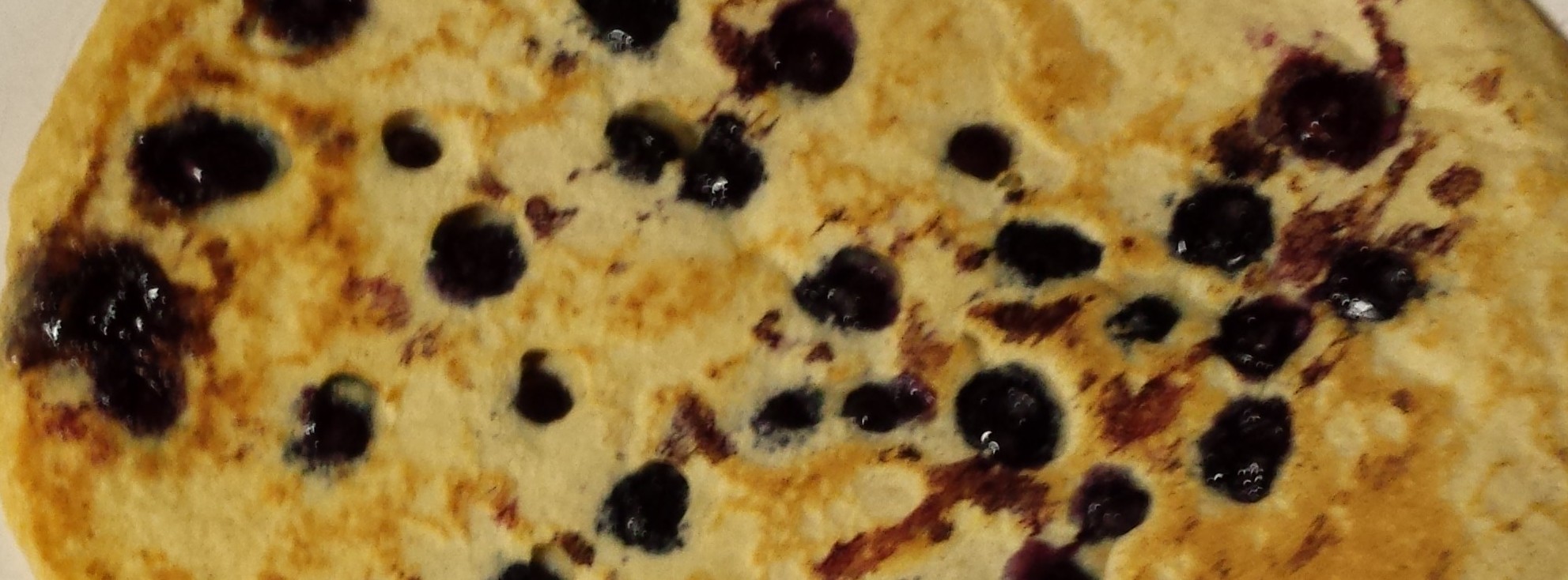
LAKE MACBRIDE—Some mornings pancakes seem the right breakfast. Mornings like today.
One cup flour (mixture of unbleached plus whole wheat)
One large egg
One cup fat free milk
One tsp baking powder
One pat salted sweet cream butter
150 grams fresh blueberries
Favorite topping
Put the liquids plus baking powder in a mixing bowl and stir with a whisk until incorporated. Add flour a tablespoon at a time. Stir, but not too much. Put half the butter on a hot pan and pour enough batter to make a pancake. Scatter blueberries in the batter. Flip, cook and serve with favorite topping.
LAKE MACBRIDE— Leeks at the grocery store looked particularly good so I bought one to make leek and potato soup. Leeks make incredible soup stock, so I always look forward to this once or twice a year meal.
The ingredients for leek and potato soup are simple:
Stock
One large onion
Half cup diced celery (garden grown if you have it)
Three carrots peeled and cut into large chunks
Top of one leek rough chopped. Cut it just below where the leaves start to fan out. Be sure to get the dirt out from between the leaves.
Two bay leaves
Salt to taste
Eight cups of water
Soup
Aforementioned stock
One lunch bag full of potatoes, peeled and cut into bite-sized pieces
Remaining leek halved lengthwise and cut into thin ribbons and cleaned
Two celery stalks, medium dice
Two cups frozen cut corn
Partly this list is a lie. Some would skip the stock, boil the potatoes separately, reserving a cup of the cooking liquid. Saute the celery and leeks in a Dutch oven and add the cooked potatoes, corn, potato water and milk (evaporated, cream, or whatever) to cover. Heat slowly until fully warmed, but don’t scald the milk. Serve with freshly baked biscuits.
There is another way. Place the soup stock ingredients in a Dutch oven and bring to a boil. Turn the heat down and simmer until it’s soup. Strain the vegetables out, and put the stock back into the Dutch oven. Add the potatoes and leeks and enough water to cover. Bring to a boil, then turn the heat down to a simmer. Cook until the potatoes are fork tender and add the corn. Re-season. Bring the pot to temperature and serve with oyster crackers or freshly baked biscuits.
There are other ways to make this soup. The point of the story and recipe is that the leeks at the store looked good. I did something about that.
We have gotten too far from the natural instinct of creating from our found environment. Yes, the leeks may not have been grown in Iowa. The soup I made from them was, and that makes it local food.
A meal that was filling and tasty by any definition, cooked once or twice a year when the leeks look good in the store is culture that escapes us too often. Life is too short to let that happen.





 Journey Home
You must be logged in to post a comment.