Categories
Home Life Kitchen Garden

Cooking Away Frustrations

Pumpkin Pancake Topped with Apple Butter and caramelized Apples
Pumpkin Pancake Topped with Apple Butter and Caramelized Apples

The weekend was a chance to get in the kitchen again.

When memories of a god-awful general election campaign persist, work is the best antidote.

I made a lot of dishes.

First up was a big pot of chili. Onion sorting has become a weekly thing and there was a whole tub of the same white onions to dice and cook in canned tomato juice for chili. I’ve written my chili recipe so many times I won’t repeat it here.

I halved and seeded a pie pumpkin and baked it in a 360 degree oven until fork tender. It made about four cups of pumpkin pulp, half of which I used to make pumpkin bread. The bread recipe was from The King Arthur Flour Bakers Companion cookbook except I omitted the nuts and chocolate chips. A slice of pumpkin bread went well with the chili for supper. There is a second loaf to take to the home, farm and auto supply store for the break room.

Roasted pumpkin seeds are crunchy and delicious especially while still warm. I separated seeds from the pumpkin guts and baked them with a little salt. It was hard not to eat them all.

After dropping my spouse at work, I went to the orchard to spend the $50 gift certificate received during our end of season party. I bought 19 pounds of Gold Rush apples, a long keeper and plenty delicious (apple joke). To make room for them in the ice box, I took the bowl of apples already there and peeled and sliced them for a simple caramelized apple dish. When it was done I put it in a plastic tub in the ice box.

Ice Box
Ice Box

Not to show off or anything, but here is what our ice box looked like when I returned from the orchard and put everything away.

The end of this spate of cooking came at breakfast Sunday morning when I made pumpkin pancakes topped with home made apple butter and the apple dish from Saturday warmed in the microwave oven. I made the batter in a bowl just used to bottle ground habañero and jalapeño peppers so the pancake had a kick.

Days of kitchen cooking seem rare as life accelerates toward year’s end. My advice is two things: grind your hot peppers in the garage, and when you feel blue, get to work. You’ll be glad you did both, especially the former.

Categories
Kitchen Garden

Garden Plot Three 2016

Field Tile Protecting Celery Plants

What is a kitchen garden? Garden plot three.

More than others, vegetables grown here made it to our kitchen and were used. Herbs, onions, celery, broccoli and green beans are always expected from a Midwestern garden. This year plot three delivered.

The story was of technique.

The plot is shaded by the locust tree each morning with full sun after noon. Almost everything planted here thrived. This year’s production included perennial chives and oregano, spring onions, basil, celery, broccoli and green beans.

I used drainage tile to protect young celery seedlings and it worked. Celery plants grew tall inside the 12-inch by 4-inch tile segments, producing enough for the kitchen with extra to give to library workers. There is nothing like home-grown celery.

The success of this year’s broccoli is attributable to protecting the seedlings as they grew. I put one old tomato cage around each seedling and wrapped chicken wire around the cage. As the plants grew, I removed the cages and put a 4-foot fence around the broccoli — tall enough to prevent top-nibbling by deer and close enough together to prevent them from jumping inside the fence. It all worked, producing the best broccoli crop I’ve had.

More than 100 onion sets produced spring onions well into summer. I tried seeding basil, but it didn’t take. Basil seedlings started indoors produced better results with plenty to make pesto.

What made this plot a kitchen garden was the production of aromatics — herbs, onions and celery particularly. In season I used them in everything.

Plans for next year: Split the chive and oregano plants; more basil; cherry tomatoes where the beans were; eggplant and hot peppers; and peas.

Categories
Kitchen Garden

Garden Plot Two 2016

Frost Under the Locust Tree

Garden plot two was productive this year.

Nothing but prairie grasses was on this, or any of the garden plots when we moved here in 1993. Shortly after we dug plot two, I planted mail order trees about 12-inches tall to grow them for transplanting. Due to neglect, the locust trees grew and grew and became a 40-foot giants. One of them blew over in a 2013 extreme storm that passed through. I cut it up and sold it for firewood. The remaining locust tree provides shade for the three northern plots, and adds value to the backyard landscape.

Hosting the two compost piles, the locust tree, and a bed of day lilies, plot two is challenging because of the tree root structure. Pieces of roots as big a two inches in diameter had to be removed for planting. The tree suffered no apparent ill effects after cutting some of the roots.

Radishes and turnips were the first crop, followed by onions. All produced well. After the root vegetables finished, I installed four four-foot tall meshed wire containers to grow cucumbers — pickling and slicers. They produced well. High winds blew one tower over, pulling the roots from the ground and killing some plants. Lesson learned from this experiment is to spread the cages out more and better stake them. After 2016 there is no question cucumbers grow better in the air than on the ground.

Kennebec and Yukon Gold potatoes were planted in big plastic tubs as an experiment. I got the tubs from a friend who gets them with her animal feed. The technique served the purpose of keeping rodents from eating the mature vegetables before I did. Production was okay, although we don’t eat a lot of potatoes in our kitchen. It was enough. I’m not sure the soil composition in the containers was the best. It was mostly compost with some dirt spaded in. Harvest was easy once I turned the weighty tubs over and picked through the dirt for the potatoes. There was no fork or shovel damage to the crop because of the technique.

Burying four more containers about 12 inches in the ground, I planted four types of carrots. The purple ones were a disappointment, but the others produced enough to justify another year. I made a second planting of daikon radishes which produced enough for eating fresh and pickling.

Plans for next year: think and plan more about this plot; move the compost bins to different locations; dig up and move the day lilies to a more decorative place in the yard; plant Belgian lettuce and other early greens; re-mix the soil in the containers and move them along the southern border of the plot for potatoes and carrots; plant radishes and turnips again, adding beets; a second planting is in order after the greens and root vegetables: more thought needed on that. These ideas may change as I give the plot additional consideration.

Categories
Kitchen Garden

Garden Plot One 2016

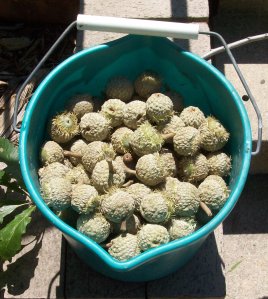
Bur Oak Acorns
Bur Oak Acorns

It’s time to write about this year’s garden — plot by plot.

Dedicated gardeners reflect on the past year and I am mostly serious about gardening.

As the garden has grown, so has my knowledge of how to care for the soil and grow crops. Evaluation of the year just past is part of learning.

Plot one was the first dug during spring 1994.

It is dominated by three Burr Oak trees planted from acorns collected the year our daughter graduated from high school. One tree for each of us. It is adjacent to a row of lilac bushes plants in 1994.  As drought conditions often plague Iowa, accompanied by scorching heat, it is better to plant some vegetables in a partly shady area. Shade creates a longer growing season for lettuce and reduces the amount of watering needed. The three oaks and lilacs are staying for now, although eventually may be thinned.

On the north side of the plot are some spring flower bulbs transplanted from the Indiana trucking terminal where I worked. They grew in the ditch near Highway 41 and were likely planted by a previous owner. They bloom faithfully each year and need to be dug and separated.

Next to the flowers is what used to be a row of iris. They are dying and what’s left needs to be dug and separated. Only an occasional flower now appears.

The rest of the plot was planted in garlic rescued from the town library. It eventually spread to cover the entire plot. A few years ago I placed tarps over the middle of the garlic patch to store stakes, cages and fencing. Each spring garlic pops up around the tarp perimeter. I harvest it for spring garlic, otherwise let it grow wild.

This year I pulled up one of the tarps and planted Turk’s Turban and Acorn squash. Both produced and some wait on the counter to be used.

This is the first year I tried an annual crop in plot one, and based on the results, I might try more. The near continuous shade makes crop selection the essential dynamic. While we enjoy the spring garlic, we should convert production to a regular, annual cycle of planting and harvesting garlic cloves. It is not too late this year, but with continuous daily work outside home until November, it is doubtful I’ll get a crop in.

Plans for next year: dig up the bulbs, separate and move to a more decorative spot in the yard; try an early spring crop like turnips, beets or radishes; till the entire plot after spring crop, evaluate, and likely plant beans to fix nitrogen in the soil; plant garlic in the fall.

Categories
Kitchen Garden

Season’s End

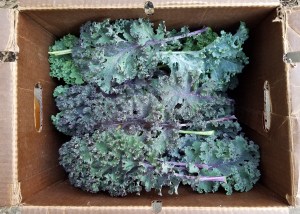
Kale
Kale

Yesterday’s harvest yielded kale, some cucumbers and hot peppers.

I sent another box of kale to the library for workers. It has been filled with kale countless times in recent years. It’s better quality than what’s available at grocery stores and they use it almost every day — good use for an abundant crop.

The aroma of Bangkok peppers in the dehydrator pervaded the kitchen air as I prepared a simple dinner of spaghetti with tomato sauce made of canned tomatoes, garlic, onion, basil, olive oil and oregano. I peeled and diced cucumbers to make a salad with Kalamata olives, feta cheese, olive oil and balsamic vinegar. There was fresh apple cider from the orchard.

I tasted the pickled red onions and decided to stop at two half-gallon jars. There are plenty to last until spring. Three crates of onions remain — more than enough for our small family.

The solace of kitchen work occupies hands and mind to help us forget what seems intolerable in society. At season’s end it is welcome relief.

Categories
Kitchen Garden

Vinegar Time

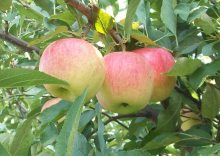
Apples
Apples

With the apple harvest comes an opportunity to make apple cider vinegar.

Since 2012, when I began to wake up to local food, I’ve posted about vinegar twice: Bottling Apple Cider Vinegar in 2013, and Making Vinegar in 2014.

Without a home apple crop, this year’s batch is a little different.

The continuum of vinegar making goes back a long time: it’s the mother. Mine was procured from a neighbor and has been present since I began home fermentation of apples. His mother of vinegar had been in the family since the 19th century when Iowa was first settled. Traces of vinegar have been found in Egyptian urns dated the third millennium BCE.

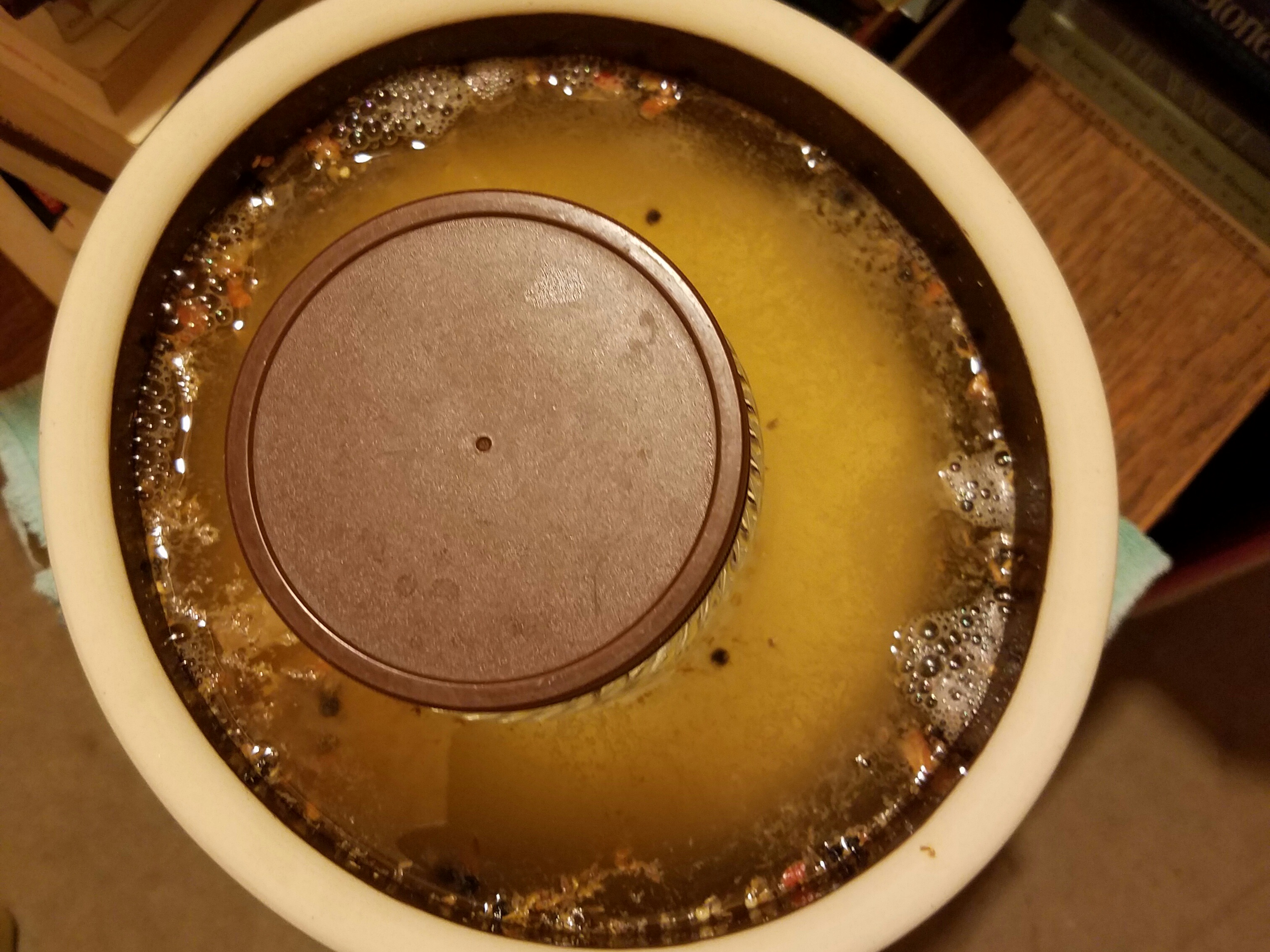
The recipe for vinegar is simple. Keep a container of vinegar with the mother in the pantry and add apple juice from time to time. Cover with a cotton cloth for ventilation and let it ferment. After the bacteria have converted sugars to alcohol, then alcohol to vinegar, it’s ready to bottle and use. Currently there is a gallon ready to use and a gallon just started this year. At least one jar never goes empty to preserve the mother.

My production is small compared to the orchard where I work on weekends. We both use the same mother, although he uses brewer’s yeast to hasten production of alcohol. My method, using apples from my back yard and no yeast, works as well but takes more time. Making vinegar is about time more than anything.

This year I stopped at a shop that caters to people who ferment their own beer and wine to ask about brewer’s yeast. The proprietor said I was the first customer to arrive asking about making vinegar. Not a lot of people make their own.

After studying a few things on the internet he recommended a yeast made by a major company that would produce about 14 percent alcohol. He said too much alcohol may kill the vinegar bacteria. Both of us thought the low end of alcohol production would not. The $0.99 packet I bought will ferment a lot of apple cider.

Without a crop at home, I’m using cider from where I work. It is flash pasteurized, which will allow my bacteria to drive the process. I hope it is a better result. I bought half-gallon Mason jars  for the project and have two started about 3 weeks apart.

I trimmed the mother with a pair of kitchen scissors and put part in the jar. I added a scant half gallon of cider and let it warm to room temperature. I added a 16th teaspoon of yeast which began producing alcohol within a couple of days. The liquid tastes more like hard cider today with hints of vinegar. The process appears to be working.

I organized and bottled last year’s production and am ready for winter. I’ll keep making it and making pickles and dressings with it.

Making apple cider vinegar is one way we emulate an agrarian life in a modern kitchen. It’s also how we sustain our lives in a turbulent world.

Categories
Kitchen Garden

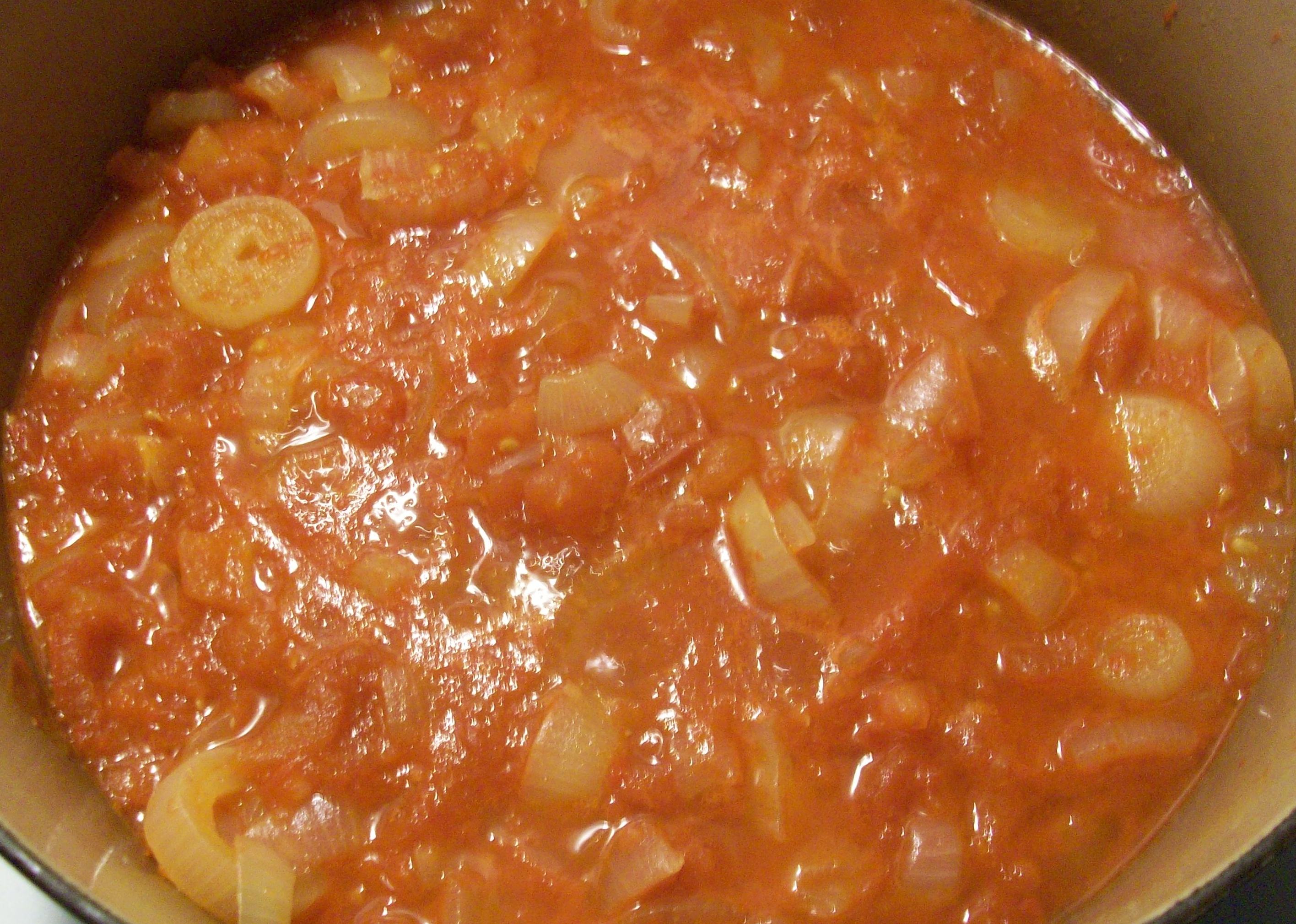
Red Bell Pepper Soup

Red Bell Pepper Soup

The abundance of tomatoes, bell peppers and onions is leading to a pot of soup featuring those ingredients.

There is no recipe — I used ingredients already in the ice box. I cut up a bag of onion seconds and sauteed them in extra virgin olive oil until translucent; poured in a quart and a half of diced tomatoes (drained); and added a scant pint of the pulp of red peppers cooked and separated with a food mill, also drained. I seasoned with salt and that’s it.

The mixture is simmering in my Dutch oven on medium heat. Once it is thoroughly cooked, I’ll take the stick blender to it and taste. After that, who knows?

The adventure is in the doing and learning. Because of the uniqueness of this season, the dish is hardly replicable.

Categories
Home Life Kitchen Garden Writing

Into The Vanishing Point

Vanishing Point
Vanishing Point

A new perspective revealed itself from paths traveled daily.

Something showed through the uncut grass and garden in the light of a rising sun.

I should quit thinking and mow the damn lawn.

It depends. What time will I finish at the orchard? How will I feel after interacting with locals for a shift? Will the press of decaying produce draw me into the kitchen again? How guilty will I feel about letting grass grow long?

So much depends. If conditions are right — temperatures moderate, weather dry, and a couple hours of remaining daylight — I may mount the John Deere and make a first pass. The lawn is so long it will take at least two.

So much depends upon weather, capacity for work, and a will to sustain our lives in a turbulent world.

I looked up and saw the vanishing point through the middle of my garden for the first time in 23 years this has been our home.

It has been there all along, the work of the farmer who subdivided his homestead, the surveyors who platted the lots, and the home builders who positioned structures according to convention and restrictive covenants recorded at the county administration building. I played my part unintentionally by positioning my garden in the southeast corner of our lot.

It was hard to miss.

Yet it was there. I walked into it and am still here.

Categories
Kitchen Garden

Poblanos, Onions and Pickles

Fermenting Dill Pickles

JOHNSON COUNTY, Iowa — In the margins of time between social engagements lives a local food movement available to all who seek it.

There is inadequate time in life’s span to become an enthusiast, however pursuit of local food culture is not only okay, it can be rewarded with meals that comfort more ways than imaginable.

While Jacque was in town with her sister, I made last night’s supper of seconds of poblano peppers and yellow onions from the farm, a couple of links of vegetarian sausage, and a variety of home made pickles.

After removing bad spots from the onions and peppers, I cut them into thin strips and piled them on the cutting board. I cut the sausages on the bias and browned them in a pan. Once finished, I removed them to a paper napkin sitting on a plate and began sauteing the onions and peppers in olive oil, seasoning with a bit of cilantro, granulated garlic, salt and pepper.

While the vegetables were cooking I arranged three kinds of pickles, sweet, dill and daikon radish in a bowl. Once the vegetable mix was finished I spooned it into the bowl beside the pickles and topped it with the cooked sausage. With a glass of iced water, it made a meal.

After dinner I went downstairs and checked the crock full of cucumbers. Fermentation bubbles had begun to appear after two days, indicating a successful pickling process. Patience is a key ingredient when making pickles. I hope I have enough of it on hand to make it 11 additional days when the dill pickles will be ready to eat.

Simple stir fries and pickles become a way of life when vegetables are available from the farm and garden in abundance. Cooking in the local food culture is an act of rebellion from a consumer culture that engendered us in the Western hemisphere. It represents taking control of our lives.

Do I always cook locally produced food at home? No. I pay attention to the seasonality of food and align with it as much as possible. I’ve found it makes for better ingredients and depending on the cook, for better eating.

There is more to the seasons of food than common affection for sweet corn and tomatoes. Learning more is a step toward living a better life and who doesn’t want to do that?

Categories
Kitchen Garden Work Life

An Iowa Onion Trimmer

Curing Onions
Curing Onions

Between picture perfect onions and the compost heap lies an opportunity.

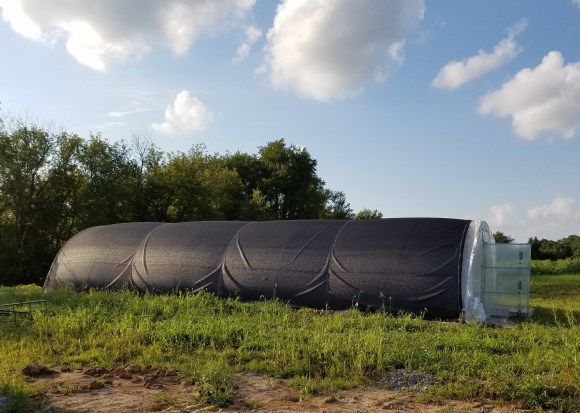
A friend grows onions using organic practices as part of a Community Supported Agriculture project. Onions are harvested from the field then dried in the greenhouse for storage. Sorting, trimming the tops and roots, and removing excess skin comes next.

As an experienced onion trimmer I work for farmers I know and trust. My compensation is an hourly rate above the current minimum wage plus all the seconds I can use. It’s a good deal, so I take it when offered. For an hour or two after a full time job at the home, farm and auto supply company, and on weekends after a shift at the orchard, I work in the onion shed.

Onion Trimming Work Station

The work is seasonal and temporary. Cognizant of potential competition from other itinerant workers, I work as quickly and as well as I can. The daily chore serves as respite from an intense schedule of lowly paid work that provides income destined mostly to corporations in exchange for stuff needed to operate the household: utilities, insurance, taxes, fuel and the like. I will have worked 100 days in a row by the November election — I’m not complaining, just sayin’.

At the end of each shift in the onion shed, I take home ten or more pounds of seconds. I remove the bad parts in our kitchen and am left with half the original amount in fresh onions. There’ no long term storage for these so they go into the ice box until used. If left on the counter, bad spots would quickly re-emerge.

Onion Shed
Onion Shed

I made and canned the first batch of vegetable soup with three pounds of fresh onions and a bit of everything on hand from the farm and garden. By the time the onions at the farm are in storage, there will be enough canned vegetable soup put up to last until the next growing season. Soup that can make a meal.

With the concurrent harvest of tomatoes and basil from our garden, I plan to make and can pints of marinara sauce using a simple, four-part recipe of tomatoes, onions, basil and garlic. Onion trimming blocks out time from vegetable processing, and some good ones will head to the compost bin before I can get to them. I am hopeful about getting a dozen pints of marinara sauce canned.

The life of an itinerant low wage worker lies on the margin between harvest and the compost bin, That’s true for a lot of professions, not just onion trimmers. If you think about it, that’s where we all live our lives in the 99 percent of the population that isn’t wealthy.

I’m okay with working a job with friends doing work that directly impacts our family’s sustainability. It may be easier to take a big job with responsibilities and varied compensation, but I’d rather deal with the questions like whether something can be made of each onion I encounter.

The pile of second represents hope in a tangible and meaningful way. What’s life for unless that?

~ Written for Blog for Iowa