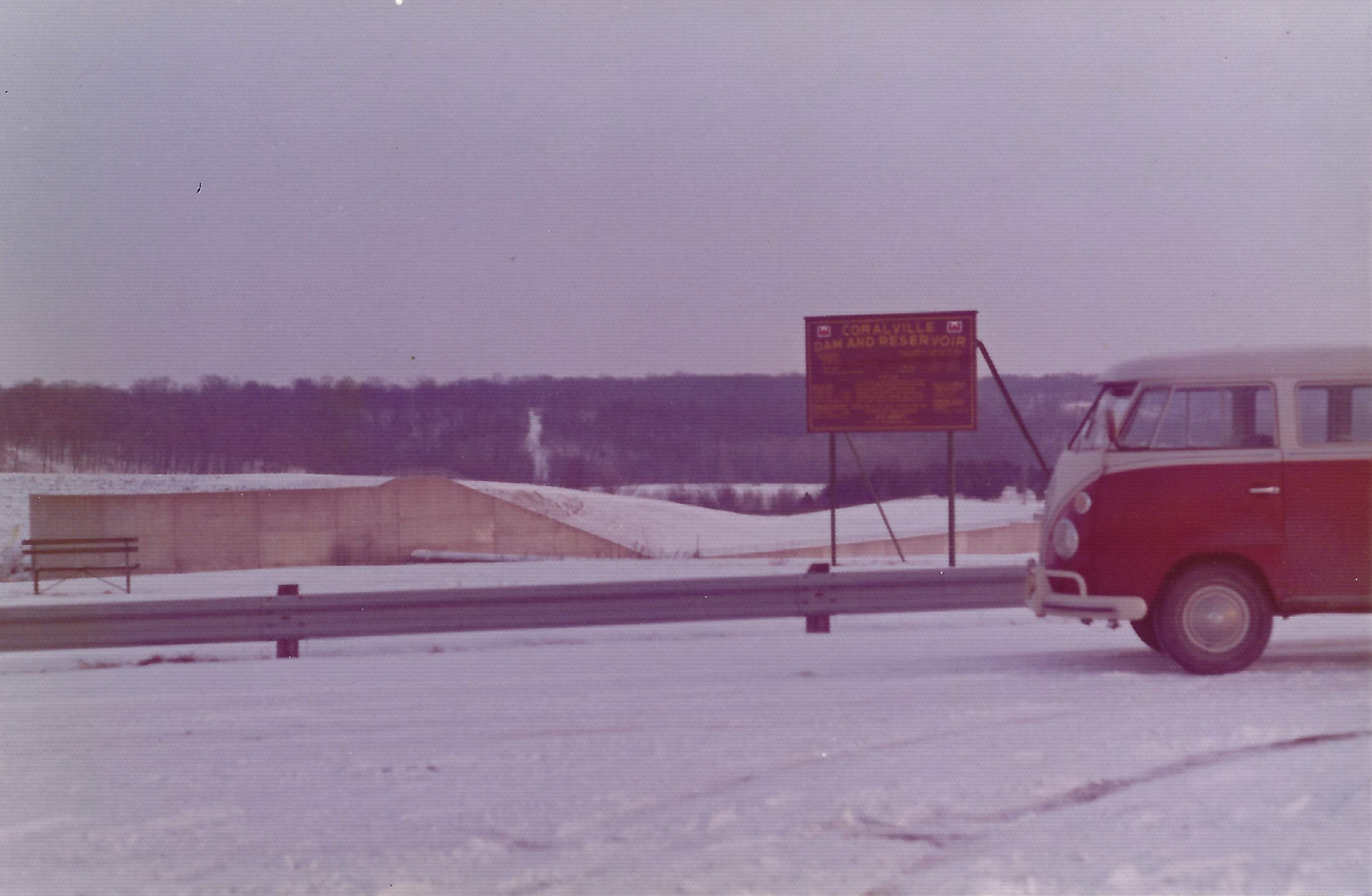
When in the 1970s I bought a Minolta SRT-101 35 mm film camera I took it on short trips to take pictures and see the results. Film and film processing were inexpensive. I felt I was a step above people who bought their Brownie camera at the drug store to capture moments of family events. I felt like a creative person with everything to gain by capturing images that weren’t necessarily of people, or remembrances of where I had been. So it is with this image which even 50 years later attracts my eye.
I don’t know why I drove by myself to the Coralville Dam and Reservoir that winter day. I have living memory of the experience. From looking at the dozen or so prints I took that day, I was trying something creative, the way an artist fills a sketchbook with drawings. I hadn’t given much thought to framing the image, or anything else a photographer might consider. I’m thankful I included the signage in the frame to help remember where the film was exposed.
The artist’s sketchbook is a good metaphor for these kinds of prints. While there is a result of the effort, namely the print, what is more important is the learning process I went through that day: the practice at capturing images. 50 years ago, I did a lot of practicing. When digital photography came along and became ubiquitous, we still practice, yet if we don’t like the frame we can immediately take another shot. With decades of experience, all of that practice comes into play with every shot we take.
These were days when we didn’t see the image until receiving the prints from the processor, maybe a week or more later. The disconnectedness of the print from the creative act added something. While there was living memory of the photo shoot, the printed result was divorced from that. The image stands on its own. That is one point of being creative.
When I received my share of the settlement with the elevator company related to Father’s death, I equipped our band with an electric guitar, amplifiers, a public address system and the Volkswagen microbus in this photograph. The photograph is proof the vehicle existed. The band equipment has long been sold, yet this photo remains as a reminder of what once was. It is also proof that I was learning a craft.
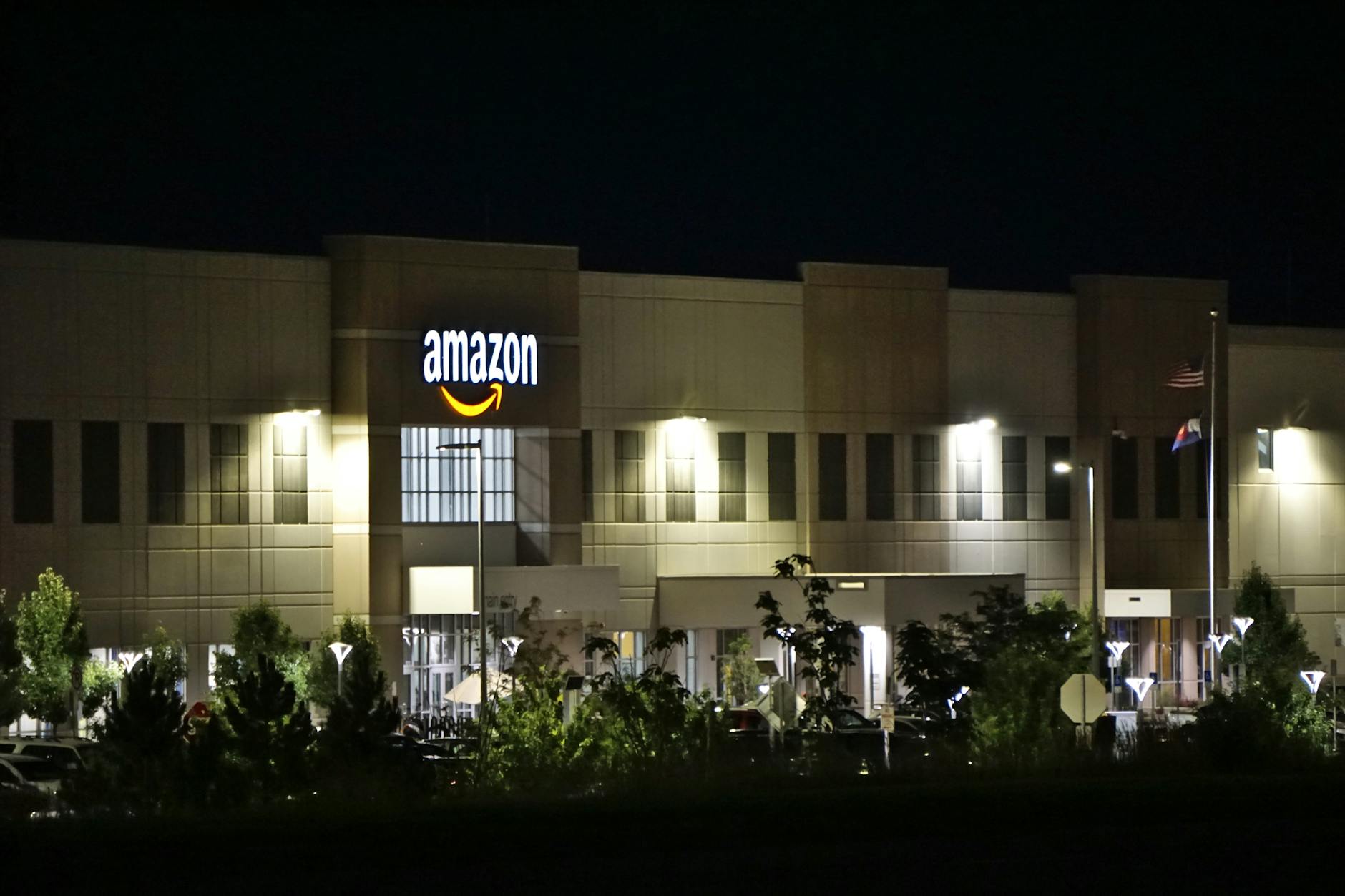
When the email from Macmillan Publishers arrived I knew I would purchase The Devil Reached Toward the Sky: An Oral History of the Making and Unleashing of the Atomic Bomb, by Garrett M. Graff. I immediately logged in to Amazon and found I could order it to be delivered the next day, on publication day (Aug. 5, 2025), for full price. I hit the pause button. Didn’t I tell myself I was going to slow down my ordering from the behemoth book seller?
Next I found the website for a local bookseller who was offering pre-order for delivery to the store also on Aug. 5. It was also full price, so I said what the hell. No time like the present and ordered it on their website. It was an experience compared to Amazon.
First, when I received my automated order confirmation, it was detailed, giving me everything I needed regarding the order: tracing, question outreach, price, and so on. One curious bit was the order showed being from an outfit called BookPeople, which is a large independent bookseller located in Austin, Texas. Austin is less like the rest of Texas, so I am okay with that. Besides, I assume my local bookshop does what it must to reduce acquisition cost and build margin on sale. Both of those are necessary to stay in business. So far, so good.
Next came the email from the local bookstore. It was sent by an individual at the store to advise me they would notify me when the book arrived. Nice personal touch.
All was going well when my contact reached out with this message: “The Devil Reached Toward the Sky has arrived and I have set aside a copy for you at the back information counter. All of the copies which we received were damaged so I picked out the least damaged one to set aside for you. Have a look at it and we will order another copy for you if you don’t like this one.” Seriously? Well, it is not my bookseller’s fault the book was damaged in shipment, so I started a string of emails, which turned into text messages. The text exchange took 30 minutes and included photos of the damage and discussion of price for damaged goods. We were able to work it out and I drove the 25 minutes to the county seat to pick up the book, paying cash.
If a book got damaged with Amazon, I know the drill. I contact them and would get disposition instructions while they credited my account and shipped another book. Most likely, if I had to return it, I would have had to drive to their return consolidation point at a local big box store. Goods damaged in shipping is always a hassle and the blame always lies with the party that packaged and did the shipping. It is a rare occurrence to receive damaged goods from Amazon.
I will just assume this situation is a one-off and will order new books I want to add to my library locally, especially when there is no price difference. I don’t like taking so much time dealing with a local store, yet hopefully we will get to know each other better and develop a relationship. When my annual book-related budget is about $1,000, it’s not like I am the biggest fish in the sea. It is one more way I can spend more of my life relating to people, even if it’s because of a glitch in the process.
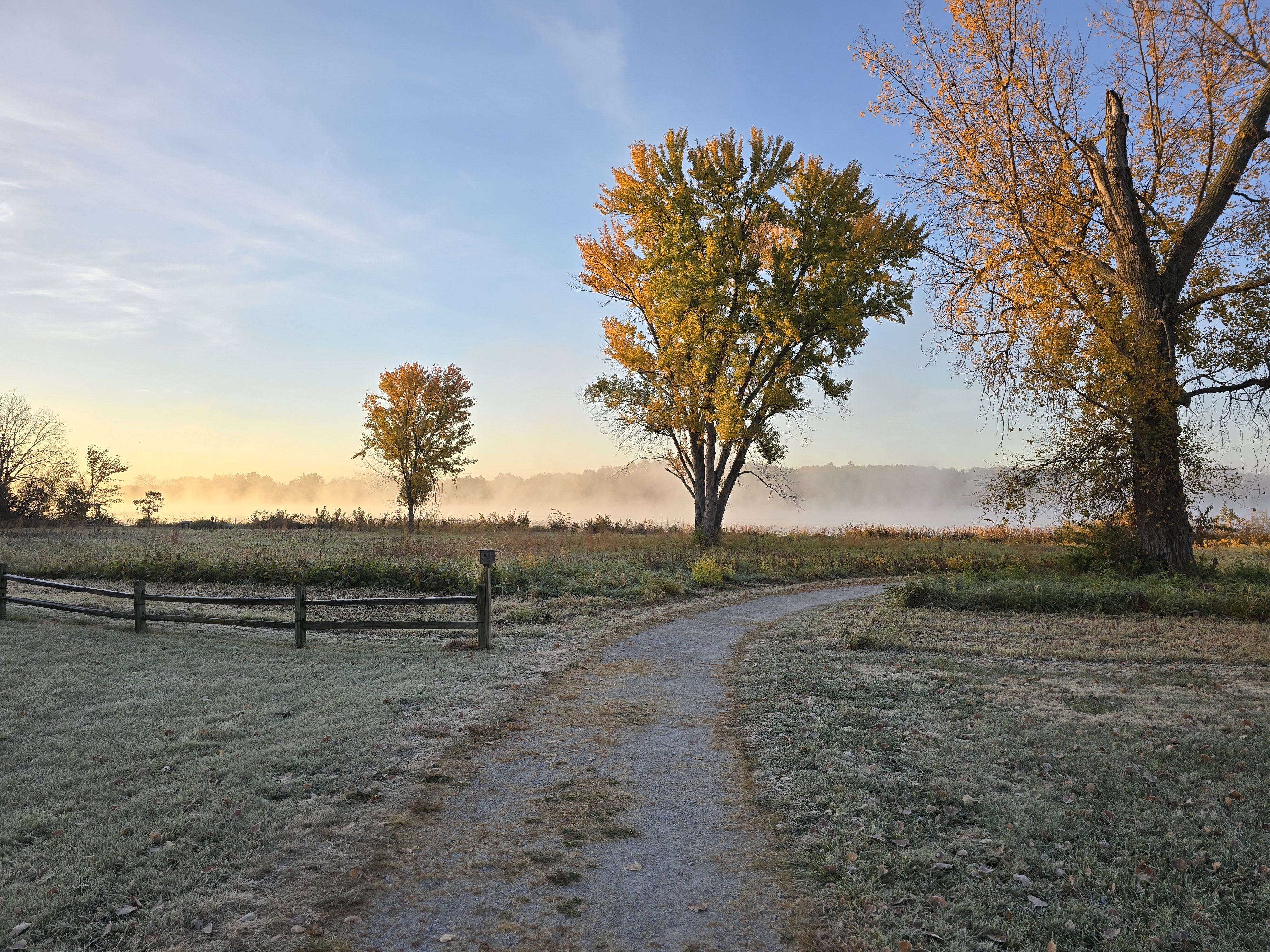
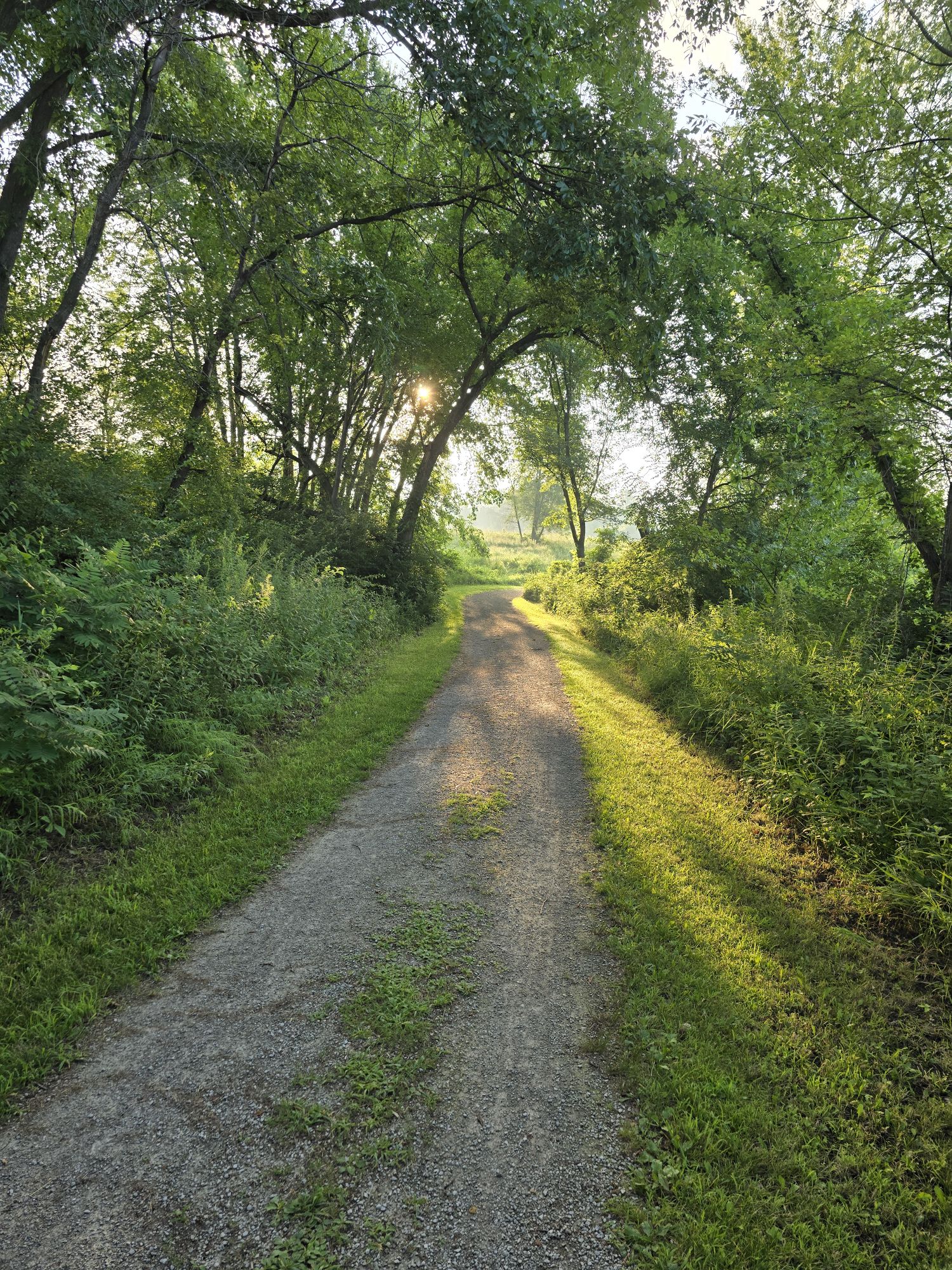
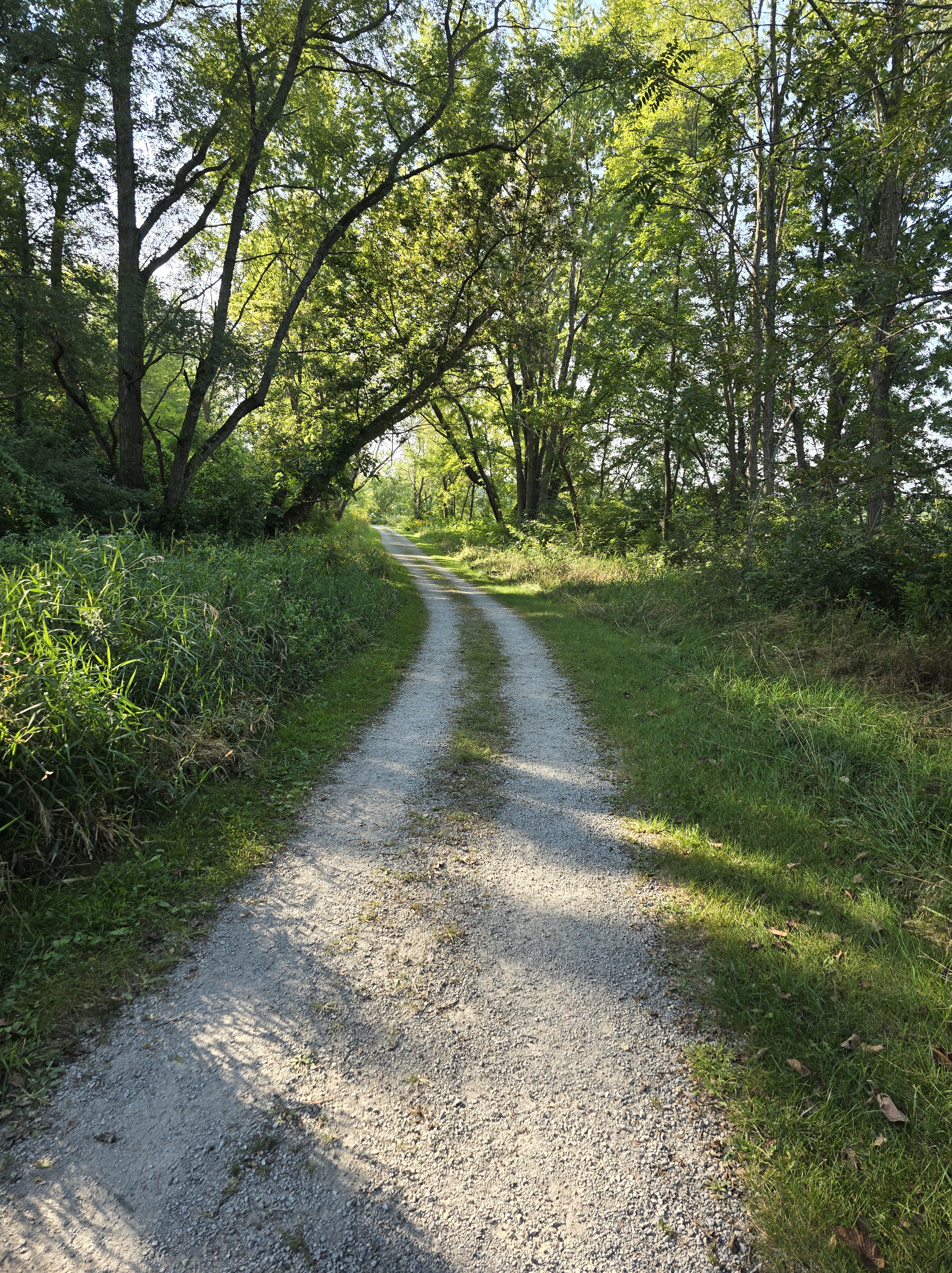
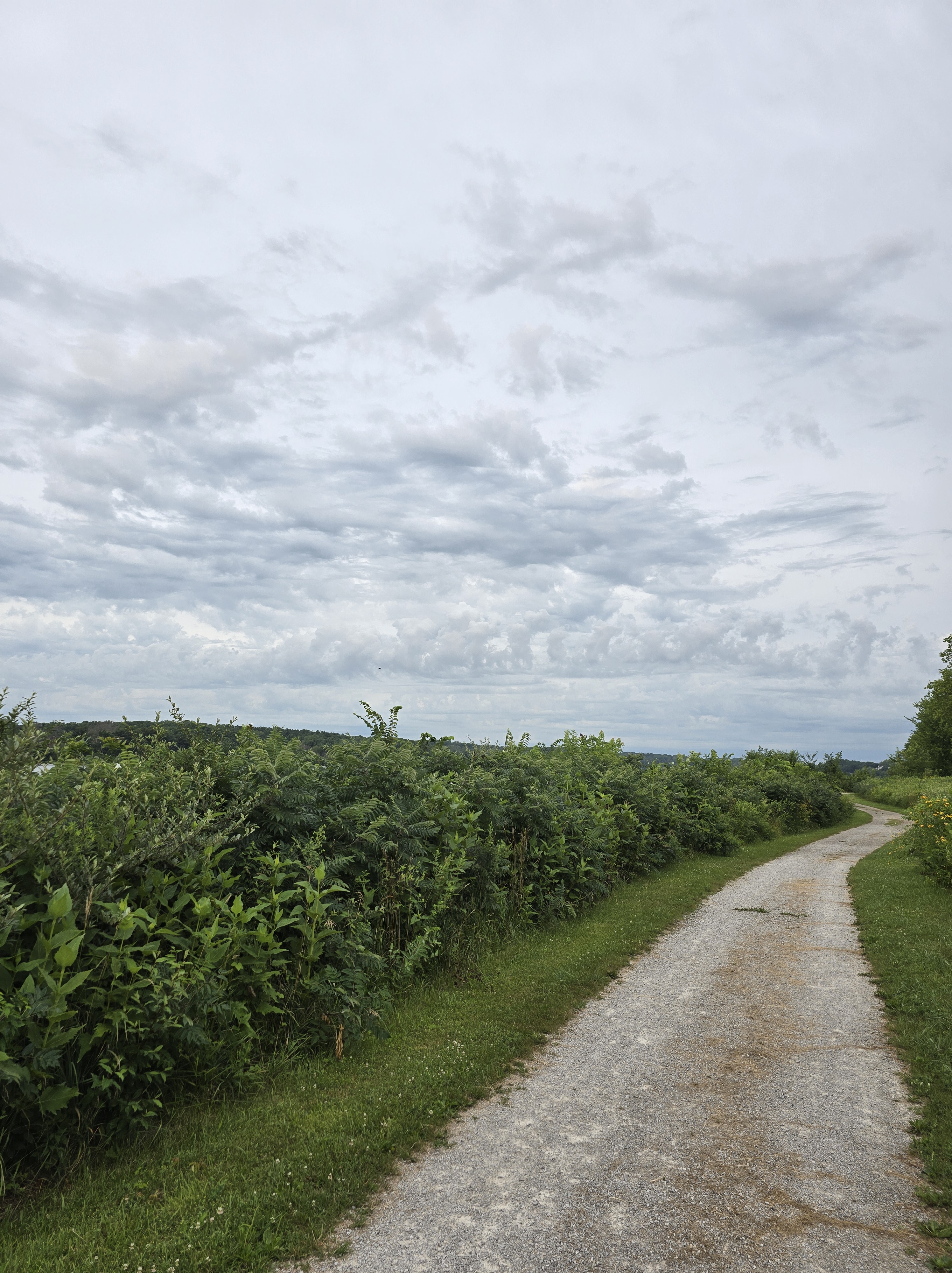
The more I walk on the state park trail, I notice the way light filters through the foliage. The familiar reveals itself as varied in presentation. It takes an active mind to notice.
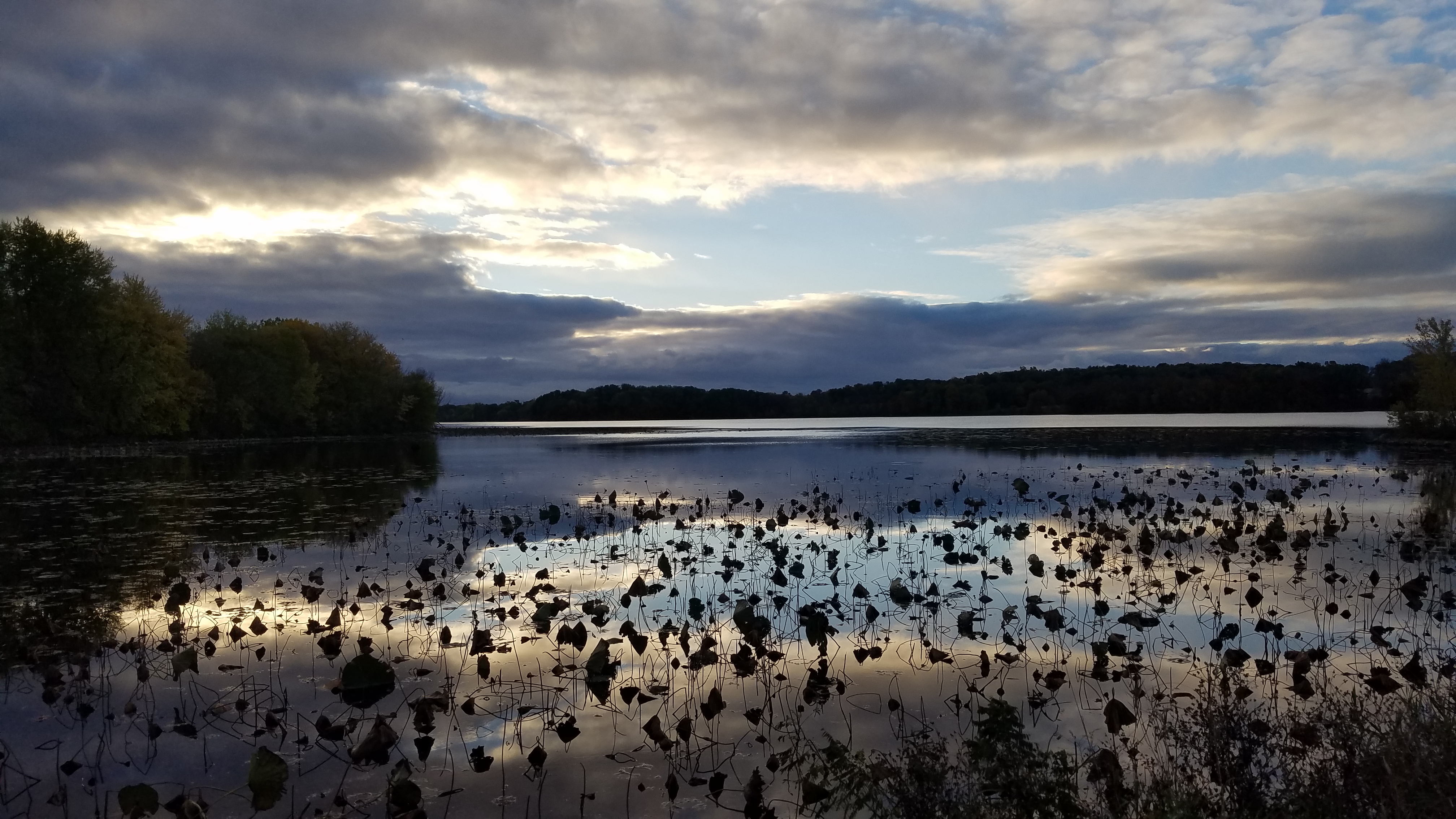
Here is a series of photos about light on the state park trail. Some are subtle. Some, less so. They are all valuable as part of my journey with photography.
Light on the state park trail.Foggy October sunrise.On the state park trail.Emerging from the trail.Light on a clump of trees.Clearing ahead.Sunlight crosses my path.Light on tree trunks.Cloudy day on the trail.Sunrise reflection.
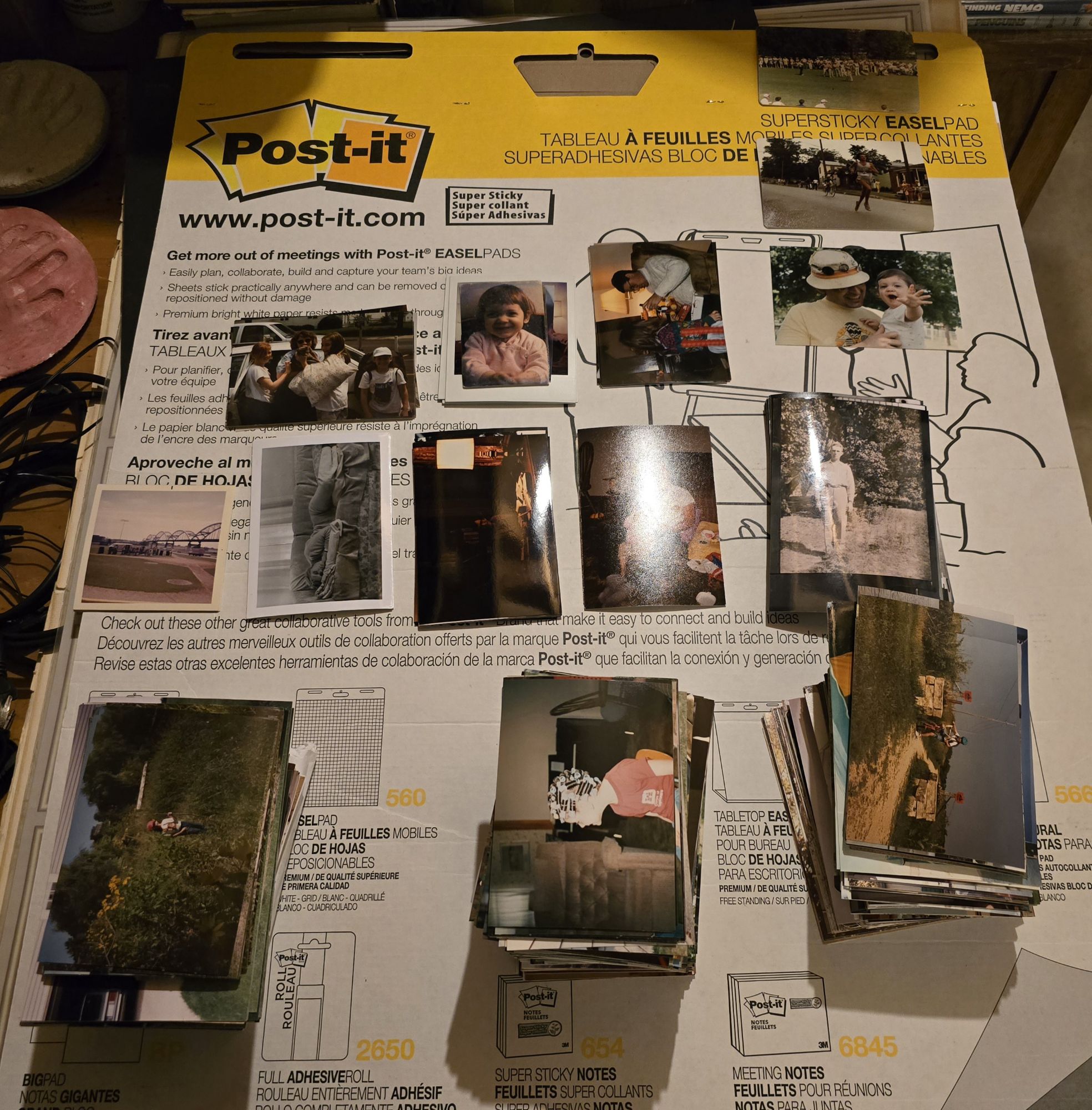
In the end, photographs are objects. They have qualities — paper, coloration, moisture, processing technique, subject matter, and many others. In the beginning, one has to take a pile of them and just start organizing. This is especially true if during the collection process, there was no organizing principle, other than all photos go into a certain box labeled “photos.” It’s a process, or may be one once I have gone through everything on an initial pass. Here I’m talking about paper photographs.
Somehow I ended up with large quantities of photos, stacked one-on-one, placed together only by happenstance. Now I review them, one-by-one, to see where the journey leads. The immediate task is separating them into groups according to when they were taken. For example, there is a set of our young child getting a home permanent. They obviously go together in their own stack. Another stack is photographs I took when I lived in Mainz and from the travels around the area. It is a tall stack because I avoided thinking too much about them. They are easily grouped for later analysis. Going through them quickly is a necessary first step.
The hardest part of a review and sorting is to turn off memory while doing it. That was a stumbling block because I easily got distracted by memories evoked by the prints. I also felt I had to turn immediately to my autobiography and write about a set of photos. Now, one pile, one box, is sorted at a time. I group the objects together as they appear before me and as I recall how they went together.
Each pile could be a story in itself. To get through them, the stories need to be set on the sidetrack to be hooked up to the train later. Maybe it’s not optimal, yet it is a way to get from randomness to a better understanding of what I have available… and how each image might be used. This process will be about my personal cultural attributes, some of which I know, and some lie unawares in the conglomeration of personal cultural artifacts.
For now, I decided to make a weekly post about how my photography process evolves. The first one is here. Going forward, I will use the tag A Life of Photos. I hope readers will follow along.
It was hot and humid outdoors all day Tuesday. I managed a hike on the state park trail between thunderstorms. A little after 10 a.m. I drove across the lakes to the wholesale club to secure provisions. My usual three-pound can of generic Colombian coffee had increased to $20.99 from $13.99 the last time I stocked up, a 50 percent price increase. The tariff on Brazilian coffee goes into effect on August 1, after which it will cost even more. I did not replenish inventory at $20.99.
At the end of June, I replaced the whole house water filter. Yesterday I sat down to order a replacement and the new price was $20.19. In February I bought the exact same part for $13.40, a 51% increase in 5 months. I only get two of these per year but this increase and others like it will make household financial management more difficult. It is a preview of what life under the oligarchs will be like.
The garden has me distracted from work on my autobiography. There is so much produce to process, there seems little time for anything else. To preserve the harvest, immediate action is required, so writing is pushed back. In the annual cycle of my life, this is a feature, not a bug. Our lives would be the worse without the garden.
Hours in the kitchen enable my thinking about life and writing about it. I am certain I have at least one more book in me as the urge to write an autobiography has been with me as long as I can remember. At its core, writing autobiography is part of a life well lived. Once I finish and get a copyright, what then?
I envision creating a new document, using the first two books as a base, to which I add autobiographical information and stories. The published books will stand on their own as moments in time, yet my story will continue to evolve as long as I live. Part of it is finding aspects forgotten during the first telling. Part of it is recording new insights on the same stories already told. It will be a continuous work in progress that may never be published the same way again. It will be a never ending memoir.
There are other books I imagine publishing. The most obvious one is collections of my essays first published on this blog. There is enough here to make a book about local food. There is another about sustainability. While I’ll cover the coronavirus pandemic in part two of my autobiography, there is a much longer story to tell about its impacts on my life and on society more generally. That story is just being revealed. Whether I get to any of this is an open question.
For now, I continue to process fruit and vegetables so we’ll have something for our dinner plate long after the frost comes in October. As the harvest winds down, I’ll work again on my memoir. I still hope to finish the draft by the end of year holidays.
Our small family gathered around my writing table as I displayed a PowerPoint slide show of images downloaded from the Johnson County Democrats Hall of Fame event. Our purpose was to view the dozen images, yet also to consider my thousands of photographs with an eye toward using them for many purposes. Mainly, I like photography, and don’t want to leave the raw materials of a life behind in a disorderly fashion. I thought it prudent to get feedback on this project from other family members. This post springboards from our hour or so discussion while also considering the scope of the issue.
Using Photographs Now.
At 73 years I don’t have a lot of extra time to be looking at old photographs. The question that prompted our family discussion is what will happen to all the paper and digital photographs I collected in a lifetime when I am gone? So often I got hung up with that question it was difficult to live in the now and do something with them. There are plenty of things to do with old photographs in the here and now.
My use of photographs on this blog and on other social media platforms is straight forward. I take a photo of my morning coffee and post it with a brief message on BlueSky. When I take my daily walk I’m on the lookout for conditions that merit a photo and then post them either here or on BlueSky. If I attend a public event, I’m looking for a single image to use on this blog. This is what my quotidian life of photography has become. It is okay. The absence of posed photographs is noted and mostly, desired.
Photo displays could be added into current usage. For example, like the referenced slide show, I could create another set to be shown when we are next together. Likewise, it could be shared on Discord or another online sharing application. This would provide some motivation to both define projects in small bites, and to meet a deadline for producing a slideshow. Partly, this mimics the old film and print days when I got a packet of photos back from the drug store and wanted to share them with family and friends. It would also nudge me to find projects relevant to the audience. Social media has eroded interest in that type of viewing, yet with a little gumption it could easily be renewed and appreciated.
As I write my autobiography I post relevant photos on a magnetic white board. This is not a permanent shrine to my life and the people in it. It is a living thing from which I gain inspiration. Which photos are on it changes constantly. At some point they will be taken down and stored away in more permanent places. This type of photo display serves the specific purpose of kindling memories so I can do a better job writing about my life. Among the uses of photographs this is as valid as any of them.
I have limited interest in creating traditional photo albums. As the ones we have age, we should maintain them as appropriate. The rubber cement we used to affix prints to a page apparently doesn’t hold up over the decades. Maintaining those memories is important, although I’m not sure I would make another like them. Albums have been a medium for creative expression and that will likely continue to some degree if I find a topic.
Archival Review and Storage.
The state of my photographs is neglected. I have piles and envelopes with many different photos in them. There are multiple shoe boxes of photographs. There are a couple dozen photo albums. My digital photos are filed by date and it’s hard to tell what they are without looking. I also have photos stored in file folders related to projects. That’s not to mention those I’ve posted here or on social media. The goal of any project is to feel I’m giving due attention to images I captured: to neglect images less.
I decided to use the envelope method to store print photos that are similar in some respect. That is, groups of photos will be stored, and to some extent labeled, and placed in envelopes according to some criteria. For example, photos of certain friends might have their own envelope. It is important to write on the back of prints what the viewer is looking at. Also, why are certain photos grouped together. If I want to pass on stories to the millennial generation, this is one way of doing it. It is worth making time for the effort.
Likewise there is an archivist concern about taking care of photos in storage. In particular, how is print exposure to moisture being controlled? Is the cloud storage solution the right one for digital photographs? Which cloud storage is the best option?
Inevitably, these concerns lead to touching each photograph and doing something with it. To accommodate this, I feel it is important to set up a regular time each week to work on that. The current schedule is to work on photography each Tuesday for a couple of hours.
Making New Photographs.
Going forward, the goal is to save fewer photographs. If I take ten shots of a sunrise, I should keep only the best one, making the decision within an hour of taking a photograph. Not doing so is pure laziness. While it is easy to make multiple exposures, the goal is to find what Henri Cartier-Bresson called the “decisive moment.” From a photo production standpoint, using unposed, candid moments captured with a focus on composition and the “decisive moment” includes learning how to better frame an image, attention to lighting, and perhaps taking multiple shots, and then discarding the lessor quality images. One assumes we won’t return to the lesser images.
As far as printing digital images goes, there needs be a reason to do so. It can be to mail an image to the people in it, or in rare cases, pasting them into a photo album on a specific topic.
Like everything I do these days, managing photography is an ongoing discussion. Time with the potential inheritors of a collection of stuff just makes sense, and I’m glad we had the conversation.
~First in a series of posts about managing personal photographs






 Journey Home
You must be logged in to post a comment.