SOLON— One was planning to harvest corn until Sunday, when he would turn to beans. Half the beans are already in and the fields have been too wet to get the equipment in the last few days. Talk is about how much propane will be needed to dry the harvest.
“It could easily run up to a thousand gallons,” he said. He plans to take a slower approach to erode less of his margin.
Another is cleaning up the fields and barns after a long season. Picking up and stacking tomato cages is the last big task before turning to livestock and wintering.
While no farmer, I’m still picking kale, peppers, apples and a few tomatoes, delaying the garden clean up for another week. There’s a lot to be done before settling inside for winter. People winter too.
Fall Colors
Not really ready for winter and don’t want to be. Perhaps that’s why I let the scraggly bits of green shoots grow on top of the tomatoes. That’s why I hope for an ability to use more of the abundant kale. Eventually I’ll get the extension ladder out of the garage and pick the high apples. But I’m not ready for the last lawn mowing, mulching the garden, or inspecting the gutters one last time before the cold. Perhaps it all seems too much like death.
So not ready for that. I left the house.
Fall Colors
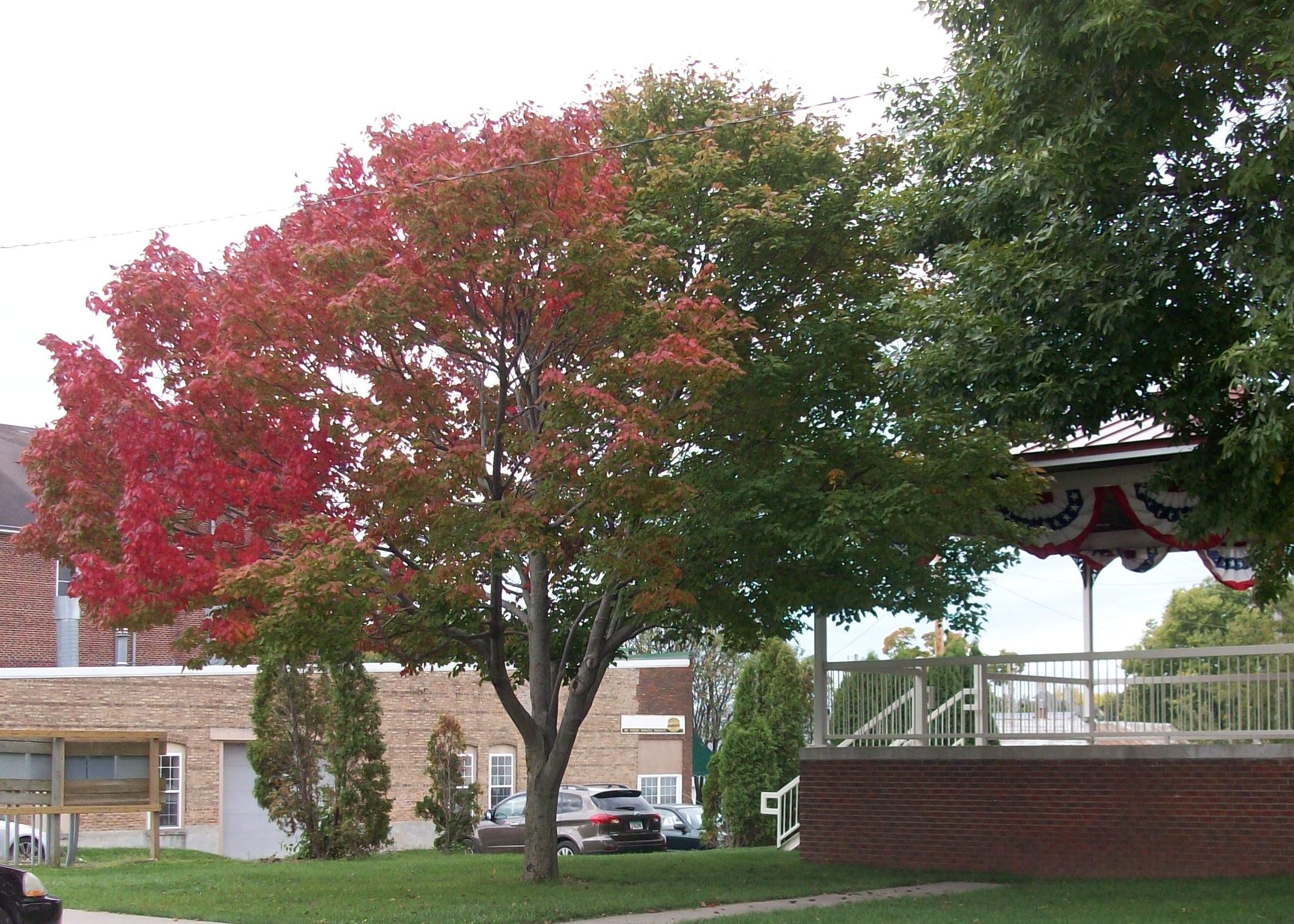
The fall colors are just slightly past their peak, and still beautiful. They are breathtaking really, and hard to capture in digital images.
I drove to town to buy a newspaper because my first article appeared in the Iowa City Press Citizen this morning. While I’m mostly digital, having a print copy of my first still means something. I spent the last 75 cents in my pocket on a second copy.
There is a shift at the warehouse this afternoon. To get ready for a celebration, I pulled a couple of beers out of the box to chill while I’m working. Expiration date July 2014, so I hope they are not skunked. Is that still a thing?
Whatever end there is to this season, and it is palpable all around us, here’s a toast to the idea that it will not be our last trip around the sun. May we sustain our lives on the prairie for yet another year, with an abundant harvest, a great margin on our work, and fresher beer.
LAKE MACBRIDE— Intermittent rain fell throughout yesterday. Fallen leaves were dampened, and for a while, runoff flowed in the ditch. Apples clung to the tree, waiting another day to be picked.
We needed rain, but then we didn’t as crops stood in the field drying before harvest. It was a writer’s day, one for gathering material. Today will be the crafting of stories—a rarified trip into the imagination to produce more tangible results.
There are two hard parts about writing.
The first is finding meaningful venues. My process began with keeping a journal, writing letters to the editor, and commenting on a local radio station. When I look back at this work from the 1970s, it was raw, and rough, and in many cases, stylistically challenged. But there were venues, and I made something of them.
My first article outside public forums was written after a trip to Belgium and published in the newsletter of the Center for Belgian Culture of Western Illinois. I published a series of three articles after a vacation while serving in the U.S. Army in Europe, the first appearing on Nov. 27, 1977. A friend who was editor patiently waited as I drafted, typed and mailed the copy from my apartment near the Mainz railway station. As busy as I was in a mechanized infantry battalion, it is a wonder these articles were even produced.
My current work appears here, on Blog for Iowa, and in three newspapers for whom I am a part time correspondent. The newest freelance job, for the Iowa City Press Citizen, was added to the mix yesterday. 2014 has been a year of learning the peculiar requirements of writing for a newspaper, and doing it. By year’s end, I will have written about 50 newspaper articles. Between journal writing, blogging and newspaper writing there are venues enough to find meaningful expression, at least for now.
The second hard part about writing is staying focused. Sitting at the work station and crafting words and phrases on the computer screen or on paper. This takes discipline, and a willingness to avoid distraction. Some days it goes well, and others less so.
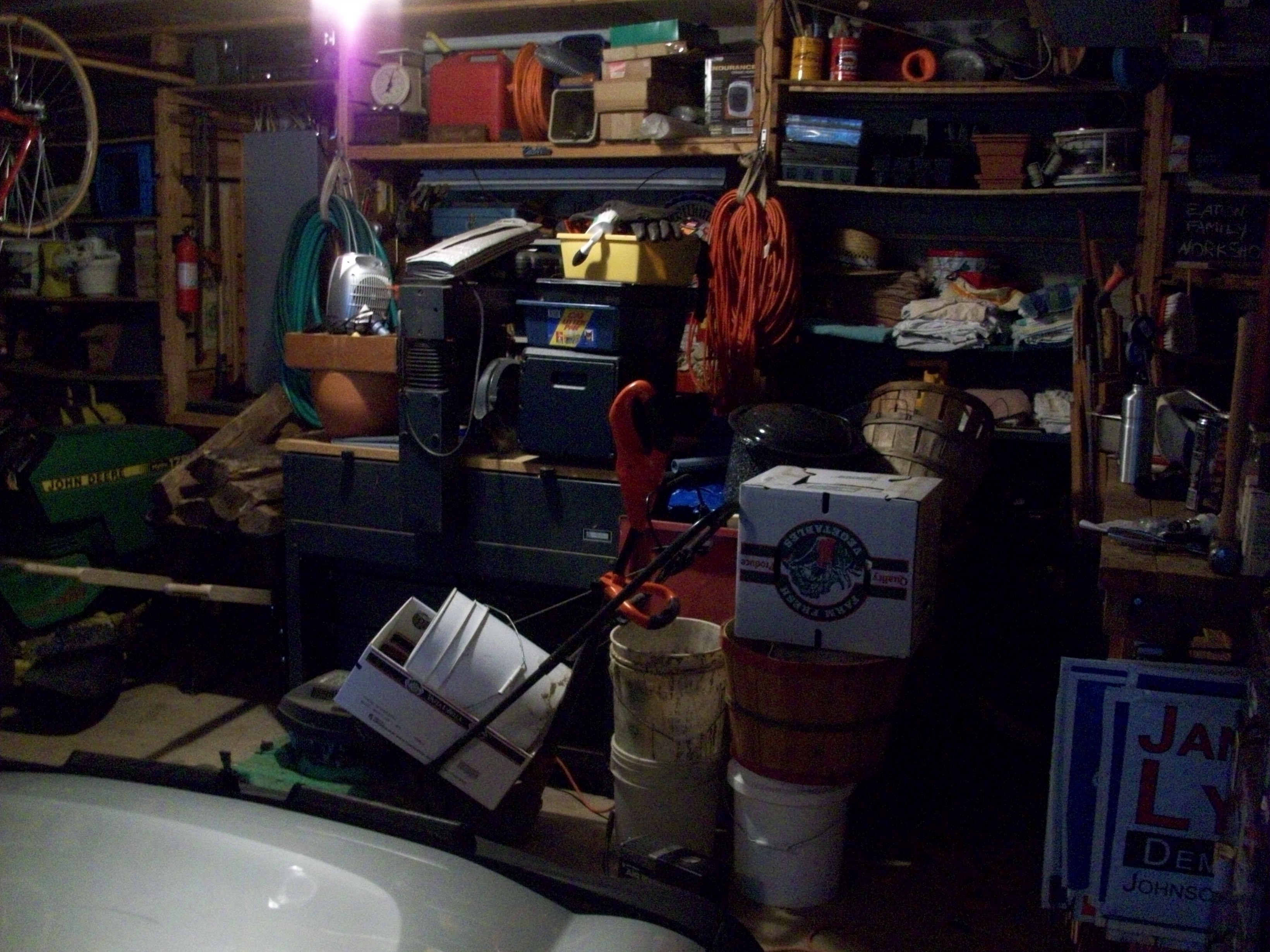
By design, today will be a day of writing. There are four articles in the works, and with a full slate of part time jobs to pay bills, it has to be. The rain left last night, and the chance of precipitation is zero throughout today. There will be a temptation to head outside to pick apples and peppers, or to work in the garage on a dozen projects, but it must be resisted. Even now I procrastinate—the writer’s natural inclination.
Yet when inspiration comes from a mysterious source, the words flow, almost automatically. It is those times we treasure as we write. Yet they don’t come without discipline and work.
To get to today took work, and some persistence. When I began writing four decades ago, I didn’t know how it would turn out. Now that I am here I can see the sacrifices that were necessary in the form of an unconventional approach to paying the bills, and a willingness to make sacrifices to see the world and gain understanding of part of it.
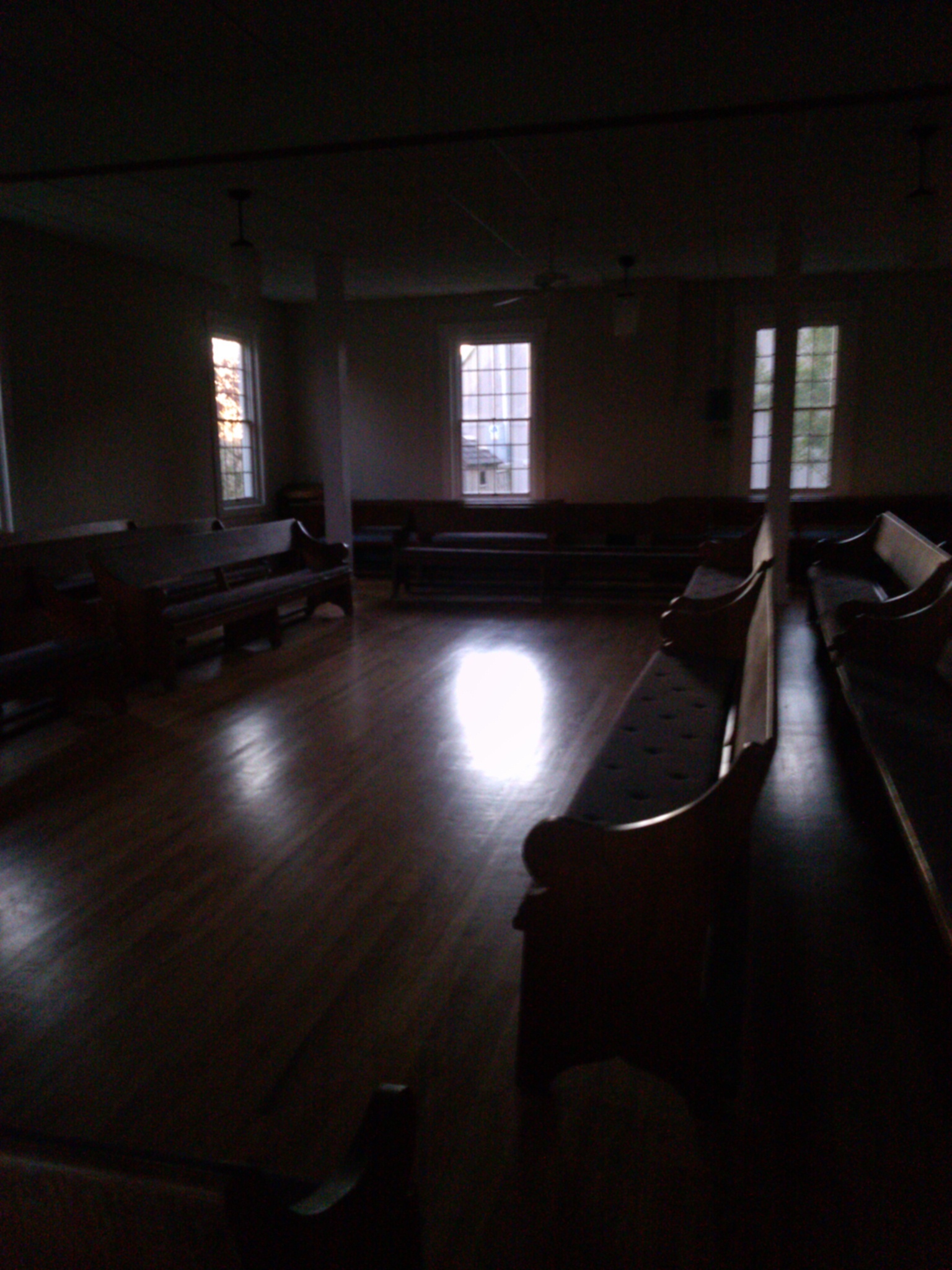
WEST BRANCH— After my talk at the Quaker school, I drove west through the darkened town. The streets were familiar as I had walked them each two years ago during a political campaign. I remembered faces and conversations as each one passed. It’s not my town, so I let the memories go into the night. I was ready to be home.
West Branch is the liberal center of Cedar County, with part of the city situated in Johnson County. There are two Quaker meetings, and the birthplace and presidential library of the first Quaker president, Herbert Hoover. The city is about more than Quakerism. There was no time for that as I drove into a western sky glowing from Coralville’s bright lights.
2012 was the worst heat and drought I remember. It was relentless. I wore shorts and blue short sleeve shirts to door knock during the campaign, covering almost every street in every town, and most unincorporated areas in the district. I approached farmsteads scattered midst the drought stricken corn to tell our tale. It was a scorcher and we lost the election.
Some say people receive their information about politics from the television, but I don’t know about that. I get most of mine from people I know or meet, experiences I have, and a few trusted news sites on the Internet. There is a headiness in being involved with politics, mostly from meeting the candidates, some of whom are recognizable in the broader society. The trouble is we can’t live our lives in isolation. Like it or not, we are connected to the body politic, and to accomplish things, one is required to engage.
Yet on some nights all we care about is getting home, and Saturday night, home was enough. That and driving through the darkness to something other than the ersatz illumination of a city on the horizon—toward sleep and tomorrow’s promise.
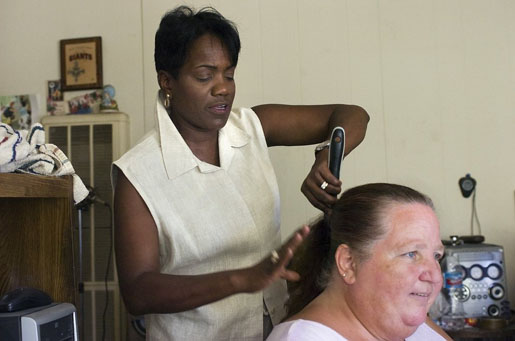
Home Care Worker: Photo Credit San Francisco Sentinel
On Wednesday, Oct. 1, Labor Secretary Thomas Perez issued a final rule raising the minimum wage for federal contractors to $10.10 per hour, effective Jan. 1, 2015. According to the Associated Press, the change will impact more than 200,000 workers.
The top ten federal government contractors in 2012 were Lockheed Martin, Northrup Grumman, Boeing, SAIC, Raytheon, General Dynamics, Hewlett Packard, Booz Allen Hamilton, Computer Sciences Corporation, and DynCorp International. They will feel the minimum wage hike a bit, but for the vast majority of Americans, especially the working class, the changes by the Labor Department will pass unnoticed.
The Labor Department also announced that effective Jan. 1, 2015, most direct care workers will be entitled to receive federal minimum wage and overtime pay protections. Direct care workers are workers who provide home care services, such as certified nursing assistants, home health aides, personal care aides, caregivers, and companions.
This is how change happens: bit by bit, incrementally, and job by job.
While many hoped for big changes when President Obama was sworn into office, expectations were set so high, he had an impossible task to meet them. While some small companies may complain about the new federal minimum wage rules, it is a basic tenant of living in our country that companies that secure a federal contract should pay a reasonable wage. Likewise, the notion that home care is real work, and that when a person runs a business that provides home care, they should be subject to paying the federal minimum wage with overtime is obvious. The rules set by the secretary create a floor, one that has been needed for a long time.
People who operate businesses want to make a profit, and that’s no crime. Running a profitable business is something basic and needed in our society. The political debate has been about the amount of government regulation and subsidy, and the dynamic of our bicameral legislature has been to create an environment that favors large, corporate businesses in the post-World War II era. Businesses like the top federal contractors.
At the same time, there is an economy of low wage workers, like those that provide home care. Someone knows a friend or relative who needs care, and an agreement is reached for compensation. The amount of compensation may not be as important as providing the service, especially when people can’t afford professional care. Personal relationships enter into the picture. Often this work is done off the books.
My point is this. Between the publicized, formal programs of the Labor Department and the reality of daily life there is and always will be a gap. That’s where many of us live our lives. We should appreciate the work of the Obama administration to fix known problems like those related to federal contractor wages and home care workers. In the working class, we may view that as nice, but less relevant to our lives than all of the brouhaha suggests.
It is something that we even noticed President Obama did what he said he would with regard to setting the minimum wage for federal contractors. But then that’s what blogs are for.
JOHNSON COUNTY— In a post-career life there is never a day off. I’m okay with that because days become a time to see the world through a new lens during and between existential errands.
Pepper Harvest
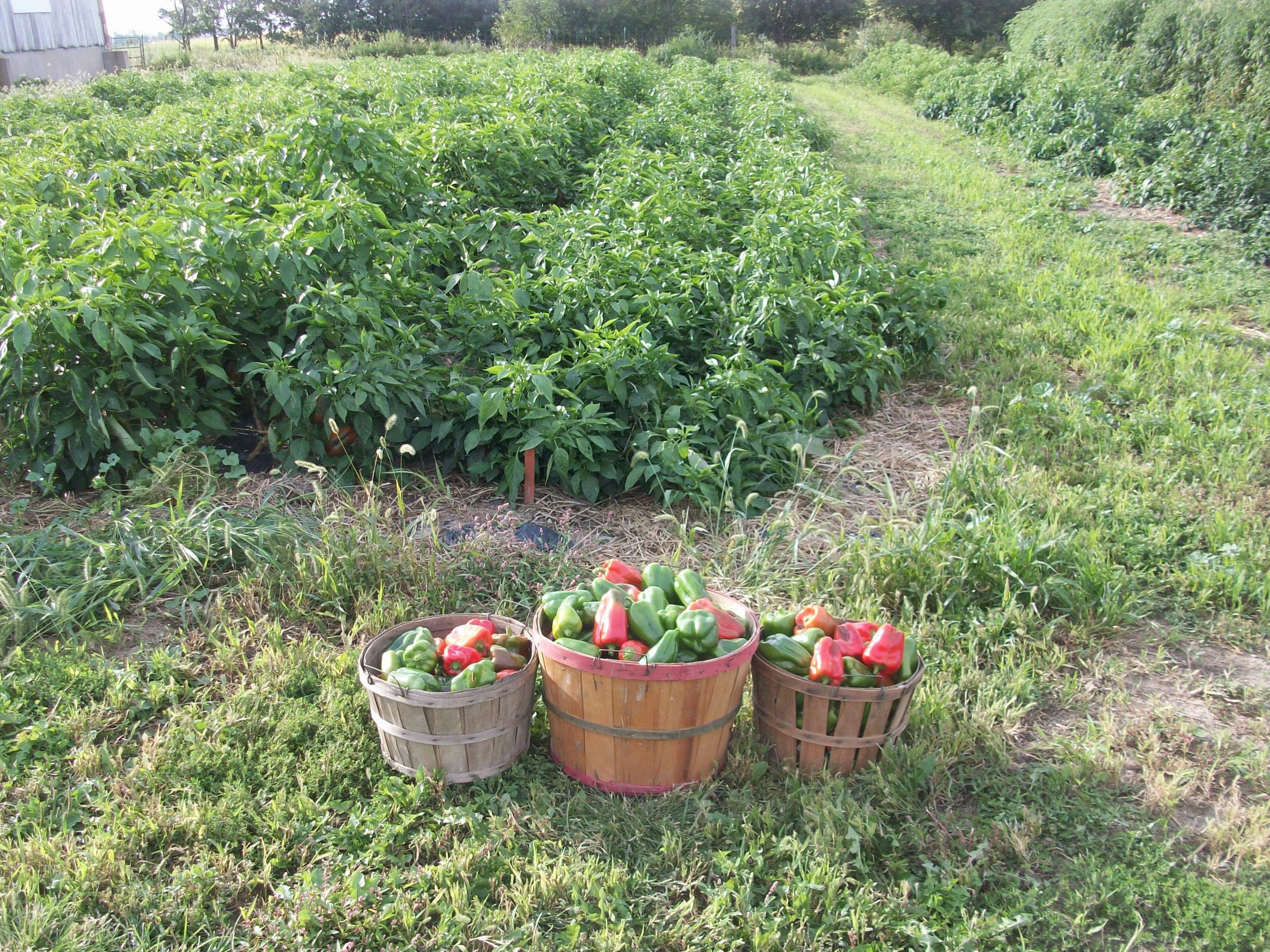
After morning chores, I drove to the CSA to pick two bushels of bell peppers for freezing. Next, I went to the orchard and picked two dozen apples. I wanted some Wolf River and there were plenty on the trees. I also picked Jonathan, Jonafree, Gala, Haralson, Kandil Sinap and Marshall’s McIntosh. I picked up a half dozen apple cider donuts and a half gallon of fresh cider. Next I stopped at the newly opened Casey’s General Store on Highway One. It had opened for the first time that morning. From there, I went to the newspaper office to report that it was open, and that the current store would be cutting back from 24 hours per day.
Cemetery Pump
I took some photos of the band stand, the cemetery, the Mexican restaurant on Main Street, and of the Bangkok peppers in our garden. It was a tour of the local, and I relished each moment before getting back to work.
Today is the first day of early voting in Iowa, and political field organizers are trying to bank votes. The Democrats seem better at it than the Republicans, but the latter now recognize it is a thing. Most likely I will vote early, but there is more learning to do before I do. A level of participation in our government that matters, so some energy spent researching the candidates and issues is time well spent.
Now on with today’s priorities in this too short life on the plains.
From sunrise until sunset I made a retreat, preparing for winter.
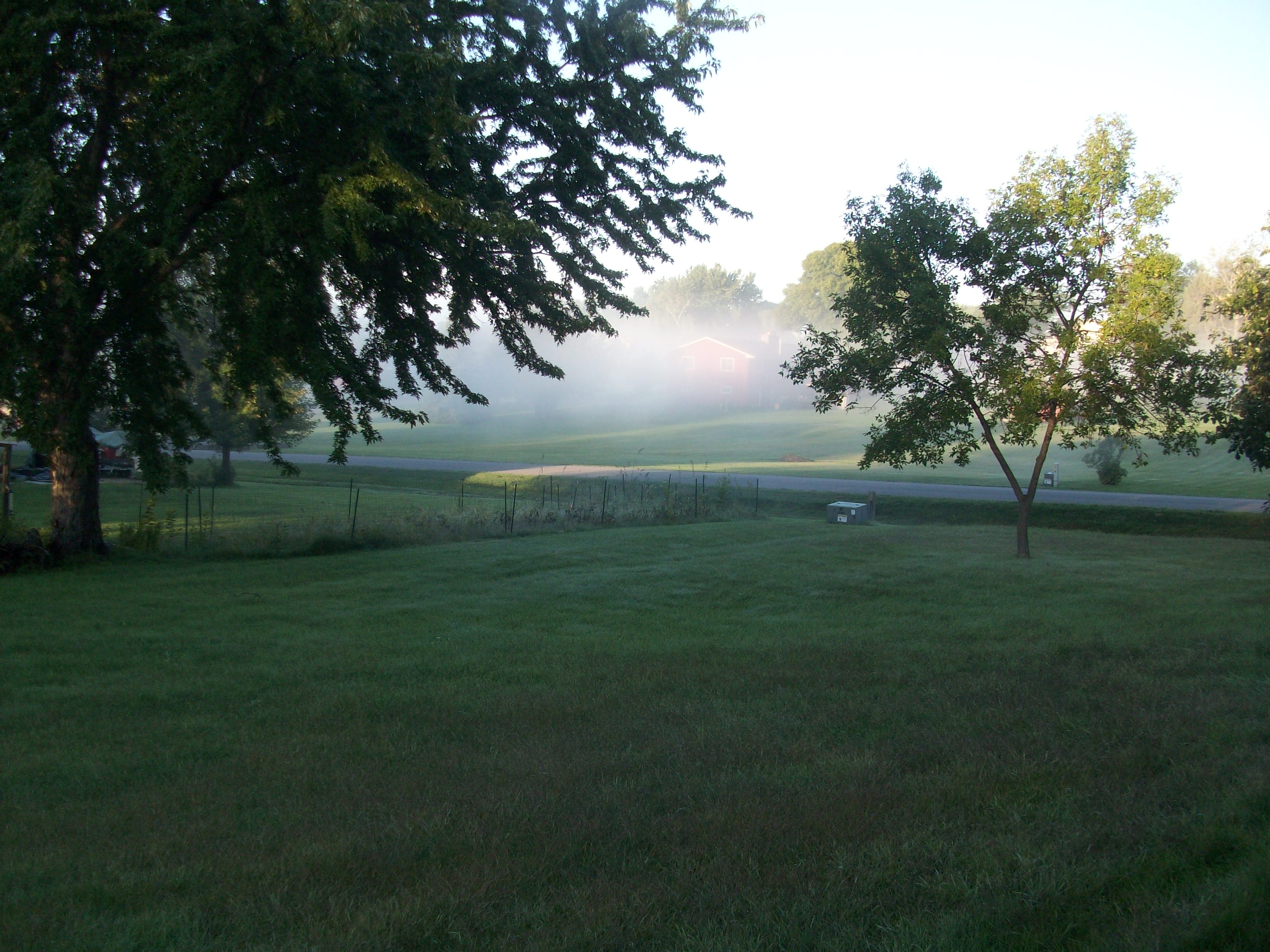
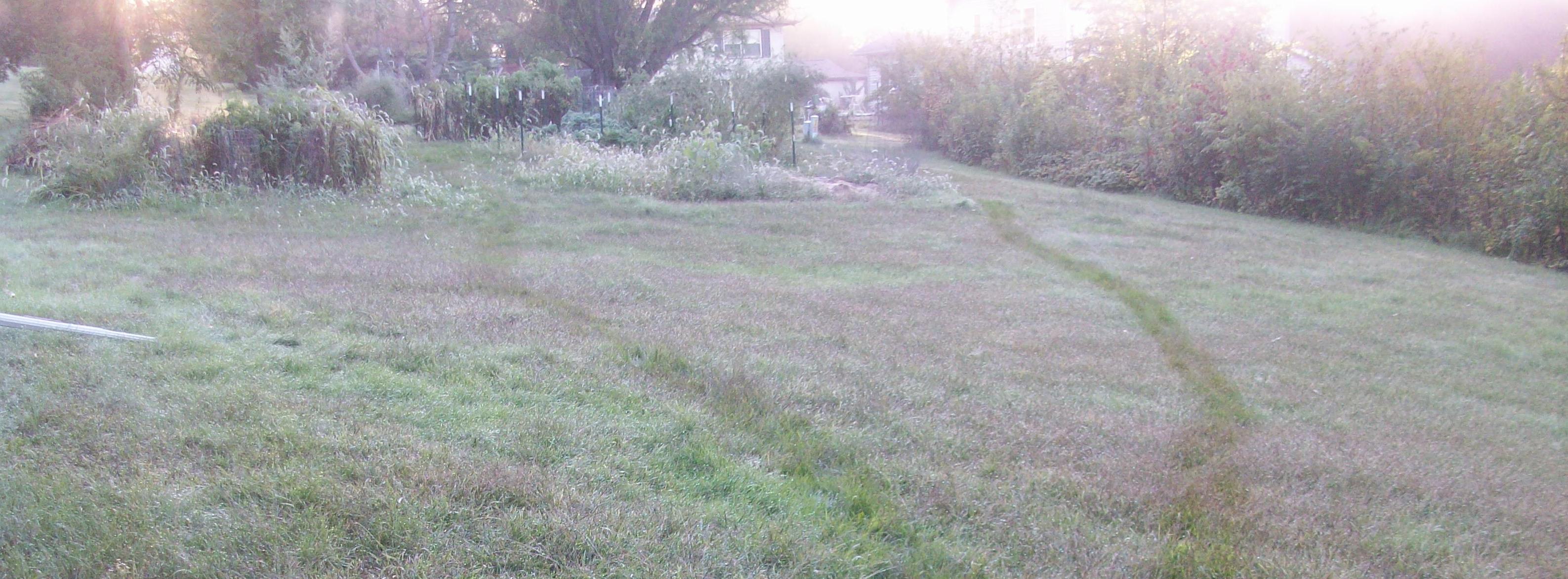
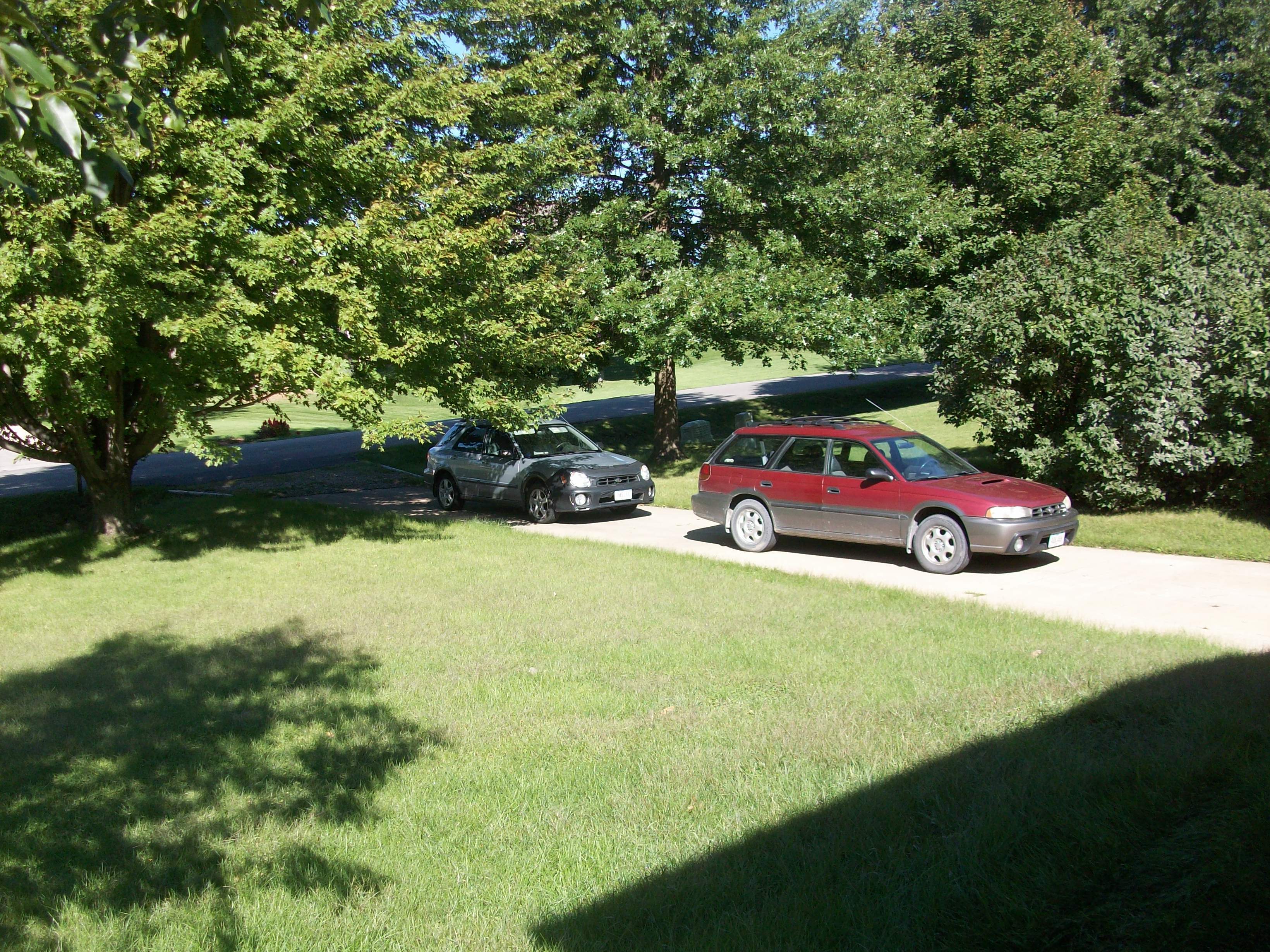
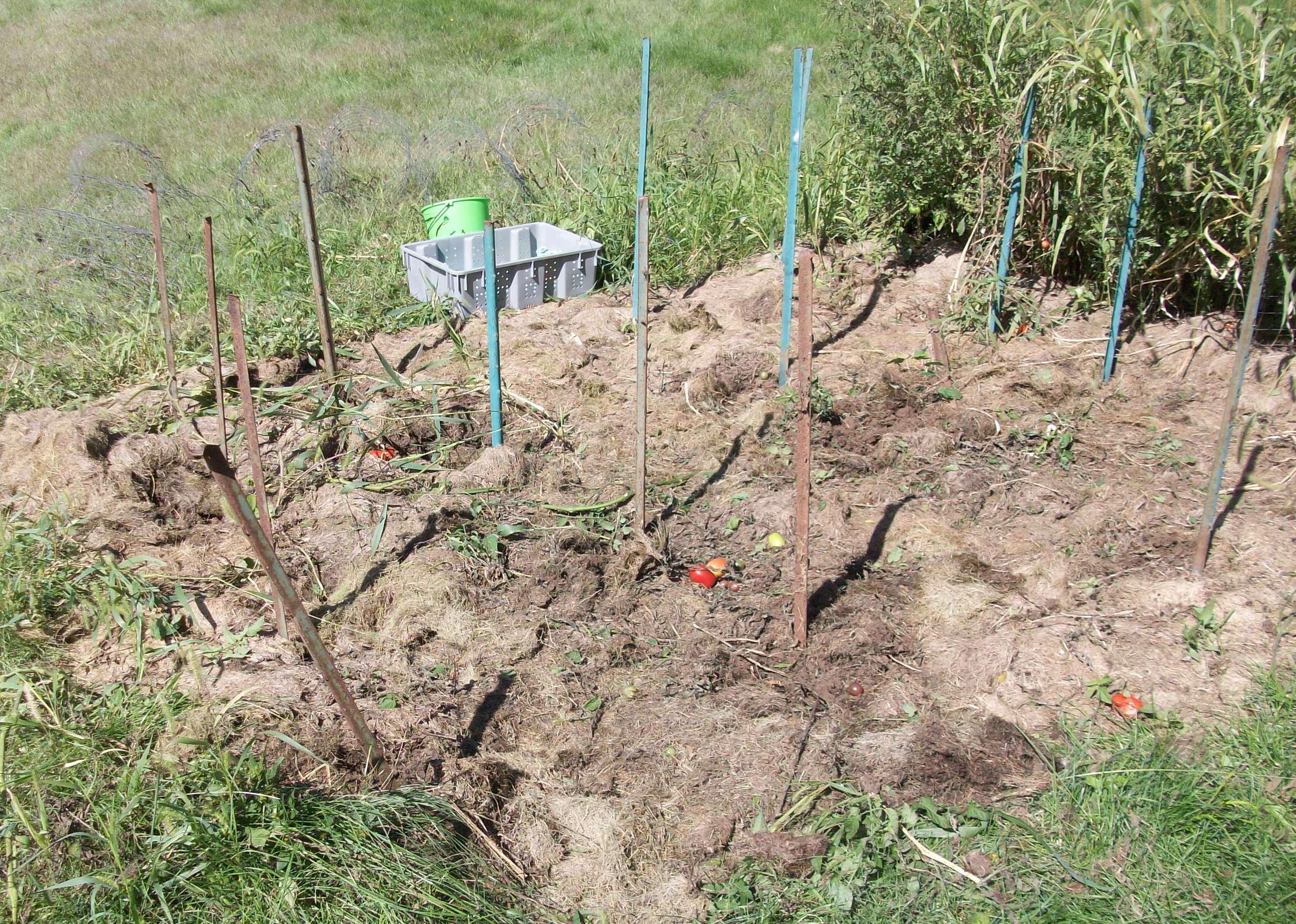
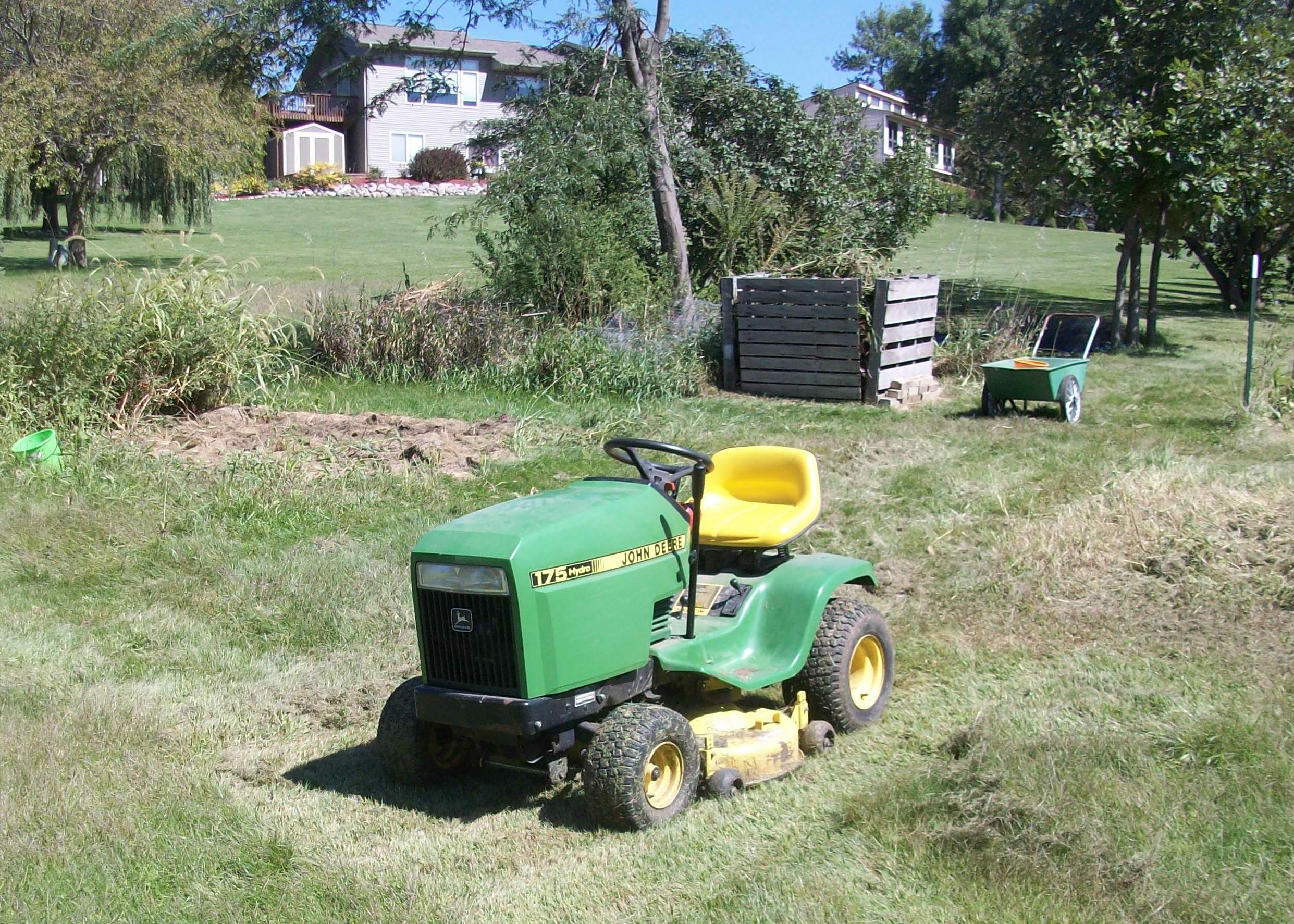
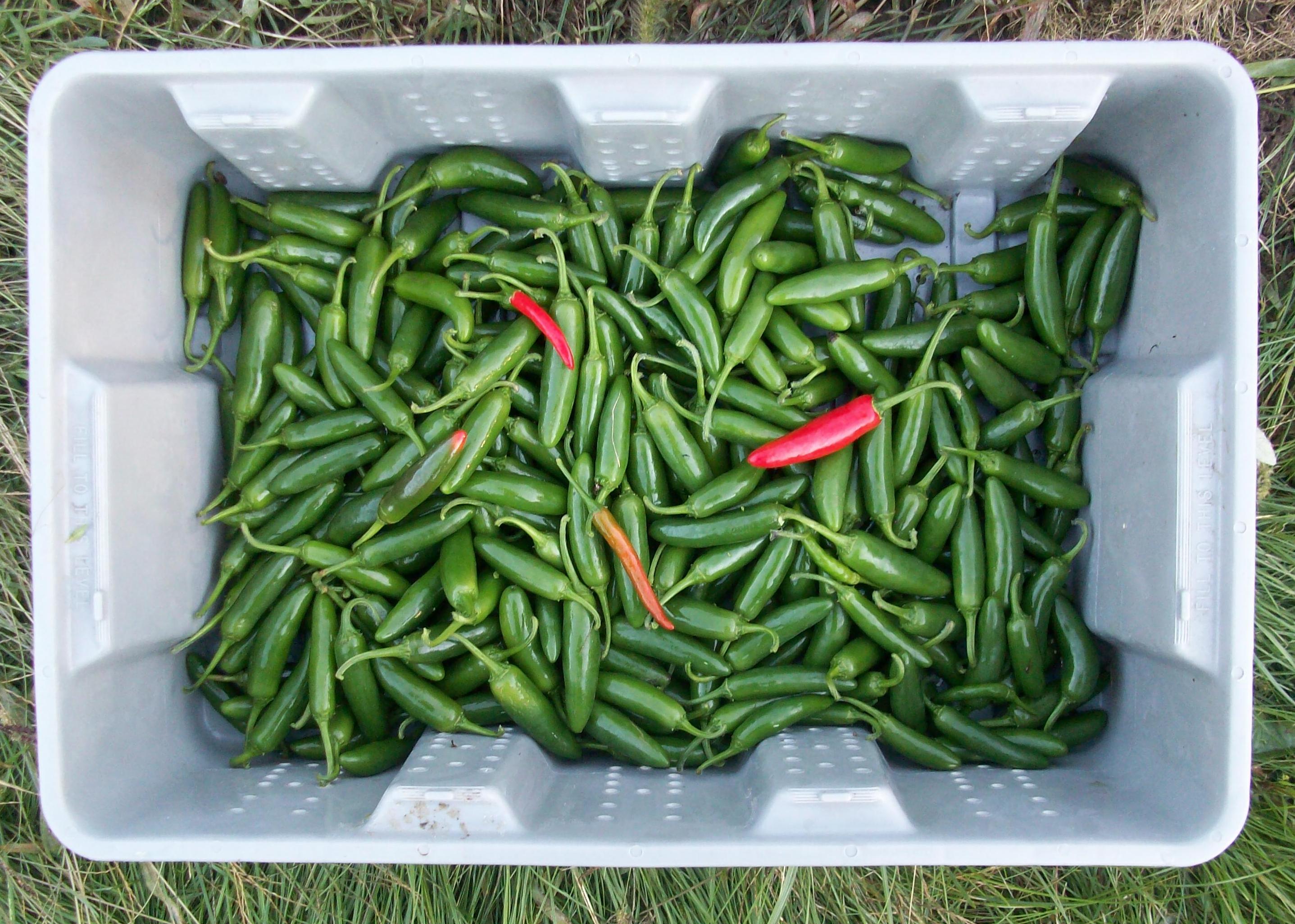
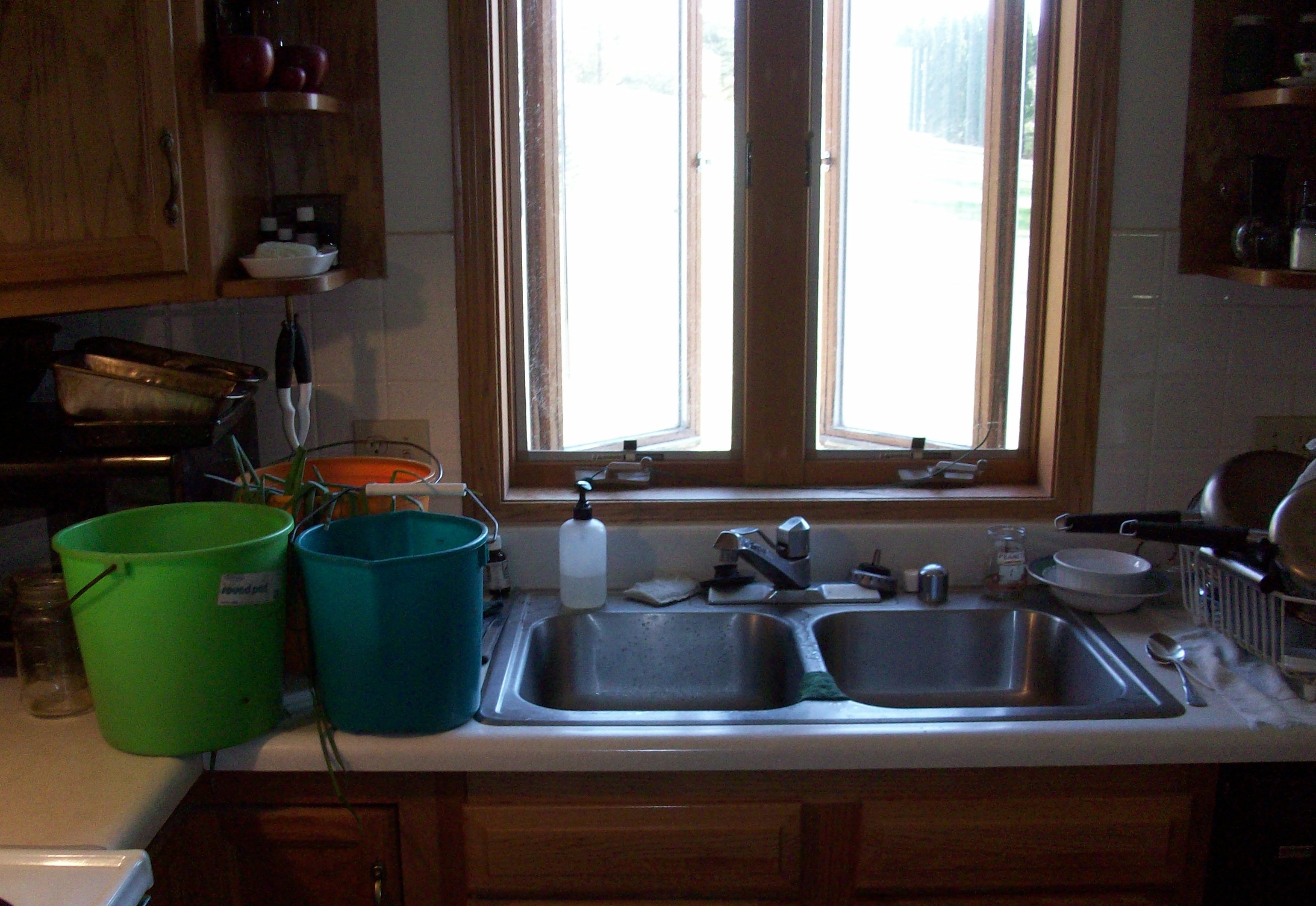
Preparing for the Day PredawnThe Door is OpenFirst Tracks in the DewSunriseFog Burning OffFoot TracksMoving the Cars Out of the GarageVariegated LeavesWork GlovesFormer Tomato PatchJohn Deere TractorSerrano PeppersFirst Red Delicious Apple
LAKE MACBRIDE— The chill in the air is undeniable as summer activities wrap up— ready or not.
The last share from the CSA picks up tonight, and Tuesday is to be a full day of outdoor activities, with Wednesday the rain date. It is time to harvest and prepare the yard and garden for the apple harvest and winter. The neglect of this summer may or may not be overcome with a single day’s work, but that is the time I can afford.
Yesterday I arrived home from the warehouse in time to hear Hillary and Bill Clinton’s speeches at the Harkin Steak Fry telecast on C-SPAN. The finality of this last annual event is one more reason Senator Tom Harkin will be missed. The 2006 steak fry is where I met Barack Obama in the rope line. The full video is archived on C-SPAN and readers can listen and decide the meaning for themselves if interested.
Despite the abundance of food in our house, the amount of cooking has declined over the summer. Sandwiches, soups, stews and other stored fare have lingered in the fridge, and make quick heat and serve meals. Tomorrow is expected to bring in most of the tomatoes, peppers, celery and kale, all of which will require some processing. The Red Delicious apples look quite good this year. Tomorrow will be the first taste test before an onslaught of apple dishes. What food we have prepared has been seasonally fresh and tasty. What more could a person ask?
LAKE MACBRIDE— What working person hasn’t taken a nap in their vehicle? Part time and temporary workers with multiple jobs are unlikely to get enough rest, so why not set the alarm clock and snooze after arriving early for a shift, or during a 30-minute lunch break? At the meat packing plant where I worked during summer breaks from college, there was competition for the prime snoozing spots before clocking in the regulation six minutes before starting a shift. One’s vehicle provides a level of security and privacy— it’s also convenient.
The story of Maria Fernandes, who died in her automobile while sleeping between part time jobs at three New Jersey and New York Dunkin’ Donut shops, hit the corporate media in full force last week, and they were atwitter. The best coverage I found was in RT, the Russian 24/7 news channel:
A New Jersey woman who worked four jobs, who sometimes “wouldn’t sleep for five days,” according to a co-worker, died Monday while napping between shifts in her car on the side of the road.
Maria Fernandes died in her 2001 Kia Sportage after inhaling carbon monoxide and fumes from an overturned gas container she kept in the car, according to the New York Daily News.
The 32-year-old Newark woman pulled into a WAWA convenience store lot in Elizabeth, New Jersey for a nap early Monday. She left the car running. The carbon monoxide and gasoline fumes were the likely cause of death, authorities said.
Fernandes was found dead in the car around eight hours later when EMTs responded to a 911 call of a woman found in a vehicle with closed windows and doors. Emergency workers sensed a strong chemical odor upon entering the vehicle, authorities said.
What will the story of Fernandes mean to broader society? Regretfully, not much once the news cycle is finished. Hers is one more sad story in the life of working people.
There is media discussion of Fernandes becoming emblematic for low wage workers, and some connect her death to the current political discussion about the need for an increase in the minimum wage. Advocates will likely use her story to make a case for unionization and other favored topics. But something is missing. Let’s follow the RT story down the rabbit hole:
About 7.5 million Americans are working more than one job, according to the U.S. Bureau of Labor Statistics. Those jobs often leave people short on income compared to full-time work, said Carl Van Horn, director of the John J. Heldrich Center for Workforce Development at Rutgers University.
“These are folks who would like to work full-time but they can’t find the jobs,” Van Horn said. “They wind up in these circumstances in which they are exhausted. More commonly it creates just an enormous amount of stress.”
Workers in the United States are earning an average of 23 percent less than earnings from jobs that were lost during the economic recession that began in 2008, according to a recent report, as wealth inequality in the U.S. has shot to record highs, according to various indicators. Many long-term unemployed are considering abandoning their job search following years of stagnant economic growth.
Maria Fernandes is not a victim of her own choices, except maybe the one to leave her car running while she slept in it. Closer to the truth is that many companies want part time or temporary workers to avoid paying benefits, and this runs contrary to the expectations built for those of us in the baby boom generation. The movement to part time and temporary work is an inexorable march toward stripping costs from business operations— something few in the corporate media have covered as it relates to Fernandes.
That she could work in three locations with the same corporate brand and wear the same uniform in each, yet not work for the same company, gets to a core issue. By its structure, Dunkin’ Donuts and companies like it, are designed to distance themselves from workers, and create gross margin and related profits that flow to the richest one percent of the population. In this case to the parent company, Dunkin’ Brands Group, Inc. (NASDAQ: DNKN), led by Nigel Travis. There are layers of distancing from the company, presumably related to the goal of avoiding the costs and troubles of lowly paid workers.
The circumstances around Maria Fernandes’ death captivated attention for a news cycle. One must ask the question what will we do about it, and hope there will be an answer.
LAKE MACBRIDE— As I pulled out of the parking garage at the warehouse, my mobile phone rang. It was the orchard calling to say the family event was cancelled due to the rain storm so I wouldn’t be working. Unhesitatingly, I redirected the car, considering what to do with newly found time.
The first option was to attend the fundraiser for my state senator. He and his wife had visited the warehouse to gather provisions for the event. I had asked for the address to send a check since I would be working. Having given my regrets, I headed home.
A few weeks ago the newspaper published a story about a cupcake baker who set up shop on the road to the warehouse. Years ago, a trucking firm sold their large terminal on a corner lot to a developer, and a commercial strip mall has been expanding there for a number of years. The cupcake purveyor located in some of the new space.
There were young children with parents at the counter and tables. The din was so much I could barely hear the person at the counter ask if it was my first visit. It was. She explained the offerings, and I picked tiramisu and vegan which I expected from proofreading the newspaper article. The cupcake had a very thick layer of butter cream frosting— too much really. A return seems unlikely, but I wish the company well. They aren’t going for the cranky writer crowd anyway.
What I needed was sleep. Upon arriving home, I headed to the bedroom for what was to be a nap. I woke three hours later, having slept soundly.
Fruit flies showed up for the first time this season flying above the kitchen compost bucket. They have been a long time coming, beginning to appear only a couple of weeks ago in the enclosed garden compost bin. Whatever the delay, they weren’t missed. I need to empty the bucket daily.
After making a snack, I returned to bed and slept through until I could sleep no more. I awoke realizing there is life to be lived, and had better get to it.
LAKE MACBRIDE— Labor Day means a work day in Big Grove, and that’s fine with me.
Today began by finishing and filing two articles for the newspaper. After a session of garden work, and making juice from some apples I picked two days ago, I’ll work a shift at the orchard. Then, the CSA share will be ready for pickup, as they are working today as well. The new vegetables will need processing, so there will be a lot more to do before sleep comes again.
During my transportation career I made a point to go into the office on Labor Day. I felt that was my job, and a day to get caught up on work the exigencies of managing a multimillion dollar operation blocked out. Any more, it is a day to do work that in another life would just be called living.
This summer pushed the envelope of how much formal work can be crammed into a schedule. As many as eight paid jobs needed doing, and still they didn’t generate enough income to get past regular bills, a few emergency expenses, and paying down a small amount of debt. While it has been a struggle, worklife is also about framing.
I reject the class frame. Neither am I middle class nor working class, although if I were, the latter seems more appropriate. We’re not serfs either. Those frames belong to others. I look at myself as a writer in an Iowa City the City of Literature sort of way. Here’s what I mean.
What I do more now than ever is spend time writing. Everything else supports that work. A small bit of my income comes from writing, but alone, it is not sustainable. So I sign on to do specific part time or temporary work for pay. The few hours each morning at my desk it supports are what matters most.
Fame or notoriety will escape me most likely. The challenge these days is to find meaningful venues for my writing. For Labor Day, though, I just plan to work.










 Journey Home
You must be logged in to post a comment.