Categories
Writing

Toward a Local Food System

Lake Macbride
Lake Macbride

LAKE MACBRIDE— Writing about gardening, farm work, fermentation, soup-making, canning and cooking is personally satisfying, but what is the connection to our broader society? Why does one person’s journey in life with friends and family matter in the broader scope of things? With a global population of more than 7 billion, and expected to hit more than 9 billion by mid-century, life on earth is changing in ways that test the limits of our ability to comprehend. Will the lives of individuals matter as Earth reaches its tipping point, pushing the envelope of its geophysical limits?

American society, founded in part on the cultural resonance of eighteenth century agrarian individualism, promotes the moral worth of an individual. Independence, self-reliance, freedom and the ability to work toward self-realization are core values of our society. The idea that we can own a plot of land, grow some of our own food and prepare it in ways steeped in process, learning and tradition, yet how we want, is as American as the apple crisp I make from my apple trees. What is often forgotten is that individual lives occur in the context of a society that was founded during the Age of Enlightenment, and that society is coming apart at the seams.

If romantic concern for the good old days is what drives people to work toward a local food system, the idea is bound to be abandoned. In Iowa, we created the Leopold Center for Sustainable Agriculture at Iowa State University. The center has conducted hundreds of grant studies and reported on them with an eye toward sustainable agricultural practices. The Leopold Center is key to understanding our food system and providing reasons and process to create and strengthen community-based food systems. It is uncertain their work will take, despite the fact that locally grown food produced with sustainable practices is highly cost competitive with the products of the industrial food supply chain.

What makes a local food system possible is not the development of practices and high level theory, but the support behavior change receives in society. Behavior that congealed during the post World War II economic boom that included development of our industrial food supply chain. With population growth, society requires an organized mechanism to produce, preserve and distribute food to a growing population. In that sense, the industrial food supply chain is as necessary to a local food system as are the practices developed by the Leopold Center. To choose between them is a false choice.

Based on my experience with local farmers who use sustainable practices, there is tremendous capacity for improvements in efficiency, fuel use, water management, labor practices and mechanization that are untapped because of capital constraints. What the local food system may need most is an infusion of capital to create business incubation centers, sustainable water management systems, efficient farm to market systems, and most importantly, a sustainable source of labor that pays a living wage. The industrial food supply chain, because of its strong capitalization, has essentially blocked out competition from sustainable local growers who struggle to pay bills each month.

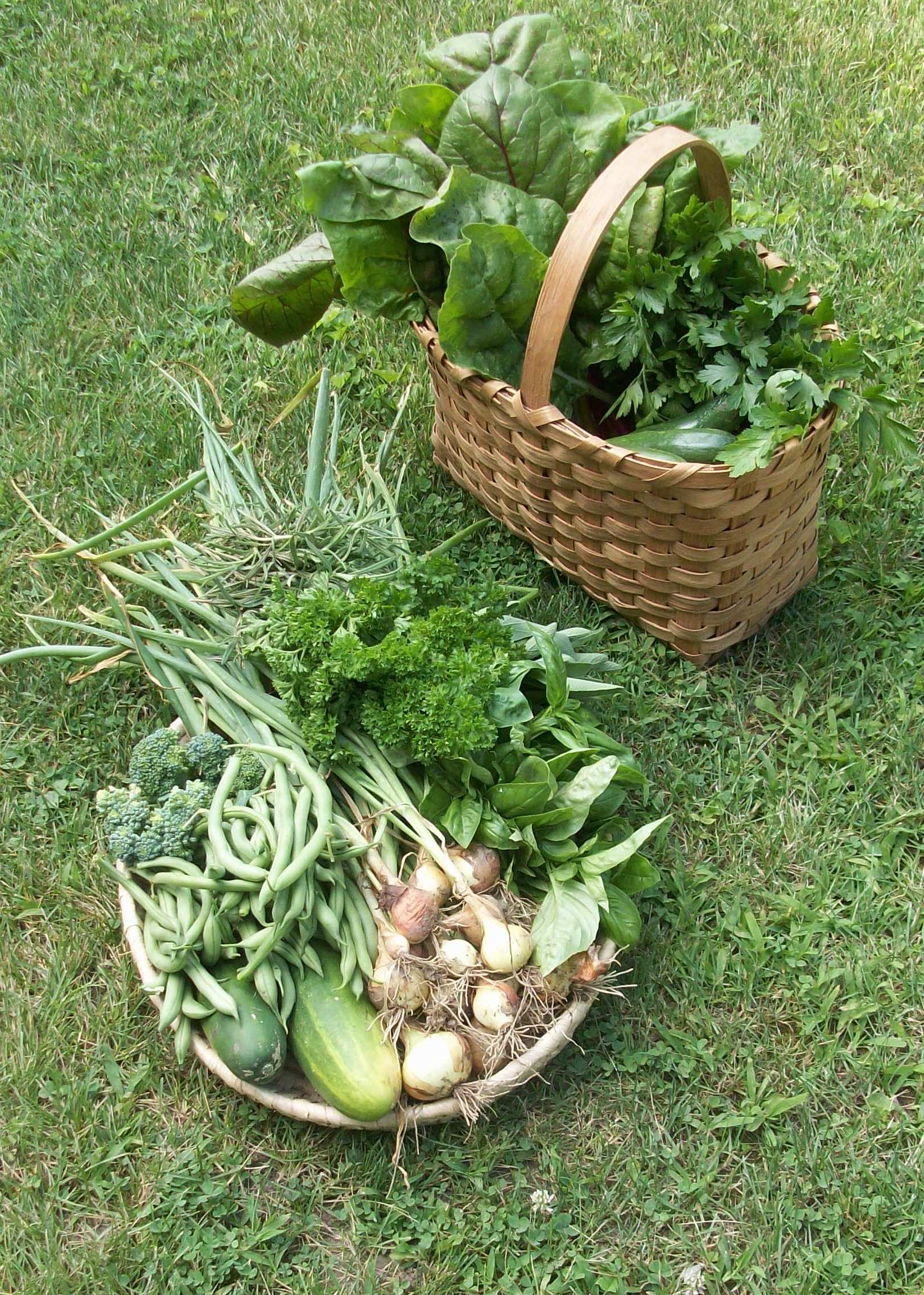
The question comes down to what individuals do in society with others, and there is no template for it. Stories about dealing with excess zucchini, kohlrabi and leafy green vegetables serve as examples of how to live with the challenges of a local food system. My garden won’t grow everything we need to provide all of our own food, so we leverage outside entities. Whether it is electricity to run the stove, cheese and milk from dairies, veggie burgers from Morningstar Farms®, or cooking oil from California, Italy and Iowa, how and why we leverage these entities and others matters a lot to a local food system.

That’s why I write about local food systems, as an example in which I hope others find value. If we’re lucky, and with collective action, tenuous local food systems will be strengthened as we work toward sustainability in a turbulent world.
Categories
Kitchen Garden

Processing Cucumbers and Other Things

Refrigerator Pickles

LAKE MACBRIDE— The dawn dew barely moistened my shoes while venturing to the garden to water the plants. Much needed rain failed to precipitate last night, and without daily irrigation, the produce yield would be reduced. The lettuce seedlings planted last week are surviving with twice a day watering. The morning shade of the locust trees protects them from the parching effect of the sun. The forecast is for zero chance of rain before noon.

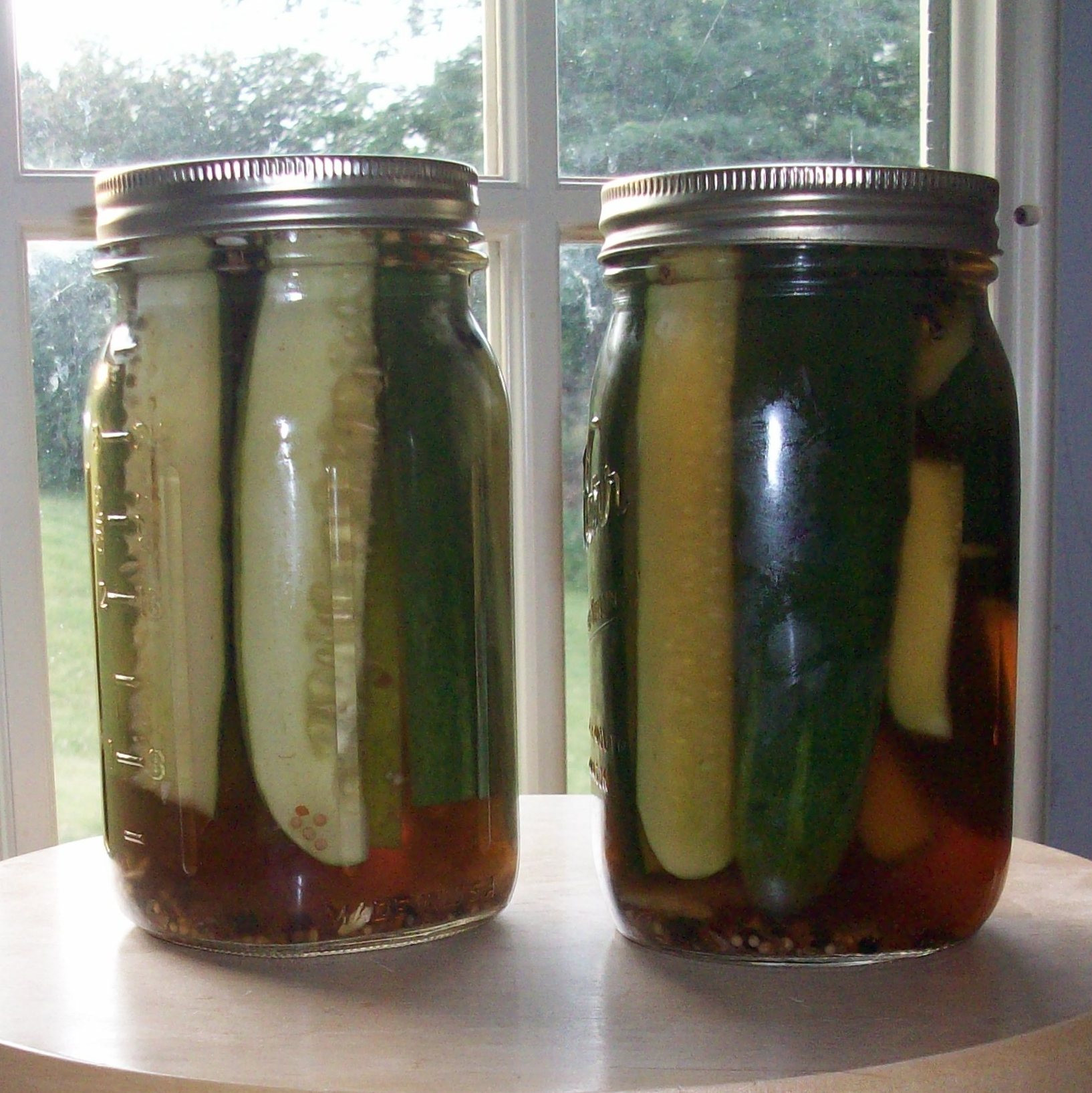
Last night I made two quarts of deli-style refrigerator pickles. The brine is the same as the one processing cucumbers in the crock, just that in the refrigerator they will be ready in four or five days. There are more cucumbers on the vine, and one kept fresh for salads. The flow of cucumbers through the kitchen has been about right.

The ice-box is packed and filling with food. I added a couple of more packages of grated zucchini to the freezer drawer and today’s plan is to make pesto to freeze. Produce rotation and preserving to prevent spoilage has become a thing around our household.

I decided to take down the advertising calendar on the bulletin board in the garage and replace it with photos. I spent an hour sorting through digital photos on my computer and ordered prints from Walgreens online. They were ready for pickup across the lakes in about an hour.

After making the pickup, I spent another hour selecting prints to post, and processing memories of our life since we became empty nesters. Better to be reminded of our family life than the days on a calendar. If one has children, it is a blessing to know them at all. Reflecting on who they have become is a luxury as good as gold.

No pickling brine will stop death’s inevitable advance.  As long as we can process— cucumbers, zucchini and basil, photographs and memories— we can go on living. As Walt Whitman wrote, “and as to you death, and you bitter hug of mortality . . .  it is idle to try to alarm me.” Fearless we enter the day, endeavoring to accomplish something with our lives.

Categories
Environment

Will it Rain?

Morning Harvest
Morning Harvest

LAKE MACBRIDE— The question at the farm today was “will it rain?” We hope so. This spring was the wettest on record, and gardeners are harvesting an abundant crop. The crops in the farm fields also look good. As someone posted on Facebook, “walk out to the garden with a shaker of salt and no fear. Ahhhhh Iowa summer.” But we have been in a dry spell since the season turned. The fear is last year’s record drought is part of a pattern that repeats this year.

Another drought would be disastrous for farmers that depend upon keeping customers happy with vegetables that are the opposite of fungible commodities. Crop insurance might pay the expenses, but customers who can buy fresh vegetables trucked in from Florida, California, Mexico, Texas, and as far away as China might get discouraged. They are all-in with the farmer to share in the risk of the season. In a consumer society that means they could find other sources of vegetables next season if things turn out badly.

The ten day forecast shows a 60 percent chance of scattered thunderstorms tonight and tomorrow. After that, the chances diminish to 10 or 20 percent. The prospect for rain is not good.

At my meeting in the county seat tonight the same question was asked. Will it rain? No one was optimistic.

I shared my garden’s abundance at the meeting, taking zucchini, yellow squash, kale, basil, flat leaf parsley and kohlrabi in a cooler. The basil and parsley were popular, with everyone taking some. Everything else, except one kohlrabi found a home. The fragrance of basil filled the room while we met— it was intoxicating.

My sense is we are in for another drought. It already feels that way, despite tonight’s forecast. I hope I’m wrong. We can irrigate if we have to. When the county studied the Silurian aquifer, there was plenty of water. But more is at stake than a single crop, or a couple of bad seasons in a row. The extreme variation in weather is concerning and is consistent with what scientists are saying about the effects of global warming. Let’s hope our questions will be answered, “yes, it rained.”

Categories
Environment Sustainability

Coralville Parade

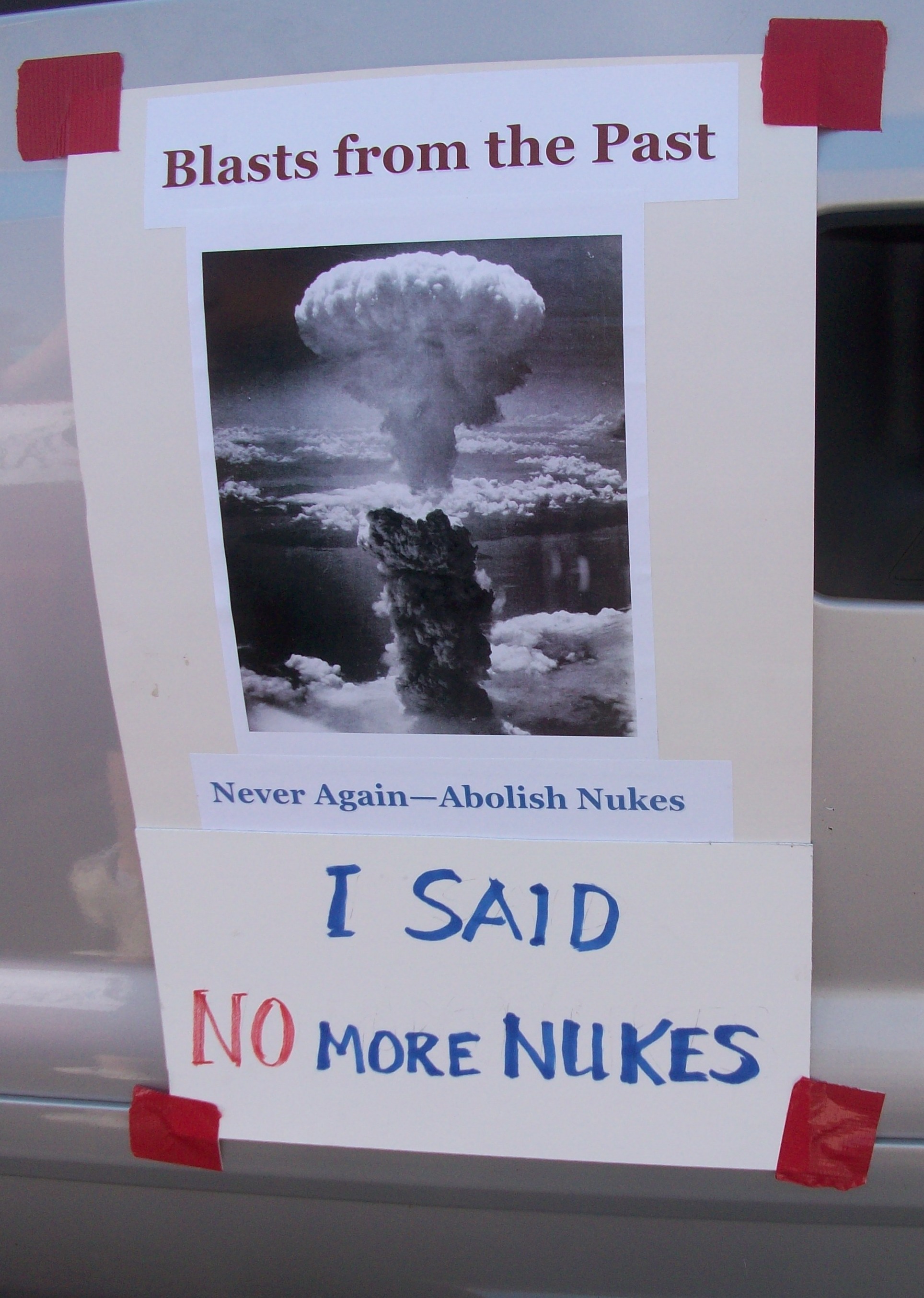
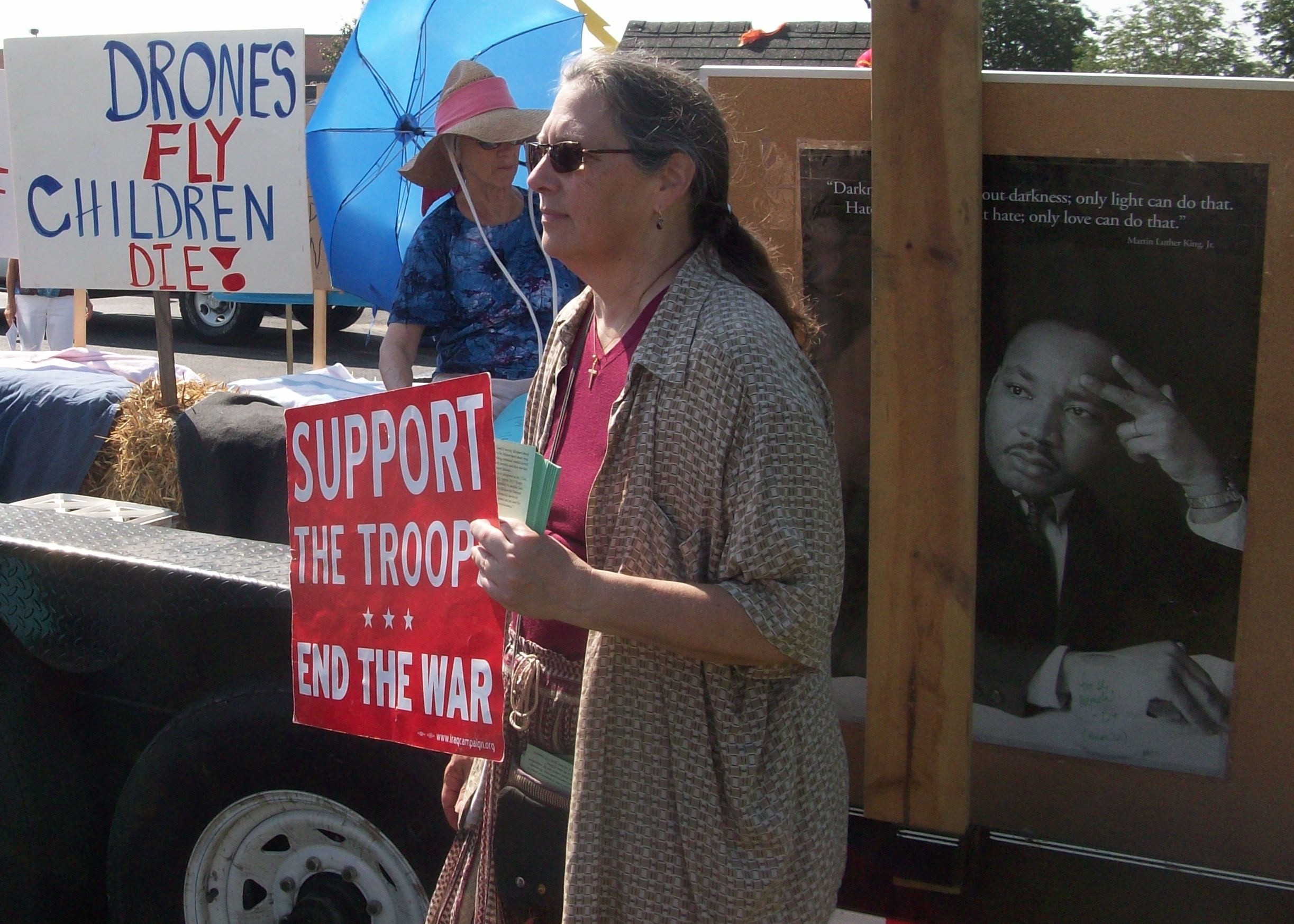
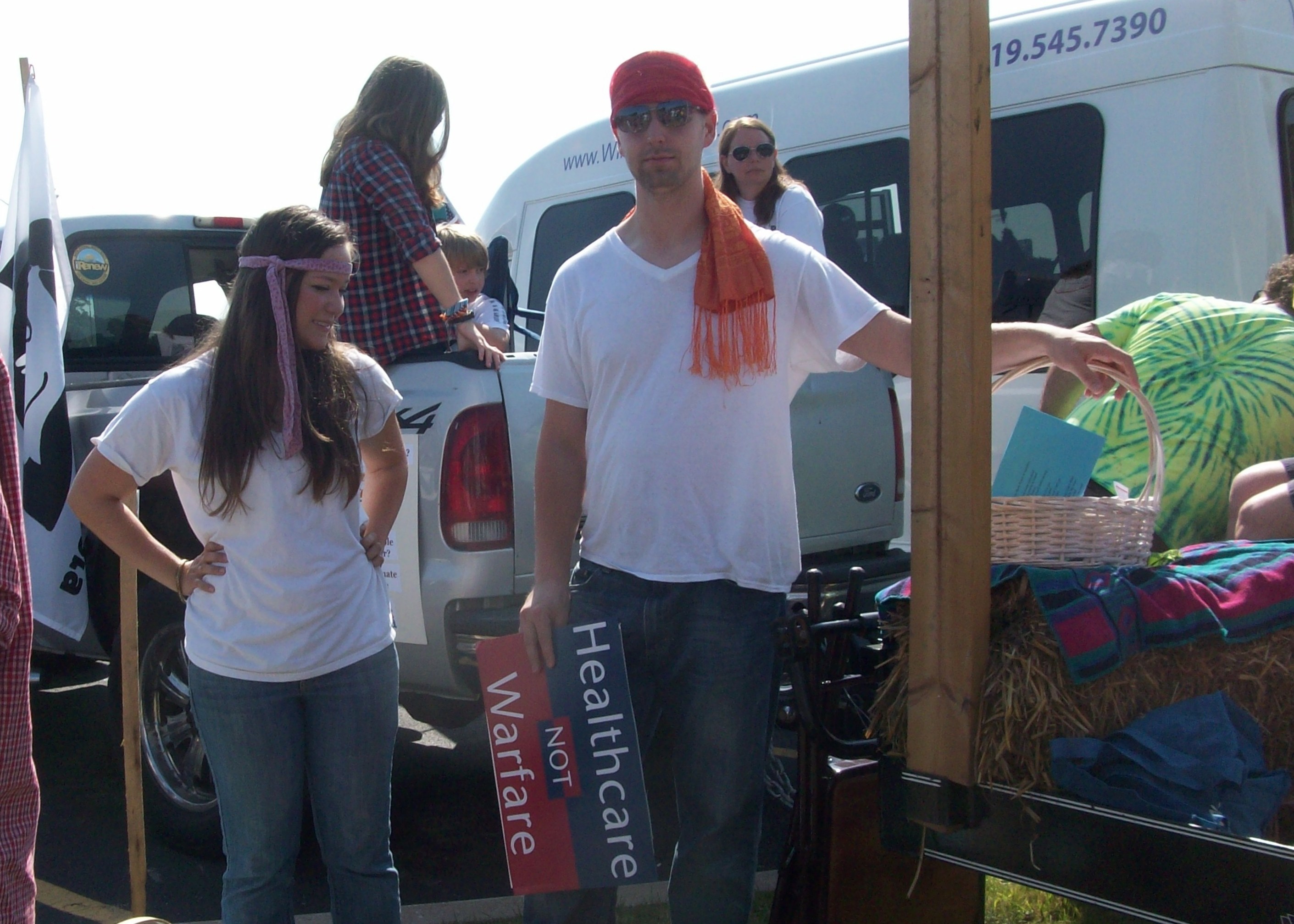
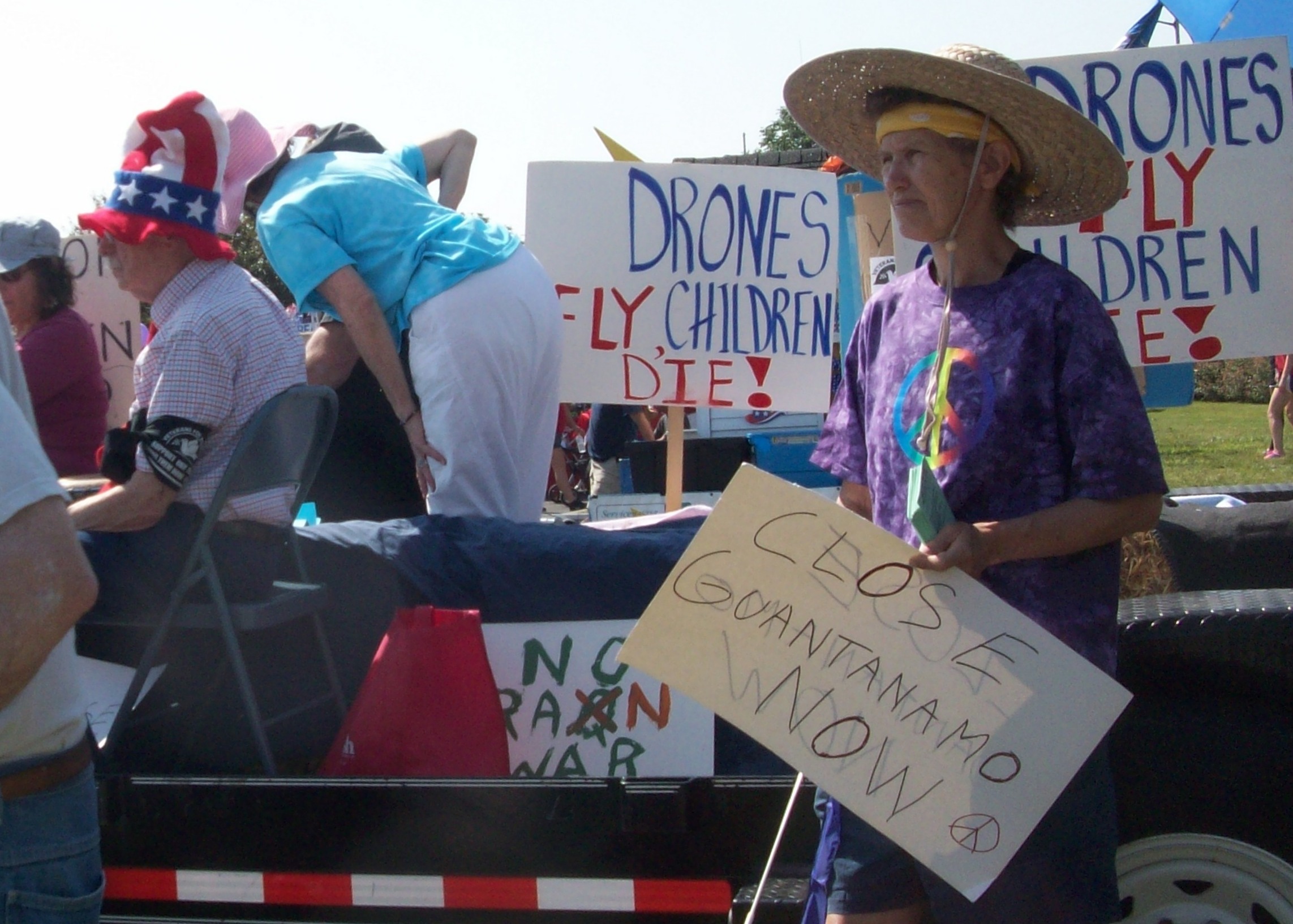
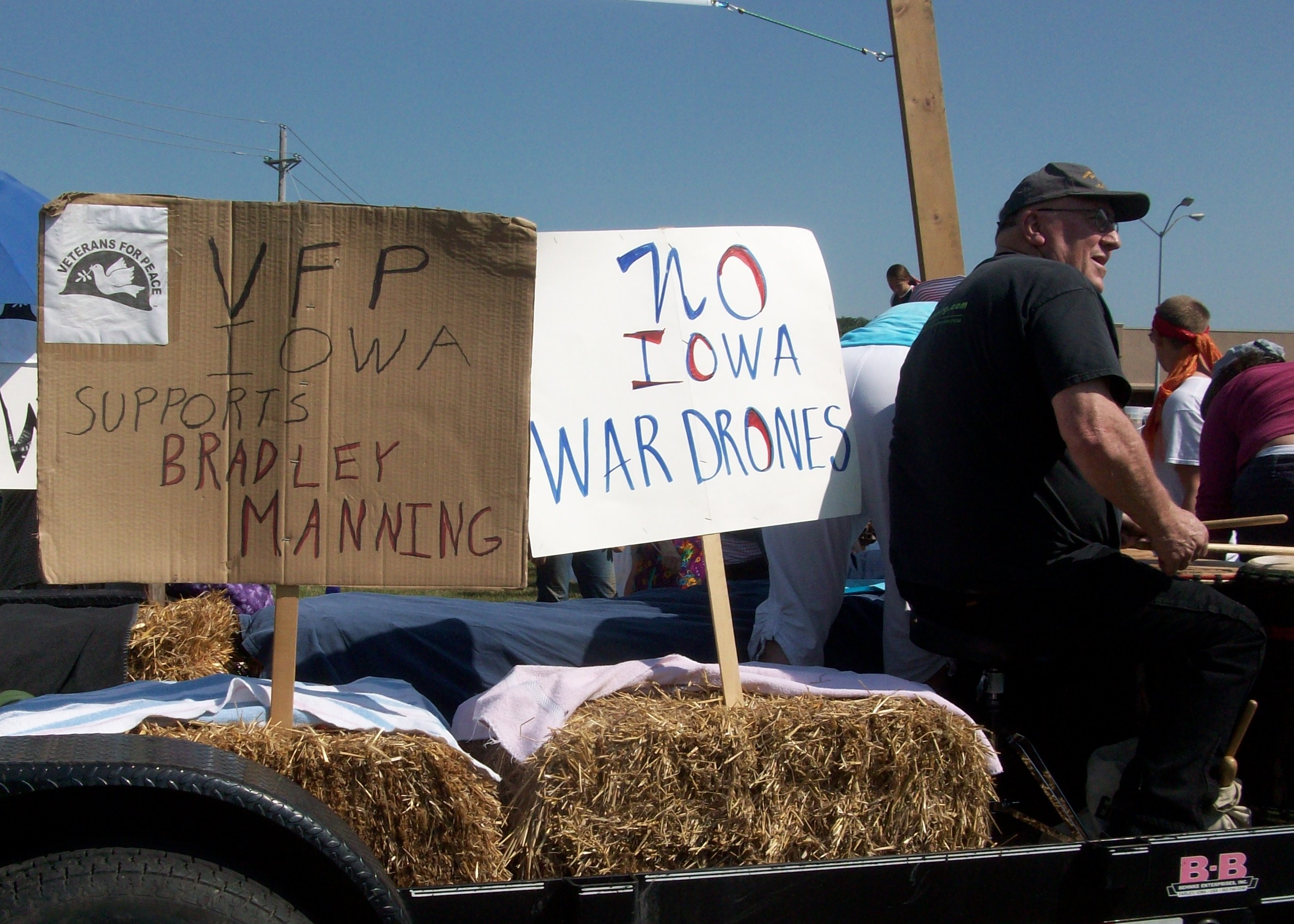
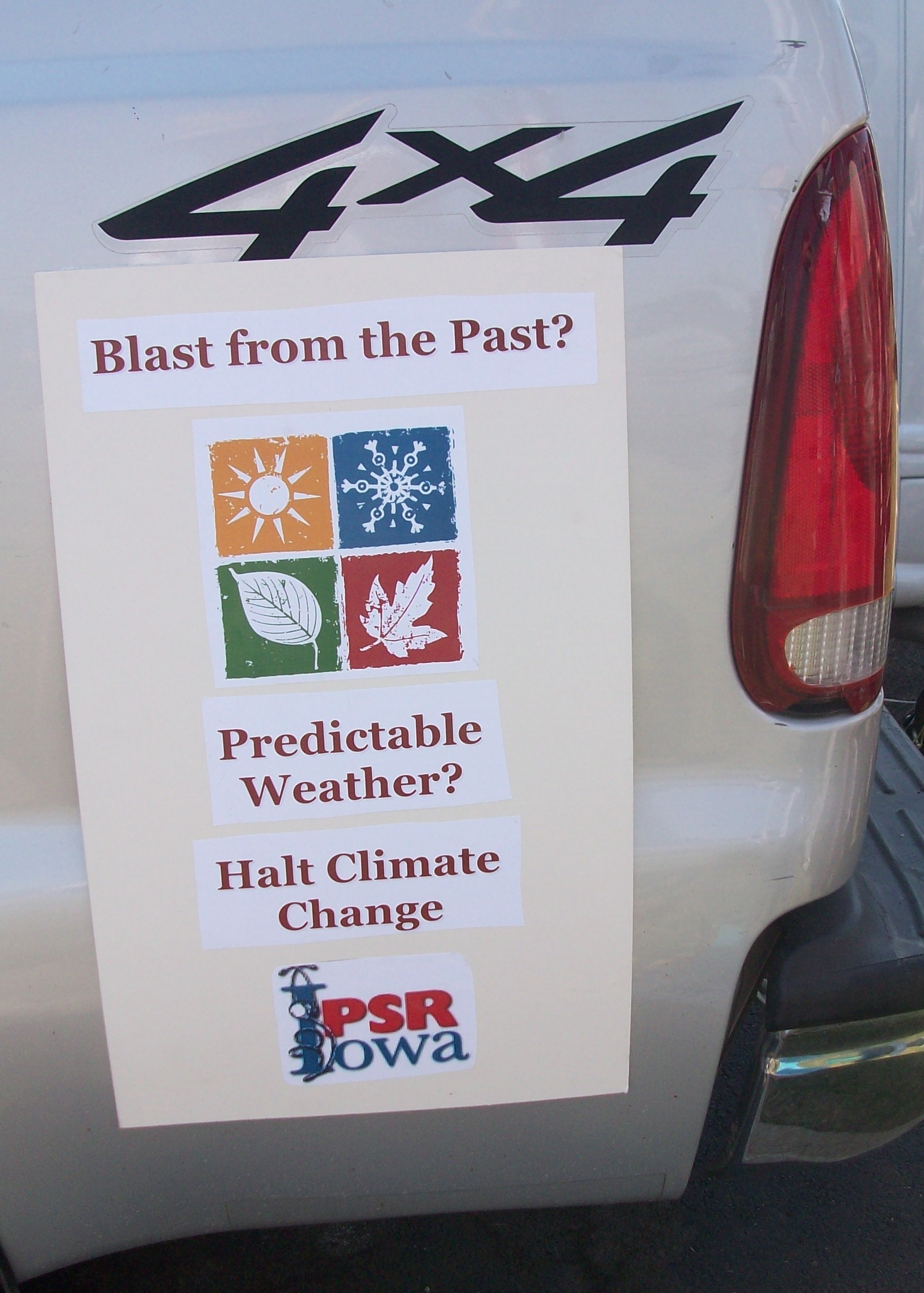
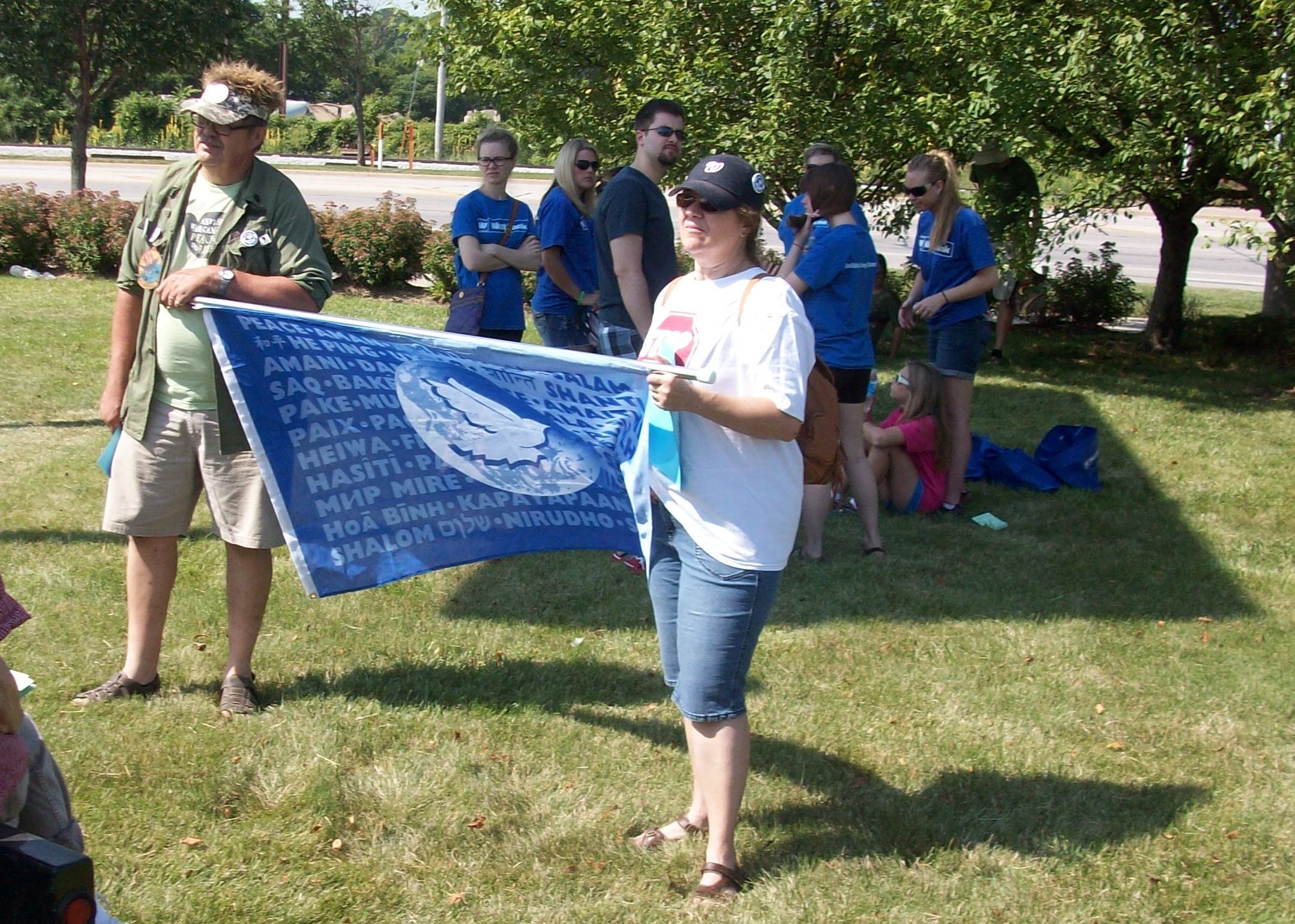
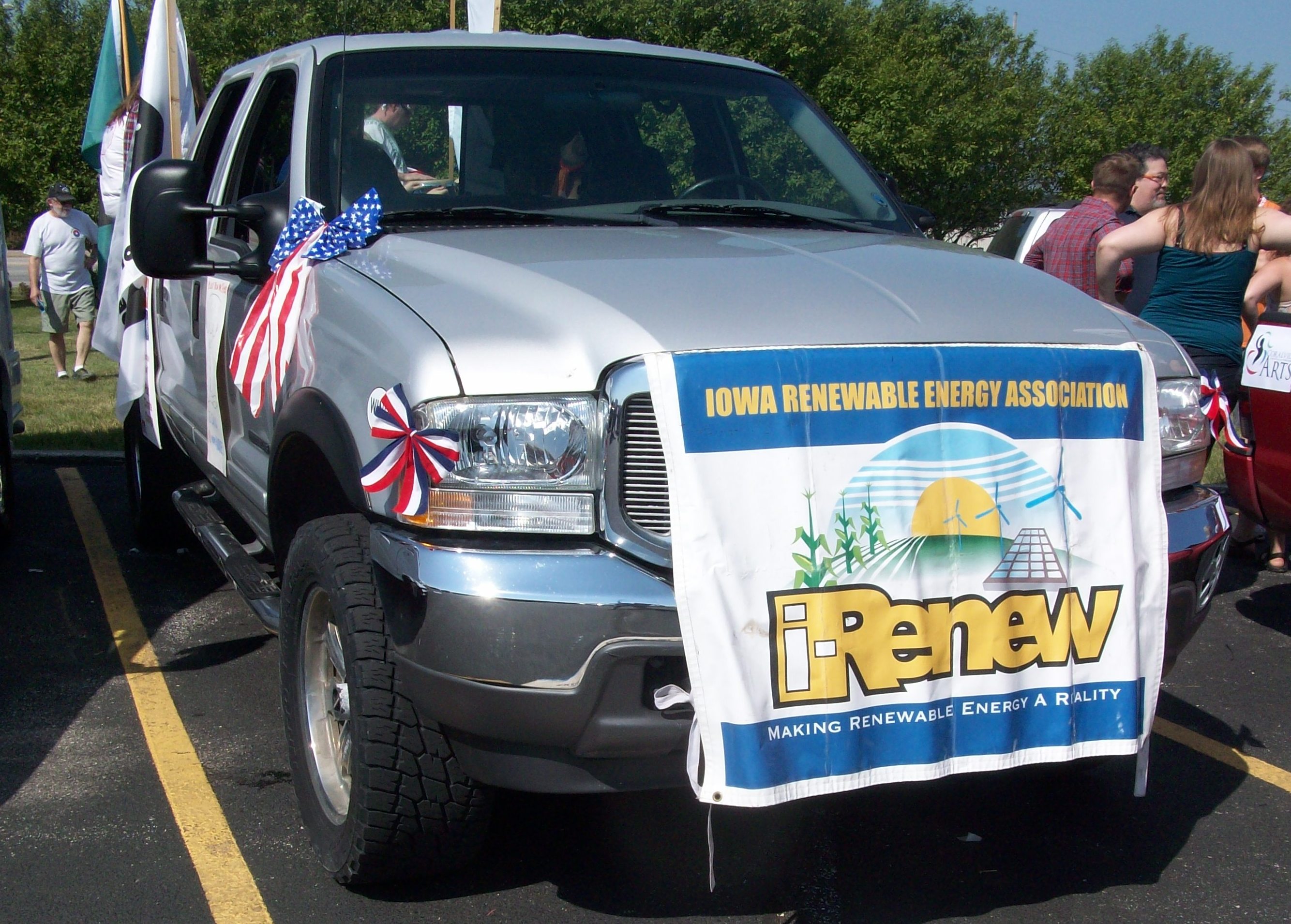
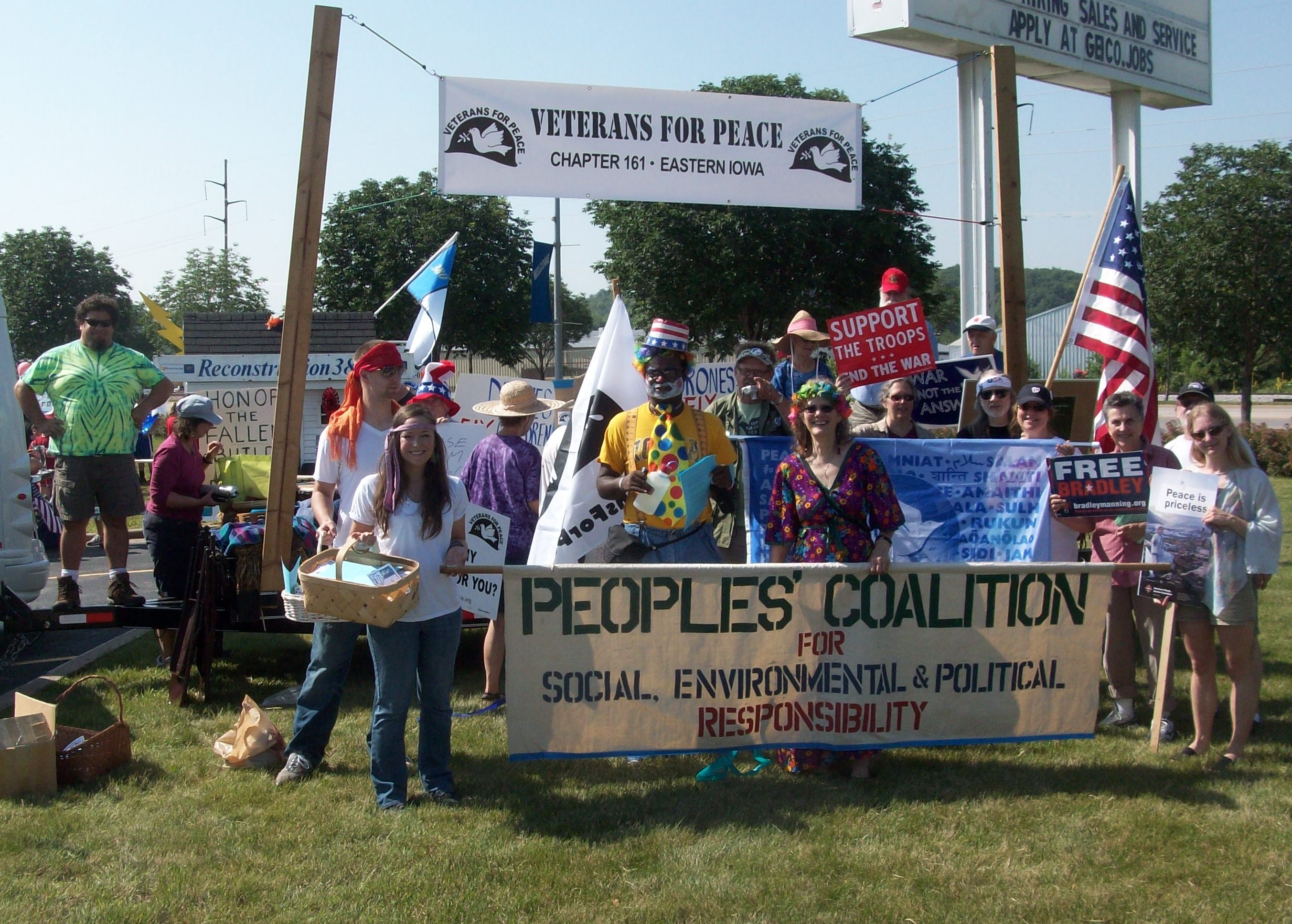
CORALVILLE— The Peoples’ Coalition for Social, Environmental and Political Justice walked in the July 4 parade here. The photos don’t include everyone, but you can get the flavor. The Peoples’ Coalition forms once a year for the purpose of getting peace and justice people together to interact with and get our messages to everyday people in the community. The parade entry was strong, with folks from Veterans for Peace, Iowa Physicians for Social Responsibility, PEACE Iowa, Yahoo Drummers, Green World Biofuels and others, all committed to peace, and social, environmental and political responsibility.

The Yahoo Drummers provided background during the entire parade route, and the group sang songs that included “We Shall Overcome,” “If I had a Hammer,” and “This Land is Your Land.” The songs were familiar and uplifting. Parade watchers joined in singing from time to time, and provided positive feedback to the group.

Contact Paul Deaton at paul.deaton@gmail.com if you would like to get involved with any of the groups, or be part of next year’s parade.

2013 Coralville Independence Day Parade.
2013 Coralville Independence Day Parade. Theme was "Blast from the Past"
2013 Coralville Independence Day Parade. Theme was “Blast from the Past”
2013 Coralville Independence Day Parade.
2013 Coralville Independence Day Parade. Veterans for Peace was present in force.
2013 Coralville Independence Day Parade. Theme for the parade was "Blast from the Past."
2013 Coralville Independence Day Parade. Theme for the parade was “Blast from the Past.”
2013 Coralville Independence Day Parade.
2013 Coralville Independence Day Parade. Biodiesel powered vehicle pulled the trailer.
2013 Coralville Independence Day Parade.
2013 Coralville Independence Day Parade. Michael,  Dr. Maureen McCue and Dr. John Rachow, a nuclear family.
2013 Coralville Independence Day Parade. Michael, Dr. Maureen McCue and Dr. John Rachow, an anti-nuclear family.
Categories
Kitchen Garden

Battle for the Cruciferous Vegetables

Fresh Kale
Fresh Kale

LAKE MACBRIDE— Summer arrived and the battle for the cruciferous vegetables has begun in earnest. The progeny of the white butterflies— that were flitting about laying eggs less than two weeks ago— have arrived in large numbers. Too many to count, the small green caterpillars have done their damage to broccoli, Brussels sprouts, collards and kale leaves planted in the middle southern garden plot. They either like something or they don’t because the Swiss chard planted between the kale and collards was untouched by the caterpillars. The bugs also appeared in the spring vegetable plot where I put a few extra broccoli and kohlrabi seedlings. They don’t seem to bother the turnips, radishes and arugula, also cruciferous vegetables, although something else pokes tiny holes in those leaves.

I don’t have many defenses, except to limit the damage by picking off the caterpillars and dropping them into a bucket of soapy water. Because my fingers are so big compared to the bugs, I went to the medical supply house and bought a surgical grade, stainless steel forceps to aid me in plucking them off the leaves. It’s a nice piece of equipment.

I harvested all of the kale to get rid of one food source for them. It is now debugged, washed, dried and stored in the refrigerator. I have new collard, Swiss chard and kale seedlings ready to plant, so I need to consider where to put them. Outside the current colony/restaurant for caterpillar dining, methinks.

While I mull that over, I’ll make a smoothie with kale, strawberries, peach, Greek yogurt, honey and ice. By acting quickly, I got my share of the kale harvest and intend to enjoy it.

Categories
Environment

Trip to the State Capitol

State Capitol
State Capitol

DES MOINES— Making my first trip to Des Moines this year, it occurred to me there is not a lot to distinguish Iowa’s largest city. The legislature meets here, some businesses headquarter here, and the downtown area continues to have light foot traffic despite the sprawl to West Des Moines, Ankeny, Clive, Altoona and Johnston. The capitol city attracts people and money and that is about it. Yesterday’s trip was mostly to meet with Ed Fallon, founder and director of the Great March for Climate Action and his director of operations.

The Great March for Climate Action is ambitious. It proposes “to change the heart and mind of other Americans and our elected leaders through mobilizing 1,000 people to march coast-to-coast to demand action on climate change.” The march will set-out from Los Angeles, Calif. on March 1, 2014, scheduled to arrive in Washington, D.C. on Nov. 1. Logistics will be a key consideration, and since I can’t afford a sizable donation, nor spare eight months away from Big Grove, I offered some help on the logistics of the march. The meeting went well.

While we were meeting in Des Moines, President Obama was giving a speech on climate change at Georgetown University in Washington. He said, referring to rising CO2 levels in Earth’s atmosphere,

“That science, accumulated and reviewed over decades, tells us that our planet is changing in ways that will have profound impacts on all of humankind.”

A warming and increasingly polluted planet is one of the key threats to the survival of humanity, and reasonable people can agree on that. There is an urgency to do something now about continuing CO2 emissions. As the president said,

“Today, about 40 percent of America’s carbon pollution comes from our power plants.  But here’s the thing:  Right now, there are no federal limits to the amount of carbon pollution that those plants can pump into our air.  None. Zero. We limit the amount of toxic chemicals like mercury and sulfur and arsenic in our air or our water, but power plants can still dump unlimited amounts of carbon pollution into the air for free. That’s not right, that’s not safe, and it needs to stop.

So today, for the sake of our children, and the health and safety of all Americans, I’m directing the Environmental Protection Agency to put an end to the limitless dumping of carbon pollution from our power plants, and complete new pollution standards for both new and existing power plants.”

This is one part of a broader plan outlined yesterday by the president. If readers are interested in climate change,  click on the link to read the entire speech.

Whether 1,000 people marching across the country, to win the hearts and minds of Americans about climate change, will culminate in a course of action seems uncertain at best. But we have to try everything we know to reduce global warming pollution and mitigate the impact of a changing climate. Our survival as a species depends upon it. One hopes Ed Fallon will be successful in raising the funds, organizing the march and recruiting marchers for the Great March for Climate Action. If you would like to learn more, check out the group’s website http://climatemarch.org/.

Categories
Sustainability

After the Hailstorm

Cherry Tomato Plant
Cherry Tomato Plant

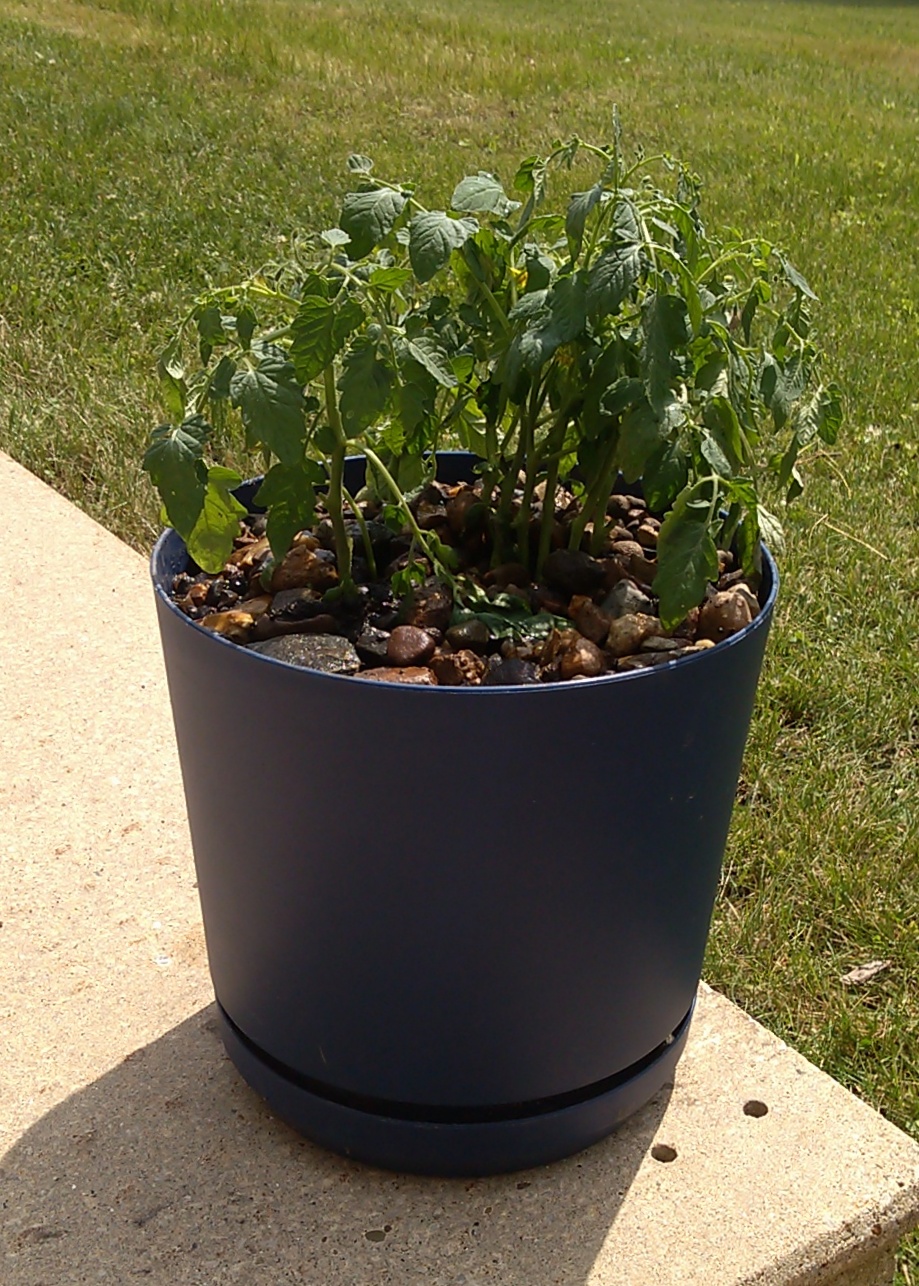
LAKE MACBRIDE— The garage door opened on a wet driveway. The rain had stopped, leaving a pool of water that crept under the door. I swept it outside. The nearby seedling trays were filled with rainwater, so I dumped them into the flowerbed and moved the trays into the garage. I need to plant the next iteration of leafy green vegetables soon. No damage was done to the plants by the hail that fell around 4 a.m.

President Obama spoke in Berlin this week, and I have been waiting to listen to the speech, doing so this morning. Friends have been talking about Obama’s call for a new series of steps toward nuclear abolition. One friend, who is not an Internet user, called and left a voice mail message saying he hoped that Obama’s speech would generate new energy around nuclear abolition within Veterans for Peace. I don’t know about that. The speech was less than inspiring, even if filled with lofty ideas, many of which have been heard from this president before. Referring to the global AIDS initiative, Obama spoke about peace with justice,

“Peace with justice means meeting our moral obligations. […] Making sure that we do everything we can to realize the promise– an achievable promise– of the first AIDS-free generation. That is something that is possible if we feel a sufficient sense of urgency.”

That last part, “a sufficient sense of urgency,” is always the problem in our consumer society, isn’t it? At the same time, we can’t ignore the president’s call for new energy around what threatens life as we know it— nuclear proliferation, a warming and increasingly polluted planet, and social injustice.  Obama touched on all three in the speech.

The heavy lift of the New START Treaty between the United States and the Russian Federation was a signature achievement of Obama’s first term. I was proud to have been part of the effort toward ratification. There was a sense in the conference calls with key State Department leaders, even shortly after Russia’s parliament ratified the treaty, that it was the last big thing regarding nuclear abolition for this president. Maybe I’m wrong, but that’s how I heard it from people in a position to know.

Nuclear abolition matters, so it is important to consider the president’s announcement in Berlin, his plan to move forward in slowing nuclear proliferation. The U.S. will negotiate further reductions in deployed strategic nuclear weapons, by up to one third, with the Russian Federation; the U.S. will negotiate with Russia a reduction in tactical nuclear weapons in Europe; we must reject the nuclear weaponization that North Korea and Iran may be seeking; the U.S. will host a summit in 2016 to secure nuclear materials in the world; the administration will build support for ratification of the Comprehensive Nuclear Test Ban Treaty; and the president called on all nations to begin negotiations on a treaty that ends the production of fissile materials for nuclear weapons. These are all continuations of previous administration policies.

The day after the speech at the Brandenburg Gate, Daryl Kimball, executive director of the Arms Control Association, posted an article in Foreign Policy titled, “Death by Cuts to a Thousand.” He wrote, “while (the president’s) remarks are overdue and welcome, the pace and scope of his proposals for further nuclear reductions are incremental at best and changes in the U.S. nuclear war plan are less than meets the eye.” I met Kimball in Washington in Fall 2009, and he is a key person among the non-governmental organizations that work on nuclear weapons issues. One suspects he was putting the best face on what was a disappointing policy announcement.

Despite this, as Kimball wrote in the article, “doing nothing in the face of grave nuclear weapons threats is not an option.” My work with others toward nuclear abolition will go on. It is a core part of working toward sustainability in a turbulent world.
Categories
Environment Kitchen Garden

A Local Food Saturday

Saturday Farmers Market Produce

LAKE MACBRIDE— Herbs are abundant in the garden, so I have been making dishes that taste better with fresh herbs: red beans and rice with fresh thyme, pasta sauce with fresh basil, and bread with sun-dried tomato and fresh rosemary. Each iteration of a dish, prepared in a moment of time, has consequence in our lives. Every bowl of soup, sandwich and plate of pasta is different for a home cook. Sometimes the food is better than others— our homemade meals speak to who we are, what we want to be and what we can be.

The idea of local food Saturday is simple. In order for there to be a vibrant and sustainable local food system, individuals must want to find, purchase and cook with local food items. We have to make a market in the things we hold dear. That’s how I landed on the important role home cooks can play in sustaining a local food system. Saturday is a weekend choice that fits a lot of people. It’s not like I am the first to come up with this— I’m not.

It is possible, and rewarding, to change our outlook from a being a consumer who goes to market to being a producer of home cooked meals that includes local food. One could do as well to develop a meal plan that includes local food and local food outlets, since almost no one cooks all, or even most of their own food at home.

The act of buying is such a brief part of our lives. We should make the most of it by unchaining ourselves from the mega-mart and relegating grocery stores to a more proper role as supplemental sources of provisions. It costs nothing to change one’s perspective, and the financial and personal payoff can be superior.

What did I do with the items in the photo from last Saturday’s farmers market?

The turnips were an impulse purchase as I could have waited a week to get fresh from my garden. I cut and washed the greens, cutting about a cup into quarter inch strips for soup, and putting the remainder in a container to use as cooking greens later in the week. Using the bulbs, I made turnip soup that included a quart of homemade stock, carrot, onion, celery, the turnip greens and the finely sliced stalk of the broccoli in the photo. I added dried chervil, salt and a bay leaf to make four servings.

The kohlrabi was for an experiment cooking it with potatoes. There will be a number of kohlrabi from the CSA, and a couple are growing in the garden. I’m trying to figure out how to use them. They also go well in a salad, cut into raw, matchstick-sized bits.

The radishes, cucumbers and zucchini were for fresh salads. The garden and CSA are producing lots of lettuce, and we have salad almost every night— sometimes as a meal. Lettuce and other leafy green vegetables are an important part of a local food system, and because we produce our own, there are none in the photo. The yellow squash was to slice and cook with greens.

Broccoli was to steam with dinner as it is a favorite and the broccoli in the garden was not ready yet. One stalk is not much, so we also steamed the last of the fresh asparagus from the CSA. A vegetable side dish to soup and a salad seems a bit weird, but was delicious nonetheless.

Finally there is the local honey. I got it home and realized there was another open jar in the pantry. I made the previously mentioned bread with local honey, fresh rosemary, sun dried tomatoes and a custom mix of flours.

In all, I spent about two hours in the kitchen with local food preparation, not including the rising time of the bread. On average, people spend a lot less kitchen time in a day, but ganging up on the prep work on Saturday made for better meals later during the week.

The revolution in local food will come when we change our attitude from being a consumer of goods to a producer. There will be a time when our lives are more interesting than who gets booted on the television program “Chopped.” For some of us, that time is already here, at least on Saturday afternoons.

Categories
Environment

On Michael Pollan

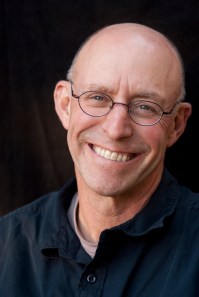
Michael Pollan
Photo credit: Fran Collin

LAKE MACBRIDE— Few people who work in academia are as well known, admired and reviled as Michael Pollan. Safe to say that a vast majority of the people on the planet have never heard of him.

Readers of this blog should know a). an answer to the question who is Michael Pollan and what does he do; b). I am familiar with most of his books, along with some articles, speeches and particularly his tweets on twitter; and c). I am not a “Pollanite” as some derisively refer to his followers.

The dust jacket of his latest book, “Cooked: A Natural History of Transformation,” has the briefest of biographical snapshots and is likely the best. He is an author, a contributor to The New York Times, and Knight Professor of Journalism at Berkeley. In a bit of self-promotion, he added the sentence, “in 2010, Time magazine named him one of the one hundred most influential people in the world.” Maybe more people have heard of him than I thought. More information about Michael Pollan is available on his web site MichaelPollan.com, and his full biography and curriculum vitae are useful for getting a brief overview of the man and his work.

Where Michael Pollan influenced my thinking was in three of his books that are mentioned less often, beginning with his 1997 effort, “A Place of My Own: The Architecture of Daydreams.” The other two were “Second Nature: A Gardener’s Education” (1991) and “The Botany of Desire: A Plant’s-Eye View of the World” (2001). What impressed me about “A Place of My Own,” and was a bit irritating, was that the book was about building his personal study, tying in a number of disciplines to tell a story about a building on his property— how he planned and built it.

My first reaction to Pollan was that he was a narcissist. What he does well is to take a common activity, like building a study, hemp growing, whole hog barbecue, or growing and tending lawns, establish a personal experience that relates to it, and lay a foundation to transcend the narcissistic impulse to focus on broader points. His inclusion of so much of his personal activities is a literary device, although my immediate reaction prevented me from understanding that at first. Sometimes the device works well (Iowa corn growing ), and sometimes it doesn’t (North Carolina barbecue).

There is really little point in writing, as I have done, about trivial things like cooking buttermilk biscuits, pruning trees and downsizing my book collection unless there is something relevant to say about the rest of society. My takeaway from reading Michael Pollan’s books is that we can base broader social criticism in our personal experience. As an academic, and now famous author, Pollan has access to information that most of us do not. That, and the unique perspective he gained from years of study, are reasons to read him.

Categories
Kitchen Garden

Garden at the End of Spring

Garden
Garden
Morning Shade
Morning Shade
Fruit Trees
Fruit Trees
Harvesting Spinach
Harvesting Spinach
Clouds over the Garden