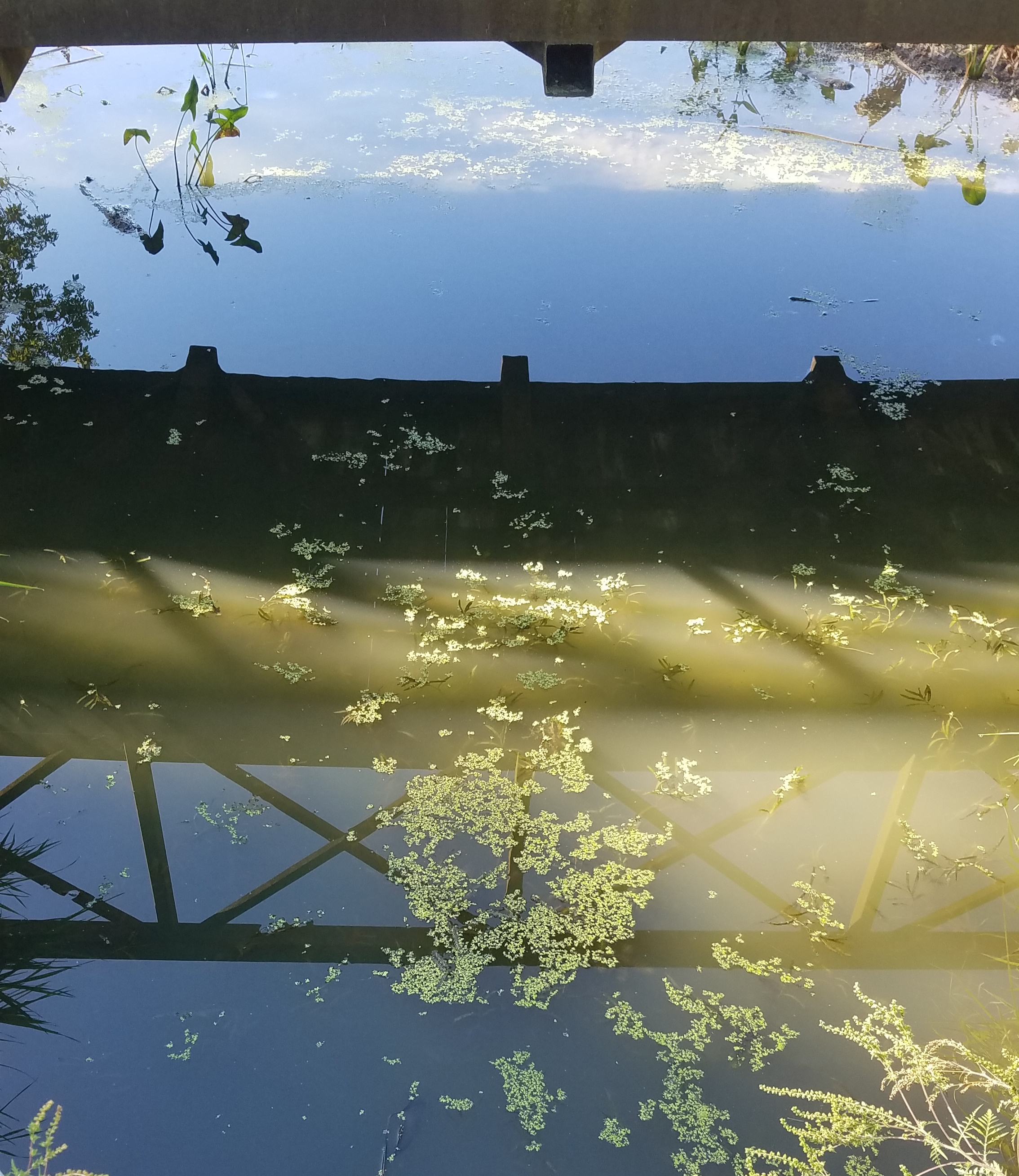
Reflection under a foot bridge on the state park trail.
This Friday a lot is going on in real life so I’ll leave this photo taken yesterday.
Once the sun comes up, it’s gleaning the garden, mowing, and a big apple harvest. Kitchen work never ends this time of year. I cleaned four half-gallon jars for apple cider vinegar making and am ready to go.
We take moments of peaceful reflection where we find them.
The food system is in transition and I believe the local food movement will come along with it.
The way Americans produce and consume food, with centralized growing operations at a distance from markets, is being forced to change because of a new and different climate. I believe changes will be positive over time, although they will take adaptation which will not be pleasant. The local food movement will focus on three types of operations: specialty growers, more complex farm operations centered around key individuals or a small group, and more kitchen gardens like mine. To some extent that structure already exists.
The ongoing, long-term drought made worse by climate change is taking a toll. The water shortage is acute in the Western U.S. because there has not been enough snow melt or rain. It should be called aridification rather than drought, because the changes are likely permanent. With the continuing water crisis, reservoirs and lakes across the west are at record low levels. A reckoning is coming and it means, among other things, higher prices and disrupted food supplies.
It’s not much better in Florida, Texas and Mexico. We long recognized growing lettuce and other produce in California and Arizona, and shipping it to the Midwest and East Coast, made little sense and was expensive in multiple ways. Have you ever tasted a Florida tomato? There are better alternatives. Because vegetables are grown with shipping in mind, taste has taken a back seat.
Producing food more locally is a natural reaction to disruption in food supply. In the settler days, before we had all these fancy supply chains, it was called “making do.” More people will grow some of their own food in backyard gardens, on decks and patios, or in community gardens. Not only does the food taste better, we can control the inputs to eliminate worry about pesticides and fertilizers. In the pandemic people lost some control of external events and one way they regained it was to become more self sufficient. So many people are preserving food that it has become difficult to obtain canning jar lids.
Labor is a basic problem the local food movement cannot solve. By growing food ourselves, the labor element is removed as we each invest labor to support our garden. Labor is an assumed investment and we scale personal labor in food production to fit our ambitions and the size of our garden or farm. Produce grown like this will meet some of our nutritional needs.
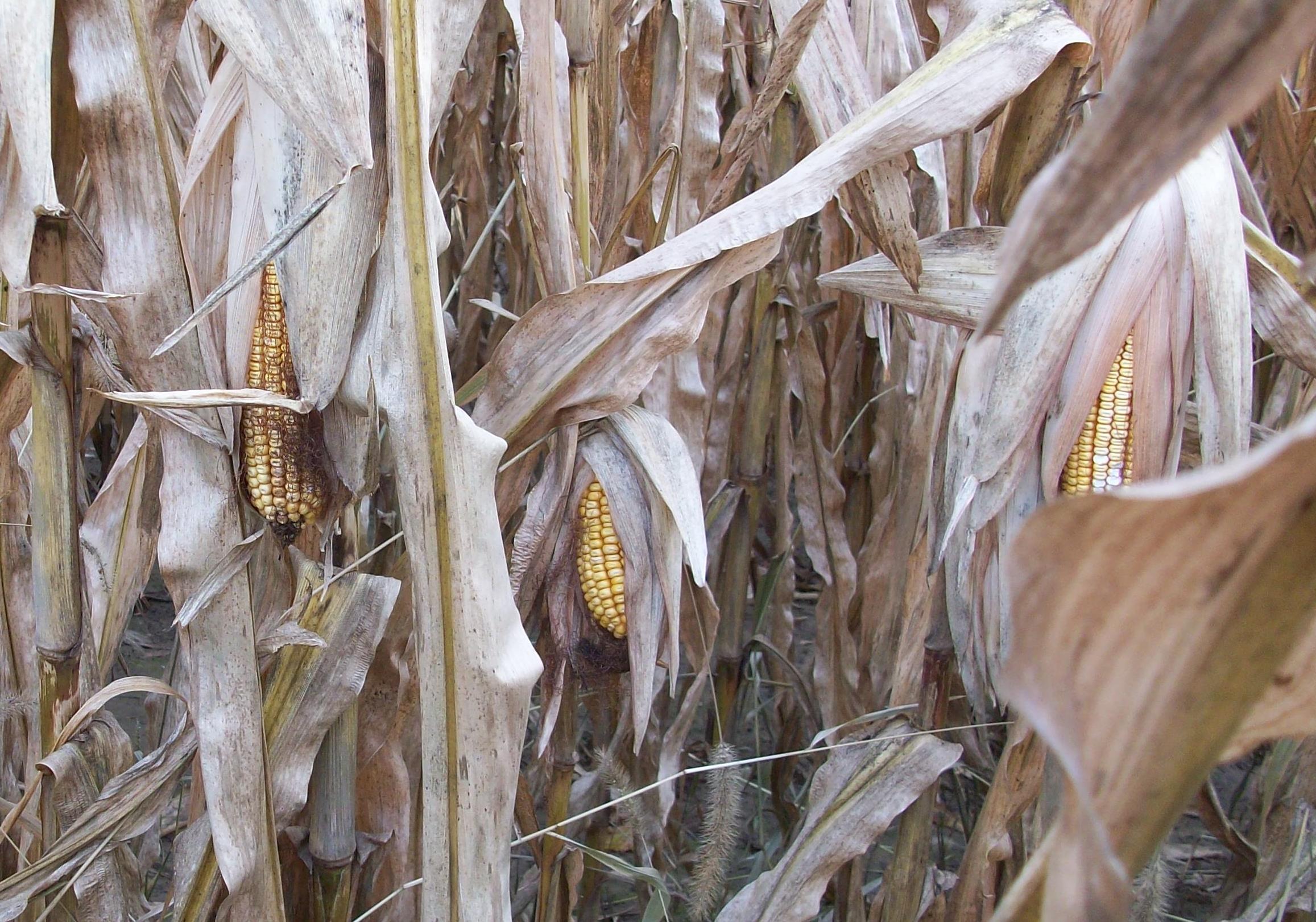
53 percent of Iowa corn goes to producing ethanol. If the country moves to electric vehicles, ready or not, adaptation is coming. The simple truth is either farmers find new markets for all that corn or adapt to other crops. Expect agricultural interests to oppose elimination of ethanol. Folks have proposed some of those crop acres be devoted to different kinds of produce, the kind people eat at the dinner table. However, it’s now or never to effect mitigation of climate change. There will be no choice but to adapt and land use is only one aspect of adaptation.
Climate change is real, it is having an impact on our lives, and unless we do something to reduce greenhouse gas emissions — on a large scale — it is going to get worse. Local food production can be part of the solution.
Nothing better illustrates what’s at stake in mitigating the worst effects of climate change than the debate between eliminating internal combustion cars, trucks and SUVs, and Iowa’s corn ethanol business which produces automotive fuel. Simply put, we must curtail greenhouse gas emissions to avert the worst effects of global warming. That means reducing, then eliminating, internal combustion engines in automotive transportation.
Last week’s events brought the debate into focus.
On Thursday, Aug. 5, President Biden signed an executive order intended to strengthen America’s leadership in clean cars and trucks. Biden set a goal “that 50 percent of all new passenger cars and light trucks sold in 2030 be zero-emission vehicles, including battery electric, plug-in hybrid electric, or fuel cell electric vehicles.” Biden also addressed tightening emissions standards, improving fuel economy, and fuel efficiency and emissions reductions for heavy duty trucks. If acted on, this executive order is a substantial government effort to reduce the number of polluting vehicles on American roads, a major source of greenhouse gas emissions. The folks at The Climate Reality Project reflect my view, “Now we are moving in the right direction.”
Not so fast, said Iowa Governor Kim Reynolds, whose state devotes significant corn acreage to producing ethanol for automotive use. She apparently heard this executive order was coming and had the following statement ready to go the same afternoon.
President Biden’s short-sighted stance on electric vehicles is undermining Iowa’s renewable fuel industry while simultaneously jeopardizing America’s energy independence. This announcement follows the Biden Administration’s failure to support renewable fuels in the infrastructure package currently being negotiated in Congress. It’s a harmful pattern that must be reversed.
With the policies we see coming out of Washington, it’s never been more important that Iowa fights for renewable fuels like ethanol and biodiesel while looking for new ways to invest in the high-quality products we produce right here, right now in our state.
Press release from the Office of the Iowa Governor via email, Aug. 5, 2021.
I couldn’t disagree more with Governor Reynolds. 53 percent of Iowa’s corn crop goes to ethanol production, according to Iowa Corn. A third of that makes a livestock feed co-product and the rest into ethanol fuel. One did not need to be a psychic to predict farmers were not going to like it when passenger cars, SUVs and light trucks all go electric, likely in my lifetime. The better action for the governor–than propping up the internal combustion engine in automobiles and light trucks–is determining the future use of those corn acres once ethanol is no longer needed as a fuel.
Either we have the political will to address the climate crisis or we don’t. It seems clear President Biden is willing to take bold action to address global warming, as evidenced by his direction on electrifying cars and light trucks. While some in the environmental movement say he is not bold enough, last week’s executive order would never have been signed by a Republican president. Governor Reynolds’ pushback was predictable and an argument for maintaining a status quo that has not been good for Iowa in terms of soil depletion, air quality, water quality, crop diversity, and economic and environmental sustainability.
As this plays out in coming weeks and months, the dynamic between the White House and Iowa’s Republican governor will be important to watch. What shall we do to address the climate crisis? According to President Biden we can and must do something. Moving toward electric transportation vehicles is a positive step, even though farmers will have to adjust. We have to do more to address the climate crisis.
Despite the debate and inevitable conflict, the country has to adjust to our future needs. The debate between government and farmers is not new. It has never been more important as the future livability of our planet is at stake. It’s now or never on climate.
Friday is the 76th anniversary of the atomic bombing of Hiroshima, Japan. Monday is the anniversary of Nagasaki. The world little realized the devastation caused by President Harry Truman’s decision to detonate those bombs.
In response to the anniversary, the Nuclear Threat Initiative organized a global project to make paper cranes and post them on social media with the hashtag #CranesForOurFuture. The idea is an affirmation of hope and a unified statement that a world without nuclear weapons is possible on what should be this weekend of peace.
I hope you will join us in this project.
For more information about how to participate, paper crane folding and social sharing instructions, including a video and printable template prepared by Hiroshima Prefecture, click on the link: https://www.CranesForOurFuture.org/Fold
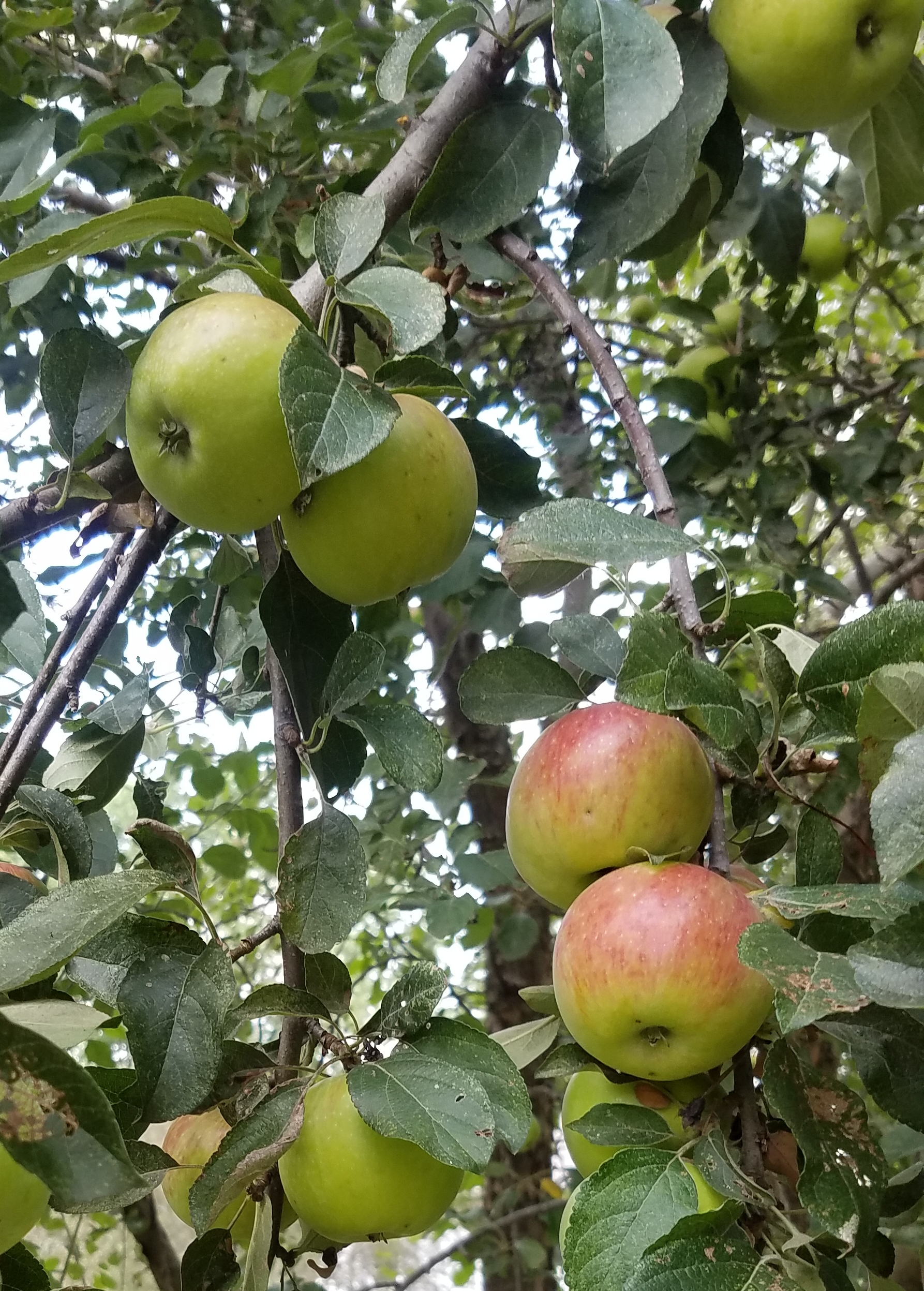
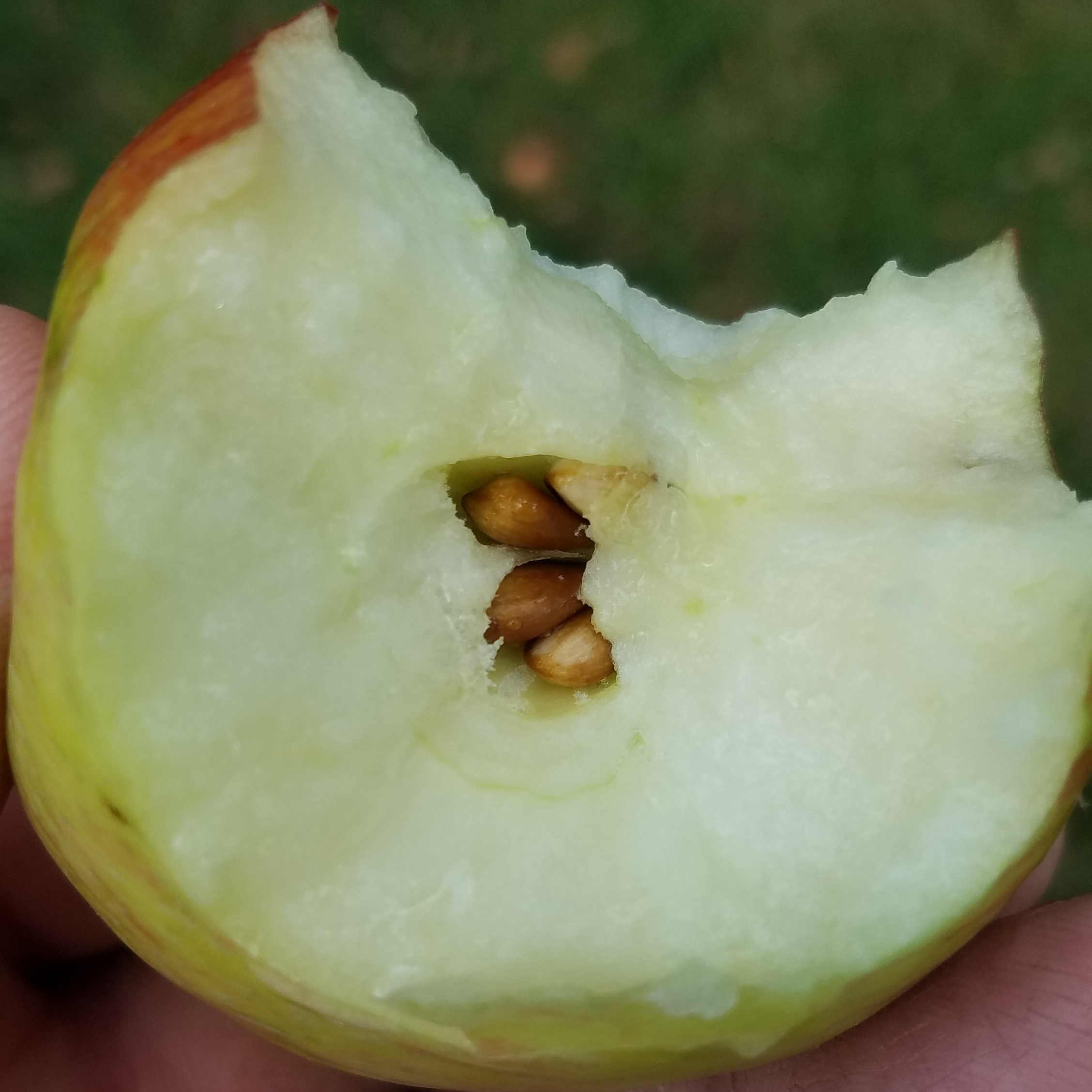
It took about an hour to harvest tomatoes. While working in the vines I heard an apple drop from one of the EarliBlaze trees every couple of minutes. Each time I picked an apple and tasted it they weren’t quite ripe. When I cut them open to view the seeds, they were not the characteristic dark brown yet.
It won’t be long. The ground is littered with what will be a meal for deer that roam our subdivision.
EarliBlaze apple seeds on Aug. 3, 2021.
Tomatoes and apples are big crops, which along with celery, garlic and onions, are money crops that will last until next year’s harvest. It is important to get these crops right. With apples, it is about waiting until they are ripe, picking them all at once, then processing them as quickly as possible.
August is for apples. The early varieties like EarliBlaze are used mostly for apple cider vinegar, fresh eating, an apple dessert or two, and if we need it, apple butter or apple sauce. They have plenty of sugar to ferment into home made apple cider vinegar. In August the Red Delicious variety continues to grow and won’t get full-sized and ripe until early October. It is important to know when to pick them and to provide the best possible growing conditions. I have never sprayed them and the Japanese Beetles have found other leaves to eat this year.
Summer stir fry.
We had stir fry for dinner last night and summer stir fry, based on what’s available from the garden, is one of the best tasting meals we eat all year. We have it once or twice a week.
Even though my work at the orchard was delayed until the end of the month, I can fill any apple gaps with what ripens there. In the next couple of years the new trees I planted will fill those gaps. Going forward, my work days are filled with canning, freezing and drying produce. It will be non-stop work from now until frost. The payoff is a freezer and pantry full of food to use until the process begins again next year.
It is the best definition of sustainability. Besides, what else is there to do in a kitchen garden?
After covering at Blog for Iowa in July I’m ready to turn attention back to this space. July was a tough month in a pandemic that won’t go away. Whatever illusions of safety, comfort and autonomy we may have had are torn away by the ugliness modern society manifests these days. We need to get back to a kinder way of living, yet politics, the coronavirus pandemic, climate change, interpersonal rudeness, and economic uncertainty weigh heavily on us.
The extended drought is taking a toll. We need rain, not so much for the crops, but to lift our spirits. To let us know we’ll get through this spell. Yesterday was my first outdoors work shift since high temperatures arrived. It feels normal to work outside for several hours without also feeling like I’ll pass out. There was an air quality advisory because of smoke drift from the Western wildfires, yet temperatures in the 70s were welcome. I made a day of yard and garden work without obvious ill effect.
There are some bright spots. July began with helping our daughter relocate to the Chicago area. In August we plan a visit, something that was difficult when she lived in Florida. We can plan and work on things together again. I hope to bring tomatoes when we visit.
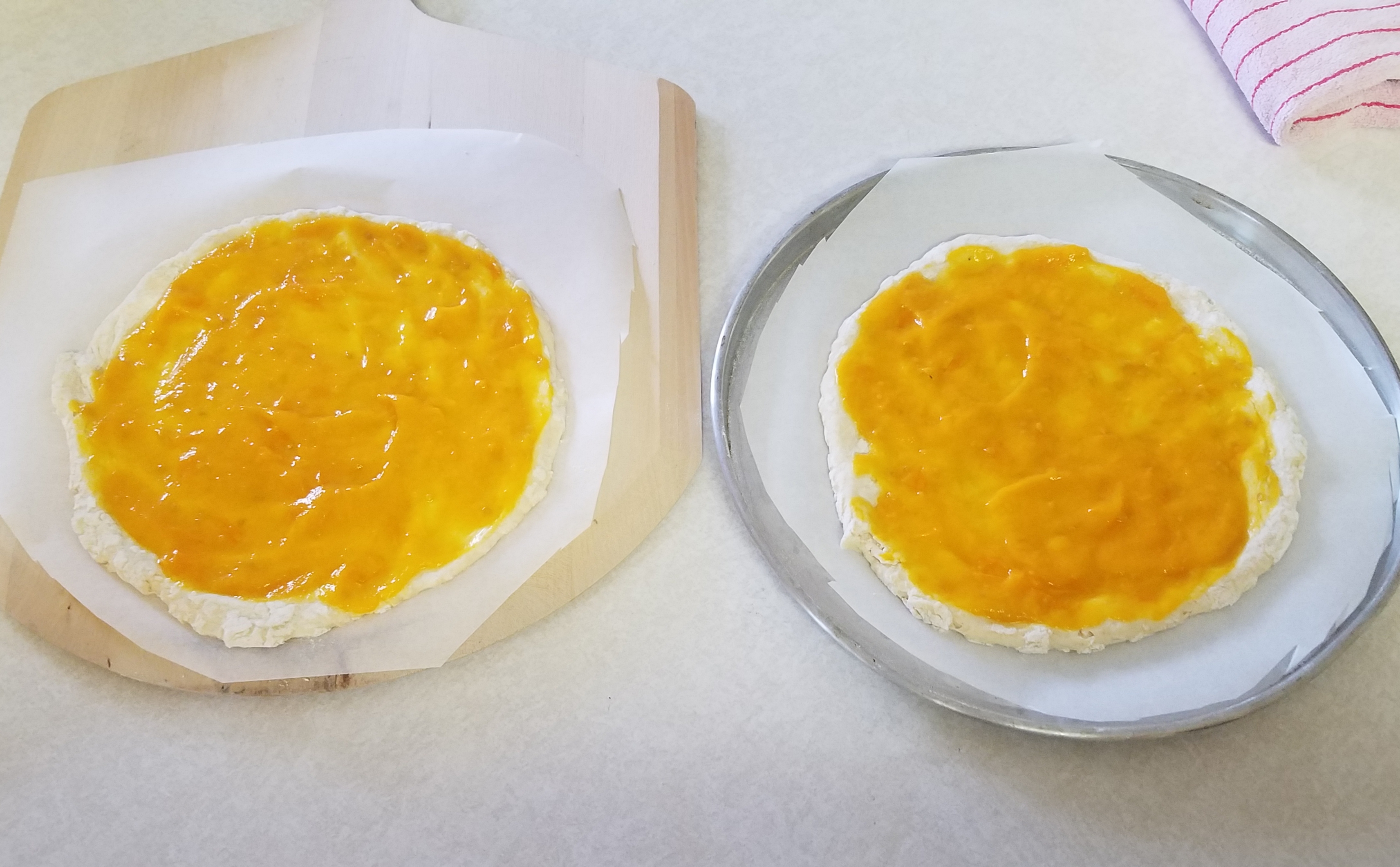
The garden has been the best, producing more food than ever before. My ongoing integration of the garden into the kitchen makes it a useful harvest, both feeding established meal plans and enabling culinary experimentation like this yellow tomato sauce pizza I made for dinner last night.
Yellow tomato pizza sauce reading for toppings.
We are also financially secure due largely to long-range planning and contributions to Social Security during more than 50 years in the workforce. Social Security has enough money to make it through 2034 at the present. I expect to lobby the Congress to fix it in the coming years.
Here’s to August! The time of high summer, sweet corn, tomatoes and vacations. I don’t know about readers, but I’m ready for it.
World War II veterans were still living when our family moved back to Iowa in 1993. In each conversation with one of them, I asked about the Aug. 6, 1945 atomic bombing of Hiroshima, Japan and the Nagasaki bombing three days later. To a person, they felt the bombings were warranted, agreeing with President Harry Truman’s decision to drop them. As they aged and died a couple changed their minds.
We have come to accept what President Ronald Reagan and Secretary General Mikhail Gorbachev said in Geneva, Switzerland 36 years ago, “A nuclear war cannot be won and must never be fought.”
Since then, the U.S. rushed to undo arms control measures. Under President George W. Bush we withdrew from the Anti-Ballistic Missile Treaty. Under President Trump, we withdrew from the Intermediate-Range Nuclear Forces Treaty, the Joint Comprehensive Plan of Action (Iran Deal), the New START Treaty, and the Open Skies Treaty. Hard work of arms control, and compliance with Article VI of the Nuclear Non-proliferation Treaty, seemed to have been abandoned.
On the 76th anniversary of the atomic bombings we are heartened by the June 16 meeting between U.S. President Joe Biden and Russian President Vladimir Putin. The leaders released a joint statement, “Today, we reaffirm the principle that a nuclear war cannot be won and must never be fought.” They pledged to launch a bilateral Strategic Stability Dialogue to lay the groundwork for future arms control. We can only work toward the idea that this time it sticks.
~ First published in the Solon Economist on July 29, 2021.
“Earlier this year, the European Union was celebrated in headlines across the world when renewable energy surpassed the use of fossil fuels on the continent for the first time in history,” wrote Majlie de Puy Kamp for CNN.
The European Union pledged to reduce greenhouse gas emissions and approved burning biomass as an alternative to coal, categorizing it as a renewable fuel. They found wood pellets were a suitable, renewable fuel to produce electricity and searched the globe for enough of them.
“The American South emerged as Europe’s primary source of biomass imports,” de Puy Kamp wrote.
Enter companies like Enviva, the world’s largest producer of wood pellets, with four wood pellet manufacturing plants in North Carolina.
The world’s leading authority on climate science, the Intergovernmental Panel on Climate Change, explicitly recognizes bioenergy as a renewable energy source that is critical to our low-carbon future. The IPCC also concludes that sustainable forest management is critical to prevent forest conversion to non-forest uses.
We need bioenergy both to replace fossil fuels and to keep forests as forests.
The IPCC states in its guidelines “do not automatically consider or assume biomass used for energy as ‘carbon neutral,’ even in cases where the biomass is thought to be produced sustainably.”
As I wrote in 2015, while the carbon cycle of renewable fuels can eliminate putting fossilized carbon into the atmosphere, and reduces emissions of particulate matter, the amount of CO2 released when burning biomass is about the same as with burning coal. What makes burning wood pellets and other biomass “sustainable” is we would leave more fossilized carbon in the ground.
Burning stuff to release energy that is made into electricity remains problematic in terms of emissions. While windmills, solar panels and hydroelectric generators are not without issues, these forms of electricity generation better serve our future energy needs as we work to reduce greenhouse gas emissions.
As we contemplate the EU’s path to reducing reliance on fossil fuels, there is another issue that gets lost. The quest for wood pellets has greater impact on marginalized communities near forests that are being harvested for fuel. Read de Puy Kamp’s article for more information about these climate justice issues.
“I can’t think of anything that harms nature more than cutting down trees and burning them,” said William Moomaw, professor emeritus of international environmental policy at Tufts University.
While the EU may meet an arbitrary goal of reducing its carbon footprint, by using wood pellets to generate electricity the achievement is more paperwork drill than actual reduction of greenhouse gases in the atmosphere.
A gentle rain fell through the night and continues this morning. We need rain to assuage the drought. When it rains, garden-watering is more thorough and much appreciated. A benefit was not having to water the garden by hand last night.
In unexpected ways my trip to Florida was life changing. The driving was uneventful and easy. It was easier for me because our daughter led our convoy and all I had to concern myself about was fuel and keeping the rental truck between the highway lines. We spaced overnight breaks so we weren’t exhausted when we arrived each night. We splurged on food, using delivery services like Door Dash, Grub Hub and Uber Eats. We took care of ourselves. Like a vacation, the time was golden even though we didn’t do anything special besides be together.
I hadn’t visited her in Florida since 2013. I missed visiting at a place she lived for five years, the only residence of hers I hadn’t seen. The seven day trip was the most time we spent together in a long time. What’s changed is now that she’s closer–a mere day trip away–we can make plans that the 1,290-mile distance between us made impossible.
Something else changed.
There is a renewed urgency to get things done, to focus on what’s most important. I want to cross things off my to-do list. During the first part of the coronavirus pandemic I seldom looked at or maintained a to-do list. The trip changed all that.
I don’t know how this will turn out yet I’m hopeful. Hopeful we can spend more time together. Hopeful to find more meaning in quotidian affairs. Hopeful to get things done that are worth doing. I didn’t expect that, but it’s welcome.
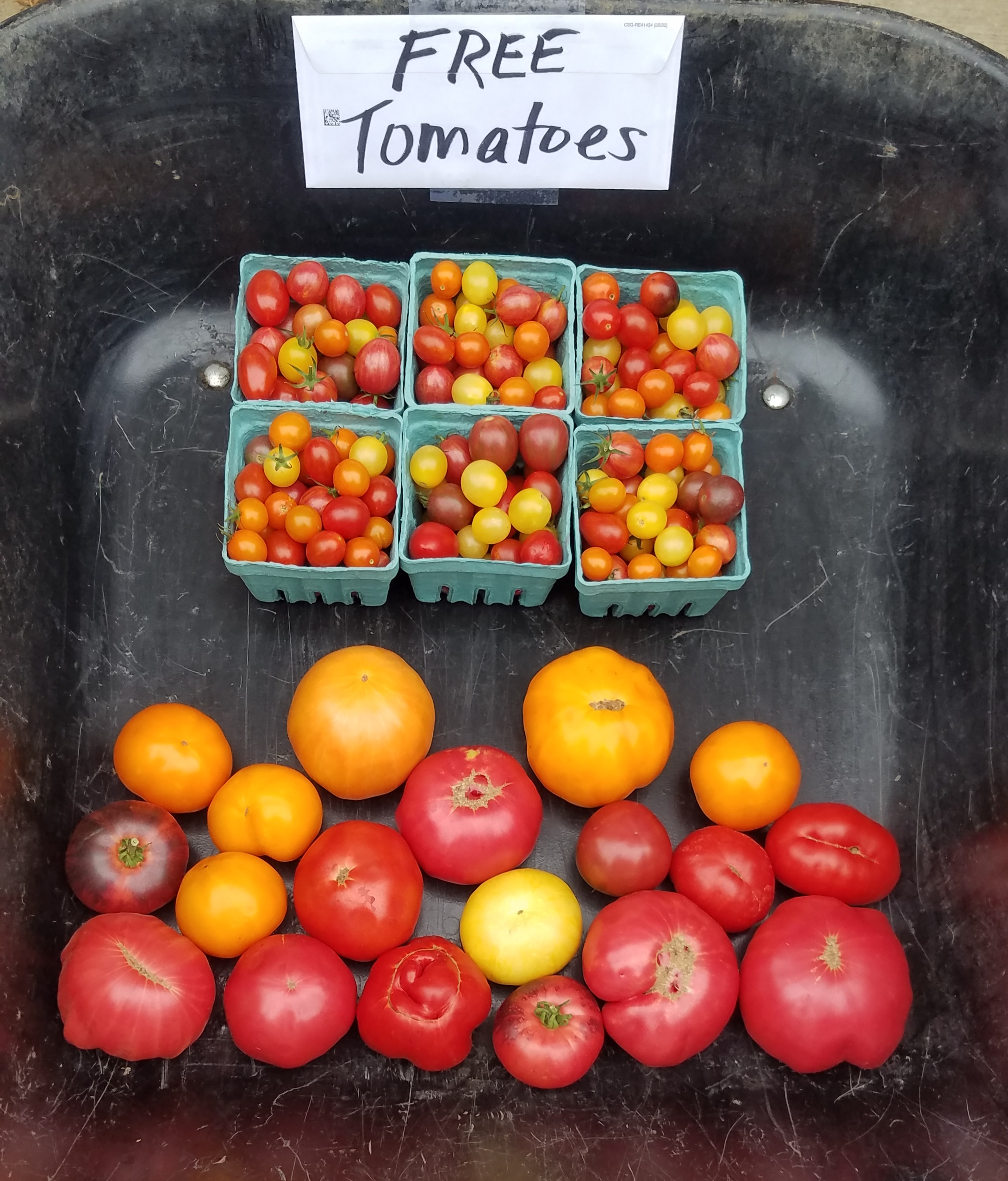
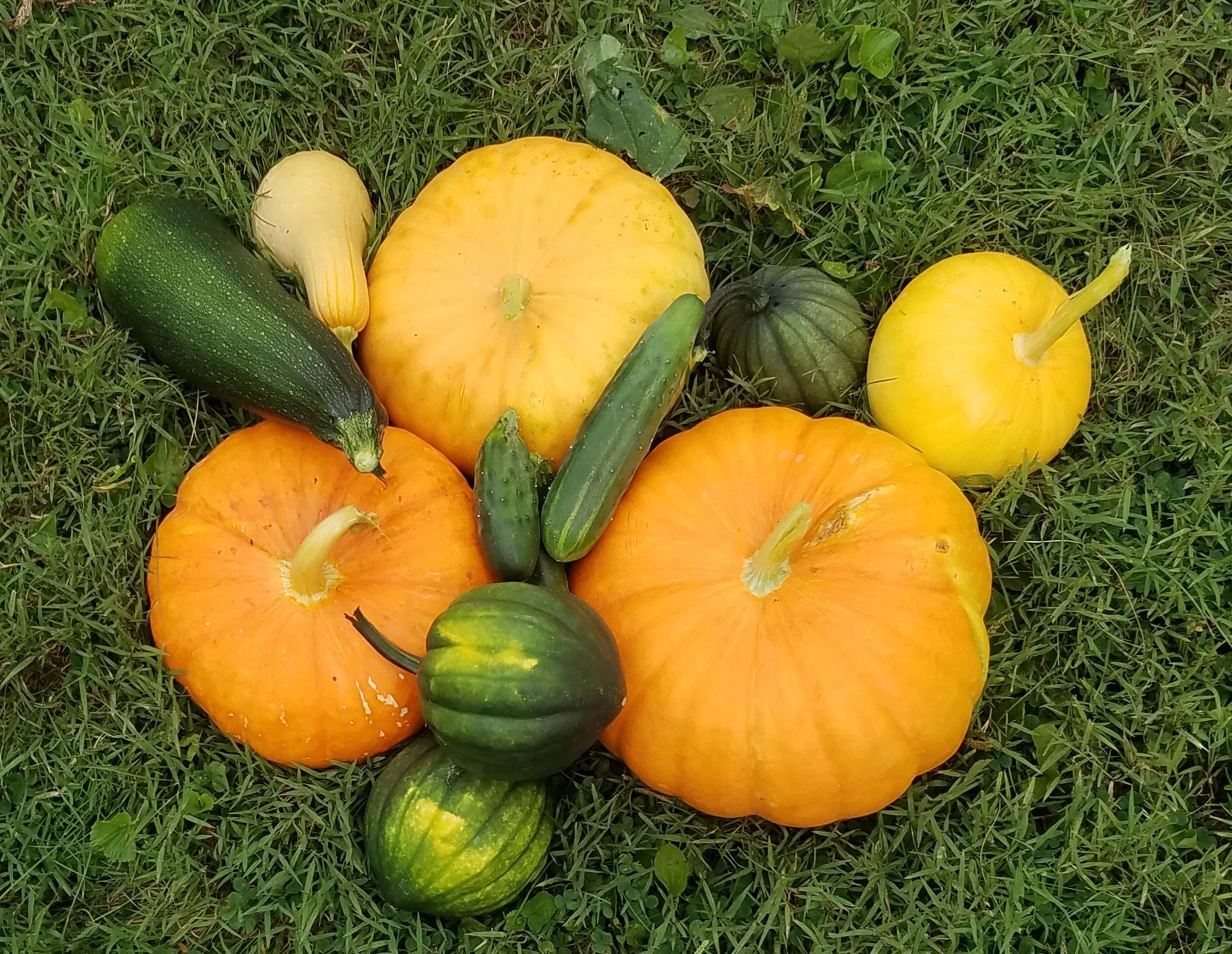
It was drizzling rain when I went to the garden. I picked three head of broccoli, a head of cauliflower, four bell peppers, a cucumber, a zucchini and a handful of cherry tomatoes. Every day is like that. Rain is important to a healthy, abundant garden. The future is a slate wiped clean by the trip from Florida. For now, we have enough rain.
What can we do when confronted with the climate crisis? The answer is everything. If climate change is developing faster than human solutions, what then?
During the last few months we have been assaulted with news about the climate crisis getting worse. Lake Mead is at its lowest level since the Hoover Dam was built, threatening downstream communities with loss of needed water. People are dropping dead on the street in the Pacific Northwest which is experiencing record high temperatures. President Biden called a White House meeting with Republican and Democratic Western Governors about the continued heat wave and wild fires it caused. Above the Arctic Circle in Siberia, ground temperatures approach 120 degrees, melting the permafrost. 2020 was the hottest year in recorded history for Antarctica, causing a record 1,600 square mile iceberg to calve off the Ronne ice shelf into the Weddell Sea. Drought continues in Iowa, the worst in 20 years. This is what I mean by being assaulted.
Professor Julia K. Steinberger offers a toolkit for would-be climate activists in info graphic format here. It is pretty cool and accessible. It offers things a person can do to address the climate crisis. It is something, not everything. It is not enough.
The next step in taking effective action to address global climate change is to understand where we are. According to Bill McKibben in the New Yorker, we’re not in a good place.
“The earth won’t simply keel over and die like a human being might, but it is now changing in substantial ways in real time,” McKibben wrote. “If you’re used to thinking that the earth changes in the course of geological epochs, and that fundamental shifts require thousands or millions of years, think again.”
“The speed with which this happens is remarkable,” he said. “And it is dramatically outpacing the speed at which humans—our governments, our economies, our habits, our mind-sets—seem able to adapt.”
In a piece in the New York Times, Farhad Manjoo opined, “Democrats have a year to save the planet.”
We’d better get going.
While we need to do everything possible to avert the worst effects of the climate crisis, the longest, most complicated journey begins with a single step. Click on the links in this post. Read the articles. Discuss them with friends. Figure out how you can contribute to solutions to the climate crisis.



.jpg)
 Journey Home
You must be logged in to post a comment.