Categories
Environment

Environment for Change

Corn Field
Corn Field

LAKE MACBRIDE— Green up has come and blossoming trees paint the landscape with their white and red petals. Back in the day, when work took me to Georgia and Tennessee, I managed to see dogwood in bloom most years. It was ersatz when reminders of spring were close by if we could have but recognized them.

Spring weather has been dicey and farmers are adapting. One farmer got sick of the fields coated with a thin layer of mud and headed into the house to stop looking at it. For some, planting began yesterday. With modern technology, the whole state could be planted in under a week— one of the ways farmers have adapted to global warming and climate change, although most wouldn’t talk about this.

The central question regarding global warming and climate change is whether people will join together and do something about it. Some are, and more will, but most don’t connect the dots. A common obstacle to progress has been that some people feel the problem is too big to deal with. There is no denying it is a complex problem that doesn’t lend itself to easy solutions.

What’s a person to do? Go on living.

If we don’t take care of ourselves first— by sustaining our lives together— we have little to offer. Taking care of ourselves is not optional.

At the same time, being self-centered is not good for us, or for society. There is plenty to occupy our bodies and minds on earth, and while some days we just get by, on others we rise to our potential and contribute something to a greater good. If this were a cafeteria, I would have another serving of the latter.

Life in consumer society may resemble a cafeteria, where we get a choice on everything, but it is not that. We have a home place, and somehow it has gotten to be a storage shed rather than a center for production. Once we make our choices, then meaningful articulation of our life becomes more important than accumulating additional things.

In the end, the case for taking action to mitigate the causes of global warming and climate change will be made by the environment itself. The environment doesn’t care much about humans.

It will become abundantly clear, and some say we are already there, that humans control our environment in a way we couldn’t when the population was much smaller. Logic won’t make the case to sustain what we have. It will be made of our existential experience and awareness that our lives have meaning beyond answers to the questions where will I stay tonight, and what will be my next meal. When people go hungry or without a place to sleep, it is difficult to think about much else, making change nearly impossible.

We live in an environment ready for change and there’s more to it than singlular voices on the platted land.

Categories
Writing

Local Food Delivery

First Share Delivery

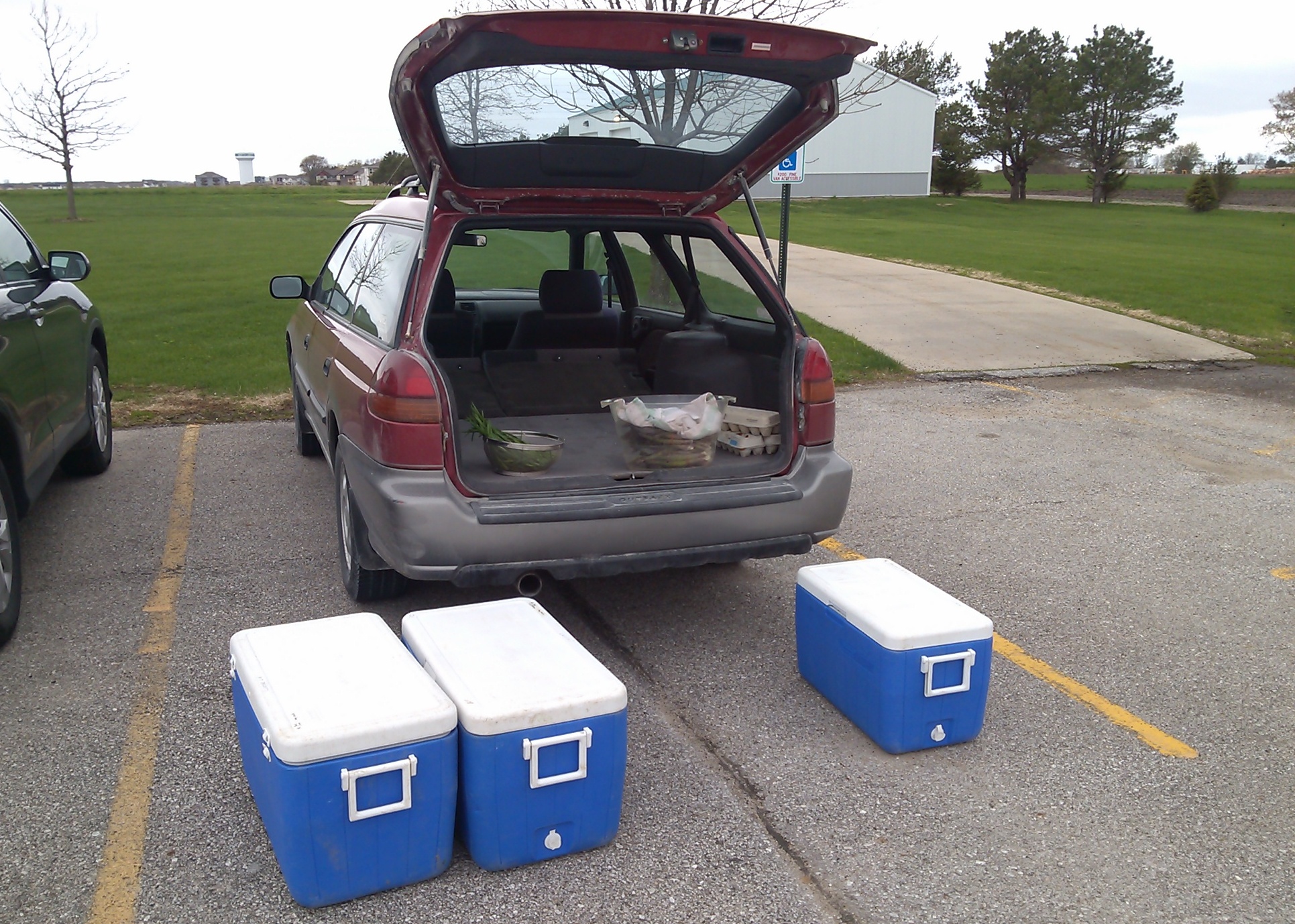
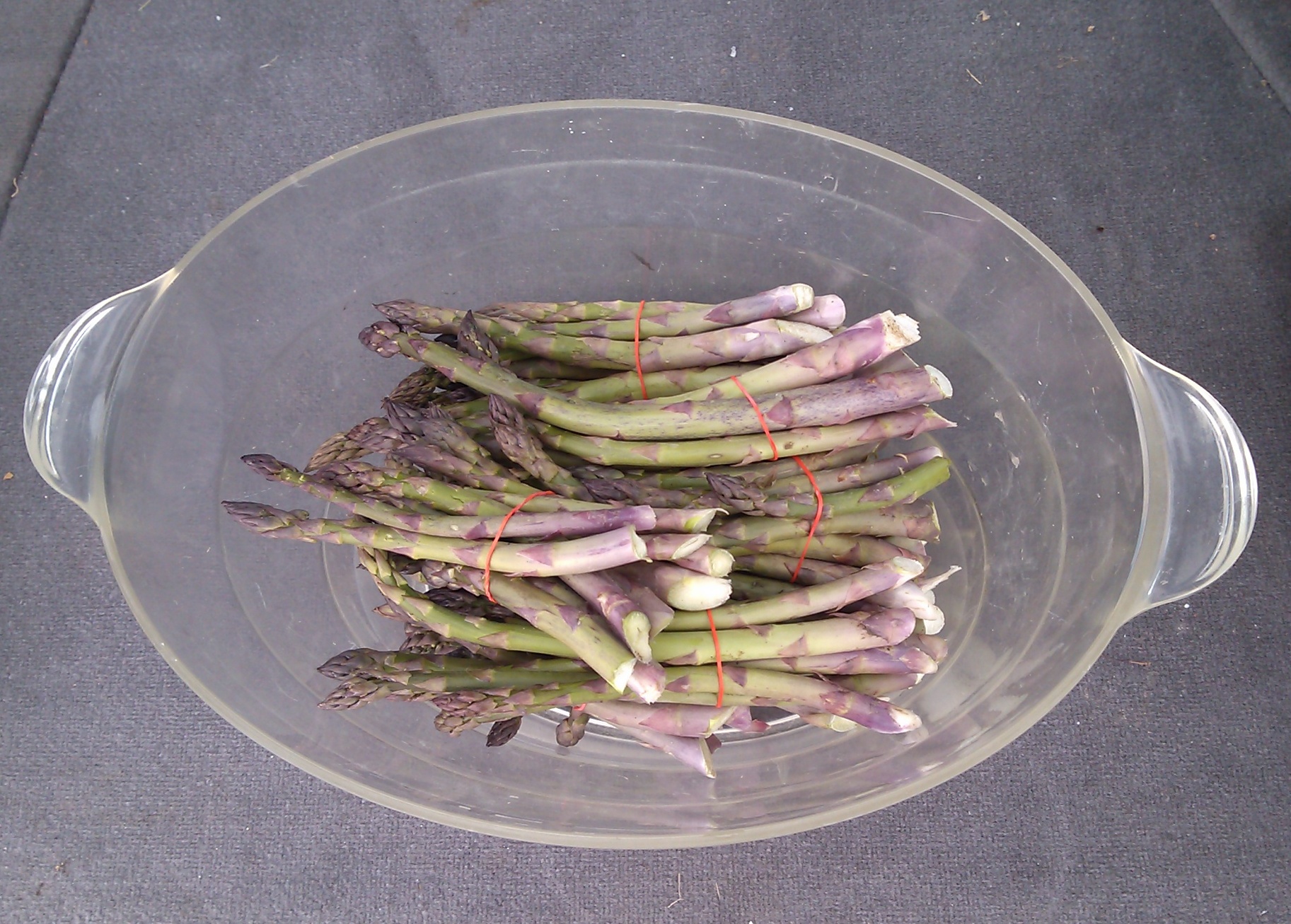
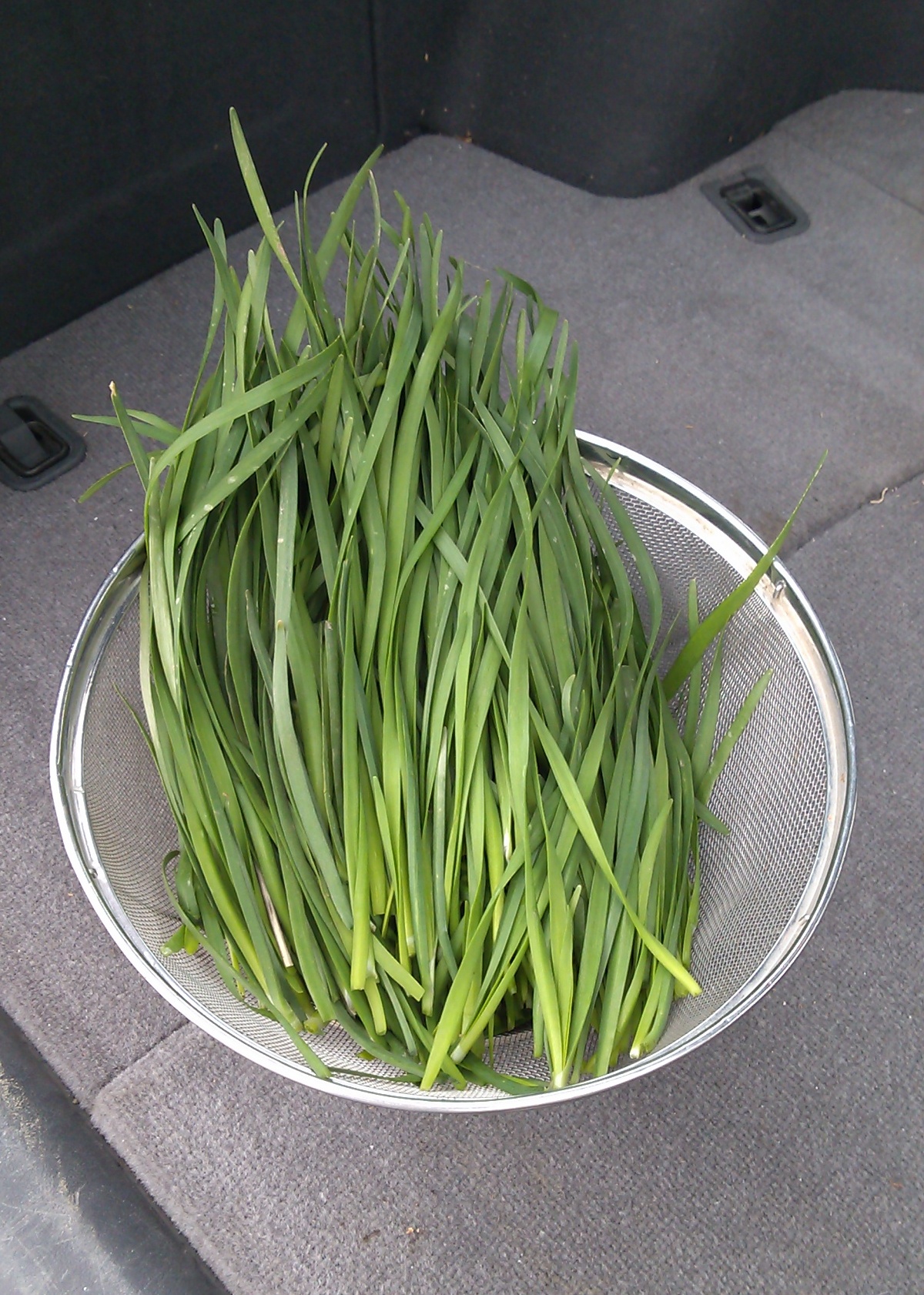
NORTH LIBERTY— One of my part time jobs is working at a Community Supported Agriculture (CSA) farm a few hours each week. The jobs are always interesting. Yesterday I delivered the first shares to customers in the parking lot of the First United Methodist Church. The nearby food pantry receives three shares plus any extra produce or unclaimed shares. This week’s share was baby bok choy, garlic chives, asparagus, lettuce, mixed greens, and for those that ordered them, a dozen eggs. Our customers are always pretty cool, and were talkative last night.

Asparagus
Asparagus

The quality of vegetables is always surprising and consistent. The sorting and packing takes most of a day’s work, and it is remarkable how much of care goes into each weekly share. While field workers in the Central Valley of California, Mexico, Peru or Immokalee, Florida may exercise care in their harvests, it is the personal and special treatment of CSA workers that makes a difference. We know the face of our farmer and that makes it personal.

Garlic Chives
Garlic Chives

I checked the garden and it is sopping wet still. We have had 1.61 inches of rain during the last seven days. The seeds are germinating, and it looks pretty good so far. However, the ground needs digging up, lettuce and kohlrabi transplanted, and fences put up. It will just have to wait until the ground dries out.

In the meanwhile, our kitchen is active this morning, making a breakfast stir fry that includes some bok choy, mixed greens and other delicious vegetables, mostly from local sources.

Categories
Kitchen Garden

Garden Log 2014-04-20

LAKE MACBRIDE— Today I planted seeds outside. Rover F1 Hybrid Round Radishes; French Breakfast Radishes; Purple Top White Globe Turnips; White Globe Radishes; Nelson F1 Hybrid Early Carrots; Bloomsdale Long-Standing Spinach; Razzle Dazzle Hybrid Spinach; and Dwarf Blue Scotch Curled Kale.

Categories
Kitchen Garden

Briefly, It’s Planting Time

Spring Flowers
Spring Flowers

LAKE MACBRIDE— The ground turned over, just moist enough and no ice below the surface. I planted the leftover lettuce seeds from last year and it started sprinkling rain.

Despite the branch busting apple crop last year, there are a lot of flower buds forming. Garlic is up and the spring bulbs outside my library window are pushing through the mulch piled on them last fall.

The last seed tray has been planted with hot peppers, and just in time, as not only lettuce, but spinach, arugula, turnips and radishes all need planting.

One never knows, but there is a good feeling about this spring, even with the late arrival. Here’s hoping all the work gets done.

Categories
Work Life

Turning Point

Greenhouse and High Tunnel
Germination House and High Tunnel

LAKE MACBRIDE— A cold wind blew across the hilltop where the sheep barn is situated. The barn doors had come loose from the bottom brace and were flapping in the wind. There was no securing them, so I walked over to see the lambs. Spring’s hope wobbling about the pen.

The goal was to pick up get ten bags of soil mix for the day’s work. A couple of deer legs were laying around, scavenged by the dogs. They wanted me to play fetch with one of them, but I wouldn’t. There was work to be done and it seemed a bit weird.

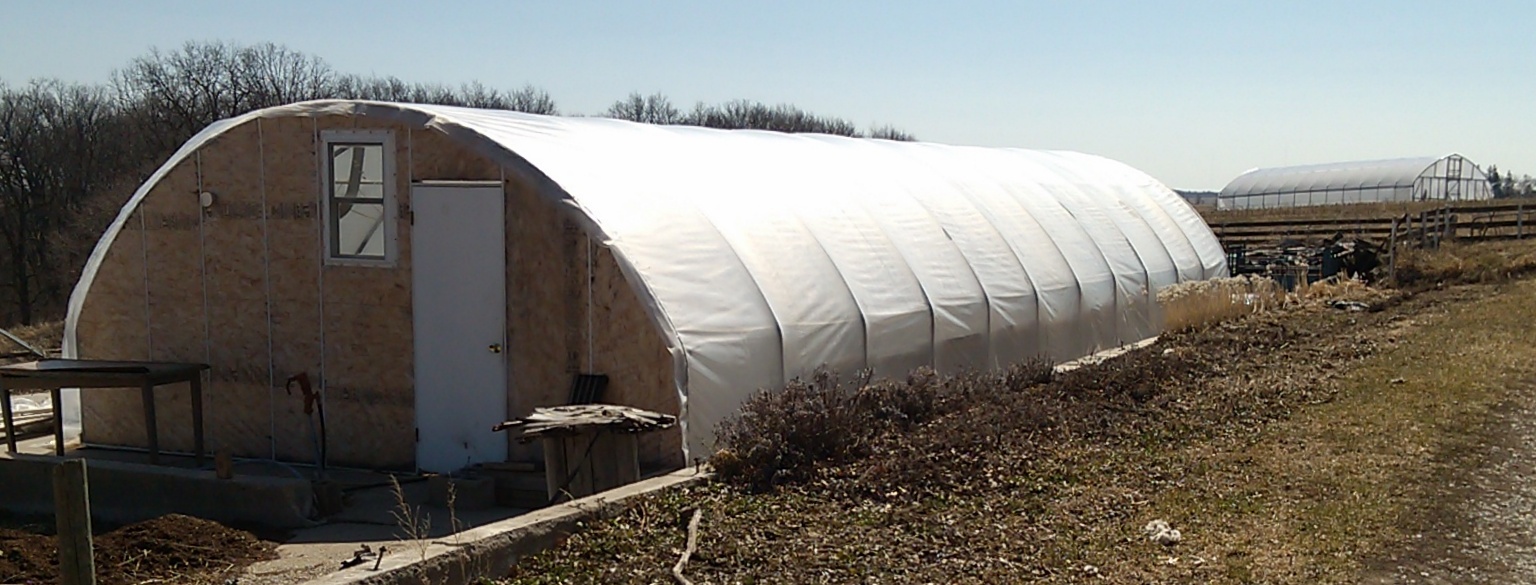
Seven of us were working in the germination shed and high tunnel. The table space in the germination shed was filling up as I made 28 seed trays in two and a half hours. Seedlings planted in March were being transplanted to the high tunnel for the spring share. It was a busy place. One worker, who I hadn’t seen since last fall, asked if I had a good winter. I did and we went about our work.

Not many in Iowa grow celery, and the seeds I planted weren’t germinating very well. One farmer said give it time, comparing it to parsley. She also mentioned someone who wanted to put in an acre of the vegetable. Local celery would sell if it could be grown.

I discussed my low lettuce germination rate with another farmer. After a couple of her questions, we determined the problem must be moisture levels, which can be remedied by watering frequently.

After work I headed home, stopping at the grocery store.

Walmart is something I would like to get out of my life, and to do that, I need to get some things they carry, but our local grocer doesn’t. I found the buyer and asked him if I ordered a large quantity, would they get me a case, or bin of them. Things like organic kidney beans, that apparently no one but me bought when they did carry them. He said he would, so I will place an order later in the week.

Upon returning home, I spent the rest of the day in the garage and yard. It was the first day of working with the garage door up, listening to the radio. I swept the sand from the street in front of our house, and replenished my supply of five cat litter buckets for next winter. This annual event is combination of frugality, cost avoidance and practicality. Why buy sand when there is plenty available?

I cleaned the garage floor of dirt and grime delivered by the cars, and cleared my work bench. I dug into a large pile of paper goods to find the yard sign for the county attorney, who has a challenger in the June 3 primary. It was on the bottom, as she hasn’t had many challengers. I found a wire that fit and stapled the sign to it. It’s ready to place on the lawn tomorrow.

The seeding operation was near the water heater, where it was too crowded. I moved it to the garage, making quick work of mixing soil batches and preparing a couple of trays. I seeded 120 cells with celery in hope of getting enough seedlings to plant a row or two. The other tray was planted with six kinds of tomatoes. All of this was overkill, but I want to have enough for our garden and to share.

Coming inside for dinner, I watered all the seedlings, did three loads of laundry, a load in the dishwasher, and re-arranged the trays on the table in the bedroom. Not a lot of dramatic or exciting stuff to report. It was a turning point in the year, and that is enough.

Categories
Environment

Sunrise on Snow

Sunrise
Sunrise

LAKE MACBRIDE— Snow lies on the north side ground near the house, but not for long. The long winter is over, and once the ground thaws, spring will truly have arrived.

There are signs.

I walked the long ditch in front of our property to pick up a discarded can and newspaper. The ground was matted by the heavy snows, and sandy from snow pushed from the road by the contractor. It was also lined with acorns missed by wildlife. The hopeful sign that new Bur Oak trees will be possible— but not here, where I’ll put them under the tree for squirrels and deer to consume, if they wish.

When I arrived at the warehouse yesterday, the aisles were crammed with pallets of yard and garden goods, waiting placement before members arrived. The seedlings I planted indoors are doing okay, although the lettuce is not germinating as well as broccoli and kale. There will be more planting this week.

A retired U.S. Army soldier has been posting a letter to the editors of several newspapers around the state regarding the Keystone XL pipeline, and how we need it for national security reasons. I’ll believe that when the refineries re-tool to handle the 3 million barrels of light sweet crude being exported each day resulting from production in the Bakken and Eagle Ford formations, and in West Texas.

So begins another day in Big Grove— a place beaten down by winter, but ready for spring’s renewal.

Categories
Kitchen Garden

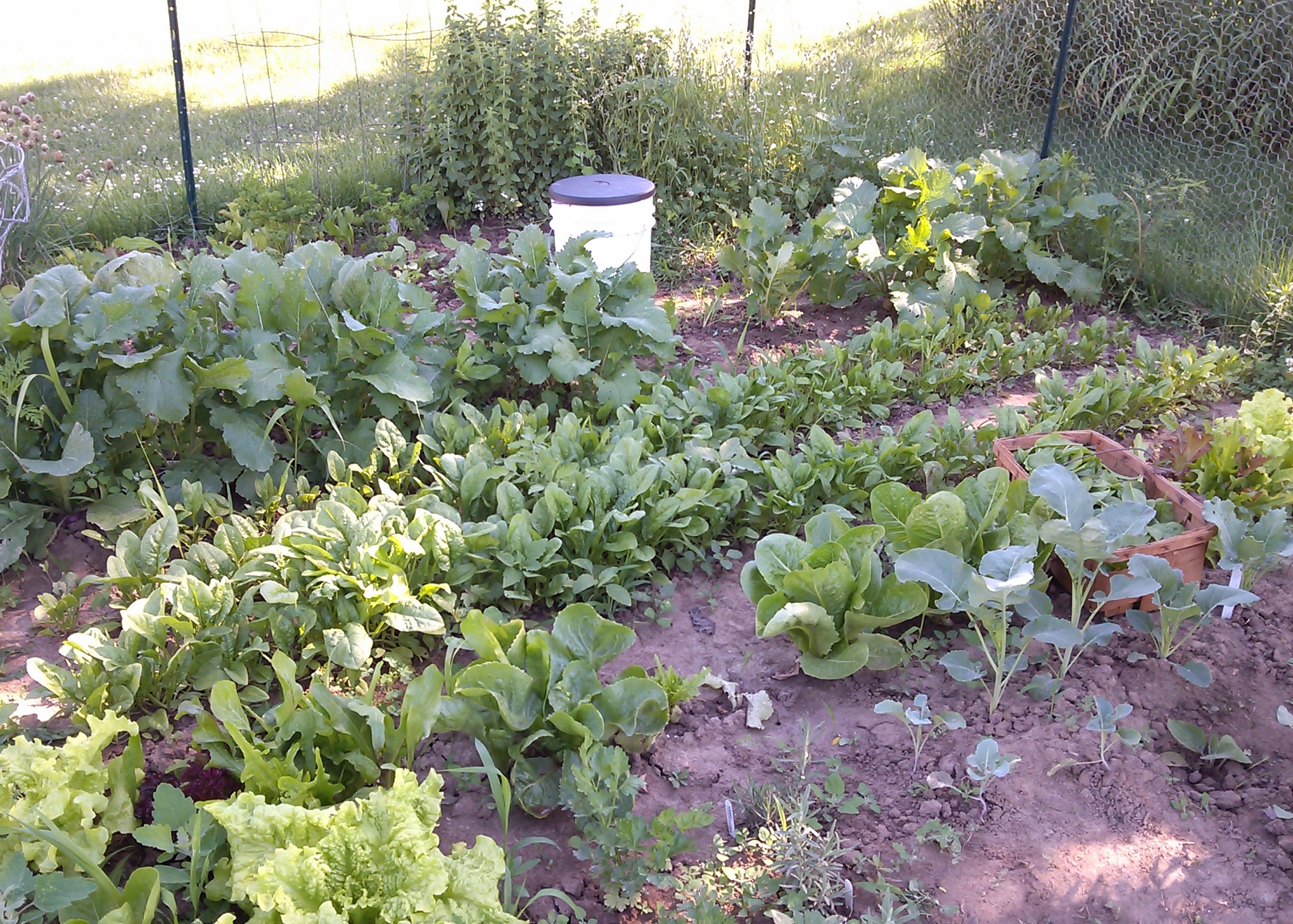
Garden at the End of Spring

Garden
Garden
Morning Shade
Morning Shade
Fruit Trees
Fruit Trees
Harvesting Spinach
Harvesting Spinach
Clouds over the Garden
Categories
Kitchen Garden

Morning Vegetable Harvest

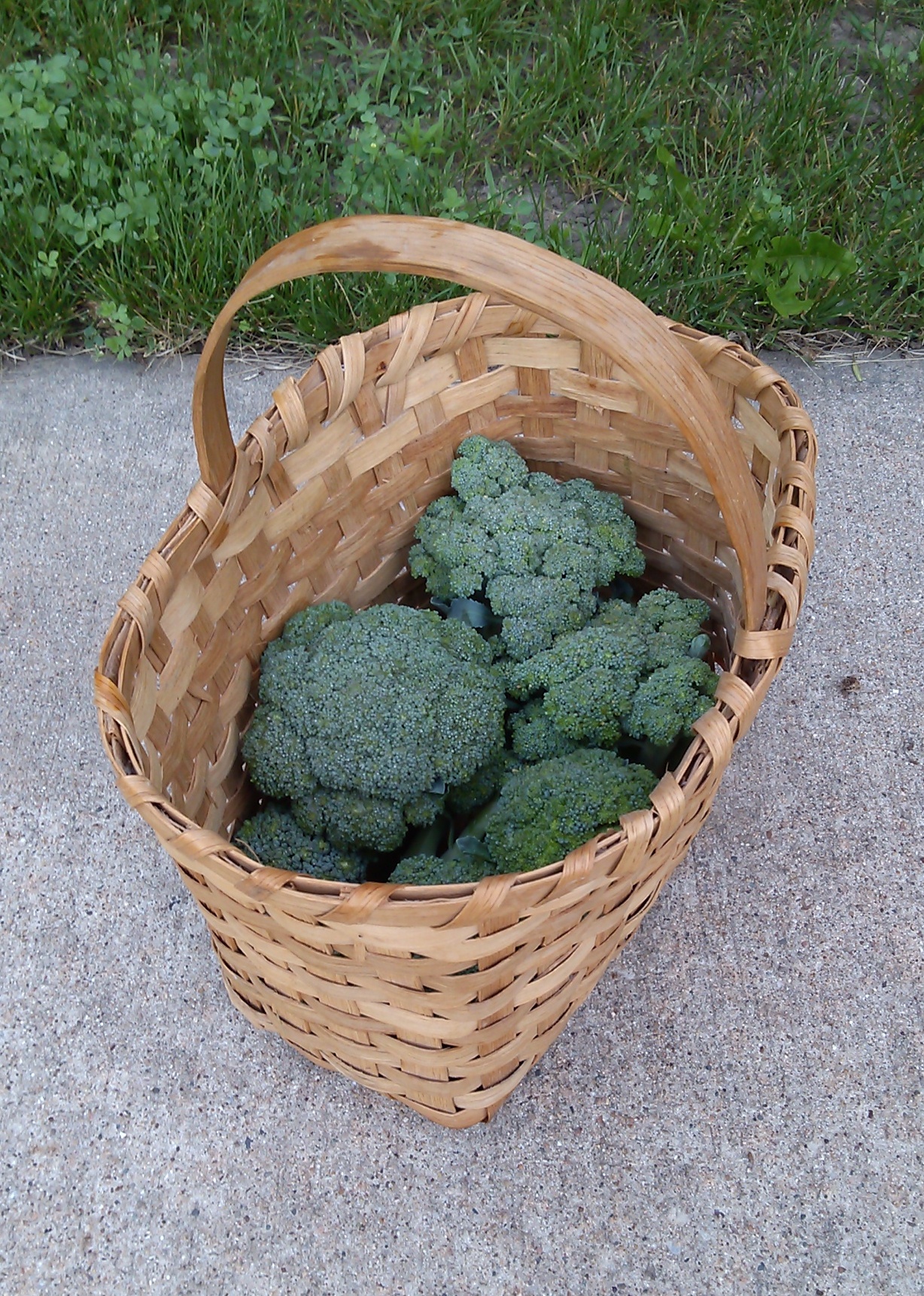
Fresh Broccoli
Fresh Broccoli
Freshly Picked Lettuce
Categories
Writing

Local Food Saturday

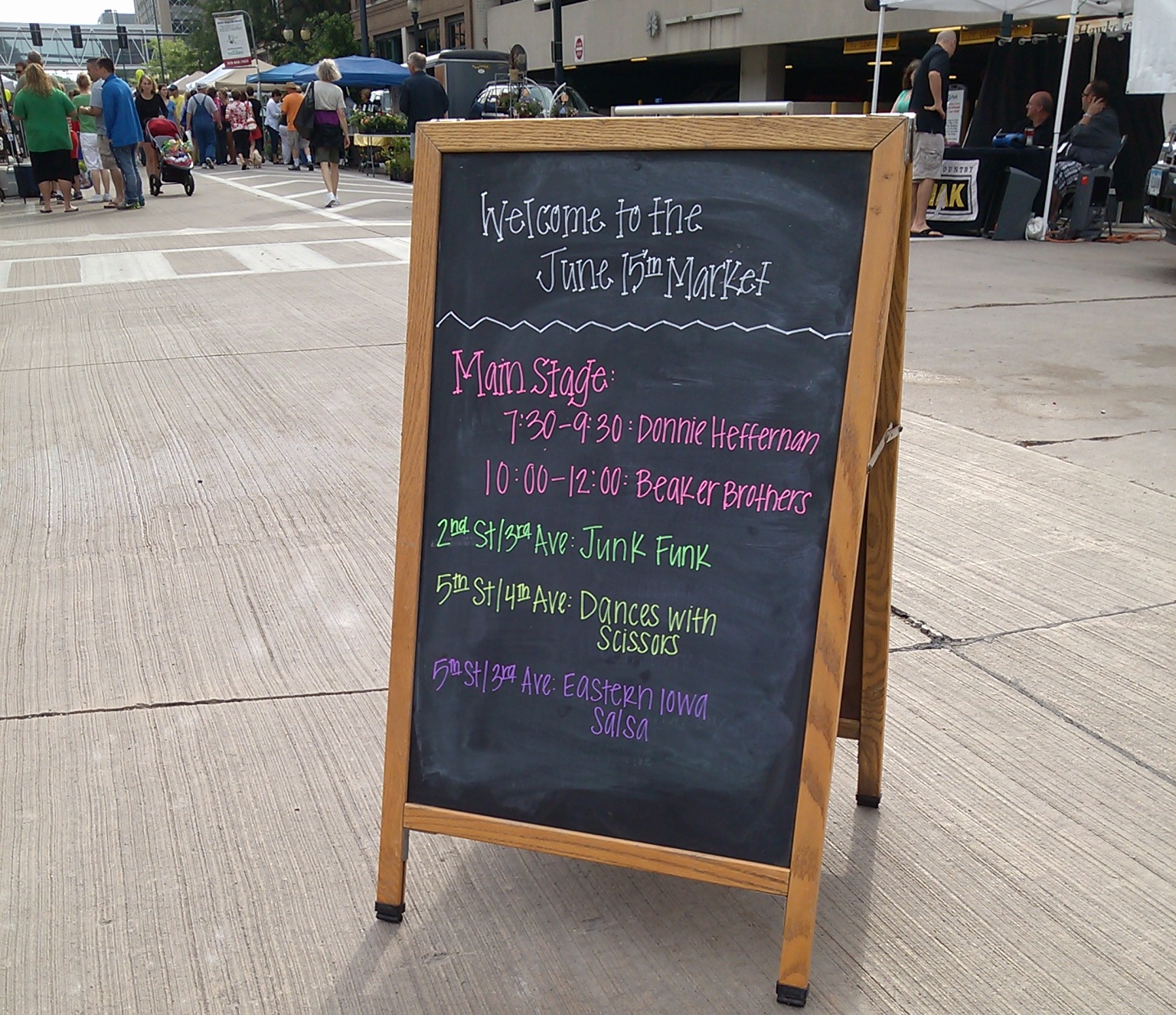
June 15 Market in Cedar Rapids

CEDAR RAPIDS— If local food will gain market share from the industrial food supply chain, there must first be a fulcrum. A home kitchen may be that fulcrum— a place where our consumer society can pivot toward growing, buying and preparing more locally grown food.

The trouble is people spend so little time in the kitchen, and when they do, the industrial food processors have done a lot of the cooking for us. Whether it be a frozen pizza, bagged lettuce, peeled fresh garlic imported from China, green peppers and watermelons from Florida, strawberries from California, yogurt, breakfast cereal, canned soup, salted snacks, and increasingly, prepackaged, calorie-counted microwavable meals. The folks at the industrial food supply chain want us to cook less as it’s more for them.

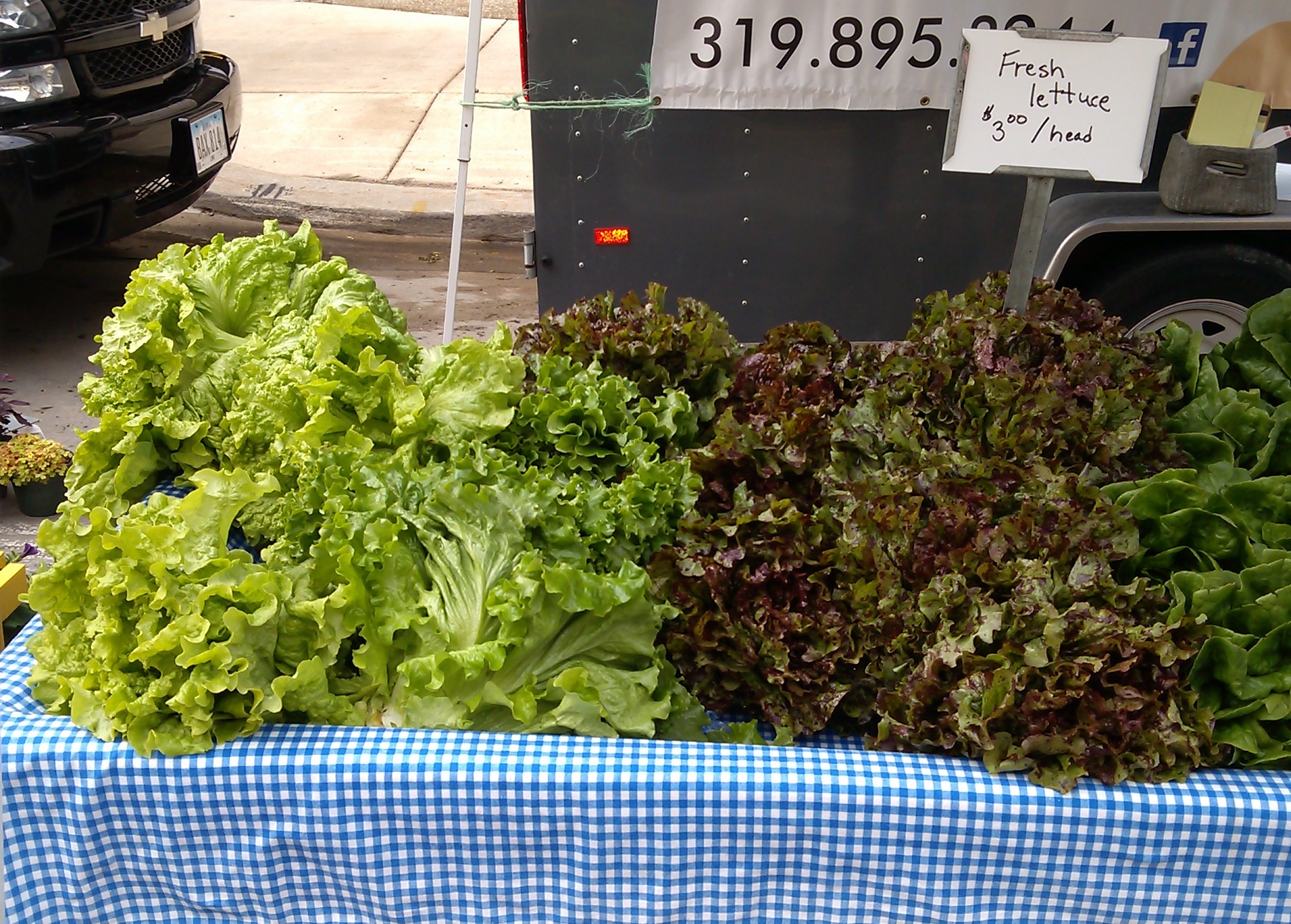
Local Lettuce
Local Lettuce

In a previous post, I argued that a revolution should take place in home kitchens and that the relationship between home cooks and local food is essential to sustaining a local food system. That revolution may be as simple as going to the local farmers market on Saturday to buy what we don’t have in our gardens or pantry, then spending a part of an afternoon preparing and cooking a few meals for the week. It sounds too easy.

Farmer's Stand
Farmer’s Stand

I have been demonstrating food preparation and cooking for our daughter a long time, beginning at home. When she moved to Colorado after college, I would visit and cook a meal in her kitchen using what she had on hand. One time someone had given her a large box of Colorado peaches in season and I made a peach crisp for dessert. The only baking dish she had was a glass pie plate, and we had no recipe, but it was one of the memorable dishes there. On another trip she was preparing to move and I spent a day while she was at work cooking everything I could find and filling every container in the kitchen with leftovers. By the time I was done there were more than two dozen prepared meals ready for her to microwave or heat up.

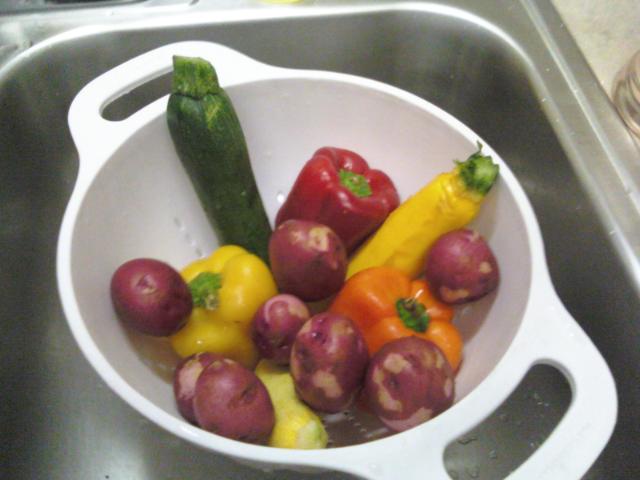
Farmers Market Food
Farmers Market Food

Imagine my parental delight when she sent me this mobile phone photo of produce she bought at a farmers market. She is learning how to cook, and not every meal is drive through or a restaurant chain, something the parent of a millennial fears is only supplemented with sugary drinks and expensive coffees.

Market Sign
Market Sign

My point is few people are as busy as a millennial. If there is a process, like having a local food Saturday, an increased portion of local food can be added to our diet. After my work at the newspaper this morning, I took the idea for a test drive to Cedar Rapids and visited their periodic market which includes locally grown food and a host of arts, crafts, music and other products of home industry. During the next posts, I intend to write about my experience and how having a local food Saturday would work.

I believe local food Saturday can fit into the busiest of schedules and be cost effective. This addresses two of the most often heard objections people name when asked to consume more local food, “I don’t have time” and “local food is too expensive.” There may be a better way in local food Saturdays.

Categories
Kitchen Garden

A Shift at the Farm

Working in the Barn
Soil Blocking and Seed Planting

RURAL CEDAR TOWNSHIP— A real concern about severe weather hangs over the farm. When there is a forecast of thunderstorms and gusts of high wind, we move cars, tractors, wagons with seedlings on them, and other equipment into the barns. The vegetables growing in the field stand on their own, and a crop failure for any reason would be disastrous. It’s too late to start over.

In a community supported agriculture (CSA) project, unlike with commodity producers, the risk of a crop failure is not only financial. Shareholders would have to find food elsewhere. When a person joins a CSA, the expectation is to share in good and bad outcomes. However, there is a practical aspect of crop failure in that people have to eat. Industrial food supply chains, against which CSAs compete, are diversified enough to provide food during hard times. The effect of a failure would be to erode some of a CSA’s hard earned loyalty of members. Yesterday’s storm passed without significant damage and concerns receded like the flood waters. Equipment came back out of the barn.

Field of Garlic
Field of Garlic

After my shift of soil blocking and planting, I walked among the fields to look at the progress. The scapes of garlic are forming, plenty of rhubarb remains, and the rainy spring has everything growing.

With some crops, a process of laying down irrigation lines and then plastic on top is used and was a learning experience. It makes sense to protect against drought in a farm business, and when customers have other options, irrigation can help ensure there is a harvest.

At home, I water my garden, but sparingly. Partly to conserve water, but also because the vegetables should produce on their own. Home gardening is more about living within the actuality of the season, rather than producing a fungible commodity. It’s not really about the vegetables, but a way of life.

That’s not to say I wouldn’t sell excess— I have. Having a harvest is important, but not critical. There is a part of us that wants to connect with the elements in a fundamental way. Gardening fulfills that desire. Knowing the face of the farmer and where food comes from is essential to maintaining sanity in a turbulent world. That there are risks is part of the paradigm.

Yesterday’s themes— risk, irrigation, coping with crop loss and customers— in the context of working on a CSA, served to instruct as another shift on the farm ended. The compensation for this work is not only in vegetables.