Categories
Living in Society

Final Week

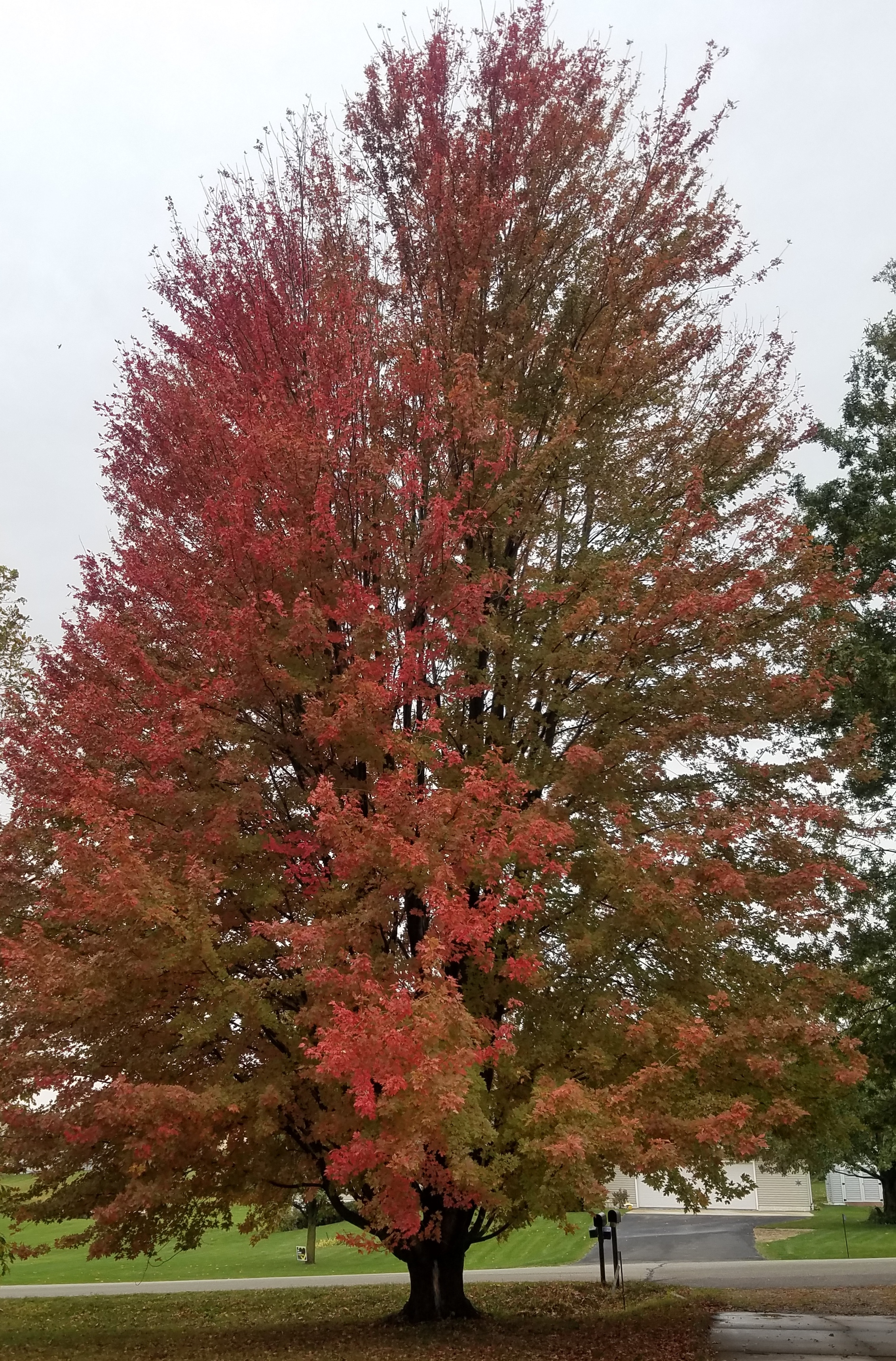
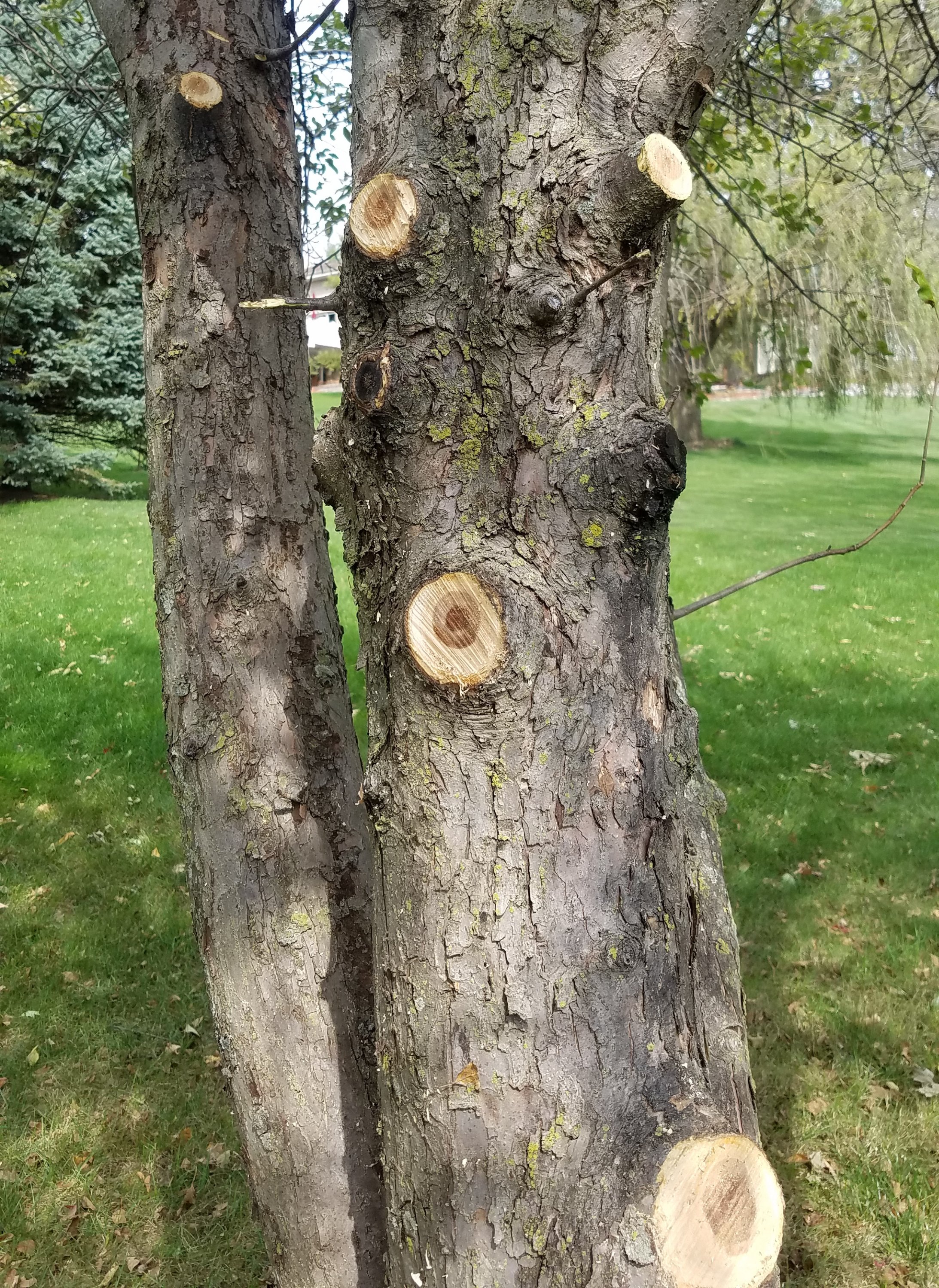
Autumn Blaze maple tree.

More than 66 million voters already cast a ballot in the general election that ends a week from today. For perspective, Donald Trump’s popular vote in 2016 was 62,984,828, Hillary Clinton’s was 65,853,514.

The coronavirus pandemic is driving the high number of early votes cast. We won’t discover who won until election staff around the country finish counting according to their local laws.

Nate Silver’s FiveThirtyEight.com puts it this way:

We’re in the last full week before Election Day, and as we’ve been saying for a while now, President Trump is running out of time to mount a comeback and close the gap Biden has opened in both national and state polls. We’re way past the point where a normal polling error alone could hand Trump the win. Still, Trump has a meaningful chance, per our forecast — a little worse than the chances of rolling a 1 on a six-sided die and a little better than the chances that it’s raining in downtown Los Angeles. And remember, it does rain there. (Downtown L.A. has about 36 rainy days per year, or about a 1-in-10 shot of a rainy day).

FiveThirtyEight.com election forecast, Oct. 26, 2020. https://projects.fivethirtyeight.com/2020-election-forecast/

If the electorate fails to recognize the mistake made in 2016 and correct it, I don’t know what to say. Well I do have some things to say, but I’m keeping them to myself for the time being. It’s an uncertain year made worse by a pandemic that people, including the Iowa governor, can’t agree about. It’s been a public health crisis and a failure of political leadership. There is no separating ourselves from the impact of the coronavirus as it spreads without significant constraints. I don’t know anyone in Iowa who has not been affected in some way.

If Joe Biden and Kamala Harris win the election it’s hard to say what’s next. There is a lot to do. If Biden summed up the challenge succinctly by saying “Build Back Better,” the resolution of challenges facing the nation are complex. At a minimum we must implement a better plan to contain the pandemic and immediately reduce the number of ongoing infections and deaths. Simultaneously, damage done by the Trump administration must be undone if it can be. Biden may rescind many of the executive orders Trump signed, and rejoin international treaties where possible, yet there is more to it. We won’t know until the election results are known and Team Biden has a chance to look under the hood of the car wreck the current administration has been. Then we will discover the extent of the damage.

I’m optimistic there will be better days. Because of the resilience we’ve built into our Midwestern lives the last four years have been tolerated as well as could be expected. Having a Democratic president who has support in the legislative branch of government would be positive. Positive enough to provide hope after a long, dark period in American history.

Let’s hope it isn’t raining in Los Angeles on election day.
Categories
Living in Society

Being an American

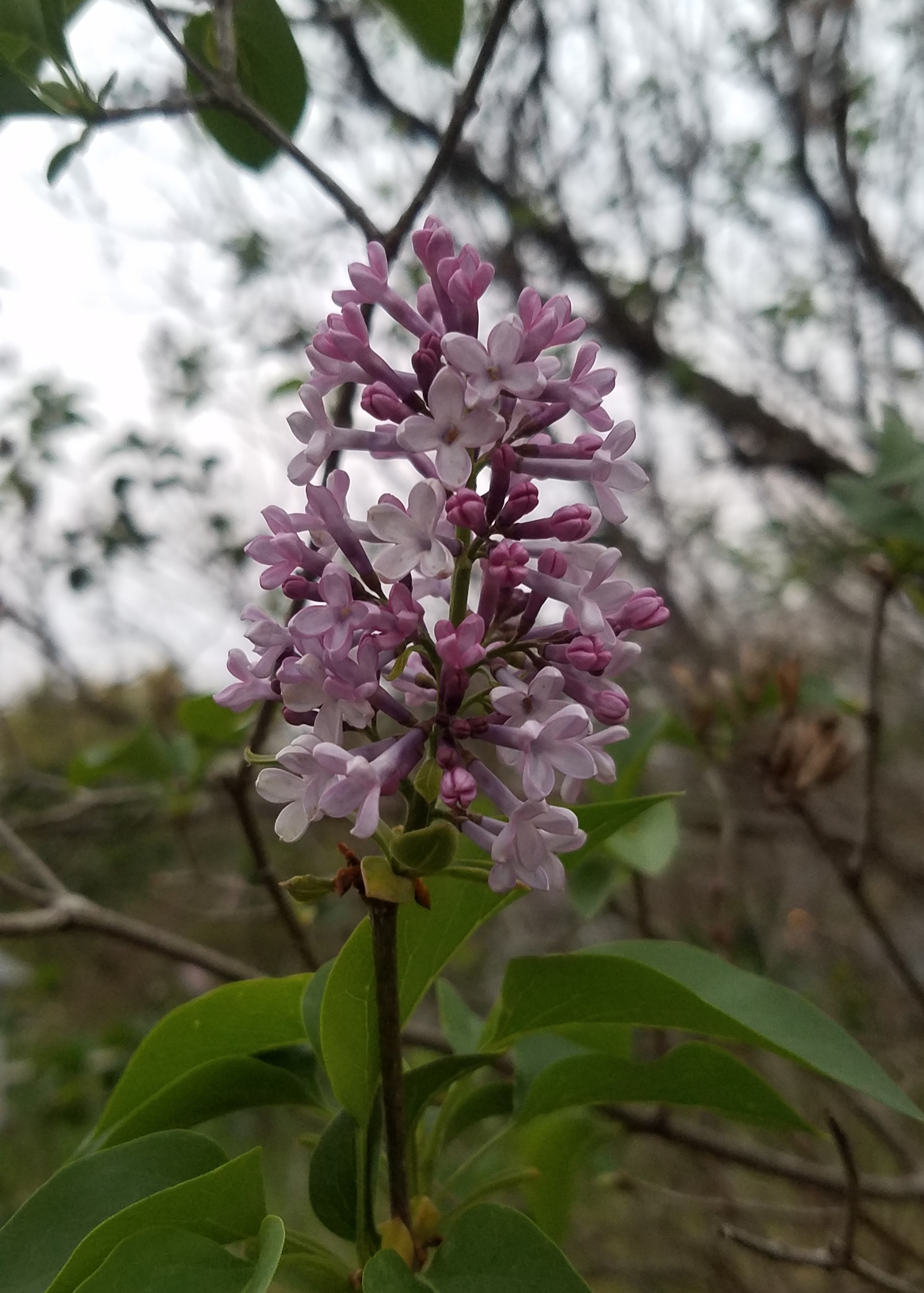
Lilac blooming on Oct. 24, 2020 after the hard frost.

Like many Americans I’m ready to move on from politics for a while. The almost four years of Donald J. Trump have been exhausting on so many levels. I find no comfort in saying I voted for Hillary Clinton in 2016.

“What truly matters is not which party controls our government,” Trump said at his inaugural address. “But whether our government is controlled by the people.”

It appears the people will take ownership of our government during voting that ends on Nov. 3. Having lived through 2016 I’m not ready to stop working to turn out Democrats. With the restrictions on gathering imposed by the coronavirus pandemic, none of my usual get out the vote behaviors are available this cycle. Instead I volunteered to be an election day poll observer in our precinct.

Trump referred to “American carnage” in the inaugural address. What we didn’t know or understand was he would devastate the economy, our government, and society more generally, thereby creating his own brand of carnage, the likes of which there is little living memory. The nation roils under Trump and not in a constructive way. It has been turbulence to little purpose, annoying and irritating. Republicans took advantage of our sense of fair play and did what they pleased with scant restraint.

The raw exercise of power by Republicans has been appalling no more so than during the confirmation of Amy Coney Barrett as a Supreme Court Justice. A final vote on her appointment is expected later today. The 30-day confirmation process from nomination to today’s certain appointment demonstrates Senate Majority Leader Mitch McConnell can get things done if he wants. He doesn’t favor doing anything meaningful for regular Americans like me, so bills passed by the House of Representatives languish in the U.S. Senate. This has been McConnell’s MO since President Obama took office in 2009. He’s up for reelection this year and seems likely to be returned to office.

Like most Americans I’ll dig out of the cesspool created by Republicans since the 2000 election. It’s what Americans do. If Trump and Republicans win next Tuesday there will be one journey. If Biden and Democrats win, another. Yet the vehicle on which I’m traveling has many good, righteous and progressive ideas.

It’s the green bus of the late Senator Paul Wellstone, who died Oct. 25, 2002, and was eulogized by Senator Tom Harkin. Like Wellstone’s life, Harkin gave us hope. He encouraged us to work for a progressive society and never lose hope — to have the courage of our convictions.

“To me, the most important goal is to live a life consistent with the values I hold dear and to act on what I believe in,” Wellstone wrote in his book The Conscience of a Liberal. Americans have had values, some in darkness, others in light. A majority seems poised to act on them by voting for Joe Biden as president. If the results bear this out we will emerge scarred yet hopeful from recent years with the opportunity for a new American consensus.

What we make of this new opportunity will be up to us.

Categories
Living in Society

House District 73 and the Pandemic

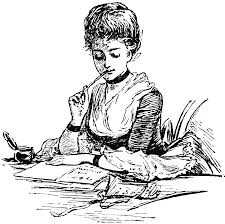
Woman Writing Letter

As Election Day approaches, the coronavirus dominates the news and lives of many who live in House District 73. I voted early for Lonny Pulkrabek as state representative and recommend you vote for him too. Pulkrabek will engage with other legislators to do something about spread of COVID-19 in Iowa.

Given the chance; the Republican majority did little to address the global pandemic for Iowans.

The single bill related to the pandemic that passed last session was Senate File 2338 which took away liability for COVID-19 from businesses. State Senator Rob Hogg said of the Republican majority, “no proposals, no bills passed,” to mitigate the effects of the pandemic. As a member of leadership Rep. Bobby Kaufmann has culpability.

At a minimum, what was needed was to add capacity at the Iowa Hygienic Laboratory so they could process more tests. Because the legislature did not, Iowa fell out of compliance with White House and CDC recommendations regarding testing in nursing homes.

Iowa friends and family of mine tested positive for COVID-19. A child I know did too when schools reopened. The minister who officiated at our wedding died of the disease. The pandemic is proving to be personal for so many of us.

Republicans had their chance. It’s time to elect Democrats like Lonny Pulkrabek to effectively address the pandemic.

~ A version of this letter first appeared in Little Village Magazine in Iowa City. Also published in the Cedar Rapids Gazette on Oct. 24, 2020.

Categories
Kitchen Garden

Harvest After A Hard Frost

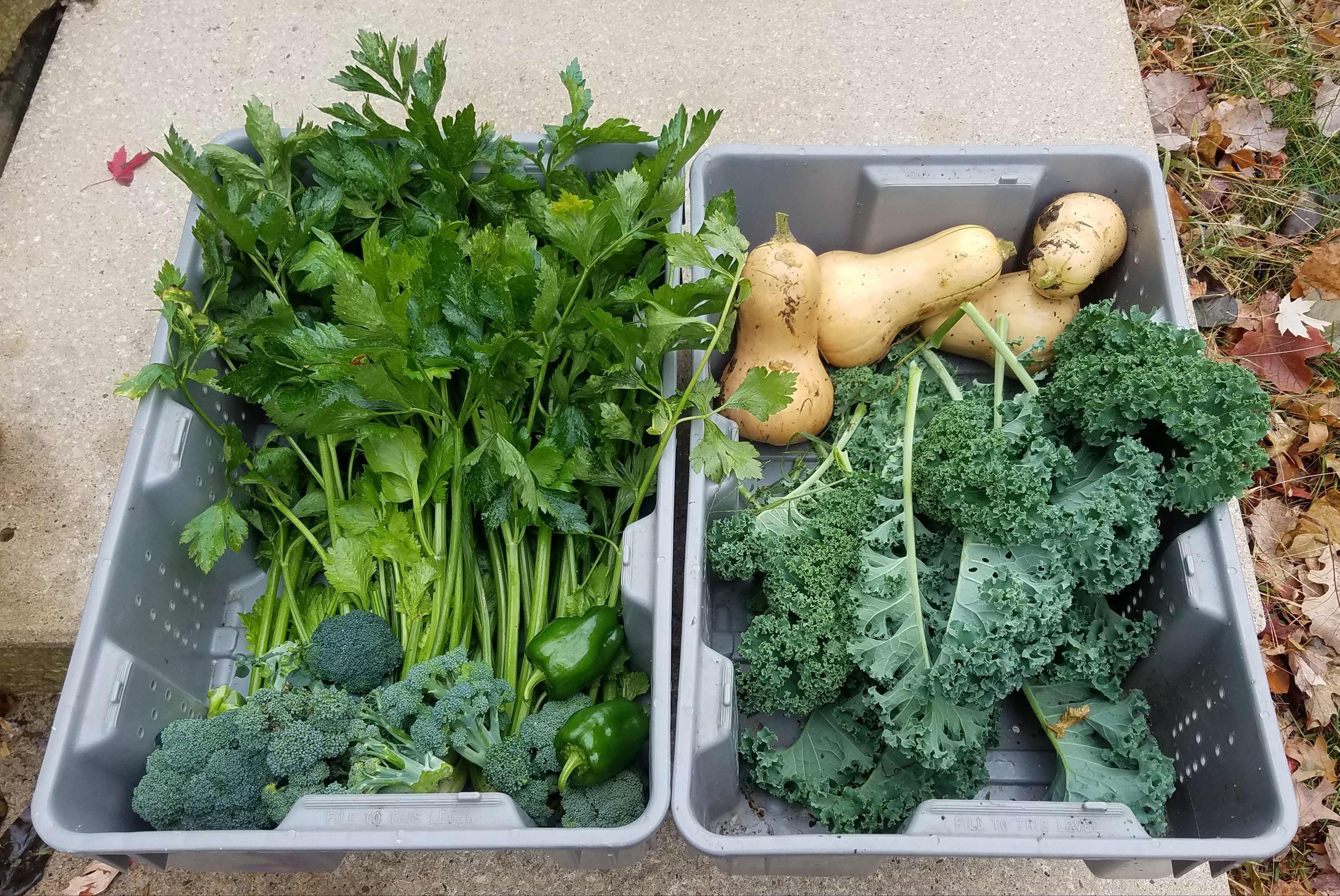
Broccoli, celery, bell peppers, butternut squash, and kale gleaned from the garden.

Pepper and tomato plants were bitten by a hard overnight frost so I gleaned the garden Wednesday morning. A lot was available, a lot remains. I hadn’t been in one of the plots since the Aug. 10 derecho.

When frost comes, kale and broccoli turn dark green and represent some of the best garden eating all year. I froze the kale I picked as there is plenty more. We’ll serve broccoli multiple times during the coming week.

I had forgotten squash vines volunteered in the celery patch and didn’t know what kind they were when they emerged. The four butternut squash I picked look healthy and should provide variety to our dinner plates. We have a new recipe to make pasta sauce with butternut squash so we’ll try that with one of them.

Now is an abundant time for gardeners. The refrigerator has been full, the counter has plenty of squash, onions and garlic on it. The dehydrator is full of red hot peppers. Bins are full of potatoes, onions and shallots downstairs. Two fall shares remain from my barter arrangement at the community supported agriculture project. While we’ll be isolated this Thanksgiving because of the pandemic there will be plenty of food available for our special dinner.

And then winter…

How winter goes will depend on the weather, which is expected to be warm again; on the results of the election, which we hope will favor sanity and competence; and on an ability to be productive on home-based projects new and old.

I’ve been active this election year with multiple political projects. As Nov. 3 approaches many activities enter their endgame. I’m looking toward what’s next and hope my work as a poll watcher on Election Day provides diversion as we all wait for the results of the Electoral College.

A pall fell across the land, a dark shadow from Republican governance. Disoriented, we don’t know if it’s caused by a setting sun or one that’s rising on a new day. Because of the large number of vote by mail ballots, the counting may not be finished election night, and could drag out for a couple of days as states with less financial resources deal with the unusual workload. The coronavirus pandemic has been hard on everyone, including election officials. There is no clear indication when the pandemic will end, or if it will. The election won’t resolve that near term.

For now, with a temperate climate we raise our own food to reduce the amount purchased at retail stores. Produce remains in the garden for gleaning and harvest will continue until the plots are stripped bare during the next warm spell. We’re counting on a warm spell.

Categories
Living in Society

Dreaded Word ‘Gerrymandering’

Autumn blaze maple tree.

Nov. 3 is the last election for Iowa House District 73. The U.S. Census finished counting this month. In 2021 the Iowa legislature will vote on new district maps drawn by non-partisan government staff. I’m voting for Lonny Pulkrabek as our state representative because Democrats should have a say in redistricting.

Rep. Bobby Kaufmann said he will “protect our redistricting process from harmful changes.” He said it often. When he does, he’s distracting us from the current redistricting law.

When a new district map is produced the legislature can accept or reject it without amendments. If rejected, it goes back to the drawing board for a second map which must address issues raised with the first. The legislature can accept or reject the second map without amendments. If the second map is rejected, a third is produced. This map can be amended by the legislature. There is a process if the third map is rejected, which hasn’t happened since 1980 when this redistricting process became law.

That possible third map is why I’m voting for Pulkrabek, to flip the Iowa House to Democratic control, and bring balance to redistricting if Republicans retain control of the Senate.

Without a Democratic majority in one chamber, Republicans could reject the first two maps and tinker with the third to produce a structural Republican advantage for the following ten years. This is called gerrymandering.

I’m voting Pulkrabek for divided government like we had in 2011 when redistricting was considered to be fair. Iowa should be fair.

Categories
Living in Society

Sunrise in Iowa

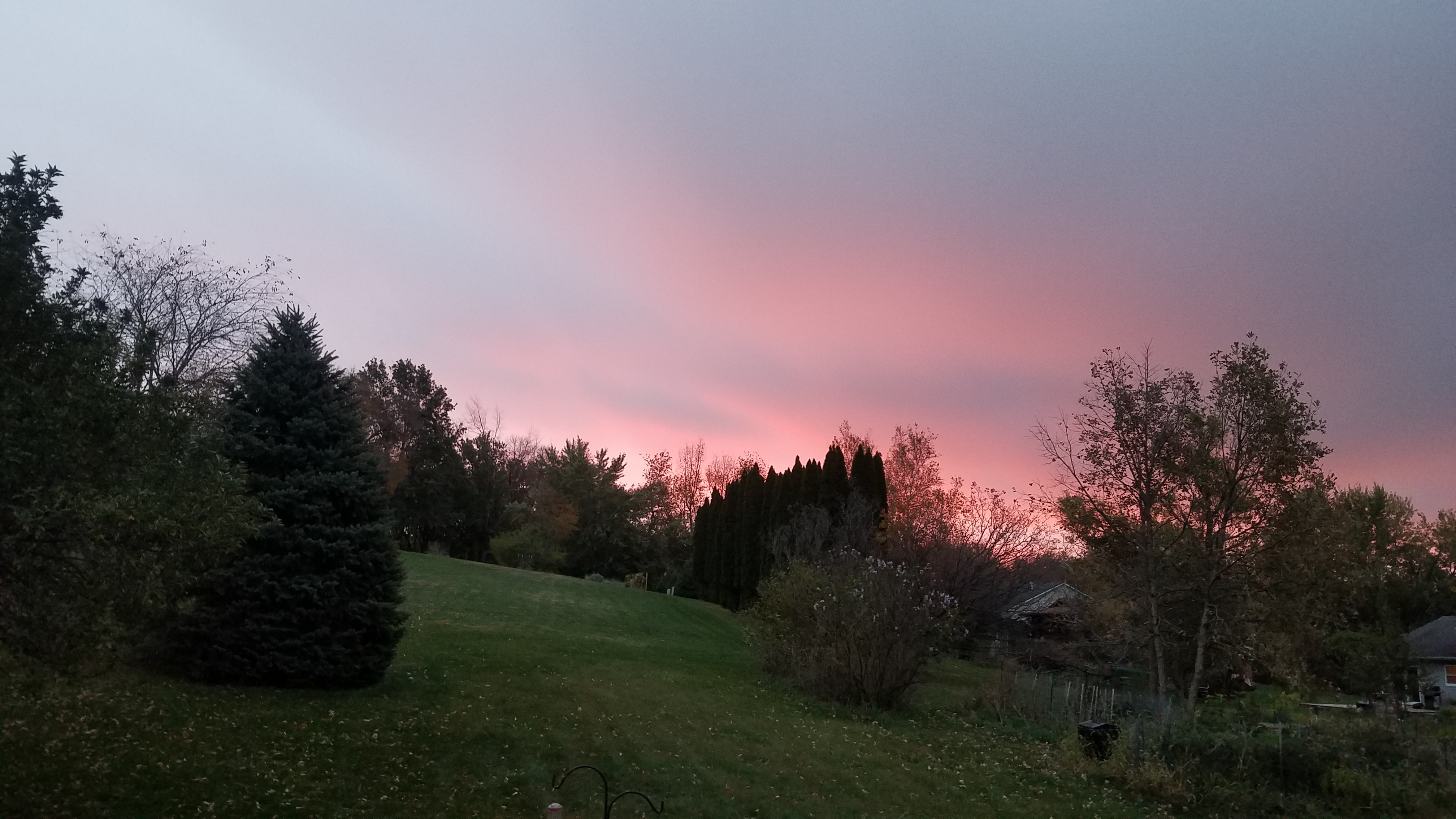
Sunrise in Iowa.

The general election is in 17 days. We can’t wait for the results.

Early voting is at record numbers, although Americans are not known for being big on voting. I read a Pew Research Center report that said in 2016 four in ten Americans who were eligible to vote did not do so. We, the people, are pathetic.

It’s not that nothing is at stake. The stakes are high. All the same, a lot of people do not vote and the republic is the less for it.

My sense of the 2016 election is a lot of folks who had never or rarely voted came out for Donald Trump, giving him an unexpected win. Turning out new voters is an important part of any political campaign because the pool of eligible but not voting voters is so large. The election of Trump turned politics as usual on its head.

Jen O’Malley Dillon, the Biden-Harris campaign manager, cautioned people about recent polling showing Biden leading overall by double digits. The race is much closer, she said. After being burned by polls in 2016, most politically active people are inclined to believe O’Malley Dillon and continue working to turn out voters until the polls close.

This cycle was complicated by the coronavirus pandemic. As election day approaches the COVID-19 case count, related hospitalizations and deaths hit new records. Because of the pandemic, Democrats have avoided normal voter contact such as door knocking and in-person events. Republicans have not. Whether this will make a difference is an open question. The Iowa Secretary of State decided, and the legislative council approved, to mail an absentee ballot request to every active voter in the state. This is encouraging eligible people to vote and record voter turnout is expected.

One of the things at stake in this election is control of the Iowa legislature. The most important reason is this General Assembly will approve redistricting maps for the state. This impacts both congressional districts and every state house and senate district. My state representative Bobby Kaufmann summarized the Republican position in a Feb. 26, 2019 newsletter to constituents. Here’s the full paragraph, unedited:

One of my many roles as State Government Chair is to protect our redistricting process. We currently use a nonpartisan model that allows a computer program to work with nonpartisan government staff to draw our lines. This model has worked great since its inception in 1980. Just like I told you I will protect IPERS from any harmful changes, I commit to you to protect our redistricting process from harmful changes. Unfortunately, Washington D.C has other ideas. The first resolution the new Congressional Democrat Majority has put forth would change our fair and nonpartisan process and would inject politics into it. House Resolution one establishes a new commission comprised of people registered with a political party. You can read the bill if you go to the Congressional webpage and type in “HR-1”. My message to Washington D.C. and the new Congress is to leave our system alone, stay in your own lane, and focus on the plethora of problems you have in DC – not meddling with the States. I don’t care if it is Republican or Democrat…leave Iowa’s outstanding system alone.

As we knew then, HR-1 wasn’t going anywhere. What does matter is Kaufmann’s statement is a distraction from what could happen under current law.

When the non-partisan government staff produces a new district map the legislature can accept or reject it without amendments. If rejected it then goes back to the drawing board for a second attempt which must address the issues raised with the first map. The legislature can accept or reject the second map without amendments. If the second map is rejected, a third is produced. This map can be amended by the legislature. Since 1980 the first map was accepted in 1991 and 2011, the second map was accepted in 2001, and a third map was accepted in 1981. There is a process if the third map is rejected, which hasn’t happened after four U.S. Census counts.

Republican pundit Craig Robinson posted on twitter he was willing to bet $100 a Republican legislature would accept the first map in 2021. That’s cold comfort for Democrats because a Republican-controlled Iowa House and Senate could reject the first two maps and tinker with legislative districts to produce a structural Republican advantage for the following ten years. Creating such a structural advantage is called gerrymandering, a nomenclature that upsets Iowa Republicans who hear it.

It would be better for everyone if we flipped the Iowa House to Democratic control, if for nothing else than to provide balance during the redistricting process. We had divided government in 2011 and the district map approved was judged to be a fair one. The current reckoning is Democrats must produce a net gain of four seats in the Iowa House to secure control of the body.

When we consider all the Americans who were eligible to vote in 2016 and didn’t, the discussion of redistricting is way into the weeds. Elections have consequences and if Republican legislators control the redistricting process there is no going back for another ten years. A lot can happen in ten years and preparing for them begins in the next 17 days.

Categories
Living in Society

Compromised

Fall Colors

Going into the Nov. 3 election we hear a lot about “bipartisanship,” mostly from politicians wanting to get elected. I’m not sure what the word means any more.

A bill passed in the legislature with unanimous consent is technically bipartisan. Everyone realizes the technique is used to move daily business along rather than to more than cursorily agree on something such as the content of the bill.

There are clear divisions in our two-party political system. What is called “bipartisan” really isn’t more than an attempt to compromise our values. Compromise can be good in a democratic republic like ours. The trouble is we don’t share the same values and compromise that works toward complex solutions has recently been minimal and ineffective. Bipartisanship should be set aside so our elected officials can do what’s right. That’s a tall order.

When I was a township trustee we formed a 28E agreement to manage fire and emergency services for several townships and the nearby city. This is basic compromise. We formed a board of trustees with representation from the various governmental entities to formalize how we would approach services. It took more than two years from conception to signed agreement and in retrospect the increased public visibility of the public service, and better fiscal management, proved to be an effective solution. I’m no longer on the board of trustees yet I can read the minutes from their meetings in the newspaper. The new entity serves as an example of government doing what’s right.

Did trustees from the several townships and the city have political views? Of course they did. We were able to set that aside to work on a project that mattered to the entire community.

Our state and federal government should work more like our local townships do. The trouble is there are too many lobbyists with too much influence. In addition to lobbyists, there are the people behind them. I think it’s weird to have a page on the state legislature’s website that indicates how lobbyists view certain legislation. In Iowa, lobbyists have come to dominate the legislative process. The joke is the agriculture committees have to check with the Farm Bureau before doing anything. Lobbyists write bills that save legislators from doing their own thinking.

In the federal legislature the influence of lobbyists isn’t so obvious unless one walks the corridors of House or Senate office buildings. There lobbyists far outnumber regular people seeking their representative or senator. Going back to our 28E agreement, the only lobbyists for creation of the process were those who had a stake in its outcome, including the mayor, the fire chief and his deputies, the county attorney’s office, and other elected officials.

Our legislative process has been compromised by the influence of corporations and their lobbyists, including non-profit organizations. It takes so much money to run for office it is hard for candidates to decline their money. Those who do are handicapped out of the gate and risk being viewed as less than serious candidates because of the lack of fund-raising skills. Iowa’s 2020 Democratic U.S. Senate primary campaign was a case in point. The fact that Theresa Greenfield knew how to raise funds and did so played more of a role in her winning than policy positions embraced by so many. Money eclipsed politics every time and will for the foreseeable future.

Three weeks before the general election is not the best time to raise this. There is never a good time to raise it. Legislators deny contributions influence their votes yet it’s hard to believe them. We are so far from doing what’s right in so many areas of our governance it seems quaint to say it’s even possible any longer.

Let’s face it, our government is compromised and we need to do something about it.

Categories
Living in Society

Feeling A Cage

Peppers gleaned from the garden.

While riding my bicycle around the trail system I press against the edge of a boundary. It is mental, not physical.

I feel trapped in a cage, ready to break out.

June 18 was the first bicycle trip. I don’t remember where I went. The scale told me this morning I dropped two pounds since then. The purpose of increasing daily exercise wasn’t weight loss though. It was a way to deal with my diabetes diagnosis.

Since seeing my health practitioner in June I developed five types of exercise to get my heart going, produce a sweat, and support whatever magical physiological workings reduce blood sugar. I missed only three days of 25 minutes or more of exercise that included bicycling, jogging, using a ski machine, walking, and sustained gardening and yard work that produced a sweat. Combined with watching my carbs, eating fewer big meals, taking Vitamin B-12, an 81 milligram aspirin, and a cholesterol drug, my numbers came down to a more normal range. If I went to a physician today I wouldn’t be diagnosed with diabetes.

I’m ready for what’s next.

Part of me wants to ride and ride the bicycle. Mostly I run one of four five-mile routes and once or twice a week ride 10-14 miles. I have no interest in riding across Iowa with the tens of thousands who do so most years but I’m pressing the limit. I want more.

Desire is balanced by caution because of my age and the age of my 40-year old bicycle. Bicycles are always needing repair, adjustment, and maintenance so I’ve learned new skills and identified a bicycle repair shop. Even though I don’t work outside home there is a lot to do and I can’t afford a two or three-hour daily trip just because I’m restless. My lower body is strengthening and my jeans fit better. For the time being that may have to be enough.

During the days before the Nov. 3 U.S. general election the limits of my range are more profound, the cage more tactile. A lot depends on the election outcome. If Trump and Republicans do well, there is one course. If Biden and Democrats win there is another. I expect the results to be mixed in Iowa. There is a broad Republican base where Democrats win majorities only when everything aligns. Recent polling showed Biden leading Trump by 14 points in national popular vote polling. Hillary Clinton led Trump by 14 points in the same polling exactly four years ago. Political work remains this cycle.

With cooler weather approaching I’m not sure how much more outdoors exercise I can accomplish before winter. I have a good start on the ski machine and expect that to be my daily regimen until it warms again. Between the plan and reality comes a shadow.

For now, I’ll continue what I’ve been doing. At the same time this bird wants its freedom and to break loose from restrictions of a cage where we’ve been living too long. Not today, but soon.

Categories
Living in Society

Cutting Deadwood

Removing deadwood

It is not ideal to chainsaw dead branches from living trees in autumn yet that’s what I did during my morning work shift. The wounds provide an entry point for insects which may eventually kill the tree. Some of these apple trees are eventual goners, so there was little to lose.

A bee landed on one wound while I was working, making my point.

I couldn’t get to sleep Thursday night which is unusual. I was stressed about 2020 and everything that has happened. A lot of that is going around. When I finally got to sleep around midnight I slept until 4:30 a.m., later than usual.

News the president and first lady contracted COVID-19 waited for me to wake. My reaction was he brought this on himself and should have been more careful. Regular people knew that all along. The following hours were filled with other takes and by the end of the day the president was hospitalized at Walter Reed. Last report was he didn’t need supplemental oxygen.

Friday I did morning work then rode my bicycle. When I got home I spent time outdoors. Leaves on deciduous trees have ignited into color. It was glorious to be outdoors. I feel better after using the chain saw. The pruning is partly finished and a new pile of brush awaits processing. The woodpile will get taller once it is.

The natural part of each day has been calming. We could spend more time in nature and be the better for it. So much depends upon this election, though. It keeps us up at night and retards our ability to function as we once did. We must work through the challenges and maintain our own health and welfare at a basic level. It means wearing a mask while talking to neighbors in the driveway, putting mail in quarantine a couple of days before opening, and reducing the number of in-person contacts with people we don’t know.

Out of isolation something better will come, a path to a better future, I hope. Days rush by toward the election and we can’t wait for the catharsis we hope it will bring. The uncertainty is unsettling and it’s important to acknowledge that.

Saturday begins another day with a full schedule. Mostly I’ll be working on the election as the first gleaning of the garden was yesterday and the brush pile can wait.

We placed our bets that hard work will change the direction of this misguided country. We all must do our part. Most of us are doing the best we can.

Categories
Living in Society

Morning After: Iowa U.S. Senate Debate

Fall morning in Iowa

Republicans accused Democrat Theresa Greenfield of lying during last night’s debate on Iowa Press. Democrats accused Republican Joni Ernst of lying. The debate was a brawl, a cacophony of talking points. It was tedious.

Art Cullen, editor of the Storm Lake Times, described the event best, “the senate haggle debate.”

2020 is a change election. After six years in Washington Joni Ernst has not delivered for Iowa and Iowans seem ready for change. In the Washington Post, Cullen framed it like this:

Not long ago, 60 percent of Iowans approved of Ernst’s performance. Now, the same percentage disapproves. They tell the Iowa Poll that Ernst has not done enough for Iowa — a criticism that felled past senators such as Dick Clark, John Culver and Roger Jepsen before her.

History doesn’t always repeat itself yet this is Iowa and it could.

It was difficult to engage in the first ten minutes of the debate. Moderator questions meant little and perhaps the best use of the plexiglass separating people at the table due to the coronavirus pandemic would have been to build a cage like those in WWE events and turn the two candidates loose in it. It would not have been “senatorial” as David Yepsen tried to interject, yet that was the dynamic of the hour.

The Roe question asked by O. Kay Henderson was the expected dud. Not sure why she asked as the positions of the candidates are well known. Both indicated Roe is settled law, something even Supreme Court associate justice nominee Amy Coney Barrett has said. What matters more in the Supreme Court is how Roe v. Wade is viewed as precedent, or if it is even considered when deciding cases that involve late-term abortions and other women’s health issues. From a U.S. Senate candidate perspective what matters is whether one is pro-life or pro-choice. We know the answer because we are beat over the head with it constantly by media that believe conservative religious groups are very important in Iowa politics after Bob Vander Plaats got some judges tossed out.

Another Henderson question was about infrastructure. We delved into my favorite tropes about the gas tax. Regardless of how people use vehicles, or whether they don’t, everyone benefits from well-maintained roads, bridges, airports, seaports and railroads. The gas tax served it’s purpose regarding transportation. However, the formula is increasingly outdated as fuel economy increases, a growing number of travelers use electric cars, and our logistical supply chain has become more complex. Revision of how infrastructure that benefits all citizens is financed requires a bipartisan majority and better reasoning than tinkering with the outdated fuel tax system. Republicans held the majority and couldn’t effectively address infrastructure. It’s time for a change. I couldn’t really listen to this part of the debate.

Last night Theresa Greenfield put the scrappiness in “scrappy farm girl,” one of her taglines. Joni Ernst tried to dominate using talking points that mirrored her campaign manager’s pre-debate release. As expected, both stayed close to campaign talking points and didn’t get caught off guard. However their debate mannerisms made it difficult to follow and overall diminished the effectiveness for less informed viewers.

A majority of Iowans have determined for whom they will vote. There is one more chance to persuade the electorate before county auditors begin mailing ballots on Monday. If the Oct. 3 debate is like last night, few will be convinced of anything. Confirmation bias will rule.

Increased voter turnout caused by the Secretary of State mailing all state voters an absentee ballot request, combined with the fact that Ernst is perceived as not having delivered needed results for Iowans, will steer this race toward Greenfield. Recent polls show the same.

Like many Iowans I’m tired of the debates even though last night was the first of three. It’s time to vote.