LAKE MACBRIDE— Not knowing what to expect when I broadcast the kale seeds, this year couldn’t have been better.
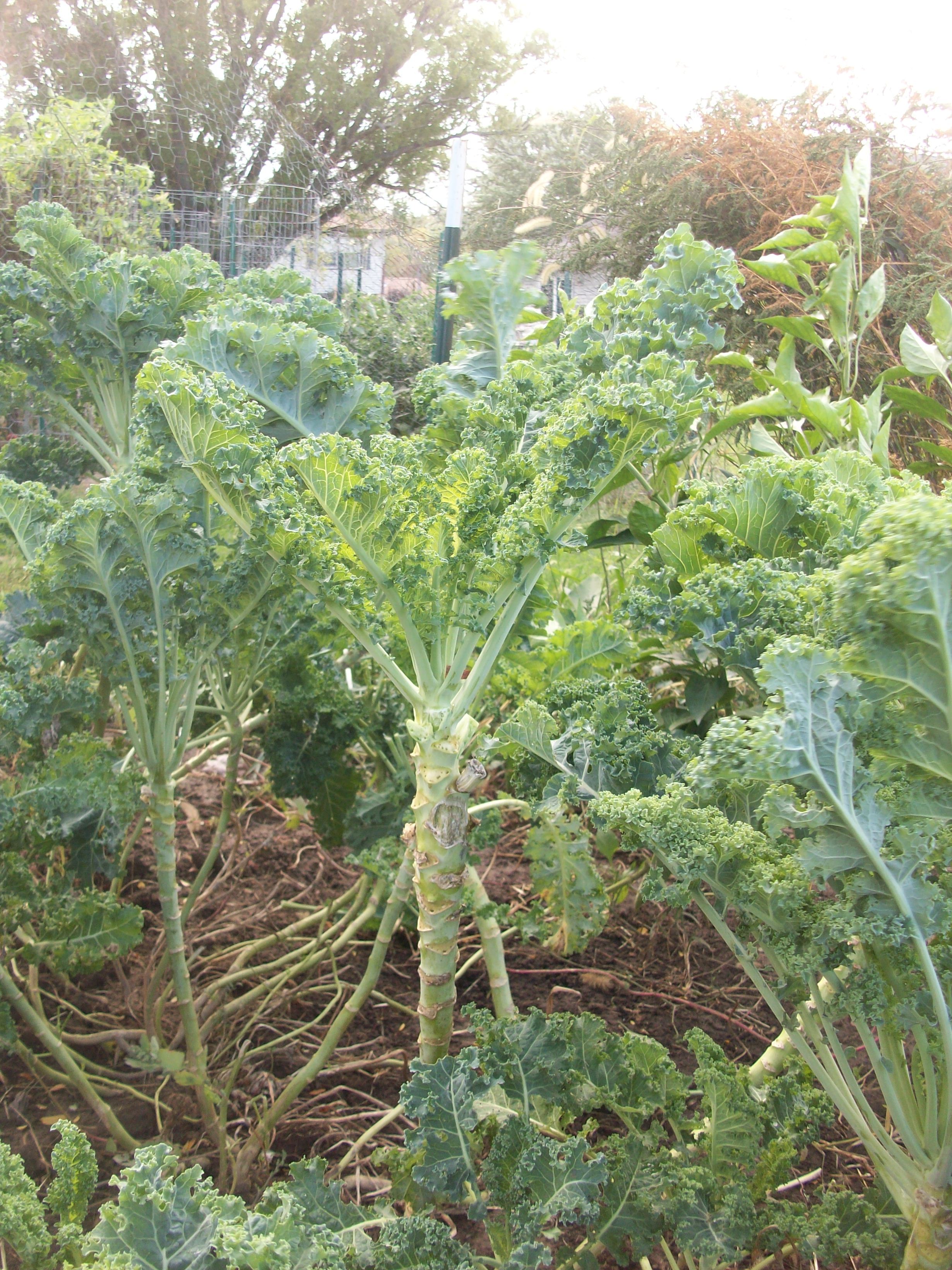
Over time, the plants were thinned and picked until they look like a grove of palm trees. The leaves are cleaned from the bottom to the umbrella cover on top. The harvest has been exceptional.
There has been plenty to give away, and since the freezer is full, I dried and then flaked leaves to be added to soup during the winter. Since kale is frost resistant, we should have plenty for a few more weeks into November.
On deck is the apple harvest. The Red Delicious are about ready to pick and while we don’t need much apple sauce and apple butter, we’ll need to do something with them. Most likely a big batch of fresh apple juice, and if there are well shaped fruit, some dried apple slices.
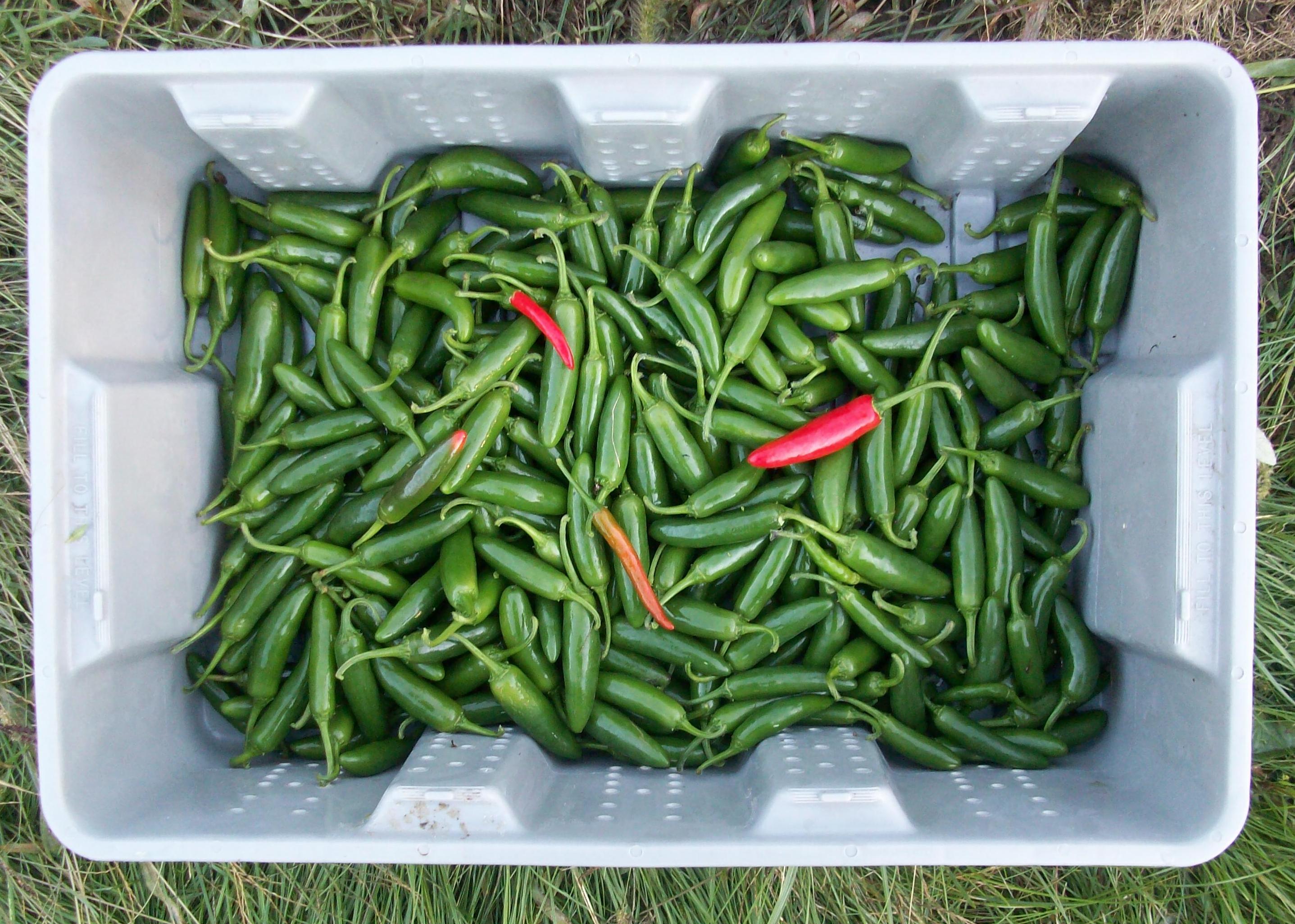
I have been waiting for the Bangkok peppers to turn red before picking them. The plan is to dehydrate them and make red pepper flakes for the year’s cooking. It won’t take as many as there are, but when the danger of frost is imminent, there will be a lot of Bangkok, Serrano and jalapenos to pick.
It has been a decent year for the garden. It’s not over yet.
LAKE MACBRIDE— To supply all the tomatoes a household needs, I planted a large tomato patch with eleven or twelve varieties, and two different cages. In all, there were 36 plantings, some with two seedlings in them. I used short cages leftover from previous years, and new ones cut from four-foot wire fencing. The whole plot was mulched deeply with grass clippings.
The endeavor was an unqualified success, and now it’s time to analyze, think and learn.
First Tomato Planting
The seeds came from a couple of sources.
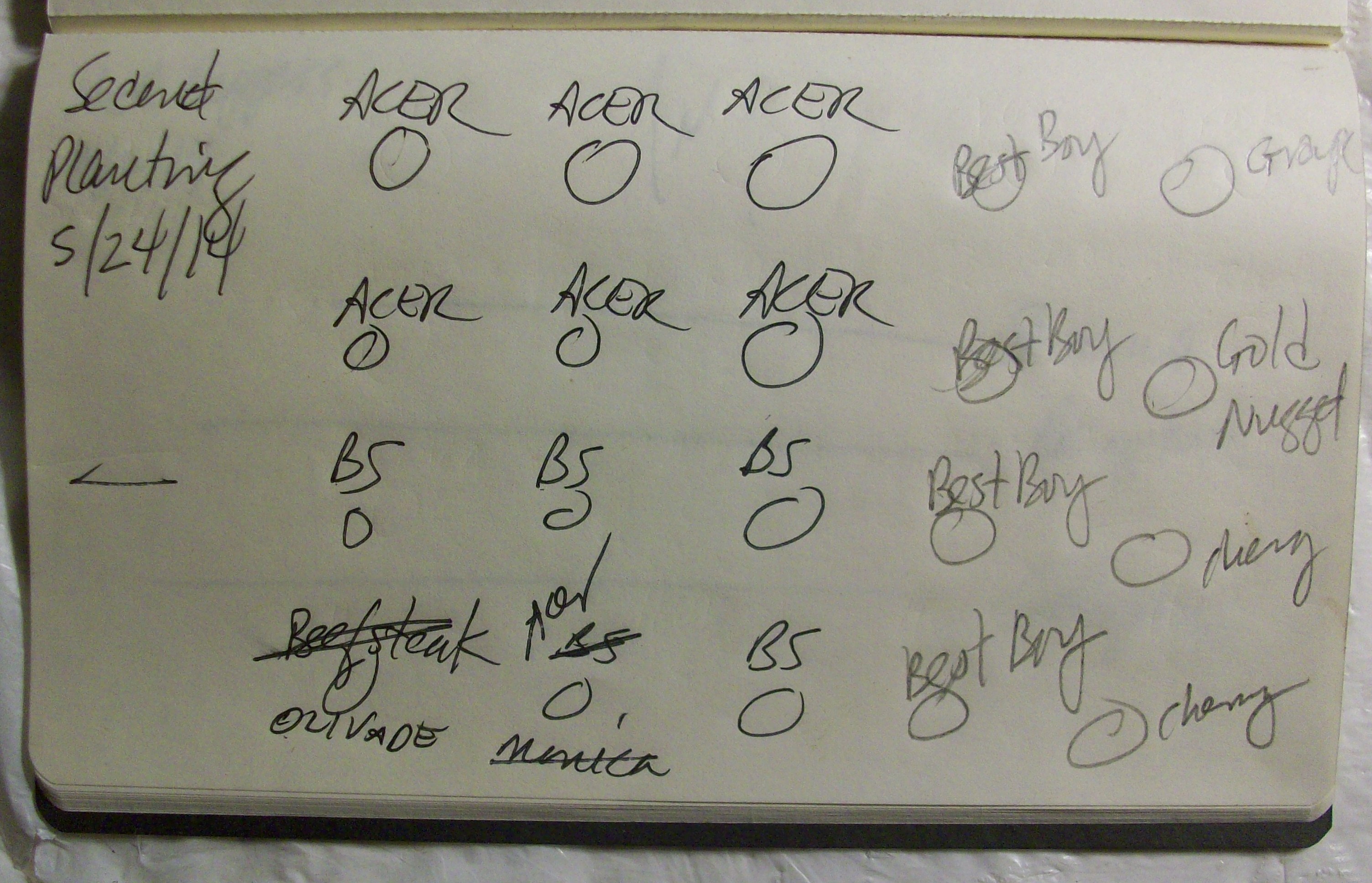
Leftover from last season were Acer and Best Boy. They produced well, however, they matured late. By the time they were ready, the end of the season was upon us, and our tomato needs largely met. Acer is a slicer, the seeds purchased at a grocery store (I think). There are better ones to use going forward.
Best Boy was also leftover from last season, and intended for canning whole. When we organized our canned goods, it became clear we have enough canned tomatoes from last summer to make it another year, so they weren’t needed for the intended purpose. Olivade and Monica are plum tomatoes purchased through Johnny’s Selected Seeds. They will replace the Best Boys going forward.
The organic Beefsteak seeds were purchased at a home center, and they have traditionally been our favorite. They too didn’t ripen until late in the season, and while we used some, a lot went to compost when bugs got into them.
Second Tomato Planting
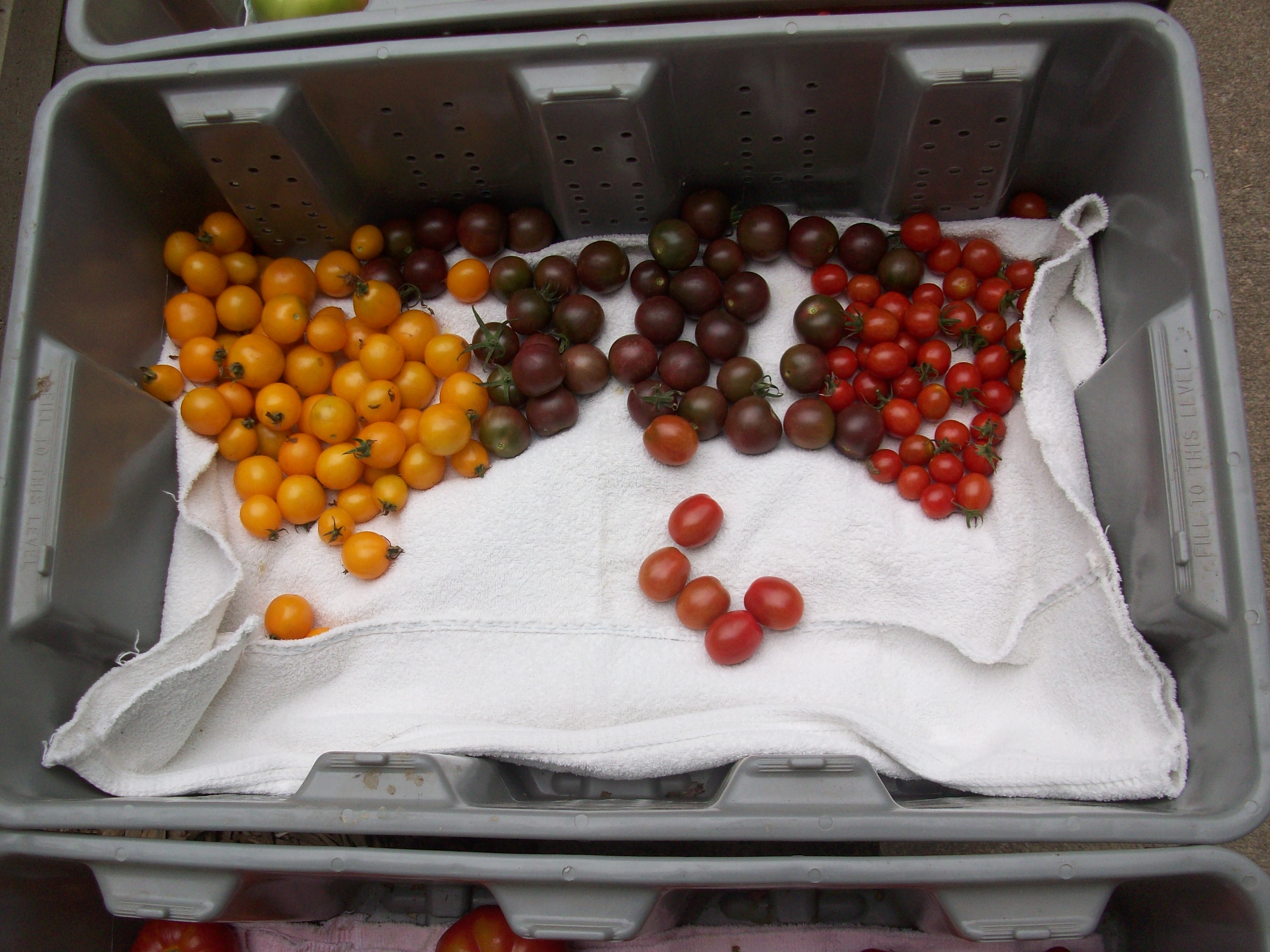
Having a variety of small tomatoes was a joy this year. I planted Cherry, Gold Nugget, Sweet Olive Grape, and Black Cherry. The seed packets were leftover from last season and from Johnny’s. They came in early and were great for salads, snacking and pasta dishes. We froze some whole as an experiment, and look forward to seeing how they eat once thawed later in the year. One seedling of unknown variety was provided by our CSA. The Black Cherry plants grew very tall. Next season, they should be planted in one of the four-foot cages.
Rose and Italian were our early maturing slicers. They were also purchased through Johnny’s, and the Italian seeds were at a reduced price. If they are offered again, both will be purchased for next season. The Italian did well with short cages, and the Rose would do better in four-foot cages. I bought an extra roll of four-foot wire, so some of the old cages can be retired or used for other crops.
Upon reflection, tomatoes are best used fresh, either in the kitchen, or given away as gifts to those who don’t grow their own. Likewise, they are welcome at the food pantry until there is a glut. Fresh tomatoes are an essential part of why we garden, and most of the focus in using them is fresh.
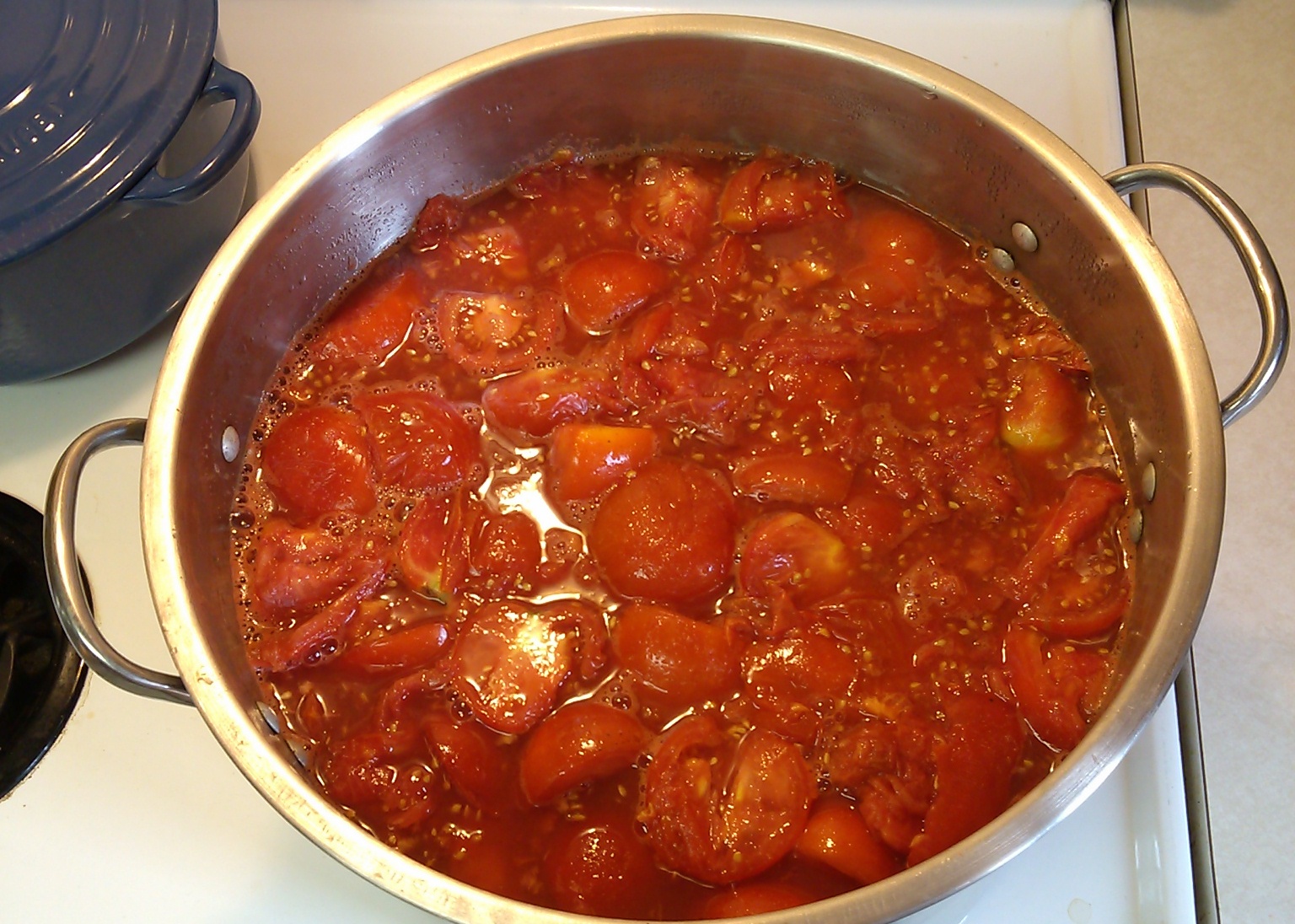
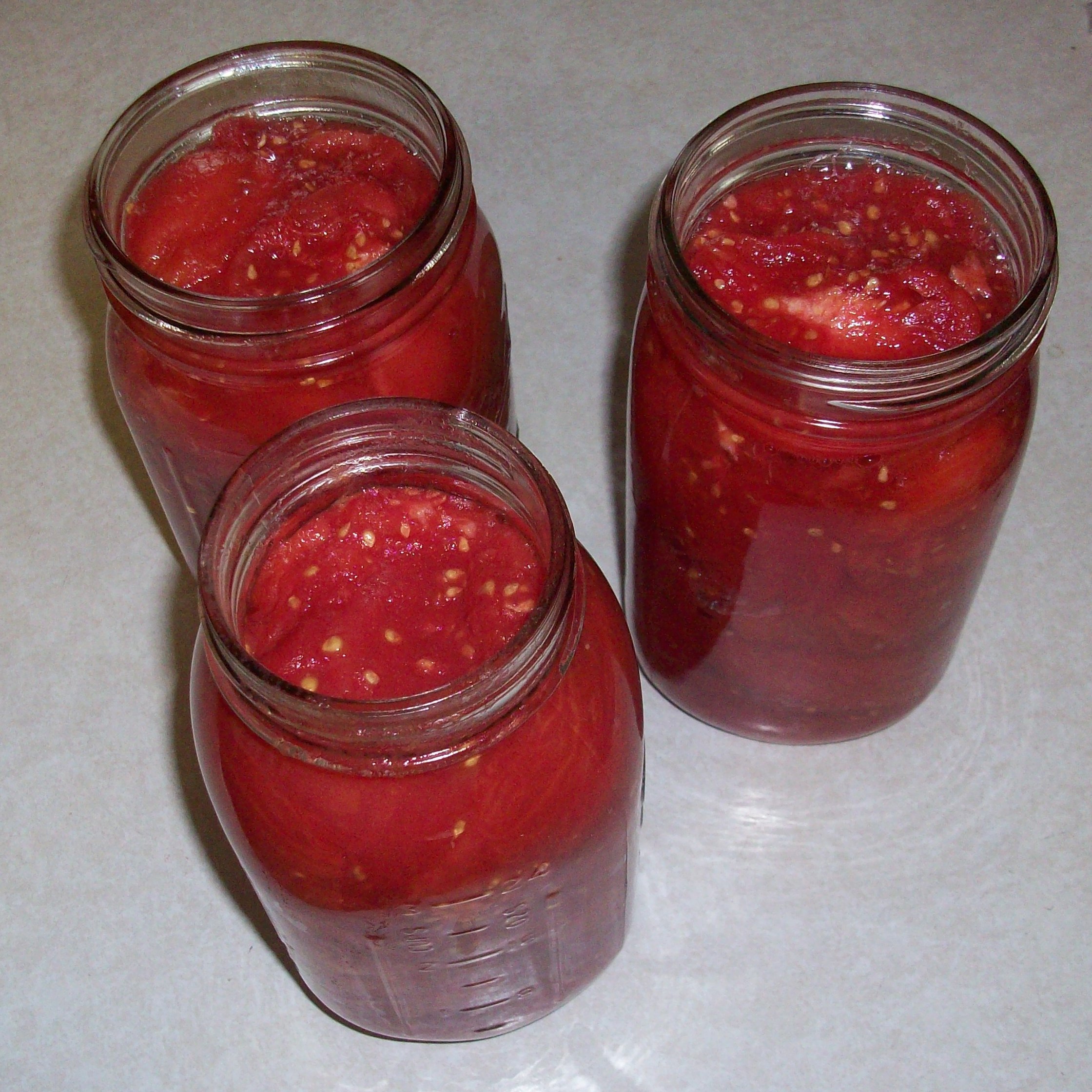
My thinking about canned tomatoes changed. For making pasta sauces, chili and soup, plum tomatoes are the best product to use. Seeded thoroughly, cut in half, and then cold processed, I put up about a dozen quarts which weren’t really needed, although the abundance led me there. They will serve most needs.
I had been canning diced tomatoes, but any application that calls for them could use halved plums, so diced will fall from my repertory. That is, unless there is an abundance of slicers, which is what I used to make canned diced tomatoes. We’ll see how it goes.
A favorite canned product is hot sauce, but like with plain tomatoes, there is an abundance in the pantry ready for use from previous years. I have a gallon fresh in the refrigerator, and there is an abundance of hot peppers for making more, but at some point one has to stop.
There is never a shortage of juice as a byproduct of canning. I’ll continue to can it as it is produced, and any remainders will go to that end as the season finishes.
Growing tomatoes is a highlight of garden life. By using my sketch booklet and keeping track, I have been able to learn what works and what doesn’t— part of a gardener’s outlook in daily living, with lessons to our broader sustainability. Despite all the negative press this year, the tomato crop was excellent.
From sunrise until sunset I made a retreat, preparing for winter.
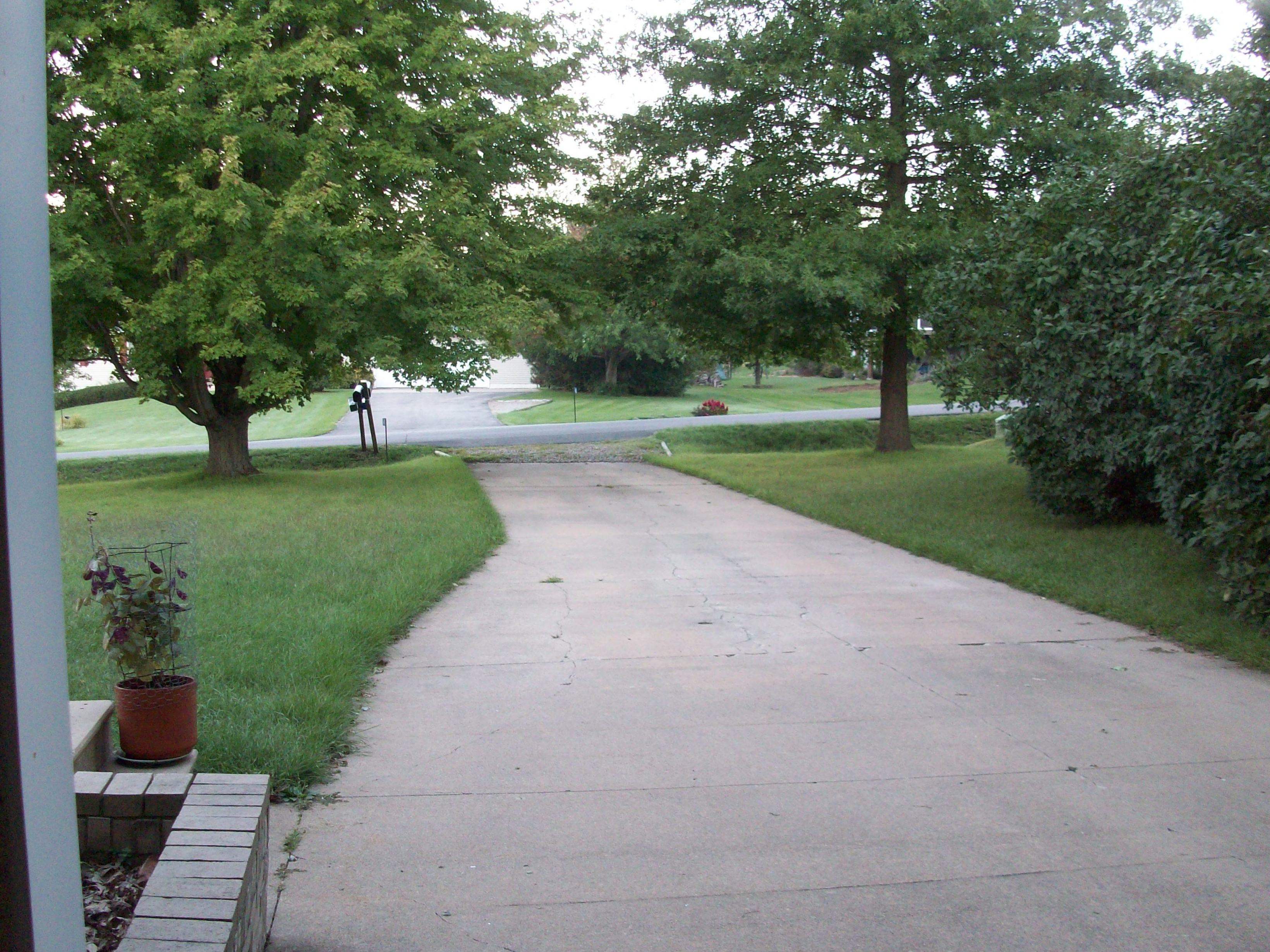
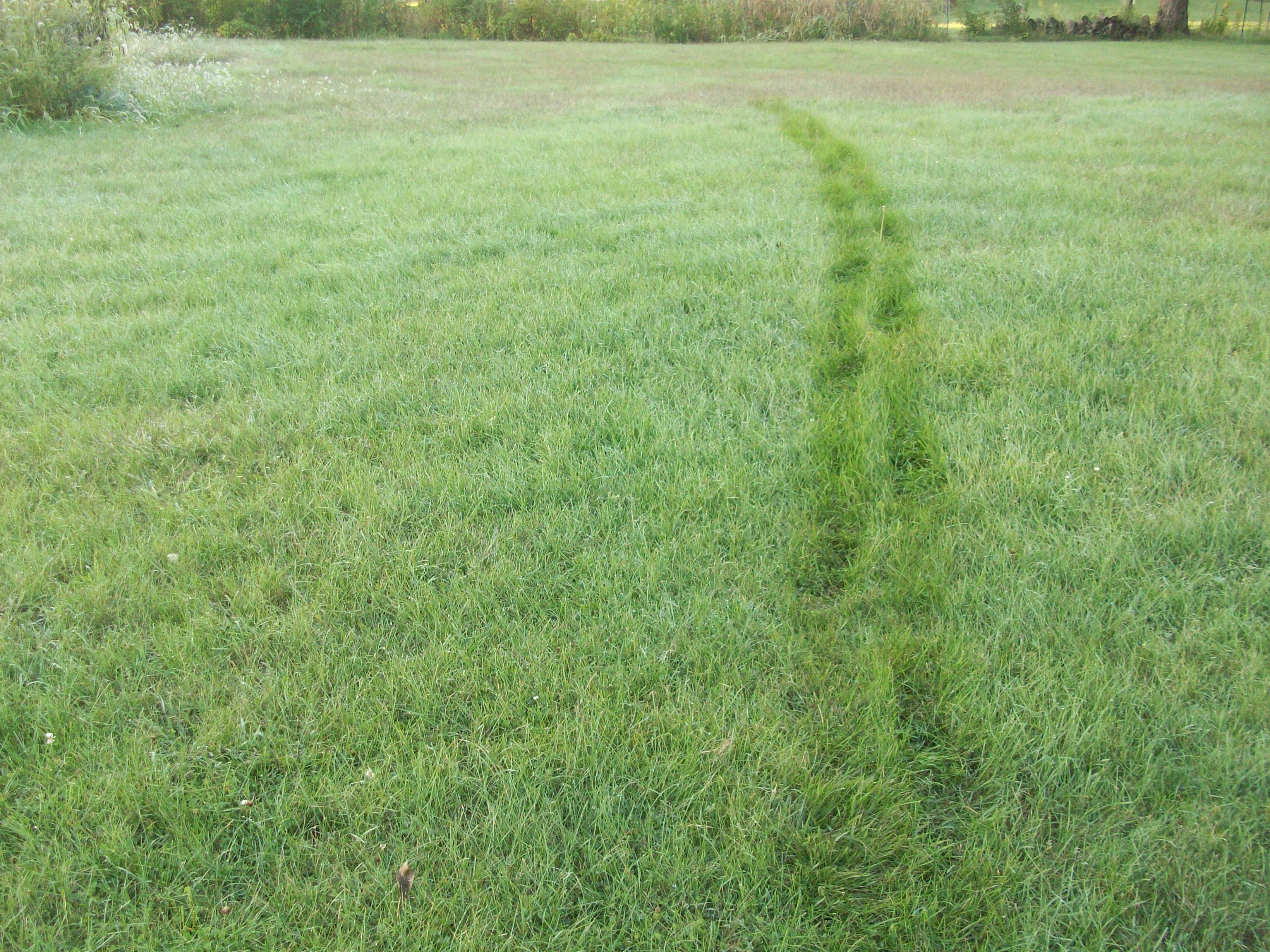
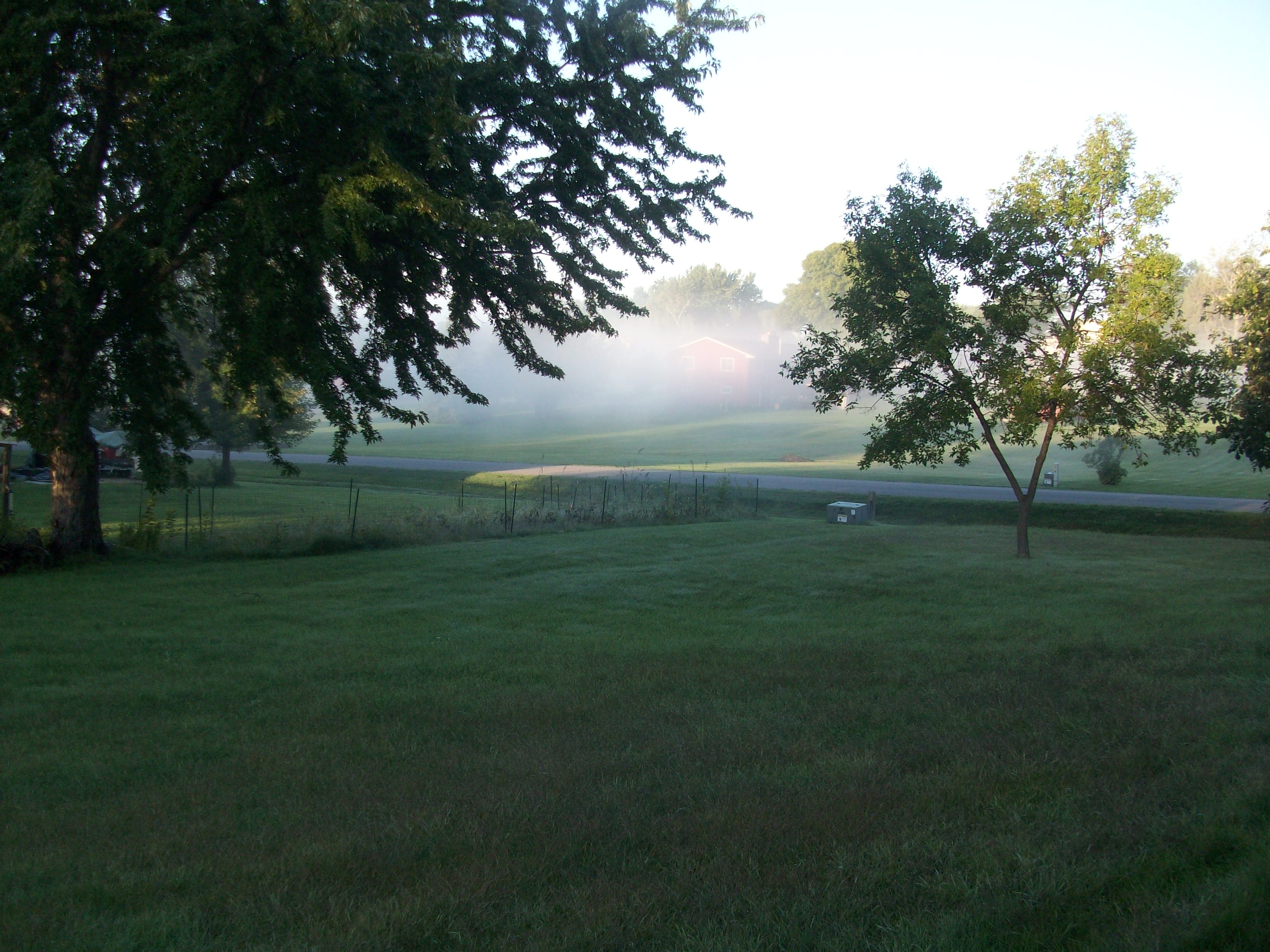
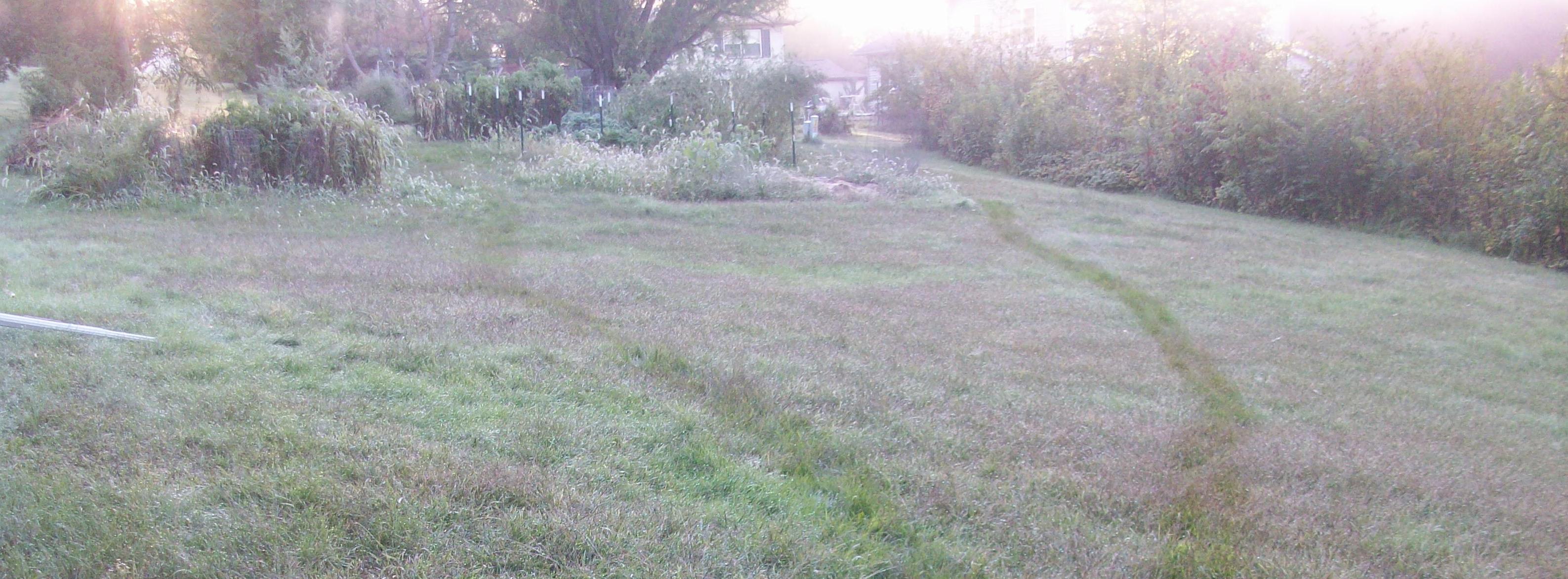
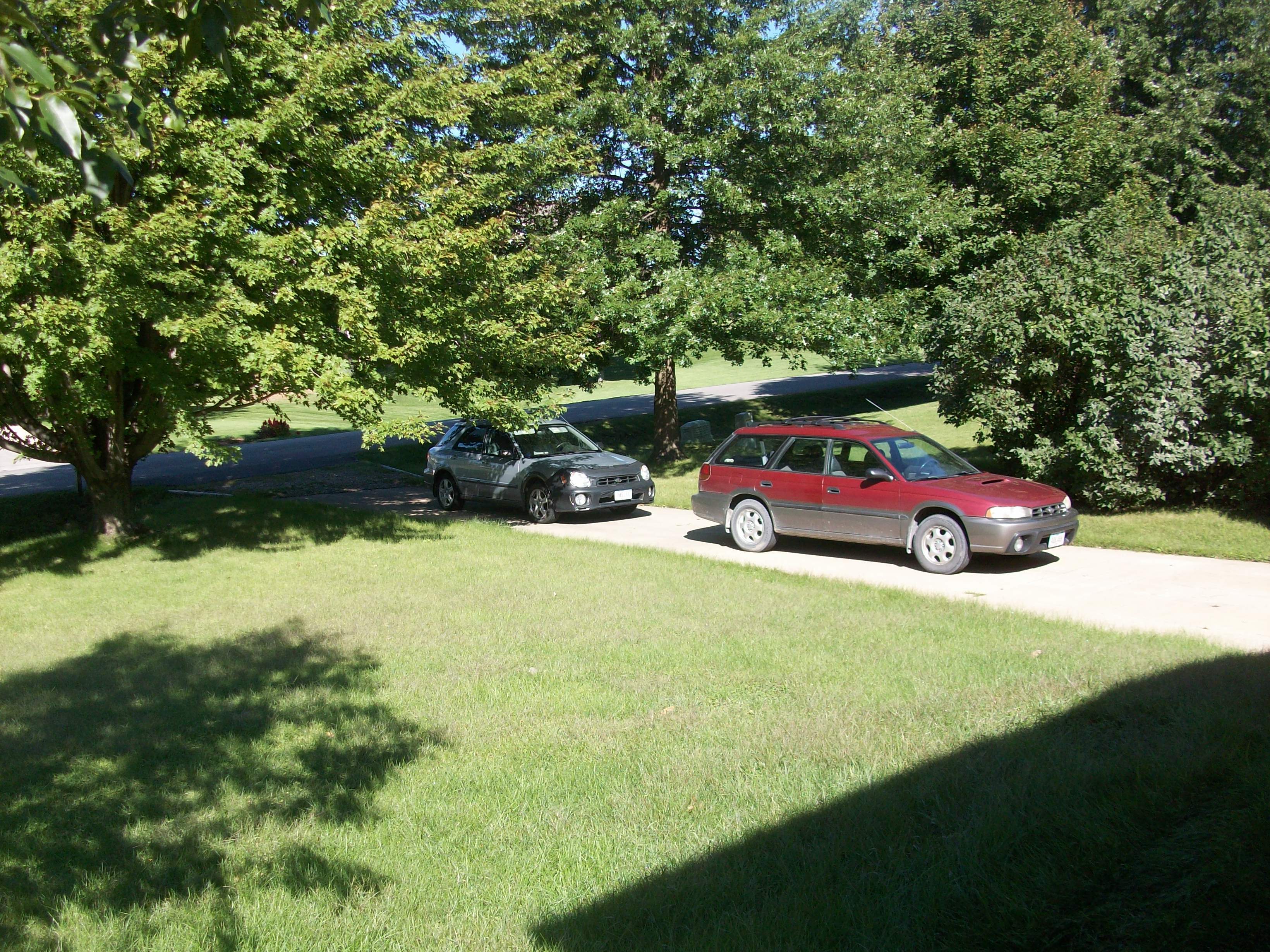
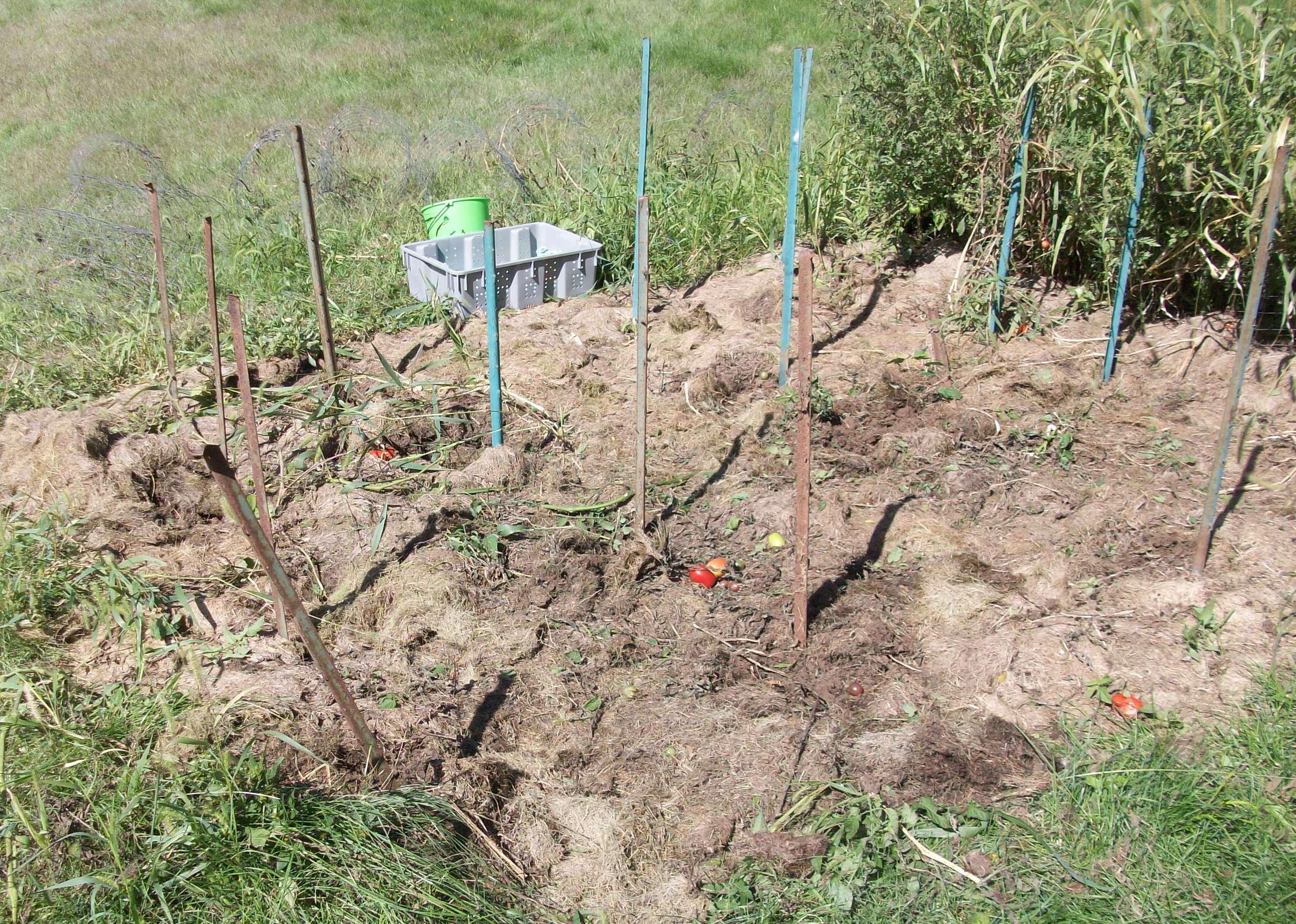
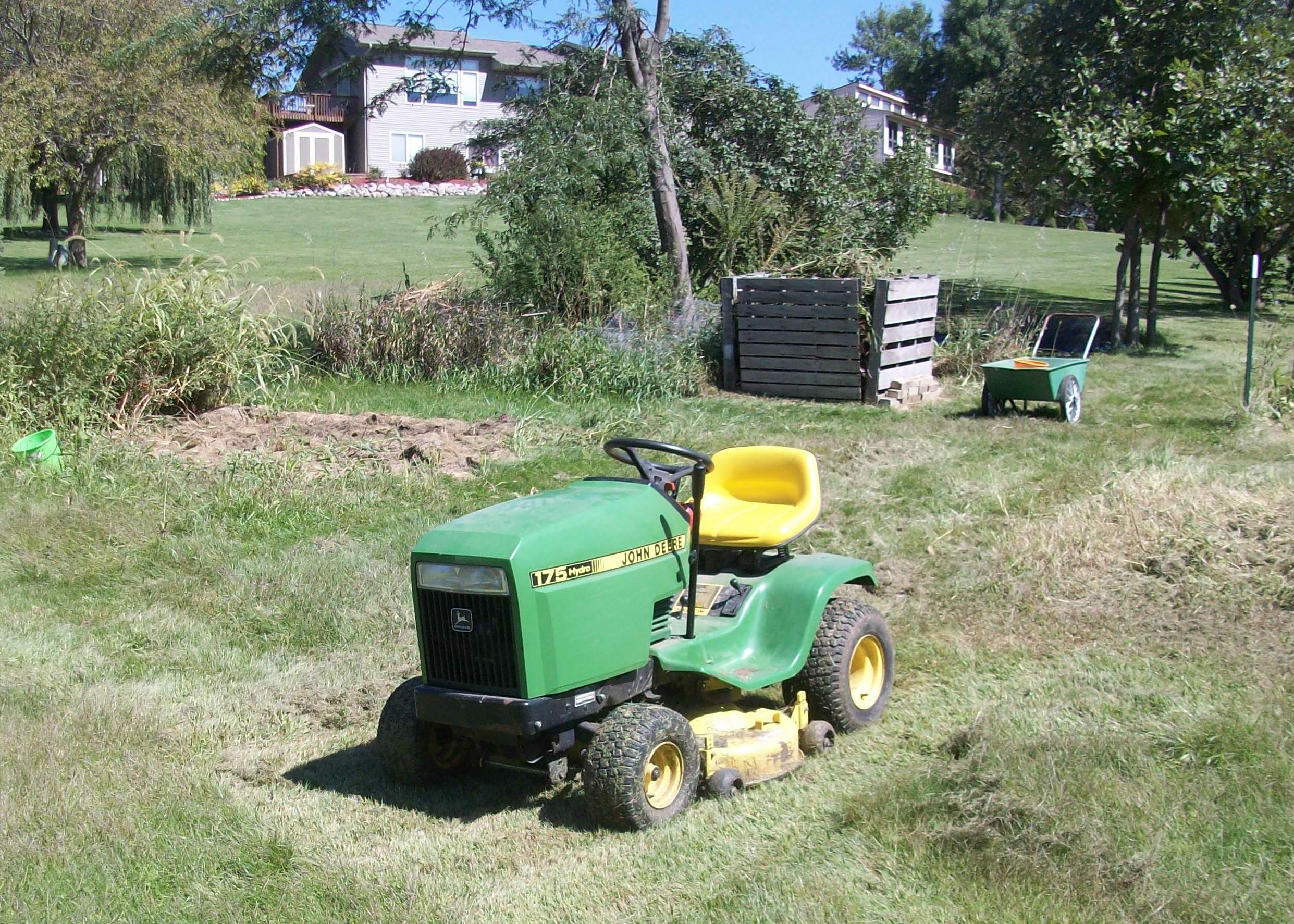
Preparing for the Day PredawnThe Door is OpenFirst Tracks in the DewSunriseFog Burning OffFoot TracksMoving the Cars Out of the GarageVariegated LeavesWork GlovesFormer Tomato PatchJohn Deere TractorSerrano PeppersFirst Red Delicious Apple
LAKE MACBRIDE— The chill in the air is undeniable as summer activities wrap up— ready or not.
The last share from the CSA picks up tonight, and Tuesday is to be a full day of outdoor activities, with Wednesday the rain date. It is time to harvest and prepare the yard and garden for the apple harvest and winter. The neglect of this summer may or may not be overcome with a single day’s work, but that is the time I can afford.
Yesterday I arrived home from the warehouse in time to hear Hillary and Bill Clinton’s speeches at the Harkin Steak Fry telecast on C-SPAN. The finality of this last annual event is one more reason Senator Tom Harkin will be missed. The 2006 steak fry is where I met Barack Obama in the rope line. The full video is archived on C-SPAN and readers can listen and decide the meaning for themselves if interested.
Despite the abundance of food in our house, the amount of cooking has declined over the summer. Sandwiches, soups, stews and other stored fare have lingered in the fridge, and make quick heat and serve meals. Tomorrow is expected to bring in most of the tomatoes, peppers, celery and kale, all of which will require some processing. The Red Delicious apples look quite good this year. Tomorrow will be the first taste test before an onslaught of apple dishes. What food we have prepared has been seasonally fresh and tasty. What more could a person ask?
LAKE MACBRIDE— What to do with all of the eggplant?
The image in this post is a bit of a protest because despite their colorful variation, eggplant is a vegetable that could be absent from life and few would notice. The fact is they are abundant, easy to grow and cheap at the market. Despite their limited nutritional value, they provide interest when they are in season. A saving grace in the deluge of summer abundance.
My repertory of eggplant dishes includes a recipe for eggplant Parmesan, ratatouille, a layered casserole using tomato sauce, zucchini, onions and other seasonal fare, and now braised eggplant with potatoes. Here’s the recipe that produced savory results.
Braised Eggplant with Potatoes
Ingredients
One pound of eggplant, cut into one inch chunks with the skin on
Two pounds small potatoes, halved
3-4 medium onions, medium dice
Quarter cup dried parsley (fresh if you have it)
One cup fresh basil, chiffonade
1-1/2 pounds seeded and chopped tomatoes (slicers or plum)
1/2 cup extra virgin olive oil
1-1/4 cups water plus 1/4 cup water
Salt to taste
4 tablespoons olive oil
4 tablespoons flour
Preparation
Soak the eggplant in water for 30 minutes
In a Dutch oven, combine the onion, tomatoes, parsley, 1/2 cup of extra virgin olive oil, 1-14 cups water and salt. Bring to a boil and cook over medium heat for 15-20 minutes. Add the potatoes and the rest of the water, and cook until the potatoes are fork tender, or about 20 minutes.
While the sauce is cooking, drain the eggplant and season it with salt to taste. Heat the 4 tablespoons of olive oil in a frying pan over high heat. Dredge the eggplant cubes in flour and fry until golden brown on all sides. When finished, place the cubes in a strainer so excess oil will run off.
Add the eggplant to the potatoes and sauce, stir, cover and cook another ten minutes or so. Turn off the heat and leave the pot on the stove until ready to serve or store.
The dish serves well hot, warm or at room temperature.
LAKE MACBRIDE— Yesterday began with two and a half hours of volunteer work at the CSA. The labor in our barter arrangement has already been provided so I’m free to volunteer for general farm chores like working onions.
Onion Cleaning and Sorting
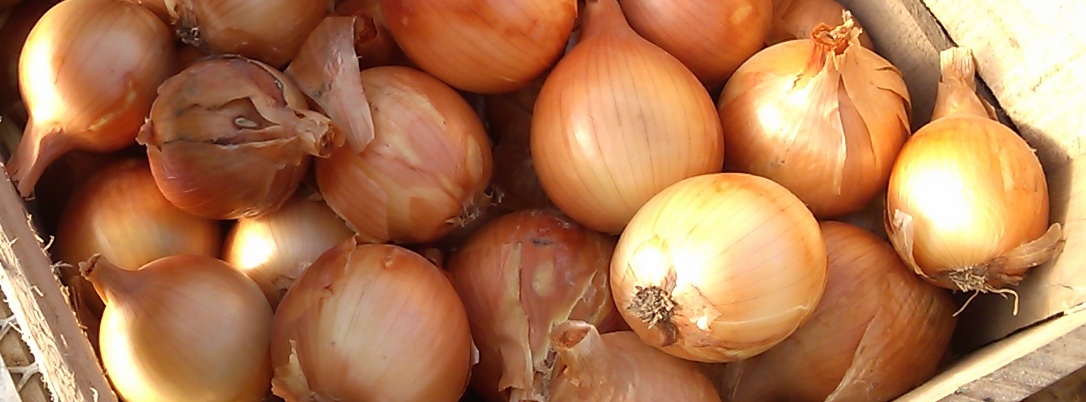
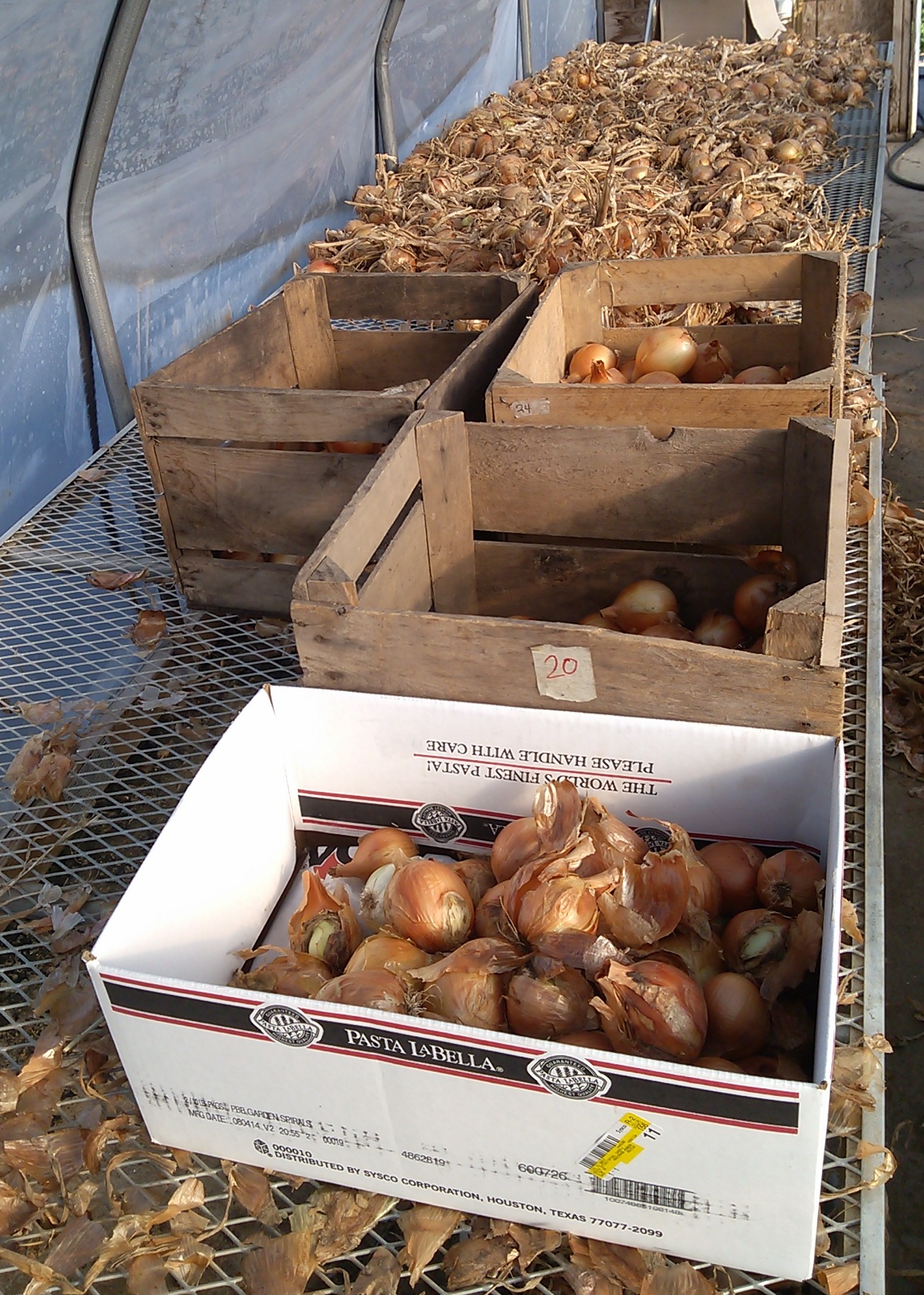
Once the seedling operation moved outside, the germination house was used to cure onions on the long wire racks. They are ready for the next step, which is cleaning and sorting.
There are five sorting types: big and small storage, ready for distribution, seconds, and those to be composted. I trimmed the tops and roots and sorted. The onion worker got to keep the seconds, so last night was salvaging usable sections of onion. By bedtime, a couple of big bags of peeled onions were in the ice box ready to use.
Basic pasta sauce is of onions, garlic, basil and tomatoes, so as I write, a big batch simmers on the stove. All of the produce is from our garden, or the CSA. Except for the salt, it is 100 percent local. There is always an exception in local food. The tomato sauce will be frozen in quart zip top bags.
Making tomato sauce is elemental. This batch is from the edge between fresh garden produce and compost, where we often live our lives. In cutting away the bad parts of the onions and tomatoes—picking through basil leaves—there was more compost than usable produce.
Between our concept of ourselves and our inevitable transformation to dust is a sliver of life. If we don’t grow food and make tomato sauce, what else would we do? There really is nothing else, except to go on living.
LAKE MACBRIDE— The season turned— to sweet corn, celery, pepper and aronia berries— before we knew it. Now it’s a game of keeping up with the fall harvest, making some delicious meals with the fruits of labor, industry, genetics and climate.
Sweet corn is a favorite, and my spouse spent the better part of Sunday putting up 180 ears with her sister. We don’t have room in the freezer, so it is stored in theirs. We also have two dozen ears fresh from other local sources and ready to cook in the kitchen. Over the years I’ve gotten away from growing our own sweet corn as the yield has been small for the amount of space it takes. Leveraging the work of others makes more sense.
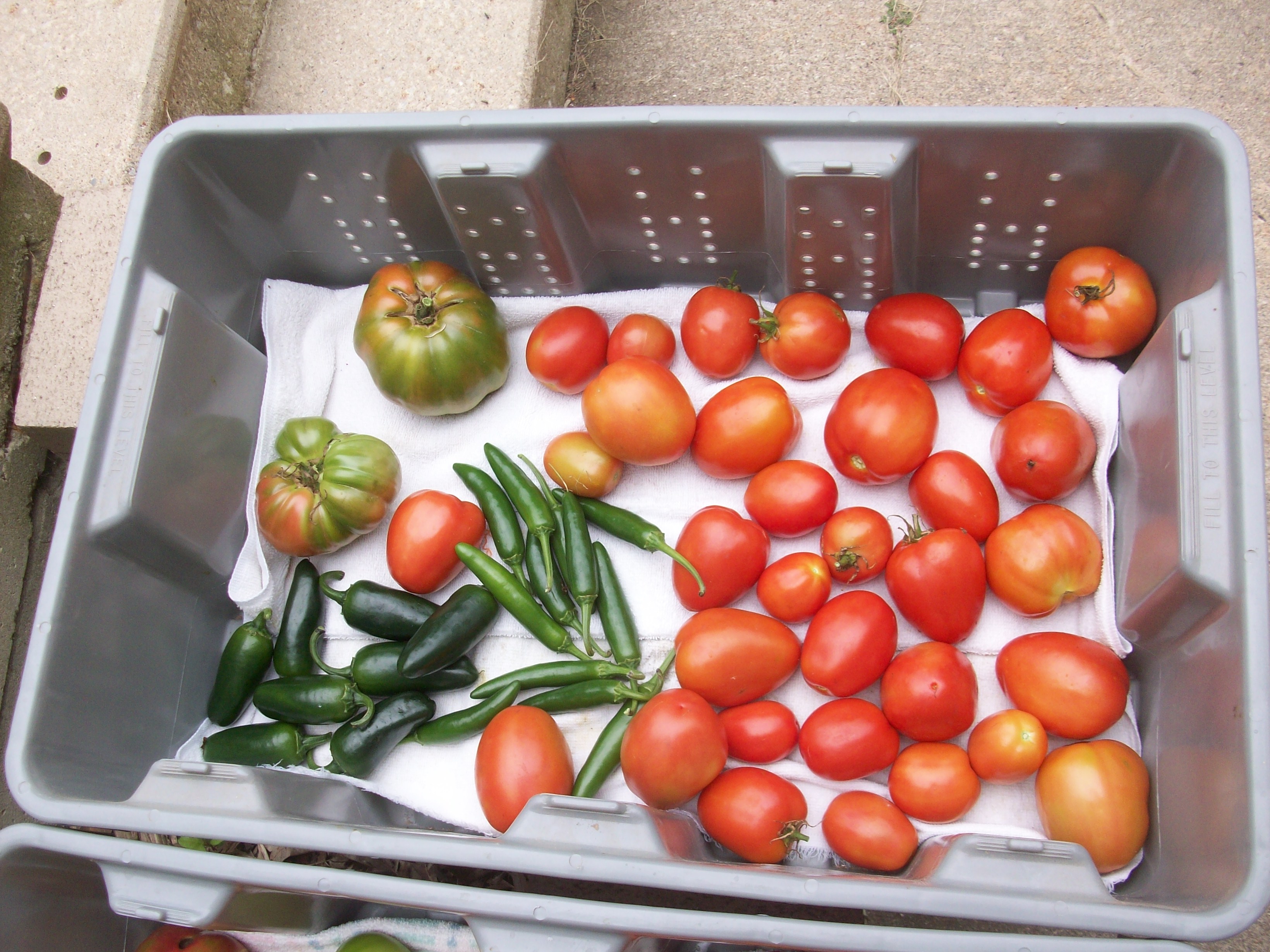
Peppers are coming in and this year’s crop looks great and is abundant. A little goes a long way with hot peppers, but the three types are doing exceptionally well. There will be plenty of them to preserve and eat fresh.
The experiment in celery produced a couple of bunches. The quality is very good, so it is worth expanding upon again next year.
We bought two pounds of aronia berries from a local grower. Here’s what he wrote in the promotional literature:
What we do have for sale right now are aronia berries. They were unfazed by the winter. Aronia berries are native to North America; they are very astringent, like a wine grape, and have twice the anti-oxidants of cranberries, four times that of blueberries.We have used aronia berries for jam (alone and with blackberries), in bread, in muffins, and in salsa. There are many recipes available on the Internet. We can send recipes if you are interested.
They are frozen, waiting for suitable use.
Lastly, there is everything else from gifts, the CSA and from our garden. The kitchen is a processing way station, counters clean and at the ready for another day of putting up.
Side note: one of the neighbor’s trees has begun to drop leaves. A precursor, perhaps, to an early frost.
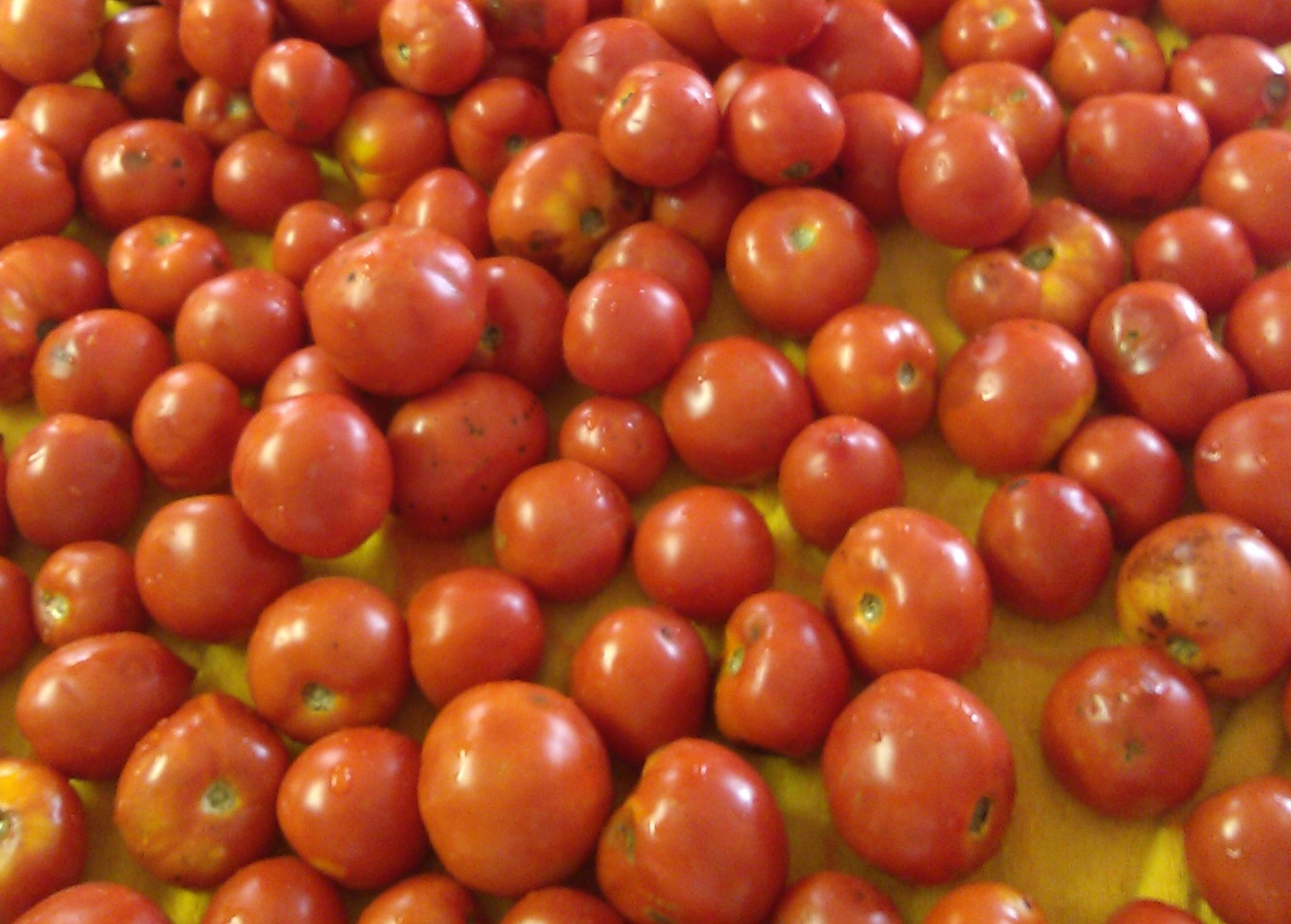
LAKE MACBRIDE— As mentioned previously, there are a lot of tomatoes in the garden and kitchen. So many it is a struggle to preserve, eat and give them away before they turn to compost.
I took a bag of mixed color cherry tomatoes with me on the Great March for Climate Action Wednesday. Interest was mixed— even with exercise and the resulting thirst. Cherry tomatoes are a great snack to eat while walking, but even so, there was resistance.
Roma-style tomatoes are great for canning and part of this year’s abundance is being skinned, cut in half, then cored before processing. It’s not that we need more canned tomatoes, but having a crop each year has its own benefits, and there is a certain comfort in having a well-stocked pantry.
Before heading to work in the warehouse, I hope to finish the current batch and get ready for the next wave. Life with tomatoes is pretty good.
LAKE MACBRIDE— A friend declined my offer of a bag of tomatoes yesterday, indicating we have entered that time of garden tomato abundance— ready or not.
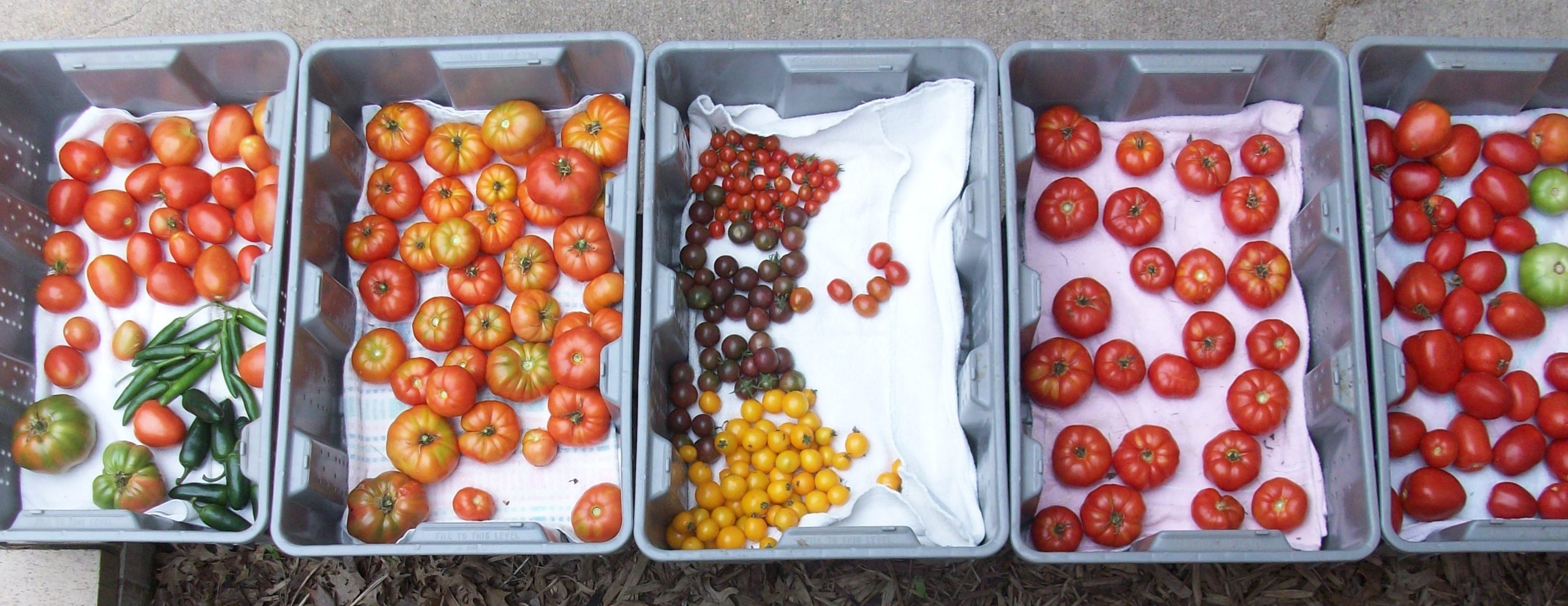
It has been a mixed tomato bag during this summer of cool nights and no rain. The heirloom tomatoes are producing, but traditional varieties, notably beefsteak, are not doing as well. My garden is producing more because of its diversity of seeds (12 varieties), and large number (32+) of plants. There will be no tomato shortage in Big Grove.
After abundance, and limited outlets to get rid of the fruit, the pressing urgency to preserve what we can’t eat fresh has arrived. A couple of thoughts about that.
Cherry Tomatoes
A friend suggested frozen cherry tomatoes hold up well, so a tray or two will be devoted to an experiment. I have my doubts, but it is worth a try.
The Roma-type tomatoes will go into sauce and juice. The pantry already has enough diced and whole tomatoes to last until next season, so the focus will be on thick tomato sauce to use with pasta and in chili. The juice is a by-product, and the thought of discarding it gains no traction, so it will be canned in quarts.
Peppers and Tomatoes
Roma is also a good tomato for salsa and hot sauce. There was plenty canned in previous years to meet our needs. I should say my current needs, since I am the only person in our household who eats it. At the same time, by following lessons learned at our CSA, there will be a bumper crop of Serrano and jalapeno peppers, which shouldn’t go to waste. Some form of canned salsa or hot sauce seems inevitable.
I planted a smaller tomato for canning whole, but they haven’t begun to come in yet. If and when they do, I’ll execute the plan and add them to the storage shelf.
It is tomato heaven or hell, depending upon your perspective. It’s all good here, although it adds more work to an already busy season— part of sustaining a life in a turbulent world.
LAKE MACBRIDE— Wisps of mist hover about the landscape as a day begins. It recurs over the farmland just off the highway leading to town. It reminds me of trips into the Rhön Mountains in the late 1970s.
It has been a solid four days of work at the warehouse, and a first chance to come up for air. A lot has happened and there remains a lot to do, but a couple of things stand out.
The death of Robin Williams hits home for a couple of reasons. He was born the same year I was, and our similar age and his death reminds me of the dance of mortality that hangs over each of us.
He had a public presence, and left many impressions, even for someone who eschews television and movies for radio and the Internet. His struggles were well known because of his celebrity. We don’t know what happened to cause his death, and may never. However, when someone, a celebrity like anyone, may have taken their own life intentionally or accidentally, there is sadness.
We may feel loss, even if there is no personal connection. Robin Williams death was a mournful end for someone who made us laugh a lot. He was of our generation, and like my cohort of grade school friends, I don’t like seeing another name stricken from the roster.
The garden and farm are producing vegetables. What to do with them has become an issue. I took my farm share of kale to a meeting last night, and we sat around a table eating the raw leaves. Some cabbage will go to town. Today or tomorrow I’ll make a ratatouille to use some eggplant, tomatoes and zucchini. We resist composting until we must.
Some friends loaned me a Cannondale bicycle to get started cycling again. The bike has been on 14 RAGBRAI trips, and perhaps I will make one as well. We’ll see how this goes, but because of my age and condition of my feet, running and taking long walks requires what I hope will be a brief hiatus.
To encourage me, they gave me a bicycle gift bag with powder, socks, a water bottle, trail maps and other items. It will be difficult to come up with valid excuses for not cycling.
I’ll look forward to my first misty morning ride in the lake country.







 Journey Home
You must be logged in to post a comment.