The ground is dry with eighth-inch cracks under the apple trees. There has been talk about a wet spring, yet the rasp on knees as I picked up wind-fallen apples before mowing was uncomfortable… and harrowing.
Relenting, I poured a gallon of water on the cucumber plants which were withered in the sun from lack of moisture. It helped—they recovered this time.
Ripening Apples
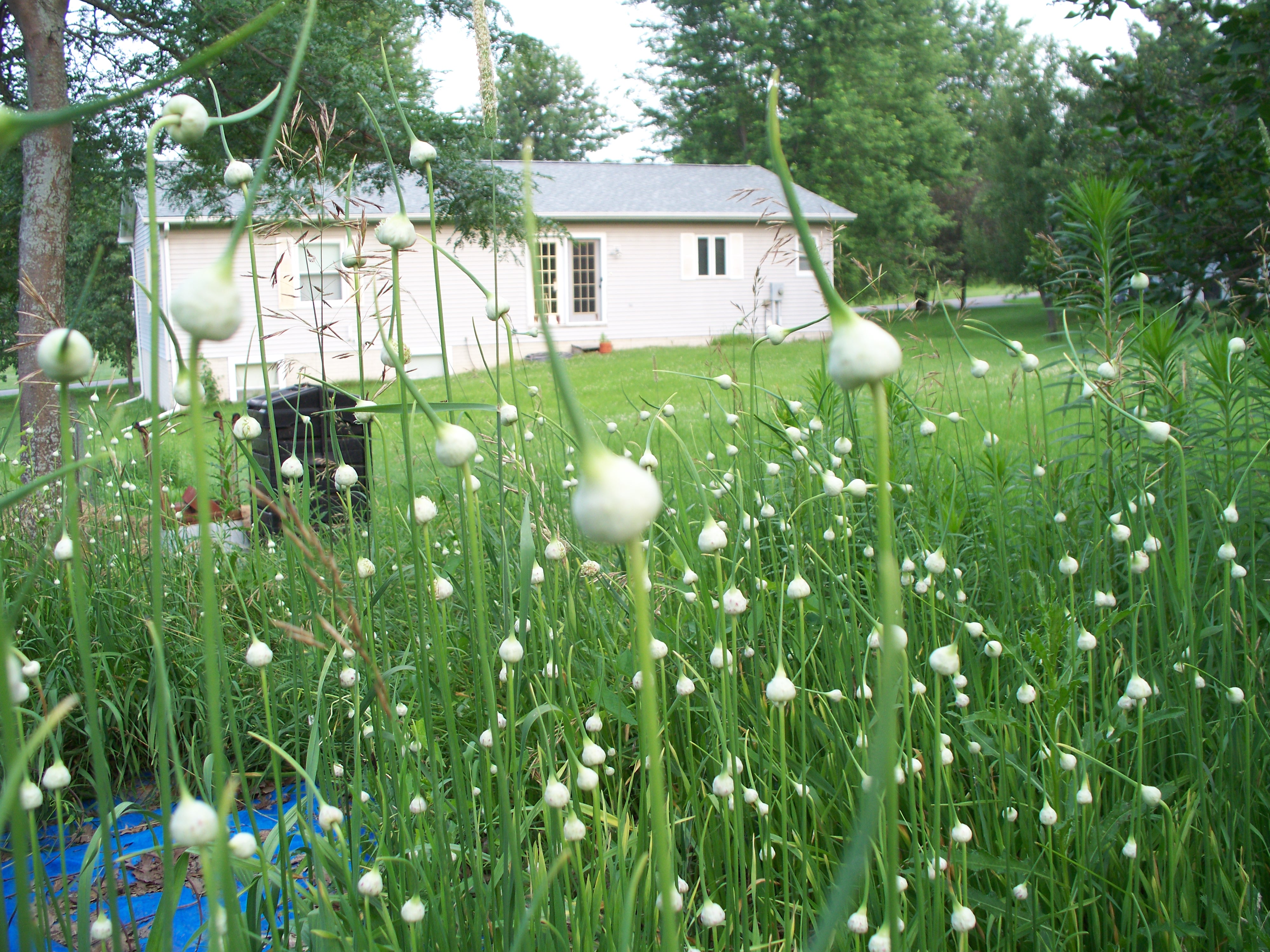
The garlic patch is also dry, in fact the whole garden could use rain. I had better see if the 50 percent chance of precipitation materializes later this morning and then water if it doesn’t.
The branches of the apple trees are burdened with fruit, making it difficult to get under them to mow. The walking mower wouldn’t start, so I spent half an hour cleaning and troubleshooting it. After replacing the spark plug and adding fuel, it fired up. I mowed under the fruit trees and in the ditch near the road pushing the small machine.
Taking a quart of canned whole tomatoes to the kitchen, I went back outside and gathered basil, Swiss chard and an Amish Paste tomato for pasta sauce. Along with a kale salad it made a satisfying dinner… sustenance against tough times.
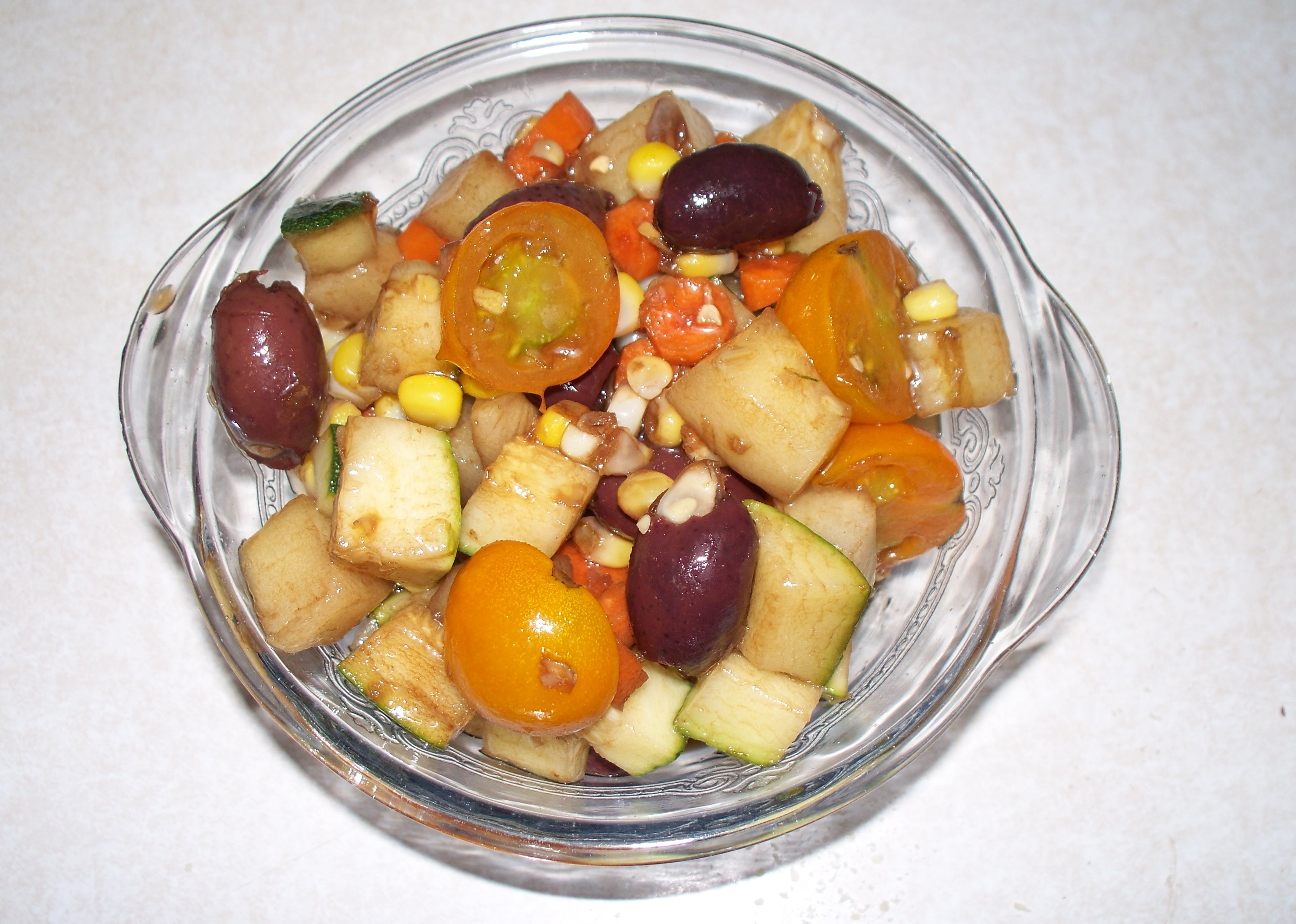
Summer’s abundant produce has us conjuring new recipes based on what’s available. We made a quick meal from leftover tomato-basil sauce, penne pasta made with lentils and the following salad.
Cut zucchini and cucumber into quarter inch cubes and place in a large bowl. Slice 4-5 peeled, small carrots and add with 2/3 cup cooked sweet corn. Halve and add about a dozen cherry tomatoes. Add two dozen Kalamata olives. For dressing, use a favorite, which in our household is a mixture of balsamic vinegar, extra virgin olive oil and salt and pepper to taste. Add fresh herbs as desired. Mix gently with a large spoon and refrigerate until ready to serve.
July 25 has been the traditional day to plant second crops in the garden. Turnips, radishes, green beans, broccoli and more stand at the ready. If I can break away from paid work for a while they’ll go in Tuesday or Wednesday.
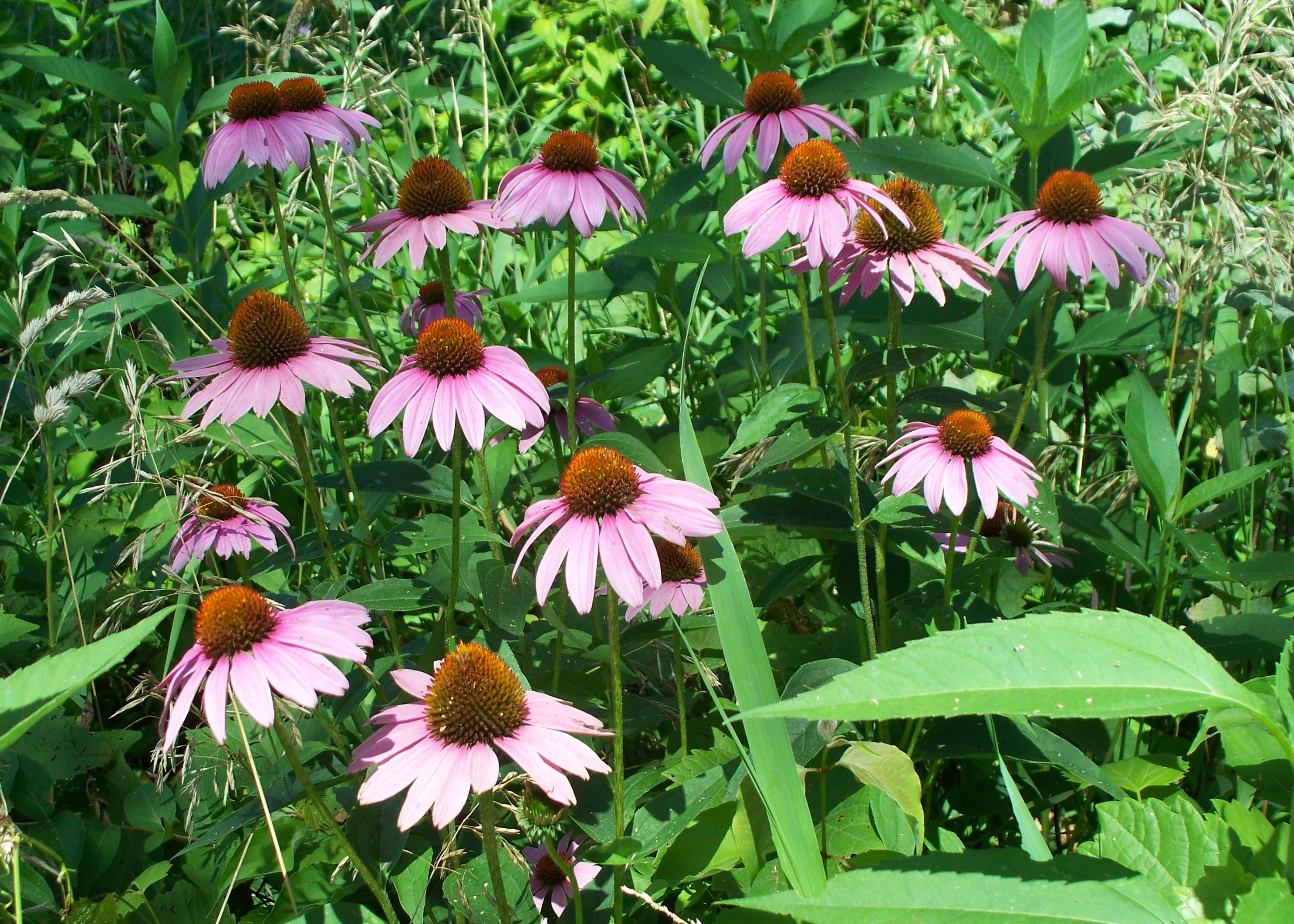
Wildflowers
I planted lettuce in pots, but it germinated poorly—likely due to too hot temperatures. The broccoli seedlings are ready to be planted, but there is a fatalistic cloud hanging over them as some critter got under the fence and ate up the cruciferous vegetable in the spring. My tolerance policy may enable it to return and bring its friends once the tender crops are in the ground again.
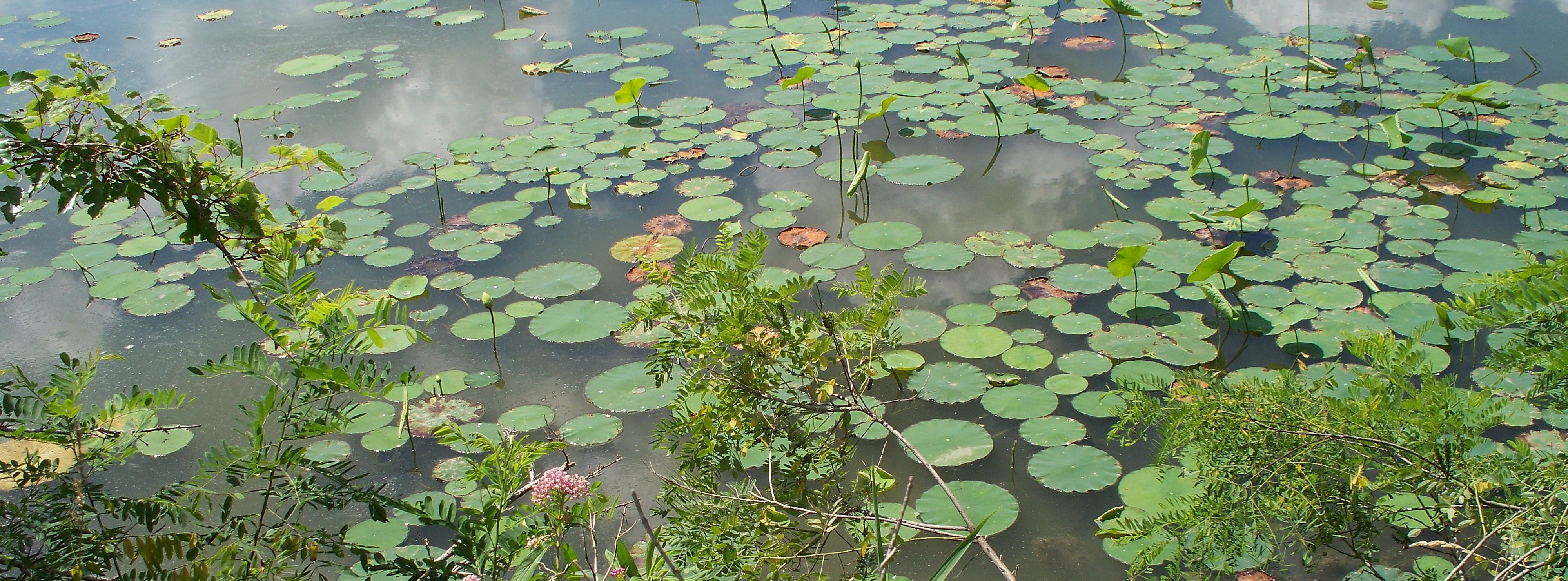
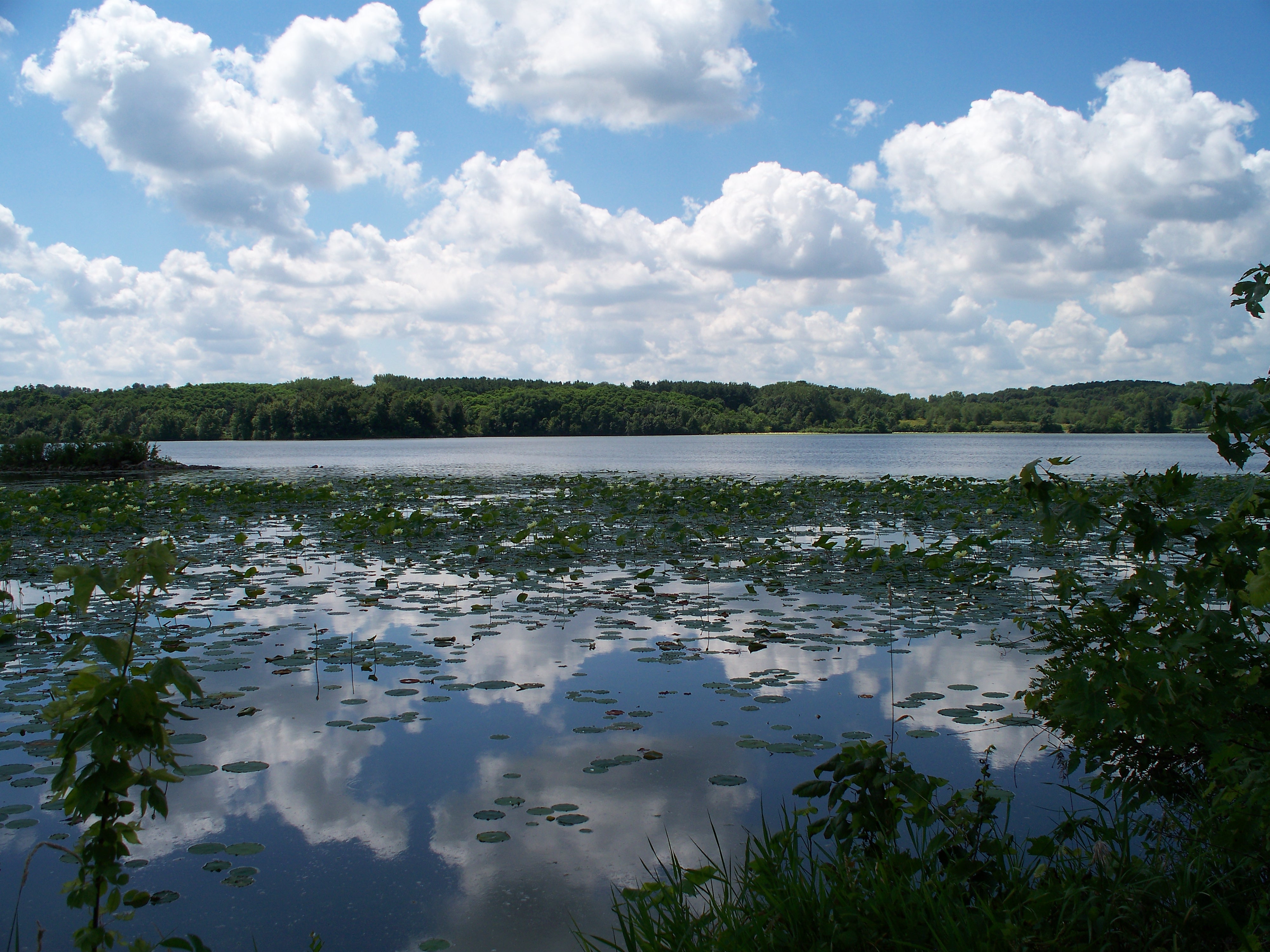
Reflections of Clouds
A neighbor has been out of town for a couple of weeks and offered their garden produce while gone. Their squash, tomatoes and cucumbers filled a gap in our garden, and I made notes for next season. Two zucchini plants is more than enough for a family, plant cucumbers earlier, grow a couple of early yielding tomato plants to supplement the later big crop.
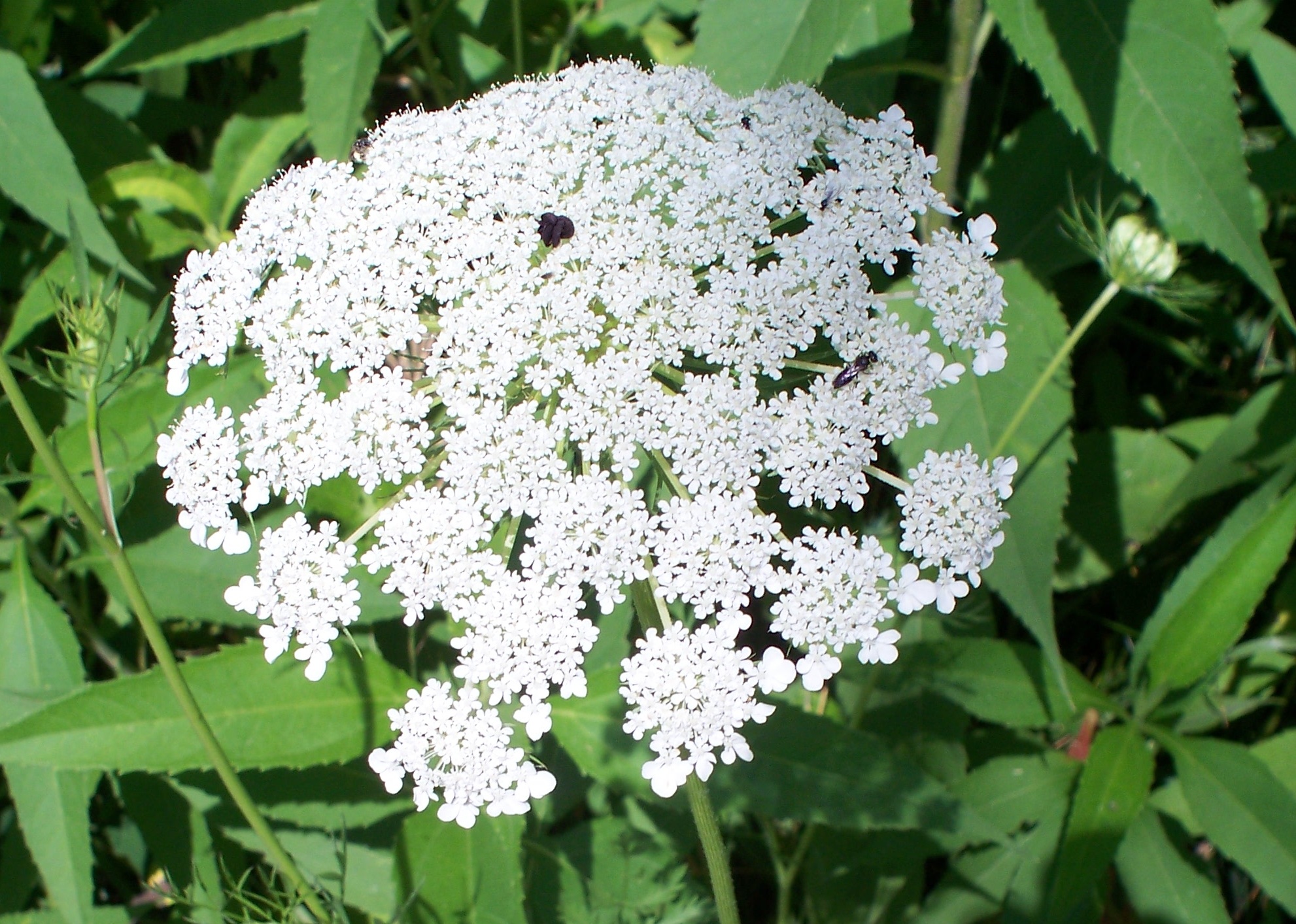
Queen Anne’s Lace
Mostly though this time of year is about wild flowers. The Iowa Department of Natural Resources has some prairie restoration projects going and each patch is redolent with the scent of summer.
It’s time to stop and take it in before midsummer turns to fall and winter.
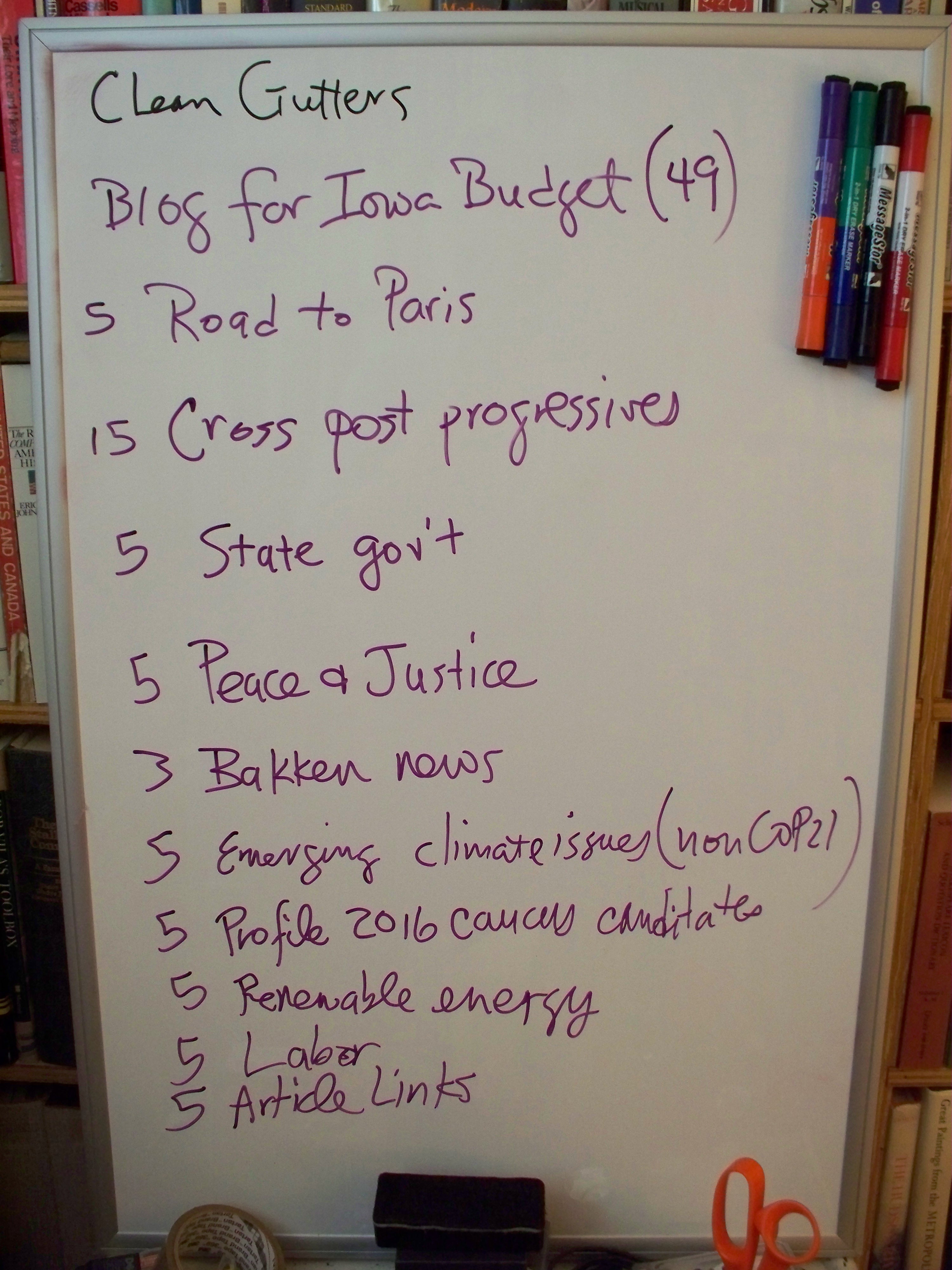
If a task or event is on the white board, it is likely to get some attention. Yesterday I wrote “make real food” on it.
I knew I would draw from the garden, ice box and pantry for the meal, but what I would make—had no clue.
It became is a sort of enchilada, but not really Mexican. The intent was to use Swiss chard and other summer vegetables. Here’s what I did:
Cook 6 raw tortillas in a dry pan. Set aside.
Make tomato sauce by draining a quart of diced tomatoes and processing them in the blender. (In retrospect, I should have seasoned the sauce, but left it just tomato puree).
Prepare 6-8 Swiss chard leaves by removing the veins. Chop the veins and stems into bits and the leaves into one inch ribbons.
Using olive oil, sautee one third onion, chard stalks and veins, quarter cup chopped celery seedlings, one third of a zucchini cut into quarter inch cubes, and season with sea salt.
When the veg is softened, add one 15 ounce can prepared black beans.
Add the Swiss chard leaves, a generous tablespoon of lemon juice, and stir gently until the leaves start to wilt. Remove from the heat and set aside.
Into a rectangular baking dish pour enough tomato sauce to cover the bottom.
Take a cooked tortilla and spoon the vegetable mixture on the middle. Sprinkle on a tablespoon of feta cheese, tightly roll the tortilla and place it in the baking dish on top of the sauce. Repeat until the dish is full.
Pour the remainder of the tomato sauce on top, cover with aluminum foil and bake for about an hour in a 360 degree oven.
Remove the casserole and place on a rack. Remove the foil and sprinkle more feta cheese on top. Let sit on the counter for 10-15 minutes to cool.
Serve with a favorite accompaniment, such as hot sauce, sour cream or chutney.
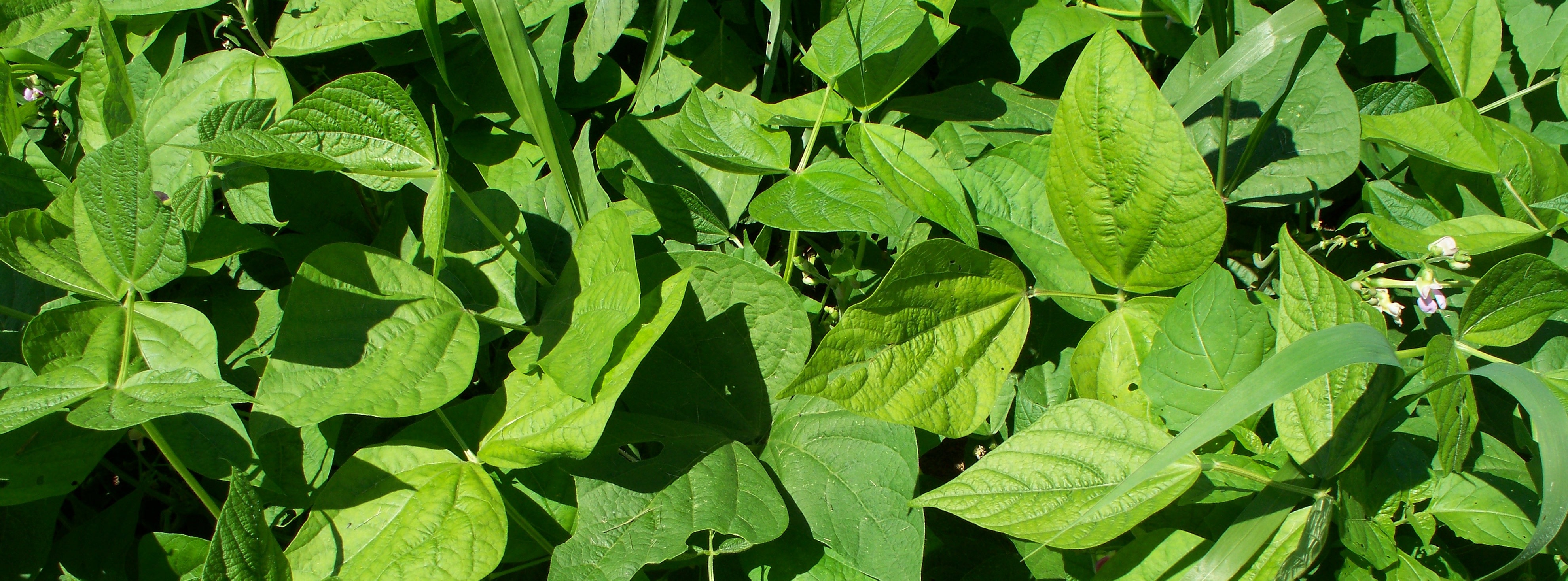
The first harvest of green beans is finished as humans enter a race with nature to get the best of what’s in the garden patch.
Rodents, slugs and insects all want a piece of the action. Today I’ll pull up the plants, harvest what remains that is edible and prep the soil for replanting.
Green beans are one of our favorites. We have about ten pounds in the ice box ready for cooking—not enough to preserve.
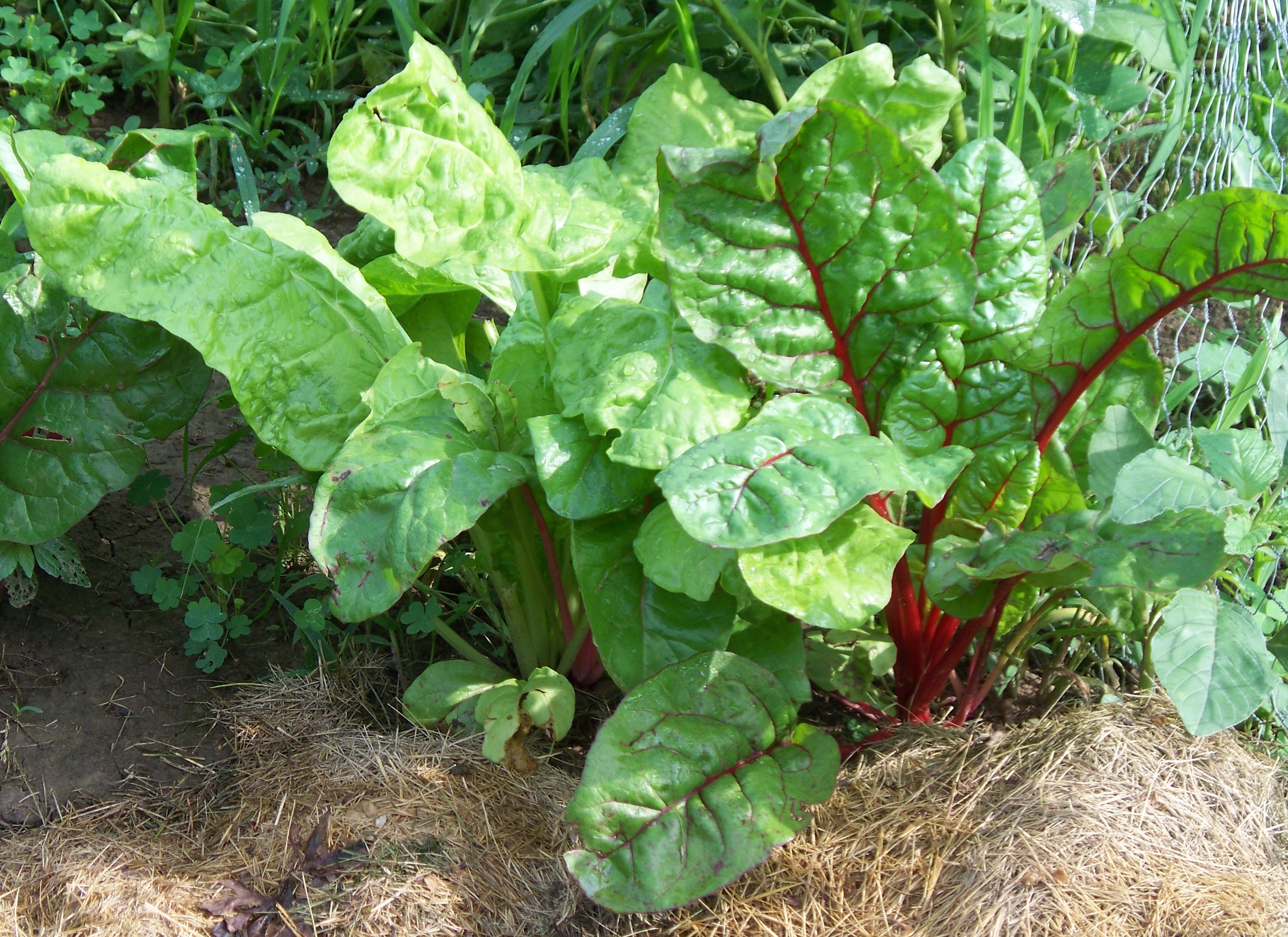
Yesterday I harvested Swiss Chard. While the preparation is a bit boring—slice leaves into ribbons, saute with onions and garlic—it is a tasty, seasonal side dish. With the kale and lettuce we have an abundance of leafy green vegetables.
The broccoli seedlings are coming along, and if there is time, I hope to prepare a plot for the planting today.
There is one other garden patch ready for second cropping, and it will likely be turnips and radishes. The weather has been very cool, and there may be a window to get them in before the traditional July 25. With the crazy weather, we press against preconceived notions about seasonality and try new things.
And we weed the garden, never catching up with the work as nature works incessantly to take over the plots again.
In high summer, garden harvest is it. We eat a lot of fresh foods not available the rest of the year, and purchase less from outside suppliers.
Just having garden produce in the house means we eat more of it. Our plates are filled out with green beans, sauteed kale, and other dishes—our cooking is not fancy, but the results are often delicious.
Some mornings, all there is to do is harvest the day’s meals.
This week has been a challenge of work. When I began at the warehouse 18 months ago, accepting the work was partly predicated on shifts beginning at 10:30 a.m. to enable my writing.
Since our supervisor left employment about a month ago, two of us have been filling in while the corporation seeks a replacement. I don’t like the newer, 8:30 a.m. start because it pushes out creative time. It may be a temporary problem, so I’m cranking it out, writing as much as I can in the wee hours of morning before heading to the garden for the harvest.
And that’s where I’m heading as soon as I make this post.
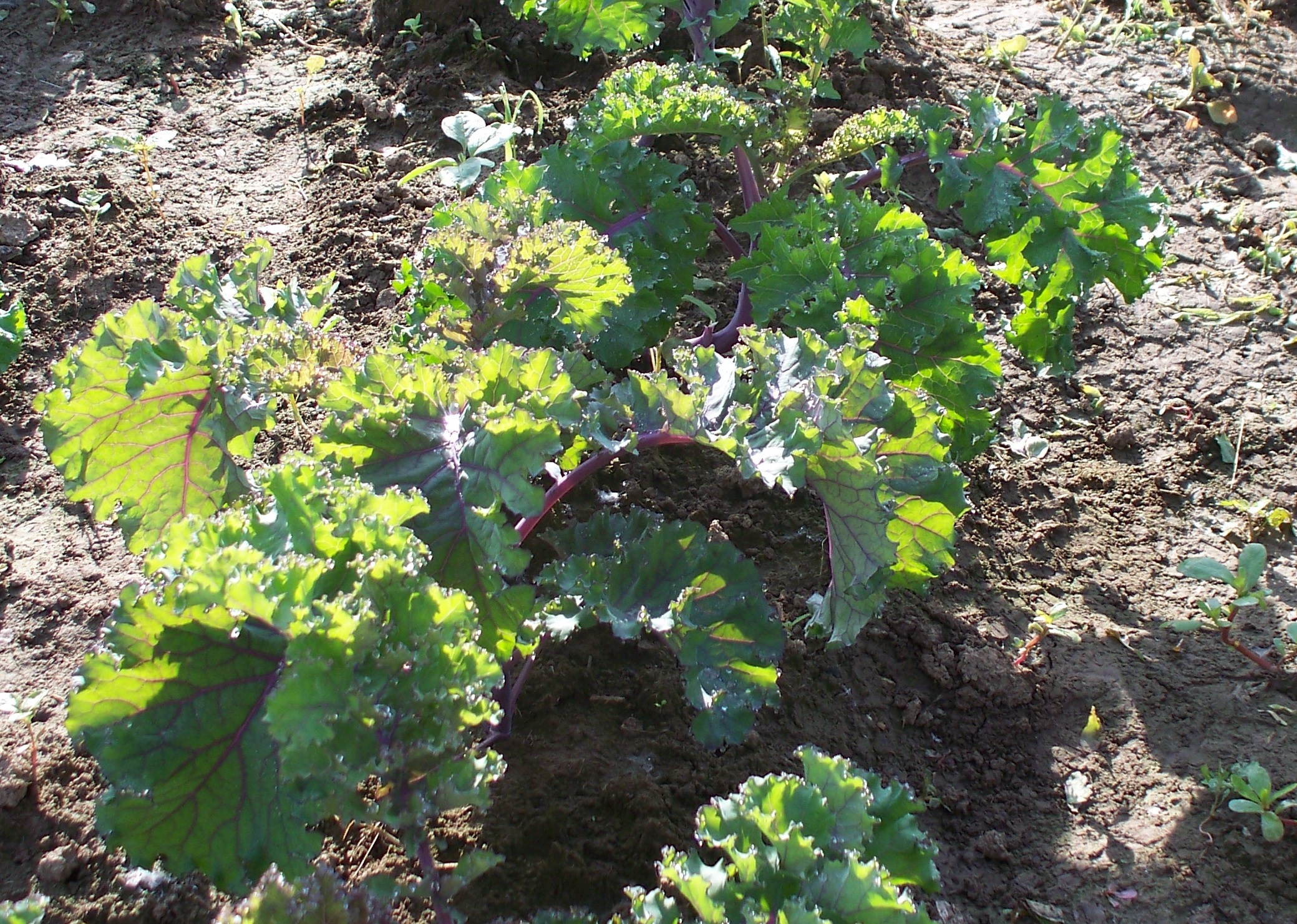
The kale is mulched and ready for a long season of production. I harvested a bushel today and most of it went to friends at the library. We already have more than enough in the ice box, and with so many plants this year, we can be picky about what we eat.
Underneath the grass clippings is a layer of newspaper. Once it is dampened down and moistened, weeds will have trouble poking through. It should be worth the extra effort because the way the plants are growing, with the pick leaves from the bottom strategy, we should be in kale through November.
Broccoli Seedlings
Since rabbits got to my broccoli, I planted more seeds for a second crop. I put the starter tray outside and the seeds are germinating more normally than they did in the bedroom window. There is something to the idea that light is the key to growing broccoli and I’ll re-think how I do it next year.
Yesterday I got out the ladder, climbed on the roof and cleaned out the gutters. While up there I noticed how many pears were forming at the top of the tree. It is going to be a puzzle to harvest those when ready. They were growing higher than my head while standing on the roof.
There’s more to life than gardening, but the green beans for dinner last night, and the promise of carrots, kale and fresh tomatoes keeps me working at it steadily.
It’s all part of sustaining a life in a turbulent world.
This year’s garden work reached its summer pivot point neatly on the solstice. Main crops of tomatoes, peppers, beans, kale, carrots and cucumbers have been planted. There are some kitchen herbs, garlic, celery and a bumper crop of apples and pears. More planting will be done soon, as a couple of plots have space for a second crop. Of course July 25 is by tradition planting day for second crop turnips.
Good news is my car was parked inside the garage last night after being outside for two months. It is a sign summer is really here. I am halfway through my ritual read of The Great Gatsby by F. Scott Fitzgerald, arguably the best novel of summer. Before I get too deep in iced tea, new summer projects, and leisure, let me record some tomato experiences.
I planted tomato seeds the third week in March and it was too early for the garden. It would be better to time them as I expect to plant them, with one batch ready to go into the ground mid-May, and a second mid-June.
I also planted too many tomatoes indoors. I could reduce the quantity by two thirds. After consulting with a local farmer, I restricted myself to one plant per cage. Too, I double cropped with the early peas, so the seedlings got very big in too small a container before planting the last ones yesterday. For future reference, if I plant 1.5 times the number of seeds I expect to plant as seedlings, that should be more than enough for the season.
The Brandywine tomatoes have a distinctive leaf shape and texture, so I am looking forward to seeing how those turn out. Now comes the growing and I am off to the warehouse for a shift.
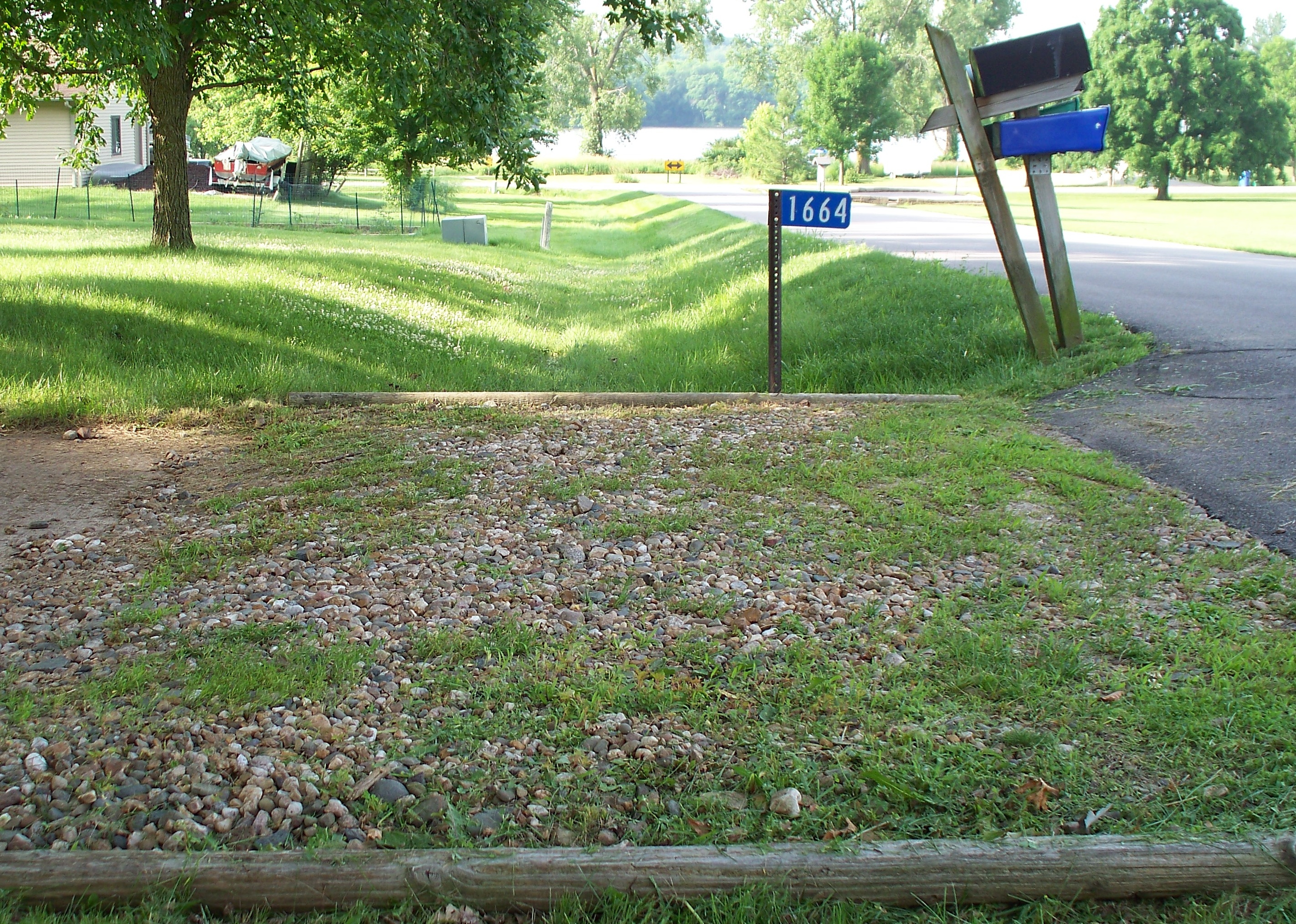
There’s a reason we don’t use fertilizer, weed killer and other chemicals on our lawn and garden. This picture of the ditch in front of our house tells the story. Whatever runoff we may generate will go directly into the lake.
Over the years, I’ve applied strategies to keep the rainwater on-site to keep things green and prevent soil runoff. It took a while, and the effort produced results. Ours isn’t the most beautiful yard, but the ditches on either side of the house don’t fill with runoff very often, and haven’t for years. Because of my approach, the garden requires minimal watering, and the lawn is left to live or die on its own.
It’s raining now with a 75 percent chance of rain in a couple of hours. It’s going to be a day of waiting. Waiting to work my to-do list, which was mostly planned for outside. Waiting for my interview subjects to get back to me for a story. Waiting to get to work inside.
Extra Garden Seedlings
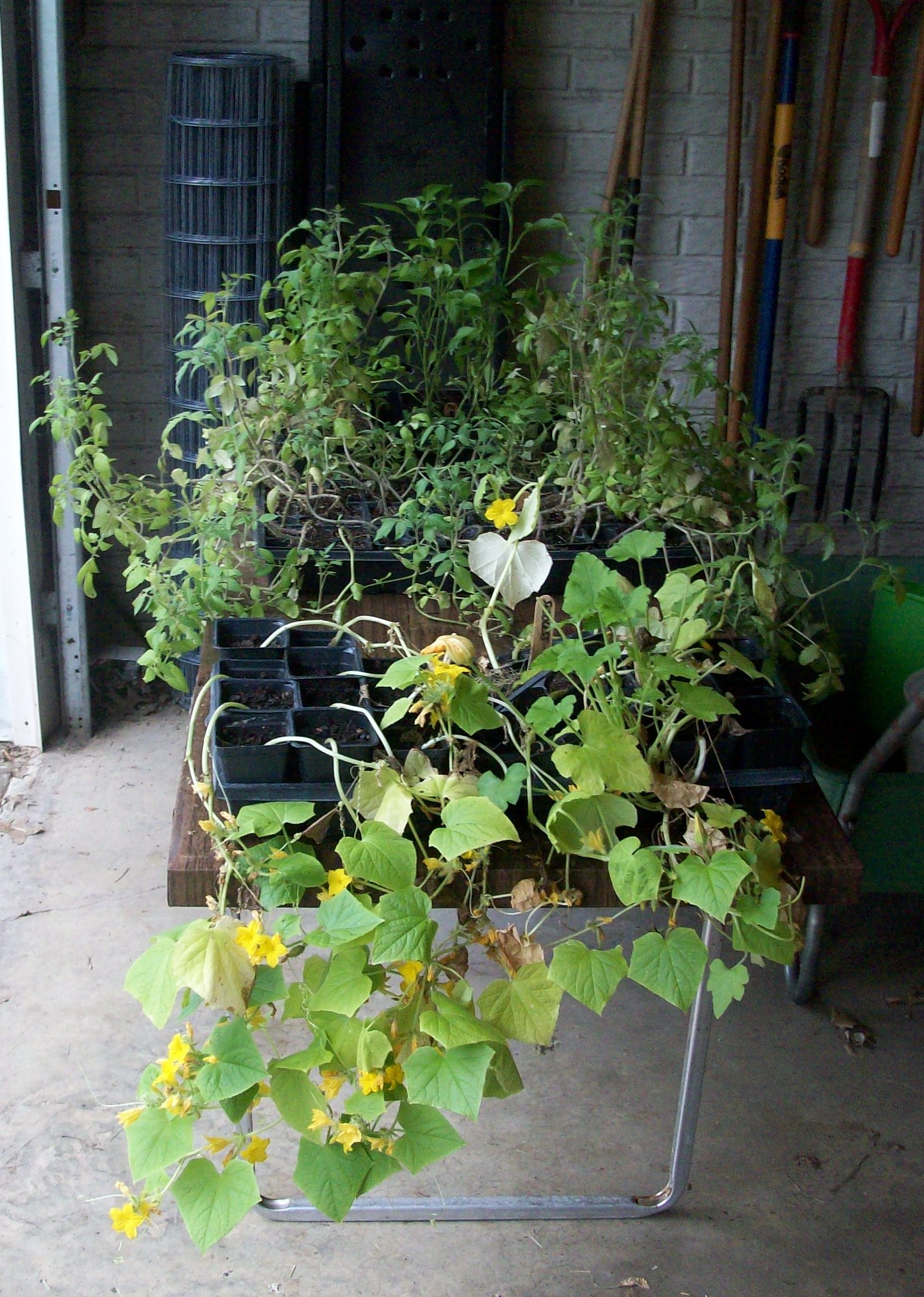
One thing to do is get the garage ready to return my car inside. When the gardening season begins, I use the space to work on seedlings. The only thing remaining to plant inside is another round of broccoli. All of the tomato, pepper and cucumber seedlings will be composted now that those transplanted into the plots have taken.
I’ll also spend a few hours in the kitchen—organizing, cooking and making sure perishables are moving along the right path. Did I mention we have a lot of kale?
Blog for Iowa Story Budget
Then there is ramping up for my stint as editor of Blog for Iowa beginning July 1 through Sept. 7. The 49 days of coverage amounts to at least 25,000 words and planning makes the work easier. The first three story lines are identified, and I could begin outlining their content. Or maybe I’ll wait, depending on how the day goes.
In any case, this is a rare day off all the jobs I hold, so I plan to make the most of it. No plans to leave the property today. I’ll be keeping my activity close to home—and liking it.
I planted tomatoes where the peas grew, tilled the soil where the rabbits had dined on my broccoli to put in hot peppers, and spent time mulching, weeding and watering. I made a dent in the work.
Without the bartering agreement at the CSA this year, the garden must produce and so far, it has.
What’s currently growing best is green beans, kale, carrots, garlic, herbs, tomatoes, herbs and daikon radishes. A lot of crops have a way to go before producing.
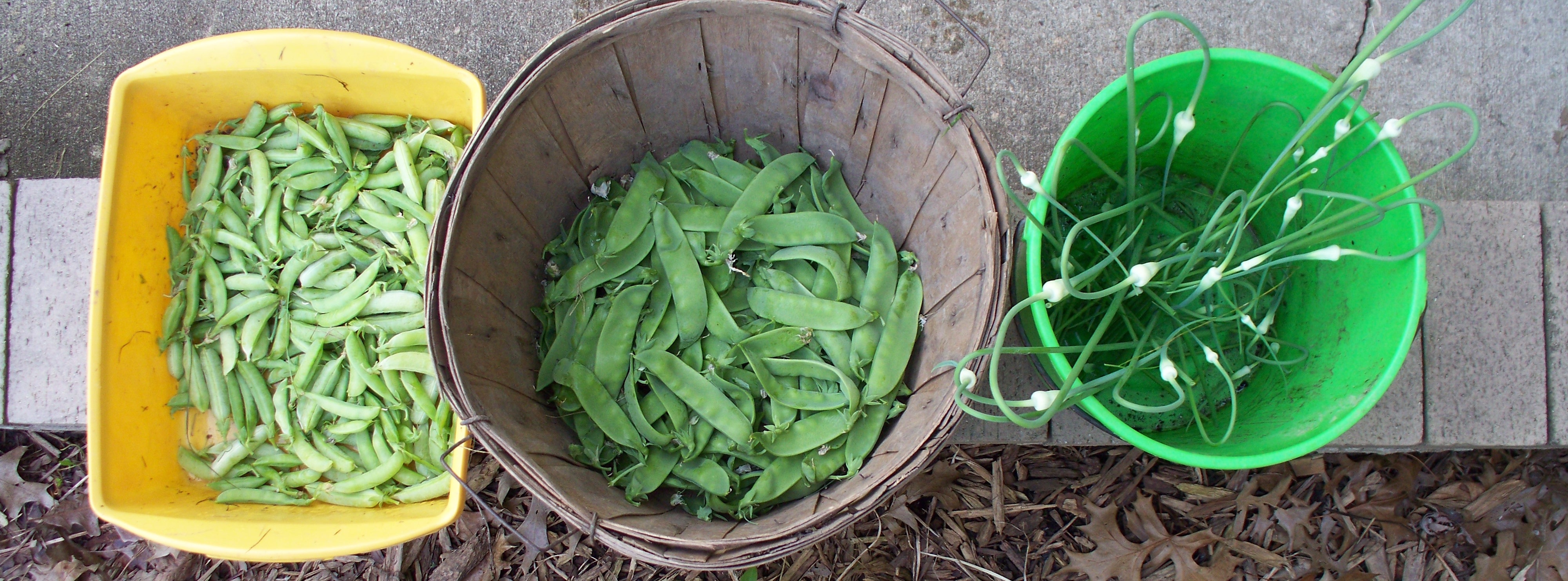
Morning Harvest
The relationship between food, retailers, diet, health, wellness, exercise and tradition is complicated. Almost too complicated. Understanding it is embedded in our culture and often we trade off one value for another. There are no absolutes.
Kale
A vivid narrative about food’s role in society was written by William Kamkwambe in The Boy Who Harnessed the Wind. He described the relationship of his family to food in Malawi, recounting the seasonality of the maize harvest, the relationship between the weather and land, and the role governmental organizations play in the food economy. The picture Kamkwambe paints is simplistic, and that’s why it is so vivid. It is the definition of subsistence living.
In the West we have a different approach. Everywhere around us there is an abundance of food. Grocery stores are filled with tens of thousands of items. A host of local farmers crowd each local market making diverse, seasonal produce available for reasonable prices. While there are people who are food insecure—who don’t know where their next meal is coming from—the food is available in the retail supply chain. The problem is often inadequate funds to buy it.
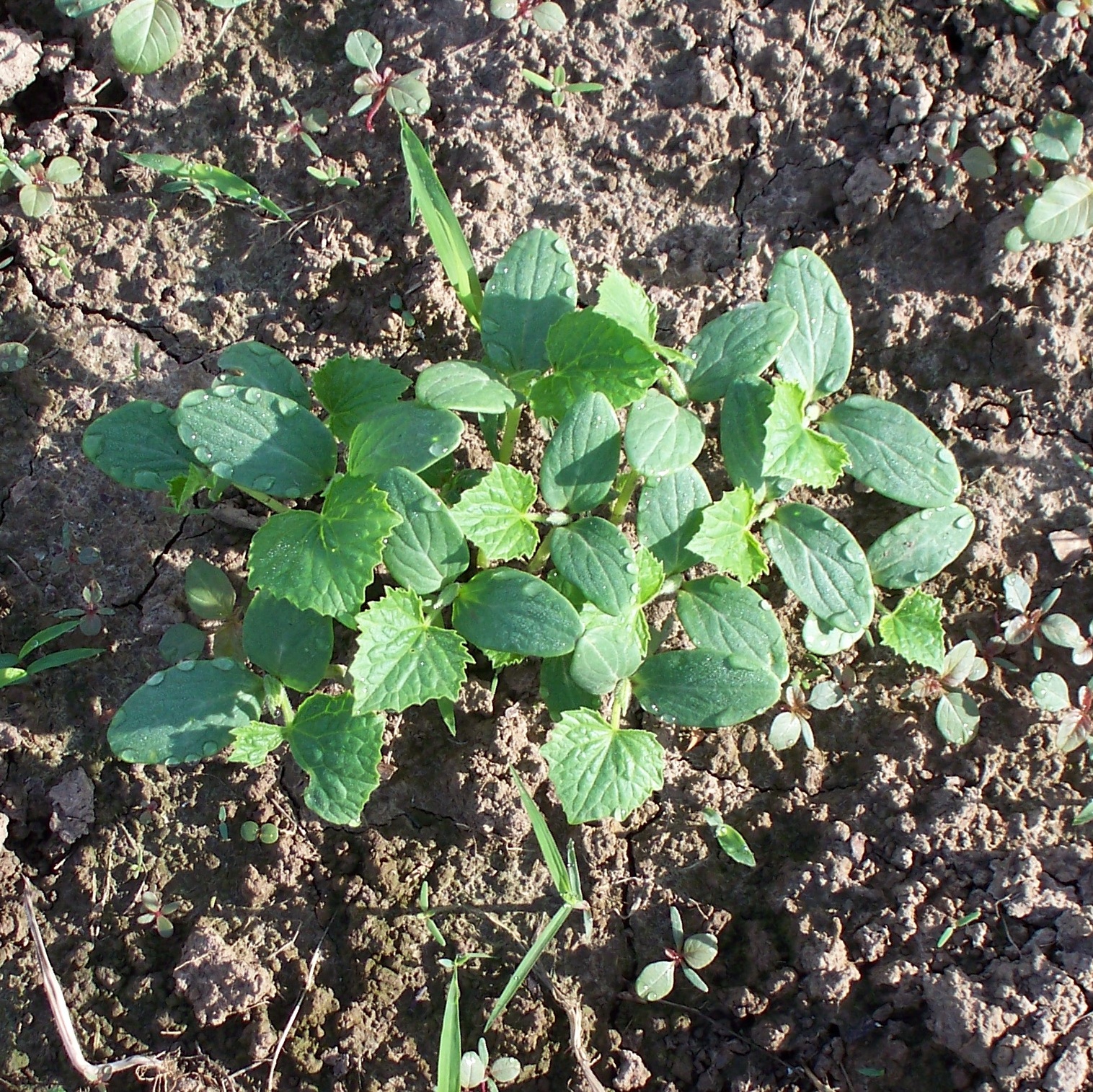
Marketmore Cucumbers
Adding value to raw materials is what business and industry does and this applies to food. Taking scraggly-looking produce from the garden, an experienced cook can make something from it to feed both the body and soul. If retailers derive a margin from processing raw ingredients into meals and other food items, there is still an inexpensive opportunity for people to cook themselves, even if busy schedules are an excuse to buy prepackaged, precooked meals or dine out.
In the six years since leaving my transportation career, food has been about developing a sustainable culture. It involved producing and preparing local food, but also commerce. It’s about getting along in society–and garden work days.




 Journey Home
You must be logged in to post a comment.