Categories
Kitchen Garden

While Hauling Manure

Compost Delivery
Compost Delivery

The weather was perfect on yesterday’s first day of spring/work day. While it was below freezing in the morning, by mid afternoon the ambient temperature had warmed to the 60s.

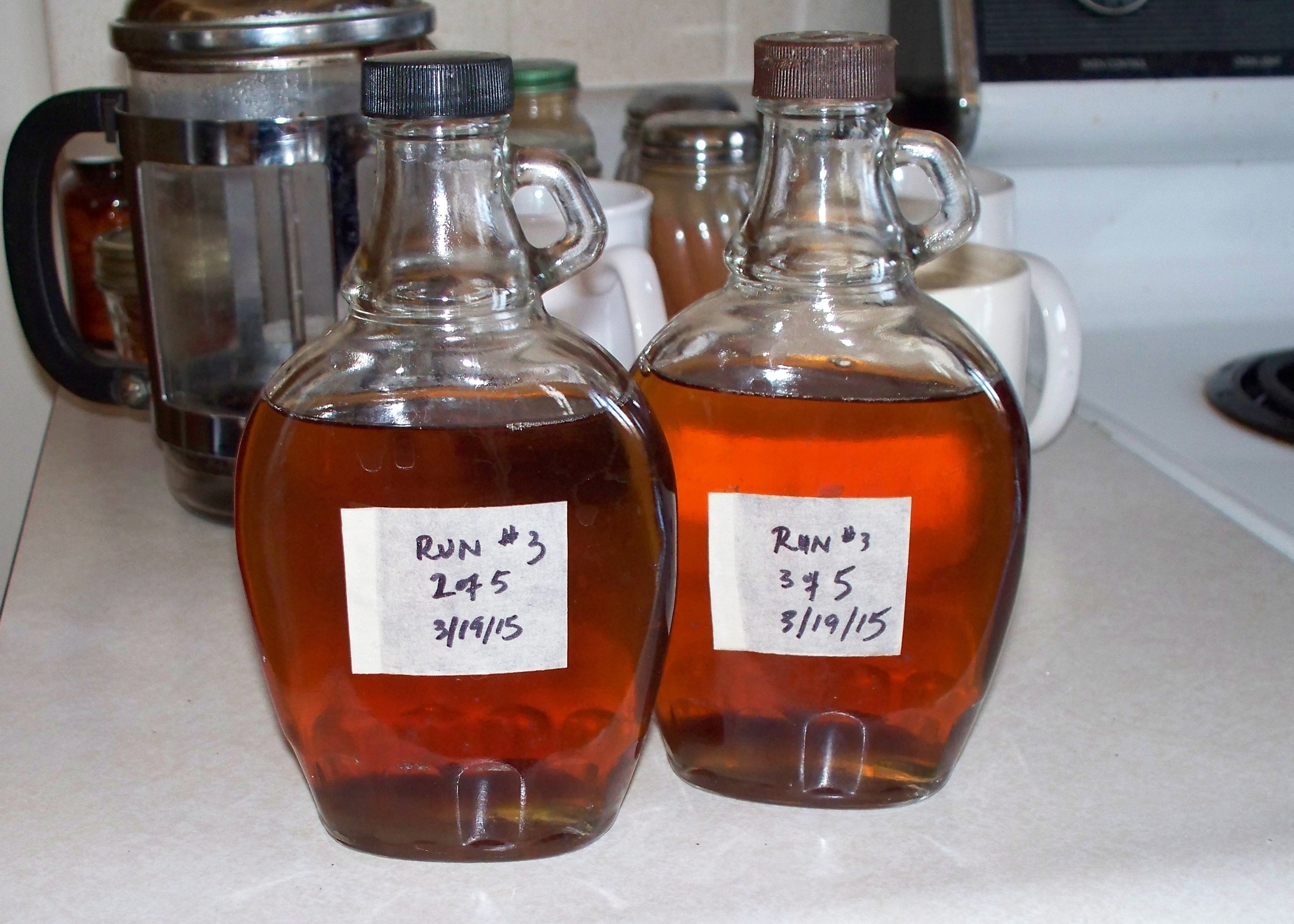
It was a fine day—with a gift of maple syrup.

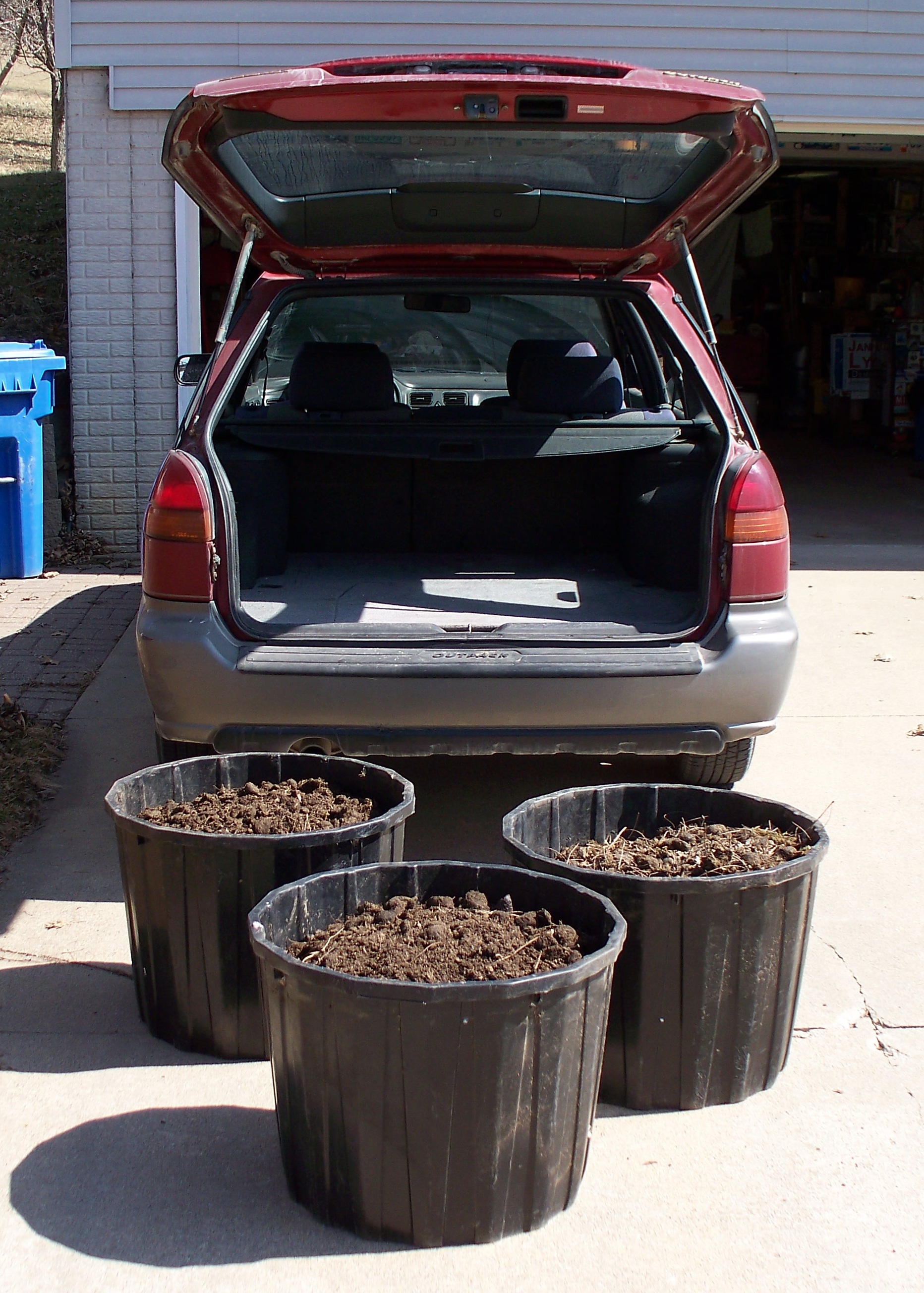
The maples have stopped running sap. Before we know it, what we waited for so long is done. A friend had already pulled his taps. When I picked up three barrels of composted horse manure, he gave me two bottles of the amber liquid which will be doled out for special and when I need a pick-me-up. Considering the work that goes into making maple syrup, it was a generous gift.
Maple Syrup
Maple Syrup

I placed the bottles carefully on the shelf with local honey and hot sauce—to wait for an occasion to crack one open. I expect it will sweeten steel cut oatmeal on a cold morning.

There is a lot to think about while hauling manure. Our family, it hopes and aspirations, figure prominently as the scent filled the car. Having cracked the windows, it wasn’t so bad, and truthfully, most of the odor was out of it. Still, it was present—a reminder of the fate of living things. While hauling manure one values what we have in this life for good or for ill.
Growing Burn Pile
Growing Burn Pile

I saw in social media that the local Community Supported Agriculture project is getting along without me. This will free time for my own garden and yard, which could use the attention. For the moment there is no farm work, and that’s okay.

My work at the warehouse doesn’t start until late morning or afternoon most days. This allows time to write, and a two hour work session in the garage, garden or yard. It is the beginning of a new pattern as I get into the groove of this season’s worklife.

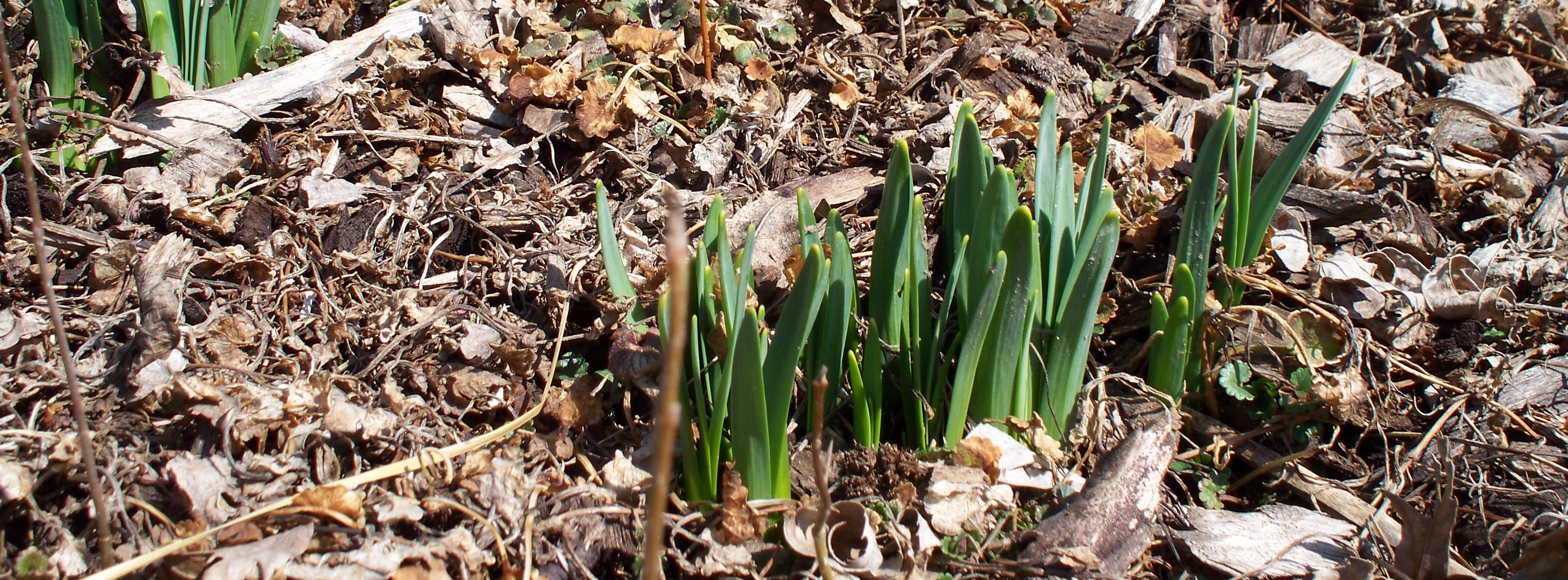
Green grass and flowers poke through the brown leaves and dead cover. Soon it will dominate the landscape. In hours captured from a too-busy day, I’ll make something of the brown spring days before flowers bloom and summer arrives. Bits and pieces of sustaining a life on the Iowa prairie—with essential ingredients of manure and maple syrup.
Spring Flowers
Spring Flowers

Categories
Home Life

Cusp of Spring

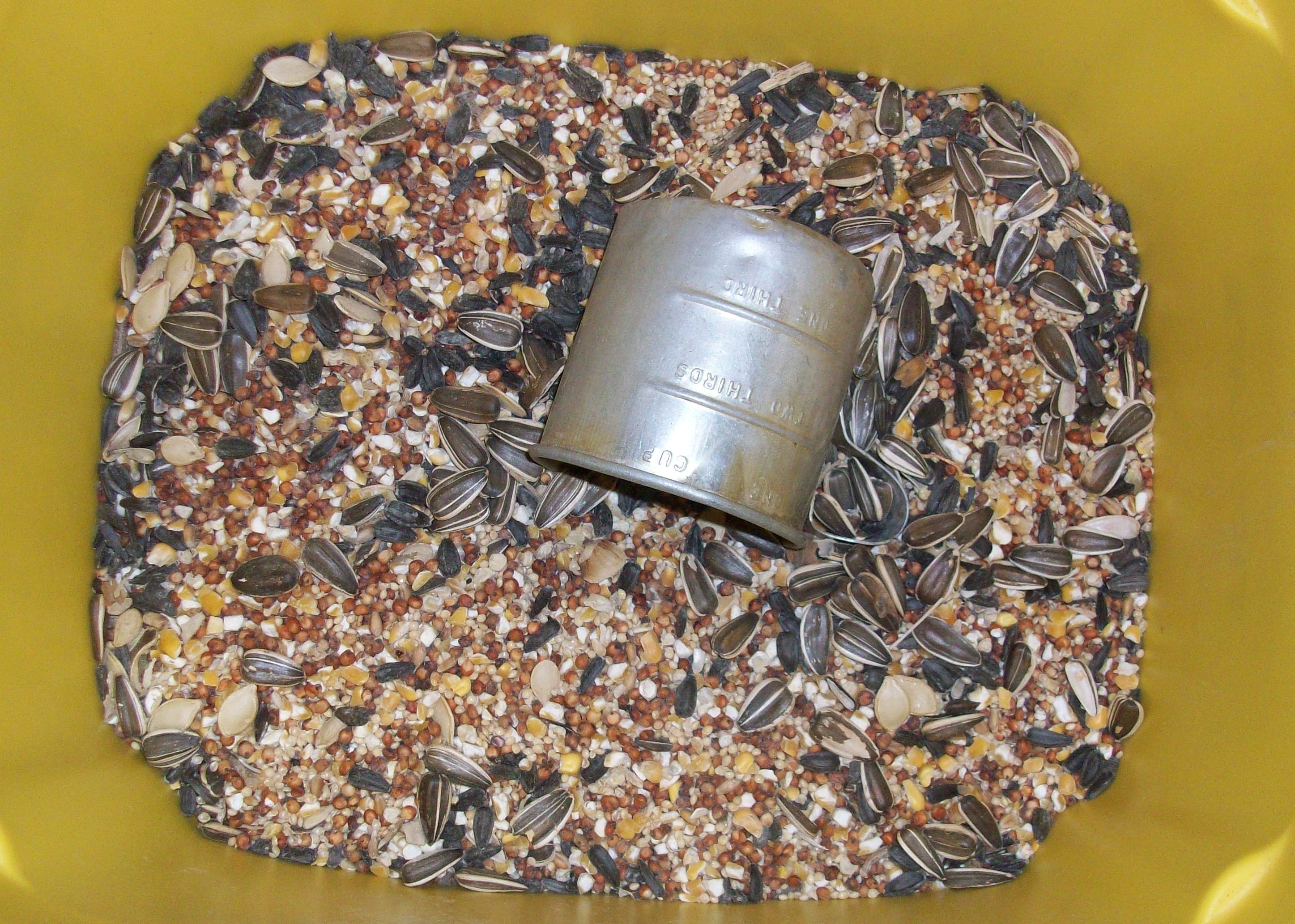
Bird Seed
Bird Seed

The garage retained enough heat to make predawn work tolerable. The ambient temperature is 31 degrees, climbing to around 45 by the time I leave for the warehouse. There is much to get done before starting the car.

Over winter tools get piled on the workbench instead of being put away. Perhaps it is too cold to be mucking about behind the table saw, wheelbarrow full of walnut firewood, and wagon full of junk. This morning everything is put away where it belongs, clearing a new space for new work.

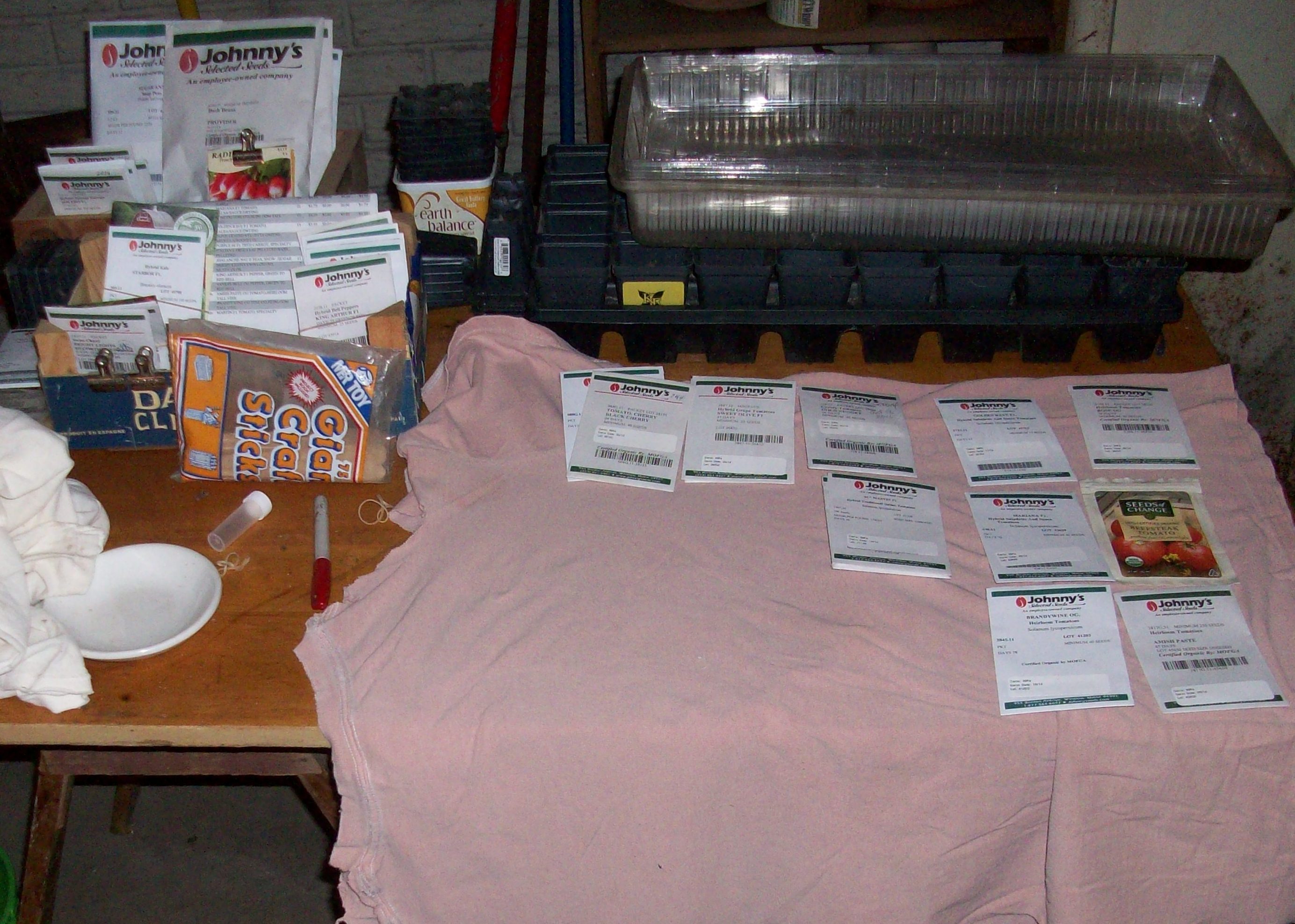
Tomato Seeds
Tomato Seeds

Yesterday was tedious work of trying to understand our health insurance plan. Phone calls to the hospital and insurance company yielded partial understanding at best—at least enough to understand how our doctors applied charges. It is distasteful work, but the specialists to whom I spoke were cordial and professional enough and I made progress. Would that I never had to go to a doctor, not even for routine checkups.

And today is a day of hope for making a difference in life. Now that the tools are put away, it’s time to get them out again and make something of this brief interval between sleep and departure.

Tools
Tools

Categories
Home Life

Bits and Pieces – Spring Edition

Accidental Photo
Accidental Photo

After filing eight stories for the newspaper this week, and a freelance job, I’m ready to work on the garden. Before I do, a few bits and pieces from Big Grove.

Breakfast this morning began with my new favorite—home blended yogurt. We buy a large tub of plain yogurt at the warehouse and I mix it in a stainless steel bowl with spoonfuls of homemade jam or apple butter, dried fruits and nuts. It’s a simple pleasure and a boost of protein.

I decided to read 1381 next, for those who follow this blog. Just closing the loop on that.

At a fund raiser for Ed Fallon, I secured some horse manure for the garden. A friend keeps horses fed organically raised hay and he has plenty. As soon as I get my schedule from the warehouse, I’m planning to take some big black tubs over to their farm in the western part of the county to fill them up.

Speaking of filling things up, I began my street sweeping project to collect sand in buckets to use next winter. The first was filled yesterday and I hope to finish the project today. Some of that sand has been spread on the driveway multiple years.

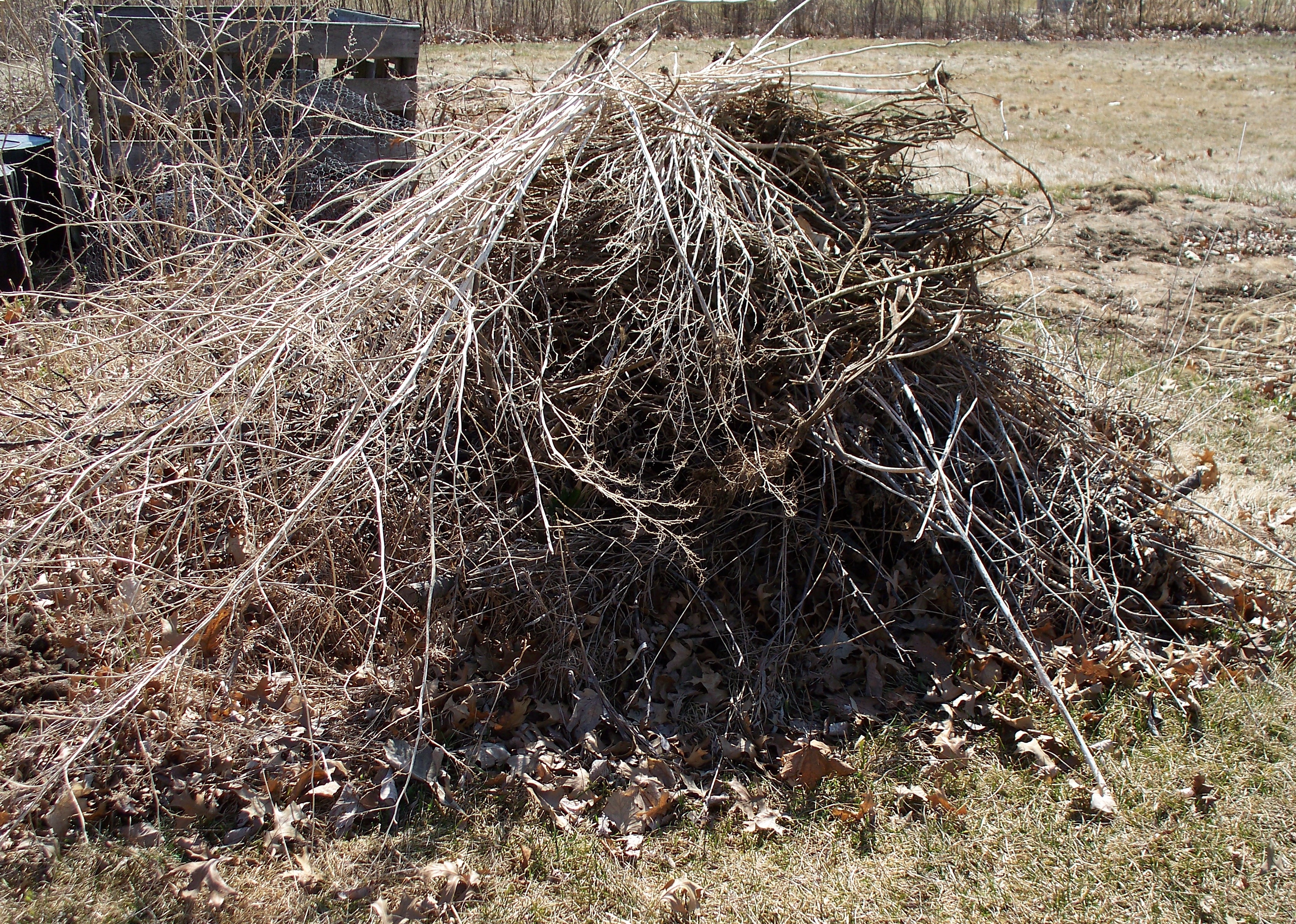
Finally, with the warmer weather, I hope to built this spring’s burn pile on a garden plot. There was some damage over the winter, and with what’s left from the fall, it should make a big pyre, returning some minerals to the soil.

Categories
Home Life

In Between Books

Bag of Used Books
Bag of Used Books

David Rhodes is one of my favorite fiction writers because he writes about my world, literally and figuratively. When he describes Highway 151 near Dubuque in Jewelweed, it resonates because I’ve been there. That kind of literary experience occurred in the three of his five books I’ve read.

It’s hardly a way of making a reading list, but when I seek respite in words, Rhodes is the go-to author. He’s only written five books, so I dole them out slowly, with only two more to go.

Reading any book-length work is a bigger commitment than it was when I vowed to read every book in the Iowa City Public Library. At that time, the library was located in the Carnegie building, and used the Dewey Decimal System. I started with zero and worked my way through a pittance of the collection before abandoning the project. I learned a lot about religion.

Last year I read twelve books and it is not enough. Nonetheless, even if I make it to two dozen books, each one makes a bigger impact. One has to choose carefully and that’s where I am today.

Among the choices are one of a dozen books given to me by friends. I owe it to each of them to read the volume sent, but am stalled.

I recently bought the Robert Gates and Leon Panetta memoirs, but that purchase was more for reference than actual reading. They gather dust and are not even on a shelf yet.

Most likely on my list is 1381: The Year of the Peasants’ Revolt by Juliet Barker. One of our more questionable ancestry links takes my family back to England and this seminal event. As I recall, the rebellion was squashed. If I seek to use the peasants’ revolt as a metaphor, I should know more about it, and reading 1381 is the plan.

Then there is the collection of books about Iowa, books written in Iowa and books written by residents of the area past and present. Too many for this lifetime, but I should begin chipping away at them.

Not sure which book will be next opened, I’ll relish today’s process of selecting one. Let’s hope I choose well.

Categories
Home Life

Digging by Moonlight

Coralville Lake
Coralville Lake

No question—the driveway had to be cleared.

Both of us had commitments in town, so the foot of snow had to be dealt with. I was outside digging at 4 a.m., illuminated by a full moon and clear sky. It took two hours.

After our daughter moved to Colorado, I would run on the lake trail by moonlight. It was a bit crazy, but I never turned an ankle or fell. It seemed necessary to get five miles in before work at the office, just as snow removal by moonlight was necessary yesterday. Moonlight activities have turned from recreation to mandates in the life we now live.

Not that the scooping was without therapy. Yet an unwelcome tick tock accompanied me as the deadline to depart for the warehouse approached.

The moon set as I finished the second third of the 80-foot driveway. Turning the car around, headlights replaced inconstant moon while spreading sand on the snow-packed gravel that connects our property to the rest of society. Didn’t want either of us to get stuck there.

During my Climate Reality training in Chicago, Al Gore that pointed out something that should have been obvious: in the morning, people pick up their mobile phones and catch a few swipes before turning on the lights. While doing so this morning, I found this:

“Apps, gadgets, hearts, likes. Taps, clicks, swipes, screens. These numb us with comfortable titillation. They thwart us from dreaming the unimaginable. They make us altogether too sensible to ever pursue of the unreasonable.”

While living by moonlight may be necessary, we should do it less sensibly from time to time. There is a chance to transcend la vie quotidian to effect change in a turbulent world. In fact, that may be why we are here.

Categories
Home Life

No Winter January

My Cookbook
My Cookbook

We had a brief, light snowfall this month, and that’s it. With four days left in January, it seems unlikely winter as we know it will come.

We have had the scenic vistas, frozen lakes and automobile crashes associated with Iowa winter, but the temperatures have been nowhere near cold enough to kill off pests we want dead come spring.

I’m not an entomologist, however, it’s a problem if bugs over-winter.

On the other hand, even with warmer temperatures, most of life at home is indoors. Drawing down the pantry, preparing to file taxes, reading, writing, budgeting and planning take up much of the desk time. It’s okay, but not as much fun as it may seem.

It is time for the Patient Protection and Affordable Care Act to enter the tax filing scene. Businesses utilizing part time workers in their operations are expected to have a reckoning with the Internal Revenue Service. Depending on what time period is audited, businesses with part time employees with more than 780 hours in six months, or 1,560 hours in 12 months, will be required to pay full benefits. My 2014 totals for the job where this is relevant were 694/1,249, so my employer is in the clear.

This has been a complaint about the ACA It is said to limit how much money part time no benefits people can earn and make it more expensive for employers to add employees. IMHO, those are bad arguments against the law. If the government had provided Medicare for all instead of the ACA, the financial burden would have been much less for everyone.

As it is, the cost of health insurance premiums went up post ACA. I’m not sure this was caused by the law, or by insurance companies using it as an excuse to improve margins.

From a cost standpoint, the ACA made health insurance less expensive only in the framework of what certain lower income people pay for health insurance. There were more dollars, just shifted around with government subsidizing many newly insured people.

What matters more about the ACA is how employers manage their business.Employee costs are always a concern and a key part of any business model. Let’s face it. Small and mid-sized businesses would like to get away with all employees being independent contractors without benefits from the company. The problem is the wages paid are comparable to what used to be offered in the form of wages plus benefits, only without the benefits or the amount of money it takes to provide them.

I’ve heard I will have a reckoning with the IRS in the form of a question on my tax return about health insurance. For 2014, the answer is we had it.

As the sun rises it’s time to turn to other work. Working on newspaper articles, planting seeds and cooking will figure prominently as we work through January hoping winter actually comes.

Categories
Home Life

Sunrise

Dawn at Home
Dawn at Home

The sky was colorful and glorious. Then dawn came.

January is waning. To what it will yield is uncertain. We haven’t had winter yet— the killing of pests, stopped flow of sap and soil moisture protection. Whether winter will come at all is also uncertain in these days of extreme weather. Many wouldn’t miss winter. However, I would.

Categories
Home Life

Snowfall

Imagination can better capture the actuality of falling snow. Better than my smartphone, or camera. Better than words on a page or screen.

Falling snow is.

That is enough.

Categories
Writing

Cooking – Sort Of

Soup Ingredients
Soup Ingredients

When there are two of us, dinner is usually a snap. I cook some dishes like there is a whole crew, and it leaves an ice box full of leftovers—it’s easy to grab a jar of homemade chili and call it dinner.

The six-pack of eight ounce packages of cream cheese needed to be used. Yesterday I made a spread of one package, roasted red peppers, three cloves of garlic, and a tablespoon of mayonnaise. Once the cream cheese is to room temperature, everything comes together in the food processor. Three cloves of garlic bordered on being too much, but the spread will serve for a couple of days.

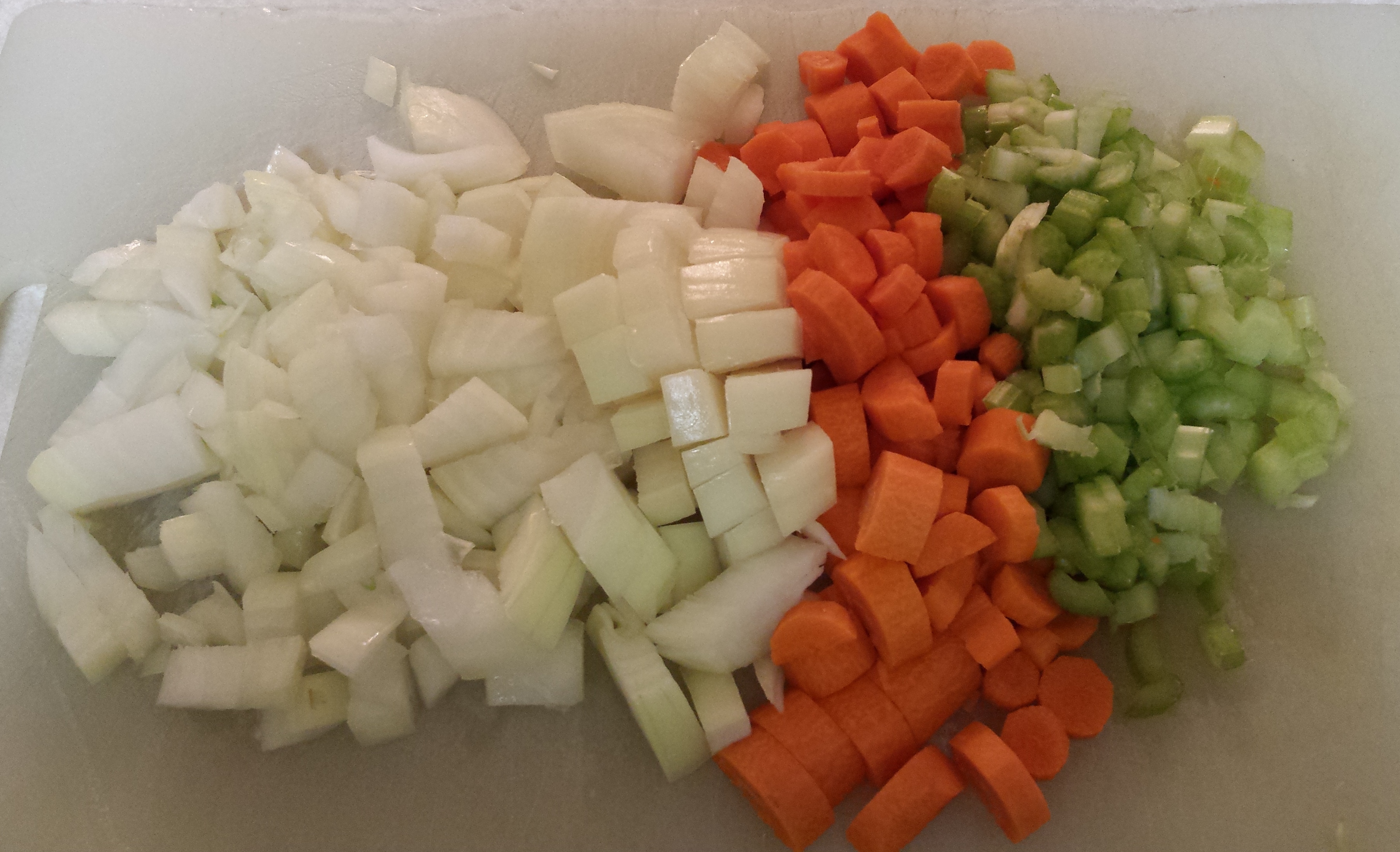
This morning a pot of mixed beans is cooking. On the cutting board are generous mounds of carrot, celery and onion. Once the beans are cooked, the whole lot will go into the pot with some bay leaves and enough homemade stock to cover. It will simmer a couple of hours until it becomes soup—just in time for lunch before I head over to the warehouse for a shift.

While there is prep work, and transformation with heat, is this really cooking? At a basic level it is. Acquired knowledge about spreads, soups and chili makes the work quick and easy. Even a long prep and cooking time, like there is with bean soup, is not hard. However, it is certainly not glamorous or particularly inventive. It is subsistence at the most basic level: turning raw material into food for sustenance.

As easy as this type of cooking is, there is a temptation to use prepackaged, precooked food as the main course in a cuisine. There are so many varieties of processed food, a person could go for months without having the same dish twice. At a price point of around $10 for a multi-serving package, processed food seems cheap, even if it isn’t. In the end, any home cooking is leveraged from the idea of controlling what we eat and the ingredients from which food is made more so than food cost. For the most part processed food is an infrequent convenience or comfort.

With the abundance of food in the U.S., it is hard to figure how people go hungry. They do. Even in our community of about 5,000 people we have a food bank that is well used. Perhaps we have gotten too far from producing meals in a kitchen from raw ingredients.

My mixed bean soup is easy to make, but there is a process to be learned and followed. It will make a dozen servings, and whatever the cost, that is cheap both in money and in work. We need to eat, so why not some bean soup? Why not indeed.

Categories
Home Life

On Rotisserie Chicken

Three Chickens
Three Chickens

As a vegetarian household, we have never had a rotisserie chicken within our walls. In fact, if we brought home chicken of any kind, I can’t remember it. As an omnivore, my chicken eating takes place elsewhere, and even so, I recall eating exactly zero rotisserie chickens in my lifetime, although I made soup out of the carcass of one a single time in Colorado.

Rotisserie chickens are so not us.

Yet I see them everywhere. In arguably the most liberal county in Iowa—the only county that did not vote for the Branstad-Reynolds ticket last year—one would think this cultural phenomenon would have long ago surrendered to home-grown poultry, self-cooked. It persists.

I posted this on Facebook over the weekend:

I see all these people toting around rotisserie chickens and wonder what they do with them. Not just a few. A lot. Do they tear off the legs and eat them first like a poor man’s version of King Henry VIII? Do they cut them up with a knife to make another dish? Will the carcass become soup or stock? Do they extract the breast and throw the rest away? Do they eat them in the car and throw the bones out the window? I don’t know, but I do see a lot of these chickens when I’m out in society. I had thought with Ron Popeil’s device no one would ever buy a rotisserie chicken again. The answer is probably simple, but I don’t get it.

The Facebook friends who responded confirmed my beliefs about what people do with these cooked birds with surprising uniformity. A couple talked about the economics of chickenry, but that is really not at issue. Chicken is and has been a poor person’s protein, and for those leaning vegetarian, not a choice at all. Why kill the chicken that lays the eggs for ovo-lacto vegetarians?

What I wondered most, and was confirmed, was that people make soup and stock of the rotisserie remains—at least they said as much. Soup is life more than bread is the staff of life. Although the anti-gluten craze has reduced bread eaters to secretly coveting and eating their loaves, or making ersatz bread from barley and rice flours, it is fitting that bread and soup go together to make a meal. Chicken soup is tasty and satisfying to most omnivores.

So what’s my point?

Don’t you ever wonder what goes on behind external appearances? One sees the device that cooks the chicken and the warming display case. One sees people choosing and toting rotisserie chickens into the parking lot. There are testimonies about what people do with chickens, recipes and more. In the end, though, rotisserie chicken is not about chickens. It is about life.

Finding meaning in society is challenging and some find it in carrying a rotisserie chicken home. It is easy to make something of what everyone can observe. What is hard is to understand the motivation for life in society in its many manifestations. In the end the motivations and designs people have are more important than any chickeny artifacts.

Rotisserie chickens help us see into a deep well of life in society and forgo the question of the chicken or the egg. A better question is what shall we do with our lives today?

And that’s the meaning of this post about rotisserie chickens.