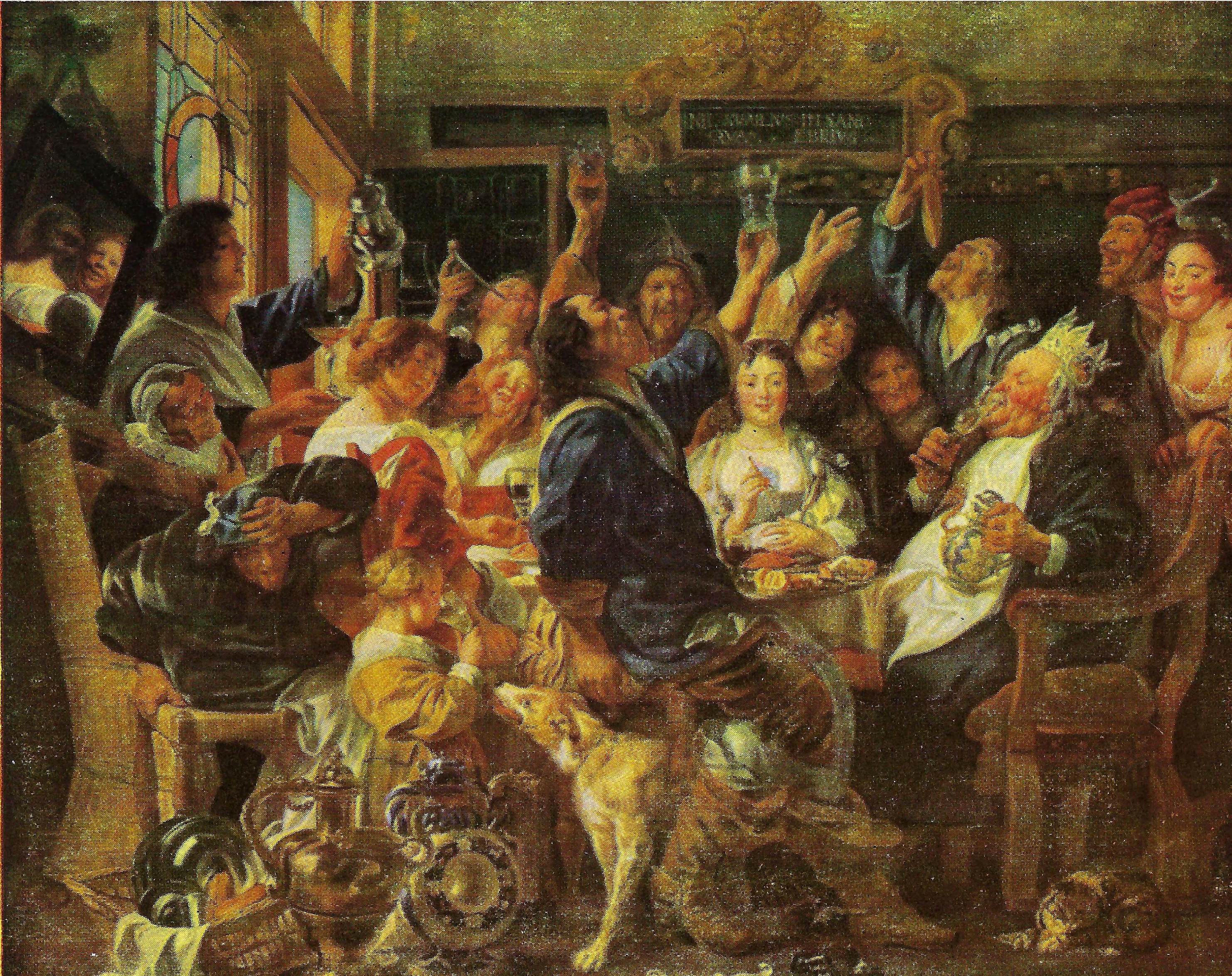
Happy Thanksgiving!
Our vegan menu:
Assorted homemade pickles
Wild rice pilaf
Baked Great Northern beans
Acorn squash
Hummus
Peas and carrots
Brussels sprouts
Cranberry relish
Apple crisp
Fresh, local apple cider
Filtered ice water

Happy Thanksgiving!
Our vegan menu:
Assorted homemade pickles
Wild rice pilaf
Baked Great Northern beans
Acorn squash
Hummus
Peas and carrots
Brussels sprouts
Cranberry relish
Apple crisp
Fresh, local apple cider
Filtered ice water

I plugged in the grow light for the first time since summer to move a flat of Ajuga plants indoors. We reclaimed them from the yard, where they spread and spread, all the way down to the drainage ditch. We transferred them from my father-in-law’s home before he died in the 1990s. At the nursery Ajuga plants are quite expensive, maybe $6 per pot. We’ll have plenty at no cost but our labor if we take care of them. They grow like weeds.
On Thanksgiving I plan to lay out the 2022 garden and prepare the first seed order. Second seed order, actually, as I already have the onions and shallots to start in late December. I hope to clear the dining room table and sit down to consider what seeds we have and what we want to grow in consultation with my spouse. It could be a family tradition, one that means something special. We’ll see how it goes as I don’t want to get ahead of myself.
We are not big on year-end holidays and usually spend them by ourselves. Once we make that decision each year, everything hinges on how we feel. There is a slate of phone calls, emails and the like. Being a vegetarian household, the deer, geese and wild turkeys are safe from us as the meat culture is absent. Most people would call what we eat “side dishes.” At a point long ago we reviewed the nutritional values and found we had a well-balanced, if nontraditional Thanksgiving meal.
I don’t know where I got this postcard yet I like it. I do garden organically, although I gave in and started using composted chicken manure as fertilizer. It improved the yield. I don’t use manufactured herbicides or insecticides, organic ones work fine. I get organic seeds when I can find them. To see the face of the farmer, I look in a mirror.
Friday morning there was a partial eclipse of the full moon. It looked awesome set in a bed of bright stars. I couldn’t get a decently framed photo so I didn’t take any. Memory will have to serve.
We have provisioned up for Thanksgiving and have everything we need. If the orchard releases Gold Rush apples today, I’ll go get some along with a half gallon of cider. If the Gold Rush are not available, I’ll stay home and make my own cider for Thanksgiving. I saved enough garden apples in case I needed them.
With the holiday season upon us, the rush to year’s end has begun. 2021 is almost over and we are ready to begin again. I’m here for that. I’m looking forward to another gardening year.
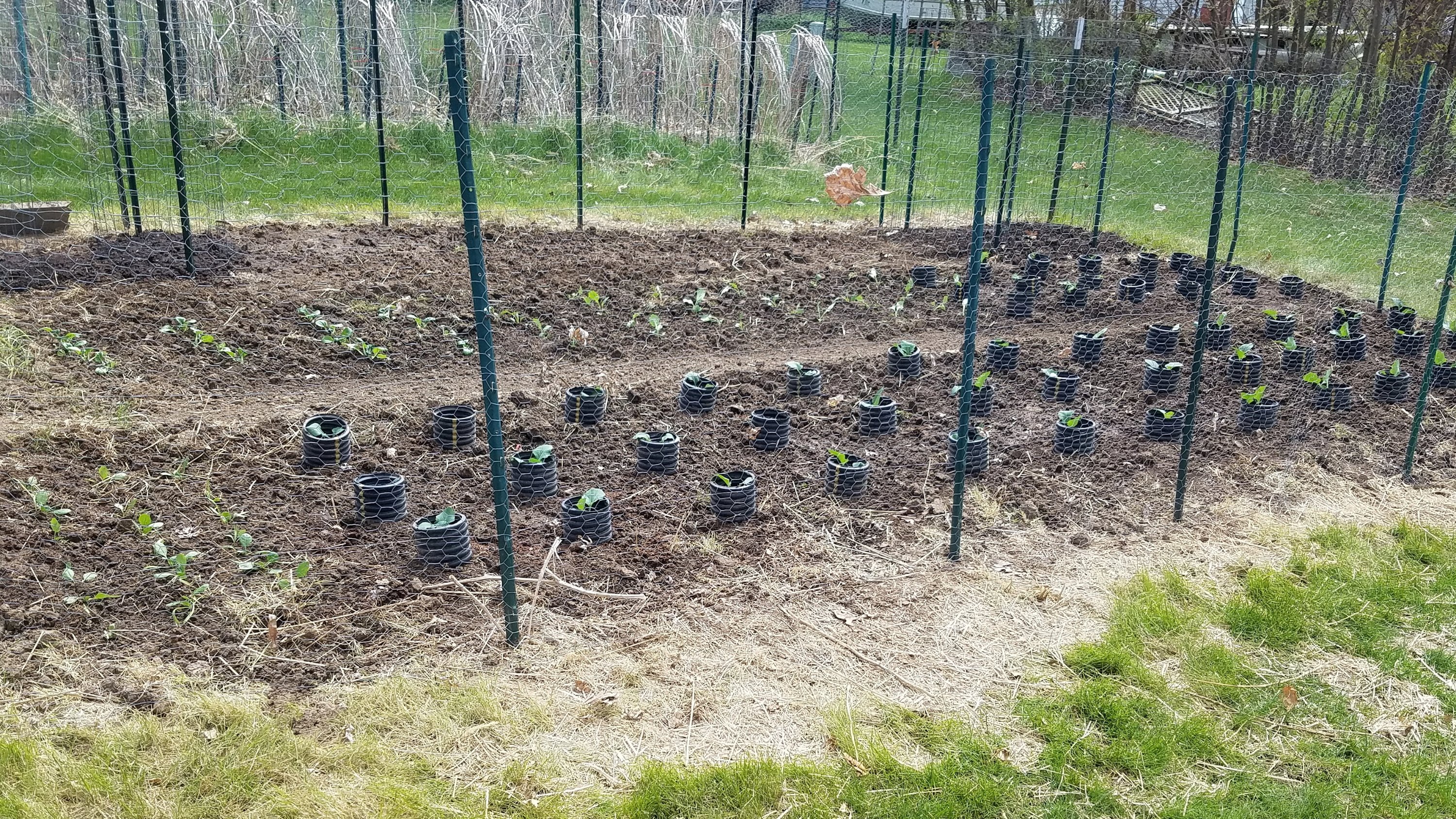
Like most people, I want a decent meal when it is time to eat. In 2012, I launched a major study of the local food scene and was not disappointed in the results coming into and out of our kitchen. By working at a number of farms, growing and expanding our home garden, and participating in legislative advocacy, I learned so much about where food originates and conditions which engender growth of a variety of fruit and vegetables.
The impact of local food systems on our home life reached its peak in development of the kitchen garden idea. Now that the work is finished, I have less interest in writing regularly about food. It is an assumed part of a background against which I pursue other interests. I’ve learned what it means to know the face of the farmer. I maintain an interest in doing so. I just won’t write about it as often. Mainly, others are doing a better job of writing about our food system.
Food is basic to a life. It is not the most important thing. I am glad for the work I did, yet I feel it is finished. It is time to concentrate on more important aspects of life. It is time to keep a focus on life closer to home.
On a Clear Day You Can See Forever
Retro Post from Jan. 11, 2012
It was another clear, warm day yesterday. When I ran the trash cart and recycling bin to the street this morning, the sky was clear, stars bright. The waning gibbous moon illuminated the house, driveway and yard with its silvery light, reminding me of how minuscule earthly troubles are in the scope of life in the universe.
Inside the trash cart were remnants of chicken wire from Monday’s garden work and a number of old pillows, one of which I brought back from Germany with me in 1979. No real trash as we did not generate enough this week to make a full bag.
The Iowa House of Representatives implemented new video webcast functionality at the beginning of the legislative session. I viewed Governor Branstad give his 17th condition of the state address to a joint session of the legislature. He focused on two things: economic growth and education reform. President of the Iowa Senate, Jack Kibbie, could be seen behind the governor applauding politely from time to time. Hopefully, the governor will find common ground with the legislature this year. As House Speaker Pro Tempore Jeff Kaufmann pointed out with regard to property tax reform, there are three versions, the governor’s, the House version and the Senate Democratic version. This three part division seems likely to follow everything the legislature does this year.
I drove to Runge Funeral Home in Davenport for visitation, memorial service, and interment of the mother of a long time friend. My mother came for the visitation and we sat in the parlor, waiting to speak to Dennis, whom we have both known for a long time. Mom drove separately and when she left the visitation, we went to nearby Mount Calvary Cemetery to visit the graves of family members. Many people from my childhood are buried there.
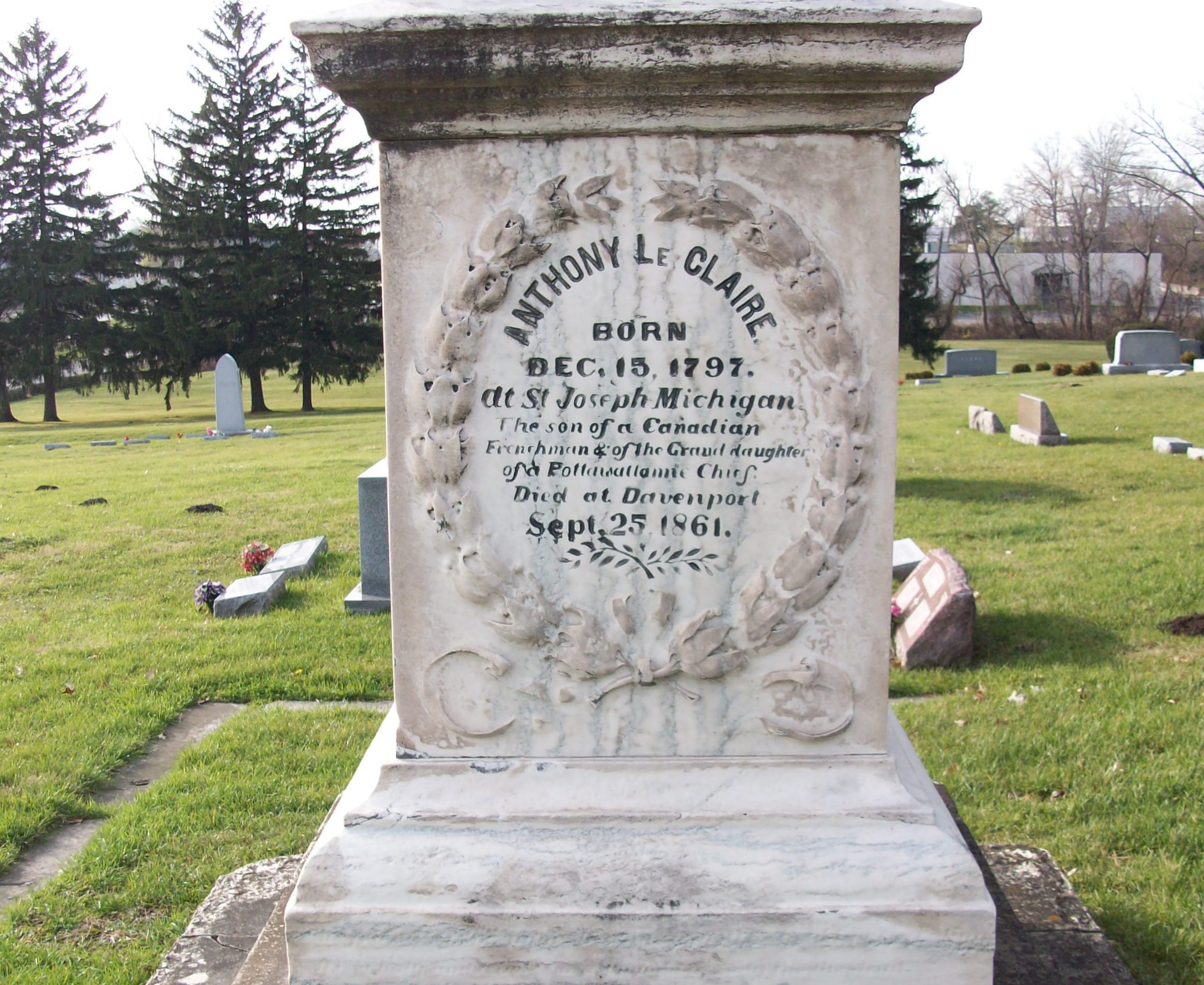
As one enters the cemetery, the road passes Antoine LeClaire’s grave. He was one of the founders of Davenport who interpreted the autobiography of Black Hawk. Our family is buried further back. This visit I noticed one of my grade school classmates is buried next to my father’s plot. My classmate died in 2010. We visited my father, my grandmother and my great grandparents. At least three of my grandmother’s sisters are buried in the cemetery. We visited Pauline and Margaret’s graves, which are near their parents.
Mom brought a holiday fruitcake for me which I transported in the passenger seat, a simple pleasure.
When Mom went home, I returned for the memorial service which was conducted by a Lutheran minister. The music was Anne Murray, “Can I have this Dance?” Willie Nelson and a Polka with bird chirps superimposed on it. We said the Protestant version of the Lord’s Prayer.
At the interment, Dennis invited me to his sister’s home for sandwiches and we sat at the dining room table talking about diverse issues. In our younger days, we discussed Bellow, Hegel, Nietzsche and Sartre. Now, we discuss oncology, magnetic resonance imagery, physicians, and a too long list of human diseases and ailments. We did manage to work Joan Didion, Richard Ford and Philip Roth into the conversation.
The drive west went quickly. I was too late for the veterans meeting in Coralville, so I went directly home, tired from the day and ready for a long sleep. In this morning’s silvery, predawn light, Orion sat on top of our house as I walked back to the garage. I stopped and pondered, knowing that my recognition of the constellation was transient, and that I was ready for another day.

It’s the end of apple season and with a vegan in the house, using butter in a dessert is out the window. I took the apple crisp recipe from my hand written cookbook and modified it after reading a couple of vegan recipes. The first test batch didn’t meet standards so I tweaked it and came up with this keeper.
Vegan Apple Crisp
Preheat the oven to 350 degrees. Shelf positioned so the baking dish is in the middle of the oven.
Filling:
Grease the baking dish. Reserve the arrowroot mixture and mix everything else in a mixing bowl. Don’t beat it to death! Add the liquid and incorporate. Pour into the baking dish.
Topping:
Using a pastry blender mix everything together and make sure it is well incorporated. Don’t beat it to death! Sprinkle on top of the filling and bake for 30-35 minutes, making sure the topping starts to brown.
Philosophy of cookery. Peel and slice enough apples to fill whatever baking dish you want to use. Mine is 9 x 13 x 2 inches. Adjust the amount of topping to match the amount of apples. The batch can be doubled or halved. It would likely freeze well in an airtight container.
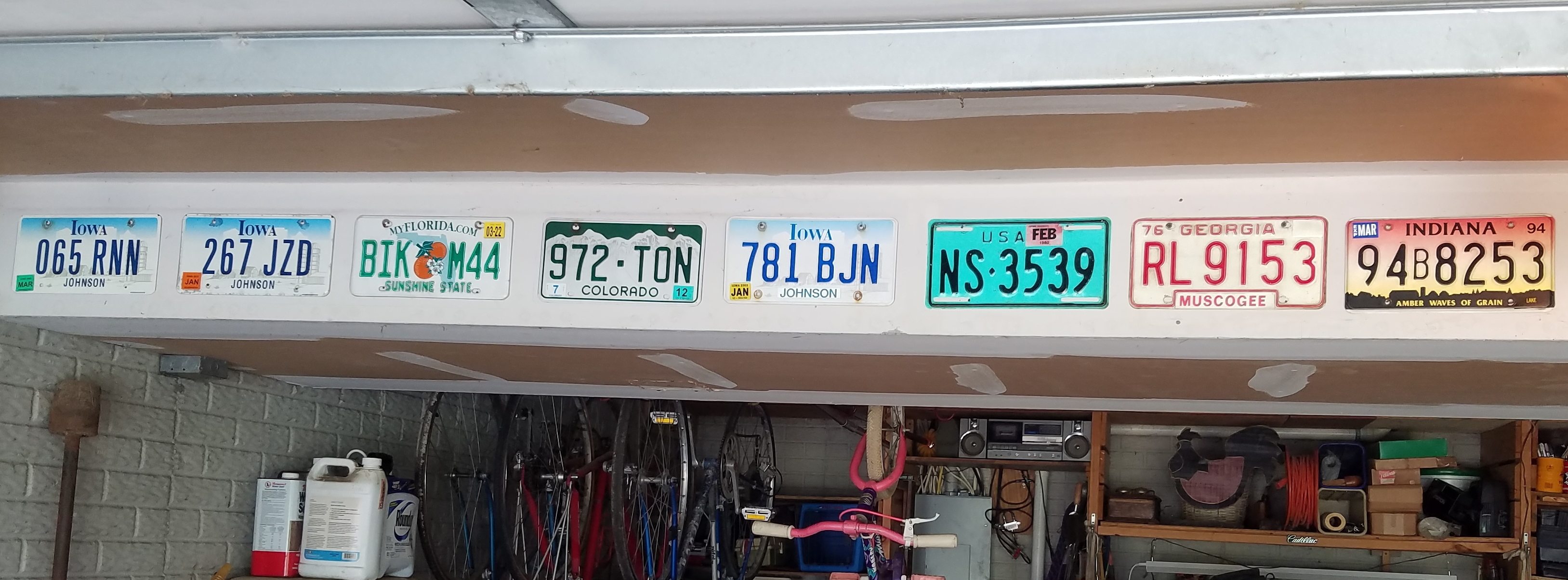
The automobile sat in the garage since I returned from provisioning last Wednesday. There is plenty to do at home and I’m getting better at organizing each week. The last three days felt like a “weekend,” something I haven’t felt in a long time.
Absent work outside home, the days can turn into an endless stream of the same. By scheduling certain types of activities for different days of the week, a sense of normal is returning after the disruption of the coronavirus pandemic and ending paid work. I make the weekend seem as it is by intent.
If anything, I miss being with people and doing things together. While taking my daily walk I encounter neighbors I’ve known for years. There have been good conversations on the trail, yet it’s a different kind of interaction. I miss meeting younger people and doing things with them in society. Partly, my cohort is getting older and has less relevance to youth. However, it’s the isolation that has been challenging to embrace.
The public response to the pandemic is shifting. Last week a COVID-19 vaccine was approved for children aged 5-11. Locally, there was a rush to get it, yet a large segment of the population could care less. They say the coronavirus is with us forever, we must get used to it and develop natural immunity through exposure. Getting vaccinated for COVID-19 is recommended by most medical authorities, including the Centers for Disease Control and Prevention.
The current seven-day moving average number of deaths per day attributed to COVID-19 is 1,110. In 2020, COVID-19 was the third leading cause of death in the U.S. behind heart disease and cancer. It is difficult to accept a thousand deaths per day from COVID-19 as the new normal yet people who once said getting vaccinated was a personal choice are now saying vaccination is bad. Scheduling a booster shot of the COVID-19 vaccine is on my to-do list for today, so you know where I stand.
To maintain good mental health we need structure in our lives. When confronted with a decision of what to do next, the part of the week devoted to planning pays dividends. If things keep going how they did the last few days, weekends will take on new meaning. They will be differentiated from the rest of the week and become something to which I look forward. Lately I’ve been enjoying Sunday afternoons working on sundry projects without structure. I hope they continue.
The pandemic changed our lives permanently. Humans will figure out a way to cope with it or die trying. My recent activities serve as an example of human resilience. If anything, humans are that. It turns out, so am I and I’m happy to have my weekends back.

Retirees will soon migrate to winter homes. Pontoon boats were pulled out of the lake, scrubbed down, and covered with tarps. The last volunteer work is finished, and even though local weather is quite pleasant, rents have been paid for winter homes, or second homes are owned in Florida, Arizona, or other points south and west. Warmer climates beckon.
The two of us remain in Iowa year-round. When it is cold, we leave home less often, read more, and with higher natural gas prices forecast this winter, will keep the thermostat down and stay warm with additional layers of clothing. I put an extra blanket on the bed when I made it this morning. We’re from here.
My reading consists mainly of three types: I read between 40 and 50 books each year; subscribe to four newspapers and several daily newsletters; and read linked articles in my Twitter feed. I stay well informed without watching television, listening to radio, or using streaming news sources. Reading is a mainstay of staying engaged in society.
In November I might read five 250-page books. It is getting harder to answer the question, what’s next? There is a backlog of books to read, both recently acquired and those that have been in the stacks for a while. Figure I’ll keep reading until at least age 80, so there’s room to read about 500 more books. The days of seemingly endless available reading time are over. Each book choice matters.
I spend a lot of time gardening and cooking yet read few complete books on the subjects. I have enough experience to do this work and improve it by tweaking current practices. I consult with books and online articles, yet more with farmers I know both locally and in other parts of the country. I seldom read a cook book or gardening book all the way through.
What am I seeking in a book? Some poetry, some fiction, and a lot related to my life. For example, I recently read Elizabeth Warren’s book Persist because of my connection to her presidential campaign and my interest in politics. I just finished The Age of Wood: Our Most Useful Material and the Construction of Civilization by Roland Ennos. I enjoy books that have broad historical sweep because I need escape in them from time to time. Lately I’ve been reviewing books from Thom Hartmann’s publisher and that work kept me busy in late summer. I recently read Passions: Love Poems and Other Writings by Gabriela Marie Milton who I found through WordPress. There is a stack of books about or by people I have known. My process for reading selection exists and needs a bit more self-awareness and adjustment.
A person can effectively read only one book at a time, so I work to choose the next one well. With winter coming I’ll read four or five books each month. I want to make sure it is the ones from the stacks, shelves and boxes in my indoors writing area that will serve my interest in remaining engaged in society.
It goes without saying, I want to protect my eyesight so I can go on reading as long as I have the mental capacity to do so.

We often co-exist with an illusion we have unlimited time to live our lives. Living each moment, our fundamental outlook is there will be another. Many of us believe that each new moment has the potential to be better than the one in which we find ourselves. It may be true, yet there are limits.
When I retired April 28, 2020, at the beginning of the coronavirus pandemic, I wasn’t ready. I looked forward to getting dressed in my uniform (jeans, a shirt with the company logo, and hard-toed boots), driving across the lakes in my 1997 Subaru, and working an eight-hour shift that had a unique yet recurring set of variables that demanded something from me but not a lot. It was a retirement job to pay bills until Social Security kicked in at the full rate. I exited the work force with eyes open to avoid contracting the coronavirus.
I want another source of steady income.
If I return to the workforce, it will be on my terms, avoiding any public-facing job because of infectious diseases living in members of the public. That was a lesson of my last employment. I spent a lot of time sick before the pandemic because of contagious people.
While transferring files from my 2013 CPU to the new one I found file folders with ideas for earning money. Some of them brought income, yet not enough to rely on them without other sources. Having retired from my main career in 2009, I spent time exploring alternative forms of employment that would help pay the bills. It was a mixed bag, the best part of which was meeting so many people. A fellow couldn’t live on it.
We have a decent home life. I improved my gardening and cooking, and I’m writing more. I am focused on being a better photographer. I don’t view any of these activities as sources of income. If I have an abundance from the garden I may sell it at the local farmers market or donate to the food bank. Freelance writing brings something in, but it is lowly paid work. I would rather enjoy this creativity for what it is: a regular decent meal with ingredients I grew, and a legacy of writing. From time to time a subject gains a broader readership, as in the recent school board election coverage. There is personal satisfaction in it and that’s enough.
I resist commercializing our home life. A life worth living has some privacy. I enjoy creative outlets provided by gardening and meal preparation, opinion pieces to newspapers, and posting photos on Instagram. I attempt to refrain from stupid stuff on Twitter, which is my main place to mouth off. I am careful about what I say and depict about our private lives on those platforms.
What will I do with this moment? Write a few more words, edit, then hit schedule so it posts at 5 a.m. comme d’habitude. I look forward to breakfast as it’s been 11 hours since eating anything. There are onions and garlic from the garden… and a half used jar of Guajillo chili sauce I made. I’ll concern myself with breakfast just as soon as I finish this post. The anticipation makes life worth living.

While the 2021 school board election was not momentous, it is over and provides catharsis for those of us involved in the community. Voters chose to continue the status quo this cycle.
Fall arrived and the colors are past peak. Deciduous trees began to shed leaves and shelter the buds of next year’s growth. Our Autumn Blaze maple tree dropped more than half its foliage in a few hours leaving a big puddle of fallen leaves below. There is a lot of work to do before snow flies.
The plan is to run errands in the county seat. I’ll stop by the orchard to see if Gold Rush apples are for sale. If they are, I’ll buy enough to stock the refrigerator. After that, a trip to the county administration building, and then to the landfill. I have four old printers and a computer monitor to recycle. On the way home I’ll pick up groceries, although I don’t know which store I will visit. It’s early.
We haven’t much noted year-end holidays since our child left Iowa after college. That means the next major event is hunkering down at my writing table and making progress on my autobiography while dealing with whatever winter brings. I’m not ready for winter yet. I also am.
It’s quiet in early morning. Here’s hoping it stays that way the rest of the day and beyond.
Early Friday morning I swept around the furnace so the technician arriving in the afternoon had a clean workspace. Most autumns we have the same company who installed our furnace in 1993 inspect and clean it before winter. It is a good idea.
The technician and I chatted outdoors near the garage door. Having chats like this is becoming a thing for me. I learned about the heating and air conditioning trade in the area: which companies worked on what brands of equipment, which were acquired by a larger company. We talked about how smaller companies maintain parts inventory with so many different brands of furnaces and air conditioners. Some companies will work only on brands in which they specialize. As our furnace ages, it will get increasingly difficult to get it serviced. There will be pressure to upgrade to new equipment. Like with anything in the economy the heating and air conditioning business is in transition.
We talked about electrification of homes and he knew few people who did not use natural gas for heating. If we are to get to a decarbonized economy, natural gas, a fossil fuel, will have to go. The conversation illustrated how far we have to go to leave fossil fuels in the ground and get to zero emissions by mid-century..
MidAmerican Energy supplies our home with natural gas for the furnace and water heater. On Oct. 12, they said, “Based on the market prices for natural gas over the last month, residential customers in MidAmerican’s service area can likely expect their total bills to increase by 46-96%.” We keep the thermostat low already, so we’re looking for ways to stay warm and run the furnace less this winter. We’re not sure what to do differently.
I recently fixed the smoke and CO detector on the lower level, replacing the one that stays plugged in with a new one with a ten-year lithium battery. If I’m still living in 2031, I need to remember to change it out. I should be testing it weekly as well.
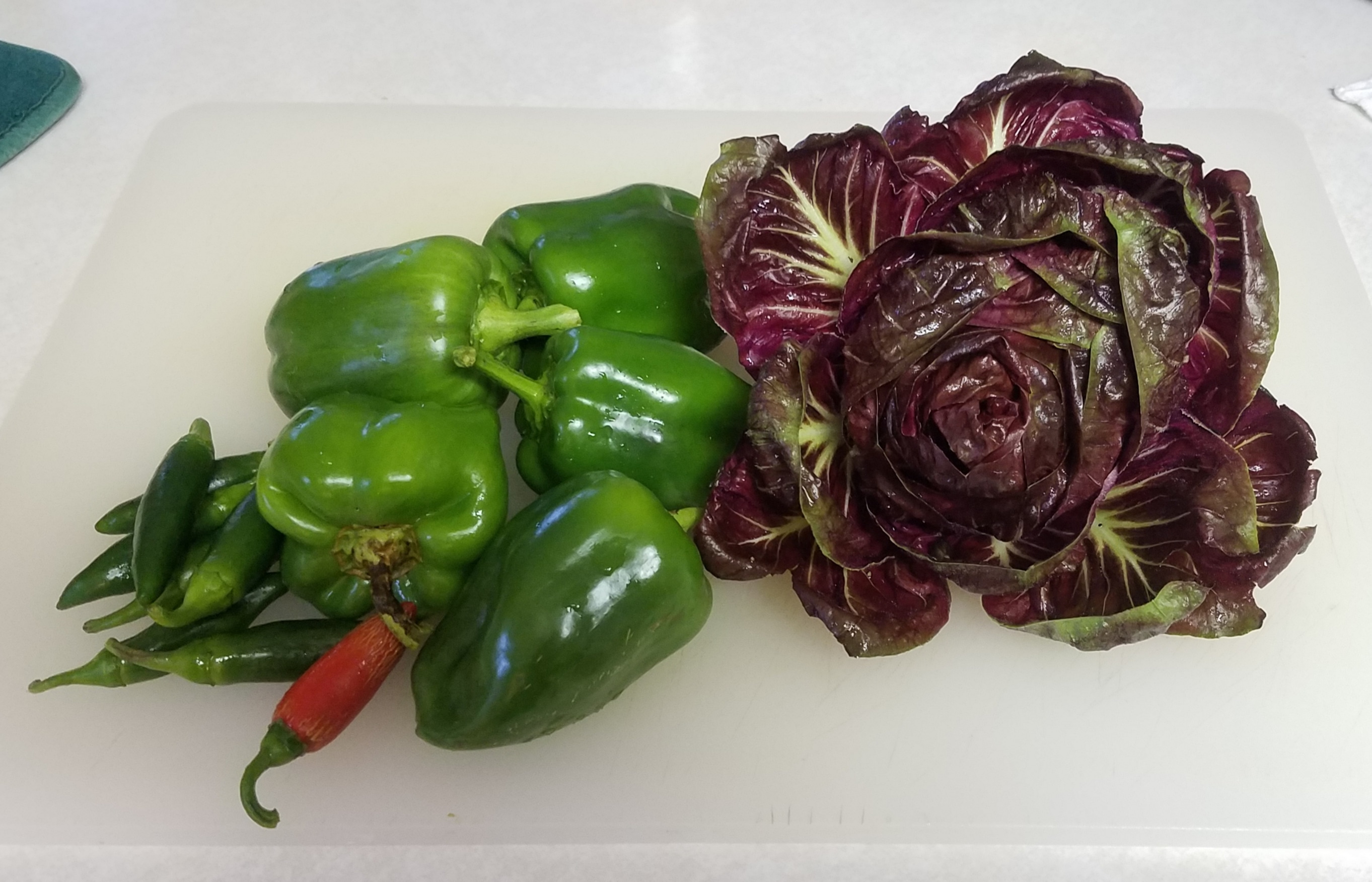
Thursday afternoon I checked the garden. Weather forecasts were for a first frost that didn’t actually arrive by Friday morning. I gleaned jalapenos, bell peppers and a head of radicchio. The refrigerator is jammed with jalapenos wanting a dish. It will be some form of jalapeno sauce for use in cooking or maybe as salsa on tacos.
I went outside Saturday morning and frost is in the air. A month into autumn, winter will soon be here. We are ready.

 Journey Home
You must be logged in to post a comment.