Categories
Home Life Kitchen Garden

Talk about Frost

Backyard Apples
Backyard Apples

LAKE MACBRIDE— We are from a week to ten days from the first hard frost. Suddenly it’s time to clear the garden, make a brush pile, and cover the ground with what mulch there is. We’ll make a gleaning pass over the plots, and bring in everything that is ripe or can ripen to use this fall and winter. Cookery gradually turns from fresh and local to working out of the pantry and stores. There is a happy and sad part of the change in seasons.

The happy part is found in being born a city person. Working indoors part of the year comes naturally. As a child of the 1950s, reading, media consumption, writing, email, and social media fit in with a general outlook of being on an island in a complex sea of society. More than 60 years later, after a career in a competitive business, my core values are unshakable. They are a platform from which I can view society and plunge in when the time is right to engage in fights worth our blood and treasure.

The sad part is over the years, in our compound on the lake, I have become an outdoors person, and spring through fall is the best part of the year. That was particularly true this year when farm and yard work kept me outside much of the time. The outdoors part of the year is not finished, yet winter’s approach is unmistakable. Its time to roll up the garden hose in the garage and make sure the automobiles are winterized.

The season’s home canning is almost finished with 18 pints of “fallen apple butter.” After the recent storm, I picked up the fallen fruit (three types of apples and some pears missed during the harvest) and made them into a commemorative apple and pear butter. The only thing remaining to can will be some hot sauce with fall peppers (on the stove now), applesauce and perhaps some more canned tomatoes or a garden ends relish after the gleaning. Come November, it will be another plunge into the vortex of the holiday season, then starting anew in 2014.

The seasonal farm work is also winding down. I am finished at one farm, wrapping up at another on Thursday, and the work at the orchard ends after two more weekends. The time is right to consider what’s next in the cycle of life on earth.

Categories
Writing

Domain Renewed for 2014

Harvesting Fallen Apples

LAKE MACBRIDE— During the more than four years since retirement, writing 300 to 750 word posts each morning has become a way of life— something to start the day, clearing the path for engagement and productivity. As the seasonal farm work ends in October, I hope to regroup and refocus here, but what the hell: it is hard to predict what will happen.

I do know this. The website pauldeaton.com will continue for another year, as I renewed my agreement with WordPress. It has been worth the $18 per year for the domain name registration and mapping. Now comes the task of writing something worth reading. I hope readers will hang in as the process works.

Categories
Writing

Inventory of Local Producers

LAKE MACBRIDE— During 2013, in addition to our own garden, I spent time working with or studying the following fruit and vegetable producers that are part of the local food system in our area. They are listed in alphabetical order.

Abbe Hills Farm, Mount Vernon, Iowa.

Jack Neuzil, Solon, Iowa.

Kroul Farms, Mount Vernon, Iowa.

Rebal’s Sweet Corn Stand, Solon, Iowa.

Turtle Creek Orchard, Solon, Iowa.

Wild Woods Farm, Solon, Iowa.

Wilson’s Orchard, Iowa City, Iowa.

ZJ Farm, Solon, Iowa.

Categories
Writing

Apples on the Move

Livestock Apples
Livestock Apples

LAKE MACBRIDE— Johnny Appleseed’s birthday is on Thursday, and there has been a lot of apple action. The economy of apples is on the move in late September and October.

The windfall of apples in our yard created three groups. I picked the best for out of hand eating and making apple butter and apple crisp. The seconds went into a big cart and down the street, where a neighbor pressed them into four gallons of cider, with the apple pumice planned for livestock. The rest went into large plastic tubs to be traded for eggs. If a person is going to have apple trees, something should be done with the fruit.

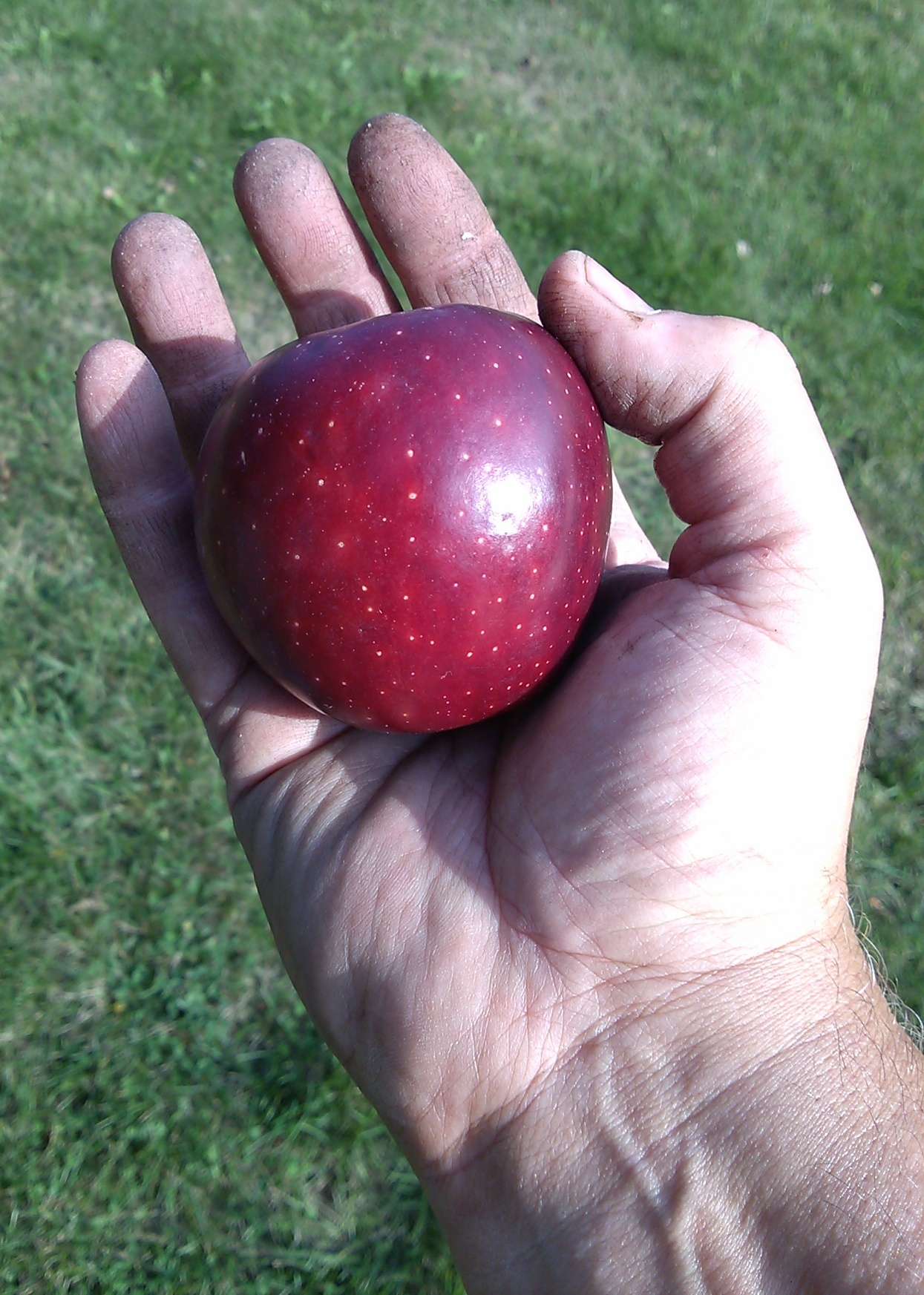
Growers no long plant apples from seeds. The use of selective breeding, resulting in cultivars, or branches grafted to root stock has become the norm. Heirloom apples like Red Gravenstein, Wealthy, Cortland and Saint Edmund’s Pippin have given way to Honeycrisp, Jersey Mac and Jonafree. When I chat with modern apple connoisseurs, they eschew my humble Red Delicious apples, discovered in Iowa. More’s the pity, as naturally ripened and off the tree, they are some of the most flavorful apples to be found.

As summer turns to fall, now is the time to harvest the crop and use it. Participating in the apple culture is one of the benefits of living on a planet hospitable to our species. We should take advantage of it.

Categories
Environment Home Life

Storm Damage Update

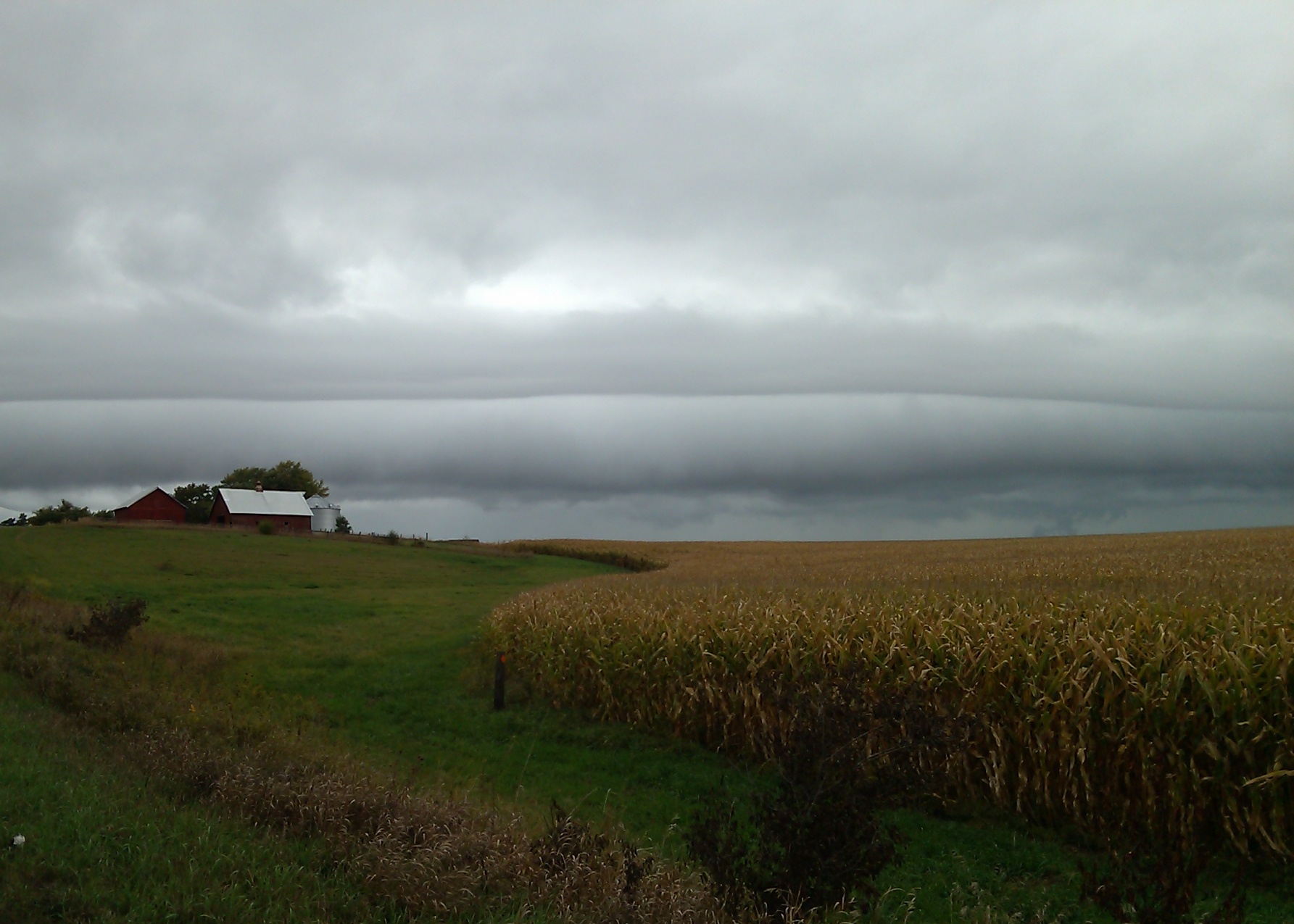
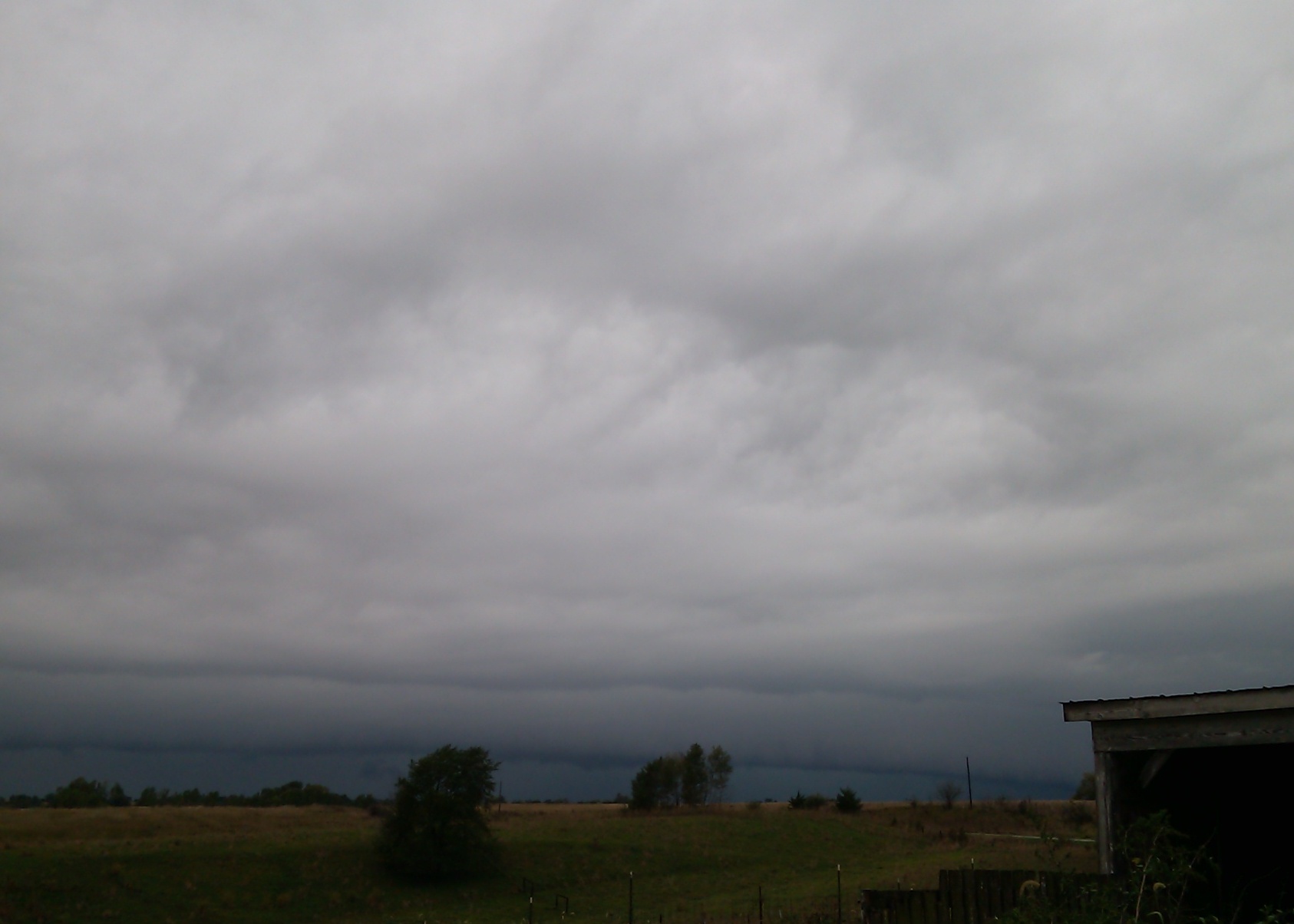
LAKE MACBRIDE— The sound of chain saws echoed through the neighborhood yesterday, including in our yard where a tree service climbed the Autumn Blaze maple tree and removed the broken branch high in the canopy. They also removed a large branch from the maple tree on the north side of the house. The branch was growing toward the structure, and could have fallen on it should another intense storm come through. It seems increasingly likely another intense storm will hit, sooner rather than later.

The storm peeled back the southwest corner of the metal facing on the roof. From the ground, it appears there is water damage to the underlying wood, it will have to be inspected and repaired. One can accept the reality of intense weather, caused by climate change, but it is much more than words on a web page. The work of recovery absorbs our resources and time, and portends more of the same. Dealing with disasters, even small ones like ours, is not how we intended to spend our life when we were in grade school.

On the plus side, there is a buyer for the firewood the disaster will produce, and finding an inexpensive tree service will be an asset going forward. I bartered some of the cut maple wood with a neighbor who will use it to smoke meat. In return, he will press some apples into cider. The storm’s wake left more neighboring than I can recall in a long time.

According to the U.S. Census, our household is above the median net worth for people our age. Not by much, but enough so that to say we are working poor is inaccurate. Poor people don’t have a net worth. At the same time, trying to make ends meet is challenging.

The reality of working seventy hours per week for less than a living wage, is there is less time, energy and resources for everything else. At the center of this life is the notion that we can maintain priorities and get the most important things done. Add disaster recovery, and the equilibrium is upset.

It’s approaching 5 a.m. in Big Grove, when I’ll depart for the newspaper, hoping to finish the week’s proof reading and catch the grand opening of a new restaurant in town before heading to the orchard for work. In the hour or two of daylight after my shift, I’ll glean a garden plot to make room for the disaster brush pile. Once that is done, organize for our presentation at the library on Sept. 30. We make plans, work the plan, and hope for the best— sustaining our lives in a turbulent world.

Categories
Home Life

Survey of the Storm Damage

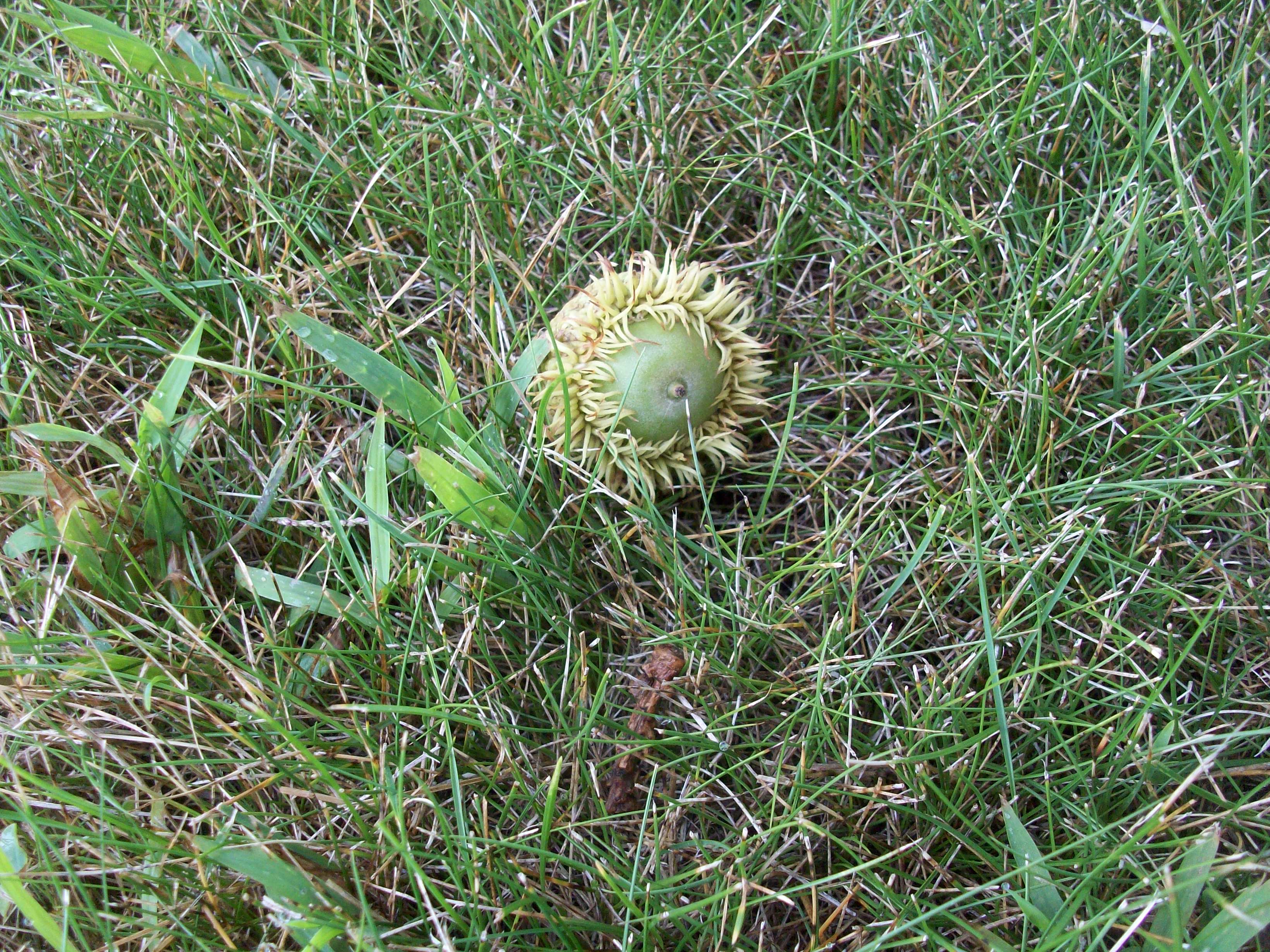
The storm prematurely knocked acorns from the Bur Oak

... and apples from the tree...
… and apples from the tree…

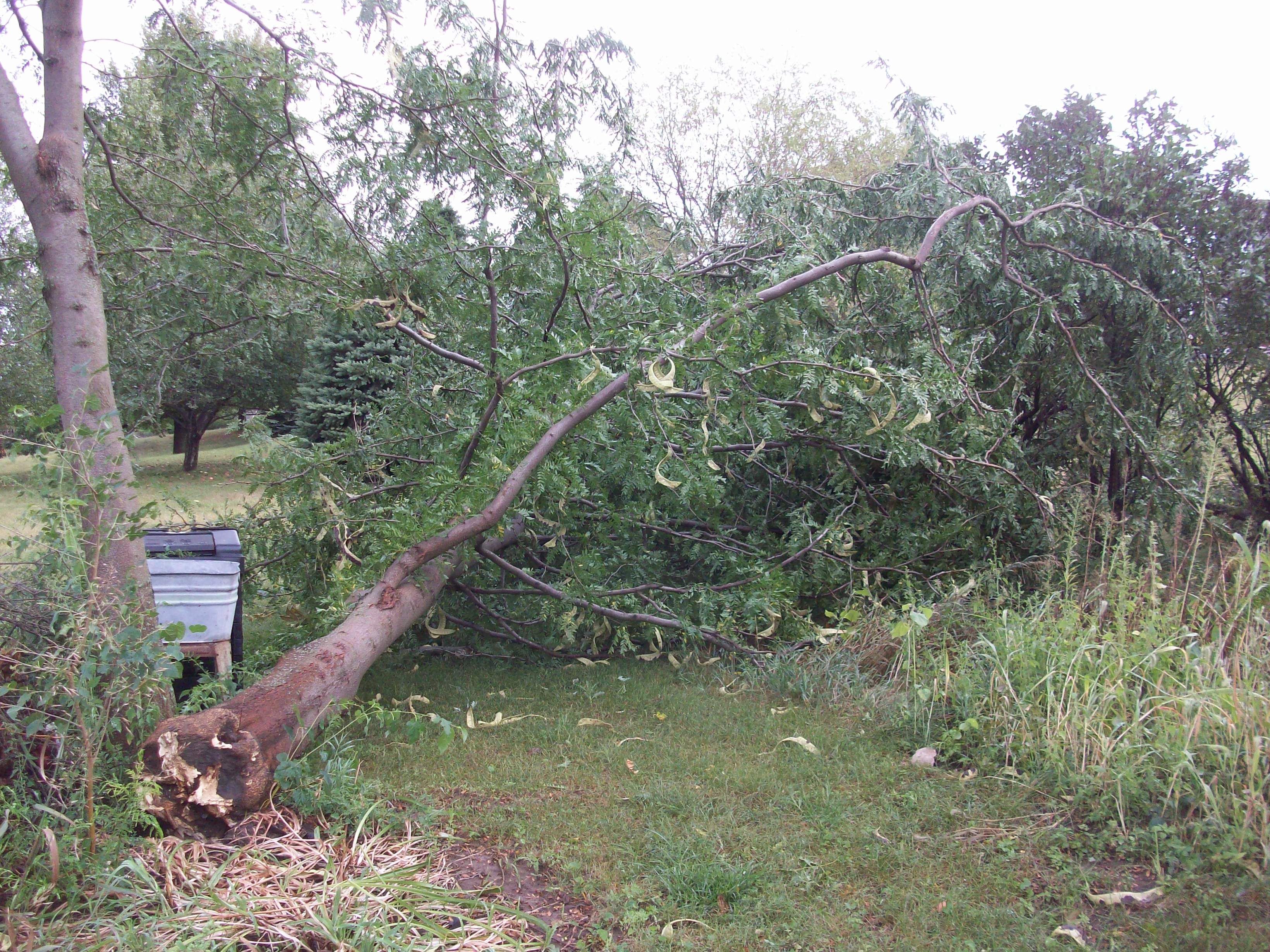
The worst damage was knocking over a locust tree...
The worst damage was knocking over a locust tree…

... which somehow missed most everything,
… which somehow missed most everything,

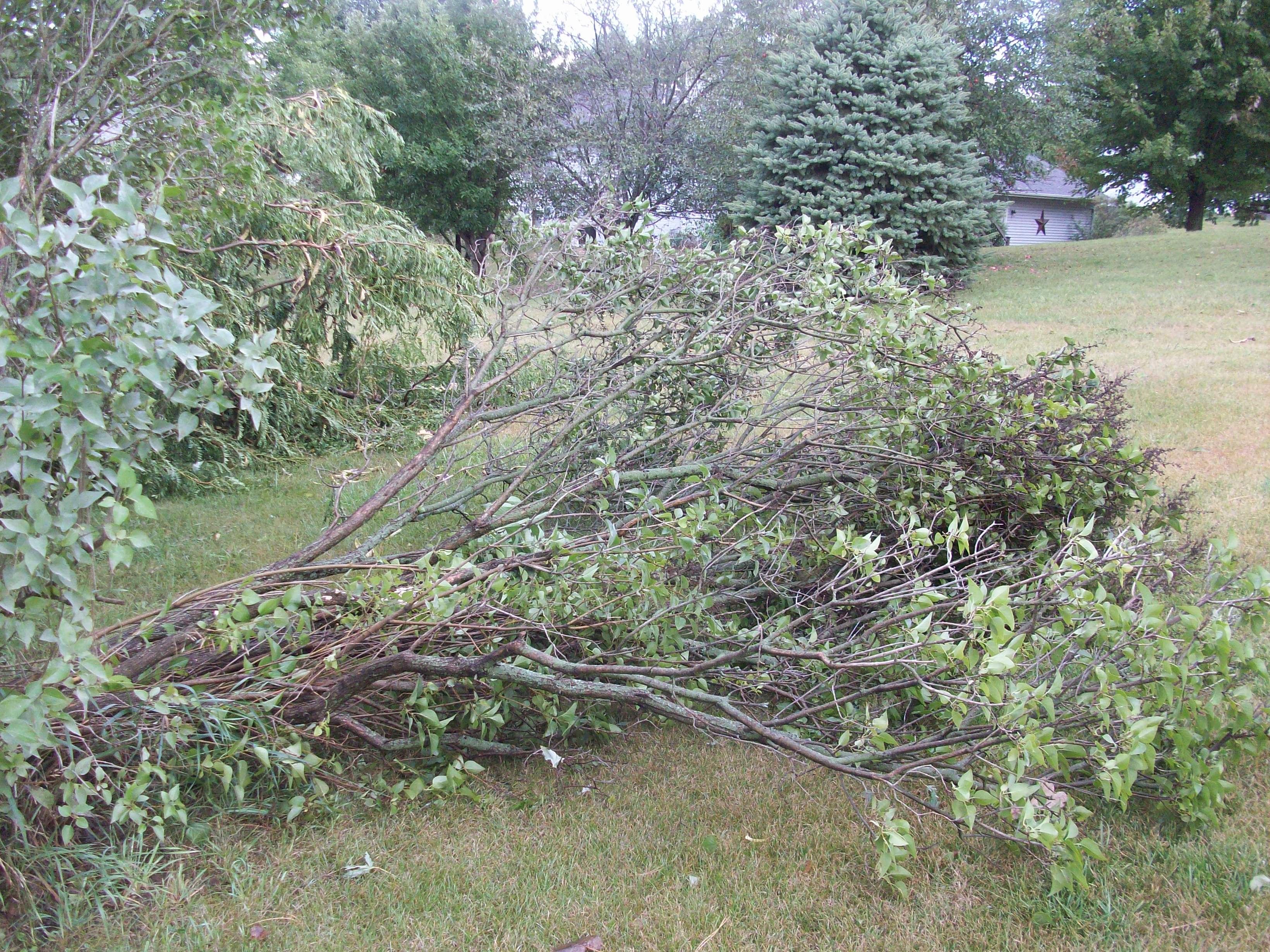
...except the lilac bushes.
…except the lilac bushes.

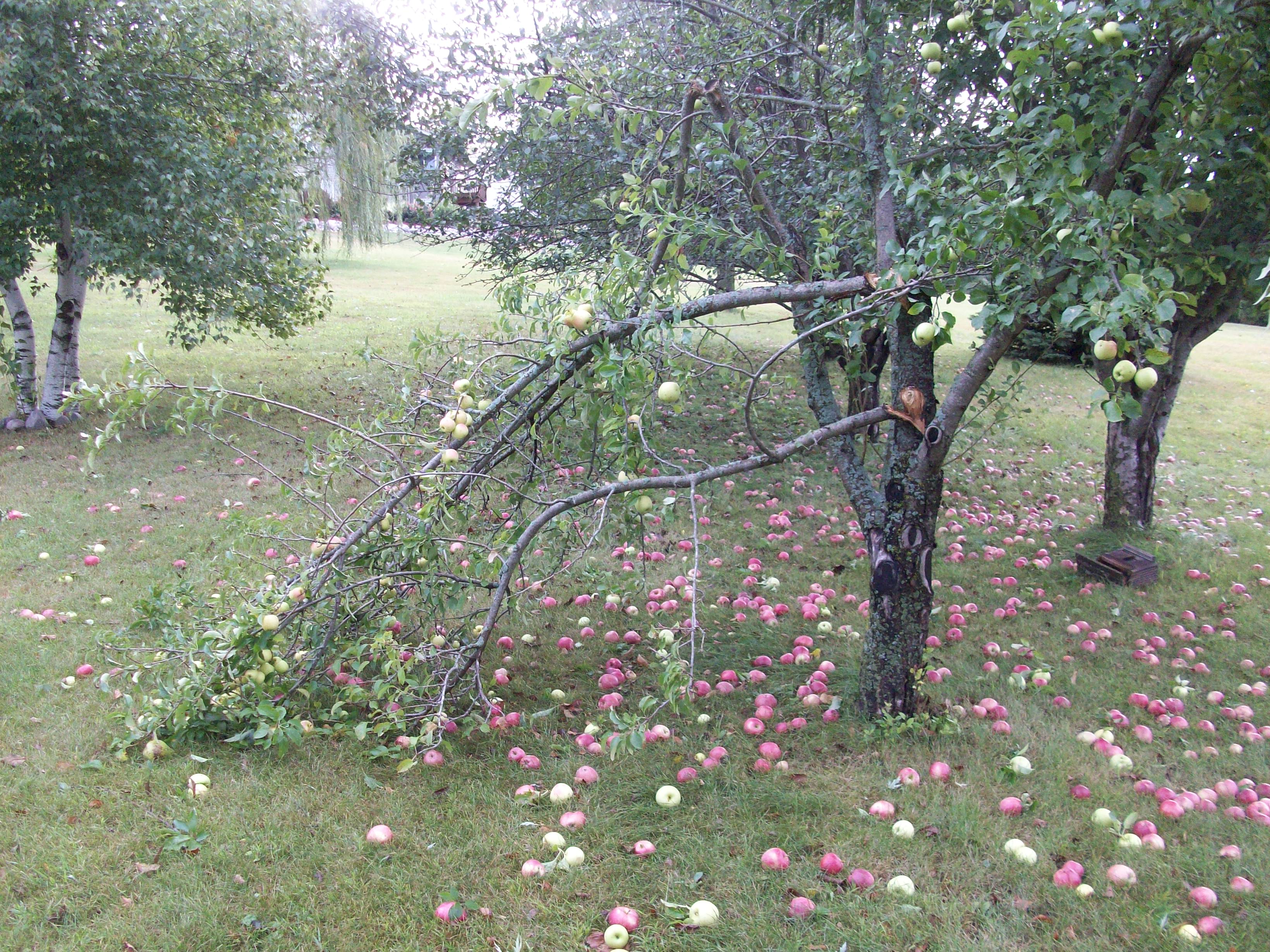
The Golden Delicious apple tree lost another branch...
The Golden Delicious apple tree lost another branch…

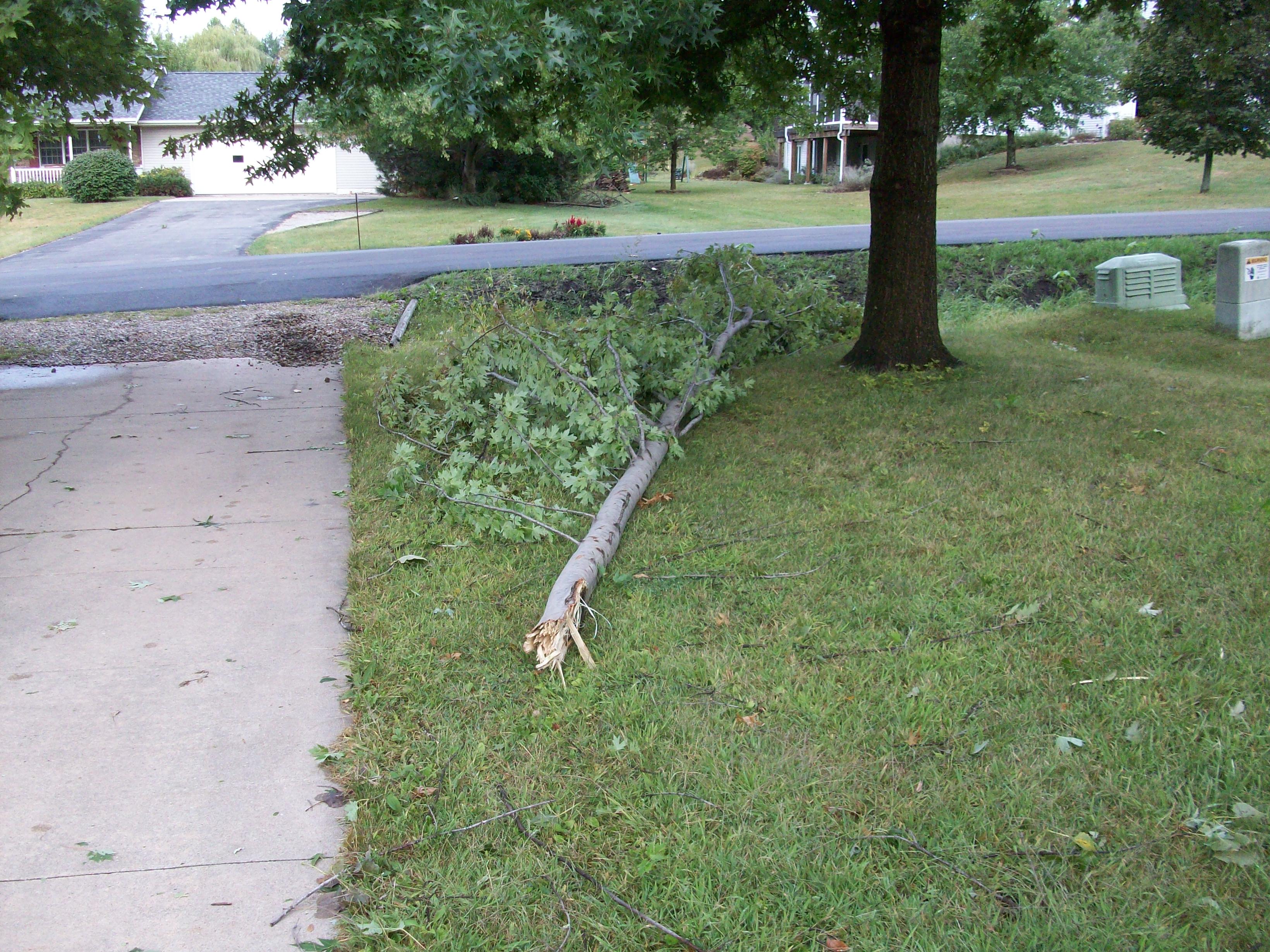
... the maple tree lost two. One fell to the ground...
… the maple tree lost two. One fell to the ground…

... and one didn't.
… and one didn’t.

Categories
Kitchen Garden

Waning Days of Harvest

Foxtail and Compost
Foxtail and Compost

LAKE MACBRIDE— The abundance of this year’s local food system has been remarkable. The more than adequate spring rain, combined with a late growing season, had everything producing, including the author. The term “local food system,” in this context, means how an individual home cook acquires and produces food for the table.

This year, our food was mostly organic, and if we grew celery,  lemons and limes here, we would have little reason to visit the produce aisle at the grocery store, except to compare our produce with theirs.

But the season is ending. Talk turns to cover crops and preparing the fields for winter. Gleaning will begin soon, plot by plot, uprooting the plants and taking the last bits of produce. The gleaning process wrecks the garden, making way for a fall turning of the soil. Seldom have I gotten the garden plots turned before winter arrives. Maybe this year, but I doubt it.

The red delicious apples are ripening, not ready yet, but soon. And so begins the vortex into fall’s final push into winter. Working four part time jobs has been a grind from multiple perspectives, not the least of which has been the wearying effect on my bones and muscles. Four more weeks at the orchard, maybe a job or two at one CSA, and work into October at the other. The four to five hours per week at the newspaper is the only constant: I complete two years there in October.

Whatever the challenges of this life, they are much better than the office work I did for so many years. The sense of creation, and contribution is tangible, even if the pay isn’t adequate to live. There is more work to do before this harvest is closed. I relish its opportunity and the life it engenders.

Categories
Environment Kitchen Garden

Then Rain Came

Carmen
Carmen

LAKE MACBRIDE— A co-worker and I were talking about the weather on the farm. For city-folk readers, people who work in agriculture do that a lot. I asked her, “when was the last rain?” Without hesitation, she answered, “in July.” And except for a couple of sprinkles, last night’s rain was the first since then. It was luxuriant.

My job at the orchard is related to the u-pick operation, and the rain meant customer activity would be suppressed after a very busy Saturday of temperatures in the 70s and clear skies. No orchard work for me today, so, to the grocery store to pick up some necessities and soon I’ll be at work in the kitchen preserving food.

There is a lot of food to work on. The first crop of apples is ready to be used today or never, so that will happen. It will either be juice or apple butter. Not sure yet. The pears are also in, so I’ll use 4-5 pounds to make a batch of pear butter while the rest ripen.

I have half a gallon of Concord grapes, from which I will make jelly.

From the aging hot and bell peppers, I’ll make pepper sauce with onion, tomato and garlic. Anything tomato-y or onion-y will get added to the pot. It is a variation on my traditional hot sauce mix, and designed to use up produce in the refrigerator. This will be run through the food mill and processed in pint jars.

Tomatoes are everywhere in the kitchen and garden. Some will be canned, some cooked into a batch of chili, and not sure what else. The vines are really producing this year, in my garden and at other local food sources.

So with this tentative plan in place, off to the kitchen and the work of sustaining a life on the Iowa prairie.

Update: 9:19 p.m. The stove was on most of the day, and I made chili and fruit salad for dinner, seven pints of pear butter, three pints of concord grape jelly, two pints of diced tomatoes, and six quarts, one pint and one half pint of hot pepper sauce. Did two loads of dishes and cleaned all the pots and pans before retiring to bed.

Categories
Writing

Apples and Arctic® Apples

LAKE MACBRIDE— Only time for a brief post before heading out to job three of a four job day. Already this morning I finished proof reading the newspaper and worked on preserving bell peppers. Next the orchard, followed by work on the farm and then canning if I am still up to it. Sunday is anything but a day of rest in Big Grove.

My biggest ever crop of apples is turning into something of a bust because I can’t make time to harvest and preserve the first two trees. Then yesterday I read about Arctic® Apples, the genetically modified organism that is designed to repress creation of the enzyme that turns apples brown when exposed to air (after cutting or biting into) or bruised. In other words, the traditional way of knowing an apple is going bad is repressed, and this creates a longer shelf life for the fruit.

Not an issue here, where in the race against nature’s clock, I hope to eke out one or two dozen more pints of apple butter before the first picks go bad. I need the browning action to know where I stand. But in the industrial food supply chain, shelf life matters… a lot.

The new cultivar is going through the regulatory process in Canada and the U.S. presently. Friends of the Earth created an on-line petition to encourage Gerbers to continue to use non GMO apples to make applesauce and other products. From the perspective of having my own supply, and working in a large local orchard that produces cultivars going back to the  17th century, what the hell?

Gotta run off to the orchard!

Categories
Kitchen Garden

Township before Dawn

Dolgo Crab Apples
Dolgo Crab Apples

LAKE MACBRIDE— Today begins with two Tylenol® for the headache caused by I don’t know what. Perhaps it was the lack of fresh vegetables and protein in meals made of potato bread purchased once a year from the grocery store, evenly toasted and  spread with salad dressing, topped with thick, red slices of tomato. An annual ritual of the tomato harvest in Big Grove Township. With coffee and writing, the headache is receding. It’s 4 a.m.

There was no harbinger of how it would in the local food system this fall. Farmers need help for harvest: picking kale, squash and tomatoes, selling apples, and cleaning onions and garlic. Add the work of preserving some of the harvest, gardening and just living, and it is a full life. Suddenly, I’m working four paid jobs, and a lot that aren’t paid.

More than the pay, which certainly isn’t a living wage, is the value of the experiences. Some of which I’ll recount here to provide a flavor of an Iowa life in September.

Last Sunday I sampled Dolgo Crab Apples and liked them so much, I made five pounds of them into Dolgo Crab Apple Butter.

Picked the pears from our tree. There was about a bushel of them.

A branch broke on the Golden Delicious apple tree. The fruit was ripe, so I picked it from the branches.

Perhaps the best tomato harvest from my garden in a single day.

Canned diced tomatoes, four quarts and 27 pints. Plus about three gallons of juice.

Roasted peppers and marinated them in olive oil with a clove of garlic.

Froze bell peppers for a farmer friend.

Put up a dozen ears of corn in the freezer.

It all takes time, with little reflection, which perhaps will come when the work is done, if ever.