Categories
Living in Society

Old Subscriptions

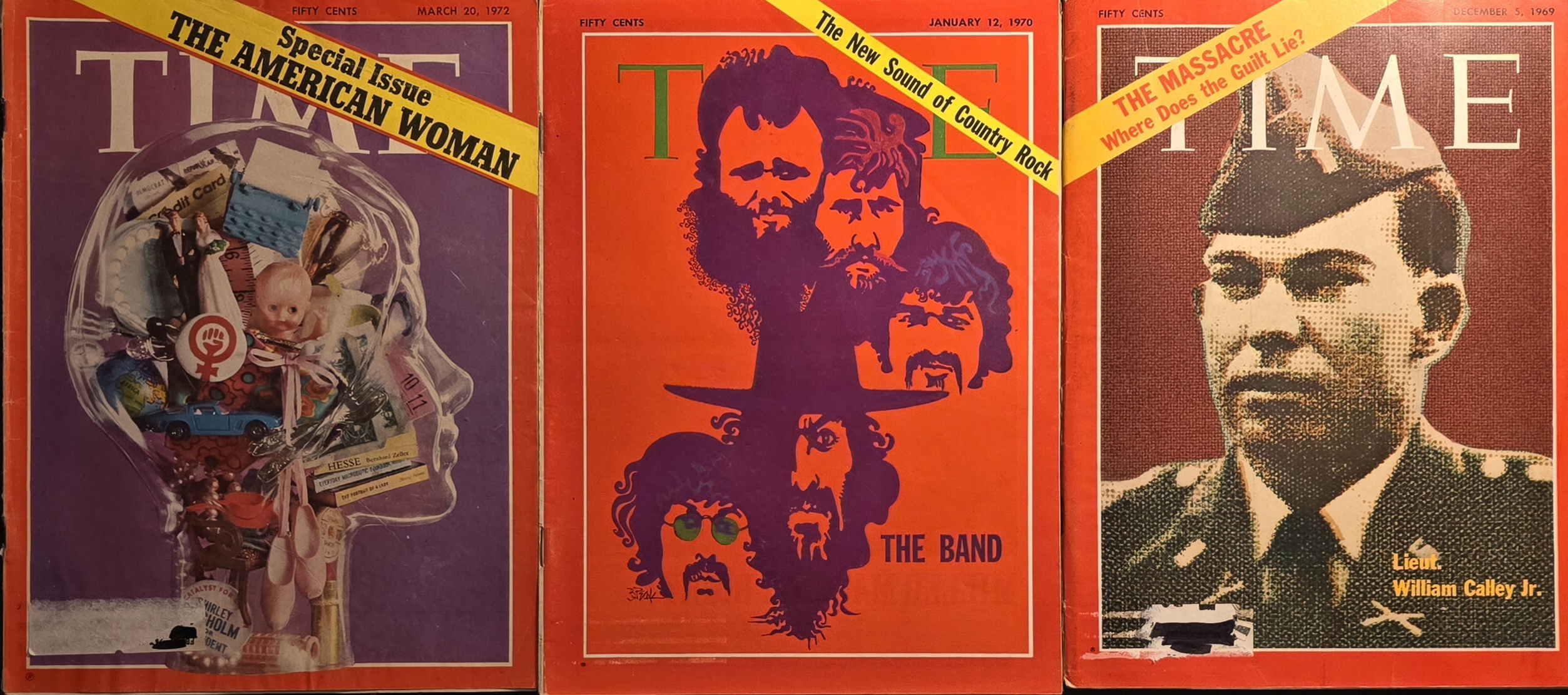
Covers of three Time magazine issues.

The mover’s box was quite heavy as I pulled it from the stack. Inside were mostly Time magazines from 1968 until 1972. At first they were addressed to Mother, and when I left for university, the mailing labels had my name. Teenager me thought the subscription would go on forever.

I divided them into two stacks: one in which I had some interest, and another in which I didn’t. I have interest in too many of them, so that stack will be divided again. The endgame is to pick a dozen issues to put in my trunk of souvenirs from that part of my life. I don’t want to repeat the two hours of sorting I invested on Friday by culling them again at some future date.

There were two distinct aspects of my K-12 and university education: what I learned from teachers in school and what I learned from the mass media, including television, radio, newspapers and magazines. Time had a peculiar view of national culture.

In the March 20, 1972 special issue on “The American Woman,” editors asked riveting questions such as, “What is it like to be Jacqueline Onassis?” and “How did Pat Nixon keep her cool while knocking back all those 120-proof mao-tai toasts in China?” It also provided updates on the failing marriage of Tiny Tim and Miss Vicki, Julia Child cooking at the Smithsonian Institution, and how French actress Catherine Deneuve expressed being liberated.

The issue reported, “As often as not, the New Woman was a masculine fantasy.” Leave it to Time to define women in terms of how men view them. There was the obligatory (for Time) image of Hugh Hefner with two women in short shorts.

One of the photographs in the cover story was of “Girls awaiting Miss Teen-age contest call in Houma, LA.” Beauty pageants have changed in recent times, yet they have not gone away. By Time’s depiction, the “new woman” was not so new, after all.

Somehow I survived having a subscription to Time. I’m certain I leafed through each issue as it arrived in the mailbox. I will likely get upset over the coverage of the other two issues in the photo: The story of The Band because Time reportage was part of the establishment and therefore suspect. The story of William Calley because they gave him the attention of two covers when he should have been in prison. I likely want those reactions. That’s why I kept the artifacts in the first place.

I knew I had these back issues of Time. I did not look for them even a single time in writing my memoir of the period. Like other media of the day, it was background noise shaping me in ways I did not understand. To the extent they reported on a “national culture,” Time failed. They were responsible for creating an environment where Ronald Reagan could thrive, and ultimately responsible for the election of Donald Trump as president. As Heather Cox Richardson wrote in her Dec. 12, newsletter, about the president’s recent speech, “It seemed to mark an end for the Reagan Revolution whose ideology Trump has pushed to its brutish conclusion.”

Most of my issues of Time are bound for recycling. In retrospect it was a subscription I should have canceled before I did.

Categories
Living in Society

Afternoon at the Tavern

Entryway to the Hilltop Tavern in Iowa City.

My veterans group asked about having a social hour at the Hilltop Tavern in Iowa City last Friday. I don’t visit many taverns yet I like folks in our group and it was located across the street from the grocer from which I needed provisions. I drove the 14 miles to the county seat, parked in the grocery store parking lot, and walked across the street to get there.

The hill in “hilltop” refers to what was known as Rees’ Hill. This is from the Our Iowa Heritage website:

The area was generally known as Rees’ Hill – reflecting the winery and wine garden owned by Jacob and Agatha Rees across from the Hilltop Tavern location. The wine garden was well known and popular with Goosetown residents during the 1880s (and likely earlier). Jacob’s death in 1889, and Agatha’s (and son Frank’s) deaths in 1893 likely resulted in the closure of the winery. For many years, the property was either unused or planted for strawberries or general nursery. This property is where the Hy-Vee grocery store and gas station exist now at the corner of North Dodge and Prairie du Chien and occupied two acres. (The Origins of Iowa City’s Hilltop Tavern by Derek (D.K.) Engelen, Our Iowa Heritage).

The tavern opened after prohibition ended and has been in operation ever since. When I entered through the door in the photo, the bar was right there on the right, maybe 20 feet from me. People behind the bar immediately recognized that I entered and inquired what I wanted. I found my friends in a large, adjacent room with three pool tables and ordered a draft beer.

My friend, a banker before retirement, brought a roll of quarters so we could play eight ball. I hadn’t played since grade school but we formed teams and racked the balls twice. None of us were talented at the game, yet it helped pass the time by encouraging conversation.

What do aging septuagenarian veterans talk about on a Friday afternoon?

One of us recently had hip replacement surgery, and that took a bit of time. I obviously know hip surgery exists, but haven’t discussed it with someone who had it. I had questions. It turned out someone else had knee replacement surgery, so that led to a discussion of the differences between the two procedures.

About that time, someone walked up to ask if we minded if he played music on what in earlier years would be called a jukebox. We didn’t mind, and one of our party asked him to play some Kenny Rogers, which he did.

Being veterans, we discussed the extrajudicial executions of people suspected of being drug runners in the Caribbean Sea, and whether Admiral Mitch Bradley, the commander of U.S. Special Operations Command, would be the scapegoat for the president and secretary of defense to avoid responsibility for two specific killings that were clearly illegal. We drew no conclusions.

The prior day, the Iowa Legislative Services Agency released the first county supervisor redistricting plan. The Iowa Legislature earlier voted to require certain counties that elected supervisors at-large to divide into districts. Their idea is that creates an opportunity to elect some Republicans, although the logic is based on deceptive arguments. A lawsuit was filed to stop this process. Our group agreed the court system had little time to make a decision because of the long lead time to plan an election. We were in a wait and see mode until the lawsuit is resolved.

We talked some organizational business, finished our beverages and game, and headed out. It was a pleasant way for aging peace warriors to spend an afternoon in these trying times.

Categories
Living in Society

Community Volunteer

Trail walking on Nov. 22, 2025.

When I became an adult, married, and settled into steady work, it was assumed I would volunteer in the community. The volunteer impulse has its roots in the industrial period after the Civil War. People used less time to produce enough money with which to live our lives. In more modern terms, we could pay for things like our child’s college education without sacrificing a lot at home.

Perhaps the most prominent example was the robber baron Andrew Carnegie whose expansion of the steel industry made him one of the richest Americans and enabled his philanthropy to fund a number of public libraries, among other things. “The duty of the man of wealth,” Carnegie said, is “to consider all surplus revenues which come to him simply as trust funds, which he is called upon to administer . . . in the manner which, in his judgment, is best calculated to produce the most beneficial results for the community.”

I didn’t have “surplus revenues,” yet worked in jobs that created enough money to pay basic living expenses with a bit leftover. While there were limits on potential income, I was afforded regular free time and expected to use some of it to volunteer in the community. My volunteerism really took off when we moved to Big Grove Township.

I differentiate the types of volunteer work I have done since 1993. There is community work: membership on the home owners association board, election as a township trustee, and serving on the board of a senior citizen’s group. There is also what I call advocacy work: serving on the boards of peace-related organizations, politics, and two different county boards. Each had something to contribute to society. I talk about community volunteer work in the rest of this post.

Within the first year we were in our new home in Big Grove Township, I was asked to join the volunteer home owners association board and did. Any monetary considerations were insignificant. A regular person does not volunteer in the community for money. Part of living a sustainable life in rural areas is contributing to the general well-being, I believed. I felt blessed and had to give back to the community in which I lived.

Home owners’ associations get a bad rap. In our case, we managed the association like a small city. We provided a public water system, sanitary sewer district, road maintenance, refuse hauling, and real estate sales and purchases. Over time, we upgraded the roads from chip and seal to asphalt, dealt with changing government standards related to arsenic in drinking water, reduced the number of wells from three to one, complied with changing Iowa Department of Natural Resources standards for wastewater treatment plant effluent, handled a lawsuit, and coordinated activities like road use and maintenance with neighboring associations. If the board doesn’t do these things, they don’t get done. Everyone is the better for such volunteer boards. I served, off and on, for over 30 years. This was the beginning of a long period of volunteering in the community.

In 2012, when only one candidate was running for two township trustee positions, I ran a write-in campaign and won the election. Being a township trustee included managing emergency response and a volunteer fire department with other townships and the nearby city of Solon. Toward the end of my tenure, we formed a new entity to manage these functions. We maintained the local cemetery and supervised a pioneer cemetery where the first person to die in the township was buried. This work helped me understand how tax levies work and how they were used to support things the county did not, things like a small fire department or saving someone’s life in an emergency. There was only a single conflict during my time as a trustee, about the main cemetery. All the trustees showed up at the cemetery to resolve a dispute over a burial plot. No one wanted the job of township trustee and someone had to do it, so I stepped up.

When the local senior citizen’s group had an opening on their board, I volunteered and became its treasurer. This lasted about two years and provided insight into this segment of the community. Everything we did, from providing community meals, to giving home-bound people rides to medical appointments, to arranging outings around eastern Iowa, served an often-neglected segment of the population. It was a great opportunity to learn about the life of our senior citizens before I became one myself.

I am satisfied this activism did some good. I still believe it is important to stay engaged in the community.

Categories
Kitchen Garden

May Garden Update

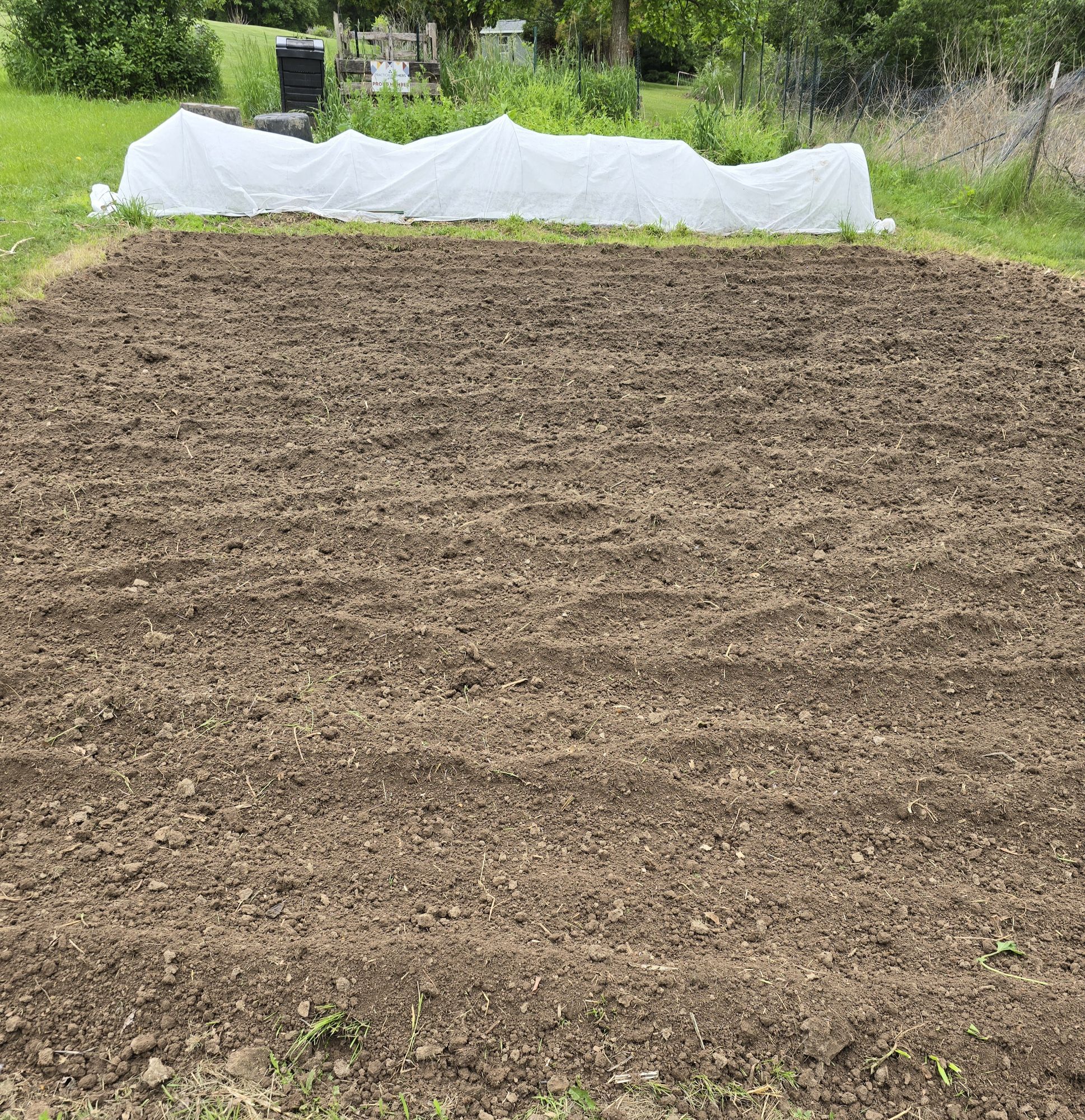
Plot #3 is ready for planting.

When the repair shop returned the John Deere yard tractor, the right rear tire would not hold air. I removed it and ran it across the lakes to the tire shop. The diagnosis came back air was escaping through the sidewall due to rubber deterioration and the tire needed to be replaced. According to the tire’s date code, it was older than the technician that worked on it. The guys (and they were all males) at the tire shop had fun talking about that.

The garden is proceeding on a reasonable schedule now that we are past the worst of spring weather. This week has been about tilling the soil in plot #3, covering the surface with plastic sheets recovered from last year, putting up a fence, and then beginning the work of clearing out the greenhouse. I made good progress by Tuesday and should finish planting seedlings ready to go into the ground today. The next big project is clearing a space for the tomatoes. I know just where that plot will be this year.

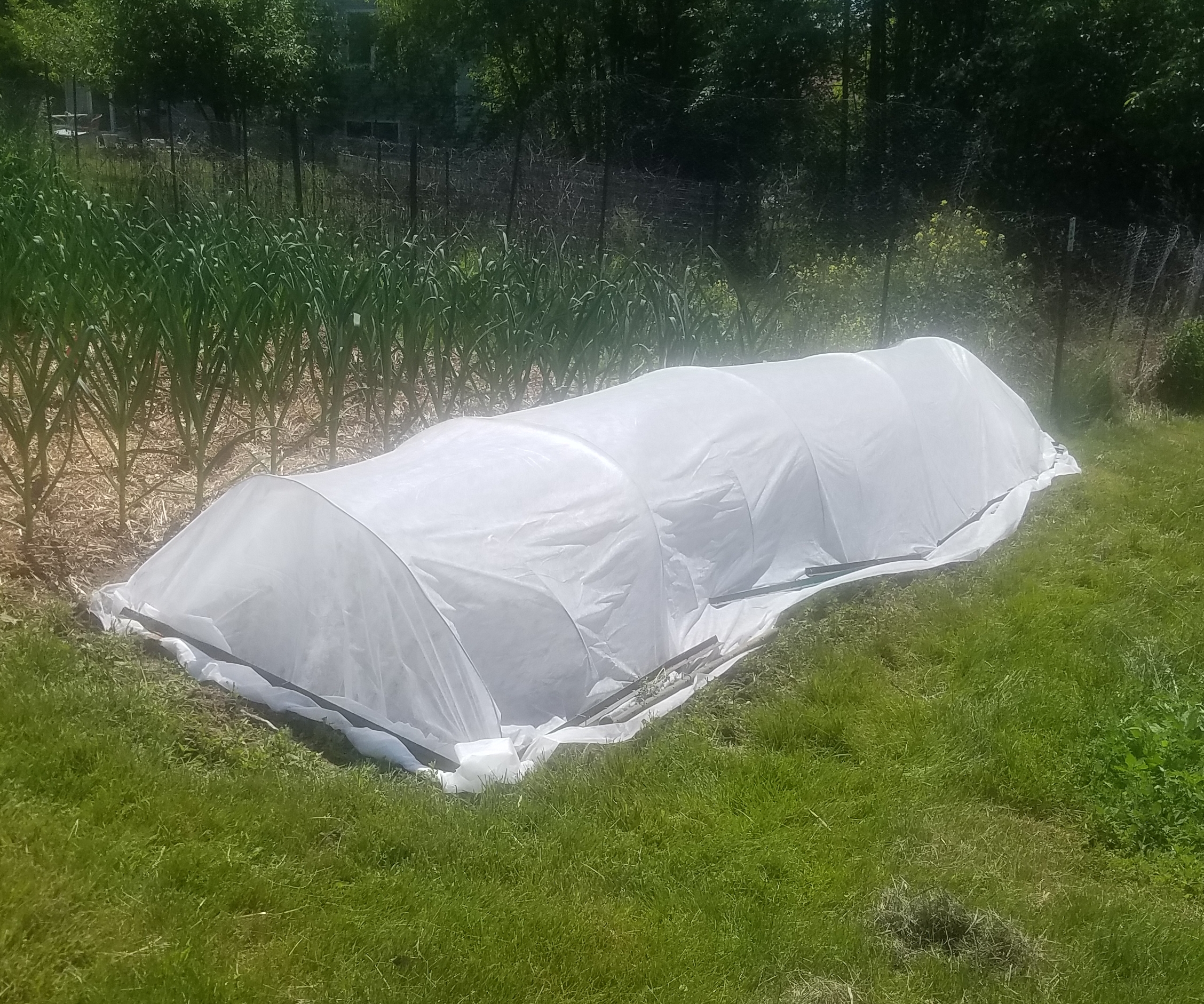
I harvested arugula and spinach. Under the covered row everything grows well and soon there will be Pak Choi, lettuce and more arugula. Picking kale is not far away as it is growing well in almost ideal conditions. Already it is feeling like a productive garden.

Yesterday I went grocery shopping after garden work was done. I had a dozen items on the list and quickly got them into a shopping cart. Just as I finished gathering the last item, I realized I didn’t have my wallet. I left the cart near the frozen foods section in the health market and ran to the car to see if it was there. It wasn’t. I returned to my cart and calmly returned all the items to the shelves. Shopping will have to wait for another day.

Editor’s Note: I am short posting when I get time until the garden is planted. It is taking longer than expected, yet I am determined to harvest produce from this soil, this year.

Categories
Kitchen Garden

Nutrition and Exercise While Aging

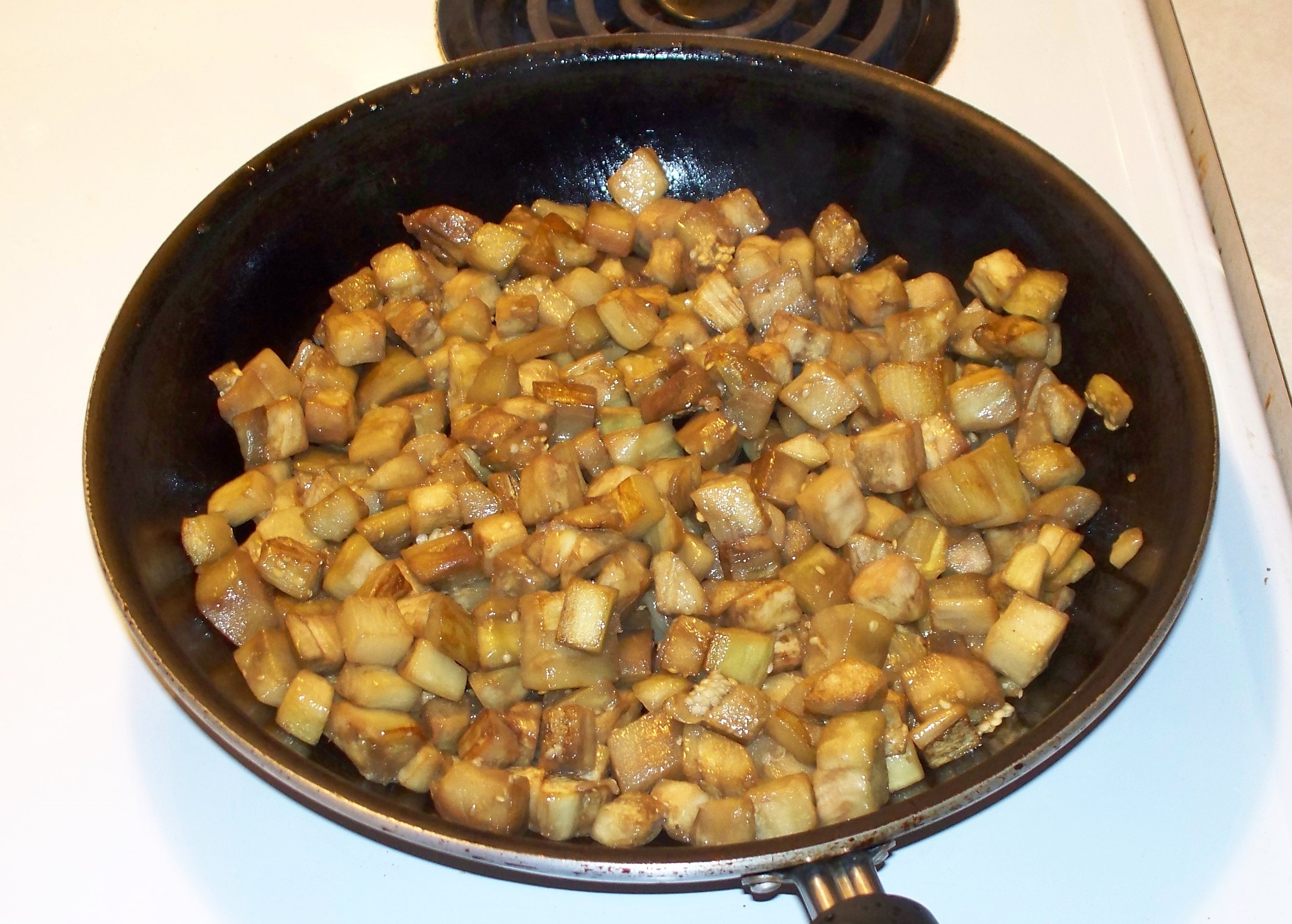
Cooking Eggplant

The secret to aging well is no secret: maintain an active lifestyle and improve our diets with nutrient-dense foods. Of course, that assumes there are no mitigating factors such as poverty, cardio-vascular disease, cancer, and lacking the proper function of at least some of our teeth. This post is a listicle of conversations I’ve had about nutrition and aging.

  • Seniors often don’t have enough money to go grocery shopping. Concurrently, they earn more money than the federal poverty level, so are not eligible for SNAP, the Seniors Farmers Market Nutritional Program, or the Commodity Supplemental Food Program.
  • Mobility can be a problem. Our culture assumes mobility either through mass transit, or by driving a personal vehicle. Many people age without being able to continue driving. Even if one can take the bus to the grocery store, carrying capacity for the return trip is limited. Grocers will deliver or have a service deliver. It adds what can be a substantial charge on top of the groceries.
  • Dining alone is not always fun. The absence of children, or a spouse being deceased or away, has us reverting to a primitive state of avoiding cooking or making simple meals that don’t have the best nutritional content.
  • There is increased production and use of leftovers. For example, a pan of lasagna can make six servings.
  • If we are not heating up leftovers, prepackaged meals can be tempting. They can be more expensive and often contain high levels of salt and additives with unpronounceable names.
  • Even with a full pantry a person doesn’t always cook. There is a possibility to open a can or packet of something and call it a meal.
  • Leaving home for exercise can be a challenge. If one lived in the same place for decades, the neighborhood may have changed, making it more risky. Likewise, one has to pay more attention when outdoors for things like cracks in the sidewalk, and high traffic areas.
  • Inclement weather can keep us indoors. I know when it was below zero all day Tuesday, I did not leave the house except to check the mailbox.
  • Aging means we may not have the stamina we once did. Some days it is a lot to muster the energy for a thirty-minute walk.
  • Our strength can be diminished. There is no need to go to a gym for strength training when dumb bells or stretchy bands can do. We also have to take it easier than we did a few decades ago: no more bench lifting.
  • Fear of falls is real. If we lose our balance while exercising at home, we could be injured, unable to get to a phone, and trapped.

That’s what I am hearing about aging well. If you like, leave a comment you heard about the challenges of good nutrition and exercise while aging.

Categories
Living in Society

Travel Day

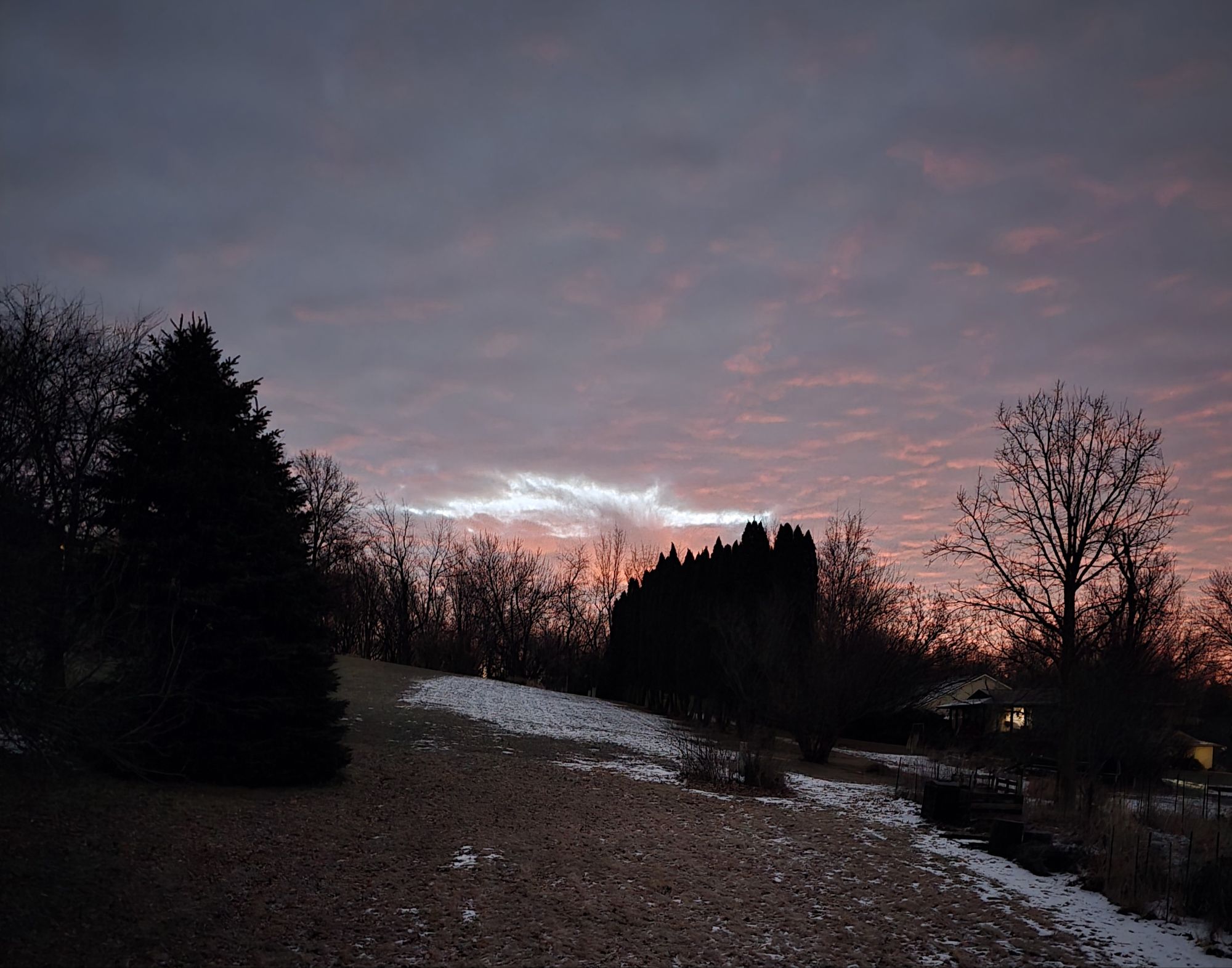
Morning light show.

Just posting this photo today while I use windshield time to wonder.

Categories
Living in Society

Life Near a Small City

Corner of Main at Market

The population of the city near where I live was 3,018 during the 2020 U.S. Census. It is growing yet much remains the same about small city life.

The grocery store will give you cash back, that is, unless it is early in the morning and they have not received any $20 bills in the till.

The clerk at the hardware store was reading the Cedar Rapids Gazette. I entered through the back entrance because the sidewalk in front is closed for repairs from high winds in 2023. They had what I needed.

The fire station is locked up tight as an all-volunteer force is working other jobs during the day.

A large tent was erected on the south edge of town where fireworks will be sold ahead of Independence Day.

The convenience stores are hopping with customers who service their addictions. They are the busiest places in the city most mornings.

What to make of this? It just is. The unseen parts of the city are more interesting.

A majority of residents commute to a job somewhere else.

Most everyone has high speed internet and everything that means.

Shopping with Amazon is so convenient it hits sales from Main Street stores like a bludgeon.

When we do need to buy something, the prices are much higher than in nearby larger cities.

Within city limits, housing stock turns over as quickly as a realtor hangs a sign.

It’s like one desultory stream of features that mean nothing unless one knows the people who live here. Maybe that’s the point. To know the city, know the people.

Categories
Living in Society

Aging in Isolation

Row cover for lettuce, bok choy, herbs, spinach, and the like.

I’m okay with increased isolation as I age. I spent so much of my working years with people, I’m ready for a break. Let’s call it a permanent break. For the time being, I still drive, use the internet, and get along in social media. I can do my own shopping and make an occasional long automobile trip. Our personal to-do list is long. Working on such projects while I am healthy and reasonably strong is alright by me. I’m not as strong as I used to be. Sometimes I need help.

I rise from bed early most days. By 2 a.m., sleep is finished. I take my blood pressure and weigh myself, get dressed, and head to the kitchen to make coffee. Most days my spouse is still asleep, so I spend several quiet hours reading, writing, doing chores, and planning the day. I have a full shift in by 7 a.m., by which time I often haven’t spoken to anyone.

When I am with people, I often don’t know what to say. Engrossed in my own thoughts, such meetings force me to realize I’m not alone in the world. I seek to get along without conflict and mostly can navigate that scene. What in the heck is wrong with me that I view such meetings this way?

Yesterday I spent time with some old friends. I was careful in selecting topics for conversation. When young, it seemed we had endless hours to be with each other and do things. Now we see each other less often. When we do meet in person, time seems limited. The event I attended had new friends as well. I consider what brought us together. In most cases, it was politics or a joint project. These are good times, yet they are fleeting. I notice this more as a septuagenarian.

Being able to live in isolation is a privilege of being white, affluent, and located in a free country. In many ways, getting to this point is what I worked for most of my life. I plan to enjoy it. While I readily admit we live inside the context of a vast web of people upon whom we rely–fire fighters, physicians and nurses, grocers, utility companies, and the like–as I age, I don’t want to think about that.

After a long life of hard work, I just want some peace and quiet, isolated from the rest of the world.

Categories
Living in Society

Driveway Politics

Rural Polling Place

I’m supposed to be taking it easy. When I retired during the coronavirus pandemic I knew outside activities would wind down as I age. I still care about our politics, yet in a different way from before the pandemic.

It began April 28, 2020 when I gave up a part-time job at the home, farm, and auto supply store. I also left work at a friend’s farm, and at the orchard. I gave up my veterans group and all my volunteer board memberships. The only activities remaining are this blog (which I’ll keep for now), writing letters to the editors of newspapers, and politics. I’d prefer to dump politics as an active concern, yet it doesn’t seem possible because it runs in my blood.

My cohort of local political activists is diminished through deaths, infirmities, aging, and people moving away. I am reluctant to engage my nonagenarian friends who have been mainstays in campaigns. Octogenarians get similar consideration. Younger people moving into our precinct lean conservative. Republican candidates won federal and statewide campaigns here beginning in 2016. Democratic politics as I have been practicing it since 1987 is fading away.

I continue to do things.

A friend returned from a trip to Thailand and we had a driveway conversation about it. We first worked together on a political campaign in 2004, so I’ve known them 20 years. We looked at photos and videos on a handheld device. One video had them swimming in a river with a five-year-old elephant. It was good to catch up.

The reason for the reunion was to collect signatures on an Iowa House candidate’s nominating petition. We have been working together so long, we speak to each other in shorthand about politics. Between us, on short notice, we collected 11 signatures. The candidate had more than the 50 required by the Secretary of State.

Later that day, another friend stopped by to pick up the petitions and deliver them to the candidate. We had a long conversation in the driveway. I know his father and the three of us all worked on Barack Obama’s 2008 campaign. Those were heady times. I wrote a post about this in 2008. We talked about the House District and who we might pull in to work on the campaign. This cycle, I plan to be a worker bee, not an organizer. I think people have heard just about enough from me. There is interest in doing better in the new district.

Driveway conversations don’t occur in a vacuum. If anything, they generate more interest and activities. Now that the filing deadline for state and federal offices passed, there is a sense the campaign has begun. It truly has and that means doing more things. For example, this week there was an informal political meet up in our House District and today is the county convention. This was a lot more talking than I have done in a very long time. Partly I welcome it. Partly, I am wary of it. The reasons are complicated.

The 2020 campaign was a bitch because of the coronavirus. The Sunday before the general election a neighbor held an event for Rita Hart who was running for the Congressional seat Dave Loebsack left open after retirement. She was standing right next to me and I didn’t recognize her. We were both wearing face masks. As we talked, it didn’t occur to me she was the candidate. That was one more wacky thing during the coronavirus campaign. The pandemic changed campaign operations dramatically. In a sense, there is no going back to the pre-pandemic methods. Hart lost in a close race.

It is early in the 2024 campaign, so we’ll see how Democrats roll. Today’s county convention should be a bellwether. As long as I don’t get too far from our driveway, I keep my wits about me. When I do leave for an in real life event, my only imperative is to recruit volunteers so we stand a chance to turn Republicans out of office in our district and beyond. Also, I continue to hear the siren song of Democratic politics.

~ Written for Blog for Iowa

Categories
Living in Society

Going for a Check Up

Face masks in the medicine cabinet.

Because the university bought the hospital system in town, I had to drive to West Branch for my six month check up. My practitioner quit after the acquisition was announced and hasn’t been replaced.

The positive news is the university plans to maintain the clinic close to me once the transition is finished. It was news on the day of my appointment the consultant hired to manage the transition from private hospital system to being part of the university also resigned to take a big job in Missouri. Staff at the clinic knew all about this when I mentioned it.

I made a list of discussion topics for the practitioner, including diabetes, reviewing medications and vitamins, blood pressure, weight, and vaccinations. I got my last pneumonia vaccine booster and made a list of four things to work on: less salt, less butter, add ten minutes onto my daily trail walk, and portion control while eating. In Iowa I’ve found plenty of time to have a meaningful discussion with practitioners I see. The longest part of the conversation was about blood pressure.

We talked five or ten minutes about blood pressure. What stands out is the standard is less than 120/80 mmHg. There is talk among the medical profession that the standard should be even lower. I would cynically note that if it were, it would increase the number of diagnoses of hypertension and thereby increase prescription drug sales considerably. I told the practitioner there must be a political aspect to a potential change in standards. He professionally refrained from commenting.

In late afternoon, the nurse who gave me my vaccination and drew blood phoned. I was at a political event in the next town over from home, so I picked up and went to a quieter corner of the room. I had read the lab results in my patient portal before leaving for the event. The results indicated everything looked good, they said, and my behavior regarding exercise and diet was working to hold off advancement of diabetes. It was a good call to receive.

Hopefully my next appointment will be back in the regular clinic. Staying on top of vaccinations and medical conditions is an important aspect of aging in America.