(Editor’s Note: After finishing graduate school at the University of Iowa I made an auto trip to visit friends in Georgia, Alabama and Louisiana. South Georgia has a particular allure. I kept a travel journal and continue to be drawn there).
Journal entry written in Columbus, Georgia on May 28, 1981
Again, I’m in a fast food restaurant — McDonald’s. Something about this town draws me here. Is it the 280 bypass? All the colorful signs? The fact that I am an outsider? Well, whatever it is, I am here, drinking a cup of coffee.
Had a discussion last night with Greg and Kate about moving back to the U.S. Over in Germany we were pretty much satisfied with doing and being what we were. But not so here. As soon as the feet hit the soil here, the main concerns are with money. Instead of perceiving the culture around us for what it is, we start in worrying about maintaining an income. A dream house cannot be realized only because there is not enough money.
While I try to avoid this, I’m afraid I’ll be sucked into that drift like everybody else. But not without knowing what I’m doing, rather not without being aware of what I’m doing. (For some of the things we do we will never know).
For now, my $1.03 buys a cup of coffee and a big buttermilk biscuit with sausage, and space at this table to write these words. I’ll move on and someone else will use the table, that’s the American way. Like Lucius Quintus Carothers McCaslin said in Go Down, Moses, we act out our lives on tables put here, according to a plan designed by the unseen powers that be.
Later in a rest area near Eufaula, Alabama
If architecture is an indicator of culture, then the culture of this part of Alabama, and the South in general, is distinctive. Along the road there are many dilapidated buildings in which people live and they seem to be built in accordance with several general conventions of style. Perhaps the most common is the house that looks like this:
Journal entry, May 28, 1981
The recurrence of this pattern suggests people think a lot more alike here than they do in the North. It also suggests that people here have a quite different relationship to the mass media of communications. I believe the dilapidated nature of many of these buildings suggests that architecture is not so important to the members of this Southern society.
A challenge of writing memoirs is conjuring memory. It’s not as simple as booting a computer.
Yesterday I wrote about a trip to Vannes, France. There is more to write. There are photographs, a trip journal, and souvenirs to aid my memory. The exchange officer trip will describe more generally what it was like working with allied troops in Europe during the late 1970s. I spent more time with the French because I studied French language and literature in high school and college. When this type of opportunity arose, there weren’t many American officers who could speak French. If there were armed conflict with the Soviet Union, my destiny would likely have been to become a liaison officer between U.S. forces and the French as part of NATO combined operations.
Clear memories of that period come to mind but they need prompting. It was a process of reading my trip journal then beginning to tell the story. After I wrote the post, I slept on it and added details this morning. I may add other things by the time those passages make it into the book. The mind retains a surprising amount of detail about our past experiences. It is a literal memory, as if one is re-living it. Part of the challenge of writing about memories is to remember the who, what, where, when and why of an experience. Our natural capacity to do this is high.
Once a memory is recalled, as it is being recalled, editing begins. Memories often seem too many, prompting the questions, what should be included? What left out? I don’t ask these actual questions, but proceed to certain details to make a point. Our mind works toward survival, and to an extent, confirming the biases of what we currently think or believe. A memoir-writer must resist that tendency. It is often hard enough just to remember what happened.
Memories don’t exist in a book or narrative for their own sake. One invokes them to serve the broader purpose in the narrative of the piece. In that there is an ideology being supported. While there is an emotional engagement in evoking memories, for a memoir writer there is a reason a specific memory appears in the text. It must serve the point of the book. Unlike the younger me in yesterday’s post, one has to learn to control the amount of pastis consumed as your hosts line up drinks in front of you. Otherwise you’ll get drunk on the memories and become unable to write anything worth reading.
I continue to be at the point of determining what I can remember of my life. The next step is setting priorities and tying memories to the themes of the book. My inclination is to use the strongest memories, most of which I have written about previously, because that is what has become important to me. At the same time, I am finding new meaning in what I remember. That, too is important for consideration. In some ways, it is the point of writing a memoir at all. If we aren’t willing and able to transcend what we already believe about our lives in society, then it hardly seems worth the effort.
Dealing with memory in a practical way is another reason the editing of drafts takes so long. I believe the effort and time spent will be worth it.
For the longest time I planned to write about the year 1969. That is, until I adjusted to Father’s death. It’s likely best I let go of the research and accumulation of books about the year. They got in the way of so much living. Yet I wrote this post in August 2010. It captures something I’m likely to forget after moving on. Something that seems missing.
The last memory I have of my father while he was living escapes me. His death in February of 1969 was a hard pill to swallow and it occupied my awareness for a number of years after the funeral. I remember discussing my application to the University of Iowa with him and what I should do with my life. He had no input really. I had adolescent doubts about what I should make of myself. At school we were taught to take the decisions we made regarding career and education seriously. My memory is that advanced education was beyond the ken of what he could comment upon, although he seemed supportive of the idea of my leaving home to attend the university.
I remember riding in our car with him, listening to Mason Williams’ song “Classical Gas.” In explaining why I believed the song to represent an important coalition between classical and popular music, he kept on driving. With my savings from working at the discount store, I purchased a record player and we listened to Glenn Campbell’s rendition of “Wichita Lineman” while he adjusted the settings on the phonograph. He aspired to learn how to play the guitar, but it was an idea that he did not execute upon. He would finger the strings of the Kay guitar that I got with King Korn stamps redeemed the winter after the Beatles appeared on the Ed Sullivan Show. That was it.
Toward the end, his life was one of trying to get out of the slaughterhouse. First he tried working for the labor union, but that did not fit. He decided to finish college to become a chiropractor and during those years, we did not see much of him. In the end, he didn’t pass his board exams, but he was considering joining our church so that he could expand his client list.
I once hoped to write about life in 1969, but not any more. The regenerative aspect of vegetable growing and the opportunity to process and cook the produce in our kitchen is my calling. I missed having a father all these years and have adjusted. I should work on regenerating some of the missing memories this year.
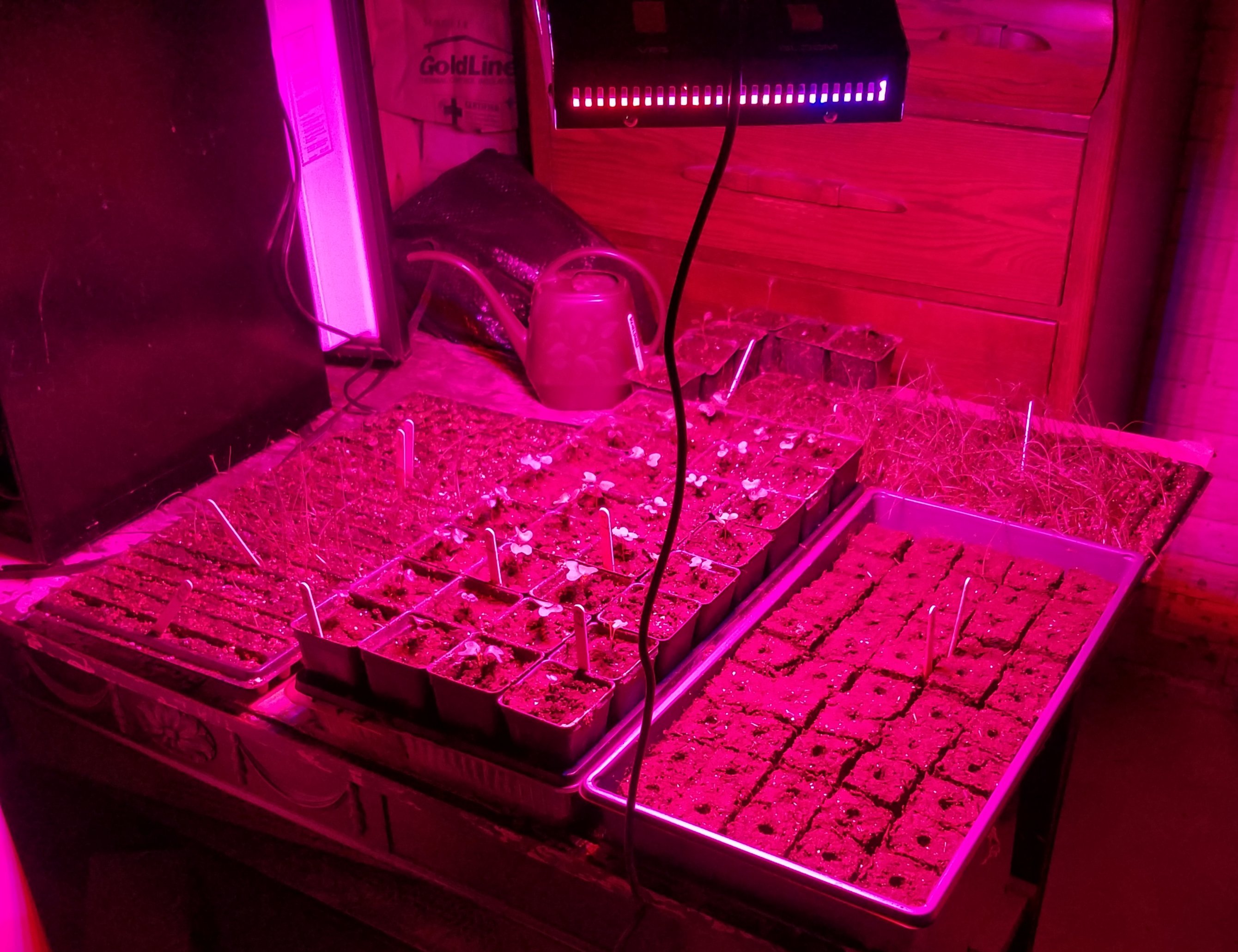
Snow covers much of the ground as March begins. Last year I planted kale in the greenhouse on March 1. This year the seedlings have four leaves on them today thanks to a heating pad and grow light downstairs.
The farm posted photos of their onion starts and mine look similar. That’s a good thing, bringing hope onion planting and harvest will go well. It’s going to be a great gardening year, I can feel it.
The word count on my writing stalled around 150,000 words. Mostly, it’s because of the larger than expected need for editing. It’s also attributable to a lack of organized research materials combined with the reworking of written passages as new information returns to mind. If I plan to finish this book by the end of the year — and I do — I need to clear the Spring ice jam.
I’m reasonably consistent at producing a daily blog post, yet the longer project has distinct challenges. I spent the last two months mostly indoors, considering my life, and producing a lot of words. What I didn’t know before, and do now, is I can’t go into the same detail as I may want to get the book done by December. Also, there is more editing time than writing a first draft, a lot more.
The press of March is also a factor. More of my time will be spent outdoors, making the early morning writing shift more valuable. I don’t know what that means presently, except more of that time should be reserved for book writing. I do want to finish something by 2022.
This week’s planting schedule is for collards, spinach, and more celery and herbs. Each week there will be more gardening tasks to include until by April, gardening will dominate my days. I knew that going in. On March 1, I’m there.
How should one deal with gaps in an autobiographical narrative?
Subjects of my narrative lived for years with slight oral, documentary or photographic record. As the author I must deal with the relative void found more frequently than not. What’s missing may be as important to a broader history as what is passed down. There can also be conflict about anything that is said, even about what is known. An autobiography writer has to decide what and how to present these gaps in the narrative. Presenting a broader history is not always the point.
For example, my maternal grandmother was baptized in 1898. The next known date in her life was the birth of her first child in Saint Paul, Minnesota in 1920. A couple of stories from her life on the farm survived. We don’t know when she married. Perhaps that date will be discovered. She had her second child in 1923. There are 20 years mostly void of record. There is no reason for an author to fill in the void, although one should acknowledge it.
Things known or passed down should be used as primary source material. That is more important than the missing record because what is known is what we lived with. As an example, we have a confirmation day photograph of one of grandmother’s sisters. That speaks to the way church-related events were special in their lives: a special outfit and a special portrait. Something like that is fair game for inclusion in my narrative even though it may not be specific to Grandmother. It informs cultural life on the farm.
Grandmother left home to work as a housekeeper in the Twin Cities, according to oral tradition. My cousins, the children of Grandmother’s first child, may have oral tradition passed down from their Minnesota origins. I don’t. I’m not sure how important those stories may be to my autobiography as they have not yet been part of my life. If we get together again, I’ll ask my cousins.
Some parts of the historical record exist and could be included. Things like birth, marriage and death dates. They create a time line upon which other things can be hung. Understanding twenty years of time, and identifying what Grandmother did during this period is difficult absent a historical record or oral tradition.
At least one historian studied the community my great, great grandparents helped found beginning in 1883. Things absent from oral tradition are included in those historical narratives: what subsistence farming was like, church life, social life, cooperative ventures, and others. The debate I have with myself is whether or not I would include historical work done by others, even if reasonably accurate, which lies outside oral tradition. It’s a choice which is useful if it explains background, not if it distracts from the primary narrative. I included a long piece on the Polish colony in Minnesota because it informs the life of my grandmother and by extension, mine.
Another example is my maternal grandfather’s work as a coal miner in LaSalle County, Illinois. We know he worked in the Cherry mine, and he worked long enough to contract black lung disease. Mother often told the story of him being a socialist and we didn’t really question it. Nor did we probe for additional details. The stories in a family’s oral tradition are fixed for the most part. I accepted them for what they were and try my best to retell them. Yet grandfather worked in the mine for a considerable amount of time and there are multiple histories of coal mining in Illinois which could possibly expand the narrative. Where I end on this is to tell what has been passed down in oral tradition and leave it there. The regional economic history is too complex to yield much specific to our family. In this case, I found it better to stay focused on my narrative.
Since I’m writing my autobiography, I have a wide range of options. The mistake historians sometimes make is to focus a narrative on what information is available. The autobiography writer lives in a different world with a canon of stories passed down orally. Because there is plenty about my life to tell, I want to keep the background information surrounding my family tree limited to what illuminates my character. I try to be faithful to the truth and to reality.
Some of the gaps will remain because empty space serves a purpose as important to narrative as the main thread. We needn’t fear a vacuum. We can appreciate what it adds to the story.
As of yesterday, there were 117,295 words written this year.
The gutters drained snow melt all day. High was in the mid-forties on Tuesday. We’ve been on restrictions for almost a year because of the coronavirus pandemic, it feels like something is going to bust loose as snow melts.
Feb. 22 the number of official U.S. deaths from COVID-19 passed the 500,000 death mark. For perspective, the Spanish Influenza killed an estimated 675,000 in the U.S. The population has more than tripled since 1918.
I’m scheduled for my first vaccine shot this weekend at the Methodist Church. The event was announced via email on Friday by the county senior center. Registration closed an hour later because there was so much demand.
Dr. Anthony Fauci expressed hope CDC would establish guidelines for people who get fully vaccinated. That would be nice, although Iowans are not good listeners to this type of guidance. Iowa has the lowest percentage of people fully vaccinated of any U.S. state. It’s also a month before we would get our second dose of vaccine. Perhaps CDC will tell us what post-COVID-19 society will look like by then.
A year of restrictions is a lot. Because of video conferencing people are more accessible than ever. While such human contact is sometimes welcome, it’s not the same as being together in person. I turn down more video calls than I accept. Once the novelty wore off, I went back to being myself only with less human interaction. That’s not really who I am, though, and I look forward to doing more in society than securing provisions to stay at home.
The melt continues. The ground above the septic tanks is already showing. It won’t be long before the snow is gone and the scent of spring is in the air. With so much snow remaining, it is hard work to slog through it to get to the composter. Maybe in a couple of days the snow will be gone completely. It’s time in more ways than one to move forward.
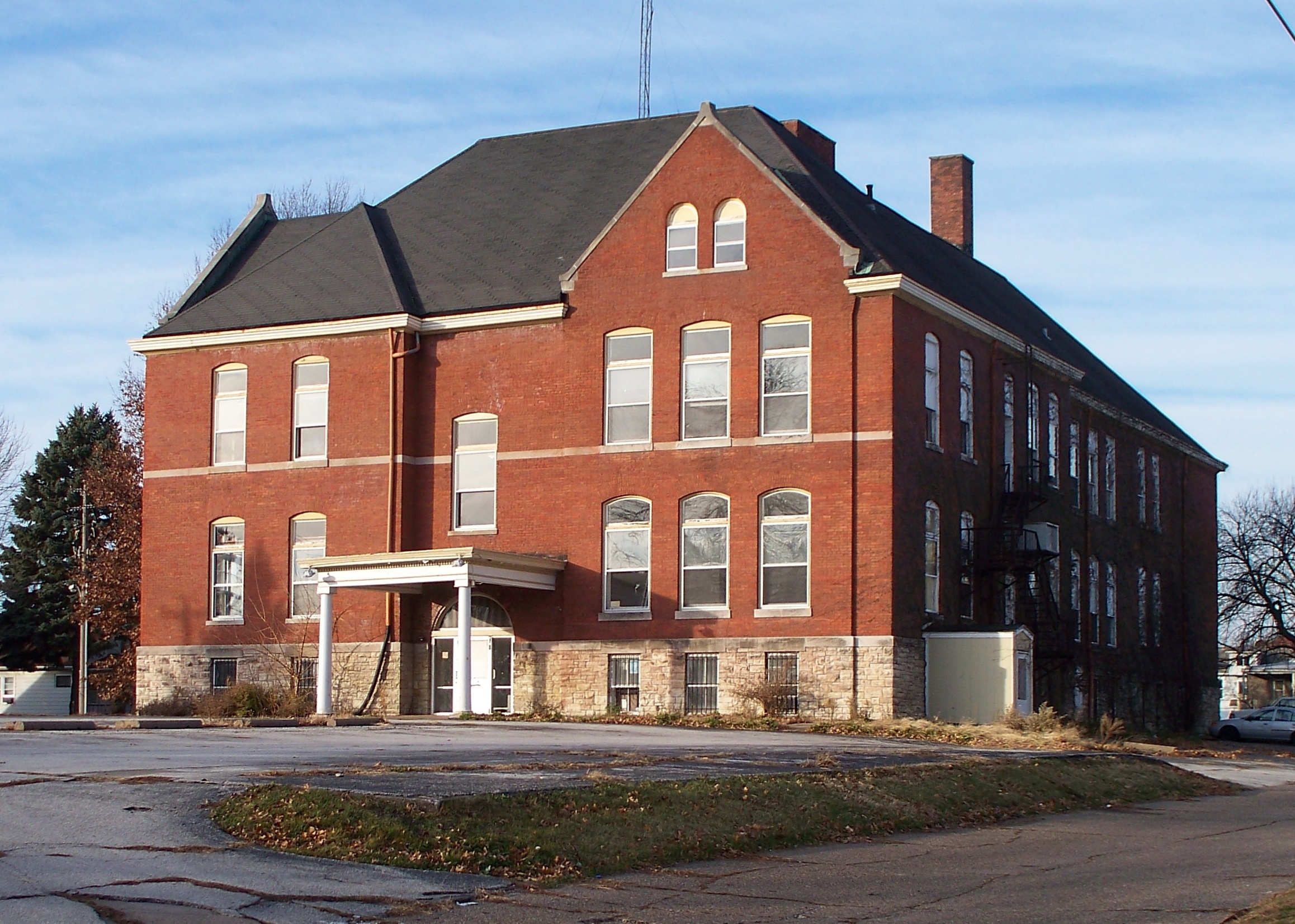
The grade school had a piano in the second floor gymnasium. I learned to play Brahms on it because when I started piano lessons, we did not have one at home. At the end of the school day I went to the gym and spent half an hour learning to play, usually by myself. Playing the piano seemed important in grade school.
I attended Holy Family School at the former Jackson School building from second to sixth grade, before the parish built the new school in time for seventh grade. Despite the short time there, I learned a lot of life lessons: how to get along with people, basic mathematics, how to use a dictionary, Palmer method of handwriting — usual stuff a grader learned.
My memories of that time remain clear and it was the most formative part of my childhood. It was there I socialized with other children beyond my neighborhood and developed relationships with teachers that meant a lot.
I recall negotiating snack purchases in second grade. By “negotiating” I mean it in the sense of navigating how to do it, determining how much they cost and where I would get needed funds. Since every student already knew each other, I appreciated that the teacher introduced me to the group and explained the snack process. At first I used pennies I found on the back porch. This gave way to an eventual allowance and work as a newspaper carrier to pay for my snacks.
In the third grade there was Roman Catholic Catechism. I still have the book. I remember we focused on mathematics in particular with Sister Hilda who lived in the second floor convent with other Sisters of Mercy. When I was old enough, I served as an altar boy in the convent, a privilege reserved for select students. It made me feel special.
In fourth grade we began to read in earnest. Mrs. Hild, whose daughter Carolyn was in my class, was encouraging. She read Charlotte’s Web and other books to us. We had a project to learn the language and read. We were issued a standard Webster’s New School and Office Dictionary, which I still have. It was a special purchase and each family had to pay for their copy. When we completed a reading assignment, we could choose a sticker to affix to the book. Mine was soon covered with stickers. My favorite sticker was of the Confederate flag. Our family was the only one with ancestry in Virginia, so I preferred it to the shamrocks and Biblical quotations. For me, the flag represented where we had come from, rather than promotion of human slavery. Confederate flag stickers were apparently hard to come by, although Mrs. Hild eventually found one for me. The meaning of the flag was never discussed, although Mrs. Hild and Mother discouraged my interest. Children of Irish and German descent made up the majority of my classmates. The German kids seemed more assimilated than the Irish. As a descendant of Virginians and Poles, I was an odd duck.
I recall my fifth-grade teacher had an infirmity and could not move one of her arms very well. There was a discussion of how the Sisters of Mercy looked out for her and accommodated her infirmity by providing classroom time. I didn’t feel the school was short of teachers, however, they benefited from the low cost of keeping nuns in the classroom.
In sixth grade, John F. Kennedy was assassinated. As a Catholic school, another Catholic being president meant a lot. I found out about the assassination at the corner of Fillmore and Locust Streets when the crossing guard told me. When I got to school the shades were drawn and we sat in silent prayer as we waited for additional news of the condition of the president. Later, in my dictionary, I filled in an additional line on a chart of the presidents of the United States, adding both Kennedy’s information and the beginning term of Lyndon Johnson. During my lifetime until that point there had been four presidents, of which three were Democrats. Of course, they were all in the shadow of Franklin D. Roosevelt.
I had a full life at the old Jackson School. I played with friends my age in the playground, games like marbles, foursquare, Olly Olly Oxen Free, and we took turns on the swing set. They blocked off 16th Street for use during recess. There were basketball hoops. I was in the chorus, which favored music from the motion picture The Sound of Music, which the nuns all enjoyed. I remember attending a concert by graduating eighth grader Dennis Gallagher who would later become a professional musician. I was two years behind him.
Things changed when we moved to the new school on Marquette Street. Most of the time I forget I took piano lessons. The guitar became my instrument and I liked it. Playing music on a guitar was more casual. It had a tolerance for variation. We were fortunate to have a school that could afford to teach music. It was assumed music would be part of the curriculum and I took advantage of it.
They were right: music should be part of a grade school curriculum.
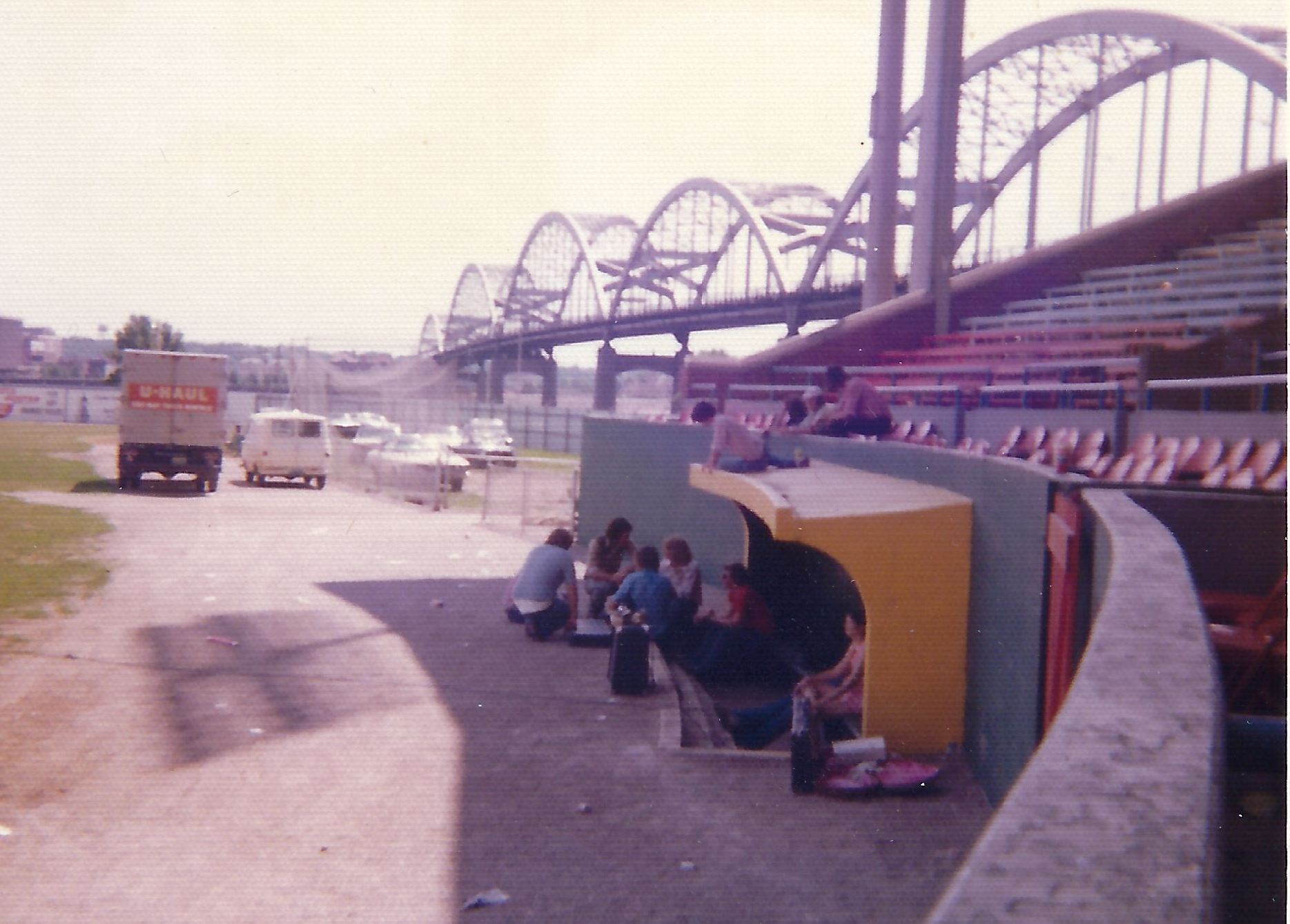
Preparing for a performance at John O’Donnell Stadium in Davenport, 1973.
Music was a significant part of my life until it wasn’t.
The beginning was clear as daylight: the Beatles performance on the Ed Sullivan Show, Sunday, Feb. 9, 1964. In December that year, Mother took me to the King Korn Stamp store where she traded stamps for a Kay guitar. The guitar was my birthday present. I played it frequently on my own, and by the eight grade with classmates in a concert where we performed The Cruel War.
I don’t know when my interest in music slipped away, but at some point I sold my Fender Telecaster to my friend Dennis and slid the Yamaha in its case under the bed. The expensive classical guitar I bought in Iowa City, my long-necked banjo, and the guitar I bought in Mainz, Germany are around. I’d have to look to find them.
If I had the talent, I would have become a professional musician. While I played a lot during the first twenty years, when I engaged in a career in transportation the music slowly died especially after we moved to Big Grove Township.
I started out strong, though. In high school I studied with the late Joe Crossen and practiced constantly. I joined the high school chorus and followed my neighborhood friend Denny Gallagher who went on to make music a career. There were many encouragements and a few opportunities to play.
When Father died, Mother settled with the elevator company, producing a small cash windfall for me. I bought a used Volkswagen micro bus, an electric guitar, two amplifiers, and a public address system. Some high school classmates and I formed a band and did a few gigs. We mostly practiced in one of our parents’ homes. By college graduation, I was ready to move on from the band.
I found some of our band playlists. Among the songs I remember playing were covers of Bertha by the Grateful Dead, Six Days on the Road, Let it Rain, Can’t Buy Me Love, Kansas City, All Along the Watchtower, Blue Suede Shoes, Thrill is Gone, and Don’t be Cruel.
When I made a Grand Tour of Europe I met some musicians who had arrived to perform in London. They encouraged me to buy a guitar and play with them. I did buy a guitar but left London after a week or so. We made the rounds of some agents, but nothing came of the joint endeavor. To have stayed with them would have voided my plans to see the artwork of European cities as I had planned.
I played the guitar all around the continent. It was suitable entertainment in the common rooms of youth hostels where I stayed. I met someone from Germany on the Mediterranean coast and we hit it off both in the types of music we knew and in improvisational style. Moments like those couple of performances made it worth toting the guitar around, wrapped in my blue denim jacket.
I did not take a guitar with me when I enlisted in the U.S. Army. I did manage to play several concerts using someone else’s instrument and have a photo of me with shaved head, in dress greens performing a number now lost to history. When I was stationed in Mainz, I bought another inexpensive guitar. During military service and afterward, I developed a playlist of Dylan (John Wesley Harding and I Shall be Released), Fred Neil (The Dolphins and Everybody’s Talking), John Renbourn (I Know My Babe), Tim Hardin (If I were a Carpenter and Lady Came from Baltimore), Leonard Cohen (Suzanne), Richard Fariña ( Pack Up Your Sorrows), Peter, Paul and Mary (The Cruel War) and Judy Collins (Cook with Honey). It was a lot of practice, but few performances while I made my way through being a mechanized infantry officer.
In graduate school I met Joe Pratt from California. Somewhere I have an audio cassette of us playing in our duplex on Taylor Drive in Iowa City. He was a big fan of Stan Rogers and I learned to play Field Behind the Plow from him. Joe also liked Steve Goodman’s arrangement of The Dutchman, and Jim Croce (I’ve Got a Name). He also knew the work of non-dead musicians.
Reading through the old playlists is a treasure-trove of memories. What happened? It wasn’t one thing.
The main issue regarding musical performance was the lack of venues. Once I made the decision not to become a professional musician, there were fewer opportunities to play, other than practicing. The question became “practicing for what?” Society had moved on from live performance in small venues to pre-recorded music or live acts playing stadiums and halls that could seat thousands of people.
Beginning in graduate school, A Prairie Home Companion became part of my musical life. I came to depend on it for musical inspiration. As locals like Greg Brown, Iris DeMent and Dave Moore performed on the show, that made it a connection to something visceral and real. When Keillor folded the tent in 2016, it was a real loss, something I continue to feel as the sun sets on each Saturday’s Iowa prairie.
One more thing, although the list could go on. There is a lot of worthwhile activity to fill our time. In the end music got pushed aside as writing, politics and work occupied more time. I have no regrets about this. I wouldn’t have expected it either. I didn’t expect it when I bought my Yamaha guitar at Cook’s Music Shop in Davenport before leaving for university.
In my writing room I have a long shelf of 33-1/3 RPM vinyl records. I measured 43 inches, although there are a couple more boxes in storage. Included in the collection is my parents’ copy of Meet The Beatles, issued in the United States on Jan 20, 1964, just before the Ed Sullivan Show performance. They bought the record and a small monaural record player that year. In 2018 I wrote about my relationship to music.
As my collection of records grew an issue arose: the distinction between being a music player and a music listener. It caused me some teenage consternation.
Blog post, Dec. 5, 2018.
I don’t know what is my current relationship with music. I don’t play musical instruments any more. I don’t sing much either. In fact, I don’t turn the radio on unless I’m in the car securing provisions, or to hear the news while preparing dinner. I guess I have just moved on to other things. I’m okay with that, yet for a while, music was it.
It’s been almost a year since the Iowa State Hygienic Laboratory reported the first three positive test results for COVID-19 in Iowa on March 8, 2020. The pandemic continues and I don’t know about you, but I’m getting cabin fever. The lingering snowfall hasn’t helped.
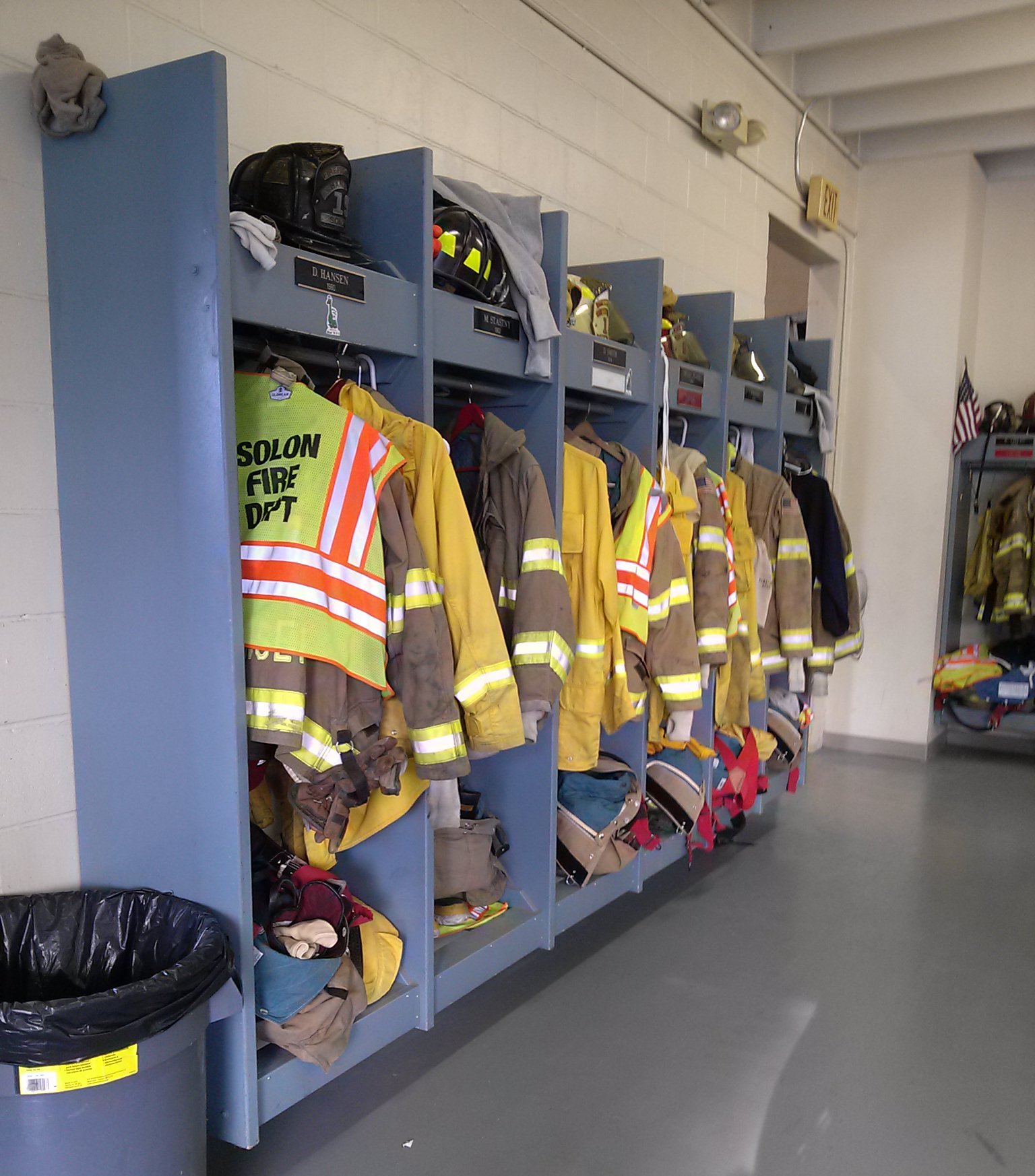
I read the report of fund raising challenges for a new fire station for the Solon Tri-Township Emergency Response Agency. The fund raisers can’t get in front of people due to the pandemic. While the $1.2 million raised so far is positive, there is a long way to go. I encourage people who can to give generously to this project.
Thursday I put on my Carhartt jacket, the U.S. Army-issued scarf I wore in the Fulda Gap, my seed supplier logo stocking hat, a pair of Army boots I got in basic training, my buckled overshoes, and ventured into the unbroken snow. It was more work than expected to deliver two five-gallon buckets of compost to the bin. I felt better once it was finished, some relief from cabin fever. Now I need to figure out how much I can afford to give for the fire station.
The new fire station is designed to better meet our needs. Our volunteer fire fighters could use the support. Please give what you can.
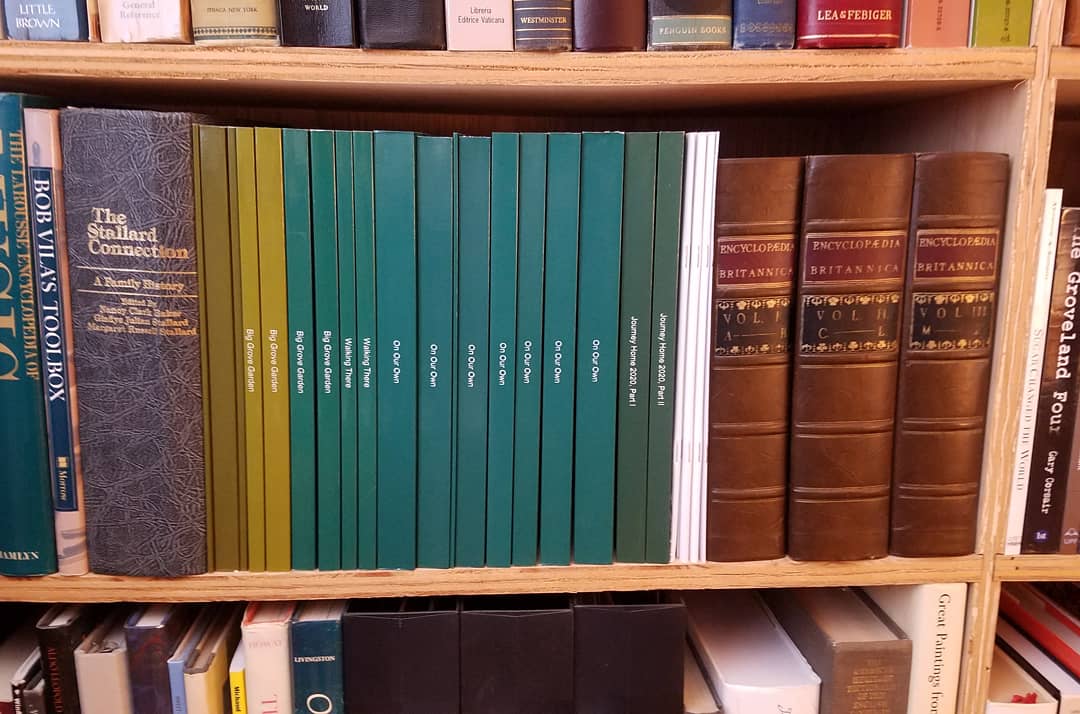
12-inches of blog books and a replica of the first edition of the Encyclopaedia Britannica.
When I wrote it was time to get a grip on the narrative of my autobiography in issue #4 I wasn’t kidding. It’s a flipping beast!
Sorry to report I’m nowhere near that goal and the thing keeps growing.
Because I have written so many autobiographical pieces over 50 years, I’m constantly finding new and important work to incorporate. I have to choose to either mine the artifacts or focus solely on writing. I don’t think it’s an either/or thing.
I’m leaning toward mining artifacts until I run the seam.
The writing is the most engaging part of this work so I can’t imagine avoiding it completely. Thing is I need to understand the scope of what is to be included and I’m nowhere near seeing the big picture.
Yesterday I was reading folders of my undergraduate papers. Was I ever an undisciplined student! I marveled at how a teacher would provide a three-page, single spaced, type-written response to one of my papers. I don’t know if they did it every time, or if I was getting special attention. In any case, it was remarkable.
At the same time, my Shakespeare teacher was exceedingly brief. He used a pack of 3 x 5 index cards for his lectures and they were stained with age and the nicotine tar from his constant tobacco smoking. We knew class was finished when he crumbled his cigarette package, after chain-smoking the remaining cigarettes, and threw it in the waste can.
It is remarkable I continued as a writer after the drubbing I received getting my degree in English. Nevertheless, I persisted.
To provide a better working framework for collecting past writing, I designed what I’m calling a book tree. It is a brief outline with the current 37 chapters, or sections where I can park existing writing as I find it. Half of the draft is migrated there. Once I run the seam I can take each chapter and create a better narrative that will build toward a rough draft. It’s going to take me all year to finish, although I knew that at the beginning.
It did help to lay out the 37 chapters. While it may not be the final number, it serves as a meditation guide for contemplating my life. The more I do that, the better will be the narrative. At least that’s what I believe mid-February in the project.


 Journey Home
You must be logged in to post a comment.