My current book is heading for home and each new day of editing brings a sense of impending completion. Being a career logistician, I consider process: By June, copies for early readers; then another edit; then fund-raising, printing, and distribution. Having written it, the work ahead is answering questions about whether it is the best it can be.
What is this autobiography, with working title A Working Life: A Memoir, about?
A man who set out to write discovers the long experience of work and of living meaningful days in the American Midwest is the life of a writer.
While this sentence needs work, it is the product of writing the book, driven by its themes. Writing, work, and meaning made a permanent structure. Until I finished a first draft I did not recognize that. Now I can stand on it.
Begun in 2010, this work is having a long gestation. As the writing and editing ends, I understand more clearly what my life is about. Soon I can move on to the next project.
More than anything, I need closure. I can see now that by Labor Day I will be ready to let it go.
On Wednesday I received a COVID-19 booster, and it knocked me down. I felt fine the rest of the day, but on Thursday I could barely stay awake. Even three days later, on Saturday, I was still feeling the aftereffects. Except for when I actually tested positive for the coronavirus, vaccinations had never felt this way. I was out in the yard Saturday and feeling better in the afternoon. Now a blizzard is on its way to eastern Iowa late Sunday.
I don’t think much about aging, yet signs are present. Some joints are stiffer, I need a new pair of glasses, I can’t run as well as I could. Let’s not get into my organs, yet they are changing, too. My sleep pattern is to bed early, sleep for 4-5 hours, then wake to read for an hour, and catch an additional 2 hours of light slumber. The vaccination had me sleeping through the night on Thursday, but I’m already back to the usual. A person can live with all of this. Acceptance is better than fighting it.
While at the pharmacy checking in for my shot, we discussed how the bill would be paid. By reviewing my medical records, I knew the billed cost is around $200. With billing computerization through Medicare and my supplemental insurance, the attendant could look it up on the spot. Insurance paid for all of it. Without insurance, I would likely have skipped it. If this were a reasonable country with healthcare for all, such concerns wouldn’t exist.
I checked with the household on provisions, and we can last through the blizzard. Goodness knows there is plenty of indoors work to be done, even if I would rather be outside. I wonder if less tolerance for cold temperatures is also related to aging. I wonder if I’m losing my hearing or just getting cranky. A week before spring, it’s likely some of each.
Songbirds are arriving: sparrows, cardinals, blue jays, crows, woodpeckers, and more. In winter, geese dominated the lakes. Some remain year-round, but now they are joined by pelicans, gulls, and a variety of waterfowl moving through on the great migration. The number and variety of birds will grow in the weeks ahead. Spring is literally in the air.
This blog is where I write about Iowa, gardening, writing, politics, and whatever crosses my mind while walking on the state park trail.
This post is for new visitors. I have been writing a version of this blog since 2007, although older posts were taken off line in 2013. I post about whatever comes to mind, yet there will be some common themes this spring.
Until the June primary election, I’m filling in at Blog for Iowa. Each weekend I will cross-post those pieces here. They cover what I have been doing in the Democratic Party during the previous week, along with a special Iowa politics post on Sunday.
The ground is not ready for a shovel yet, but I’m planning a large garden. Some of my posts will be about that. I attempt to keep things different, and I’m beyond the standard photos of emerging plants and harvested produce. Growing food is one of life’s pleasures, and I’ve been doing it since the summer after my spouse and I married.
I also write about writing. Some of my most popular posts are when I take some current writing challenge and work my way through it.
Thousands of paper and digital photographs remain in shoeboxes and on the cloud. I started an archival process and write about it in a series called “A Life of Photos.”
I review things — books and events I attend, mostly. I also have an informal series called “We’re Going Home” in which I reflect on generational change caused by the death of people I know or who have had a profound effect on me.
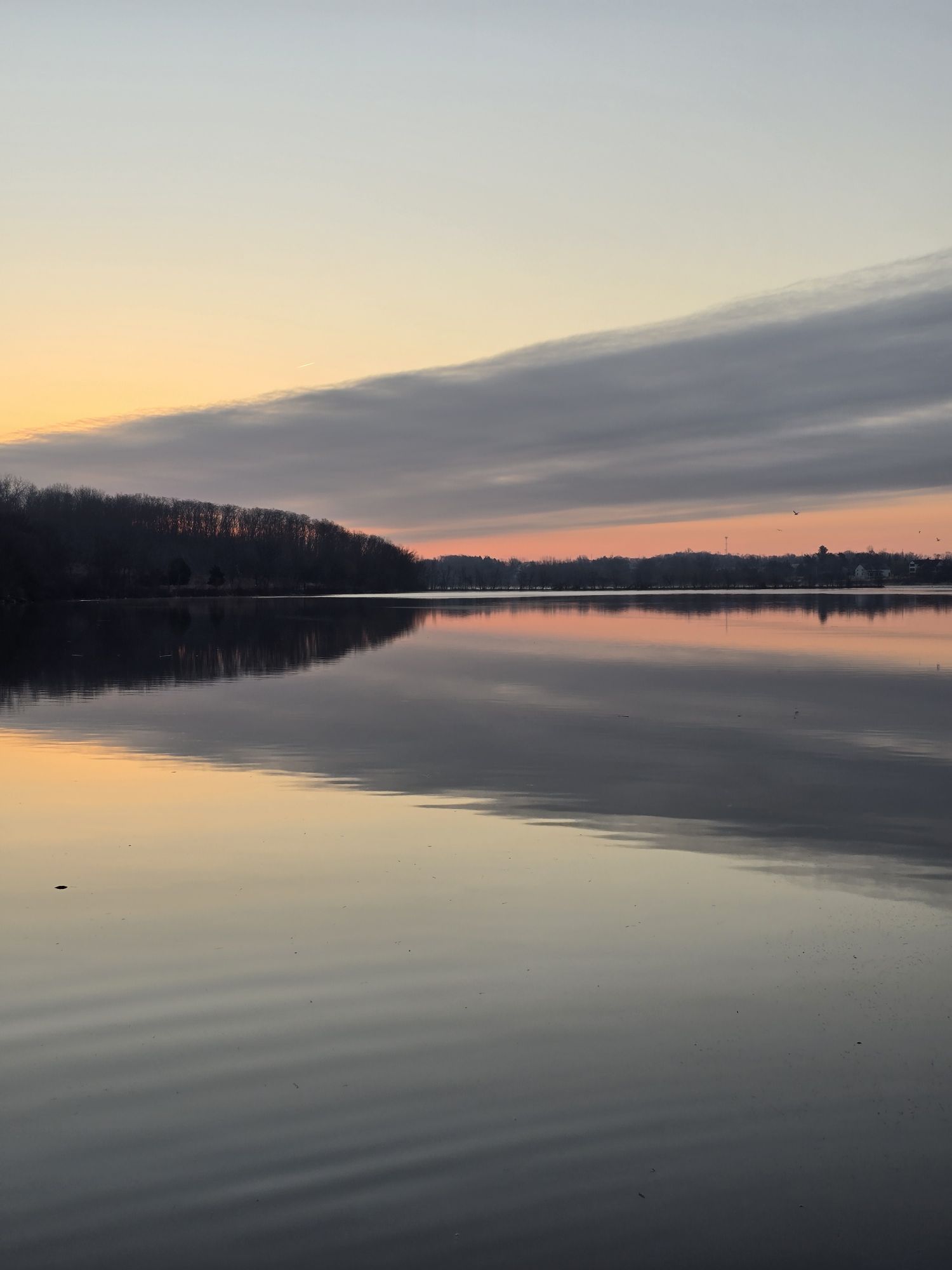
I walk on the state park trail almost daily, usually at sunrise. Those walks give me time to think about issues, and some of those make it back to this blog.
I’ll be 75 years in December and I’m determined to make 2026 a productive year. Watch for it here.
If you’d like to know more, check the About page, located here.
Thanks for visiting. I hope you will find something and return often.
Following is a description of how I spent the bicentennial in 1976 from my book An Iowa Life: A Memoir. I was on military leave, in between Officer Candidate School and Infantry Officer Basic Course. This year is the 250th birthday of America. I’m not feeling celebratory and wish I could go back to those days when I slept on mother’s front porch through the holiday, away from neighborhood noise.
I stayed on at Fort Benning to take the Infantry Officer Basic Course and attend jump school. After OCS, life was less stressful as I prepared for my assignment in Germany.
I felt the beginnings of transformational change from being an observer of society to a participant.
I see myself more as a player in the show than as an observer and critic. I, too, am a pilgrim traveling on the road to Canterbury with the others. I am beginning to chip the yellow stains from my teeth in preparation for a big smile in greeting the people and animals I see. Life is alive again, and my spirit is tuned into the wavelength of the people again. (Personal Journal, Fort Benning, Georgia, June 6, 1976).
I spent the Bicentennial Independence Day at home in Davenport,
If you stop by my mother’s house you still may see the red, white, and blue décor where I slept this week during my leave time.
After running around the Assumption track a few times, I returned, bathed, and lay down on our ancestral glider. The glider where girls I have crooned and plots have made. I tried to read N. Scott Momaday’s Pulitzer Prize winner but nodded as I have so often done, waking with an urge to set ink to paper about an event from the past.
So, with Grandma sleeping inside and green maple leaves surrounding me, I will recount the vision I have just had.
Several years ago, while we were still in school, Tim Hawks invited me up to his family farm house near Belleview. Some friends of his from Georgetown were visiting and I brought my guitar along to make a little music. In DeWitt, I believe, we stopped and bought a kite to fly once we got out to the farm. When we arrived, we were greeted by the cat who had the house to himself for quite a while and was anxious to make our acquaintance. In we go and carry whatever it was we brought with us inside and got the heater going to provide a more comfortable evening for us. After this and a slight tour, we decided to go outside and fly the kites which we managed with little difficulty: one regular and one box kite. For some reason we decided to leave the kites out and reel them in in the morning before we left. As it got dark, we retired to the inside where we settled down making a little music together, Timothy disappearing to the upstairs after a while with my guitar to make some music on his own. When we woke the next day, we discovered several inches of snow on the ground and that our kites had come down. After a breakfast of pancakes, we policed up the kites and made our way back the treacherous road to the highway, our adventure on the farm complete. (Personal Journal, Davenport, Iowa, July 5, 1976).
When I returned to Fort Benning, I found spare time to write in my journal.
Following is an example of the format I’m using in the project mentioned yesterday. I modify it slightly as I get the experience.
March 1, 2026
Closed eyes and picked a book.
Poem: Elsewheres
Author: Donald Justice
Source: Selected Poems, p. 63
Line: "The drip of something - is it water?-
Reaction: There is a presence in this poem. I seek to replicate.
Category: Resonance
Acquired new after seeing Justice at the UPS Store in Coralville. Don't recall when, but he was moving to Chapel Hill, N.C.
Would read more.
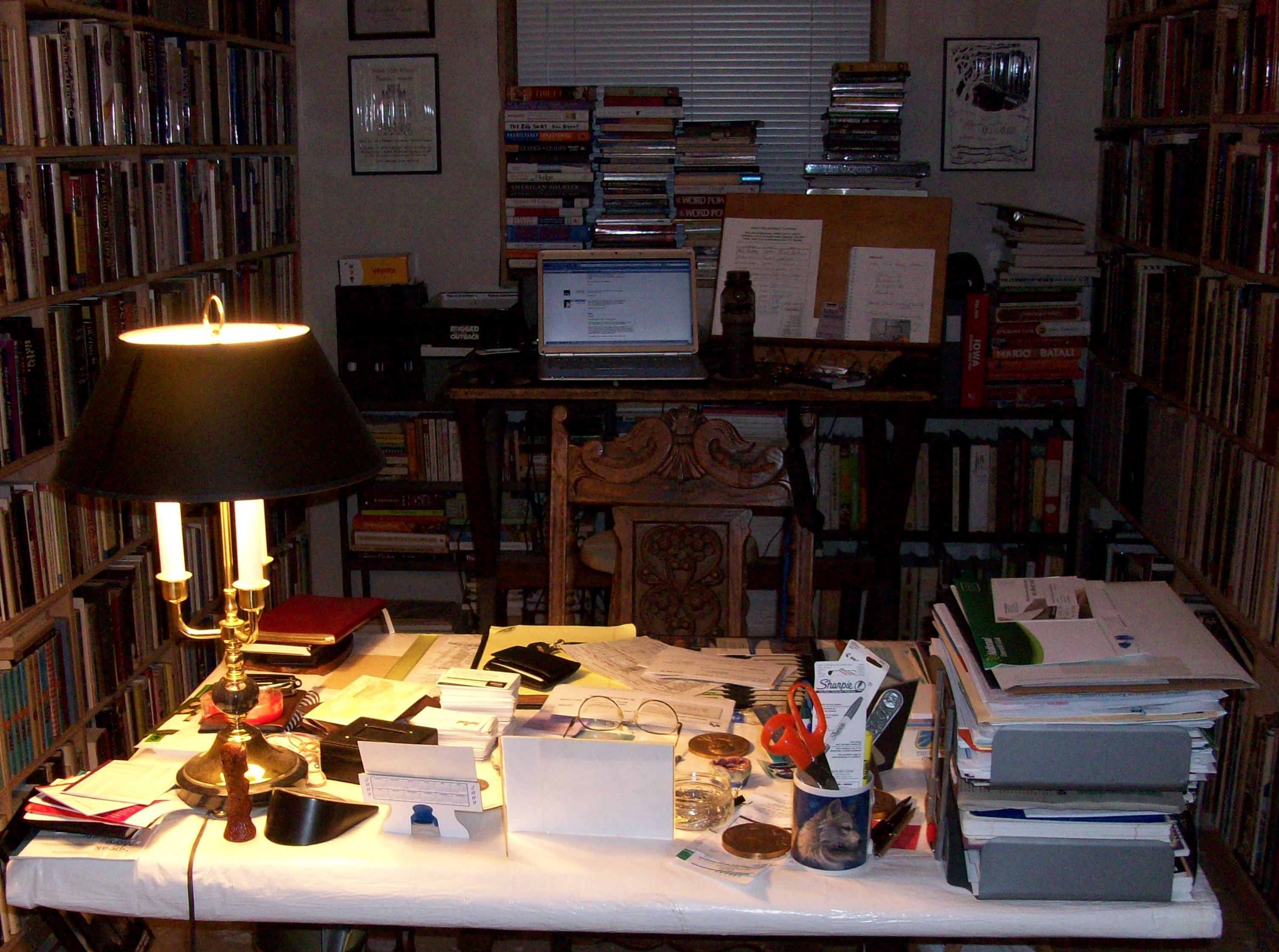
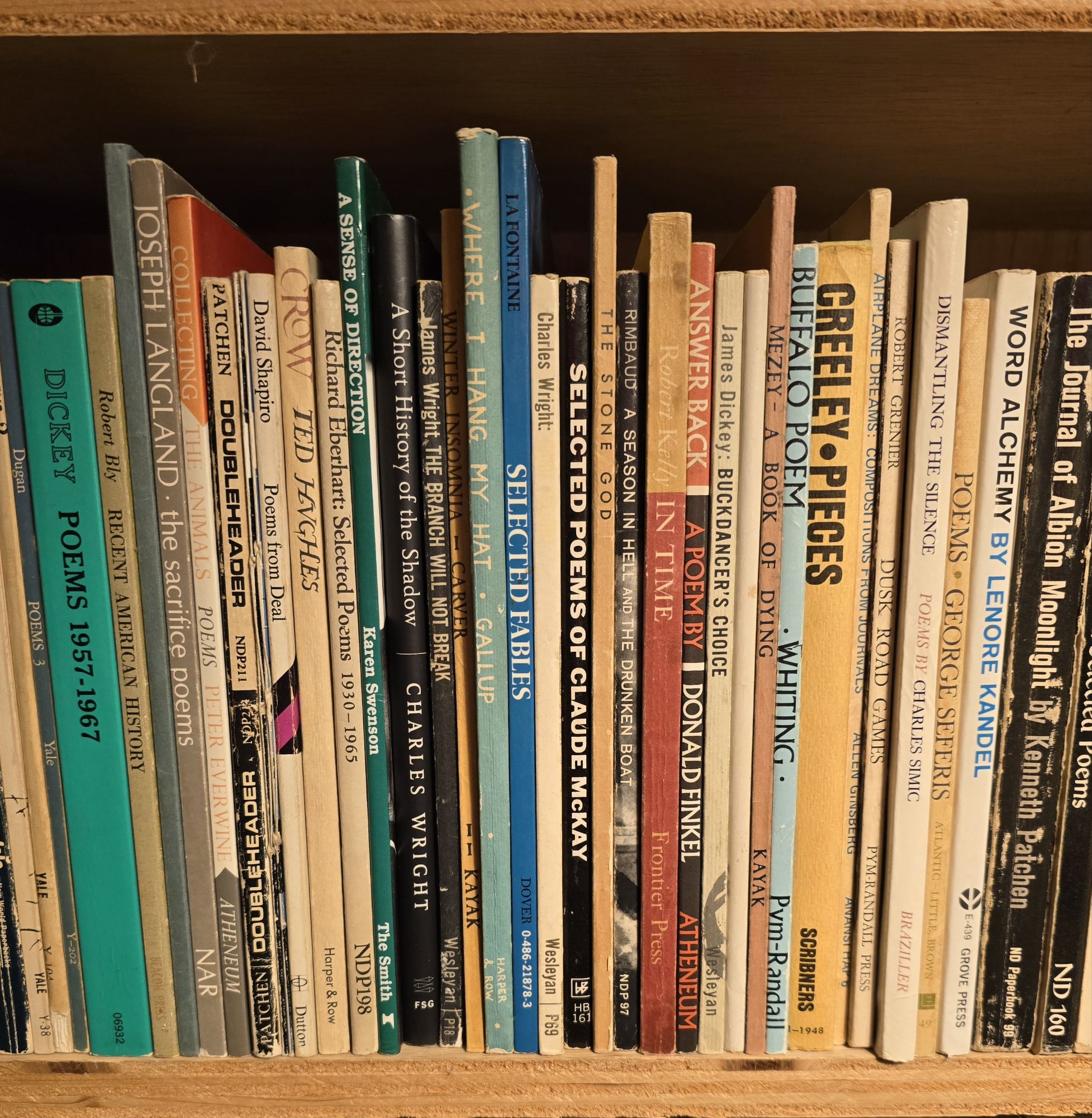
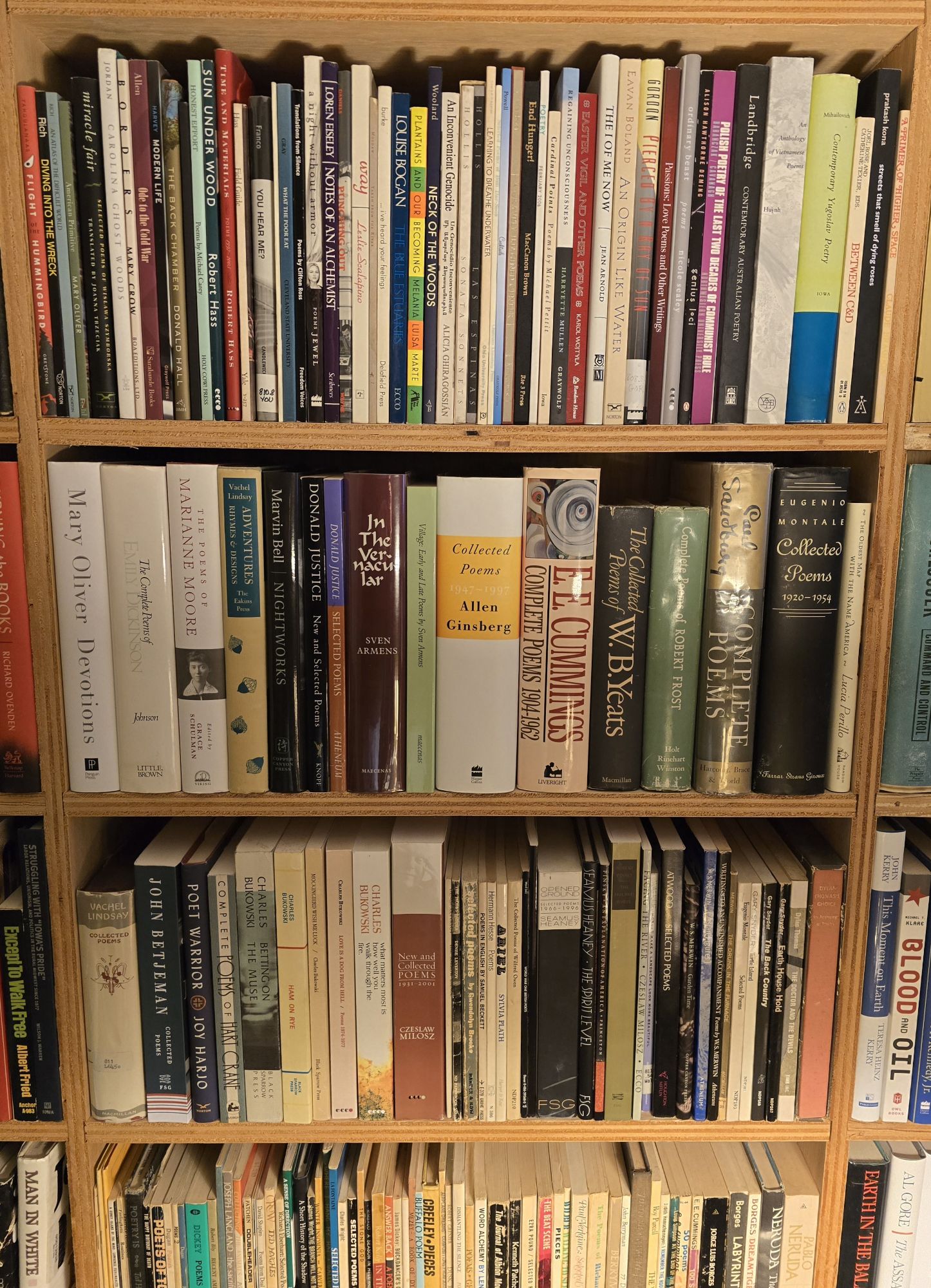
I have nine shelves of poetry, close to 600 books. When I want poetry, I walk over and grab a book. I haven’t read them all, and may not. They serve as a spring of imagery from which to refresh myself from time to time.
Roughly a fifth of them were purchased deliberately when I searched for a specific book of poetry. The rest are from remainder piles, used book stores, Goodwill, the Salvation Army, yard sales, and the community library used book sale. There was intent behind each selection based on what was available. The shelves are not as random as one may think.
When I encounter the 25 or so poems I once wrote, the words on the page come from a place of magic. I don’t know how I wrote them and couldn’t write them again. Words transcend the author. I’m better off leaving them where they are and writing something new.
To that end, I started a project of reading poetry. Each day I walk over to the shelves with eyes closed and pick a random book. Then I flip it open and read the first poem that appears. I select one line and write it down in a spiral notebook along with details of the encounter and my reaction. The notebook has 70 pages, so we’ll see where filling it takes me.
A septuagenarian is aware of the remaining viable days in a life. If I can restart writing poetry, it would be a productive use of some of mine. A person has to do something in life. For me, this is one thing.
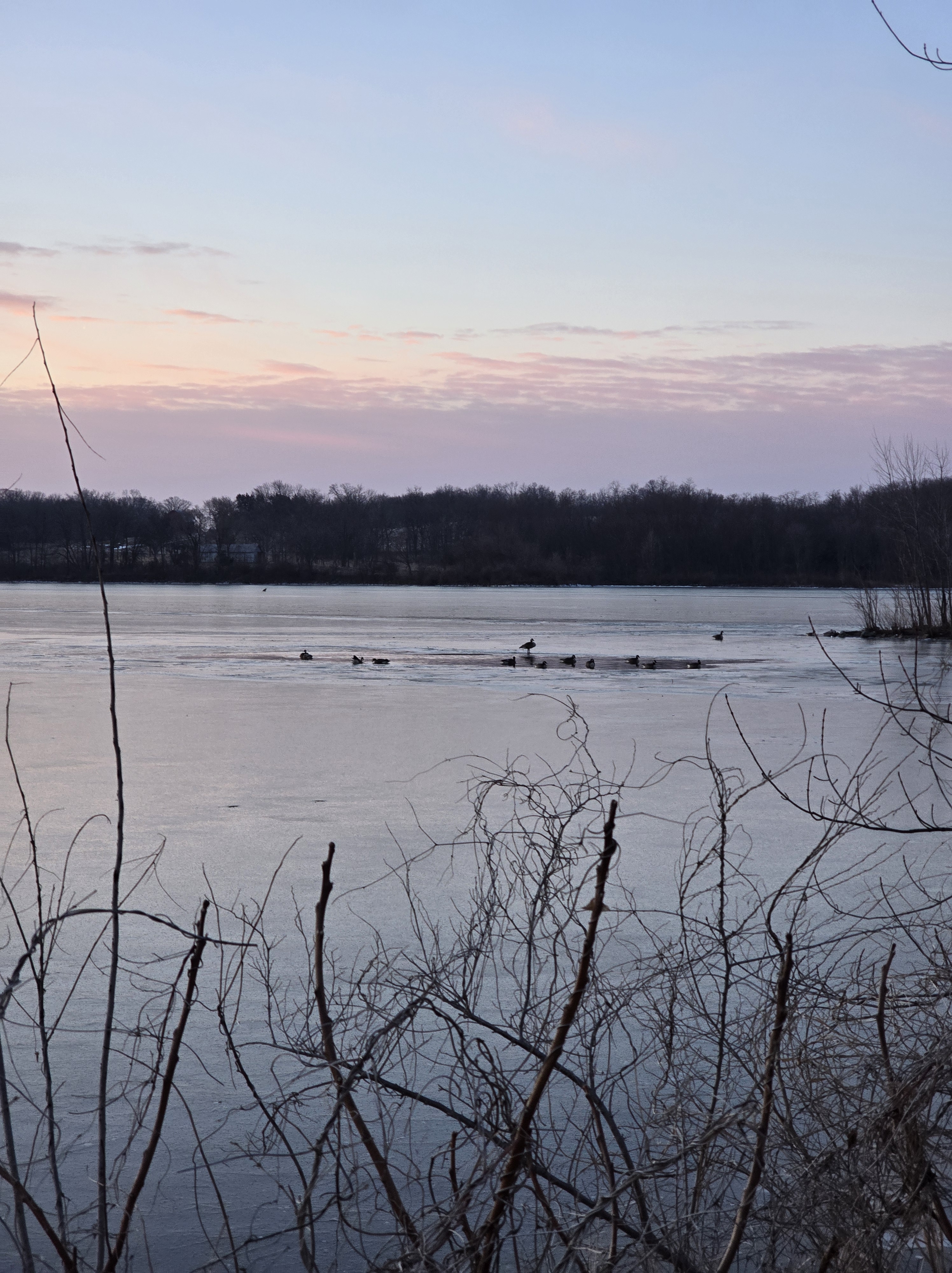
Canada Geese finding open water as the lake re-freezes on Feb. 25, 2026.
When I began writing for Blog for Iowa in 2009, I covered individual political events like the state hall of fame ceremonies and the special election of Curt Hanson. In reading those old posts, I remembered I also wrote advocacy for nuclear weapons abolition and for improvement in the environment. Those kinds of posts remain viable and while I’m covering for Dave Bradley the next couple of months, I will revisit them from time to time.
At the same time there is a new politics around Iowans. So much of what we get from Republicans is vindictive. We feel that particularly well in Johnson County where I live. I mean, we need a law to force counties to follow the governor’s orders about flying the United States flag at half staff? HSB 634 does that and it cleared the first legislative funnel. The bill was in reaction to Johnson County Supervisor Jon Green defying the governor’s order to lower flags to half staff after the death of a conservative podcaster. Defending against Republican vindictiveness is a slippery slope. I, for one, decline to go there. Why slide down into the mud with them?
What is worth writing about? For me it is the several conversations I have each day with actual people about actual issues, regardless of our politics. Things like the ungodly amount of money our county spends transporting prisoners because there has not been public support enough to build a new jail. The presence of blue-green algae in the state park lake near where I live. The odor of concentrated animal feeding operations wafting over our homes on warm summer evenings. The covert work of fossil fuel money to kill one of the shining examples of what is good in Iowa: our support for electricity generated from wind turbines and solar arrays. These are things I hear from actual people and they will carry weight in how I pick my topics.
In a time of instant access to public media, the national news plays a role here. I wish it were buffered by distance, yet it clearly is not. We have a president and national media geared to dominating what we hear and see in public media. It would be dishonest to ignore all of those stories. So I will pick some.
I hope readers will stick with me. I hope to provide reasons why you should.
Those following the president’s public statements about Iran knew trouble was brewing when on Thursday, Feb. 26, after a meeting in Geneva, Switzerland between U.S. and Iranian envoys, mediated by Oman, and with the International Atomic Energy Agency present, the administration provided no readout to members of the press.
“The U.S. reticence is likely in order to give US President Trump maximum space to decide if he wants to continue pursuing diplomacy or, as a massive U.S. military buildup in the region portends, strike Iran in order to try to get a better deal,” wrote Laura Rozen from Diplomatic.
This morning, Israel and the United States bombed Iran.
On Feb. 20, the Arms Control Association issued this statement:
Another U.S. aerial military strike on Iran, as President Trump said on Friday he is considering, would not advance the goal of blocking Iran’s potential pathways to acquire nuclear weapons if its leaders were to decide to do so. Rather, a U.S. attack would undermine ongoing diplomacy between Iran and the United States and damage efforts to secure return international inspectors to sensitive sites that were bombed in 2025 by Israel and the United States. Even a “limited” U.S. military strike runs a serious risk of igniting a wider, more intense, and prolonged regional conflict, and such an attack would be inconsistent with the U.S. and international law.
This came from our local chapter of Veterans For Peace on Tuesday:
The U.S. is on the cusp of a war on Iran. Although the U.S. stands on the brink of what may be the most consequential military action in over two decades, there has been no public debate nor congressional briefing, let alone a vote to authorize it. What can peacemakers do? As of now, Feb 24th, war has not broken out. There is a Massie-Khanna effort in the House, and a Kaine-Paul effort in the Senate which would prohibit military action against Iran unless there is a declaration of war or specific authorization from Congress. So, #1, we need to encourage Iowa members and other members of Congress to support those resolutions. (Congress’ switchboard # 202 224-3121). #2 we need to bear witness before war breaks out. Will that stop war from breaking out? – most likely not. But I would submit that silence is not an option. SO, what shall we do?
Hit the streets with local activists to demand No War and Hands Off Iran. Where? When? Please, let us “reply to all” with suggestions and advice by Saturday, Feb 28th. Peace, Ed Flaherty
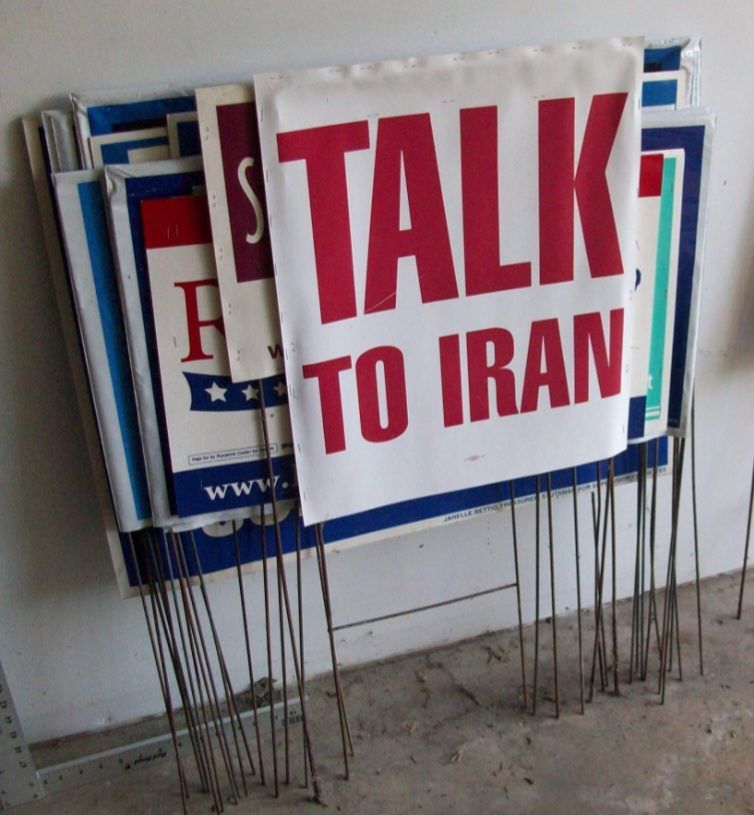
When will the Congress reign in the president on matters of war? Talks with Iran should continue before more combat.
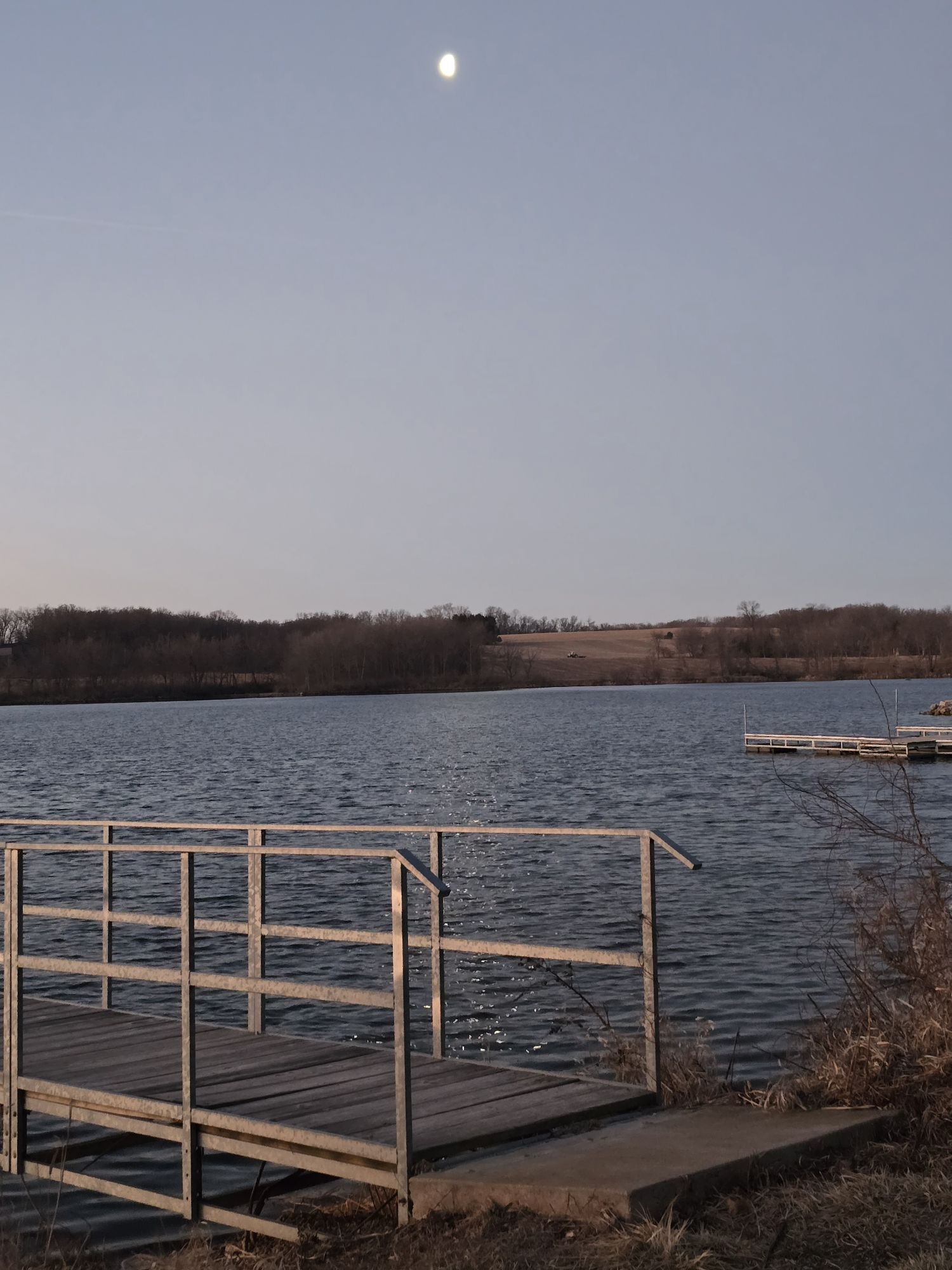
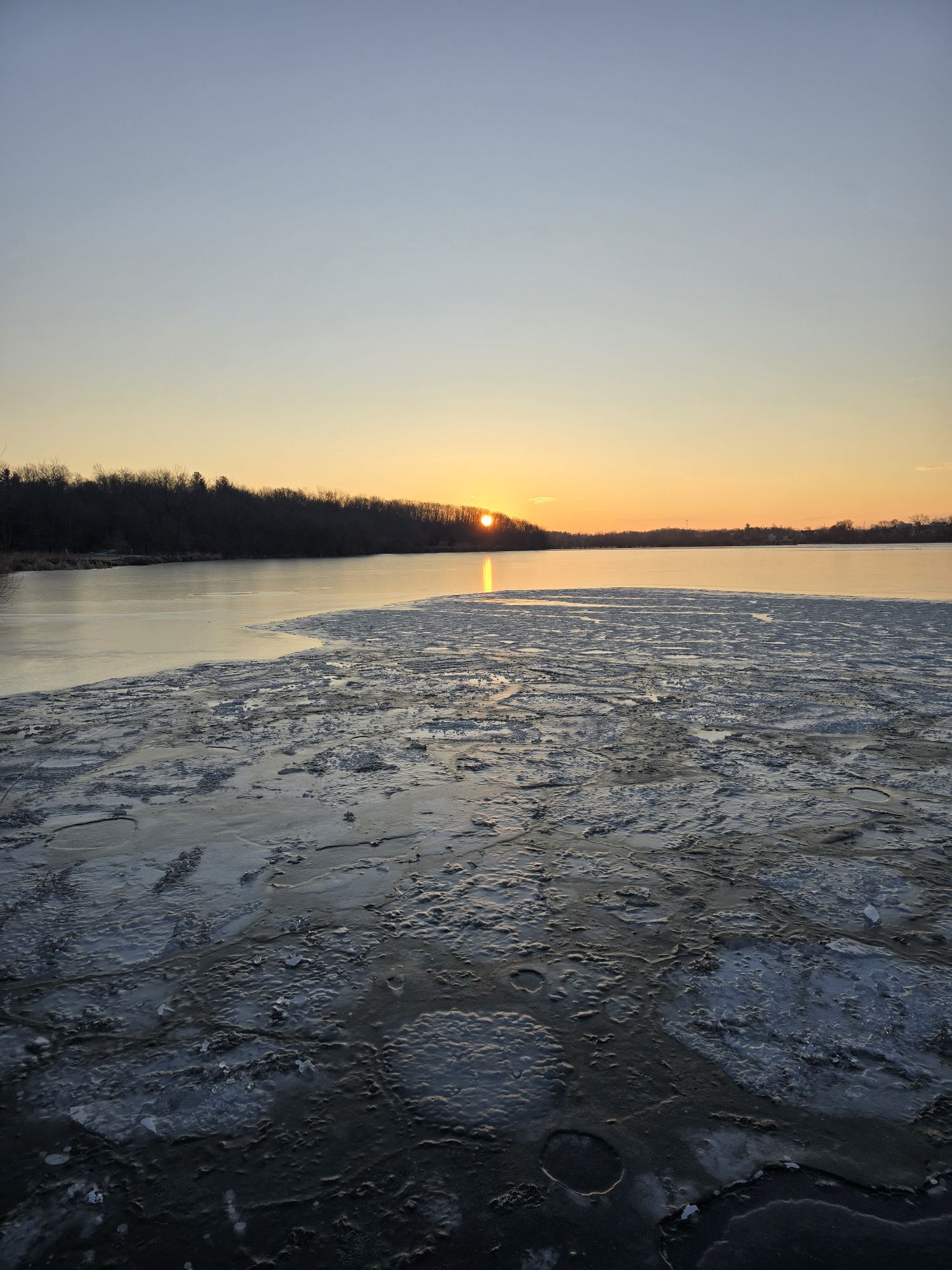
The portion of my autobiography after leaving a transportation and logistics career looks a lot like the ice in this photograph. Parts of it are smooth, yet thin, because only recently it was open water. Parts have frozen and thawed so many times it is difficult to determine where the surface could support a human. This morning, I stood on the bridge to where the boat docks will go this summer and felt I didn’t know what I was writing.
I haven’t given up. I’m deep in 2010, which was a pivotal year across my life in writing, politics, home ownership, work, and family life changes. I felt economic pressure from leaving a regular paycheck combined with depletion of savings. In my life, however, money was never anything to fret about.
The backlash to the election of Barack Obama was severe that year. It took less than a year, yet Republicans demonstrated they viewed little about Obama’s election as permanent, including the Patient Protection and Affordable Care Act which was signed into law that year. They reorganized themselves around right-wing figures while blocking and undoing the good things Obama did. That struggle continues.
I held a job trying to get U.S. Senator Chuck Grassley’s vote for the New START treaty, something D.C. lobbyists for nuclear abolition thought possible. When the Senate ratified the treaty on Dec. 22, 2010, we had not won Grassley’s vote.
There was a long automobile trip west to the high plains with a lifelong friend. Upon my return, I helped organize a 40th year high school class reunion which put me in touch with people I hadn’t thought of for decades. These were both positive and re-established my roots. I had a lot of material originating in 2010 and crammed as much as I could into a single draft chapter. Perhaps that was not a wise tactic.
The best approach to this revision may be to not work at all. Let everything sit for a few days. Focus on other projects and forget about writing. For this book to be any good, there is no deadline, even if I still want to finish by the end of this year.
I set it aside, thinking, maybe I could use a nap. I read in David Morrell’s book about writing, shaved, showered and re-started my day. I already feel the better for it.
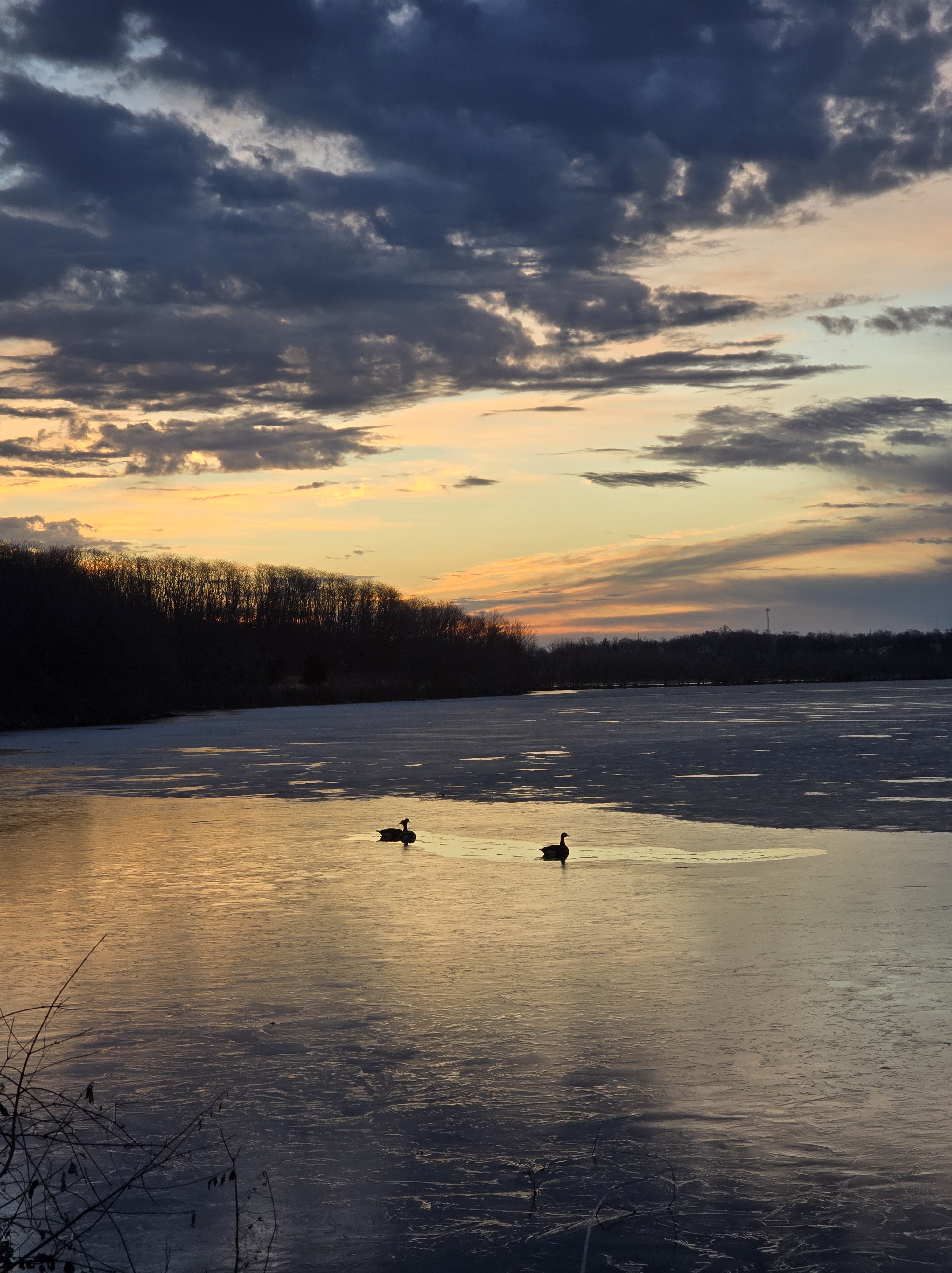
Two Canada Geese swimming in a sliver of open water on Feb. 19, 2026.
It snowed enough Friday morning to shovel the driveway. That 40 minutes of exercise substituted for trail walking yet I got this photo the day before. Ambient temperatures the next couple of days are forecast to be in the teens, so geese swimming in open water may have to find something else to do. I have plenty to do indoors.
I’m working on a new project with tentative title, “Food Algorithms.” The idea is to describe steps in the process of creating food from seed to table. My first step is creating a series of six or so posts that experiment with the language of this. If that goes well, a book-length text will be next in queue after I finish my autobiography. Stay tuned.
When I published my first book, I was in a big yank to finish and print it. It was imperfect, and I expected that. This time, I learned a lot about writing prose, and it shows in the text I shared with key readers. As a result of this learning I know what I want the text to look like, which things to cut, and which to enhance. I guess I am becoming more of a writer. Nine more chapters to re-work on this pass.
Another short post today while I get back to editing. The cooler weather suits me for now.
 Journey Home
You must be logged in to post a comment.