Categories
Work Life

A Sawyer

Woodcutting Work Site
Work Site

CEDAR COUNTY— Two white horses came down the hill and grazed around my temporary work site. I had forgotten how large an animal horses can be. Before long, they walked up the hill toward the barn where there was likely better repast. I continued to saw timber.

Who knew I would become a sawyer, even if only for a season?

Categories
Work Life

Plenty of Radishes

Work Station
Work Station

LAKE MACBRIDE— After work at the CSA, and on a new sawyering job in the next county, I harvested radishes— lots of radishes. It was a reminder of how far behind the garden is this year. There are still seedlings planted in March that need to go in the ground, and now a third crop of radishes needs be planted.  While it is cold comfort, every local foods grower in the area is also running behind— only the row croppers are on schedule.

As days fill with paying work from multiple sources, evaluating new opportunities has become a key skill. My main considerations are reliability of payment, flexibility of hours, and steady work that matches my physical capabilities. All of this at an acceptable rate of compensation. Mastery of time management and scheduling is also a key skill.

Yesterday found me explaining why services cost more if compensation was in money rather than bartered goods and services. Bartering income may be taxable, but the tax implications are not much outside bartering exchanges. If there is non-employment cash income, a tax of 13 percent comes off the top, hence the up charge.

These discussions with potential clients are not part of a person’s education and training. Most seek a single job, or maybe one full and one part time one, but that seems unsustainable, especially as one nears traditional retirement age of 68. Food for thought to compliment the radishes.

Categories
Kitchen Garden Work Life

Into Summer

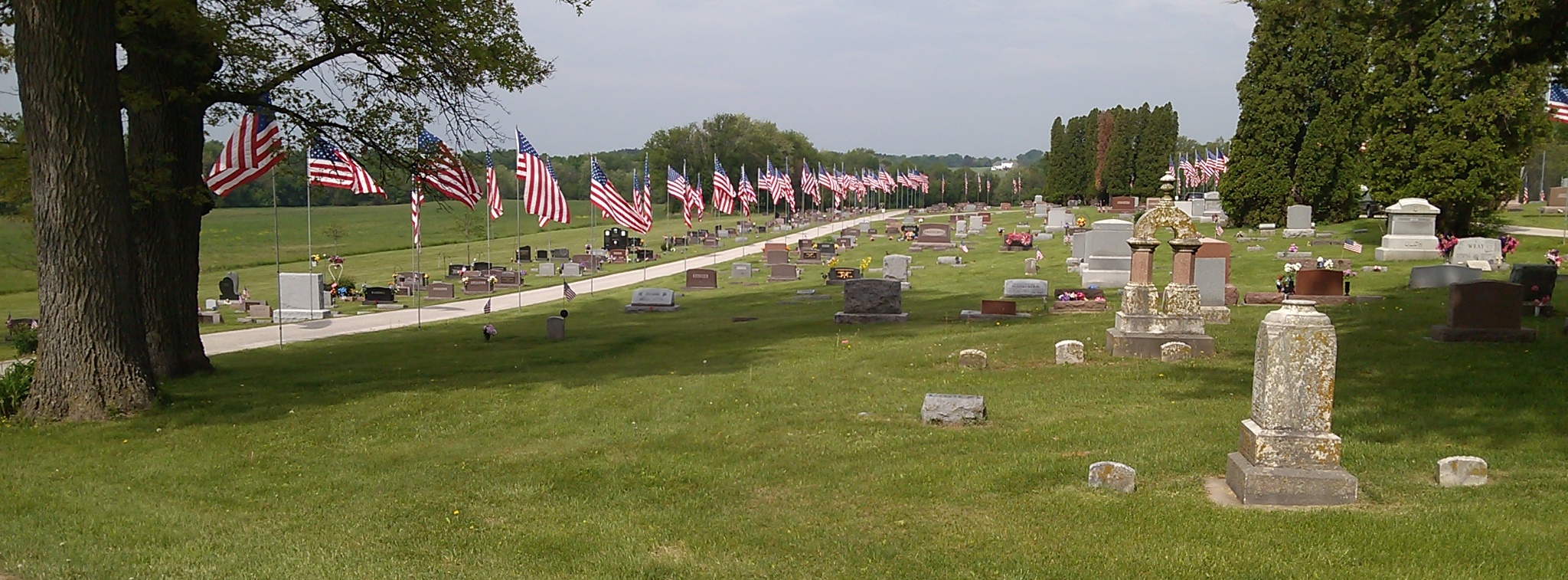
Flags at Oakland Cemetery

LAKE MACBRIDE— Memorial Day is past, and summer will officially be here in 26 days. The spring garden patch is beginning to produce, there will soon be spring garlic, but everything else is running way behind. I blocked out some time to finish the initial planting this week. Here’s hoping the weather cooperates, although with Iowa resignation, we’ll accept and deal with whatever comes.

It is stunningly quiet in Big Grove considering a contested primary election is just a week away. Both parties have choices to make, although the Democratic courthouse races have more meaning. There have been a lot of absentee ballots cast in the county, more than usual. Whoever is organizing that effort will likely reap dividends in a low turnout election. Since I have a filled dance card for the next ten days, we’ll wait and see what happens.

Like a smoldering ember waiting for fuel, in the ashes is consideration of another pivot point for this life. The busy-ness suppresses it, but nonetheless, it is there. There is more to come on that.

Categories
Work Life

Township Weekend

Arriving for Breakfast

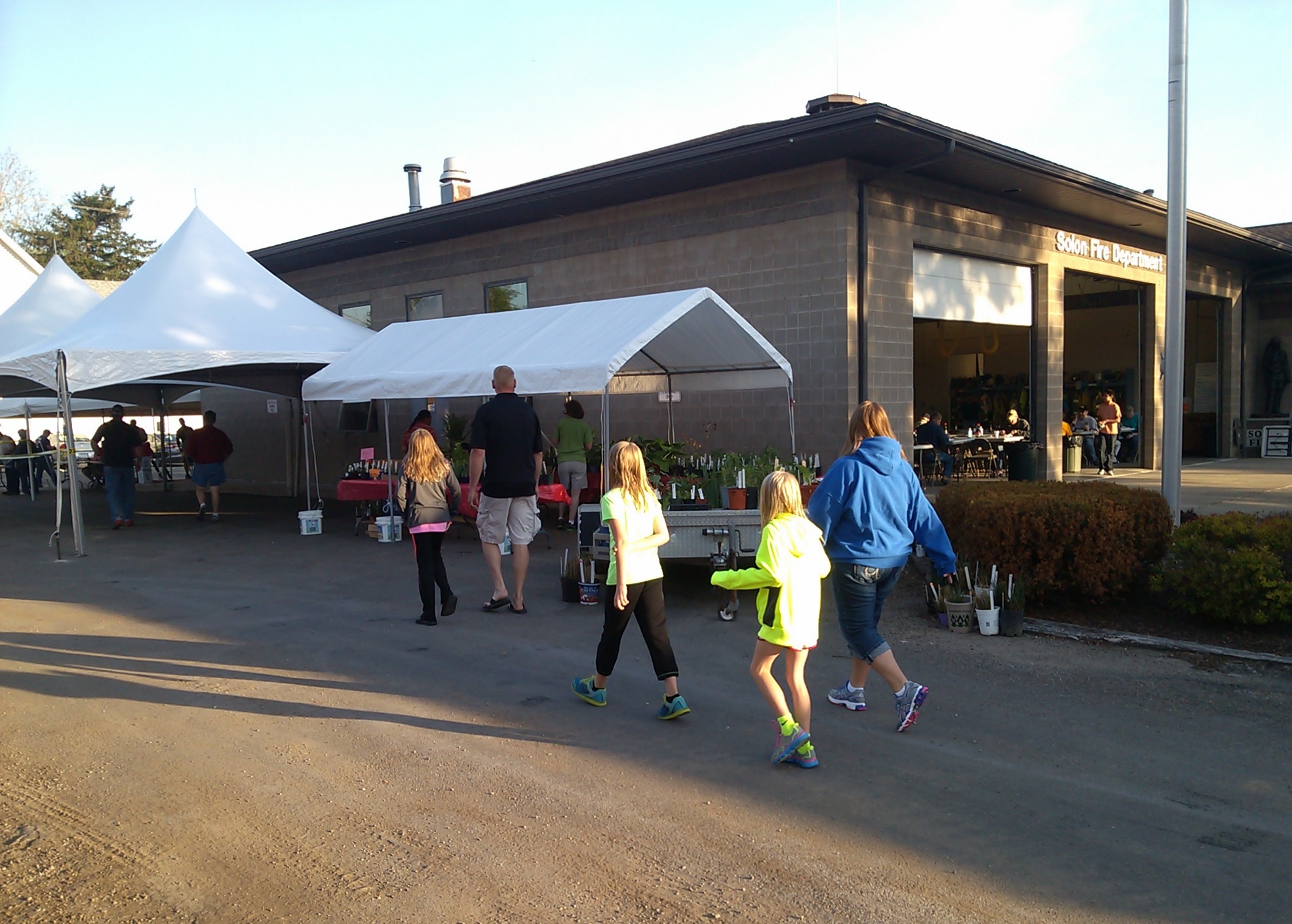
BIG GROVE TOWNSHIP— Memorial Day weekend is a big one for the township trustees, in that we help manage the fire station, where the annual firefighters breakfast took place this morning, and the cemetery, where the American Legion will hold a ceremony tomorrow. Our work is on display in both places. I never thought much about the connection until I became a trustee.

Our garden has usually been planted by now. This year, it is about 50 percent finished, mostly because of the late start and a work schedule that makes it impossible to get into the soil and get it done directly. We’ve had radishes, chives, spring garlic, spinach and lettuce already.

The primary elections are being held next week— another marker in the political cycle. I spent a lot of my morning proof reading articles about political candidates for this week’s newspaper, the last edition before the election. My article about the city council meeting and a pair of articles about the Democratic House District 73 candidates, are to be published.

I plan to vote at the polls in order to see how the last days of the campaign develop. A last minute development could change a vote or two, but I doubt it. The real political work won’t start until the end of summer, unless one is a candidate. I accept the popular wisdom that this weekend is the unofficial start of summer.

Supper tonight was asparagus, Yukon Gold potatoes and a veggie burger. Fit food as the weekend unfolds. Tomorrow, if I am lucky, I won’t leave the township.

Categories
Work Life

Thursday Miscellany

Spring Flowers
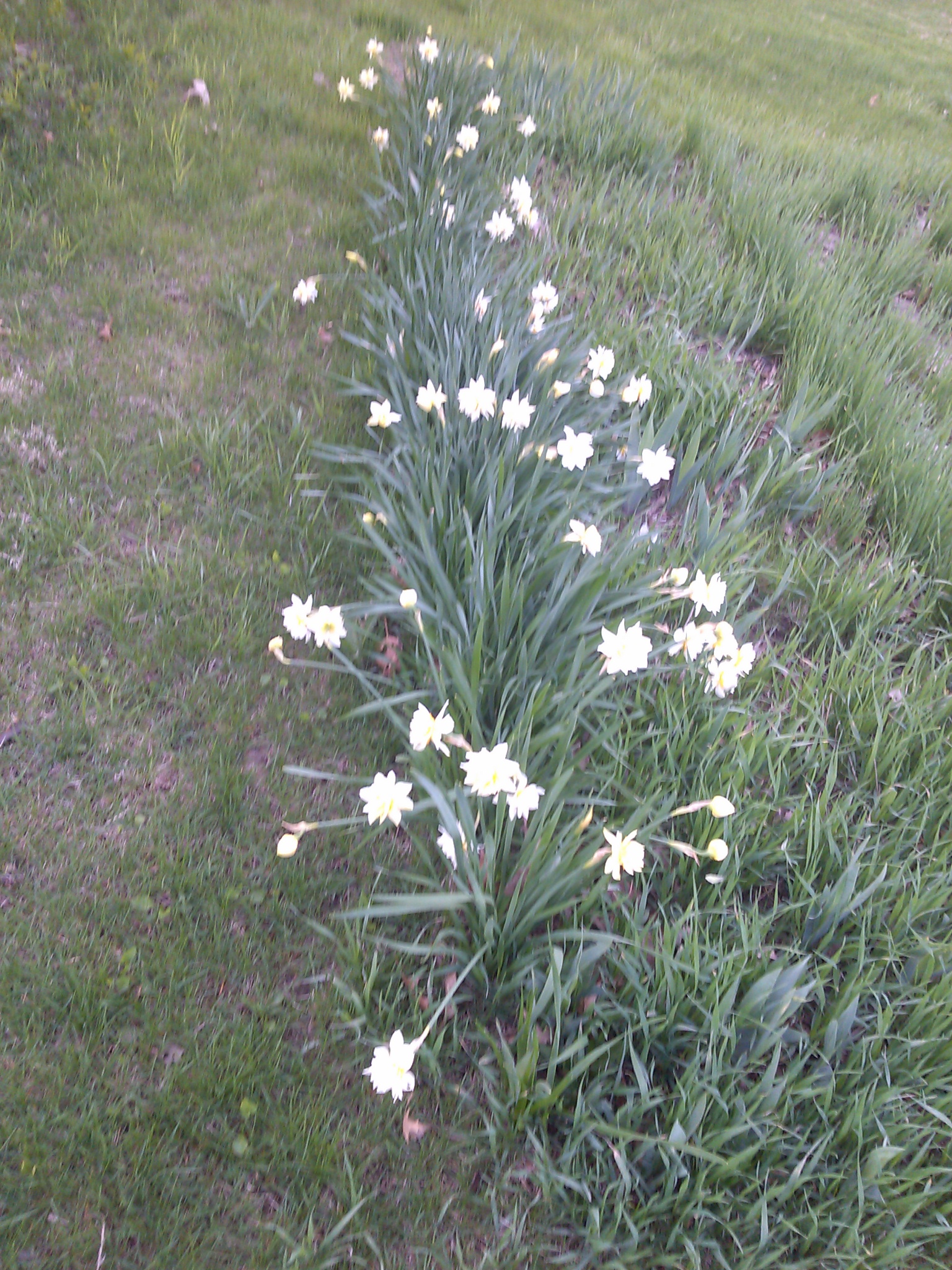
Spring Flowers Near the Garlic Patch

LAKE MACBRIDE— Sound sleep and dreams populated the last two nights as physical labor dominated much of my time this week.

Yesterday was a three job day, which made things easier and harder. Easier because the schedule drove everything, requiring less thinking. Harder because of the long hours and limited flexibility. I crashed into bed before the sun set.

Tuesday was also a full day: farm work, finance, gardening, and a long dinner meeting with the board of directors of a national NGO based in Washington, D.C. I had quinoa stir fry— my first time to eat the high protein vegetable— and decided to continue my moratorium on buying it for the time being. It is not good enough to cause trouble for indigenous people in South America who rely upon it.

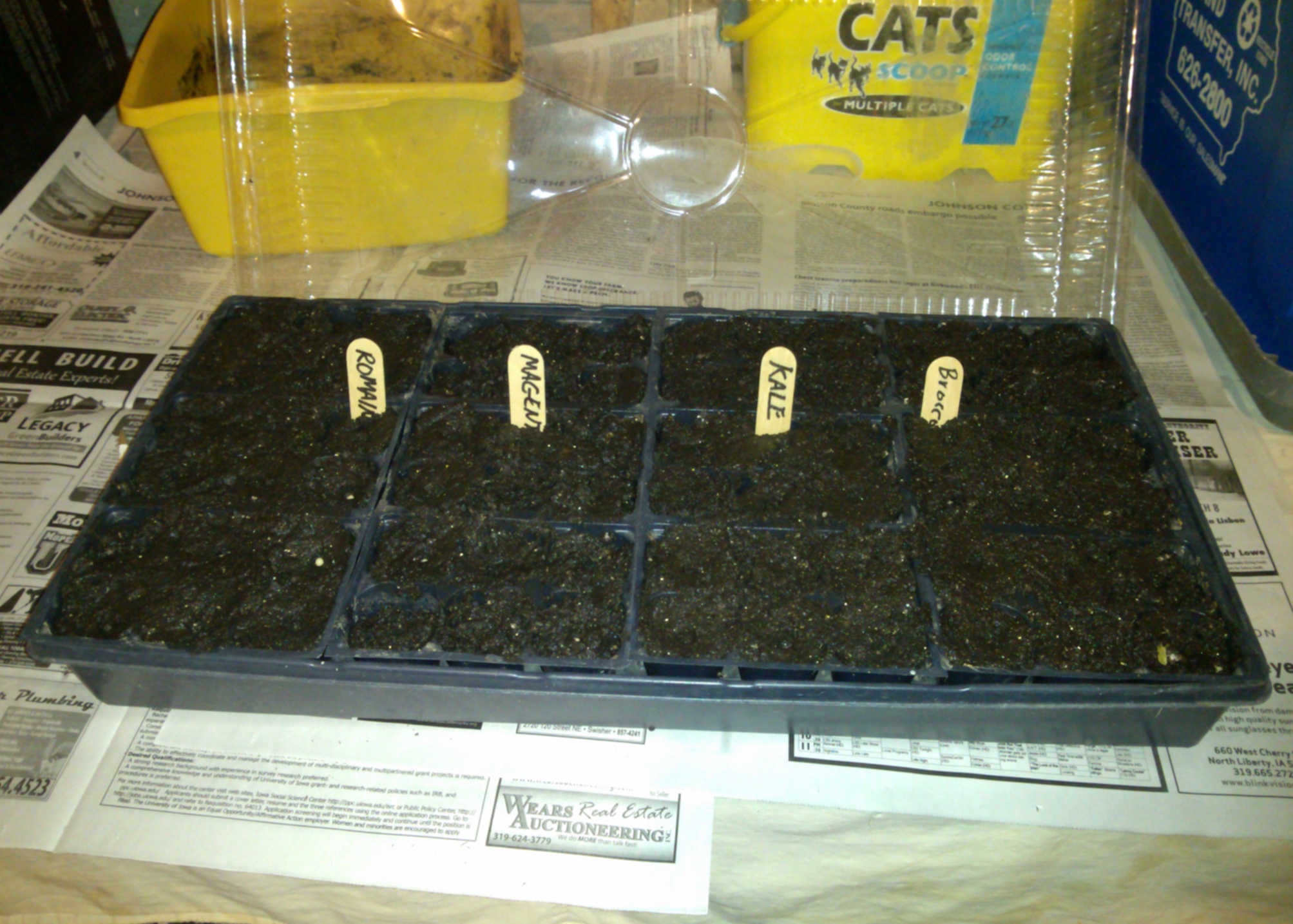
I’ve been neighboring. Folks next door asked where they could get some bales of hay to use in landscaping. A friend raises livestock, so I delivered four bales with my Subaru Outback after making seed planting trays in the germination shed. No one was home when I arrived, so I left them under the garage eaves and they left a check wedged in the brick work of our front yard planting area. The transaction was positive all around.

There is a sense that Spring is slipping away before everything can get done: making less time for Internet activities, and a web of opportunities elsewhere.

Categories
Work Life

Money Smart Week Presentation

Money Smart WeekPrepared remarks for the Solon Public Library Money Smart Week presentation on April 19, 2014.

Thank you for coming to my talk titled “Alternate Living: Focus on Finance.”

This talk is partly about me, but it is really about you. I seek to present some of the ideas and financial tools I use to make a life, as an example of how to cope in a society that has changed dramatically since I grew up in the 1950s.

I hope to generate a discussion in the second part of the hour, that focuses on the idea that alternative living is not only possible, but is a necessary approach to life expectancies that stretch into our 80s and beyond thanks to adequate nutrition and good health that is endemic to our way of life in Iowa. I hope you find value in hearing my story.

My father worked at a meat packing plant in Davenport for $85 per week, and my mother worked at home. We had enough money to afford a home with a mortgage, food, clothing, parochial schools, transportation, health insurance and vacations on a household income of around $4,500 per year.

As we know, things have changed. In 2011, the estimated median household income in Solon was $61,394 or 14 times what my parents generated. Many people I meet believe that amount of income is not only needed, it may not be enough.

Something else has changed in 60 years, and what I am most concerned about is the value of work, the kind my mother did at home, and my father did at the plant, has been degraded and replaced with something else in our burgeoning consumer society. It has taken us away from the foundations upon which lives used to be built. Our lives must be about something besides consumption of stuff, and appreciating the value of work is a starting point.

My story is about getting back to a kind of living that is more diverse than holding one or two well paying jobs in a household and slaving away to save enough for retirement, whatever that is in the 21st century. One that enables us to earn a living wage, contribute to the broader society, and sustain our lives on the Iowa prairie.

I re-purposed my life in 2009 after 25 years in transportation and logistics. Our daughter graduated from college in 2007 with minimal debt, and my wife Jacque and I were in reasonably good financial shape. We had no chronic health conditions, and hopefully, a lot of years to live.

When I left CRST Logistics in Cedar Rapids, I was on track to earn a six figure salary, so with Jacque’s income from her part time job, we were doing better than average. I might have stayed on, and pursued the rewards of longevity, but there were vulnerabilities.

The Toyota Financial Services job seeker web site, says it in black and white: normal retirement age is 62, which is my current age. As I approached traditional retirement age, I didn’t know where I stood in the broader scheme of the company. I had contributed to the rapid and sustainable growth of CRST from a $60 million trucking company that thrived after the Motor Carrier Act of 1980 deregulated trucking, to a full transportation solutions company that earned more than $1 billion in revenues last year. I felt too young to slow down, but the company could hire three people for my salary, and when I left each position I held, they usually did. This is normal in large organizations, something we don’t hear much about. While I was treated fairly where I worked, there is no obligation for any company to keep employees until retirement. That’s just the way it is.

Another important aspect of my work was I felt ready for a change. While I helped build the company over 25 years, and had experienced its growth and the opportunities that go along with that, I felt stale. When our daughter graduated from college, I was not adjusting well to being an empty nester. This feeling increased as she chose to leave Iowa.

I felt ready for a change and on July 3, 2009, left the company for good. I was not ready to retire, even if I had a retirement cake and party when I left, and an unexpected call from the owner expressing his thanks for my 25 years of work.

If there are stages to life, which one am I in? My colleague at the Solon Economist, Milli Gilbaugh wrote about the trouble defining that stage past middle age, and before elderly, in a recent column.

I suppose it is nearly impossible to find a word for the stage of life I’m in; a word that seems accurate and inoffensive to everyone. As a matter of fact, I’ve had trouble knowing just what to call myself for some time.”

Ages seem to be rather neatly divided into 20-year segments, up until we reach 60 and are unceremoniously thrown into the ‘elderly’ cauldron, ready or not. The term ‘child’ generally includes everyone from birth through their teens. After that they are ‘adults’ for another 20 when they suddenly enter the category of “middle age” that will last until they turn 60. After that, we are apparently doomed forever to be ‘elderly’ which I think begins too soon and lasts too long.

What we need here is another 20 year category between ‘middle age’ and “elderly” that includes the years from sixty to eighty.

I couldn’t agree more. With good health, proper nutrition and financial sustainability, there is a lot of living to be done between 60 and 80.

Where I landed after a career in transportation was with a portfolio of activities, some paid and some not. I value all of the work I do and have to make choices on how I spend my time. My life is a systematic and thoughtful process of continuous evaluation and improvement.

My recent work has been general farm work, warehouse work, issue and candidate advocacy, public speaking, and writing. This is much different from my transportation career, which included experience in operations management, personnel recruitment, procurement and logistics. I have served on a number of non-profit boards, including the Johnson County Board of Health, and the Solon Senior Advocates, and am currently serving a four year term as one of three Big Grove Township Trustees. It keeps me busy, and there is a process to achieve financial sustainability over time, and that’s what I want to spend the balance of my time describing.

There are four financial tools I want to discuss, retirement, financial management, research and development, and investment.

Let me cross retirement off the list right away. What an outdated concept in an era when companies are shedding liabilities like pensions and health insurance like there is no tomorrow. Perhaps there is a role for retirement among people who perform physical labor for a career, as they may truly need to slow down and take it easy at age 62. But the idea that we save for a lifetime to enjoy a well financed retirement life, as we hear from financial planners of every stripe, is a joke. The reality is that people in the United States have one of the lowest household savings rates in the world, ranking 22nd among industrialized nations. We say we should be saving for retirement, but aren’t. A better process for aging is needed.

We all know life doesn’t stop, and neither do expenses. What I propose as a replacement for retirement is re-imaging what the years between ages 60 and 80 could be: a portfolio approach to financial sustainability. It begins with the idea that all work has value whether it is compensated or not.

If you look at my weekly activities, they include about 20 hours working as a shift supervisor at a warehouse, 10-15 hours working for the weekly newspaper, 3-5 hours working on a farm, 20 or more hours writing at home, and 5-8 hours volunteering with various organizations. The balance of my time is spent gardening, cooking, reading, doing chores and most importantly, networking.

I am constantly seeking new opportunities to earn income, but have little interest in going back to work that requires 60-70 hours a week of my time and excludes other opportunities. There is too much risk in that. Like large companies that have research and development operations, so too, we should be constantly in the hunt for interesting opportunities for engaging and useful work. When we find a new opportunity it needs to be evaluated and fit into time constraints. There is a process for that.

This is where financial management comes in. It is important to use a few tools that are common in business to evaluate and make improvements in our financial situation. Most important is periodic reporting and planning.

Each month I sit down and write a report of what happened. This is not a personal diary, but a tool to think about what happened, what is important, and what needs to change to sustain our lives. I share this with my spouse, so I have an audience and potential feedback.

The report begins with a general discussion about health and welfare. If we don’t have and maintain good health, getting along can be a challenge. It pays to formally think about it, put it into words and make needed changes on a regular basis.

The second section is a financial report that covers periodic income and expenses, and highlights things that were different about a particular month. It included a budget analysis, which helps identify problems before they happen.

I also keep track of certain activities, like events, meetings, business development activities, and others and record them in the third section. I refer to this often as memory sometimes fails me.

The final section is a balance sheet depicting assets and liabilities. This is a basic and fundamental tool to know where one stands financially and the library has some good resources on this.

My goal is to develop a stable analytical platform from which I can explore opportunities for part time work, temporary jobs and projects that will produce value. My current focus is to add more farm work.

Over time, the kinds of activities may change, but the biggest risk we may face is getting stuck in something that is neither sustainable nor good for us. Retirement is replaceable, and that can be a good thing, especially if we have a process for positive change.

Research and development is mostly about networking. I have found it is important to get out of the house and talk to real people about what is going on in society. There are more than enough volunteer opportunities, so most often, I seek to develop a particular interest when I network with people, that will hopefully point to income opportunities.

One of the key roles work with non-profits served after leaving my transportation career was to introduce me to a wide range of people n the community. There is value in friendship and working on a common purpose, and it is important to maintain engagement in some non-profit volunteer work as part of a sustainable portfolio.

Lastly, I want to discuss investment, and I don’t mean stocks and bonds. Financial resources are important, but I found the best investments have been in myself.

The key lesson I learned has been that many small investments of time and resources are better than staking a single claim on something big. The benefit is that if one source of income goes away, or an investment doesn’t make a return, it is not devastating to replace part of a financial system rather than a single high stake investment. This is what successful business people do, and why shouldn’t we operate the same way? We should.

This has been my personal story about choices I made for sustaining a sound financial life, and some of the tools I have used. Thank you for coming to listen and now let’s open the floor to questions.

Categories
Work Life

A Good Spring Day

Spring is Here
Spring is Here

LAKE MACBRIDE— Word at the legion this morning was a local farmer broke a couple of blades while applying nitrogen, running into some frozen spots in the field. Tractors were out around the county, and if planting season isn’t quite here, some folks are making a go of it, preparing the fields. Tomorrow I hope to turn over a couple of spadefuls to test my garden soil, planting lettuce from seed if the ground can be worked.

A member of the township trustees resigned. An octogenarian, he had been a trustee since 1975— now he’s cutting back on commitments. The fourth generation to live on his nearby farm, his son was recently killed in an auto accident. The son was to take over, but it wasn’t meant to be. I gave him a plaque to recognize his service and we took a photo that didn’t come out so well.

The sheep and lambs were out in the pen at the CSA, a definition of bucolic. I made soil blocks, lining them up in twelve pairs. The person on high tunnel duty came into the germination shed to take seedlings for transplanting. When she left, we talked about current projects and strategies while I worked the soil blocking tool and another planted trays as I made them. The work went quickly, and I bought a bag of last year’s soil mix on credit to use at home.

The afternoon was laundering my warehouse work clothes, and working in the garage. I put soil in seed trays and planted sweet pepper seeds: King Arthur, Lunchbox Orange, and Lipstick. I filled out the tray with a packet of last year’s green bell pepper seeds. Tomorrow will be hot peppers: Serrano del Sol, Conchos Jalapeño and Bangkok hots. Then I will be out of trays.

The radio announcer said lake water remains cold, as the ice cover just melted. There was a report of a deer in Allamakee County that had the first case of chronic wasting disease found in the wild in Iowa.

My story about backyard chickens in town was on the front page of the weekly newspaper when I stopped by the office for a chat.

I never imagined my life would be like this. It’s a good life, so full of people. I want to grab on and hold it, but the grip couldn’t be sustained for very long, even if I figured out how. So instead, I’ll just be thankful for another day in Big Grove.

Categories
Work Life

Turning Point

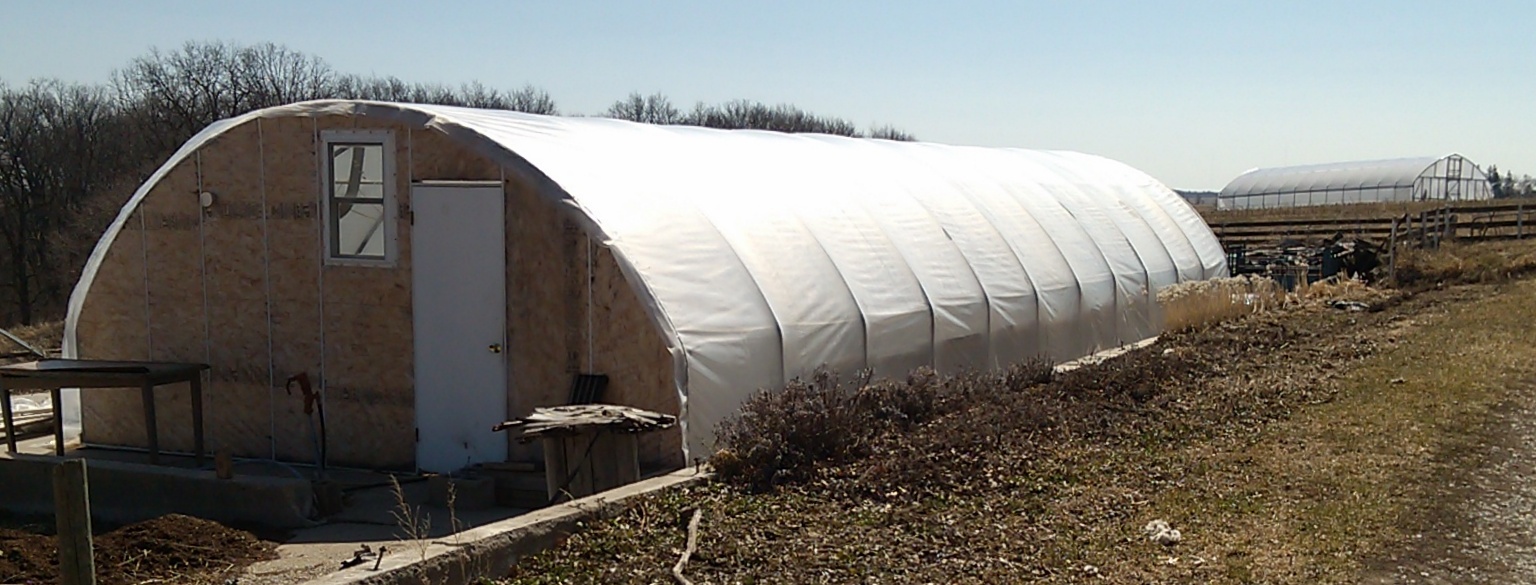
Greenhouse and High Tunnel
Germination House and High Tunnel

LAKE MACBRIDE— A cold wind blew across the hilltop where the sheep barn is situated. The barn doors had come loose from the bottom brace and were flapping in the wind. There was no securing them, so I walked over to see the lambs. Spring’s hope wobbling about the pen.

The goal was to pick up get ten bags of soil mix for the day’s work. A couple of deer legs were laying around, scavenged by the dogs. They wanted me to play fetch with one of them, but I wouldn’t. There was work to be done and it seemed a bit weird.

Seven of us were working in the germination shed and high tunnel. The table space in the germination shed was filling up as I made 28 seed trays in two and a half hours. Seedlings planted in March were being transplanted to the high tunnel for the spring share. It was a busy place. One worker, who I hadn’t seen since last fall, asked if I had a good winter. I did and we went about our work.

Not many in Iowa grow celery, and the seeds I planted weren’t germinating very well. One farmer said give it time, comparing it to parsley. She also mentioned someone who wanted to put in an acre of the vegetable. Local celery would sell if it could be grown.

I discussed my low lettuce germination rate with another farmer. After a couple of her questions, we determined the problem must be moisture levels, which can be remedied by watering frequently.

After work I headed home, stopping at the grocery store.

Walmart is something I would like to get out of my life, and to do that, I need to get some things they carry, but our local grocer doesn’t. I found the buyer and asked him if I ordered a large quantity, would they get me a case, or bin of them. Things like organic kidney beans, that apparently no one but me bought when they did carry them. He said he would, so I will place an order later in the week.

Upon returning home, I spent the rest of the day in the garage and yard. It was the first day of working with the garage door up, listening to the radio. I swept the sand from the street in front of our house, and replenished my supply of five cat litter buckets for next winter. This annual event is combination of frugality, cost avoidance and practicality. Why buy sand when there is plenty available?

I cleaned the garage floor of dirt and grime delivered by the cars, and cleared my work bench. I dug into a large pile of paper goods to find the yard sign for the county attorney, who has a challenger in the June 3 primary. It was on the bottom, as she hasn’t had many challengers. I found a wire that fit and stapled the sign to it. It’s ready to place on the lawn tomorrow.

The seeding operation was near the water heater, where it was too crowded. I moved it to the garage, making quick work of mixing soil batches and preparing a couple of trays. I seeded 120 cells with celery in hope of getting enough seedlings to plant a row or two. The other tray was planted with six kinds of tomatoes. All of this was overkill, but I want to have enough for our garden and to share.

Coming inside for dinner, I watered all the seedlings, did three loads of laundry, a load in the dishwasher, and re-arranged the trays on the table in the bedroom. Not a lot of dramatic or exciting stuff to report. It was a turning point in the year, and that is enough.

Categories
Work Life

Today’s New Path

Sunrise
Sunrise

LAKE MACBRIDE— A colleague at work is from Tanzania— in Iowa to attend the university. Until we met, I didn’t know much about his country, but in bits and pieces, I am learning.

“People think the Maasai are poor, but they are rich,” he said, describing the wealth found in their cattle herds. He also talked about how society is changing for the semi-nomadic people. They are becoming sedentary, he said.  No longer do they leave their dead for predators to consume. When they arrive in town they consume whiskey by the bottle, he added. We also talked about the difficulty of taking a census of Maasai. Census taking is a western notion, so it may be a futile effort.

I tried to preserve his emphasis, his words here. It is difficult, nearly impossible given my western outlook.

It is work to listen… even more work to hear. It’s a characteristic of people with a driving social style. This personality trait has gotten me where I am in life, but one wonders what has been missed while focusing on a task, goal or objective. My conversations about Tanzania remind me to work toward hearing what people say, which is much different than listening through a filter of cultural biases.

I look forward to continuing the conversation.

Categories
Work Life

Drinking Fountain

At Sunset
At Sunset

CORALVILLE— Perhaps the best perquisite of my warehouse job is the public drinking fountain. At anytime, I can partake in the cool, filtered water to quench my thirst. Maybe I’d like something more substantial, something that would pay the bills or reduce expenses. Yet the water is very good— and it meets a human need.

All around me, in every social setting, I hear stories of people who work for low wages and no benefits. People don’t talk much about this as a collective idea, yet it is everywhere. It is a way for companies to minimize the cost of human resources. It is also becoming the new normal.

Understanding the low wage, no benefit, temp worker culture is important, as it’s the life many people live. I write often about temp workers, wages, unions, and work because to survive in the seventh decade of life every source of income and expense reduction has become important. In a way, it represents preparation for the infirmity of being elderly. Health and mortality have become an issue as I proofread the weekly obituaries at the newspaper. A lot of the subjects are people younger than me, and already, I feel like a survivor.

My newspaper colleague Milli Gilbaugh recently wrote about people in my age group. “What we need is another 20 year category between “middle age” and “elderly” that includes the years from sixty to eighty. Maybe the word “older” would work, or “retired” which isn’t necessarily accurate, but it does give an indication of the age span involved. […] The term “retired” has a bunch of problems in that not everybody in the 60 to 80 year age range is retired. Some may be retired from life-long careers and spend their time supposedly enjoying the golden years, […] but most are still working, or have retired and taken a “retirement job” with less stress, fewer hours, and considerably less pay.” While Milli doesn’t cover everyone who works a low wage job, she defines something relevant that people haven’t been discussing.

Recently, when applying for a job at a large company, I knew my chances were slim. They mentioned on their website that the normal retirement age was 62. When they replied to my application, “after careful consideration, we have decided to continue our search for a candidate whose background and qualifications more closely match the requirements of the position,” I wasn’t surprised. I recognized the legalese for “we don’t want you, whatever your qualifications.”

I’d rather work for people who want me in their organization. As long as our family makes enough to live in kind and money, we’ll be okay. Better than that, we’ll live in a way that is better then a large segment of the global population. A global village that doesn’t take drinking water for granted.