Categories
Creative Life

My January With AI

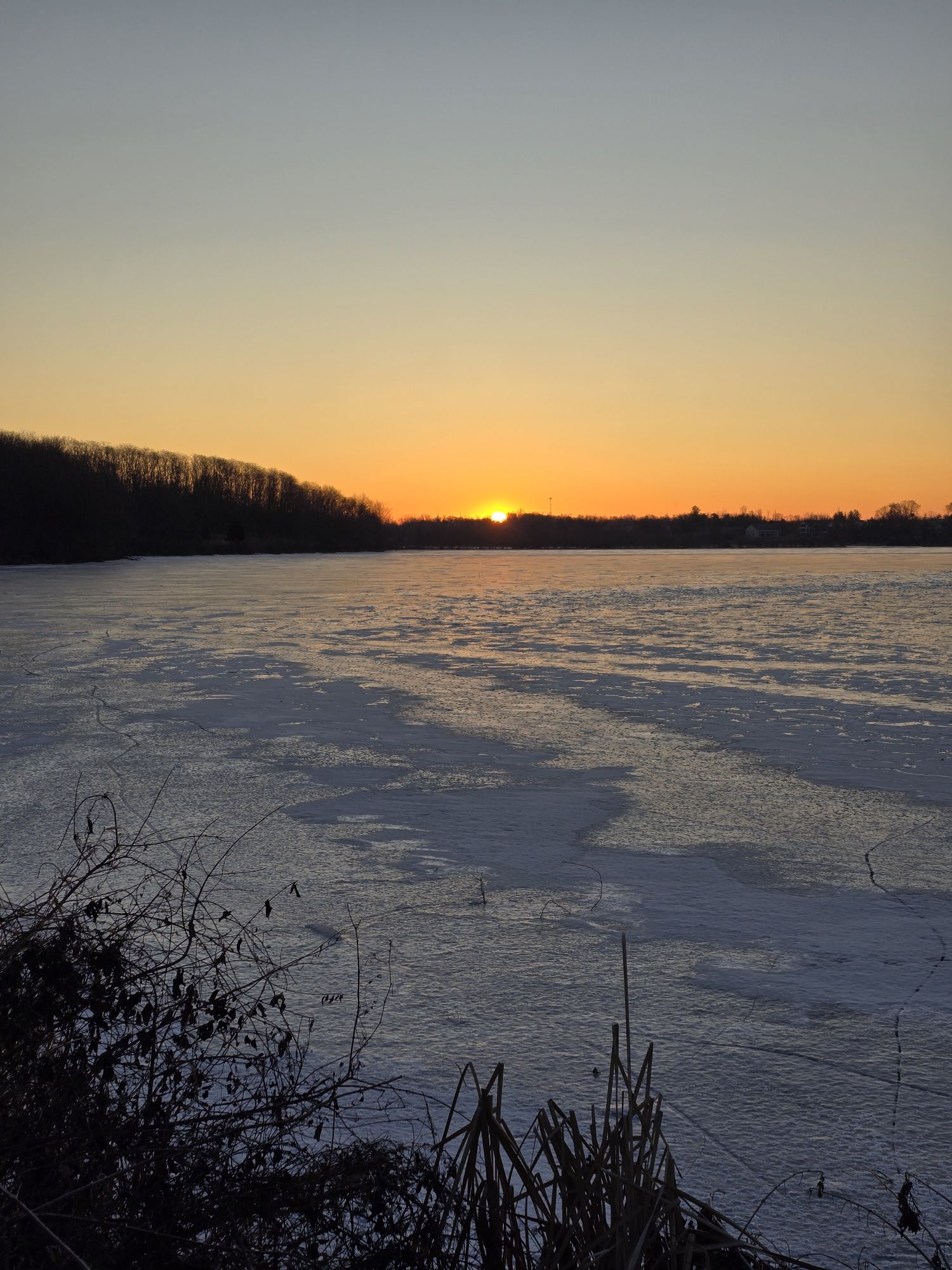
On the state park trail Jan. 24, 2026.

Artificial Intelligence is everywhere I am on the internet and January has been a month of learning to use it. This post includes my experiences with some of the artificial intelligence tools, including Rufus on Amazon, AI Overview in Google Search, and ChatGPT. The brief comment I would make about any of these tools is we must change how we interact to be effective. This isn’t your parents’ Google search any more. Without doubt, AI made my life better. We must ask better questions.

WordPress uses artificial intelligence on its help screen. The paradigm is simple. Define your role and frame what you want. For example, “I am a site admin and don’t have a lot of programming experience but I’d like to set up a new site and transfer my domain to it.” WordPress AI frames its response in terms of the request, often using the same language. This is ultra simple and important to every AI platform. That is a key learning point.

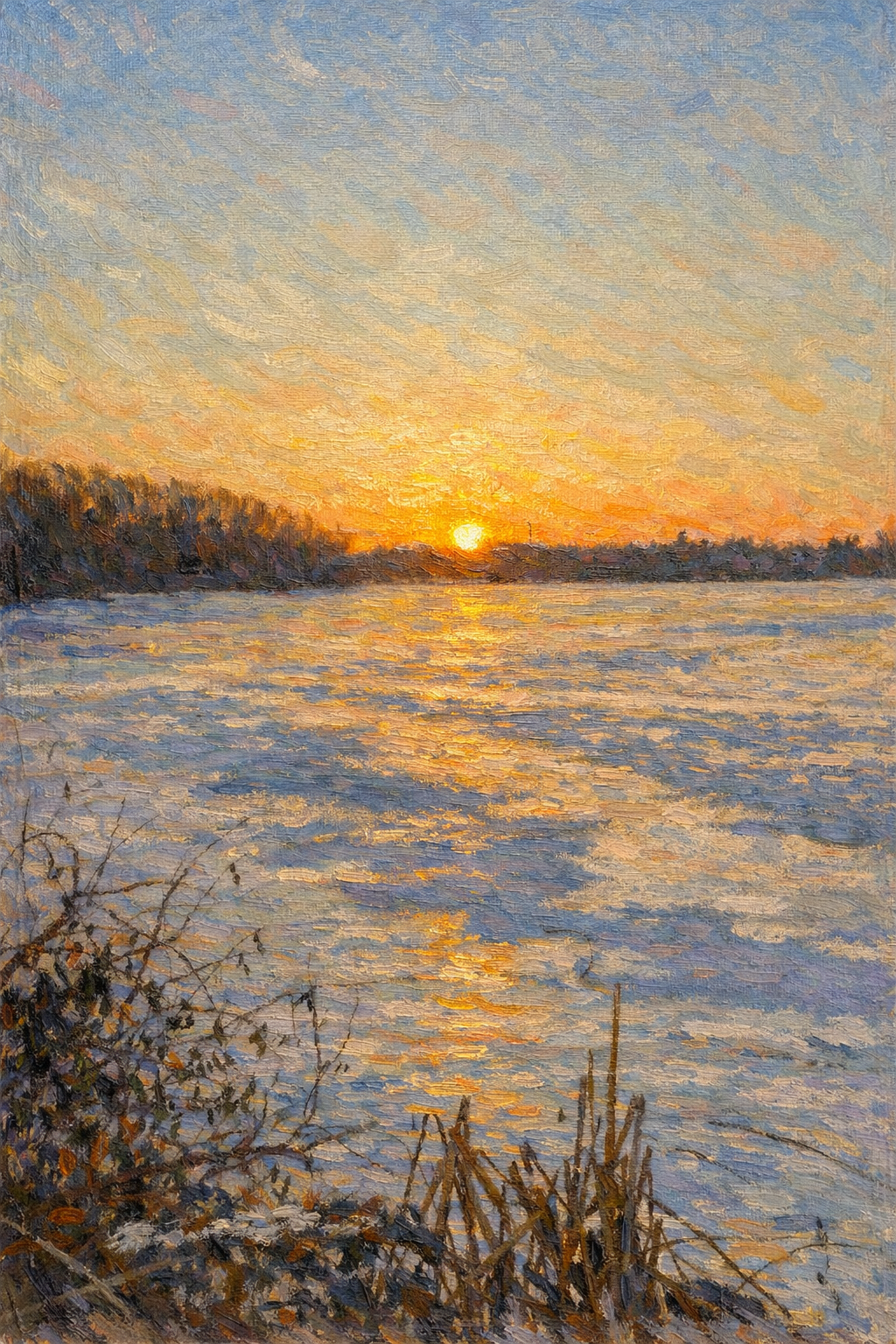
My main learning this month has been to ask any artificial intelligence tool better questions. Google and other search engines have trained us how to use them for decades. The old ways of entering a few related nouns or a simple phrase do not serve us as well going forward. Because AI has been trained on an enormous portion of human-written text, part of our queries must include minimal framing of questions. For example, I wanted to use a photograph as the basis for ChatGPT to render it in the style of Claude Monet impressionism with oil paints. It did a reasonable job of doing so. This kind of role-defining for our AI interface seems subtle at first, but more so it seems fundamental to the new approach needed to maximize our value.

Amazon sells stuff and uses an AI platform named Rufus. Even here query framing matters. The same type of role playing is important, yet roles are likely similar for everyone — we mainly visit Amazon to buy stuff. I asked Rufus, “Based on last year’s purchases, what are my buying patterns?” It listed Brand Loyalty, Shopping Style, and Household Profile. It identified me as someone who uses the account to shop for myself, incorrectly identifying me as a single-person household, which surprised me, since my spouse and I have linked accounts. Rufus also identified me as “price conscious but quality-focused” because I bought some Made In cookware. It also noted I am an active cook, based on buying Mexican oregano, canning jars and rings, and the aforementioned cookware. I likely used Rufus the least of the AI platforms mentioned.

With the broad database inherent in large language models like ChatGPT and Google’s AI Overview, our queries must include a way of paring potential answers down. To make our intent clear, state our goals for the tool, and most importantly set constraints. One of my favorite constraints is to write “I have 30 minutes to work on this so give me the top 3 findings,” or something similar. If I know something about what I am querying, I mention that as well. AI can provide its reasoning, and there’s no harm in asking for it.

I am still learning, yet with the long discussions I have with ChatGPT, the tool remembers what was previously said within a single chat. This is something I tend to forget when my follow up query is a week or two after the initial one. One evident thing is I need a better skill set when it comes to querying AI tools. Eventually, better AI queries will become part of a standard tool box for using artificial intelligence.

Categories
Creative Life

Is It Real?

The truth or reality behind these two images is unknowable. I believe in a Cartesian view of humanity in which the phrase “I think, therefore, I am” indicates the isolate self, reaching to others that potentially exist, through the veil of Maya. The minute I captured the photograph on my mobile device, it left the plane of reality. The artificial intelligence rendering of it in a Monet-style impressionism is merely a variation of the original. The underlying reality of that sunrise is no longer knowable. Even I have only memories that have decayed for eight hours as I type this.

These images reflect an actuality I remember, yet not reality. Shakespeare famously had Hamlet say, “to hold as ‘twere the mirror up to nature: to show virtue her feature, scorn her own image, and the very age and body of the time his form and pressure.” Perhaps Shakespeare assumed the mirror was a neutral conduit for reality. For purposes of an Elizabethan play making that assumption may have been necessary and fodder for audiences who knew otherwise to react.

Images such as these have a use in social media and blog posts. Those who followed my blog the last few months often saw sunrise photographs at the header. I post them on BlueSky, as well. They represent a shorthand of my experience on that date at a specific time. They are largely throw-away images even if some of them are quite fetching. The point I am making with this photograph and its rendering is a new day is dawning in which we can be better humans with new chances. That, too, is an interpretation, something worth hoping for.

I’m a bit infatuated with the image rendering capabilities of artificial intelligence. Of the five photographs I tried, only two were keepers, and then only for long enough to post them on one of the platforms I use. While that moment in which I captured the rising sun is no longer knowable, it was as real as anything can be. My Cartesian model notwithstanding.

Categories
Creative Life

A Williams Project

It wasn’t a whim from the great beyond that led me back to William Carlos Williams, but the practical matter of finding shelf space in my writing room. Williams has been important most of my adult life, beginning at university. In the mid-1980s, when I lived in Cedar Rapids, Iowa, a home to Grant Wood, I wrote:

Also on my mind was the idea of the professional who wrote or was creative as a sideline. Grant Wood was one, teaching at the University of Iowa to support his painting. I thought of William Carlos Williams and Wallace Stevens who worked as a physician and insurance executive respectively. I thought about David Morrell, whose class in American fiction I took while he was writing the books First Blood, Last Reveille, and Testament.

At that point in my development as a writer, while working for a large transportation and logistics company, I was determined to be the transportation equivalent of William Carlos Williams. I proposed to find life in what surrounded me and reduce it to words and images. I stole moments away from family and work for creative endeavor that was and remains important to me.

It is time to re-read William Carlos Williams.

The practice of medicine made Williams’s poetry possible—not as patronage, as I once thought, but through its effect on how he saw things and worked. Being a physician enabled a perspective that shaped his native impulses to write about what he saw, and what language he used. It enabled his resistance to the literary professionalism of his time, rendering him outside mainstream literary culture of the 1920s and ’30s.

What I like most about Williams is his attention to a certain kind of reality, the same reality that underlies much of my own writing. Williams clearly influenced me, although I never felt the security of a profession that he manifested in his writing.

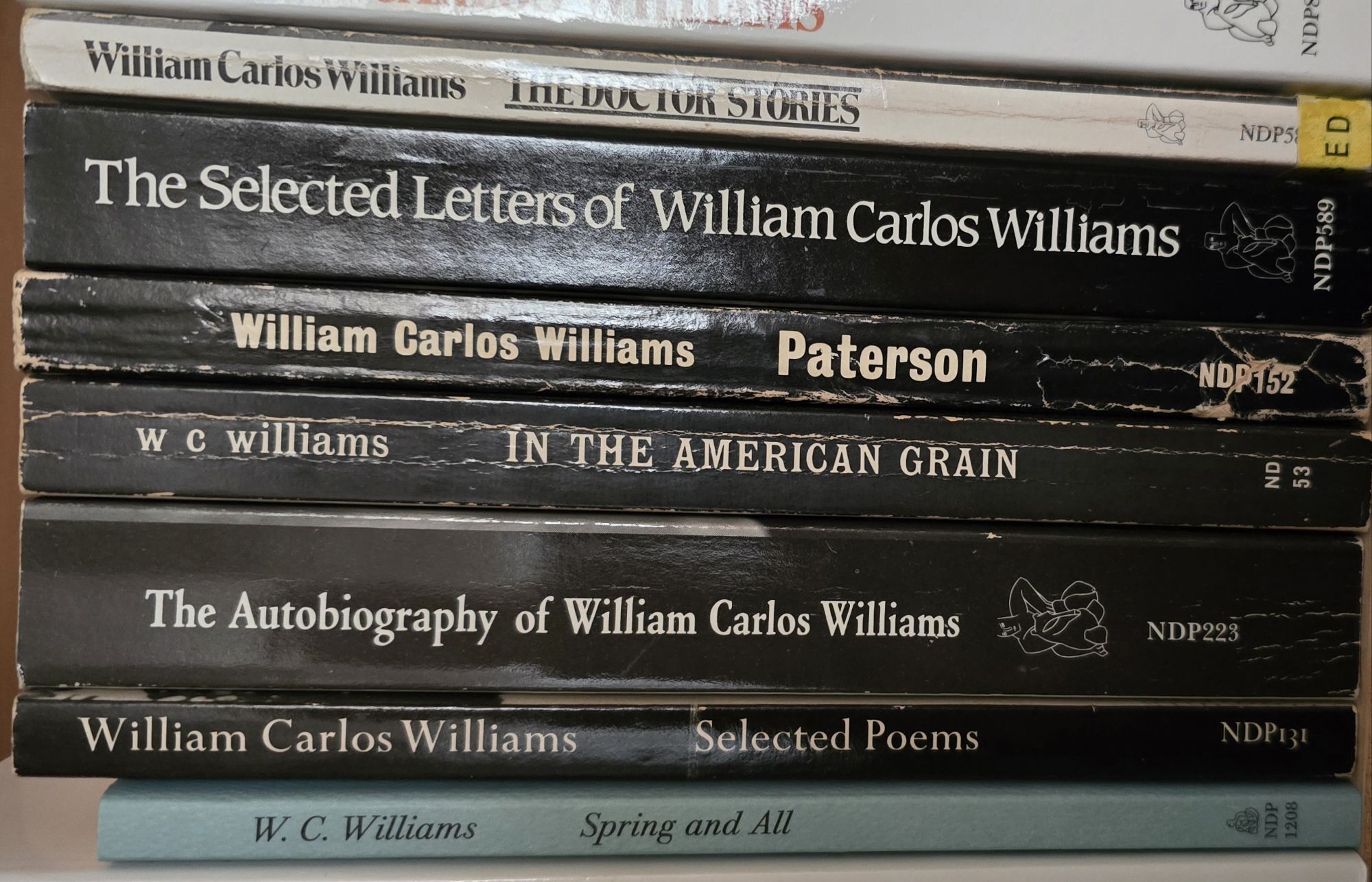
Returning to Williams in my eighth decade is partly to better my understanding of him, and partly to revisit some of the decisions I made about the role of reality in my writing. I decided to start with these four works: Spring and All, Selected Poems, The Autobiography of William Carlos Williams, and In the American Grain. I read them all previously and hope for new insight. Let’s see where this goes… does my early read of Williams hold… or does it not?
Categories
Creative Life

A Life of Photos Part XII

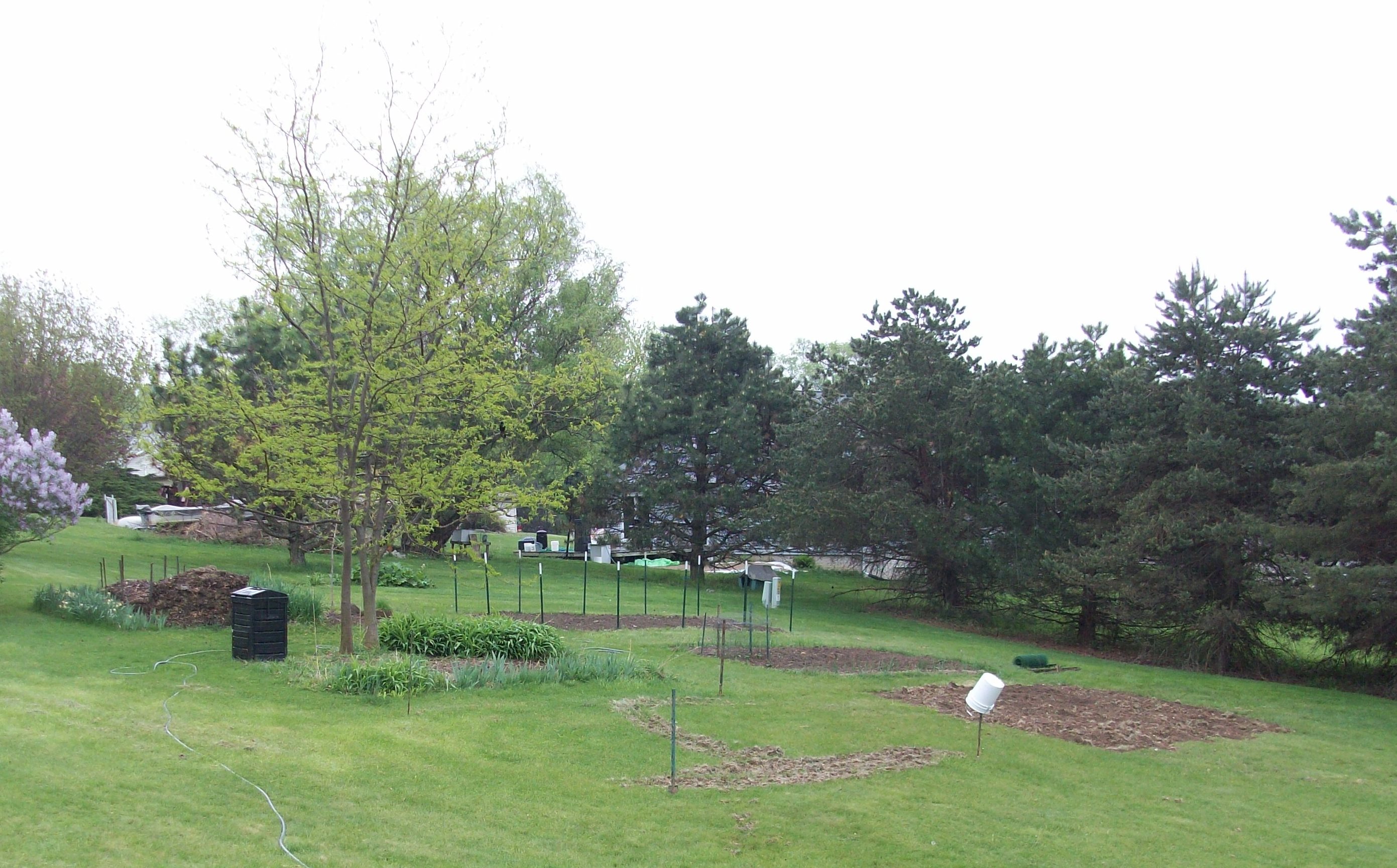
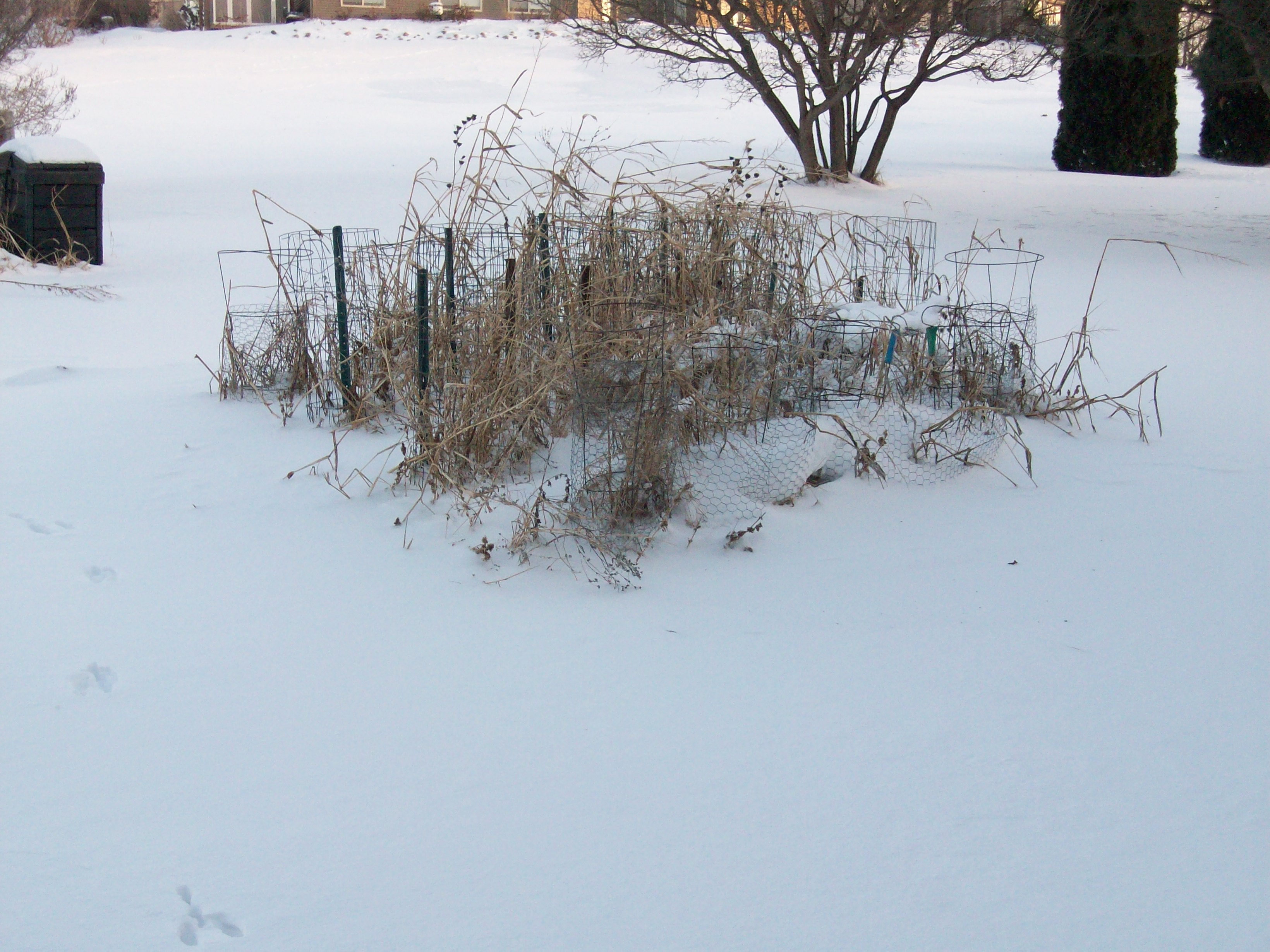
Garden during the 2008 winter.

This week I began tackling digital photographs. The inverse proposition is I let my paper photographs stay in boxes for now. Using artificial intelligence I developed a process that helps me save and reduce my tens of thousands of digital photographs vying for attention. It will make them more accessible for me and other family members.

The basics include backing up the original files and creating a duplicate working file from which to sort images into a more accessible location. The intent is to never draw from the saved files. After trying a couple of software solutions, I decided to install IrfanView to quickly view and sort files into a reduced number of new folders. The software is surprisingly versatile for freeware.

I began with three folders, ones to keep, maybe keep, or reject. After getting through an entire year by making this triage decision, I developed another set of folders where the images will be archived: creative shots, events, family, garden, politics, and work. There are some folders inside the six main ones for specific photo shoots, but not many. Getting here for the first year made the second year go more quickly.

After these two sorts, there are passes through them, first to delete the rejected ones (saved in the originals), decide on the maybes, and then make some passes through the keep file to find them a home. While doing that, each photo goes into the six primary folders. The process normally saves multiple images that were taken in a short burst. I make a pass through each file to pick the best one or two in those cases.

The boon to creativity is twofold. While quickly viewing thousands of photos I gained an insight I did not have previously. Each year tells a story and I get a view of it again more than a decade later. It evokes memory, the currency of a creative writer. The other boon is using the creative shots folder as a workbench for writing on the internet. The way they were selected — mostly stripped of context — enables me to reuse them with new meaning. These are just the beginning of the benefits of the archival process.

At first, the process was clear as mud, yet now the mud is settling. I can see and use the files better than previously, which was one of the points. That I developed the process myself, rather than learning it from an expert, makes me more willing to use it. With 17 more years of folders to sort, my buy-in is an important aspect of the project.

Developing an archival process was rewarding in countless ways. Importantly, when I am gone, another person will be able to understand what I did and where they can find what interests them. There is a lot of material for additional posts solely about process. Now that process is established I can focus more on the images and the memories they evoke. These will be good times.

Categories
Creative Life

Photos from the Vault

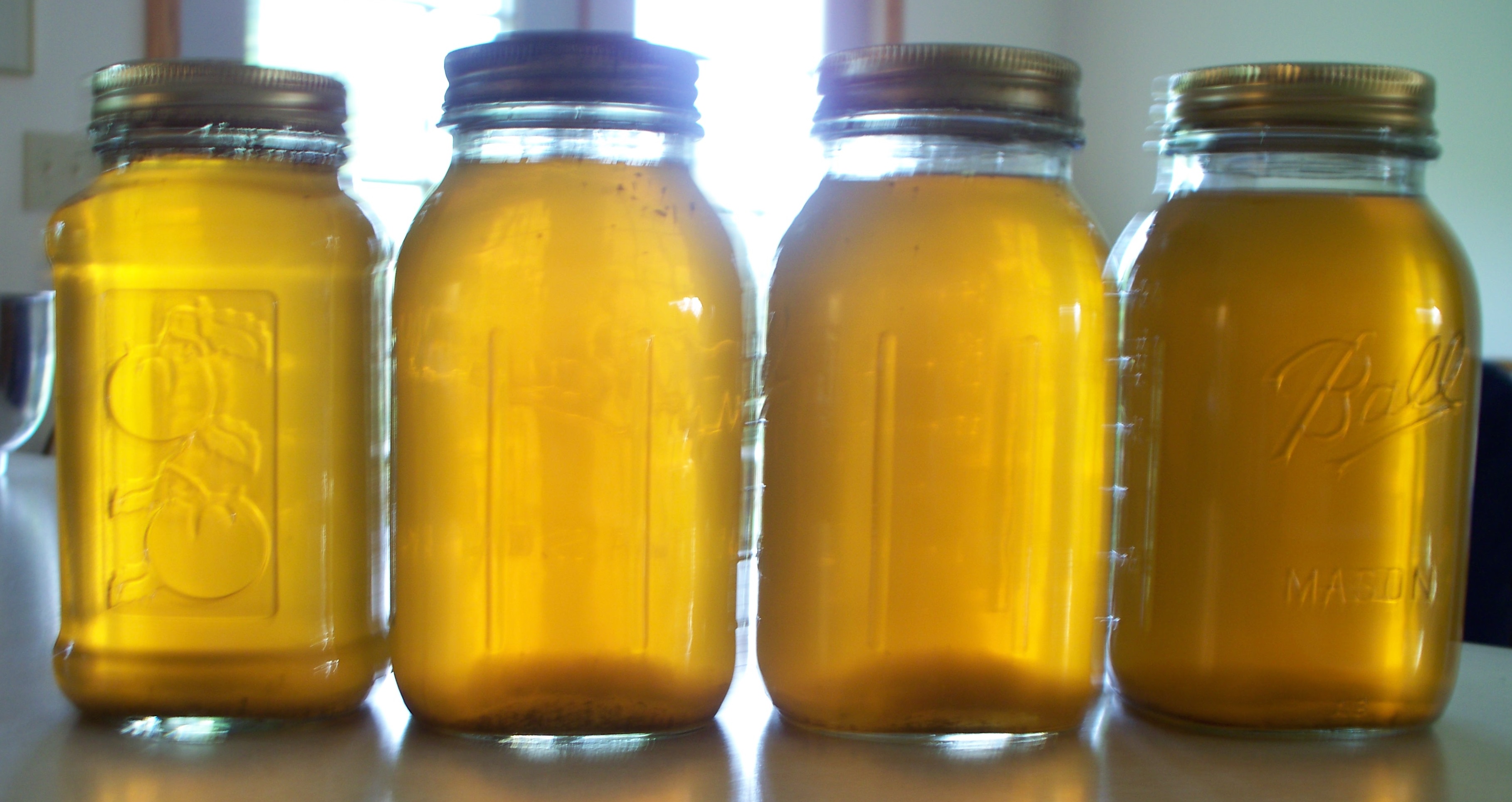
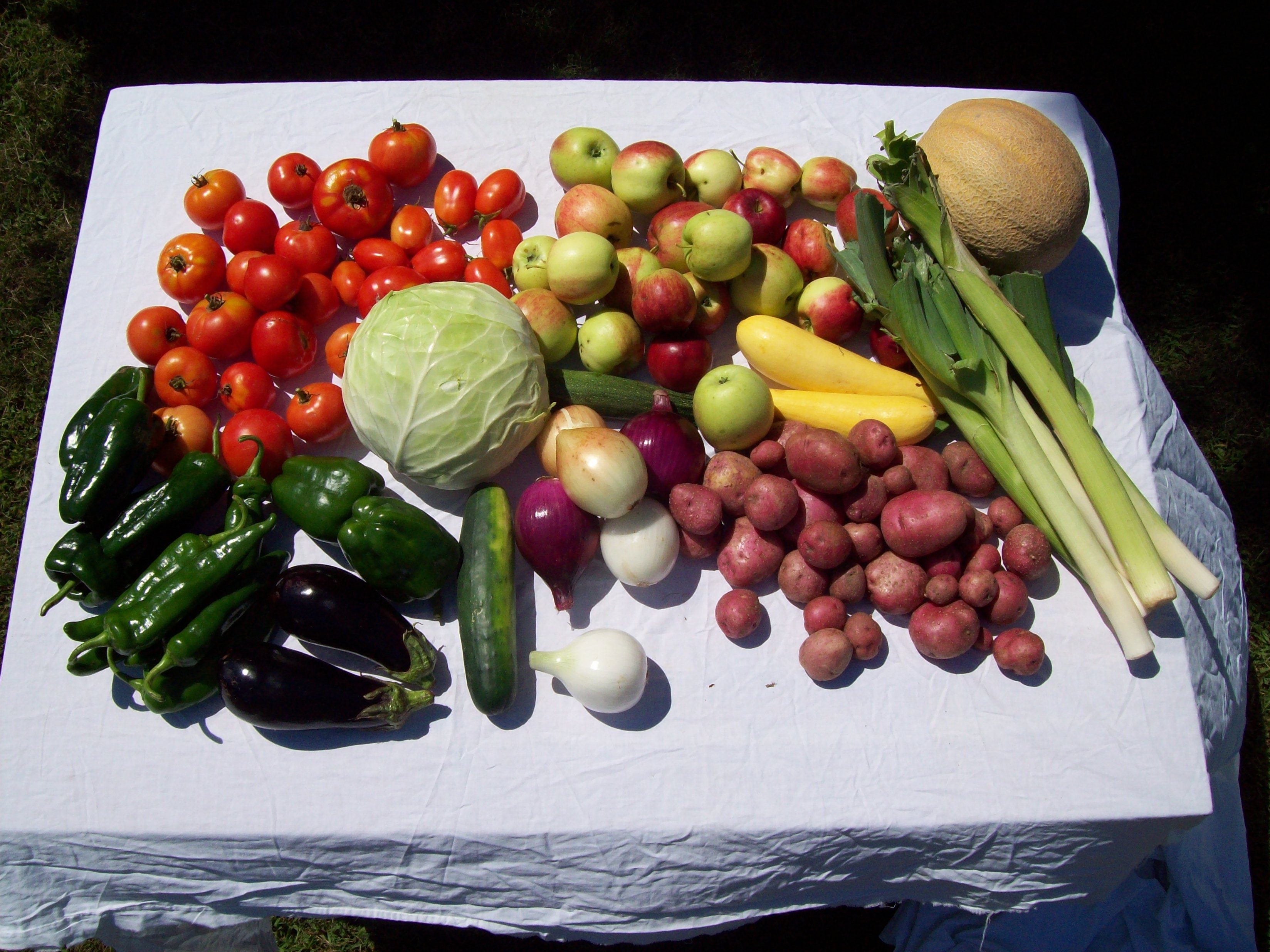
Harvest from the 2008 garden.

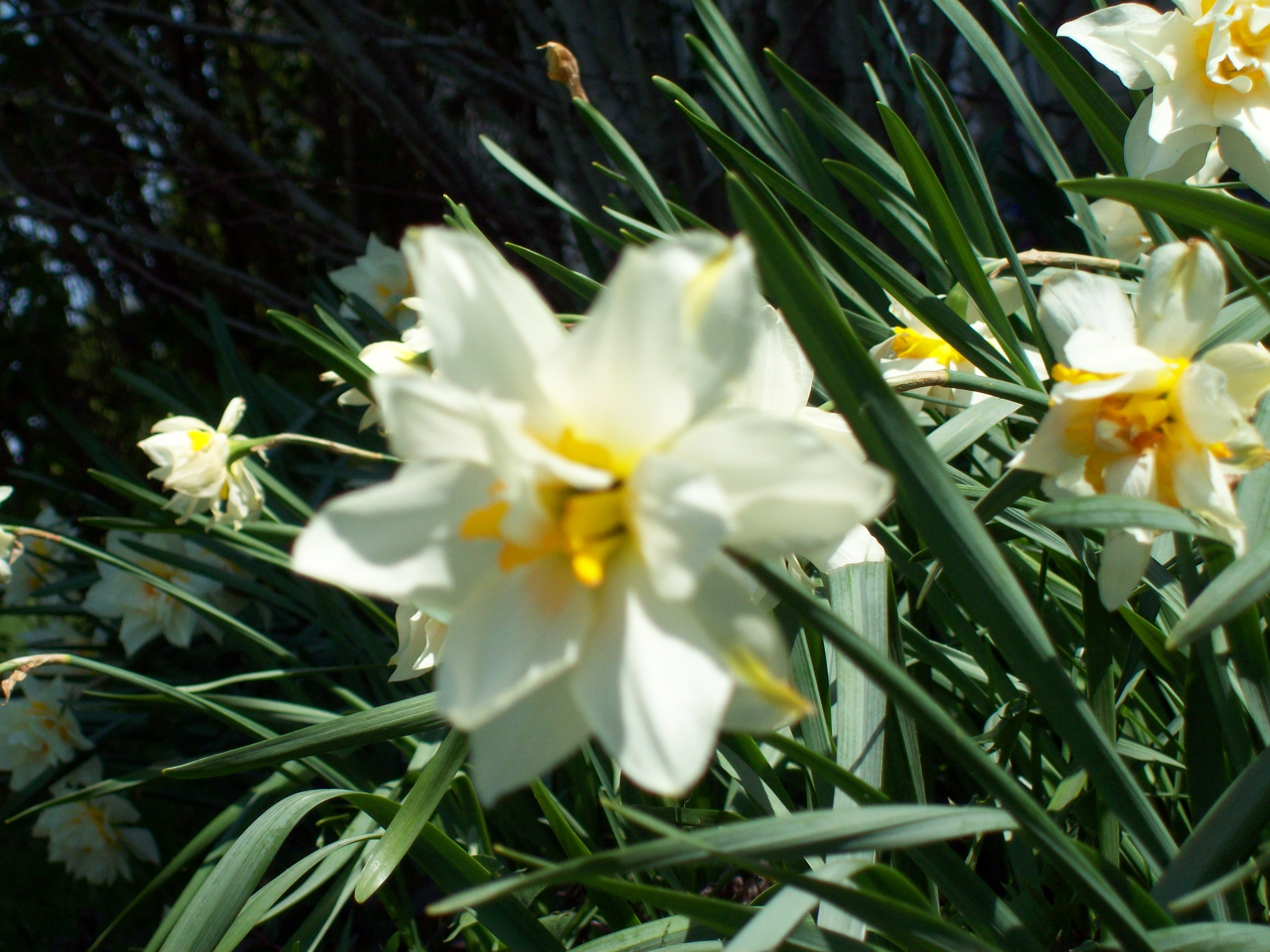
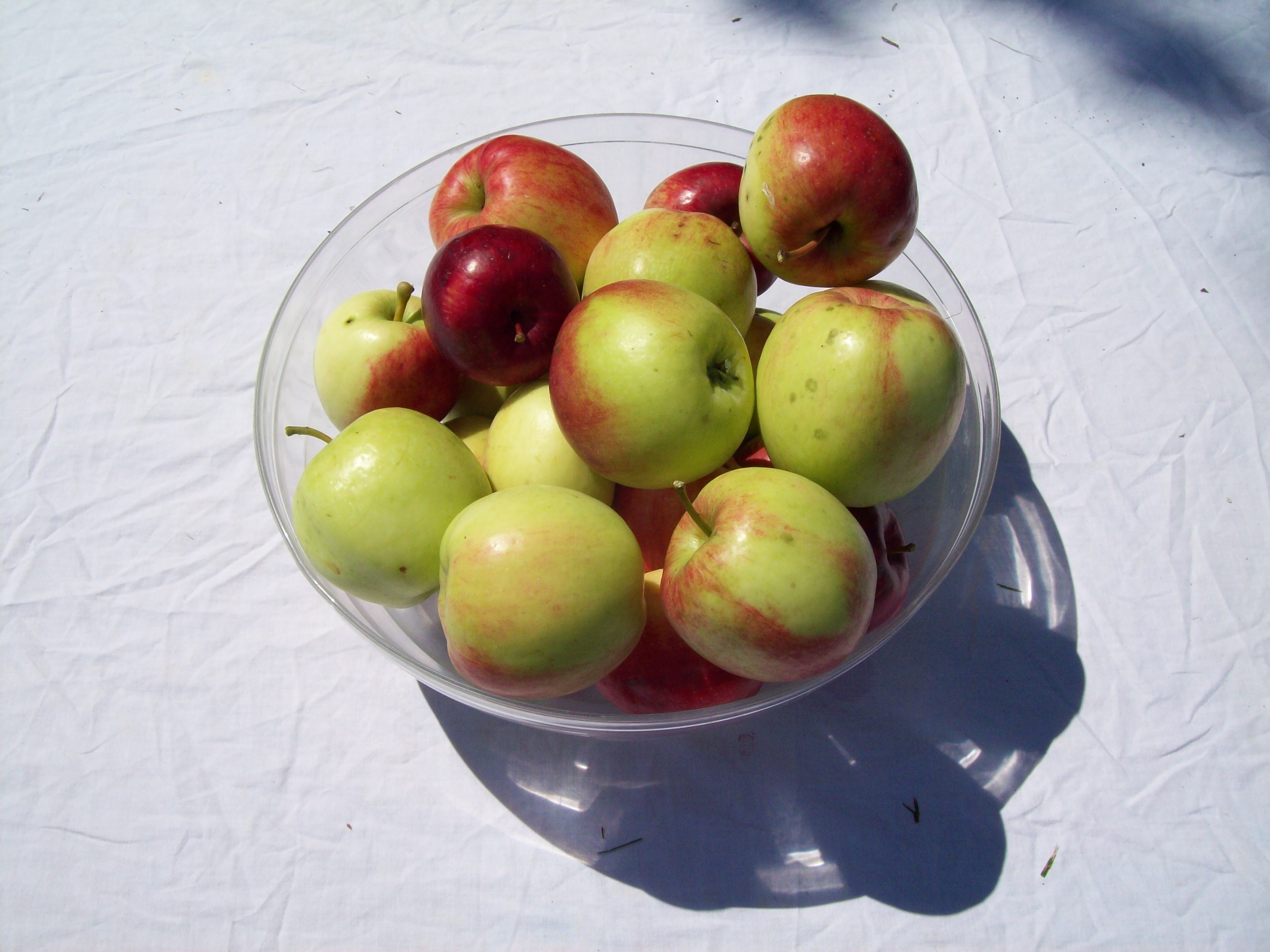
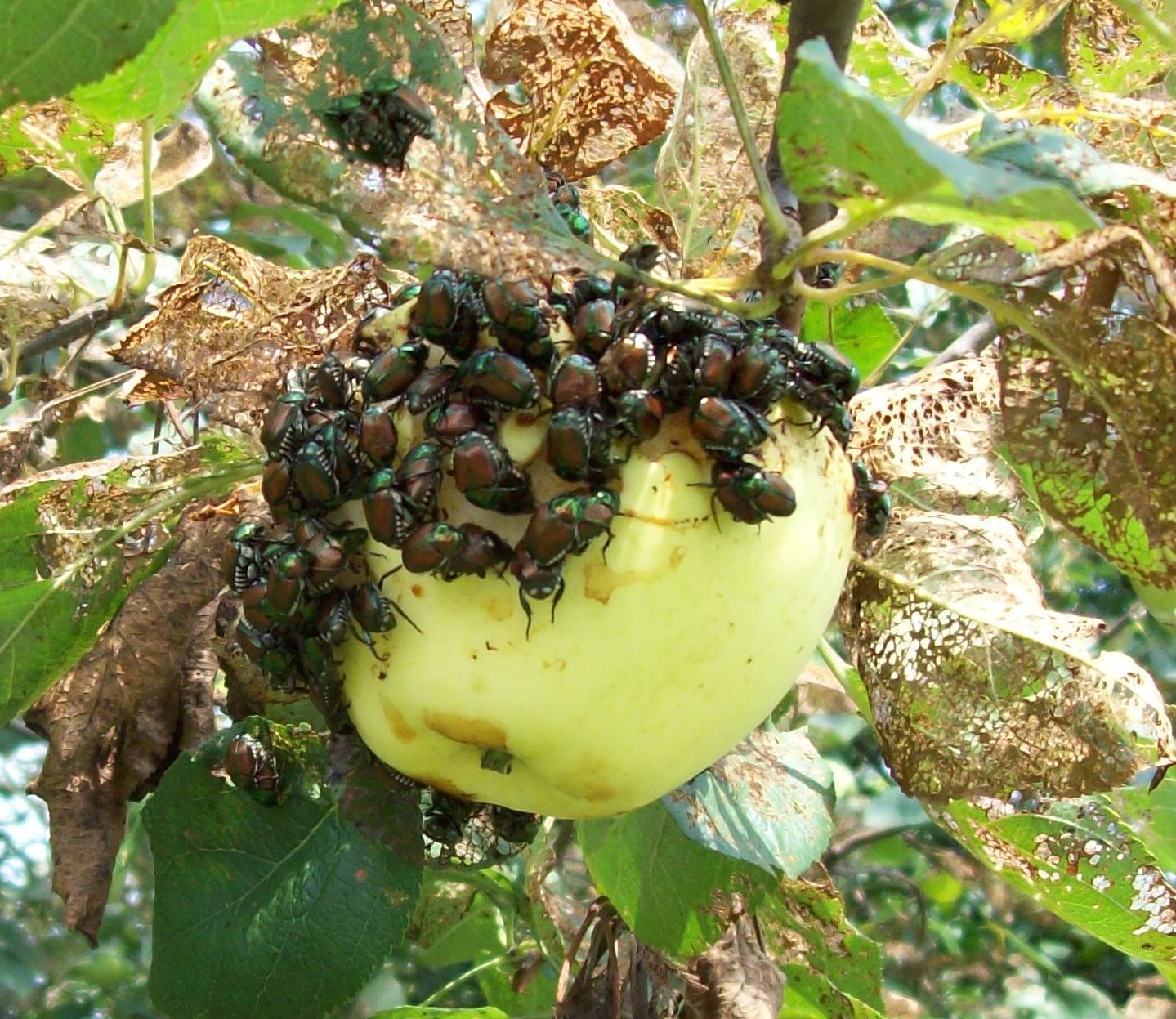
It was four degrees Fahrenheit and snowy this morning so I’m posting some garden images from 2008 as a reminder of what spring and summer can be. These are part of my larger A Life of Photos project. I did the initial sort of my digital images from 2008 last week. Posts like this one are part of the work product of that project.

Farmstead from the state park trail in 2008.
Categories
Creative Life

Cramming It In

On the state park trail on Jan. 13, 2026.

Canadian geese are getting frisky. Ambient temperatures are unusually warm, the surface ice is melting, and before dawn, they crowd along the shoreline, hundreds and hundreds of them. They are very chatty, although that is not a goose-specific term. They are flapping their wings in close proximity to others. We are definitely in the part of courtship with vocalizations and displays. It’s warm today, but if goslings hatch from the activity, many might die from late winter freezing temperatures. Totally weird weather is driving this. It also drives their over-wintering behavior, something they didn’t used to do.

With the first draft of my book finished, followed by the first re-reading from beginning to end, now begins the work of making it more readable. I look forward to this stage.

I have so much information that I just crammed it all into sentences, paragraphs, and chapters until it is likely too much for a casual reader to take in. That needs fixing. Another thing is it reads like a scientific journal that has been fully footnoted. I know the specific dates when many things happened and quote them as such. For a memoir, I don’t believe I need to do that so much. For example, I refer to seeing the early premier of the film The World According to Garp — written by the Writers’ Workshop’s own John Irving — on May 13, 1982 at Hancher Auditorium. Since the chapter is about 1981-82 anyway, I don’t likely need the specifics of this image. I suppose all this is part of the craft of writing and I’m enjoying the work so far.

I took up my Life of Photos project this week and hoo boy! This will be a beast. I began with the digital files and there are so many of them. The file for 2008 has more than 5,000 images! They are mostly mine, yet some are from other photographers. For example, our child worked as a stage hand on an Arlo Guthrie performance at Walt Disney World that year, and those images are theirs. Likewise, I don’t know who was the photographer for some of the political photos I downloaded. That needs sorting out.

What I do at this beginning stage of the project will have consequences for the rest. For now, I opened two windows, one for the working files and one for the “keeper files,” along with the photo editor. That is sort of a process, yet is cumbersome. The lesson learned is to pace myself and when I start cutting corners, stop for the day. I also need to better organize the keeper files. Just diving in has its merits, yet the process is anything but smooth.

So often I feel like a creative person. I spent a lot of time engaging in life experiences and taking photographs as part of it. It is positive in that I have lots of material, both written and photographic. I feel fortunate to have had the stability and financial support to retain these artifacts of a life and to now go through them to see how they can be used. Working with these resource materials is a different kind of creativity. It is one more experience in the life of a creative person and I welcome it.
Categories
Creative Life

A Life of Photos Part XI

Sun burning the pre-dawn sky.

While finishing the first draft of Book II of my memoir I set the photo project aside. In between now and when I turn the first spade of soil, I plan to organize the “Life of Photos” project so it can advance when there is time available. A couple of things.

I seek to bring order to my large collection of physical and digital photographs. The purpose is twofold. There are practical matters of archiving other than in a shoe box, album, or digital file folder. Digital is straight forward here: Make multiple copies: one to edit and work on, and one or two that are not touched and serve as backup in the cloud and on a physical drive. The other purpose is trickier. What is the culture and its underlying philosophy of value. When the editing process finishes, what work product will be left? At present, that is an open question, the answer to which lies in the work ahead. At a minimum, there will be some slide shows, easy to navigate digital archives, photo albums, and use of photographs on this blog.

The software Paint.NET will be the first attempt at editing software. It is available for free and if I want, there is a version with Microsoft support for a nominal fee. The types of edits are not complicated: cropping, renaming, and some minor restoration. Paint.NET should handle that.

We recently found photos in an album we made in 1986 were coming loose — all of them. We started a project using a different kind of adhesive, and found it was soaking into the paper too much. We stopped and evaluated. For this project, and for any other similar ones going forward, we expect to use archival corners to re-attach the photos into the same album from which they came loose. For new albums, we will add consideration of the kind of paper used. The cultural challenge is in addition to fixing old photo albums, answering the question what other kinds of collections belong in a physical album. Some potential answers: narratives about our lives together are important. Any final work product would support old and to be developed narratives. Photography can also be art, so some of the best may find their way into other media or into a frame which could be hung on the wall.

Our family use of photography increased significantly in the 1950s. When digital photography began in this century, especially after 2012, it was Katy bar the gate. Photography became less ritualized with posed photographs on special occasions, and more a complete, undisciplined explosion of digital images with less thought and process in how they were taken. The goal of my project is to bring intentionality back into the process of taking and storing old photographs.

Our child said we should caption all the photographs so they could refer to the captions and understand the images when we are gone. There is more to it than that. Narrative context, personal reflection, and accessibility become equally important with captioning. Given the thousands of images, being thorough and doing it right could be challenging. In solving this, I expect embedding some of this information in the structure will be important if I can figure out how to do it. I don’t mean returning to photographs and entering metadata in every image. Instead, combinations of albums, folders and slide shows that tell our stories can be a structural framework. Short version: memory needs structure to survive the abundance of images. The project includes defining what that means.

While my personality is pretty cut and dried, a rational guy with a project like this, the work needs to develop what wings it can to fly into my and the viewers’ imaginations. Will it be emotional when I look at photos of my long deceased father? I wouldn’t admit it but probably.

This is a turning point in the project. Now begins programming work blocks into my already busy schedule, followed by doing the work. Once I get into the project I need to set several interim goals for the work products. When will the project be finished? I will need goals for that as well. The sooner I can call it “done,” the sooner I can devote time to other new projects.

Categories
Creative Life

Travel Day

Moon setting over the state park trail.

I spent a good part of yesterday on the road to Des Moines and back. There was fog around Grinnell, yet visibility was good. By the time I returned, I was beat — a person only has energy to describe the Iowa landscape as a post so many times. So here are two photos from the state park trail earlier this week. The sun puts on a better show than I ever could.

Pre-dawn light show on the state park trail.
Categories
Creative Life

Photos from the Week

Moon between two trees in early morning.

A few photos from the first days of the year. The moon shots were one night when I couldn’t sleep so I went on a very early trail walk before sunrise.

Categories
Creative Life

Toward New Reading

Chart of 2025 books read by month from Goodreads.

I decided to call 2025 finished with 71 books read. I set my goal at a book per week and exceeded it. Yay!

Goodreads is great for me because it provides satisfaction when I finish each book and rate it. Likewise, I refer to the historical information often. The above chart came via email last week and tells a story about which I hadn’t thought. June through August is the busiest time in the garden. Likewise September through November are taken up with kitchen work processing the harvest. Seems natural I would read fewer books during those six months. The seasonality just never occurred to me.

I post each book I finish on Goodreads and at the Read Recently page of this blog if interested. I also keep a spreadsheet.

Book reading appears to be a lost art in American society. I understand people are busy taking in information from the large number of sources that exploded after Tim Berners-Lee invented the World Wide Web in 1989. The web was popularized through the adaptation of web browsers in the mid-1990s. We bought our first home computer and logged in via dial-up on April 21, 1996. After that, it was Katie bar the gate with many more words than could be read by a single human. I think even artificial intelligence machines have trouble getting through all of it. All that said, I sort of understand it, yet believe individuals reading books is an important kind of experience that rewards us in tangible ways.

Online apps are not for everyone, yet if you are on Goodreads, I’d love to see what you are reading. Find me here and join my community!