LAKE MACBRIDE— There is a sense that the season has turned. Clutching the harvest, preserving it as best we can for winter, its abundance slips through our hands to compost, and with time, back to the earth.
Bones and joints are weary from farm work, that work displacing time normally spent in the garden, yard and kitchen. Fallen apples line the ground and the branches of the late trees touch the grass, laden with the developing fruit. In nature’s abundance we cut a sliver and sustain ourselves on its freshness.
It’s labor day in the U.S., but that matters little in nature’s calendar. The work of a local food system goes on, and paid work calls me again today.
Soon I’ll finish preparing the onions drying in the germination house for storage. After that, I will be ready for autumn and the acceleration of changing seasons into winter.
LAKE MACBRIDE— There is an idea about egg salad, but I don’t really know how to make it. Peeling three hard-cooked eggs, I halved them to remove the yolks, and minced the whites finely into a bowl. Two slices of home made dill pickle finely minced, and half of a medium onion, also finely diced went into the bowl.
In a separate bowl, adding to the cooked yolks, a teaspoon of celery seed, half a cup of light salad dressing, and a squeeze of yellow mustard, I stirred thoroughly and added it to the rest of the ingredients, mixing as I went. It’s what I call egg salad, but is it really egg salad?
Call it what one will, spread on two slices of bread, and eaten with an ear of corn on the cob, it made dinner.
I may not know much about egg salad, but know less about the situation in Syria. It sounds really bad, and has for a long time. It is something to refrain from comment until a few people much smarter than me weigh in. The Carter Center weighed in, as did Pope Francis, and Bishop Desmond Tutu. Economist Robert Reich weighed in, even though it is not really his bailiwick. Will wait a while and see who else has something to say.
Let’s hope the U.S. doesn’t end up with egg on our face, because no one seems sure how they might make a meal to sustain a life using that.
SOLON— Happy hour turned into dinner hour as a group of participants in the local food system spent the inaugural Friday afternoon at Big Grove Brewery. It was farmers night out. The new restaurant got a collective thumbs up from the group.
My happy hour choice was a beer brewed in the building, one of two on the menu. I haven’t developed a lexicon for beer criticism, but it was reminiscent of the Stone City Brewery fare, cloudy and strong. It was called Big Grove IPA, and the happy hour special had us buying two glasses at a time and passing them as people joined us at the table.
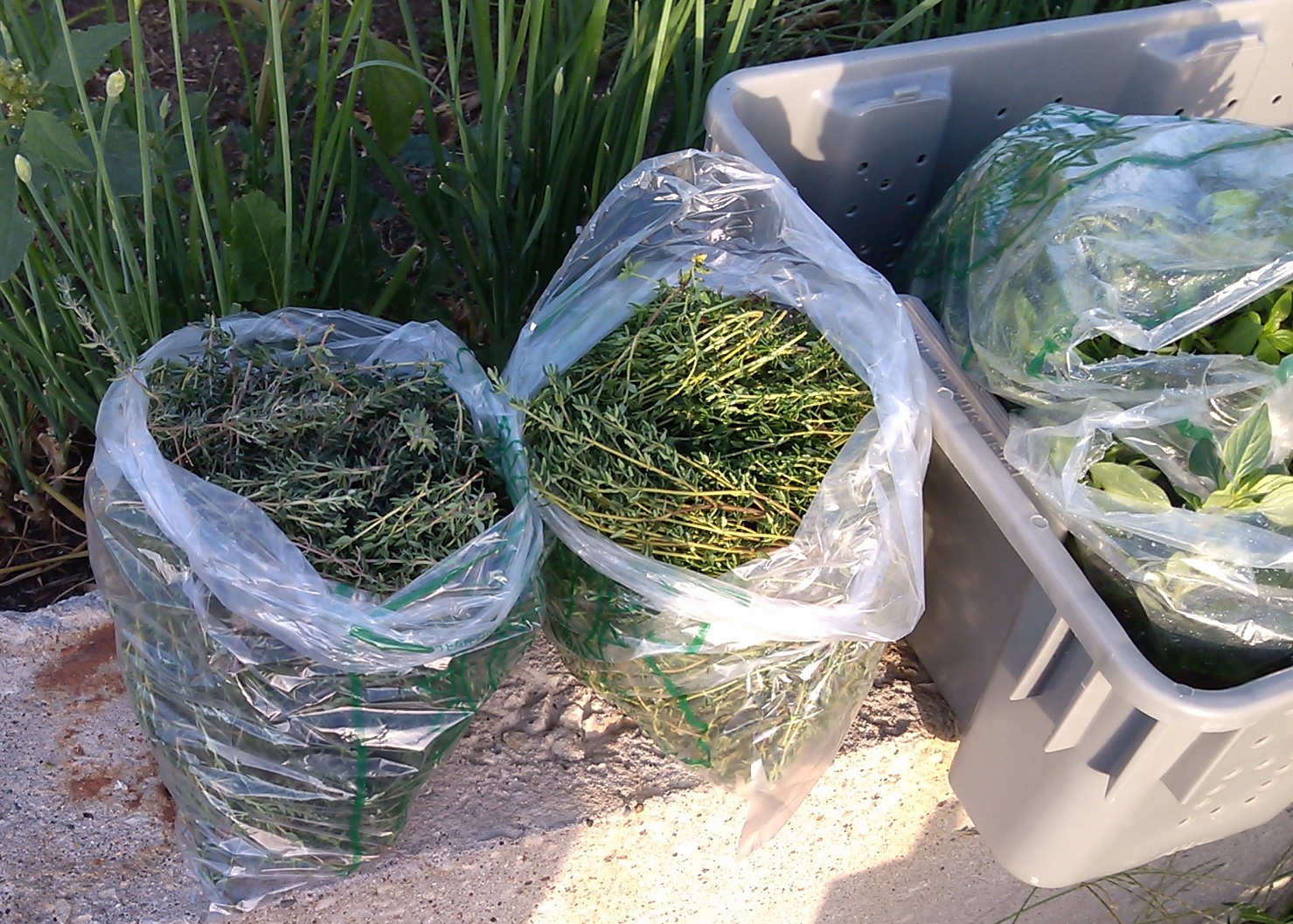
Our group included suppliers to the restaurant, and the first thing we did was try to figure out how the chefs would use the pound of thyme that was picked that morning. We couldn’t tell from the menu.
There is some vegetarian fare on the menu, and I tried the tomato and eggplant caponata, which is grilled focaccia topped with an eggplant ragout, sliced tomatoes, Parmigiano Reggiano and fresh basil. For only eight bucks, we can afford to return.
Every seat was filled, with people waiting. Even the outdoor patio was full, despite the 100 degree heat. Looks like Big Grove Brewery is off to a good start.
On Our Own: Sustainability in a Turbulent World will be joining the global Blog Action Day on human rights on Oct. 16. If you would like to join in, register your blog at http://blogactionday.org
LAKE MACBRIDE— First shift produced two quarts of tomato juice, four pints of tomato sauce and an experimental jar to see how my pickles take to water bath processing. There are still a lot of tomatoes to process.
I delivered frozen bell peppers to a farm where one of my work for food ventures is located, and stopped by the orchard to drop off a lead for some cheese curds. I bought a jar of sweet, dark cherry preserves on my employee discount.
Summer is waning, and I just took more harvest work to earn some money for the tax collector. Staying busy with the changing seasons is easy. There may be fewer posts for a while as the unofficial end of summer comes this weekend.
Thanks everyone for reading. It won’t be long until my next post. Meanwhile, I’ll be out in farm fields trying to earn a living.
L to R: Trish Nelson, Caroline Vernon, Dr. Alta Price, Paul Deaton, Dave Bradley. Photo by Dan DeShane
DAVENPORT– Editors and contributors to Blog for Iowa met with our publisher on Thursday, Aug. 22, at a local restaurant to discuss the future of our blog. We plan to be around through our tenth anniversary on April 2, 2014 and beyond. That we could sustain this work for so long is the result of the efforts of editors and contributors over the years, but none of it would have been possible without our publisher, Dr. Alta Price of Bettendorf. Dr. Price renewed her commitment to Blog for Iowa, which “is paid for privately to the tune of $15 a month” according to to the footnote on the front page.
Horticulturalist Dan DeShane brought fresh tomatoes to the restaurant, which he sliced on the spot and offered. Bags of organic sweet corn and tomatoes were exchanged. But the “meat” of the dinner was conversation about issues we write about on the blog: media, ALEC, the Iowa legislature, health care, climate change, and others, including Howard Dean who got us started.
After the meal, we went to Cobblestone Place where Progressive Action for the Common Good (PACG) held its monthly community networking night. The group was hosting Evan Burger and Adam Mason from Iowa Citizens for Community Improvement (ICCI) for a discussion about the group’s campaigns, including Iowa water quality. Dr. Price serves on the board of PACG.
We don’t get together often, but when we do, there is new energy. Blog for Iowa plans to be around as the online information source for Iowa’s progressive community for years to come.
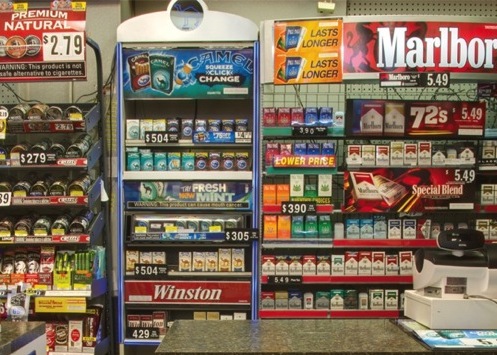
At hundreds of convenience stores and retail outlets in Iowa, the drug trade has been and continues to be legal and in full force. Lowly paid wage workers ply a trade in tobacco, a deadly product that continues to be widely used. Where the author lives, workers queue up at the counter before their shift begins, selecting their preferred brand of cigarettes, snuff, snus, cigars or chewing tobacco. The clerk asks, “will one pack be enough?” Tobacco is the only legal consumer product that kills when used as intended. Tobacco use is the leading preventable cause of death worldwide, accounting for 6 million preventable deaths annually, and is a major contributor to the global pandemic of non-communicable diseases.
This may seem like old news, but the tobacco industry is still at work, caught up in the secretive trade talks going on this week in Brunei. While many of us are finishing up summer work to take vacation, and students are returning to campus, U.S. corporations are attempting to gain unfettered access to markets in 12 countries as part of the Trans Pacific Trade Partnership (TPTP). Tobacco trade is just one of the issues. (Read the Sierra Club memo on environmental issues here).
The tobacco trade issue reduces to a key point, according to Dr. John Rachow of Iowa Physicians for Social Responsibility, “this is a critically threatening attempt to restore unlimited international trafficking of tobacco, the greatest completely preventable cause of human death on the planet.”
U.S. Trade Representative Michael Froman released a statement in which he wrote, “this proposal will, for the first time in a trade agreement, address specifically the public health issues surrounding tobacco– preserving the ability of the United States and other TPP countries to regulate tobacco and to apply appropriate public health measures, and bringing health and trade officials together if tobacco-related issues arise– while remaining consistent with our trade policy objectives of negotiating a comprehensive agreement that does not create a precedent for excluding agricultural products.” Including reference to tobacco products in a trade agreement is the opposite of what public health officials want.
The Center for Policy Analysis on Trade and Healthwrote, “the medical, health care, and public health community has consistently supported removing tobacco, tobacco products, and tobacco control measures from trade agreements as the most effective solution (to enabling participating countries to exercise their sovereignty to reduce tobacco use and prevent the harm it causes to public health).”
The tobacco industry likes adding the language because by giving tobacco products special treatment, it creates loopholes that could easily be exploited to circumvent restrictions on tobacco products in participating countries. By offering language on tobacco in the TPTP, the Obama administration is capitulating on public health to get a deal done that favors the tobacco industry.
For more information on tobacco language in trade agreements, click here. To sign a petition to exclude tobacco from the Trans Pacific Trade Partnership agreement, click here.
LAKE MACBRIDE— By 10 a.m. this morning I had cooked and cut sweet corn from the cob and made a large batch of hot sauce using five different types of peppers, onion, garlic and tomatoes from our garden. Waiting for the water to boil, I have one of five crates of tomatoes cored and ready to skin— the ones with bad spots are cut up and in another pot, to be processed into tomato sauce. That’s not to mention the buckets and buckets of apples ready to be made into something: apple butter first, then apple sauce, then more juice to can, and along the way some apple desserts. It has been and will be a busy day.
It is always a race against time and decay when preserving fruit and vegetables. Everything seems to come in from the garden at the same time and can intimidate. The secret is not to get wigged out, but do what one can to process the ones needing it first. That’s why I’m working tomatoes now. They were seconds when I started, and there are so many apples, they can wait and go to the farm.
In addition to the kitchen work, I delivered apples not good enough for recipes but great for livestock, and traded them for chicken eggs. Then off to the CSA to load the truck for tonight’s deliveries.
By the time I got home with the CSA share, it was time to clean up the kitchen so our house guest could prepare for a work potluck tomorrow. We made a simple dinner of corn on the cob, sliced tomatoes, steamed broccoli and freshly made apple juice. If your bones are weary at the end of a day, it isn’t all bad that they are weary from securing delicious local food for the dinner plate, made with your own hands and labor.
LAKE MACBRIDE— There’s a lot of work to do in a summer kitchen. One almost forgets that in addition to preserving the harvest, it is important to cook and eat in harmony with the season’s abundance. Yesterday at the the grocery store there were bags of two large loaves of French bread for sale at $0.99. I bought one, brought it home, sliced and toasted it, and topped each piece of bread with salad dressing, a slice of tomato, salt and pepper. As is said of good and tasty food, Yum!
On Wednesday, we were discussing abundance at the farm. Extra sweet corn, cantaloupe and cabbage were offered, along with small onions, seconds of potatoes and peppers. I took some of each and made a stew for dinner using potatoes, sweet corn, onion, peppers, potatoes, zucchini, yellow squash, carrot, celery and home made turnip stock: a fitting side dish for a meal of corn on the cob and sliced tomatoes. The cabbage was made into sauerkraut, and the cantaloupe were some of the best we’ve eaten.
This is not to mention the apples which are falling from the tree at a rate of a peck every hour or so. I got out the juicer and added apple juice to the vinegar jar, and bottled a gallon to drink fresh and add as the cooking liquid for apple butter— all using fallen fruit. There are lots more apples in buckets and bowls, and on the trees, and this is only the first variety.
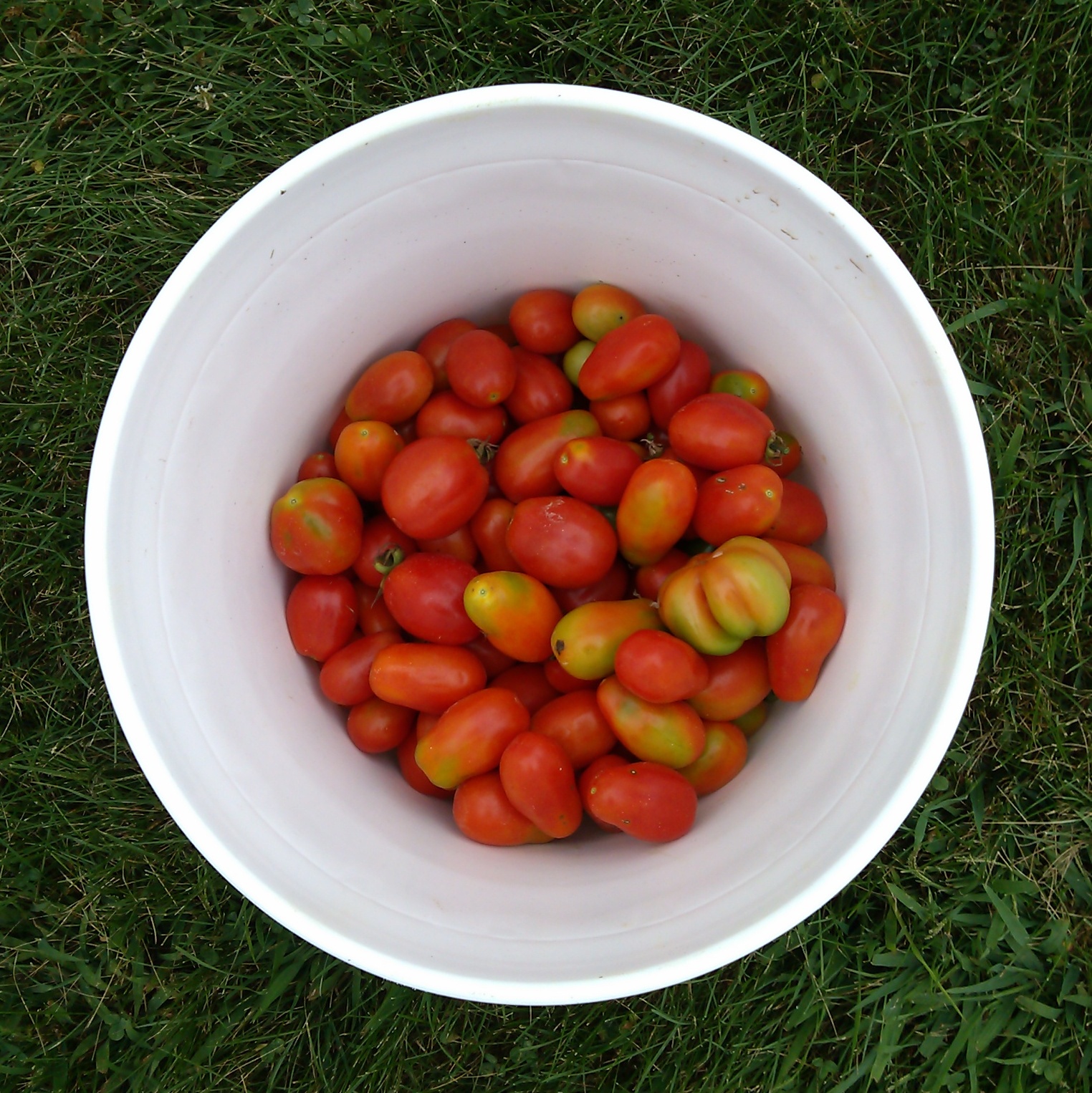
Roma Tomatoes
In a household-based local food system, we are not consumers. We may purchase items in the grocery store and farmers markets, but the act of buying is not what we are about. It is more the act of processing that is central to a home cook’s food system, and it has ramifications that stretch throughout the food supply chain.
Some gardeners and growers are a bit stressed figuring out what to do with the abundance. Because everyone has lots of tomatoes, peppers, potatoes, etc., selling them would be at depressed prices. It is important for a home cook with a local food system to recognize this happens each year and be ready for it. Unlike city dwellers who escape the summer heat, people with home-based local food systems don’t take an August vacation.
When I use the phrase, “local food system,” it is with a micro perspective. Rather than being a socially engineered process, on a grand scale, that competes with the industrial food supply chain, it means how individual kitchens leverage food availability to stock the pantry with ingredients to use all year. It includes some shopping, but more importantly, gardening, cultivating trees, working for food, bartering and foraging. Food preservation includes refrigeration, freezing, canning, dehydrating and if one exists, root cellaring.
This is not a throwback to the invention of the Mason jar, first patented in 1858. It goes much further back to the cultivation of land and domestication of livestock. It is also a statement of how we live in a post-consumer society. The idea is to live well. If we are lucky, and diligent, we can.








 Journey Home
You must be logged in to post a comment.