Categories
Living in Society

In the Mix Again

Iowa City Community Band float in the July 4, 2021 Coralville parade.

I walked in the Coralville Fourth of July parade with two different groups: the first half with the Johnson County Democrats, and the rest with The People’s Coalition for Social, Economic & Environmental Justice. It was the first post COVID-19 vaccine social event I attended with people I know.

Regulars from previous years were missing, notably the World War Two veterans from Veterans for Peace, but also many my age or older. My cohort is stepping back from parade walking, even though there was a trailer with straw bales for anyone who wanted to sit during the two-mile route. Ambient temperatures reached the high eighties, so it was probably best for septuagenarians and older to stay indoors.

The community was out in force. Coralville is diverse and much different from the rest of Iowa. I enjoy the informal socialization that is part of walking in a parade.
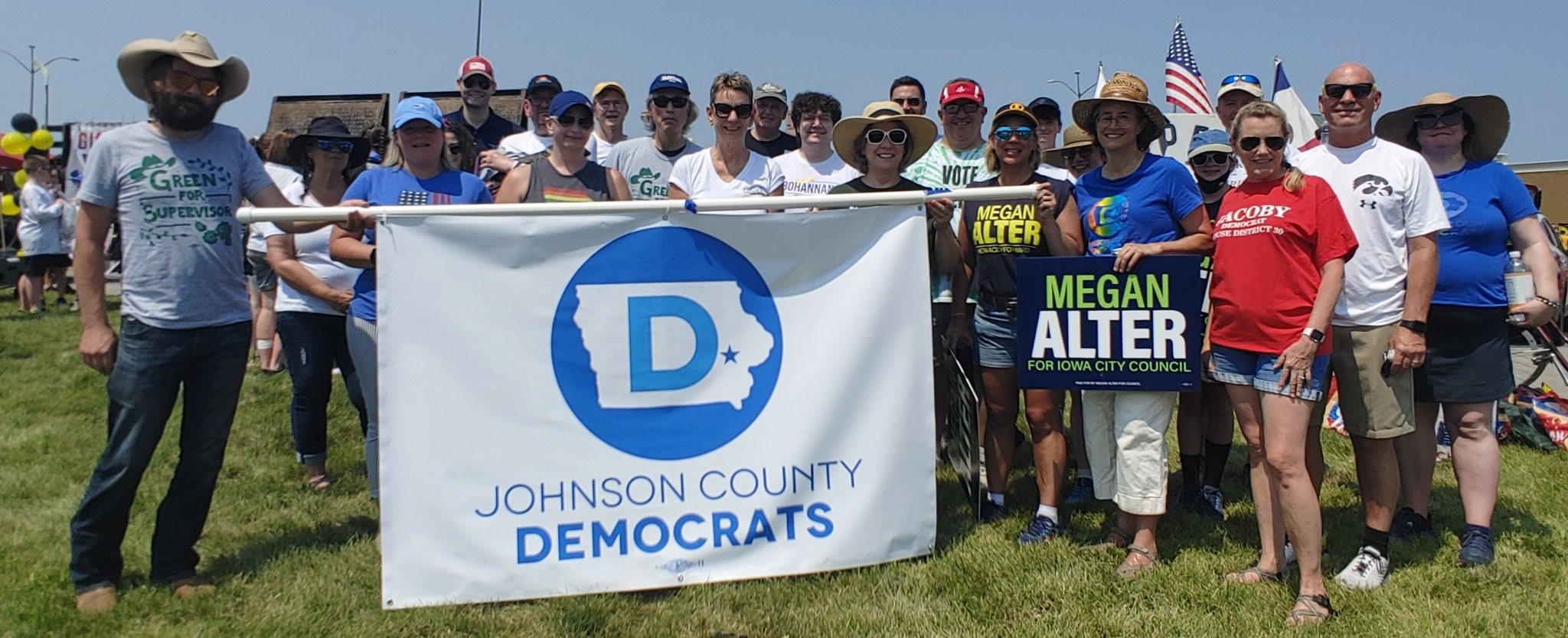
Group photo of the Johnson County Democrats at the Coralville parade. Photo from Zach Wahls.

It is positive the Democrats are transitioning to younger people. State Senator Zach Wahls will turn 30 in a few days, and State Rep. Christina Bohannan just turned 50. State Rep. Dave Jacoby was the oldest of the state legislators present at 65. The contingent was made of about half elected officials and half local political activists. Our presence was less than it has been during general election years.

The People’s Coalition is comprised of Physicians for Social Responsibility, Veterans for Peace, PEACE Iowa, 100 Grannies for a Livable Future, and other peace and justice friends. A characteristic of our local activities is collaboration when working on projects. I’ve been with Physicians for Social Responsibility since I was on the board of health, served on the board of PEACE Iowa, and am a charter member of our Veterans for Peace chapter. It was good to catch up with old timers like myself.
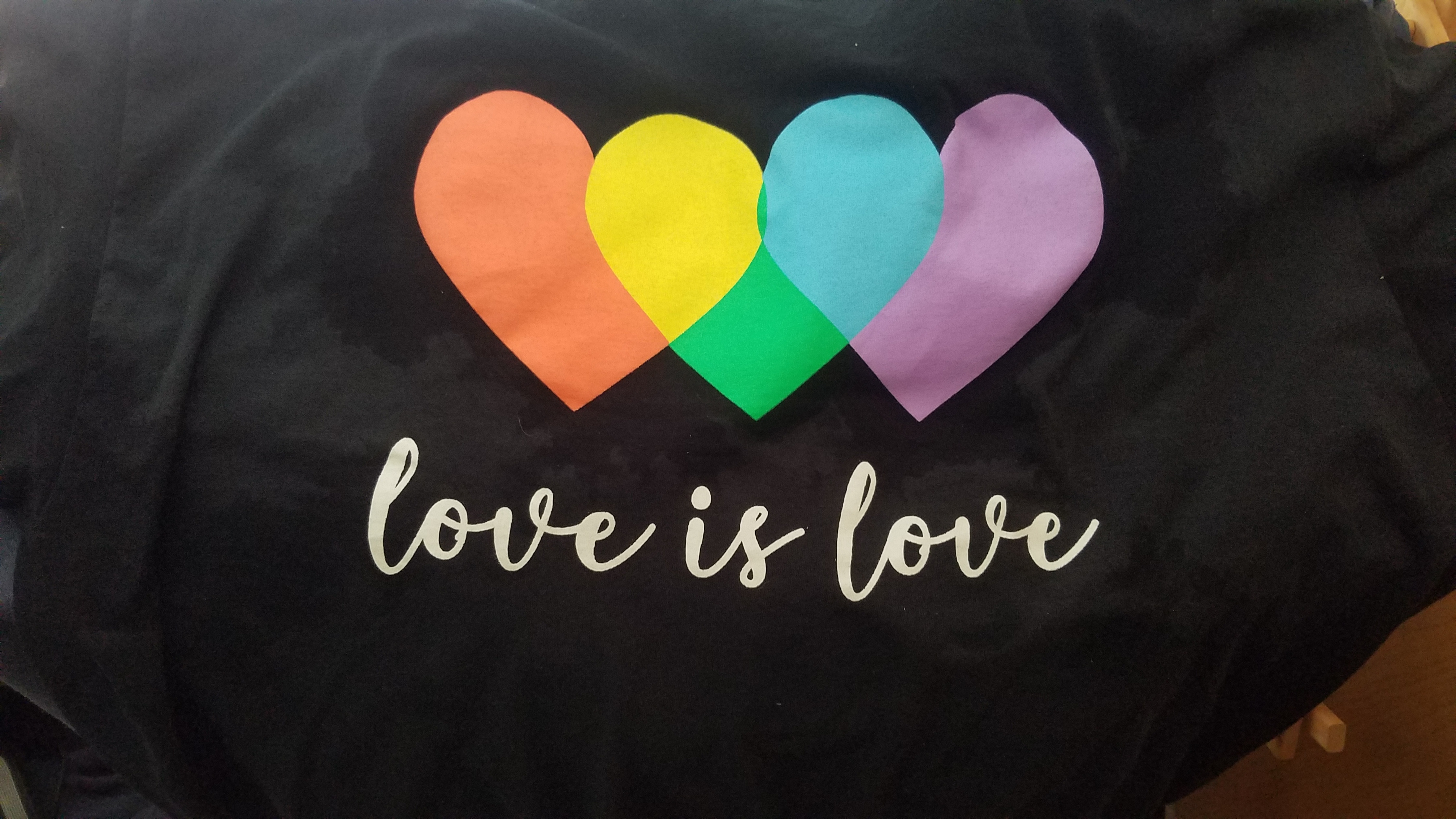
T-shirt I wore in the July 4, 2021 Coralville parade.

I received many compliments for the t-shirt I wore. I bought it from J.C. Penney for pride month yet didn’t attend any public events at which to wear it. The messaging, “love is love,” was very popular at the parade. People said, “I like your t-shirt,” multiple dozens of times. I said thank you when I could and Happy 4th of July. Someone shouted out, “go gay people!” I’m not sure what the sincere statement of support meant but acknowledged it.

It’s hard to say if I will attend future parades. I made it through yesterday and it was enjoyable. As long as that’s the case there is a reason to participate.
Categories
Living in Society

Overnight in Chattanooga

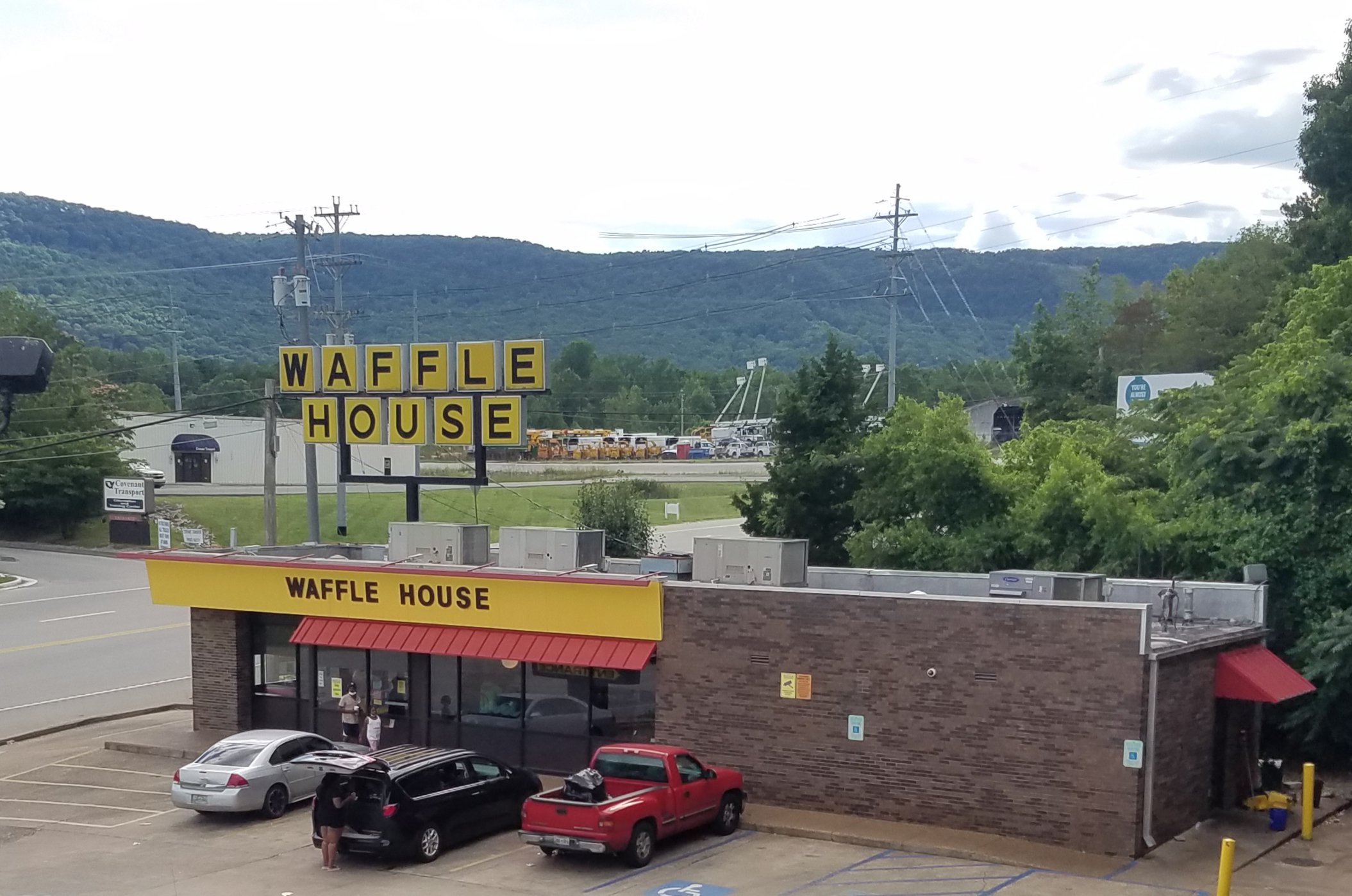
One of multiple Waffle Houses at this exit in Chattanooga

We convoyed from Lake Alfred through Georgia to overnight in Chattanooga. She drove in front with a mobile command center and an application called “waze.” I brought up the rear, keeping my eye on her and the rental between the lines.

We arrived at our lodging and decompressed. That means we parked the vehicles, ordered Italian via Uber Eats, and got on our mobile devices to catch up.

I walked to the side of the building, took this photo, and posted it on Twitter:

The next morning…

No doubt “regulars” have stepped in to prepare orders. There was a lot going on at that exit off the Interstate.

We continued north before sunrise. Coming down the far side of Monteagle, I trailed in the truck full of her stuff from the last ten years. She turned on the windshield washers to see. The over spray hit my windshield a few car lengths back. I turned my wipers on too. That says something about parenting, although I hesitate to say what it is. I’d rather dwell in the complexity a while longer.

Categories
Living in Society

From Florida to Chicago

Some photos from our recent trip.

Categories
Writing

Resting in Lake Alfred

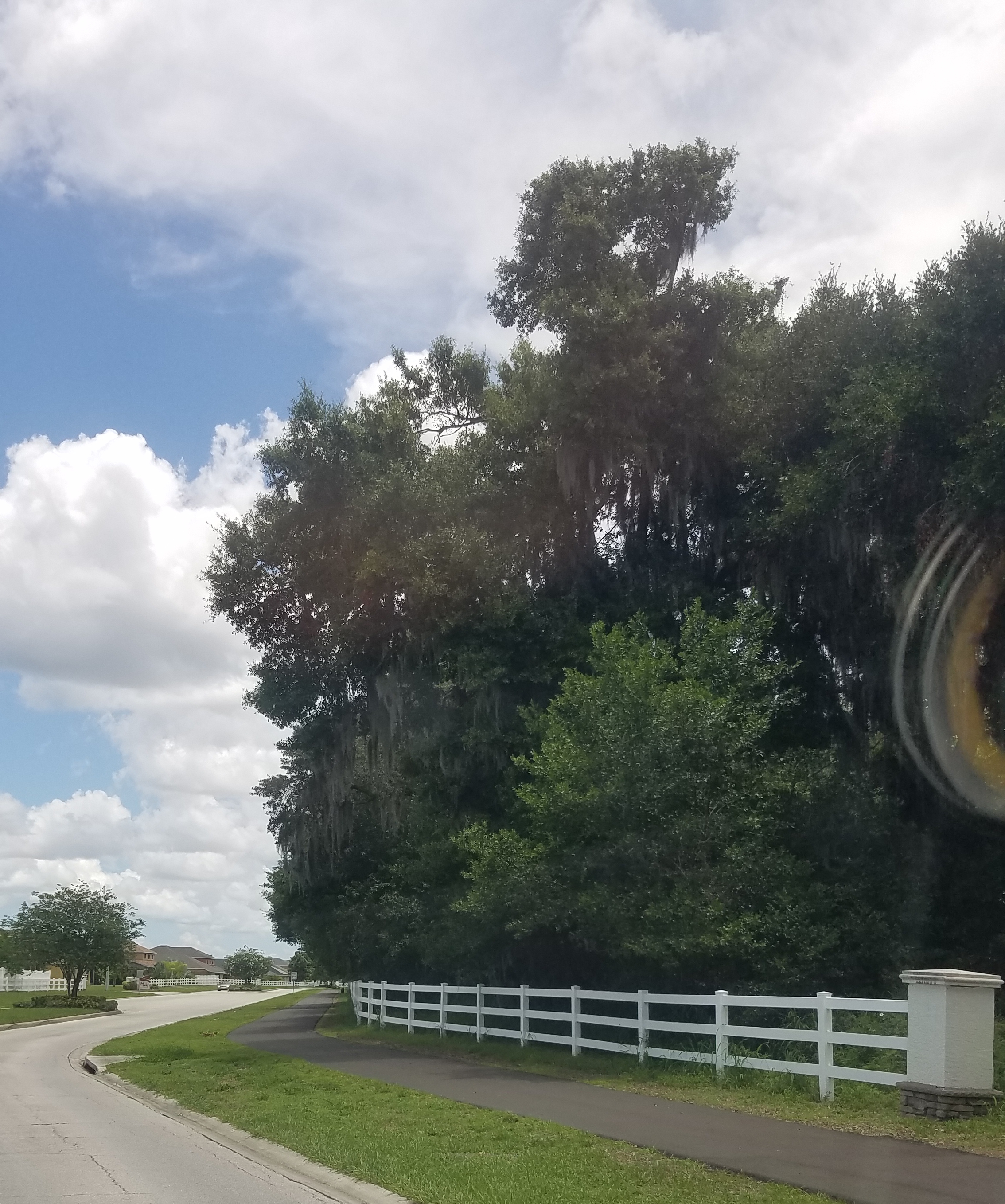
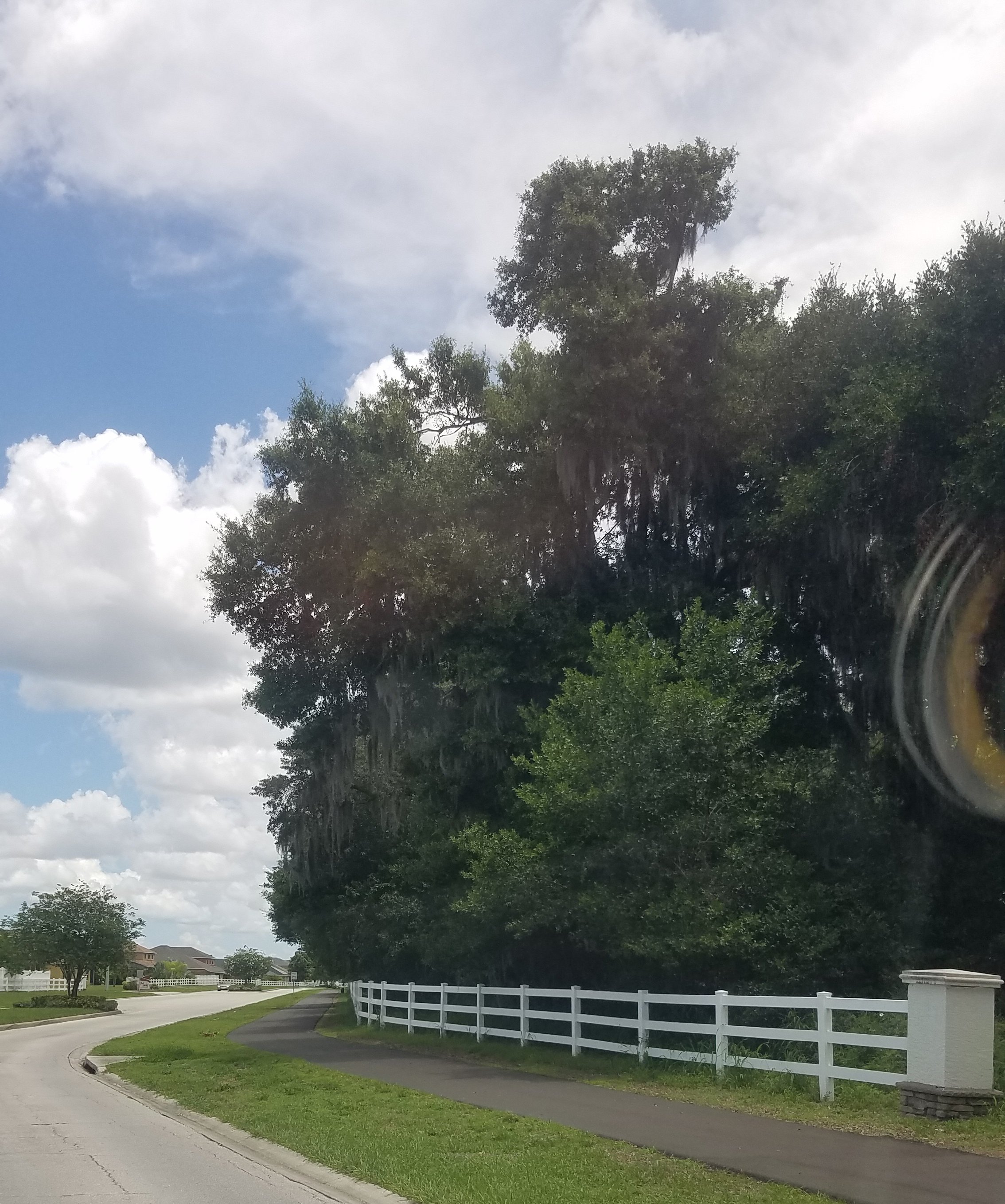
Trees with Spanish moss

It’s been a hectic 36 hours. We have the U-Haul truck loaded and ready for our 1,180-mile trip beginning tomorrow. We all took naps this afternoon now that this part of the work is finished.

There were a lot more swords (props and the kind used in LARPing) than I thought there would be.

I like visiting Florida. You can’t hardly see the Spanish moss in the picture, yet I remember it in live oak trees on a family auto trip to Tallahassee when I was eight or so. Father graduated from Leon High School there. Spanish moss is everywhere in Central Florida. It is a seminal memory.

Now that our child is leaving the Sunshine State, it’s hard to imagine returning.

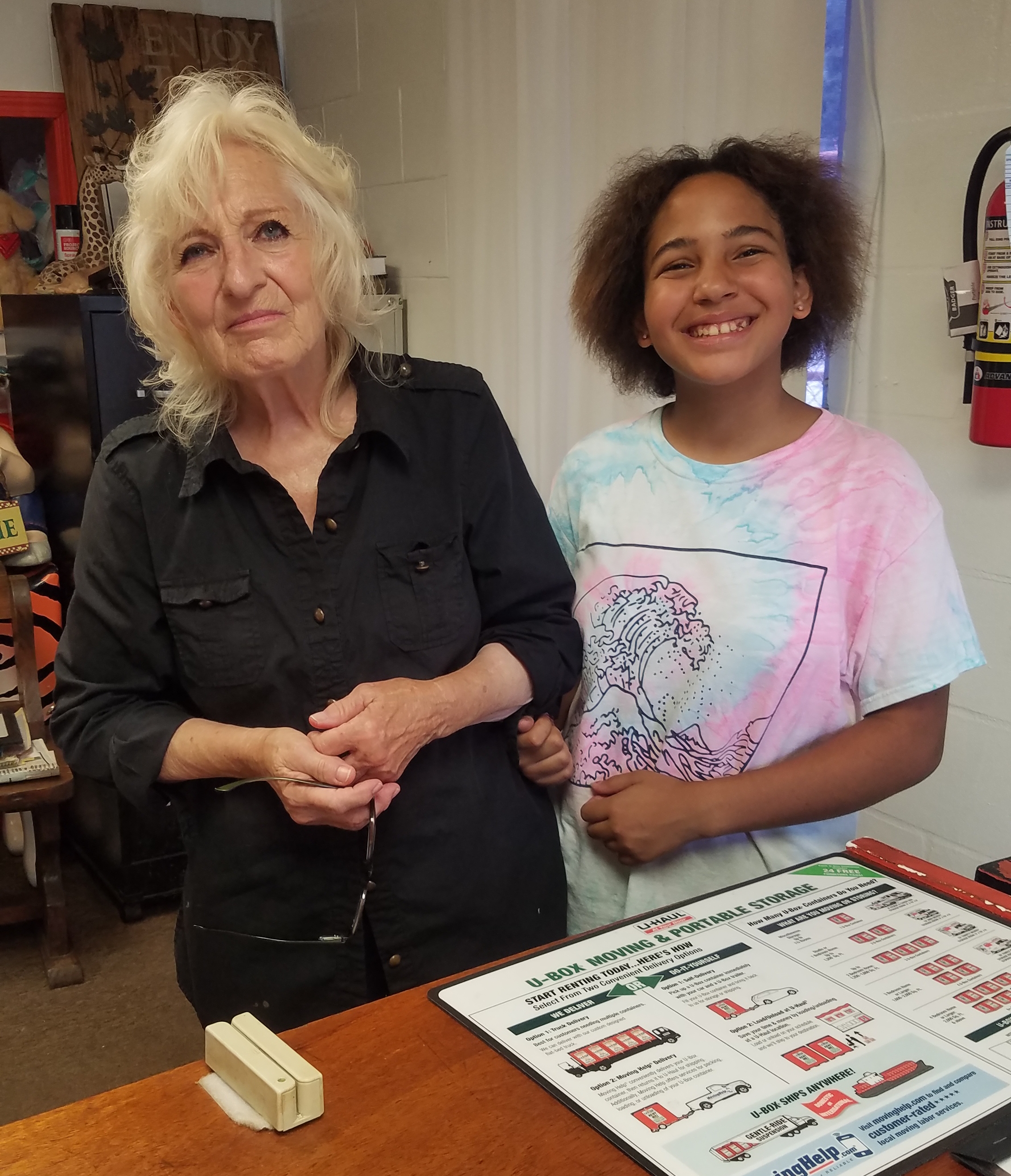
We’ve been busy with logistics yet I had time to engage in dialogue with locals: the convenience store cashier and the U-Haul staff. I’ve been cooped up in the house during the pandemic for so long, I forget what it means to be among people. I could talk with locals for more time than we have.

We didn’t say much. There’s a lot I could say when I return to Big Grove. Right now were resting in Lake Alfred and looking forward to tomorrow.

One thing though about tomorrow. I left all my rainbow t-shirts for Pride month at home because I been through Georgia before.

Categories
Living in Society

Congressional Exaggeration

Woman Writing Letter

Mariannette Miller-Meeks sounds like she’s having trouble dealing with a narrow win in her 2020 election. On June 22, she said on FOX News, “Democrats want Americans to believe state election laws are broken so they can then sell their ‘Corrupt Politicians Act’ as a means to fix the ‘broken’ system.”

The appeal Rita Hart made to the certified election results is evidence election laws are working as they were designed. I understand neither Miller-Meeks nor prominent Iowa Republicans liked the appeal. They should have let the law play out as it is designed to do and as it ultimately did. Instead they complained and made exaggerated claims like this one on FOX News.

“Corrupt Politicians Act” is the same framing used by the right wing Heritage Foundation to characterize the “For the People Act.” Miller-Meeks likely used the Heritage talking point because it’s curious she rolled out this opinion piece at the same time Heritage used the phrase to activate their followers to oppose S.1.

In her FOX News statement, Miller-Meeks naively admitted the irony in proposing the “For the People Act”: Democrats demonstrated the legislative process is not broken. With a slim majority, Democrats walked through the front door and proposed to stop recent Republican-passed laws that aim to modify the voting process.

Agree or disagree, it is the hallmark of our form of government. Miller-Meeks should spend more time in her district talking to voters from all parties to build on her six-vote margin in 2022.

~ Submitted to several local newspapers. First published in Little Village on June 24, 2021.

Categories
Living in Society

First Full Moon of Summer

Full moon setting, June 24, 2021.

The garden did not need watering last night. This morning, after sunrise, the ground was still wet. Thunderstorms and rain are forecast all day, so it looks good for the garden getting plenty of moisture. We need rain.

Wednesday was a punk day of running existential errands. I’m preparing for a special project that will have me mostly off the internet for a while. We need that from time to time.

While I’m gone, I leave you with this image of the full moon setting behind the trees. I don’t know what it means but I could look at the moon for hours. The picture is no substitute, yet with it, maybe we’ll get by.

See you on the flip side.

Categories
Environment

More Weird Weather

Raindrops on the Driveway

While watering the garden it started to rain. It wasn’t much, a sprinkle really. I turned the sprayer nozzle off, pulled the mobile device out of my pocket, and looked at the weather application. The forecast was rain, maybe three tenths of an inch toward midnight. I decided to wait and went inside to prepare dinner.

We need rain for a lot of reasons, importantly for the farming community. Large farm operations can capitalize the loss of a major drought, spreading the financial loss of a period of years. Small scale farmers, like the vegetable farmers in my community, not so much. Something is afoot in this spring’s weird weather.

Jonas Morgan of Fairfield opined in the Cedar Rapids Gazette that farmers are between a rock and a hard place.

A Des Moines Register poll found that among those who make their living working Iowa’s fertile soil, 81 percent believe our climate is changing but only 18 percent accept the overwhelming scientific evidence that humans are the cause.

Why the disparity? On the one hand, farmers are experiencing firsthand that long-term weather patterns are changing, changes that threaten not only their livelihoods, but the viability of the farms they hope to leave to their children and grandchildren, as well.

On the other hand, like all of us, farmers are under the sway of their political tribe.

Jonas Morgan, Cedar Rapids Gazette, June 21, 2021.

That tells part of the story. The same farmers to which Morgan referred might accuse him of falling under the influence of his own political tribe, noting he lives in Fairfield. I used to pen opinion pieces like this, which while accurate, don’t do much to move the needle toward acceptance of the realities of the climate crisis, much less the potential to do something about it before it’s too late.

A farmer friend wrote about the weird weather in their newsletter to CSA members:

The thing that has stood out to me the most this spring has been the extreme temperature swings, both hot and cold. […]

Extreme temperature swings (either hot or cold) are generally hard on vegetable crops, and the way different crops respond can also be somewhat unpredictable. Since we had two months that included periods of both unseasonable heat and cold, I feel like things were especially unpredictable. Some of the cool season greens have been bolting (sending off shoots to flower) early, which means that we have to harvest them smaller and earlier than we had hoped. The small Napa Cabbage in the share last week is an example of that. On the other hand we have struggled in the past to grow Hakurei turnips in the spring, and they have been mysteriously doing very well with this weather.

Local Harvest CSA Newsletter, June 21, 2021.

There has not been enough rain. Last night’s rainfall is welcome, but not enough to make up for the dry spring. Weird weather is not just in Iowa.

“In Siberia the ground surface temperature is a shocking 118 degrees Fahrenheit (47.8 degrees Celsius),” wrote Eric Mack in Forbes. “That’s bad news for permafrost.”

Laptev Sea ice on the Siberian coast set a new record low this week.

I’ve written about the dry spring in Iowa and in the western United States.

It’s not just farmers between a rock and a hard place. We go on living, aware the climate has changed and is changing. Our political leaders don’t have the will to mitigate the effects of the climate crisis. The good intentions of the Biden administration seem unlikely to become reality given the current political climate in Washington, D.C.

In the meanwhile, we’ll deal with weird weather as best we know how.

Categories
Environment

Trail Walking

Algae on Lake Macbride

Nutrients in the Lake Macbride watershed created an environment where algae thrive. Blue-green algae covers much of the lake surface in the photo. The public beach a few miles to the west has been closed this season because of the presence of e.coli bacteria. There are likely patches of cyanobacteria where there is so much blue-green algae. During my morning walkabout every pond of water along the trail had algae covering most of the water surface. It didn’t used to be this way.

In Iowa there is discussion about whether the nutrients come from home application of fertilizer or from farm fields where chemical fertilizers are applied along with drainage tile which pushes them toward the Gulf of Mexico. It is a ridiculous discussion. Of course modern farming created this problem. Farmers depend on free contamination of downstream water systems to make margin on their investment in crops.

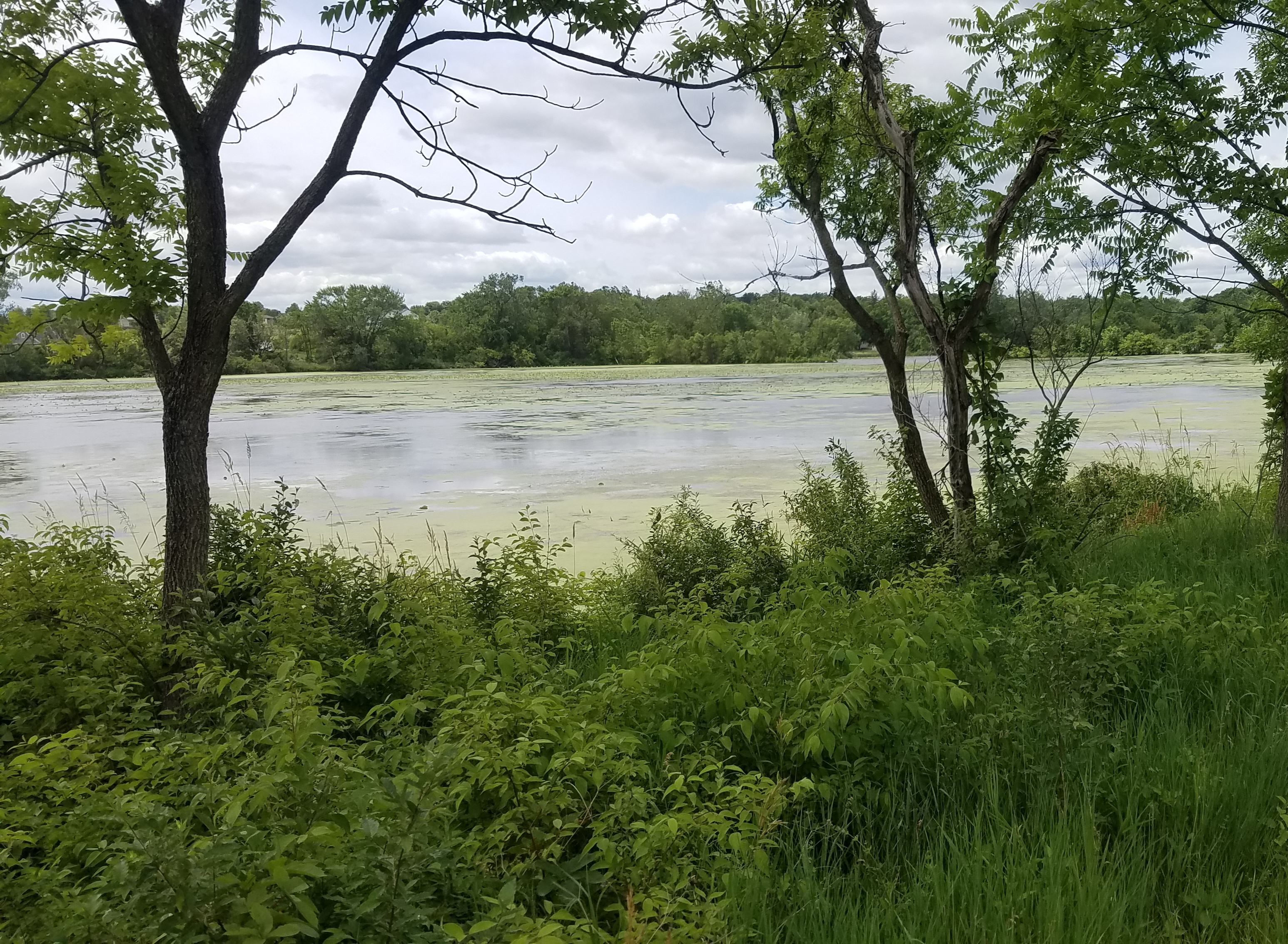
Despite reminders of civilization, I enjoy trail walking. Foremost, it is needed exercise. Even though one can hear automotive engines in traffic not far away, there is a relative quiet on the trail. On a Monday morning there were not a lot of other people out. Add cooler ambient temperatures and a partly cloudy sky, a trail walk serves as a suitable getaway from what ails a person. It also makes opportunities for photos like this:

Trail walking in Big Grove Township, June 21, 2021.

Categories
Writing

Sense of Place

Sunrise on the first day of summer 2021.

I just finished reading Mary Karr’s The Art of Memoir and it inspired me to write this introduction to my autobiography. I don’t know if I’ll use it, but I think it works toward identifying my voice in the narrative, as she suggests we should. There will be revisions in the coming months and years as I continue to work on the book. Feedback welcome in the comments.

This memoir was written in the unfinished lower level of the split foyer home we built in 1993. We thought we would have finished our home by now. In a not-specific year I framed a couple of rooms with two by fours and installed drywall and book shelves in what would eventually be my writing place. The county assessor got wind of the improvement and sent someone out to inspect. They decided to wait until I finished before increasing the assessed value. Piles of building materials bought at the time remain stacked around the space. The current lumber shortage has me thinking about selling the two by fours.

I can’t say when finishing the house will be on the agenda. However, finishing this book is front and center.

We have a wireless router that connects everything. Who in my cohort doesn’t? What’s significant about the library table surrounded by book shelves is not the Dell desktop resting on it. This refuge is a chance to get away from the internet and be the person I am with my successes and failures. My non-internet traffic is more valuable than what I write online.

Our arrival in Big Grove Township coincides with broad adoption of internet service providers. Before mobile telephones, I used a pager and stopped at a phone booth to answer a page. It felt a bit risky, especially when I stopped near the Robert Taylor Homes on the South Side of Chicago at a well-lit bank of payphones. It’s what we had and truck drivers who paged me couldn’t wait.

I used a typewriter until we lived in Indiana, when we got a word processor with a dot matrix printer. In Iowa, we got our first home computer in 1996. The accelerated pace of improved personal communications since then was unlike anything we knew. This impacted this memoir.

In the chronological first part of my life I’m dealing with experiences, memories and outside sources to create a narrative. My memory is faulty. The majority of my experience is embedded in me or in boxes of photographs and papers. Growing up during the time of Polaroid and Eastman Kodak, the photographic record is significant. Likewise, the boxes of documents going back to kindergarten have a lot of information in them. Old documents, like my parents’ wedding announcement, may exist online but most of my remembrance of those days is a physical presence not far from me. The act of selection for inclusion in this book had a significant influence on the narrative.

My memory and experiences are subject to interpretation and people’s remembrances of them differ. Like any memoir author, I had to address that before presenting the finished work. This book is an effort to tell the truth and say what I know about my life as best I can.

The story relies less on memory after graduation from university when I started a hand-written journal. The continuous written record since then was enhanced by the adoption of email, social media, and personal blogs. Digital photography was an important aspect of the record beginning in 2007. There is plenty to draw upon and it can be quoted as-is, avoiding the interpretation of others.

My view of the world is flawed. What I see isn’t always what others see, and that’s what could be a reason to read further. Perhaps the most clarifying part was writing the story of my Polish ancestors in Minnesota. Drawing on memory, artifacts, my personal journal, and interviews with local informants, it became clearer than ever the kind of people from whom I rose. It revealed a type of life that could provide meaning in an rapidly changing social environment.

This is my story. I hope you find value in it.

Categories
Environment

Dry Spring In Iowa

It is abnormally dry in our part of Iowa. Just as we are needing rain, we are not getting it. A home gardener can irrigate new trees, fruits and vegetables, but the massive scale required to hydrate Iowa’s main commodity crops and livestock is not available. Creating the infrastructure to pump water from ancient aquifers is doable, yet an unsustainable practice. It seems like we are heading into a drought. (The map is from the state climatology website which provides data about precipitation, temperature and other aspects of the climate).

Iowans are familiar with drought. In the 2012 drought corn yield per harvested acre was 123.1 bushels compared to the average of the seven following years at 170.4 bushels. The drought decreased corn production by 27.8 percent according to USDA numbers.

There is a relatively finite amount of water on Earth which cycles through the atmosphere, on land, and in the oceans. Some of it rests in deep underground aquifers where it has been since prehistoric times. An increasingly warm climate impacts how water cycles and it is getting hotter. “Earth’s global average surface temperature in 2020 tied with 2016 as the warmest year on record,” according to an analysis by NASA. The oceans are getting warmer too.

Rising air and water temperatures and changes in precipitation are intensifying droughts, increasing heavy downpours, reducing snowpack, and causing declines in surface water quality, with varying impacts across regions. Future warming will add to the stress on water supplies and adversely impact the availability of water in parts of the United States.

Fourth National Climate Assessment.

The problem goes beyond Iowa. The Hoover Dam, located on the Colorado River near the Nevada-Arizona border, is suffering the consequences of drought. Lake Mead, the artificial lake created by the dam, is at a lower water level than was when it was built. The water shortage will impact 25 million people including in the cities of Los Angeles, San Diego, Phoenix, Tucson and Las Vegas.

Farmers are abandoning crops, Nevada is banning the watering of about one-third of the lawn in the Las Vegas area, and the governor of Utah is literally asking people to pray for rain.

Firefighters are facing worsening conditions this summer — after nearly 10,000 fires in California alone during the last wildfire season burned 4.2 million acres (1.7 million hectares), an area nearly as large as Kuwait.

Reuters, June 10, 2021

Water in California’s Lake Oroville will fall so low this summer that its hydroelectric power plant may be forced to shut down for the first time.

We must do something more than pray for rain. It begins with recognition.

The Lakota phrase “Mní wičhóni” (“Water is life”) was the protest anthem from Standing Rock heard around the world, but it also has a spiritual meaning rooted in Indigenous world views. For Native Americans, water does not only sustain life, it is sacred.

Bioneers.org

Action to prevent drought must include acknowledging that climate change is real, something Senators Chuck Grassley and Joni Ernst have both done. The next step is addressing the climate crisis through policy and legislation and that’s been the rub. The climate crisis is more complicated than any single policy or law.

Peter Rolnick of Citizen’s Climate Lobby wrote a guest opinion in the Cedar Rapids Gazette on June 15, 2021. He commended the Iowa senators and Rep. Cindy Axne for supporting the bipartisan Growing Climate Solutions Act. If passed, the law would engage farmers in storing more carbon in our soil instead of emitting it into the air in the form of carbon dioxide or methane. The relationship to drought is clear. A molecule of CO2 or methane sequestered in the ground is one that does not get into the atmosphere and increase warming. Even the American Farm Bureau is in favor of this bill, which on its own raises red flags. One bill is not enough.

We need much more in the way of policy and legislation. The Biden administration’s approach of embedding work on climate change in each of the executive branch departments is important. It is up to each of us to encourage those in government to work toward viable climate solutions. There are personal actions we can take to reduce our carbon footprint, yet the most effective action is in the government arena. If constituents don’t remind members of our governing bodies to act on the climate crisis, they seem likely to forget.

We’ll know it when we hit the drought this year. News media has been forthright in reporting it because so many Iowa livelihoods depend upon the weather. When will we wake up to take action to address what is causing the drought? Not soon enough.