I went on walkabout to capture a bit of spring. Here are four photos from my journey.

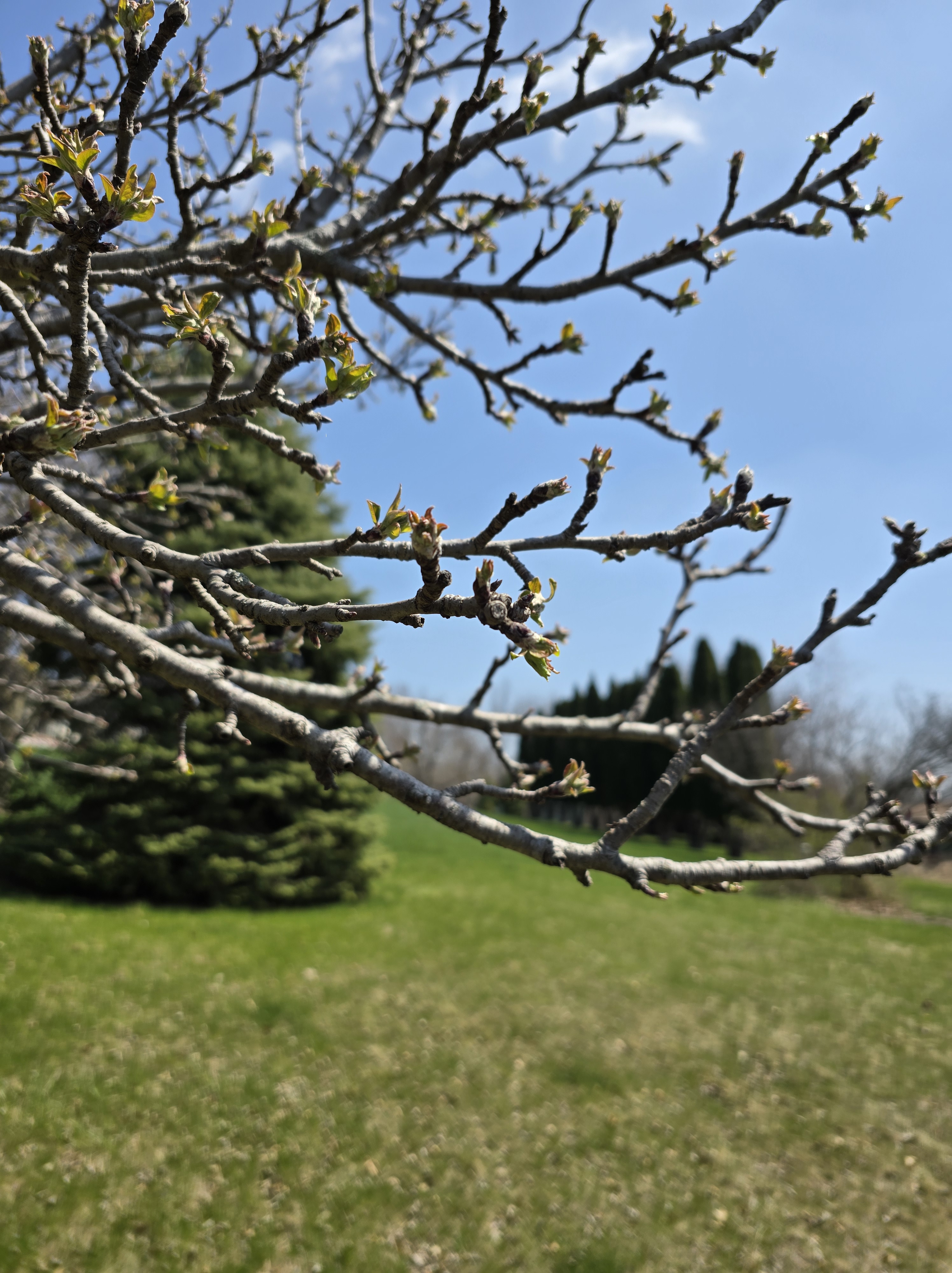

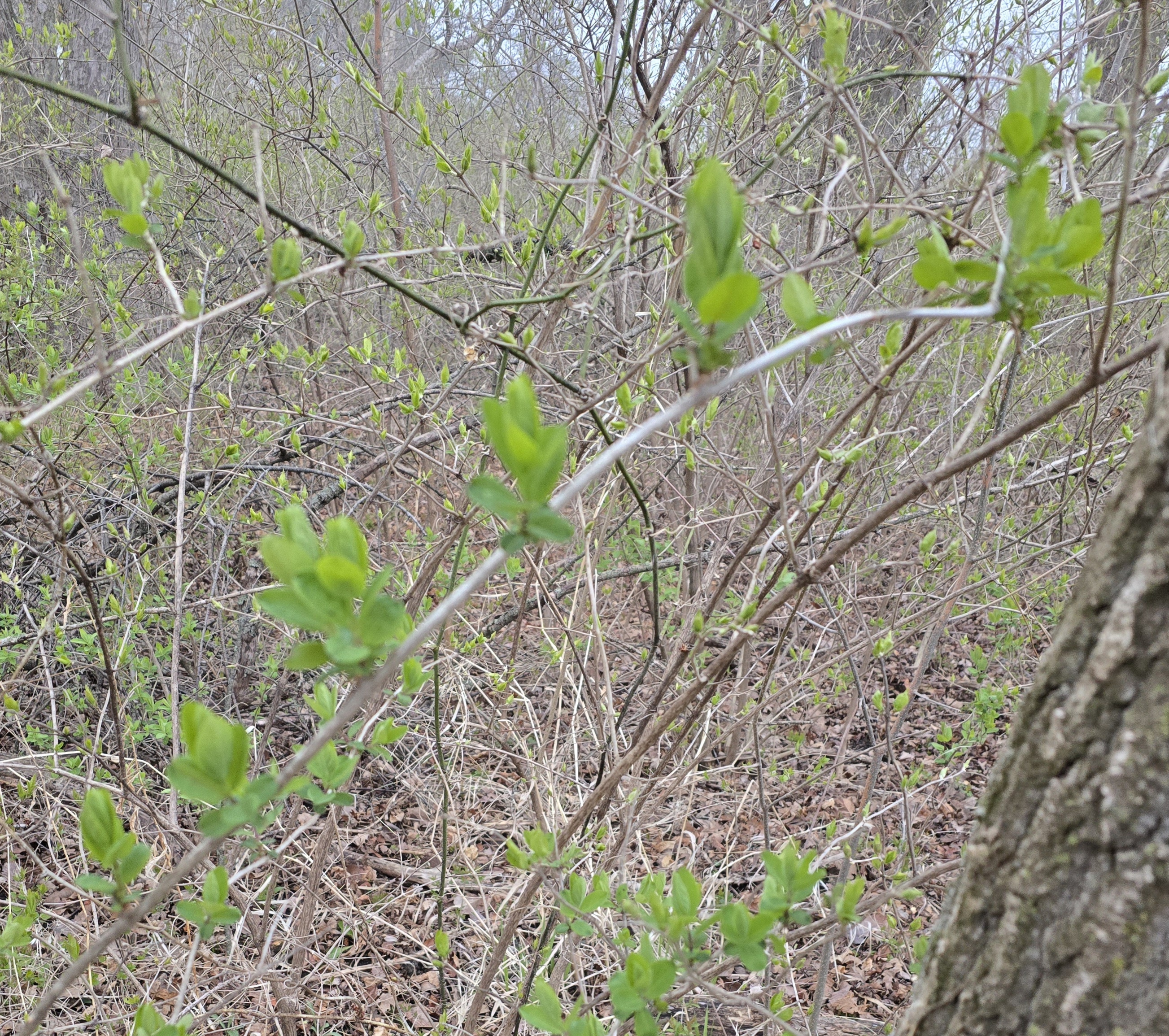
I went on walkabout to capture a bit of spring. Here are four photos from my journey.

A writer needs a place to work. Somewhere safe, secure, and with adequate room to spread out. I’ve written in my share in public places: restaurants, coffee bars, grocery stores, and parks. These locations serve for a moment, but eventually we need to return to a home base. Since 1974, I found many of them, including my drill sergeant’s office at Fort Jackson, S.C., an apartment not far from the Mississippi River, in the lower level of the first place we lived after our wedding, and others. Five of them stand out.
Five main places I wrote, where I felt I had a writing space, are as follows: In my Bachelor Officer Quarters in Mainz, Germany; my apartment at Five Points in Davenport; my apartment on Market Street in Iowa City; in the garage behind our house when we lived in the Calumet; and finally a very long spell, maybe 30 years, in the room I built on the lower level of our home in Big Grove Township. All of them afforded reasonable quiet, and freedom to write what I wanted. I took advantage of the spaces as best I could.
After seeing the Pablo Picasso retrospective at the Museum of Modern Art in 1980, I became enraptured by his artistic process. Before his 1973 death he was exceedingly successful. David Douglas Duncan’s 1980 book Viva Picasso: A Centennial Celebration 1881-1981 depicts Picasso as he created his work. From these photographs I took inspiration for my own studio stolen from small spaces where a busy family lived.
When I lived near the main railway station in Mainz, Germany, my apartment had two large desks which I pushed together to use as a writing place. My apartment was at the end of the hall in a building called the Bachelor Officers’ Quarters. As a corner room, it was fairly quiet. My schedule had me away from garrison for two to three weeks at a time so part of what I did there was spread out mail and make sure what needed addressing was. I received and wrote a lot of letters. I had a big map of the region pinned to the wall. Next to it was a large bulletin board, and then an American flag I used when we road marched with armored equipment on the German Autobahn. While I wasn’t there much, I felt like a writer when I was.
I left the Smith Corona portable typewriter Mother gave me to use at university in storage and bought a new Olympia portable typewriter in Mainz. I used a blue three-ring, loose leaf binder to keep my journal. The chair had a straight-back, dining room-style. Behind the desk was a bookshelf I made from planks set on wine bottles I had emptied out by drinking the contents. My source of news and information was a multi-function AM-FM radio that could also receive short wave signals. I was still trying to be a musician so I bought an inexpensive guitar at a local music store. In the early years I had no telephone or television. About year into my tour of duty I went to the German phone company and had a land line hooked up, not that anyone called me while I was there. This writing space was my escape from serving in the military.
The image above is my writing space at Five Points in Davenport. I wrote previously about this apartment where I pulled my life together after serving four years in the military. I was determined to be a writer. Note the oak desk. I purchased it when I arrived in Davenport after living in Germany. It followed me until the present day, although it is used mostly for storage and layout space today.
I recently described my apartment on Market Street in Iowa City here. It was a transitional space from youth into marriage, although I had no idea that’s what it was when I lived there. I did know I was a writer.
When we lived in Indiana, the house we bought did not have space for my writing. I moved to the garage. This was problematic when it was cold because there was no insulation. I bought a construction heater and had a local propane service deliver a bottle which I leaned up against an exterior fence. It was very noisy as it burned the fuel.
I’m reading my journals from Indiana and more than any other prior period, I produced writing that stands up to the years since then. I developed the idea that a creative person had to integrate all aspects of their life into one continuous band of creativity. My garage was an escape, yet it brought together my work life, my home life, and everything else I did in the Calumet. This was a significant change.
In a discussion with our child we came up with a name for the place, The Deaton Family Workshop. I did some of my creative work on the word processor we brought from Iowa, which was located inside the house between the dining area and the living room. Still, the garage was my main creative studio.
Finally, There is my current writing space. I use a chair I bought for a dollar at an auction, and a library table inherited from the father-in-law’s estate. I described building this place in a post called, A Place to Write. It has well-served the writing process.
Each place I wrote is important. The hard part was to envision that I am a writer. Working a career in transportation and logistics distracted me from that. Now, though, I can focus on the actual writing. In the main, given a space, that’s what my life has always been about.
Today marks eleven weeks since the inauguration. Who knew we would be where we are? I’m not really sure where we are.
Of the many reckless changes the administration made, the following are most concerning to me: elimination of the Institute of Museum and Library Services; changes to the Kennedy Center in Washington, D.C.; threatened changes to the Smithsonian Institution; defunding NOAA; vast cuts in medical research funding; all the programmatic changes to Medicaid, Medicare and Social Security; and of course, the reconciliation bill that moved through the U.S. Senate over the weekend providing stunning tax cuts for the well-to-do in society by borrowing money to pay for them. The hits against what we once thought was good keep coming.
On Saturday, millions of people, in all 50 states, demonstrated against the administration’s changes. Crowd estimating is an inexact science yet some say 5 million people showed up. The demonstrations appeared to be peaceful. The president was busy at his golf club, so I doubt he was engaged. The resistance is getting stronger.
The government was stable under Biden. The next president introduced uncertainty about the future. There is no perceptible benefit to the increased instability and uncertainty of our government. We now have a society in which the rich get richer and the rest of us can fight over scraps. Here’s the thing, though. Out of those scraps we will make a meal to nourish and sustain us to make our lives better than we have ever had them. Above all else, we must persist on the path toward righteousness.
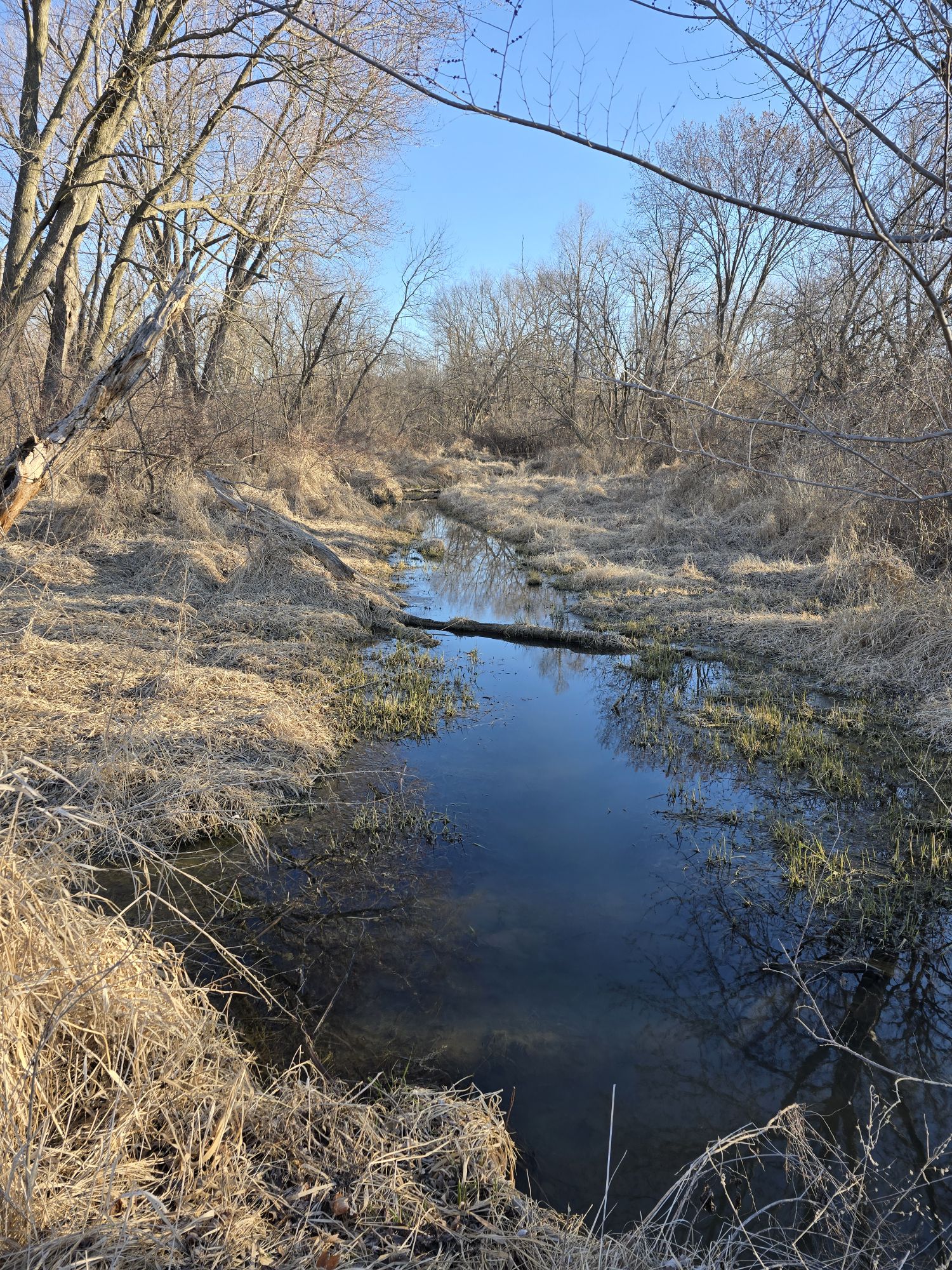
I plan to be out of office and away from writing computers for a couple of days. Here is a photo from a recent trail walk to keep you company.
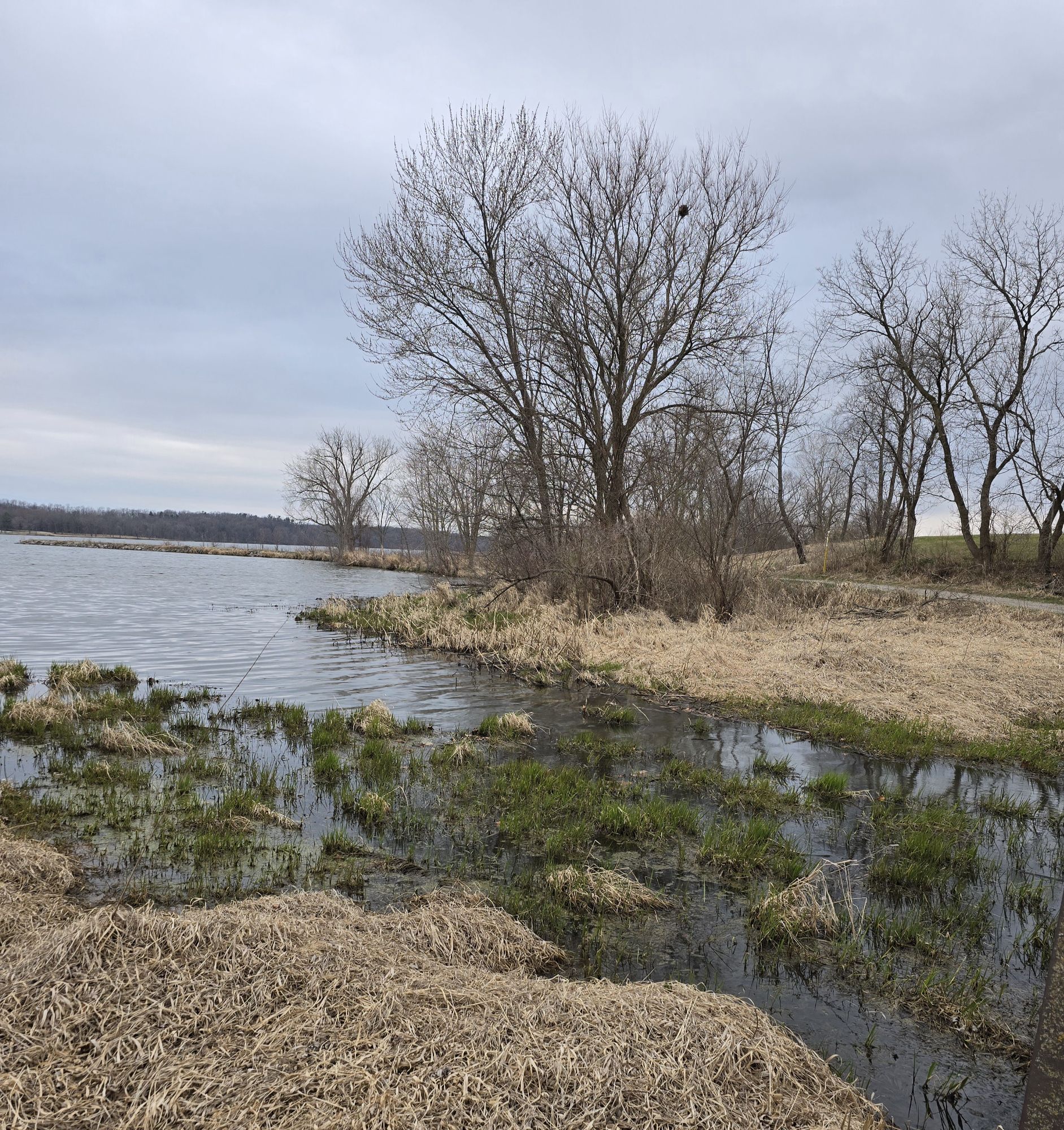
The ambient temperature is chilly as I write. Not freezing, not spring, just chilly. I yearn to be outside working in the yard and garden. I don’t yearn enough to bundle up and brave the cold and wind. At least I got the garlic in the ground on Saturday and it rained Sunday. I’ll take little victories when they come.
I’ve been spending what seems like a lot of time writing. Each day includes writing emails, social media posts on BlueSky, and at least one blog post. All of that writing is to prime the pump for work on my autobiography. I’m on the draft of Chapter 25 of a possible 50, so the draft is half finished. Time writing is valuable for the distraction it provides. Distraction from our politics, mostly.
On Monday, Paul Krugman posted this graphic:

His comment was about the impact of economic uncertainty on small businesses. It’s not good, he said. However, there are more kinds of uncertainty during the current administration that are equally uncertain.
Will Social Security continue to provide steady retirement income? Will my veteran friends continue to have health care through a viable Veterans Administration system? Will my public library be able to afford things like interlibrary loans, websites, and other services if federal funding goes away? Will research facilities be able to create needed vaccines during the next, inevitable pandemic? When I’m infirm enough to need a nursing home will Medicaid be available to help defray costs? Life today is one big truckload of uncertainties, hence my need to be distracted from it.
As society grows more uncertain, the tendency is to withdraw into what is most important in life: family, maintaining a home, eating sufficiently well to avoid problems, maintaining physical and mental health, and more. Such concerns during the Reagan administration rose and my reaction was to withdraw into what I will call the “Reagan bubble.” Focus on what is important and the heck with everything else. Needing a Reagan bubble complicates things in significant ways.
The tendency is to conserve resources. That means less spending on retail in person and online. It also means using funds to pay down debt. Can we get by with the vehicle we currently own for a few more years? Will the washer and dryer hold up without needing replaced? Conserving resources, multiplied by a society that feels the same way about uncertainty will have negative fallout for the consumer economy. While I’m not an economist, it will be felt across the economy, not just in the consumer sector.
Living in the Reagan bubble will be good for my writing, the same way the coronavirus pandemic was. Until I finish the second book, I need that. That raises another question, though. Where will things be when I do finish the book, hopefully by the end of the year? It’s a big unknown. Those of us who have been to this rodeo before during the Reagan years know what to do.

The constant news cycle is not good for us. Sunday is as good a day as any to take a break and focus on the real world all around us. It is also a day to post my favorite photo of the week.

The weather has been kind of pissy to this gardener. Ambient temperatures have been all over the place during the last ten days. The soil for the garlic patch has been spaded yet is too wet for tilling and planting due to intermittent rains. It is raining as I write… and wait for spring to truly arrive.
I received notice my Medicare Supplemental Insurance premium is increasing by 11.7 percent beginning May 1. Making a big assumption — that Social Security will continue to pay out as previously — there should be enough money to cover the additional $28.73 for me and a similar amount for my spouse. May have to cut back elsewhere, but insurance is a top tier priority.
My Social Security payment arrived on time this month. Two for two for the new administration. The Washington Post has been following the turmoil since DOGE turned its sights on the agency upon which more than 70 million Americans rely.
“What’s going on is the destruction of the agency from the inside out, and it’s accelerating,” Sen. Angus King (I-Maine) said in an interview with the Washington Post. “I have people approaching me all the time in their 70s and 80s, and they’re beside themselves. They don’t know what’s coming.”
Most of us fear what is coming. As the senator said, we don’t really know what’s coming, except that in fits and starts, the administration appears to be making random cuts and illogical accusations about the program with an endgame of privatizing or killing it. My fear is the billionaire class plans to rob the Social Security Trust Fund in its entirety. It’s almost $3 Trillion value won’t even begin to cover the tax cuts the president has proposed, and the Congress seems intent on legislating into law. That means more debt if it moves forward, in addition to poverty among many seniors, if it doesn’t kill them first. Republicans don’t seem concerned about bankrupting seniors, the government, or anyone but themselves.
Today’s news hits like a brick. I can deal with pissy weather and am reminded of this verse from Cristy Lane’s hit song One Day at a Time, which provides some resilience:
Do you remember, when you walked among men?
Well Jesus you know if you're looking below
It's worse now, than then.
Cheating and stealing, violence and crime
So for my sake, teach me to take
One day at a time.

The year we moved to Indiana’s Calumet Region in 1988 marked the onset of the worst U.S. drought since the Dust Bowl. The 1988-1990 North American Drought covered a smaller amount of geography compared to the 1930s Dust Bowl yet it was the most expensive extreme weather event in terms of monetary damages in U.S. history until that time.
Nearby Milwaukee, Wisconsin, set a record 55 consecutive days without measurable precipitation. During summer heat waves, thousands of people and livestock died. The drought led to many wildfires in western North America, including record fires in Yellowstone National Park in 1988.
While living in the Calumet, I understood the region’s activities were adding carbon dioxide to the atmosphere, enhancing the greenhouse effect that causes planetary warming. This includes the enormous Amoco Oil Company refinery located 23 miles from our house.
In 1988, we were turned inward, living our family life. We also had air conditioning. I did not understand how prevalent the deleterious effects of climate change would become in our lifetimes. It was one of what became a series of extreme weather events leading through time to when I wrote this post. We understand now.
The United Nations suggests ten thing we can do to address climate change. They even have an app! It is not too late to begin addressing our contributions to global warming and environmental degradation. Click here to learn more about what you can do.
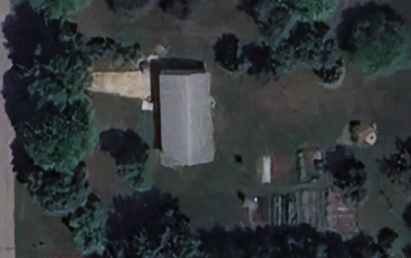
Editor’s Note: Our arrival in Big Grove Township was marked by the first in a series of extreme weather events: the 1993 flood. It was called a once in 500-years flood, yet we would soon find out flooding had become more common, including the next 500-year flood event in 2008. I plan to weave at least six extreme weather events into my memoir, beginning with this chapter on Big Grove Township.
Big Grove Township was established before Iowa Statehood. The first sawmill was built here in 1839 by Anthony Sells on Mill Creek. Put the big groves of trees together with the sawmill and you have us. The oak, walnut, hickory, ash, elm and cottonwood that once thrived among numerous pure springs were gone when we bought our lot here. What dominates is the culture we and others brought with us to an area where all trees indigenous to the Northwest once existed in abundance yet no longer do. There is something essentially American in that.
There is a subdivision named Mill Creek today, suggesting this history. Throughout the area, people refer to early settlers and builders of homes instead of the people who now own and live in those structures. The names Cerny, Beuter, Andrews and Brown persist, as does the more recent name of Don Kasparek upon whose former farm our home is situated.
On the vacant lot we purchased, there were scrub grasses and a lone mulberry tree. The tree appeared to have been planted by a bird’s droppings while it perched on a surveyor’s re-bar marker. The ground had a high clay content which suggested Kasparek had removed the topsoil before subdividing the plats. When he died in 2003, I recognized him in our association newsletter. We speak of him from time to time in the neighborhood, although not always in a positive way.
I looked at an old picture of a building on Main Street in Solon, the nearest city. In sepia tones, seven teams of horses and wagons are lined up in front of a building on the dirt street. We can make out the lettering on the shop windows: Cerny Bros Grocery, Cerny Bros Hardware, and Cerny Bros Feed. While the roads have been paved for many years, much of downtown and the surrounding area resonates with the area’s origins in history before automobiles.
We built our home during the record-breaking floods of 1993. Governor Terry Branstad described the extreme weather event as “the worst natural disaster in our state’s history.” The Des Moines Register published a commemorative book titled Iowa’s Lost Summer: The Flood of 1993. Extreme weather delayed construction of our home that summer, causing us to stay with relatives and in motels for about a month after we moved from our house in Indiana. We moved in during August 1993. I was used to severe flooding from growing up in Davenport where the 1965 Mississippi River flood broke records. I was not used to flooding, 1993-style.
I couldn’t help but believe who I was represented itself in any of local history. My culture was what I brought with me, rooted in coal mining, factory workers, farming, home making, and the rural cultures of Virginia, Minnesota and LaSalle County, Illinois. Our history as a family goes back on both sides to the Revolutionary War. My line in Virginia goes a hundred years prior to the revolution.
That my ancestor Thomas Jefferson Addington is a common ancestor to the Salyer girls of the Salyer-Lee Chapter 1417 of the United Daughters of the Confederacy stands in contrast to the story of Maciej Nadolski working in coal mines in Allegheny, Pennsylvania after the Civil War and then buying land from the railroad in Minnesota. What of my father’s birth in Glamorgan, Virginia? What of the suppression of Polish culture by the Russians after 1865 that led to a massive migration of Poles to North America? If I weren’t here, we wouldn’t speak much of these things in Big Grove Township. Perhaps with time we will.

Ambient temperatures were in the high 70s on Friday. I walked out to the garden and had a look. After dumping the compost bucket into the bin, I turned over a spade full of soil in this year’s garlic bed. The moisture level is about right for planting. I thought I’d give it the rest of the day’s high temperatures to dry and plant garlic today. Last year was such a mess, I didn’t get garlic into the ground in November as usual. My farmer friends tell me with late planting, I will still get a crop.
Some parts of the garden have two years of clean up to do. Tearing down fencing, pulling up fence poles, recovering plastic sheeting for another use, and taking care of the vegetable stalks will require a multi-day project. I’m determined to get a garden in this year.
My views about the garden are changing. For example, the last year or so we have had something digging tunnels in the lawn just under the surface. I don’t know if the pest is eating the roots of grasses and other plants, or what it is doing. I’m inclined to not plant potatoes this season because they are cheap at the farmers’ market or grocer, and it will give the little animals one less food source. Potatoes have never been a main crop for me.
It was good to be out in the warm sunlight with a fresh breeze blowing against me. The soil felt good, the way it should feel after a mild winter. Once I get going, it should take me about 90-120 minutes to get the garlic in the ground.
After planting, it needs mulching. I plan to use last year’s tomato stalks and leaves and grasses mowed into a bag from the lawn. I have to watch this type of mulch more carefully so it doesn’t get matted and prevent the garlic shoots from getting to the light as they grow. With wheat straw you can just mulch it and forget it until harvest. I want to avoid this input cost.
Off and gardening we are. I expect I’ll need more time working the plots to get away from the national news. Respite, as good as it gets.

 Journey Home
You must be logged in to post a comment.