Categories
Living in Society

In Iowa’s Hands

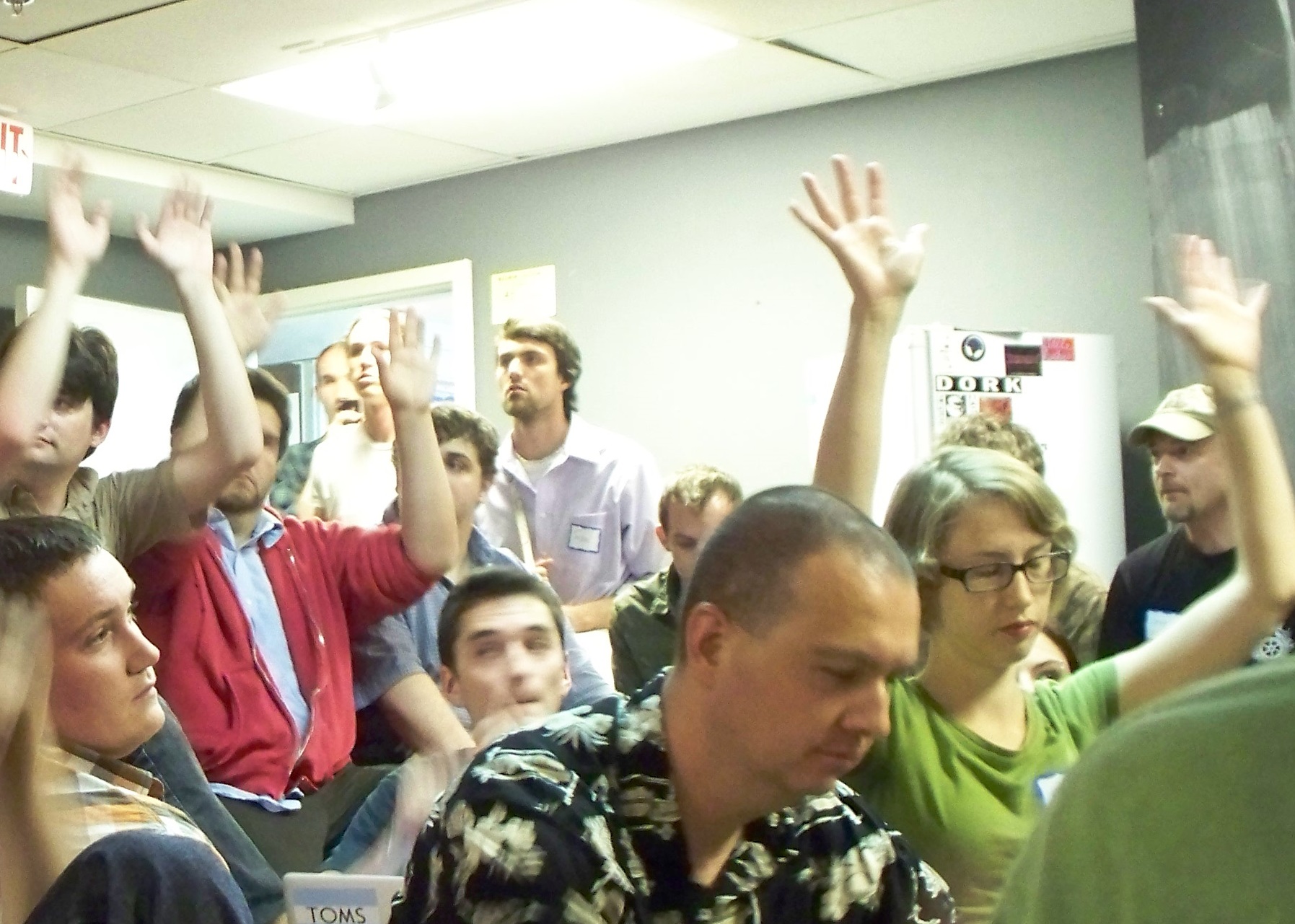
#OccupyIowaCity Initial General Assembly

The Johnson County Board of Supervisors set a public forum Aug. 12 to collect information regarding its proposal to increase the county-wide minimum wage to $10.10 per hour in three stages by 2017.

Something bigger than incremental hourly wage increases is at stake.

There are legal hurdles for the supervisors to jump in passing an ordinance, but to a person they are smart people and a vocal minority of the community has been supportive. State Senator Bob Dvorsky, who represents part of Johnson County, Cedar County and the City of Wilton weighed in favoring the proposal this week.

This action is indicative of local frustration with failure to act on the part of state and federal government. This is the third such prominent case where local authorities have taken things into their own hands absent governance.

The most familiar is the lawsuit initiated by the Des Moines Water Works over its increased costs of removing nitrates, mostly generated from farming operations, from the capitol city’s drinking water. Governor Branstad asked the public utility to “tone it down and start cooperating” in its criticism of the agricultural community. The water works is planning to spend $183 million for new nitrate treatment equipment because of increased levels in the Raccoon River resulting mostly from farm runoff.

Art Tate, superintendent of Davenport public schools, said he was going to break state law after the state legislature failed to provide adequate resources to his district during the most recent legislative session.

These examples present a dim picture for state governance, as each problem could be governed by the state with more effectiveness and broader impact.

Taking things into our own hands is a native impulse and very American. It is the same kind that gets small scale entrepreneurs to start businesses and community groups to form to solve local problems.

When in western Iowa a couple years back, a group of us stopped at a small diner attached to a truck stop in Missouri Valley, hoping to grab a quick breakfast before our scheduled event in Des Moines. The place was packed, but we placed our order, mindful of the time.

After about 20 minutes, a woman came from the kitchen and made an announcement, “Our cook just quit, and I’m not sure what we’re going to do about it.”

A regular patron stood up and said, “Hell, I can cook eggs, and rushed to the kitchen before anyone cold stop him.”

After ten more minutes, we tipped our server and said we had to go without eating.

The native impulse to take things into our own hands is part of what’s good about living in Iowa. What would be better is if people would connect the dots between the problems we all share and the purpose of government.

There are minimum wage earners who would spend extra money in their paycheck. Urban dwellers don’t deserve to pay for an unrecognized cost of agriculture. School children deserve the best education possible, and it’s possible to do much more than we are. Importantly, we deserve better governance.

Until people take matters into their own hands and elect men and women who will serve the electorate more than moneyed interests, we will be stuck. It is possible, using the same hands with which our country was built, we will engender democracy again by using the ballot box. It’s something sorely needed in Iowa.

~ Written for Blog for Iowa

Categories
Environment

EPA Clean Power Plan Adopted

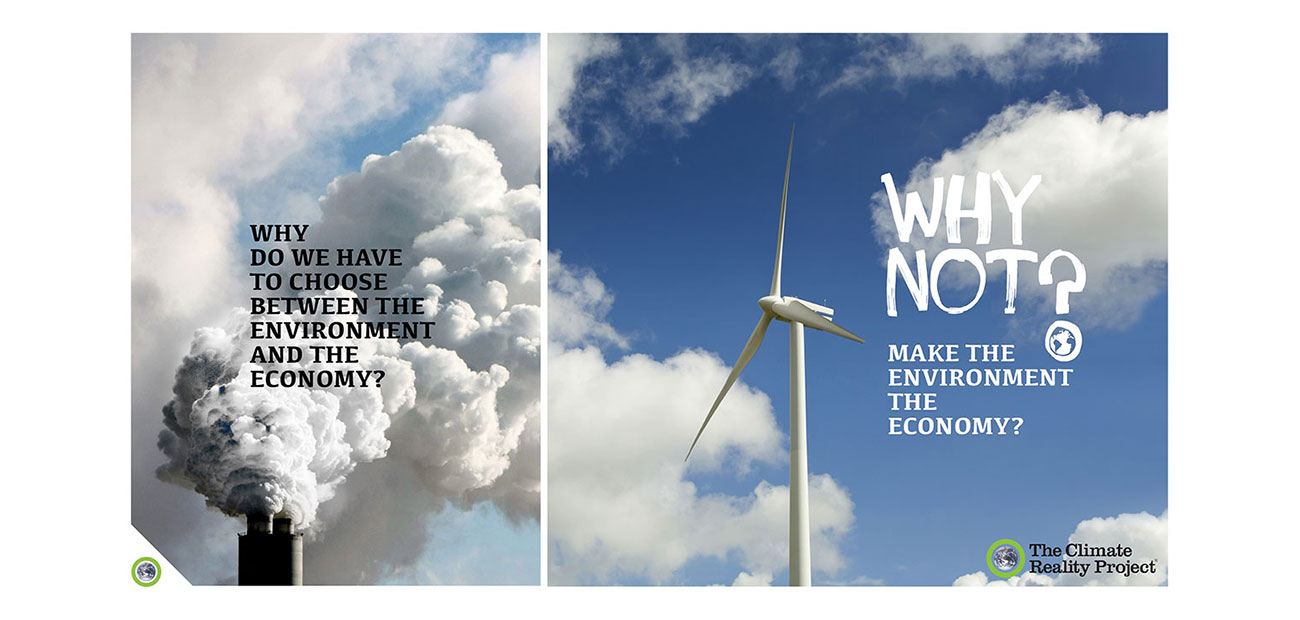
WHY-WHY-NOT-MELBOURNE2-4_0Monday the Obama administration formally adopted the Clean Power Plan with targeted reductions of greenhouse gas emissions from coal-fired power plants of 32 percent by 2030 compared to 2005 levels.

If readers care about mitigating the causes of global warming and ceasing the practice of dumping more than 110 million tons of CO2 into the atmosphere each day as if it were an open sewer, this is it.

This is the majority of the United States plan to reduce emissions at the 21st United Nations Conference of the Parties in Paris (COP21) this December. It’s what we plan, as a nation, to do about climate change.

Adoption of the Clean Power Plan is expected to be greeted with derision, litigation, delay, obfuscation, contempt, denial and politically correct, but meaningless statements.

The Environmental Defense Fund, The Nature Conservancy and the World Wildlife Fund US queried 50 companies for their position on EPA’s Clean Power Plan. Their carefully worded responses are here.

They range from this:

Starbucks signed the Ceres letter supporting the EPA Clean Power Plan.”

to this:

“We don’t have a position on the EPA’s proposed Clean Power Plan, and Target does not support the US Chamber’s position.”

to this:

Cargill is part of Risky Business to lead a dialogue across the philosophical spectrum about the long-term impact that climate change could have on the ability to produce food and the ways that agriculture can adapt to ensure global food security. We believe progress can best be made by engaging with groups and discussing our point of view. In fact, Greg Page, former CEO of Cargill, briefed Tom Donahue, president and CEO of the US Chamber of Commerce, this summer about the Risky Business project and its findings. We also spoke with the Farm Bureau about the Risky Business report and asked their advice about how to effectively engage farmers on the climate change issue.”

to this:

Caterpillar filed comments with EPA opposing the coal-plant rules. The company said: ‘Caterpillar strongly urges EPA to withdraw the Proposed Rule in order to (1) reevaluate the agency’s legal authority to establish requirements on both the entire electric sector and end-users of electricity; (2) conduct a more full and realistic estimate of the economic impacts of its proposed rule; (3) consider changes that avoid the adverse impacts outlined in these comments; and (4) provide guidance to states so that they have the tools necessary to minimize adverse impacts as they construct compliance plans.’ In its sustainability report, Caterpillar says: ‘We support intelligent, responsible public policies addressing climate and energy issues.’”

Gov. Terry Branstad has been critical of the proposed clean power rule, saying it will push energy costs higher and “hurt Iowa consumers and cost Iowans jobs,” according to the Des Moines Register.

If everyday Iowans don’t support the Clean Power Plan, then what? Doing nothing is not an option when it comes to mitigating the causes of climate change, and the Clean Power Plan is something.

There are few better options to take climate action than supporting the Clean Power Plan. Letting government officials know of your support is part of the picture, but what matters more is making the discussion part of everyday life. We may be accused of being “political” in our social circles, and that may be better than suffering the consequences of inaction, now and going forward. The Clean Power Plan is a solution worthy of our support. As the administration adopts it, so should we.

~ Written for Blog for Iowa

Categories
Living in Society Work Life

Missing Pieces of #RaiseTheWage

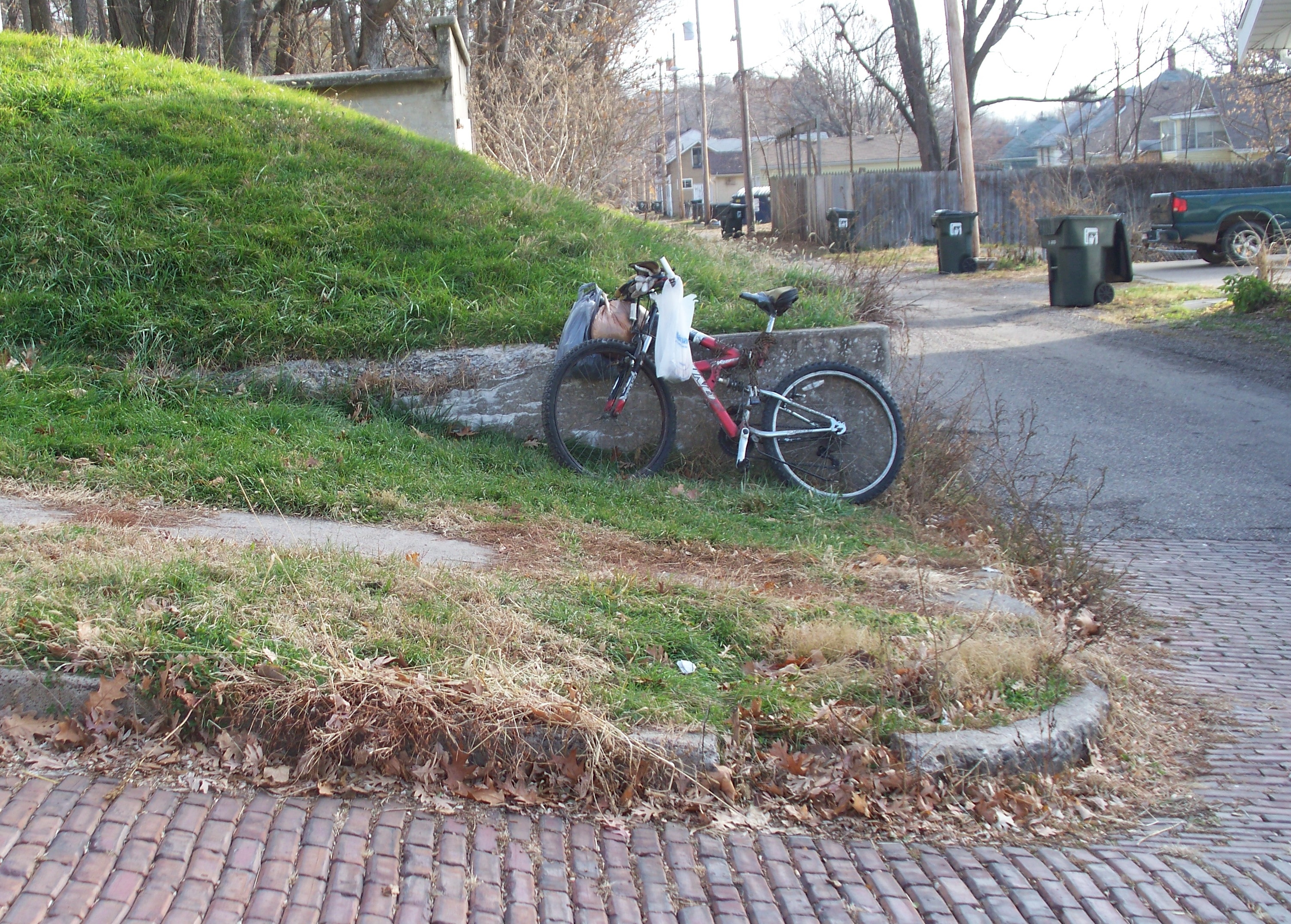
Working the Alley
Working the Alley

The loud but small-sized movement to raise the minimum wage is made up of good people. There are not enough of them to make a difference. Their voice is amplified in corporate news outlets, but neither the federal nor state governments have acted to raise the minimum wage in a long time.

Today the Johnson County Board of Supervisors is scheduled to discuss a county ordinance to raise the minimum wage to $10.10 by 2017. Iowa City native David Goodner feels this is not enough and called for raising it to $15. As we posted yesterday, Iowa labor commissioner Michael Mauro said the ordinance Johnson County is discussing is inconsistent with Iowa law and therefore unconstitutional. The county attorney has not reported to the board on the legality of a potential ordinance.

Goodner wrote in the print edition of today’s Iowa City Press Citizen, “According to the Iowa Policy Project, a livable wage for a single worker in Iowa is $13.04 an hour. A single mom with kids needs $28.07 an hour to make ends meet. Married workers with two kids need $16.89 an hour each.”

The numbers are a familiar construct and seem reasonable to progressive readers who follow the Iowa Policy Project. Peter Fisher and Lily French’s article, “The Cost of Living in Iowa – 2014 Edition” is well researched and often quoted. “The Johnson County Board of Supervisors know what the research says. So why not $15 an hour now?” wrote Goodner. “Why should workers have to wait to earn a livable wage?”

Where is the groundswell of support from the 3.3 million U.S. workers who are at or below minimum wage to raise it? The answer is complicated, but Pew Research Center gets us started in answering the question.

People at or below the federal minimum wage are disproportionately young (50.4% are ages 16 to 24; 24% are teenagers age 16 to 19); mostly (77%) white; nearly half being white women; and largely part-time workers (64% of the total), according to Pew. They work in food preparation and serving; sales; personal care and service; office and administrative support; building and grounds maintenance; and other low-skill occupations.

Work needs doing and competitive compensation is required of businesses to get it done. If minimum wage gets the job done, and for the most part it has, there is no natural incentive to raise it.

Some try to subsist on a single minimum wage job. It is hard to tell from the Pew numbers how many people that is. What is borne out by my experience is it is unreasonable to assume people work a single minimum wage job to make household ends meet. Actually, as Iowa Policy Project research shows, it’s impossible.

At the same time, the old sawhorse of taking the current federal minimum wage of $7.25, multiplying it by 40 hours per week for a result of $290 per week gross income is essentially meaningless. It is no justification for much of anything. Minimum wage jobs are worked in a complex cultural context that matters more than the rate of pay.

From talking to dozens of low wage workers, I’ve found — in every case — taking a minimum wage or lowly paid job has been a trade-off of priorities and a temporary measure for those earning an hourly wage. What matters more is a social support network that includes income from a second job, pension or other household members; shared housing; alternative food sources; shared or public transportation; and no-cost child care from family and friends. Health care is a significant expense in terms of time off work, deductibles and co-pays. Our health care system has a long way to go to be affordable for low wage workers.

If the Johnson County supervisors decide to raise the county minimum wage, it would in part reflect a dissatisfaction with state and federal government for failing to act. People can demand what they want, and low-wage workers will take it.

People who talk about raising the minimum wage don’t get that cancer, hip replacements, divorces, incarceration, poor diet, addictions, lawsuits, sore backs, weak knees, bullying, discrimination, firearms, transportation, lack of access to health care and everything else involved in living in our society enter into the picture.

If government is going to raise the minimum wage, be quick about it. Then get on to solving more pressing problems that impact low wage workers.

~ Written for Blog for Iowa

Categories
Living in Society

40 Red, White and Blue Shoestrings

2012 Drought Conference

There is no clearer evidence Republicans seek to unravel United States leadership in the world than their failure to understand the countries extending from China to Sub-Saharan Africa

Two things stood out last week: Republican knee-jerk reaction to the United Nations approved nuclear agreement between the P5+1 nations and Iran, and the connection between the rise of Islamic extremism and global warming.

There is plenty of public analysis of these two topics, so this post is not to bring something new to the table. The Economist laid out why the Iran deal is good, calling it “the most intrusive nuclear-inspection arrangements ever designed.” I’ve recently posted about Iran here and here. If you want to follow the topic, join Twitter and follow @DarylGKimball, @Cirincione and the hashtag #IranDeal.

With regard to the connection between the rise of Islamic fundamentalism and global warming, it’s not just me and Martin O’Malley connecting these dots. The Wall Street Journal, The Guardian, The World Bank, and many others have done so. There have been severe droughts in the Middle East, Asia and Africa which put pressure on crop production. Food prices escalated in the wake of related food shortages, precipitating food riots which in turn contributed to what has been described as the “Arab Spring.”

Republicans are not about resolving these issues, or demonstrating leadership in the world community. Call it austerity, income inequality, or whatever, they have a bill of goods they want to sell us that is not in our best interests. Not only do they want to sell us, they have already sold large segments of the population. It has become routine, in fact, someone recently overheard this conversation in the Senate cloakroom:

Well Mack the Finger said to Louie the King
I got forty red, white and blue shoestrings
And a thousand telephones that don’t ring
Do you know where I can get rid of these things
And Louie the King said let me think for a minute son
And he said yes I think it can be easily done
Just take everything down to Highway 61.

Categories
Living in Society

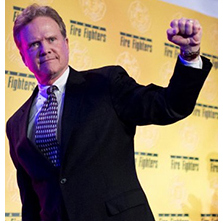
5 Reasons Jim Webb’s Stock is Up

Photo Credit: jimwebb.com
Photo Credit: jameswebb.com

Many Democratic caucus goers are dismissive of former U.S. Senator Jim Webb’s chances in the Feb. 1 Iowa caucuses. The recent Quinnipiac University poll shows 84 percent of registered Iowa voters haven’t heard of him, while the same numbers for his competitors are Clinton 9%; Sanders 39%; O’Malley 82%; Chafee 87%.

One argues that as he meets voters, he also might win them over, but Webb’s strategies and tactics are held close to the vest and there is a lot of work for him to do before Labor Day to catch up with Clinton and Sanders. What we see is the happy face of Iowa organizer Joe Stanley showing up at multiple events per day since Friday’s IDP fundraiser, regularly posting about them on social media, and zinging other candidates with social media barbs like this:

“Webb also proved himself a serious person,” said John Deeth of Webb’s performance at the cattle call o’candidates the Hall of Fame Celebration had become. Webb had his chance to make a first impression. While this author is a natural Iowa constituent of Jim Webb, Webb’s hesitancy to act on climate, support the UN approved agreement that blocks Iran’s path to a nuclear weapon, and service in the Reagan administration are all problematic for different reasons. I’m not making anything of it, I’m just sayin’ he’s not playing caucus the expected Iowa way. At the same time, I believe Webb’s stock is on the rise after the Hall of Fame celebration and here’s why. 1. The IDP should blow up the coordinated campaign, as I have written previously. Whether that’s possible, I’m not sure, but Webb’s true maverick stance indicates if anyone can do it, he has a chance. 2. He turned down an opportunity to speak at cattle call #2, the Aug. 4 Iowa Democratic Wing Ding, which is currently sold out.

Coupled with the idea that he has to win some of the four early states, Webb will be pressed for time. One more appearance at a multi-candidate event in front of party regulars would have diminishing returns. Especially since the first cattle call is on C-SPAN, available for viewing as people decide for whom to caucus.

3. If Deeth’s characterization is accurate, Webb must have a plan to turn out his voters caucus night. Not much public evidence of a plan today, but there must be one if he’s serious and I think he is.

There is a flight from partisan politics and a focus on getting things done in the community. This is reflected in the fact that the largest registered voter block is No Party (705,658), followed by Republicans (609,020) and Democrats (584,737), according to June numbers from the Iowa Secretary of State. As 2008 unforgettably demonstrated, a key tactic to winning the caucus is turning out your voters and making sure as many as possible are people who don’t usually caucus. With same day registration, any eligible voter can turn up and participate.

It’s going to take more than Joe Stanley’s happy face to develop and execute a Webb ground game. Given the fact he’s still in the race after lengthy deliberations, he may be better served keeping the strategy and tactics of this to his small circle of trusted advisers who have been with him for many years. In political campaigns, there is little reason to do what the other folks do, and that Webb sets his own direction has been his hallmark.

4. Webb is an experienced, disciplined tactician. When George Allen stumbled, Webb seized the opportunity and won election to the U.S. Senate from Virginia. The same Quinnipiac poll that showed Webb unknown to most Iowans, showed Democrats very beatable by some of the Republican field. It is way too early for polls to mean much, but the media picture and polling is not always what matters 6+ months from the caucus.

That Webb has proven able to seize opportunity in a developing ground situation, and make the most of it, provides his campaign something Clinton’s massive campaign staff and Sanders’ tent revival congregation seem much less likely to be able to do: pivot on a dime. In my experience in campaigns, this skill matters a lot, and can be a deciding factor as it was in the Virginia senate race.

5. Finally, Webb’s veteran status matters. So many years after the fall of Saigon, I believe Webb and people like him did their best in a bad situation.

At the same time, they pursued the war, fought its battles and are culpable. Maybe if we had read more stories about company grade officers like Jim Webb instead of William Calley public opinion about Vietnam would be different.

The public view of veterans has changed. Regardless what one thinks of our endless wars, the politicians who promote them, and the soldiers who fight, get wounded and die in them, battlefield valor is something rare and recognizable. No question Jim Webb has it and lives a life of principle.

The more people learn about him, they will see this characteristic, and maybe get off their duff on caucus night and stand for him. There is more hope of that today than there was a week ago.

~ Written for Blog for Iowa

Categories
Sustainability

Iran and the Iowa Senators

USSenateBoth Iowa Senators, Chuck Grassley and Joni Ernst, said they would use the 60-day evaluation period congress mandated for their approval of the agreement between Iran and the P5+1 states (United States, the United Kingdom, France, Russia, China and Germany) to reign in the Iranian nuclear program and prevent Iran from developing a nuclear weapon. Their full statements on announcement of the agreement are below.

Many of their colleagues have already spoken against approval of the agreement, so a modicum of discretion to study the agreement is both needed and represents Iowa as well as can be expected from our two current senators.

President Obama campaigned on the idea of talking to Iran, something his predecessor was unwilling to do. He not only initiated discussions, he was a driving force behind rallying our allies to enter into negotiations to bring Iran into compliance with the Nuclear Non-proliferation Treaty to which they are a party. The United Nations approved the deal on Monday.

Here are some facts:

1. This is not, as Senator Ernst said, “the Obama administration’s nuclear deal with Iran.” Germany and the members of the United Nations Security Council reached this agreement.

2. Israel, while a U.S. ally, is a scofflaw in the community of nations by virtue of its nuclear weapons program. They are not party to the NPT, nor have they officially acknowledged their nuclear weapons program. Israel is the preeminent leader in covert nuclear weapons programs.

3. If the Congress seeks to stop Iran from getting nuclear weapons, killing the Iran deal is the wrong way to do it. “If the Congress kills this deal, there will be no restraints—none whatsoever—no inspections, it’s over, and the sanctions will disappear,” said Secretary of State John Kerry to Steve Inskeep on Monday. “Because our colleagues who we negotiated with will say, ‘Well, look, the United States Congress killed this, we didn’t—but now everybody’s free to do what they want.'”

4. The agreement is not about trusting Iran. “You can’t trust Iran,” said Kerry, “and nothing in this deal is based on trust. We trust that we have the ability to enforce this deal; we trust that the deal, if implemented, will do the job. And if it’s not implemented, we trust that we have every option available to us that we need.”

5. The deal does not empower Iran, enabling them to have greater influence in the Middle East. Kerry told Inskeep,

Iran without a nuclear weapon is a very different Iran than one with one, and this is why many of us are so amazed at the reaction of some people.

Israel, for instance, is much safer without an Iranian nuclear weapon. And we believe that what we have done in this deal—and even before this deal, in the last two years—is roll back Iran’s nuclear program. Before we became engaged with Iran, they had a two-month breakout time. Now they’ll be going to a year breakout time. Is Israel safer with a year, or aren’t you? I mean, this is pretty straightforward.

So, the fact is, we’ll have inspectors in the country; we’ll have restraints on what [Iran] can do, in terms of levels of enrichment, restraints on the size of their stockpile, restraint on their research and development. Clearly people are safer with those restraints in place—and forever, for lifetime, they have to live up to the access under the additional protocol of the IEA, they have to have huge restraints on the uranium production and other things.

So I believe over time we will show people in the Congress and elsewhere in the country that Israel, the Gulf states, the countries in the region are much safer with this deal than without it.

Now it the time to weigh in on the Iran deal with Senator Grassley here, and Senator Ernst here.

Senator Chuck Grassley statement on the Iran deal:

“I’ve always been skeptical about an agreement with Iran that fails to fully dismantle its nuclear program. This is a country that sponsors terrorism and has a history of hiding its nuclear program from outside inspectors. I’m concerned that Iran’s relief from international sanctions could offer a lot more carrot than stick. That would open the spigot to support Iran’s terror activities and nuclear capabilities, threatening our national security and the security of our allies in the region.

“It’s important that under the legislation Congress passed, the Iran Nuclear Agreement Review Act, Congress will have 60 days to review the agreement before the President could waive any congressionally imposed sanctions on Iran. Under the act, Congress will review every line of the agreement before approving or disapproving the deal. We need to understand all of the components of the agreement. Does the deal allow for anytime, anywhere inspections, including military sites? When and how will sanctions be lifted, and what process exists for re-imposing sanctions, should Iran violate the deal? Will sanctions on conventional arms and ballistic missile technology be lifted as a result of the agreement? Will this deal prevent Iran from acquiring nuclear weapons capability and improve the security of the United States and our allies? These are just a few of the questions that come to mind.”

Senator Joni Ernst statement on the Iran deal:

“The 60 days will allow Congress and the American people to thoroughly scrutinize every aspect of the agreement with Iran. While I am still reviewing the details, I have very serious concerns that this agreement concedes too much to Iran and will ultimately strengthen the pathway for Iran to achieve a nuclear weapon. The bottom line, Iran must never be allowed to develop a single nuclear weapon – not now or at any point in the future.

“Iran is the world’s leading sponsor of terrorism and has aligned themselves with groups that are hostile to the United States and our allies. Therefore, we cannot afford premature sanction relief which has helped to curb Iranian support of terrorist activity. We cannot trust that Iran won’t use additional resources as an opportunity to fund terrorism and other proxy groups which pose a direct threat to our allies and national security interests in the region.

“Iran’s quarter century effort to obtain a nuclear weapon and long-standing support for terrorism will not subside overnight. We also cannot trust that Iran is complying with limitations on their nuclear program without stronger inspections. It is paramount that we are able to verify and enforce every aspect of Iranian compliance in order to confront and contain their nuclear ambitions.

“Iran is one of the greatest threats to peace and stability of our time, and we have a duty to stand behind our friends and closest ally in the region – Israel. The stakes are too high for the United States to risk any mistakes in an agreement with Iran. I look forward to carefully reviewing this deal in Congress to make sure we preserve our own national security and the pursuit of stability in the world.”

~ Written for Blog for Iowa

Categories
Living in Society

Concentrated Press Feeding Operation

Iowa Democratic Party Hall of Fame Celebration Press Pass

The corporate media deserves criticism.

Occasionally they redeem themselves, as in Margie Mason’s coverage of slavery on Indonesian fishing boats for Associated Press, but mostly its people produce hack work and appear to do what they must to get through the day and draw a paycheck. Political writers can be the worst of the lot.

I secured a press pass for the Iowa Democratic Party Hall of Fame celebration July 17 and sat among them for a few hours.

It is important to exclude some Iowa reporters from a blanket condemnation. At the event I saw Dean Borg of Iowa Public Television, James Q. Lynch of Source Media, and O. Kay Henderson of Radio Iowa, all of whom had had long days, and whose work is important and anything but journalistic sausage. I also think highly of Ed Tibbetts of the Quad City Times, Kathie O’Bradovich of Gannett, Art Cullen of the Storm Lake Times and Bret Hayworth of the Sioux City Journal. There are other good journalists missing from this inoculation, and I have no criticism of bloggers like me who work for beer money or no compensation at all. What went on behind the press pen in Cedar Rapids confirmed my worst fears.

Behind the Confinement Fence

The press area at the Cedar Rapids Convention Complex was very much part of Iowa, including the fencing which surrounded the confinement. It was the kind one buys at the farm and fleet store or Theisen’s to fence in livestock. One entered through a private door to the platform where more than a dozen video cameras were configured on tripods. In front was a long table with chairs placed as closely as possible together. My movements were restricted the way pigs and chickens are in concentrated animal feeding operations. By arriving early, I got a center seat and an electrical outlet to recharge my mobile phone. I was happy just to be there.

The first faux drama had to do with Hillary Clinton. A reporter from a large news organization asked in a tone of moral outrage if I’d heard the Clinton campaign wouldn’t allow the participants in the pre-event rally on First Avenue talk to the press. My moral outrage having been burned up during the early George W. Bush years, I have been paying attention to the media’s favorite story, how “Hillary hates the press.” I simply said, “no I hadn’t,” not about to encourage her.

The person next to me was having trouble connecting to the Internet. I looked at her laptop screen and she appeared to be connected. Unsatisfied, she ended up calling her IT department and taking her computer outside the confinement. I hope she’s alright. Another journalist quickly filled her slot.

Before the event, in a bit of local color I glanced two seats over and noticed John Deeth was using a Windows machine. The author of Linux Monday responded:

I don’t think he had any choice, as he previously explained how Microsoft killed Linux on netbooks.

“I didn’t expect to see you in the press section,” said a prominent Hillary Clinton supporter involved with a local quilting project.

Throughout the build up to the main program people stopped by and chatted, having noticed me in the cage. A woman took a long video while walking the length of the press confinement, the way one photographs a group of zoo monkeys.

A state legislator offered to pass us food through the bars as press was excluded from the dinner. Now one knows that press descriptions of the “rubber chicken dinner” have more to do with their feeling of sour grapes about being excluded. From the look of things, these folks with their fancy bottled water and expensive clothing could afford their own dinner. Of course, I ate before arriving so as not to be distracted while observing the event. That is too practical for this crowd.

What was worse, other than the articles written during and after the event, was the constant chatter about set shots and internal company politics. Some were focused on anything but the proceedings on stage, to the point where I was surprised the press corps stood up for the pledge of allegiance. Some were paying attention, but I came away believing many stories had been set long before party chair Dr. Andy McGuire opened the proceedings.

I’d do it again given the opportunity. The best preparation is to go in having a plan and then work the plan despite the distractions. Importantly, pay attention to the actual event, something apparently not possible for many in the national press corps.

 ~Written for Blog for Iowa

Categories
Living in Society

IDP Hall of Fame Celebration – Overnight Reactions

Pre-Hall of Fame Rally

CEDAR RAPIDS–It was a great night for Iowa Democrats as the state party hosted five announced presidential candidates during its annual Hall of Fame celebration at the Cedar Rapids Convention Complex yesterday.

Former Cedar Rapids mayor Kay Halloran, one of seven inductees, received the outstanding supporter award. Congressman Dave Loebsack reminded the audience of her work dealing with the record 2008 flood that had much of downtown Cedar Rapids under water, including significant damage to the venue where first in the nation Iowa held the event.

Lincoln Chafee, Hillary Clinton, Martin O’Malley, Bernie Sanders and Jim Webb spoke in alphabetical order by last name.

This post captures fleeting reactions before they disappear into the ether of a busy life. No analysis of policy here. C-SPAN live streamed the event and has the video up here.

Because this is Iowa, I have heard all of the candidates, except Chafee, in person before. This was Chafee’s first trip to Iowa since announcing.

Both the audience and candidates were reasonably “Iowa Nice.” The candidates gave speeches reflecting Democratic values, serving them up like a rarified buffet in the desert of corn and soybeans that is Iowa. The majority of the audience stayed until party chair Dr. Andy McGuire wrapped things up. While Hillary Clinton left immediately after her speech according to reports from the national media, the four other candidates stayed to hear the last words, and some mingled with the audience afterward.

The playing field is not level, despite the use of the alphabet to set the speaker order. It is reflected in how candidates approached their speeches.

Lincoln Chafee and Hillary Clinton were the only two to acknowledge the inductees to the Hall of Fame–the nominal reason we gathered.

Bernie Sanders briefly acknowledged he was in Iowa, and could have given the same speech anywhere and probably has. The audience did not mind, supporters responding as if in church to his every jeremiad. Chafee had a wrestling connection, he was a wrestler and knew of Iowa’s program, Clinton talked about current Iowa issues, particularly the recent closure of two state-run mental health facilities, O’Malley talked about the Newton Maytag closure in the context of NAFTA and his opposition to the TPP, and Webb also briefly acknowledged he was in Iowa. Points to Clinton for weaving important current Iowa issues into her speech.

Clinton and Sanders said very little about their resume to be president. Chafee, O’Malley and Webb spoke about their credentials as if they were applying for a job. Name recognition is always an issue in campaigns, and at this event, Clinton and Sanders had it and could focus their speech in other areas. The others did not and made their case via qualifications.

Chafee, Clinton and O’Malley gave props to President Obama. Sanders and Webb did not. Webb has concerns about the recently negotiated agreement between the P5 + 1 nations and Iran to shut down Iran’s growing nuclear program. He carefully articulated his position without criticizing the president.

The surprise was none of the five mentioned two important words: Tom Harkin. The group of moneyed Democrats who could afford the minimum donation is well familiar with Harkin and how he speaks. Clinton, Sanders and Webb served in the U.S. Senate with him. It was brilliant that Clinton wove some classic Tom Harkin into her speech, talking about how the Republicans want to take the country backwards, and Democrats want to move forward. Clinton didn’t mention Harkin, but her speech reflected Harkin-like phrasing with which audience members are very familiar. From an oratory perspective, Clinton gave the best speech.

There were no “yikes moments” for the five, and only a naysayer couldn’t find something positive in each of the candidates. Next comes the organizing where Clinton, O’Malley and Sanders are ahead of Chafee and Webb. As Loebsack said during his remarks, the caucus season has officially begun.

~ Written for Blog for Iowa

Categories
Living in Society

Austerity Comes To Iowa

Signage Near Front and Cherry Streets, North Liberty

Elections matter. They have mattered for a long time. A more pertinent maxim for political life in 2015 Iowa, however, is:

“Those who cannot remember the past are condemned to repeat it.” ~ George Santayana.

If elections matter, understanding the intellectual context for them, from a conservative perspective is equally important.

In the 20th Century we rose from the Great War and the agricultural experiment that led to the Dust Bowl and the Great Depression. We created the military industrial complex and its prosperity for many. We bought into an illusion of unending opportunity.

This has always been more story than truth. Because so many like the story, it persists. Senator Bernie Sanders (I-Vermont) taps into it.

“At a time when millions of American workers have seen declines in their incomes and are working longer hours for lower wages, the wealth of the billionaire class is soaring in a way that few can imagine,” Sanders said on his website. “If you can believe it, between 2013 and 2015, the 14 wealthiest individuals in the country saw their net worth increase by over $157 billion dollars. We live in one of the wealthiest countries on earth, yet children go hungry, veterans sleep out on the streets and senior citizens cannot afford their prescription drugs. This is what a rigged economic system looks like.”

Our lives have been coarsened by the unending work of the wealthy and their politicians. It has been no accident.

“36 men created the economic mental model that has delivered the mess we’re in,” wrote L. Hunter Lovins, president, Natural Capitalism Solutions. “Meeting in 1947 at the Mont Pelerin hotel outside Montreux, Switzerland they built the intellectual architecture of an economy of small government and individual decision-making in an unfettered free market.”

If austerity, and that’s what we’ve come to call it, began after World War II, it found its home in the Reagan administration.

“Let us remember that the basic purpose of any tax cut program in today’s environment is to reduce the momentum of expenditure growth by restraining the amount of revenue available and trust that there is a political limit to deficit spending,” said economist Alan Greenspan, Federal Reserve chair from 1987 to 2006, in testimony to the U.S. Finance Committee July 14, 1978.

“Starving the beast” is a political strategy employed by American conservatives in order to limit government spending by cutting taxes in order to deprive the government of revenue in a deliberate effort to force the federal government to reduce spending.” (Source: Wikipedia)

“My goal is to cut government in half in twenty-five years,” Republican Grover Norquist said. “To get it down to the size where we can drown it in the bathtub.”

These statements are not abstractions. They find their way to Iowa, where Governor Branstad and the Republicans take an approach of cut the budget, cut taxes, then repeat the cycle. The segregation of funding for K-12, community college and higher education this legislative session, and Branstad’s subsequent veto, are out of a playbook with roots in 20th Century conservative thought.

Government is often inefficient and programs outlive their usefulness. An example is the recent closure of two of Iowa’s four mental health facilities. The idea that those who need in-patient mental health treatment should not be warehoused in a few central locations has merit. What better than to re-integrate people into local communities and settings? The fact that this devolved into a dispute between the governor, certain legislators and an Iowa union does a disservice to people who need the treatment. It’s no way to make sensible or reasonable changes in our governance.

Each of the five Democratic candidates for president said unlimited money in politics is a problem for our Democracy. This is a core problem with elections post-Citizens United. The unstoppable advancement of the ideas of shrinking government, looting the commons and war profiteering are the context in which Citizens United is possible. The culture is so pervasive that even small business owners have bought in, displaying signs like the one in the picture all around Iowa.

Elections matter and the moneyed interests know it. Their ability to indoctrinate an electorate that often votes against its own interests has been stunning. Using mass media they own, literally, or with unlimited monetary resources to buy programming, the depth of their penetration into an American psyche has given us Ronald Reagan, and a legion of Reagan wannabes.

Our hope is more of us recognize elections matter. One has to have faith the American electorate will wake up, the scales will fall from their eyes, and people will focus on what’s right, and not what the wealthy tell us must be.

If we care about our country and the people in it, we can’t afford to sit on the sidelines. I’m grateful most people I know agree and are willing to work for the change we need. What about you?

~ Written for Blog for Iowa

Categories
Living in Society

First Press Pass

HOF DinnerThe Iowa Democratic Party approved my press credentials to attend the Hall of Fame Celebration Friday night for Blog for Iowa.

This is the first time the five declared candidates for president will speak from the same stage. It is a key milestone on the road to the Feb. 2 Iowa Democratic caucuses. Going forward, if candidates don’t get organized, they won’t win delegates—it’s as simple as that.

Hillary Clinton and Martin O’Malley are working the caucus process diligently. Bernie Sanders is attracting interest—good sized crowds—but I haven’t been to one of his events since 2014, before he announced for president. I’m less certain of what organizing Sanders is doing, but the staff he hired knows the Iowa caucus process.

Lincoln Chafee and Jim Webb appear to be decent people, but have furnished no evidence they are signing people up for anything except donations and email contact lists. Chafee made his first trip to Iowa this week and Webb held about 25 events in Iowa according to the Des Moines Register. Clinton, O’Malley and Sanders are far ahead of them in terms of traditional organizing. Catching up in Iowa will be hard for the other two to do.

I plan to provide a unique perspective on the events tonight. My first post on Blog for Iowa was about the 2009 Hall of Fame Celebration and I’ve learned a lot about Democratic politics since then. Here’s what to look for in my coverage:

The candidate speeches will be streamed on C-SPAN and posted on their website for later viewing. I won’t be covering what is said, or trying to assert points about this or that, creating spin. If people want to know what candidates said, they can invest the time and hear for themselves.

If I can keep my phone charged, I will send a few tweets about the event. Since hoards of news media will be there, I’ll let others generate the Twitter traffic. I want to spend my time observing, not tweeting.

I’m most interested in the framing of this event. There is an inherent deception of a level playing field in the graphic above and the event. Both Clinton and Sanders have solid name recognition because of their prominence in public life. Hillary Clinton is so well known, her most significant problem may be we know her too well. Enough so she is taken for granted as people look at other options. Martin O’Malley has been doing a lot of work in Iowa, going all in here in an effort to get a ticket out. By its framing, the event takes Clinton and Sanders down a peg, allowing the other three to to see some sunlight. Will the five candidates share the stage or sit in the crowd? What will be the order of speakers? How will the IDP frame the night’s events? If there’s a story in answering these questions, I’ll write it.

By having a press pass I hope to understand how other journalists frame the events. I don’t know which national political correspondents will be present, but they bring with them an external style that seems self-perpetuating regardless of what may actually happen. By hanging with them to some extent I hope to learn and report about it.

It would be more convenient to view the speeches from the comfort of home wearing casual clothing and drinking fizzy lemon water. In 2009 my photo on the Hall of Fame event post shows me wearing a suit. I plan to be more casual tonight with my trademark blue jeans, blue twill shirt and comfortable shoes. Getting out among the moneyed Democrats of Iowa once in a while is important, and on this one pivotal night, I can invest the time.

I hope readers will stay tuned.