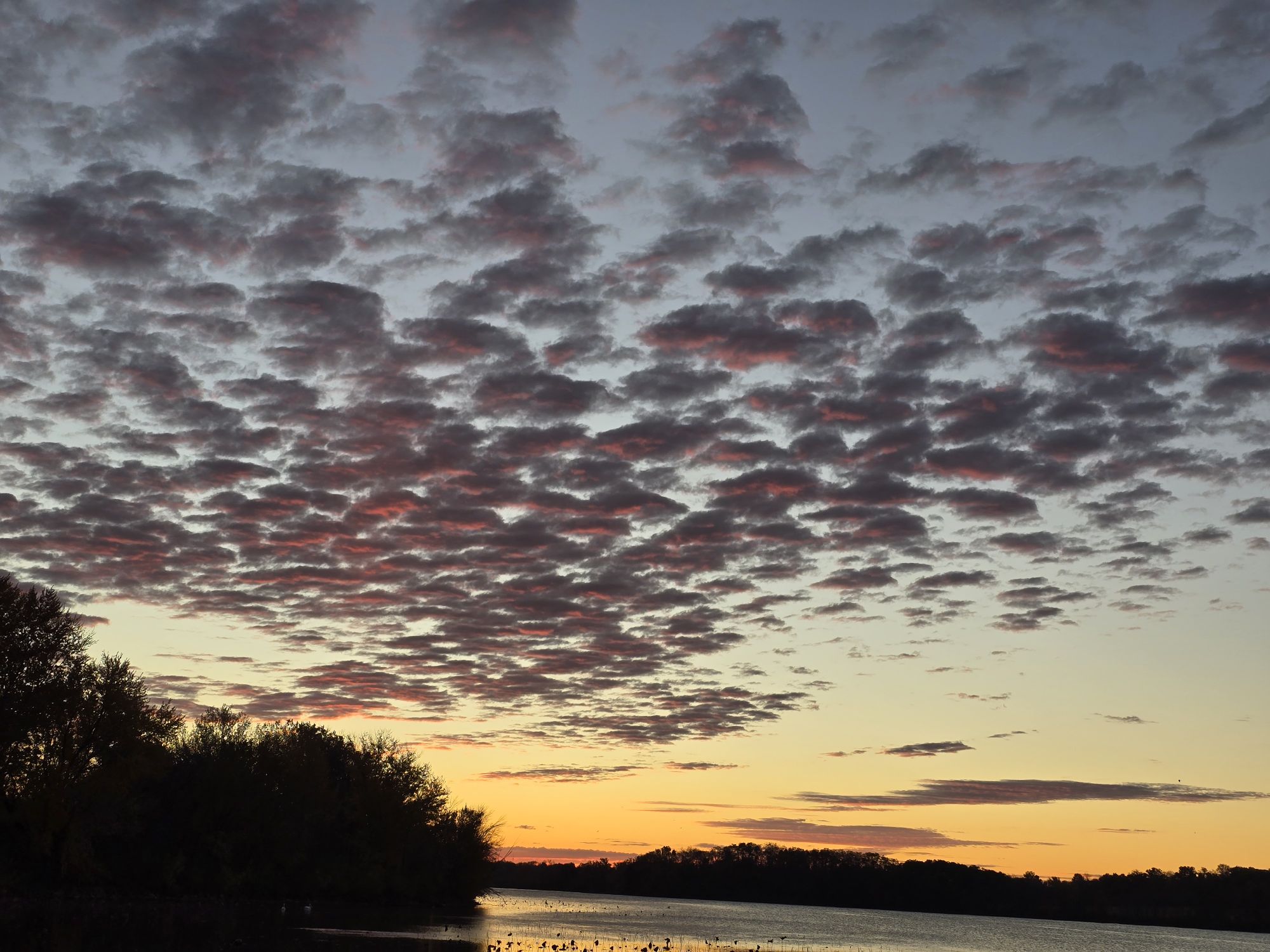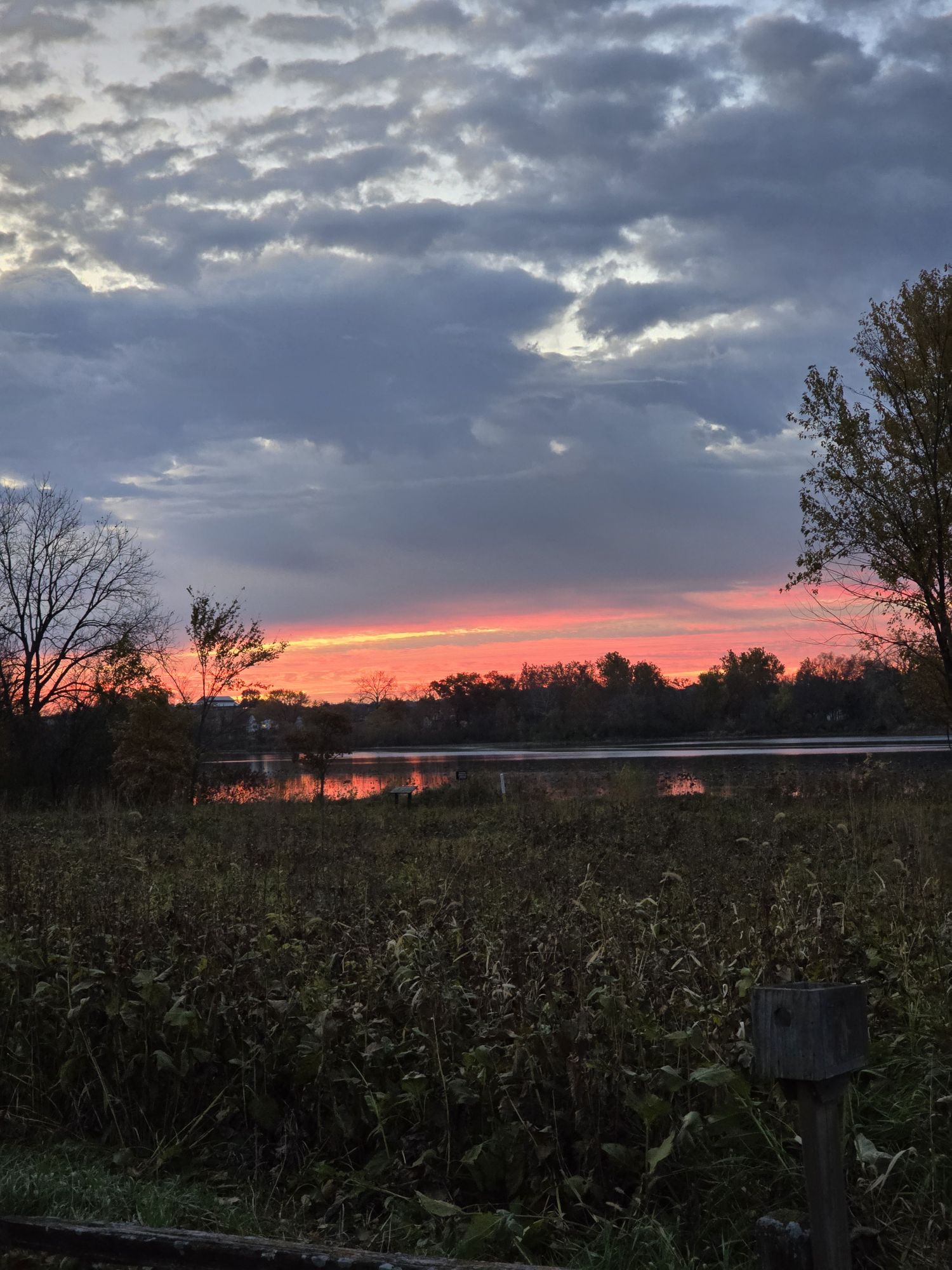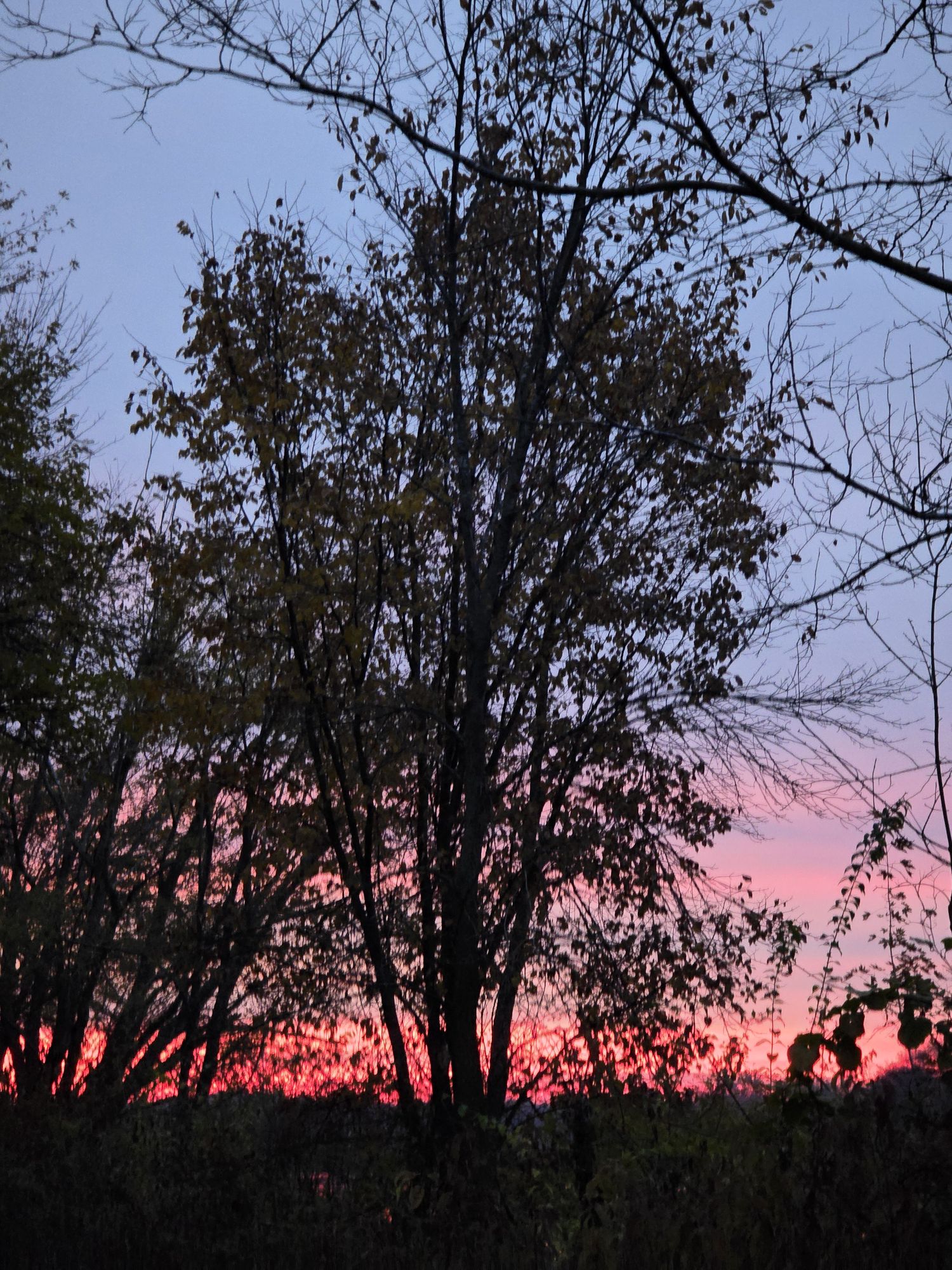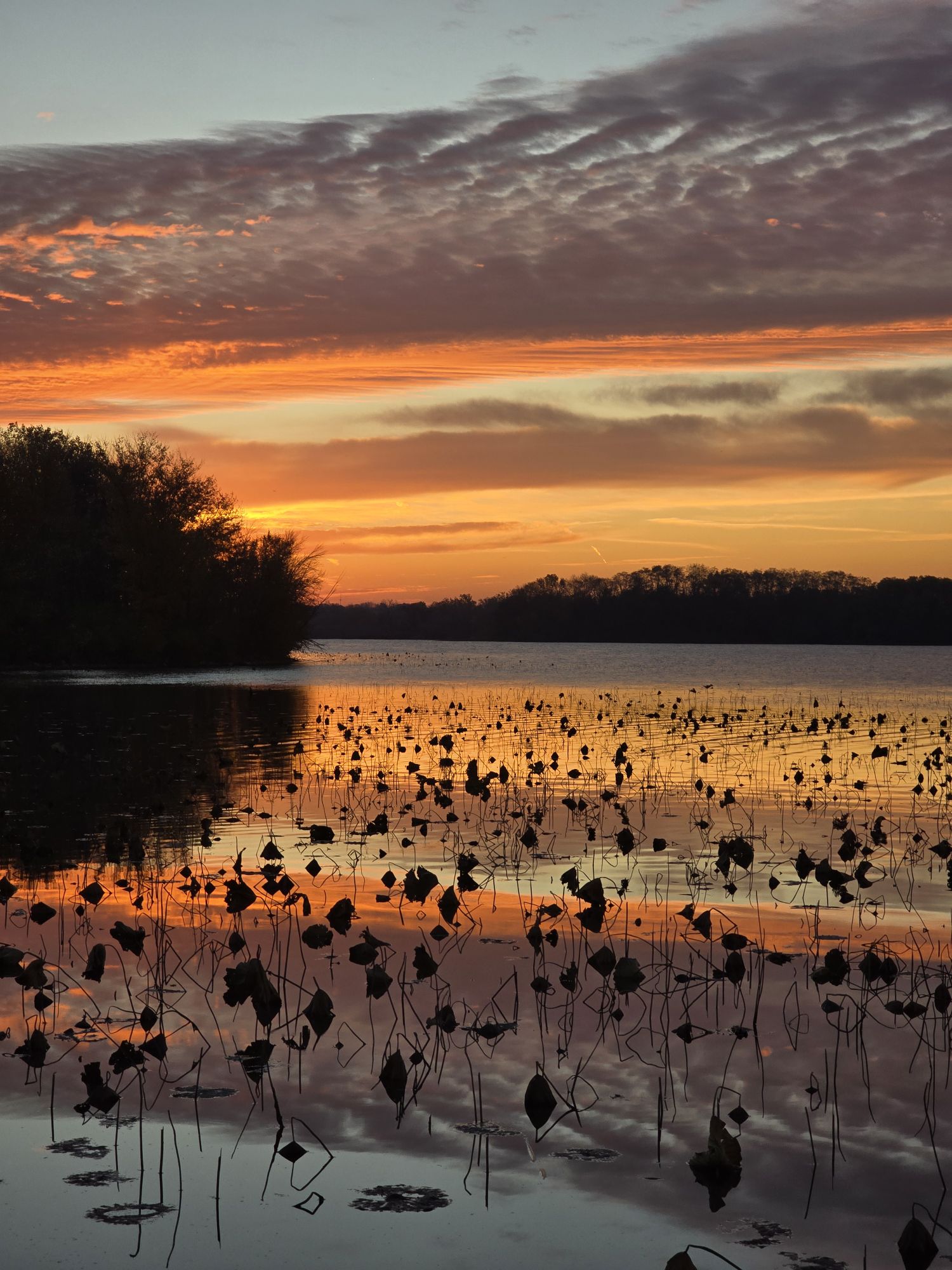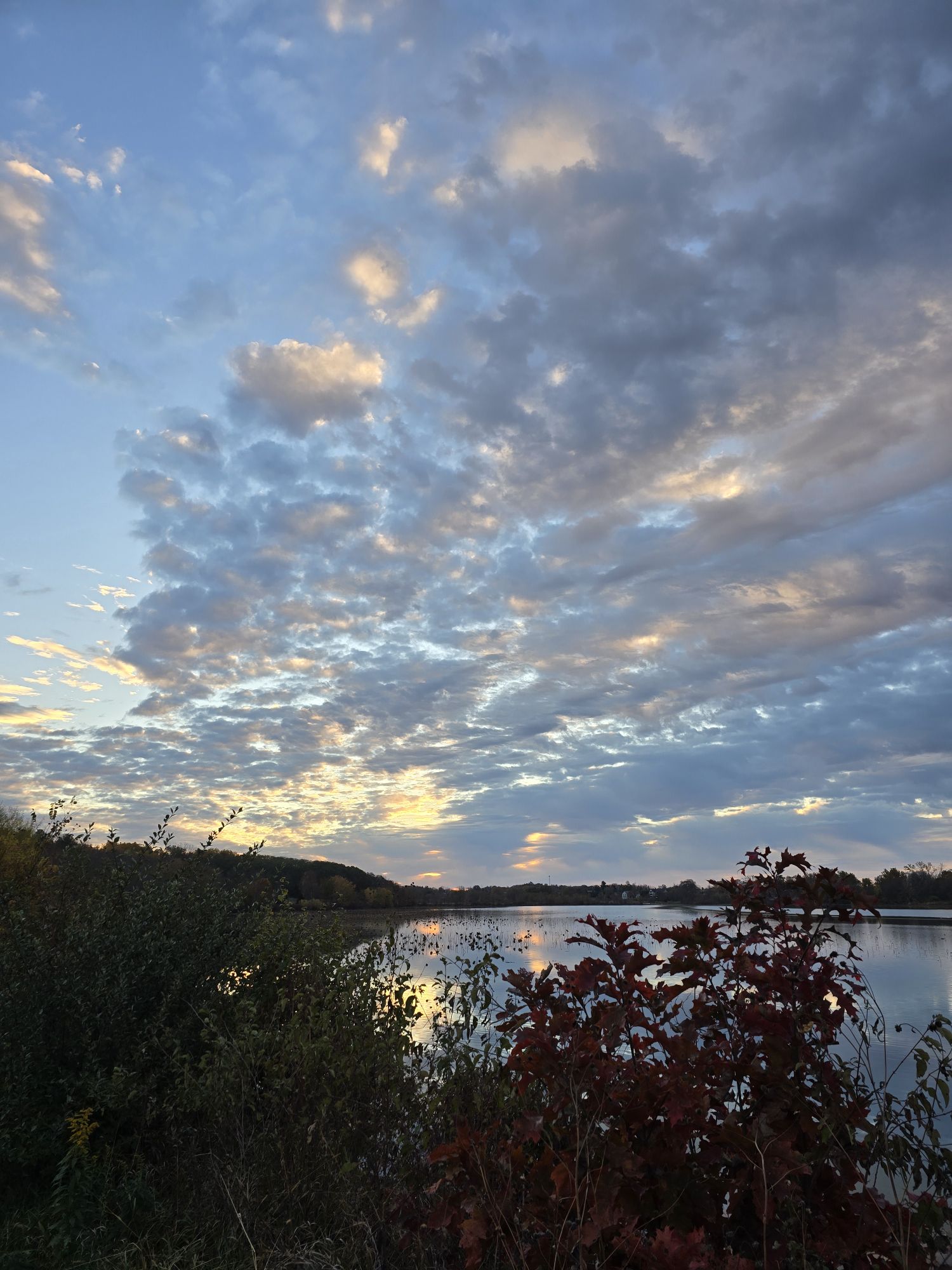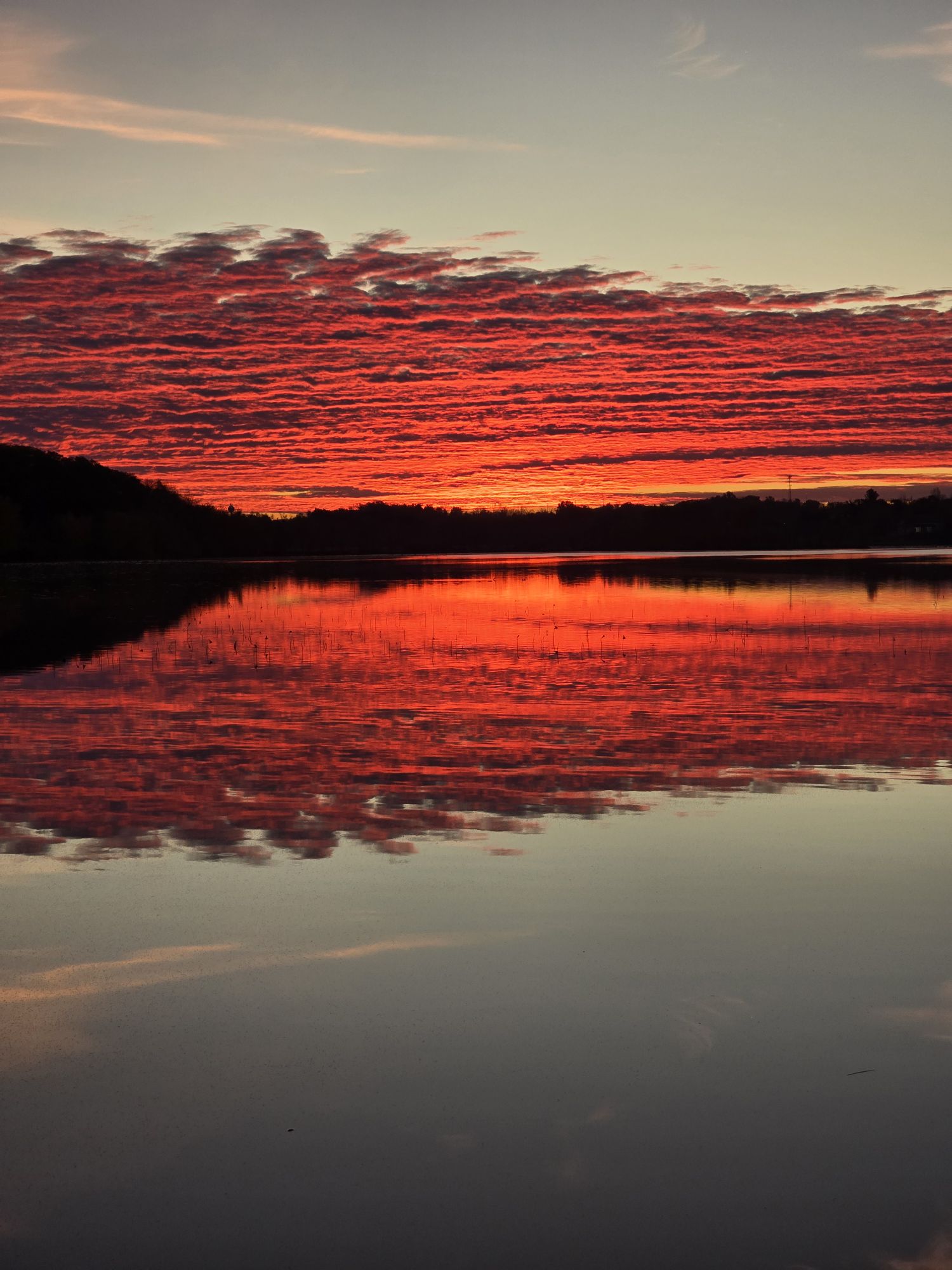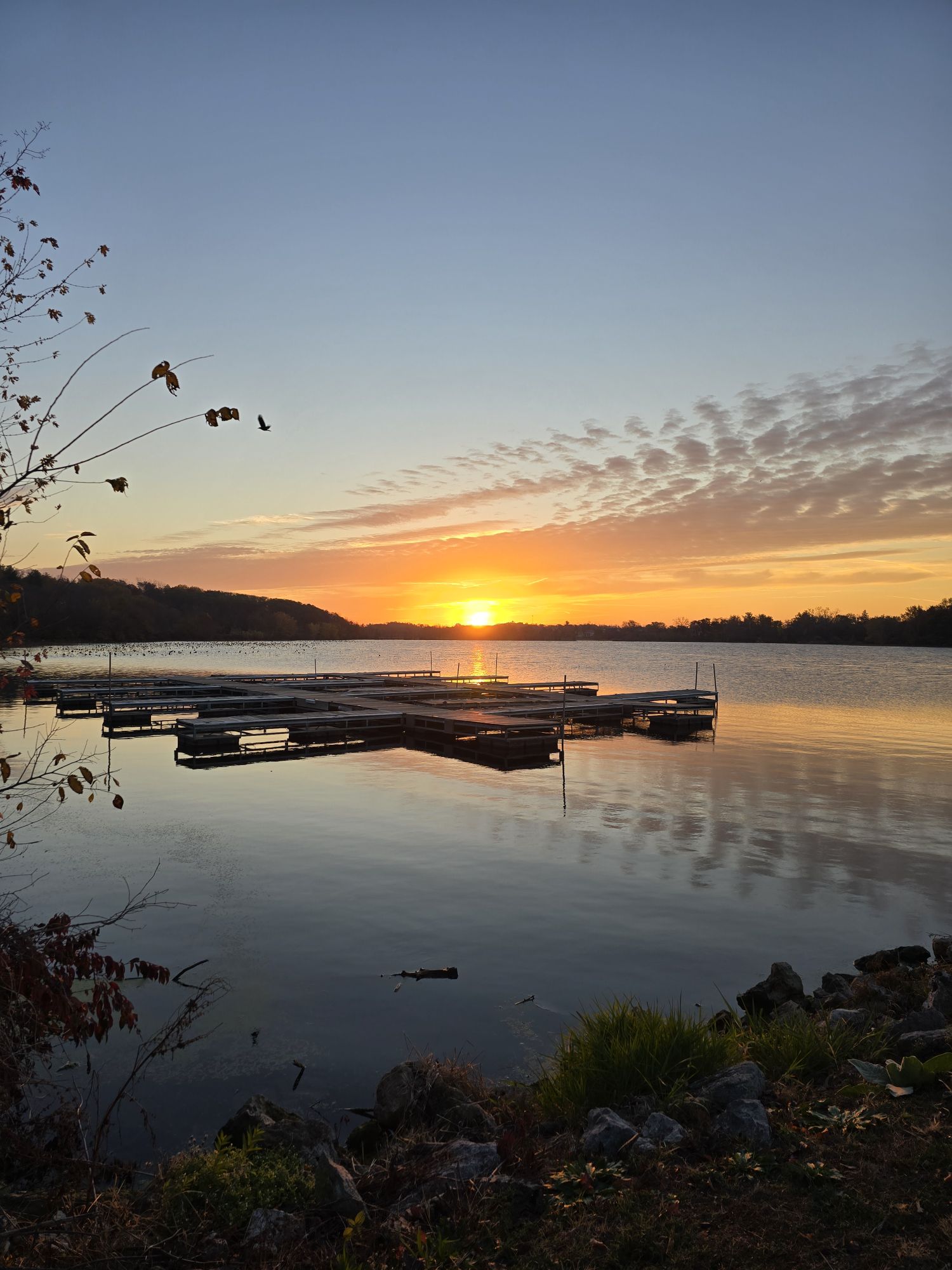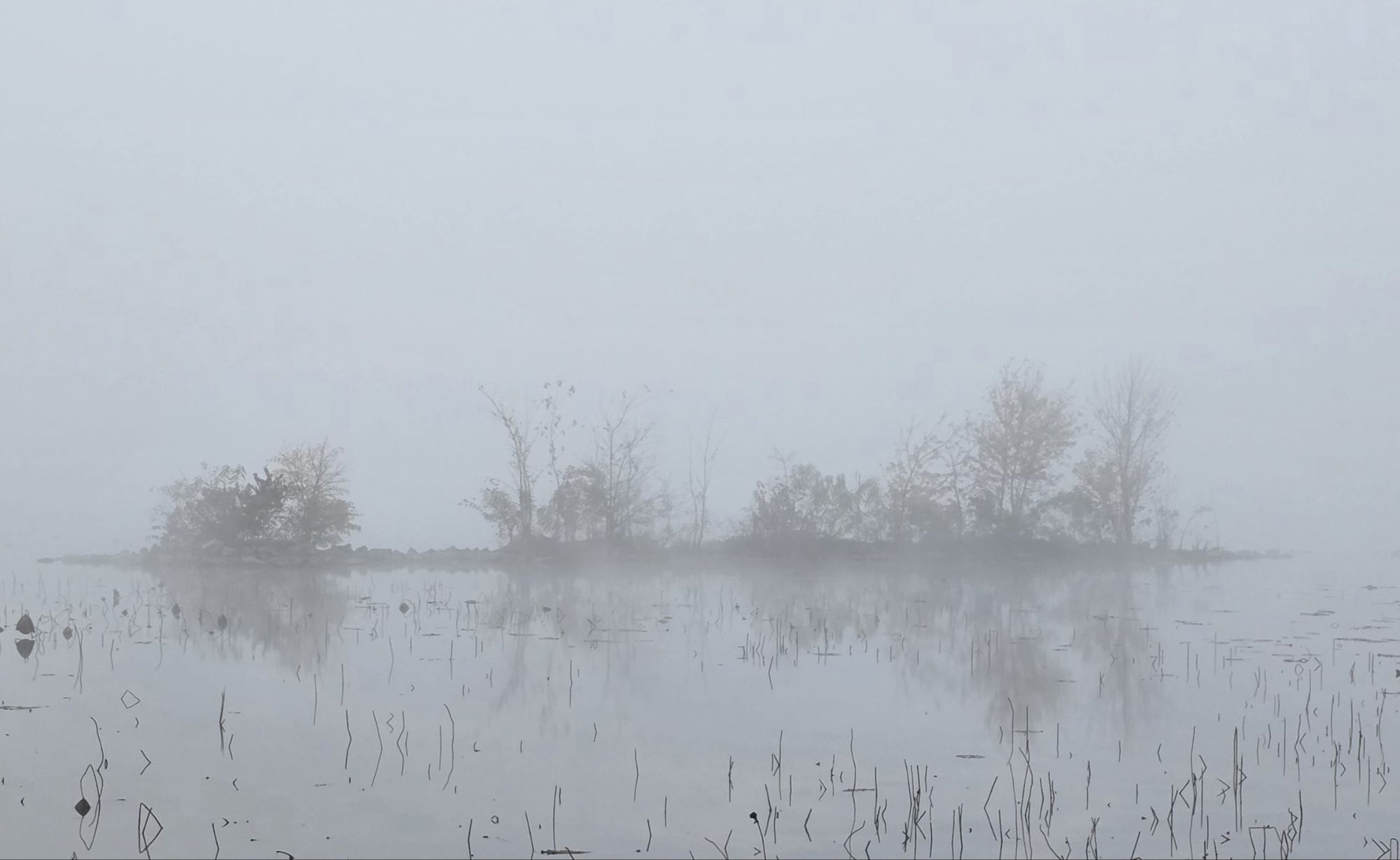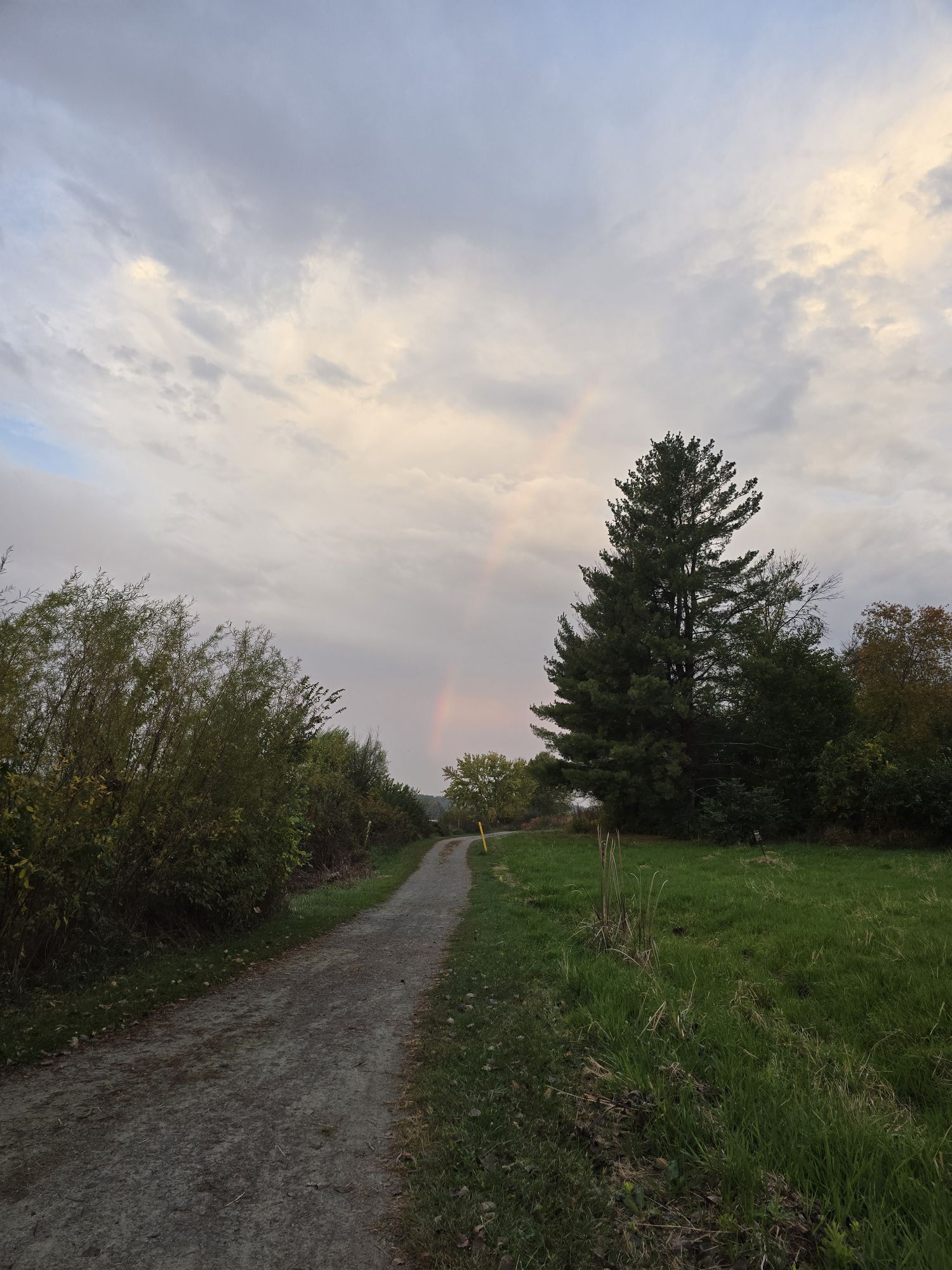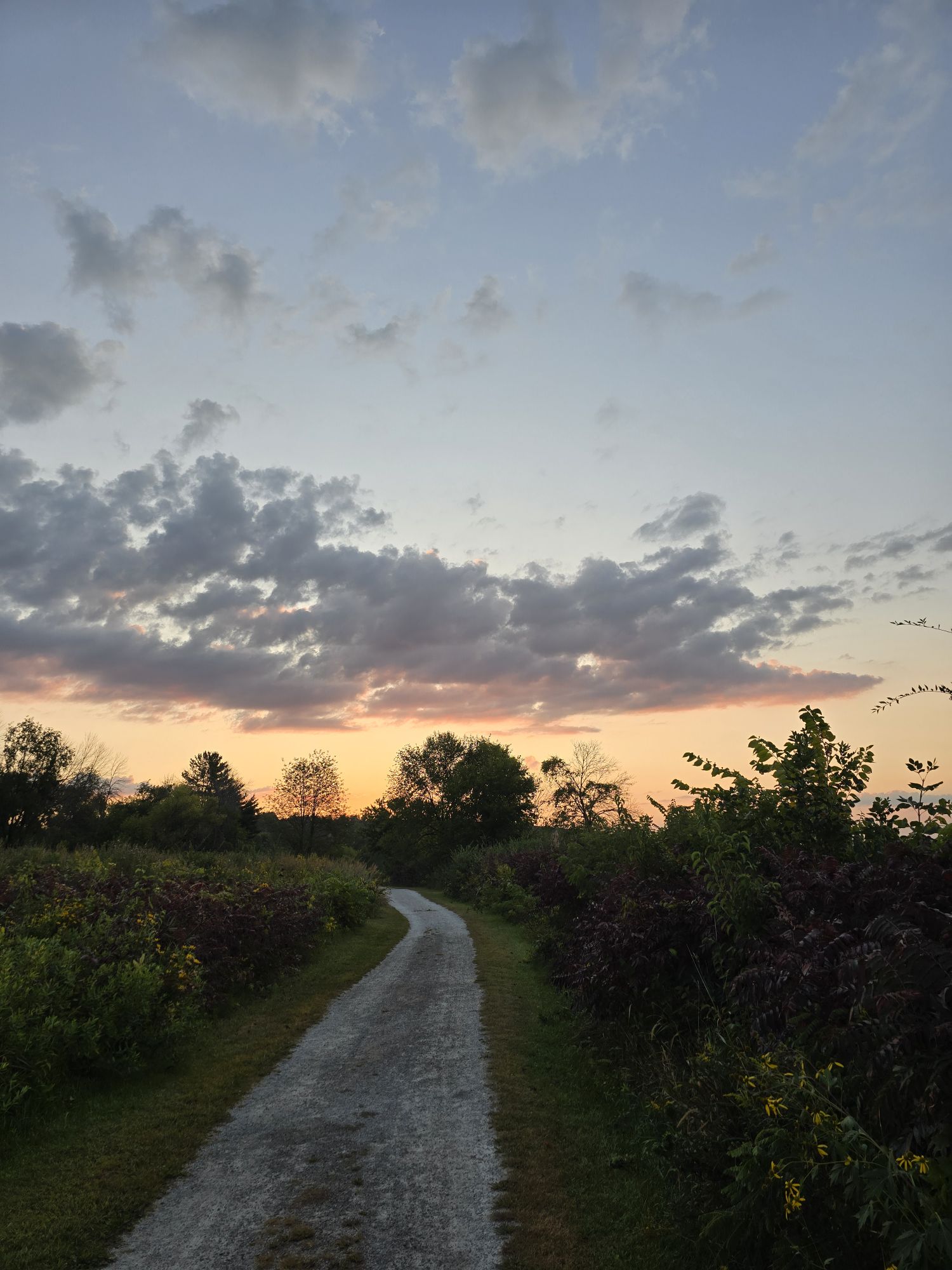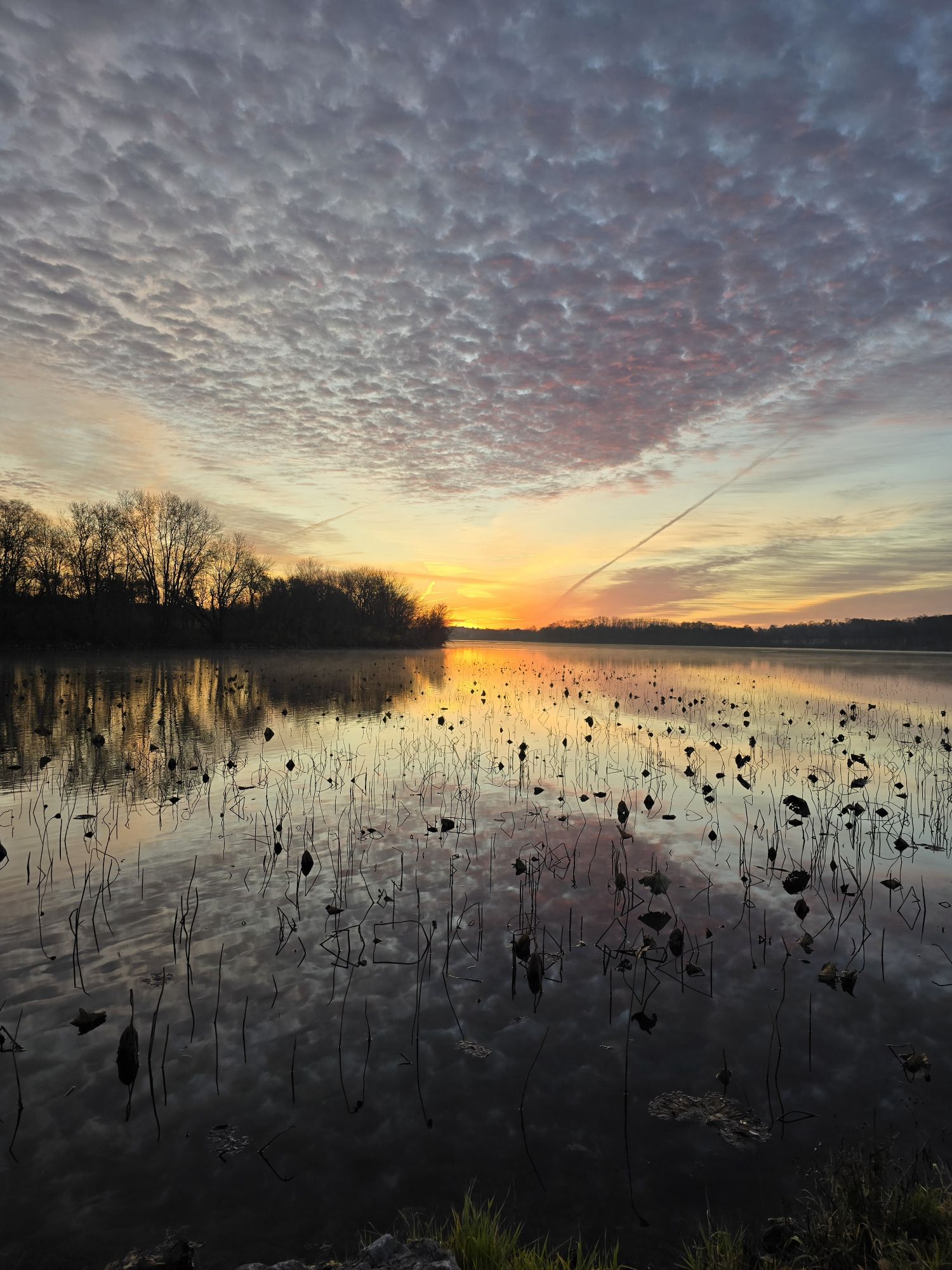
It is usually quiet on the state park trail during my morning walk. If someone is coming I hear their footsteps, or if they are on the phone or in a group, their talking voices carry a long distance. It was foggy Sunday morning when I heard young women talking. Before long, I could see headlamps bobbing above the trail. It was plenty light, yet the idea of a headlamp gained prominence over whether or not one was actually needed. I wished them a good morning as they passed me going the other way. They returned the sentiment. Even at dawn there is traffic on the trail.
I leave for the trail 20 minutes before sunrise. It is usually light enough to see and the transition period presents great light for capturing photographs. On Saturday I started walking on the boat dock to get an unobstructed view of sunrise. There was frozen frost on the deck and I slipped and fell on my backside. I let loose my mobile device and feared the worst. When I got up it was just less than halfway over the edge of the dock. I had visions of it plunking in the water, yet not this time. I am one lucky guy.
Last winter I walked the trail almost every morning regardless of ambient temperature and snowfall. I expect to do likewise this year. The state park trail is the perquisite that comes with living here I enjoy most. It also provides an opportunity to work on my photography.
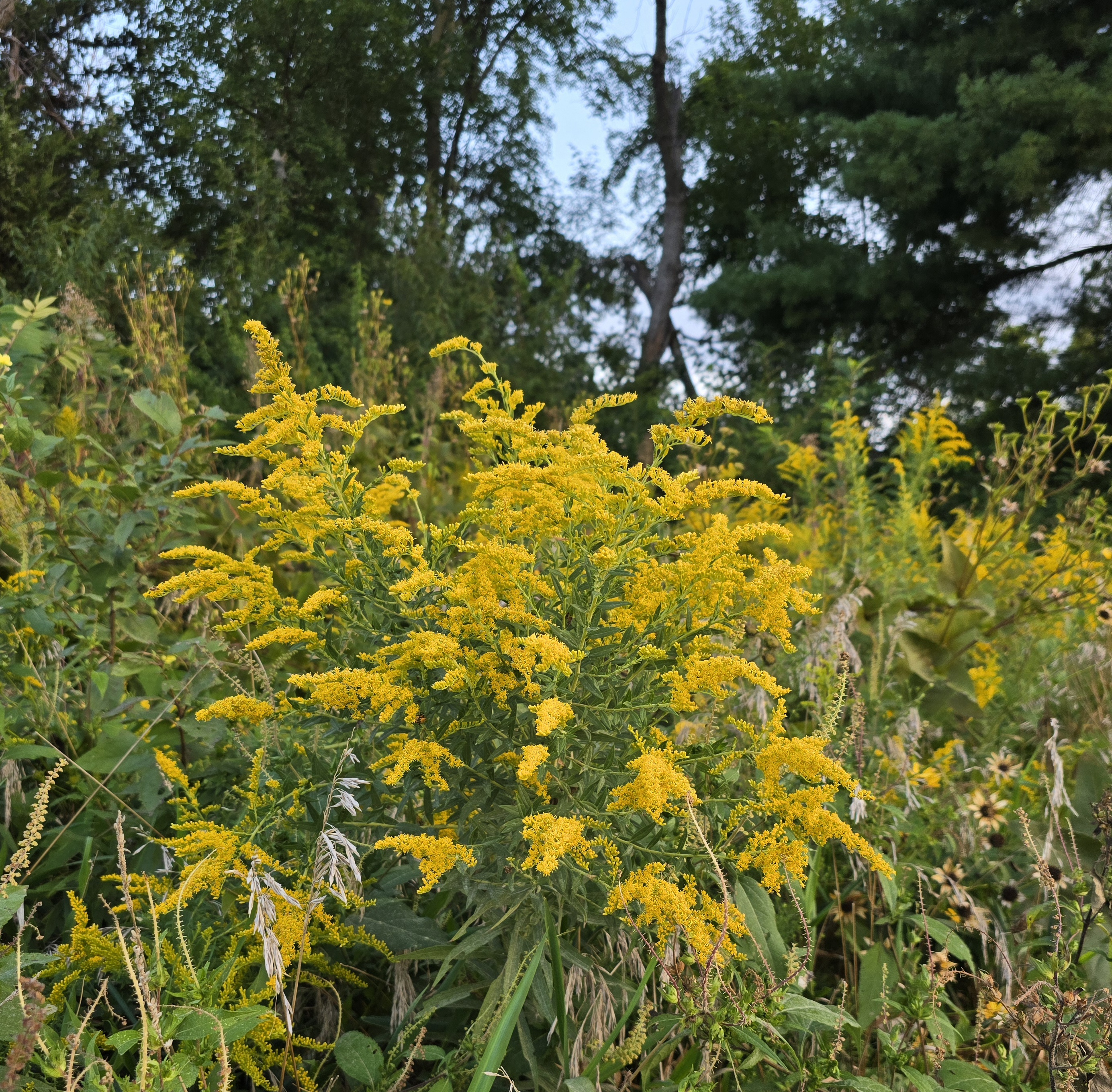
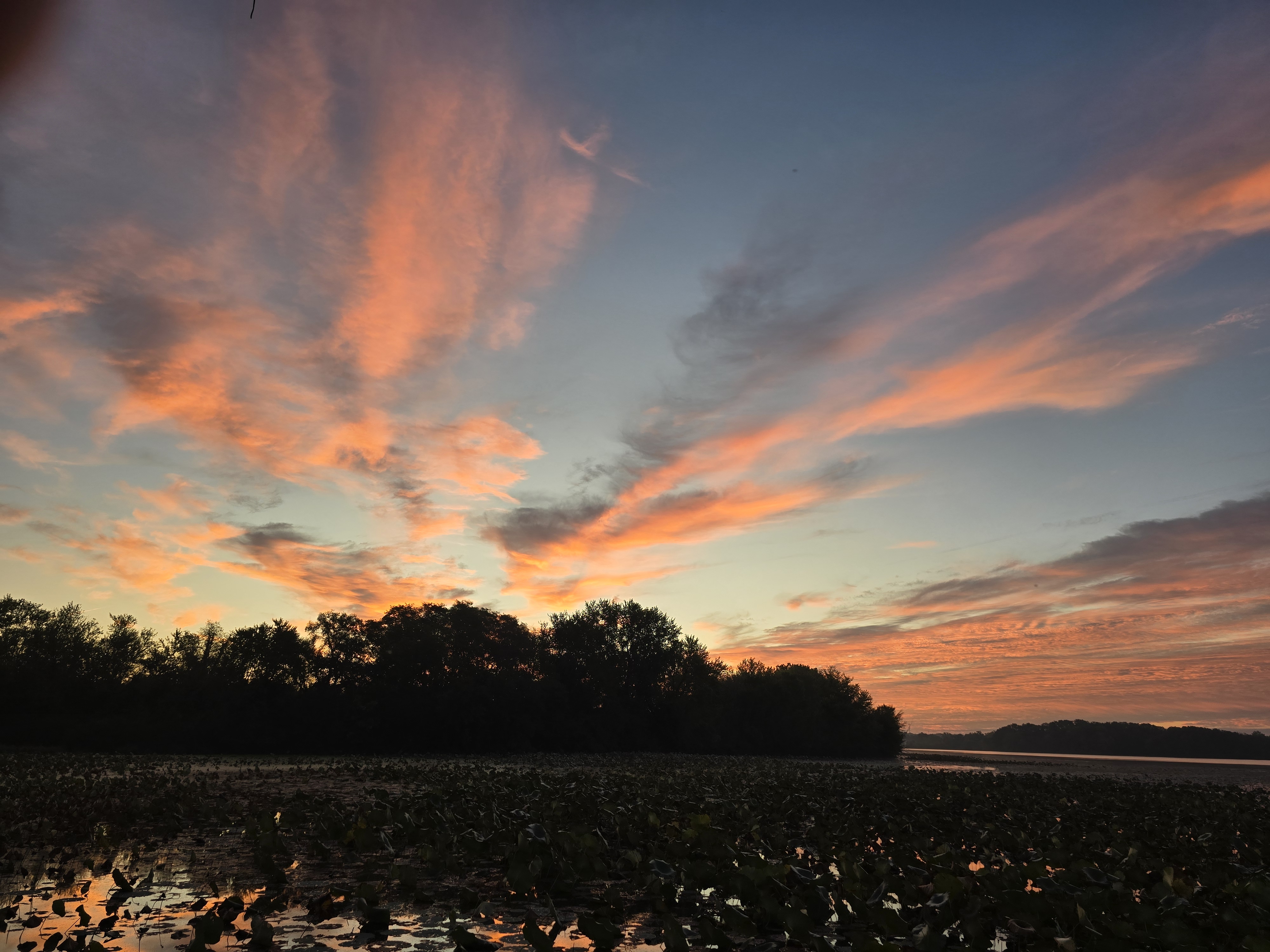
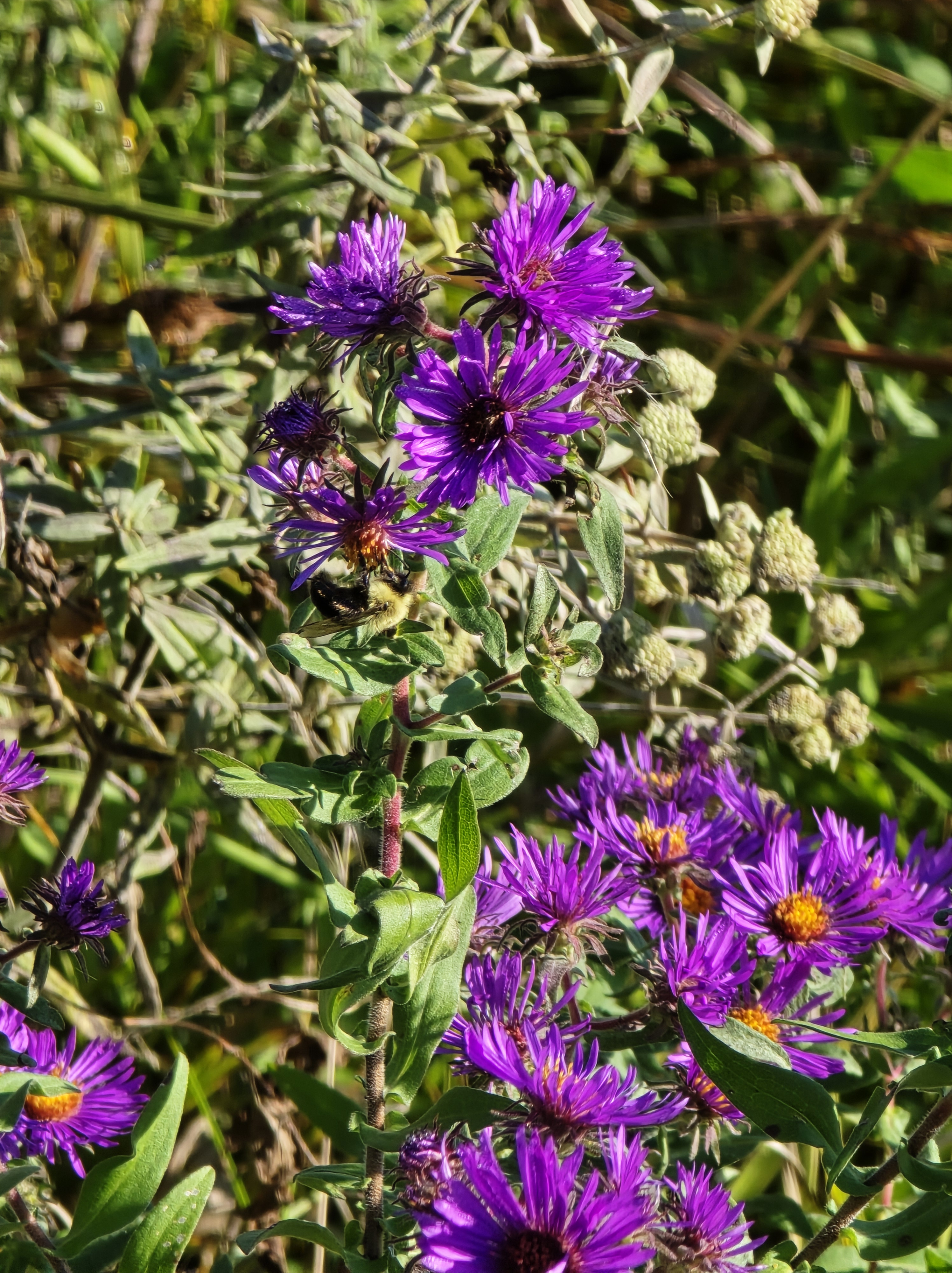
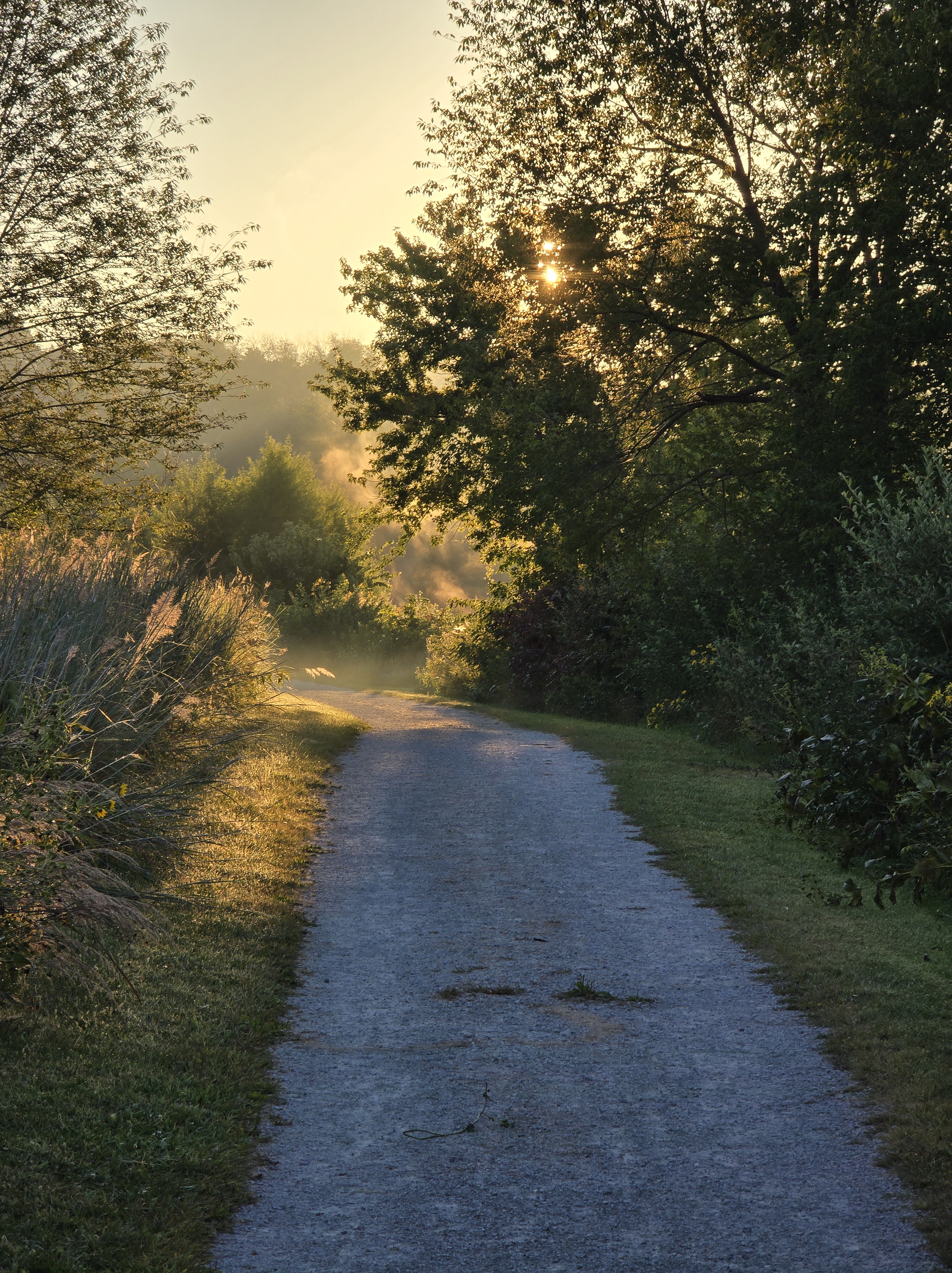
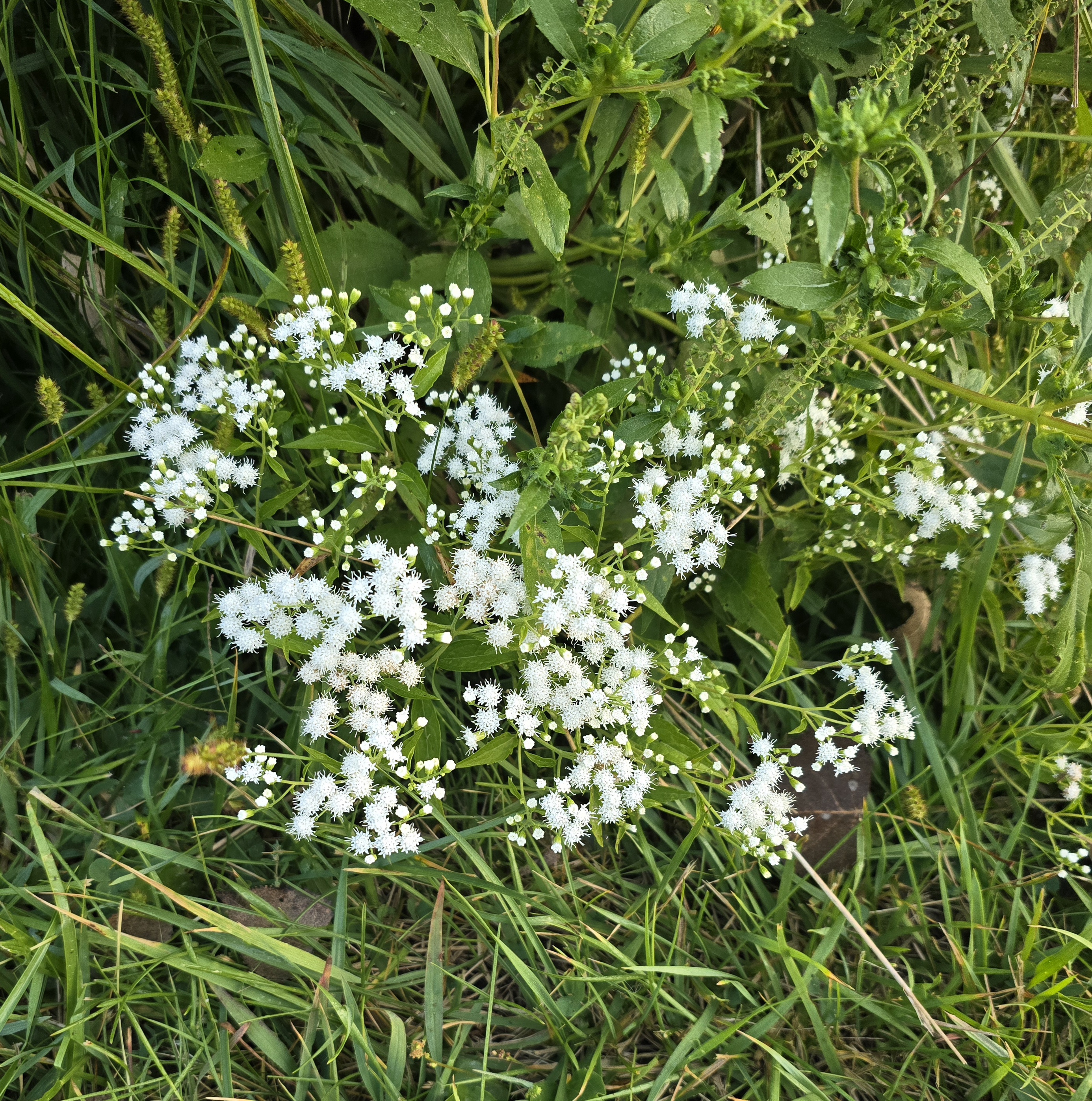
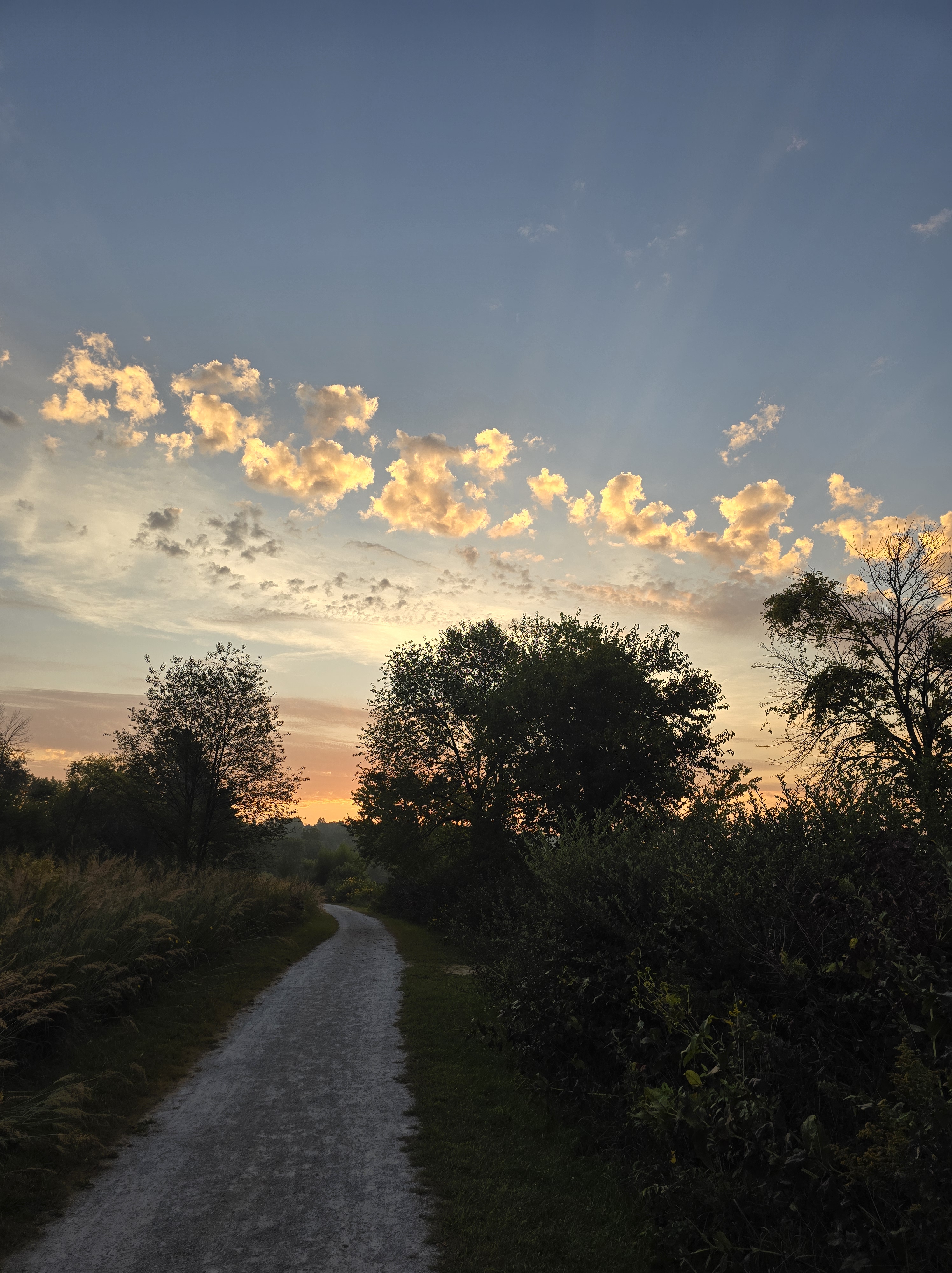
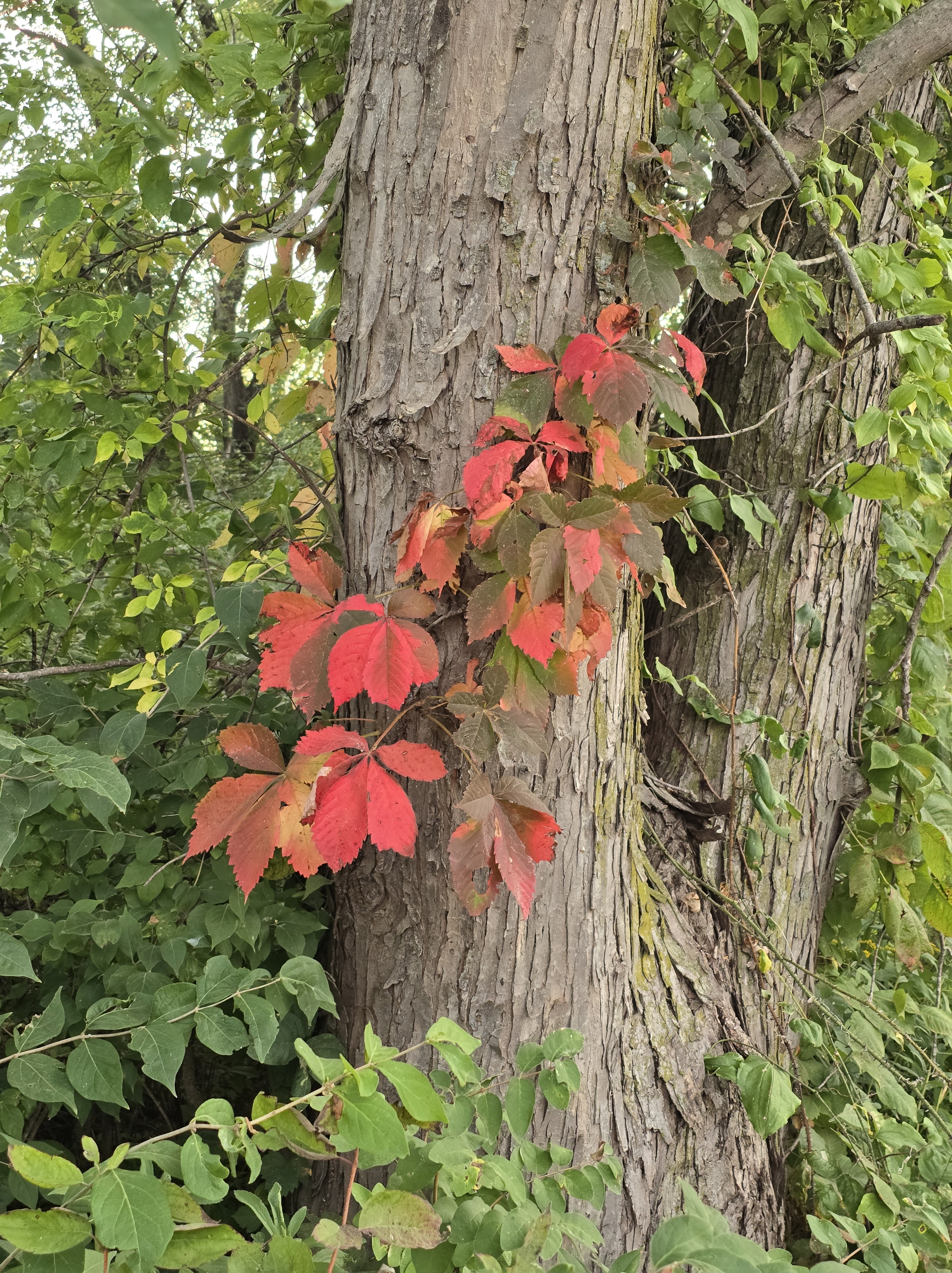
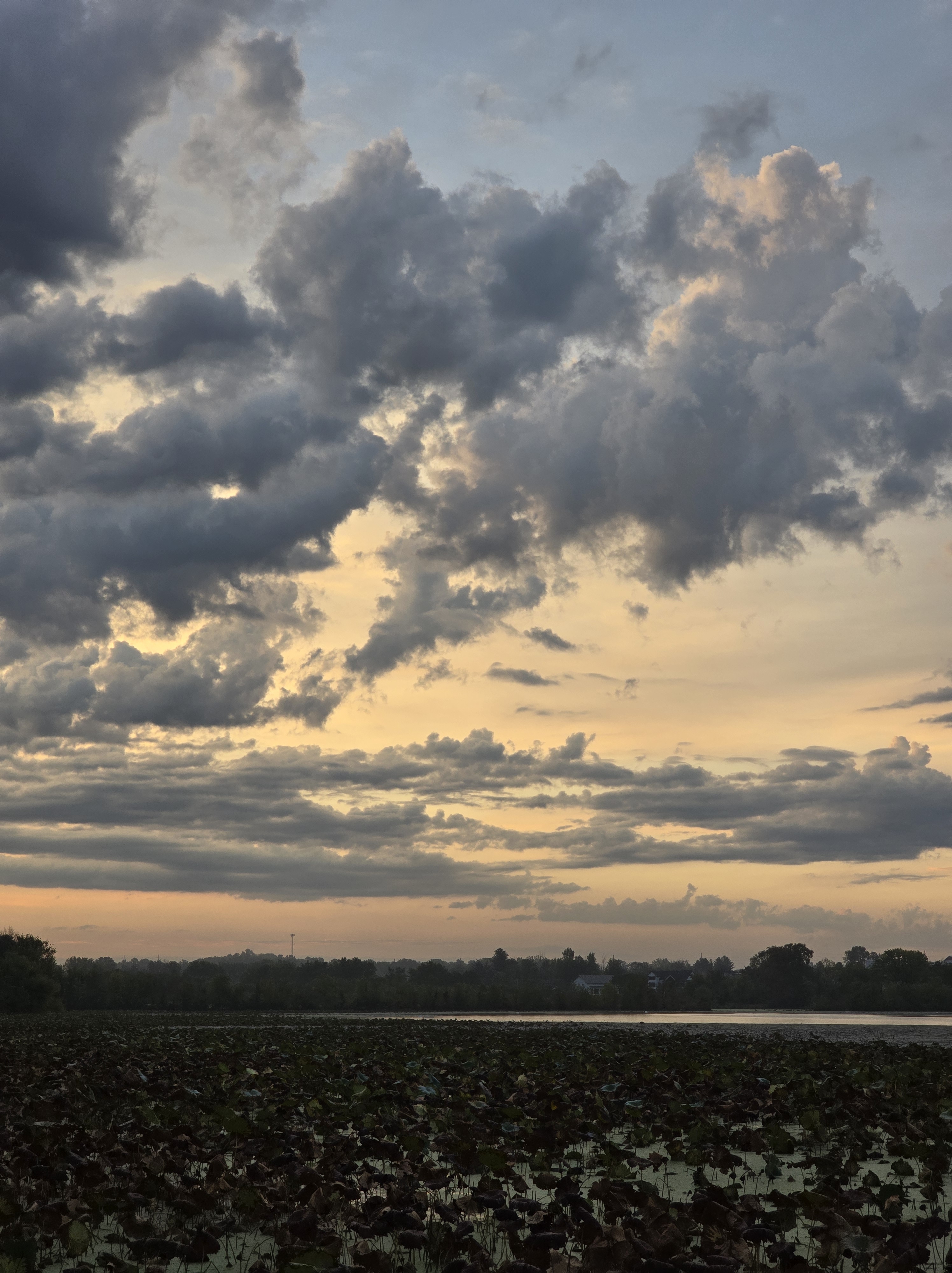
It’s hard to believe it is November already. Following are some photos taken in the last two weeks.
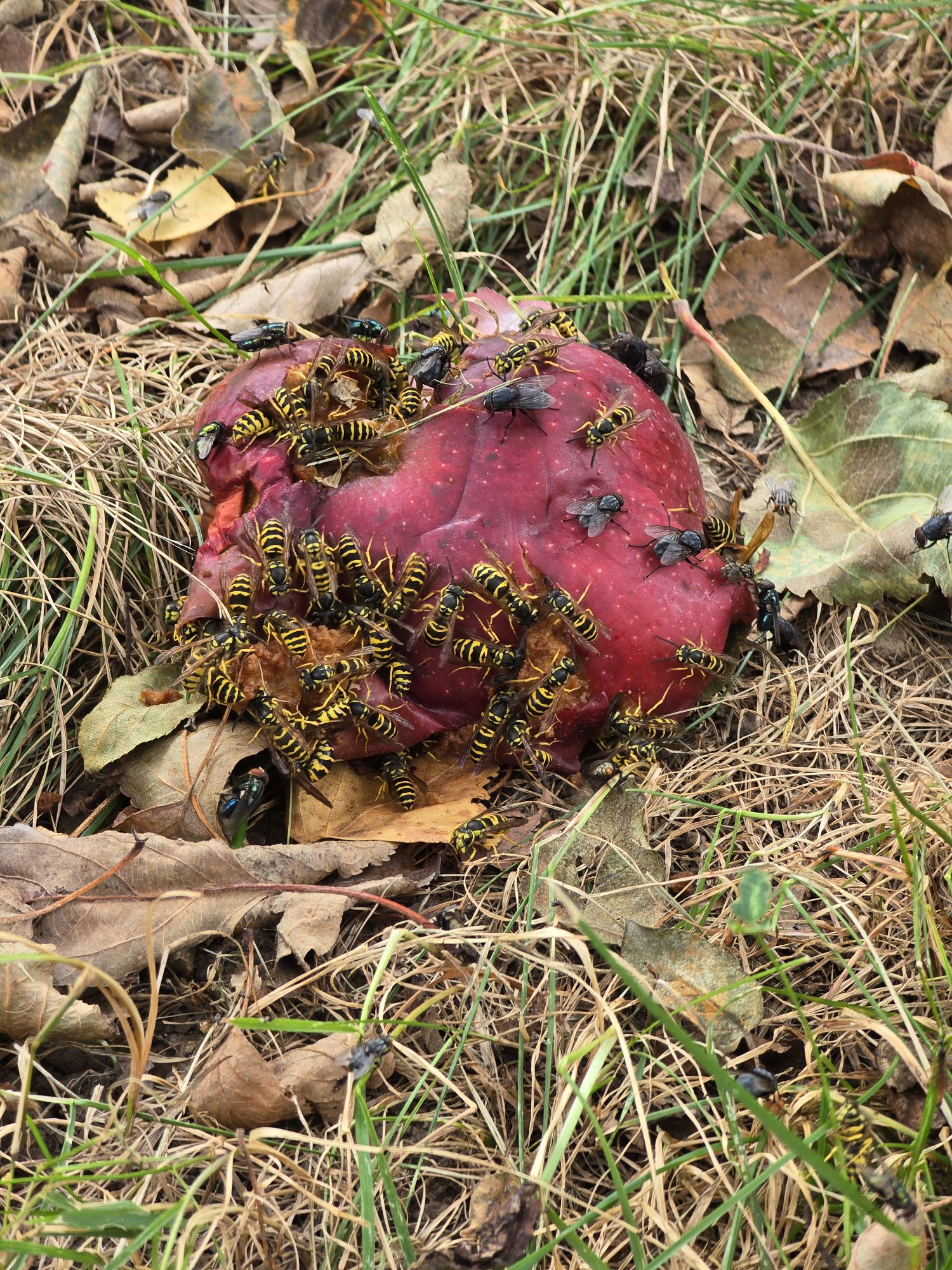
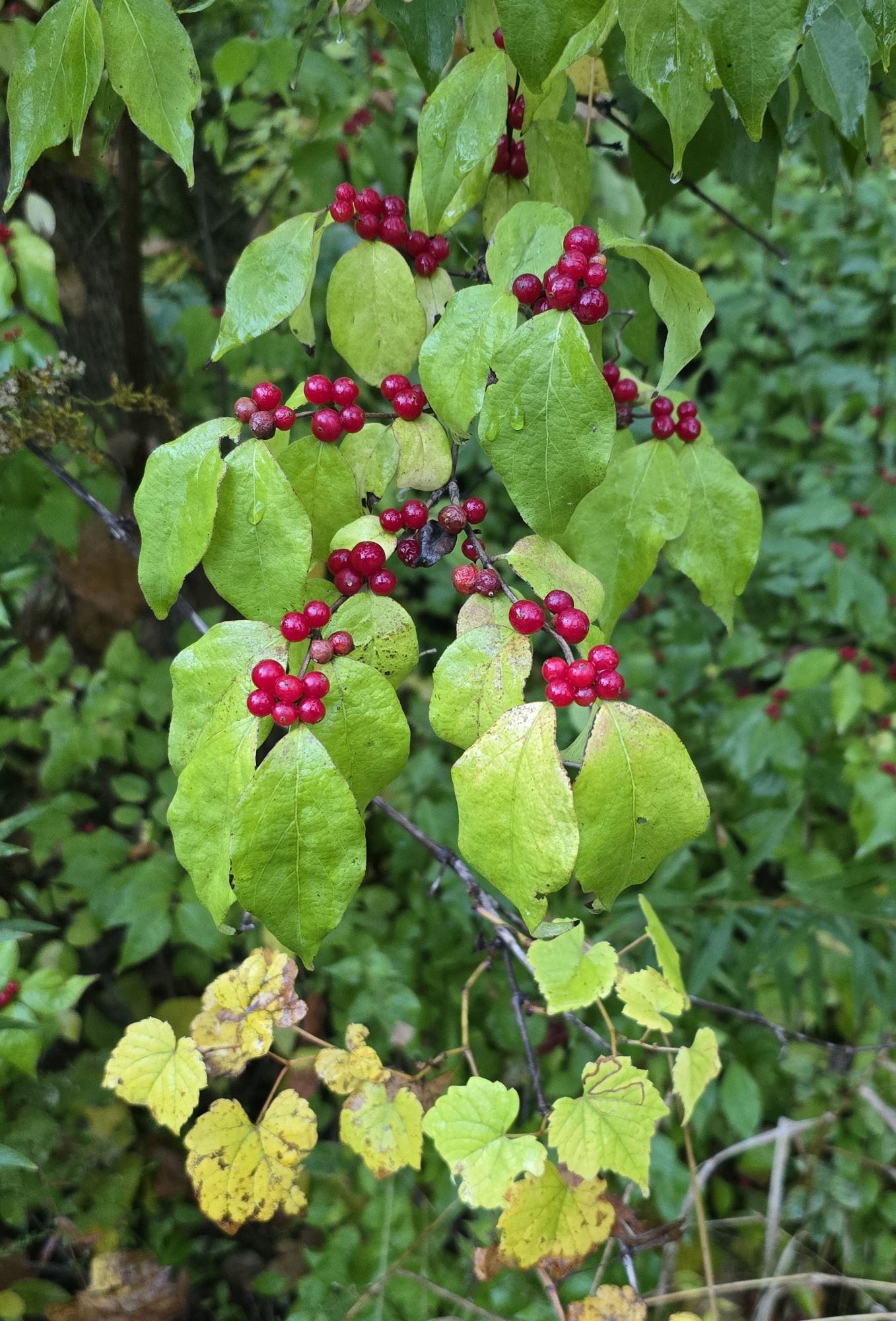
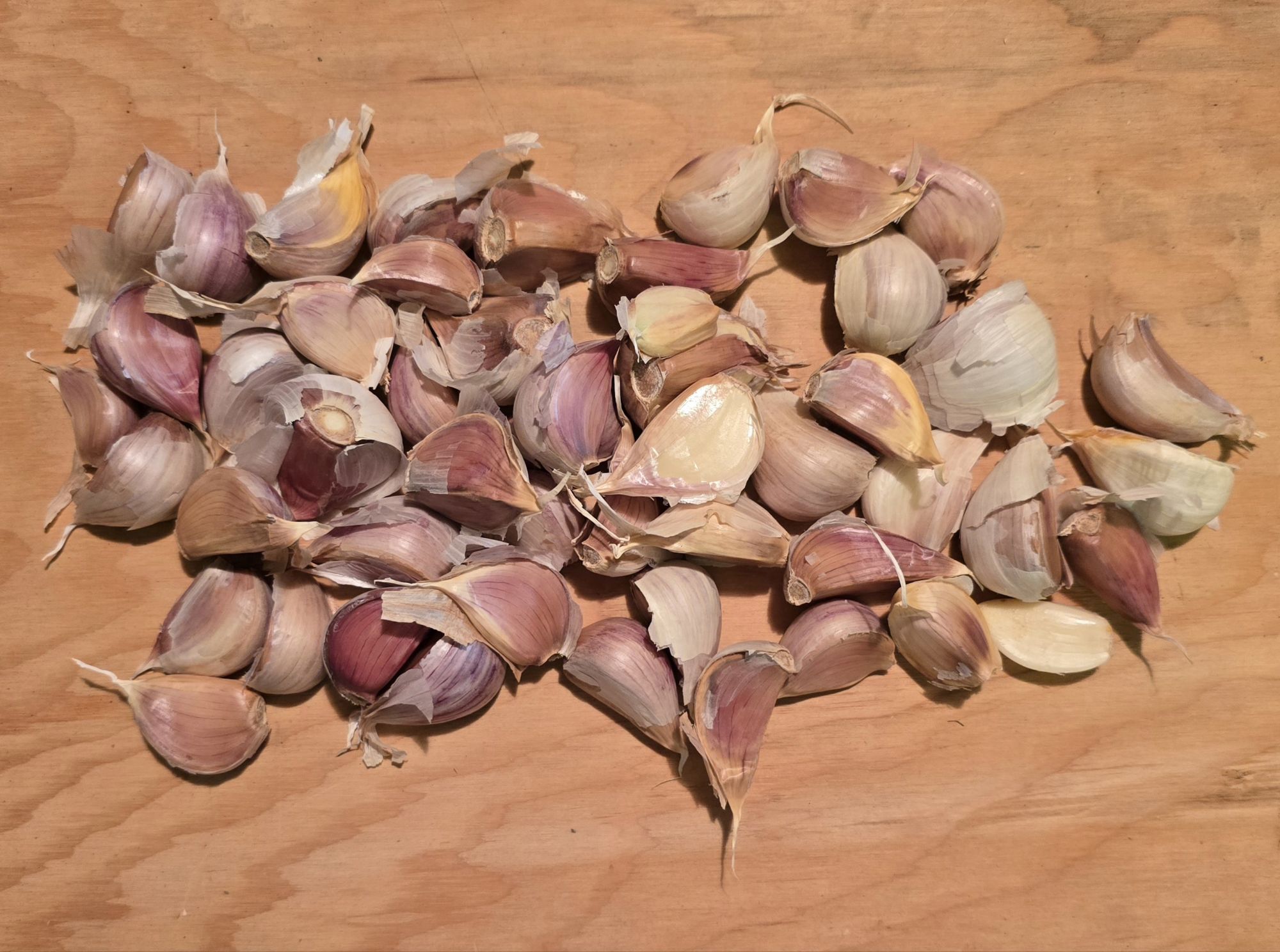
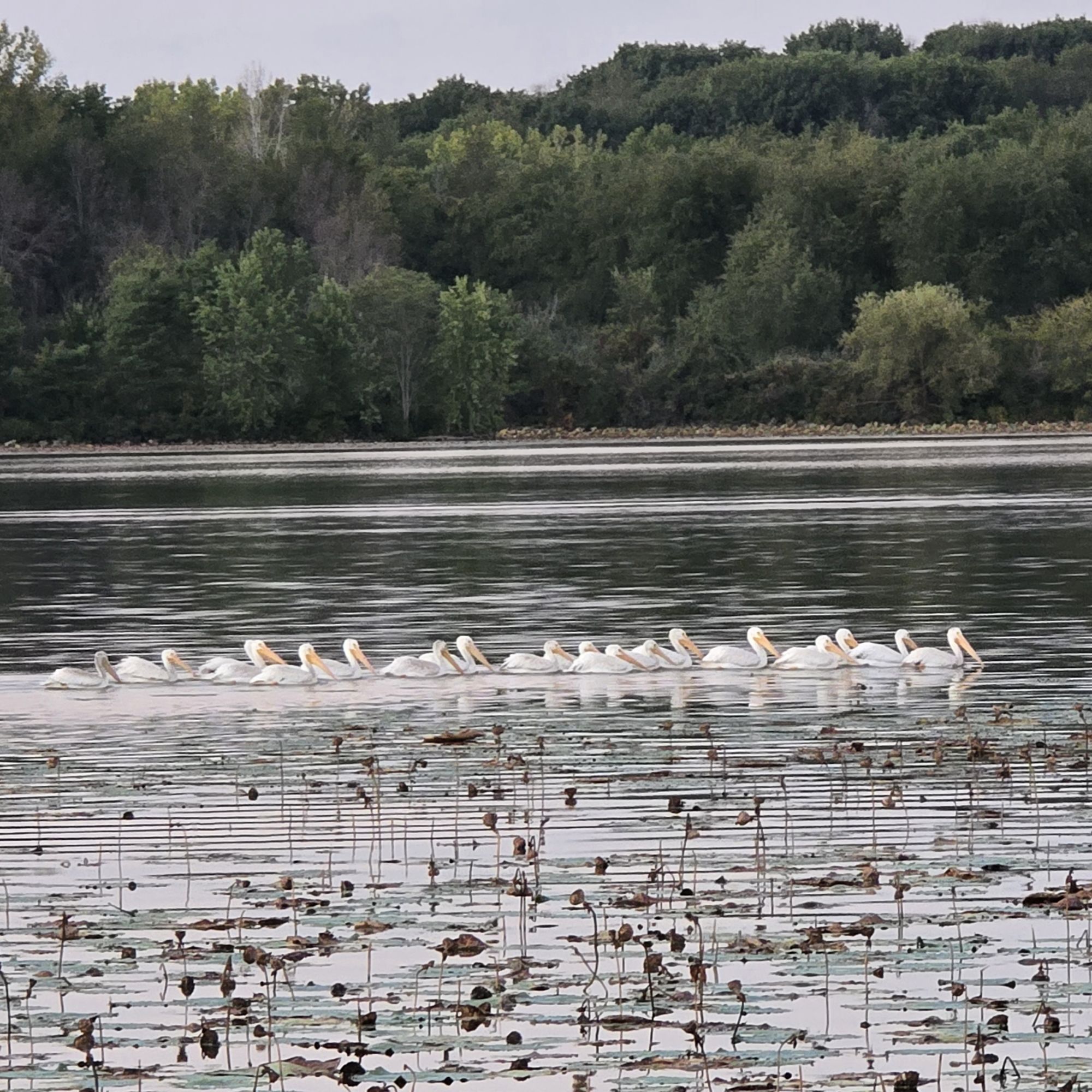
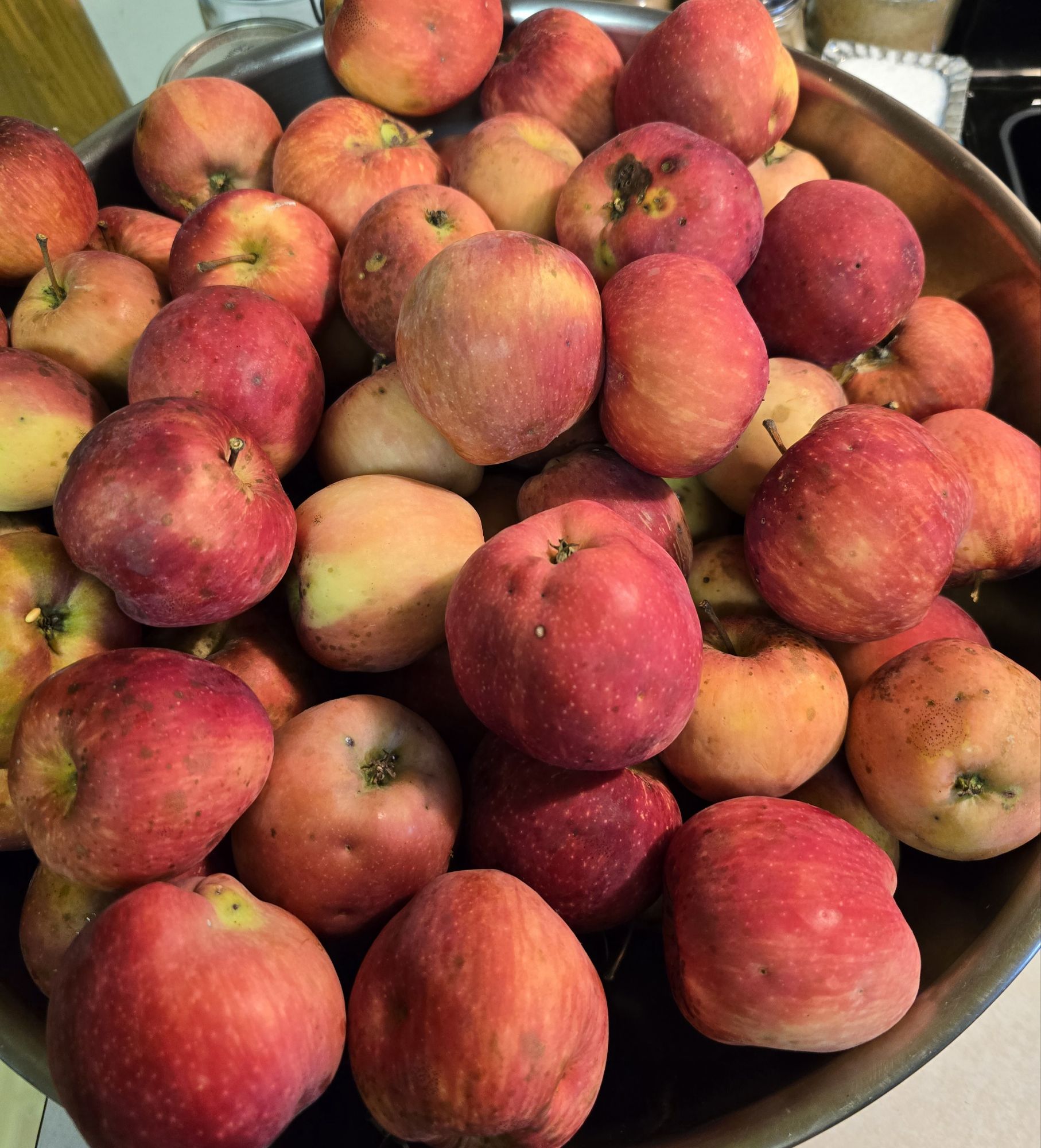
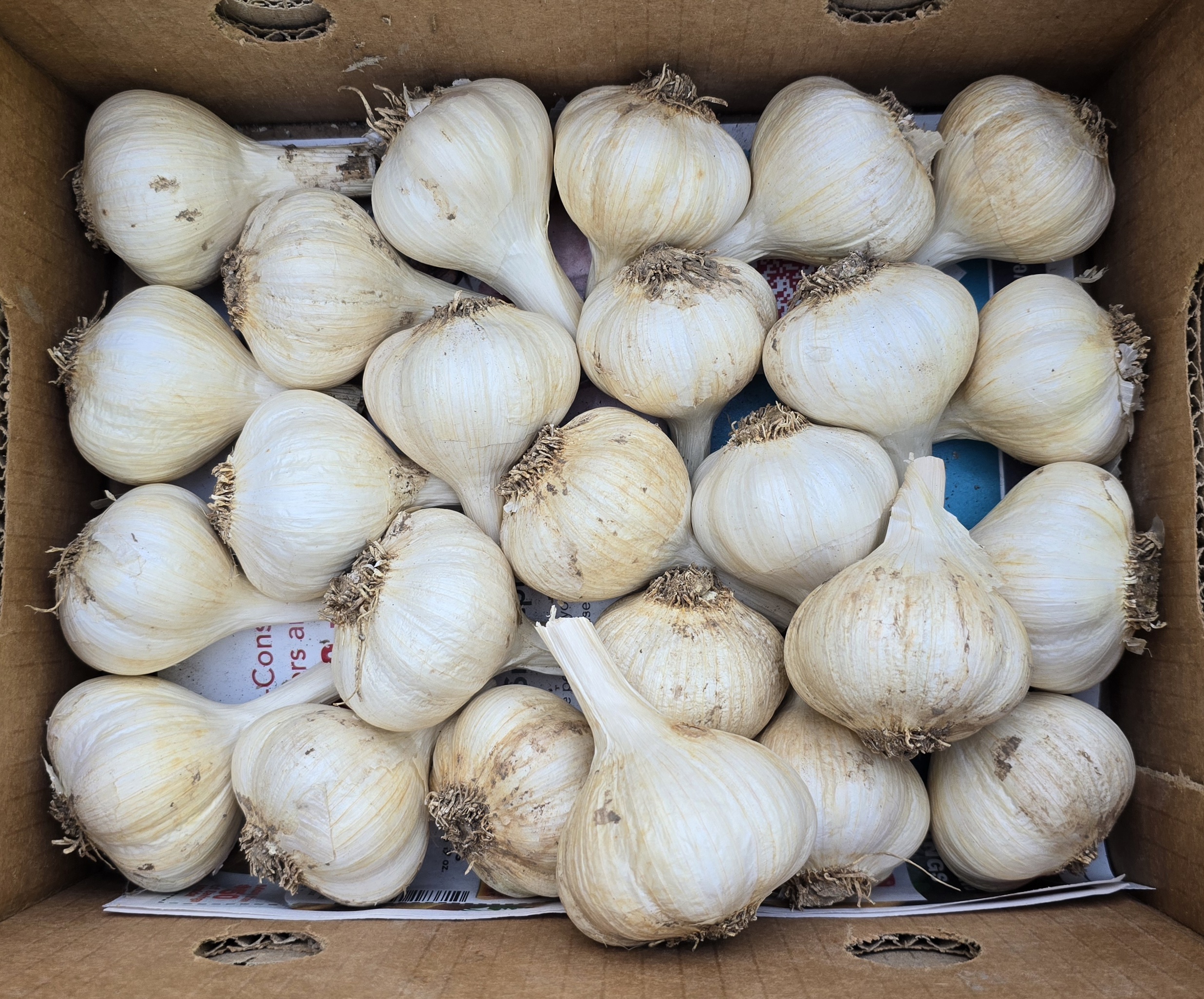
Late harvest of Red Delicious apples.Pelicans returned.School bus.Morning light on the state park trail.Last gleaning of kale.View of our Autumn Blaze maple tree.The trail goes on forever.Autumn Blaze maple tree at peak color.Before sunrise on the state park trail.Kroul Farms specialty pumpkins.Autumn Blaze maple tree.
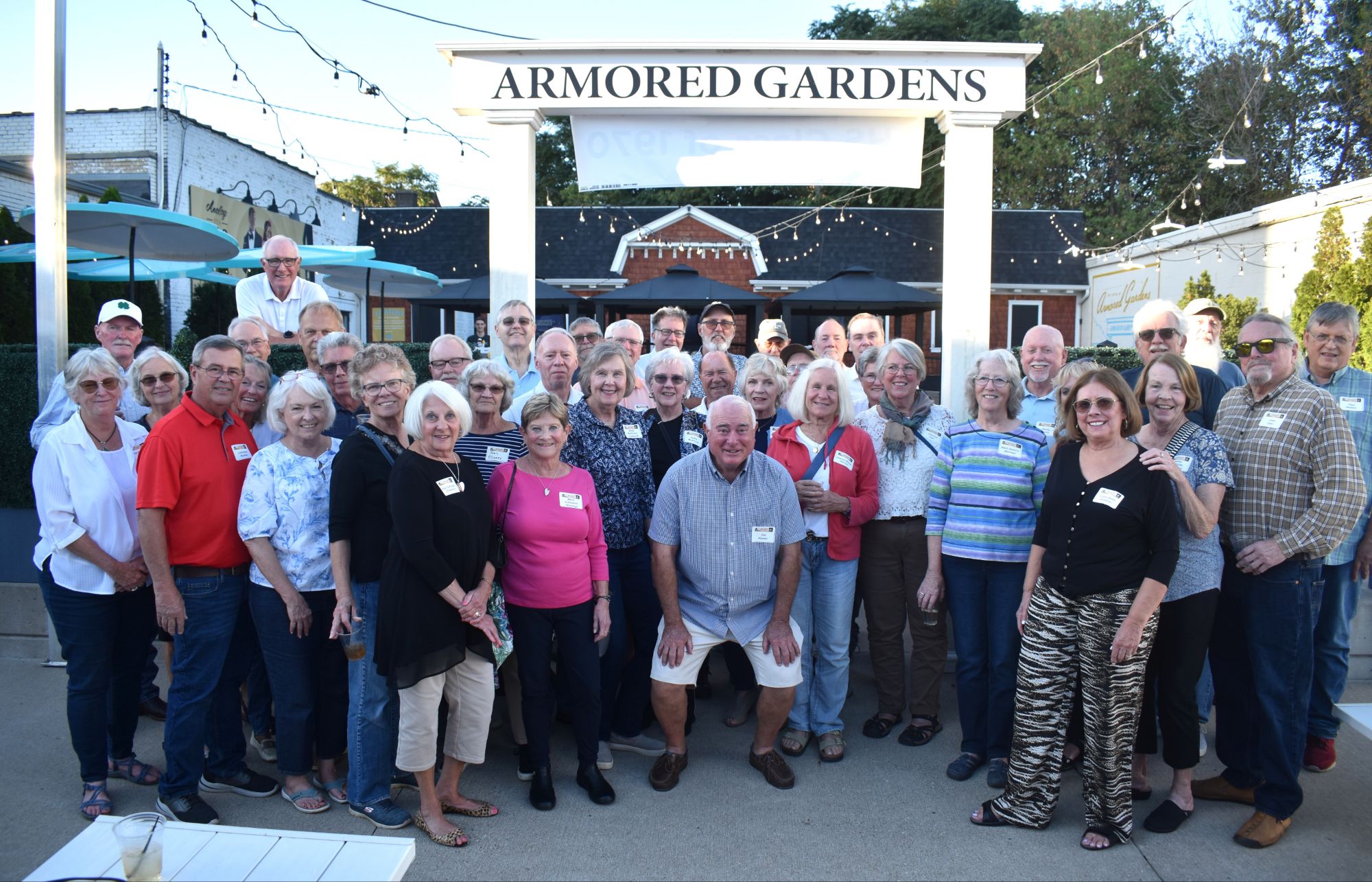
AHS High School Class of 1970 reunion on Sept. 25, 2025.
It’s one thing to take a posed photo — another to decide how it should be used: framed, shared online, or tucked away. That’s what this post explores.
We hired a photographer for our 55th high school class reunion. My instructions were to catch people looking at the lens with eyes open. I count 42 cheerful faces in this group photo. Of a class that numbered 260, that’s a lot still living. A few faces are partly hidden yet the image captures what was most important: proof we were there and together again.
Anyone who uses a camera seems likely to take posed photos. In the digital age it is easy to post them in social media and forget. Likewise, without being tethered to film, we can take many multiple shots of the same pose and then easily pick the best one to use. This is basic modern stuff.
The roots of my interest in posed photography, like so many creative things, lies with my maternal grandmother. I wrote about this in my book, An Iowa Life.
Mae was an influence on my photography. She purchased inexpensive cameras at the drug store and used them to record moments with the family. After researching the Polish community near Wilno, Minnesota, I came to believe her behavior with cameras in the 1960s had its roots in the inner cultural and spiritual realm filled with drama and emotion described previously. The surviving photograph of her sister Tillie’s confirmation is one example of this. The desire to pose and capture a photo was something creative I didn’t understand at the time. We were plain folk and when we got dressed for church, or to attend an event, it was a big deal. Mae wanted to capture those moments on film, consistent with her Polish upbringing. It’s a natural impulse that presents an interpretation of who we were. Of course, we always wanted to put the best foot forward in these constructed frames. (An Iowa Life by Paul Deaton).
When I was a grader, use of a photograph was simple: put it in an album. Such albums were defined more by the time frame in which film was exposed than subject matter. It was as if to say, “I just took these photographs, let’s save them.” On occasion we would make multiple prints of a “good” photo to give or mail to friends and relatives. Anything that did not make it into an album was stored in the envelope in which it came from the processor, along with the negatives. Eventually they accumulated in shoe boxes.
On May 4, 2008, I took my first photograph with a Kodak Easy Share digital camera. It changed everything. In particular, the subject matter of images was less about posing and more about casual capture, landscape and still life. We could snap photos like there was no tomorrow because of the lack of constraints caused by film. The number of images stored on a camera, and then transferred to a computer, exploded. A photograph became less special the way my grandmother understood it. It became a fungible commodity where without close examination everything looked the same. I mean, who had time for close examination of all those digital photographs?
With the rise of social media after 2006, a new place to save photographs began. When I post a photo on my BlueSky account, I do so with the idea other people might appreciate the work. Sometimes one goes viral but most of them get a few likes and then move on in the endless feed. Who knew looking at photos would become doom-scrolling? Social media lacks the permanence of a print or album, yet it is something important.
Most of the photographs from my high school class reunion will likely sit in a folder on the cloud until I want them again. I may get an 8 x 10 version of the reunion class photograph and put it in a standard frame. Partly to keep it handy to evoke its memories. Partly because as one person on our planning committee wrote, “regrettably, we will likely lose more classmates before our 60th reunion.” According to Social Security actuarial tables, 10 or 11 of the people in this photo are likely to die by then. The meaning is obvious. It remains what may be the last time I saw some of my friends. Isn’t this the reason we take photographs?
This week was all about the shift to autumn—putting up hot peppers, processing apples, and getting ready for winter. Add a high school class reunion on Sept. 25, and it’s already been a busy season. Here are some of the best recent shots.
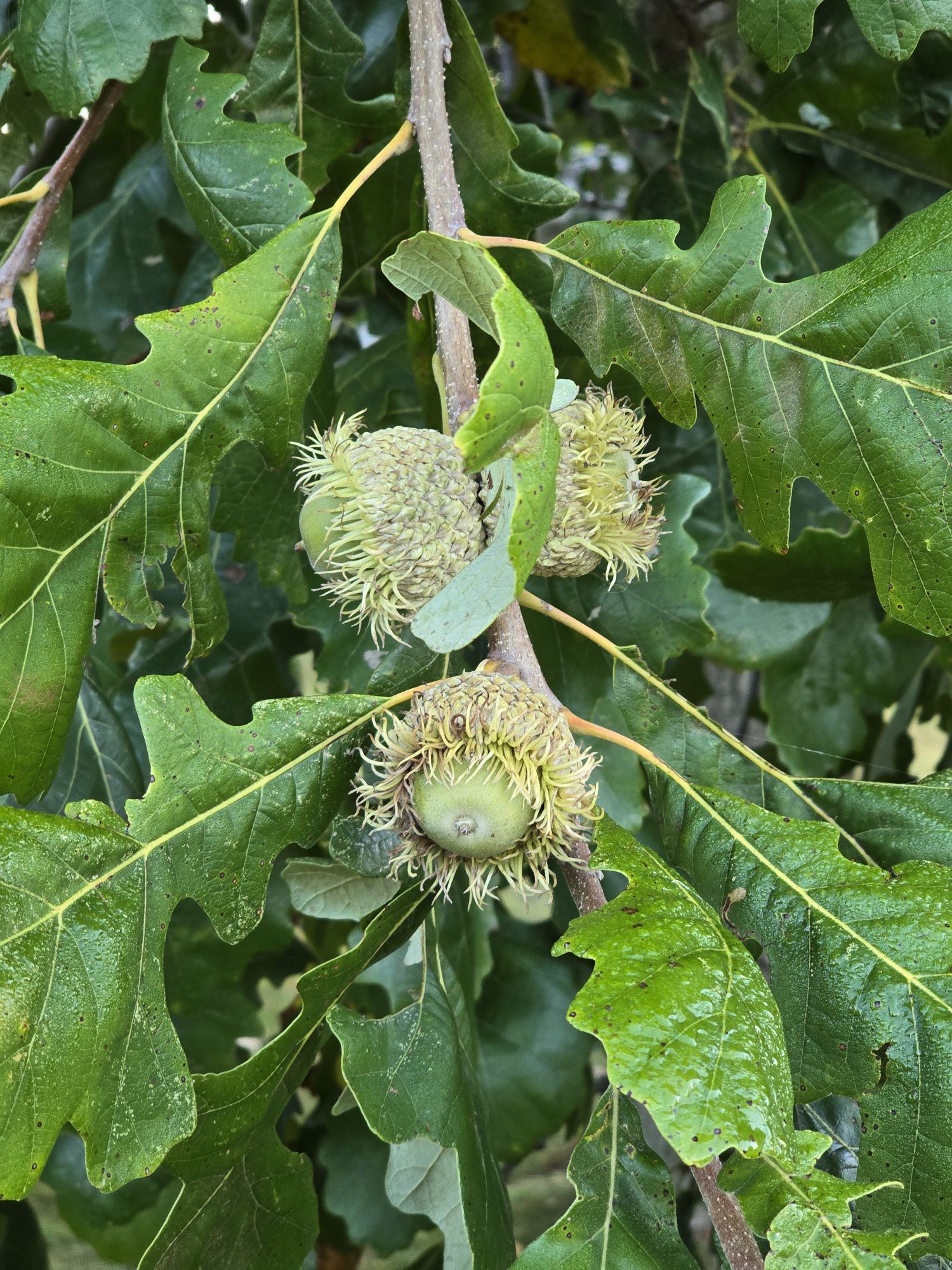
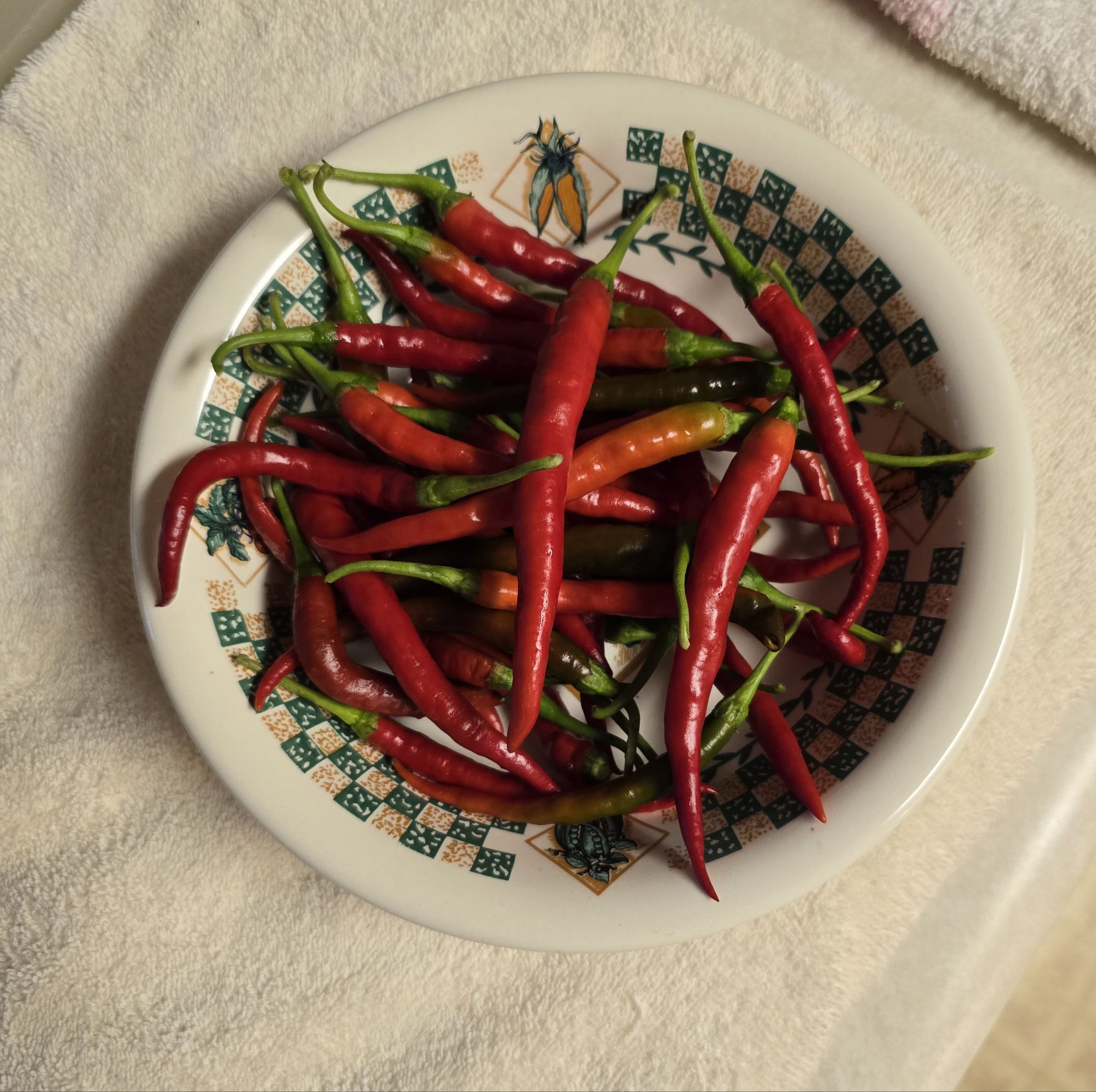
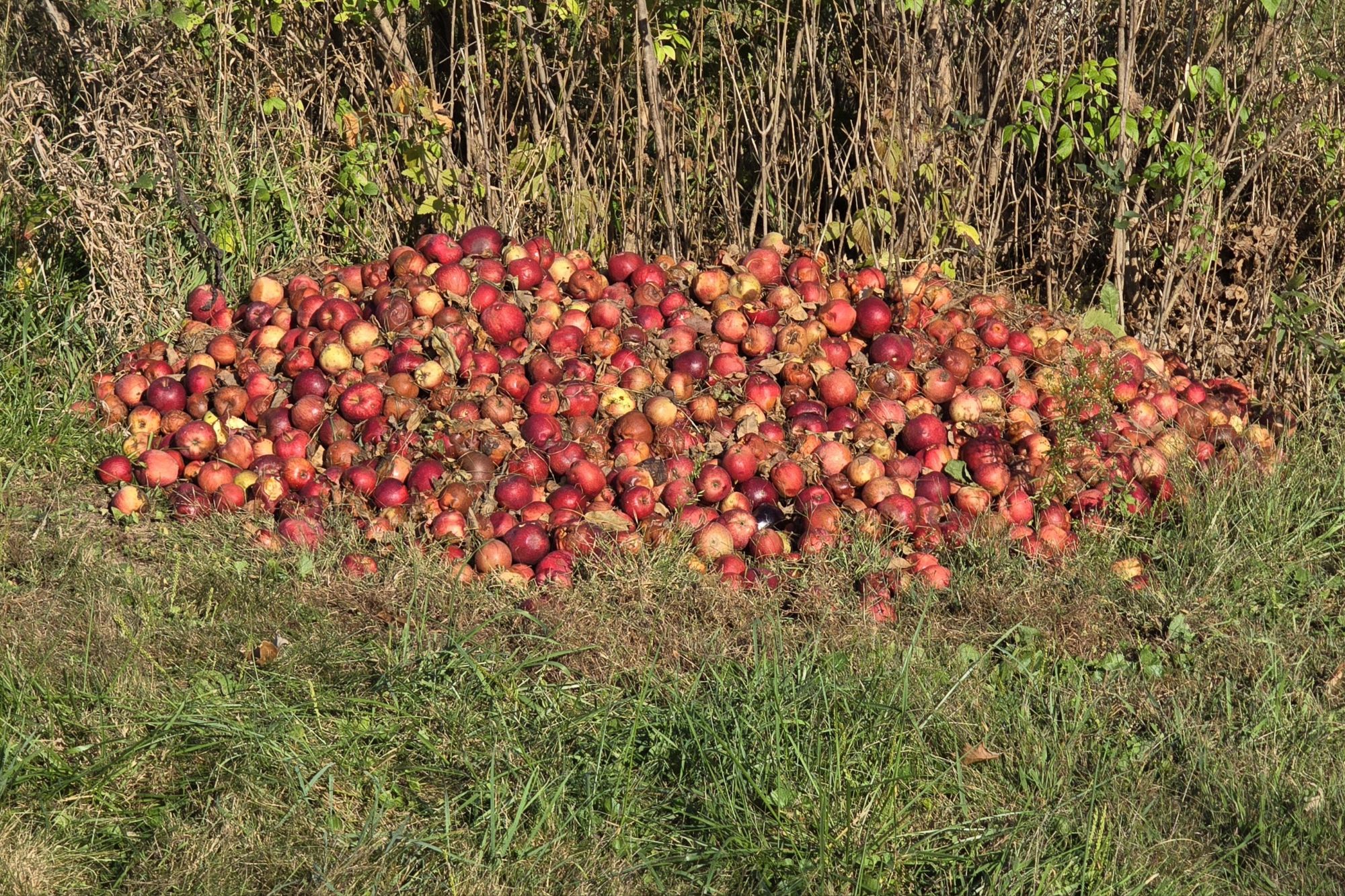
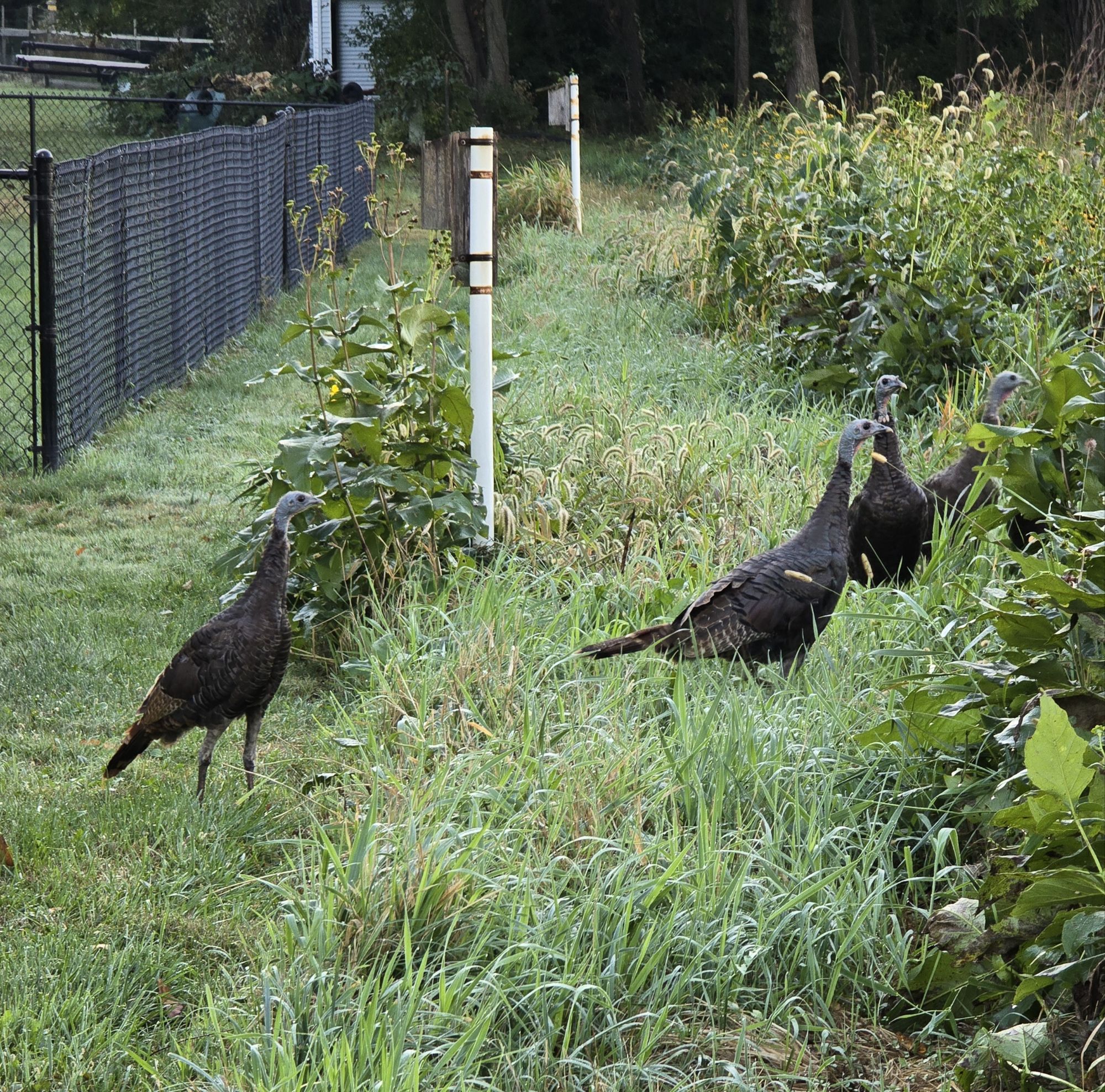
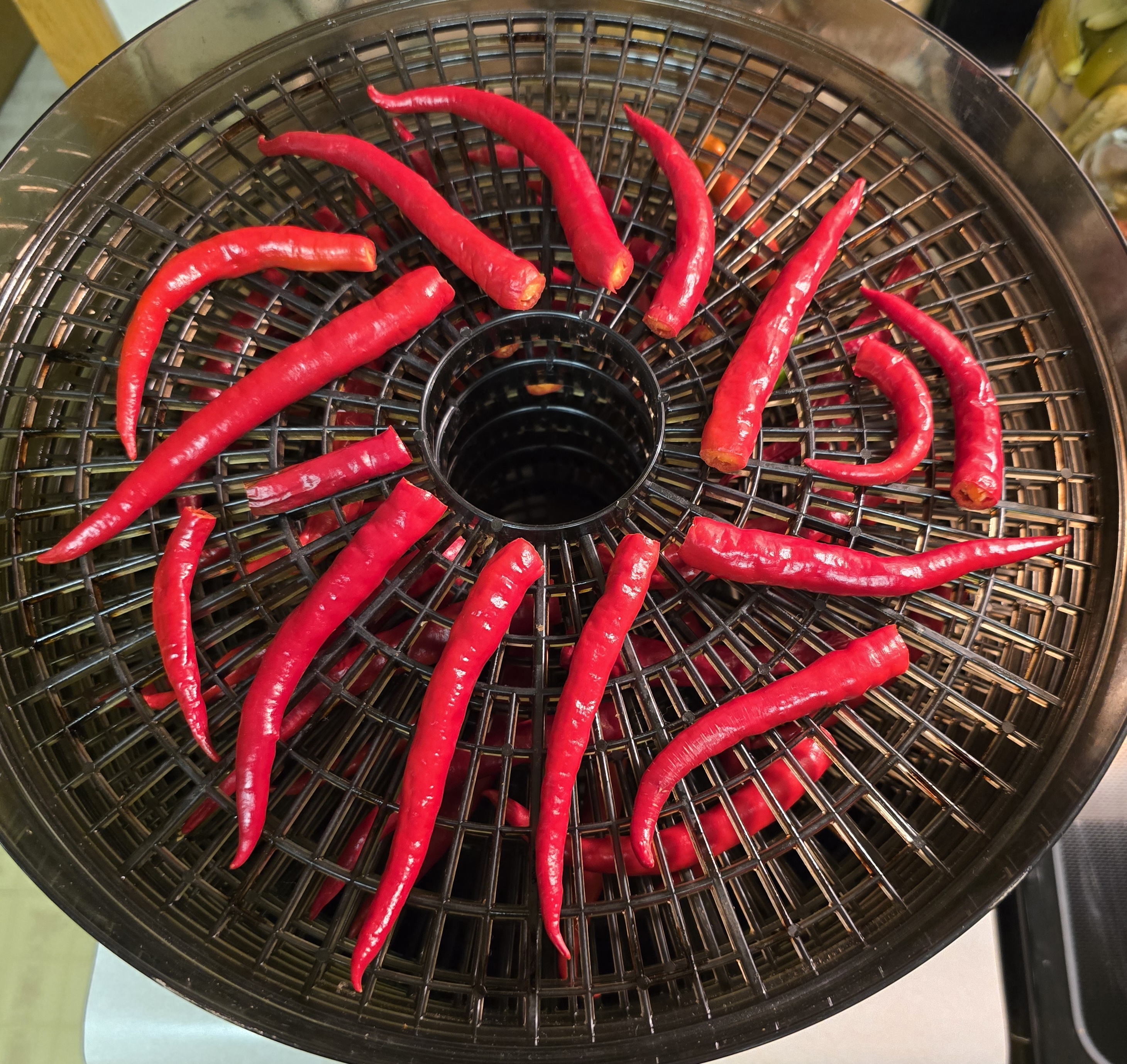
Bur Oak acorns.Gnarly apples make the best vinegar.Moon setting at dawn.The cayenne peppers keep coming from the garden. I dehydrate them, whiz them in the food mill and put them in jars for the kitchen and for gifting.Part of apple sorting is putting the low grade ones in a pile for wildlife. By spring they will be gone.Mist rising from the lake surface as overnight temperatures got into the 40s.Making apple cider vinegar dominated my work periods this week.Wild turkeys… likely aware hunting season is upon us.A high school classmate took this photo of the venue for our class reunion. That’s the Rock Island Arsenal bridge over the Mississippi River in the background.Sunrise on the state park trail.
Mount Rushmore on July 17, 2010. Photo by the author.
How does a photographer capture well-known sites? I would argue professional photographers whose work appears on post cards serve a useful function in capturing a personal experience.
This photograph of Mount Rushmore was created in part by my being there. Composition of the resulting image is due largely to the design of the visitors center which presented a platform from which I took it. The light is good and the talus provides context. However, picking up a postcard at the gift shop eliminates variations inherent in converting a digital image to a print. If you stick to selecting familiar images, postcards can be interchangeable with printed photos in terms of remembering the experience. I submit having both types of image upgrades the experience.
The advent of the “bucket list” likely ended a lot of meaningful photography. If Mount Rushmore were on my bucket list, I might have stepped in front of the camera to record myself with the famous sculpture. Maybe at home I would have a bulletin board where I pinned all my bucket list photographs. People are free to do what they want, but for me, the memory of that moment’s experience is what stands out more than a trophy photograph hanging on a wall or uploaded to a website.
Defining who we are in the context of our lives, and who we want to be matters more than an arbitrary list of places we seek to visit. Above all, it is about the experience. A personal photograph or postcard is a subset of what that experience is. Photos are not necessarily the most important part of it.
What was this experience about? My friend since seventh grade and I left our spouses behind and made a long road trip out west. The furthest point was Missoula, Montana where we visited another high school friend and their spouse. Mount Rushmore was one of the less interesting stops we made. We were so close to it we felt obliged to stop, so we did. It was tacked on to an experience about something else.
I am a bit old school in that I don’t see much purpose to video recording a well-know site. My aunt, uncle, and their family lived in Europe for a number of years. They took home movies on 8 millimeter film when they traveled. I recall one where they visited the leaning tower of Pisa and recorded the kids trying to push it the rest of the way over. It was a family joke, and that’s fine. I hope they bought a postcard to remember the architecture while they were at it, even if that wasn’t their interest. Life is not always a joke.
I had only one photograph in my memoir, An Iowa Life. However, I looked at a lot of them while writing it. A photograph invokes living memories and it was those memories that drove my writing. I expect to return to this image of Mount Rushmore when I get into the post-analog part of my life. For that purpose, it won’t matter if an image was one I took or a postcard. That’s as it should be.
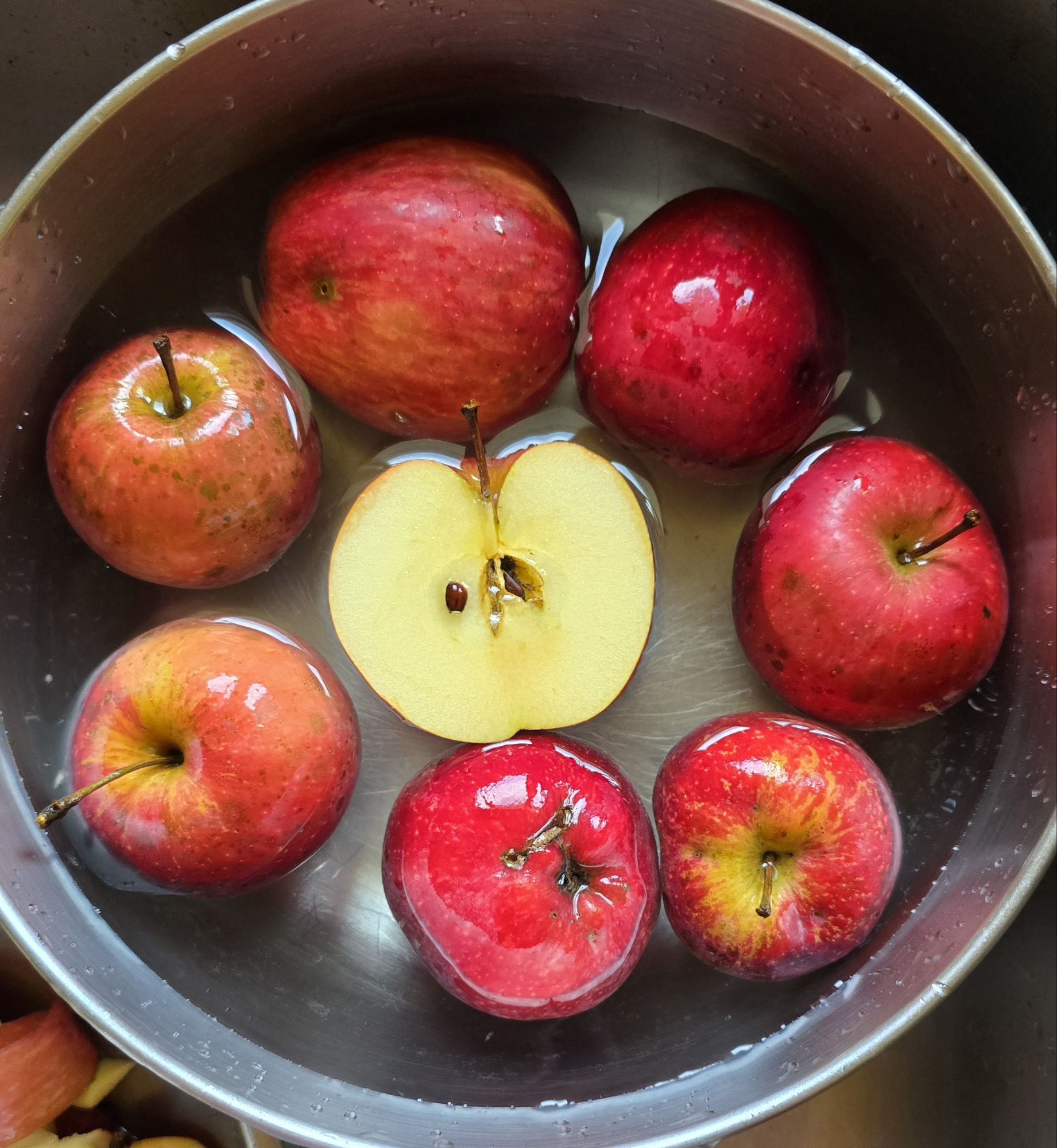
As the garden turned from tomatoes to apples, I captured plenty of images. Here are some of them.
Last of the garden tomatoes.Collard greens.Gleaning the garden.Bur Oak tree acorns.Sunrise on the state park trail.Milkweed bugs.Sunrise on the state park trail.Red delicious apples.Tomatoes donated to the food pantry.Cold pickled hot peppers.Bowl of pears.Big salad for dinner.Wild flowers.
It felt like progress as I went through the prints laid out on a table from one shoe box of photographs. I bought some 4.25 x 6.25-inch brown envelopes into which I duly sorted the prints and labeled with the contents. Since prints are scattered all over the house, this should make it a). easier to find a home for loose ones, and b). enable whoever inherits the collection to move quickly through them with a clue as to what they are about. I even managed to pick a few to shred because the images were repetitive or hard for me to know what they were. There were six of those. That’s not many given the scope of the project yet it was a big, personal step. I ran right over to the shredder so there would be no going back.
The photo above was taken when in 1979, friends with whom I worked at a department store in high school visited me in Mainz, Germany. They had married while I was overseas. We drove a rental car around France, stopping whenever and wherever it suited us. We visited a number of cathedrals, including Reims and Amiens, as well as Normandy, Mont-Saint-Michel, Belle-Île-en-Mer, Bordeaux, San Sebastián, Lourdes, Carcassone, and then traveled along the Mediterranean coast to Italy. We crossed the Swiss Alps from Italy and headed back home to Mainz. The two weeks were filled completely and passed quickly.
Hard to say where this sign was located. Somewhere on the Mediterranean Coast. The places we went on the coast were not very touristy. That was one of the ideas that energized the trip. We found our own path and the trip was better for it. We went places where an American Visa card was a novelty and the clerk had to contact someone to make sure it was legit.
I shot two or three rolls of film on my Minolta SRT-101 camera. The highlight of the trip was in Saint-Paul-de-Vence where we overnighted in a small hotel. The artist Joan Miró was in residence at the nearby Fondation Maeght where he was making a film for French television. It was interesting to see the director coaching the artist about how to move for the camera. We toured the gallery and bought posters of the show to remember it by. I framed and still have mine. Alas, no photos of the artist as it wasn’t allowed.
As an organizing principle, putting photos taken on a specific trip together is conventional. None of them found their way into an album, although the makings of one was there. In retrospect, It is hard to believe I could get two weeks away from work as a military officer. Images like this one help me remember how close I was to my small group of high school friends. Isn’t that one of the purposes of photography?
~ Read all the posts in this series by clicking here.
You must be logged in to post a comment.