Image of Earth 7-6-15 from DSCOVR (Deep Space Climate Observatory)
We witnessed climate change in Eastern Iowa. For me, it’s personal.
• The 1993 flood delayed progress building our home as we moved from Indiana.
• We experienced multiple straight line wind events that damaged the house, uprooted trees, blew down large branches, and tore through our neighborhood.
• Record flooding in 2008 filled much of the Iowa and Cedar River basins, backing up water into the Lake Macbride watershed to within 100 yards of our home. It made roads around us impassible and devastated many nearby places.
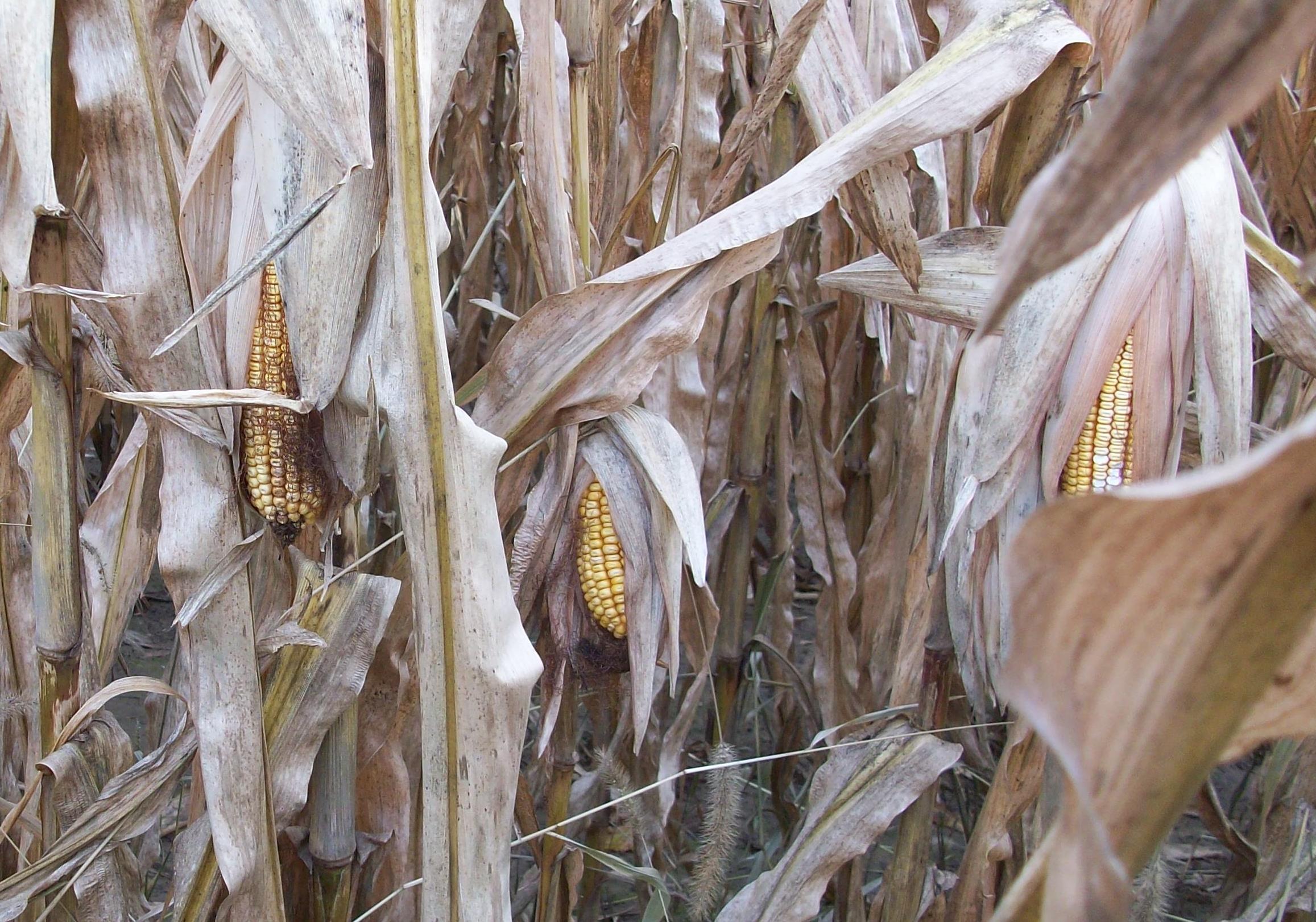
• Record drought in 2012 made life outdoors miserable. It negatively impacted crops. Corn yield in Johnson County decreased from 171.9 bushels per acre in 2011 to 132.4 in 2012, a 23 percent drop.
• There was a derecho on Aug. 10, 2020. In our yard it took down one tree and damaged several others. My greenhouse lifted into the air like Dorothy’s farmhouse in the Wizard of Oz. Winds up to 140 miles per hour destroyed 70 percent of the tree canopy in Cedar Rapids.
I know about climate change from living it, as do most Iowans. It’s time for our Republican members of Congress to work with Democrats and take action to mitigate it.
~ Published in the Iowa City Press Citizen on Oct. 30, 2021.
Last week was arguably the best summer weather we have had in many years. Temperatures were moderate and humidity low; some rain, but not too much; and glorious partly cloudy skies coupled with a light breeze. A bit of imitation vanilla extract on the nose, and even swarms of gnats couldn’t spoil the enjoyment.
Everyone I know who has a garden is having an abundant year of produce. Foragers can find plenty of black raspberries, and while the Iowa DNR sprayed the lily pads on Lake Macbride near Solon, one more toxic substance in the water won’t kill us — we hope.
Climate change is real. Any question that greenhouse gases are warming the planet, and are caused by human activity has fallen away to leave the more appropriate one, “what will we do about climate change?” The crazy weather we have been experiencing recedes from view on days like last week, while coal and natural gas power plants continue to dump CO2 pollution into the atmosphere like it was an open sewer to air-condition our homes. There are two issues: protecting what we hold dear from the effects of climate change, and doing something to address the causes of greenhouse gas emissions.
While addressing climate change is complicated, things we can do to help are not. Reduce energy use at home by turning off lights after leaving a room and unplug your computer and mobile phone chargers when they are not in use. Change how we think about transportation by consolidating errands. We should be doing these things anyway.
The point is not to radically change how we live, but to join the vast majority of Americans in acknowledging that climate change is real, and poses a tangible threat to how we live. Then take steps to personally do something about it. You will be glad you did.
On Monday, Oct. 18, I wrote my federal elected officials regarding the climate crisis. If U.S. Senators Chuck Grassley or Joni Ernst, or Representative Mariannette Miller-Meeks respond, I will copy the response below the text.
Dear Senator/Representative,
I hope you will support Democratic proposals to address the climate crisis.
As you well know, global warming is a crisis in Iowa.
I witnessed the effects of climate change multiple times since moving to our home near Solon.
The flood in 1993 delayed progress building our home as we moved from Indiana.
We experienced multiple straight line wind events that damaged the house, uprooted trees, blew down large branches, and tore through our neighborhood.
In 2008 there was record flooding that filled much of the Iowa and Cedar River basins, backing up water into the Lake Macbride watershed to within 100 yards of our home. It made roads around us impassible, and devastated Cedar Rapids, Iowa City and other nearby places.
In 2012 there was record drought which made life outdoors difficult and negatively impacted crops. In Johnson County corn yield decreased from 171.9 bushels per acre in 2011 to 132.4 in 2012, a 23 percent drop.
On Aug. 10, 2020 there was a derecho which took down one tree and damaged several others on our property. My greenhouse lifted in the air like Dorothy’s farmhouse in the Wizard of Oz. Winds up to 140 miles per hour destroyed 70 percent of the tree canopy in Cedar Rapids.
I know about climate change from living it as do most Iowans.
I don’t expect you to agree with everything Democrats propose. We both know that’s not how legislation works. I urge you to find common ground with other members of the Congress and take needed action to prevent and mitigate the worst effects of our warming planet.
I signed up to be a mentor for the Climate Reality Leadership Corps virtual, global training this month. There are more than 500 mentors this time. It’s a chance to meet new people who are taking climate action. The training is also a form of renewal.
I attended the Chicago training in 2013. Since then I mentored groups in Cedar Rapids, and twice virtually. It is a unique kind of work. It is based upon Vice President Al Gore’s slideshow, An Inconvenient Truth. Gore updates the slides continuously and presents it so attendees get a current and terrifying picture of the state of climate change on Earth. It is a crisis.
Sleep came slowly after viewing the first half of the presentation last night.
I wasn’t terrified by the terrifying information Mr. Gore presented. I witnessed the effects of climate change multiple times since moving to Big Grove. The flood in 1993 delayed progress building our home as we moved from Indiana. We experienced multiple straight line wind events that damaged the house, uprooted trees, blew down large branches, and tore through our neighborhood. In 2008 there was record flooding that filled much of the Iowa and Cedar River basins, backing up water into the Lake Macbride watershed to within 100 yards of our home. It made roads around us impassible, and devastated Cedar Rapids, Iowa City and other nearby places. In 2012 there was record drought which made life outdoors difficult and reduced corn yields significantly. On Aug. 10, 2020 there was a derecho which took down one tree and damaged several others on our property. My greenhouse lifted in the air like Dorothy’s farm house in the Wizard of Oz. Winds up to 140 miles per hour destroyed 70 percent of the tree canopy in Cedar Rapids. I know about climate change from living it.
What kept me up late was a newfound sense of hope. There was cause to re-engage in preventing the worst effects of the climate crisis and in mitigating its damage. I couldn’t sleep while the prospect of making a difference surged through me.
The Climate Reality Project rightly focuses on the change in society that most affects global warming: increased burning of fossil fuels. We must find alternative, renewable sources of energy, stop burning fossil fuels, and keep them the ground. We must find and adopt breakthrough technologies for electricity generation to use them to electrify transportation, buildings and industry. Agriculture must play its part by reducing emissions and sequestering carbon in the soil. Let’s put new technologies to work releasing energy for the economy in a way that will improve our quality of life. We must stop using the sky as if it were an open sewer.
I ask myself, how can I make a difference where I live? Personal change is part of solving the climate crisis. We must reduce our personal reliance on burning fossil fuels. Collective action is needed more and that means finding and organizing like-minded people in our area who are inspired to take climate action.
A solution is not evident today. I’m hopeful over the next eight days, along with my colleagues, we’ll discover and take a path forward. I’m okay with losing a little sleep from excitement about our collective future for now.
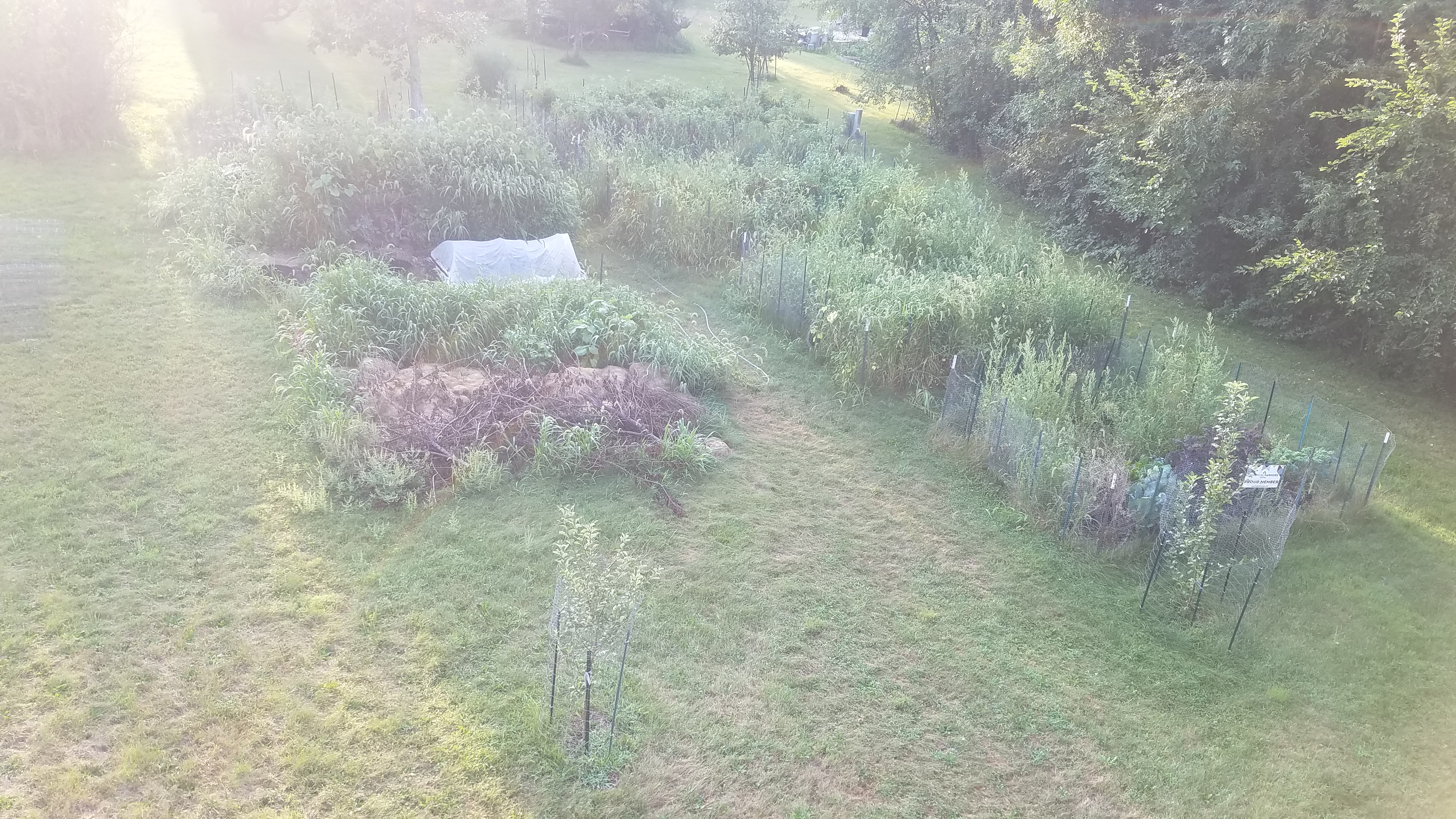
View of the garden from the rooftop, Aug. 28, 2021.
The gutters overflowed with water in a recent rain storm. During the following heat and humidity I climbed the ladder to have a look. Sure enough both sides were plugged with leaves and maple tree seeds. It took less than a minute per side to clean them.
While up there I inspected the roof. The south peak is showing wear, as it is windward. The roof will be good for a while longer. It was the only planned ascension this year.
I go indoors when the heat index is in the 90s. Ten or more years ago it didn’t bother me to work hour after hour in heat and humidity. With a cooler of water bottles on ice, I had everything needed to work straight through. The record drought in 2012 raised my awareness. I began needing a break from the heat about every hour or I would get dizzy. Now I don’t push it. If the forecast is in the high eighties and it’s humid I find indoors work to do.
It’s not like the lawn needs mowing. While the two recent rains greened things a bit, most of the grass remains dormant. I don’t like mowing when it is in this condition. The number of yard and garden tasks is backlogging into a real project. There is no reason it can’t wait until the ambient temperature is cooler.
Perhaps the worst thing about drought-like conditions, combined with a resurgence of the coronavirus, is the isolation. I have intense desire to be with people. Like with the heat and humidity, I’m taking no chances and staying home.
There will be a fall, I’m certain. It will get cooler. I will work in the yard again. In the second year of the pandemic I yearn to do things with people. I’ll be ready when inhospitable conditions abate.
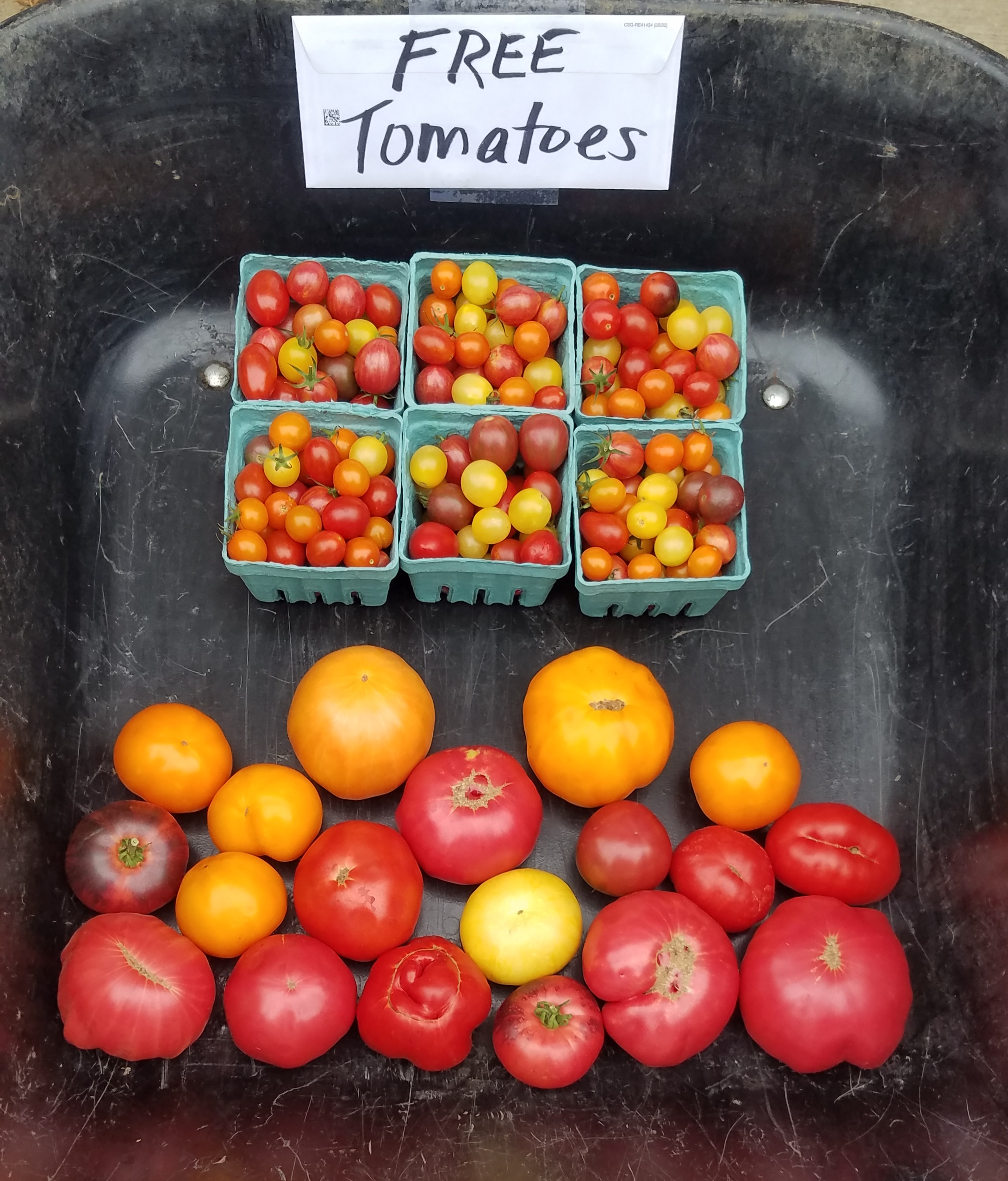
We had good rain a couple of days this week with predictable results: garden tomatoes are swelling and cracking, the lawn is turning green, and there are more mosquitoes buzzing around the garden.
The county public health department identified a pool of mosquitoes that tested positive for West Nile virus. They issued this press release:
Mosquito Surveillance Program Reveals West Nile Virus Risk
The Johnson County Public Health Mosquito Surveillance Program, in collaboration with testing from Iowa State University and the University of Iowa Hygienic Lab, have identified a pool of mosquitoes testing positive for West Nile virus (WNV). Mosquito samples from a trap located in Hickory Hill Park recently tested positive, suggesting mosquitoes with the potential to carry West Nile virus are likely present in the community.
This is the first pool of mosquitoes to test positive for West Nile virus in Johnson County, since the surveillance program was re-instituted in 2017. No human cases have been reported this season. “Historically, we are near the peak season for mosquito activity and potential WNV transmission, “said James Lacina, Environmental Health Manager at Johnson County Public Health. “Avoiding mosquito bites is the best way to limit the risk of transmission, along with reducing habitat, such as areas of standing water where mosquitoes may breed.”
People can take simple precautions to protect themselves against mosquito bites. • Use an effective, EPA-registered insect repellent. • Wear long sleeves, long pants, and socks when outdoors. • Limit time outside from dusk to dawn, when mosquitoes are most active. • Mosquito-proof your home by installing or repairing screens on windows and doors to keep mosquitos outside. • Eliminate mosquito-breeding areas by disposing of standing water from flowerpots, gutters, buckets, pool covers, pet water dishes, discarded tires, and birdbaths.
Email from Johnson County Public Health, Aug. 26, 2021
We don’t live near the park where West Nile virus was found yet I forwarded the notice to some friends who do. It is great to have a functioning public health department.
In other Thursday news, the Washington Post reported on release of the National Oceanic and Atmospheric Administration report “State of the Climate in 2020.” I haven’t read the 481-page document yet the news is not good, it is bad.
Contrary to some news stories about decreased greenhouse gas emissions during the coronavirus pandemic, an associated drop in carbon emissions was all but undetectable to scientists studying our air.
While humanity grappled with the deadliest pandemic in a century many metrics of the planet’s health showed catastrophic decline in 2020. Average global temperatures rivaled the hottest. Mysterious sources of methane sent atmospheric concentrations of the gas spiking to unprecedented highs. Sea levels were the highest on record; fires ravaged the American West; and locusts swarmed across East Africa.
Many measures of Earth’s health are at worst levels on record, NOAA finds by Sarah Kaplan, Washington Post Aug. 26, 2021.
We live in Biblical times with plague, locusts, drought, hurricanes, floods, rising sea levels and wildfires. The planet is literally burning up. While some hope for the rapture to take us from the problems of a deteriorating environment, the rest of us have to cope with the challenges of a planet whose atmosphere traps too much warmth.
Without consistent, concerted efforts to reduce emissions from burning fossil fuels and other human activities, scientists warn, Earth’s condition will continue to deteriorate.
Many measures of Earth’s health are at worst levels on record, NOAA finds by Sarah Kaplan, Washington Post Aug. 26, 2021.
Just read the two-page abstract of the report on page Siii. It is past time to reduce greenhouse gas emissions. No single person can make a difference. It will take all of us working toward the same goal.
It’s no consolation the planet will be fine. The people living on it will not. It’s past time to act on climate.
The food system is in transition and I believe the local food movement will come along with it.
The way Americans produce and consume food, with centralized growing operations at a distance from markets, is being forced to change because of a new and different climate. I believe changes will be positive over time, although they will take adaptation which will not be pleasant. The local food movement will focus on three types of operations: specialty growers, more complex farm operations centered around key individuals or a small group, and more kitchen gardens like mine. To some extent that structure already exists.
The ongoing, long-term drought made worse by climate change is taking a toll. The water shortage is acute in the Western U.S. because there has not been enough snow melt or rain. It should be called aridification rather than drought, because the changes are likely permanent. With the continuing water crisis, reservoirs and lakes across the west are at record low levels. A reckoning is coming and it means, among other things, higher prices and disrupted food supplies.
It’s not much better in Florida, Texas and Mexico. We long recognized growing lettuce and other produce in California and Arizona, and shipping it to the Midwest and East Coast, made little sense and was expensive in multiple ways. Have you ever tasted a Florida tomato? There are better alternatives. Because vegetables are grown with shipping in mind, taste has taken a back seat.
Producing food more locally is a natural reaction to disruption in food supply. In the settler days, before we had all these fancy supply chains, it was called “making do.” More people will grow some of their own food in backyard gardens, on decks and patios, or in community gardens. Not only does the food taste better, we can control the inputs to eliminate worry about pesticides and fertilizers. In the pandemic people lost some control of external events and one way they regained it was to become more self sufficient. So many people are preserving food that it has become difficult to obtain canning jar lids.
Labor is a basic problem the local food movement cannot solve. By growing food ourselves, the labor element is removed as we each invest labor to support our garden. Labor is an assumed investment and we scale personal labor in food production to fit our ambitions and the size of our garden or farm. Produce grown like this will meet some of our nutritional needs.
53 percent of Iowa corn goes to producing ethanol. If the country moves to electric vehicles, ready or not, adaptation is coming. The simple truth is either farmers find new markets for all that corn or adapt to other crops. Expect agricultural interests to oppose elimination of ethanol. Folks have proposed some of those crop acres be devoted to different kinds of produce, the kind people eat at the dinner table. However, it’s now or never to effect mitigation of climate change. There will be no choice but to adapt and land use is only one aspect of adaptation.
Climate change is real, it is having an impact on our lives, and unless we do something to reduce greenhouse gas emissions — on a large scale — it is going to get worse. Local food production can be part of the solution.
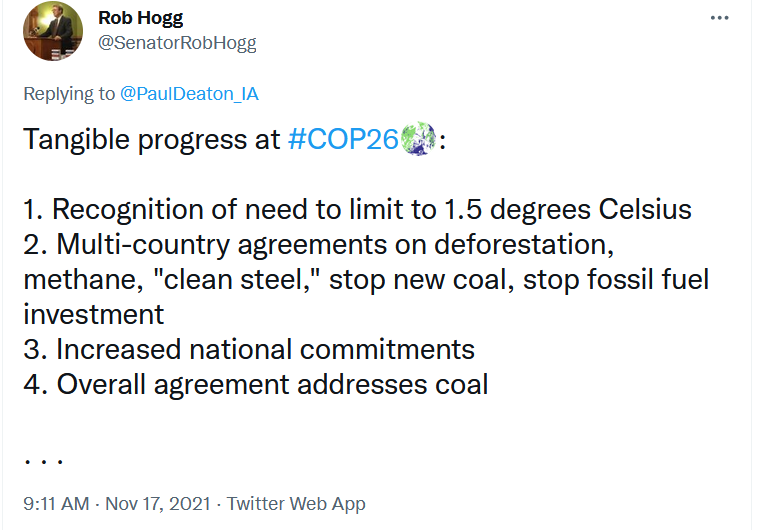
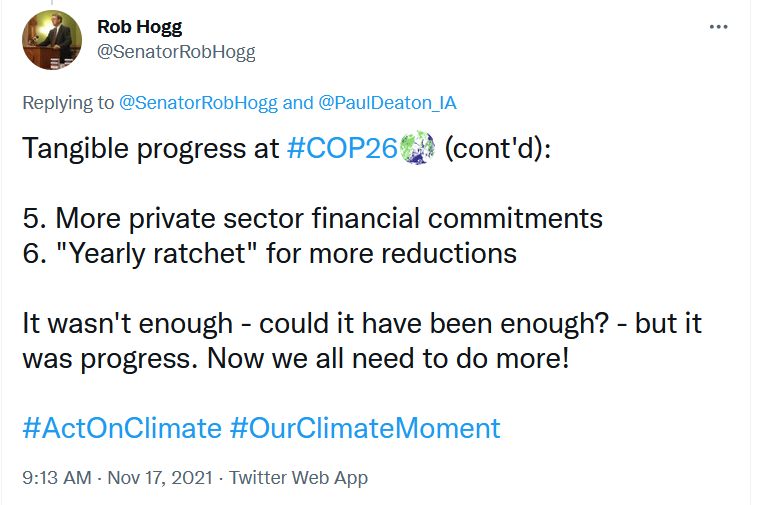
Today, the Intergovernmental Panel on Climate Change (IPCC) released their sixth assessment report of the global climate. The news is not good.
Human kind must reduce greenhouse gas emissions, and fast, to avoid the worst effects of the climate crisis, according to the report. On tomorrow’s one-year anniversary of the derecho, Iowa’s latest extreme weather event, the Hawkeye State should pay attention to what scientists have to say. So should we all.
Climate change is affecting every region on earth, in multiple ways.
Increases in drought with continued increases going forward.
Projected increase in extreme precipitation.
Projected increase in river and pluvial flooding.
Projected increases in winter precipitation.
There is a lot of information in the report and rather than summarize it here, I’ll direct readers to the report itself. There are summaries and a wealth of information. It can be viewed and downloaded at this link: https://www.ipcc.ch/report/ar6/wg1/
“If we reduce emissions to net zero by 2050, we can keep temperatures close to 1.5C,” wrote Dr Valérie Masson-Delmotte, co-chair of the IPCC. Achieving that would help prevent climate change’s worst effects.
~ IPCC is the international body created in 1988 by the World Meteorological Organization (WMO) and the United Nations Environment Program (UNEP) for assessing the science related to climate change.
Nothing better illustrates what’s at stake in mitigating the worst effects of climate change than the debate between eliminating internal combustion cars, trucks and SUVs, and Iowa’s corn ethanol business which produces automotive fuel. Simply put, we must curtail greenhouse gas emissions to avert the worst effects of global warming. That means reducing, then eliminating, internal combustion engines in automotive transportation.
Last week’s events brought the debate into focus.
On Thursday, Aug. 5, President Biden signed an executive order intended to strengthen America’s leadership in clean cars and trucks. Biden set a goal “that 50 percent of all new passenger cars and light trucks sold in 2030 be zero-emission vehicles, including battery electric, plug-in hybrid electric, or fuel cell electric vehicles.” Biden also addressed tightening emissions standards, improving fuel economy, and fuel efficiency and emissions reductions for heavy duty trucks. If acted on, this executive order is a substantial government effort to reduce the number of polluting vehicles on American roads, a major source of greenhouse gas emissions. The folks at The Climate Reality Project reflect my view, “Now we are moving in the right direction.”
Not so fast, said Iowa Governor Kim Reynolds, whose state devotes significant corn acreage to producing ethanol for automotive use. She apparently heard this executive order was coming and had the following statement ready to go the same afternoon.
President Biden’s short-sighted stance on electric vehicles is undermining Iowa’s renewable fuel industry while simultaneously jeopardizing America’s energy independence. This announcement follows the Biden Administration’s failure to support renewable fuels in the infrastructure package currently being negotiated in Congress. It’s a harmful pattern that must be reversed.
With the policies we see coming out of Washington, it’s never been more important that Iowa fights for renewable fuels like ethanol and biodiesel while looking for new ways to invest in the high-quality products we produce right here, right now in our state.
Press release from the Office of the Iowa Governor via email, Aug. 5, 2021.
I couldn’t disagree more with Governor Reynolds. 53 percent of Iowa’s corn crop goes to ethanol production, according to Iowa Corn. A third of that makes a livestock feed co-product and the rest into ethanol fuel. One did not need to be a psychic to predict farmers were not going to like it when passenger cars, SUVs and light trucks all go electric, likely in my lifetime. The better action for the governor–than propping up the internal combustion engine in automobiles and light trucks–is determining the future use of those corn acres once ethanol is no longer needed as a fuel.
Either we have the political will to address the climate crisis or we don’t. It seems clear President Biden is willing to take bold action to address global warming, as evidenced by his direction on electrifying cars and light trucks. While some in the environmental movement say he is not bold enough, last week’s executive order would never have been signed by a Republican president. Governor Reynolds’ pushback was predictable and an argument for maintaining a status quo that has not been good for Iowa in terms of soil depletion, air quality, water quality, crop diversity, and economic and environmental sustainability.
As this plays out in coming weeks and months, the dynamic between the White House and Iowa’s Republican governor will be important to watch. What shall we do to address the climate crisis? According to President Biden we can and must do something. Moving toward electric transportation vehicles is a positive step, even though farmers will have to adjust. We have to do more to address the climate crisis.
Despite the debate and inevitable conflict, the country has to adjust to our future needs. The debate between government and farmers is not new. It has never been more important as the future livability of our planet is at stake. It’s now or never on climate.
Despite near drought conditions most of this growing season, our garden is producing the best crop I can remember. Our ability to irrigate is most of that. I’m also becoming a better gardener. We don’t have it as bad as California does.
Because of dry conditions over an extended period of time, California farmers are letting fields go fallow. Without rain or irrigation there is no point in putting seeds in the ground. California Governor Gavin Newsom issued three drought emergency proclamations this year, in April, May and July. The state called for residents to reduce water use by 15 percent to stretch supplies and protect water reserves. While this drought is not the worst on a 1,000 year time line, it is bad and if it continues it will affect what shoppers see in grocery stores. It goes without saying prices will trend upward.
Because of drought in western states, what we do in our Midwestern back yards increases in value.
When Michael Pollan released this video in 2010, the landscape for local food was different. His focus was on the amount of fossil fuel it took to produce vegetables in California and distribute them across the United States. He also discusses the energy required to make processed foods, like Hostess Twinkies. While avoiding global warming remains a reason to eat locally, with drought made worse by climate change, supply becomes an issue. If California farmers are not planting crops, if almond trees are not sustainable there, how will we get nutritious food? There are few better solutions than growing one’s own and sourcing locally.
You must be logged in to post a comment.