Categories
Social Commentary

Chicago Settles In

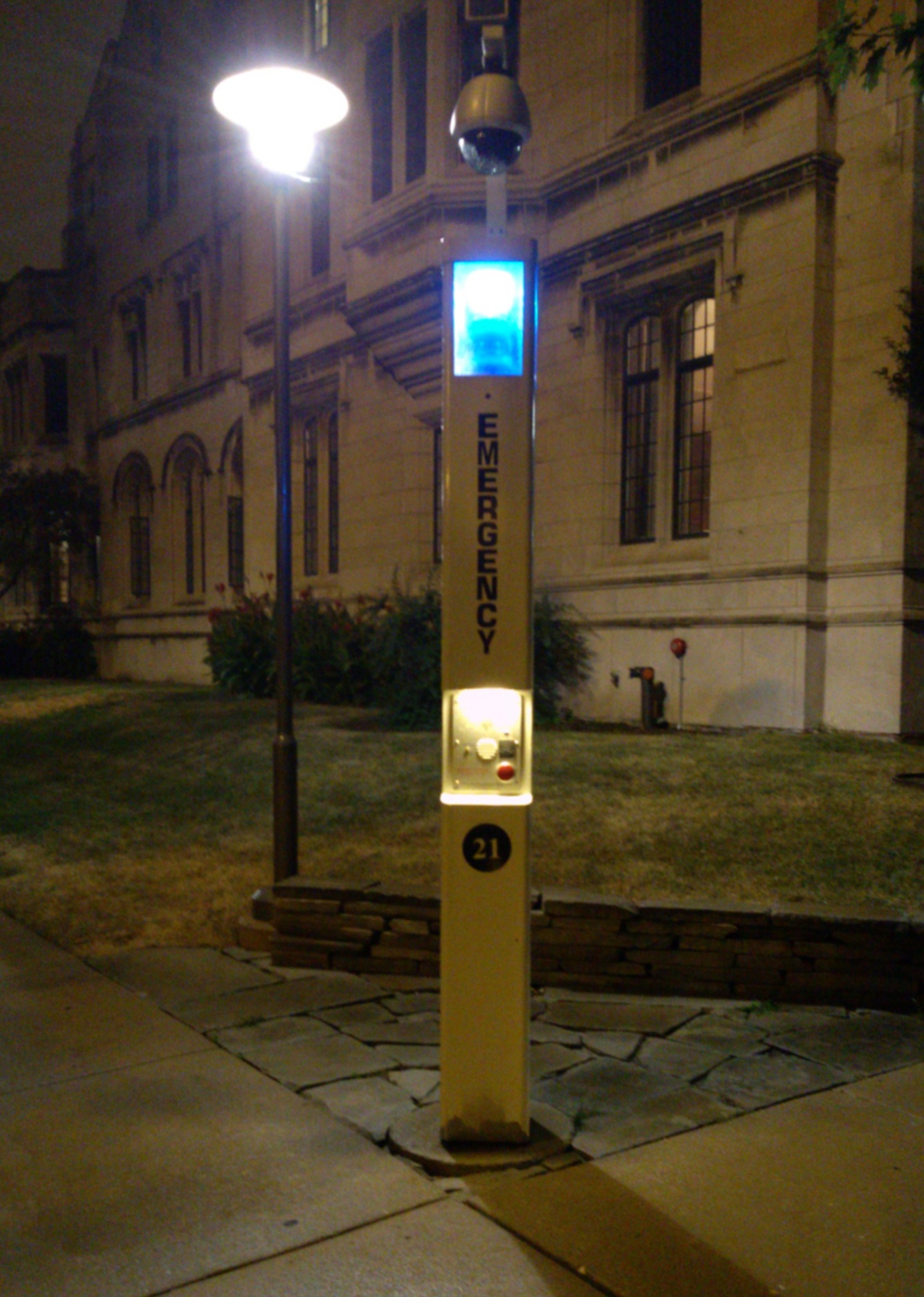
Police Call Box
Police Call Box

CHICAGO, Ill.— My third day in Chicago and most noticeable is how isolate and deserted everything seems. Metra riders move deliberately through the motions of public transit, saying little. Well groomed, they move diligently toward their destinations, one wearing plastic bags on her feet to keep the rain from the dressy work shoes. The 59th Street station has been empty each time I rode the train.

On the way to my bed from the station, I passed countless police telephones and friendly security people in drizzling rain, as if to say there may be danger on this quiet street, but people are watching in the dim blue light of the call boxes. Sleep came quickly after a long day.

This morning, I drove along Lake Shore Drive and through the truck marshaling area for McCormick Place to parking Lot B. It’s cheap there, $14 the day, and an easier getaway after today’s work. The meeting room was accessed through a labyrinthine path of underground, past truck docks and security, with the din of fans and clatter of forklift trucks. Almost alone, I found the path, avoiding doors locked against early morning intruders and riding escalators up and down the levels of the building. I solemnly made may way to the concourse in search of coffee.

I’m no longer new to Chicago, and have driven and walked her streets— no longer do I get lost. It is a city that minds its own business, with nose to the grindstone of industry. A place where external signs hide everything that matters. Chicago has settled in to lives more diverse than Sandburg envisioned. The city of big shoulders is hunched over into individual lives within the enclaves of a consumer society.

Categories
Social Commentary

Don’t Build the Danged Fence

The U.S. Congressman from Iowa’s fourth district made some comments about immigration recently. Actually, he’s made a lot of them over the years. We can’t let him frame the discussion or worse, re-distribute his memes. For why, read Mark Karlin’s interview with George Lakoff, “Progressives Need to Use Language That Reflects Moral Values.

The idea of building a fence around the U.S. border is as lame as a joke about corn at a 4-H meeting, funny though those jokes may be. Proponents of what Senator John McCain of Arizona called the “dang fence” across the southern U.S. border, don’t get the humor. In 2010, I wrote about immigration,

The author believes that as long as we maintain borders, we create a form of apartheid where the haves (in the U.S.) will use the have-nots (in Mexico, China, India and Africa) to do their menial work here or in their countries, largely without social justice. The borders serve to keep them out, when we should be letting them in. America will grow stronger with open borders, even if most Americans and some Arizonans don’t believe it.

Troll activity on Blog for Iowa was heavy after that post, mostly from organized groups who favored restricting immigration, illegal immigration particularly. The same folks who gave us Arizona’s SB 1070.

To deny the global reality of population growth is plain dumb. To think the U.S. can keep everything to ourselves reflects a lack of understanding about who we are as a people, and how we fit into the global village.

To deny the effects of our wars on the creation of conflict migration is to ignore the vast amount of U.S. blood and treasure invested in our endless wars.

To deny climate change is to lack an understanding that it will impact not only small island nations like Tuvalu and the Maldives, but will result in tens of millions of people needing someplace to go.

To deny the economic reasons why undocumented people from Mexico, Guatemala, and other places in central America come north is evidence of a misunderstanding of the role U.S. policy and the North American Free Trade Agreement played in creating economic reasons for the migration.

There is nothing new in these denials and a lot to learn.

What we learned in grade school that applies is from the Great Wall of China. Our teachers taught us that while the wall may have been successful in keeping nomadic groups and warlike people out of China, the unintended consequence was that Chinese culture calcified during the period. Whether what our teachers taught us is historically accurate, I can’t say, but it makes sense. The United States will be the less for building a fence to keep people out.

So as we hear outrageous comments about immigration in the media, and in conversations in society, I urge you to refrain from repeating their memes. Instead, work toward solutions. There is no single resolution to the need for immigration reform in this country. But it begins with each of us, individually and collectively.

While you’re at it, and while I’m being a bit preachy, read Derrick Jensen’s article in Orion Magazine, “Forget Shorter Showers: Why personal change does not equal political change,” and get involved in local politics.

~ Written for Blog for Iowa

Categories
Social Commentary

Story of a Small Town Parade

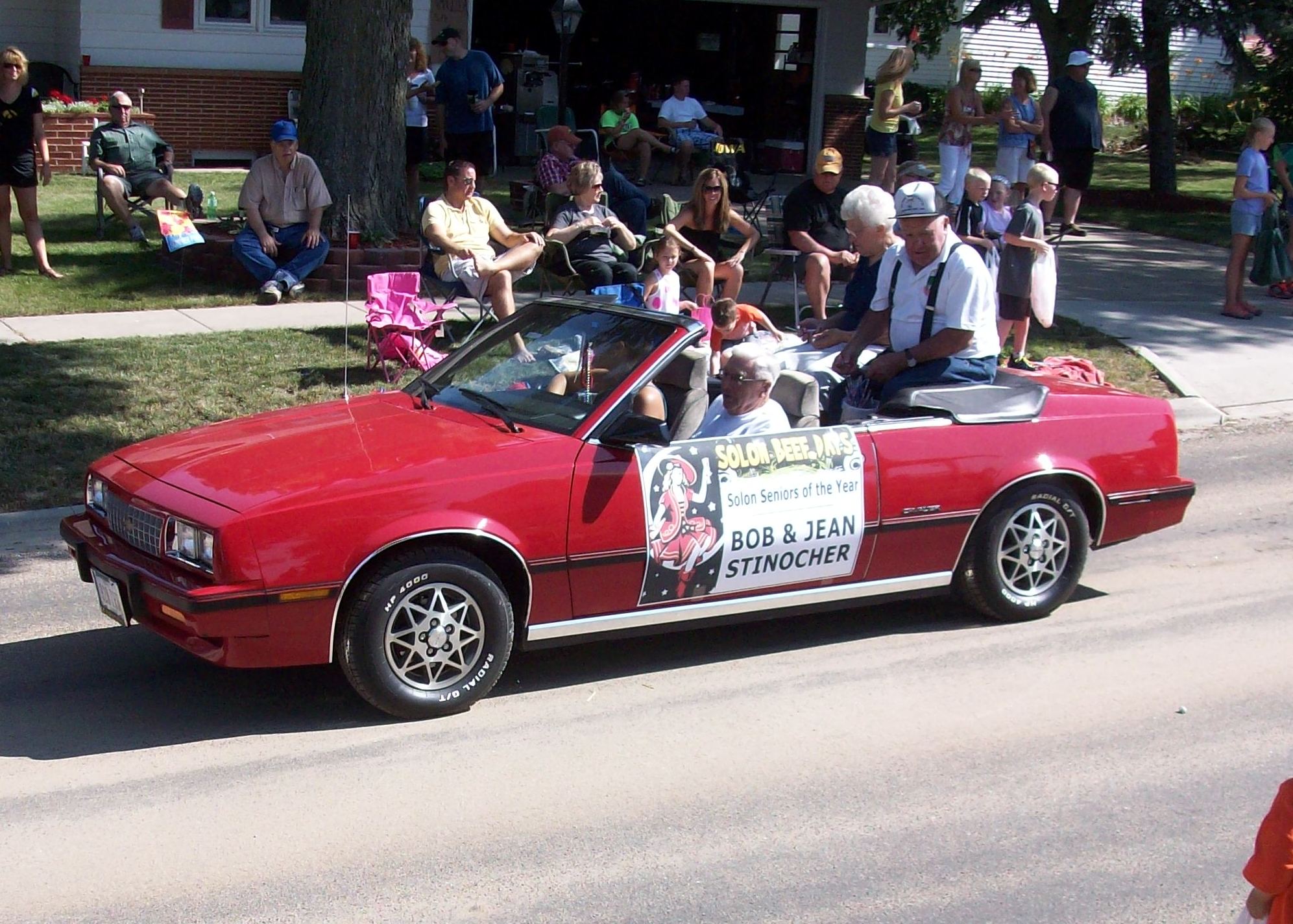
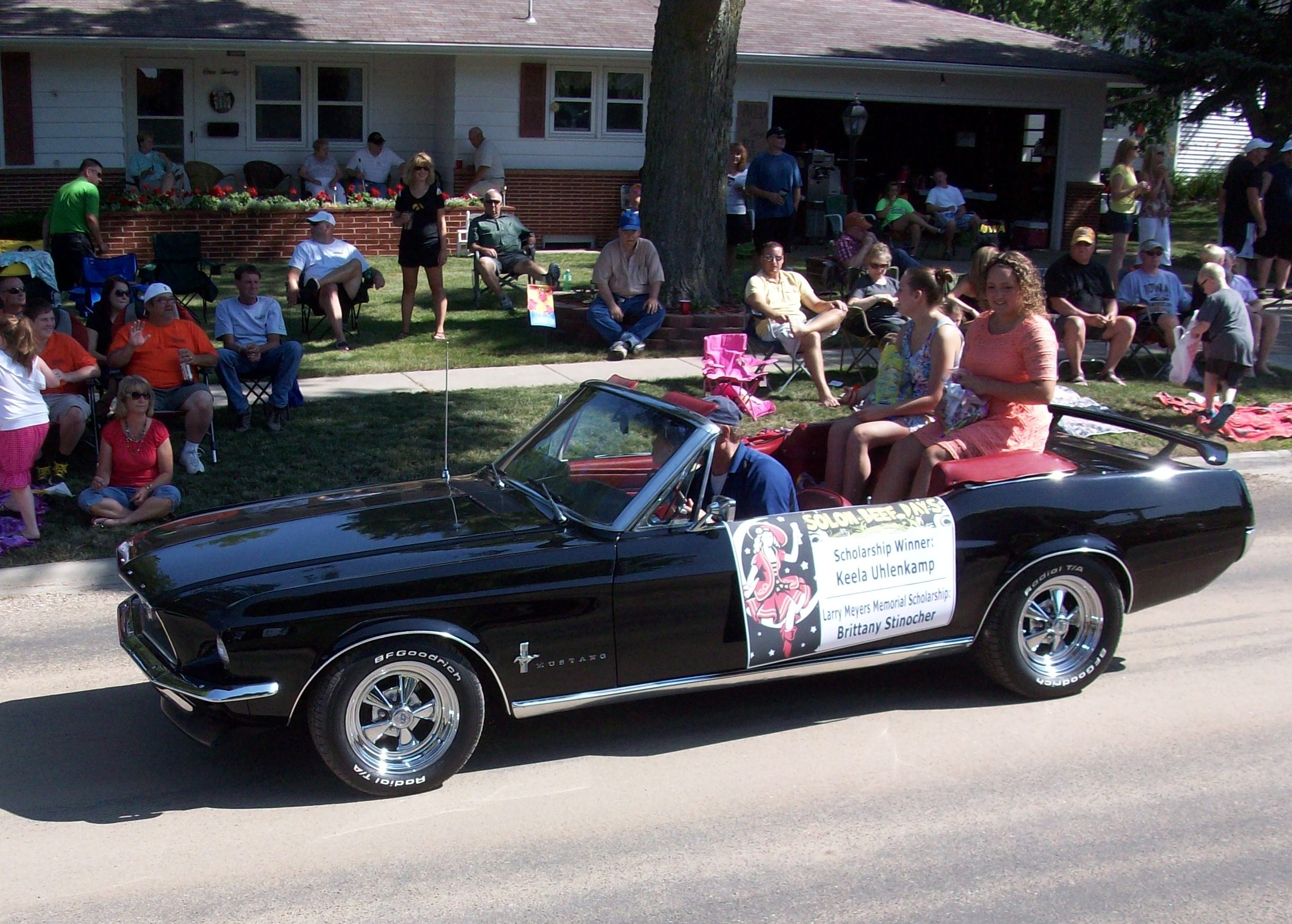
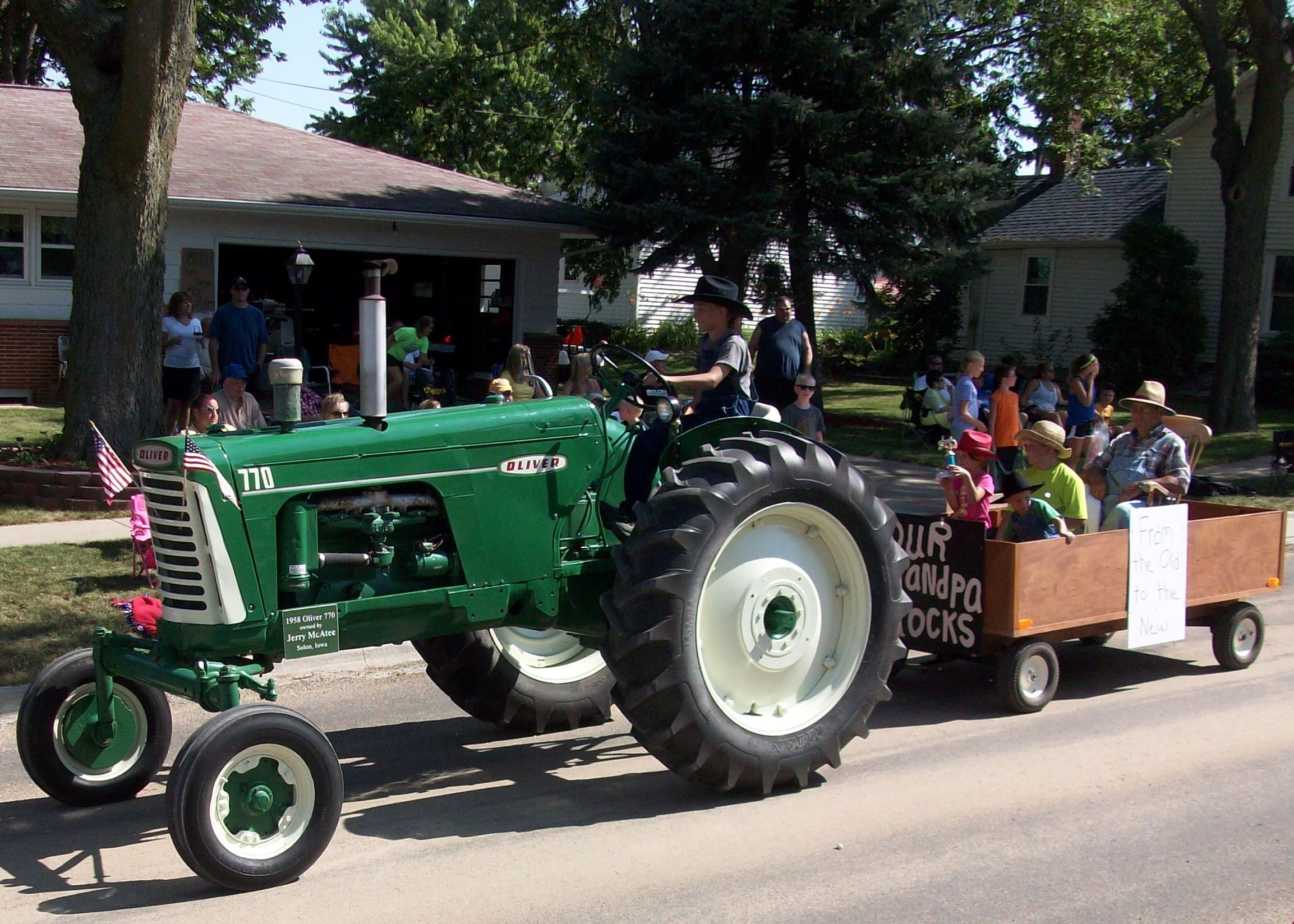
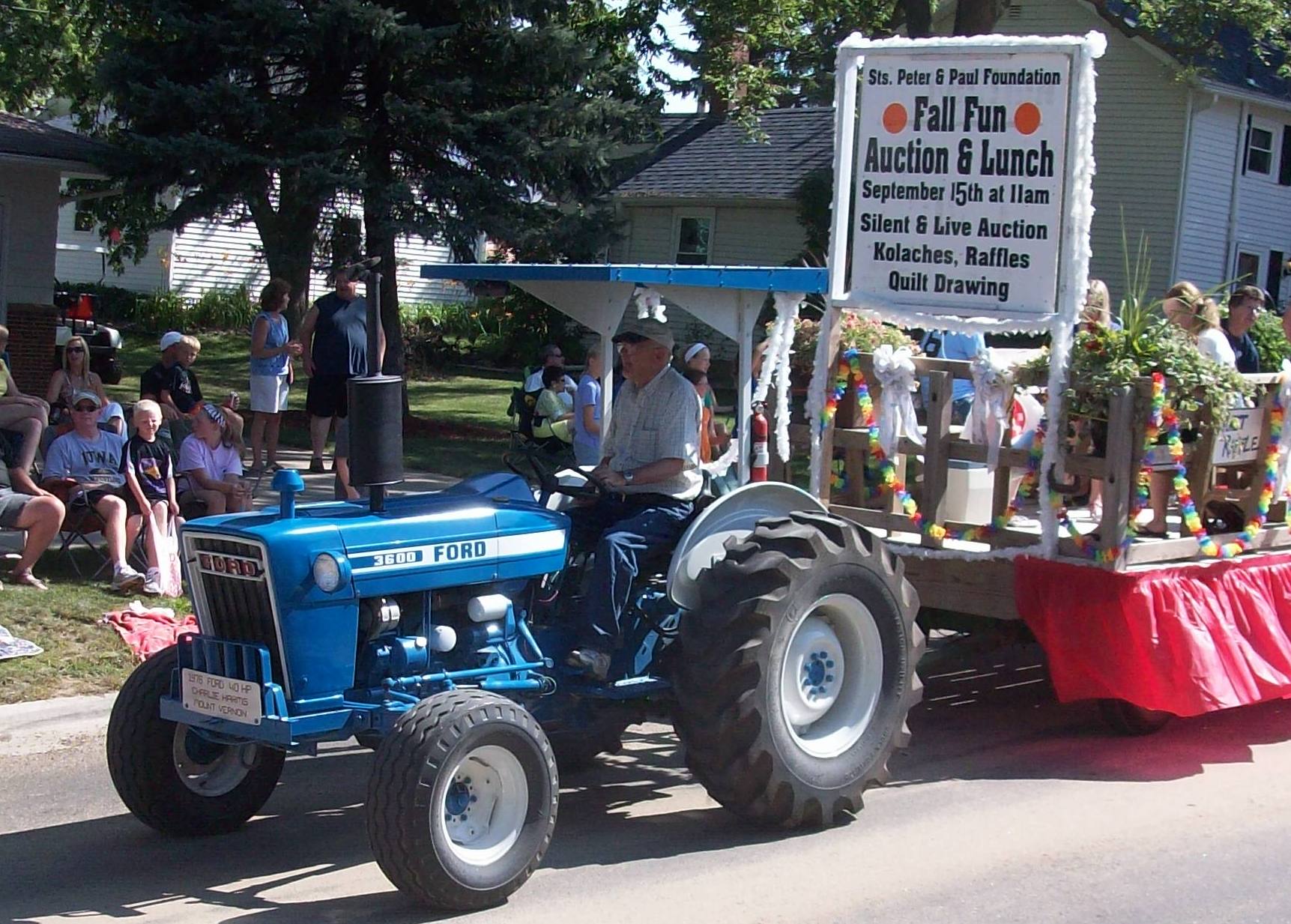
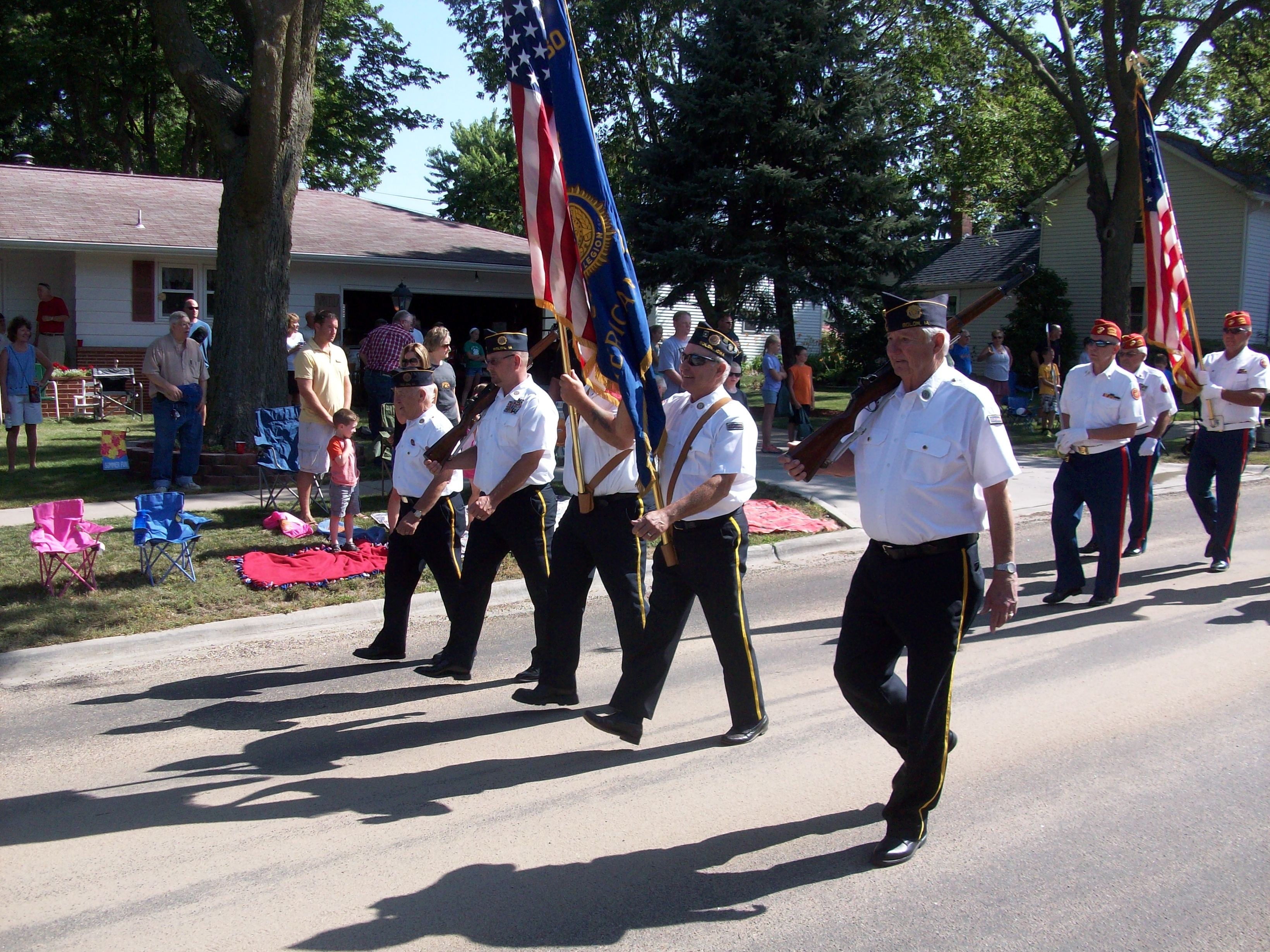
SOLON— For the first time ever, I watched the entire Solon Beef Days Parade as a spectator. What struck me as different was how a parade tells the story of a community. In this brief photo gallery, I attempted to capture that story as I saw it.

The Legion Color Guard always goes first.
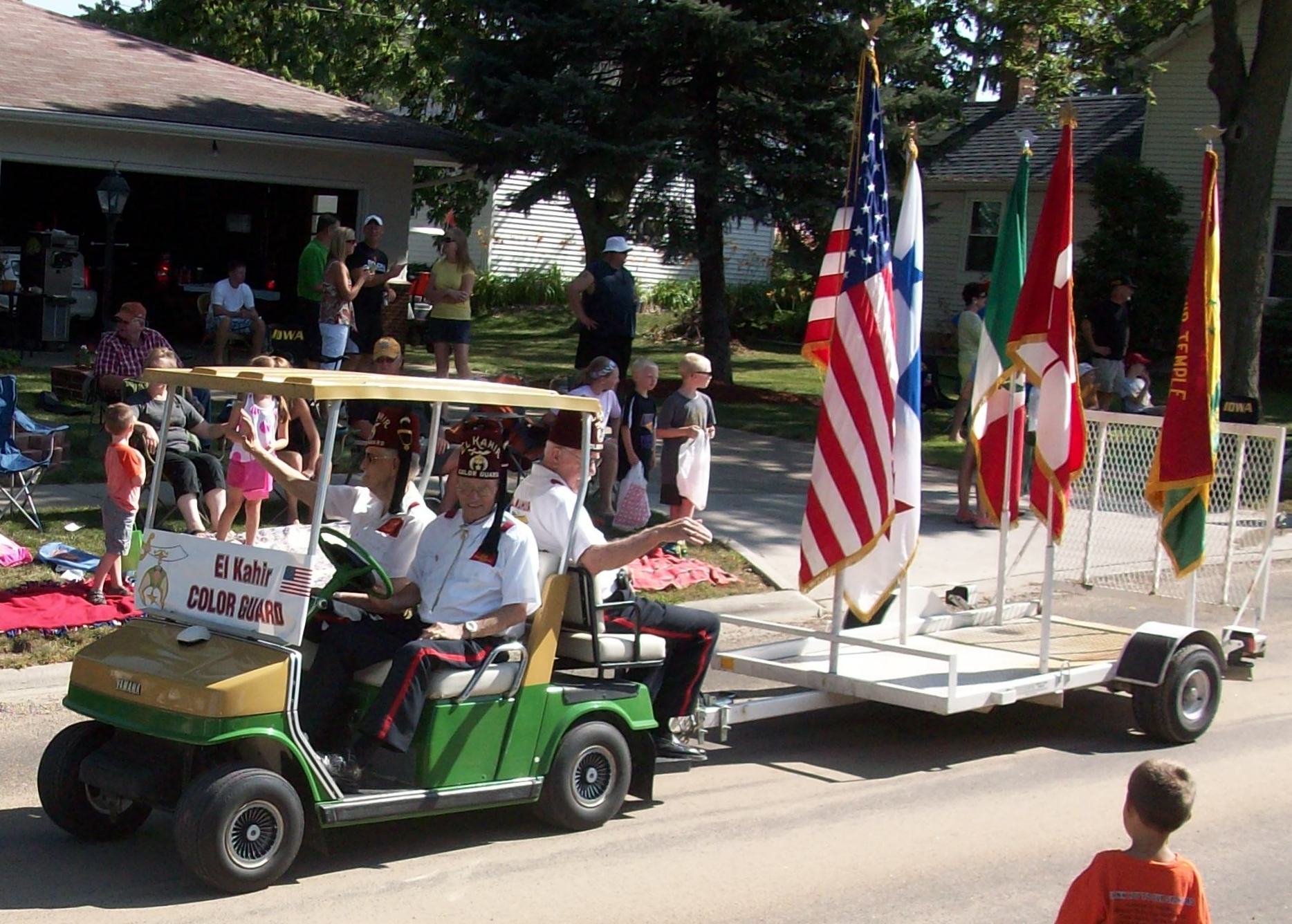
There are shriners wearing peculiar hats...
There are shriners wearing peculiar hats…
... and playing patriotic music.
… and playing patriotic music.
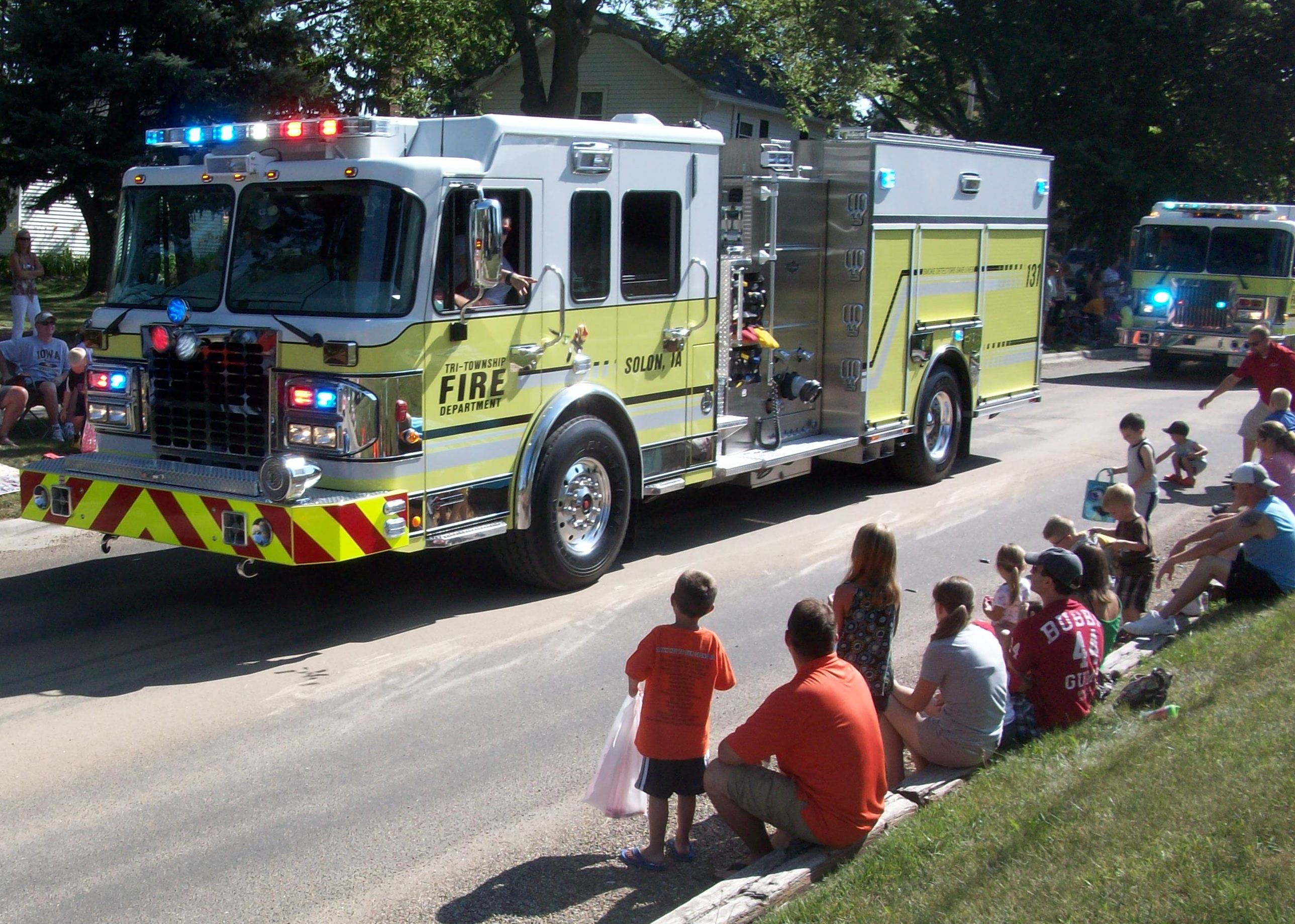
Followed by Our Fire Trucks.
Followed by our fire trucks…
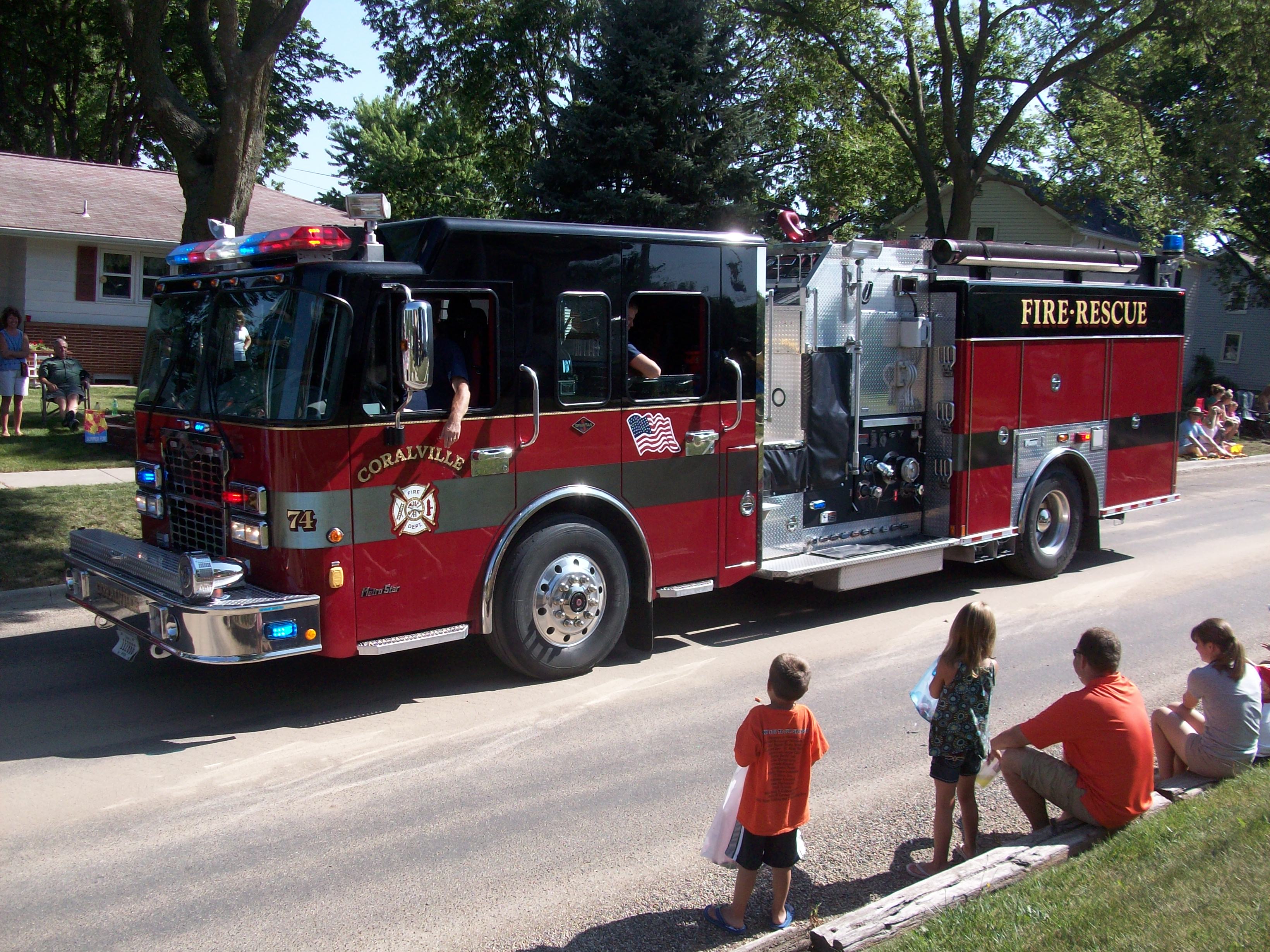
... and those of neighboring towns.
… and those of neighboring towns.
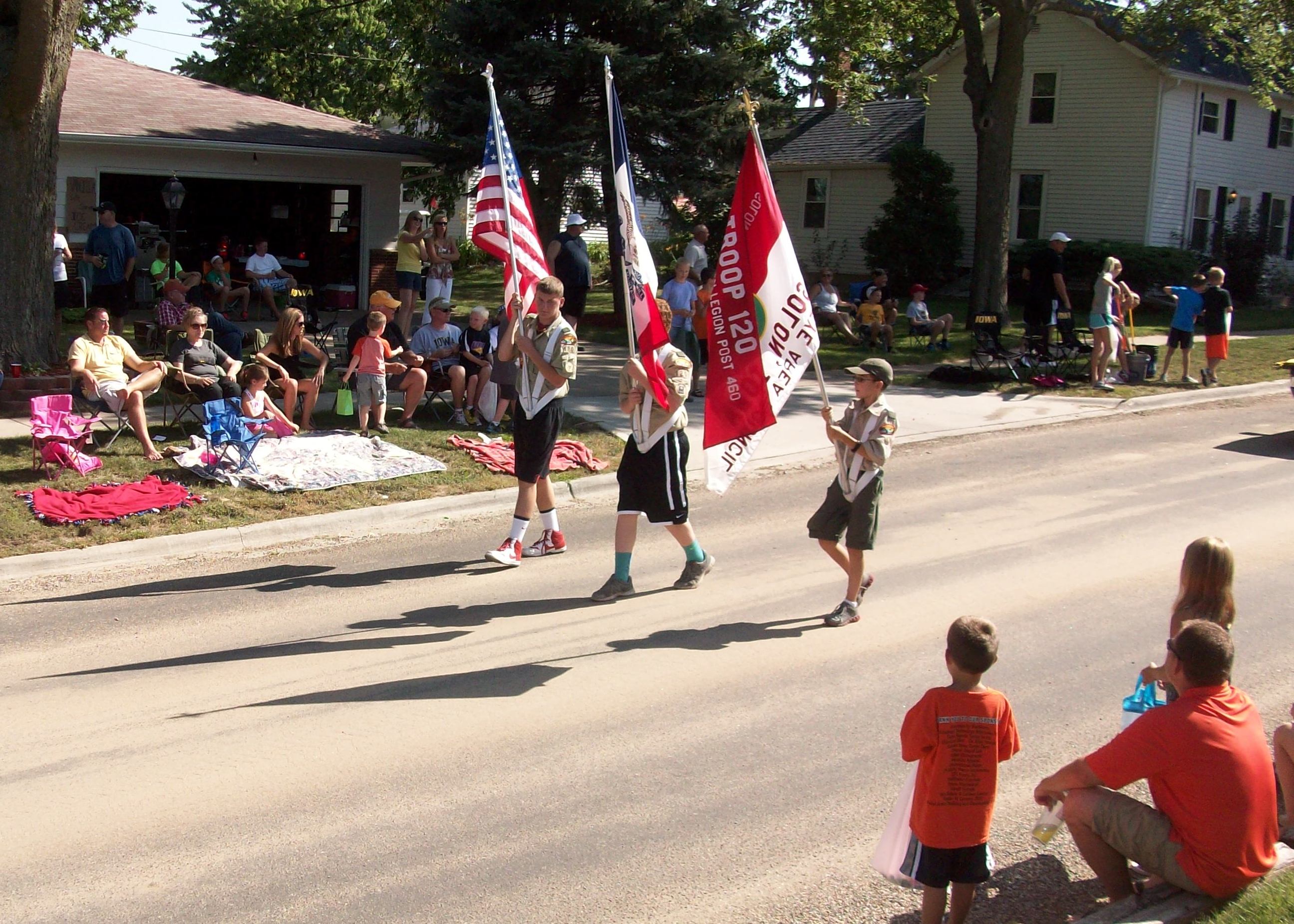
The boy scouts also have a color guard.
We show off our seniors of the year.
We show off our seniors of the year…
... our scholarship winners...
… our scholarship winners…
... our mayor...
… and our mayor.
There are green tractors,
blue tractors,
blue tractors,
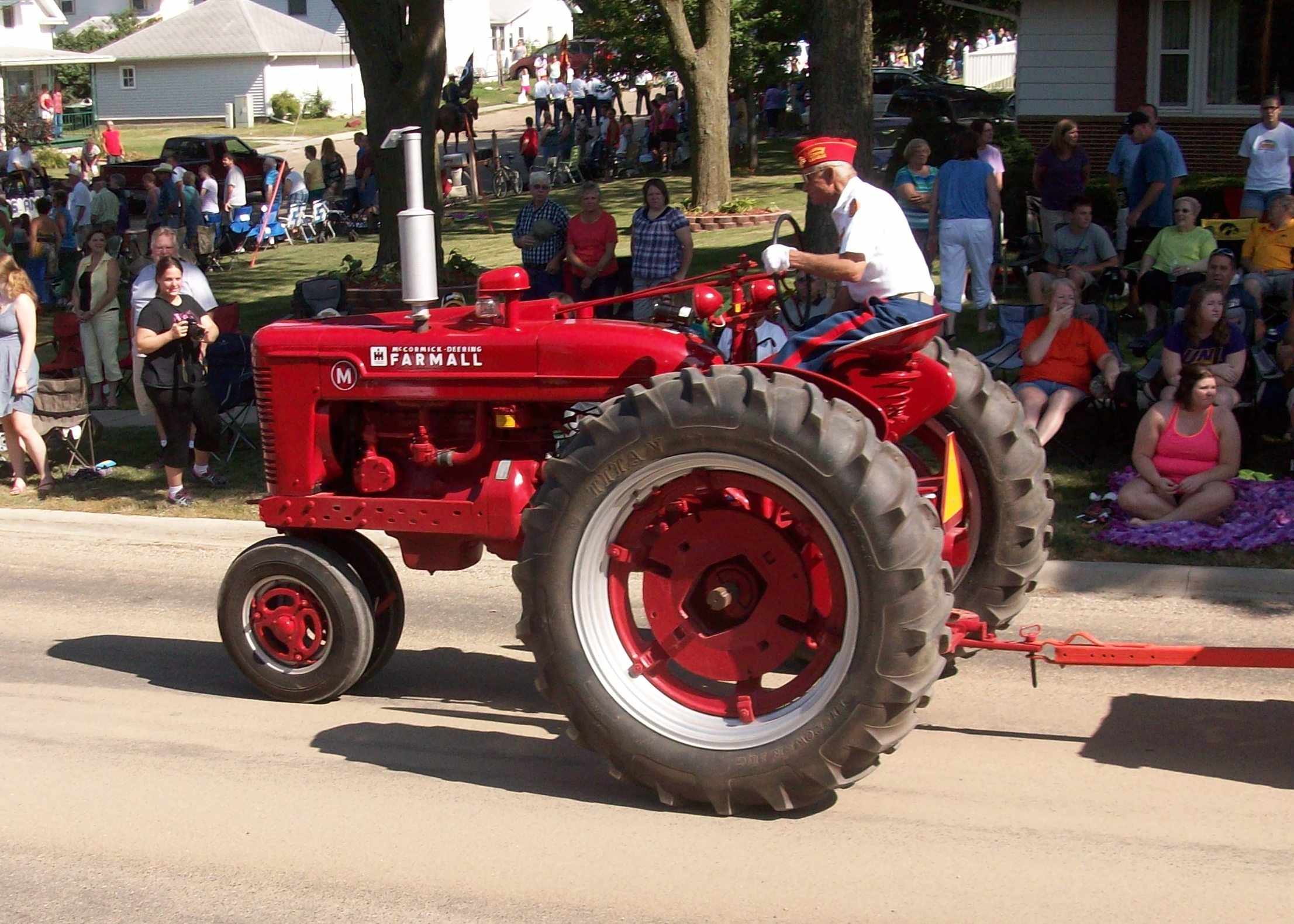
red tractors...
red tractors…
... and don't forget that other green tractor.
… and don’t forget that other green tractor.
There were political groups, the Republicans came first...
There were political groups, the Republicans came first…
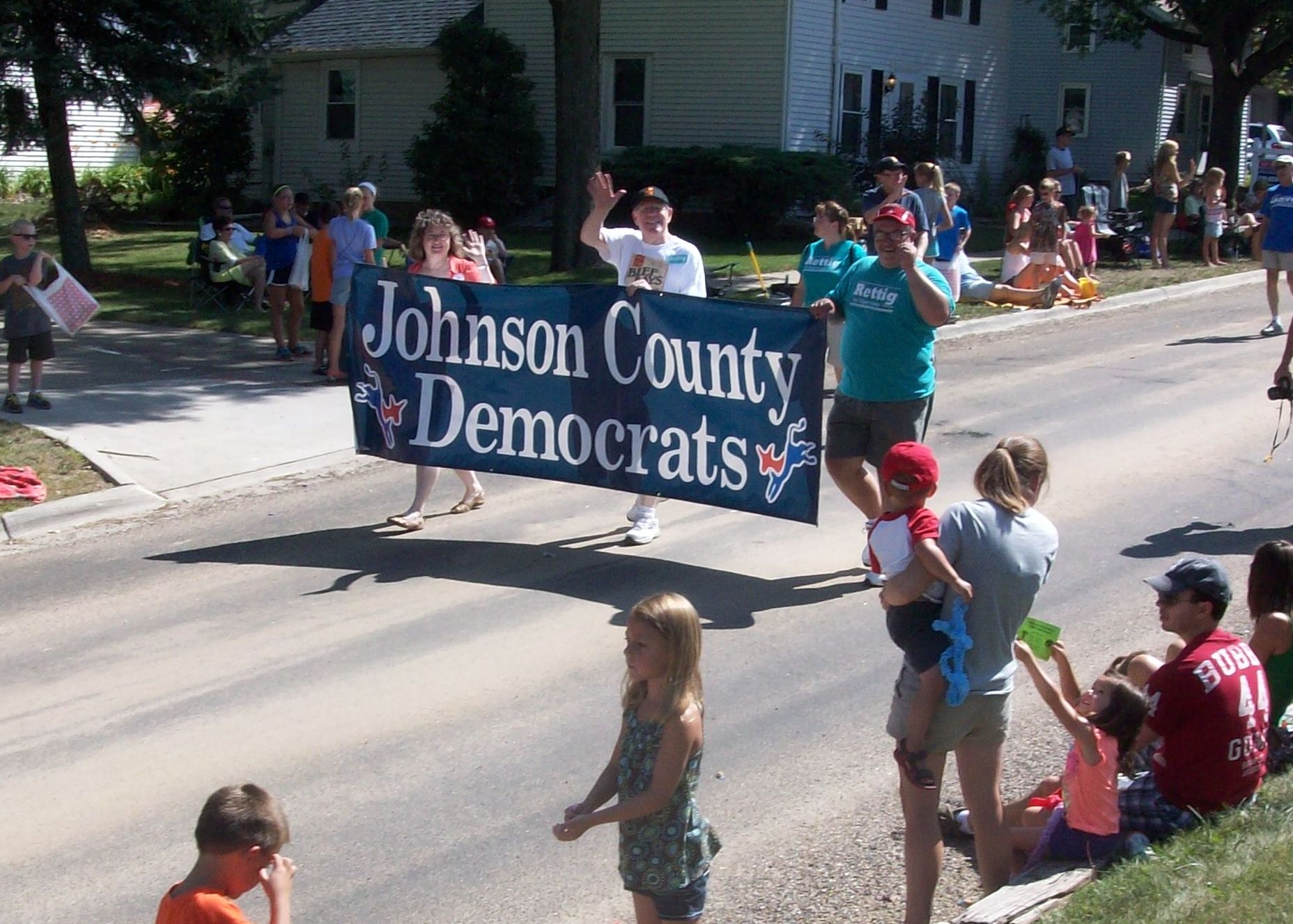
... the Democrats soon after.
… the Democrats soon after.
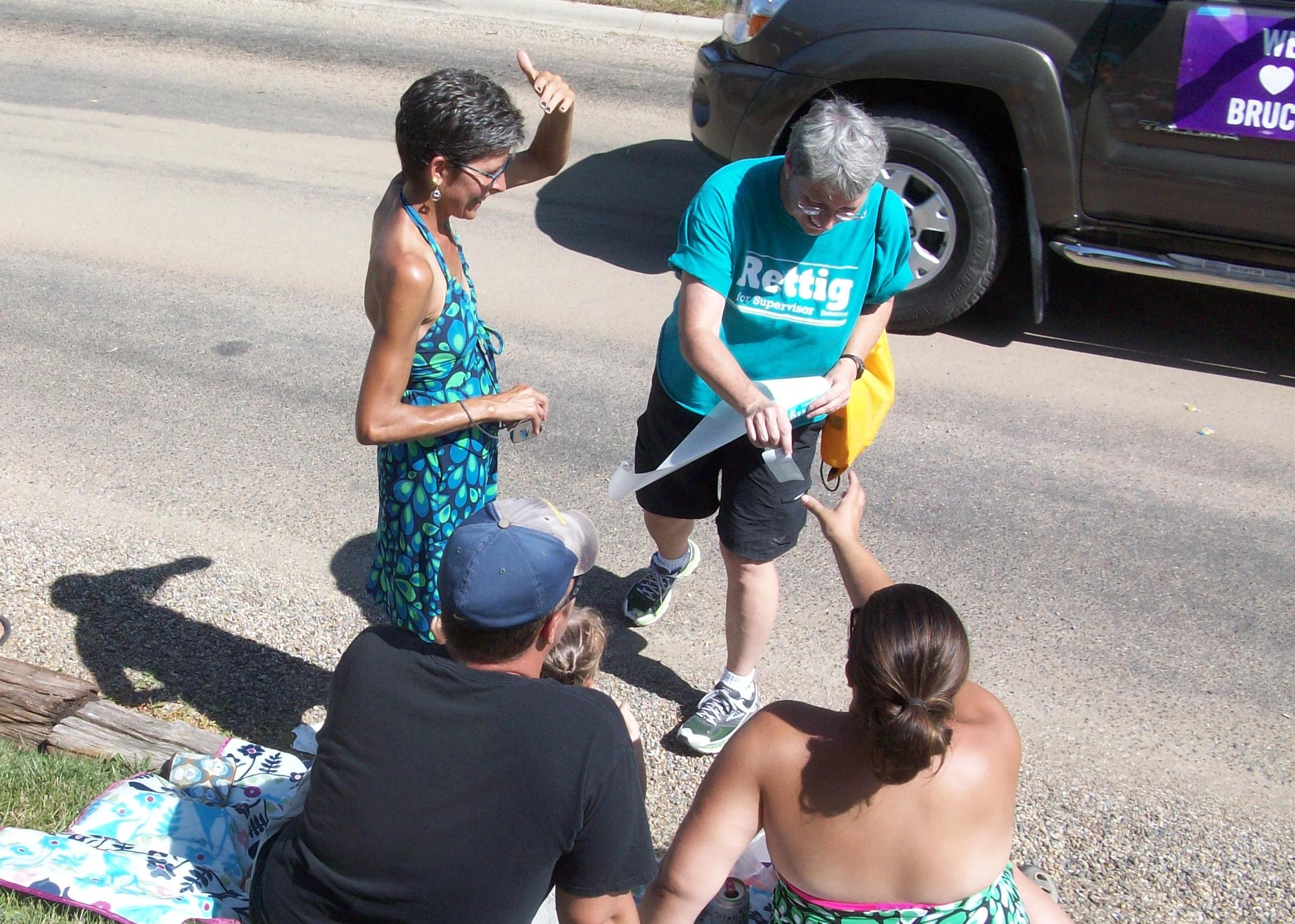
Both were friendly and interacted with the crowd.
Congressman Dave Loebsack was there...
Congressman Dave Loebsack was there…
... as was my state senator,,,
… as was my state senator…
... and my state representative.
… and my state representative.
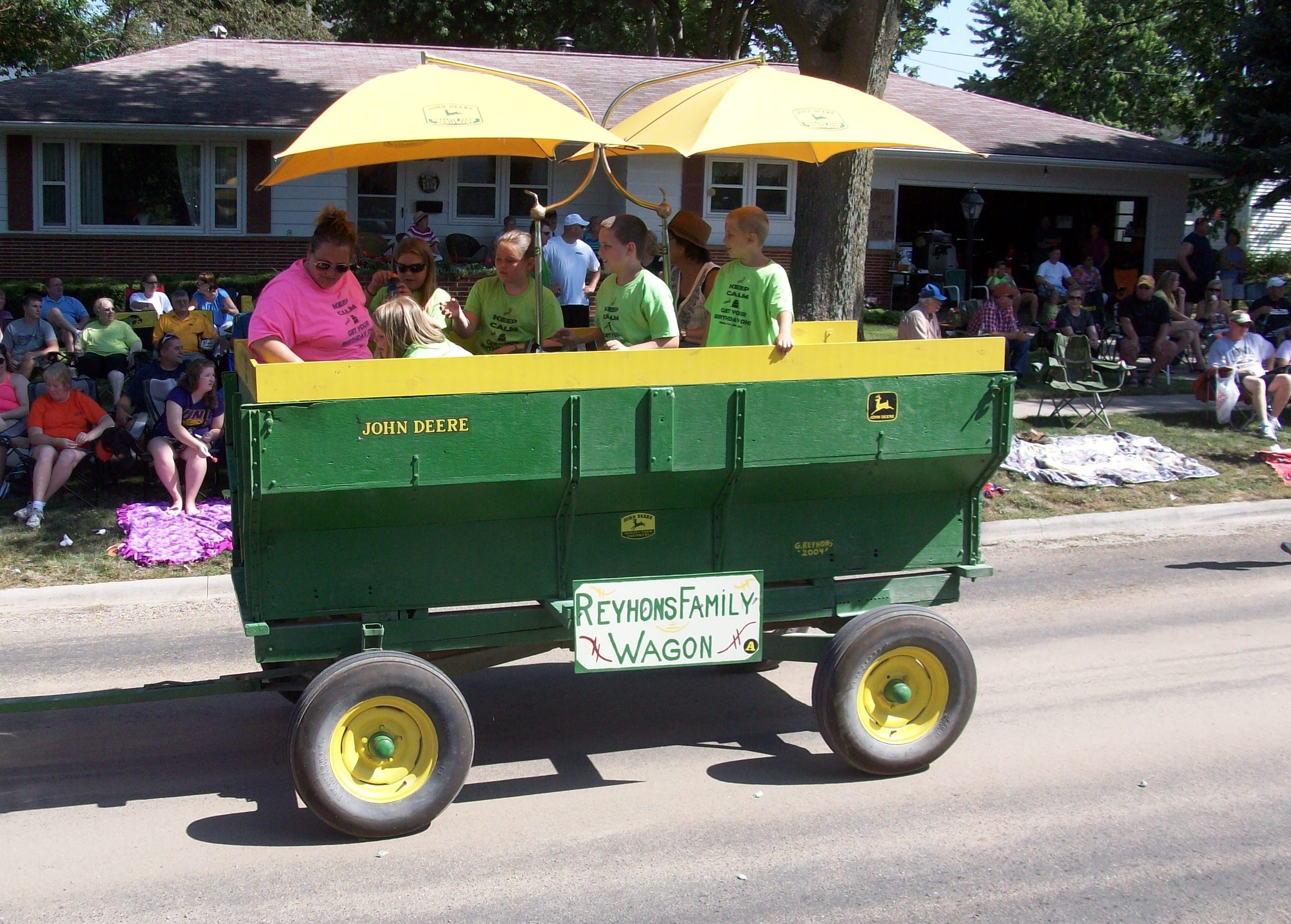
The Reyhons family had an entry...
The Reyhons family had an entry…
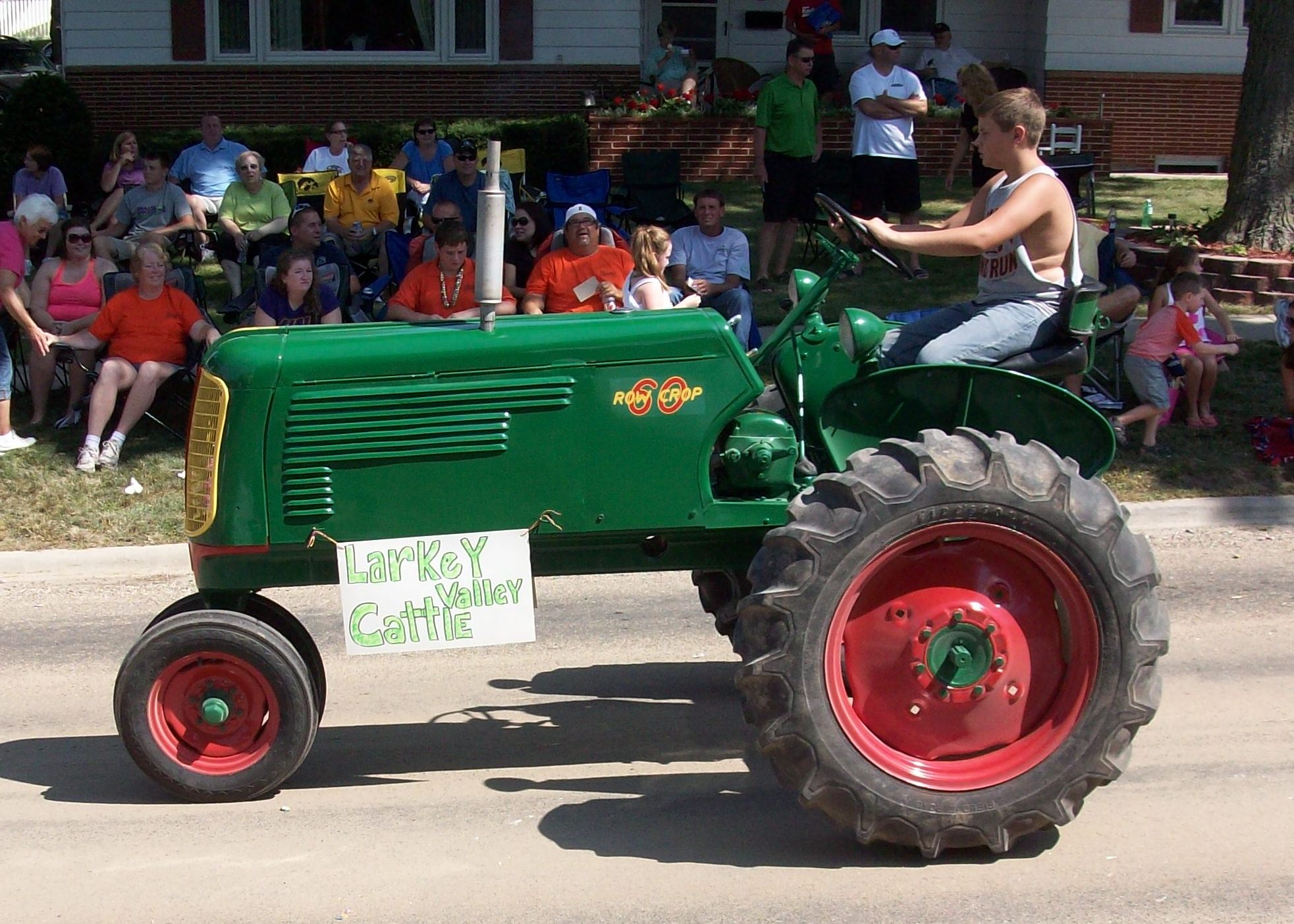
... as did Larkey Valley Cattle...
… as did Larkey Valley Cattle…
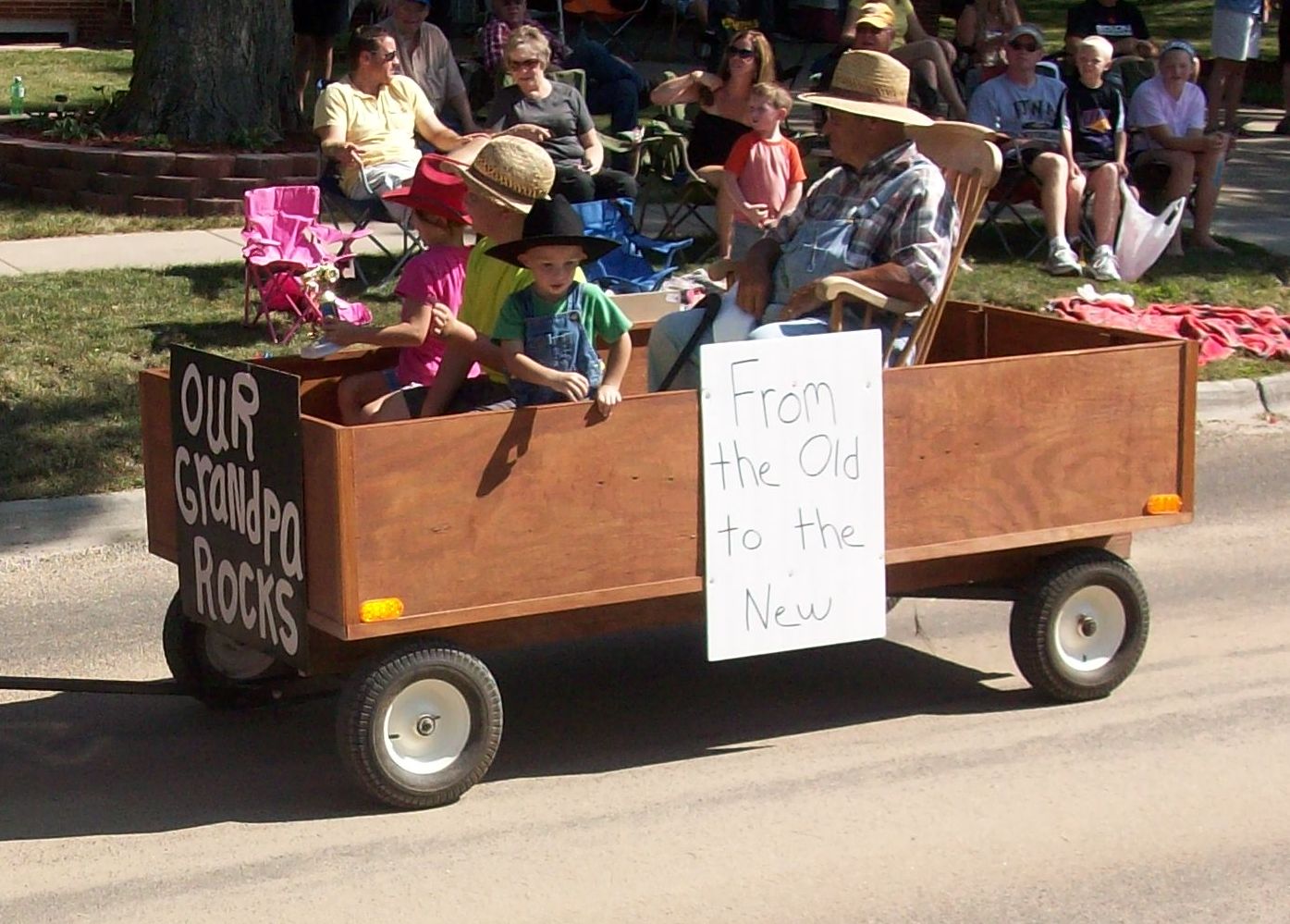
...and this family's grandpa rocks... literally.
…and this family’s grandpa rocks… literally.
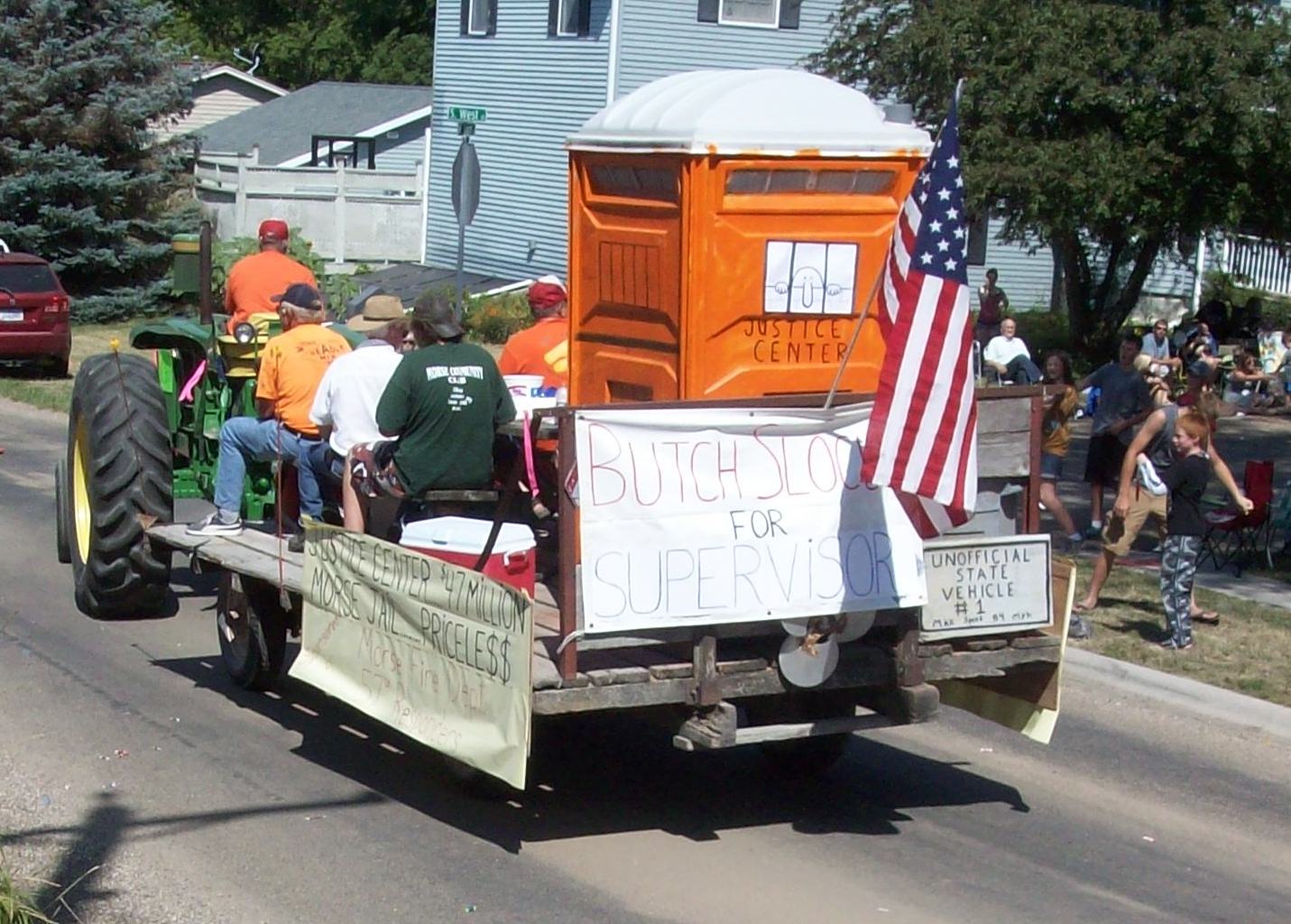
Folks from Morse used sarcasm for their messages...
Folks from Morse used sarcasm for their messages…
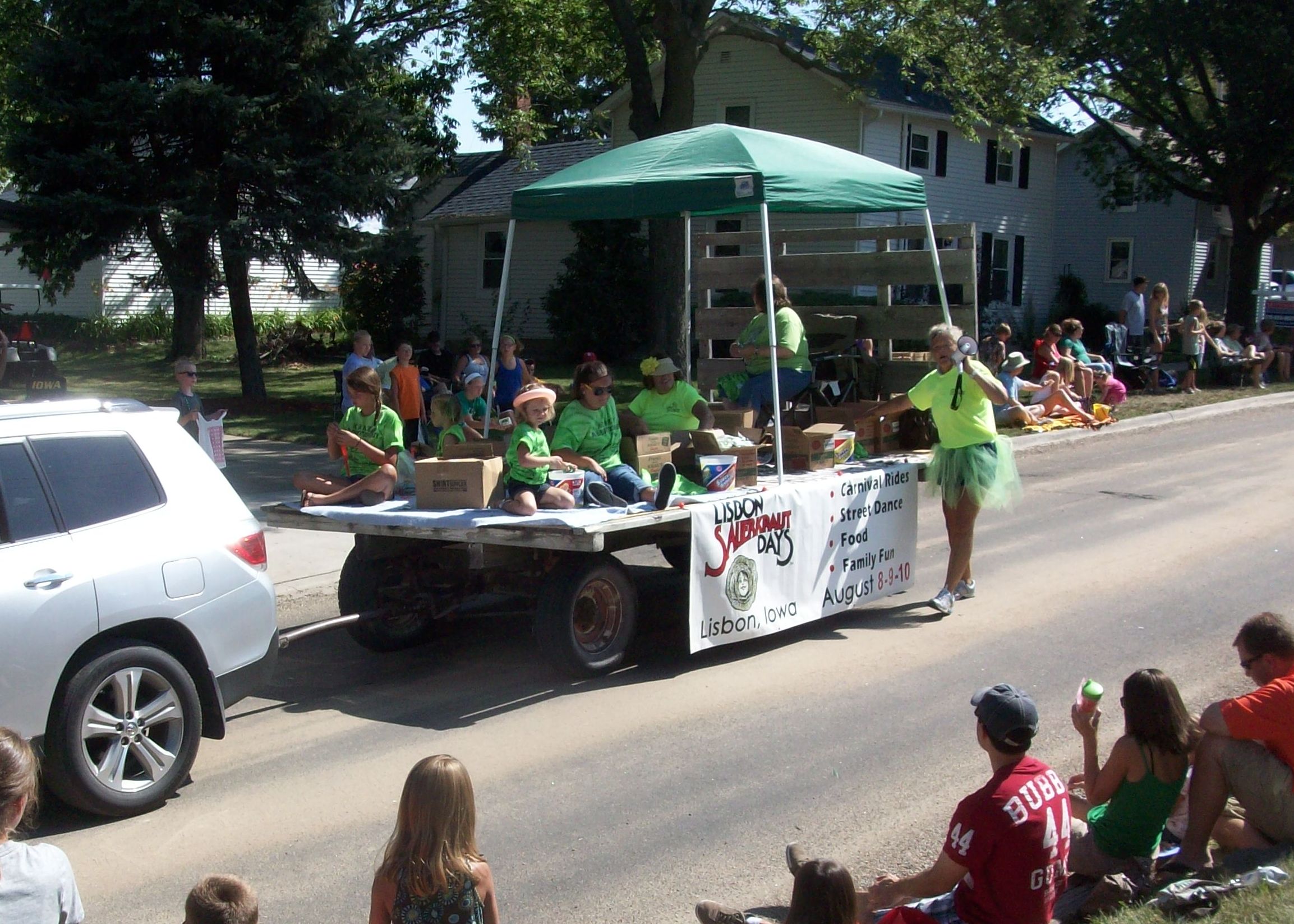
...folks from Lisbon threw bags of sauerkraut at us...
…and tutu wearing women from Lisbon threw bags of sauerkraut at us.
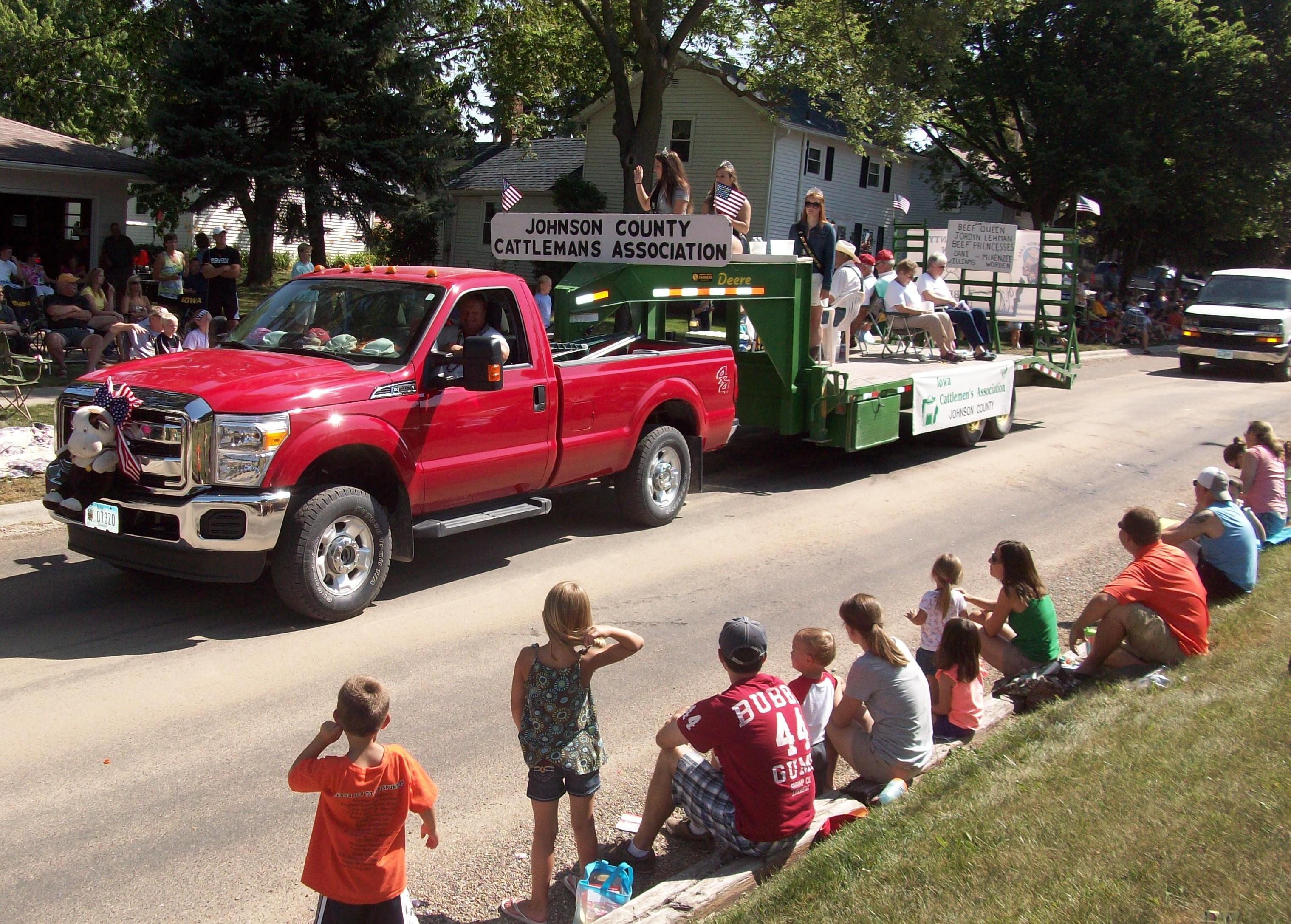
Don't forget it's the Beef Days parade...
Don’t forget it’s the Beef Days parade…
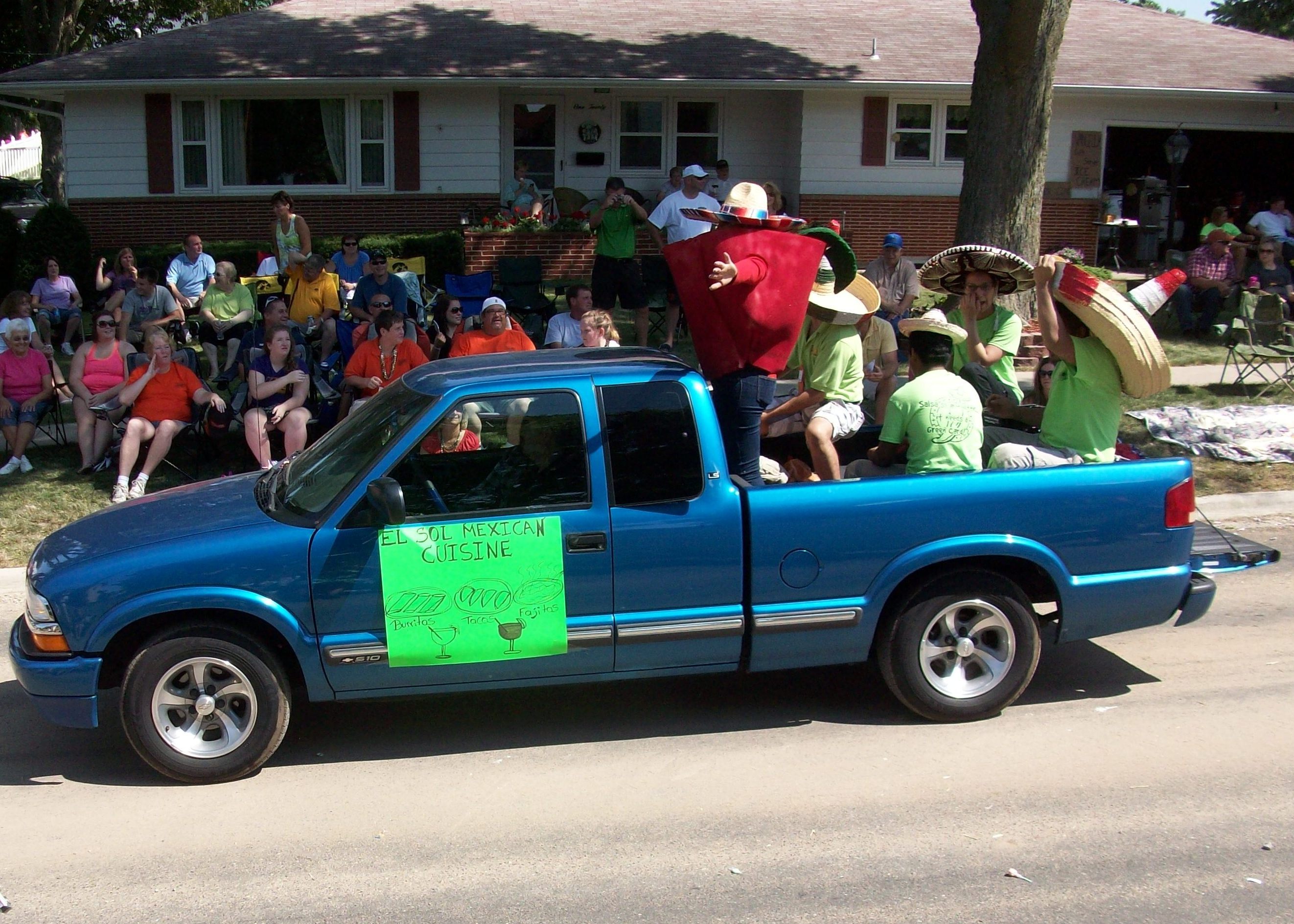
... although Mexican cuisine was promoted as well.
… although Mexican cuisine was promoted as well.
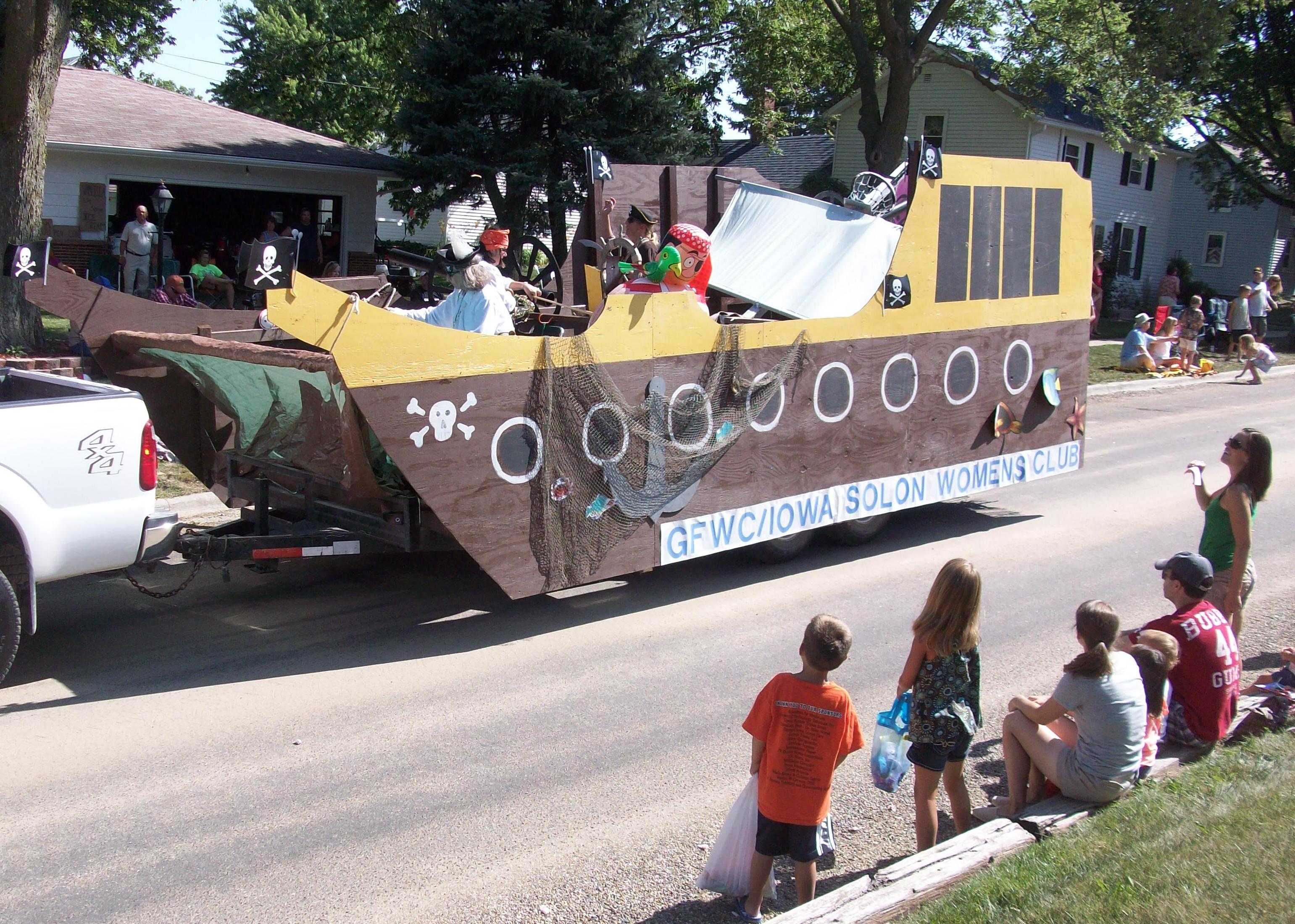
The women's club dressed like pirates...
The women’s club dressed like pirates…
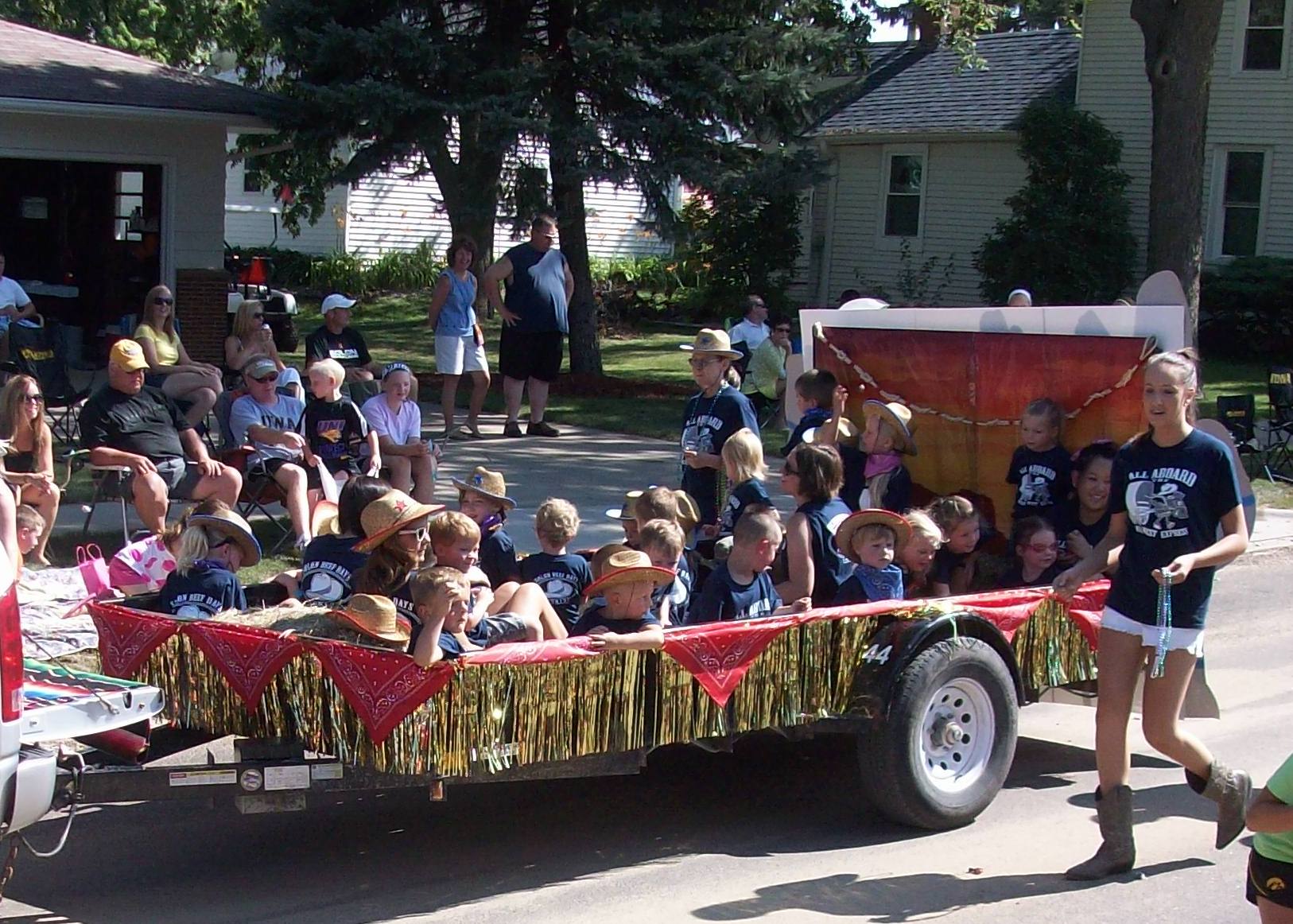
Kids wore the same T-shirt and straw hats...
… kids wore the same T-shirt and straw hats…
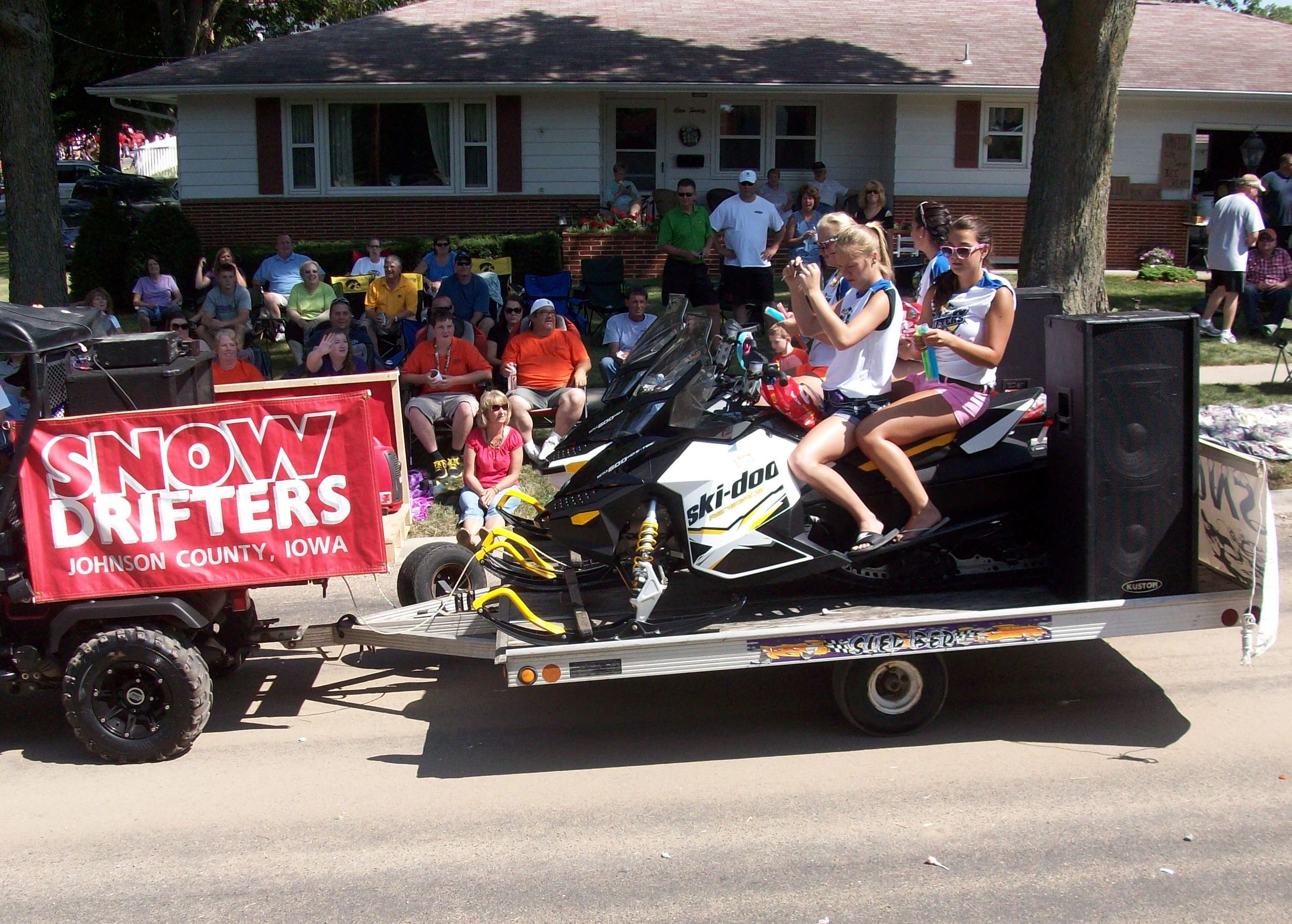
...and the snowmobile club wore short shorts.
…and the snowmobile club wore short shorts.
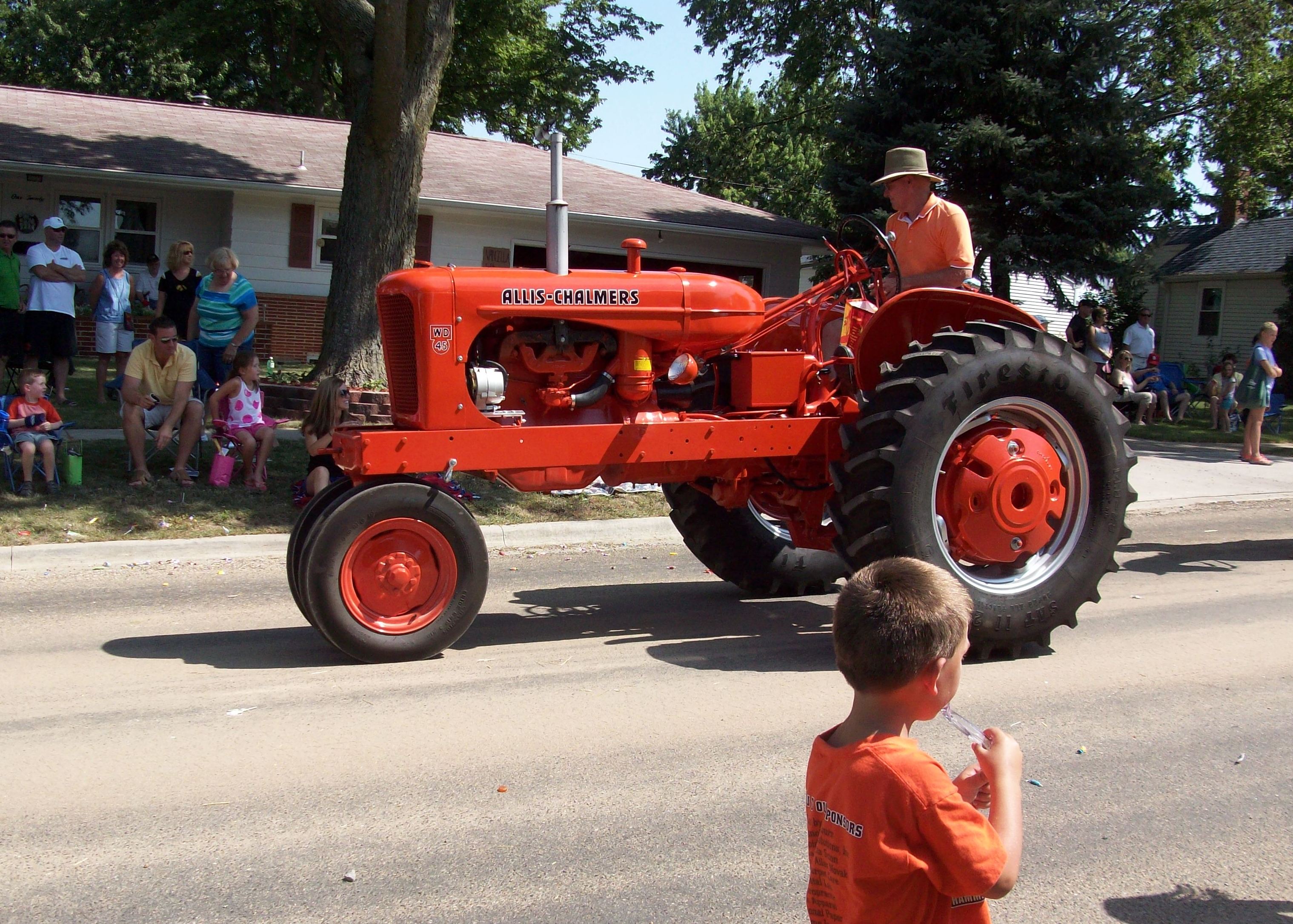
Did I mention the orange tractor?
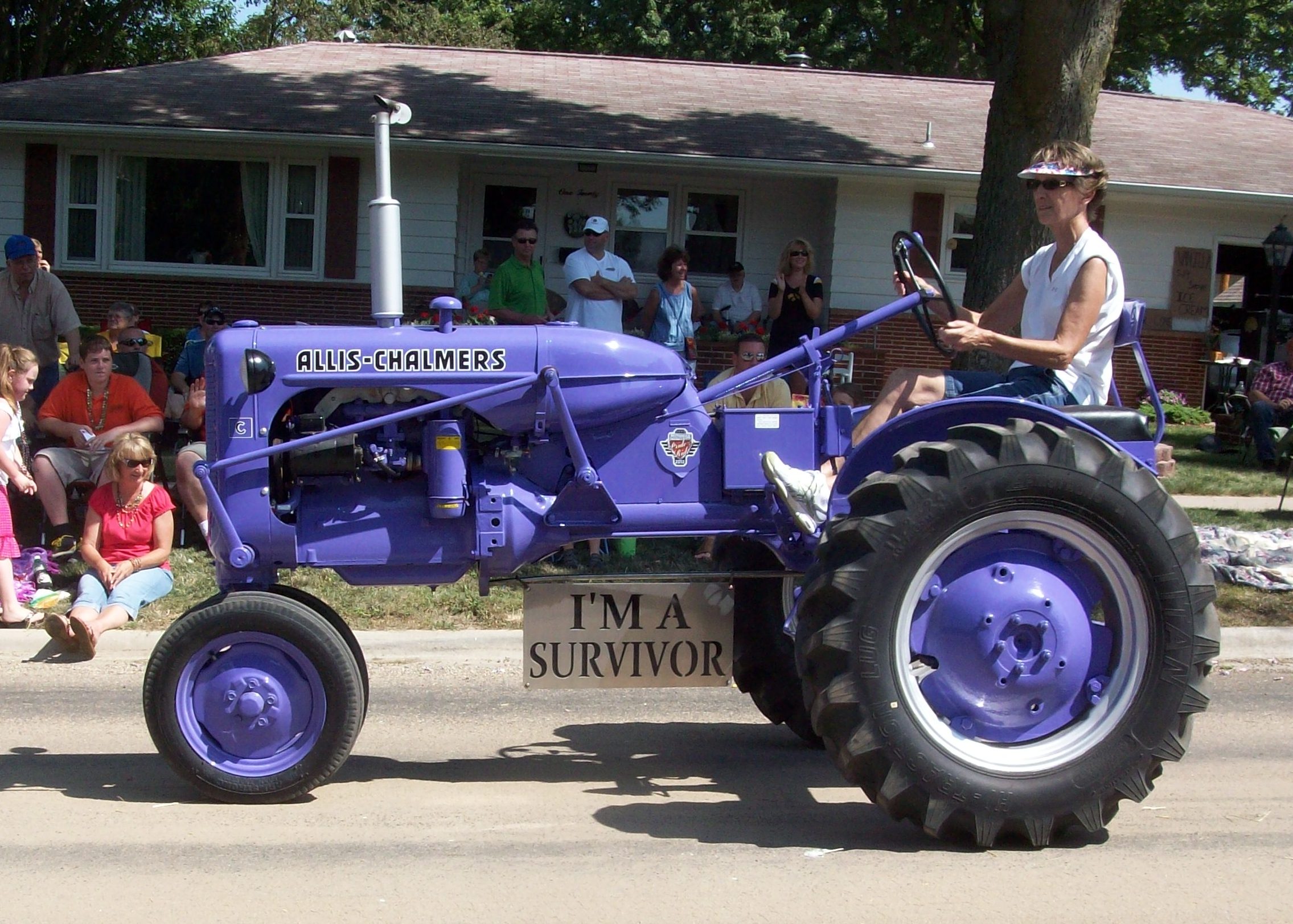
... or the purple one....
… or the purple one….
... or the pink one?
… or the pink one?
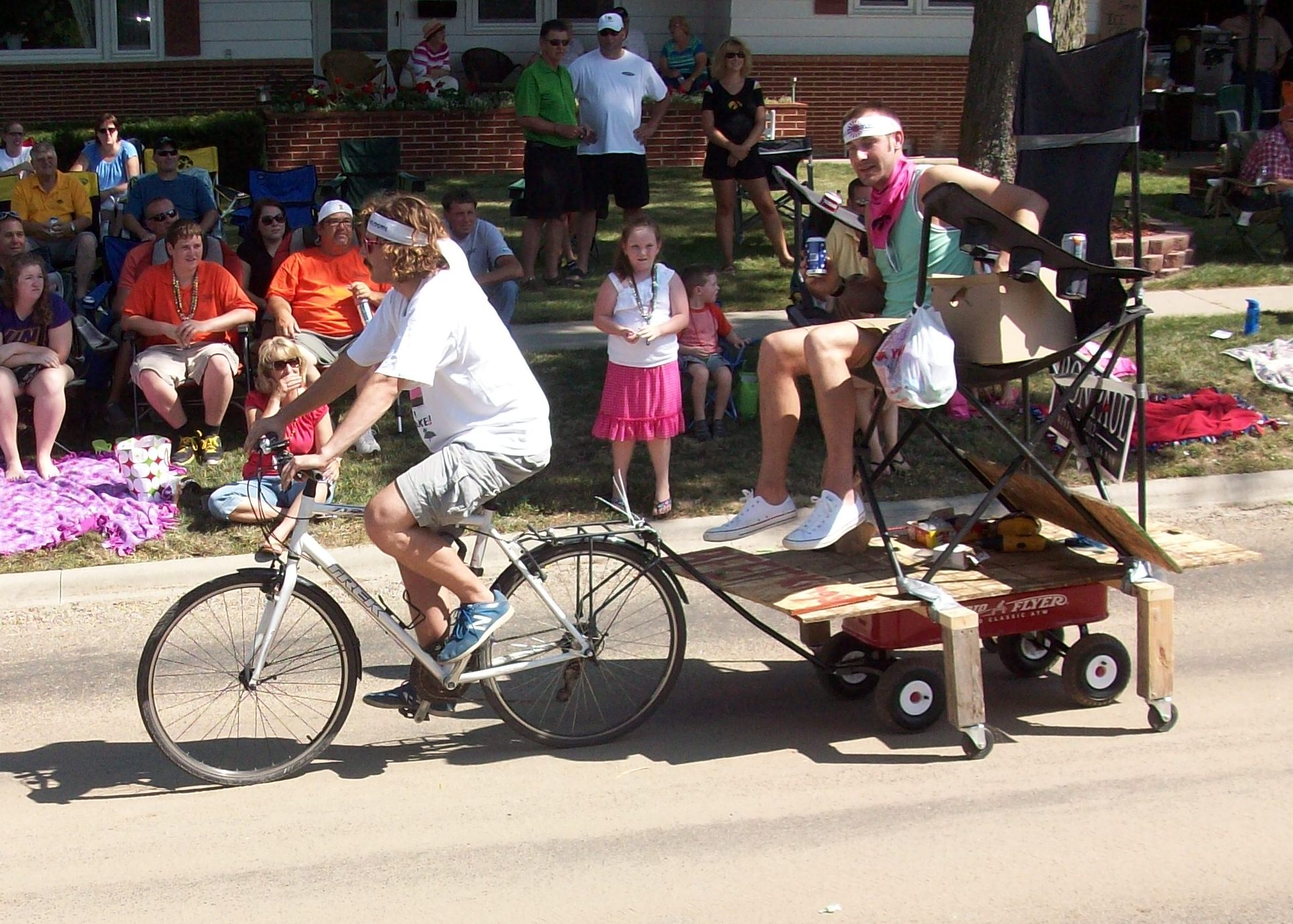
These guys were there...
These guys were there…

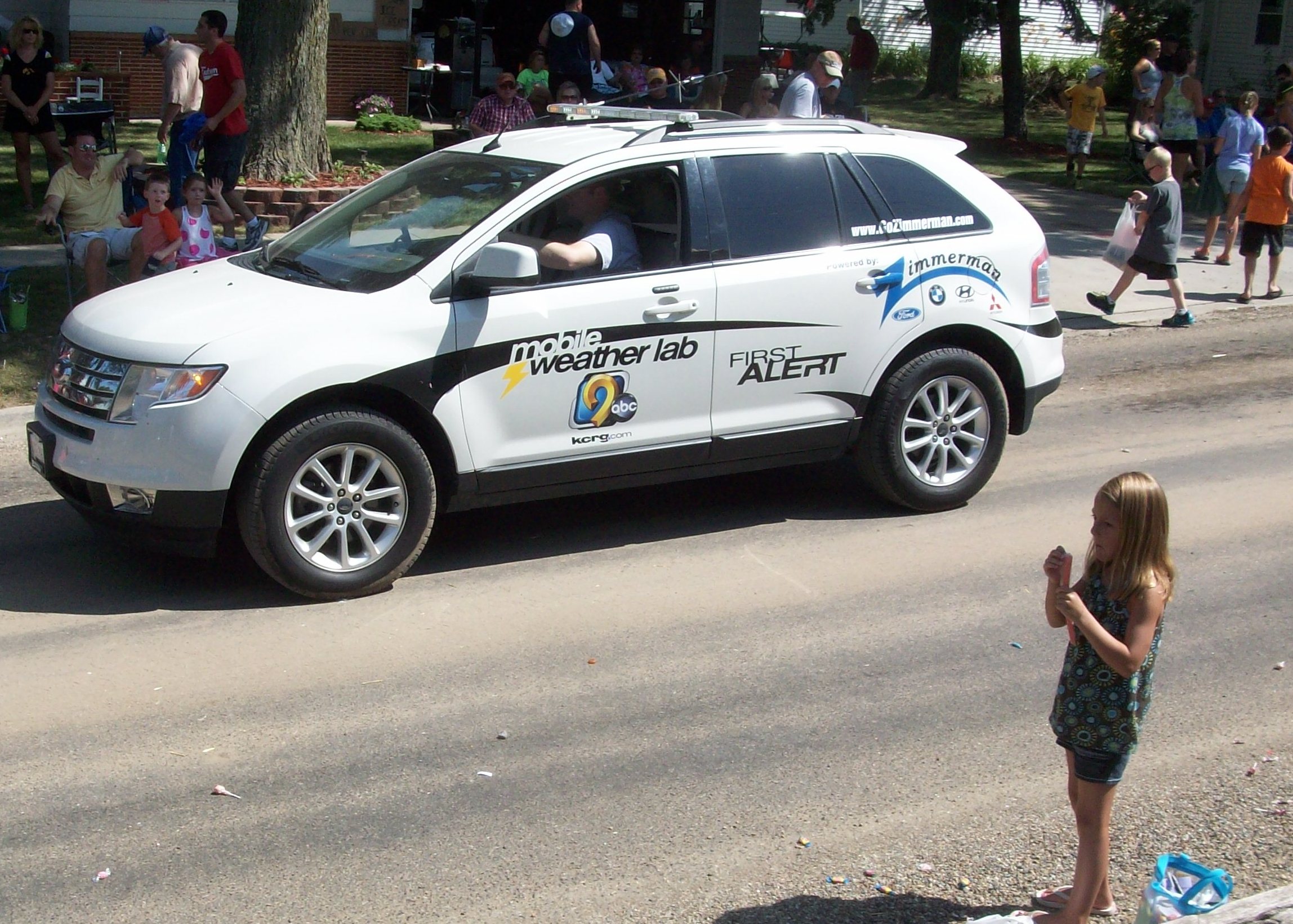
... and so was channel 9.
… and so was channel 9.
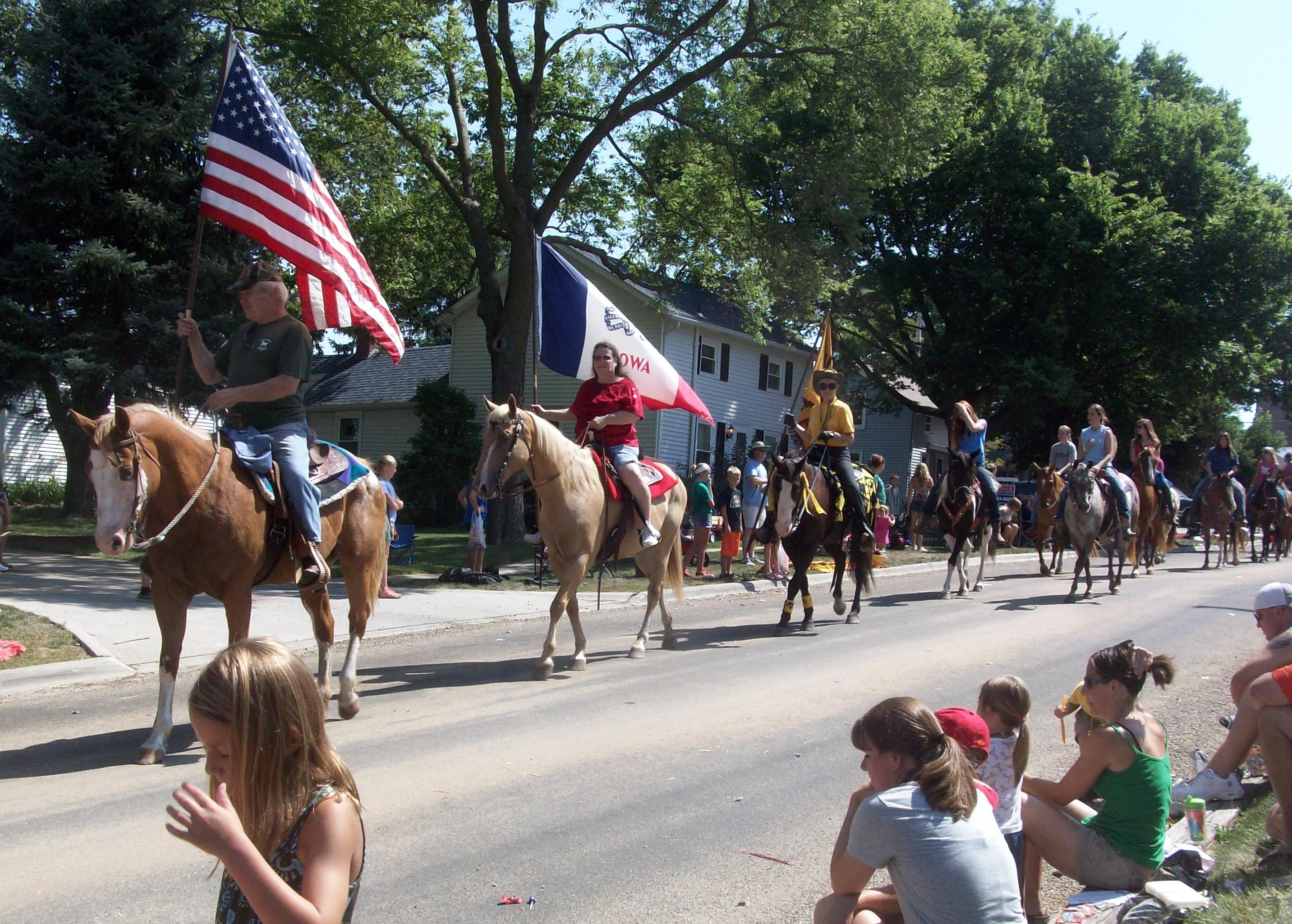
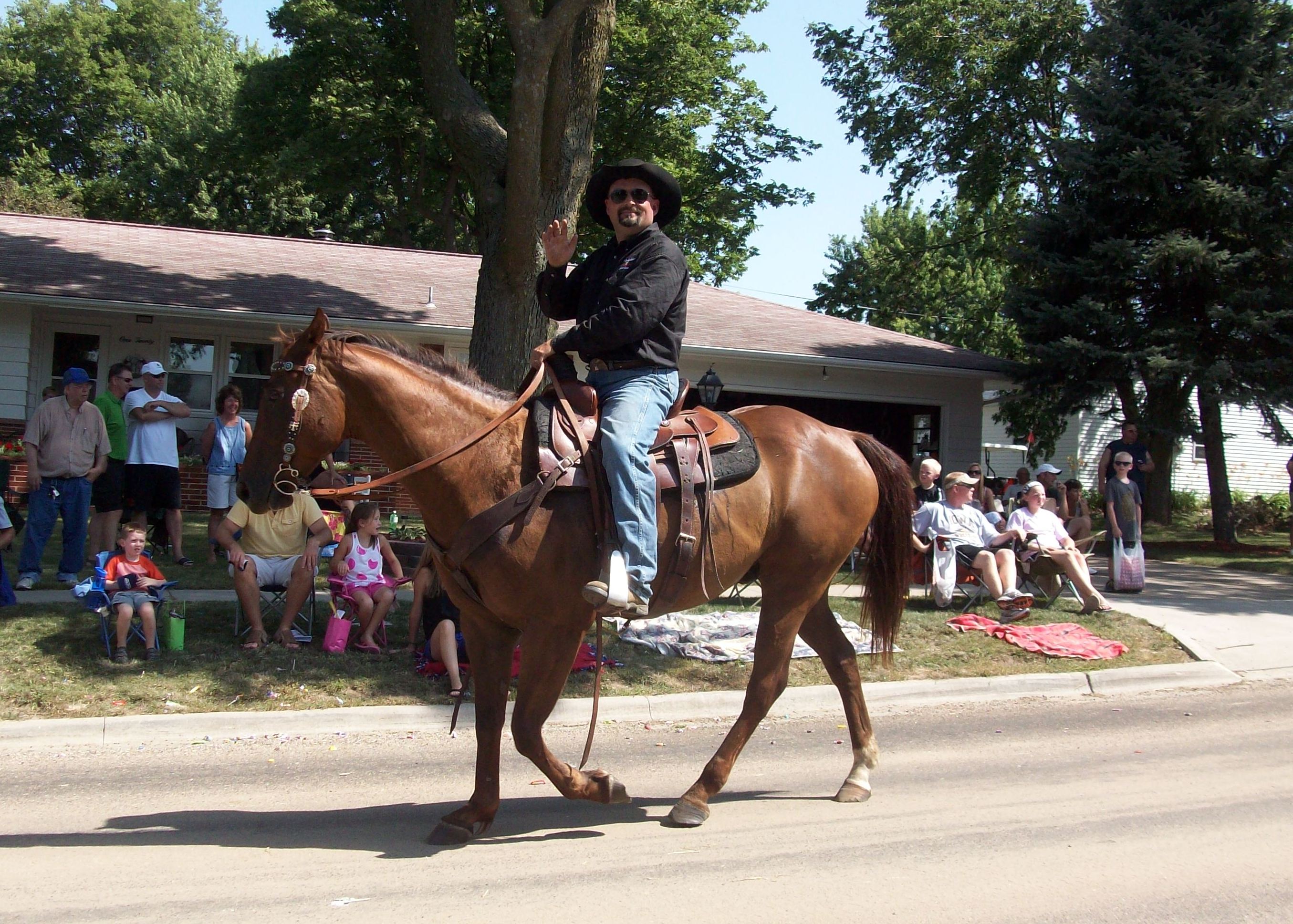
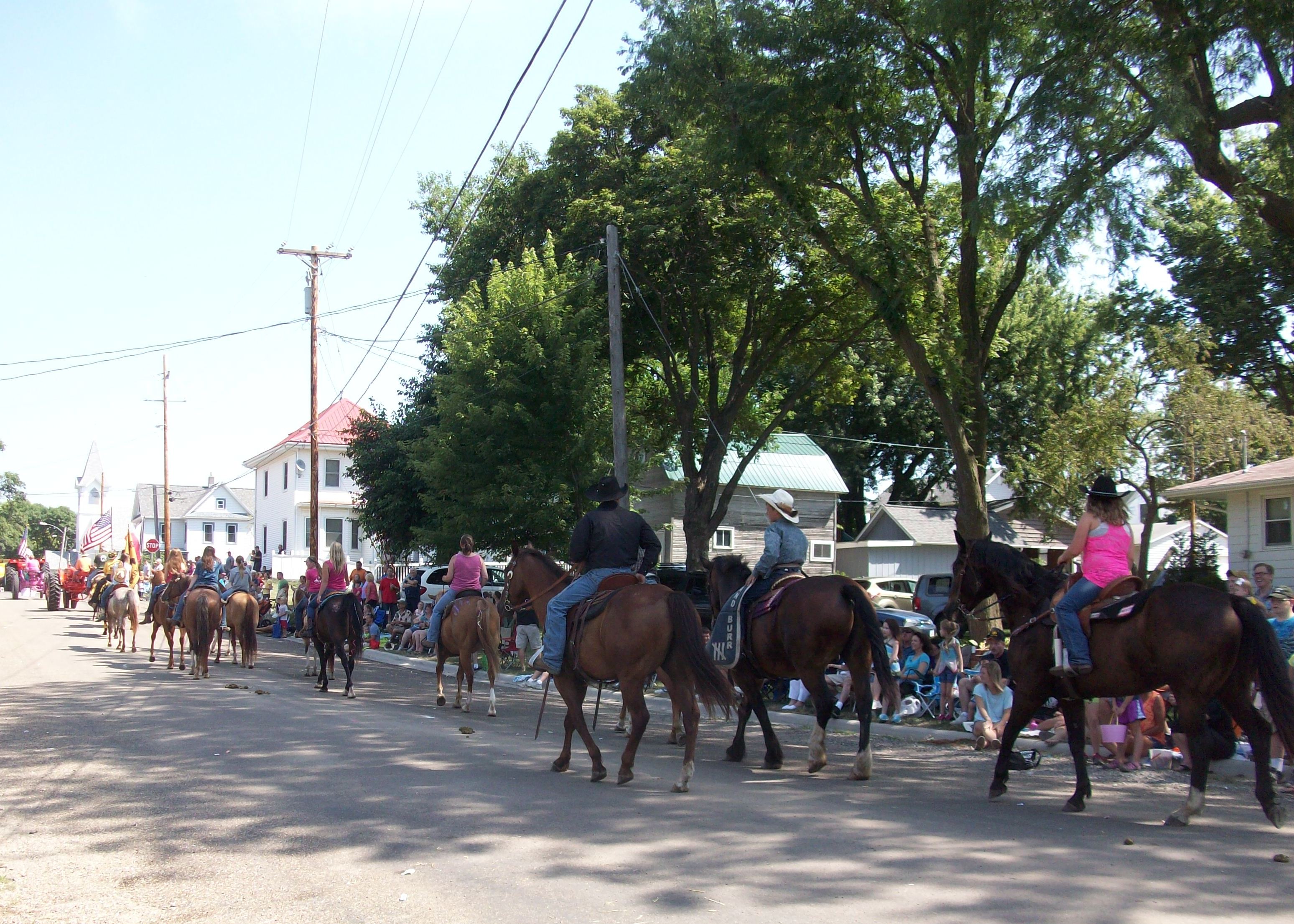
The equestrian entry came last and...
The equestrian entry came last and…
... they were friendly...
… they were friendly…
... and there were a lot of them to end the parade.
… and there were a lot of them to end the parade.

Categories
Social Commentary

Town Festival Weekend

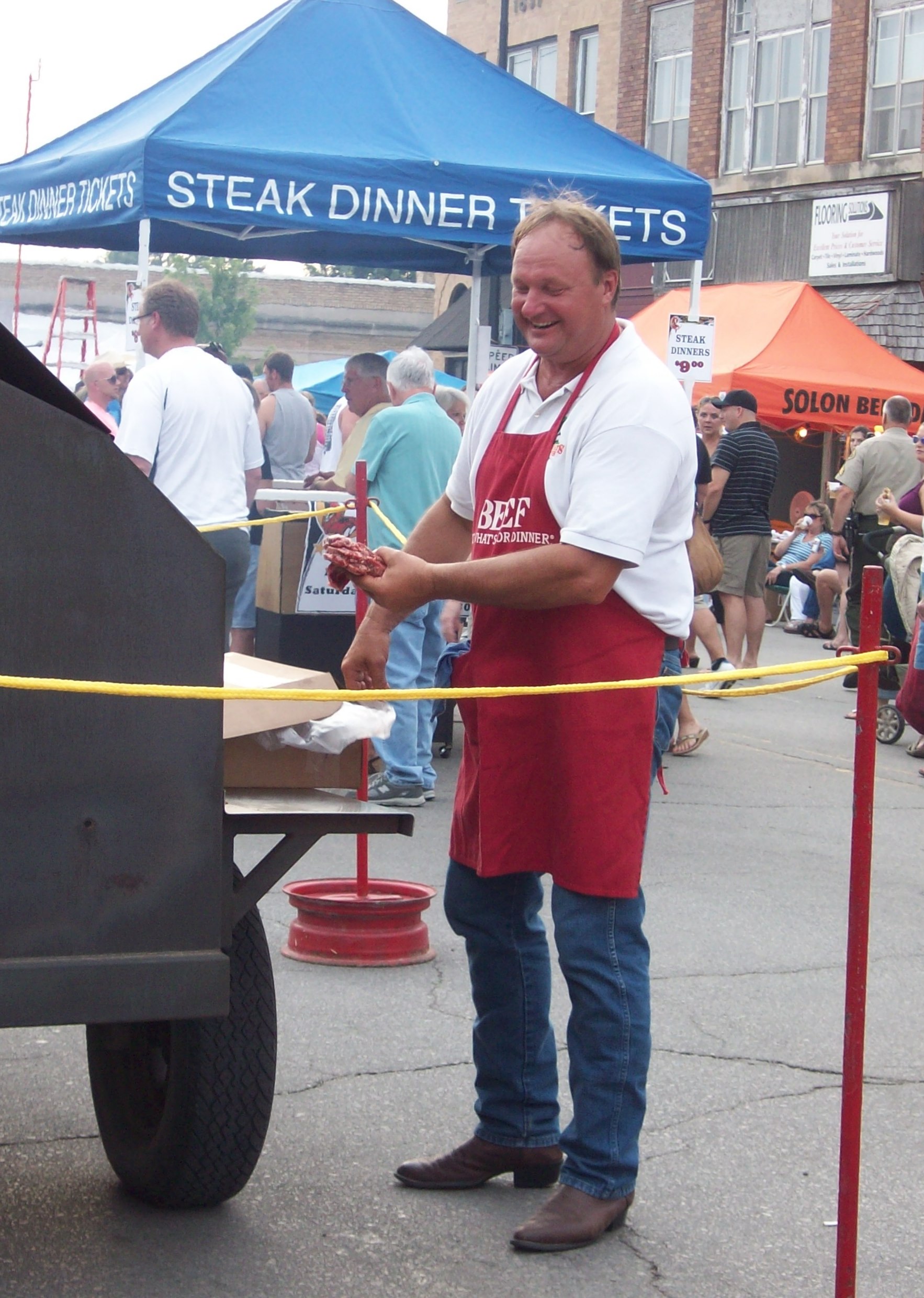
President of Cattlemen's Association
Cattlemen’s Assn.

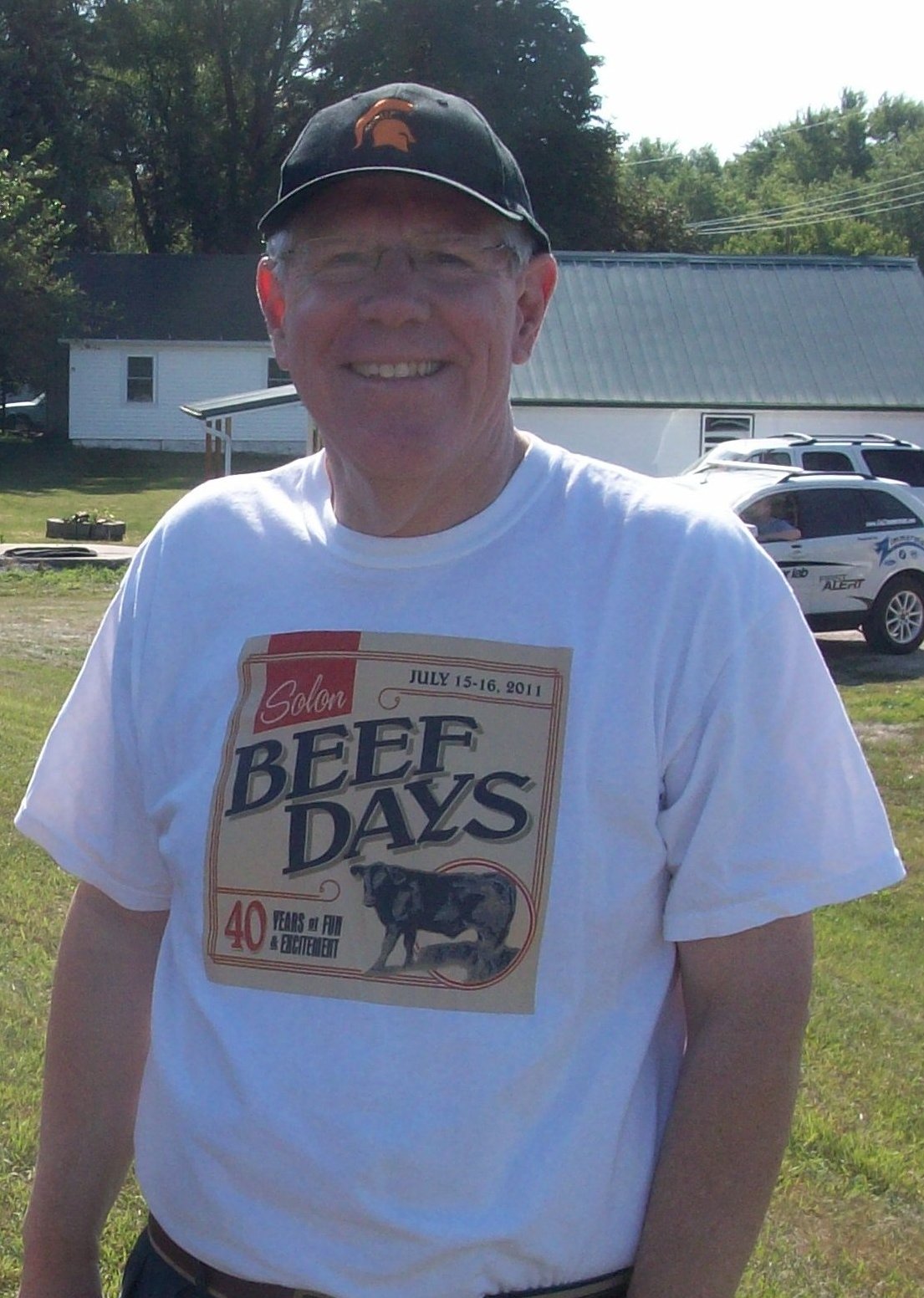
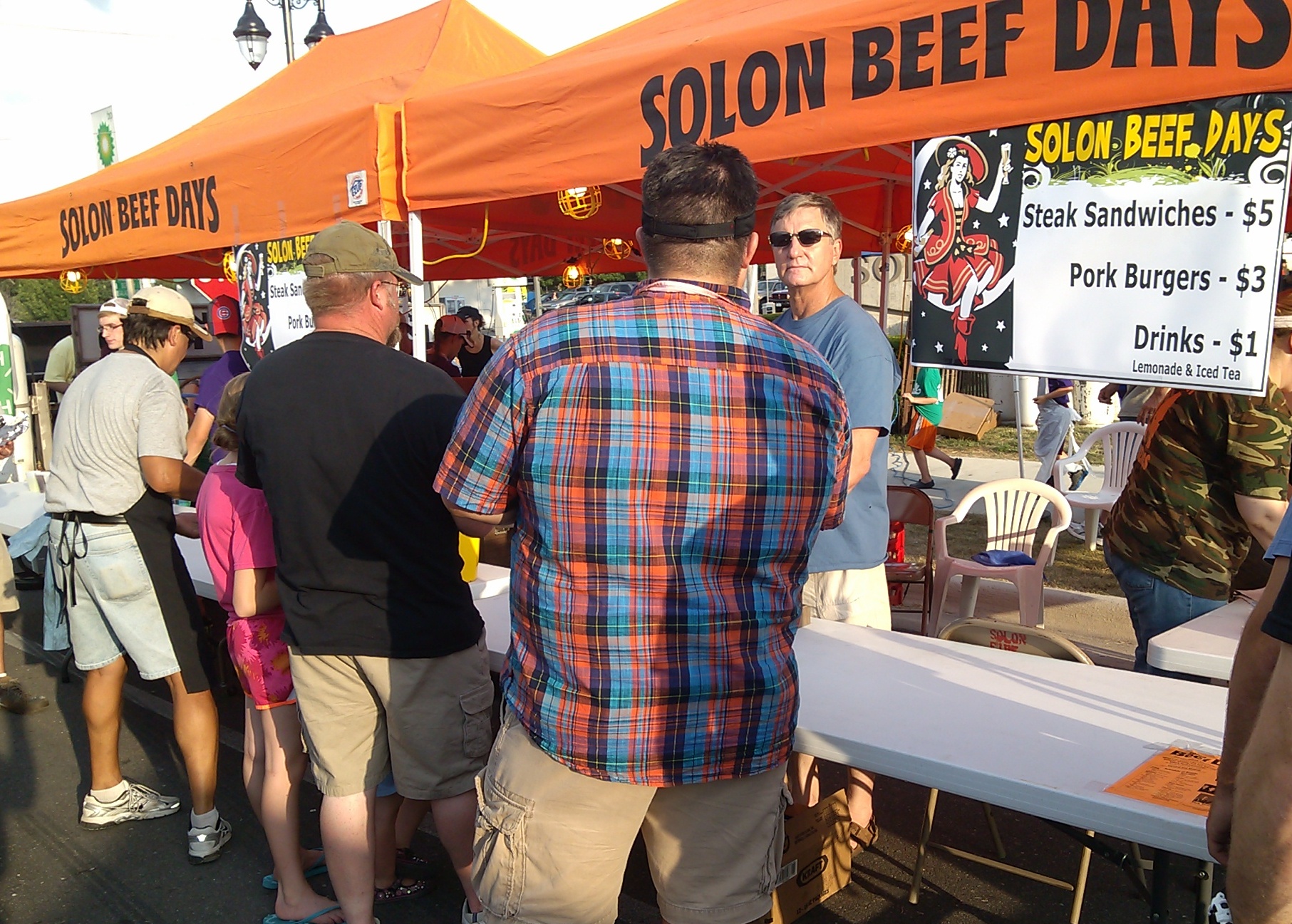
SOLON— Almost every small town or city has an annual festival and ours is going on this weekend. Solon Beef Days began in 1971 when the fire department, Optimists Club, Jaycees and American Legion got together to re-enact what they referred to as an “Old Time Celebration.” The Johnson County Cattlemen’s Association came in to cook steaks and this local meat product provided a name for the event. Later, the Pork Producers Association got involved and pork burgers are now served: steak dinner is $10; steak sandwich is $5, and pork burger is $3. A bargain for carnivores. Octogenarians walk to the festival to purchase the cheap food and carry it home on trays brought from their kitchens.

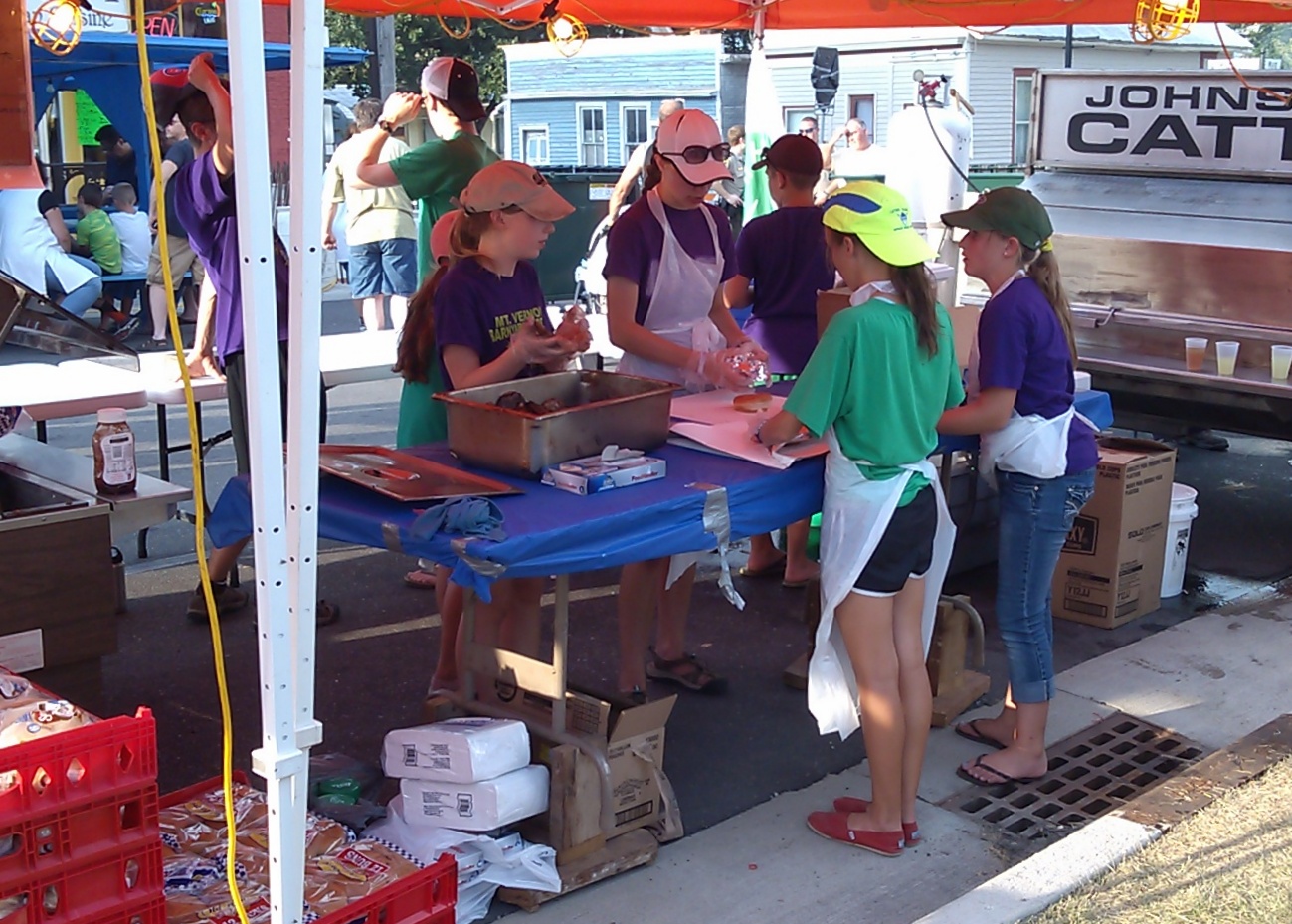
Pork Burger Assembly

As a vegetarian and flexitarian household, the association with beef was a turn-off for us when we moved to the area. Nonetheless, we participated by taking our daughter to try the carnival rides when she was young. Later, I got involved in helping the public library serve sandwiches to festival goers. As time passed I came to enjoy being a small part of the festival.

For some, Solon Beef Days is the time of year to let loose, have a few beers in the beer tent and designate a driver to get them home. This year there was a booth to arrange for a ride home for the intoxicated. It wasn’t used much.

Sandwich Booth
Sandwich Booth

The town re-built the bandstand in the center of the old part of town, and there is live music both nights. The hay bale toss on Friday is popular, and the parade on Saturday attracts civic groups and winds its way through town. The parade crosses Highway One to go past the care center where wheel chairs with residents are lined up on the south side of the building. This was a later addition to the route to include everyone in town.

The legion has a food tent, bingo is called on Main Street, there is a street dance, and something for everyone. Whatever money is left after paying the bills is donated to community groups by the Beef Days Committee. I’ve never eaten the steak or pork at the festival, but enjoy socializing with friends, neighbors and people I don’t know on a warm summer evening. In the end, who wouldn’t?

Categories
Social Commentary

Reggie’s Weenies is Gone

Reggie's Weenies
Reggie’s Weenies

SOLON— Word is out that another Main Street restaurant is gone. Reggie’s Weenies of Solon shuttered their doors last week. I noticed the for lease sign, then it was taken down, then the lights were off during the breakfast service and people started talking. Telltale signs of the end in a small town.

Partly, the restaurant never took off. Every time I dined there, either mine was the only table with customers, or maybe one other. The menu may have been part of the problem. One morning while I was having breakfast, Reggie mentioned how popular biscuits and gravy are among the breakfast crowd. He had no wait staff but himself, and had to tend to the gravy, so he couldn’t elaborate.  He sold a lot of biscuits and gravy— but not enough.

While “weenies” is in the name of the place, and Reggie got his start selling Chicago-style hot dogs at Nile Kinnick Stadium in Iowa City on game days, he expanded the menu beyond hot dogs and was a skilled chef. The dishes I tried were tasty and had plate appeal. Word about the menu didn’t get around town, despite Reggie’s marketing efforts.

Part of the problem may have been a dispute with one of his original business partners, which caused people to line up on sides. There was an informal boycott of the place for a while, but that wasn’t the reason for the problems.

When Smitty’s Bar and Grill closed before Reggie remodeled the space, the cook and wait staff moved to a new breakfast operation at the American Legion down Main Street. The legion became the place to have breakfast in Solon, leaving Reggie and his investment in the lurch.

Since we moved to the area, there have been at least six different restaurants in that space. Maybe the building has a restaurant curse on it. Reggie tried to make it, as entrepreneurs with an idea do. The new microbrewery opening this summer across the street, with chefs trained in culinary school, may have been the final straw. No one was at Reggie’s Weenies when I knocked.

Reggie was a friendly guy. I hope he lands someplace good. Good people usually do.

Categories
Social Commentary

Independence Day

Memorial Day Flags 2012We hear a lot about the founders today, and the truth is who they were, as people, is clouded in the river of time. One admires the portrait of John Adams written by David McCullough, and particularly the personal risk to which Adams put himself on his trip to France in the winter of 1777. In Thomas Jefferson’s Notes on the State of Virginia one can find a guide to living that serves in the 21st Century, with the notable exception that labor to maintain a lifestyle, once provided by slaves, must now be sought elsewhere through mechanization or wage laborers.

The more we study the opening of the Old Northwest Territory, and the land speculation related to it, we realize that Benjamin Franklin, George Washington and other founders who participated in this could easily have fit in with the gang on Wall Street that nearly brought down our global economic structure in 2008. But as was said, seeing who they were as people is a murky endeavor at best, so on Independence Day were can refrain from making judgments and be thankful for what we have as a nation.

What can be said is we often neglect to recall the dispossession of the natives in Iowa and further east, which amid today’s flag waving is equally important. Would Black Hawk and Poweshiek have ceded the land of the Black Hawk Purchase if they had fully understood what their signatures meant? We don’t know that either.

So what we are left with is history and documents from the times, all of which have their ideological outlook or viewpoint, or as Howard Zinn might have called it, “their politics.” Of interest is the following account of an Independence Day celebration in Jones County, Iowa shortly after settlement. Members of our family settled in Jones County shortly after the Black Hawk War, so this is a personal history as well. Happy Independence Day from On Our Own.

An Excerpt from The History of Jones County, Iowa, published Chicago, Western Historical Company in 1879.

“A grand county celebration of the Fourth of July, took place in pursuance of the resolutions and suggestions of the Board of Supervisors, made at their June meeting in 1861. The celebration was on Thursday, the 4th of July. 1861.

The perilous condition of the country brought men of all parties together to observe the anniversary of our national birth, and to repeat anew their vows to freedom. Early in the morning, teams, singly and in companies, began to throng from all parts of the county toward the point which had been designated by the Board of Supervisors, near the center of the county. At 10 o’clock, A. M., the scene was the strangest of the kind ever encountered in the West. The road ran along a high ridge, and on both sides of it and on each of the wide and gently sloping spurs, shooting out every few rods, were horses, wagons, buggies, carriages, men, women, children and babies by the thousands; and, in every direction, the American flag floated in the light and refreshing breeze, which, with the shade of the sufficiently abundant oaks, tempered the heat of a warm summer day. Such an assembly in a city is common enough, but this was an assembly in the wilderness. Not a house, not a sign that man had touched nature here was visible, save in the few brief days’ labor of the Committee of Preparation. It was a fitting place wherein to assemble on such a day and for such a purpose, when the nation was in its life and death struggle for existence.

The Committee of Arrangements had done as well as could be hoped for in the short time allowed them, and better than could have been expected. On the rather steep slope of a spur, north of the road, a staging had been erected facing up the slope, and, in front of this, seats sufficient to accommodate, perhaps, one thousand persons. Back of the stage, and at the bottom of the ravine, a well had been dug some ten or more feet deep, and, at the bottom, a barrel fixed. It was a comical sort of a well, but it served the purpose, in a measure, for some hours.

On another ridge and back of the wall, stood the six-pounder, manned by the Wyoming Artillery Company, in gray shirts, under Capt. Walker. The other military companies were the Canton Company, Capt. Hanna; they wore red military coats, were armed with rifles and were fine looking; the Rough and Ready?, of Rome, Capt. L. A. Roberts, with blue military coats, white pants and glazed caps, sixty-five men, also fine looking; Carpenter’s Company, Rome. Capt. Carpenter, eighty men, with gray coats, likewise made a fine appearance; the Greenfield Company, mounting eighty men, John Secrist, Commander: these were in frock coats and wore white plumes; they, too, showed well, and still more in drill and fitness for the most desperate fighting; the Scotch Grove Guards, from Scotch Grove. Capt. Magee, formed a large company; these wore no uniforms, but their appearance indicated they were the right men for fighting. There were six companies of young men, all formed and drilled, in the space of three months. It appears that all these entered the army in due time and did good service.

The proceedings at the stand were patriotic and entertaining. During the reading of the Declaration of Independence, the general attention was close, and the responsibilities of the hour seemed to impress all minds. The singing with the Marshal waving the star-spangled banner to the words, was very effective. The address was by a Mr. Utley— a good Union speech, and was very generally approved. Music by the various military bands was abundant and lively. The picnic that followed was much enjoyed by all who partook of the dainties provided for the occasion. The military went through with some of their exercises and then the proceedings of the afternoon began, which consisted of speeches from different persons, when, owing to a want of an abundant supply of water, the vast assembly was dispersed at a much earlier hour than it otherwise would have been.

It was evident that the loyalty of Jones County could be relied upon, and that her citizens were ready to do their full duty in crushing out treason.”
Categories
Social Commentary

Spring Ends

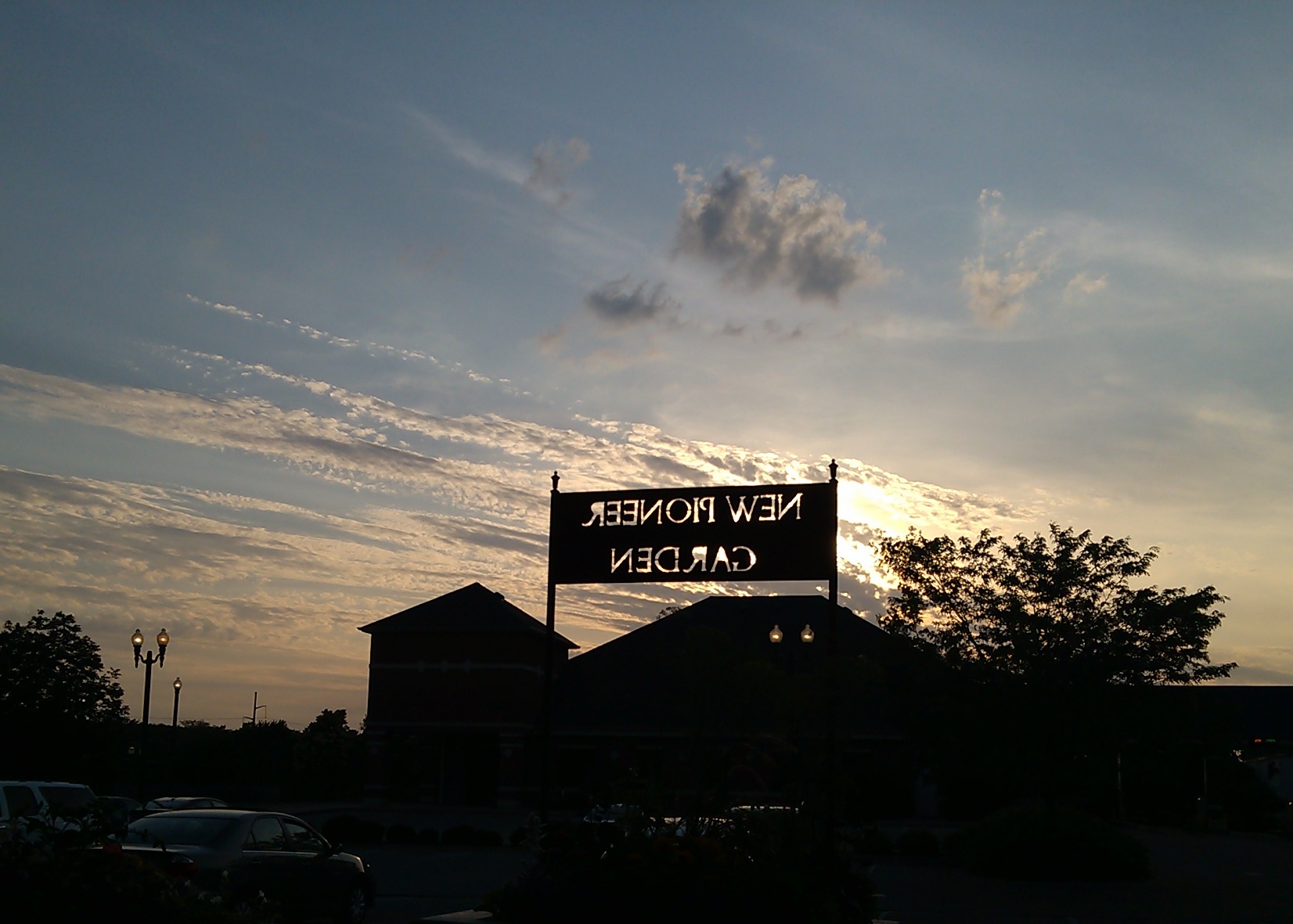
New Pioneer Garden
New Pioneer Garden Toward Sunset

LAKE MACBRIDE— Spring ended at the New Pioneer Food Co-op in Coralville where we did periodic shopping for specialty items. A man with a microphone attached to his ear was speaking to a group of wine-sippers on the mezzanine. His words drifted over the bakery, frozen food cases and rows of brightly packaged dry goods, barely audible. A few patrons shopped with carts, and after a while I went outside to wait on a bench for fulfillment of the trip— a month or more of supplies that can’t be purchased elsewhere.

A fly got into the house yesterday, signifying the invasion of insects. There were broccoli beetles at the farm on Wednesday, and something is eating the cucumber leaves in our garden. The small white butterflies continue to lay their eggs near the broccoli and Brussels sprout plants. A dash of chemicals would kill the pests off, but I don’t use them in the garden. Today’s activities will include identification of the cucumber pest and research on organic remedies. Summer’s struggle may not reach epic proportions, but the cucumber problem kept me awake last night. The pest control part of gardening is less exciting than harvesting.

Some rain fell last night, but not much. The wet spot on the driveway will soon evaporate, leaving what is expected to be a hot, dry day. There is a 30 percent chance of rain mid-afternoon, so here’s hoping it does rain. We don’t want another drought, and any rain would save watering.

Aaron Copeland’s “Appalachian Spring” is playing over the radio waves, a version conducted by Leonard Bernstein. Somewhere there is a cassette tape of the piece. It is one of my favorites and I listen to a version of it most springs— n informal ritual. The radio has moved on to “Blue Danube” by Johann Strauss. It must be a morning of popular favorites on the classical station.

A pot of pasta sauce is simmering on the stove. It was made with yellow and red onions, salt, finely minced garlic scapes, fresh basil, a quart jar of tomato sauce from last year’s garden, and a can of prepared tomato paste. It will make a lunch, so I had better get busy working up an appetite. Spring is over, and the hot, long work of summer begun.

Categories
Social Commentary

Grammar School No. 6

South Door
South Door

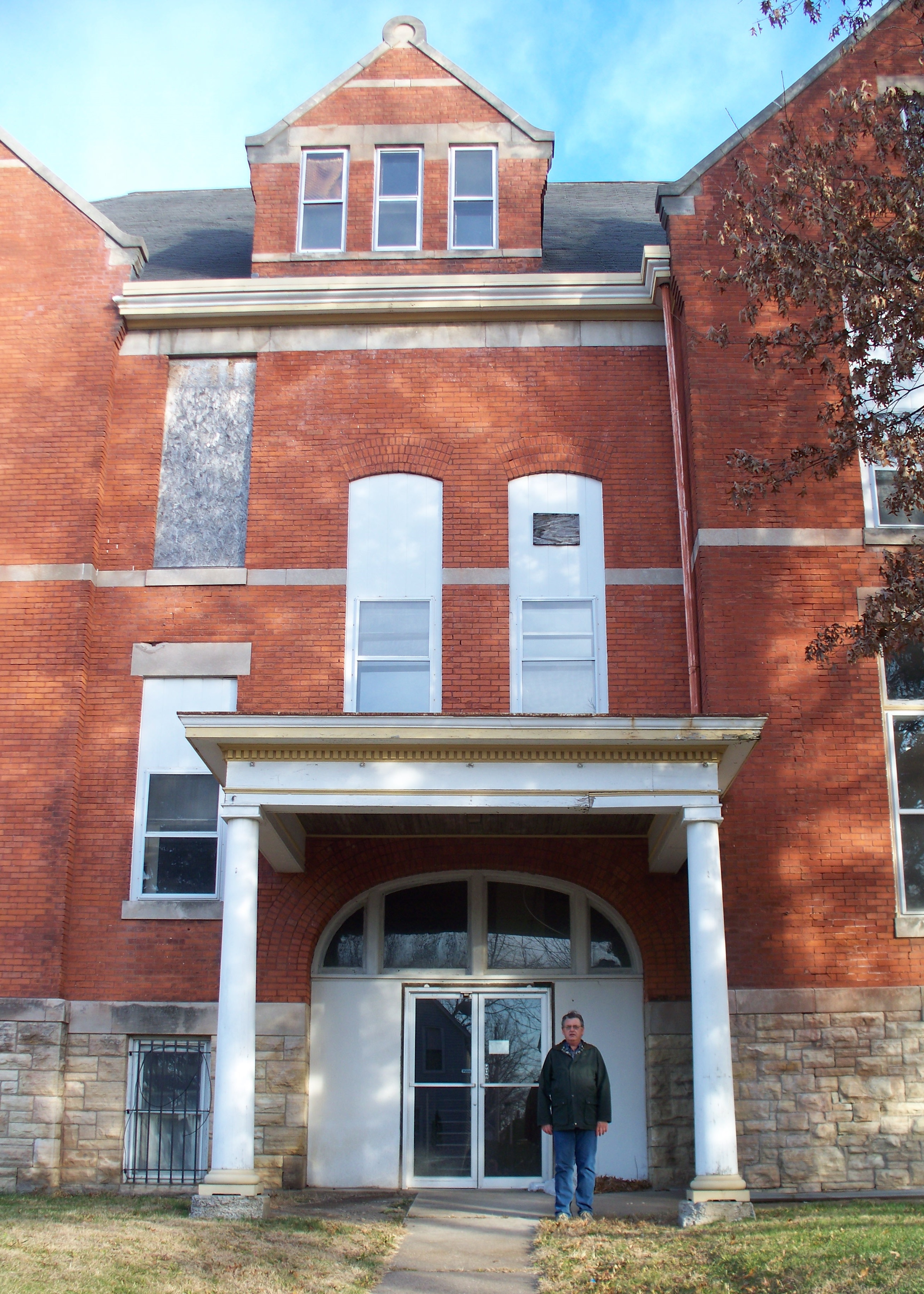
DAVENPORT— That the building at 1420 W. 16th St. was used as a Catholic grammar school, and housed a convent on the top floor, was air-brushed from the article in the Quad City Times reporting the building’s conversion to a senior living facility. One supposes the secular developers would have freaked if it were mentioned.

Its public history as Jackson School or Public School No. 6 was news from the article to me, although one never thinks to ask the history of a building as a grader. We were caught up in the existential reality of learning to read, operating a paper route, waiting turns to swing on the swing set, playing marbles, softball, red rover and four square in the playground, and figuring out how society worked. When I was last there, the building was abandoned— replete with broken windows in my former second grade classroom.

Grade School
Grade School

It was here I took piano lessons, plagiarized the encyclopedia for a report on Johannes Brahms, experienced Kennedy’s assassination, heard Charlotte’s Web read by the fourth grade teacher, lost my Baltimore Catechism, served Mass in the convent, sang songs from the play “The Sound of Music,” learned the Palmer method of handwriting, and spent some of the best days of my life with people I would come to know well. I finished sixth grade in the building, before moving to the new school on Marquette Street. It was the best of times. Times before society started chipping away at native instincts.

The conversion to senior living space is okay with me, although there is an unseemly side to the government money, without which the project would not likely move forward. The neighborhood has declined, and this island of new among the worn down homes seems out of place. Not my problem, I guess. The proposed rent is much higher than our budget would allow for an apartment.

J.P. Morgan Chase Bank N.A., the Renaissance Companies, and Baxter Construction Company will likely make out on the government backed deal. Private companies often know how to negotiate their profits, something government these days does not. At least the construction company is based in Iowa, keeping some of the money in-state.

Regardless of the building’s use going forward, it will always be a source of memories for me. Memories to be revisited from time to time as life brings me back to the old neighborhood.

Categories
Social Commentary

Getting Out

Tomato Cages
Tomato Cages

LAKE MACBRIDE— The last eight weeks have been a retreat from my recent life in society. Eschewing standing relationships, wrapped in a cocoon, endeavoring to earn money for the tax man, insurance companies and lenders, the universe of human contact has been reduced to a very small circle of family, close friends and work. I got out yesterday to attend a political meeting. It was a mixed bag.

On the positive side, I spent time with like-minded people I have known for a while, engaging in ideas and strengthening relationships. On the downer side, there is a lot of work to do to make social progress, and the voices heard often are the loudest, regardless of the efficacy of their arguments. My take-away was an unsettling feeling of cultural dissonance.

The droning of talking points— the would be muezzin called for prayer from a seat in the back of the room. Her schedule followed no holy book, her themes were less than holy— the whims and fancies of enthusiasms founded in self-identified diatribes. She leveraged the event to support her secular devotions. Absent another voice, it’s all those gathered would hear. We have to be an alternative voice to the vapid droning.

It cannot be that social progress can be made only by the affluent class, people that earn more than a living wage. But it takes an economic platform to be active in society— source of finance, a safety net. It is beyond the means of most people. Many struggle to achieve such a platform their entire lives, wrapped in a social cocoon, getting by as best they can.

We each feel a sense of dignity and worth that comes from our indigent circumstances. We live in a society that would suppress our native instincts and bend our will to meet the economic, social and political needs of others. We must resist with all of our strength, remaining true to ourselves.

There is a personal responsibility to contribute to social progress, and it is hard to do under any circumstances. After examining yesterday’s events, my conclusion is that I have to get out more.

Categories
Environment Social Commentary

Pelicans and Cranes

Crane at Mehaffey Bridge

LAKE MACBRIDE— The pelican migration is underway, and flocks of the white and black birds fly lazily— above our lakes and river— back and forth in a pattern I recognize, but can’t adequately describe. Pelicans appear here twice a year. I stopped during a trip to North Liberty to watch them fly near the construction site for Mehaffey Bridge.

I am leading a new life with my beater of a car. The radio has six preset buttons, of which four are set. I haven’t tested the cassette and CD players and listen mostly to a country station in Cedar Rapids owned by Cumulus Media. The music fits my new lifestyle, or seems to.

Country music on Cumulus gets me thinking. It is imbued with a certain familiar life, and while on a trip to work or to market, it is easy to suspend disbelief and listen. The songs are places where I don’t have to be me until Monday, people cope with loss as they drive your truck, and where “I found Jesus” rhymes with “I wrecked my first car. I tore it all to pieces.” Whether one likes the new country music or not, the snippets of reality are tangible, visceral the way manual labor is— stripping away the intellectual aspect of our lives. That may be the point of my predilection to hit number four on the presets most often— sometimes it is good to just stop thinking.
Consider the cranes. Man-made with engineering specifications that enable a reach four stories above the roadway to build the new bridge. They are built to fit the task, work from floating barges, and reach heights limited by design. Our lives today tend to be more like cranes than pelicans. Near these man-made lakes, we lean toward believing Bill McKibben, that we are at the end of nature. Except no one told the pelicans.

Beyond the fixed world of my used Subaru, with its country music tuner and enough life to keep me going for a while, are the flocks of pelicans, doing what pelicans do— part of which is inspiring us to believe there is more to life than what we find on main traveled roads needing an overhaul.