LAKE MACBRIDE— What is going on in Ferguson, Missouri, and around the country, over the Aug. 9 fatal shooting of Michael Brown, 18, by Darren Wilson, 28, and subsequent absence of grand jury indictments? Don’t ask. What I know is filtered by biased media—both corporate and social. The many people with whom I spent time in a real place yesterday simply didn’t mention the topic—not one time among hundreds of people.
What matters more than this emotionally charged incident is how we view people in the context of the society we construct among friends, neighbors, family and acquaintances over the course of time in a place. We create our own enclaves, and that’s where we live much of our lives, and deal with human diversity as best we can.
When a person has experienced ethnic diversity in countless settings, the tropisms regarding Ferguson make little sense. By framing Ferguson in terms of ethnic diversity, I am already opening myself up to criticism. So be it—that’s who I am and have been since my youngest days. In my defense, I tried to live the dream as best I could.
“I have a dream that my four little children will one day live in a nation where they will not be judged by the color of their skin, but by the content of their character,” Dr. Martin Luther King Jr. said.
It takes more than citing a quote to achieve justice.
The 2013 population of our county was estimated at 139,155 by the U.S. Census Bureau. The white, not Hispanic or Latino population was 81.6 percent, with 5.5 percent black or African-American, 5.5 percent Asian, 5.4 Hispanic, and two percent other categories. These are facts.
Most people I encounter have little cognizance of them. Neighbors whisper about what would happen to property values if a black family would move in. Among working poor, conversation is often about how “different,” and by implication unacceptable, the behavior of “foreigners” is. In the most rapidly-growing parts of the county, a homogeneous culture centered around church, school, family and work blocks out basic facts about ethnic diversity. In each scenario participants have built an enclave that by any definition includes palpable intolerance.
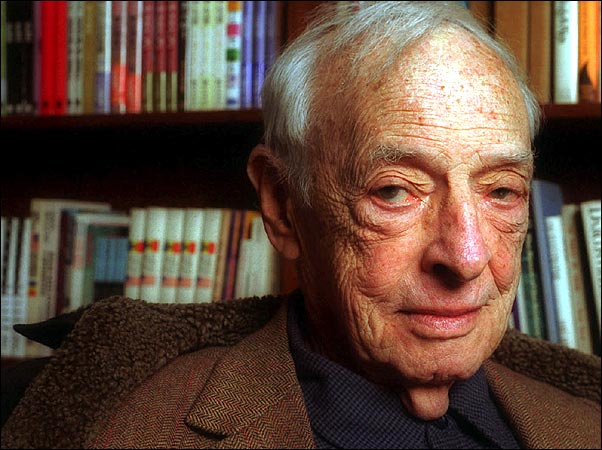
“I cannot exceed what I see,” 1976 Nobel laureate Saul Bellow said. “I am bound, in other words, as the historian is bound by the period he writes about, by the situation I live in.”
In terms of ethnic tolerance, the situations I call home are not the best. What’s a person to do?
At a minimum, intolerance should not be ignored. We must say something when its ugly face is raised in conversation. It’s not easy to do when a lot depends upon our continued interaction with people found in the places we live, learn, worship, shop and work. Nonetheless, we must confront intolerance personally and directly. We can all do more in that regard.
A great diversion is following incidents like those in and around Ferguson and asserting actions, opining in media, taking direct action. This is little more than a distraction from the work that must be done to challenge intolerance in the tight enclaves where we live our lives.
The work has begun for many of us. If there is a lesson from Ferguson, it is we must do better.

 Journey Home
You must be logged in to post a comment.