Categories
Kitchen Garden

Leek and Potato Soup

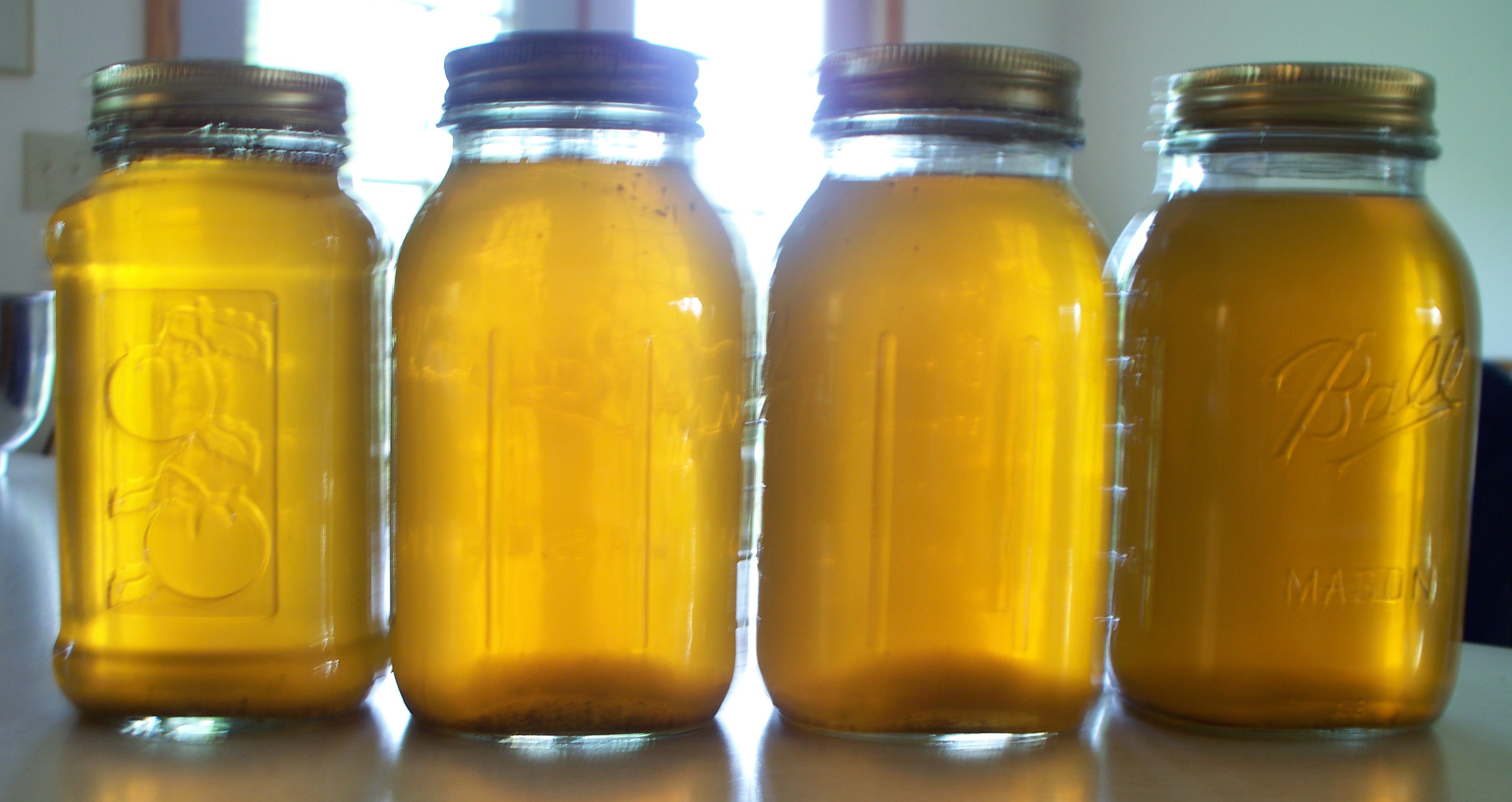
Canned Soup Stock
Canned Soup Stock

LAKE MACBRIDE— Leeks at the grocery store looked particularly good so I bought one to make leek and potato soup. Leeks make incredible soup stock, so I always look forward to this once or twice a year meal.

The ingredients for leek and potato soup are simple:

Stock

One large onion
Half cup diced celery (garden grown if you have it)
Three carrots peeled and cut into large chunks
Top of one leek rough chopped. Cut it just below where the leaves start to fan out. Be sure to get the dirt out from between the leaves.
Two bay leaves
Salt to taste
Eight cups of water

Soup

Aforementioned stock
One lunch bag full of potatoes, peeled and cut into bite-sized pieces
Remaining leek halved lengthwise and cut into thin ribbons and cleaned
Two celery stalks, medium dice
Two cups frozen cut corn

Partly this list is a lie. Some would skip the stock, boil the potatoes separately, reserving a cup of the cooking liquid. Saute the celery and leeks in a Dutch oven and add the cooked potatoes, corn, potato water and milk (evaporated, cream, or whatever) to cover. Heat slowly until fully warmed, but don’t scald the milk. Serve with freshly baked biscuits.

There is another way. Place the soup stock ingredients in a Dutch oven and bring to a boil. Turn the heat down and simmer until it’s soup. Strain the vegetables out, and put the stock back into the Dutch oven. Add the potatoes and leeks and enough water to cover. Bring to a boil, then turn the heat down to a simmer. Cook until the potatoes are fork tender and add the corn. Re-season. Bring the pot to temperature and serve with oyster crackers or freshly baked biscuits.

There are other ways to make this soup. The point of the story and recipe is that the leeks at the store looked good. I did something about that.

We have gotten too far from the natural instinct of creating from our found environment. Yes, the leeks may not have been grown in Iowa. The soup I made from them was, and that makes it local food.

A meal that was filling and tasty by any definition, cooked once or twice a year when the leeks look good in the store is culture that escapes us too often. Life is too short to let that happen.
Categories
Kitchen Garden

Winter Spread

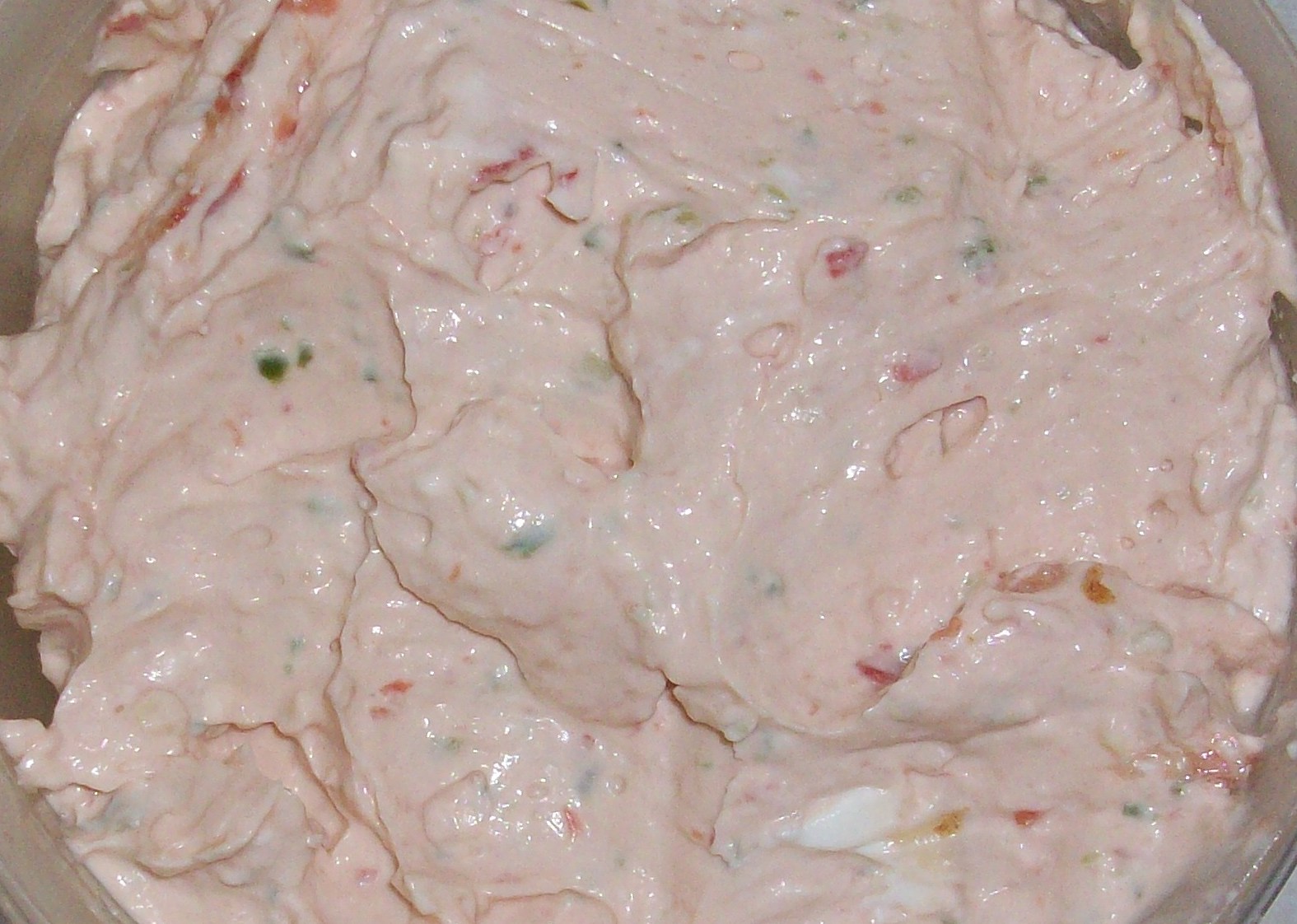
Serrano Tomato Garlic Spread

LAKE MACBRIDE— With approaching cold weather, and the year-end holidays, thoughts turn to entertaining and seasonal, celebratory fare. Spreads and on crackers today.

At the end of the garden there are bits and pieces: bell and hot peppers, tomatoes, kale, garlic and herbs. Today I made a spread for store-bought crackers like this.

Serrano Tomato Garlic Spread

8-ounce package of cream cheese at room temperature
One Serrano pepper thinly sliced
Large tomato cored and seeded
Two crushed cloves of garlic

Put the pepper, tomato and garlic in the bowl of a food processor and pulse until the pieces are uniformly sized.
Add the cream cheese and run for 30 seconds. Repeat until the spread is fully incorporated.

Serve on your favorite cracker, instead of mayonnaise on sandwiches, or on toasted bread.

Categories
Kitchen Garden

Braised Eggplant with Potatoes

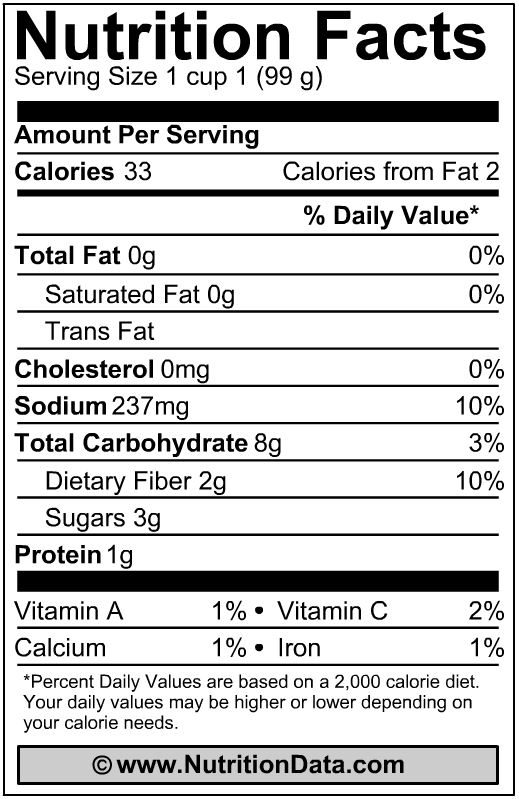
Eggplant Nutrition Data

LAKE MACBRIDE— What to do with all of the eggplant?

The image in this post is a bit of a protest because despite their colorful variation, eggplant is a vegetable that could be absent from life and few would notice. The fact is they are abundant, easy to grow and cheap at the market. Despite their limited nutritional value, they provide interest when they are in season. A saving grace in the deluge of summer abundance.

My repertory of eggplant dishes includes a recipe for eggplant Parmesan, ratatouille, a layered casserole using tomato sauce, zucchini, onions and other seasonal fare, and now braised eggplant with potatoes. Here’s the recipe that produced savory results.

Braised Eggplant with Potatoes

Ingredients

One pound of eggplant, cut into one inch chunks with the skin on
Two pounds small potatoes, halved
3-4 medium onions, medium dice
Quarter cup dried parsley (fresh if you have it)
One cup fresh basil, chiffonade
1-1/2 pounds seeded and chopped tomatoes (slicers or plum)
1/2 cup extra virgin olive oil
1-1/4 cups water plus 1/4 cup water
Salt to taste
4 tablespoons olive oil
4 tablespoons flour

Preparation

Soak the eggplant in water for 30 minutes

In a Dutch oven, combine the onion, tomatoes, parsley, 1/2 cup of extra virgin olive oil, 1-14 cups water and salt. Bring to a boil and cook over medium heat for 15-20 minutes. Add the potatoes and the rest of the water, and cook until the potatoes are fork tender, or about 20 minutes.

While the sauce is cooking, drain the eggplant and season it with salt to taste. Heat the 4 tablespoons of olive oil in a frying pan over high heat. Dredge the eggplant cubes in flour and fry until golden brown on all sides. When finished, place the cubes in a strainer so excess oil will run off.

Add the eggplant to the potatoes and sauce, stir, cover and cook another ten minutes or so. Turn off the heat and leave the pot on the stove until ready to serve or store.

The dish serves well hot, warm or at room temperature.

Categories
Kitchen Garden

Cowboy Caviar

Cowboy Caviar
Cowboy Caviar

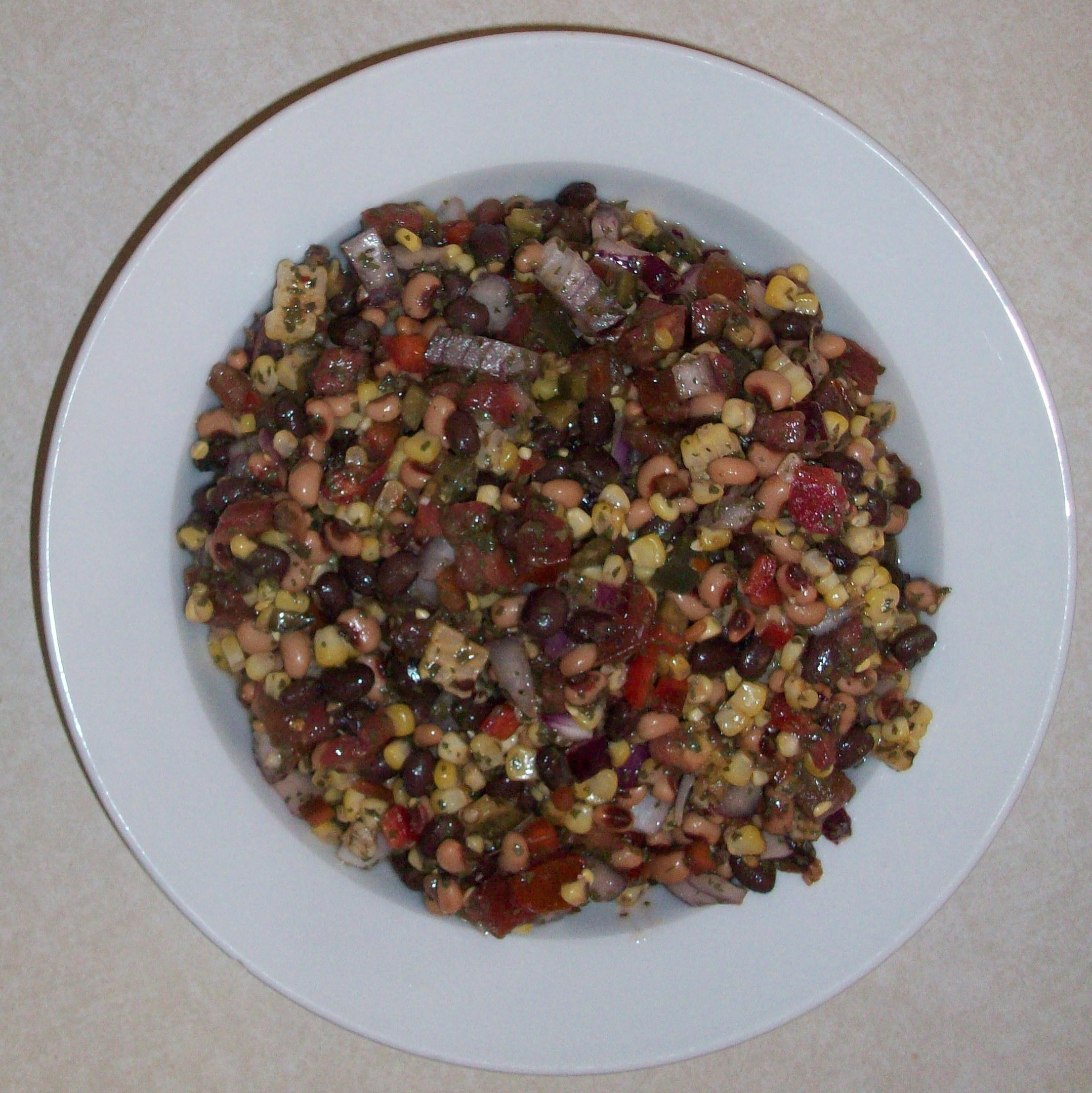
Cowboy caviar is a fancy name for a simple mixed salad of beans, peppers, tomatoes, corn and other summer goodness. There is no good reason to purchase this salad ready-made from a store, as it is easy to make at home.

Ingredients

1 – 15.5 ounce can black beans, drained
1 – 15.5 ounce can black-eyed peas, drained
1 – 15.5 ounce can of diced fresh tomatoes
2 cups cooked sweet corn
1 small red onion, finely diced
1/2 cup pickled jalapeno peppers, finely diced
1 cup home made oil and vinegar dressing (or what you like)
3/8 cup dried cilantro leaves
Garlic salt to taste

Add the ingredients to a bowl, toss gently and season with the garlic salt. Refrigerate an hour or more before serving to let the flavors combine.

Categories
Kitchen Garden

Summer Soup with Turnips

Front Moving In
Front Moving In

LAKE MACBRIDE— The rain has been less than normal according to the state climatologist.

The three spring months of March, April and May averaged 45.5° or 2.8° below normal while precipitation totaled 8.82 inches or 1.40 inches less than normal. This ranks as the 32nd coolest and 68th driest spring among 142 years of record. This season was uneventful compared to the two previous springs with 2012 setting a record for warmest spring and 2013 being the wettest on record.

Plants in the garden, including weeds, seem to be thriving, despite the news.

Turnips
Turnips

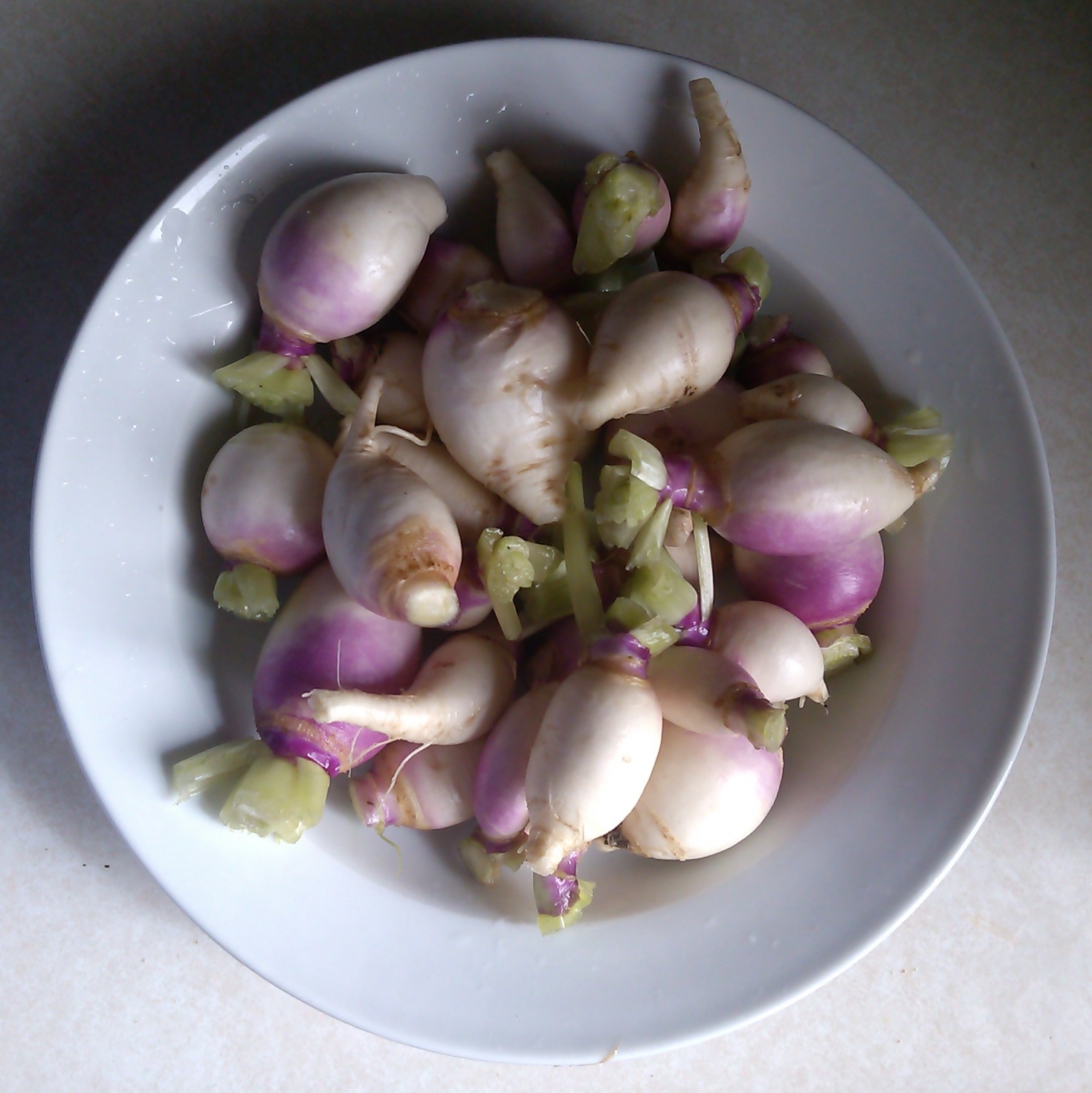
With the recently referenced turnip harvest, it became time to make summer soup. Here are some basic directions, however soup doesn’t have many rules, so readers should feel free to add what’s fresh, going bad and available.

Peel and slice a bowl of spring turnips into 1/8-inch rounds and place into the bottom of a Dutch oven. Pour a quart jar of soup stock on top and turn the heat to high.

Peel and cut two large carrots into rounds, dice a stalk of celery and an onion and add them to the pot.

Roughly chop cooking greens and add.

Drain and wash one can prepared black beans, and add.

When the liquid comes to a boil, add a quarter cup pearled barley. Add dried chervil leaf, dried bell peppers  and three bay leaves. Salt and pepper to taste.

Add a quart of canned tomato juice and more soup stock to cover.

After coming to a boil, reduce the heat to a slow simmer and put the lid on, stirring occasionally.

Serve on a bed of rice or with crackers.

Categories
Kitchen Garden

Kale and Garlic Scape Pesto

Garlic Scapes
Garlic Scapes

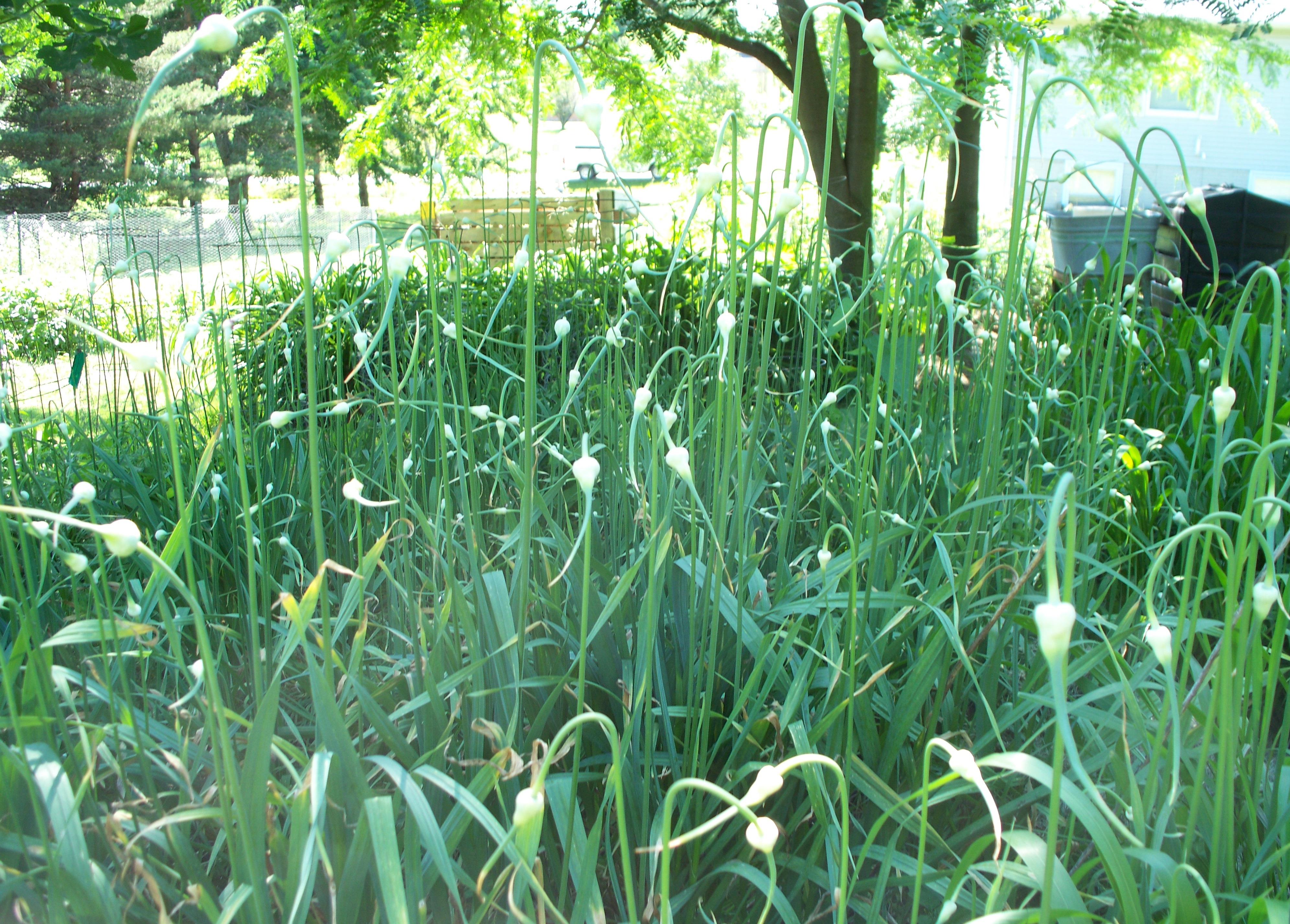
LAKE MACBRIDE— There were big coolers full of garlic scapes and kale available at our CSA pickup point this week. It’s time to make:

Kale and garlic scape pesto

2 cups garlic scapes cut into thin slices
8-10 leaves kale, stems removed and rough chopped to make processing easier
2/3 cup toasted walnuts
Extra virgin olive oil
 to achieve desired texture (1 to 1-1/2 cups)
1 cup grated Parmesan cheese
Salt and pepper to taste

Place scapes, kale, and nuts in the bowl of a food processor and grind until well combined and somewhat smooth but not completely pureed. Slowly drizzle in oil and process until desired texture is achieved (hint: not too much). Empty the contents into a mixing bowl and add cheese, salt and pepper to taste. Put it into small canning jars and keep one in the refrigerator and freeze the rest.

Categories
Kitchen Garden

Getting Sauced

Apple Blossoms
Apple Blossoms

LAKE MACBRIDE— A friend was coming to overnight, so I baked a cake— an applesauce cake with rhubarb sauce.

The challenge of growing and preparing local food is cooking, and I don’t mean heating up the latest frozen concoction from H.J. Heinz. It is understanding what types of fruit and vegetables can be consistently sourced locally, then working those items into a localized cuisine— a micro cuisine specific to a household.

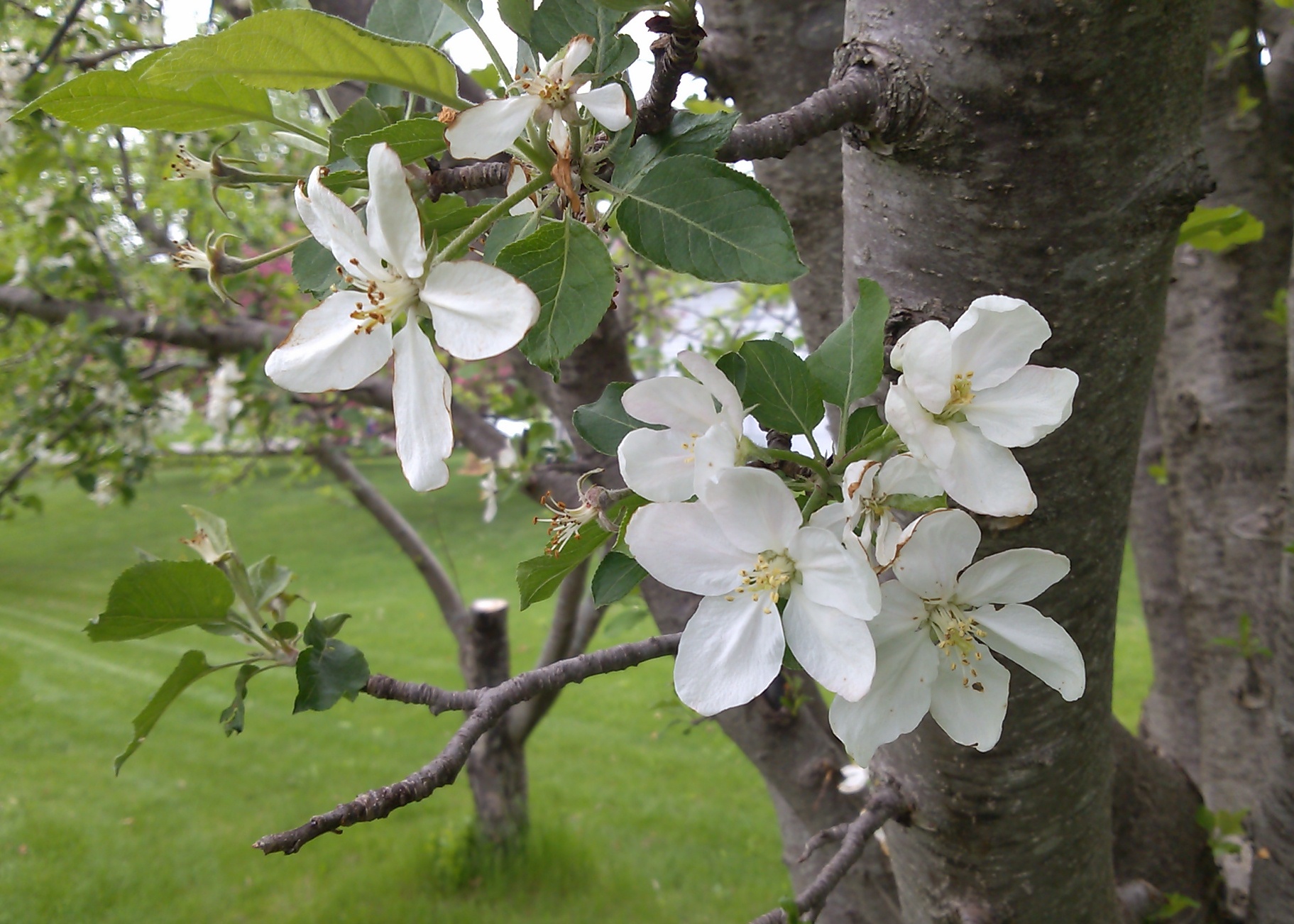
For example, we have four apple trees, and at some point we stopped letting them fall for wildlife and started processing them into food. Among other things,  I make applesauce— quarts and quarts of it— from the Red and Golden Delicious apples grown on our trees. Are Red Delicious the optimal choice for applesauce? Probably not, but they are what we have.

Over the years I developed two critical things: a recipe for applesauce cake as a way to use up the abundance of canned sauce; and occasions like the visit of a friend to prepare and serve them. Both are important.

This spring we received an abundance of rhubarb from the CSA, so we needed a way to use it. A bag or two from last year is in the freezer, so we don’t need more there. Nor do we dip it in sugar and eat it raw, so I decided to get sauced, making a simple rhubarb and raw honey sauce to top slices of applesauce cake. The recipe is simple cutting, mixing and tasting.

Rhubarb Sauce

Finely dice a large bunch of rhubarb stalks and place into a saucepan.
Add a tablespoon of water to create the initial steam. The rhubarb will produce a lot of its own moisture, so much that most of it can be removed before adding the honey.
Add a generous amount of local honey to the cooking rhubarb. I used raw honey from the same farm where the rhubarb grew.
Stir until it is incorporated, bring to a boil, and then turn the heat to a simmer and cook. Taste the sauce and adjust honey. No spices are needed, but feel free to add if you like. The rhubarb-honey taste will carry the sauce as it is served.
Cook until the sauce thickens a bit. Serve hot or chilled.

Applesauce Cake

1 cup brown sugar
1-1/2 cups applesauce
1 tablespoon cinnamon
1/2 teaspoon ground cloves
2 teaspoons baking soda
1-1/4 cups whole wheat flour
1-1/4 cups unbleached flour
1/2 cup melted butter
1 cup raisins

Cook the raisins in water until plumped. Drain and set aside.
Incorporate applesauce, sugar, cinnamon, cloves and butter in a large bowl.
Sift the flour and raisins into a separate bowl and add the raisins. Stir until the raisins are coated with flour.
Add the dry ingredients to the wet ones and beat well until fully incorporated.
Line a cake pan with parchment paper and pour the cake batter in.
Bake in a 350 degree oven for 45 minutes.
Place the cake on a cooling rack.

Serving suggestion. Cut a 1-1/2 inch wedge and place on a small plate. Pour 1/4 cup rhubarb sauce on top and serve. Add whipped cream if you like, or decorate the plate with fresh fruit.

Categories
Kitchen Garden

Farfalle Fun with Baby Bok Choy

Saints Peter and Paul

LAKE MACBRIDE— Jaime Oliver and Gennaro Contaldo taught me to make pasta without tomato sauce. The two television chefs went searching around London for wild rocket, brought it to Oliver’s kitchen, and made a simple pasta dish with it. That local greens could be the beginning of a pasta dish was a new idea I am adopting into my cooking.

We have an abundance of baby bok choy from the CSA and a large bag of leaves separated from the stems was the starting point for last night’s dinner.

Ingredients: a bread bag of roughly chopped baby bok choy leaves, three full heads of garlic peeled and sliced thinly, bits and pieces of aromatic vegetables leftover from salad making (carrot and bell pepper), a cup of grated Parmesan cheese, a half pint of last summer’s pesto thawed from the freezer, a roughly chopped large onion, and salt and pepper to taste.

Process: Bring a pot of water to boil for the farfalle. While the water is heating, perform the chopping work: rough chop a large onion, dice the carrot and bell pepper, rough chop the greens and peel and slice the garlic heads. This is a lot of garlic, and our kitchen has two dozen from last year needing to be used up before the spring garlic comes in.

In a large frying pan sauté the onions and carrots in olive oil. Add salt. Add the bell pepper next and when the onions begin to soften, add the sliced garlic, stirring to prevent the garlic from burning. Once everything is soft, add the baby bok choy leaves, turn down the heat and cover to let them wilt. Take the pan off the heat and let it rest until the pasta is done.

Drain the farfalle and put it in a large bowl. Add the cooked greens mixture, half a pint of pesto and a cup of grated Parmesan cheese. Mix gently with a spoon and serve, adding freshly ground pepper on top, and salt to taste.

Notes: The greens mixture is a form of mirepoix, and my ingredients were chosen because they were on hand: the operative principle in this local food dish. Farfalle is used because of the broad surfaces for the sauce to adhere. Most other forms of dried pasta would work well. Last summer I made and froze three different kinds of pesto based on what was coming from my garden. Any pesto would be fine in this dish. Other ingredients to consider would be pine nuts, fresh herbs, leeks or shallots.

Categories
Kitchen Garden

Pantry Pasta Sauce

Pantry Shelf
Pantry Shelf

LAKE MACBRIDE— Dressing pasta is a culinary practice with so many variations, it is difficult to justify a single recipe over others. It is a matter of taste, available ingredients and tradition, so far be it from me to set anything in stone.

Prepared pasta sauce— the industrial food kind— is available at warehouse clubs and grocery stores, but it is hard to imagine ever bringing a jar home when it is so easy to make it in the kitchen. Here’s how.

Drain a quart of canned whole tomatoes in a colander, reserving the liquid.

Heat a skillet on medium high heat and coat the bottom with extra virgin olive oil. Use the best oil you have.

Dice a medium onion according to preference and sautée in the heated oil.

Season with salt and pepper.

Mince five cloves of garlic and add to the pan. Cook until the onions are translucent. Don’t let the garlic burn.

Season with dried oregano and basil, fresh if you have it.

Add six ounces of tomato paste. Stir and heat until you can smell the tomato.

Add the drained whole tomatoes, chopping them with the edge of a spoon while stirring the mixture.

It is optional to add protein at this point. We use Morningstar Farms® Recipe Crumbles, although browned ground beef, pork, chicken, tofu, seitan or others could be substituted.

Once the ingredients are thoroughly incorporated, add the reserved tomato juice until the sauce has the desired fluid characteristics. Store any leftover juice in a jar in the ice box, or drink it.

Adjust seasoning.

Turn the heat to low and and simmer until the pasta is cooked.

Makes four generous servings.

Categories
Home Life

Another Winter Storm

Seeds Have Arrived
Seeds Have Arrived

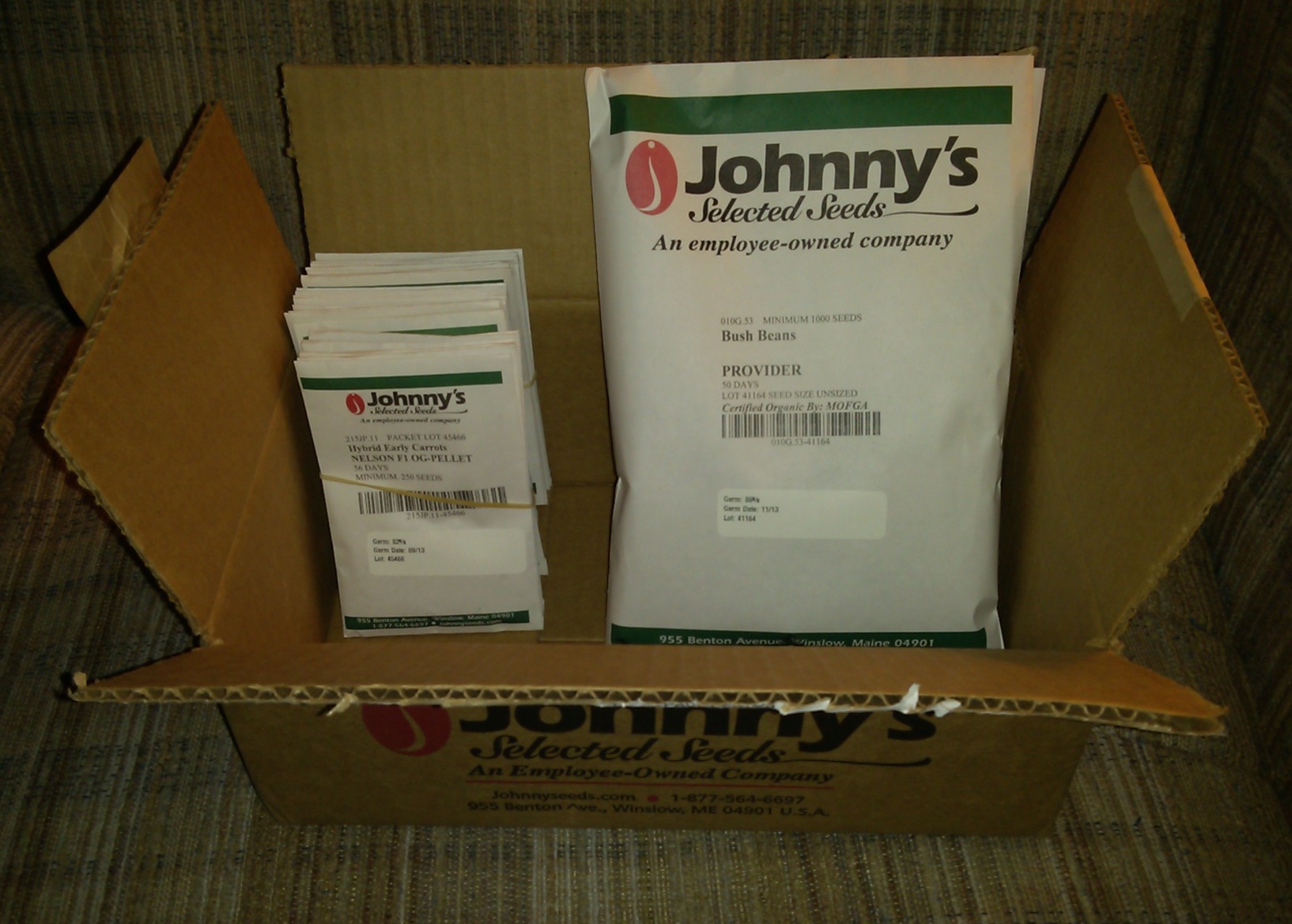
LAKE MACBRIDE— People have been talking about the coming storm like they never experienced an Iowa winter. Yes, we should be safe… but what else? On wintery days, I drive Jacque in to work so she doesn’t have to broom the snow from her automobile after her shift. While back at home waiting, I’ll make a dinner to be heated up when she returns, and begin garden planning. There are about 50 kinds of seeds including 36 purchased this year to be plotted out on a chart, but first, dinner.

Pecos Pasta
Pecos Pasta

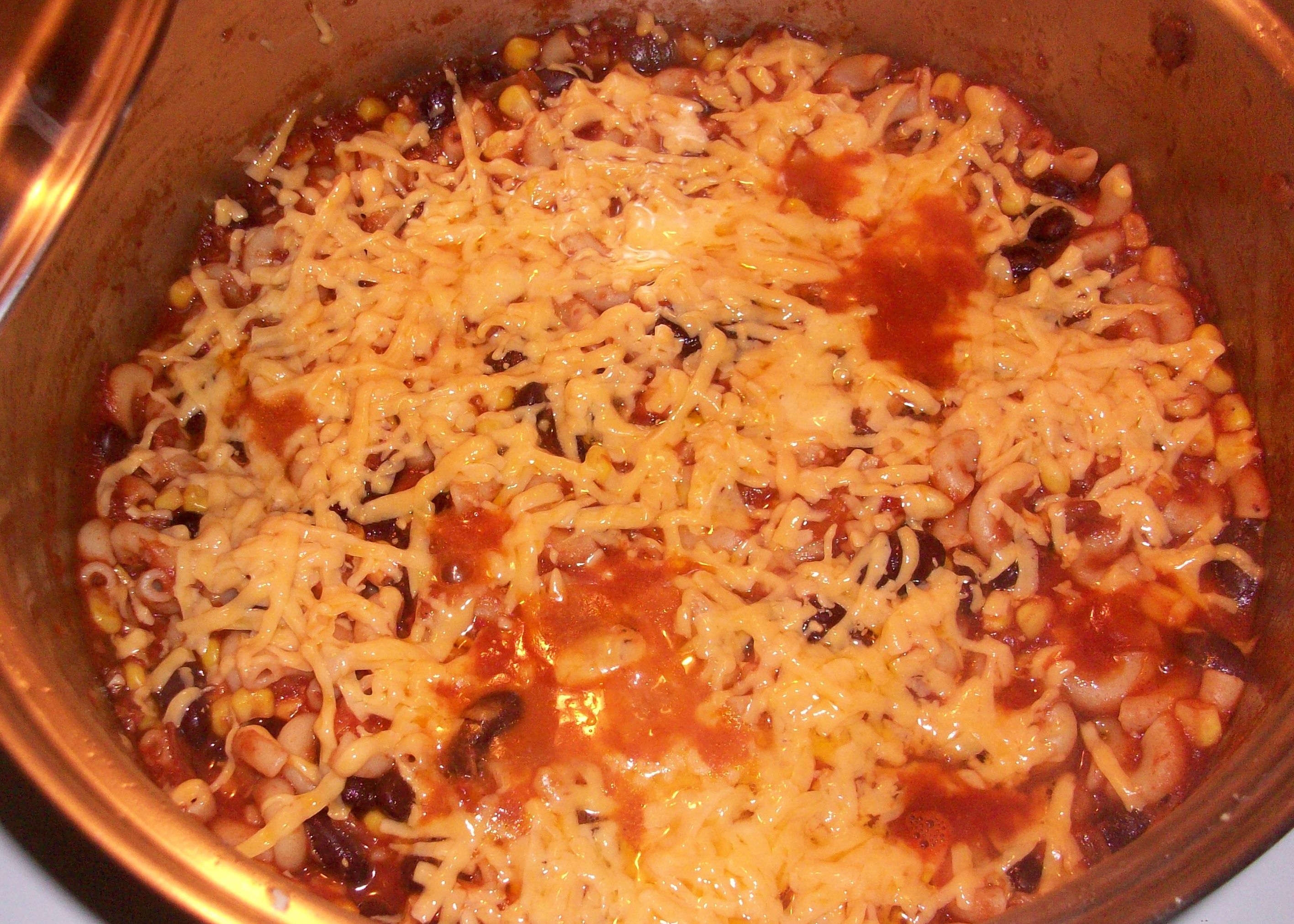
We make chili in big batches. To use some of the leftovers, we make a dish called Pecos Pasta. It is simple. Take a cup of dried elbow macaroni and prepare according to the instructions. Drain the noodles and pour back into the pot. Add one quart of leftover chili, one cup frozen cut corn, and heat until the mixed begins to boil. Turn the heat down to low simmer, and top the dish with shredded sharp cheddar cheese. Cover with a lid and heat thoroughly until the cheese melts.

I’ll drink a beer with Pecos Pasta when we have them, but last year’s case is long gone, so water will suffice (Note to self: put a quart of cider in the refrigerator). A quick and tasty meal that satisfies as the wind howls outside.

Only two dates are sacrosanct in our garden: March 2 and July 25. The former is when “Belgian lettuce” is planted, or as soon as the ground can be worked thereafter. The idea is to broadcast last year’s leftover lettuce seeds and see what germinates. I don’t know why it is called Belgian, except that’s what my maternal grandmother called it. The latter date is when to plant the fall crop of turnips. In our garden, turnip greens are a primary crop used to make soup stock by the gallon. Besides those dates and crops, everything else need looking up and planned. There is plenty of work to keep me busy until the end of her shift.

This morning I began working on our income taxes, and it looks like we sent in enough early payments last year to receive a small refund. I report all of our income and pay taxes on it— some don’t, but I do. As a self employed writer and farm worker, my business tax rate is 15.3 percent of 92.35 percent of income. For example, if I earn $1,000 dollars, the tax rate applies to $923.50 and amounts to $141.30, or 14.13 percent of the total.

The Internal Revenue Service began doing this to capture people who work like employees, but are considered to be independent contractors by the company from whom they are compensated. Seems to me they could be chasing some of those corporations who make the big bucks and pay no taxes instead of folks like us trying to get by. In the end, our overall federal tax rate, including the business tax, was 4.7 percent of total income, so not much to complain about here. It is well worth it to participate in our society.